
Hair Transplant Cost Turkey: Everything You Need to Know in 2026
Turkey Hair Transplant Cost Estimator (2026) Calculate your estimated all-inclusive package price based on your requirements. Select Technique: Standard FUE ($2,200)Sapphire FUE ($2,600)Micro DHI ($3,200)VIP Luxury DHI ($4,000) Estimated Grafts Needed: 3,000 Grafts Upgrade to 5-Star Luxury Hotel & VIP Care (+$400) Estimated All-Inclusive Package: $3,000 Includes surgery, hotel stay, VIP transfers, and medications. Claim This Price via WhatsApp Losing hair can feel like losing a piece of your identity, but for many Malaysians, the “recession” isn’t just about the hairline—it’s about the wallet. While local options are growing, the hair transplant cost Turkey remains the gold standard for those seeking world-class results without the heart-stopping price tag. While the hair transplant cost Turkey is enticing, GLOJAS Specialist Clinic offers Malaysians expert-led, award-winning hair restoration locally, eliminating travel stress with superior graft survival and world-class results. Overview of Hair Transplant in Turkey Why Turkey Is a Global Leader in Hair Transplants Turkey has cemented its spot as the world’s hair restoration capital. With over 500,000 procedures performed annually, Turkish surgeons often have more experience in a single month than some Western doctors gain in a year. The ecosystem is entirely built around medical tourism, combining advanced medical protocols with legendary Turkish hospitality. Popular Hair Transplant Techniques Offered in Turkey You won’t find outdated methods here. Most clinics now focus on: FUE (Follicular Unit Extraction): The “bread and butter” of hair restoration, involving individual graft harvesting. Sapphire FUE: Using blades made from gemstone for smaller incisions and faster healing. DHI (Direct Hair Implantation): Utilizing a Choi Implanter pen for high-density results without pre-made channels. Benefits of Choosing Turkey Over Other Countries Beyond the 70% to 80% cost savings compared to Europe or the US, Turkey offers “all-inclusive” ease. Most packages cover your 5-star hotel, VIP transfers, and post-op care. For a Malaysian traveler, this means zero logistical stress once you land in Istanbul. Hair Transplant Cost in Turkey (2026 Updated) Average Price Range for FUE, DHI & FUT In 2026, Turkish clinics have shifted toward transparent, fixed-pricing models. You aren’t usually charged “per graft,” which prevents surgical surprises. FUE/Sapphire FUE: $1,800 – $4,500 (approx. RM7,900 – RM19,800) DHI (Direct Hair Implantation): $2,500 – $6,000 (approx. RM11,000 – RM26,400) FUT (Strip Method): Rare, but starts around $1,500 (approx. RM6,600). What’s Included in the Cost Most reputable clinics provide a “Full Package”: The actual surgical procedure (max grafts). 3 nights in a 4-star or 5-star hotel. Private airport and clinic transfers. Post-op medications, shampoos, and lotions. Initial PRP (Platelet-Rich Plasma) therapy to jumpstart growth. Hidden or Optional Fees to Expect While “all-inclusive” is the norm, watch out for: Exosome Therapy: A premium 2026 add-on for faster healing (approx. $500). Sedation: Some clinics charge extra for “painless” anesthesia. Extra Nights: If you want to explore the Hagia Sophia a bit longer. Hair Transplant Cost Turkey Comparison for Malaysians Hair Transplant Cost Turkey Vs. Malaysia In Malaysia, a quality FUE procedure can range from RM15,000 to RM40,000 depending on the graft count. While local care is excellent, Turkey’s package deals—which include luxury accommodation—often come out significantly cheaper even after adding flight costs. Cost Comparisons With Other Medical Tourism Destinations Destination Avg. Cost (USD) Saving vs. USA/UK Turkey $1,800 – $4,500 Up to 80% Thailand $3,500 – $7,500 50% – 60% South Korea $6,000 – $14,000 30% – 40% Value for Money: Savings and Quality Analysis According to the International Society of Hair Restoration Surgery (ISHRS), the best value isn’t just the lowest price, but the survival rate of the grafts. Turkey’s high volume has led to specialized “boutique” clinics that offer better success rates than many expensive general plastic surgery centers in other countries. Factors That Affect Hair Transplant Pricing Clinic Reputation and Surgeon Experience “Hair mills” (high-volume, technician-only clinics) are cheaper but risky. Premium clinics led by ABHRS-certified surgeons will naturally charge a higher premium for their expertise and oversight. Technique, Graft Count & Hair Type DHI is more labor-intensive and requires specialized tools, making it pricier than standard FUE. Similarly, complex cases like Afro-textured hair transplants require specialized extraction skills, which may influence the final quote. Location and Facility Standards Clinics in central Istanbul or those within JCI-accredited hospitals tend to have higher overheads—and higher safety standards—than smaller suburban clinics. How to Choose the Right Hair Transplant Clinic in Turkey Accreditation, Certifications & Safety Standards Look for the Joint Commission International (JCI) seal of approval. This ensures the facility meets rigorous global healthcare standards for hygiene and patient safety. Before & After Results to Review Don’t just look at Instagram. Ask for high-resolution, unedited photos of patients with similar hair loss patterns (e.g., Norwood Scale 3 or 4) to yours. Reviews and Testimonials From Malaysian Patients Join Facebook groups or forums like Lowyat to find fellow Malaysians who have made the trip. Real-world feedback on the flight experience and “halal” food options in Istanbul can be invaluable. Travel and Logistics for Malaysian Patients Flights, Visa Requirements & Travel Time Visa: Good news! Malaysian passport holders do not need a visa for stays up to 90 days in Turkey. Flights: Turkish Airlines and Qatar Airways offer great connections from KUL to IST. Expect a 11-13 hour journey. Validity: Ensure your passport is valid for at least 150 days upon entry. Accommodation and Recovery Stay Options Most packages include stays in areas like Şişli or Beşiktaş. These are central, safe, and close to both clinics and great dining options. Transportation and Local Support Services Your package usually includes a “VIP Transfer”—a private van that shuttles you between the airport, hotel, and clinic. Most clinics also provide a 24/7 WhatsApp host who speaks English or Malay/Indonesian. Financing, Payment & Insurance Payment Methods Accepted by Turkish Clinics Cash is king in Istanbul (usually USD or EUR), and many clinics offer a 5-10% discount for cash payments. Credit cards are widely accepted but may incur a 3% surcharge. Financing Plans and Medical Loans Most Turkish clinics do not offer direct financing to international patients. However, many Malaysians utilize
Dutasteride Malaysia: Uses, Benefits, and Side Effects Explained
💊 Dutasteride Malaysia: Key Information Guide Click an option below to learn more about uses, benefits, or important considerations: 📋 Primary Uses ⭐ Key Benefits for Hair ⚠️ Side Effects & Safety 📋 Primary Uses of Dutasteride Medical Indication: Dutasteride is clinically prescribed to treat benign prostatic hyperplasia (BPH) and is widely used off-label to treat male pattern baldness (androgenetic alopecia). Mechanism: It works as a dual 5-alpha-reductase inhibitor, blocking the conversion of testosterone into DHT (dihydrotestosterone). Have questions about hair loss treatments or medical prescriptions available in Malaysia? 💬 Chat via WhatsApp Dutasteride is a prescription medication that has gained significant attention for its effectiveness in treating male pattern baldness (androgenetic alopecia) and conditions related to the hormone dihydrotestosterone (DHT). Originally developed for benign prostatic hyperplasia (BPH), Dutasteride works by reducing DHT levels in the body, which can slow hair loss and promote regrowth. What is Dutasteride? Dutasteride is a potent 5-alpha reductase inhibitor used to treat benign prostatic hyperplasia (BPH) and androgenetic alopecia. By blocking both Type I and Type II enzymes, it significantly reduces dihydrotestosterone (DHT) levels. This helps shrink an enlarged prostate, improve urinary flow, and effectively stimulate hair regrowth in men. Generic Name: Dutasteride Brand Names: Avodart, Avolve, and generic alternatives Drug Class: 5-alpha-reductase inhibitor Approved Use: Benign prostatic hyperplasia (BPH) Off-label Use: Hair loss treatment in men How Dutasteride Works for Hair Loss Hair loss caused by genetics is often linked to high DHT sensitivity in hair follicles. DHT miniaturizes hair follicles over time, leading to thinning and eventual balding. Dutasteride reduces DHT levels by over 90%, compared to Finasteride which lowers it by about 60–70%. This makes Dutasteride a more powerful option for: Slowing progression of male pattern baldness Increasing hair thickness and density Maintaining long-term hair growth results Medical Uses of Dutasteride 1. Benign Prostatic Hyperplasia (BPH) Relieves urinary symptoms caused by an enlarged prostate Prevents complications like urinary retention Reduces the need for prostate surgery 2. Male Pattern Baldness (Androgenetic Alopecia) Prescribed off-label for men experiencing significant hair thinning Often considered for those who did not respond well to Finasteride 3. Other Investigational Uses Studied for female hair loss (with limited evidence) Potential in managing certain hormonal disorders (still under research) Dutasteride vs. Finasteride: Which is Better? Feature Dutasteride Finasteride FDA Approval for Hair Loss ❌ (off-label) ✅ DHT Suppression ~90% ~60–70% Half-life 4–5 weeks 5–6 hours Effectiveness Stronger, more consistent Effective but moderate Side Effects Slightly higher risk Lower risk 👉 If maximum DHT reduction is the goal, Dutasteride is more effective. However, Finasteride is officially approved for hair loss and may be a safer first step. Dosage and Administration Typical Dose for BPH: 0.5 mg daily Hair Loss (Off-label): 0.5 mg daily (some studies suggest 3x per week may still be effective) Duration: At least 6–12 months for visible results Consistency: Important to take regularly for sustained benefits Side Effects of Dutasteride Like any medication, Dutasteride has potential side effects, though not everyone experiences them. Common Side Effects: Reduced libido Erectile dysfunction Decreased semen volume Less Common Side Effects: Gynecomastia (breast tenderness in men) Depression or mood changes Allergic reactions (rash, swelling) Long-Term Considerations: DHT plays a role in male sexual health—long-term suppression may cause persistent effects in rare cases. Always consult a board-certified doctor before starting Dutasteride. Who Should Avoid Dutasteride? Women who are pregnant or breastfeeding (can cause birth defects in male fetuses) Children and adolescents Men with liver disease without medical supervision Those allergic to Dutasteride or similar drugs Dutasteride and Hair Transplant Combination For men undergoing hair transplant surgery, Dutasteride is sometimes prescribed post-procedure to preserve non-transplanted hair and enhance results. Studies suggest that combining surgical and medical approaches leads to superior long-term density. Dutasteride in Malaysia and Asia Dutasteride is increasingly popular in Malaysia, Singapore, South Korea, and Japan as part of advanced hair restoration programs. Although used off-label, many specialists prescribe it under close monitoring. Natural Alternatives to Dutasteride For individuals concerned about side effects, some natural DHT-blockers are available: Saw Palmetto Pumpkin Seed Oil Green Tea Extract Zinc ⚠️ While these may support scalp health, they are not as effective as prescription medications like Dutasteride. Conclusion Dutasteride is a powerful treatment option for hair loss and prostate enlargement, offering stronger DHT suppression than Finasteride. However, it comes with higher risks and should only be used under medical supervision. For men struggling with advanced hair loss, Dutasteride can be a game-changer—especially when combined with other therapies. FAQs About Dutasteride 1. Is Dutasteride safe for long-term use?Yes, but it should be monitored by a doctor, as long-term DHT suppression can cause persistent side effects in rare cases. 2. How long does it take for Dutasteride to show results for hair loss?Most patients notice improvements after 6–12 months of consistent use. 3. Can women use Dutasteride for hair loss?It is not recommended for women, especially during pregnancy, due to risk of birth defects. 4. Is Dutasteride better than Finasteride for hair loss?Yes, Dutasteride suppresses more DHT and is often more effective, but Finasteride is safer as a first-line treatment. 5. Do I need a prescription for Dutasteride?Yes. It is a prescription-only medication and should be taken under a doctor’s supervision.
Shampoo Untuk Rambut Gugur Terbaik: Pilihan Di Drugstore Dan Farmasi
✨ Cari Shampoo Drugstore Yang Sesuai Untuk Anda? Pilih masalah utama kulit kepala anda di bawah untuk ketahui jenis syampu farmasi yang paling disyorkan: 💧 Berminyak & Kelemumur 🔥 Rambut Rapuh ⚠️ Keguguran Teruk Cadangan Syampu: Formula Kawalan Sebum & Zink Pyrithione Sesuai untuk membersihkan liang pori tersumbat akibat minyak berlebihan yang melemahkan akar rambut. Boleh didapati di Watsons atau Guardian berhampiran. 📲 Dapatkan Konsultasi Percuma via WhatsApp Cadangan Syampu: Formula Pengukuhan Keratin & Biotin Membantu membaiki struktur batang rambut yang rapuh akibat pewarnaan atau haba, mengelakkan rambut daripada mudah putus. 📲 Dapatkan Konsultasi Percuma via WhatsApp Cadangan Syampu: Formula Anti-Hair Fall & Pengaktif Akar Rambut Fokus untuk merangsang peredaran darah pada kulit kepala serta menguatkan pegangan akar rambut pada fasa pertumbuhan. 📲 Dapatkan Konsultasi Percuma via WhatsApp Shampoo untuk rambut gugur terbaik di drugstore (Watsons & Guardian) ialah produk yang mengandungi bahan pengaktif akar seperti kafein, biotin, dan ginseng untuk menguatkan folikel. Bagi kulit kepala berminyak, pilih formula bebas silikon. Untuk kulit sensitif, pilih syampu bebas sulfat (SLES/SLS) bagi mengurangkan iritasi, merawat akar rambut, dan mengatasi masalah rambut gugur dengan berkesan. Masalah rambut gugur boleh menjejaskan keyakinan diri, tidak kira lelaki mahupun wanita. Lambakan produk di pasaran kadangkala membuatkan kita keliru mencari rawatan rambut gugur yang paling sesuai. Sebenarnya, anda tidak perlu berbelanja mahal untuk slot rawatan di salun eksklusif kerana terdapat banyak pilihan shampoo untuk rambut gugur terbaik (anti-hair fall shampoo) yang boleh didapati dengan mudah di Watsons dan Guardian pada harga mampu milik. Punca Utama Masalah Rambut Gugur Sebelum memilih produk penumbuh rambut atau penumpas keguguran, penting untuk kita fahami penunjuk prestasi kesihatan kulit kepala kita. Keguguran rambut yang normal (fasa telogen) adalah sekitar 50 hingga 100 helai sehari. Jika helaian rambut yang luruh pada sikat atau lantai bilik air melebihi jumlah tersebut, ia mungkin petanda masalah rambut gugur serius. Rambut Gugur Akibat Kulit Kepala Berminyak dan Kelemumur Rembatan minyak (sebum) berlebihan yang tersumbat pada liang folikel akan melemahkan akar rambut dan menghalang pertumbuhan rambut baru (hair growth). Ditambah pula dengan masalah kelemumur (dandruff), pembiakan kulat Malassezia akan berlaku. Jangkitan ini mencetuskan kegatalan kronik, menyebabkan struktur rambut menjadi rapuh, menipis, dan mudah gugur sebelum waktunya. Masalah Rambut Gugur Selepas Bersalin (Postpartum Hair Loss) Bagi wanita tegar, fasa selepas bersalin (selepas melahirkan anak) adalah waktu yang paling membimbangkan. Fenomena postpartum hair loss ini berlaku disebabkan oleh penurunan mendadak hormon estrogen secara mendadak dalam badan. Walaupun ia bersifat sementara, penjagaan rapi menggunakan syampu yang lembut amat diperlukan untuk merangsang semula folikel rambut yang sedang “berehat” agar kembali aktif. Cara Memilih Syampu Rambut Gugur Yang Berkesan Jangan hanya membeli syampu kerana bungkusan yang estetik, gimik pemasaran, atau bauan yang wangi. Periksa label ramuan (ingredients) di belakang botol untuk memastikan fungsinya bertepatan dengan keperluan kulit kepala anda. Bahan Utama Yang Wajib Ada (Biotin, Ginseng, Kafein) Biotin (Vitamin B7 / Vitamin H): Membantu menghasilkan keratin (protein asas rambut) untuk meningkatkan elastisiti struktur rambut supaya tidak mudah patah. Ginseng (Ekstrak Herba): Melancarkan peredaran mikrosirkulasi darah pada kulit kepala dan membekalkan nutrisi serta oksigen terus ke folikel rambut. Kafein (Caffeine): Bertindak sebagai stimulasi sel yang memanjangkan fasa pertumbuhan rambut (fasa anagen) dan menyekat kesan hormon DHT (Dihydrotestosterone)—iaitu dalang utama punca botak korona bagi lelaki dan penipisan rambut bagi wanita. Ketoconazole / Zinc Pyrithione: Bahan aktif antiparasit dan antikulat yang sangat efektif untuk mematikan kelemumur punca akar rambut mereput. Elakkan Bahan Kimia Kasar (Bebas Sulfat dan Paraben) Syampu komersial biasa yang mengandungi Sodium Lauryl Sulfate (SLS) atau Sodium Laureth Sulfate (SLES) menghasilkan buih yang melimpah tetapi bertindak mengikis lapisan minyak semula jadi (sebum barrier) kulit kepala secara agresif. Kesannya, kulit kepala menjadi terlalu kering atau mengalami keradangan. Pilih produk dengan label Bebas Sulfat (Sulfate-Free), Bebas Paraben, dan Bebas Silikon untuk mengelakkan liang rambut tersumbat. Rekomendasi Shampoo Untuk Rambut Gugur Terbaik Di Watsons & Guardian Berikut adalah antara jenama popular, best-seller, dan produk herba/kimia selamat yang sering mendapat ulasan (reviews) positif serta testimoni sebelum-dan-selepas yang terbukti berkesan: Kategori Pilihan Cadangan Produk Kelebihan Utama / Bahan Aktif Terbaik untuk Kelemumur & Berminyak Alpecin Double Effect / Selsun Blue Anti-Dandruff Menghapuskan kulat kelumur, mengawal sebum & menguatkan akar dengan Kafein / Selenium Sulfide. Kulit Kepala Sensitif & Organik Sebamed Anti-Hairloss / Naturals by Watsons Coffee Formula hipoalergenik, mengekalkan pH 5.5 kulit kepala optimum, bebas bahan kimia keras. Pilihan Hijabi (Wanita Berhijab) SAFI Shayla Kawalan Rambut Gugur / Ryo Hair Loss Expert Menyegarkan kulit kepala tersumbat, antipeluh, mengandungi Habbatus Sauda dan Ginseng Micellar. Pilihan Bajet / Murah Drugstore Himalaya Anti-Hair Fall / L’Oreal Elseve Fall Resist 3X Sangat mampu milik (bawah RM25), mengandungi khasiat herba Butea Frondosa dan asid amino. Shampoo Terbaik Untuk Masalah Rambut Gugur Dan Kelemumur Jika anda mengalami masalah serangkai ini, Alpecin Caffeine Shampoo adalah herba moden penyelamat optimum. Kuasa kafeinnya mampu meresap ke dalam sela-sela folikel dalam masa 120 saat sahaja untuk menyekat kebotakan. Bagi kes kelemumur kronik yang menghasilkan kuping gatal, Selsun Blue (pilihan botol berciri ubat) membantu membersihkan kulit kepala secara menyeluruh tanpa merosakkan folikel. Shampoo Organik Dan Sesuai Untuk Kulit Kepala Sensitif Bagi wanita berhijab (hijabi) yang kerap mengalami masalah rambut terperap, berpeluh, dan gatal, atau individu dengan kulit kepala sensitif (mudah mengelupas dan memerah), beralihlah kepada Ryo Hair Loss Expert Care (teknologi Ginsen9EX) atau siri Naturals by Watsons (Coffee / Aloe Vera). Formula organik ini memberikan kelembapan semula jadi tanpa membebankan kulit kepala dengan sisa kimia tebal. Pilihan Bajet Dan Murah Di Drugstore Mahu menjimatkan poket tetapi mahukan hasil yang meyakinkan? Himalaya Anti-Hair Fall Shampoo (berasaskan formula ayurveda Eclipta dan Butea Frondosa) serta Pantene Hair Fall Control adalah pilihan produk mampu milik yang sangat praktikal untuk kegunaan harian seisi keluarga tanpa mengorbankan kualiti penjagaan. Tips Tambahan Untuk Kurangkan Rambut Gugur Dengan Cepat Menukar produk pencuci rambut sahaja kadangkala tidak mencukupi sekiranya tabiat serta rejim penjagaan harian (haircare routine) anda tidak diubah ke arah yang lebih sihat. Kepentingan Menggunakan Tonik Dan Serum Rambut Fungsi utama syampu hanyalah untuk membersihkan folikel daripada kotoran dan minyak. Untuk rawatan intensif merangsang anak rambut baru, anda wajib menyertakan tonik rambut (hair tonic) atau serum rambut
Best Hair Fall Shampoo in Malaysia 2026: Stop Hair Shedding Fast

Find Your Ideal Hair Fall Solution Match (2026) Select your primary scalp condition to see what active ingredients you need alongside your daily anti-hair fall routine. Select Your Scalp Type: Oily Scalp with Heavy Hair SheddingDry, Weak & Brittle Hair StrandsSensitive Scalp with Itchiness & Thinning Clarifying & Sebum-Balancing Formula Requires shampoos with ketoconazole, salicylic acid, or saw palmetto to clear follicle-clogging sebum and DHT buildup that triggers rapid hair shedding. Shampoos not stopping your hair loss? Get a professional clinical scalp analysis and advanced medical solutions tailored for you. Chat on WhatsApp (+60 12-270 0122) The best hair fall shampoo in Malaysia reduces hair shedding by targeting scalp inflammation, improving blood circulation, and blocking DHT (dihydrotestosterone). Effective options include pharmacy brands like Alpecin and Grafen, or sulfate-free alternatives available at Watsons and Guardian. For structural hair regrowth, choose formulas containing biotin, caffeine, amino acids, or ketoconazole to fortify fragile follicles. Does Hair Fall Shampoo Actually Work The short answer is yes, but it depends entirely on your type of hair loss and the active ingredients in the formula. How Shampoo Helps Reduce Hair Fall A high-quality anti-hair fall shampoo acts as the foundation of your treatment. It does not physically pull hair back into the scalp; instead, it optimizes your scalp microenvironment. It cleanses away excessive sebum, DHT buildup, and environmental pollutants that suffocate the hair root. Furthermore, premium shampoos utilize active ingredients like caffeine to stimulate blood flow to the hair follicles, prolonging the anagen (growth) phase of your hair cycle and thickening the diameter of thinning hair strands. When Shampoo Is Not Enough It is important to manage your expectations: a shampoo alone cannot fully regrow hair on completely bald patches or reverse advanced genetic male pattern baldness. Shampoo serves to clean the scalp, protect existing strands, and anchor fragile roots. If you are dealing with severe hair fall due to postpartum hormone drops, severe emotional stress, or medical conditions, a shampoo must be combined with a targeted hair tonic or prescription clinical treatments. Best Hair Fall Shampoos by Hair Type Not all scalps are built the same. Using a heavy, ultra-moisturizing shampoo on a greasy scalp will clog follicles, while using an aggressive clarifying shampoo on dry hair will cause brittle breakage. For Oily Scalp and Dandruff Related Hair Fall An oily scalp produces excess sebum that breeds a yeast-like fungus called Malassezia. This leads to dandruff, itching, and inflammation, which severely weakens hair roots. Look for balancing, medicated, or clarifying formulas containing Ketoconazole or Salicylic Acid. These clear away sticky flakes and lower scalp inflammation, stopping dandruff-induced shedding in its tracks. For Dry, Damaged, and Thinning Hair If your hair fall is accompanied by dry, brittle shafts that snap easily when brushed, your focus should be on intense structural repair. Look for moisturizing formulas packed with keratin, amino acids, and plant oils. These reconstruct the damaged hair cuticle, increase elasticity, and protect fragile, thinning hair from environmental friction. For Men vs For Women While both genders experience hair loss, the underlying causes often differ: For Men: Male hair loss is heavily driven by genetics and DHT (dihydrotestosterone), a hormone that shrinks hair follicles. Men should prioritize robust DHT-blocking shampoos. For Women: Female hair loss is frequently triggered by postpartum hair fall, nutritional deficiencies, iron deficiency, or tight hairstyles. Women should look for volumizing, biotin-rich formulas that nurture the scalp without stripping hair color or natural moisture. Key Ingredients to Look For Before tapping your card at the pharmacy cashier, turn the bottle around and scan the ingredient deck for these clinically backed components: DHT Blockers, Biotin, Caffeine, and Ketoconazole Caffeine: Readily penetrates the hair follicles to stimulate blood circulation, counteracting the miniaturizing effects of DHT. Biotin (Vitamin B7): An essential B-vitamin that stimulates keratin production, drastically improving the tensile strength of individual hair strands to limit breakage. Ketoconazole: An antifungal powerhouse. While primarily used for dandruff, clinical studies show it helps disrupt local DHT pathways on the scalp surface. Saw Palmetto & Pumpkin Seed Oil: Excellent natural DHT blockers that help preserve follicle size over time. Ingredients to Avoid If You Have Hair Fall If your hair is already actively shedding, avoid harsh chemicals that trigger allergic contact dermatitis or strip your scalp’s protective moisture barrier. Stay far away from: Sulfates (SLS / SLES): Aggressive foaming agents that dry out the scalp. Parabens: Chemical preservatives linked to skin irritation. Heavy Silicones (e.g., Dimethicone): While they make hair look shiny initially, low-grade silicones build up over time, building a layer that can suffocate fragile roots if not thoroughly washed out. Top Dermatologist Recommended Hair Fall Shampoos The Malaysian market features exceptional anti-hair fall options ranging from accessible drugstore staples to premium botanical blends. Pharmacy Brands: Price and Where to Buy You can easily find top dermatologist-recommended and highly rated customer favorites at local Watsons or Guardian outlets, or through official online flagship stores. Here is a breakdown of the top performing options under and around RM50 to RM100: Brand & Product Target Focus Key Active Price Range (MYR) Alpecin Caffeine Shampoo (C1) Men’s thinning hair / Fine hair Caffeine, Zinc, Niacin RM 34.00 – RM 42.00 Grafen Root Booster Shampoo Oily scalp / Thickening hair Keratin, 22 Amino Acids RM 45.00 – RM 65.00 Selsun Blue (Anti-Dandruff/Anti-Fall) Dandruff-induced hair fall Selenium Sulfide + Honey RM 32.00 – RM 45.00 Sebamed Anti-Hairloss Shampoo Sensitive scalp / PH 5.5 stabilization NHE Formula, Caffeine RM 55.00 – RM 75.00 Natural and Sulfate Free Options For individuals with an easily irritated, itchy, or hyper-sensitive scalp, botanical choices are ideal. Brands like Aveda (Invati Advanced), Ryo (Jayangyunmo), or locally formulated sulfate-free and paraben-free bars utilize ginger, ginseng, and rosemary extracts to soothe inflammation safely without causing residual dryness or chemical side effects. How to Use Hair Fall Shampoo for Best Results Buying the right product is only half the battle; your physical washing routine dictates your eventual success. Washing Routine and Common Mistakes The 2-Minute Rule: Do not rinse your
Hairline Lowering Surgery: Forehead Reduction & Natural Hairline Advancement
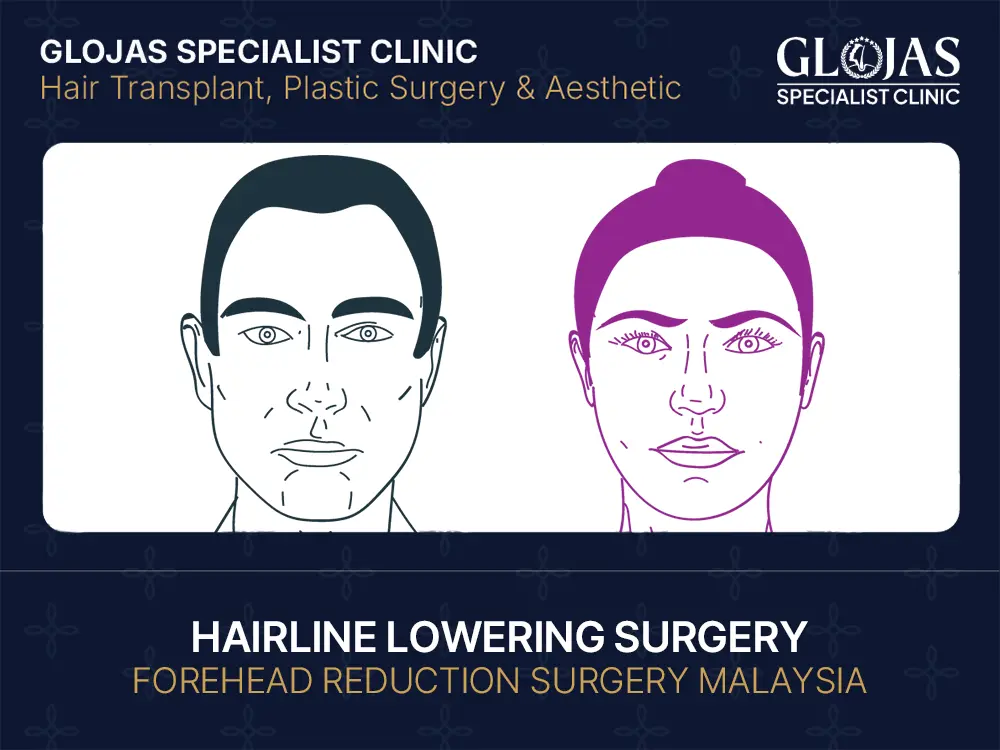
Hairline lowering surgery, also known as surgical forehead reduction or scalp advancement, is a specialized cosmetic procedure designed to shorten a high forehead and reposition the hairline forward. By removing a precise strip of upper forehead skin and advancing the hair-bearing scalp downward, the procedure achieves immediate, permanent facial harmony without requiring multiple hair transplant sessions. Ideal Candidates for the Procedure High Forehead Proportions: Individuals born with naturally high hairlines or prominent foreheads seeking balanced facial thirds. Good Scalp Laxity: Patients possessing high tissue flexibility, which allows the scalp to stretch and advance forward safely. Stable Hairlines: Non-smokers with stable hair growth patterns and no active progression of female or male pattern baldness. Realistic Expectations: Those desiring an effective alternative to traditional follicular unit extraction (FUE) for immediate forehead shortening. Hairline Lowering Surgery Procedure and Techniques Pre-Surgical Consultation and Design A comprehensive evaluation by a qualified specialist evaluates scalp elasticity, bone structure, and facial proportions. The surgeon meticulously maps out the new hairline, factoring in natural hair growth angles, individual tissue glide, and optimal scar camouflage behind the advancing hairline. Step-by-Step Surgical Process Anesthesia Administration: General anesthesia or local anesthesia with deep sedation is administered to ensure total patient comfort throughout the operation. Incision Placement: A precise, irregular trichophytic incision is made directly along the mapped hairline to encourage hair to grow through the healing scar line. Scalp Mobilization: The forehead skin and underlying scalp tissues are gently separated from the cranium to maximize forward advancement. Tissue Advancement and Fixation: The hair-bearing scalp is advanced downward to meet the new hairline position, and secured using internal dissolvable fixation materials. Suture Closure: Excess forehead skin is excised, and meticulous multi-layered sutures close the incision to minimize tension and optimize healing. Clinical Experience Insight: Preserving the delicate supraorbital neurovascular bundles during tissue dissection is critical. Meticulous surgical precision protects sensory nerve supply, ensuring predictable tissue recovery, rapid sensory return, and natural hair angle orientation. Hairline Lowering Surgery Cost in Malaysia Average Price Range in Malaysia In Malaysia, hairline lowering surgery typically ranges from RM 15,000 to RM 25,000. This pricing includes elite facility fees, specialist surgical expertise, and comprehensive post-operative care packages, positioning Malaysia as an affordable destination for medical aesthetics compared to Western nations. Factors Affecting Total Costs Surgeon Expertise: Highly seasoned plastic and reconstructive surgeons command higher fees reflecting their safety record and aesthetic precision. Facility Accreditation: Fully equipped ambulatory surgical centers or specialized aesthetic hospitals featuring advanced monitoring technology. Anesthesia and Complexity: The type of anesthesia utilized and whether ancillary treatments (such as [PRP therapy]) are bundled into the recovery protocol. Recovery and Post-Operative Care Immediate Post-Surgery Recovery Timeline Week 1: Mild swelling, bruising around the eyes, and forehead tightness are completely normal. Stitches or staples are typically removed around day 7 to 10. Weeks 2 to 4: Swelling subsides significantly, enabling patients to resume non-strenuous daily routines and office work. Months 2 to 6: Numbness along the incision site gradually resolves, and the incision line begins fading into the surrounding hair follicles. Essential Aftercare and Healing Tips Elevate Your Head: Sleep with your head elevated on multiple pillows for the first week to minimize postoperative facial swelling. Avoid Strenuous Activity: Refrain from heavy lifting, bending over, or intense cardiovascular workouts for at least 3 to 4 weeks to prevent blood pressure spikes. Protect from Sun Exposure: Shield the healing incision line from direct UV rays using hats or high-SPF sunblock to prevent hyperpigmentation. Choosing a Clinic and Surgeon in Malaysia Key Qualifications to Look For Board Certification: Ensure your practitioner is registered with the [National Specialist Register (NSR) of Malaysia] and holds recognized plastic surgery credentials. Extensive Portfolio: Review a comprehensive gallery of verified before-and-after cases specifically focusing on forehead reduction outcomes. Patient-Centric Facility: Opt for centers that prioritize rigorous safety standards, transparent pricing, and personalized medical journeys. Questions to Ask Your Plastic Surgeon What is your specific experience and annual volume performing hairline lowering surgery? Am I an ideal candidate based on my individual scalp laxity and hair density? What exact surgical technique do you recommend to minimize my scar visibility? What emergency protocols and post-operative follow-up schedules are in place? Frequently Asked Questions Is hairline lowering surgery permanent? Yes, surgical forehead reduction provides permanent results in a single operation by physically advancing the hair-bearing scalp forward. Once healed, the lower hairline remains stable over the long term. Will there be a visible scar after the procedure? Surgeons utilize an advanced trichophytic incision technique, allowing hairs to grow directly through and in front of the fine-line scar. Over several months, the scar fades significantly and becomes virtually undetectable within the natural hairline. Can hairline lowering be combined with a hair transplant? In certain cases, a combined approach or staged procedure can be utilized, though surgeons often space them out to safeguard local blood supply and ensure optimal tissue survival and graft integration. What is the difference between a hair transplant and hairline lowering? A hair transplant grafts individual hair follicles to build density over time, whereas hairline lowering physically advances the existing scalp downward to reduce forehead height instantly. How soon can I wash my hair after surgery? Patients can typically wash their hair gently using mild, surgeon-approved shampoos after 48 to 72 hours, taking care to avoid harsh rubbing or pulling near the suture line. Ready to explore a balanced, natural-looking hairline? Consult at GLOJAS Specialist Clinic to receive a personalized assessment and expert guidance tailored to your aesthetic goals.
Widow’s Peak: Meaning, Causes, Genetics & Hairline Correction Options
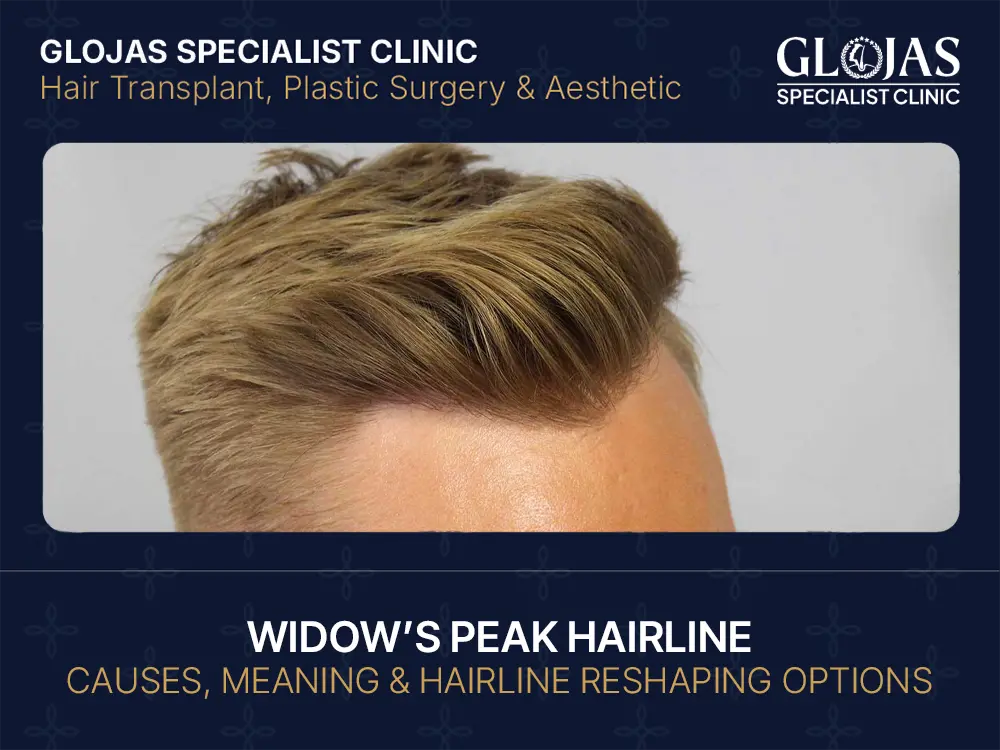
Hairline Correction & Styling Options Select an approach below to explore its suitability, recovery, and process. Styling & Grooming Laser Hair Removal Hair Transplant (FUE) Non-Invasive Styling & Grooming Best for those who want to work with their natural V-shape without altering the hairline permanently. Best for: Subtle adjustments, softening harsh angles. Maintenance: Daily styling products, strategic haircuts, or fringe styling. Invasiveness: Zero downtime or physical alteration. Consult via WhatsApp Laser Hair Removal Ideal if you want to permanently soften, reduce, or completely remove the peak for a straighter hairline look. Best for: Removing unwanted V-shaped points permanently. Sessions Needed: Typically 6 to 8 sessions for long-term reduction. Downtime: Minimal mild redness for a few hours post-treatment. Inquire via WhatsApp Surgical Hair Restoration (FUE Transplant) Used to fill in the temples or lower a receding hairline that accentuates a stark widow’s peak. Best for: Filling temple recession or balancing a disproportionate hairline. Permanence: Permanent, natural-looking growth using donor hair. Recovery: 7 to 10 days for initial scabbing and healing. Book Consultation on WhatsApp A widow’s peak is a V-shaped point in the center of the frontal hairline. It is usually a natural genetic hairline trait and does not automatically indicate hair loss or balding. While many people are born with a widow’s peak, some individuals may seek cosmetic correction through hairstyling, hairline lowering procedures, or a widow’s peak hairline transplant to achieve a straighter hairline. What Is a Widow’s Peak? A widow’s peak is a distinct hairline shape where the hair forms a central downward point in the middle of the forehead. This creates a V-shaped appearance that differs from a straight or rounded hairline. The widow’s peak hairline is considered a normal variation of human hairline anatomy and can occur in both men and women. Widow’s Peak Definition The term refers to a central point of hair growth that extends lower on the forehead than the surrounding hairline. How a Widow’s Peak Hairline Looks Common characteristics include: V-shaped hairline Central hairline point Symmetrical or asymmetrical appearance Varying degrees of prominence Natural hairline pattern Why Is It Called a Widow’s Peak? The name originated from historical references to mourning hoods worn by widows, which often featured a pointed shape over the forehead resembling the V-shaped hairline. What Causes a Widow’s Peak? A widow’s peak is primarily caused by genetics and inherited hairline characteristics. The shape develops during growth and is determined by the arrangement of hair follicles along the frontal hairline. Is a Widow’s Peak Genetic? Yes. Most research suggests that widow’s peak genetics play a significant role in determining hairline shape. Can You Inherit a Widow’s Peak From Your Parents? A widow’s peak can be inherited from one or both parents. However, hairline inheritance is complex and influenced by multiple genetic factors. Is Widow’s Peak a Dominant Genetic Trait? Earlier studies suggested widow’s peak inherited patterns were dominant traits. Modern genetics indicates hairline shape is more complex and cannot be explained by a single gene alone. Is a Widow’s Peak Normal? Yes. A widow’s peak is completely normal and does not indicate a medical condition. How Common Is a Widow’s Peak? Millions of people worldwide have a widow’s peak hairline. Are Widow’s Peaks Rare? No. Widow’s peaks are relatively common among both men and women. Does a Widow’s Peak Affect Hair Growth? No. The presence of a widow’s peak does not affect hair growth rate, hair density, or scalp health. Widow’s Peak vs Receding Hairline One of the most common misconceptions is confusing a widow’s peak with a receding hairline. Key Differences Between a Widow’s Peak and Hair Loss Widow’s Peak Receding Hairline Present naturally Develops over time Stable hairline shape Progressive hair loss Genetic hairline trait Often linked to androgenetic alopecia Hair density remains normal Hair density decreases Usually symmetrical May become uneven Signs of a Receding Hairline Thinning temples Hairline moving backward Increased hair shedding Reduced hair density Visible scalp exposure Can a Widow’s Peak Become More Noticeable With Age? Yes. As surrounding hair thins naturally with age, a widow’s peak may appear more prominent. Mature Hairline vs Widow’s Peak A mature hairline is a normal age-related change where the frontal hairline moves slightly backward. A widow’s peak remains a distinct V-shaped central point regardless of hairline maturity. Widow’s Peak in Men Why Men Commonly Notice a Widow’s Peak Men tend to pay closer attention to hairline changes due to concerns about male pattern baldness. Widow’s Peak and Male Pattern Baldness A widow’s peak does not cause male pattern baldness. However, men can have both a widow’s peak and androgenetic alopecia simultaneously. When To Consider Hair Restoration Hair restoration may be beneficial if: Hairline recession is progressing Temple thinning is present Hair density is decreasing Cosmetic concerns affect confidence Widow’s Peak in Women Female Widow’s Peak Hairline A widow’s peak female hairline is common and often becomes a defining facial feature. Widow’s Peak and Female Hair Loss Women with a widow’s peak are not inherently more likely to experience hair loss. When Hairline Changes May Need Evaluation Medical assessment may be appropriate when: Hair thinning develops suddenly Hair loss becomes diffuse Scalp irritation occurs Hairline changes rapidly Can a Widow’s Peak Cause Baldness? No. Does a Widow’s Peak Mean You Will Go Bald? A widow’s peak alone is not a predictor of future baldness. Is There a Link Between Widow’s Peak and Hair Thinning? There is no direct evidence showing that widow’s peaks cause hair thinning. Risk Factors For Hair Loss Common causes of hair loss include: Genetics Hormonal changes Aging Medical conditions Nutritional deficiencies Stress Can You Get Rid of a Widow’s Peak? Many people like their widow’s peak, while others prefer a straighter hairline. Is It Possible To Change Your Natural Hairline? Yes. Both surgical and non-surgical options may alter the appearance of a widow’s peak. Non-Surgical Ways To Conceal a Widow’s Peak Options include: Hair styling Hair fibers Strategic haircuts Hair volumizing products Makeup and Hairstyling Techniques Women may use contouring products or
Hair Graft Calculator: Estimate How Many Grafts You Need in Malaysia

A hair graft calculator estimates how many hair grafts you need based on the size of your balding area and your Norwood stage — typically ranging from 800–1,200 grafts for early hairline recession (Norwood 2–3) up to 4,500–6,000+ grafts for extensive baldness (Norwood 6–7). It gives a preliminary estimate only; your exact graft count depends on donor hair density, hair caliber, and scalp laxity, which can only be confirmed during an in-person or photo consultation with a hair transplant surgeon. Try the Hair Graft Calculator Hair Graft Calculator Get an instant estimate of how many grafts you may need, based on your Norwood stage. Select your Norwood Stage Choose your stage…Stage 2 – Slight temple recessionStage 3 – Hairline recession (M/U/V shape)Stage 3 Vertex – Hairline + early crown thinningStage 4 – Hairline + crown, band retainedStage 5 – Band narrows significantlyStage 6 – Band disappears, areas mergeStage 7 – Extensive baldness, horseshoe pattern Donor Hair Density Not sure / AverageBelow average (finer, sparser donor hair)Above average (thick, dense donor hair) Calculate My Estimate Estimated Graft Range — This is a preliminary estimate only, based on general averages. It does not replace an in-person or photo consultation with a hair transplant surgeon, who will assess your exact donor density and scalp characteristics. Book a Free Consultation for an Exact Quote → How Graft Estimates Work Every hair transplant graft estimate starts with two core measurements: The size of the area needing coverage — typically measured in square centimeters, based on how much of the hairline, mid-scalp, and crown are thinning or bald. The density you’re aiming for — most natural-looking results use roughly 35–45 follicular units per cm² for a first session, since aiming too high in one sitting can waste donor supply that’s still growing in. Multiplying the treatment area by the target density gives a rough graft estimate. Surgeons then adjust this number based on your donor hair characteristics — density, caliber (thickness), and how many hairs grow per follicular unit — since these vary significantly from person to person. Estimated Grafts by Norwood Stage These are general industry ranges used as a starting point — always confirm with a surgeon-led consultation for an exact number. Norwood Stage Area Affected Typical Graft Estimate 2 Slight temple recession 800 – 1,200 3 Hairline recession (M/U/V shape) 1,200 – 1,800 3 Vertex Hairline + early crown thinning 1,800 – 2,200 4 Hairline + crown, band retained 2,200 – 2,800 5 Band narrows significantly 2,800 – 3,500 6 Band disappears, areas merge 3,500 – 4,500 7 Extensive baldness, horseshoe pattern 4,500 – 6,000+ What Affects Your Actual Graft Count A calculator can only account for surface-level inputs. Your surgeon will also factor in: Donor hair density — how tightly packed your follicles are at the back and sides of the scalp Hair caliber — thicker hair provides more visual coverage per graft than fine hair Number of hairs per follicular unit — donor areas naturally vary between 1, 2, or 3-hair grafts Scalp laxity — how easily donor skin can be harvested without excessive tension Future hair loss risk — surgeons often plan around anticipated further thinning, not just your current stage Desired density — a “natural, undetectable” goal requires fewer grafts than an “as dense as possible” goal Why Online Calculators Are Only an Estimate Every graft calculator — including this one — relies on self-reported inputs like stage and area, which can’t capture donor hair quality, exact scalp measurements, or realistic long-term planning. Two people at the same Norwood stage can have meaningfully different actual graft needs depending on their donor supply and hair characteristics. Treat the result as a starting point for a conversation with a surgeon, not a final number to book a procedure against. What Happens After You Get Your Estimate Book a consultation (in-person or via photos) for an accurate donor assessment Surgeon confirms your Norwood stage and measures the treatment area precisely Donor density check — determines how many grafts can safely be harvested without over-thinning the donor zone Final graft count and pricing — confirmed based on your specific goals and donor supply Frequently Asked Questions How accurate is a hair graft calculator? A hair graft calculator gives a preliminary, rough estimate based on your Norwood stage or balding area. It’s a useful starting point but isn’t a substitute for an in-person or photo consultation, which accounts for your actual donor hair density and characteristics. How many grafts do I need for a full head of hair? This depends entirely on your Norwood stage and donor supply — ranging from around 1,000 grafts for early hairline work to 5,000+ grafts for extensive coverage across the hairline, mid-scalp, and crown. Can one session cover all the grafts I need? It depends on your donor supply and goals. Many patients complete their transplant in a single large session, while others with extensive hair loss may need a second session to reach their desired density. Is a graft calculator the same as a consultation? No. A calculator gives a ballpark estimate from self-reported information, while a consultation involves a surgeon directly assessing your scalp, donor density, and hair characteristics for an accurate, personalized graft count. Does a higher graft count mean better results? Not necessarily. Results depend on how grafts are distributed and placed, not just the total number. An experienced surgeon prioritizes natural density and hairline design over maximizing graft count alone.
Dandruff Treatment: How to Treat Dandruff & Flaky Scalps Effectively

Dandruff treatment in Malaysia refers to the clinical and home-based management of pityriasis capitis, a chronic scalp condition characterized by the excessive shedding of dead skin cells. Effective solutions involve utilizing antifungal agents like ketoconazole or zinc pyrithione to inhibit Malassezia yeast growth while maintaining scalp moisture to prevent the recurrence of visible white or yellowish flakes. What Is Dandruff? Dandruff is a common dermatological condition where the scalp sheds dead skin cells at an accelerated rate, resulting in visible white flakes. In Malaysia, heat and 80% average humidity create a breeding ground for scalp microbes, making the condition prevalent among nearly 50% of adults. Medically, it is considered a mild form of seborrheic dermatitis, localized specifically to the hair-bearing areas of the scalp. It is a chronic, relapsing condition, meaning it requires consistent maintenance rather than a one-time “cure.” How Dandruff Develops on the Scalp The scalp microbiome is a delicate ecosystem where fungi, bacteria, and skin cells interact; dandruff occurs when this balance is disrupted. A healthy scalp renews its epidermis every 28 days, but a dandruff-prone scalp can accelerate this to every 2 to 7 days. This hyper-proliferation leads to “corneocyte clumping,” where thousands of skin cells stick together to form visible flakes instead of shedding invisibly. Malassezia fungi break down sebum into oleic acid, which penetrates the skin barrier and triggers an inflammatory response in sensitive individuals. Causes of Dandruff Fungal Overgrowth (Malassezia) Malassezia globosa is the specific lipophilic yeast responsible for the majority of dandruff cases by feeding on scalp triglycerides. In the tropical Malaysian climate, sweat acts as a catalyst, increasing the fungal metabolic rate and the production of irritating free fatty acids. Clinical dandruff treatments aim to reduce the fungal population to sub-clinical levels to stop the irritation cycle. Oily Scalp (Seborrheic Dermatitis) Excessive sebum production provides an unlimited food source for yeast, leading to “greasy dandruff” or seborrheic dermatitis. This often appears as yellowish, oily scales that can cause significant redness and may spread to the eyebrows or sides of the nose. Hormonal surges, particularly androgens, directly influence the size and activity of sebaceous glands on the scalp. Dry Scalp A compromised skin barrier leads to Transepidermal Water Loss (TEWL), causing the scalp to become tight, dry, and flaky. Dry scalp flakes are usually smaller, whiter, and more “dust-like” compared to the larger, oily chunks seen in fungal dandruff. Prolonged exposure to air conditioning in Malaysian offices often strips the scalp of essential moisture, mimicking dandruff symptoms. Hair Care and Lifestyle Factors Infrequent washing allows for the buildup of oleic acid and dead cells, while over-washing with harsh surfactants can damage the acid mantle. High-sugar diets and chronic stress elevate systemic inflammation, which has been clinically linked to worsened scalp flaking. Product buildup from heavy pomades or hairsprays can trap heat and moisture against the skin, encouraging microbial growth. Symptoms of Dandruff Flaking and White Scalp Particles Visible shedding is the primary symptom, ranging from fine white powder to thick, adherent yellow scales. These particles are often most noticeable along the anterior hairline or falling onto the shoulders of dark clothing. Unlike dry skin, dandruff flakes often feel slightly waxy to the touch due to their lipid content. Itchy Scalp Scalp pruritus (itching) is caused by the skin’s inflammatory reaction to the inflammatory byproducts of fungal metabolism. The intensity of the itch often correlates with the level of Malassezia activity and the degree of scalp oiliness. Persistent scratching can lead to “secondary excoriation,” where the skin becomes broken and prone to bacterial infection. Scalp Redness and Irritation Mild dandruff typically shows no redness, but as it progresses to seborrheic dermatitis, the scalp becomes erythematous (red) and inflamed. This irritation is often accompanied by a “burning” or “sore” sensation, especially when using standard, non-medicated shampoos. In the Malaysian sun, an inflamed scalp is more susceptible to UV damage and further barrier degradation. Dandruff Treatment Options in Malaysia Medicated Shampoos (Ketoconazole, Zinc Pyrithione, Selenium Sulfide) Ketoconazole is a powerful antifungal that disrupts fungal cell membranes; in Malaysia, 2% concentrations are regulated as Group C medicines. Zinc Pyrithione (ZPT) is a versatile antimicrobial that slows down skin cell production and is widely available in retail pharmacies. Selenium Sulfide is a cytostatic agent that reduces the rate of cell turnover and is particularly effective for heavy, oily flaking. Topical Scalp Treatments Salicylic acid based toners act as “keratolytics,” chemically dissolving the “glue” that holds flakes together for easier removal. Antifungal lotions containing Ciclopirox Olamine are used for targeted treatment of stubborn patches without drying out the hair. Many topical solutions now include niacinamide or panthenol to help repair the skin barrier while treating the fungus. Dermatologist Prescribed Treatments When OTC options fail, specialists may prescribe “cocktail therapies” involving high-potency antifungals and localized anti-inflammatories. Dermatologists use trichoscopy (digital magnification) to ensure the flakes aren’t a sign of scalp psoriasis or a bacterial infection. Advanced clinical options in KL and Penang include medical-grade scalp peels and blue light therapy to neutralize fungal spores. How to Treat Dandruff Effectively Proper Shampooing Technique Apply the medicated shampoo directly to the skin of the scalp, as the hair strands themselves do not require the active ingredients. Massage thoroughly with fingertips for 60 seconds to ensure the lather reaches the stratum corneum (top layer of skin). The 5-Minute Rule: You must leave the shampoo on for 3 to 5 minutes to allow for the absorption of active antifungal molecules. Treatment Frequency During an active flare-up, use medicated treatment 2 to 3 times per week to aggressively lower the fungal load. Once the scalp is clear, do not stop entirely; switch to once-weekly use to maintain microbial balance and prevent relapse. Over-using medicated shampoos (e.g., daily) can lead to “contact sensitization” or excessive hair dryness. Scalp Hygiene Routine Double-cleansing—using a clarifying shampoo followed by a medicated one—is effective for those who use heavy styling products. Always rinse with lukewarm or cool water; hot water increases scalp blood flow and can exacerbate itching
DHT Blockers for Hair Loss: How They Work, Types, and Side Effects

A dht blocker is a medical treatment, topical serum, or dietary supplement designed to inhibit Dihydrotestosterone (DHT)—the primary androgen hormone behind genetic hair loss. By lowering systemic or localized DHT levels, these blockers stop follicle miniaturization, halt excessive hair shedding, and create an ideal environment for natural hair regrowth. What is DHT and How Does It Cause Hair Loss? To effectively stop progressive hair thinning, you must address its primary root cause: Dihydrotestosterone (DHT). DHT is a potent androgen male sex hormone synthesized from baseline testosterone via the 5-alpha reductase (5-AR) enzyme. The Link Between DHT and Male Pattern Baldness In individuals genetically prone to androgenic alopecia (male pattern baldness), hair follicles across the crown, vertex, and receding hairline possess heightened androgen receptor sensitivity. When circulating DHT binds to these specific receptors, it triggers a destructive biological pathway: Follicle Miniaturization: Active hair follicles progressively shrink and degrade. Altered Hair Cycle: The growth (anagen) phase drastically shortens, while the resting (telogen) phase lengthens. Hair Shedding: Thick terminal hairs transition into weak, translucent vellus hairs, eventually causing total follicular dormancy. Can DHT Cause Hair Loss in Women? Yes, DHT significantly influences Female Pattern Hair Loss (FPHL). Although women have lower baseline testosterone, hormonal shifts from menopause, stress, or Polycystic Ovary Syndrome (PCOS) can trigger elevated androgen activity. This results in diffuse thinning across the mid-scalp and parting line rather than a typical receding male hairline. “Think of a DHT blocker like an elite guard at a federal tol booth, stopping excessive traffic before it congests your scalp. In Malaysia, genetics can make our hair roots overly sensitive to this hormone, causing them to shrink and weaken. By safely blocking DHT, we prevent that bottleneck, giving your hair follicles the clear path they need to breathe, rebuild their strength, and grow thick again.” – Prof. Dato’ Dr. JasG, ABHRS-Certified Hair Transplant Doctor in Malaysia Types of DHT Blockers: Medical vs. Natural An effective hair restoration regimen utilizes either clinically validated pharmaceutical compounds or plant-derived, natural organic alternatives. Prescription DHT Blockers (Finasteride and Dutasteride) Prescription medications are the most reliable systemic option to deactivate the 5-alpha reductase enzyme. Finasteride (Propecia): An FDA-approved oral tablet that selectively blocks the Type II 5-AR enzyme. A standard 1mg daily dose lowers serum DHT levels by up to 70%, stabilizing pattern baldness in nearly 85% of male patients. Dutasteride (Avodart): A dual-action inhibitor that blocks both Type I and Type II 5-AR enzymes. It decreases circulating DHT by more than 90%. It is typically used off-label when standard finasteride therapies underperform. Natural DHT Blockers (Saw Palmetto, Rosemary Oil, and Supplements) Patients seeking holistic hair loss remedies often turn to botanical extracts with mild, natural 5-AR inhibiting properties: Saw Palmetto: Derived from Serenoa repens berries, this herbal supplement competitively inhibits 5-AR pathways to decrease scalp DHT binding. Rosemary Oil: A popular topical hair serum that improves microcirculation and counters localized androgen activity without altering internal hormone levels. Pumpkin Seed Oil & Green Tea: Pumpkin seed oil contains phytosterols that limit DHT synthesis, while green tea supplies Epigallocatechin Gallate (EGCG), an antioxidant that disrupts 5-AR enzyme conversion. Topical vs. Oral DHT Blockers: Which Is Better? The delivery system of your chosen hair loss treatment dictates its cellular efficacy and risk profile. How DHT Blocker Shampoos and Serums Work Topical hair loss solutions deliver active botanical or chemical ingredients directly to the scalp’s dermal papilla cells. The Mechanism: Shampoos formulated with Ketoconazole, caffeine, or saw palmetto strip away excess sebum build-up containing concentrated DHT, while topically disrupting receptor binding. The Benefit: Localized application minimizes systemic bloodstream absorption, practically eliminating systemic side effects. However, due to limited scalp contact time, shampoos are best used to support oral therapies. The Pros and Cons of Oral DHT Supplements The Pros: Systemic oral pills offer superior follicle protection. They stop 5-alpha reductase synthesis right at the root source inside the liver and bloodstream, offering maximum hair density improvements. The Cons: Decreasing systemic DHT throughout the entire body increases the probability of experiencing biological side effects. Side Effects and Safety Considerations Altering reproductive hormone pathways requires a clear understanding of safety boundaries and patient contraindications. Common Side Effects of Prescription DHT Blockers While prescription 5-AR inhibitors are highly successful, they carry a small, documented incidence rate ($1%$ to $2%$) of adverse reactions in male users: Decreased libido, erectile dysfunction, or lower ejaculatory volume. Mild breast tissue swelling or tenderness (gynecomastia). Crucial Safety Warning: A rare condition known as Post-Finasteride Syndrome (PFS) reports prolonged neurological and sexual symptoms after stopping treatment. Furthermore, oral finasteride and dutasteride are strictly contraindicated for women who are pregnant or planning to conceive due to severe risks of external genital birth defects in male fetuses. Are Natural DHT Blockers Safer? Yes, natural solutions like topical rosemary serums, zinc supplements, or saw palmetto pills carry a much lower risk profile. Because they do not aggressively shut down systemic androgen pathways, sexual side effects are exceptionally rare. Minor issues are usually limited to mild stomach discomfort or localized scalp redness. Foods and Diet Habits That Block DHT Naturally Optimizing your daily nutritional intake is an excellent, accessible way to support hair follicle health from home. Best Vitamins and Minerals for Hair Growth To reinforce the hair shaft structure while actively using a dht blocker, incorporate these cellular nutrients: Zinc: A trace mineral that works as a natural 5-AR inhibitor while regulating cell division. Biotin (Vitamin B7): Improves the body’s natural keratin infrastructure to boost tensile strength. Vitamin D3: Activates dormant hair follicles and regulates hair cycle transitions. Foods to Incorporate Into Your Daily Routine Adjusting your diet can safely lower cellular sensitivity to androgens. Try incorporating these options: Food Group Active Compound Action on Hair Pumpkin Seeds Delta-7-sterols Limits 5-AR conversion pathways. Green Tea / Matcha EGCG Catechins Lowers DHT and stimulates human hair survival. Tomatoes & Carrots Lycopene Naturally balances systemic androgen expression. Onions & Kale Quercetin Decreases oxidative stress around thin hair roots. Frequently Asked Questions How long does it take for
Female Pattern Baldness: Signs, Causes, and How to Regrow Thicker Hair
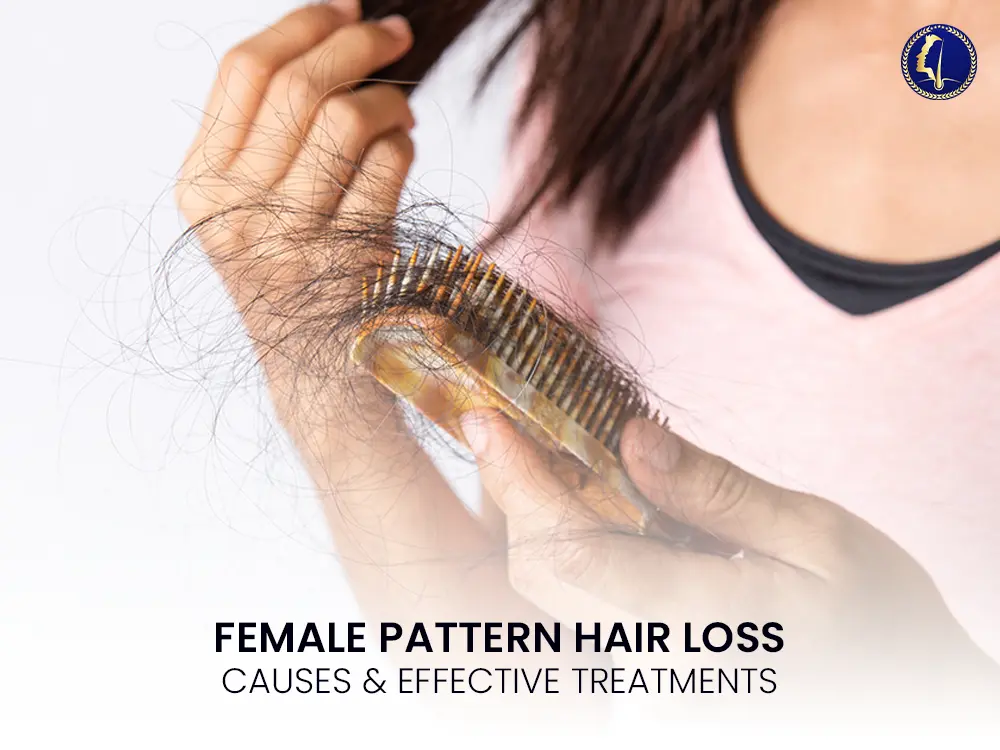
Female Pattern Baldness Interactive Element Hair Regrowth Assessment: Understand Your Stage Take this quick 1-minute interactive check to determine your pattern level and discover personalized regrowth solutions. 1. How would you describe your current hair thinning pattern? Mild widening along the central parting line Noticeable thinning across the top with scalp visibility Significant diffuse thinning or advanced crown reduction 2. How long have you been experiencing increased hair shedding or thinning? Less than 6 months 6 months to 2 years More than 2 years ← Back Assessment Complete! Based on your answers, early to moderate intervention can help reactivate dormant follicles and restore thicker hair volume. Consult Hair Specialist on WhatsApp ← Retake Assessment What is Female Pattern Baldness? It is a common myth that hair loss only happens to men. In reality, millions of women experience a specific type of hair thinning known medically as androgenetic alopecia, or simply female pattern baldness. Unlike men, who often develop a receding hairline or a completely bald spot on top of their head, women experience hair loss differently. Female pattern baldness causes widespread thinning across the entire scalp, mostly affecting the top and the crown. The hairline usually stays exactly where it is, but the natural part in the hair becomes wider and the scalp becomes much more visible. It happens when hair follicles—the tiny pockets that grow hair—slowly shrink over time, causing new hairs to grow in much thinner and shorter until they stop growing completely. What Causes Thinning Hair in Women? Female pattern baldness is primarily driven by three main factors: Genetics: If your mother, father, or other close relatives experienced thinning hair as they aged, you are much more likely to experience it too. Hormones: An imbalance in hormones is a major trigger. Specifically, a hormone byproduct called DHT can bind to hair follicles and force them to shrink. This is why many women notice increased thinning during major hormonal shifts, such as after pregnancy or during menopause. Aging: Hair growth naturally slows down as we get older, and individual hair strands become finer. Effective Treatments That Restore Hair Density While you cannot change your genetics, modern medicine offers highly effective ways to slow down hair loss and stimulate new growth. 1. Topical Minoxidil This is the most widely recommended over-the-counter treatment for women. Applied directly to the scalp daily as a liquid or foam, minoxidil widens the blood vessels around your hair roots. This delivers a rich supply of oxygen and nutrients to the follicles, waking them up and extending their growth phase. 2. Platelet-Rich Plasma (PRP) Therapy PRP hair treatment is a popular, non-surgical clinical treatment. A doctor takes a small sample of your own blood, spins it to isolate the growth-rich platelets, and injects it back into the thinning areas of your scalp. These natural growth factors repair damaged tissue and encourage shrinking follicles to grow thicker hair strands. 3. Oral Medications and Supplements Dermatologists sometimes prescribe oral medications to block the hormones that shrink hair follicles. Pairing these with targeted hair supplements containing biotin, zinc, and marine collagen gives your body the exact building blocks it needs to produce stronger hair. Conclusion Female pattern baldness is a very common condition, but it is not something you simply have to accept. Because it happens gradually, catching it early gives you the best chance of saving your hair. By combining proven surface treatments like minoxidil with advanced clinical therapies like PRP, you can effectively stop the thinning process, reactivate dormant follicles, and rebuild your thick, confident hair. Frequently Asked Questions (FAQs) 1. Does female pattern baldness lead to total baldness? No. Unlike men, women with pattern hair loss rarely go completely bald. Instead, the condition causes widespread thinning on the top and crown of the head, making the hair part line look noticeably wider. 2. At what age does female pattern baldness usually start? It can start any time after puberty, but it is most frequently noticed after menopause. The drop in estrogen levels during menopause makes the hair follicles more vulnerable to shrinking hormones. 3. Can stress cause female pattern baldness? Stress does not cause female pattern baldness directly, but it can trigger a different type of temporary hair shedding called telogen effluvium. However, managing stress is always beneficial for overall hair and scalp health. 4. Is the hair loss from female pattern baldness permanent? If left untreated, the thinning is progressive and permanent because the follicles eventually stop functioning. However, if you treat the condition early, you can successfully reverse the shrinking process and regrow thicker hair. 5. Can a hair transplantation fix female pattern baldness? Yes, in some cases. If you have healthy, thick hair at the back and sides of your head, a surgeon can transplant those healthy follicles into the thinning areas on top to restore your hair’s natural density. https://youtu.be/mpBArbqKLOM?si=y-2t6hQyXv-Gs-pt