- Glomac Galeria Hartamas, Kuala Lumpur
- +60 12-270 0122
- info@glojasaesthetic.com
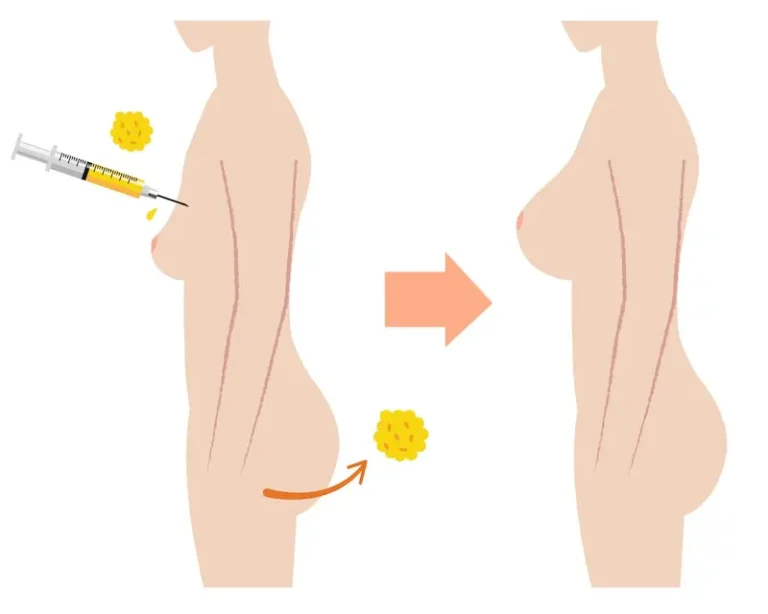
Fat transfer is a cosmetic procedure that removes fat from one area of the body through liposuction and injects it into another area to enhance volume and contour. It is commonly used for the face, breasts, buttocks, and under-eye areas. Fat transfer may provide natural-looking results using the patient’s own body fat with minimal risk of allergic reaction.
GLOJAS Specialist Clinic Kuala Lumpur provides expert fat transfer treatment in Malaysia. Their surgeons use advanced fat grafting techniques to naturally enhance volume and improve body contours. The procedure uses the patient’s own purified fat to achieve balanced, natural-looking results for areas like the face and body.
Fat transfer is a cosmetic procedure that removes fat from one area of your body using liposuction and injects it into another area to restore volume, improve contours, or enhance shape. It uses your own fat, so there is no risk of allergic reaction .
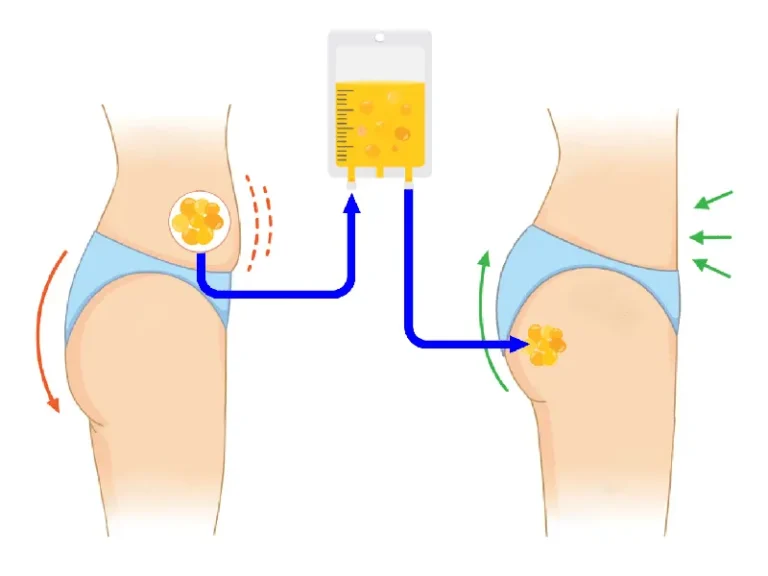
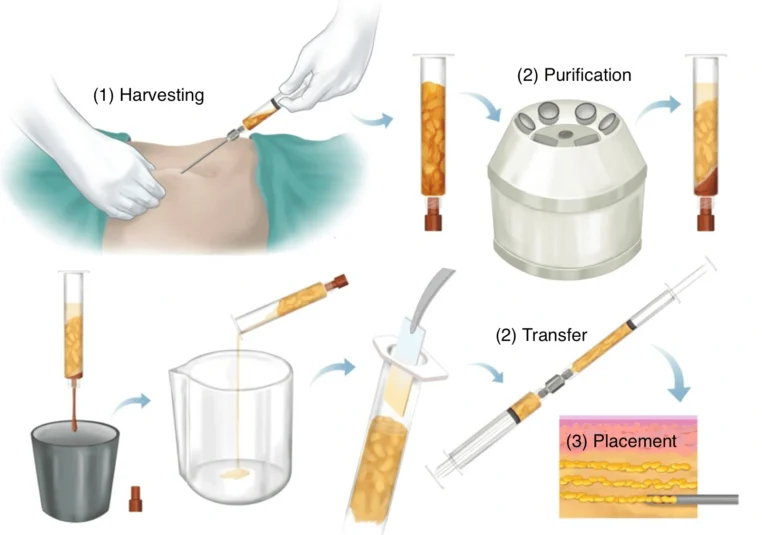
The fat transfer process happens in three main stages .
Fat Harvesting
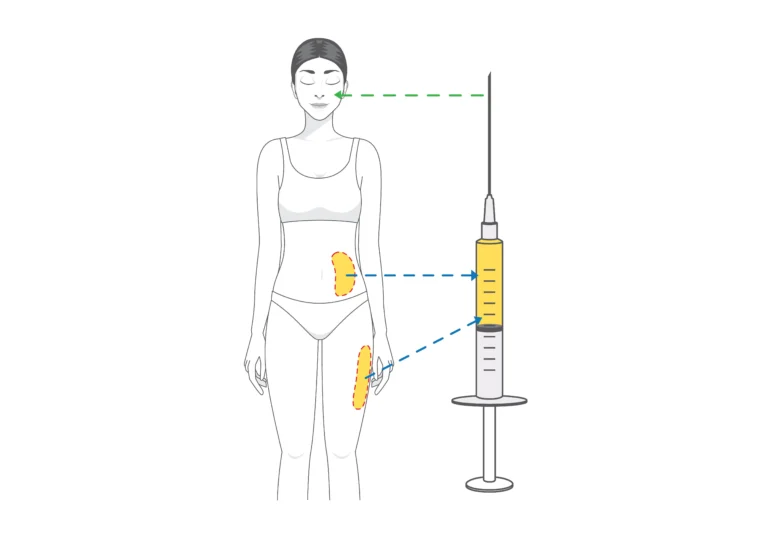
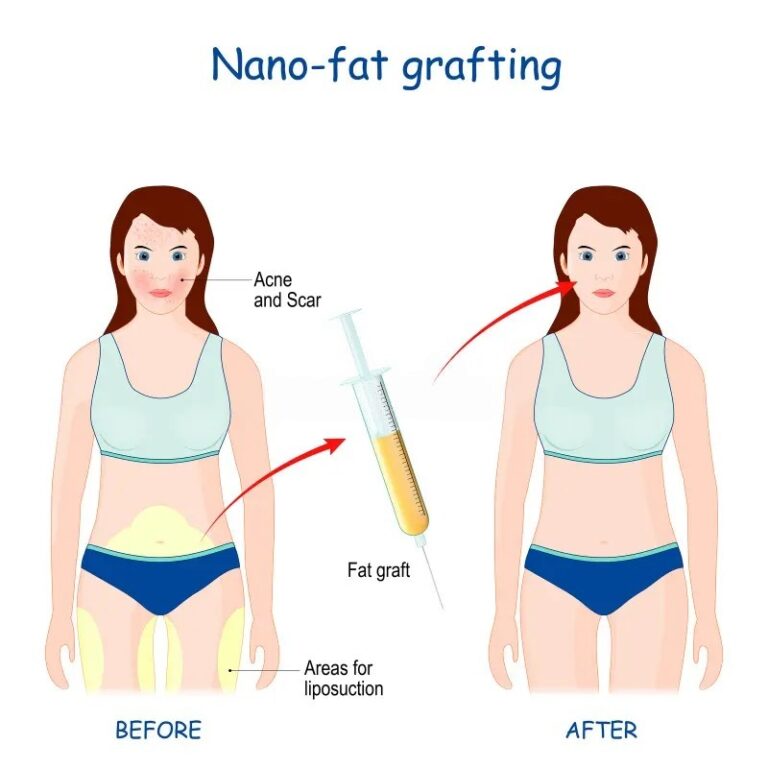
Excess fat is removed using gentle liposuction techniques. The most common donor areas are the abdomen, thighs, and flanks . These areas typically have stubborn fat deposits that many patients want to reduce anyway.
Purification
The extracted fat is processed through centrifugation or filtration. This step isolates healthy fat cells and removes debris, blood, and infiltration fluid . Only the purest fat cells are kept for reinjection.
Fat Injection
The purified fat is carefully injected into targeted areas using fine cannulas . This step requires precision and experience to achieve symmetrical, natural-looking results.
The procedure is typically performed under local anesthesia with sedation or general anesthesia, depending on the treatment area and volume of fat being transferred .
Not everyone is a suitable candidate for fat transfer. Here is what surgeons look for.
Ideal candidates have:
Sufficient donor fat available for harvesting
Good overall health with no active infections
Realistic expectations about results
Specific areas of volume loss they want to correct
For breast fat transfer specifically, the best candidates are healthy patients without any significant sagging of the breasts . If you have pronounced breast sagging, you may need a breast lift in combination with fat transfer or implants instead.
You may not be a good candidate if you:
Are very thin with minimal donor fat
Have active skin infections in treatment areas
Smoke heavily (smoking impairs fat survival)
Have unrealistic expectations about how much volume increase is possible
A consultation with a qualified plastic surgeon is essential to determine if you are a candidate. The surgeon will assess your skin quality, fat availability, and overall health to tailor a plan .
Facial fat transfer restores volume lost due to ageing. Common facial areas include cheeks, temples, under-eye hollows, nasolabial folds, and lips. Facial fat transfer provides natural-looking rejuvenation without synthetic fillers.
Breast fat transfer increases breast size using your own fat instead of implants. It is best for patients seeking a moderate increase (typically one cup size or less) who have sufficient donor fat and minimal breast sagging . The procedure also improves contour and can correct minor asymmetries.
Fat transfer to the buttocks is commonly known as the Brazilian Butt Lift (BBL). This procedure enhances buttock shape and volume using fat harvested from areas like the abdomen or thighs . It creates natural-looking curves without implants.
Ageing hands lose fat volume, making veins and tendons more visible. Fat transfer to the hands restores youthful fullness and reduces the appearance of prominent veins.
Facial fat transfer restores volume to areas that have lost fullness due to ageing. The procedure uses small volumes of purified fat injected precisely into multiple facial areas. Results look natural because the fat integrates with your existing tissues.
Breast fat transfer increases breast volume using your own fat. The procedure harvests fat from donor areas like the abdomen or thighs and injects it into the breasts .
Important consideration: If a more pronounced enhancement is desired, breast fat transfer reviews indicate that implants might be necessary to create the fullness and shape you are looking for . Working with a qualified specialist ensures you understand all aspects of the procedure.
The Brazilian Butt Lift combines liposuction with fat transfer to enhance buttock shape and volume. Fat is harvested from unwanted areas like the abdomen, flanks, or thighs, then purified and injected into the buttocks . The result is a fuller, more lifted appearance with natural curves.
Fat transfer offers several unique advantages compared to implants or synthetic fillers.
Uses your own tissue – No risk of allergic reaction or implant rejection
Natural look and feel – Transferred fat behaves like your natural tissue
Dual benefit – Removes unwanted fat from donor areas while enhancing target areas
No synthetic materials – Avoids foreign bodies like silicone implants
Long-lasting results – Surviving fat cells can be permanent
Improves skin texture – Fat contains stem cells that may improve skin quality
The final result creates a softer, fuller appearance, often improving skin texture in the treated area .
Fat transfer is generally safe, but like any procedure, it carries some risks.
Common temporary side effects:
Swelling and bruising in both donor and recipient areas
Soreness similar to intense exercise
Temporary numbness
Mild discomfort
More significant risks:
Fat resorption – Some transferred fat does not survive (expected)
Asymmetry requiring touch-up procedures
Infection at harvest or injection sites
Lumps or calcifications (more common in breast fat transfer)
Oil cysts formation
Irregular contours
For breast fat transfer specifically, one consideration is that fat necrosis or calcifications can sometimes make mammogram readings more difficult. Always discuss this with your surgeon and radiologist.
GLOJAS Specialist Clinic Insight
In our clinical experience, the single most common misunderstanding patients have about fat transfer is expecting 100% of the injected fat to survive. When we explain that 60–80% is a realistic survival rate, many are surprised. However, this is a normal biological process. Because of this, experienced surgeons slightly overfill the treated area to compensate for expected resorption. The other common concern is timing — patients want immediate final results, but final outcomes are only visible after 3–6 months when swelling has fully resolved and the fat has stabilised . Patients who understand this timeline report much higher satisfaction.
Here is what happens during a typical fat transfer procedure .
Step 1: Consultation and planning
Your surgeon examines your donor areas and target areas. They discuss your goals and determine how much fat can be harvested and where it will be injected.
Step 2: Anesthesia administration
You receive either local anaesthesia with sedation or general anaesthesia, depending on the extent of the procedure .
Step 3: Fat harvesting
Using gentle liposuction techniques, your surgeon removes excess fat from donor areas such as the abdomen, thighs, or flanks .
Step 4: Fat purification
The extracted fat is processed through centrifugation or filtration to isolate healthy fat cells and remove debris, blood, and infiltration fluid .
Step 5: Fat injection
The purified fat is carefully injected into targeted areas using fine cannulas . Your surgeon uses precision to achieve symmetrical, natural-looking results.
Step 6: Closure and recovery
Small incisions are closed. Compression garments are applied to donor areas. You are monitored before being discharged.
The operation time varies based on the volume being transferred but typically takes 1 to 3 hours.
Fat transfer recovery involves healing both the donor area (where fat was harvested) and the recipient area (where fat was injected).
Days 1 to 3: Initial phase
Swelling, mild bruising, and soreness are expected in both areas . Rest is important. Wear compression garments as directed. Light walking is encouraged.
Week 1: Early recovery
Swelling and bruising begin to improve. Most patients return to desk work within 3 to 7 days . Avoid sitting directly on treated buttocks if you had a BBL.
Weeks 2 to 4: Healing progresses
Swelling reduces significantly . You can gradually increase activity. Compression garments are typically worn for 3 to 4 weeks .
Month 3: Stabilisation begins
Fat stabilisation begins . Early results become visible as swelling subsides.
Month 6: Final results
Final results are visible . Any fat resorption has stabilised. You see the full outcome of your procedure.
Proper aftercare is essential for fat survival and good results.
Wear compression garments as directed – usually 3 to 4 weeks for donor areas
Avoid pressure on treated areas – For BBL, use a special pillow or avoid sitting directly on buttocks for 2 to 3 weeks
Do not massage treated areas – Let the fat settle naturally
Avoid strenuous exercise for 4 to 6 weeks
Stay hydrated – Proper hydration supports fat cell survival
Maintain stable weight – Significant weight changes affect results
Attend all follow-up appointments
Avoid smoking and alcohol during recovery, as both impair healing and may reduce fat survival.
Results are often visible immediately after the procedure, but final results take time .
Immediately after: You see initial volume, but swelling makes the appearance temporary.
1 to 3 months: Swelling subsides, and early results become visible. Some of the transferred fat may be reabsorbed by your body during this time .
3 to 6 months: Final results are typically visible . The fat that survives at this point is likely to be permanent.
Because of normal fat resorption, surgeons often slightly overfill the area to compensate. Final results are assessed after swelling resolves and fat stabilises, usually by 3–6 months .
Transferred fat that successfully establishes its own blood supply can be permanent . However, not all transferred fat survives.
Fat survival rate: Approximately 60–80% of transferred fat survives long term . The remaining 20–40% is naturally absorbed by your body over a few months.
Once the fat has stabilised (typically by 6 months), the surviving fat cells behave like normal fat cells in that area. They will expand if you gain weight and shrink if you lose weight.
To maintain results:
Maintain a stable, healthy weight
Avoid significant weight fluctuations
Follow a healthy lifestyle
If you are unhappy with the volume after fat resorption, a touch-up procedure can be performed to inject additional fat.
The cost of fat transfer in Malaysia varies based on the treatment area, volume of fat transferred, and clinic location.
General price range: RM 8,000 to RM 25,000+
Factors affecting cost:
Treatment area (face, breasts, or buttocks)
Volume of fat harvested and injected
Number of areas treated
Surgeon’s experience and credentials
Clinic location (KL city centre typically costs more)
Whether additional procedures are combined
Example pricing contexts:
Kuala Lumpur has clinics offering fat transfer with prices available for comparison on medical platforms
Shah Alam also has clinics providing fat transfer services
Malaysia-wide, approximately 35 hospitals and clinics offer fat transfer services
What is typically included:
Surgeon’s fee
Anaesthesia fee
Facility fee
Compression garment
What may be extra:
Pre-operative tests
Medications
Follow-up appointments
Many clinics offer consultation to provide a personalised quote based on your specific needs. Always get a detailed written quote before proceeding.
Fat transfer and dermal fillers both restore volume, but they have important differences.
| Feature | Fat Transfer | Dermal Fillers |
|---|---|---|
| Material | Your own fat | Hyaluronic acid (or other synthetic materials) |
| Risk of allergy | None – uses your tissue | Low, but possible |
| Source of material | Harvested from your body | Manufactured |
| Dual benefit | Removes unwanted fat from donor areas | No fat removal |
| Longevity | Permanent (surviving fat) | 6–18 months depending on product |
| Procedure time | Longer (harvesting + injection) | Shorter (injection only) |
| Recovery | 1-2 weeks downtime | Minimal to none |
| Cost per session | Higher upfront | Lower upfront |
| Long-term cost | Lower (permanent results) | Higher (repeat treatments needed) |
When to choose fat transfer:
You have unwanted fat in donor areas (abdomen, thighs)
You want permanent results
You are having larger volume restoration (breasts, buttocks)
You prefer using your own tissue over synthetic materials
When to choose dermal fillers:
You have minimal volume loss
You want immediate results with no downtime
You do not have sufficient donor fat
You want to “test drive” a look before committing to fat transfer
Fat transfer creates a softer, fuller appearance, often improving skin texture . Both options are valid; the right choice depends on your goals, anatomy, and preferences.



LCP-Credentialed Specialists
Our surgeons hold the Letter of Credentialing and Privileging (LCP) from the Ministry of Health Malaysia, ensuring they are legally recognized for advanced fat transfer procedures.
20+ Years of Clinical Excellence
With over two decades in reconstructive surgery, GLOJAS masters the artistry of harvesting and injecting fat. We ensure high fat survival rates and natural-looking volume restoration.
Advanced Harvesting & Injection Techniques
We use gentle liposuction to harvest living fat cells, followed by multi-planar injection techniques. This precision avoids lumps or irregularities, creating soft, smooth contours.
Proven Patient Satisfaction
Hundreds of successful facial and body fat transfers demonstrate our ability to deliver permanent, natural results using your own tissue without synthetic fillers.
MOH-Licensed Private Facility
Safety is our priority. GLOJAS operates a fully MOH-licensed facility with stringent sterility protocols, ensuring a worry-free experience from harvest to injection.
At GLOJAS, our MOH-credentialed surgeons use gentle liposuction and precision injection techniques to transfer your own fat safely. We harvest unwanted fat from one area and restore volume in another – whether face, breasts, or buttocks. It’s natural, safe, and follows strict Malaysian health standards.