
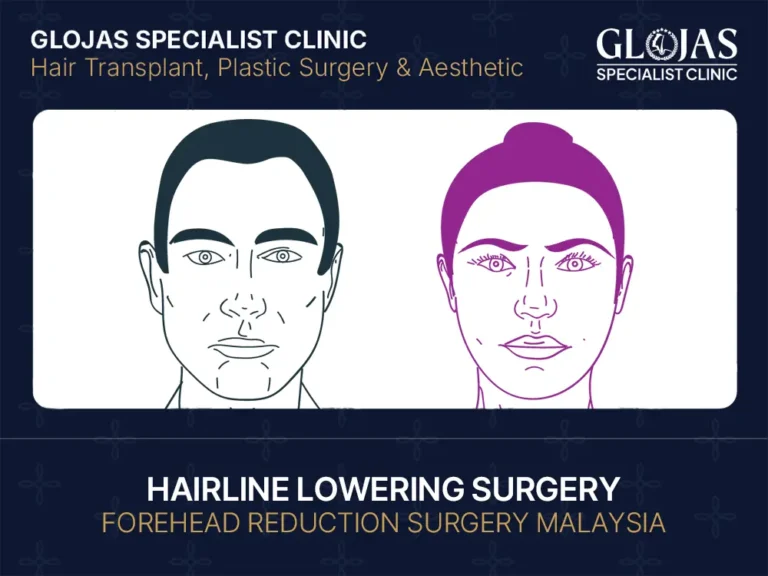
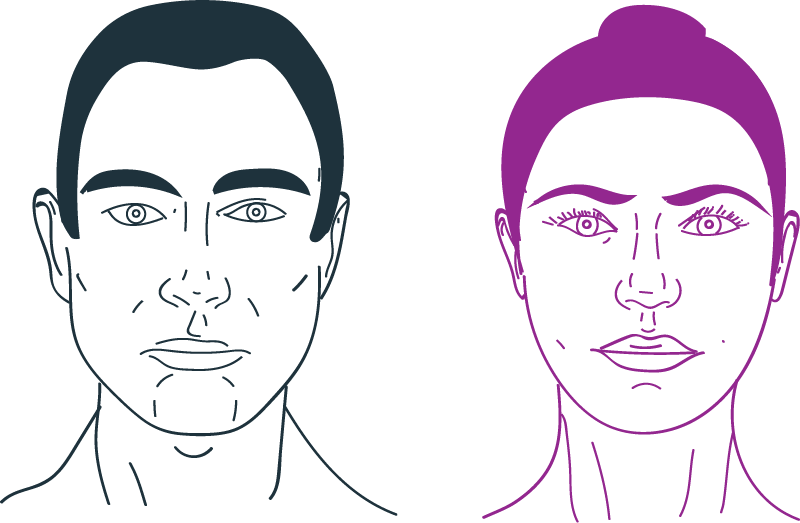
Hairline lowering surgery, also known as surgical forehead reduction or scalp advancement, is a specialized cosmetic procedure designed to shorten a high forehead and reposition the hairline forward. By removing a precise strip of upper forehead skin and advancing the hair-bearing scalp downward, the procedure achieves immediate, permanent facial harmony without requiring multiple hair transplant sessions.
Ideal Candidates for the Procedure
High Forehead Proportions: Individuals born with naturally high hairlines or prominent foreheads seeking balanced facial thirds.
Good Scalp Laxity: Patients possessing high tissue flexibility, which allows the scalp to stretch and advance forward safely.
Stable Hairlines: Non-smokers with stable hair growth patterns and no active progression of female or male pattern baldness.
Realistic Expectations: Those desiring an effective alternative to traditional follicular unit extraction (FUE) for immediate forehead shortening.
Hairline Lowering Surgery Procedure and Techniques
Pre-Surgical Consultation and Design
A comprehensive evaluation by a qualified specialist evaluates scalp elasticity, bone structure, and facial proportions. The surgeon meticulously maps out the new hairline, factoring in natural hair growth angles, individual tissue glide, and optimal scar camouflage behind the advancing hairline.
Step-by-Step Surgical Process
Anesthesia Administration: General anesthesia or local anesthesia with deep sedation is administered to ensure total patient comfort throughout the operation.
Incision Placement: A precise, irregular trichophytic incision is made directly along the mapped hairline to encourage hair to grow through the healing scar line.
Scalp Mobilization: The forehead skin and underlying scalp tissues are gently separated from the cranium to maximize forward advancement.
Tissue Advancement and Fixation: The hair-bearing scalp is advanced downward to meet the new hairline position, and secured using internal dissolvable fixation materials.
Suture Closure: Excess forehead skin is excised, and meticulous multi-layered sutures close the incision to minimize tension and optimize healing.
Clinical Experience Insight: Preserving the delicate supraorbital neurovascular bundles during tissue dissection is critical. Meticulous surgical precision protects sensory nerve supply, ensuring predictable tissue recovery, rapid sensory return, and natural hair angle orientation.

Hairline Lowering Surgery Cost in Malaysia
Average Price Range in Malaysia
In Malaysia, hairline lowering surgery typically ranges from RM 15,000 to RM 25,000. This pricing includes elite facility fees, specialist surgical expertise, and comprehensive post-operative care packages, positioning Malaysia as an affordable destination for medical aesthetics compared to Western nations.
Factors Affecting Total Costs
Surgeon Expertise: Highly seasoned plastic and reconstructive surgeons command higher fees reflecting their safety record and aesthetic precision.
Facility Accreditation: Fully equipped ambulatory surgical centers or specialized aesthetic hospitals featuring advanced monitoring technology.
Anesthesia and Complexity: The type of anesthesia utilized and whether ancillary treatments (such as [PRP therapy]) are bundled into the recovery protocol.
Recovery and Post-Operative Care
Immediate Post-Surgery Recovery Timeline
Week 1: Mild swelling, bruising around the eyes, and forehead tightness are completely normal. Stitches or staples are typically removed around day 7 to 10.
Weeks 2 to 4: Swelling subsides significantly, enabling patients to resume non-strenuous daily routines and office work.
Months 2 to 6: Numbness along the incision site gradually resolves, and the incision line begins fading into the surrounding hair follicles.
Essential Aftercare and Healing Tips
Elevate Your Head: Sleep with your head elevated on multiple pillows for the first week to minimize postoperative facial swelling.
Avoid Strenuous Activity: Refrain from heavy lifting, bending over, or intense cardiovascular workouts for at least 3 to 4 weeks to prevent blood pressure spikes.
Protect from Sun Exposure: Shield the healing incision line from direct UV rays using hats or high-SPF sunblock to prevent hyperpigmentation.
Choosing a Clinic and Surgeon in Malaysia
Key Qualifications to Look For
Board Certification: Ensure your practitioner is registered with the [National Specialist Register (NSR) of Malaysia] and holds recognized plastic surgery credentials.
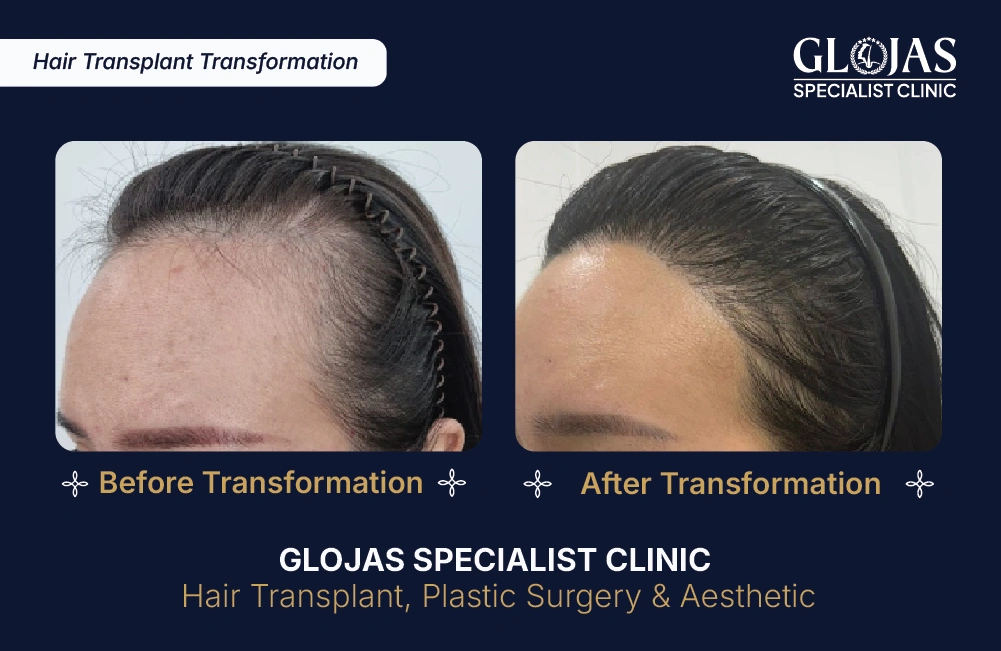
Extensive Portfolio: Review a comprehensive gallery of verified before-and-after cases specifically focusing on forehead reduction outcomes.
Patient-Centric Facility: Opt for centers that prioritize rigorous safety standards, transparent pricing, and personalized medical journeys.
Questions to Ask Your Plastic Surgeon
What is your specific experience and annual volume performing hairline lowering surgery?
Am I an ideal candidate based on my individual scalp laxity and hair density?
What exact surgical technique do you recommend to minimize my scar visibility?
What emergency protocols and post-operative follow-up schedules are in place?
Frequently Asked Questions
Is hairline lowering surgery permanent?
Yes, surgical forehead reduction provides permanent results in a single operation by physically advancing the hair-bearing scalp forward. Once healed, the lower hairline remains stable over the long term.
Will there be a visible scar after the procedure?
Surgeons utilize an advanced trichophytic incision technique, allowing hairs to grow directly through and in front of the fine-line scar. Over several months, the scar fades significantly and becomes virtually undetectable within the natural hairline.
Can hairline lowering be combined with a hair transplant?
In certain cases, a combined approach or staged procedure can be utilized, though surgeons often space them out to safeguard local blood supply and ensure optimal tissue survival and graft integration.
What is the difference between a hair transplant and hairline lowering?
A hair transplant grafts individual hair follicles to build density over time, whereas hairline lowering physically advances the existing scalp downward to reduce forehead height instantly.
How soon can I wash my hair after surgery?
Patients can typically wash their hair gently using mild, surgeon-approved shampoos after 48 to 72 hours, taking care to avoid harsh rubbing or pulling near the suture line.
Ready to explore a balanced, natural-looking hairline? Consult at GLOJAS Specialist Clinic to receive a personalized assessment and expert guidance tailored to your aesthetic goals.