- Glomac Galeria Hartamas, Kuala Lumpur
- +60123426370
- info@glojasaesthetic.com
Hair loss treatment in Malaysia includes medical, regenerative, and surgical options designed to reduce hair fall, improve hair density, and restore thinning areas. Treatment options may include FUE hair transplant, PRP hair treatment, Minoxidil, Finasteride, and regenerative therapies. The most suitable option depends on the cause of hair loss, scalp condition, and stage of hair thinning.
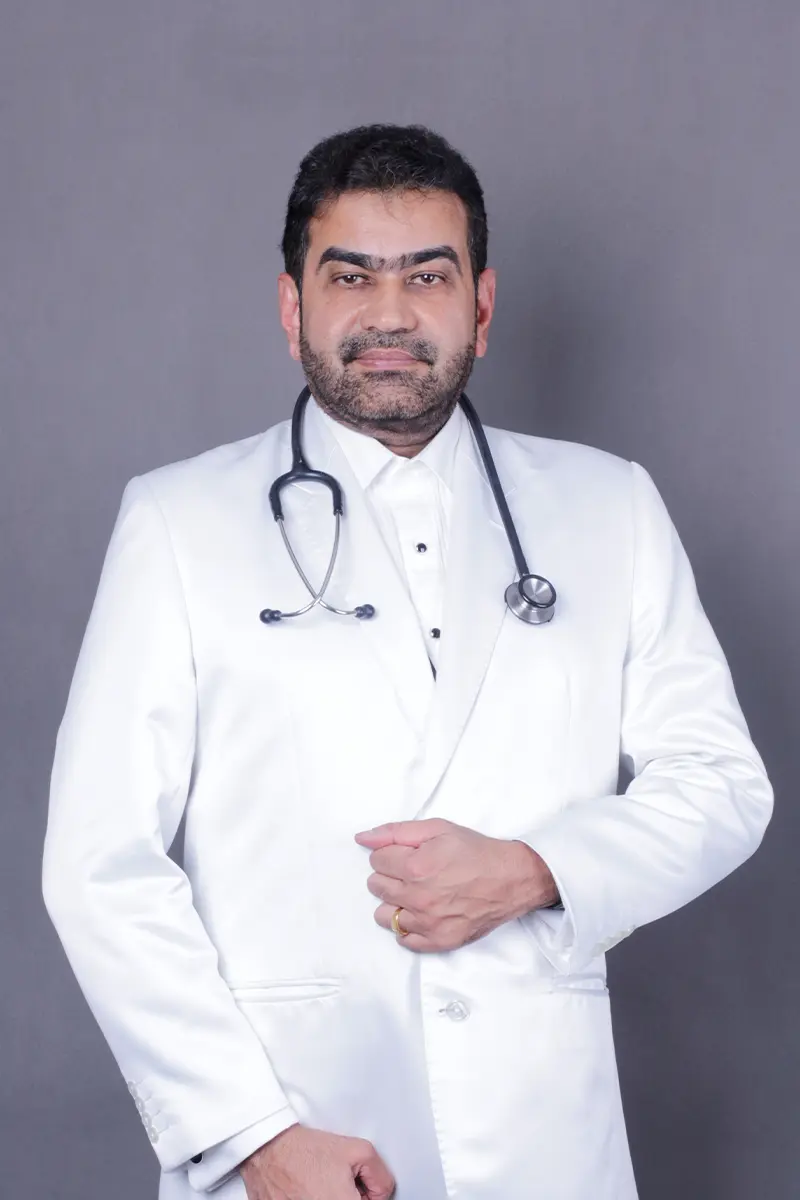
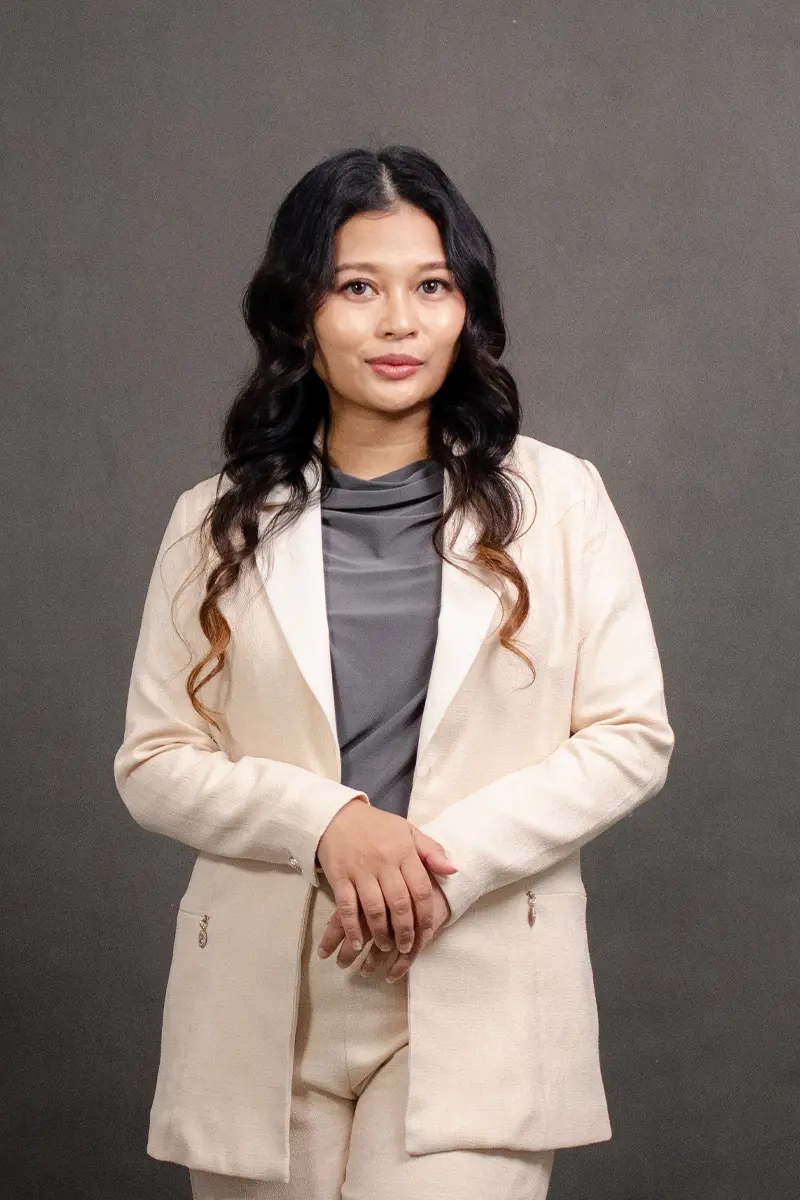
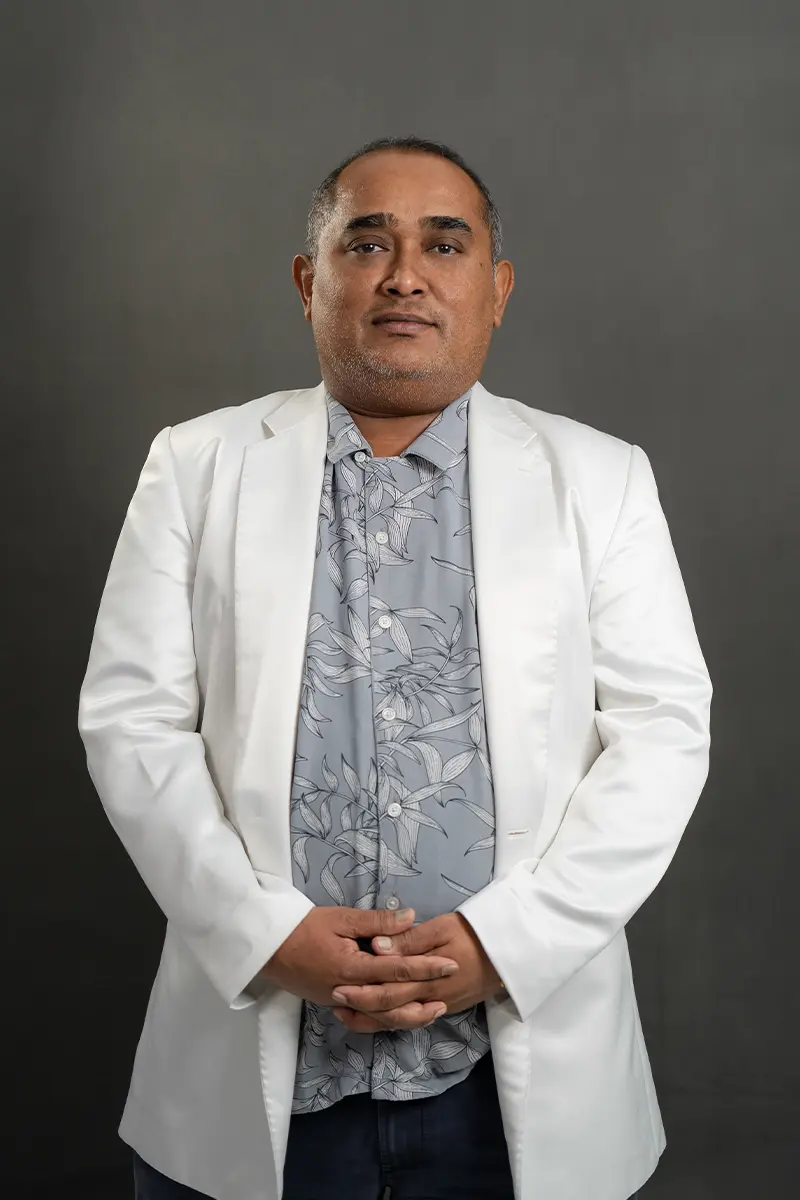
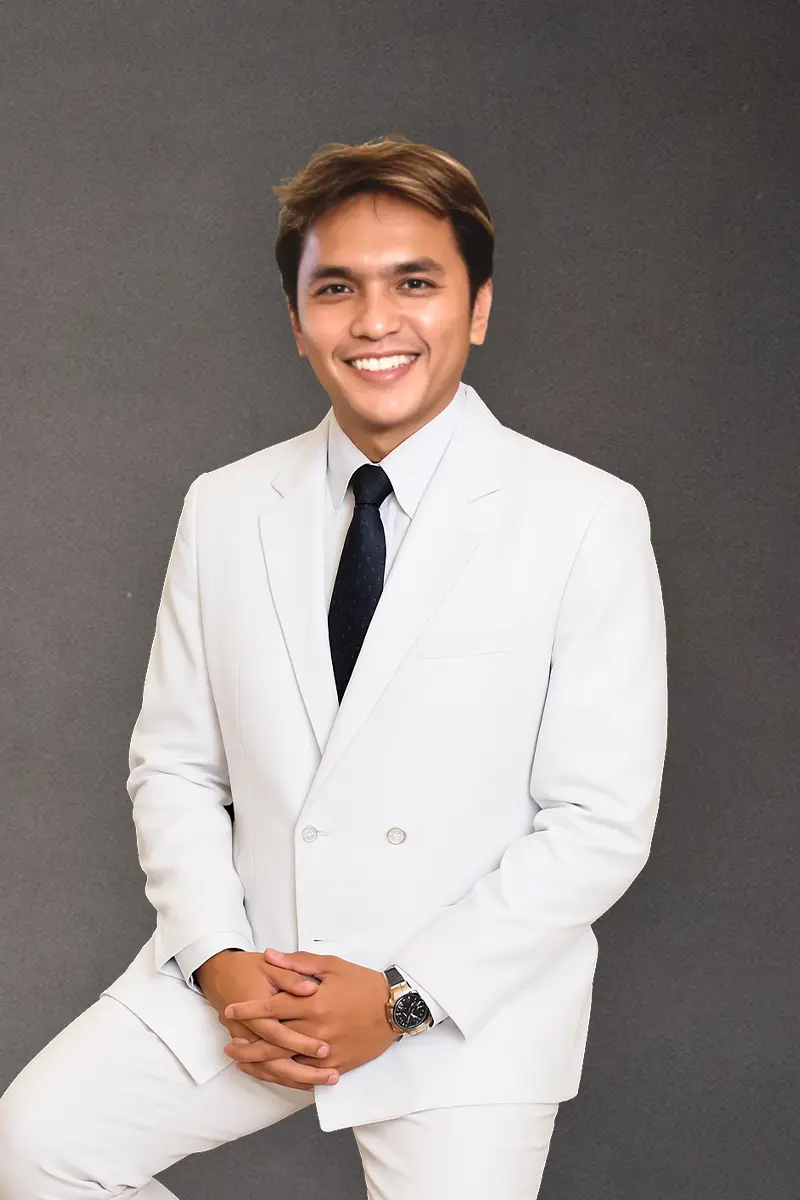
At GLOJAS Specialist Clinic Kuala Lumpur, hair loss treatment is performed by experienced specialists with more than 30 years of combined clinical experience. Using advanced hair restoration techniques including FUE hair transplant and regenerative treatments, our team focuses on creating natural-looking hair growth results while prioritising patient safety, precision, and personalised care.
Hair loss occurs when hair follicles stop producing healthy hair or when excessive shedding disrupts the normal hair growth cycle.
Everyone naturally loses some hair daily, but excessive shedding, thinning, or visible scalp areas may indicate an underlying hair loss condition.
Normal hair shedding usually involves losing around dozens of hairs daily as part of the natural growth cycle.
Hair loss becomes a concern when there is:
Common signs include:
Early assessment is recommended when hair loss continues or progresses because some conditions respond better when treated earlier.
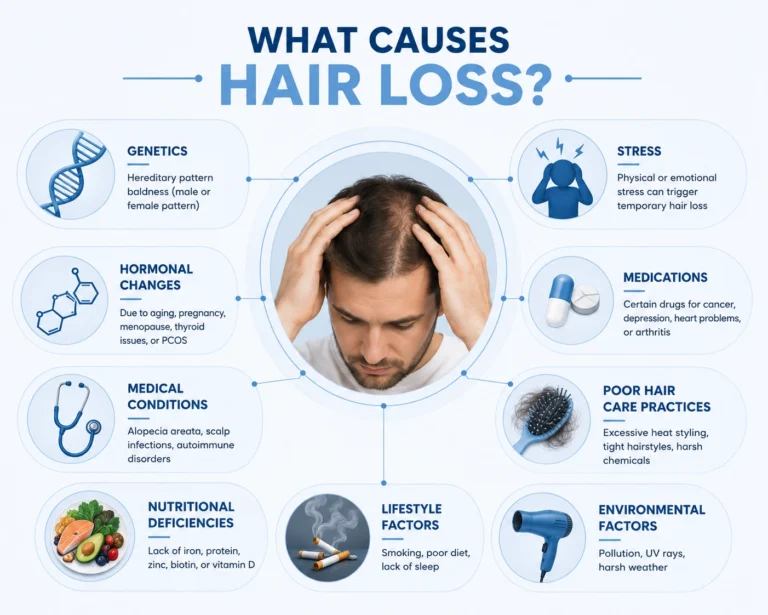
Hair loss can occur due to genetics, hormones, lifestyle factors, or medical conditions.
Androgenetic alopecia is one of the most common causes of hair loss in men.
It is influenced by:
Common patterns include:
Women may experience:
Hormonal changes and genetics can contribute to female hair thinning.
Changes in hormone levels may affect the hair growth cycle.
Examples include:
Family history plays an important role in determining susceptibility to hair thinning and baldness.
Hair loss may also be influenced by:
Low levels of certain nutrients may affect healthy hair growth, including:
This is hereditary hair loss caused by sensitivity to hormones affecting hair follicles.
This condition causes increased shedding due to disruption of the hair growth cycle.
Possible triggers include:
An autoimmune condition that can cause sudden patchy hair loss.
Common in male pattern baldness and involves gradual movement of the front hairline backward.
Reduced hair density may occur due to ageing, genetics, or other factors affecting follicle health.
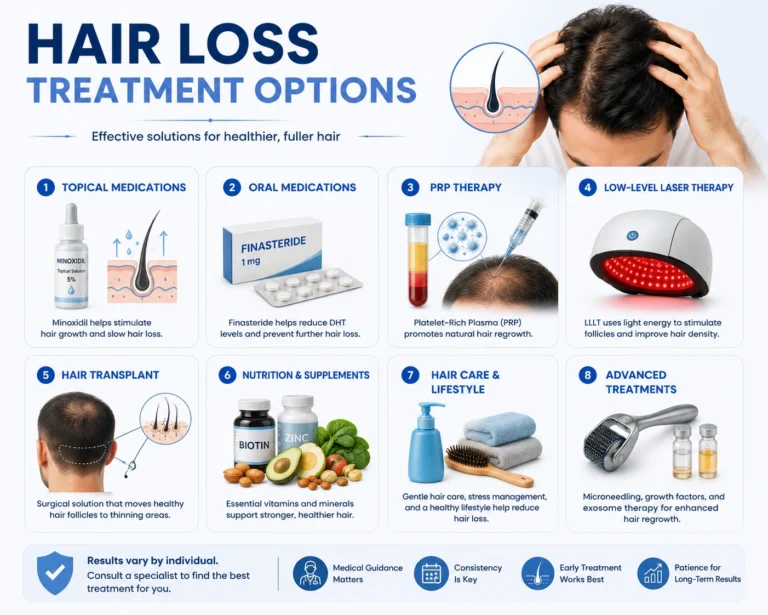
Treatment selection depends on the cause, severity, and condition of the hair follicles.
Hair transplant is a permanent hair restoration procedure that relocates healthy follicles from the donor area to thinning areas.
Common techniques include:
PRP uses concentrated platelet-rich plasma from the patient’s own blood to support scalp and follicle health.
It contains growth factors that may help improve hair growth activity.
Minoxidil is a topical medication used to support hair growth by improving follicle stimulation.
Finasteride is a medication commonly used for male pattern hair loss by reducing DHT effects on hair follicles.
Advanced regenerative treatments focus on supporting scalp health and follicle function through growth factors and biological approaches.
Follicular Unit Extraction (FUE) removes individual hair follicles from the donor area and implants them into areas with thinning or baldness.
Benefits include:
Follicular Unit Transplantation removes a strip of donor scalp containing hair follicles before transplantation.
The procedure involves:
Suitable candidates may have:
PRP involves:
Growth factors may support healthier follicle activity.
Potential benefits include:
Results vary depending on:
Minoxidil may help maintain existing hair and support regrowth in suitable patients.
Finasteride may help reduce DHT-related follicle miniaturisation in men.
A proper diagnosis helps determine whether hair loss is caused by:
Early thinning may respond well to:
Combination treatments may be considered depending on follicle condition.
Advanced cases with permanent follicle loss may require hair transplant for restoration.
Men experiencing male pattern baldness may benefit from early assessment and treatment planning.
Women with reduced density may require evaluation to identify the underlying cause.
Early intervention may help preserve existing follicles.
Good overall health supports safer treatment and recovery.
A specialist evaluates:
The cause of hair loss is identified before recommending treatment.
A personalised plan may include:
Regular follow-up helps assess results and treatment response.
Results depend on the treatment method.
Typical timelines:
Hair growth occurs gradually because follicles follow a natural cycle.
Outcomes depend on:
Recovery may include:
PRP usually involves minimal downtime, allowing most patients to return to normal activities quickly.
Patients may be advised to:
Hair loss treatment cost varies based on the procedure and individual requirements.
Pricing depends on:
Different options have different cost structures:
Hair transplant cost depends significantly on the number of follicles required for restoration.
Some treatments require multiple sessions to achieve optimal results.
Starting treatment early may help protect existing follicles.
Maintaining scalp health supports better hair conditions.
Helpful habits include:
Regular assessment helps track progression and adjust treatment when needed.
PRP hair treatment uses concentrated platelet-rich plasma from your own blood to deliver growth factors into the scalp. It helps support hair follicle health, reduce hair shedding, and improve hair density in suitable patients.
Hair transplant is a permanent hair restoration procedure that moves healthy hair follicles from the donor area to thinning or bald areas. Techniques such as FUE create natural-looking hairlines and restore long-term hair growth.
Advanced Regenerative Treatment is a regenerative hair therapy designed to support scalp health and improve follicle activity. It uses advanced cell-based technology to help stimulate hair growth and enhance hair quality in suitable cases.
LLLT is a non-invasive hair growth treatment that uses low-level laser energy to stimulate hair follicles. It may help improve scalp circulation, support follicle function, and reduce hair thinning over multiple sessions.
Minoxidil and finasteride are medical treatments used for managing hair loss. Minoxidil supports follicle stimulation and growth, while finasteride helps reduce DHT-related hair follicle miniaturisation in suitable patients.
 Ahmad Fauzan
After trying so many things, this hair regrowth solution finally worked. My crown is filling in nicely after 3 months.
Siti NurhalizaI was losing so much hair after pregnancy. This serum stopped the shedding and new baby hairs are growing fast. Highly recommend!
Rajesh SinghMy hairline was receding badly. Used this daily for 4 months — visible regrowth and much thicker hair now. Life changer.
Linda TanNoticed less hair fall within weeks. My scalp feels healthier and I see new growth along my parting. Finally something that works.
Mohd RidzuanWas skeptical but this regrowth treatment delivered. My barber even commented how much thicker my hair looks now.
Priya KaurStress caused massive hair loss for me. This solution helped regrow everything back. No more bald patches. So grateful.
Hafiz AbdullahEasy to apply, no sticky residue. I've got volume and density back after 5 months. Best decision for my hair.
Ahmad FauzanMy crown was thinning fast. This regrowth serum brought back so many new hairs. Totally worth every penny.
Siti NurhalizaPostpartum hair loss stopped after 3 weeks. Now I have a full fringe of new growth. Amazing product.
Rajesh SinghReceding hairline now filling in noticeably. Works great and no side effects for me.
Linda TanHair density improved so much. My ponytail is actually thicker now. Highly recommended.
Mohd RidzuanI see visible regrowth on my temples. Easy routine and results are real.
Priya KaurNo more worrying about hair fall when I shower. My hair feels strong and new growth is everywhere.
Hafiz AbdullahBest hair regrowth solution I've tried. Noticeable results in 8 weeks. My scalp looks fuller now.
30 Years of Expert Medical Care
For 30 years, our LCP-certified doctors have treated hair loss with precision. We target the root cause while protecting healthy follicles for natural, lasting regrowth.
Advanced, FDA-Approved Technology
We use FDA-approved systems that gently reactivate follicles from within. No needles, no downtime—just science-based care that stimulates new growth safely and effectively.
Customized for Your Unique Hair
Every person’s hair loss is different. We tailor each session to your density, scalp, and goals—whether regrowing your crown or improving overall thickness.
Proven Safety and Lasting Results
With 30 years of success, our safety protocols are trusted. We provide aftercare and nutritional guidance to keep your results vibrant long term.








GLOJAS Specialist Clinic in Kuala Lumpur offers expert, non-surgical regrowth solutions. Our LCP-certified doctors use FDA-approved technology for safe, science-based care. You’ll feel welcome as we help restore your scalp health and confidence—naturally and gently. Thicker, healthier hair is absolutely possible.