- Glomac Galeria Hartamas, Kuala Lumpur
- +60123426370
- info@glojasaesthetic.com
A skin tag is a small, soft, non-cancerous growth that typically forms within skin folds where the flesh rubs against itself or clothing. In Malaysia, these growths—scientifically known as acrochordons—are extremely common, affecting roughly 50% of the adult population, and are safely removed through minor clinical procedures such as laser therapy, cryotherapy, or electrocautery to improve skin texture and comfort.
At GLOJAS Specialist Clinic, we gently remove skin tags using advanced, gentle medical techniques. You’ll feel little to no discomfort and recover quickly. Our caring team gives you a personal evaluation and a treatment just right for your skin. We’re here to help you get smooth, healthy skin with trusted, friendly care right here in Kuala Lumpur.
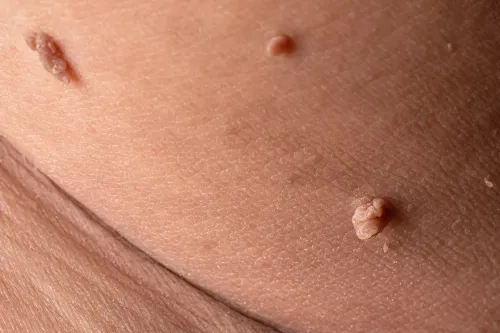
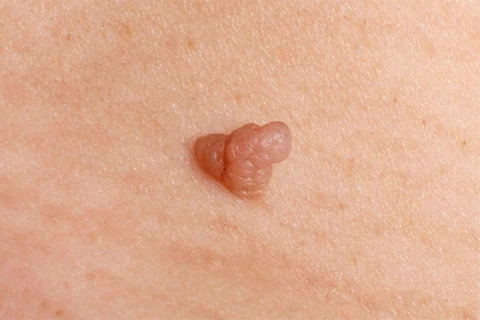
Skin tags are benign (non-harmful) fleshy bumps that often hang off the skin by a tiny, thin stalk called a peduncle.
They are usually the same color as your skin or slightly darker and can range in size from a tiny 1mm grain to a large 5cm blob.
Unlike warts, which are caused by a virus (HPV) and have a rough surface, skin tags are smooth, soft, and not contagious.
In the local medical landscape, the Ministry of Health Malaysia classifies skin tag removal as a common minor surgical or aesthetic procedure.
The most frequent cause is friction, which is why they appear in areas where skin rubs together or against jewelry and tight outfits.
Recent medical research suggests a strong link between multiple skin tags and insulin resistance or metabolic syndrome; high insulin levels can stimulate skin cell growth.
Hormonal fluctuations during pregnancy often trigger sudden growth due to increased growth factors in the blood.
Genetics play a huge role—if your parents had them, you are statistically more likely to find them appearing as you age.
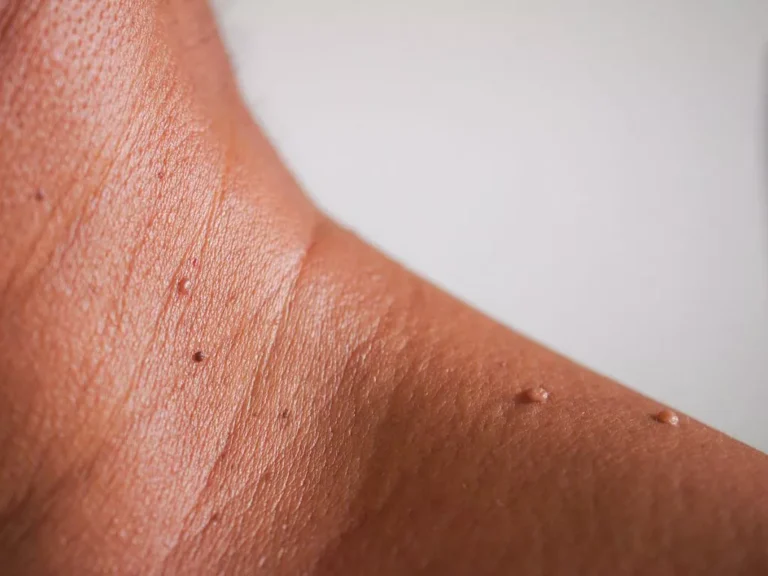
The neck is the most visible area, where friction from collars and necklaces often irritates the skin.
Armpits (axilla) and the groin area are highly susceptible due to constant moisture and skin-on-skin contact.
Eyelids are a common but delicate spot, requiring high precision during removal to protect the eyes.
Under the breasts is a frequent site for women, often exacerbated by the friction caused by underwired bras.
Cosmetic Choice: Most Malaysians opt for removal because they feel self-conscious about the “bumps” on their neck or face.
Physical Irritation: Removal is highly recommended if a tag frequently gets snagged on zippers, clothing, or jewelry, causing bleeding or pain.
Diagnostic Safety: If a growth changes color, becomes hard, or bleeds spontaneously, a certified dermatologist should examine it to rule out skin cancer.
Hygiene: Large tags in the groin or armpit area can sometimes trap sweat and bacteria, leading to minor skin infections or odors.
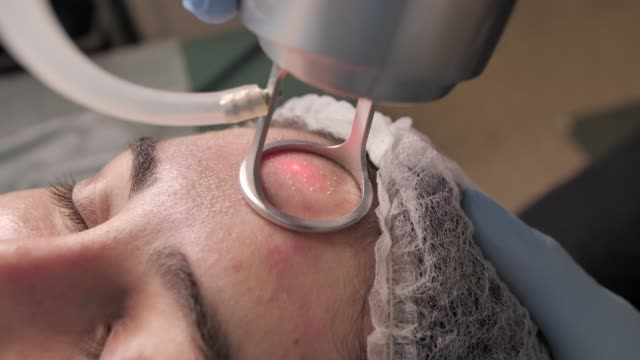
CO2 Lasers are the gold standard in aesthetic clinics across Kuala Lumpur and Selangor for their extreme precision.
The laser beam vaporizes the skin tag tissue layer by layer while sealing blood vessels and nerve endings simultaneously.
This method offers the lowest risk of scarring and the fastest healing time, making it ideal for visible areas like the face or eyelids.
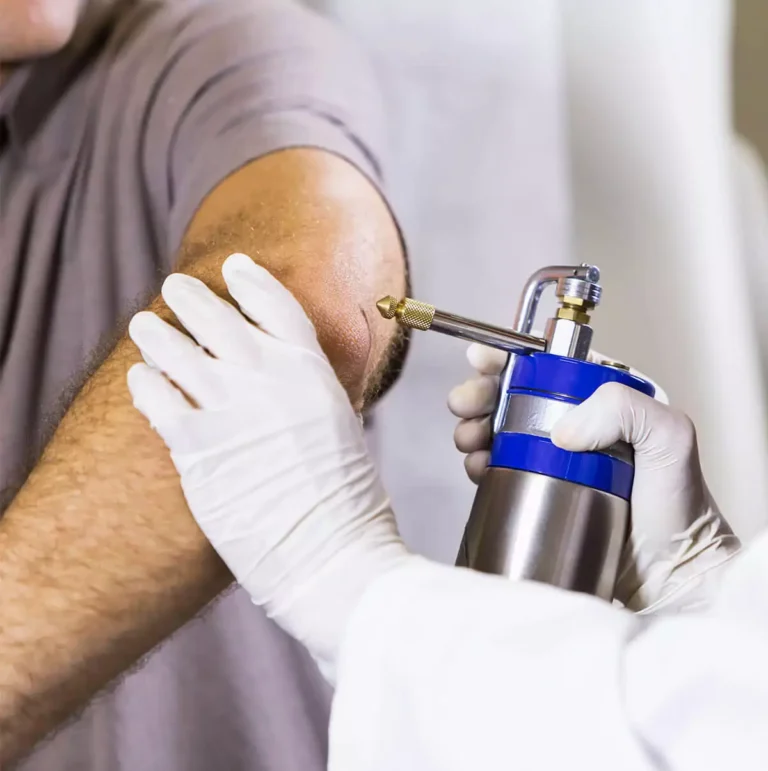
This involves applying liquid nitrogen at extremely low temperatures (around -196°C) to the base of the skin tag.
The intense cold destroys the cells and cuts off the blood supply, causing the tag to turn black and drop off naturally within 10–14 days.
It is a quick, “no-needle” option that is very popular in Malaysian clinics for smaller growths.
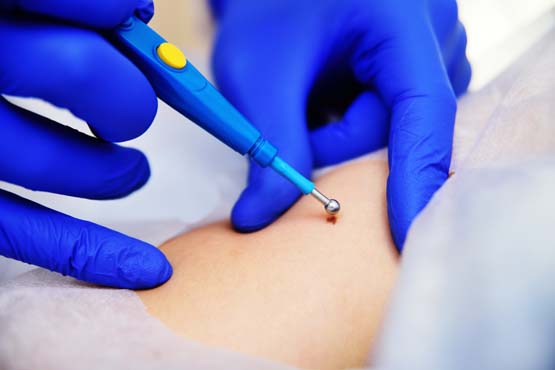
A specialized tool uses a high-frequency electrical current to heat and burn the stalk of the skin tag.
This method is highly effective because it cauterizes the wound instantly, meaning there is virtually no bleeding during the session.
It is often the preferred choice for medium-sized tags where a clean, immediate “snip” is desired.
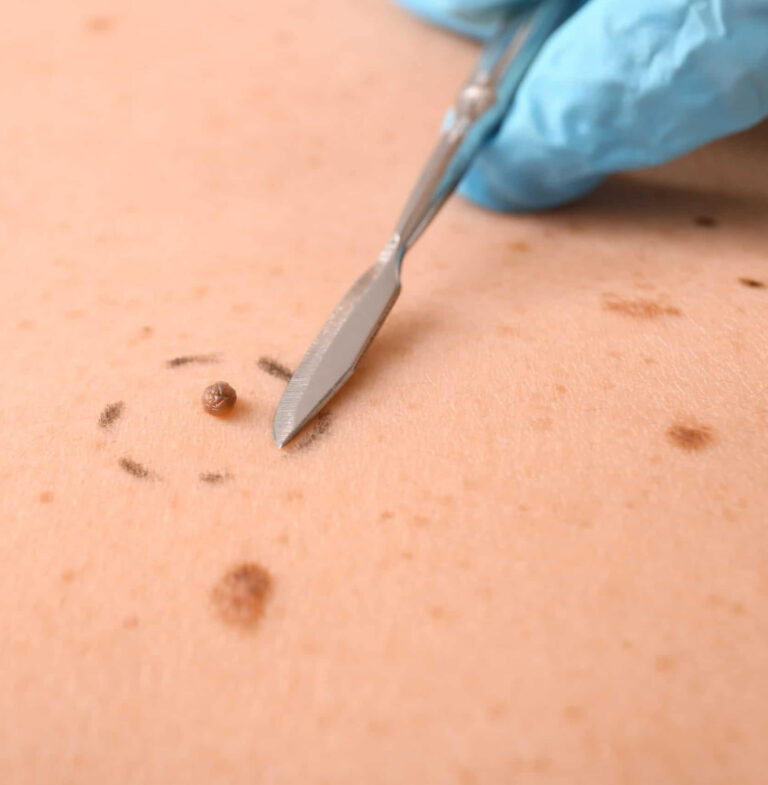
For very large or thick-based skin tags, a doctor may use sterile surgical scissors or a scalpel to physically cut the growth away.
A local anesthetic is typically injected first to ensure the patient feels absolutely nothing during the process.
While it sounds intense, it provides the most “instant” result, though it may occasionally require a tiny stitch for very large lesions.
| Method | Estimated Price (MYR) | Best For |
| Cryotherapy | RM50 – RM200 per tag | Small tags, no needles |
| Electrocautery | RM80 – RM250 per tag | Common body tags |
| CO2 Laser | RM150 – RM400 per tag | Face, neck, and precision |
| Surgical Excision | RM100 – RM300 per tag | Large or deep-rooted tags |
Every session begins with a professional skin analysis to confirm the growth is indeed a benign skin tag and not a mole or wart.
The doctor will check your medical history, particularly if you have issues with keloid scarring or are on blood-thinning medication.
You will receive an estimate of the number of tags to be removed and the recommended technology for your skin type.
The choice depends on the size of the tag; smaller ones might get cryotherapy, while larger ones are better suited for CO2 lasers.
Sensitivity of the area matters—eyelid tags almost always require the precision of a laser or fine-tip cautery.
Your budget also plays a role, as laser treatments are typically priced higher than simple chemical freezing or excision.
Sanitization: The target area is cleaned with an antiseptic solution to prevent any risk of bacterial infection.
Numbing: For most methods (except perhaps cryotherapy for tiny tags), a topical numbing cream or a small local anesthetic injection is applied.
Removal: The doctor performs the removal, which usually takes only 15 to 30 seconds per skin tag.
Aftercare: An antibiotic ointment and a small adhesive bandage are applied to protect the fresh skin.
Day 1–2: The area may look like a small red spot or a tiny “burn” mark; minor swelling is perfectly normal.
Day 3–7: A small, dry scab will form over the site—it is crucial not to pick at this to avoid scarring.
Week 1–2: The scab falls off naturally, revealing pinkish new skin underneath that will gradually blend with your surrounding skin tone.
1 Month: In most cases, the site becomes completely invisible with no trace of the previous growth.
If performed by a professional, the result is smooth, bump-free skin with minimal to no pigment changes.
In some cases, people with darker skin tones may experience temporary post-inflammatory hyperpigmentation, which fades over a few months.
The goal is a natural finish where the texture of the treated area matches the rest of your body perfectly.
Temporary redness and a slight stinging sensation are the most common reactions immediately following the procedure.
A small dark scab is a necessary part of the healing process; it acts as a “natural bandage” for the healing tissue beneath.
Some patients might notice a small “dent” or lighter patch of skin initially, but this typically fills in and evens out within weeks.
Infection is rare but possible if the area isn’t kept clean; signs include increasing pain, heat, or yellow discharge.
Scarring or keloid formation can occur in individuals predisposed to it, though medical removal significantly reduces this risk.
Incomplete removal might happen with cryotherapy, where the “root” isn’t fully frozen, leading to the tag potentially regrowing in the same spot.









1. 30+ Years of Trusted Expertise
With over three decades in aesthetic medicine, GLOJAS has safely treated thousands of patients. Our experience means fewer risks, better results, and complete peace of mind.
2. MOH & LCP-Certified Doctors
Your safety comes first. Our certified doctors perform every skin tag removal with precision, sterile techniques, and proper medical protocols — never by untrained staff.
3. Painless & Quick Procedure
Most removals take just 10–15 minutes with minimal discomfort. Local numbing ensures you feel almost nothing. Walk in, get treated, and leave with clear skin the same day.
4. No Scarring, Just Smooth Skin
We use advanced excision and cauterization methods that target only the skin tag. The result? Clean removal with little to no visible scarring, even on delicate areas like the neck or eyelids.
5. Affordable & Transparent Pricing
No hidden fees or surprise charges. You’ll know the exact cost before treatment. We offer competitive rates with free consultation to assess your skin tags first.
At GLOJAS Specialist Clinic, our caring MOH and LCP-certified doctors remove skin tags safely using advanced technology. We make sure you’re comfortable, cared for, and left with clear, smooth skin. Your trust means everything to us.