
Finasteride for Hair Loss: Uses, Results, and Side Effects in Malaysia

Quick Fact Check: Finasteride Malaysia Select a topic below to instantly view key medical facts regarding hair loss treatment options in Malaysia. Primary Uses What is 1mg daily used for? Expected Results Timeline for visible hair growth Side Effects Common risks and frequencies Cost & Regulation Generic vs Brand prices in MY Uses: Finasteride 1mg is officially registered in Malaysia for the treatment of male pattern hair loss (androgenetic alopecia) in adult men. It works by inhibiting the 5-alpha-reductase enzyme, reducing scalp DHT levels. Note that it is a prescription-only medication. Enquire via WhatsApp Hair loss affects millions of men worldwide, and in Malaysia, Finasteride has emerged as one of the most effective medically approved treatments for male pattern baldness. This guide covers everything you need to know about Finasteride in Malaysia — from how it works to costs, side effects, and safety guidelines from the National Pharmaceutical Regulatory Agency (NPRA). What Is Finasteride? Definition Finasteride is a prescription-only medication that belongs to a class of drugs called 5-alpha-reductase inhibitors. It is available in two strengths in Malaysia: 1mg for male pattern hair loss (androgenetic alopecia) and 5mg for benign prostatic hyperplasia (BPH) — an enlarged prostate condition. How This Medication Works For Hair Loss This drug works by blocking the enzyme 5-alpha-reductase (type II) , which converts the male hormone testosterone into dihydrotestosterone (DHT) . DHT is the primary hormone responsible for shrinking hair follicles in men with genetic hair loss. By reducing DHT levels by approximately 70% , the treatment slows hair loss, maintains existing hair, and promotes regrowth in many users. Finasteride 1mg vs 5mg In Malaysia 1mg For Hair Loss The 1mg version is specifically indicated for male pattern hair loss (androgenetic alopecia) . It is approved by Malaysia’s Drug Control Authority (DCA) for this purpose and is available in both oral tablet and topical spray formulations. The lower dosage targets scalp DHT without significantly affecting prostate function. 5mg For Enlarged Prostate The 5mg strength (brand names: Proscar, Fincar, Finagen) is indicated for benign prostatic hyperplasia (BPH) . It reduces prostate size, improves urinary symptoms, and lowers the risk of acute urinary retention and prostate-related surgery. While effective for BPH, the 5mg strength is not approved for hair loss treatment, though some men use it off-label by splitting tablets. FinasteridePrice In Malaysia (2026) Finasteride Cost Of 1mg Brand / Type Price (RM) Duration Generic (e.g., Finapecia) RM 60 – RM 100 1 month Branded Propecia RM 180+ 1 month Generic versions are significantly more affordable and contain the same active ingredient as branded options. Finasteride Cost Of 5mg Brand / Type Price (RM) Quantity Fincar RM 7.90 – RM 10.53 10 tablets (strip) Proscar RM 118.80 – RM 251.44 Box (various sizes) Finagen ~RM 15+ 10 tablets (strip) Important: The 5mg tablets are indicated for BPH, not hair loss. Some men purchase the higher dose and split them into quarters (1.25mg) off-label, but this should only be done after consulting a doctor. Generic vs Branded Comparison Generic Branded (Propecia/Proscar) Active ingredient Identical Identical Effectiveness Equivalent Equivalent Price Lower (RM 60–100/month for 1mg) Higher (RM 180+/month) Availability Widely available in Malaysia Widely available How To Get Finasteride Treatment In Malaysia Prescription Requirements This medication is prescription-only (POM) in Malaysia . You cannot purchase it over the counter at pharmacies. To obtain this hair loss treatment legally, you must: Consult a registered medical professional (doctor, dermatologist, or via licensed online consultation platforms) Obtain a valid prescription after medical assessment Purchase from a licensed pharmacy (physical or online) Online platforms in Malaysia offer online medical consultations followed by prescription dispensing and discreet delivery. Pharmacy Availability This drug is available at: Physical pharmacies: Major chains like AA Pharmacy, BIG Pharmacy, Caring Pharmacy, and hospital pharmacies Licensed online pharmacies: MOH-registered e-pharmacies across Malaysia Delivery time within Malaysia: 2–3 working days for most online orders. Finasteride Results For Hair Loss Expected Timeline Timeframe Expected Results 3–6 months Reduced hair shedding; early signs of stabilization 6–12 months Visible improvement in hair thickness and density 1–2 years Maximum regrowth results 5+ years 90% of users maintain or improve hair compared to baseline Daily use for 3 months or more is necessary before increased hair growth or prevention of further hair loss is observed. Continued use is recommended to obtain maximum benefit. Stopping Hair Shedding Clinical studies show that this medication stops hair shedding or improves hair density in: 70% of men with temple hair loss 83% of men with crown hair thinning 90% of men after 5 years of continuous use Maintaining Results You need to take the daily tablet for ongoing benefits. Male pattern baldness is a permanent condition — it can be controlled but not cured. Withdrawal of treatment leads to reversibility of effect within 12 months . Within a few days of stopping, DHT levels return to pre-treatment values, and hair loss resumes. Finasteride Side Effects Sexual Side Effects Side Effect Incidence (Clinical Trials) Decreased libido (reduced sex drive) 1–4% Erectile dysfunction (difficulty achieving/maintaining erection) 2–4% Reduced semen volume / ejaculation disorders < 2% Testicular pain Rare The incidence of these side effects decreased to 0.3% or less by the fifth year of treatment with the 1mg dose. Most side effects resolve after discontinuation or even while continuing therapy. Other Side Effects Psychological: Depression, mood changes, anxiety (rare) Physical: Gynecomastia (breast tenderness/enlargement), dizziness, skin rashes Allergic reactions: Swelling of lips, tongue, face (angioedema), urticaria, pruritus When Side Effects Stop Most side effects are mild and reversible. They typically resolve within weeks to months after stopping the medication. The short half-life of Finasteride means it leaves your system within a few days. Post-Finasteride Syndrome (PFS): Some men report persistent sexual dysfunction lasting more than 3 months after discontinuation. However, this remains debated in the medical community, and some cases may involve a nocebo effect (psychological expectation of side effects). Finasteride Safety Warnings Who Should Not Take This Drug It is NOT indicated for: Women (especially pregnant women — can cause birth defects in male fetuses) Children Postmenopausal women with androgenetic alopecia (not effective) Use with caution in: Men with liver impairment (the medication is metabolized extensively in the liver) Men with a history of psychiatric disorders (monitor closely for mood changes) NPRA Malaysia Guidelines The National Pharmaceutical Regulatory Agency (NPRA) Malaysia has issued important safety guidance regarding this hair loss medication: Key Points
10 Cara Hilangkan Kelemumur Dengan Cepat dan Berkesan
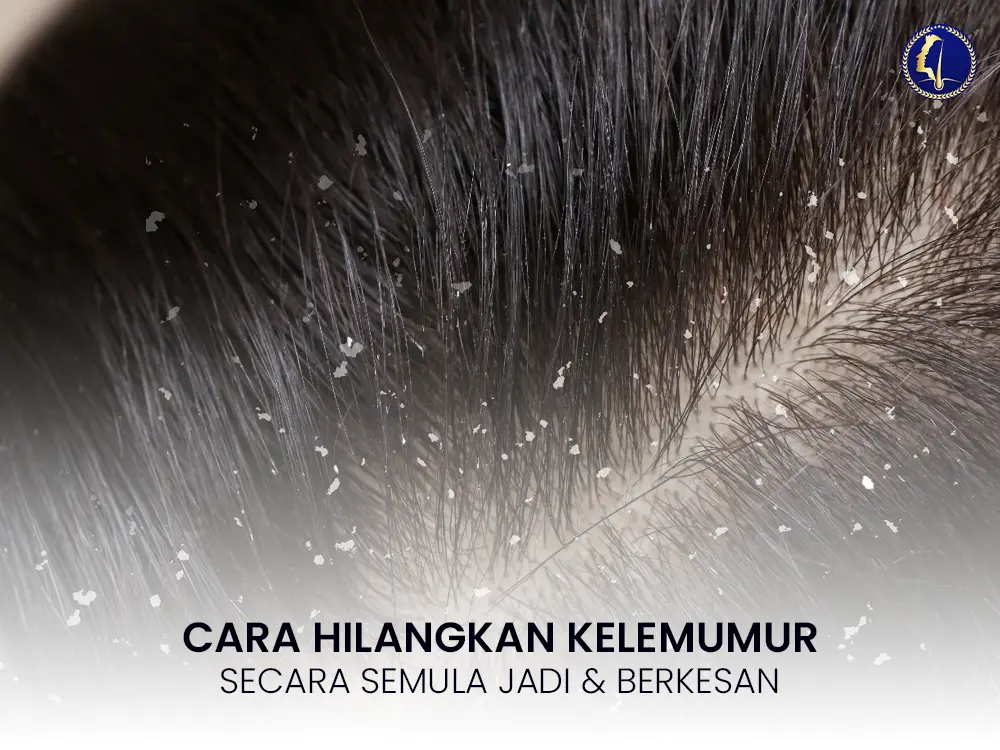
Tips #1 Rawatan Pantas Minyak Kelapa Dara Minyak kelapa membantu melembapkan kulit kepala yang kering dan melawan kulat penyebab kelemumur. ✓ Sapukan 2 sudu besar minyak kelapa pada kulit kepala. ✓ Urut perlahan-lahan dan biarkan selama 15-20 minit. ✓ Bilas bersih menggunakan syampu lembut. Masih tak berkesan? Dapatkan konsultasi terus: WhatsApp Pakar Rambut Cara Hilangkan Kelemumur Dengan Cepat dan Berkesan Cara hilangkan kelemumur dengan cepat melibatkan penggunaan syampu anti-kelemumur dengan bahan aktif seperti ketoconazole atau zinc pyrithione, serta mengekalkan kebersihan kulit kepala. Untuk rawatan semula jadi, gunakan bahan seperti cuka epal atau minyak kelapa bagi mengurangkan kulat Malassezia. Elakkan produk rambut berasaskan kimia berat dan amalkan rutin basuh rambut secara konsisten. Punca Kelemumur Yang Ramai Tak Tahu Sebelum kita melihat petua paling cepat untuk merawatnya, kita perlu tahu kenapa kelemumur ini boleh terjadi. Kelemumur pada asasnya adalah sel kulit mati yang luruh pada kadar yang lebih cepat daripada biasa, sering dipicu oleh pembiakan sejenis kulat (fungus) semulajadi di kulit kepala yang dipanggil Malassezia. Kulit Kepala Kering vs Kulit Kepala Berminyak Ramai orang menyangka kelemumur hanya berlaku pada kulit yang kering. Hakikatnya, jenis kulit kepala memainkan peranan penting: Kulit Kepala Berminyak: Menghasilkan sebum berlebihan yang menjadi “makanan” kepada kulat Malassezia. Kelemumur jenis ini biasanya berwarna kekuningan, melekit, bersaiz besar, dan kerap menyebabkan kulit kepala gatal dan berkerak. Kulit Kepala Kering: Menghasilkan serpihan putih yang lebih kecil, halus, dan kering. Ia biasanya berpunca daripada kekurangan kelembapan atau kesan dehidrasi. Kesan Produk Rambut dan Gaya Hidup Penggunaan produk penggayaan rambut seperti gel, minyak rambut (pomade), atau penyembur rambut (hairspray) yang tidak dibilas dengan bersih boleh menyumbat liang rambut. Selain itu, faktor gaya hidup seperti stres melampau, diet yang tinggi gula, serta tabiat tidak mengeringkan rambut dengan betul selepas mandi (terutamanya bagi wanita berhijab) akan memburukkan lagi pembiakan bakteria dan kulat. Cara Hilangkan Kelemumur di Rumah Anda tidak perlu membelanjakan wang yang banyak di salon rambut untuk menguruskan masalah ini. Rawatan awal boleh dimulakan terus dari rumah. Pilih Syampu Anti Kelemumur Yang Betul Langkah pertama yang paling kritikal ialah menukar syampu harian anda kepada syampu anti kelemumur khusus. Jangan hanya membeli berdasarkan bauan yang wangi, sebaliknya semak label dan pastikan ia mengandungi bahan aktif yang terbukti secara klinikal untuk membunuh kulat dan mengurangkan keradangan. Petua Semula Jadi: Limau, Cuka Epal, Minyak Kelapa Jika anda mahu menggabungkan kaedah moden dengan petua semula jadi, berikut adalah beberapa cara hilangkan kelemumur secara semula jadi yang boleh dicuba: Cuka Epal (Apple Cider Vinegar): Keasidan cuka epal membantu mengubah pH kulit kepala, sekali gus menyukarkan kulat untuk membiak. Cara guna cuka epal: Campurkan satu sudu cuka epal bersama satu cawan air. Sembur atau lumur pada kulit kepala, biarkan selama 15 minit, kemudian bilas bersih. Limau Nipis atau Lemon: Asid sitrik dalam limau membantu mengawal minyak berlebihan dan mengikis sel kulit mati. Perah jus limau dan urut perlahan pada kulit kepala sebelum dicuci. Mienyak Kelapa: Sesuai untuk kelemumur jenis kulit kepala kering. Minyak kelapa bertindak sebagai ejen pelembap semula jadi dan mempunyai sifat antikulat ringan untuk mengurangkan kegatalan. Rutin Cuci Rambut Untuk Elak Kelemumur Datang Balik Cara elak kelemumur datang balik adalah dengan konsisten menjaga kebersihan. Pastikan anda membasuh rambut 2 hingga 3 kali seminggu (atau setiap hari jika anda kuat berpeluh). Semasa mencuci, urut kulit kepala dengan lembut menggunakan hujung jari (bukan kuku) untuk melonggarkan kerak kelemumur. Paling penting, pastikan kulit kepala benar-benar kering sebelum anda memakai tudung atau tidur. Syampu Kelemumur Paling Berkesan di Malaysia 2026 Pasaran farmasi tempatan menawarkan pelbagai pilihan produk mengikut bajet dan kesesuaian kulit anda. Berikut adalah perbandingan antara jenama popular dan fungsinya: Untuk Kulit Kepala Gatal dan Berminyak Bagi masalah minyak berlebihan dan kegatalan yang amat sangat, anda memerlukan syampu yang mengandungi Zinc Pyrithione atau Selenium Sulfide. Head & Shoulders: Sangat bagus untuk kegunaan harian bagi mengawal minyak dan mengekalkan kesegaran kulit kepala dengan formulasi Zinc Pyrithione. Selsun Blue: Mengandungi Selenium Sulfide yang lebih kuat untuk melawan kulat memandangkan ia menyasarkan terus akar umbi punca kelemumur gatal kenapa ia terjadi. Untuk Kulit Kepala Sensitif dan Kering Jika kulit kepala anda mudah merah, pedih, atau menggelupas kasar, elakkan syampu yang mengandungi bahan kimia keras atau buih yang terlalu banyak. Cari syampu tanpa SLS (Sodium Lauryl Sulfate) dan tanpa paraben. Syampu organik atau berasaskan tea tree oil membantu menenangkan kulit kepala tanpa menghilangkan minyak semula jadi kulit. Syampu yang mengandungi Ketoconazole (seperti Nizoral) juga sangat efektif sebagai rawatan intensif 2 kali seminggu untuk kes kelemumur tebal. Harga dan Di Mana Nak Beli Produk-produk ini sangat mudah didapati. Anda boleh terus mencari syampu kelemumur terbaik di Watsons atau Guardian berhampiran. Harga syampu anti kelemumur ini secara umumnya adalah mampu milik: Kategori Syampu Anggaran Harga (RM) Cadangan Jenama Komersial / Harian RM 15.00 – RM 30.00 Head & Shoulders, Clear Rawatan Intensif (Farmasi) RM 35.00 – RM 65.00 Selsun Blue, Sebamed Medicated (Klinikal) RM 50.00 – RM 90.00 Nizoral (Ketoconazole 2%) Bila Perlu Jumpa Doktor Kulit Ada kalanya, masalah “kelemumur” yang anda alami sebenarnya bukan sekadar masalah rambut biasa, tetapi petanda isu kesihatan yang lebih kronik. Tanda Kelemumur Sudah Jadi Penyakit Kulit Kepala Sekiranya kulit kepala anda mula berdarah, berkerak terlalu tebal seakan-akan kepingan lilin, berwarna kemerahan yang ekstrem, atau merebak ke kawasan kening dan belakang telinga, ini bermakna kelemumur tersebut mungkin telah bertukar menjadi penyakit kulit seperti Seborrheic Dermatitis atau Psoriasis. Rawatan Klinik Yang Doktor Sarankan Jika keadaan ini berlaku, penggunaan syampu biasa tidak akan mencukupi. Anda dinasihatkan untuk mencari klinik kulit kepala near me atau membuat janji temu dengan doktor kulit terbaik Malaysia. Doktor biasanya akan memberikan: Syampu berkepekatan tinggi (preskripsi perubatan). Losyen atau ubat titis berasaskan kortikosteroid untuk menghentikan keradangan dan gatal dengan cepat. Rawatan pembersihan kulit kepala (scalp treatment) secara mendalam menggunakan teknologi klinik. Kesilapan Biasa Yang Buat Kelemumur Makin Teruk Berdasarkan review syampu berkesan dan testimoni pengguna, ramai yang gagal menghilangkan kelemumur disebabkan beberapa kesilapan tanpa sedar ini: Menggaru Kulat Dengan Kuku: Ini boleh menyebabkan luka terbuka, jangkitan bakteria sekunder, dan membuatkan kulit kepala semakin meradang. Kerap Menukar Syampu: Memberikan kejutan kimia pada kulit kepala secara berterusan. Cuba satu syampu anti-kelemumur
Eyebrow Transplant in Malaysia: Procedure, Benefits, Recovery & Results
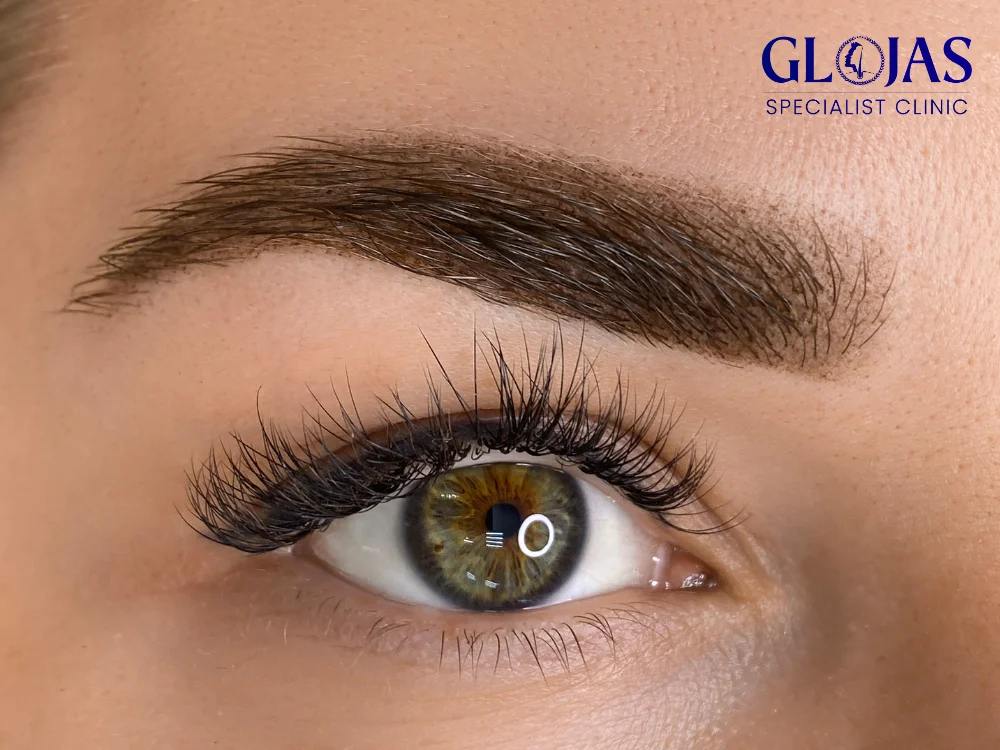
Tired of filling in your brows every morning? An eyebrow transplant might be the permanent fix you’ve been searching for. Whether yours are thin from overplucking, lost due to scarring, or just naturally sparse, this procedure restores real hair for brows that look and feel like your own. Let’s walk through everything you need to know before booking one in Malaysia — from how it works to cost, recovery, and whether you’re a good fit. What Is an Eyebrow Transplant? An eyebrow transplant is a type of eyebrow hair restoration where healthy hair follicles are moved from a donor area, usually the back of your scalp, to your brow area. Unlike makeup, microblading, or tattooing, this is your actual hair growing through your skin. The result? Permanent eyebrow transplant results that you can trim, shape, and style. How Does an Eyebrow Transplant Work? Most clinics in Malaysia use the FUE method, which stands for Follicular Unit Extraction. Here’s the simple version: Harvesting: The surgeon extracts individual hair follicles from your donor area. Scalp hair is chosen because it’s the best texture match. Design: You and the doctor map out your ideal brow shape, angle, and density. Implantation: Each follicle is implanted one by one into tiny incisions along your natural brow line. Direction and angle matter — they’re placed to mimic natural growth. The whole eyebrow transplant procedure is done under local anesthesia. You’re awake, but you won’t feel pain during the process. Is an Eyebrow Transplant Permanent? Yes. Once the transplanted follicles take root, they continue growing for life. That’s the big advantage over microblading, which fades in 1-3 years. Heads up though: because it’s scalp hair, it grows longer and faster than normal brow hair. You’ll need to trim it every 7-10 days. Who Is a Good Candidate for an Eyebrow Transplant? You don’t need to be completely brow-less to qualify. Most people considering eyebrow restoration fall into one of these groups: Thin or Sparse Eyebrows Genetics plays a big role. If you’ve always had fine, light, or patchy brows, a transplant adds density using your own hair. Overplucked Eyebrows The 90s called — they want their tweezers back. Years of overplucking can damage follicles permanently. If they won’t grow back, transplantation is one of the only real solutions. Hair Loss Due to Injury or Scarring Burns, accidents, surgery, or conditions like alopecia can leave areas of the brow with no growth. Eyebrow reconstruction can camouflage scars and rebuild the shape. Naturally Sparse Eyebrows Some people are born with very little brow hair. If pencils and powders aren’t cutting it anymore, grafting gives you a fuller baseline to work with. Generally, good candidates are in good health, have enough donor hair, and have realistic expectations. A consultation will confirm if you’re suitable. Benefits of an Eyebrow Transplant Why choose surgery over other sparse eyebrows treatment options? Here’s what makes it stand out: Natural look and feel: It’s real hair, not pigment. You can swim, sweat, and wash your face without it smudging. Permanent results: No more annual touch-ups like with microblading. Customizable: Your surgeon designs the shape, arch, and thickness with you. Scar coverage: Effectively hides scars in the brow area. Low maintenance long-term: After the initial growth phase, it’s just normal trimming. Eyebrow Transplant Procedure Wondering what actually happens on the day? Here’s the breakdown. Consultation and Brow Design This is the most important step. Your doctor assesses your facial symmetry, donor hair, and goals. They’ll draw your new brows and adjust until you love the shape. Photos are taken for eyebrow transplant before and after comparison. Don’t rush this part. Hair Follicle Extraction On procedure day, the donor area at the back of your scalp is trimmed and numbed. Individual follicles are extracted using a micro punch tool, usually 0.7-0.9mm in size. An eyebrow typically needs 200-400 grafts total, or 100-200 per side. Follicle Implantation The brow area is numbed. The surgeon makes tiny recipient sites following your agreed design. Each eyebrow graft is then placed meticulously to match the natural angle and direction. This part is artistry. The procedure takes 3-5 hours depending on graft count. Recovery After an Eyebrow Transplant Recovery is straightforward, but you’ll need patience for the final look. Aftercare Instructions Days 1-3: Expect mild redness, swelling, and tiny scabs. Sleep elevated. No touching or washing the brows. Days 4-7: Gentle washing begins. Scabs start to fall off. Avoid gym, sauna, and sun. Weeks 2-4: The “shock loss” phase hits. Transplanted hairs fall out. Don’t panic — this is normal. The follicles are still alive under the skin. Month 2+: New growth starts. You can resume normal skincare and makeup. Full healing takes about 7-10 days. Most people return to work after 3-5 days. When Will the Transplanted Eyebrows Grow? You’ll see initial growth around month 3. At month 6, about 60% of the result is visible. Eyebrow transplant results are considered final at 10-12 months. That’s when you see full density and can truly judge the outcome. Eyebrow Transplant Before and After Results Realistic expectations matter. You’ll get fuller brows, but not Instagram-filter perfect instantly. The hair texture will be slightly different at first and softens over time. Ask your clinic for their portfolio of eyebrow transplant before and after cases with similar hair type to yours. Risks and Side Effects of an Eyebrow Transplant It’s surgery, so there are risks — though complications are rare with an experienced surgeon. Possible issues include: Temporary swelling, bruising, or redness Ingrown hairs as new hair grows in Poor growth or patchiness needing a touch-up Infection if aftercare isn’t followed Scarring at the donor site, though FUE scars are dot-like and hidden by hair Choosing a board-certified surgeon in Malaysia who specializes in eyebrow hair transplant Malaysia reduces these risks significantly. Eyebrow Transplant Cost in Malaysia Eyebrow transplant cost varies based on clinic reputation, surgeon experience, and number of grafts. In Malaysia, here’s the typical range: Factor Estimated Cost (RM) Basic case, 200-250 grafts RM6,000 – RM9,000 Standard case, 250-350 grafts RM9,000 – RM13,000 Complex case, scars or 350+ grafts RM13,000 – RM18,000 Most clinics charge per
Kos Tanam Jambang: Panduan Lengkap dan Terperinci
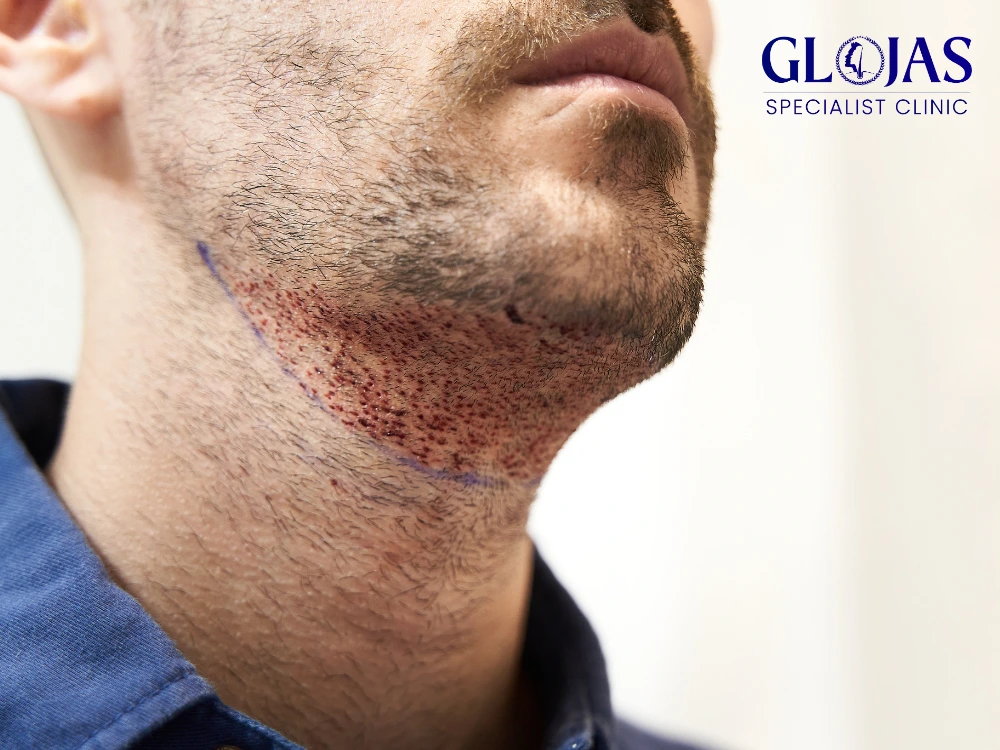
Kalkulator Anggaran Kos Tanam Jambang Pilih jumlah graf (grafts) yang anda perlukan untuk melihat anggaran kos pasaran di Malaysia. Jumlah Graf (Grafts): 1,500 Grafts 500 (Min) 3,500 (Max) Anggaran Kos Keseluruhan: RM 9,000 *Nota: Purata anggaran RM6 – RM8 segraf. Kos sebenar bergantung pada teknik (FUE/DHI) dan klinik. Tanya Kos Sebenar via WhatsApp Tanam jambang adalah prosedur kosmetik yang semakin mendapat perhatian di kalangan lelaki di Malaysia. Banyak individu ingin memiliki jambang yang lebat dan kemas untuk meningkatkan penampilan mereka dan meningkatkan keyakinan diri. Namun, sebelum memutuskan untuk menjalani prosedur ini, adalah penting untuk memahami kos tanam jambang serta faktor-faktor yang mempengaruhi harga dan keputusan tersebut. Artikel ini akan mengupas secara terperinci mengenai kos tanam jambang, prosesnya, manfaat, dan aspek lain yang perlu dipertimbangkan. Apa Itu Tanam Jambang? Tanam jambang adalah prosedur pembedahan kosmetik yang melibatkan pemindahan folikel rambut dari kawasan donor ke kawasan wajah yang memerlukan jambang. Tujuan utama prosedur ini adalah untuk memberikan penampilan jambang yang lebih penuh dan semula jadi. Proses tanam jambang biasanya dilakukan menggunakan teknik seperti FUE (Follicular Unit Extraction) dan FUT (Follicular Unit Transplantation). Kedua-dua teknik ini mempunyai kelebihan dan kekurangan masing-masing. Faktor yang Mempengaruhi Kos Tanam Jambang Kos tanam jambang tidak tetap dan boleh berbeza-beza bergantung kepada beberapa faktor. Berikut adalah faktor-faktor utama yang mempengaruhi kos tanam jambang: Klinik dan Lokasi: Klinik di bandar-bandar besar seperti Kuala Lumpur atau Johor Bahru cenderung mengenakan kos yang lebih tinggi berbanding dengan klinik di kawasan luar bandar. Ini disebabkan oleh kos penyewaan, gaji kakitangan, dan perkhidmatan yang lebih premium di kawasan bandar. Pengalaman Pakar Bedah: Kos tanam jambang juga dipengaruhi oleh pengalaman dan reputasi pakar bedah. Pakar yang lebih berpengalaman dan terkenal biasanya mengenakan bayaran yang lebih tinggi kerana mereka memiliki kemahiran dan pengetahuan yang lebih baik dalam menjalankan prosedur ini. Teknik yang Digunakan: Kos tanam jambang berbeza mengikut teknik yang dipilih. Sebagai contoh, teknik FUE mungkin lebih mahal berbanding dengan teknik FUT kerana ia memerlukan proses yang lebih rumit dan memakan masa. Kualiti Bahan dan Alat: Klinik yang menggunakan teknologi dan alat terkini mungkin mengenakan kos yang lebih tinggi. Penggunaan bahan berkualiti tinggi juga akan mempengaruhi harga, tetapi ia juga menjamin hasil yang lebih baik. Jumlah Rambut yang Ditanam: Kos tanam jambang akan meningkat jika bilangan folikel rambut yang diperlukan adalah lebih banyak. Oleh itu, pesakit perlu berbincang dengan pakar tentang jumlah folikel yang diperlukan untuk mencapai hasil yang dikehendaki. Perkhidmatan Tambahan: Beberapa klinik menawarkan perkhidmatan tambahan seperti pemantauan pasca pembedahan dan rawatan susulan. Kos untuk perkhidmatan ini juga perlu dipertimbangkan. Kos Tanam Jambang di Malaysia Secara purata, kos tanam jambang di Malaysia boleh berkisar antara RM3,000 hingga RM10,000. Namun, angka ini hanyalah anggaran dan kos sebenar mungkin berbeza bergantung kepada faktor-faktor yang telah disebutkan. Mari kita lihat lebih dekat anggaran kos berdasarkan teknik dan keadaan. 1. Teknik FUE Teknik FUE adalah salah satu pilihan paling popular bagi mereka yang ingin melakukan tanam jambang. Dalam teknik ini, folikel rambut diambil satu persatu dari kawasan donor, biasanya di belakang kepala, dan ditanam di kawasan jambang yang dikehendaki. Kos tanam jambang menggunakan teknik FUE biasanya berkisar antara RM5,000 hingga RM10,000. Kelebihan teknik ini adalah ia tidak meninggalkan parut yang ketara dan hasilnya sering kelihatan lebih semula jadi. 2. Teknik FUT Teknik FUT, di mana jalur kulit yang mengandungi folikel rambut diambil dari kawasan donor, juga merupakan pilihan yang baik. Kos tanam jambang menggunakan teknik FUT biasanya lebih rendah, antara RM3,000 hingga RM7,000. Walau bagaimanapun, teknik ini mungkin meninggalkan parut yang lebih ketara berbanding teknik FUE. Ini adalah pertimbangan penting bagi mereka yang lebih mementingkan penampilan pasca pembedahan. 3. Klinik Terkenal vs. Klinik Tempatan Klinik yang terkenal dengan reputasi yang baik sering mengenakan kos tanam jambang yang lebih tinggi. Namun, mereka biasanya menawarkan perkhidmatan yang lebih baik dan hasil yang lebih memuaskan. Klinik tempatan atau baru mungkin menawarkan harga yang lebih rendah, tetapi penting untuk melakukan penyelidikan dan memastikan mereka mempunyai kelayakan dan pengalaman yang mencukupi. Pastikan anda membaca ulasan dan testimoni daripada pesakit terdahulu untuk menilai kualiti perkhidmatan yang ditawarkan. Proses Tanam Jambang Proses tanam jambang melibatkan beberapa langkah yang penting untuk mendapatkan hasil yang diinginkan. Berikut adalah langkah-langkah dalam prosedur ini: Konsultasi Awal: Pada sesi ini, pesakit akan menjalani perbincangan dengan pakar bedah mengenai harapan, keperluan, dan pilihan prosedur. Pakar akan menilai keadaan kulit dan rambut pesakit serta memberikan nasihat tentang teknik yang paling sesuai. Persiapan: Sebelum prosedur dimulakan, pesakit mungkin diminta untuk menjalani ujian darah dan mendapatkan arahan tertentu tentang penjagaan sebelum pembedahan. Ini termasuk pengelakan ubat-ubatan tertentu dan memastikan kawasan donor dalam keadaan baik. Prosedur Pembedahan: Prosedur pembedahan akan dilakukan di bawah anestesia tempatan atau sedasi. Pakar akan mengambil folikel rambut dari kawasan donor dan menanamnya ke kawasan jambang yang dikehendaki. Proses ini biasanya mengambil masa antara 4 hingga 8 jam, bergantung kepada jumlah folikel yang ditanam. Pemulihan: Selepas prosedur, pesakit akan diberikan arahan mengenai penjagaan pasca pembedahan. Ini termasuk cara membersihkan kawasan jambang dan ubat-ubatan yang perlu diambil untuk mengurangkan ketidakselesaan. Pemulihan biasanya mengambil masa antara beberapa hari hingga beberapa minggu. Manfaat Tanam Jambang Tanam jambang menawarkan pelbagai manfaat kepada pesakit yang memutuskan untuk menjalani prosedur ini. Antara manfaat tersebut adalah: Penampilan yang Lebih Menarik: Jambang yang lebat dan kemas dapat meningkatkan penampilan wajah lelaki, memberikan mereka keyakinan diri yang lebih tinggi. Dalam dunia yang semakin mementingkan penampilan, jambang yang baik boleh menjadi satu aset yang bernilai. Hasil yang Semula Jadi: Dengan teknik yang betul, hasil tanam jambang boleh kelihatan sangat semula jadi, sehingga sukar untuk membezakan antara rambut asli dan rambut yang ditanam. Ini membolehkan pesakit tampil yakin tanpa rasa malu. Jangka Hayat yang Panjang: Folikel rambut yang ditanam akan terus tumbuh seperti rambut biasa dan tidak memerlukan penjagaan yang tinggi. Dengan penjagaan yang betul, jambang yang ditanam dapat bertahan selama bertahun-tahun. Meningkatkan Keyakinan Diri: Banyak lelaki melaporkan peningkatan dalam keyakinan diri mereka selepas menjalani prosedur tanam jambang, yang boleh memberi kesan positif kepada kehidupan sosial dan profesional mereka. Keyakinan ini boleh mengubah cara mereka berinteraksi dengan orang lain. Kebebasan untuk Menentukan Gaya: Dengan jambang yang lebat, lelaki mempunyai lebih banyak
Hair Transplant Cost Philippines: Complete 2026 Price Guide for Manila
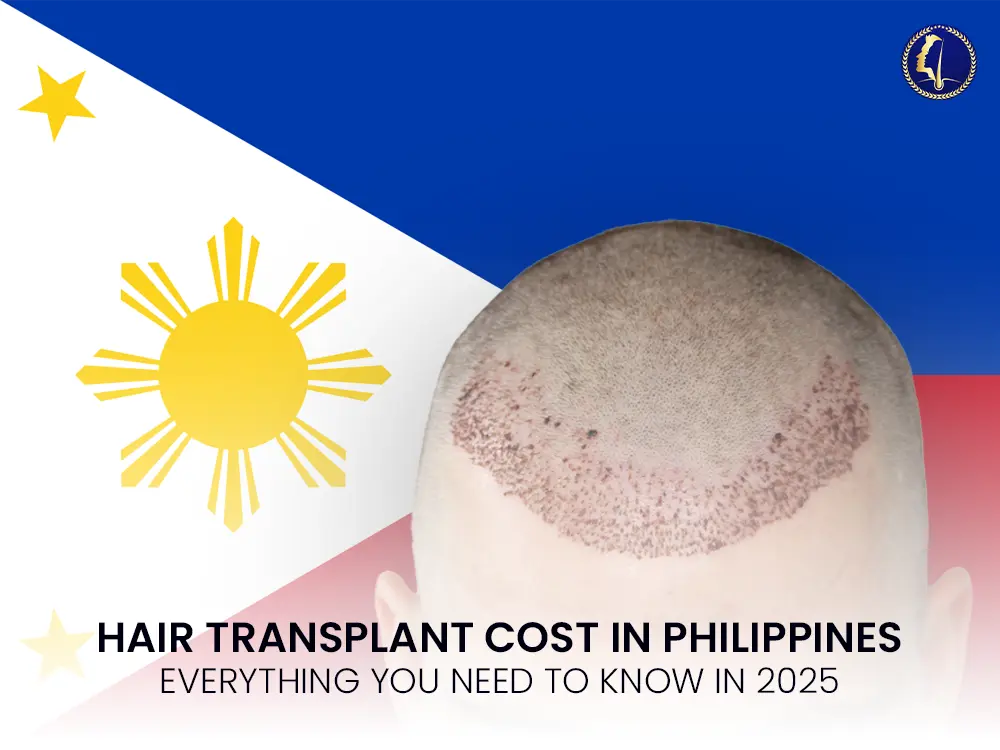
Hair Transplant Cost in Manila, Philippines Manila has emerged as a premier destination for affordable, high-quality hair restoration. For many, the decision to undergo surgery in the Philippines isn’t just about the lower price tag—it’s about accessing world-class surgeons who adhere to strict international standards without the hefty Western markup. GLOJAS Specialist Clinic offers expert and affordable solutions for those seeking a cheaper hair transplant in Malaysia, providing safe, effective treatments for patients across the country. Average Hair Transplant Cost in Manila In 2026, the average cost for a hair transplant in Manila typically ranges from ₱80,000 to ₱250,000 ($1,400 to $4,400). This wide range depends on the complexity of the case and the clinic’s location. Generally, prices in the Philippines are 60% to 70% lower than in the United States or Europe. Typical Cost for FUE Hair Transplant Follicular Unit Extraction (FUE) is the most popular choice in Metro Manila due to its minimally invasive nature. You can expect to pay between ₱100,000 and ₱250,000. This method is favored for its lack of linear scarring, making it ideal for patients who prefer shorter hairstyles. Typical Cost for FUT Hair Transplant Follicular Unit Transplantation (FUT), or the “strip method,” is generally more budget-friendly, ranging from ₱70,000 to ₱200,000. While it leaves a thin linear scar, it is highly efficient for patients requiring a large volume of grafts in a single surgical session to achieve maximum density. Cost Per Graft in Manila Clinics Manila clinics usually charge per graft to ensure transparent pricing. Current rates sit between ₱25 and ₱80 per graft. Many premium clinics in areas like Makati or Bonifacio Global City (BGC) offer tiered pricing, where the cost per graft decreases as the total volume of the procedure increases. Factors That Affect Hair Transplant Cost in Manila Understanding what goes into your final bill helps you avoid hidden charges. Prices aren’t just arbitrary; they reflect the expertise and resources required to ensure your new hair grows in naturally and permanently. Number of Grafts Needed This is the single most significant factor. A graft is a tiny unit of 1–4 hairs. Naturally, filling a receding hairline (approx. 1,000 grafts) costs much less than a full-scalp restoration (3,000+ grafts). Your surgeon will provide an exact count during your initial scalp analysis and consultation. Surgeon Experience and Credentials You are investing in the surgeon’s artistic and technical skill. Board-certified members of the International Society of Hair Restoration Surgery (ISHRS) often charge higher fees. Their extensive training minimizes “transection” (damaged grafts), ensuring a higher percentage of your transplanted hair actually survives and grows. Clinic Reputation and Technology High-end clinics invest in specialized tools like Sapphire blades for finer incisions or HypoThermosol storage to keep grafts alive longer. While these technologies add to the overhead, they significantly improve the final outcome and shorten your recovery time in Manila’s humid climate. Additional Treatments and Aftercare Many Manila clinics bundle “hair boosters” like Platelet-Rich Plasma (PRP) therapy into their packages. These treatments, which can cost an additional ₱10,000 to ₱30,000, use your own blood to stimulate graft growth. Comprehensive aftercare kits with specialized shampoos and antibiotics are usually included in the base price. Hair Transplant Cost by Procedure Type Different techniques require different levels of labor and equipment. While the goal—moving hair from the back to the front—is the same, the method used can significantly impact your total investment. FUE Hair Transplant Cost Manila FUE costs roughly ₱120,000 to ₱250,000. Because the doctor manually extracts individual follicles one by one, the surgery can last 8 hours or more. This labor-intensive process is why FUE commands a higher price than the traditional strip harvesting method. FUT Hair Transplant Cost Manila FUT is the most affordable surgical option, typically costing ₱70,000 to ₱180,000. It allows the medical team to process a large number of grafts simultaneously under microscopes. For those on a budget who don’t mind a hidden linear scar, FUT offers the best “bang for your buck.” DHI Hair Transplant Cost Manila Direct Hair Implantation (DHI) is a premium variation of FUE using a “Choi Pen” for simultaneous extraction and placement. Prices usually range from ₱150,000 to ₱300,000. This technique offers extreme precision in hair angle and depth, leading to some of the most natural-looking results available. Robotic Hair Transplant Cost Manila Using systems like the ARTAS Robot, this tech-forward option can cost ₱250,000 to ₱500,000. While it offers incredible harvest consistency, it is the most expensive method due to the high maintenance and licensing fees associated with the robotic hardware found in only a few elite clinics. Hair Transplant Cost Comparison: Manila vs Other Countries Manila has become a strong contender in the medical tourism market. It balances the low cost of Southeast Asia with the high medical standards and English proficiency found in the West. Manila vs Turkey Turkey is often the “budget king,” with all-inclusive packages around ₱140,000 to ₱250,000. While Turkey is sometimes cheaper for massive sessions, Manila clinics offer a more personalized approach where the actual doctor—not just a technician—performs the most critical steps of the surgery. Manila vs Thailand Thailand is a close competitor, with average prices between ₱180,000 and ₱350,000. While both countries offer high standards, Manila is often preferred by Western and Australian patients due to the lack of language barriers and a long history of American-style medical training. Manila vs Singapore Singapore is significantly more expensive, with costs often starting at ₱450,000 ($8,000). Many Singaporeans actually fly to Manila for restoration, as they can get the same quality of care and safety standards at less than half the price, including their flights and luxury accommodation. Is Hair Transplant Worth It in Manila? Absolutely. For the price of a mid-range sedan’s down payment, you get a permanent solution to hair loss. Given that hair transplants have a 95% success rate when performed by experts, the long-term value far outweighs the cost of lifetime memberships for hairpieces or temporary concealment fibers. Hair Transplant Cost by Hair Loss Severity The
Hair Transplant Cost in Singapore: Complete Price Breakdown & Per Graft Rates Comparison
Singapore Hair Transplant Cost Estimator Select your expected hair graft requirement to estimate the total cost in SGD, compare methods, and claim a consultation. Estimated Grafts Needed: 1,500 Grafts 500 Grafts (Receding Hairline) 4,000 Grafts (Advanced Thinning) FUT Method (Strip) SGD $6,000 Avg. $4.00 per graft FUE Method (Follicular Unit) SGD $9,000 Avg. $6.00 per graft Want an accurate graft assessment? Send your scalp photos directly via WhatsApp for a personalized quotation and doctor consultation plan. Chat on WhatsApp (+60 12-270 0122) Hair transplant cost in Singapore typically ranges from S$3 to S$12 per graft, depending on the clinic, surgeon experience, and technique used. What is the average total cost? 1,000 grafts: S$5,000 – S$10,000 2,000 grafts: S$8,000 – S$15,000 3,000–5,000 grafts: S$12,000 – S$25,000+ Why is it so expensive? The cost is driven by: Surgeon expertise Graft count required Technique (FUE, FUT, ARTAS robotic) Clinic reputation Post-surgery care and follow-ups Is it permanent? Yes. Transplanted hair follicles are generally permanent, but results depend on graft survival rate and proper post-care. Get natural, permanent results with Singapore’s trusted hair restoration experts. GLOJAS Specialist Clinic combines 30+ years of expertise with award-winning SMART™ FUE technology, led by ABHRS-certified Prof. Dato’ Dr. JasG. Affordable, pain-free, scar-free hair implants with up to 99% graft survival. Join thousands of satisfied patients — claim your free, no-obligation consultation now. How Much Does a Hair Transplant Cost in Singapore? Hair transplant pricing in Singapore is structured mainly around per-graft cost, making total price dependent on how much hair restoration is required. Most clinics charge between S$3–S$12 per graft, with premium clinics and robotic procedures reaching the higher end of the spectrum. Average Cost Range (FUE, FUT, ARTAS) Entry-level clinics: S$3 – S$5 per graft Mid-tier clinics: S$5 – S$8 per graft Premium / robotic clinics: S$8 – S$12+ per graft Cost Per Graft Explained A graft typically contains 1–4 hair follicles. The more grafts required, the higher the density achieved. Example: 1,000 grafts = small receding hairline correction 2,000 grafts = moderate thinning coverage 3,000+ grafts = advanced hair loss restoration Total Cost by Graft Count 1,000 grafts: S$5,000 – S$10,000 2,000 grafts: S$8,000 – S$15,000 3,000 grafts: S$12,000 – S$20,000 4,000–5,000 grafts: S$18,000 – S$25,000+ Hair Transplant Cost by Procedure Type Different techniques significantly impact final pricing. FUE Hair Transplant Cost in Singapore Follicular Unit Extraction (FUE) is the most common method. Cost: S$5 – S$10 per graft Minimal scarring Faster recovery Most widely offered in Singapore clinics FUT Hair Transplant Cost in Singapore Follicular Unit Transplantation (FUT) is less common today. Cost: S$3 – S$7 per graft More invasive (strip method) Can yield higher graft numbers per session Slight linear scar risk ARTAS Robotic Hair Transplant Cost Robotic-assisted extraction for precision graft harvesting. Cost: S$8 – S$12+ per graft High precision Reduced human error Premium pricing due to technology DHI Hair Transplant Cost Direct Hair Implantation allows immediate implantation. Cost: S$6 – S$12 per graft Higher density potential More time-intensive procedure Often positioned as premium service What Affects Hair Transplant Cost in Singapore? Number of Grafts Required The biggest cost factor. More advanced hair loss = more grafts needed. Surgeon Experience & Clinic Reputation Highly experienced surgeons often charge significantly higher fees due to: Better graft survival rates Natural hairline design Lower risk of complications Technology Used Manual FUE = lower cost DHI = mid-high cost ARTAS robotic = premium pricing Hair Loss Severity (Norwood Scale) Hair loss stages directly influence cost: Norwood 2–3: lower graft requirement Norwood 4–5: moderate graft requirement Norwood 6–7: high graft requirement Cost Breakdown by Hair Loss Level Mild Hair Loss (1,000 Grafts) Cost: S$5,000 – S$10,000 Focus: Hairline restoration Quick procedure with high success rate Moderate Hair Loss (2,000 Grafts) Cost: S$8,000 – S$15,000 Covers frontal + mid-scalp thinning Most common treatment category Severe Hair Loss (3,000–5,000 Grafts) Cost: S$12,000 – S$25,000+ Requires multiple sessions in some cases Higher planning complexity Is Hair Transplant in Singapore Worth the Cost? Singapore is among the most expensive markets globally for hair restoration, but it offers: Highly regulated medical standards Experienced surgeons Lower risk of complications Reliable follow-up care Cost vs Long-Term Value Unlike temporary treatments (serums or medications), hair transplants: Provide permanent hair redistribution Reduce long-term spending on topical solutions Improve appearance-based confidence Risks of Cheap Overseas Transplants Some patients consider overseas options (Turkey, Thailand), but risks may include: Inconsistent graft survival rates Limited post-op follow-up Travel-related complications Difficulty with revision surgeries Singapore vs Overseas Hair Transplant Cost Comparison Turkey vs Singapore Turkey: S$2,000 – S$6,000 Singapore: S$5,000 – S$25,000+ Turkey is cheaper but includes travel, accommodation, and follow-up limitations. Thailand vs Singapore Thailand: S$3,000 – S$10,000 Singapore: Higher but more regulated Korea vs Singapore Korea: S$6,000 – S$20,000+ Singapore: Similar premium range Both markets focus heavily on aesthetics and advanced techniques. Hair Transplant Recovery Timeline First 2 Weeks (Healing Phase) Redness and scabbing Mild swelling No visible growth yet 3–4 Months (New Growth) Initial hair regrowth begins Thin, soft hair appears 9–12 Months (Final Results) Full density achieved Natural hairline formation Final visible transformation Is Hair Transplant Safe in Singapore? Yes. When performed by qualified specialists, hair transplants in Singapore are generally safe. The key factors affecting safety include: Clinic hygiene standards Surgeon expertise Proper post-care adherence Final Verdict: Expected Cost & What You Should Budget A realistic budget for a hair transplant in Singapore is: Basic cases: S$5,000 – S$8,000 Moderate restoration: S$8,000 – S$15,000 Advanced restoration: S$15,000 – S$25,000+ The final cost depends heavily on graft count, technique, and clinic selection. Singapore remains a premium market, but it offers high reliability, strong safety standards, and consistent long-term outcomes. Frequently Asked Questions 1. How many grafts do I need? Most people require between 1,000 and 3,000 grafts depending on hair loss severity measured by the Norwood scale. 2. Is hair transplant permanent? Yes. Transplanted hair follicles are typically permanent because they are taken from DHT-resistant donor areas. 3. Does hair transplant hurt? The procedure is done under
Berapa Harga Biaya Transplantasi Rambut di Indonesia?
Biaya Transplantasi Rambut di Indonesia Biaya transplantasi rambut di Indonesia tahun 2026 berkisar antara Rp20 juta hingga Rp100 juta+, tergantung jumlah graft, teknik (FUE, FUT, DHI), serta klinik dan dokter yang menangani. Rata-rata harga tanam rambut di Indonesia dihitung per graft, sekitar Rp15.000–Rp50.000 per graft, sehingga biaya transplantasi rambut 1000–5000 graft bisa sangat bervariasi. Faktor utama yang memengaruhi harga adalah tingkat kebotakan, metode prosedur, dan lokasi klinik seperti Jakarta yang cenderung lebih mahal dibanding kota lain. Berapa Harga Transplantasi Rambut di Indonesia? Secara umum, biaya tanam rambut di Indonesia berada di kisaran: Rp20.000.000 – Rp40.000.000 (kasus ringan) Rp40.000.000 – Rp70.000.000 (sedang) Rp70.000.000 – Rp100.000.000+ (kebotakan parah) Perbedaan harga ini dipengaruhi oleh teknik seperti: FUE (Follicular Unit Extraction) → paling umum, minim luka FUT (Follicular Unit Transplantation) → lebih murah tapi meninggalkan bekas DHI (Direct Hair Implantation) → paling presisi, biaya lebih tinggi Biaya Transplantasi Rambut per Graft Dalam industri medis, harga dihitung berdasarkan biaya per graft transplantasi rambut. 1 graft = 1–4 folikel rambut Harga per graft rambut di Indonesia: Rp15.000 – Rp50.000 Simulasi biaya: 1000 graft → Rp15 juta – Rp50 juta 2000 graft → Rp30 juta – Rp100 juta 5000 graft → Rp75 juta – Rp250 juta Semakin besar kebutuhan graft untuk tanam rambut, semakin tinggi total biaya. Faktor yang Mempengaruhi Biaya Transplantasi Rambut Jumlah graft (tingkat kebotakan) Teknik (FUE vs FUT vs DHI Indonesia) Reputasi dokter spesialis transplantasi rambut Indonesia Lokasi klinik (Jakarta lebih mahal) Teknologi & alat yang digunakan Paket layanan (konsultasi & aftercare) Perbandingan Biaya Berdasarkan Teknik FUE Minim invasif Populer di Indonesia Harga menengah FUT Lebih murah Cocok untuk graft besar Ada bekas linear DHI Presisi tinggi Hasil lebih natural Biaya paling tinggi Biaya Transplantasi Rambut di Jakarta vs Kota Lain Hair transplant Jakarta harga: premium dan lebih mahal Surabaya / Bandung: lebih kompetitif Bali hair transplant: sering dikaitkan dengan medical tourism Proses Transplantasi Rambut Konsultasi awal (analisis kebotakan) Penentuan donor area Ekstraksi folikel rambut Implantasi ke area botak Observasi & aftercare Durasi prosedur biasanya 4–8 jam tergantung jumlah graft. Apakah Transplantasi Rambut Sakit? Menggunakan anestesi lokal Rasa hanya sedikit tidak nyaman Setelah prosedur, ada efek ringan seperti tegang dan kemerahan Efek samping umumnya sementara dan ringan. Hasil Transplantasi Rambut (Before & After) 1–3 bulan: shedding phase (rambut rontok sementara) 3–6 bulan: pertumbuhan awal 6–12 bulan: hasil penuh terlihat Apakah Hasil Transplantasi Rambut Permanen? Ya, hasil umumnya permanen karena menggunakan rambut donor yang tahan hormon DHT. Namun: Rambut asli di sekitar area transplant masih bisa rontok Perlu perawatan jangka panjang Hasil tergantung teknik dan dokter Indonesia vs Turki (Mana Lebih Baik?) Indonesia: akses mudah, follow-up lokal Turki: harga lebih murah, volume pasien tinggi Indonesia unggul dalam konsultasi personal Turki unggul dalam paket medical tourism Cara Mengatasi Rambut Botak Sebelum Transplant Obat rambut rontok parah Terapi PRP Minoxidil / finasteride Nutrisi rambut Untuk kebotakan pria solusi jangka panjang, transplantasi rambut tetap paling efektif. Conclusion Biaya transplantasi rambut Indonesia sangat dipengaruhi jumlah graft, teknik, dan lokasi klinik. Kisaran harga Rp20 juta hingga Rp100 juta+ menjadikannya solusi utama untuk rambut rontok parah, hairline mundur, dan kebotakan permanen. Memahami biaya per graft, membandingkan teknik (FUE, FUT, DHI), dan memilih klinik yang tepat adalah kunci mendapatkan hasil optimal, bukan sekadar memilih harga termurah. FAQ Berapa biaya tanam rambut di Indonesia? Biaya berkisar Rp20 juta hingga Rp100 juta tergantung jumlah graft dan teknik prosedur. Apakah transplantasi rambut aman? Aman jika dilakukan oleh dokter spesialis dengan prosedur medis yang tepat. Berapa lama hasil transplantasi rambut terlihat? Hasil mulai terlihat 3–6 bulan dan maksimal dalam 9–12 bulan. Berapa lama recovery transplantasi rambut? Sekitar 7–14 hari untuk pemulihan awal, hasil penuh beberapa bulan. Apakah rambut bisa rontok lagi setelah transplant? Rambut transplant umumnya permanen, tetapi rambut asli di sekitarnya masih bisa rontok.
Macam Mana Nak Rawat Rambut Nipis? Cara Lebatkan Rambut Paling Berkesan
Pilih Masalah Utama Rambut Anda Klik salah satu punca di bawah untuk lihat cara rawatan dan lebatkan rambut paling berkesan: Rambut Gugur Teruk Helai rambut banyak di lantai/sikat Kulit Kepala Nampak (Jarang) Garis rambut mula surut atau nipis di tengah Rambut Nipis & Rapuh Senang putus, kering dan bercabang Syor Rawatan Khusus Sila pilih salah satu pilihan di atas untuk melihat cadangan. Dapatkan Konsultasi Pakar Rambut nipis atau rambut gugur sering menjadi masalah yang mengganggu ramai orang, terutamanya wanita yang mahukan rambut lebat, sihat, dan bersinar. Dalam artikel ini, kami akan mengupas cara terbaik untuk merawat rambut nipis dan tips lebatkan rambut yang paling berkesan. 1. Kenali Punca Rambut Nipis Sebelum kita melangkah lebih jauh ke dalam cara merawat rambut nipis, penting untuk mengenal pasti punca-punca yang menyebabkan rambut menjadi nipis. Terdapat pelbagai faktor yang boleh mempengaruhi ketebalan rambut seseorang. Berikut adalah antara faktor yang biasa: Keturunan: Sifat rambut nipis boleh diwarisi daripada keluarga. Jika ibu atau ayah anda mempunyai rambut nipis, kemungkinan besar anda juga akan mengalaminya. Hormon: Perubahan hormon, terutama semasa kehamilan, menopause, atau penggunaan pil perancang, boleh menyebabkan rambut menjadi lebih nipis. Pemakanan: Kekurangan nutrisi seperti protein, zat besi, dan vitamin boleh menyebabkan rambut menjadi lemah dan nipis. Kekurangan Penjagaan Rambut yang Betul: Penggunaan produk penjagaan rambut yang tidak sesuai atau berlebihan boleh merosakkan struktur rambut dan menyebabkan rambut menjadi rapuh. Dengan mengenali punca masalah, anda boleh memilih cara rawatan yang lebih sesuai. 2. Pemakanan yang Seimbang Salah satu langkah pertama yang perlu diambil untuk merawat rambut nipis adalah memastikan anda mendapat pemakanan yang seimbang. Rambut terdiri daripada protein, jadi pastikan anda mendapatkan cukup protein dalam diet harian anda. Selain itu, vitamin dan mineral seperti vitamin A, vitamin C, biotin, dan zat besi juga penting untuk kesihatan rambut. Antara makanan yang boleh membantu lebatkan rambut adalah: Telur – Kaya dengan protein dan biotin yang sangat penting untuk kesihatan rambut. Bayam – Mengandungi vitamin A, C, serta zat besi yang membantu menguatkan akar rambut. Alpukat – Sumber lemak sihat yang membantu mengekalkan kelembapan rambut. Kacang dan biji-bijian – Kaya dengan vitamin E dan zink yang membantu merangsang pertumbuhan rambut. 3. Pilih Produk Penjagaan Rambut yang Sesuai Salah satu cara paling berkesan untuk merawat rambut nipis adalah dengan menggunakan produk penjagaan rambut yang sesuai. Gunakan syampu dan perapi yang diformulasikan khas untuk rambut nipis atau halus. Produk ini akan memberikan volume tambahan dan menguatkan akar rambut tanpa memberatkan rambut. Shampoo volumizing: Shampoo jenis ini memberikan kelembapan sambil memberikan kesan mengembang pada rambut nipis. Pastikan shampoo yang digunakan bebas daripada bahan kimia keras seperti sulfat yang boleh mengeringkan rambut. Perapi ringan: Pilih perapi yang tidak beratkan rambut, kerana perapi yang terlalu berat boleh membuatkan rambut kelihatan lebih nipis dan lesu. Selain itu, penggunaan serum atau minyak rambut yang mengandungi bahan semulajadi seperti minyak argan atau minyak jojoba boleh membantu memberikan kelembapan tanpa membuatkan rambut terasa berminyak. 4. Amalkan Urutan Kepala Urutan kepala atau scalp massage adalah cara yang mudah dan efektif untuk merawat rambut nipis. Dengan mengurut kulit kepala, peredaran darah akan bertambah baik, sekaligus merangsang pertumbuhan rambut yang lebih sihat. Anda boleh menggunakan minyak seperti minyak kelapa atau minyak kastor semasa melakukan urutan ini, kerana kedua-dua minyak ini mengandungi nutrisi yang baik untuk rambut. Cuba lakukan urutan kepala selama 5 hingga 10 minit setiap hari. Ini akan membantu menyuburkan folikel rambut dan mempercepatkan proses pertumbuhannya. 5. Perawatan Rambut Secara Semulajadi Selain menggunakan produk komersial, anda juga boleh mencuba perawatan rambut secara semulajadi yang telah terbukti berkesan untuk menambah ketebalan rambut. Halia dan Madu: Campuran halia dan madu berfungsi untuk merangsang pertumbuhan rambut. Halia mengandungi enzim yang boleh merangsang folikel rambut, sementara madu adalah pelembap semulajadi yang menjaga kelembapan rambut. Aloe Vera: Aloe vera mengandungi enzim yang menyuburkan kulit kepala dan merangsang pertumbuhan rambut. Sapukan gel aloe vera pada kulit kepala dan biarkan selama 30 minit sebelum dicuci. 6. Kurangkan Penggunaan Alat Pemanas Alat pemanas seperti pelurus rambut, pengering rambut, dan pengeriting rambut boleh merosakkan rambut dan menjadikannya lebih nipis. Jika anda terpaksa menggunakan alat pemanas, pastikan anda menggunakan pelindung haba terlebih dahulu untuk mengurangkan kesan negatif pada rambut. 7. Jaga Stres Anda Stres adalah salah satu faktor yang sering menyebabkan keguguran rambut dan rambut menjadi lebih nipis. Oleh itu, penting untuk mengamalkan gaya hidup yang sihat dan menguruskan stres dengan baik. Aktiviti seperti senaman, meditasi, dan yoga dapat membantu mengurangkan stres dan seterusnya mencegah rambut daripada menjadi semakin nipis. 8. Jangan Terlalu Kerap Mencuci Rambut Mencuci rambut terlalu kerap boleh menyebabkan kehilangan minyak semulajadi pada kulit kepala, menyebabkan rambut menjadi kering dan lebih nipis. Cukup mencuci rambut 2 hingga 3 kali seminggu untuk menjaga kelembapan rambut dan kulit kepala. 9. Potong Rambut Secara Berkala Walaupun ia tidak secara langsung meningkatkan ketebalan rambut, memotong rambut secara berkala akan mengurangkan hujung rambut yang rosak dan bercabang. Ini memberikan penampilan rambut yang lebih sihat dan bervolume. 5 Soalan Lazim (FAQs) Apakah cara terbaik untuk merawat rambut nipis? Cara terbaik adalah dengan mengamalkan diet yang sihat, memilih produk penjagaan rambut yang sesuai, melakukan urutan kepala, serta menggunakan perawatan semulajadi seperti aloe vera dan minyak kelapa. Adakah minyak boleh membantu lebatkan rambut nipis? Ya, minyak semulajadi seperti minyak kelapa, minyak kastor, dan minyak argan dapat membantu menyuburkan rambut dan memberi kelembapan pada rambut yang nipis. Berapa kerap saya perlu mencuci rambut nipis? Rambut nipis tidak perlu dicuci terlalu kerap. Cukup cuci rambut 2 hingga 3 kali seminggu untuk mengekalkan kelembapan semulajadi rambut dan kulit kepala. Bolehkah saya menggunakan alat pemanas pada rambut nipis? Penggunaan alat pemanas harus dikurangkan kerana ia boleh merosakkan rambut. Jika terpaksa digunakan, pastikan menggunakan produk pelindung haba untuk mengurangkan kesan negatif. Apakah makanan yang boleh membantu lebatkan rambut? Makanan yang kaya dengan protein, vitamin A, C, biotin, dan zat besi seperti telur, bayam, kacang, dan alpukat sangat baik untuk kesihatan rambut. Kesimpulan Merawat rambut nipis memerlukan kesabaran dan penjagaan yang konsisten. Dengan mengamalkan diet yang seimbang, memilih produk penjagaan rambut yang tepat, dan mengamalkan beberapa rawatan semulajadi, anda boleh memperoleh rambut yang lebih lebat dan sihat. Jangan lupa juga
10 Hair Tonic Terbaik Yang Paling Berkesan untuk Rambut Gugur & Lebih Sihat
Cari Hair Tonic Sesuai Untuk Masalah Anda Pilih masalah rambut utama anda untuk lihat cadangan: Rambut Gugur & Nipis Kelemumur & Gatal Rambut Rosak & Kering Cadangan: Gunakan tonic dengan ekstrak Ginseng & Rosemary untuk menguatkan akar rambut. 📲 Konsultasi WhatsApp Cadangan: Pilih tonic yang mengandungi Tea Tree Oil untuk menyegarkan kulit kepala. 📲 Konsultasi WhatsApp Cadangan: Cari tonic berformula Argan Oil atau Keratin untuk membaiki struktur rambut. 📲 Konsultasi WhatsApp Apa Itu Hair Tonic dan Bagaimana Ia Berfungsi Hair tonic adalah rawatan cecair topikal yang direka untuk merangsang peredaran darah pada kulit kepala. Produk terbaik berfungsi dengan menghantar nutrisi terus ke folikel rambut. Menurut kajian dalam International Journal of Trichology, stimulasi kulit kepala yang konsisten membantu memanjangkan fasa anagen (pertumbuhan) rambut anda. Kelebihan Hair Tonic untuk Rambut Gugur, Nipis & Lemah Menggunakan hair tonic bukan sekadar untuk wangi, tetapi untuk menguatkan akar. Ia membantu mengurangkan penipisan dengan menyuburkan kulit kepala yang kering atau berminyak. Selain itu, tonik berkualiti tinggi mampu mengawal kelemumur dan kegatalan, mewujudkan persekitaran yang optimum untuk pertumbuhan rambut baru yang lebih tebal dan kuat. Bahan Aktif dalam Hair Tonic Terbaik (Biotin, Caffeine, Ginseng & Herbal Extract) Bahan berkualiti menentukan keberkesanan produk. Biotin menguatkan struktur keratin, manakala Caffeine terbukti secara saintifik mampu menghalang hormon DHT yang menyebabkan keguguran. Ekstrak Ginseng dan herba tradisional seperti Polygonum multiflorum pula bertindak meningkatkan mikrosirkulasi pada kulit kepala untuk hasil yang lebih pantas dan efektif. Jenis di Malaysia (Herbal vs Medicated vs Salon Grade) Herbal: Menggunakan bahan organik seperti aloe vera dan ekstrak tumbuhan. Sesuai untuk kulit sensitif. Medicated: Mengandungi bahan aktif seperti Minoxidil (tertakluk kepada kawalan NPRA) untuk kes keguguran kronik. Salon Grade: Fokus kepada estetika dan kekuatan rambut, sering digunakan oleh profesional selepas rawatan kimia. Hair Tonic Terbaik di Malaysia 2026 (Pilihan Paling Popular & Berkesan) Jenama seperti Schwarzkopf Professional, Selsun Blue, dan Alpecin kekal menjadi pilihan utama rakyat Malaysia. Untuk pilihan lokal yang dipercayai, Faith Fleur dan Audace terus mendominasi pasaran. Produk ini dipilih berdasarkan testimoni pengguna yang menunjukkan pengurangan keguguran rambut sehingga 70% dalam masa tiga bulan penggunaan. Perbandingan Hair Tonic Terbaik di Pasaran Malaysia Jenama Bahan Utama Fokus Utama Tekstur Alpecin Caffeine Caffeine, Zinc Rambut Lelaki / DHT Cair & Berangin Audace Regan Herbal Extract Kulit Kepala Gatal Non-greasy Schwarzkopf BC Biotin, Keratin Rambut Nipis & Lemah Premium Mist Harga Hair Tonic Terbaik di Malaysia Harga hair tonic di Malaysia sangat kompetitif, bermula dari RM25 hingga RM250. Produk mampu milik biasanya boleh didapati di pasar raya, manakala rawatan intensif atau gred farmasi biasanya berharga lebih RM100. Melabur dalam produk berkualiti adalah lebih jimat berbanding melakukan rawatan transplantasi rambut yang mahal. Di Mana Beli Hair Tonic Terbaik di Malaysia (Farmasi & Online) Anda boleh mendapatkan produk tulen di rangkaian farmasi terkemuka seperti Watsons Malaysia atau Guardian. Untuk lebih kemudahan, platform e-dagang seperti Shopee Mall dan LazMall menawarkan pilihan yang lebih luas. Pastikan anda menyemak hologram tulen daripada Kementerian Kesihatan Malaysia (KKM) sebelum membeli secara dalam talian. Cara Pilih Hair Tonic Terbaik Mengikut Jenis Rambut & Masalah Kenali jenis kulit kepala anda terlebih dahulu. Jika kulit kepala berminyak, pilih tonik berasaskan air yang ringan. Untuk masalah keguguran hormon, cari bahan penghalang DHT. Sentiasa semak label produk untuk memastikan tiada bahan kimia berbahaya seperti paraben yang boleh merosakkan liang rambut dalam jangka masa panjang. Cara Guna Hair Tonic dengan Betul untuk Hasil Maksimum Gunakan tonik selepas mencuci rambut ketika kulit kepala masih lembap dan bersih. Titiskan secara merata dan lakukan urutan lembut selama 2–3 minit. Urutan ini penting untuk memastikan penyerapan maksimum. Menurut Mayo Clinic, konsistensi adalah kunci; gunakan dua kali sehari, pagi dan malam, untuk melihat perubahan ketara. Adakah Hair Tonic Selamat Digunakan? Secara amnya, hair tonic adalah selamat untuk kegunaan harian. Namun, individu dengan kulit sensitif perlu melakukan patch test terlebih dahulu. Jika berlaku kemerahan atau kerengsaan, hentikan penggunaan. Pastikan produk yang dipilih telah berdaftar dengan Bahagian Regulatori Farmasi Negara bagi menjamin keselamatan ramuan yang digunakan dalam formula tersebut. Soalan Lazim Apakah hair tonic untuk rambut gugur di Malaysia? Pilihan terbaik biasanya mengandungi Caffeine atau Minoxidil seperti Alpecin atau Regro. Namun, keberkesanannya bergantung pada punca keguguran sama ada genetik atau faktor persekitaran. Berapa lama untuk nampak kesan? Biasanya, anda akan mula melihat pengurangan keguguran dalam masa 4 hingga 8 minggu. Untuk pertumbuhan rambut baru yang nampak jelas, penggunaan konsisten selama sekurang-kurangnya 3 hingga 6 bulan adalah diperlukan mengikut kitaran biologi rambut. Adakah ianya benar-benar berkesan untuk rambut nipis? Ya, hair tonik sangat berkesan untuk rambut nipis dengan cara menguatkan helaian sedia ada dan merangsang folikel yang “tidur”. Ia memberikan ilusi rambut lebih lebat melalui kesihatan kulit kepala yang lebih baik. Hair tonik mana paling bagus untuk lelaki dan wanita? Lelaki sering memilih Alpecin kerana fokus pada hormon DHT. Wanita pula cenderung memilih produk seperti Pura D’or atau jenama salon yang mengandungi Biotin dan minyak pati untuk kelembutan ekstra. Bolehkah hair tonik hentikan keguguran rambut sepenuhnya? Hair tonic boleh mengurangkan keguguran ke tahap normal (50–100 helai sehari). Namun, ia tidak dapat menghentikan keguguran sepenuhnya jika puncanya adalah faktor perubatan serius, kekurangan nutrisi melampau, atau tekanan emosi tanpa rawatan susulan.
Minoxidil Prescription 5% & 2% for Hair Growth in Malaysia
Find Your Right Minoxidil Strength Select your preference below to consult with a Malaysian licensed care provider via WhatsApp. Minoxidil 5% Extra Strength Minoxidil 2% Standard Strength Consult via WhatsApp Minoxidil is a clinically studied topical hair loss treatment used to support hair growth, reduce hair shedding, and improve hair thickness in people with pattern hair loss. In Malaysia, Minoxidil 5% is commonly chosen for hair thinning and male pattern baldness, but results depend on consistent usage, hair loss stage, and individual response. GLOJAS Specialist Clinic provides medically guided hair loss assessment and advanced hair restoration solutions in Malaysia. Our approach combines clinical evaluation, evidence-based treatments, and personalised recommendations for patients experiencing hair thinning, excessive shedding, and hair loss concerns. What Is Minoxidil? Minoxidil is a topical medication applied directly to the scalp to support hair growth and manage hair thinning. It was originally developed as a medication for high blood pressure, but researchers discovered that increased hair growth was one of its effects. This discovery led to the development of topical Minoxidil as a treatment for hair loss. Minoxidil is commonly used for: Male pattern hair loss Female pattern hair thinning Early-stage hair loss Reduced hair density Unlike hair transplant surgery, Minoxidil does not create new hair follicles. Instead, it supports existing follicles that are still capable of producing hair. How Does Minoxidil Work for Hair Growth? Minoxidil works by supporting the natural hair growth cycle, especially the anagen phase (active growth phase). It may help by: Improving blood circulation around hair follicles Supporting weakened follicles Extending the growth phase of hair Increasing hair strand thickness For people with androgenetic alopecia, hair follicles gradually become smaller and produce thinner hairs. Minoxidil may help slow this process and improve the appearance of hair density. Why Is Minoxidil Commonly Used for Hair Loss? Minoxidil is commonly selected because it is: Non-surgical Easy to apply Suitable for long-term use Supported by clinical evidence It is often considered one of the first treatment options before exploring procedures such as PRP hair treatment or FUE hair transplant. Benefits of Minoxidil for Hair Growth Minoxidil is popular among people searching for hair loss solutions because it focuses on improving follicle activity rather than only covering the appearance of thinning hair. Helps Reduce Excessive Hair Shedding Minoxidil may help reduce ongoing hair shedding by supporting weaker follicles and improving the hair growth cycle. However, results are gradual. Minoxidil does not instantly stop hair fall but may help maintain existing hair over time. Stimulates Dormant Hair Follicles Minoxidil may stimulate follicles that have become weakened due to hair follicle miniaturisation. It works best when follicles are still present and active enough to respond. Promotes New Hair Growth Consistent Minoxidil application may encourage new visible hair growth from affected follicles. Most users require several months before noticeable improvement appears. Improves Hair Thickness and Density Hair loss often involves thinning of individual hair strands, not only reduced hair count. Minoxidil may help improve: Hair thickness Hair fullness Scalp coverage appearance Helps Slow Down Male Pattern Baldness Male pattern baldness is commonly related to genetic sensitivity and progressive follicle shrinking. Although Minoxidil does not block DHT, it may support affected follicles and help slow visible thinning progression. Best Minoxidil in Malaysia: What Should You Look For? Choosing the best Minoxidil Malaysia product depends on concentration, formulation, authenticity, and suitability. Minoxidil 5% vs Minoxidil 2% Minoxidil 5% contains a higher concentration of active ingredient and is commonly used for more noticeable hair thinning. Minoxidil 2% contains a lower concentration and may be considered for individuals who experience scalp sensitivity. The suitable option depends on: Hair loss pattern Scalp condition Treatment goals Individual tolerance Minoxidil Foam vs Liquid Solution Minoxidil is available in foam and liquid forms. Foam formulation: Dries faster Less greasy Easier cosmetic application Liquid formulation: Traditional option Often more affordable Easy dosage measurement Original Minoxidil vs Fake Products Due to high demand, counterfeit Minoxidil products may appear on online marketplaces. Fake products may contain: Incorrect ingredients Lower active concentration Poor quality control Always check: Authentic packaging Expiry date Trusted seller Manufacturer details How To Choose The Right Minoxidil Product Before purchasing Minoxidil, consider: Your type of hair loss Duration of hair thinning Scalp sensitivity Expected results A proper hair loss assessment can help determine whether Minoxidil alone is suitable. Minoxidil Price in Malaysia The average Minoxidil price in Malaysia depends on the brand, concentration, and formulation. For genuine products, users can generally expect: Average Minoxidil Cost Minoxidil Type Average Price in Malaysia Minoxidil 2% (60ml) RM40 – RM80 per bottle Minoxidil 5% (60ml) RM60 – RM150 per bottle Minoxidil 5% Foam RM80 – RM180 per can/bottle 3–6 months supply RM150 – RM450+ Prices may vary depending on the brand, seller, promotions, and whether the product is purchased from a pharmacy, clinic, or online platform. Factors That Affect Minoxidil Price The cost of Minoxidil in Malaysia is influenced by: Concentration: Minoxidil 5% is usually more expensive than 2% Formulation: Foam formulations often cost more than liquid solutions Brand: Established brands may have higher pricing due to quality control Authenticity: Genuine products usually cost more than unverified marketplace listings Supply duration: Buying multiple bottles may reduce the monthly cost