
Tanam Rambut Malaysia: Solusi Terbaik untuk Masalah Keguguran Rambut
Penyelesaian Tanam Rambut di Malaysia Keguguran rambut adalah masalah yang kerap dihadapi oleh ramai individu di Malaysia. Sama ada disebabkan oleh faktor genetik, stres, pemakanan yang tidak seimbang, atau keadaan kesihatan tertentu. Kehilangan rambut boleh mempengaruhi keyakinan diri dan kesejahteraan seseorang. Untuk mengatasi masalah ini, ramai orang beralih kepada kaedah tanam rambut, satu prosedur kosmetik yang semakin popular di Malaysia. Apa Itu Tanam Rambut? Tanam rambut atau “hair transplant” adalah prosedur pembedahan kosmetik yang bertujuan untuk mengembalikan rambut yang hilang dengan memindahkan folikel rambut dari kawasan donor (biasanya di bahagian belakang kepala) ke kawasan yang mengalami kekurangan rambut atau kebotakan. Teknik ini direka untuk memberikan hasil yang lebih semula jadi berbanding dengan rawatan lain seperti ubat-ubatan atau topikal. Proses Tanam Rambut Di Malaysia, prosedur tanam rambut umumnya dilakukan menggunakan dua teknik utama: Teknik Follicular Unit Transplantation (FUT): Dalam teknik ini, sekeping kulit kepala yang mengandungi folikel rambut diambil dari kawasan donor. Folikel rambut yang diambil kemudian dipecahkan kepada unit-unit kecil dan dipindahkan ke kawasan botak. Teknik Follicular Unit Extraction (FUE): Teknik ini melibatkan pengambilan folikel rambut secara individu dari kawasan donor menggunakan alat khas. Folikel-folikel ini kemudian dipindahkan ke kawasan botak tanpa memerlukan jahitan. View this post on Instagram A post shared by GLOJAS AESTHETIC SPECIALIST (@glojasaesthetic) Manfaat Tanam Rambut Hasil Semulajadi: Dengan teknik yang betul, hasil tanam rambut boleh kelihatan sangat semula jadi, kerana folikel rambut yang dipindahkan akan terus tumbuh seperti rambut biasa. Kekal dalam Jangka Panjang: Rambut yang ditanam biasanya kekal selamanya, selagi folikel yang dipindahkan adalah sihat dan kawasan donor kekal utuh. Minimalkan Kesan Kesan Sampingan: Berbanding dengan rawatan topikal atau ubat-ubatan, tanam rambut mempunyai risiko kesan sampingan yang lebih rendah dan boleh memberikan hasil yang lebih memuaskan. Pertimbangan Sebelum Menjalani Prosedur Kelayakan Individu: Tidak semua orang sesuai untuk prosedur ini. Kelayakan bergantung pada faktor seperti tahap kebotakan, keadaan kesihatan keseluruhan, dan ketebalan folikel rambut di kawasan donor. Kos: Kos tanam rambut di Malaysia boleh bervariasi bergantung pada klinik, teknik yang digunakan, dan jumlah rambut yang perlu dipindahkan. Pastikan anda memahami semua kos yang terlibat sebelum memutuskan. Pemulihan: Proses pemulihan selepas tanam rambut memerlukan penjagaan yang teliti. Anda mungkin perlu mengambil cuti dari aktiviti harian dan mengikuti arahan doktor untuk memastikan hasil yang terbaik. Pilih Klinik yang Berpengalaman: Pilih klinik dan pakar yang berpengalaman dan mempunyai reputasi yang baik untuk memastikan prosedur dilakukan dengan selamat dan berkesan. Kesimpulannya Tanam rambut adalah salah satu pilihan yang efektif untuk mengatasi masalah keguguran rambut dan kebotakan, terutamanya bagi mereka yang mengalami masalah ini dengan serius. Di Malaysia, banyak klinik yang menawarkan perkhidmatan ini dengan teknologi terkini dan pakar yang berkelayakan. Jika anda mempertimbangkan untuk menjalani prosedur ini, penting untuk melakukan penyelidikan yang mendalam, berbincang dengan pakar, dan memahami semua aspek yang terlibat untuk memastikan hasil yang memuaskan dan selamat. Dengan kemajuan dalam teknologi perubatan, tanam rambut kini menjadi solusi yang lebih accessible dan berkesan untuk mereka yang ingin mengembalikan keyakinan diri melalui penampilan rambut yang lebih penuh dan semulajadi. Di glojas, kumpulan pakar kami yang diketuai oleh Professor Dato` Dr JasG yang telah berpengalaman dan kemahiran lebih dari 26 tahun akan memastikan pelanggan kami berpuas hati. BACA ARTIKEL : Masalah Rambut Botak Facebook Twitter LinkedIn Reddit Pinterest WhatsApp
Punca Rambut Kelemumur | Rawat Kelemumur Dengan Ketahui Punca Utama
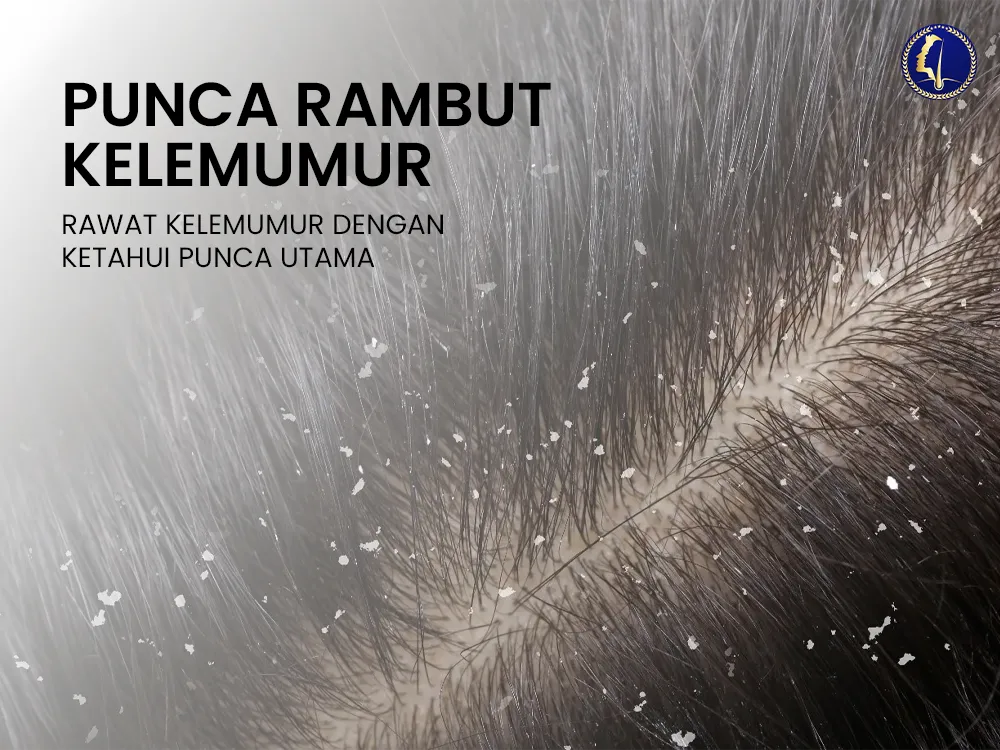
Mengatasi Masalah Kelemumur dengan Punca Utama Punca Rambut Kelemumur – Kelemumur merupakan salah satu masalah rambut yang sering dialami oleh ramai individu di seluruh dunia. Ia tidak hanya menyebabkan rasa tidak selesa di kulit kepala tetapi juga boleh mempengaruhi keyakinan diri seseorang. Bagi sesetengah individu, masalah kelemumur boleh menjadi ketara dan mengganggu kehidupan seharian mereka. GLOJAS Specialist Clinic offers expert hair loss treatment through personalized, evidence-based plans developed by board-certified specialists. Using FDA- and CE-approved technologies like PRP therapy and precision hair restoration, we ensure safe, effective results. Comprehensive aftercare and follow-up support reinforce patient trust, making GLOJAS a reliable authority in hair restoration solutions. Read More : Hair Transplant Malaysia Apa Itu Kelemumur? Kelemumur adalah masalah kulit kepala yang sering menyebabkan ketidakselesaan, ditandai dengan kulit kepala yang kering, bersisik, dan kadang-kadang gatal. Keadaan ini biasanya berpunca dari pelbagai faktor, antaranya kekurangan kelembapan pada kulit kepala, pertumbuhan sel kulit yang terlalu cepat, serta pengumpulan sel mati yang terkelupas dan membentuk serpihan putih. Kelemumur juga boleh berlaku disebabkan oleh: Dermatitis Seborrheic: Satu keadaan keradangan kulit yang menyebabkan kulit kepala menjadi merah, berminyak, dan berkelupas. Jangkitan Kulat: Kulit kepala yang dijangkiti kulat seperti Malassezia boleh mengganggu keseimbangan mikroorganisma dan menyebabkan kelemumur. Kulit Kepala Kering: Kekurangan pelembap pada kulit kepala boleh menyebabkan sel kulit mengelupas, terutamanya pada musim sejuk atau persekitaran yang kering. Penggunaan Produk Rambut yang Tidak Sesuai: Bahan kimia dalam produk penjagaan rambut seperti syampu, pewarna rambut, atau gel rambut boleh menyebabkan reaksi alergi dan iritasi, mengakibatkan gatal-gatal dan kelemumur. Stres dan Diet Tidak Seimbang: Faktor psikologi dan kekurangan nutrisi, terutama dalam pengambilan vitamin dan mineral yang penting untuk kesihatan kulit, boleh meningkatkan risiko kelemumur. Hormon dan Perubahan Musim: Perubahan hormon atau peralihan musim juga boleh memberi kesan kepada keseimbangan kulit kepala. Walaupun kelemumur tidak berbahaya, ia boleh menjejaskan penampilan dan menyebabkan rasa kurang selesa. Untuk merawatnya, penting untuk memilih syampu yang sesuai, menjaga kebersihan kulit kepala, serta menghindari produk yang boleh mengiritasi kulit kepala. Jika masalah berterusan, berjumpa dengan doktor atau pakar dermatologi adalah langkah yang disarankan. Berikut adalah beberapa punca kelemumur pada rambut Kulit Kepala Kering:Kurangnya kelembapan dalam kulit kepala boleh menyebabkan pengelupasan yang berlebihan. Kulit Kepala Berminyak:Penghasilan terlalu banyak minyak oleh kelenjar sebum boleh menyebabkan pertumbuhan kulat yang akan menyebabkan kelemumur. Pemakaian Produk Rambut yang Tidak Sesuai:Penggunaan produk rambut seperti syampu atau perapi rambut yang mengandungi bahan kimia tertentu boleh menyebabkan kelemumur. Kulit Sensitif atau Alergi:Reaksi alergi terhadap bahan-bahan tertentu dalam produk rambut atau kosmetik boleh mempengaruhi kulit kepala dan menyebabkan kelemumur. Kurangnya Pembersihan Rambut:Tidak mencuci rambut secara teratur atau dengan betul boleh menyebabkan petompokan kotoran dan minyak yang boleh menggalakkan pertumbuhan kulat. Stres dan Kehidupan yang Tidak Seimbang:Kondisi stres atau tekanan emosi yang berlebihan boleh menyebabkan ketidakseimbangan hormon yang boleh menyumbang kepada masalah kelemumur. Kulit Kepala yang Terlalu Sensitif Terhadap Cuaca:Perubahan cuaca yang drastik atau cuaca yang terlalu panas atau sejuk boleh memberi kesan negatif kepada kulit kepala dan menyebabkan kelemumur. Kurangnya Nutrien:Diet yang tidak seimbang atau kekurangan nutrien tertentu seperti vitamin B, zinc, atau lemak omega-3 boleh mempengaruhi kesihatan kulit kepala dan rambut. Rawatan Rambut Kelemumur di GLOJAS. Protokol Ubat SMART™SMART™ Medication Protocol telah dicipta oleh Profesor Dato’ Dr. JasG untuk membantu mereka yang mengalami keguguran rambut. Menggunakan formulanya sendiri, SMART™ Medication Protocol mampu menggalakkan pertumbuhan rambut baharu dan mengekalkan kulit kepala yang sihat. Peremajaan Rambut (Hair Rejuvenation)Peremajaan Rambut terdiri daripada PDT Light, Jet Peel dan Terapi Laser Tahap Rendah yang membantu menggalakkan pembaikan tisu dan pertumbuhan semula rambut. Antara kebaikan Peremajaan Rambut (Hair Rejuvenation) ialah untuk menguatkan folikel rambut yang lemah dengan berkesan dan juga merangsang pertumbuhan rambut yang lebih panjang dan padat. Kesimpulannya, Secara keseluruhan, kelemumur adalah masalah yang boleh mengganggu dan mempengaruhi kepercayaan diri seseorang. Dalam usaha untuk mengatasi masalah ini, penting untuk memahami punca-punca yang mungkin menyebabkan masalah rambut kelemumur, seperti kulit kepala kering, pengeluaran berlebihan minyak, penggunaan produk rambut yang tidak sesuai, dan faktor-faktor lain seperti kekurangan nutrien atau stres. Dengan penggunaan yang konsisten dan pemilihan produk yang sesuai, individu boleh mendapatkan kulit kepala yang lebih sihat dan bebas dari kelemumur, serta rambut yang tampak lebih baik dan lebih berkilau. Di Glojas Clinic, kami mempunyai Pakar Rambut yang telah berpengalaman lebih dari 26 tahun bersedia untuk membantu anda yang mengalami masalah rambut kelemumur. Dengan adanya testimoni yang baik dari pelanggan terdahulu kami, Glojas semestinya akan menyediakan perkhidmatan rawatan rambut yang sesuai kepada pesakit kami.
Rawatan Rambut Kelemumur | Kembalikan Keyakinan Dengan Rambut Bebas Kelemumur Di Glojas
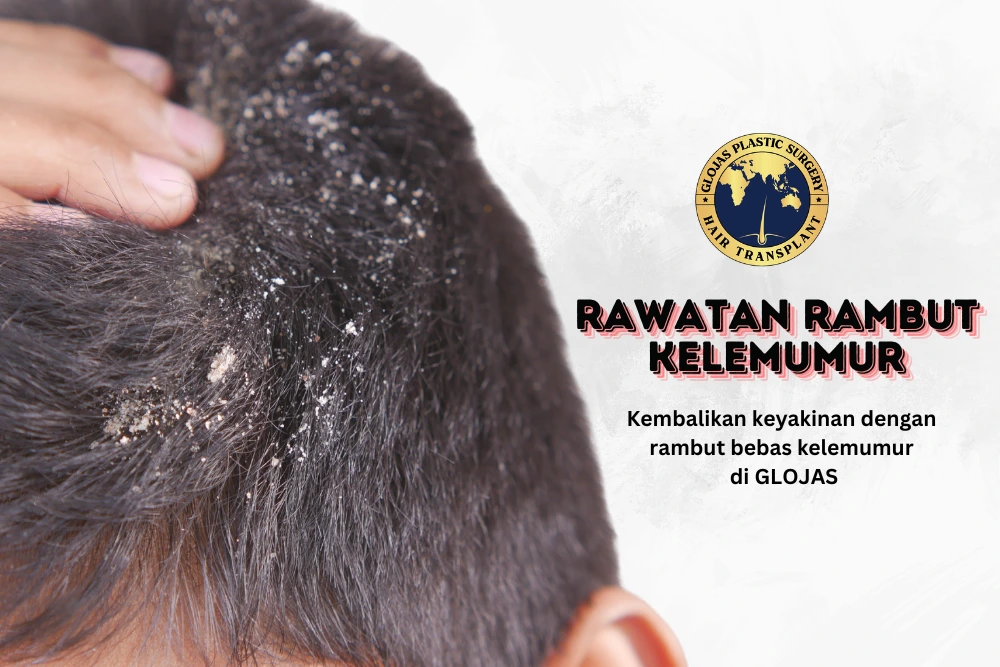
Rawatan Rambut Kelemumur: Cara Mengatasi Masalah Kelemumur Secara Berkesan Kelemumur merupakan masalah umum yang dialami oleh ramai individu. Ia bukan sahaja menyebabkan rasa tidak selesa pada kulit kepala tetapi juga boleh mempengaruhi kepercayaan diri seseorang kerana rambut yang kelihatan tidak bersih dan kurang sihat. Bagi mereka yang menghadapi masalah kelemumur, rawatan yang berkesan adalah penting untuk mengatasi masalah ini. Alamat : Glomac Galeria Hartamas, B-G, 05, Jalan 26a/70a, Desa Sri Hartamas, 50480 Wilayah Persekutuan, Wilayah Persekutuan Kuala Lumpur Dapatkan Arah Telefon : 012-989 1915 Laman Social : Facebook Youtube Instagram Apa Itu Kelemumur? Kelemumur adalah keadaan di mana kulit kepala menghasilkan kulit mati yang kelihatan seperti serpihan putih kecil. Ia boleh disebabkan oleh pelbagai faktor termasuk kulit kepala yang berminyak, kulit kepala yang kering, kulit sensitif, atau reaksi terhadap produk rambut tertentu. Kelemumur juga boleh diperparah oleh stres, cuaca yang terlalu panas atau sejuk, serta kekurangan nutrisi dalam pemakanan. Mengapa Rawatan Kelemumur Penting? Kesihatan Kulit Kepala: Rawatan kelemumur yang berkesan dapat menyihatkan kulit kepala, mengurangkan gatal-gatal atau rasa tidak selesa yang berkaitan dengan kelemumur. Rambut Yang Lebih Bersih dan Sihat: Dengan menghilangkan kelemumur, rambut kelihatan lebih bersih, bersinar, dan lebih bermaya. Penjagaan Rambut Secara Keseluruhan: Rawatan kelemumur sering melibatkan penggunaan produk yang mengandungi bahan-bahan yang baik untuk kesihatan rambut secara keseluruhan, seperti pelembap untuk menjaga kelembapan rambut dan kulit kepala. Rawatan Rambut Kelemumur di GLOJAS. Protokol Ubat SMART™SMART™ Medication Protocol telah dicipta oleh Profesor Dato’ Dr. JasG untuk membantu mereka yang mengalami keguguran rambut. Menggunakan formulanya sendiri, SMART™ Medication Protocol mampu menggalakkan pertumbuhan rambut baharu dan mengekalkan kulit kepala yang sihat. Peremajaan Rambut (Hair Rejuvenation) Peremajaan Rambut terdiri daripada PDT Light, Jet Peel dan Terapi Laser Tahap Rendah yang membantu menggalakkan pembaikan tisu dan pertumbuhan semula rambut. Antara kebaikan Peremajaan Rambut (Hair Rejuvenation) ialah untuk menguatkan folikel rambut yang lemah dengan berkesan dan juga merangsang pertumbuhan rambut yang lebih panjang dan padat.https://www.youtube.com/watch?v=CA_qS8RwMos Pakar Tanam Rambut di GLOJAS View this post on Instagram A post shared by GLOJAS HAIR TRANSPLANT SPECIALIST MALAYSIA (@fuehairtransplantmalaysia) Rawatan kelemumur adalah langkah penting untuk memastikan kulit kepala dan rambut yang sihat dan bersih. Dengan memilih rawatan yang sesuai dan mengamalkan tips yang betul, masalah kelemumur dapat dikawal dengan berkesan. Ingatlah bahawa setiap individu mempunyai keperluan yang berbeza, oleh itu penting untuk mencari nasihat daripada pakar atau profesional kesihatan jika kelemumur menjadi masalah yang serius atau berterusan. Dengan usaha yang konsisten, rambut yang sihat dan bebas kelemumur bukanlah impian yang mustahil untuk dicapai. Dapatkan Konsultasi Percuma Sekarang! BACA ARTIKEL : Rawatan Rambut Gugur Lelaki Facebook Twitter LinkedIn Pinterest Reddit WhatsApp
Rawatan Rambut | Dapatkan Rawatan di GLOJAS
Rawatan Rambut: Panduan Penjagaan dan Kesihatan Rambut Rambut merupakan salah satu aset penting dalam penampilan seseorang. Penjagaan rambut yang baik bukan sahaja memastikan rambut kelihatan cantik dan terurus, tetapi juga menjamin kesihatan kulit kepala dan mencegah masalah-masalah rambut yang biasa. Berikut adalah beberapa panduan dan tips untuk rawatan rambut yang boleh diamalkan oleh semua peringkat umur. Alamat : Glomac Galeria Hartamas, B-G, 05, Jalan 26a/70a, Desa Sri Hartamas, 50480 Wilayah Persekutuan, Wilayah Persekutuan Kuala Lumpur Dapatkan Arah Telefon : 012-989 1915 Laman Social : Facebook Youtube Instagram Rawatan Rambut Memilih Syampu dan Perapi yang SesuaiPemilihan syampu dan perapi yang sesuai dengan jenis rambut adalah langkah pertama dalam penjagaan rambut. Terdapat pelbagai jenis syampu dan perapi di pasaran, yang masing-masing disesuaikan untuk jenis rambut yang berbeza seperti rambut kering, berminyak, atau rambut yang telah diwarnakan. Pastikan anda membaca label produk dan memilih yang paling sesuai dengan keperluan rambut anda. Kekerapan Mencuci RambutMencuci rambut dengan kerap adalah penting untuk menjaga kebersihan rambut dan kulit kepala. Walau bagaimanapun, mencuci rambut terlalu kerap boleh menghilangkan minyak semula jadi yang diperlukan untuk menjaga kelembapan rambut. Disarankan untuk mencuci rambut dua hingga tiga kali seminggu, bergantung kepada jenis dan keadaan rambut. Menggunakan Minyak RambutPenggunaan minyak rambut boleh membantu menjaga kelembapan rambut dan mengurangkan kekeringan. Minyak kelapa, minyak zaitun, dan minyak argan adalah antara pilihan yang popular. Minyak rambut boleh digunakan sebagai rawatan pra-syampu atau sebagai pelembap selepas mencuci rambut. Pemakanan yang SeimbangKesihatan rambut juga bergantung kepada pemakanan yang seimbang. Protein, vitamin, dan mineral seperti zink, zat besi, dan vitamin A dan E adalah penting untuk pertumbuhan dan kekuatan rambut. Pastikan diet anda mengandungi makanan yang kaya dengan nutrien-nutrien ini seperti daging tanpa lemak, kacang, sayur-sayuran hijau, dan buah-buahan. Mengurangkan Penggunaan Alat PemanasAlat pemanas seperti pengering rambut, alat pelurus, dan pengeriting rambut boleh merosakkan rambut jika digunakan secara berlebihan. Panas yang tinggi boleh menyebabkan rambut menjadi kering dan rapuh. Jika perlu menggunakan alat-alat ini, pastikan untuk menggunakan pelindung haba dan memilih setting suhu yang paling rendah. Rawatan SemulajadiTerdapat pelbagai rawatan semulajadi yang boleh membantu menjaga kesihatan rambut. Masker rambut yang diperbuat daripada bahan semulajadi seperti madu, telur, dan yogurt boleh memberikan nutrisi tambahan kepada rambut. Penggunaan bahan-bahan semulajadi ini secara berkala boleh membantu menguatkan rambut dan menambah kilauan. Urutan Kulit KepalaUrutan kulit kepala boleh meningkatkan peredaran darah dan merangsang folikel rambut. Luangkan masa beberapa minit setiap hari untuk mengurut kulit kepala dengan lembut menggunakan hujung jari. Ini bukan sahaja dapat mengurangkan tekanan tetapi juga membantu dalam pertumbuhan rambut yang sihat. Mengelakkan TekananTekanan adalah salah satu punca utama masalah rambut seperti keguguran rambut. Mengamalkan gaya hidup yang sihat dan teknik pengurusan tekanan seperti senaman, meditasi, dan tidur yang cukup dapat membantu menjaga kesihatan rambut. https://www.youtube.com/watch?v=besyQvqrdJ4 Pakar Tanam Rambut di GLOJAS View this post on Instagram A post shared by GLOJAS HAIR TRANSPLANT SPECIALIST MALAYSIA (@fuehairtransplantmalaysia) Penjagaan rambut yang baik memerlukan komitmen dan kesabaran. Dengan mengamalkan tips-tips ini, anda boleh memastikan rambut anda kekal sihat, cantik, dan bersinar sepanjang masa. Jangan lupa untuk sentiasa mendengar keperluan rambut anda dan menyesuaikan rutin penjagaan rambut mengikut perubahan keadaan rambut dan persekitaran. https://glojasaesthetic.com/hair-services/hair-transplant/ Dapatkan Konsultasi Percuma Sekarang! BACA ARTIKEL : Melebatkan Rambut Facebook Twitter LinkedIn Pinterest Reddit WhatsApp
Hair Graft 101: What It Is, How It Works, and How Many You Need
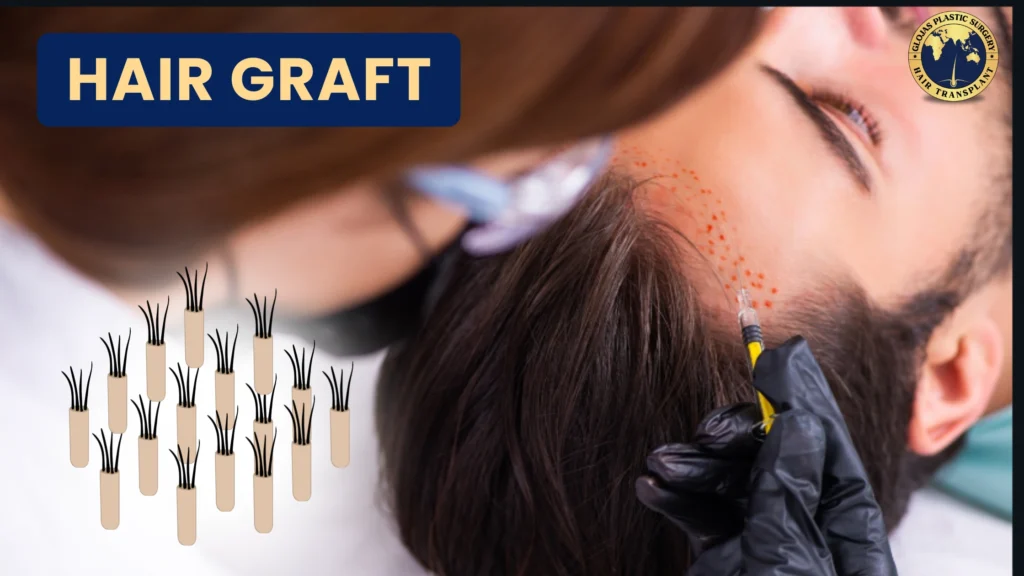
If you’re looking into hair restoration, you’ve likely heard the term “graft” tossed around. Understanding the mechanics of a hair graft is the first step toward a successful procedure. Let’s break down the science of hair transplantation so you can plan your journey with confidence. GLOJAS Specialist Clinic offers FUE hair transplant using advanced techniques to restore natural hair growth, ensuring minimal scarring, fast recovery, and long-lasting results for hair loss patients. What Is a Hair Graft? A hair graft is a tiny piece of living tissue harvested from a “donor site” (usually the back of the head) and moved to a thinning area. It is the fundamental unit of any modern transplant, ensuring the hair continues to grow naturally in its new home. Definition: Follicular Unit vs. Hair Strand A hair strand is just a single fiber, but a follicular unit is a biological group. In nature, hair doesn’t grow in single isolated strands; it grows in small bundles that include nerves, glands, and the vital dermal papilla. What’s Inside a Graft (1–4 Hairs Per Graft) Each graft typically contains between one and four terminal hairs. On average, a human scalp has about 2.2 hairs per follicular unit. This natural grouping is why a “2,000 graft” procedure actually results in roughly 4,400 new hairs on your head. Why Grafts, Not Individual Hairs, Are Transplanted Transplanting the entire follicular unit protects the hair’s anatomy. Moving just a strand would damage the root, but moving the graft ensures the sebaceous glands and follicle stay intact, significantly increasing the chances of long-term survival and healthy growth. Types of Hair Grafts by Follicular Unit Size Surgeons don’t just place grafts randomly. They categorize them by size to mimic the way hair naturally grows across different zones of the scalp. Single-Hair Grafts (Hairline and Temples) These are the MVPs of a natural look. Surgeons use single-hair grafts at the very front of the hairline. Because real hairlines are soft and irregular, using larger “plugs” would look artificial. These provide the delicate transition needed for a seamless finish. Double-Hair Grafts (Mid-Scalp Density) Once you move an inch back from the hairline, density becomes the priority. Two-hair grafts are perfect for the mid-scalp. they provide enough bulk to cover the skin while maintaining a transition that doesn’t look overly dense or “clumpy” under bright lights. Triple- and Quadruple-Hair Grafts (Crown and Thick Areas) These are your heavy hitters. Found mostly in the crown or center of the scalp, 3-hair and 4-hair grafts provide the maximum possible volume. Using these “multi-units” allows the surgeon to cover more surface area with fewer incisions, creating that sought-after “thick” appearance. How Hair Grafts Are Harvested: FUE vs. FUT There are two primary ways to collect these grafts, each with its own pros and cons regarding scarring and yield. FUE Grafts: Individual Extraction, Tiny Scars Follicular Unit Extraction (FUE) involves a micro-punch tool to pull individual grafts one by one. It’s popular because it leaves tiny, dot-like scars that are virtually invisible, making it ideal for guys who like to keep their hair short. FUT Grafts: Strip Method, Higher Graft Yield Follicular Unit Transplantation (FUT) involves removing a small strip of skin from the donor area. While it leaves a linear scar, it often yields more high-quality grafts in a single session. This is frequently recommended for patients requiring a large volume of hair. Graft Survival Rates by Technique (90–95% Typical) Regardless of the method, modern clinics maintain high standards. FUE and FUT both boast graft survival rates between 90% and 95% when performed by experienced teams. Success depends largely on “out-of-body” time and how gently the grafts are handled during the move. How Many Hair Grafts Do You Need? (By Hair Loss Level) The “magic number” depends on your Norwood Scale classification. Here is a general breakdown of what to expect: Hair Loss Stage Typical Graft Count Target Area Norwood 2–3 1,000 – 2,000 Hairline & Temples Norwood 4–5 2,500 – 4,000 Front to Mid-Scalp Norwood 6–7 4,500 – 6,000+ Full Scalp Coverage Norwood 2–3: 1,000–2,000 Grafts (Receding Hairline) For early-stage thinning, a smaller session is usually enough. This count focuses on filling in the “M-shape” at the temples and lowering the hairline slightly to frame the face. It’s a quick fix with a high impact on your overall appearance. Norwood 4–5: 2,500–4,000 Grafts (Front to Mid-Scalp) As thinning spreads toward the top, more grafts are required. This range provides significant coverage for the entire front half of the head. It bridges the gap between the hairline and the crown, ensuring there are no obvious “islands” of hair. Norwood 6–7: 4,500–6,000+ Grafts (Full Restoration) Extensive hair loss requires “mega-sessions.” Often, this is split into two procedures to protect the donor area. The goal here is global coverage, though density might be slightly lower than original levels to ensure the entire scalp is covered. Crown Only: 800–2,000 Grafts The crown (vertex) is a circular “swirl” that can be a graft hog. Because of the way hair angles change in this area, it often requires more grafts than you’d think to achieve a look that isn’t see-through. Hair Graft Count and Expected Results Density is measured in grafts per square centimeter ($grafts/cm^2$). Your final look depends on how tightly these units are packed. Low Density (15–20 Grafts/cm²) – Coverage Only This level is about “eliminating the shine.” It provides enough hair to cover the scalp, but under direct light, the skin may still be visible. This is often used for patients with limited donor hair who need global coverage. Medium Density (25–35 Grafts/cm²) – Natural Look This is the “sweet spot” for most patients. It mimics the density of a natural head of hair that is slightly thinning but looks full and healthy to the casual observer. It’s an efficient use of donor hair. High Density (40–50+ Grafts/cm²) – Thick Results Reserved for patients with excellent donor areas, this creates a very thick, “pre-hair loss” appearance. However, surgeons must be careful;
Petua & Cara Melebatkan Rambut: Rambut Sihat, Keyakinan Menyerlah 2025
Melebatkan Rambut: Rahsia Rambut Lebat dan Sihat Rambut yang lebat dan sihat merupakan idaman ramai orang, terutamanya mereka yang menghadapi masalah rambut nipis atau keguguran rambut. Melebatkan rambut bukan sahaja meningkatkan keyakinan diri, tetapi juga menambah kecantikan semula jadi seseorang. Dalam artikel ini, kita akan mengupas beberapa cara yang berkesan untuk melebatkan rambut menggunakan bahan-bahan semula jadi serta amalan penjagaan rambut yang betul. Alamat : Glomac Galeria Hartamas, B-G, 05, Jalan 26a/70a, Desa Sri Hartamas, 50480 Wilayah Persekutuan, Wilayah Persekutuan Kuala Lumpur Dapatkan Arah Telefon : 012-989 1915 Laman Social : Facebook Youtube Instagram Punca Rambut Gugur Genetik Kebanyakan kes keguguran rambut pada lelaki adalah disebabkan oleh keadaan yang dikenali sebagai alopecia androgenetik, atau lebih dikenali sebagai kebotakan corak lelaki. Kondisi ini diwarisi dan dipengaruhi oleh hormon dihydrotestosterone (DHT). Perubahan Hormon Selain genetik, perubahan hormon juga boleh menyumbang kepada keguguran rambut. Hormon seperti testosteron boleh bertukar menjadi DHT yang mempunyai kesan mengecutkan folikel rambut sehingga rambut menjadi lebih nipis dan akhirnya gugur. Faktor Pemakanan Kekurangan zat makanan tertentu seperti protein, zat besi, dan vitamin B kompleks boleh menyebabkan rambut menjadi lemah dan mudah gugur. Tekanan Stres, sama ada fizikal atau emosi, boleh menyebabkan rambut masuk ke dalam fasa rehat lebih awal dari biasa yang kemudiannya mengakibatkan keguguran rambut. Penjagaan Rambut yang Tidak Sesuai Penggunaan bahan kimia keras, peralatan pemanas, dan teknik penjagaan rambut yang kasar juga boleh merosakkan rambut dan menyebabkan keguguran. Dapatkan Konsultasi Percuma Sekarang! Petua Melebatkan Rambut Pemakanan yang SeimbangPemakanan yang sihat dan seimbang memainkan peranan penting dalam kesihatan rambut. Pastikan diet harian anda kaya dengan protein, vitamin, dan mineral yang penting untuk pertumbuhan rambut. Makanan seperti telur, ikan, kacang, bayam, dan buah-buahan boleh membantu menguatkan akar rambut dan merangsang pertumbuhan rambut yang lebih lebat. Minyak Kelapa dan Minyak ZaitunMinyak kelapa dan minyak zaitun terkenal dengan khasiatnya dalam melebatkan rambut. Urutan minyak kelapa atau minyak zaitun ke kulit kepala dapat merangsang peredaran darah dan memberikan nutrisi kepada folikel rambut. Untuk hasil yang optimum, sapukan minyak pada kulit kepala dan rambut, biarkan selama sekurang-kurangnya 30 minit sebelum dibilas dengan syampu yang lembut. Aloe VeraAloe vera atau lidah buaya merupakan ramuan semula jadi yang sangat berkesan untuk pertumbuhan rambut. Gel aloe vera boleh digunakan sebagai masker rambut. Sapu gel aloe vera pada kulit kepala dan rambut, biarkan selama 30-45 minit, kemudian bilas dengan air suam. Penggunaan aloe vera secara berkala dapat membantu melebatkan rambut dan memberikan kilauan semula jadi. Penggunaan Syampu dan Perapi yang SesuaiPemilihan syampu dan perapi yang sesuai dengan jenis rambut juga penting dalam usaha melebatkan rambut. Elakkan produk yang mengandungi bahan kimia keras yang boleh merosakkan rambut. Pilih produk yang diformulasikan khusus untuk rambut nipis dan mengandungi bahan semula jadi yang dapat membantu melebatkan rambut. Amalan Urutan Kulit Kepala.Urutan kulit kepala secara berkala dapat membantu merangsang folikel rambut dan meningkatkan pertumbuhan rambut. Gunakan jari-jari anda untuk mengurut kulit kepala dengan lembut dalam gerakan bulat selama 5-10 minit setiap hari. Amalan ini bukan sahaja membantu melebatkan rambut, tetapi juga mengurangkan tekanan dan meningkatkan kesihatan kulit kepala. Mengelakkan Penggunaan Alat Penggayaan PanasPenggunaan alat penggayaan rambut yang panas seperti pengering rambut, pelurus, dan pengeriting boleh merosakkan rambut dan menyebabkan rambut menjadi nipis. Kurangkan penggunaan alat-alat ini dan biarkan rambut kering secara semula jadi sebanyak mungkin. Jika perlu menggunakan alat penggayaan, pastikan menggunakan pelindung haba untuk melindungi rambut dari kerosakan. Gaya Hidup SihatGaya hidup yang sihat seperti mengurangkan tekanan, mendapat tidur yang cukup, dan bersenam secara berkala juga menyumbang kepada kesihatan rambut. Tekanan yang berlebihan boleh menyebabkan keguguran rambut, jadi penting untuk mengamalkan teknik relaksasi seperti meditasi atau yoga. Dapatkan Konsultasi Percuma Sekarang! Pakar Tanam Rambut di GLOJAS View this post on Instagram A post shared by GLOJAS HAIR TRANSPLANT SPECIALIST MALAYSIA (@fuehairtransplantmalaysia) Melebatkan rambut memerlukan kesabaran dan konsistensi dalam penjagaan rambut. Dengan mengamalkan tips-tips di atas, anda boleh mendapatkan rambut yang lebat, sihat, dan berkilau secara semula jadi. Ingatlah bahawa rambut yang sihat bermula dari dalam, jadi pastikan anda menjaga kesihatan dalaman untuk mencapai rambut yang diidamkan. Dapatkan Konsultasi Percuma Sekarang! BACA ARTIKEL : Manfaat Pembedahan Transplantasi Rambut Facebook Twitter LinkedIn Pinterest Reddit WhatsApp
Penyakit Kulit Kepala – Dapatkan Rawatan di GLOJAS
Apa itu Penyakit Kulit Kepala Penyakit kulit kepala adalah masalah kesihatan yang biasa dialami oleh ramai individu. Kulit kepala yang sihat adalah penting untuk pertumbuhan rambut yang baik dan keselesaan keseluruhan. Berikut adalah beberapa jenis penyakit kulit kepala yang sering terjadi, punca, gejala, dan cara rawatannya. Alamat : Glomac Galeria Hartamas, B-G, 05, Jalan 26a/70a, Desa Sri Hartamas, 50480 Wilayah Persekutuan, Wilayah Persekutuan Kuala Lumpur Dapatkan Arah Telefon : 012-989 1915 Laman Social : Facebook Youtube Instagram Jenis-Jenis Penyakit Kulit Kepala Kelemumur Punca: Dihasilkan oleh kulat Malassezia yang tumbuh pada kulit kepala berminyak. Faktor lain termasuk tekanan, cuaca sejuk, dan diet tidak seimbang.Gejala: Kulit kepala yang bersisik, gatal, dan berwarna merah. Kepingan kulit mati yang putih atau kuning sering kali kelihatan di rambut dan pakaian. Psoriasis Kulit KepalaPunca: Penyakit autoimun yang menyebabkan sel kulit membiak dengan cepat sehingga membentuk plak tebal.Gejala: Plak merah yang tebal dan bersisik putih perak. Kulit kepala sering gatal dan kering. Kulat Kulit Kepala Punca: Jangkitan kulat dermatofit yang mudah merebak melalui sentuhan langsung atau barang yang tercemar.Gejala: Tompok bersisik yang gatal dan kemerahan, keguguran rambut di kawasan yang terjejas, dan kadang-kala keradangan serta lepuhan. FolikulitisPunca: Jangkitan bakteria, kulat, atau virus yang menyebabkan keradangan pada folikel rambut. Ia juga boleh disebabkan oleh iritasi akibat bercukur atau produk rambut.Gejala: Benjolan merah kecil atau pustula yang gatal dan menyakitkan. Kadang-kadang, ia boleh berisi nanah. Dapatkan Konsultasi Percuma Sekarang! Pencegahan Penyakit Kulit Kepala Kebersihan yang Baik: Cuci rambut secara berkala dengan syampu yang sesuai untuk jenis rambut dan kulit kepala. Elakkan penggunaan produk rambut yang keras dan mengandungi banyak bahan kimia. Diet Seimbang: Pengambilan makanan yang kaya dengan vitamin dan mineral boleh membantu mengekalkan kesihatan kulit kepala. Pengurusan Tekanan: Tekanan boleh mempengaruhi kesihatan kulit kepala. Amalkan teknik pengurusan tekanan seperti yoga, meditasi, dan senaman. Elakkan Sentuhan Terus: Jangan berkongsi barang peribadi seperti sikat, tuala, dan topi untuk mengelakkan penyebaran penyakit berjangkit. Dapatkan Konsultasi Percuma Sekarang! https://www.youtube.com/watch?v=mwmzz6j-lTs Pakar Tanam Rambut di GLOJAS View this post on Instagram A post shared by GLOJAS HAIR TRANSPLANT SPECIALIST MALAYSIA (@fuehairtransplantmalaysia) GLOJAS Specialist Clinic offers expert hair loss treatment through personalized, evidence-based plans developed by board-certified specialists. Using FDA- and CE-approved technologies like PRP therapy and precision hair restoration, we ensure safe, effective results. Comprehensive aftercare and follow-up support reinforce patient trust, making GLOJAS a reliable authority in hair restoration solutions. Read More : Hair Transplant Malaysia Dapatkan Konsultasi Percuma Sekarang! BACA ARTIKEL : Perubatan Selepas Transplantasi Rambut Facebook Twitter LinkedIn Pinterest Reddit WhatsApp
Pilihan Rawatan Kebotakan | Dapatkan Rawatan Terbaik di GLOJAS
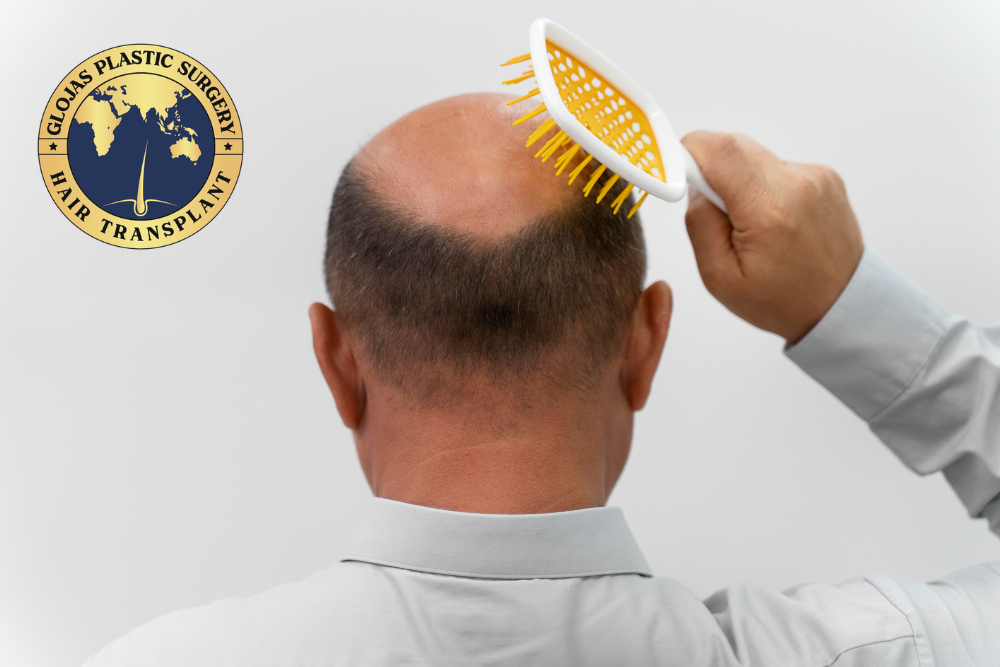
Kenali dahulu peringkat keguguran rambut anda Kebotakan corak lelaki atau keguguran rambut ditandai dengan penipisan rambut yang progresif di kepala, akhirnya membawa kepada kebotakan. Bagi kebanyakan lelaki, keguguran rambut bermula di kuil dengan garis rambut yang beransur surut. Rambut di ubun-ubun, atau belakang, kepala juga mungkin mula menipis.Corak rambut gugur ini biasanya dalam corak “M” dari dahi. Dalam kes yang teruk, tompok botak di atas mahkota akan bertemu di titik teratas dari semasa ke semasa, membentuk bentuk ladam kuda. Ini meninggalkan rambut hanya di bahagian belakang dan sisi kepala. Alamat : Glomac Galeria Hartamas, B-G, 05, Jalan 26a/70a, Desa Sri Hartamas, 50480 Wilayah Persekutuan, Wilayah Persekutuan Kuala Lumpur Dapatkan Arah Telefon : 012-989 1915 Laman Social : Facebook Youtube Instagram Pilihan Rawatan Kebotakan: Panduan Menangani Masalah Rambut Gugur 1. Rawatan Semulajadi– Minyak Rambut: Penggunaan minyak rambut khas boleh membantu menyuburkan akar rambut dan menggalakkan pertumbuhan yang sihat.– Penumbuh Rambut: Produk penumbuh rambut mengandungi bahan-bahan untuk merangsang pertumbuhan rambut baru. 2. Rawatan Oral– Suplemen Rambut: Suplemen yang mengandungi nutrien penting seperti biotin dan zink dapat membantu memperbaiki keadaan rambut.– Pil Rambut: Terdapat pil tertentu yang direka khas untuk merangsang pertumbuhan rambut. 3. Rawatan Klinikal– Terapi Laser: Penggunaan terapi laser low-level dapat meransang folikel rambut untuk meningkatkan pertumbuhan. 4. Rawatan Pembedahan– Penanaman Rambut: Kaedah terkini untuk kebotakan yang ketara melibatkan penanaman folikel rambut dari kawasan penderma ke kawasan rambut gugur. 5. Rawatan Alternatif– Terapi Akupunktur: Penggunaan jarum akupunktur pada titik tertentu di kepala untuk meransang pertumbuhan rambut.– Pengunaan Herba: Penggunaan ramuan herba tertentu seperti bawang putih atau daun lidah buaya untuk menggalakkan pertumbuhan rambut. 6. Rawatan DIY– Urutan Kulit Kepala: Urutan lembut kulit kepala boleh meningkatkan peredaran darah dan merangsang pertumbuhan rambut.– Bersukan: Kegiatan fizikal membantu mengurangkan tekanan dan meningkatkan kesihatan rambut. 7. Konsultasi Pakar– Doktor Rambut: Berbincang dengan doktor pakar rambut untuk mendapatkan nasihat dan rawatan yang bersesuaian.– Penasihat Kecantikan: Ahli kecantikan dapat memberikan panduan mengenai penjagaan rambut yang sesuai dengan keperluan kulit kepala dan rambut anda. Dapatkan Konsultasi Percuma Sekarang! Pakar Tanam Rambut di GLOJAS Your Trusted Board Certified Plastic Surgeon Specialist View this post on Instagram A post shared by GLOJAS HAIR TRANSPLANT SPECIALIST MALAYSIA (@fuehairtransplantmalaysia) Kebotakan boleh menjadi pengalaman yang memberikan tekanan kepada mental kita, tetapi dengan pilihan rawatan yang tersedia, individu yang mengalami masalah kebotakan boleh memilih mana2 rawatan yang bersesuaian dengan mereka.Penting untuk berbincang dengan doktor atau dermatologi yang berkelayakan untuk mendapatkan nasihat dan rawatan yang tepat berdasarkan keperluan dan keadaan individu. Di glojas, kumpulan pakar kami yang diketuai oleh Professor Dato` Dr JasG yang telah berpengalaman dan kemahiran lebih dari 26 tahun akan memastikan pelanggan kami berpuas hati. Dapatkan Konsultasi Percuma Sekarang! BACA ARTIKEL : Harga Tanam Rambut di Malaysia Facebook Twitter LinkedIn Pinterest Reddit WhatsApp
Frontal Hair Loss: Causes, Symptoms, and Treatment Options in Malaysia
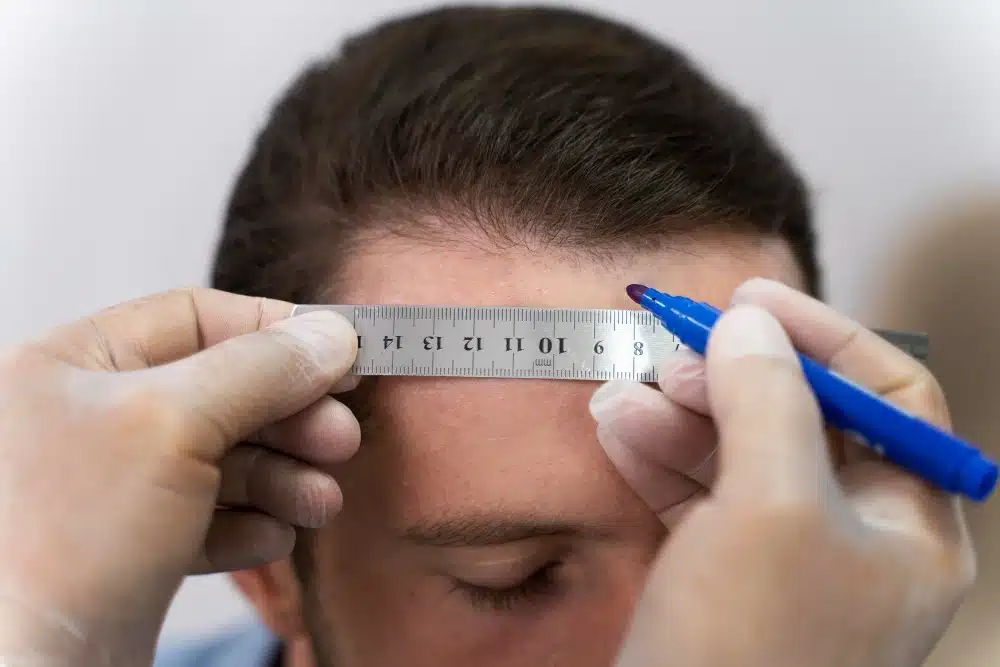
Waking up to more strands on your pillow or seeing more forehead in the mirror can be stressful. In Malaysia, frontal hair loss is a growing concern for both men and women. Understanding whether it’s a temporary phase or a permanent shift is the first step toward reclaiming your confidence. What Is Frontal Hair Loss? Definition and Hairline Thinning Frontal hair loss refers to the reduction of hair density specifically at the anterior part of the scalp. Unlike general thinning, this focus on the front can significantly alter your facial symmetry. It often begins with the hair becoming finer (miniaturization) before the follicles stop producing hair altogether. Frontal Hair Loss vs Receding Hairline While they look similar, a “receding hairline” typically follows a specific “M” or “V” shape at the temples. Frontal hair loss can be more diffuse, thinning out the entire front band of hair. For many, a receding hairline is the early stage of progressive androgenetic alopecia. Causes of Frontal Hair Loss Androgenetic Alopecia (Genetic Hair Loss) This is the most common culprit, affecting roughly 95% of men with hair loss. It is a hereditary condition where hair follicles are genetically sensitive to certain hormones. In Malaysia, this often manifests in men as early as their 20s, leading to a predictable pattern of frontal thinning. Hormonal Factors and DHT Dihydrotestosterone (DHT Hormone) is a byproduct of testosterone that shrinks hair follicles. High levels of DHT shorten the growth phase of your hair, making new strands shorter and thinner. Eventually, the follicles in the frontal zone become so small they can no longer penetrate the scalp surface. Traction Alopecia from Hairstyles In our local culture, tight hijabs, turbans, or “man-buns” can lead to traction alopecia. This is caused by consistent tension on the hair roots. If the pulling continues over years, it can cause permanent scarring and irreversible hair loss along the frontal hairline. Signs of Frontal Hair Loss Thinning at the Front Hairline You might notice your scalp becoming more visible under bright lights or when your hair is wet. The “see-through” effect at the front is a classic early warning sign. The hair texture in this area may also feel softer or “peach-fuzz” like compared to the back. Receding or Uneven Hairline A shifting hairline is often the most obvious sign. You may find that one side is receding faster than the other, creating an asymmetrical look. Many Malaysians first notice this when they can no longer style their fringe or “bangs” as effectively as they once did. Frontal Hair Loss Treatment in Malaysia Medications (Minoxidil, Finasteride) FDA-approved treatments like Minoxidil (topical) and Finasteride (oral) remain the frontline defense. These are widely available in Malaysian pharmacies. Minoxidil improves blood flow to follicles, while Finasteride works by blocking the conversion of testosterone to DHT, effectively slowing down the thinning process. PRP Therapy for Hair Regrowth Platelet-Rich Plasma (PRP) therapy involves injecting your own concentrated platelets into the scalp. This “vampire” treatment uses growth factors to jumpstart dormant follicles. It’s highly popular in KL aesthetic clinics as a non-surgical way to increase hair density and thickness without downtime. Hair Transplantation for Frontal Hair Loss FUE Hairline Restoration Follicular Unit Extraction (FUE) is the gold standard for restoring a frontal hairline. In 2026, survival rates for these grafts are between 93% and 97%. Surgeons move individual follicles from the “permanent” donor zone at the back of your head to the thinning frontal areas. Hairline Design and Density A natural result depends on “Hairline Design.” Malaysian surgeons prioritize ethnic facial features to ensure the new hairline isn’t too low or “too straight.” By varying the angle and density of the transplanted grafts, they create a soft, undetectable transition from the forehead to the scalp. Cost of Frontal Hair Loss Treatment in Malaysia Treatment Estimated Cost (MYR) Frequency Minoxidil/Finasteride RM 100 – RM 250 Monthly PRP Therapy RM 800 – RM 1,800 Per Session FUE Hair Transplant RM 8,000 – RM 25,000 One-time Factors Affecting Cost The number of grafts needed is the biggest price driver. In 2026, the average cost per graft in Kuala Lumpur ranges from RM 6 to RM 12. Clinics in Bangsar or Mont Kiara may charge more for specialized “Sapphire FUE” technology, which allows for faster healing and higher density. FAQs About Frontal Hair Loss Can Frontal Hair Loss Grow Back? If the loss is caused by stress or temporary hormonal shifts (Telogen Effluvium), it can grow back. However, if it’s genetic or caused by long-term scarring, natural regrowth is unlikely without medical intervention like transplants or consistent pharmacological treatments. What Is the Best Treatment for Frontal Hair Loss? For early stages, a combination of Finasteride and Minoxidil is usually best. For advanced thinning where the scalp is visible, an FUE Hair Transplant combined with PRP sessions offers the most permanent and aesthetically pleasing results for restoring the hairline. Is Frontal Hair Loss Permanent? Genetic hair loss is progressive and permanent without treatment. However, modern technology in 2026 allows us to manage it indefinitely. While you can’t “cure” the underlying genetics, you can maintain your hair for decades with the right clinical hair loss management. How Much Does Frontal Hair Loss Treatment Cost in Malaysia? Non-surgical treatments start as low as RM 100 per month. If you opt for a hair transplant, expect to invest between RM 10,000 and RM 20,000 for a standard procedure. Most reputable Malaysian clinics offer interest-free installment plans to make this more accessible. Is Hair Transplant Effective for Frontal Hair Loss? Yes, it is the only way to restore hair to areas that are completely bald. With a success rate exceeding 90%, it is considered the most effective long-term solution. Results look natural because the hair used is your own living tissue.
Hair Transplant Cost Guide: Pricing, Factors & What to Expect in Malaysia
A hair transplant is a surgical hair restoration procedure where follicles are moved from a “donor site” to a “recipient site” to treat thinning or balding. In Malaysia, the hair transplant cost typically ranges from RM6,000 to RM35,000, averaging around RM1.50 to RM3.00 per hair or RM6.00 to RM12.00 per graft, depending on the technique used. Hair Transplant Cost Malaysia: Complete Guide to Price & Graft Cost Hair Transplant Cost in Malaysia Malaysia has become a top destination for medical travelers looking for high-quality hair restoration at a lower price point. You can expect to find modern facilities in major cities that provide world-class results for a fraction of the cost in the US or Australia. Most patients invest between RM8,000 and RM25,000 for a single session, covering everything from the surgery to initial recovery. The industry follows strict health guidelines set by the Ministry of Health Malaysia to ensure patient safety and procedure quality. Average Cost Per Graft The “per graft” model is the standard way clinics calculate your final bill. A single graft usually contains a small group of 1 to 4 hair follicles. In 2026, the current market rate in Malaysia typically falls between RM6 and RM12 per graft. Many clinics offer “package prices” where the cost per unit drops slightly as the total number of grafts increases. Total Cost by Hair Loss Level Hair Loss Level (Norwood Scale) Estimated Grafts Needed Estimated Total Cost (MYR) Stage 2 (Minor Recession) 800 – 1,200 RM6,000 – RM10,000 Stage 3 (Deep Recession) 1,500 – 2,500 RM10,000 – RM18,000 Stage 4 (Vertex/Crown Thinning) 2,500 – 3,500 RM15,000 – RM28,000 Stage 5-6 (Extensive Balding) 3,500 – 5,000+ RM25,000 – RM45,000 Hair Transplant Cost by Procedure Type FUE Hair Transplant Cost Follicular Unit Extraction (FUE) is the most sought-after method because it doesn’t leave a linear scar. The total cost for FUE usually ranges from RM8,000 to RM30,000. Because each hair group is taken out one by one, it takes more time and skill, which is why it costs more than the strip method. This is a great choice if you like to keep your hair short at the back and sides. FUT Hair Transplant Cost Follicular Unit Transplantation (FUT), also known as the “strip method,” is a more traditional and budget-friendly option. Costs for FUT generally range from RM8,000 to RM15,000. It is often more affordable because the surgeon can harvest a large number of grafts very quickly. You can find detailed technical comparisons of these methods on the International Society of Hair Restoration Surgery website. Hair Transplant Cost by Area Hairline Transplant Cost Fixing a receding hairline is one of the most common requests and usually requires 1,000 to 1,800 grafts. Expect to pay between RM7,000 and RM14,000 for this specific area. The goal here is density and a natural shape that fits your face. Crown Area Cost The crown (the “bald spot” on top) often needs a high number of grafts to look full because of the way hair naturally swirls. Restoring this area typically costs between RM12,000 and RM22,000. Surgeons must be very precise here to match the natural growth direction of your hair. Full Scalp Cost If you are thinning across the entire top of your head, you may need a “mega-session.” The cost for a full scalp transformation can go above RM35,000. This often requires a full day in the clinic or even two separate sessions to get the best result. Factors Affecting Hair Transplant Cost Number of Grafts Required This is the biggest factor; the more hair you need to move, the higher the price will be. A “graft” is the biological unit moved during surgery, and a single session can involve 1,000 to 4,000 of them. Clinics use specialized tools to count these units accurately so you only pay for what you need. Severity of Hair Loss Advanced hair loss requires more time and more staff to assist the surgeon. The Norwood Scale is used to measure severity and estimate how much work is needed. If your donor hair at the back of your head is thin, the procedure becomes more complex and potentially more expensive. Clinic and Surgeon Factors Experienced surgeons with a long track record of success often charge a premium for their time. Clinics located in prime areas like KLCC or Bangsar may have higher fees than those in smaller towns. The level of aftercare and the quality of the medical team also play a role in the final price. Technique Used Newer technologies like Sapphire FUE or DHI (Direct Hair Implantation) often cost about 20% to 30% more. These tools allow for faster healing and smaller incisions but require more expensive equipment. “Unshaven” FUE, where you don’t have to cut your hair short for the surgery, is also a premium service that costs more. Hair Transplant Cost Breakdown Per Graft Pricing Structure Basic FUE: RM6 – RM9 per graft. Advanced DHI: RM10 – RM15 per graft. Large Sessions: Many clinics offer a “flat fee” for anything over 3,000 grafts to help you save money. Additional Costs (Consultation, Medication) Consultation: RM100 – RM250 (this is often deducted from your surgery bill if you proceed). Medication Kit: RM200 – RM500 for recovery meds and specialized shampoos. PRP Therapy: Some patients choose Platelet-Rich Plasma treatments to boost growth, costing about RM800 per session. Blood Tests: Expect to pay around RM150 for standard health screenings before the surgery. Hair Transplant Cost FAQs How much does hair transplant cost in Malaysia? In Malaysia, you can expect to pay between RM10,000 and RM25,000 for most cases. The price depends mostly on the number of grafts and the technique used. Compared to Singapore or the US, Malaysia offers very competitive rates for the same medical standards. How many grafts do I need? It depends on your goals. A minor fix usually takes about 1,200 grafts, while a very thin top might need 3,000 or more. You can check the American Hair Loss Association for more info