
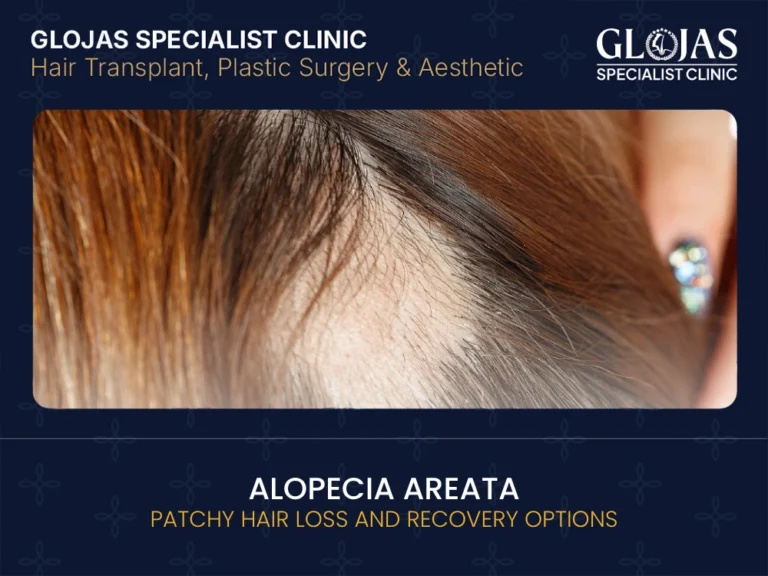
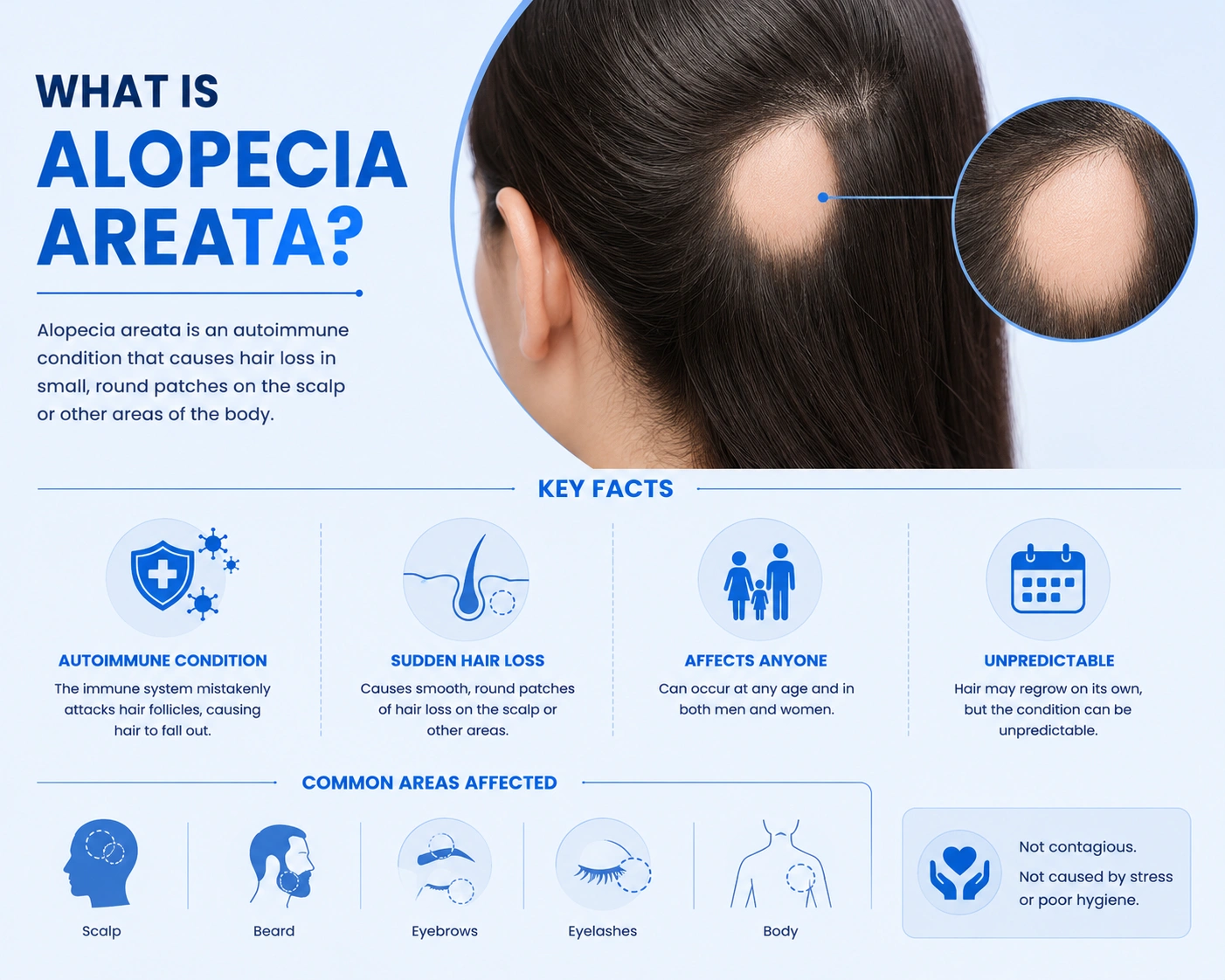
Alopecia areata is a chronic autoimmune condition where the body’s immune system mistakenly attacks hair follicles, causing rapid hair loss. It typically results in smooth, round or oval bald patches on the scalp, face, or body, with spontaneous regrowth possible.
Understanding Alopecia Areata
Alopecia areata affects approximately 2% of the global population across all genders and age groups, though it frequently manifests during childhood or early adulthood. Unlike standard pattern baldness, this inflammatory process targets anagen-phase hair roots, disrupting normal hair production without permanently destroying the follicle itself.
What Causes Patchy Hair Loss
The primary driver of patchy hair loss is immune-mediated dysfunction, where white blood cells mistakenly target melanocytes or structural components within hair bulbs. Key factors include:
Genetic Predisposition: Individuals with a family history of autoimmune disorders face a higher statistical risk.
Autoimmune Triggers: Associations with thyroid diseases, vitiligo, and atopic dermatitis are well-documented.
Environmental and Psychological Stress: Severe physical illness, emotional trauma, or acute stress events can trigger or exacerbate sudden flare-ups.
Signs and Symptoms of Alopecia Areata
Recognizing the early dermatological markers of this condition helps ensure prompt intervention. Common clinical signs include:
Sudden Coin-Sized Patches: Smooth, sharply demarcated round or oval areas of hair loss on the scalp.
Exclamation Mark Hairs: Short, broken hairs that taper near the base, commonly seen at the edges of active expansion zones.
Nail Changes: Pitting, fine splitting, or sandpaper-like roughness across fingernails and toenails.
Advanced Manifestations: Progression to Alopecia Totalis (complete scalp hair loss) or Alopecia Universalis (total body hair loss).
Clinical Insight: In specialist dermatology practice, microscopic evaluation (trichoscopy) often reveals characteristic yellow dots and black dots within the follicular openings, confirming active disease progression before initiating targeted immunomodulatory therapies.
Treatment and Recovery Options in Malaysia
Managing hair restoration requires a structured medical strategy tailored to the extent of follicular involvement and patient health profiles.
Medical Treatments and Dermatologist Options
Professional medical management aims to halt immune attacks and stimulate local regrowth. Standard interventions deployed by clinical dermatologists include:
Intralesional Corticosteroid Injections: Administered directly into localized bald patches on a monthly basis to suppress regional inflammation.
Topical Immunotherapy: Applying chemical sensitizers like diphenylcyclopropenone (DPCP) to induce a controlled allergic contact dermatitis that alters immune responses.
Systemic Therapies: Oral corticosteroids, methotrexate, or targeted JAK inhibitors prescribed for rapidly progressive or severe multi-patch presentations.
Topical Solutions and Procedures
Complementary non-surgical options support follicle rehabilitation and scalp wellness:
Minoxidil Solutions: Available in 2% or 5% topical formulations to lengthen the anagen growth phase.
Platelet-Rich Plasma (PRP): Concentrated autologous growth factors injected into the scalp to optimize the microenvironment for cellular repair.
Finding Care in Malaysia
Navigating recovery effectively relies on recognizing when to seek expert medical evaluation and maintaining consistent home-care protocols.
When to See a Dermatologist
You should consult a qualified medical professional if you notice rapid, unexplained hair shedding, expanding circular patches, or concurrent nail pitting. Early diagnosis at specialized establishments like GLOJAS Specialist Clinic ensures accurate grading of your condition and access to advanced, safe restoration pathways supervised by medical experts.
Managing Alopecia Areata Daily
Living with a fluctuating hair loss condition involves practical lifestyle adjustments:
Scalp Protection: Apply broad-spectrum sunscreen and wear hats or UV-protective scarves to shield exposed skin from solar radiation.
Stress Regulation: Incorporate mindfulness, yoga, or consistent physical exercise to help regulate systemic inflammatory triggers.
Gentle Hair Care: Use hypoallergenic, sulfate-free shampoos and avoid tight hairstyles that place traction stress on fragile hair roots.
Frequently Asked Questions
Can alopecia areata be cured permanently?
There is currently no definitive universal cure, but spontaneous recovery or full hair regrowth occurs in over 60% of localized cases within one year of treatment. However, recurrence or future relapses remain common.
Is alopecia areata contagious?
No, alopecia areata is strictly a non-contagious autoimmune and inflammatory condition, meaning it cannot be transmitted through direct contact, sharing items, or environmental exposure.
What is the primary difference between alopecia areata and male pattern baldness?
Alopecia areata is an autoimmune disease causing patchy, sudden hair loss, whereas male pattern baldness (androgenetic alopecia) is a progressive, hormone- and genetics-driven receding hairline and crown thinning process.
Can children develop alopecia areata?
Yes, the condition can manifest at any age, and it is frequently diagnosed first during childhood or adolescence, requiring specialized pediatric dermatological care.
When should I book a clinical consultation for hair loss?
You should schedule a professional assessment as soon as you observe persistent shedding or circular bald spots. Consult the experts at GLOJAS Specialist Clinic for a personalized evaluation and tailored recovery plan.