
Benefits of SMART PRP for Hair Loss

Hair loss is a prevalent concern impacting millions worldwide, often causing a dent in confidence and self-esteem. As an innovative solution, SMART™ Platelet-Rich Plasma (PRP) has emerged, promising a natural and effective alternative to more invasive treatments. In this exploration, we delve into the science behind SMART™ PRP and its potential as a game-changer in the battle against hair thinning. SMART™ Platelet-Rich Plasma (SMART™ PRP) SMART™ Platelet-Rich Plasma, exclusive to GLOJAS, is a cutting-edge treatment utilizing the body’s natural healing mechanisms to promote hair growth. The procedure involves drawing a small blood sample, centrifuging it to extract platelet-rich plasma, and injecting the concentrated SMART™ PRP into the scalp. Rich in growth factors and proteins, platelets play a pivotal role in tissue repair and regeneration. The Science Behind SMART™ Platelet-Rich Plasma for Hair Loss PRP therapy capitalizes on platelets’ ability to stimulate hair follicles, extend the hair growth phase, and induce new hair follicle formation. Growth factors in PRP promote angiogenesis, fostering the formation of new blood vessels around hair follicles, delivering essential nutrients and oxygen. Additionally, SMART™ PRP aids in reducing inflammation, a known contributor to hair loss. Advantages of SMART™ Platelet-Rich Plasma for Hair Loss SMART™ PRP therapy presents a non-invasive and promising solution for addressing hair loss. By leveraging the regenerative properties of platelets from a patient’s own blood, SMART™ PRP stimulates hair follicles, encourages cellular rejuvenation, and enhances blood circulation to the scalp. Administered through micro-injections, SMART™ PRP releases growth factors initiating natural hair growth, slowing down hair loss progression. This innovative treatment is a safe, minimally discomforting option for countering hair thinning, pattern baldness, and utilizing the body’s innate healing mechanisms for hair restoration. Incorporating SMART™ Platelet-Rich Plasma into Your Hair Loss Regimen For those considering SMART™ PRP therapy, consulting with GLOJAS experts is crucial. A personalized treatment plan, considering individual conditions and needs, typically involves sessions spaced several weeks apart to achieve optimal results. SMART™ Platelet-Rich Plasma therapy signifies a groundbreaking advancement in hair restoration. By tapping into the body’s natural healing mechanisms, it offers a safe and effective solution for individuals grappling with hair loss. As scientific exploration continues, SMART™ PRP therapy holds promise not only for hair restoration but also for rejuvenating self-confidence in those experiencing thinning hair. If you seek a natural and minimally invasive approach to hair restoration, SMART™ PRP therapy could be the transformative solution you’ve been searching for. Connect with GLOJAS today for a comprehensive consultation.
Scalp Psoriasis: Symptoms, Causes, and Effective Treatment Options in Malaysia
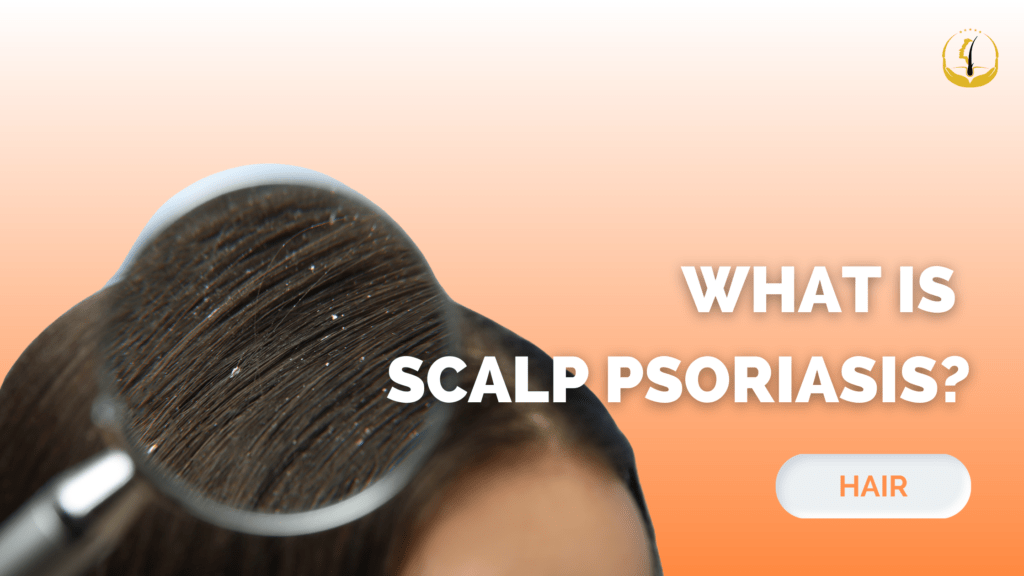
Dealing with an itchy, flaky scalp in Malaysia’s heat can be a real headache. It’s often more than just “bad dandruff.” Understanding this chronic condition is the first step toward finding relief and regaining your confidence in our humid tropical climate. GLOJAS Specialist Clinic offers expert scalp psoriasis treatment in Kuala Lumpur with personalised care, helping you manage symptoms and restore scalp health effectively. What Is Scalp Psoriasis? Definition and Overview Scalp psoriasis is a chronic autoimmune condition causing rapid skin cell buildup on the scalp, resulting in thick, silvery-white scales and red, inflamed patches. It can extend beyond the hairline to the forehead, neck, and behind the ears. While not contagious, it often requires medicated shampoos, topical treatments, or phototherapy for management. It affects roughly 2–3% of the global population. In Malaysia, many patients seek help from the Dermatological Society of Malaysia to manage these persistent, often uncomfortable patches. How It Differs from Other Scalp Conditions Unlike simple dry skin, this condition involves the immune system. While seborrheic dermatitis stays within the hairline and looks oily, psoriasis often extends to the forehead or behind the ears. It feels thicker and more “plaque-like” than common fungal infections or allergic contact dermatitis. Causes of Scalp Psoriasis Autoimmune Factors and Genetics Your DNA plays a huge role. It’s an autoimmune disorder where T-cells mistakenly attack healthy skin. If a parent has it, your risk increases significantly. According to the Psoriasis Association of Malaysia, genetic predisposition combined with immune system malfunctions accelerates skin cell production. Common Triggers (Stress, Weather, Lifestyle) In Malaysia, high humidity can actually help some, but sweat often irritates active patches. Common triggers include emotional stress, skin injuries (the Koebner phenomenon), and smoking. Even certain medications or infections like strep throat can cause a sudden, frustrating flare-up of symptoms. Signs and Symptoms of Scalp Psoriasis Early Symptoms to Watch For Initially, you might notice light, fine scaling that looks like dust. A slight itching or tingling sensation is common. Early on, it’s easy to mistake it for a reaction to a new hair product or a change in the local weather. Moderate to Severe Symptoms As it progresses, you’ll see thick, silvery-white scales and reddish plaques. You might experience intense itching, soreness, or even temporary hair loss if the scales are pulled. Bleeding may occur if you scratch the plaques, a sign known clinically as the Auspitz sign. Types of Scalp Psoriasis Plaque Psoriasis on the Scalp This is the most common form, appearing as raised, inflamed sores covered in “silvery” dead skin cells. These plaques can be localized or cover the entire scalp. They are often very well-defined, making them distinct from other types of rashes. Other Less Common Types Though rare on the scalp, guttate psoriasis can appear as small, drop-like sores after an illness. Erythrodermic psoriasis is a severe, rare form that causes intense redness and shedding over large areas. This type requires immediate medical attention due to the risk of infection. Scalp Psoriasis vs Dandruff: Key Differences Symptoms Comparison Dandruff is usually small, white or yellowish flakes that fall easily. Psoriasis flakes are thicker, drier, and have a distinct silvery sheen. Psoriasis also causes more intense redness and can extend well beyond the hair-bearing areas onto the neck or face. Causes and Triggers Dandruff is often caused by Malassezia, a yeast-like fungus. Psoriasis is an internal immune issue. While dandruff clears up with simple anti-fungal shampoos, psoriasis requires medical-grade treatments to calm the overactive immune response happening deep beneath the skin’s surface. Is Scalp Psoriasis Contagious? No, it is absolutely not contagious. You cannot catch it by sharing hats, combs, or through physical contact. It is a non-communicable, systemic condition rooted in your genetics and immune system. You are perfectly safe to visit barbers and hair salons throughout Malaysia. How Scalp Psoriasis Is Diagnosed Clinical Examination A dermatologist usually diagnoses it by looking at the scales and your skin’s appearance. They will check your elbows, knees, and nails, as psoriasis often appears in multiple locations. They’ll also ask about your family history and any recent stressful events or illnesses. Lab Tests and Biopsy If the diagnosis isn’t clear, a doctor might perform a small skin biopsy. A tiny piece of skin is removed under local anesthesia and examined under a microscope. This confirms the presence of characteristic psoriatic cells and rules out fungal infections or more rare skin disorders. Effective Treatments for Scalp Psoriasis Topical Treatments (Shampoos, Steroids, Vitamin D Analogues) First-line treatments usually include corticosteroid liquids or foams to reduce inflammation. Vitamin D analogues, like calcipotriene, help slow down skin cell growth. In Malaysia, these are often prescribed alongside coal tar preparations to soothe the scalp and reduce thick scaling. Oral Medications and Biologics For severe cases, systemic medications like methotrexate or acitretin are used. Modern biologics, such as TNF-alpha inhibitors, target specific parts of the immune system. These are highly effective but generally reserved for patients who don’t respond to traditional topical or light-based therapies. Phototherapy Phototherapy involves exposing the scalp to controlled Narrowband UVB light. In a clinical setting, special “light combs” deliver UV rays directly to the skin through the hair. This treatment helps reduce the rapid turnover of skin cells and is a great drug-free option for many. Over-the-Counter Products for Scalp Psoriasis Medicated Shampoos Look for shampoos containing coal tar or salicylic acid. These help soften and lift scales, making them easier to wash away. In Malaysia, brands like Neutrogena T/Gel or local pharmacy formulations are popular choices for managing mild symptoms without a prescription. Coal Tar vs Salicylic Acid Coal tar slows skin cell growth and reduces itching. Salicylic acid is a “keratolytic,” meaning it works by softening the hard keratin in the scales so they peel off. Using them together—acid first to descale, then tar to treat—is often the most effective strategy. Natural and Home Remedies for Scalp Psoriasis Coconut Oil and Aloe Vera Applying virgin coconut oil can moisturize the scalp and loosen scales overnight. Aloe
Understanding the Common Causes of Hair Loss in Women

Hair loss is a natural occurrence, but when it becomes excessive, it can raise concerns. Understanding the major reasons behind severe hair loss is crucial. Let’s delve into the top causes for significant hair loss in women. GLOJAS Specialist Clinic offers expert hair loss treatment through personalized, evidence-based plans developed by board-certified specialists. Using FDA- and CE-approved technologies like PRP therapy and precision hair restoration, we ensure safe, effective results. Comprehensive aftercare and follow-up support reinforce patient trust, making GLOJAS a reliable authority in hair restoration solutions. Read More : Hair Transplant Malaysia Thyroid Problems The thyroid gland, a significant endocrine organ, regulates hormones impacting our digestive system. Hair loss can be a sign of hormonal imbalance, either due to overproduction or underproduction by the thyroid gland. Poly-cystic Ovary Syndrome (PCOS) Poly-cystic Ovary Syndrome is usual in females and causes a few hormonal imbalances, which result in extreme hair thinning, in addition to other things. Alopecia Areata A condition causing extreme female pattern baldness and, in severe cases, complete baldness. Scalp Infections Common scalp infections like ringworm can lead to mass female pattern baldness in patches. Pregnancy Hormonal changes during pregnancy are a significant cause of female pattern baldness. Inadequate intake of essential vitamins and minerals during pregnancy can also contribute to hair fall. Birth Control Pills Birth control pills are a notable contributor to hair fall in women, especially if there’s a family history of female hair loss. Avoid taking such pills without consulting the doctor. Poor Eating Routine Or Diet Incorporating protein and Vitamin E-rich foods is essential to prevent hair fall. A deficiency in these nutrients can contribute to hair loss. Hair Styling Avoid excessive heat styling and straightening to prevent female pattern baldness. If styling is necessary, use high-quality hair products to support hair health. Chemotherapy Cancer treatments like chemotherapy often result in complete or partial baldness due to powerful medications. A vitamin and protein-rich diet is crucial for overall health during this period. High Stress Stress is a significant factor in hair loss among women. For those facing hair thinning or bald spots, hair transplant treatment is a reliable solution. In conclusion, identifying the causes of hair loss in women is the first step towards finding effective solutions. Whether it’s addressing hormonal imbalances, nutritional deficiencies, or avoiding harmful hair practices, understanding these factors empowers women to take charge of their hair health. For those seeking a reliable solution, hair transplant treatments offer a path to regaining confidence and a full head of hair.
Hair Growth Cycle Explained: Stages, Duration & Disruption in Malaysia
The hair growth cycle is a continuous physiological process consisting of four distinct stages: anagen (growth), catagen (transition), telogen (resting), and exogen (shedding). Each hair follicle operates independently, moving through these phases to ensure constant scalp coverage. Disruptions to this cycle can lead to noticeable thinning or premature hair loss. What Is the Hair Growth Cycle? Definition of Hair Growth Cycle Think of the hair growth cycle as the natural “lifecycle” of every single strand on your head. It is a biological loop where follicles produce hair, take a break, and eventually let the hair go to make room for a new one. Unlike some animals that shed seasonally, human hair cycles are asynchronous, meaning your hairs are all in different stages at once. In clinics across Kuala Lumpur, specialists use this cycle to diagnose whether your hair loss is temporary or a sign of permanent thinning. Why the Hair Growth Cycle Matters for Hair Health Understanding the cycle is the first step to realizing that some daily shedding is actually a sign of a healthy scalp. When your cycle is balanced, you maintain consistent “density,” even though you are losing hair every day. If the growth phase (anagen) shortens or the resting phase (telogen) lengthens, you will notice a visible loss of volume. Most professional treatments in Malaysia, such as , work by trying to “push” follicles back into the active growth stage. Stages of the Hair Growth Cycle Anagen Phase (Growth Phase) This is the “active” part of the cycle where cells in the root divide rapidly to create new hair. Approximately 85% to 90% of the hairs on your head are currently in this phase. The length of your hair is determined by how long your follicles stay in anagen; for most, this is several years. Catagen Phase (Transition Phase) This is a short, transitional “bridge” between growth and rest that lasts only about two to three weeks. During this time, the hair follicle shrinks and detaches from the dermal papilla (its blood supply). Only about 1% to 2% of your hair is in this stage at any given time. Telogen Phase (Resting Phase) The follicle remains dormant for about three months while a “club hair” (a hair that has stopped growing) stays in place. While the hair isn’t growing, the follicle is actually getting ready to start the whole process over again. Roughly 10% to 15% of your scalp hair is resting right now. Exogen Phase (Shedding Phase) This is the final “exit” where the old hair finally falls out, often during brushing or washing. The notes that exogen is distinct from the resting phase because it involves the active release of the hair shaft. New hair is usually already beginning to grow in the follicle as the old one leaves. How the Hair Growth Cycle Works Continuous Growth and Shedding Process Because each follicle acts on its own internal clock, you don’t lose all your hair at once. This staggered system ensures you always have a full head of hair while simultaneously renewing the “inventory.” If the system was synchronized, humans would go through periods of total baldness, similar to some mammals. Normal Cycle Balance in Healthy Hair In a healthy individual, the rate of new growth perfectly offsets the rate of shedding. A stable cycle means your hair maintains its “terminal length”—the maximum length it can grow before falling out naturally. Malaysian environmental factors, like high humidity, don’t change the cycle, but they can affect how the hair shaft feels and behaves. Duration of the Hair Growth Cycle How Long Each Phase Lasts Anagen: 2 to 7 years (this is why some people can grow hair to their waist while others can’t). Catagen: 10 to 20 days. Telogen: Approx. 100 days for scalp hair. These timings can vary slightly based on age, health, and ethnic background. Normal Hair Shedding Per Day It is scientifically normal to lose between 50 to 100 hairs per day. In some cases, especially if you have very long or thick hair, seeing up to 150 strands in the drain can still be considered within the normal range. The confirms that we often lose this much without even noticing it. Factors That Affect the Hair Growth Cycle Genetics and Hormonal Influence Your DNA determines your “base” anagen duration, which dictates your maximum hair length. Hormones like DHT (dihydrotestosterone) can cause follicles to spend less time in the growth phase, leading to “miniaturization.” Thyroid imbalances are a frequent cause of cycle disruption in both men and women. Stress and Lifestyle Factors Physical or emotional trauma can “shock” hairs out of the growth phase and into the resting phase prematurely. Lack of sleep and high cortisol levels are known to disrupt the delicate chemical signals that regulate the cycle. Smoking reduces blood flow to the scalp, which can starve follicles during their most active stages. Nutrition and Scalp Health Follicles are high-energy consumers; they need plenty of Iron, Zinc, and Vitamin D to function. In Malaysia, many people find that a diet rich in local protein sources like fish and beans helps support the growth phase. The often links nutritional deficiencies directly to poor skin and hair outcomes. Disruption of the Hair Growth Cycle Telogen Effluvium (Stress-Related Shedding) This occurs when a sudden stressor pushes a large percentage of hairs (up to 30%) into the telogen phase at once. You’ll typically notice heavy shedding about 3 months after the stressful event (like surgery or a high fever). The good news? This is usually temporary, and the cycle typically resets itself once the stress is managed. Androgenetic Hair Loss and Cycle Shortening Unlike stress-shedding, this is a gradual process where the growth phase gets shorter and shorter every time. Eventually, the hairs produced are so thin and short that they don’t even poke through the scalp surface. This is the primary cause of and requires clinical intervention to slow down. FAQ About Hair Growth Cycle What are the stages of the
What is Hair Transplant Dense Packing?
Hair loss can significantly impact an individual’s self-esteem and confidence. For those seeking a solution, hair transplant has emerged as a revolutionary procedure, offering hope and a chance to regain a full head of hair. Among the various techniques within the realm of hair transplantation, “dense packing” has gained prominence for its ability to deliver natural-looking and voluminous results. Dense packing, in the context of hair transplantation, refers to the meticulous and artistic placement of hair grafts in a densely concentrated manner, with the goal of achieving optimal coverage and thickness. Unlike traditional methods that space grafts further apart, dense packing allows for a higher number of grafts to be implanted per square centimeter. This approach requires surgical precision, as the grafts must be strategically placed to mimic the natural growth pattern of hair. The Science Behind the Technique The success of hair transplant dense packing lies in the scientific understanding of hair growth patterns, angles, and directions. Expert hair transplant surgeons take into account factors like the caliber of hair, the angle at which it naturally grows, and the distribution of single, double, or triple hair follicular units. By carefully mimicking the patient’s original hair pattern, the transplanted hair seamlessly integrates with the existing hair, creating a harmonious and natural appearance. The Benefits of Dense Packing Natural Appearance: The primary advantage of dense packing is the undetectable and natural-looking results it offers. The close proximity of grafts mirrors the way hair naturally grows, making it challenging for even a trained eye to distinguish between transplanted and original hair. Maximized Coverage: Dense packing allows for a higher number of grafts to be transplanted within a specific area. This maximizes coverage, making it an ideal option for individuals with advanced hair loss or those seeking to achieve greater density. Reduced Scalp Visibility: With more grafts closely packed together, the scalp’s visibility between the transplanted hair is minimized, creating the illusion of a fuller head of hair. Single Session Transformation: While traditional methods might require multiple sessions to achieve desired results, dense packing can often achieve substantial coverage and density in a single session, reducing the overall treatment duration. Considerations and Precautions While hair transplant dense packing offers numerous benefits, there are several considerations and precautions to keep in mind: Expertise of the Surgeon: Dense packing demands a high level of expertise and experience on the part of the hair transplant surgeon. Only well-trained professionals should perform this technique to ensure successful outcomes. Donor Area Management: The donor area, from where grafts are harvested, must be managed carefully to avoid over-harvesting and potential scarring. A balance between donor area preservation and recipient area density is crucial. Realistic Expectations: Patients must have realistic expectations about the results. While dense packing can create remarkable transformations, individual results may vary based on factors such as hair quality, available donor grafts, and overall scalp health. Post-Operative Care: Proper post-operative care is essential for the survival and growth of transplanted grafts. Patients should adhere to the surgeon’s guidelines to ensure optimal healing and graft survival. Hair transplant dense packing is a sophisticated and advanced technique that has transformed the landscape of hair restoration. By combining scientific understanding with artistic finesse, skilled surgeons can help individuals achieve natural-looking, dense, and voluminous hair. As with any medical procedure, thorough research, consultation, and collaboration with a reputable hair transplant clinic are crucial steps for those considering this technique. With the potential to boost self-confidence and improve quality of life, hair transplant dense packing stands as a testament to the remarkable advancements in the field of hair restoration. At Glojas, we welcome clients to reach out to us directly to schedule a free initial consultation. We offer guidance and valuable insights on how best to address your specific challenges. Let us assist you in navigating your journey with confidence and clarity.
Dihydrotestosterone (DHT): Functions, Hair Loss, and How to Manage It
Dihydrotestosterone (DHT) is a potent androgen sex hormone synthesized from testosterone through the 5-alpha reductase enzyme. While crucial for male physical development during puberty, elevated or highly sensitive DHT levels in adults are the primary biological driver behind male and female pattern baldness, stubborn adult acne, and prostate enlargement. What is Dihydrotestosterone (DHT)? Dihydrotestosterone, commonly abbreviated as DHT, belongs to the androgen family—a group of hormones responsible for producing male physical characteristics. Although often viewed as an unwanted hormone due to its link to hair thinning, it plays a vital role in early human biology, directing the development of male genitalia in the womb and driving secondary sexual characteristics like a deep voice and body hair during puberty. The Difference Between Testosterone and DHT While closely related, Testosterone and DHT function differently within the human endocrine system: Testosterone: The primary male sex hormone. It is highly active in the bloodstream and is responsible for regulating sex drive, spermatogenesis, bone density, and muscle mass building. Dihydrotestosterone (DHT): A metabolite of testosterone, converted locally within tissues by the 5-alpha reductase (5-AR) enzyme. DHT is significantly more potent than testosterone; it binds to androgen receptors in the skin, scalp, and prostate with up to five times greater affinity, causing a much stronger cellular response. Normal DHT Levels in Men and Women Hormone concentrations fluctuate based on age, gender, and overall health. Standard laboratory reference ranges generally look like this: Demographic Normal DHT Range (Serum) Key Biological Role Adult Men 10 to 85 ng/dL Prostate function, facial/body hair growth Adult Women 4 to 22 ng/dL Precursor for estrogen, maintaining tissue health How DHT Causes Hair Loss The most talked-about impact of DHT is its destructive relationship with the hair follicles on your scalp, leading to androgenic alopecia. The Science Behind Male Pattern Baldness In men genetically predisposed to pattern baldness, hair follicles on the hairline, vertex, and crown possess a high concentration of androgen receptors. When DHT binds to these receptors, it triggers a progressive biological shutdown: Follicle Miniaturization: The physical size of the hair follicle shrinks, restricting its blood and nutrient supply. Anagen Phase Shortening: The active growth phase of the hair cycle drops from years down to months, while the resting phase expands. Vellus Hair Transition: With every consecutive cycle, the hair strand grows back thinner, shorter, and more brittle, transitioning from thick terminal hair into fine, invisible vellus hair until the follicle shuts down entirely. Does DHT Cause Female Pattern Hair Loss? Yes. While women produce far less dihydrotestosterone (DHT) than men, they can still experience Female Pattern Hair Loss (FPHL). This occurs when a woman has a genetic sensitivity to androgens or experiences a drop in protective hormones like estrogen (such as during menopause). In women, this hormone causes diffuse thinning across the entire top of the scalp and a widening of the hair parting line, though the frontal hairline usually remains intact. “Think of Dihydrotestosterone (DHT) like that one overzealous guest at a makan party who takes over the entire table and leaves no food for anyone else. In our bodies, too much DHT kicks our hair roots off the scalp, shrinking them until they can’t grow. By keeping this hormone in check, we pull back that unwanted guest, giving your hair follicles the space to thrive.” – Prof. Dato’ Dr. JasG, ABHRS-Certified Hair Transplant Doctor in Malaysia Symptoms of Hormonal Imbalance: High vs. Low DHT Imbalances in DHT levels can present noticeable physical symptoms across both genders. Signs of High DHT (Acne, Body Hair, and Prostate Enlargement) When your body produces an excess of DHT, or if your tissues are hypersensitive to it, you may experience: Severe Acne: DHT stimulates the sebaceous (oil) glands in your skin, leading to overproduction of sebum, clogged pores, and painful cystic acne along the jawline and back. Hirsutism: Paradoxically, while DHT shuts down hair on the scalp, it stimulates hair follicles on the body, leading to excess facial, chest, and back hair growth (especially noticeable in women with PCOS). Benign Prostatic Hyperplasia (BPH): In aging men, elevated localized DHT causes the cells of the prostate gland to multiply, resulting in an enlarged prostate that compresses the urethra and causes urinary difficulties. What Happens When DHT Levels Are Too Low? Low DHT is rarely an issue for adult women, but in men, abnormally low levels can lead to: Delayed or incomplete sexual development if it occurs during puberty. Reduced facial and body hair density. Increased risk of metabolic issues, though muscle mass usually remains unaffected since muscle tissue relies primarily on testosterone. How to Lower DHT Levels Safely Managing your DHT levels requires target-blocking the 5-alpha reductase enzyme to halt the conversion process. Clinical Medications and DHT Blockers Pharmaceutical treatments offer the most reliable, clinically proven method for reducing DHT activity: Finasteride: An oral medication that selectively blocks the Type II 5-AR enzyme, reducing serum DHT levels by roughly 70%. It is highly effective at stopping hair loss and shrinking an enlarged prostate. Dutasteride: A stronger dual-inhibitor that blocks both Type I and Type II enzymes, reducing circulating DHT by more than 90%. It is commonly prescribed for BPH and used off-label for severe hair thinning. Topical Anti-Androgens: Serums containing medications like minoxidil or prescription topical finasteride can treat the scalp locally, protecting hair follicles without lowering systemic DHT levels in the blood. Natural Remedies and Dietary Changes to Reduce DHT For a more holistic approach, certain botanical ingredients and lifestyle changes can help balance your hormones naturally: Saw Palmetto: A herbal extract that works similarly to finasteride, mildly inhibiting 5-AR to slow hair shedding. Pumpkin Seed Oil & Green Tea: Consuming pumpkin seed oil or drinking EGCG-rich green tea helps slow the hormonal conversion pathway. Lycopene-Rich Foods: Incorporating cooked tomatoes, carrots, and watermelon into your diet provides lycopene, an antioxidant that naturally regulates androgen activity. Testing and Diagnosis If you suspect your hair loss, acne, or urinary symptoms are tied to a hormonal imbalance, getting an accurate diagnosis is the first
Ludwig Scale: Understanding Female Pattern Hair Loss Stages
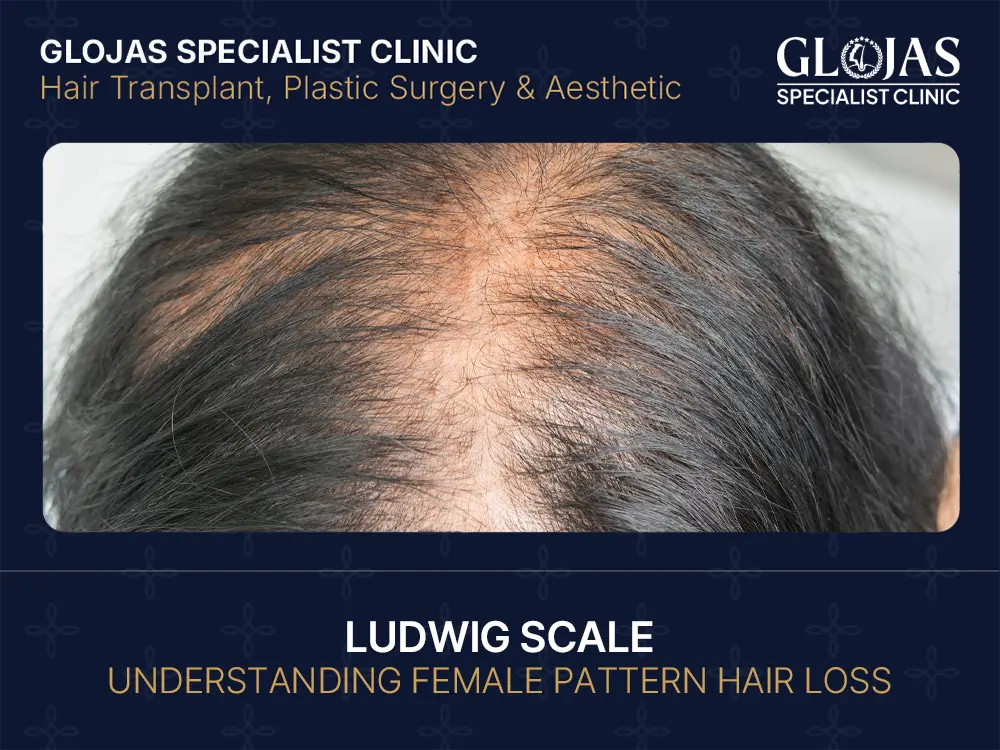
Managing thinning hair can be an emotional journey, but the Ludwig Scale provides a scientific framework to navigate it. In Malaysia’s tropical climate—where humidity and sweat can make hair appear flatter—understanding these stages is vital for early detection. This guide offers an insightful analysis of how to recognize, diagnose, and treat female hair loss effectively. What Is the Ludwig Scale? Definition of Ludwig Scale The Ludwig Scale is a specialized clinical tool used by doctors to categorize the severity of Female Pattern Hair Loss (FPHL). Introduced in 1977, it remains the global standard for identifying diffuse thinning. Unlike male hair loss, which often follows a receding hairline, the Ludwig Scale tracks thinning that radiates from the center of the scalp. Why Ludwig Scale Is Used for Female Hair Loss This scale is essential because female hair loss is biologically distinct. Women rarely go completely bald; instead, their follicles shrink, leading to finer and shorter hairs (miniaturization). By using this scale, qualified aesthetic doctors in Malaysia can distinguish between temporary shedding (telogen effluvium) and chronic genetic thinning, ensuring a targeted treatment plan. Ludwig Scale Stages Ludwig Stage I: Mild Thinning Stage I represents the earliest sign of thinning, characterized by a slight widening of the central part line. Interestingly, many women miss this stage because the frontal hairline remains intact. Insight: If you notice your scalp becomes more visible under bright sunlight or when your hair is wet, you may be in this manageable early phase. Ludwig Stage II: Moderate Hair Loss At Stage II, thinning becomes significant. The part line widens noticeably, and there is a general decrease in volume. This is often the “tipping point” where women seek professional hair restoration. The scalp is easily seen, and styling becomes more difficult as the hair lacks the density to hold its shape. Ludwig Stage III: Advanced Diffuse Hair Loss Stage III is the most advanced level, where the hair on the crown is so sparse that the scalp is clearly visible. While the front hairline usually stays, the top of the head appears significantly bald. At this stage, non-surgical treatments focus more on stabilization rather than full regrowth, often requiring a combination of therapies. Causes of Ludwig Pattern Hair Loss Hormonal Changes The primary driver is Dihydrotestosterone (DHT). While women have lower levels of androgens than men, some are genetically more sensitive to them. Analysis: In Malaysia, conditions like Polycystic Ovary Syndrome (PCOS) can cause hormonal spikes that accelerate Ludwig-pattern thinning, making it a metabolic as well as an aesthetic concern. Genetic Factors Your DNA determines how your follicles react to age and hormones. If your female relatives experienced thinning, your follicles are likely programmed for a shorter growth phase. Understanding your family history allows for “preventative aesthetics,” where you start maintenance treatments before visible thinning even begins. Menopause-Related Hair Loss Menopause causes a sharp drop in estrogen, which previously protected your hair. This shift leaves androgens “unopposed,” often causing a rapid progression from Stage I to Stage II. In Malaysia’s aging population, hormone replacement therapy combined with scalp treatments is becoming a standard approach for restoring hair density. How Ludwig Scale Is Diagnosed Scalp Examination A doctor will perform a physical check, often using dermoscopy to look for follicle miniaturization. This high-magnification view reveals the ratio of thick “terminal” hairs to thin “vellus” hairs. This is the most reliable way to confirm an FPHL diagnosis and rule out other scalp conditions. Hair Density Assessment Clinicians use the “pull test” to see if hair is actively shedding. If fewer than three hairs come away during a gentle pull of 50 hairs, the issue is likely Ludwig pattern thinning rather than a temporary shedding event. This distinction is critical because shedding and thinning require entirely different medical protocols. Medical Consultation In Malaysia, an LCP-certified doctor will also check for iron deficiency, thyroid issues, and Vitamin D levels. Insight: Many Malaysian women suffer from low ferritin (stored iron), which mimics or worsens FPHL. A blood test ensures that you aren’t just treating the symptoms, but also any underlying systemic causes of hair loss. Treatment Based on Ludwig Scale Treatment for Ludwig Stage I At this stage, the goal is preservation. Topical Minoxidil (2% or 5%) is the gold standard for extending the hair’s growth cycle. When started early, many women see a 20–40% increase in hair density. Combining this with a nutrient-rich diet can often halt progression for years. Treatment for Ludwig Stage II Moderate thinning requires “biological boosting.” Platelet-Rich Plasma (PRP) or Exosome therapy are now the 2026 standards in Malaysia. These regenerative treatments use growth factors to “re-wake” dormant follicles. For many, this restores enough density to close the widening part line and improve self-confidence. Treatment for Ludwig Stage III For advanced loss, FUE hair transplant offer a permanent solution. Modern AI-driven robotic systems now ensure high graft survival rates. However, even after surgery, patients must continue medical therapy to protect the non-transplanted hair from the ongoing effects of the Ludwig progression. Results and Progression Hair Loss Progress Over Time FPHL is a slow, progressive condition. It doesn’t happen overnight; rather, hairs get slightly thinner with every cycle. Insight: Because the change is gradual, many women lose 50% of their hair density before they even notice. This “silent progression” is why regular scalp checks are important for women over 30. Treatment Response by Stage Early-stage patients (Stage I) have the best prognosis for regrowth. Stage II patients can expect visible thickening, while Stage III focuses on coverage. All clinically-backed treatments require 3 to 6 months before results appear. Patience is the most important part of any hair restoration journey in Malaysia. FAQs About Ludwig Scale What is Ludwig Scale in hair loss? It is a 3-stage grading system used by dermatologists to measure the severity of thinning on the top of the scalp in women, helping to track the widening of the hair part. What causes Ludwig hair loss? The main cause is Androgenetic Alopecia, where follicles shrink due
Alopecia Areata: Causes, Treatments & Specialist Care in Malaysia
Living with sudden hair loss can be a rollercoaster. In Malaysia, alopecia areata is a common condition seen by dermatologists. This guide covers everything from the latest 2026 treatments to local costs, helping you navigate your journey toward hair regrowth. For proven results, GLOJAS Specialist Clinic performs the best hair transplant in Malaysia using advanced FUE techniques for natural, permanent outcomes. What Is Alopecia Areata? Definition and Autoimmune Mechanism Alopecia areata is an autoimmune disease where the body’s immune system mistakenly attacks hair follicles. This causes hair to fall out, often in small, round patches. According to the National Alopecia Areata Foundation, this “immune privilege” breakdown prevents follicles from producing new hair strands while keeping them alive. Acute vs Chronic Forms The condition varies in duration. Acute cases involve sudden, rapid shedding that may resolve within a year. However, chronic forms persist for years with cycles of regrowth and loss. Recognizing these patterns early helps Malaysian doctors determine if aggressive intervention or a “wait and see” approach is best. Types of Alopecia Areata Patchy Alopecia Areata This is the most frequent presentation. You’ll notice one or more coin-sized bald spots on the scalp or body. It’s often the mildest form, and many Malaysians find that these patches regrow spontaneously without heavy medication within six to twelve months. Alopecia Totalis This advanced stage involves the total loss of hair on the scalp. It is less common than the patchy variety but requires more intensive systemic treatment. Transitioning from patchy loss to totalis can be emotionally taxing, making early dermatological support crucial for long-term management. Alopecia Universalis The most extensive form is Alopecia Universalis, resulting in the complete loss of hair across the entire body. This includes eyebrows, eyelashes, and body hair. Because it involves a systemic immune response, it often requires advanced therapies like JAK inhibitors to see results. Ophiasis Pattern Named after the Greek word for “snake,” this pattern affects the lower back and sides of the scalp (the occipital and temporal regions). It is famously difficult to treat compared to other patterns because hair in these areas responds slower to traditional topical steroid applications. Causes of Alopecia Areata Genetic Predisposition Your DNA plays a major role. Research suggests that 10% to 20% of people with alopecia have a family history of the condition. Specific genes related to the Human Leukocyte Antigen (HLA) complex are often linked to a higher susceptibility among Asian populations. Immune System Triggers While the exact “spark” is debated, triggers like severe viral infections, extreme psychological stress, or hormonal shifts can activate the immune system’s attack. In Malaysia’s humid climate, secondary scalp inflammation or allergies might also exacerbate the underlying autoimmune sensitivity. Associated Autoimmune Conditions If you have alopecia, you’re statistically more likely to develop other conditions. These include vitiligo, thyroiditis (Hashimoto’s), or Type 1 diabetes. Dermatologists in Malaysia often run blood panels to screen for these comorbidities during your initial consultation to ensure comprehensive health management. Symptoms and Progression Sudden Patchy Hair Loss The hallmark symptom is smooth, round bald patches that appear almost overnight. Unlike male pattern baldness, the skin looks normal—no redness or scaling—though some patients report a slight tingling or “burning” sensation right before the hair falls out in a specific area. Nail Changes Did you know your nails can signal hair loss? Roughly 10% to 15% of patients experience “pitting,” which looks like tiny pinpricks on the fingernails. Nails may also become brittle or lose their shine, providing a clinical clue for doctors to confirm an alopecia diagnosis. Flare-Ups and Remission Cycles Alopecia is notoriously unpredictable. You might experience full regrowth followed by a flare-up years later. These cycles are influenced by environmental factors and internal stress. Monitoring these patterns helps in adjusting maintenance doses of topical treatments to prevent major relapses. Diagnosis in Malaysia Scalp Examination and Trichoscopy A specialist dermatologist will perform a trichoscopy, using a high-powered magnifier to look for “exclamation point hairs.” These are short hairs that are narrower at the base, a definitive sign that the immune system is currently attacking the follicle. Biopsy and Blood Tests If the diagnosis is unclear, a 4mm punch biopsy might be performed under local anesthesia. Blood tests help rule out iron deficiencies or systemic lupus. Malaysian clinics typically provide results within 3 to 7 working days, ensuring a fast-tracked treatment plan. Dermatologists in KL, Penang, JB Malaysia boasts world-class dermatologists. In Kuala Lumpur, many specialize in hair restoration at private hospitals. Penang and Johor Bahru also host specialized skin centers equipped with the latest phototherapy units, making advanced care accessible outside the capital city. Treatments Available in Malaysia Corticosteroid Injections The “gold standard” for patchy loss. A doctor injects triacetonide directly into the bald spots every 4–6 weeks. This suppresses the local immune attack. It’s highly effective, with many patients seeing new fuzz within one or two months of the first session. Topical Immunotherapy For extensive loss, doctors use chemicals like DPCP (Diphencyprone) to create a mild allergic reaction. This “distracts” the immune cells away from the hair follicles. This specialized treatment is usually reserved for major hospitals due to the precision required in mixing the concentrations. Topical Minoxidil While minoxidil (Regaine) doesn’t stop the immune attack, it stimulates the follicle to grow faster. In Malaysia, 5% formulations are widely available over the counter. It is most effective when used as a supportive therapy alongside anti-inflammatory steroid creams. Oral JAK Inhibitors The biggest breakthrough in 2026 is the use of JAK inhibitors like Baricitinib or Ritlecitinib. These “off-switch” drugs for the immune system have shown remarkable results for Alopecia Totalis. Though expensive, they offer hope for those who didn’t respond to traditional creams. Phototherapy Narrowband UVB (NBUVB) light therapy can be used to calm the scalp’s immune response. Patients typically visit a clinic twice a week. It’s a painless, non-invasive option for children or those who prefer to avoid long-term oral medications or painful needles. Treatment Costs Malaysia 2026 Steroid Injection Pricing In 2026, a single session of
Donor Area: Why It Matters for Hair Transplant Success in Malaysia
What Is the Donor Area? The donor area is the specific region of your scalp or body where healthy hair follicles are harvested for transplantation. These follicles are genetically programmed to resist balding, making them the “seeds” for your new growth. It acts as the finite engine for any successful hair restoration journey. Where the Donor Area Is Located Most commonly, the donor area is found at the occipital and temporal regions—the back and sides of the head. These areas are physiologically distinct because they lack the receptors for Dihydrotestosterone (DHT), the hormone primarily responsible for androgenetic alopecia, ensuring the transplanted hair lasts a lifetime. Why Donor Area Is Critical for Hair Transplant Success Think of the donor area as your “savings account.” Success depends on the quality and quantity of available grafts. If the donor site is handled poorly, you risk visible thinning or “moth-eaten” patches. Protecting this area ensures you have enough coverage for both current and future hair loss needs. Types of Donor Areas While the scalp is the primary source, modern science allows surgeons to look elsewhere. Depending on your needs, a surgeon might use a mix of locations to achieve natural density and texture. Scalp Donor Area (Safe Zone Explained) The “Safe Donor Zone” is the horseshoe-shaped area that remains even in advanced hair loss. According to the International Society of Hair Restoration Surgery (ISHRS), follicles here are naturally permanent. Using hairs from outside this zone increases the risk that transplanted hair will eventually fall out. Body Hair Donor Area (Beard, Chest Use Cases) When scalp hair is insufficient, surgeons utilize Body Hair Transplantation (BHT). Beard hair is the top choice due to its thick caliber and rapid growth cycles. Chest and back hair are also options, though they often have different textures and shorter growth phases compared to scalp hair. Donor Area in Hair Transplant Techniques The method of extraction significantly impacts how the donor site heals and how many follicles survive. FUE Donor Area Extraction In Follicular Unit Extraction (FUE), surgeons use a micro-punch (usually 0.7mm to 0.9mm) to harvest individual units. This creates tiny circular wounds that heal without a linear scar. It’s ideal for those who prefer short hairstyles and want a faster recovery for the donor region. FUT Strip Method and Donor Impact Follicular Unit Transplantation (FUT) involves removing a thin strip of skin. While it leaves a linear scar, it often yields a higher number of high-quality grafts in a single session. This method is highly efficient for patients requiring maximum coverage without thinning out the entire back of the head. DHI Technique and Graft Handling Direct Hair Implantation (DHI) focuses on minimizing the time follicles spend outside the body. While the extraction process is similar to FUE, the specialized tools allow for precise depth control, which helps preserve the integrity of the surrounding donor tissue and minimizes trauma to the scalp. Donor Area Density and Graft Capacity Managing your “hair budget” is a balancing act. You cannot take every hair; you must leave enough to maintain a natural, full appearance in the back. How Many Grafts Can Be Safely Extracted A healthy donor area typically contains 6,000 to 8,000 grafts in total. However, a surgeon usually extracts only 2,500 to 4,000 grafts in one session. Overstepping this limit risks permanent thinning. Standard density is often measured in follicular units per square centimeter ($FU/cm^2$). Donor Area Limitations and Planning If you have a “tight” scalp or low density, your options are limited. Surgeons use trichoscopy to measure your $FU/cm^2$ before surgery. Planning for potential future hair loss is vital so you don’t exhaust your supply too early in life. Feature FUE Donor Impact FUT Donor Impact Scarring Tiny white dots (diffuse) Single linear scar Healing Time 7–10 days 14–21 days Graft Quality High (if handled well) Superior (due to strip) Max Harvest Higher risk of thinning High yield, leaves density Donor Area Healing and Recovery Healing is a biological process that requires patience. While the front (recipient area) gets the glory, the back needs the most care during the first week. Healing Timeline After Extraction Days 1–3: Small scabs form; slight swelling and redness. Days 4–7: Itching begins as skin heals; scabs start to flake off. Week 2: Redness fades; hair begins to grow around the extraction sites. Month 1: The area usually looks completely normal to the naked eye. Scarring, Regrowth and Appearance With FUE, “scarring” refers to hypopigmented dots that are usually invisible unless you shave your head. With FUT, the scar can be hidden by hair as short as a grade 2 or 3. Proper post-operative wound care is essential to minimize scar widening or visibility. Factors Affecting Donor Area Quality Not all donor areas are created equal. Genetics, age, and lifestyle play huge roles in whether you are a “Grade A” candidate. Hair Density, Thickness and Elasticity High density (more hairs per $cm^2$) allows for more harvesting. Thickness (shaft diameter) provides better “visual coverage.” For FUT, scalp elasticity—how much the skin stretches—determines how wide a strip can be taken safely without causing tension in the closure. DHT Resistance and Long-Term Stability The “Safe Zone” must be truly resistant to DHT. If a patient has DUPA (Diffuse Unpatterned Alopecia), the donor area itself is thinning. In such cases, a transplant is usually not recommended because the moved hair will eventually fall out, just like the hair on top. Previous Transplants and Overharvesting Risk Every surgery leaves scar tissue (fibrosis). If you’ve had multiple procedures, the donor area becomes tougher and the blood supply may be slightly reduced. A skilled surgeon must navigate these “used” areas carefully to avoid “overharvesting,” which results in a transparent, patchy look. Donor Area Care After Hair Transplant Proper maintenance prevents infection and speeds up the return to normalcy. Your clinic will provide a specific protocol, but general rules apply to everyone. Post-Procedure Care Tips Keep the area clean by gently dabbing with sterile saline or a prescribed wash. Sleeping on
Should You Get A Second Hair Transplant? Why?
Choosing to undergo a second hair transplant is a common step for many Malaysians looking to achieve their hair restoration goals. Whether you’re looking to add density or correct a previous procedure, Malaysia offers world-class clinics and experienced surgeons. This guide explores everything you need to know about planning your secondary hair restoration journey. GLOJAS Specialist Clinic offers advanced hair transplant in Malaysia, providing FUE procedures, personalized consultations, and natural-looking results with experienced doctors, making it a trusted choice for effective hair restoration solutions. What Is a Second Hair Transplant? Definition and Purpose A second hair transplant, often called a revision hair transplant, is a follow-up surgical procedure designed to enhance the results of an initial session. Its primary purpose is to address remaining bald patches or thin areas. By strategically relocating healthy follicles, surgeons can create a fuller, more youthful appearance that matches your aesthetic expectations. Why Patients Need a Second Procedure Many patients require a second session because hair loss is often progressive. While the transplanted hair is permanent, your original hair may continue to thin over time. According to the International Society of Hair Restoration Surgery (ISHRS), nearly 30% of patients require more than one procedure to maintain their desired density as they age. Who Needs a Second Hair Transplant? Poor Results from First Transplant Unfortunately, some patients experience subpar outcomes due to outdated techniques or poor graft handling at lower-quality clinics. A second procedure can fix “pluggy” hairlines or unnatural growth patterns. Expert surgeons in Malaysia use corrective methods to camouflage old scars and redistribute hair for a much softer, more natural-looking frame for the face. Hair Loss Progression After First Procedure Androgenetic alopecia doesn’t always stop after one surgery. If you had a transplant in your 20s, you might lose more native hair by your 30s or 40s. A second session helps “fill the gaps” created by ongoing recession. This ensures your hair restoration journey stays consistent with your changing facial structure and natural aging process. Low Density or Uneven Coverage Sometimes, a single session isn’t enough to achieve high-volume density, especially for those with extensive thinning. A second pass allows the surgeon to place new grafts between existing ones without damaging the blood supply. This layering technique is essential for achieving “high-definition” results that look thick and full even under bright, direct overhead lighting. Is a Second Hair Transplant Possible for You? Donor Area Availability The success of a second procedure depends entirely on your remaining donor supply. Surgeons must ensure that extracting more grafts won’t leave the back of your head looking sparse. Professional clinics in Malaysia use digital scalp analysis to measure your follicular unit density, ensuring at least 20-25% of donor hair remains for a natural look. Hair Loss Stage Assessment Your surgeon will evaluate your current stage on the Norwood Scale to determine if a second procedure is viable. It is crucial that your hair loss has stabilized through medical management like Minoxidil or Finasteride. Operating on an unstable scalp can lead to “island” patches where the transplanted hair stays but the surrounding native hair disappears. Ideal Candidate Criteria The ideal candidate for a second transplant has a healthy scalp, realistic expectations, and sufficient donor hair. In Malaysia, the Malaysian Medical Council (MMC) guidelines emphasize patient safety and psychological readiness. You should also be in good general health, as conditions like uncontrolled diabetes can negatively impact the survival rate of the newly implanted hair grafts. Types of Second Hair Transplant Procedures FUE for Second Transplants Follicular Unit Extraction (FUE) is the most popular method for secondary procedures because it is minimally invasive and leaves no linear scar. Surgeons individually harvest follicles to fill specific thinning spots. This technique is perfect for patients who prefer short hairstyles, as the tiny “dot” scars are virtually invisible to the naked eye after healing. FUT in Revision Cases Follicular Unit Transplantation (FUT), or the strip method, is sometimes used if a patient has a very tight donor area or requires a large number of grafts. While it involves a linear scar, it can maximize the yield from the “safe donor zone.” Skilled surgeons can often excise the old scar from a previous FUT while performing the new one. Repair and Correction Techniques Revision surgery often requires specialized “stealth” techniques to fix mistakes from the past. This might include removing poorly placed, large grafts and “recycling” them into smaller, natural units. Surgeons may also use Scalp Micropigmentation (SMP) alongside the transplant to create the illusion of even greater density in areas where donor hair is becoming limited. Benefits of a Second Hair Transplant Improved Density and Coverage The most immediate benefit is a significant boost in hair thickness. By adding 1,500 to 2,500 additional grafts, surgeons can effectively double the visual density in key areas like the crown or frontal forelock. This creates a much more robust look that allows for more versatile styling options and increased personal confidence in social settings. Correction of Hairline Design A second chance allows you to refine a hairline that may have been placed too high or too low during the first round. Trends change, and your face shape evolves; a revision lets you “modernize” your look. Refined hairline design principles ensure that the transition from forehead to hair is soft, irregular, and indistinguishable from nature. More Natural Results Advancements in technology mean that a second transplant often looks better than the first. Modern tools allow for smaller incisions and more precise angulation of the hair. This results in a “seamless” blend where the new hair follows the exact direction of your existing growth, eliminating the “doll-hair” look often associated with older, less sophisticated transplant methods. Risks of a Second Hair Transplant Limited Donor Hair Every person has a finite amount of donor hair. Over-harvesting the back of the head can lead to a “moth-eaten” or patchy appearance. It is a delicate balancing act; taking too much can compromise the aesthetic of the donor site. Ethical surgeons will