
Furrowed Brow Malaysia: Causes, Treatments & Expert Advice
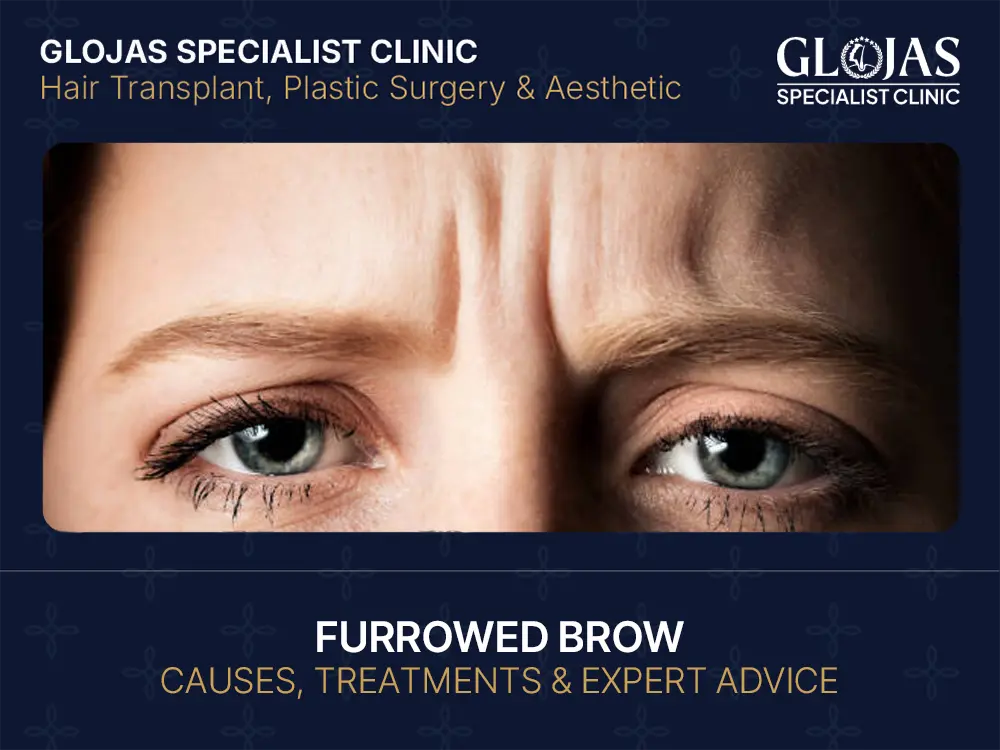
A furrowed brow, often appearing as deep vertical lines between the eyebrows, is a common sign of aging, stress, or repeated facial expressions. Dermatologists and aesthetic specialists emphasize early treatment to prevent permanent lines. Medical interventions, combined with lifestyle adjustments, can dramatically improve facial aesthetics and confidence. What Is a Furrowed Brow? A furrowed brow is the visible vertical or horizontal crease that forms between the eyebrows or across the forehead. These lines occur due to: Repetitive facial movements (frowning, squinting) Natural aging and skin collagen loss Sun exposure accelerating skin elasticity reduction Stress and tension in the facial muscles Data fact: Studies show that repeated frowning can deepen furrow lines by up to 20% over 5 years if untreated. Causes of Furrowed Brow in Adults Understanding the cause is critical for effective treatment. Common contributors include: 1. Muscle Overactivity The corrugator supercilii and procerus muscles are primarily responsible for brow furrows. Overactivity leads to persistent lines. 2. Skin Aging Collagen and elastin breakdown reduces skin resilience, making lines more visible. 3. Environmental Factors UV radiation, pollution, and smoking accelerate dermal thinning and wrinkle formation. 4. Genetics & Lifestyle Family history and habits such as chronic stress or frequent squinting influence severity. Medical Treatments for Furrowed Brow In Kuala Lumpur, dermatologists and aesthetic clinics offer several advanced, evidence-based treatments: Botox & Neuromodulators Botulinum toxin injections relax the corrugator and procerus muscles, smoothing furrows. Results last 3–6 months with minimal downtime. Dermal Fillers Hyaluronic acid fillers can restore volume and soften deep lines for immediate aesthetic improvement. Laser & Microneedling Fractional CO2 lasers and collagen induction therapy stimulate dermal remodeling, improving texture and elasticity. Prescription Skincare Retinoids, peptides, and growth factor serums boost collagen synthesis and prevent future line formation. Lifestyle & Preventive Measures Experts recommend combining medical treatments with lifestyle adjustments for lasting results: Regular sunscreen with SPF 30+ to protect delicate forehead skin Facial exercises to reduce muscle overactivity Stress management techniques such as meditation Adequate hydration and a collagen-rich diet Choosing a Specialist Selecting a board-certified dermatologist or aesthetic doctor ensures safe, effective treatment. Look for: Verified medical credentials (Dermatology or Plastic Surgery) Experience with Botox, fillers, and non-invasive procedures Positive patient outcomes with before-and-after documentation FAQs About Furrowed Brow Can furrowed brow lines disappear naturally? Minor lines may improve with skincare and lifestyle changes, but moderate to deep lines usually require medical intervention. How long do Botox treatments last for brow furrows? Typically 3–6 months, after which repeat treatments are recommended to maintain results. Are dermal fillers safe for furrowed brow? Yes, when administered by a certified specialist. They restore volume and soften lines with minimal downtime. Can stress worsen furrowed brow appearance? Chronic stress causes repeated frowning, deepening lines over time. Stress management can help prevent worsening. At what age should I start treatment? Preventive measures can begin in the late 20s to early 30s, but treatment is effective at any adult age. Conclusion A furrowed brow is a natural sign of aging or repeated facial expressions, but modern treatments offer effective solutions. Early intervention, combined with lifestyle changes and expert skincare, ensures smoother, youthful-looking skin and boosted confidence.
How to Get Rid of Pimples Fast: A Complete Guide to Clear Skin in Malaysia
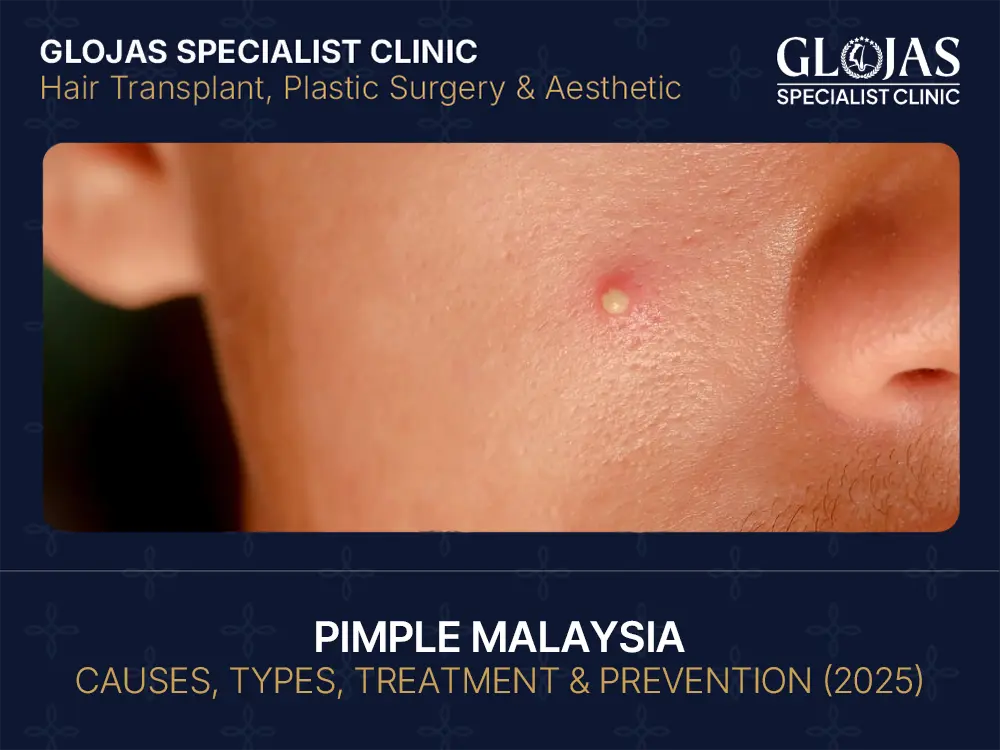
Pimples are small skin lesions or inflammations that occur when hair follicles become clogged with excess sebum and dead skin cells. This blockage allows bacteria like C. acnes to thrive, leading to the redness, swelling, and pus often seen in whiteheads, pustules, or deeper cystic acne lesions on the face and body. What Are Pimples? (Medical Definition and Skin Process) How Pimples Form in the Skin Pimples start deep within the pore where sebaceous glands produce oil to keep the skin hydrated. When oil production is too high, dead skin cells stick together and form a “plug” that traps bacteria inside the follicle. The body’s immune system reacts to this bacterial overgrowth, causing the classic signs of inflammation: redness, heat, and swelling. In Malaysia’s humid climate, the external moisture can prevent these plugs from drying out naturally, often leading to more persistent lesions. Difference Between Pimples, Acne, and Breakouts A “breakout” is a general term for the sudden appearance of several skin blemishes at once. A “pimple” is an individual lesion—the actual bump you see on your skin surface. Acne (Acne Vulgaris) is a chronic medical condition where someone experiences frequent and recurring pimples over a long period. Understanding this distinction is vital, as a single pimple might just need a spot treatment, whereas acne requires a full clinical skin management plan. Types of Pimples Common in Malaysia Whiteheads and Blackheads Whiteheads (Closed Comedones): These occur when the pore is completely blocked, keeping the trapped oil and cells white or flesh-colored. Blackheads (Open Comedones): The pore remains slightly open, allowing oxygen to turn the trapped oil dark through a process called oxidation. Both are non-inflammatory but can quickly turn into red pimples if the bacteria inside begin to multiply rapidly. Papules and Pustules Papules: These are small, hard, red bumps that feel tender but do not have a visible “head” of pus. Pustules: These look like papules but have a defined white or yellow center filled with fluid, indicating the body is actively fighting an infection. Sweating in tropical heat can often make these types feel more itchy or irritated than in cooler environments. Cystic and Severe Acne Cystic acne consists of deep, painful, pus-filled lumps that sit far below the skin’s surface. Because these lesions are so deep, they are the most likely to cause permanent structural damage to the skin. Severe cases often require a dermatological assessment to prevent long-term physical and emotional scarring. Causes of Pimples in Malaysia Climate and Lifestyle Excess Oil Production and Clogged Pores High temperatures stimulate the sebaceous glands to produce more oil to protect the skin from heat. This excess oil mixes with urban pollutants and haze particles, creating a thick paste that easily blocks pore openings. Hormonal Changes (Teenagers and Adults) Androgens increase during puberty, making glands larger and oilier. Adult female acne is frequently triggered by menstrual cycles, pregnancy, or conditions like PCOS. Diet and High Glycemic Foods Many Malaysian favorites, like white rice and sugary local desserts, have a high Glycemic Index (GI). High-GI diets spike insulin levels, which directly triggers more oil production and worsens skin inflammation. Stress and Sleep Disruption Stress causes the body to release cortisol, which signals your skin’s oil glands to go into “overdrive.” Lack of sleep prevents the skin from repairing its natural barrier, making it easier for bacteria to cause an infection. Hot and Humid Weather Effects Malaysia’s 80% average humidity prevents sweat from evaporating quickly, leading to “Tropical Acne.” The combination of heat and humidity creates a perfect breeding ground for bacteria on the face, back, and chest. How Pimples Develop Into Acne Conditions Role of Bacteria (C. acnes) Cutibacterium acnes is a bacteria that lives naturally on the skin but becomes harmful when trapped in an oily, oxygen-free pore. The bacteria feed on the sebum, releasing waste products that irritate the lining of the follicle. Inflammation Process in the Skin As the follicle wall weakens from bacterial activity, it eventually ruptures. This rupture leaks oil and bacteria into the surrounding skin, causing the large, red, and painful swelling we recognize as an acne flare. Progression from Mild to Severe Acne Mild acne is usually limited to blackheads and small bumps. Without proper care, the cycle of inflammation can spread, turning occasional pimples into a chronic, severe condition. Pimples Treatment in Malaysia (Clinically Proven Options) Topical Treatments (Retinoids, Benzoyl Peroxide, Antibiotics) Retinoids: These speed up cell turnover to stop pores from clogging. Benzoyl Peroxide: A powerful antibacterial that kills the germs inside the pore. Salicylic Acid: A BHA that dissolves the “glue” holding dead skin cells together inside the oily follicle. Oral Medications for Moderate to Severe Acne Doctors may prescribe oral antibiotics to reduce the amount of bacteria throughout the body. Isotretinoin is a very strong Vitamin A medication used for the most stubborn, cystic cases. Hormonal Treatment for Female Acne Certain birth control pills can help balance the hormones that cause cyclical breakouts. Spironolactone is another medication that can be used to block the specific hormones that tell oil glands to produce too much sebum. Dermatologist-Guided Treatment Plans A professional can create a custom plan that combines different medications for a “multi-pronged” attack on acne. In Malaysia, it is standard for doctors to follow National Clinical Practice Guidelines to ensure patient safety. Professional Acne Treatments in Malaysia Clinics Chemical Peels for Active Pimples Clinical peels use high concentrations of acids to deeply exfoliate the skin and clear out “congested” pores. They are especially helpful for fading the red or dark marks left behind after a pimple heals. Laser Treatment for Acne Control Certain lasers target the sebaceous glands directly, shrinking them so they produce less oil. Lasers also reduce the redness of active acne and help kill surface bacteria without using harsh chemicals. Light Therapy (Blue Light / PDT) Blue light therapy uses a specific light frequency that is toxic to C. acnes bacteria. It is a painless, non-invasive option for those who want to avoid oral medications
Ketiak Hitam: Punca, Rawatan & Cara Menghilangkannya
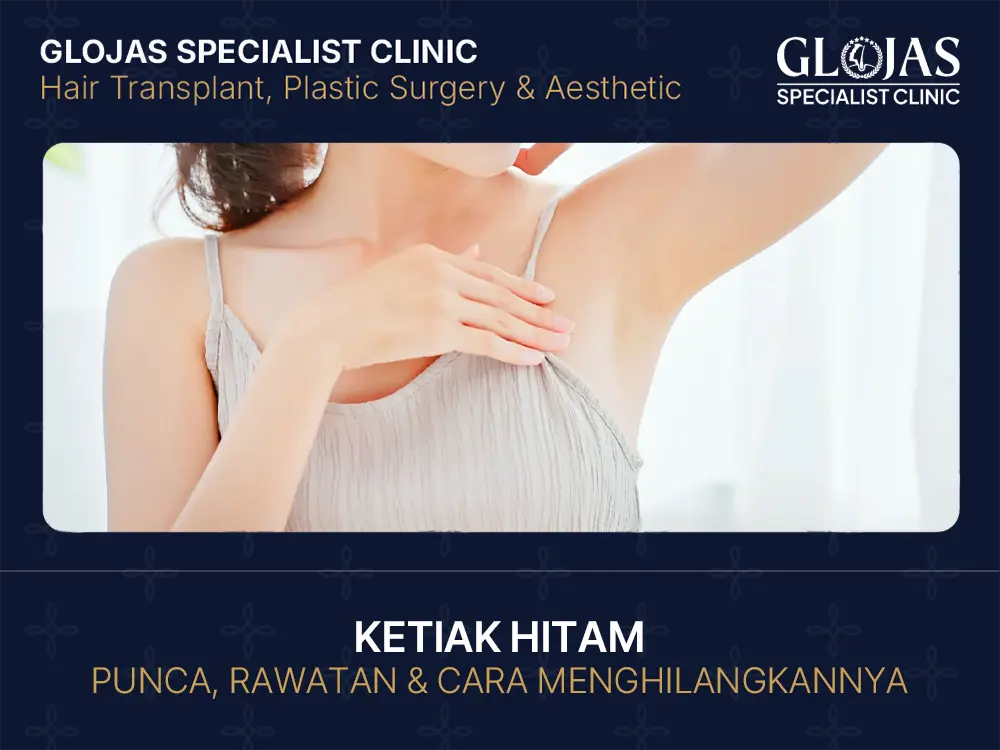
🔍 Kenali Punca Utama Ketiak Hitam Klik pada setiap pilihan di bawah untuk ketahui punca sebenar masalah kulit ketiak gelap: 1. Penggunaan Deodoran & Bahan Kimia + Kandungan alkohol atau pewangi kuat dalam deodoran komersial boleh merengsakan kulit dan mencetuskan penghasilan melanin berlebihan. 2. Cara Mencukur & Waxing yang Salah + Bulu ketiak yang dicukur tanpa gel pelicin atau teknik waxing yang kasar boleh menyebabkan luka mikro, keradangan, dan kulit menjadi gelap. 3. Penumpukan Sel Kulit Mati & Geseran + Geseran berterusan daripada pakaian ketat serta jarang melakukan skrub/pengelupasan menyebabkan sel kulit mati terkumpul di bawah lengan. Ingin tahu rawatan profesional yang selamat dan berkesan? 💬 WhatsApp Kami Sekarang Ramai yang beranggapan bahawa ketiak hitam berpunca daripada tabiat mencukur bulu ketiak. Hakikatnya, warna gelap pada bahagian ini boleh terjadi akibat pelbagai faktor — termasuk iritasi, jangkitan bakteria, perubahan hormon, atau masalah kulit tertentu. Punca Utama Ketiak Hitam 1. Iritasi Kulit Ketiak Ketiak hitam sering terjadi akibat iritasi berulang daripada mencukur atau mencabut bulu ketiak. Tindakan ini boleh menyebabkan keradangan mikro yang merangsang penghasilan melanin secara berlebihan — menjadikan kulit tampak lebih gelap. 2. Jangkitan Bakteria Bakteria Corynebacterium minutissimum boleh menyebabkan ketiak menjadi kehitaman, terutama jika seseorang banyak berpeluh, tinggal di kawasan lembap, atau kurang menjaga kebersihan diri. Masalah ini lebih kerap berlaku pada individu yang mengalami diabetes atau obesiti. 3. Perubahan Hormon Semasa Kehamilan Ketika hamil, perubahan hormon boleh menyebabkan hiperpigmentasi sementara termasuk di bahagian ketiak. Biasanya, keadaan ini akan beransur pulih selepas bersalin apabila tahap hormon kembali normal. 4. Acanthosis Nigricans Ini ialah keadaan kulit yang menyebabkan bahagian tertentu menebal dan menjadi gelap — termasuk di ketiak, leher, siku, dan pangkal paha.Antara puncanya termasuk: Berat badan berlebihan atau obesiti Diabetes jenis 2 Ketidakseimbangan hormon (contohnya PCOS, sindrom Cushing, hipotiroidisme) Penggunaan ubat hormon seperti pil perancang atau kortikosteroid Jika warna gelap muncul dengan cepat, ia mungkin menandakan masalah kesihatan yang lebih serius seperti kanser dalaman, dan perlu segera diperiksa oleh doktor. Cara Hilangkan Ketiak Hitam 1. Rawatan Mengikut Punca Langkah pertama ialah mengenal pasti punca sebenar. Jika disebabkan oleh jangkitan bakteria, doktor mungkin akan menetapkan antibiotik topikal atau oral. 2. Kurangkan Risiko Iritasi Gunakan krim atau gel pencukur semasa mencukur untuk mengurangkan geseran. Elakkan penggunaan deodoran yang mengandungi alkohol atau pewangi kuat. Cuba deodoran bebas pewangi atau berhenti sementara jika kulit ketiak mudah iritasi. 3. Gunakan Bahan Semula Jadi Beberapa bahan semula jadi boleh membantu mencerahkan kulit ketiak secara lembut: Lemon atau kulit jeruk – membantu menanggalkan sel kulit mati. Kunyit & minyak kelapa – mempunyai kesan anti-radang dan pencerahan semula jadi. Mentimun – menenangkan kulit yang sensitif. Cara penggunaannya mudah: lenyek bahan pilihan, sapukan sebagai masker di ketiak selama 10–15 minit, kemudian bilas bersih. 4. Pilih Pakaian yang Menyerap Peluh Peluh berlebihan boleh menyebabkan iritasi dan pertumbuhan bakteria. Gunakan pakaian longgar dan diperbuat daripada kapas bagi mengurangkan risiko kulit menggelap. 5. Rawatan Profesional di Klinik Jika ketiak hitam tidak hilang dengan rawatan rumah, doktor kulit boleh mencadangkan: Krim pencerah perubatan seperti hidrokuinon, tretinoin, atau asid kojik. Rawatan laser, chemical peel, atau microdermabrasion untuk menyingkirkan sel kulit gelap dan merangsang pertumbuhan kulit baru. Bila Perlu Jumpa Doktor? Jika warna ketiak semakin gelap, terasa gatal, menebal, atau disertai bau tidak menyenangkan, segera dapatkan pemeriksaan daripada doktor pakar kulit. Ini penting bagi mengenal pasti sama ada ia berpunca daripada masalah kulit biasa atau tanda kepada penyakit dalaman seperti diabetes. Cara Putihkan Ketiak Hitam Rawatan Profesional di Klinik Estetik Bagi mereka yang mahukan hasil lebih cepat dan tahan lama, rawatan estetik profesional seperti berikut boleh dipertimbangkan: Laser Whitening Treatment – menyingkirkan lapisan kulit gelap dan merangsang pertumbuhan kulit baru. Chemical Peel – mengelupas sel kulit mati menggunakan larutan asid lembut. Microdermabrasion – rawatan mikro untuk memperbaharui tekstur kulit. Rawatan-rawatan ini dilakukan oleh doktor estetik bertauliah bagi memastikan keselamatan dan hasil optimum. Soalan Lazim (FAQ) Tentang Ketiak Hitam 1. Adakah mencukur boleh menyebabkan ketiak menjadi hitam?Ya. Geseran berulang ketika mencukur boleh menyebabkan iritasi dan penghasilan melanin berlebihan yang menggelapkan kulit. 2. Adakah bahan semula jadi benar-benar berkesan mencerahkan ketiak?Bahan seperti lemon, kunyit, dan mentimun boleh membantu secara perlahan, namun hasilnya bergantung kepada jenis kulit dan punca utama kegelapan. 3. Bolehkah deodoran menyebabkan ketiak hitam?Ya. Sesetengah deodoran mengandungi bahan kimia yang boleh merengsakan kulit. Pilih deodoran tanpa alkohol atau pewangi kuat. 4. Berapa lama masa yang diperlukan untuk mencerahkan ketiak hitam?Ia bergantung pada punca dan rawatan yang digunakan. Biasanya, perubahan boleh dilihat dalam 2–6 minggu dengan penjagaan yang konsisten. 5. Apakah rawatan klinik paling berkesan untuk ketiak hitam?Rawatan seperti laser whitening, chemical peel, dan krim perubatan khusus di bawah pengawasan doktor adalah pilihan paling berkesan untuk hasil cepat dan selamat. Kesimpulan Ketiak hitam bukan sekadar masalah kosmetik — ia boleh menandakan ketidakseimbangan hormon, iritasi kulit, atau jangkitan. Dengan mengenal pasti punca sebenar dan memilih rawatan yang sesuai, kulit ketiak dapat kembali cerah dan sihat.Untuk hasil terbaik, dapatkan nasihat daripada doktor pakar kulit bertauliah sebelum mencuba sebarang rawatan.
Uneven Skin Texture: Causes, Treatments & Smooth Skin Solutions
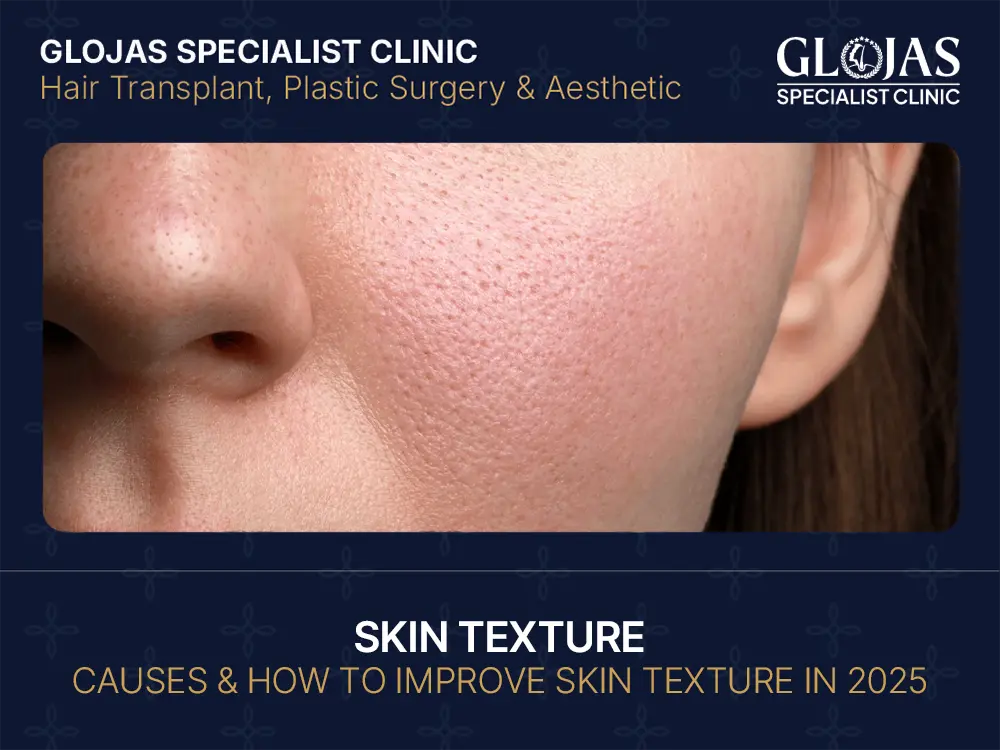
Uneven skin texture refers to a rough, coarse, or bumpy skin surface caused by an accumulation of dead skin cells, environmental damage, or scarring. This condition disrupts the skin’s ability to reflect light, leading to a dull appearance, visible pores, and difficulties with smooth makeup application across the face. What Is Uneven Skin Texture? How Uneven Skin Texture Develops Your skin naturally sheds dead cells every 28 to 40 days, but when this process slows down, those cells pile up and create a “sandpaper” feel. Environmental factors in Malaysia, such as high humidity and air pollution levels, can lead to excess sebum mixing with debris, further congesting the skin’s surface. Over time, external stressors weaken the skin’s structural proteins, causing the surface to lose its youthful, velvet-like smoothness. Persistent inflammation from acne or harsh weather often results in a jagged dermal landscape that feels irregular to the touch. Common Areas Affected (Face, Cheeks, Nose, Forehead) The T-zone (forehead and nose) is frequently affected due to higher oil production, which leads to enlarged pores and “orange peel” texture. Cheeks are often the site of atrophic acne scars or sun-induced roughness, making the skin look pitted or weathered. The jawline can develop small, flesh-colored bumps known as closed comedones, which contribute significantly to a bumpy tactile sensation. Because the skin on the face varies in thickness, you might notice texture issues appearing more prominently in areas with higher sun exposure. What Causes Uneven Skin Texture? Dead Skin Cell Buildup Without regular exfoliation, dead keratinocytes remain trapped on the surface, making the skin look flaky and feel coarse. This buildup acts as a barrier, preventing your expensive serums and moisturizers from penetrating deep into the dermis where they are needed. In tropical climates, the combination of sweat and dead cells creates a thick “sludge” that dulls the natural complexion. Acne Scars and Enlarged Pores Inflammatory acne often leaves behind physical indentations, such as boxcar or icepick scars, which permanently alter the skin’s topography. When pores become clogged with oil, they stretch out; once the skin loses elasticity, these pores remain visible and contribute to an “uneven” look. According to dermatological studies, early intervention in acne management is the most effective way to prevent permanent textural changes. Sun Damage and Aging Chronic exposure to UV rays breaks down collagen and elastin fibers, leading to a condition called solar elastosis, where skin becomes leathery. As we age, the rate of cell turnover naturally decreases, meaning the skin cannot repair surface imperfections as quickly as it once did. In Malaysia, where the UV index is frequently high, sun-induced “photoaging” is a leading cause of premature roughness and fine lines. Dehydration and Skin Barrier Issues When your skin lacks water, cells shrivel up, causing the surface to look “crinkled” and feel tight or itchy. A damaged skin barrier allows moisture to escape (transepidermal water loss) and irritants to enter, leading to chronic redness and micro-bumps. Using overly aggressive foaming cleansers can strip the natural lipids, leaving the skin feeling “raw” and looking uneven. Signs of Uneven Skin Texture Rough, Bumpy Skin Surface If you run your fingers across your face and feel “grains of sand” or dry patches, you are likely dealing with textural irregularities. This roughness is often most noticeable under harsh lighting or when applying foundation, which tends to “cling” to the dry, raised areas. Unlike a smooth surface that glows, rough skin scatters light, making the face appear tired or older than it actually is. Visible Pores and Irregular Skin Large, gaping pores—especially on the nose and inner cheeks—create a “pitted” appearance that disrupts the visual flow of the skin. You may also notice “milium” (small white cysts) or sebaceous hyperplasia (yellowish bumps), which add to the overall lack of smoothness. Irregular skin often goes hand-in-hand with redness or post-inflammatory hyperpigmentation, creating a “cloudy” look. How to Treat Uneven Skin Texture Skincare Routine and Daily Care Start with a double-cleansing method to ensure that all traces of sunscreen, pollution, and makeup are removed before sleep. Use a humectant-rich toner containing hyaluronic acid to “plump” the skin cells and instantly smooth out fine dehydration lines. Seal in moisture with a barrier-repair cream that utilizes ceramides to fix the microscopic “cracks” in your skin’s surface. Exfoliation (AHA, BHA, Retinoids) AHAs (like Glycolic Acid): These dissolve the “glue” holding dead cells together, revealing the fresh, glowing skin underneath. BHAs (Salicylic Acid): These are oil-soluble, making them perfect for “degunking” pores and reducing the appearance of bumps. Retinoids: Often called the gold standard, these increase cell turnover and boost collagen production to fill in textural “dips” from within. Aesthetic Treatments for Uneven Skin Texture in Malaysia Laser Resurfacing Treatments Fractional CO2 Laser are highly effective in Malaysia for “vaporizing” damaged surface skin and forcing the body to grow a new, smooth layer. Pico Laser treatment use ultra-short pulses to shatter pigment and stimulate collagen without the heavy downtime associated with traditional lasers. These treatments are particularly popular for treating deep acne scars and “orange peel” texture on the cheeks. Chemical Peels Professional-grade peels, such as the TCA peel, use strong acids to remove several layers of skin in a controlled manner. In Malaysia, many clinics offer “Lunchtime Peels” (like the Mandelic Acid peel) which provide instant smoothing with zero peeling or redness. Regular peels help maintain a refined pore structure and keep the skin surface consistently bright and soft. Microneedling This process involves creating thousands of “micro-injuries” with tiny needles to trigger the skin’s natural healing response. It is highly effective for smoothing out indented scars and tightening the skin to reduce the appearance of large pores. Often combined with PRP (Platelet-Rich Plasma), this treatment accelerates tissue repair for a faster “glow-up.” Results and Improvement Timeline When Results Start to Show With a consistent skincare routine, you can expect to see a “brighter” look within 14 days and smoother texture within 28 days. Aesthetic treatments like chemical peels offer a smoother feel almost immediately, while lasers take about
Parut Jerawat: Jenis, Punca, dan Rawatan Berkesan untuk Kulit Licin Sekata
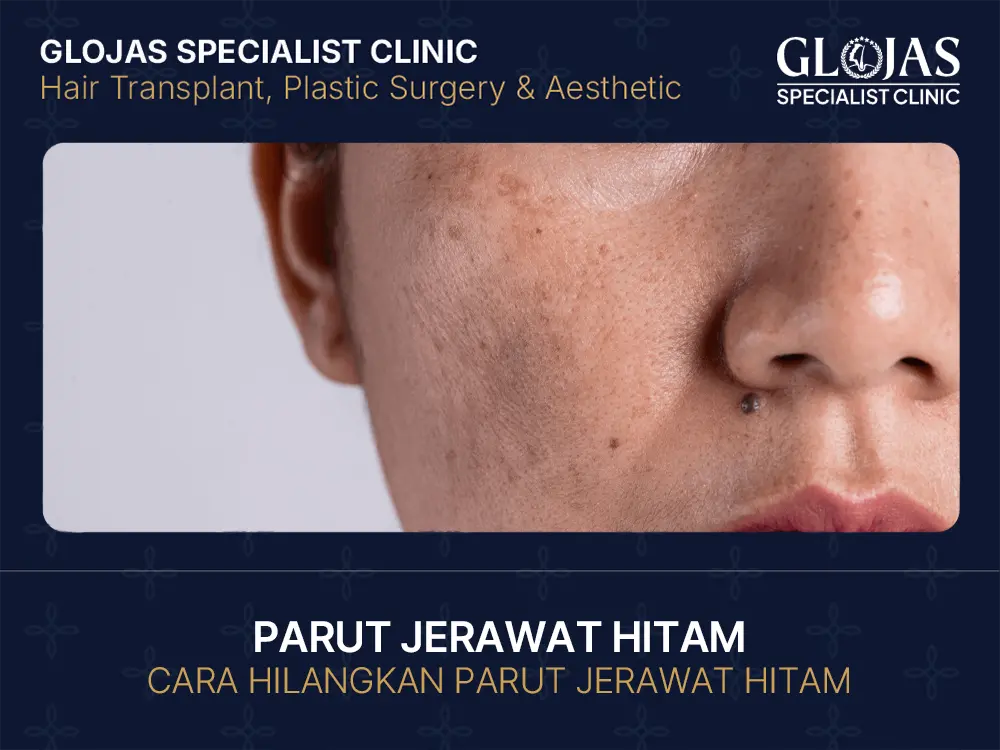
🔍 Kenal pasti Jenis Parut & Rawatan Sesuai Klik pada pilihan di bawah untuk ketahui cara rawatan terbaik bagi kulit anda: Parut Lekuk (Atrofik) Parut Tebal (Hipertrofik) Parut Gelap (PIH) Parut Atrofik (Icepick, Boxcar, Rolling) Jenis parut ini berlaku apabila kulit kehilangan kolagen semasa proses penyembuhan jerawat, meninggalkan kesan lekuk pada wajah. Sesuai dirawat dengan rawatan laser resurfacing, microneedling, atau dermal fillers untuk merangsang semula pertumbuhan kolagen. 💬 Konsultasi Rawatan Parut Lekuk Parut Hipertrofik & Keloid Terhasil daripada lebihan penghasilan kolagen yang menyebabkan tisu parut tumbuh menonjol di atas permukaan kulit. Rawatan berkesan termasuk suntikan steroid (corticosteroid injections), terapi laser, atau penggunaan silikon gel secara konsisten. 💬 Konsultasi Rawatan Parut Tebal Parut Gelap / Kemerahan (PIH & PIE) Bukan parut fizikal yang berlekuk, sebaliknya kesan warna gelap atau merah ditinggalkan selepas jerawat sembuh. Sangat efektif dirawat menggunakan krim pencerah berasaskan Vitamin C, Niacinamide, retinoid, serta rawatan chemical peel. 💬 Konsultasi Rawatan Kesan Gelap Parut jerawat ialah lekukan atau tanda timbul yang kekal selepas jerawat teruk sembuh akibat kerosakan kolagen kulit. Jenis utama ialah ice pick, boxcar, rolling, dan parut hipertrofik. Rawatan bergantung pada jenis parut dan termasuk laser, microneedling, TCA cross, subcision, serta filler untuk meratakan permukaan kulit semula. Jenis Parut Jerawat Atrofik: Lekuk ke dalam. Paling biasa 80-90% kes. Ice pick: Lubang tajam kecil dalam. Boxcar: Lekuk segi empat, tepi jelas. Rolling: Lekuk beralun, permukaan tidak rata. Hipertrofik/Keloid: Timbul tebal melebihi sempadan asal. Biasa di dada, belakang. PIH: Hiperpigmentasi pasca-radang. Kesan gelap/coklat. Bukan parut sebenar. PIE: Eritema pasca-radang. Kesan merah. Salur darah rosak. Rawatan Parut Jerawat Paling Berkesan Rawatan Jenis Parut Keberkesanan Kos Anggaran Nota Penting Microneedling RF Boxcar, rolling 50-70% licin RM400-RM1200/sesi Perlu 3-5 sesi. Downtime 2-3 hari Laser CO2 Fraksional Ice pick, boxcar 50-80% dalam RM800-RM2500/sesi Gold standard. Downtime 5-7 hari TCA CROSS Ice pick dalam 60-75% naik RM300-RM600/sesi Asid 70-100%. 3-6 sesi Subcision Rolling, tethered scar 40-60% rata RM500-RM1500/sesi Potong fiber tarik parut. Lebam 1-2 minggu Dermal Filler Boxcar dalam, rolling 80-90% segera RM1200-RM2500/sesi Tahan 6-18 bulan. Guna HA atau biostimulator Chemical Peel PIH, parut cetek 40-60% cerah RM150-RM450/sesi AHA/BHA. 4-6 sesi Kombinasi > tunggal. Protokol biasa: subcision + laser CO2 + TCA CROSS untuk parut campur. Rawatan Topikal Untuk Parut Jerawat Bahan Aktif Fungsi Jenis Parut Masa Nampak Hasil Retinoid Rangsang kolagen, pusingan sel Atrofik cetek, PIH 3-6 bulan Asid Azelaik 15-20% Cerah pigment, anti-radang PIH, PIE 8-12 minggu Vitamin C 10-20% Cerah, antioksidan, kolagen PIH, PIE 12-16 minggu Niacinamide 5-10% Kurang gelap, kawal minyak PIH, PIE 8-12 minggu Silikon Gel Ratakan parut timbul Hipertrofik, keloid 2-6 bulan AHA 5-10% Eksfoliasi, licinkan tekstur Parut cetek, PIH 6-12 minggu Topikal tak berkesan untuk ice pick dalam & boxcar teruk. Perlu rawatan klinik. Cara Cegah Parut Jerawat Jadi Teruk Jangan picit jerawat: Picit rosakkan folikel & kolagen. Risiko parut naik 3x. Rawat jerawat awal: Guna BP atau retinoid bila jerawat baru naik. Elak jadi cystic. Sunscreen SPF 50: UV gelapkan PIH & lambatkan sembuh. Wajib setiap hari. Elak skrub kasar: Iritasi cetus lebih radang. Guna chemical exfoliant lemah. Rawatan steroid awal: Untuk jerawat batu besar. Suntikan elak parut lekuk. Soalan Lazim Tentang Parut Jerawat 1. Parut jerawat boleh hilang 100% tak? Tidak. Rawatan moden boleh baiki 50-90%. Matlamat ialah licinkan supaya tak nampak dari jarak sosial. 2. Rawatan apa paling cepat hilangkan parut lekuk? Kombinasi subcision + filler untuk kesan segera. Laser CO2 perlu 3-6 bulan untuk kolagen baru. Tiada rawatan 1 sesi siap. 3. Berapa kos penuh rawat parut jerawat? Pakej 6-12 bulan: RM3000-RM10000 ikut teruk & jenis rawatan. TCA CROSS paling murah. Laser + subcision paling mahal. 4. Kenapa parut jerawat jadi gelap lepas berjemur? UV rangsang melanin di kawasan radang. Jadi PIH. Pakai SPF 50 + topi. Rawat dengan azelaic acid atau hydroquinone. 5. Microneedling di rumah berkesan tak untuk parut? Tidak untuk parut sederhana-teruk. Depth rumah 0.25mm tak sampai dermis. Klinik guna 1.5-3.0mm + RF baru rangsang kolagen. View this post on Instagram A post shared by Glojas Specialist | Plastic Surgery, Hair Transplant, Aesthetic (@glojasaesthetic)
8 Cara Kuruskan Pipi Dengan Berkesan CONFIRM Muka Lebih Ramping
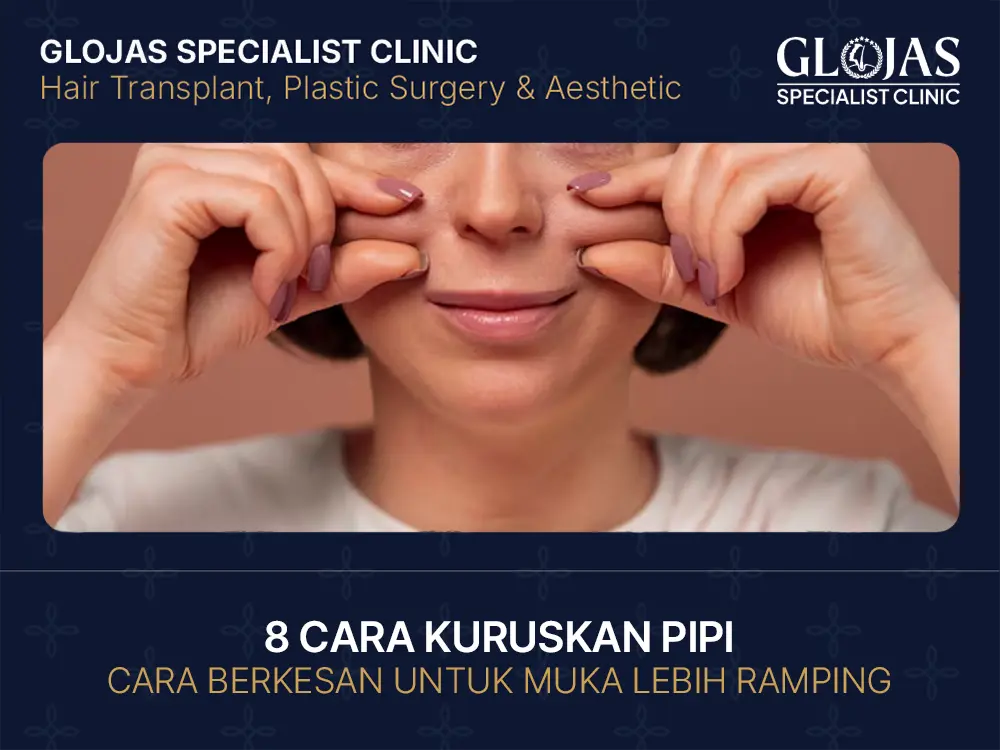
🌸 Teknik Pantas: Cara Kuruskan Pipi & Muka Ramping Klik salah satu fokus utama di bawah untuk melihat cara berkesan mendapatkan muka lebih runcing: 💪 Senaman Muka (Facial Yoga) 🥗 Kawalan Garam & Air 💧 Hidrasi & Tidur Cukup 💪 Senaman Muka (Facial Yoga) Cara Lakukan: Lakukan senaman otot wajah seperti meniup belon udara secara bergilir-gilir pipi kiri dan kanan, atau senyum lebar sambil menahan selama 10 saat. Kesan: Membantu menegangkan otot pipi yang kendur, membakar lemak sekitar wajah, dan menyerlahkan bentuk rahang (jawline) dengan lebih jelas. Inginkan penyelesaian estetik pantas untuk muka lebih runcing dan ramping? 💬 Hubungi Kami via WhatsApp Macam Mana Cara Kuruskan Pipi Dengan Paling Berkesan? Ramai orang berdepan dengan masalah pipi tembam atau wajah bulat yang membuatkan mereka kelihatan berisi walaupun badan tidak terlalu gemuk. Faktor genetik, gaya hidup, tabiat pemakanan, dan water retention (penyimpanan air dalam badan) boleh menyebabkan muka tampak lebih tembam daripada biasa. Menurut kajian dalam Journal of Cosmetic Dermatology (2022), lebih daripada 35% individu Asia mempunyai kecenderungan muka bulat atau pipi berlemak akibat faktor genetik dan gaya hidup. Di Malaysia sendiri, permintaan untuk rawatan dan kaedah kuruskan pipi tanpa pembedahan meningkat setiap tahun, seiring dengan trend kecantikan dan media sosial. Artikel ini akan membincangkan punca pipi tembam, cara semula jadi, petua tradisional, serta rawatan moden yang terbukti berkesan untuk mengecilkan pipi dan meruncingkan wajah. Punca Pipi Tembam Sebelum memilih cara untuk kuruskan pipi, penting untuk memahami puncanya: Genetik: Sesetengah individu memang cenderung mempunyai struktur muka bulat. Berat badan berlebihan: Lebihan lemak badan akan terkumpul pada muka. Water retention: Pengambilan garam berlebihan boleh menyebabkan muka bengkak. Tabiat pemakanan: Gula, minuman berkarbonat, dan makanan segera boleh meningkatkan lemak muka. Kurang tidur & stres: Hormon tidak seimbang boleh menyebabkan muka mudah sembap. Cara Kuruskan Pipi Dengan Kaedah Semula Jadi 1. Senaman Wajah (Facial Exercise) Senaman wajah membantu menguatkan otot pipi, mengurangkan lemak, dan menegangkan kulit. Contoh: Fish Face Exercise: Tarik pipi ke dalam dan tahan 5–10 saat. Cheek Lifting: Senyum selebar mungkin sambil angkat pipi ke arah mata. Jawline Exercise: Gerakkan rahang bawah ke kiri dan kanan untuk menguatkan otot. 2. Kawal Pemakanan Kurangkan garam untuk elak water retention. Tingkatkan pengambilan protein & sayur-sayuran. Minum 2–3 liter air sehari untuk detoks semula jadi. 3. Gaya Hidup Sihat Tidur cukup sekurang-kurangnya 7–8 jam sehari. Elakkan alkohol dan rokok yang mempercepatkan penuaan kulit. Amalkan aktiviti fizikal seperti berlari atau yoga untuk membakar kalori. Petua Tradisional Cara Kuruskan Pipi Urutan wajah: Menggunakan minyak zaitun atau minyak kelapa untuk melancarkan peredaran darah. Minum teh hijau: Kaya antioksidan yang membantu kurangkan lemak dan bengkak. Ais batu: Menyapu ais pada wajah membantu kurangkan sembap secara sementara. Walaupun petua tradisional tidak memberi kesan dramatik, ia boleh digabungkan dengan kaedah moden untuk hasil lebih baik. Cara Kuruskan Pipi Dengan Rawatan Aesthetic 1. HIFU (High Intensity Focused Ultrasound) Menggunakan tenaga ultrasound untuk mengetatkan kulit dan menghancurkan lemak pipi. Tiada pembedahan, tiada downtime. Hasil kelihatan selepas beberapa minggu. 2. Buccal Fat Removal (Pembedahan Kecil) Prosedur membuang lemak buccal (pipi dalam) untuk bentuk muka lebih V-shape. Sesuai untuk individu dengan pipi sangat tembam. Hasil kekal tetapi memerlukan masa pemulihan. 3. Botox Masseter Reduction Suntikan botox pada otot rahang untuk mengecilkan jawline. Memberi kesan muka lebih runcing tanpa perlu diet ekstrem. 4. Mesolipo Injection Suntikan larutan khas untuk mencairkan lemak pada pipi. Kesan lebih ketara selepas beberapa sesi. 5. Pico Laser & RF Skin Tightening Sesuai untuk pipi kendur akibat umur atau berat turun mendadak. Menggalakkan penghasilan kolagen untuk kulit lebih tegang. Apa Hasil Yang Boleh Dijangka? Semula jadi: Perubahan lebih perlahan, hasil bergantung pada disiplin individu. Rawatan aesthetic: Hasil lebih cepat dan ketara, terutama dengan teknologi moden seperti HIFU dan Botox. Gabungan: Cara terbaik adalah menggabungkan gaya hidup sihat + rawatan aesthetic untuk hasil optimum. Fakta: Kajian ISAPS 2023 menunjukkan rawatan kontur muka tanpa pembedahan meningkat 30% di Asia Tenggara, dengan Malaysia antara negara paling aktif. Keselamatan & Risiko Selepas Kuruskan Pipi? Walaupun kebanyakan rawatan adalah selamat, tetap ada risiko seperti: Bengkak atau lebam sementara (injection/laser) Rasa kebas selepas buccal fat removal Hasil tidak sekata jika dilakukan oleh individu tidak bertauliah Oleh itu, penting memilih doktor estetik bertauliah LCP di klinik berdaftar KKM untuk mengelakkan komplikasi. FAQ Mengenai Cara Kuruskan Pipi 1. Adakah boleh cara kuruskan pipi sepenuhnya dengan cara semula jadi? Boleh membantu, tetapi kesannya lebih perlahan berbanding rawatan aesthetic. 2. Berapa lama kesan rawatan aesthetic boleh tahan? HIFU dan botox biasanya tahan 6–12 bulan, manakala buccal fat removal memberi kesan kekal. 3. Adakah rawatan kuruskan pipi menyakitkan? Kebanyakan prosedur tidak sakit, hanya rasa sedikit ketidakselesaan. Suntikan dan laser biasanya disertakan bius ringan. 4. Adakah rawatan ini sesuai untuk lelaki? Ya, lelaki juga boleh buat rawatan kuruskan pipi. Ramai yang memilih botox rahang atau HIFU untuk wajah lebih maskulin. 5. Berapakah kos rawatan kuruskan pipi di Malaysia? Kos berbeza mengikut jenis rawatan: HIFU: RM1,500–RM4,000 Buccal fat removal: RM8,000–RM12,000 Botox: RM800–RM2,000 Mesolipo: RM500–RM1,200 per sesi Kesimpulan Masalah pipi tembam boleh ditangani dengan gaya hidup sihat, senaman wajah, pemakanan seimbang, serta rawatan estetik moden. Di Malaysia, pelbagai pilihan rawatan tersedia jike anda mencari cara kuruskan pipi antaranya daripada HIFU, Botox, hingga buccal fat removal, bergantung pada bajet dan kesesuaian individu. Memilih doktor bertauliah dan klinik berlesen KKM adalah langkah terpenting untuk memastikan hasil yang selamat, berkesan, dan semula jadi. Dengan pendekatan yang betul, anda boleh mendapatkan wajah lebih runcing, keyakinan diri lebih tinggi, dan penampilan lebih menarik. View this post on Instagram A post shared by Glojas Specialist | Plastic Surgery, Hair Transplant, Aesthetic (@glojasaesthetic)
Pigmentation Treatments: Types, Procedures, and Costs in Malaysia

Estimate Your Treatment Cost Select your pigmentation concern and preferred treatment type to get an estimated price range in Malaysia. 1. Select Pigmentation Concern: Melasma (Deep-seated patches)Sun Spots / Age Spots (Surface level)Post-Inflammatory Hyperpigmentation (PIH)General Freckles 2. Select Recommended Treatment: Picosecond LaserQ-Switched Nd:YAG LaserAdvanced Chemical PeelMedical Pigmentation Facial Estimated Cost Range (Per Session): RM 350 – RM 600 *Prices vary based on clinic location, doctor’s expertise, and severity. Book Consultation via WhatsApp The most effective pigmentation treatment depends on your specific skin condition. For stubborn discoloration like melasma and deep sun spots, advanced medical aesthetic clinic procedures like Pico Laser and professional-grade chemical peels are the gold standard. For surface-level dark spots, consistent topical skincare using medical-grade active ingredients provides optimal brightening results. What Causes Skin Pigmentation? Skin pigmentation happens when specialized cells in the skin called melanocytes overproduce melanin, the organic pigment responsible for your natural skin tone. This localized melanin overproduction is usually triggered by external environmental damage or internal hormonal shifts. Sun Damage and Age Spots Prolonged, unprotected ultraviolet (UV) exposure is the primary cause of dark patches, solar lentigines (commonly called age spots or liver spots), and flat epidermal freckles. When UV radiation hits unprotected skin layers, it triggers an emergency defensive response that forces melanin to clump together. Over time, these dense pigment clusters rise to the surface, causing visible sun damage and accelerating premature skin aging. Melasma and Hormonal Changes Melasma is a chronic, complex skin condition that appears as symmetrical, muddy brown or grayish-brown patches across the cheeks, bridge of the nose, forehead, and upper lip. Unlike standard sun spots, melasma is heavily driven by fluctuating hormone levels: Pregnancy: Frequently called the “mask of pregnancy” or chloasma due to surging levels of estrogen and progesterone. Medications: Triggered or worsened by oral contraceptive pills, hormone replacement therapy, or endocrine changes. Heat & Stress: Active melasma patches are highly sensitive to heat exposure, infrared radiation, and elevated cortisol (stress hormone) levels, making them notoriously difficult to clear. Post-Inflammatory Hyperpigmentation (PIH) from Acne Post-Inflammatory Hyperpigmentation, or PIH, is the dark spot left behind after an inflammatory skin injury or cutaneous trauma heals. The most common trigger is acne vulgaris, though it can also stem from eczema, cosmetic burns, or picking at the skin. While the active acne clears, the skin’s natural healing cascade leaves an excess concentration of melanin at the injury site, leaving stubborn red, purple, or dark brown blemishes. Professional Clinic Treatments for Pigmentation When over-the-counter brightening creams fail to reach deep dermal layers, medical aesthetic procedures provide faster, safer, and more predictable pigment correction. Pico Laser and Laser Toning Picosecond lasers represent the gold standard in modern laser dermatology and pigment reduction. How it works: Instead of relying on intense thermal heat that can burn darker skin tones, a Pico laser delivers energy in ultra-short bursts measured in trillionths of a second (picoseconds). This rapid pulse creates a targeted photoacoustic shattering effect that mechanically breaks up melanin into tiny, dust-like particles. The benefit: Your body’s lymphatic system naturally flushes away the shattered pigment debris over time. It successfully targets deep dermal pigmentation while minimizing structural heat damage, drastically lowering the risk of post-laser rebound hyperpigmentation. Medical-Grade Chemical Peels Clinical chemical peels use highly concentrated alpha-hydroxy acid (AHA) and beta-hydroxy acid (BHA) solutions to accelerate skin cell turnover. Superficial Peels: Formulated with glycolic, lactic, salicylic, or mandelic acids to gently dissolve the cellular bonds holding dead, pigmented cells to the surface stratum corneum. Medium-Depth Peels: Often utilize TCA (Trichloroacetic Acid) or advanced combination formulas to target deeper epidermal staining. This forces the top layers of skin to physically exfoliate away over a week, revealing a fresher, more evenly toned complexion beneath. Intense Pulsed Light (IPL) Therapy IPL is a non-laser light therapy that uses broad-spectrum wavelengths to target superficial pigment. The light energy is selectively absorbed by dark melanin spots, heating and destroying the unwanted cells. Within a few days of treatment, the targeted spots darken and flake off like fine coffee grounds. IPL is highly effective for light freckles and scattered sun spots, but it should be avoided for melasma, as its heat can worsen hormonal patches. Notes from doctors: “Many patients ask if pigmentation treatment is really necessary, and I usually explain it like this — pigmentation is similar to stains on fabric. Some marks fade slowly, while deeper ones need proper treatment to improve safely. In Malaysia, sun exposure often makes pigmentation more stubborn, which is why we customise pigmentation treatment based on your skin type, lifestyle, and how deep the pigmentation sits beneath the skin.” – Dr. Venu, LCP-Certified Aesthetic Doctor in Malaysia How to Treat Pigmentation at Home A robust home care routine is vital to maintain clinical results and keep active melanocytes from producing fresh dark spots. Effective Ingredients for Fading Dark Spots When reviewing topical skincare formulations, look for these clinically proven active ingredients and tyrosinase inhibitors: Retinoids (Retinol, Tretinoin): Speeds up cellular exfoliation, forcing pigmented skin cells to shed more rapidly. Vitamin C (L-Ascorbic Acid): A potent antioxidant that blocks tyrosinase, the crucial enzyme required for melanin production. Azelaic & Tranexamic Acid: Excellent options for calming inflammation, making them highly effective for clearing acne-induced PIH and stabilizing vascular-driven melasma. Cysteamine & Kojic Acid: Powerful brightening agents that break down dark spots without the long-term toxicity risks associated with hydroquinone. How Sunscreen Prevents Pigmentation from Worsening No clinical pigmentation treatment will succeed without a strict sun protection routine. UV rays instantly activate melanocytes to produce melanin. To protect your skin investment, apply a broad-spectrum sunscreen with SPF 50 or higher and a PA++++ rating every single day, even when indoors. For those dealing with melasma, tinted sunscreens containing iron oxides offer crucial defense against visible blue light emitted by phone and computer screens. Costs, Side Effects, and Results How Much Do Pigmentation Treatments Cost? Professional clinical costs vary based on the severity of your hyperpigmentation, the technology used, and your geographical location. Below is a realistic
Cara Hilangkan Tahi Lalat Di Muka, Penyebab & Jenis Tahi Lalat (2026)
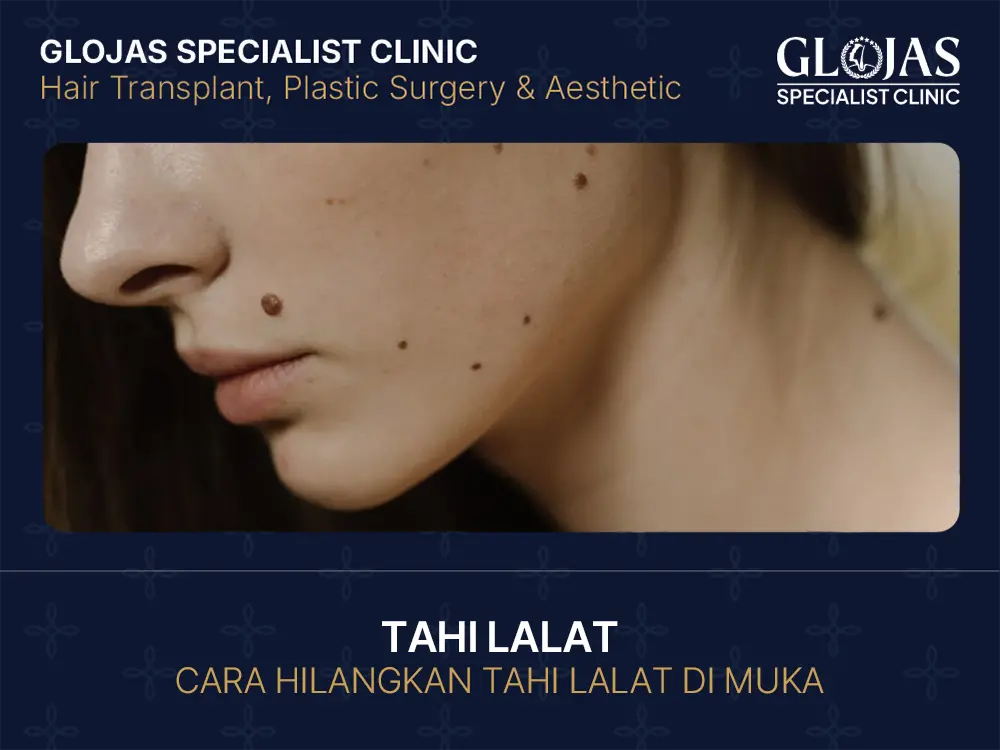
Kenal Pasti Jenis Tahi Lalat & Kaedah Buang Pilih ciri atau jenis tahi lalat di muka anda untuk mengetahui pilihan rawatan klinikal yang selamat dan berkesan. Pilih Ciri Tahi Lalat Anda: Tahi Lalat Rata & Berwarna Gelap (Junctional Mole)Tahi Lalat Timbul, Berisi atau Ada Bulu (Compound/Dermal Mole)Tahi Lalat Bertukar Bentuk, Gatal atau Berdarah Rawatan Laser Pembuangan Tahi Lalat (Laser Removal) Sangat berkesan untuk tahi lalat rata tanpa meninggalkan kesan parut yang ketara, cepat sembuh dan dikendalikan oleh doktor klinik berdaftar. Inginkan tahi lalat dibuang dengan selamat? Dapatkan pemeriksaan kulit muka dan sesi konsultasi doktor melalui WhatsApp hari ini. Hubungi WhatsApp (+60 12-270 0122) “Tahi lalat” merupakan tanda kecil pada kulit yang terbentuk daripada sel pigmen yang dipanggil melanosit. Walaupun kebanyakan tahi lalat tidak berbahaya, ada yang boleh mengganggu penampilan, menjejaskan keyakinan diri, atau dalam kes tertentu menjadi petunjuk kepada masalah kanser kulit. Apa Itu Tahi Lalat? Tahi lalat ialah pertumbuhan pada kulit yang biasanya berwarna coklat atau hitam. Ia terjadi apabila sel pigmen (melanosit) berkumpul di satu kawasan. Sesetengah tahi lalat muncul sejak lahir (congenital nevus). Ada yang terbentuk pada usia remaja atau dewasa. Tahi lalat boleh muncul di muka, leher, badan, atau anggota lain. Kebanyakan tahi lalat tidak berbahaya, tetapi tahi lalat abnormal atau berubah bentuk perlu diperiksa oleh pakar kulit. Jenis-Jenis Tahi Lalat 1. Tahi Lalat Biasa (Common Nevus) Kecil, berbentuk bulat atau bujur. Warna coklat muda hingga gelap. 2. Tahi Lalat Daging (Dermal Nevus) Timbul di atas permukaan kulit. Ada yang berwarna sama dengan kulit. 3. Tahi Lalat Atipikal (Dysplastic Nevus) Tidak simetri, berwarna tidak sekata, atau lebih besar. Boleh menjadi tanda awal melanoma (kanser kulit). 4. Tahi Lalat Kongenital (Congenital Mole) Wujud sejak lahir. Ada risiko kecil untuk berubah menjadi kanser. Punca Tahi Lalat Genetik: Faktor keturunan memainkan peranan. Pendedahan UV: Sinaran matahari boleh menambah jumlah tahi lalat. Perubahan hormon: Ketika akil baligh atau mengandung, tahi lalat baru mungkin muncul. Faktor usia: Sesetengah tahi lalat boleh hilang atau berubah apabila meningkat umur. Tanda-Tanda Tahi Lalat Berbahaya Pakar kulit biasanya menggunakan kaedah ABCDE untuk menilai risiko tahi lalat: A – Asymmetry: Bentuk tidak simetri. B – Border: Tepi tidak sekata. C – Colour: Warna bercampur (hitam, merah, kelabu). D – Diameter: Lebih besar daripada 6mm. E – Evolving: Saiz, bentuk, atau warna berubah. Jika anda perasan sebarang perubahan, segera dapatkan pemeriksaan oleh dermatologist bertauliah. Petua & Cara Hilangkan Tahi Lalat 1. Laser Mole Removal Menggunakan teknologi fractional CO2 laser atau Q-switched. Sesuai untuk tahi lalat kecil hingga sederhana. Prosedur pantas, minimal invasif, dan masa pemulihan cepat. 2. Pembedahan Minor (Excision) Tahi lalat dipotong bersama sedikit tisu sekeliling. Sesuai untuk tahi lalat besar atau berisiko kanser. Biasanya dilakukan di bawah bius setempat. 3. Cryotherapy Tahi lalat dibekukan menggunakan nitrogen cecair. Digunakan untuk tahi lalat kecil dan tidak dalam. 4. Electrocautery Menggunakan arus elektrik untuk membakar tahi lalat. Sesuai untuk tahi lalat dangkal di permukaan kulit. Siapa Yang Perlu Buang? Mereka yang mempunyai tahi lalat abnormal atau berubah bentuk. Pesakit dengan sejarah keluarga kanser kulit. Individu yang rasa terganggu dari segi kosmetik atau keyakinan diri. Orang yang mengalami iritasi berulang akibat tahi lalat terkena geseran pakaian atau aksesori. Penjagaan Selepas Buang Elakkan pendedahan terus kepada cahaya matahari. Gunakan sunscreen fizikal dengan SPF 30+. Pastikan luka sentiasa bersih dan kering. Ikut nasihat doktor untuk elak parut atau jangkitan. Soalan Lazim (FAQ) 1. Adakah semua tahi lalat perlu dibuang?Tidak. Kebanyakan tahi lalat normal tidak memerlukan rawatan, kecuali ia berubah atau menjejaskan penampilan. 2. Adakah rawatan buang tahi lalat menyakitkan?Prosedur biasanya dilakukan dengan bius setempat, jadi rasa sakit adalah minimum. 3. Bolehkah tahi lalat tumbuh semula selepas dibuang?Ya, ada kemungkinan kecil jika sel pigmen tidak dibuang sepenuhnya. 4. Apakah rawatan paling popular di Malaysia untuk buang tahi lalat?Rawatan laser CO2 adalah antara pilihan utama kerana cepat, selamat, dan minimal parut. 5. Berapakah kos buang tahi lalat di Kuala Lumpur?Harga bermula sekitar RM150 untuk prosedur kecil hingga lebih RM1500 untuk pembedahan bergantung kepada saiz dan lokasi.
Kulit Kusam: Punca, Rawatan Berkesan & Cara Cerahkan Kulit
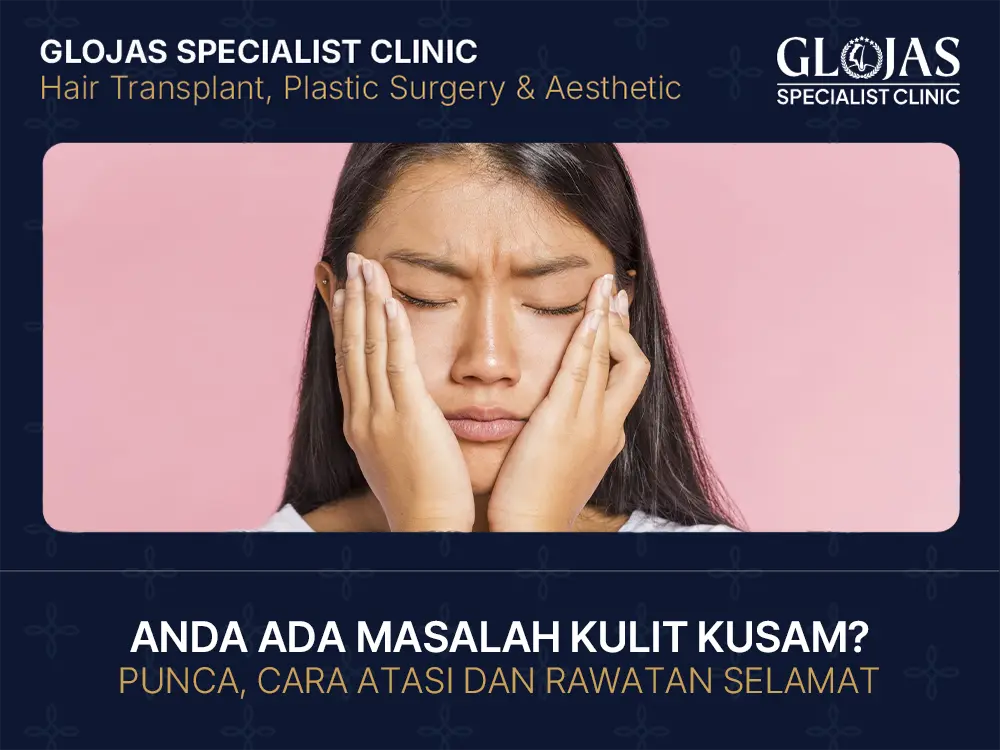
Kulit kusam adalah kondisi wajah yang kehilangan cahaya semula jadi (radiance), kelihatan lelah, tidak bercahaya, dan warna kulit tidak sekata. Ia berbeza dengan warna kulit gelap semulajadi. Kulit kusam kelihatan pudar, kering, dan kasar. Di Malaysia, masalah ini sangat biasa akibat cuaca panas, pencemaran bandar, dan pendedahan sinar UV sepanjang tahun. 1. Apa Itu Kulit Kusam? Definisi dan Ciri-Ciri Perbezaan Kulit Kusam dengan Warna Kulit Gelap Semulajadi Ciri Kulit Kusam Kulit Gelap Semulajadi Penampilan Pudar, lelah, tiada cahaya Sihat, sekata, ada kelembapan semula jadi Tekstur Kasar, tidak rata Licin dan lembut Punca Sel mati, dehidrasi, pendedahan UV Genetik (melanin semulajadi) Kulit gelap semulajadi masih boleh kelihatan bercahaya dan lembap. Kulit kusam pula kelihatan seperti “lapisan kotor” di permukaan. Tanda-Tanda Kulit Wajah Kusam Tanda utama kulit kusam: Wajah kelihatan tidak berseri walaupun baru dicuci Tekstur kulit kasar apabila disentuh Warna kulit tidak sekata (hyperpigmentation ringan) Garis halus kelihatan lebih jelas Makeup sukar melekat dengan kemas 2. Punca Utama Kulit Kusam di Malaysia Malaysia mempunyai kombinasi unik: cuaca panas lembap, pencemaran bandar, dan pendedahan UV tinggi. Ini menjadikan kulit kusam sangat biasa. Penumpukan Sel Kulit Mati: Punca Paling Biasa Kulit menjana sel baru setiap 28 hari. Sel lama perlu gugur. Apabila penumpukan berlaku, lapisan sel mati menyekat cahaya dari memantul. Punca sel mati bertambah: Tidak eksfoliasi (scrab) dengan rutin Penggunaan produk yang terlalu kaya tanpa pengelupasan Penjagaan kulit yang tidak konsisten Pendedahan Sinar UV dan Pencemaran Bandar Malaysia menerima sinaran UV sepanjang tahun. UV merosakkan kolagen dan menyebabkan pigmentasi. Akumulasi dari pencemaran bandar (asap kenderaan, habuk industri) juga mencemarkan liang pori dan menjadikan kulit kelihatan kotor dan kusam. Clinical Experience Insight: Pesakit sering bertanya: “Saya pakai skincare mahal, kenapa kulit masih kusam?” Jawapannya selalunya: kurang eksfoliasi atau tidak konsisten dengan pelindung matahari. Ramai pesakit Kuala Lumpur bekerja dalam bangunan berhawa dingin sepanjang hari, tidak terdedah cahaya matahari langsung. Mereka menganggap pelindung matahari tidak perlu. Ini silap. Cahaya dalaman (blue light) dan pendedahan singkat ke luar tetap merosakkan kulit. Gaya Hidup: Kurang Tidur, Tekanan, dan Pemakanan Manis Faktor Kesan pada Kulit Tidur kurang 6 jam Regenerasi sel tergendala, kulit kelihatan lelah Tekanan kronik Kortisol tinggi merosakkan kolagen Gula berlebihan Glikasi merosakkan gentian kolagen Kafein terlalu banyak Dehidrasi, kulit kering Kekurangan Air dan Dehidrasi Minum air kosong kurang dari 1.5 liter sehari menyebabkan kulit kering, merekah halus, dan kehilangan cahaya semula jadi. Kulit yang terhidrat memantulkan cahaya dengan baik. Penggunaan Skincare Yang Tidak Sesuai Produk yang terlalu keras (alkohol tinggi) merosakkan skin barrier. Penghalang kulit (moisture barrier) yang rosak menyebabkan kandungan air keluar dan penceroboh masuk. Hasilnya: kulit kering, sensitif, dan kusam. 3. Rawatan Kulit Kusam di Klinik (2026) Rawatan profesional memberikan hasil lebih cepat berbanding produk rumah. Chemical Peeling: Pengelupasan Kimia untuk Kulit Cerah Chemical peel menggunakan asid untuk melarutkan sel mati. Pilihan rawatan: Jenis Kekuatan Harga (RM) Downtime AHA (asam glikolik) Ringan 150–300 Tiada BHA (asam salisilik) Sederhana 250–500 1–3 hari TCA (trichloroacetic) Kuat 400–800 5–7 hari Microneedling (Collagen Induction Therapy) Microneedling menggunakan jarum kecil untuk mencipta luka mikro. Ini merangsang kolagen dan memperbaharui tekstur kulit. Selepas 3 sesi, ramai pesakit melihat kulit lebih cerah dan licin. Harga: RM300 – RM1,200 setiap sesi (biasanya 3-6 sesi diperlukan). Rawatan Laser: Pico Laser dan Nd:YAG Laser terbaik untuk kulit kusam di Malaysia: Pico Laser: Tenaga laser dihantar dalam picosecond (sangat pantas). Ia memecah pigmen dan merangsang kolagen tanpa haba berlebihan. Nd:YAG Laser: Menyasar pada pigmen dangkal dan dalam. Selamat untuk kulit gelap (Fitzpatrick IV-VI). Harga laser: RM500 – RM2,500 setiap sesi. Skin Booster dan Suntikan Pelembap Suntikan asid hyaluronik ke dalam lapisan kulit memberikan penghidratan mendalam. Kulit menjadi kenyal dan bercahaya selama 3-6 bulan sebelum pelan penyelenggaraan. Contoh suntikan skin booster di Malaysia: Profhilo, Restylane Skinboosters, Juvederm Hydrate. Harga: RM1,200 – RM2,500 setiap rawatan. Mikrodermabrasi: Pengelupasan Fizikal Mikrodermabrasi menggunakan kristal halus untuk mengampelas kulit. Ia selamat untuk kulit yang tidak berjerawat aktif. Hasil segera selepas satu rawatan. Harga: RM200 – RM500 setiap sesi. 4. Penjagaan Kulit Harian untuk Atasi Kusam Rutin harian adalah paling penting. Rawatan klinik tanpa penjagaan di rumah memberikan hasil sementara sahaja. Pembersihan Lembut: Jangan Terlalu Kasar Cuci muka dua kali sehari (pagi dan malam) Gunakan pembersih lembut tanpa SLS Jangan gosok terlalu kuat Air suam, bukan panas Eksfoliasi Rutin 1-2 Kali Seminggu Produk eksfoliasi kimia (serum AHA/BHA) lebih baik daripada scrub fizikal yang kasar. Rutin eksfoliasi untuk kulit kusam: Minggu 1-2: 1 kali seminggu Minggu 3-4: 2 kali seminggu Selepas: 1-2 kali seminggu maintenance Pelembap dengan Ceramide dan Hyaluronic Acid Bahan utama untuk kulit lembap dan bercahaya: Bahan Fungsi Asid Hyaluronik Menarik air ke kulit Ceramide Memperbaiki skin barrier Gliserin Pelembap ringan untuk semua kulit Squalane Melembutkan tanpa rasa berat Sunscreen SPF 30 Setiap Hari Pelindung matahari bukan pilihan. Ia WAJIB setiap hari, walaupun di dalam rumah. Kriteria sunscreen untuk Malaysia: SPF 30 ke atas PA++++ atau Broad Spectrum Tekstur ringan (gel atau water-based untuk kulit berminyak) Tahan peluh untuk cuaca Malaysia Serum Aktif: Vitamin C, Retinol, Niacinamide Pagi: Vitamin C (melindungi dari radikal bebas, mencerahkan)Malam: Retinol (merangsang pembaharuan sel) atau Niacinamide (mengurangkan pigmen, menguatkan barrier) Jangan guna retinol dan vitamin C pada masa sama. Gunakan berasingan. 5. Perubahan Gaya Hidup untuk Kulit Glowing Produk dan rawatan hanya berfungsi optimum dengan gaya hidup yang menyokong. Tidur Cukup 7-9 Jam untuk Regenerasi Kulit Semasa tidur, kulit membaiki kerosakan UV dan menghasilkan kolagen baru. Kurang tidur = kurang perbaikan. Tips tidur lebih baik: Matikan skrin 1 jam sebelum tidur Suhu bilik 18-22°C Sarung bantal kapas atau sutera Minum Air Kosong 2-3 Liter Sehari Dehidrasi adalah punca kulit kusam yang paling diabaikan. Jika warna air kencing anda kuning pekat, anda tidak cukup minum. Makanan Kaya Antioksidan (Vitamin C, E, A) Makanan untuk kulit cerah: Vitamin C: Oren, kiwi, jambu batu, strawberry Vitamin E: Badam, biji bunga matahari, alpukat Beta-karoten (Vitamin A): Lobak merah, labu, bayam Omega-3: Ikan salmon, sardin, walnut Berhenti Merokok dan Kurangkan Alkohol Rokok menyebabkan aliran darah ke kulit berkurang. Alkohol menyebabkan dehidrasi dan inflamasi. Berhenti untuk manfaat kulit jangka panjang. 6. Kos Rawatan Kulit Kusam di Malaysia Berikut adalah harga anggaran untuk rawatan di Malaysia (2026).
Punca & Cara Hilangkan Jerawat Badan Dengan Rawatan Berkesan
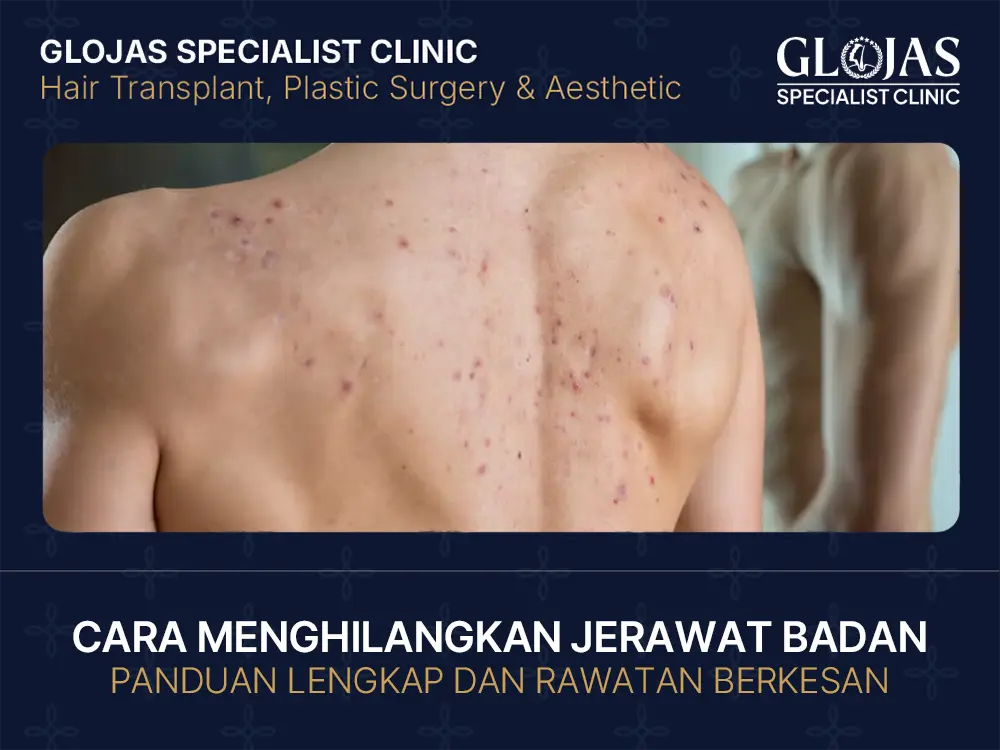
Jerawat bukan hanya muncul di wajah, tetapi juga boleh timbul di dada, bahu, dan belakang badan. Masalah jerawat badan sering mengganggu keyakinan diri, terutama bila memakai pakaian terbuka. Walaupun nampak remeh, keadaan ini boleh menjadi teruk hingga bernanah dan meninggalkan parut jika tidak dirawat. Punca Jerawat Badan Sama seperti jerawat wajah, jerawat di badan berlaku apabila pori tersumbat oleh minyak, peluh, sel kulit mati, dan bakteria. Faktor lain termasuk: Hormon: remaja & dewasa muda cenderung mengalami jerawat akibat hormon androgen. Peluh berlebihan: terutama selepas bersukan, jika tidak segera mandi. Pakaian ketat: geseran kain boleh merangsang jerawat di belakang badan & dada. Diet tinggi gula & lemak: makanan berminyak boleh merangsang pengeluaran sebum. Genetik: sesetengah individu lebih cenderung berjerawat. Cara Hilangkan Jerawat Badan 1. Gunakan Sabun Jerawat Badan Cari sabun yang mengandungi asam salisilat atau benzoyl peroxide. Bahan ini membantu membuka pori tersumbat dan membunuh bakteria penyebab jerawat. 2. Mandi Selepas Berpeluh Mandi segera selepas aktiviti fizikal dapat mengelakkan peluh yang menjadi punca jerawat badan. 3. Gunakan Scrub Badan Secara Berkala Scrub lembut menyingkirkan sel kulit mati. Tetapi jangan terlalu kasar kerana ia boleh menyebabkan iritasi pada jerawat badan. 4. Pakai Pakaian Longgar Elakkan pakaian ketat yang menggeser kulit. Pilih fabrik yang menyerap peluh untuk mengurangkan risiko jerawat badan. 5. Losyen Anti-Jerawat Badan Gunakan losyen dengan niacinamide atau zinc untuk mengawal minyak dan mengurangkan keradangan jerawat badan. Cara Hilangkan Jerawat Badan Secara Tradisional Bahan semula jadi juga boleh membantu: Lidah buaya: menenangkan kulit & mengurangkan kemerahan. Tea tree oil: bersifat antibakteria. Madu asli: mempercepatkan penyembuhan. Teh hijau: membantu melawan keradangan. Namun, jika jerawat badan terlalu teruk, rawatan alami sahaja tidak mencukupi. Rawatan Klinik untuk Jerawat Belakang Badan Bagi kes sederhana hingga teruk, rawatan klinik adalah pilihan terbaik: Laser jerawat badan → menghilangkan parut & bekas. Chemical peel badan → mengurangkan jerawat pasir. Microneedling → memperbaiki tekstur kulit akibat parut jerawat badan. Suntikan kortikosteroid → untuk jerawat besar dan sakit. Antibiotik oral (Doxycycline) → mengurangkan keradangan. Accutane (Isotretinoin) → rawatan untuk kes jerawat badan kronik. Jika rawatan biasa tidak berkesan, dapatkan konsultasi dengan klinik jerawat badan bertauliah. Cara Atasi Parut Jerawat Badan Selepas sembuh, jerawat di badan boleh meninggalkan parut atau bintik hitam. Antara rawatan: Krim pencerah (Vitamin C, Retinol, Niacinamide) Laser resurfacing untuk parut dalam Microneedling + PRP untuk tekstur kulit Chemical peel untuk tona kulit sekata Cara Mencegah Jerawat Badan Daripada Berulang Mandi 2x sehari untuk kurangkan minyak. Tukar pakaian & cadar dengan kerap. Amalkan diet seimbang. Elakkan stres berlebihan Kesimpulan Jerawat badan boleh berlaku kepada sesiapa sahaja, tanpa mengira usia atau jantina. Walaupun ia sering dianggap masalah kosmetik semata-mata, hakikatnya keadaan ini boleh memberi kesan besar kepada keyakinan diri dan kualiti hidup. Langkah asas seperti mandi selepas berpeluh, memilih sabun antibakteria, serta memakai pakaian yang selesa sudah cukup membantu dalam kes ringan. Namun, tidak semua keadaan dapat diatasi dengan rutin harian sahaja. Bagi mereka yang mengalami jerawat yang kerap berulang, bernanah, atau meninggalkan parut, rawatan profesional adalah jalan terbaik. Klinik estetik moden kini menawarkan pelbagai pilihan seperti laser, chemical peel, microneedling, antibiotik oral, atau isotretinoin (Accutane) yang terbukti berkesan. Dengan gabungan penjagaan kulit di rumah, gaya hidup sihat, dan rawatan perubatan bertauliah, anda boleh mencapai kulit yang lebih bersih, licin, dan sihat. Kuncinya adalah tidak menunggu sehingga keadaan menjadi parah — dapatkan nasihat daripada pakar kulit lebih awal agar masalah ini dapat dikawal dengan selamat dan berkesan. FAQs Apa punca utama jerawat di badan?Jerawat pada badan biasanya berlaku kerana pori-pori tersumbat oleh minyak, peluh, dan sel kulit mati. Faktor hormon, diet tinggi gula atau lemak, tekanan emosi, serta pakaian ketat yang menyebabkan geseran juga boleh memburukkan keadaan. Gabungan semua ini mengaktifkan bakteria di kulit dan mencetuskan keradangan. Adakah sabun khas berkesan untuk masalah jerawat di badan?Ya. Sabun antibakteria yang mengandungi bahan aktif seperti asid salisilat atau benzoyl peroxide boleh membantu membuka pori tersumbat serta mengurangkan keradangan. Jika digunakan secara konsisten, ia mampu mengawal jerawat di bahagian belakang, dada, dan bahu. Namun, kesan optimum memerlukan disiplin rutin harian serta gaya hidup sihat. Berapa lama masa yang diperlukan untuk hilangkan jerawat di badan?Tempoh rawatan berbeza mengikut tahap masalah. Bagi kes ringan, hasil boleh mula dilihat dalam masa 4–8 minggu dengan penjagaan kulit asas dan penggunaan sabun khas. Untuk jerawat yang lebih teruk atau meninggalkan parut, rawatan klinikal mungkin diperlukan dan masa pemulihan boleh lebih panjang. Adakah jerawat di badan meninggalkan parut?Ya, terutamanya jika jerawat dipicit atau dibiarkan meradang terlalu lama. Parut boleh berupa bintik gelap, lekukan pada kulit, atau kesan kemerahan yang mengambil masa untuk pudar. Kaedah rawatan seperti laser, chemical peel, dan microneedling boleh membantu memperbaiki tekstur kulit serta mengurangkan parut secara berperingkat. Bila masa yang sesuai untuk berjumpa doktor?Jika jerawat di bahagian badan bernanah, menyakitkan, melibatkan kawasan luas, atau tidak menunjukkan perubahan selepas 2–3 bulan rawatan di rumah, sebaiknya dapatkan pemeriksaan doktor. Pakar kulit boleh mencadangkan rawatan perubatan seperti antibiotik oral, suntikan kortikosteroid, atau isotretinoin untuk kes yang lebih serius. Rawatan Profesional di GLOJAS Specialist Clinic Kuala Lumpur Di GLOJAS Specialist Clinic, kami menawarkan rawatan jerawat di badan menyeluruh untuk membantu anda mendapatkan kulit lebih bersih dan sihat. Dari jerawat pasir hingga jerawat batu, doktor LCP-bertauliah kami menggunakan rawatan moden seperti laser, chemical peel, dan microneedling. Tempah konsultasi hari ini dan biarkan pakar di GLOJAS Specialist Clinic bantu anda mencapai kulit bebas jerawat dengan rawatan terbukti berkesan.