
Uneven skin texture refers to a rough, coarse, or bumpy skin surface caused by an accumulation of dead skin cells, environmental damage, or scarring. This condition disrupts the skin’s ability to reflect light, leading to a dull appearance, visible pores, and difficulties with smooth makeup application across the face.
What Is Uneven Skin Texture?
How Uneven Skin Texture Develops
Your skin naturally sheds dead cells every 28 to 40 days, but when this process slows down, those cells pile up and create a “sandpaper” feel.
Environmental factors in Malaysia, such as high humidity and air pollution levels, can lead to excess sebum mixing with debris, further congesting the skin’s surface.
Over time, external stressors weaken the skin’s structural proteins, causing the surface to lose its youthful, velvet-like smoothness.
Persistent inflammation from acne or harsh weather often results in a jagged dermal landscape that feels irregular to the touch.
Common Areas Affected (Face, Cheeks, Nose, Forehead)
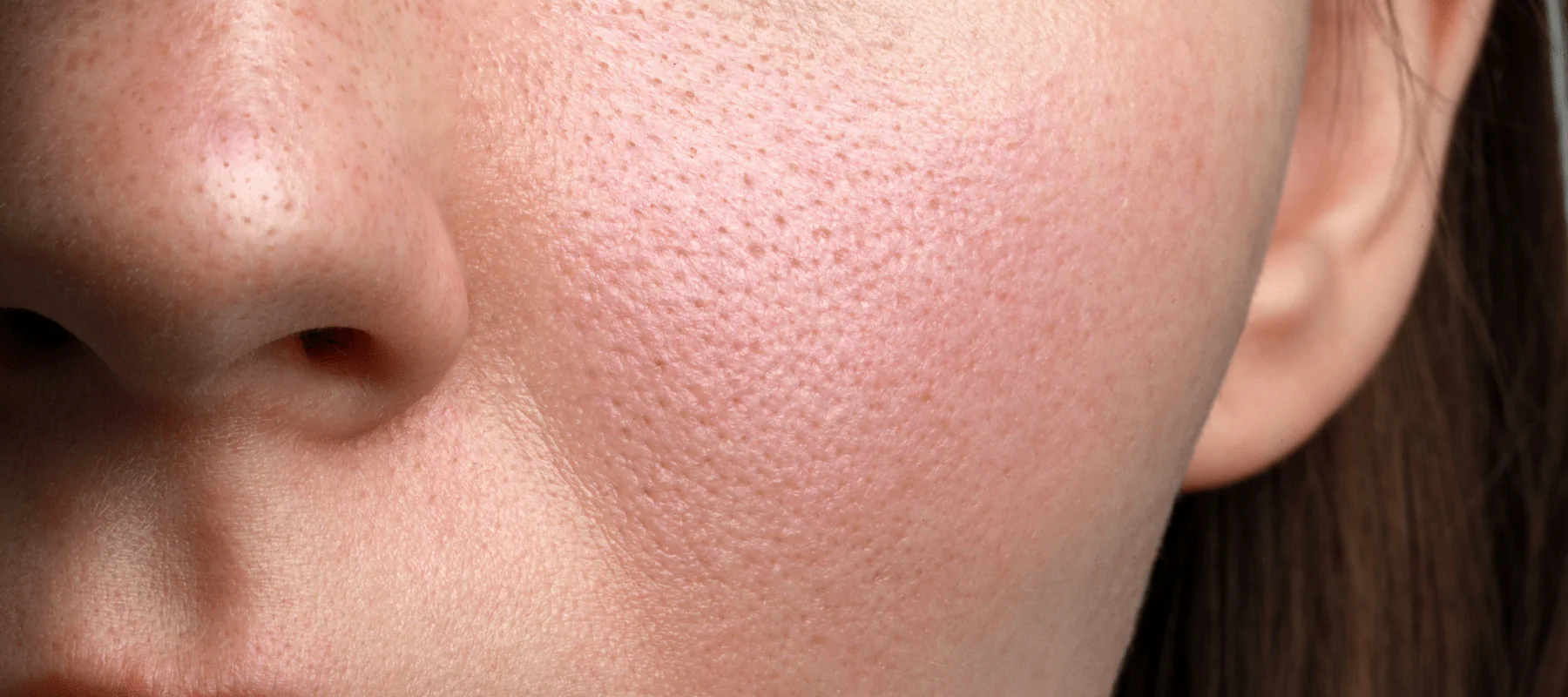
The T-zone (forehead and nose) is frequently affected due to higher oil production, which leads to enlarged pores and “orange peel” texture.
Cheeks are often the site of atrophic acne scars or sun-induced roughness, making the skin look pitted or weathered.
The jawline can develop small, flesh-colored bumps known as closed comedones, which contribute significantly to a bumpy tactile sensation.
Because the skin on the face varies in thickness, you might notice texture issues appearing more prominently in areas with higher sun exposure.
What Causes Uneven Skin Texture?
Dead Skin Cell Buildup
Without regular exfoliation, dead keratinocytes remain trapped on the surface, making the skin look flaky and feel coarse.
This buildup acts as a barrier, preventing your expensive serums and moisturizers from penetrating deep into the dermis where they are needed.
In tropical climates, the combination of sweat and dead cells creates a thick “sludge” that dulls the natural complexion.
Acne Scars and Enlarged Pores
Inflammatory acne often leaves behind physical indentations, such as boxcar or icepick scars, which permanently alter the skin’s topography.
When pores become clogged with oil, they stretch out; once the skin loses elasticity, these pores remain visible and contribute to an “uneven” look.
According to dermatological studies, early intervention in acne management is the most effective way to prevent permanent textural changes.
Sun Damage and Aging
Chronic exposure to UV rays breaks down collagen and elastin fibers, leading to a condition called solar elastosis, where skin becomes leathery.
As we age, the rate of cell turnover naturally decreases, meaning the skin cannot repair surface imperfections as quickly as it once did.
In Malaysia, where the UV index is frequently high, sun-induced “photoaging” is a leading cause of premature roughness and fine lines.
Dehydration and Skin Barrier Issues
When your skin lacks water, cells shrivel up, causing the surface to look “crinkled” and feel tight or itchy.
A damaged skin barrier allows moisture to escape (transepidermal water loss) and irritants to enter, leading to chronic redness and micro-bumps.
Using overly aggressive foaming cleansers can strip the natural lipids, leaving the skin feeling “raw” and looking uneven.
Signs of Uneven Skin Texture
Rough, Bumpy Skin Surface
If you run your fingers across your face and feel “grains of sand” or dry patches, you are likely dealing with textural irregularities.
This roughness is often most noticeable under harsh lighting or when applying foundation, which tends to “cling” to the dry, raised areas.
Unlike a smooth surface that glows, rough skin scatters light, making the face appear tired or older than it actually is.
Visible Pores and Irregular Skin
Large, gaping pores—especially on the nose and inner cheeks—create a “pitted” appearance that disrupts the visual flow of the skin.
You may also notice “milium” (small white cysts) or sebaceous hyperplasia (yellowish bumps), which add to the overall lack of smoothness.
Irregular skin often goes hand-in-hand with redness or post-inflammatory hyperpigmentation, creating a “cloudy” look.
How to Treat Uneven Skin Texture
Skincare Routine and Daily Care
Start with a double-cleansing method to ensure that all traces of sunscreen, pollution, and makeup are removed before sleep.
Use a humectant-rich toner containing hyaluronic acid to “plump” the skin cells and instantly smooth out fine dehydration lines.
Seal in moisture with a barrier-repair cream that utilizes ceramides to fix the microscopic “cracks” in your skin’s surface.
Exfoliation (AHA, BHA, Retinoids)
AHAs (like Glycolic Acid): These dissolve the “glue” holding dead cells together, revealing the fresh, glowing skin underneath.
BHAs (Salicylic Acid): These are oil-soluble, making them perfect for “degunking” pores and reducing the appearance of bumps.
Retinoids: Often called the gold standard, these increase cell turnover and boost collagen production to fill in textural “dips” from within.
Aesthetic Treatments for Uneven Skin Texture in Malaysia
Laser Resurfacing Treatments
Fractional CO2 Laser are highly effective in Malaysia for “vaporizing” damaged surface skin and forcing the body to grow a new, smooth layer.
Pico Laser treatment use ultra-short pulses to shatter pigment and stimulate collagen without the heavy downtime associated with traditional lasers.
These treatments are particularly popular for treating deep acne scars and “orange peel” texture on the cheeks.
Chemical Peels
Professional-grade peels, such as the TCA peel, use strong acids to remove several layers of skin in a controlled manner.
In Malaysia, many clinics offer “Lunchtime Peels” (like the Mandelic Acid peel) which provide instant smoothing with zero peeling or redness.
Regular peels help maintain a refined pore structure and keep the skin surface consistently bright and soft.
Microneedling
This process involves creating thousands of “micro-injuries” with tiny needles to trigger the skin’s natural healing response.
It is highly effective for smoothing out indented scars and tightening the skin to reduce the appearance of large pores.
Often combined with PRP (Platelet-Rich Plasma), this treatment accelerates tissue repair for a faster “glow-up.”
Results and Improvement Timeline
When Results Start to Show
With a consistent skincare routine, you can expect to see a “brighter” look within 14 days and smoother texture within 28 days.
Aesthetic treatments like chemical peels offer a smoother feel almost immediately, while lasers take about 7 to 10 days for the skin to fully heal and reveal results.
Long-term collagen remodeling from microneedling or lasers usually peaks around the 3-month mark.
Number of Sessions Needed
For mild texture issues, a single professional facial or peel might be enough to “reset” the skin.
Moderate scarring or deep-set pores typically require a series of 3 to 6 sessions, spaced one month apart.
Maintaining results often requires a “tweakment” every 4 to 6 months to keep up with the natural aging process.
Cost of Treatment in Malaysia
Average Price Range
Chemical Peels: RM 250 – RM 600 per session.
Microneedling: RM 600 – RM 1,200 per session.
Fractional/Pico Lasers: RM 800 – RM 2,500 per session.
Factors Affecting Cost
Clinic Location: Centers in Kuala Lumpur or Bangsar may have higher rates than suburban clinics.
Doctor’s Expertise: Treatment by a Ministry of Health (MOH) certified dermatologist ensures safety but may come at a premium price.
Technology: The use of the latest FDA-approved laser machines will generally cost more than older, generic alternatives.
Uneven Skin Texture FAQs
What causes uneven skin texture?
It is primarily caused by dead skin buildup, sun damage, aging, and the physical remnants of acne like scars and large pores.
How do I fix uneven skin texture?
A combination of chemical exfoliation (AHAs/BHAs), deep hydration, and consistent sun protection is the best way to fix texture at home.
What is the best treatment in Malaysia?
For fast, dramatic results, the Pico Laser or Fractional CO2 Laser are considered the gold standards for textural repair in Malaysian clinics.
How long does it take to see results?
You can feel a difference in skin softness in about a week, but visual improvements in scars and pores take 3 to 6 months.
Can uneven skin texture be improved permanently?
While scars can be permanently filled and pores refined, you must maintain a routine because the skin continues to age and face environmental stress every day.