
Dry Scalp: How to Treat Scalp Dryness Overnight
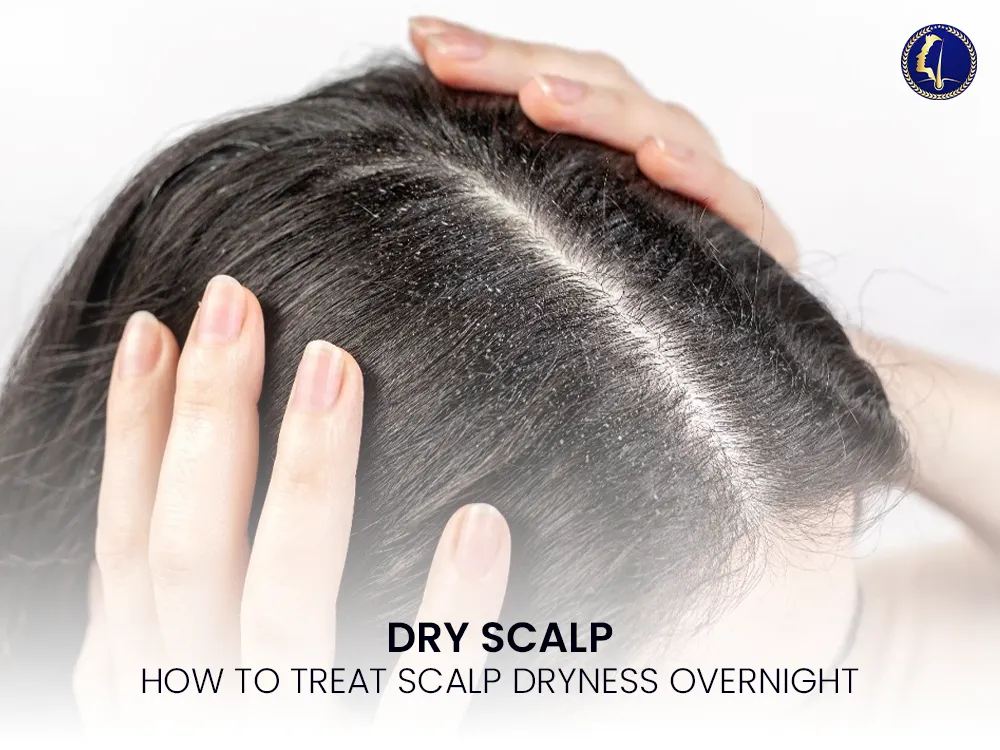
💡 Overnight Hydration Tip Apply a few drops of pure jojoba or argan oil to your scalp before bed, massage gently, and cover with a silk bonnet to lock in moisture overnight. Chat with an Expert on WhatsApp Dry scalp is a common issue that many people face, leading to itching, flakiness, and discomfort. It can be caused by various factors such as weather conditions, harsh hair products, dehydration, and underlying skin conditions like eczema or psoriasis. If left untreated, a dry scalp can lead to dandruff, hair thinning, and irritation. In this guide, we will explore the causes of dry scalp, treatment options, costs in Malaysia, and answer some frequently asked questions. Causes of Dry Scalp A dry scalp occurs when the skin on your head lacks enough moisture, leading to flakiness and irritation. Some common causes include: Harsh Hair Products – Shampoos with sulfates and alcohol strip natural oils from the scalp. Cold or Dry Weather – Low humidity levels can lead to moisture loss. Overwashing Hair – Washing hair too frequently can strip away essential oils. Skin Conditions – Eczema, psoriasis, or seborrheic dermatitis can cause scalp dryness. Dehydration – Insufficient water intake can lead to dry skin, including the scalp. Poor Diet – Lack of essential fatty acids, vitamins, and hydration can contribute to dryness. How to Treat Dry Scalp There are several effective treatments for a dry scalp, ranging from natural remedies to professional treatments. 1. Home Remedies Coconut Oil – Massaging warm coconut oil into the scalp provides hydration and nourishment. Aloe Vera Gel – Soothes irritation and adds moisture to the scalp. Apple Cider Vinegar – Helps balance pH levels and remove product buildup. Tea Tree Oil – Has antimicrobial properties that help soothe itchiness and dryness. 2. Medicated Treatments Anti-Dandruff Shampoos – Shampoos containing zinc pyrithione, ketoconazole, or selenium sulfide help treat dry scalp issues. Scalp Serums & Oils – Specialized treatments with vitamin E, argan oil, and salicylic acid. Topical Steroids – For severe cases related to psoriasis or eczema. 3. Professional Scalp Treatments Scalp Hydration Therapy – Provides deep conditioning and hydration. Oxygen Scalp Therapy – Helps promote circulation and relieve dryness. PRP (Platelet-Rich Plasma) Therapy – Encourages hair transplant malaysia and scalp health by using the patient’s own plasma. Cost of Dry Scalp Treatments in Malaysia Treatment costs in Malaysia vary depending on the type of treatment and the clinic or salon providing the service. Treatment Type Estimated Cost (MYR) Anti-Dandruff Shampoos 30 – 100 Natural Oils & Serums 50 – 200 Scalp Hydration Therapy 150 – 400 Oxygen Scalp Therapy 300 – 800 PRP Therapy 1,000 – 3,000 per session Note: Prices depend on the clinic, brand, and severity of the condition. FAQs About Dry Scalp Treatment 1. How do I know if I have a dry scalp or dandruff? A dry scalp typically causes small, dry flakes with itchiness, while dandruff is associated with larger, oily flakes and redness. If unsure, consult a dermatologist. 2. Can a dry scalp lead to hair loss? Yes, prolonged scalp dryness can weaken hair follicles and contribute to hair thinning or loss. 3. How often should I wash my hair if I have a dry scalp? It is recommended to wash your hair 2-3 times per week using a mild, moisturizing shampoo to avoid stripping natural oils. 4. Are there any dietary changes that can help with dry scalp? Yes, consuming foods rich in Omega-3 fatty acids, vitamin E, and staying hydrated can help maintain scalp health. 5. When should I see a doctor for my dry scalp? If home remedies and over-the-counter treatments do not improve your condition or if you experience severe itching, redness, or hair loss, seek medical advice. Conclusion Dry scalp is a manageable condition with the right treatments and lifestyle adjustments. Whether opting for natural remedies, over-the-counter products, or professional therapies, it’s essential to choose a solution that suits your scalp type and severity. If symptoms persist, consulting a dermatologist can provide a more targeted approach to treatment. By maintaining good scalp hygiene, using the right hair products, and keeping your scalp hydrated, you can achieve a healthy and flake-free scalp. GLOJAS Specialist Clinic offers expert hair loss treatment through personalized, evidence-based plans developed by board-certified specialists. Using FDA- and CE-approved technologies like PRP therapy and precision hair restoration, we ensure safe, effective results. Comprehensive aftercare and follow-up support reinforce patient trust, making GLOJAS a reliable authority in hair restoration solutions. Read More : Hair Transplant Malaysia
Fix Bald Spots: 5 Proven Solutions to Restore Hair & Confidence
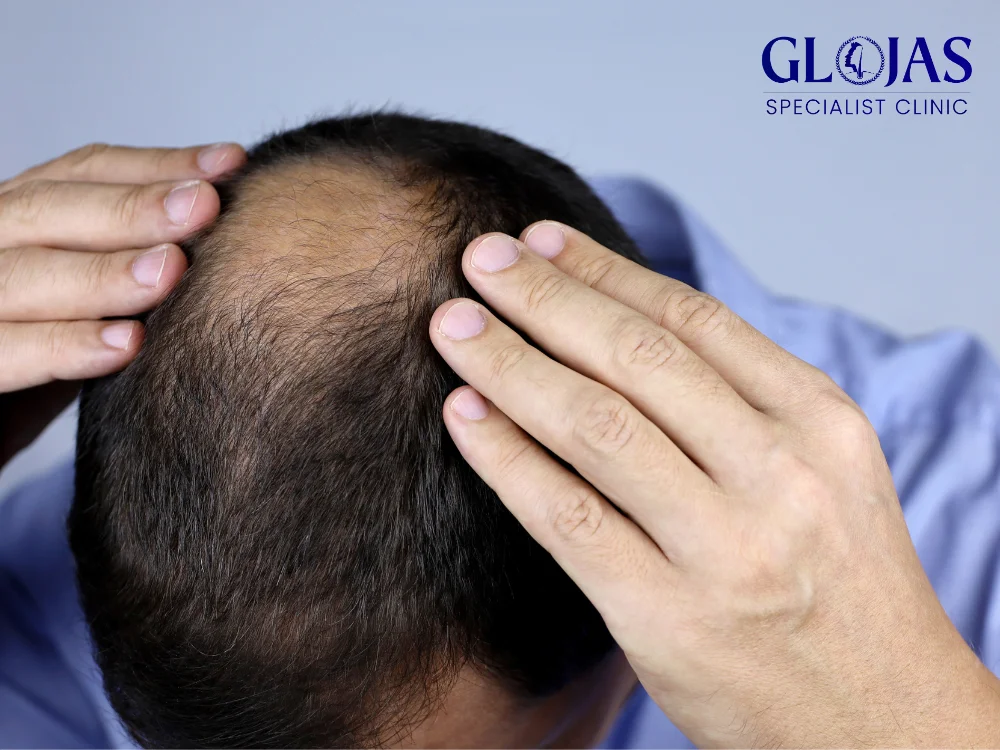
Dealing with a bald spot can be a frustrating and emotional experience for many people. Hair is often associated with identity, self-esteem, and even youthfulness, so noticing thinning hair or a bald spot can feel overwhelming. Whether caused by genetics, stress, hormonal changes, or other factors, there are now effective treatments and strategies available to help combat bald spots and restore hair growth. In this comprehensive guide, we will explore everything from understanding the causes of bald spots to proven treatments that can help you regain your confidence. What Causes Bald Spots? A bald spot can be caused by a variety of factors, including genetics, lifestyle, and medical conditions. Understanding the root cause is essential for finding the right treatment. Here are some of the most common reasons why bald spots appear: 1. Genetic Factors One of the most common causes of bald spots is androgenetic alopecia, also known as male or female pattern baldness. This hereditary condition affects both men and women, and it often leads to a gradual thinning of the hair, particularly around the crown and hairline. If baldness runs in your family, chances are you may experience it as well. 2. Alopecia Areata Alopecia areata is an autoimmune disorder that causes the body to attack its own hair follicles, resulting in small, round bald spots on the scalp or other areas of the body. This condition can occur suddenly and may affect people of all ages. 3. Stress High levels of stress can cause a type of hair loss called telogen effluvium, which results in thinning hair or bald spots. Stress pushes hair follicles into a resting phase, leading to hair shedding. Thankfully, this type of hair loss is usually temporary and can be reversed once stress levels are reduced. 4. Nutritional Deficiencies Your diet plays a significant role in hair health. Deficiencies in key nutrients like iron, biotin, zinc, and vitamin D can contribute to hair thinning and bald spots. A well-balanced diet rich in vitamins and minerals can support healthy hair growth. 5. Hormonal Changes Hormonal fluctuations, especially during pregnancy, menopause, or due to conditions like thyroid disorders, can trigger hair loss or the appearance of bald spots. Hormonal imbalances affect the hair growth cycle, causing more hair to enter the shedding phase. Best Treatments for Bald Spots Once you’ve identified the cause of your bald spot, the next step is finding a suitable treatment. Here are five proven solutions for treating bald spots and promoting hair regrowth. 1. Minoxidil (Rogaine) Minoxidil is one of the most widely used over-the-counter treatments for hair loss. It is FDA-approved for both men and women and works by stimulating the hair follicles to promote hair growth. Minoxidil is available as a topical solution or foam and is applied directly to the scalp. How it works: Increases blood flow to the hair follicles, which helps nourish the follicles and encourage hair regrowth. Can be effective for treating both male and female pattern baldness, especially around the crown and hairline. Minoxidil should be used consistently for at least 3 to 6 months to see noticeable results. However, once you stop using it, hair loss may resume. 2. Platelet-Rich Plasma (PRP) Therapy PRP therapy is a relatively new treatment for hair loss that uses your own blood to promote hair growth. During this procedure, a small amount of blood is drawn, processed to isolate the platelet-rich plasma, and then injected into the scalp where the bald spot is located. How it works: PRP contains growth factors that help stimulate hair follicles, promoting new hair growth and improving the thickness of existing hair. Effective for people experiencing androgenetic alopecia and other forms of hair loss. PRP therapy typically requires multiple sessions, and results can be seen after several months of treatment. 3. Hair Transplant Surgery For individuals with more significant hair loss or larger bald spots, hair transplant surgery may be a viable solution. This surgical procedure involves removing healthy hair follicles from one area of the scalp (usually the back or sides of the head) and transplanting them to the area with thinning hair or bald spots. Types of hair transplant surgery: Follicular Unit Extraction (FUE): Individual hair follicles are harvested and transplanted to the bald spot. This method is minimally invasive and leaves no visible scars. Follicular Unit Transplantation (FUT): A strip of scalp with healthy hair is removed, and the follicles are transplanted. This method may leave a small linear scar but can transplant more follicles at once. Hair transplant surgery offers permanent results, but it requires careful consideration and consultation with a qualified surgeon. 4. Laser Therapy Low-level laser therapy (LLLT) is a non-invasive treatment for hair loss that uses light to stimulate hair follicles. This treatment can be done in a clinical setting or at home using FDA-approved laser devices, such as laser combs or helmets. How it works: Laser therapy increases circulation and blood flow to the scalp, which helps stimulate the hair follicles and encourage hair growth. It is a safe and painless treatment option for people experiencing bald spots due to androgenetic alopecia. LLLT works best when combined with other hair loss treatments, such as Minoxidil or PRP therapy, and may require several sessions to see visible results. 5. Scalp Micropigmentation (SMP) Scalp micropigmentation is a cosmetic procedure that involves tattooing tiny dots on the scalp to mimic the appearance of hair follicles. While this treatment does not restore hair growth, it can effectively camouflage bald spots and create the illusion of fuller hair. How it works: SMP is a non-surgical procedure that is ideal for people with large bald spots or thinning hair. The results are immediate and can last several years with proper care. SMP is a great option for those who want a fast solution to cover bald spots without undergoing surgery or using topical treatments. Lifestyle Changes to Support Hair Growth In addition to medical treatments, making certain lifestyle changes can support hair growth and prevent further hair
Suplemen dan Vitamin Untuk Rambut Gugur: Nutrisi Rambut Lebat

💊 Nutrisi & Vitamin Utama untuk Rambut Lebat Klik di bawah untuk ketahui vitamin penting yang membantu menghentikan masalah rambut gugur: 1. Biotin (Vitamin B7) + Biotin membantu penghasilan keratin, protein asas rambut. Pengambilan yang konsisten menguatkan helaian rambut dan mengurangkan masalah rapuh. 2. Vitamin D + Kekurangan Vitamin D dikaitkan dengan keguguran rambut. Ia berperanan merangsang folikel rambut baru agar tumbuh lebih sihat dan lebat. 3. Zat Besi (Iron) + Zat besi membantu sel darah merah membawakan oksigen ke akar rambut. Kekurangannya menyebabkan folikel ‘kelaparan’ dan mudah gugur. Inginkan nasihat tentang suplemen rambut yang paling sesuai untuk anda? 💬 WhatsApp Kami Sekarang Penjagaan luaran seperti syampu dan serum sahaja adakalanya tidak mencukupi sekiranya badan anda kekurangan nutrisi penting. Rambut memerlukan bekalan vitamin dan mineral yang konsisten melalui aliran darah untuk membina struktur yang kuat dan mengaktifkan folikel rambut yang dorman. Mengambil suplemen dan vitamin untuk rambut gugur yang tepat merupakan langkah bijak untuk merawat penipisan rambut dari dalam badan. Vitamin Terbaik untuk Mengatasi Masalah Rambut Gugur Beberapa jenis vitamin memainkan peranan langsung dalam sintesis protein dan pembahagian sel pada akar rambut. Kekurangan vitamin ini boleh menyebabkan helaian rambut menjadi rapuh dan mudah luruh. 1. Biotin (Vitamin B7) Biotin adalah salah satu vitamin paling popular dalam industri penjagaan rambut. Vitamin B7 ini membantu menghasilkan keratin, iaitu sejenis protein utama yang membentuk struktur rambut, kuku, dan kulit. Pengambilan biotin yang cukup membantu meningkatkan elastisiti rambut dan mengurangkan risiko rambut putus di tengah jalan. 2. Vitamin D3 Vitamin D bukan sahaja penting untuk imuniti dan tulang, malah ia merangsang folikel rambut yang lama dan baharu. Kekurangan Vitamin D3 sering dikaitkan dengan masalah Alopecia Areata (keguguran rambut bertompok) dan penipisan rambut yang kronik dalam kalangan wanita. Vitamin ini membantu mengawal atur kitaran pertumbuhan rambut pada fasa anagen (pertumbuhan). 3. Vitamin C (Antioksidan Kuat) Tekanan oksidatif daripada radikal bebas boleh menyekat pertumbuhan dan mempercepatkan penuaan sel rambut. Vitamin C bertindak sebagai antioksidan yang melindungi folikel rambut. Selain itu, badan memerlukan Vitamin C untuk menghasilkan kolagen serta membantu penyerapan zat besi dengan lebih optimum di dalam usus. Mineral Penting untuk Menguatkan Akar Rambut Selain daripada vitamin, mineral mikro juga menjadi pemandu utama dalam memastikan sel-sel rambut membahagi dan tumbuh dengan sihat. 1. Zat Besi (Iron) Zat besi membantu sel darah merah membawa oksigen ke seluruh sel badan, termasuklah ke folikel rambut. Jika anda mengalami anemia atau kekurangan zat besi, folikel rambut kekurangan oksigen dan nutrisi, menyebabkan rambut memasuki fasa rehat (telogen) lebih awal lalu gugur secara besar-besaran. 2. Zink (Zinc) Zink memainkan peranan penting dalam pertumbuhan dan pembaikan tisu rambut. Ia juga memastikan kelenjar minyak (sebum) di sekeliling folikel rambut berfungsi dengan baik. Kekurangan zink dikesan menjadi punca rambut kering, kulit kepala bersisik, dan keguguran rambut yang ketara. Cara Memilih Suplemen Rambut yang Selamat dan Berkesan Sebelum anda membeli sebarang produk suplemen di farmasi, pastikan anda menyemak beberapa kriteria penting ini: Semak Label Kandungan: Pilih suplemen yang menggabungkan vitamin kumpulan B, zink, zat besi, dan asid amino (seperti marine collagen atau L-cysteine) untuk kesan yang menyeluruh. Kelulusan Pihak Berkuasa: Pastikan produk tersebut mempunyai kelulusan daripada Kementerian Kesihatan Malaysia (KKM) bagi menjamin keselamatan daripada bahan kimia terlarang atau dos yang berbahaya. Kenali Punca Sebenar: Jika keguguran rambut anda berpunca daripada faktor genetik (hormon DHT), suplemen sahaja mungkin tidak cukup. Anda memerlukan kombinasi suplemen dan rawatan topikal bersesuaian. Kesimpulan Pengambilan suplemen dan vitamin untuk rambut gugur adalah kaedah sokongan yang sangat efektif, terutamanya jika masalah rambut anda berpunca daripada pemakanan yang tidak seimbang atau stres. Walau bagaimanapun, suplemen memerlukan masa sekitar 3 hingga 6 bulan untuk menunjukkan hasil yang ketara kerana kitaran biologi rambut manusia berkembang secara perlahan. Imbangi juga pengambilan suplemen dengan gaya hidup aktif dan pengurusan stres yang baik untuk kesan rambut lebat yang maksimum. 5 Soalan Lazim (FAQ) Mengenai Suplemen Rambut 1. Adakah makan biotin secara berlebihan boleh mempercepatkan rambut tumbuh? Tidak. Badan manusia hanya menyerap kuantiti biotin yang diperlukan sahaja, manakala lebihan biotin (kerana ia jenis larut air) akan dikumuhkan melalui air kencing. Pengambilan dos terlampau tinggi tanpa nasihat doktor juga boleh menyebabkan masalah kulit seperti jerawat. 2. Bolehkah saya mengambil vitamin rambut ketika perut kosong? Vitamin larut lemak seperti Vitamin D sebaik-baiknya diambil selepas anda makan hidangan yang mengandungi lemak sihat untuk penyerapan terbaik. Manakala zat besi pula diserap lebih baik ketika perut kosong, namun boleh diambil selepas makan jika ia menyebabkan senak perut. 3. Adakah suplemen rambut ini turut melebatkan bulu di bahagian badan yang lain? Secara amnya tidak. Folikel rambut di kepala mempunyai sensitiviti biologi dan kitaran pertumbuhan yang berbeza berbanding bulu di bahagian badan lain seperti muka, lengan, atau kaki. Suplemen fokus untuk menyihatkan folikel yang sedia ada. 4. Berapa lamakah tempoh untuk melihat kesan rambut kurang gugur selepas makan vitamin? Kesan awal seperti rambut kurang putus biasanya boleh dilihat dalam tempoh 4 hingga 8 minggu. Namun, untuk melihat pertumbuhan anak rambut baharu yang lebih lebat, ia memerlukan konsistensi antara 3 hingga 6 months. 5. Adakah wanita hamil boleh mengambil suplemen rambut gugur biasa? Wanita hamil atau ibu menyusu tidak digalakkan mengambil suplemen rambut komersial biasa tanpa nasihat doktor. Mereka sebaik-baiknya fokus kepada vitamin pranatal (prenatal vitamins) yang sudah diformulasikan dengan asid folik, zat besi, dan kalsium yang selamat untuk bayi.
Kulit Kepala Gatal: Ketahui Punca Sebenar & Apa Nak Buat?
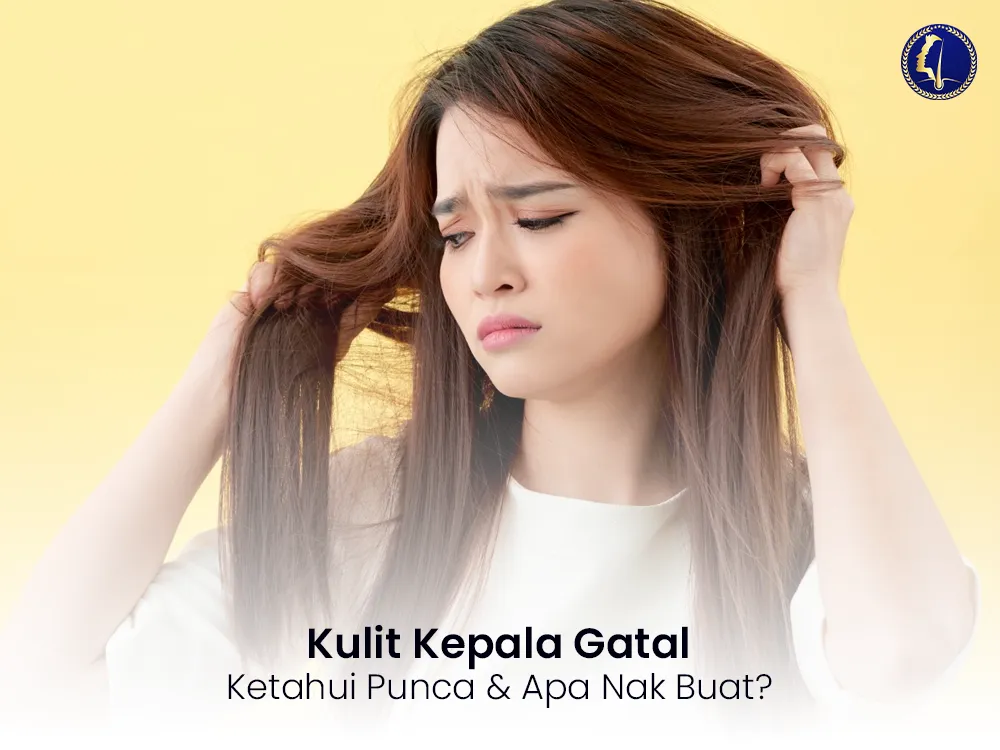
Kulit Kepala Gatal Kulit kepala gatal adalah masalah yang sering dihadapi oleh ramai orang, tanpa mengira usia dan jantina. Perasaan gatal ini boleh menyebabkan ketidakselesaan dan kadangkala menjejaskan keyakinan diri. Tetapi apakah punca kulit kepala gatal, dan apa yang boleh dilakukan untuk meredakan masalah ini? Punca Kulit Kepala Gatal Terdapat banyak sebab mengapa kulit kepala boleh menjadi gatal. Di bawah adalah beberapa punca utama yang biasa menyebabkan kulit kepala gatal: 1. Keadaan Kulit Kepala Kering Kulit kepala yang kering adalah salah satu punca paling biasa kulit kepala gatal. Kekurangan kelembapan pada kulit kepala boleh menyebabkan ia menjadi kering, bersisik, dan gatal. Keadaan ini boleh berlaku akibat penggunaan syampu yang mengandungi bahan kimia yang keras, cuaca yang terlalu kering, atau pendedahan kepada produk rambut yang tidak sesuai. 2. Dandruff (Kelemumur) Keadaan kelemumur rambut adalah masalah yang sering dikaitkan dengan kulit kepala gatal. Kelemumur berlaku apabila sel kulit kepala mati secara berlebihan dan mengelupas. Ini boleh menyebabkan gatal yang sangat mengganggu. Kelemumur boleh disebabkan oleh jangkitan kulat, kekurangan minyak semulajadi pada kulit kepala, atau tindak balas terhadap produk rambut tertentu. 3. Jangkitan Kulat (Tinea Capitis) Jangkitan kulat pada kulit kepala, juga dikenali sebagai tinea capitis, adalah punca kulit kepala gatal yang lebih serius. Ia boleh menyebabkan kulit kepala gatal yang teruk, keguguran rambut, dan pembentukan ruam atau tompokan bersisik. Tinea capitis mudah berjangkit, jadi ia memerlukan rawatan perubatan segera. 4. Keadaan Kulit Seperti Psoriasis atau Eczema Psoriasis dan eczema adalah keadaan kulit yang menyebabkan gatal-gatal pada kulit kepala. Kedua-dua keadaan ini berlaku apabila sistem imun tubuh menyebabkan keradangan yang berlebihan pada kulit, menghasilkan tompokan merah, bersisik, dan gatal. Ia memerlukan rawatan khas dari pakar dermatologi untuk mengurangkan simptom dan memperbaiki keadaan kulit. 5. Alergi terhadap Produk Rambut Penggunaan produk rambut yang mengandungi bahan kimia yang keras atau bahan yang menyebabkan alahan boleh menyebabkan kulit kepala menjadi gatal. Produk seperti syampu, perapi, atau gel rambut yang mengandungi paraben, sulfat, atau pewarna kimia boleh menyebabkan reaksi alergi pada sesetengah orang. 6. Keberadaan Lice (Kutu Rambut) Kutu rambut adalah salah satu punca utama kulit kepala gatal, terutamanya di kalangan kanak-kanak. Kutu rambut menyebabkan kegatalan yang teruk kerana ia menggigit kulit kepala untuk menghisap darah. Penyebaran kutu berlaku melalui hubungan rapat atau perkongsian peralatan rambut. 7. Stres Stres yang berpanjangan boleh memberi kesan kepada kesihatan kulit, termasuk kulit kepala. Ia boleh menyebabkan gatal pada kulit kepala dan boleh memperburuk keadaan kulit kepala yang sudah sedia gatal, seperti kelemumur atau psoriasis. Pengurusan stres yang baik sangat penting dalam merawat masalah kulit kepala gatal. Apa Nak Buat untuk Mengatasi Kulit Kepala Gatal? Setelah mengetahui punca kulit kepala gatal, langkah seterusnya adalah mengetahui cara untuk mengatasinya. Berikut adalah beberapa langkah yang boleh membantu mengurangkan rasa gatal dan meningkatkan kesihatan kulit kepala anda: 1. Gunakan Syampu yang Sesuai Pilih syampu yang lembut dan bebas dari bahan kimia keras seperti sulfat dan paraben. Syampu yang mengandungi bahan semulajadi seperti aloe vera atau minyak kelapa boleh membantu melembapkan kulit kepala yang kering dan meredakan gatal. Terdapat juga syampu anti-kelemumur yang mengandungi zink pyrithione atau ketoconazole yang boleh mengatasi masalah kelemumur. 2. Rawatan dengan Minyak Semulajadi Minyak semulajadi seperti minyak tea tree, minyak lavender, dan minyak jojoba diketahui mempunyai sifat anti-bakteria dan anti-radang yang boleh membantu meredakan gatal pada kulit kepala. Sapukan minyak semulajadi ini pada kulit kepala anda dan urut perlahan-lahan untuk melegakan gatal-gatal dan menggalakkan kesihatan kulit kepala. 3. Pelembap Kulit Kepala Jika kulit kepala anda kering, cuba gunakan pelembap yang direka khas untuk kulit kepala. Pelembap ini boleh membantu menambah kelembapan dan mengurangkan rasa kering dan gatal. Anda juga boleh menggunakan minyak kelapa yang mempunyai sifat pelembap semulajadi. 4. Elakkan Menggaru Kulit Kepala Walaupun menggaru kulit kepala boleh memberikan kelegaan sementara, ia boleh merosakkan kulit kepala dan menyebabkan jangkitan. Cuba elakkan daripada menggaru kulit kepala dan sebaliknya gunakan rawatan yang lebih lembut seperti minyak atau syampu yang sesuai. 5. Berjumpa dengan Pakar Dermatologi Jika kulit kepala gatal anda berterusan atau disertai dengan masalah serius seperti keguguran rambut atau jangkitan kulat, adalah penting untuk berjumpa dengan pakar dermatologi. Doktor boleh membantu mendiagnosis masalah sebenar dan memberikan rawatan yang sesuai, seperti ubat atau syampu perubatan. Rawatan Kulit Kepala Gatal di Klinik Estetik Selain rawatan di rumah, klinik estetik juga menawarkan pelbagai rawatan profesional untuk kulit kepala gatal. Beberapa rawatan yang boleh didapati di klinik estetik termasuk: 1. Rawatan Mesoterapi Kulit Kepala Mesoterapi adalah rawatan yang melibatkan penyuntikan nutrien, vitamin, dan bahan aktif ke dalam kulit kepala untuk merangsang pertumbuhan rambut dan mengatasi masalah kulit kepala. Ia boleh membantu mengatasi kulit kepala gatal yang disebabkan oleh kekurangan nutrisi atau masalah kulit seperti kelemumur. 2. Rawatan Laser untuk Kulit Kepala Rawatan laser untuk kulit kepala berfungsi dengan merangsang folikel rambut dan meningkatkan peredaran darah di kawasan kulit kepala. Ini boleh membantu mengurangkan gatal-gatal yang disebabkan oleh kulit kepala yang kering atau berminyak. Laser juga membantu mengatasi masalah keguguran rambut dan meningkatkan kesihatan keseluruhan kulit kepala. 3. Rawatan PRP (Platelet-Rich Plasma) Rawatan PRP melibatkan pengambilan darah pesakit, memisahkan plasma kaya platelet, dan menyuntikkannya kembali ke kulit kepala. Plasma ini mengandungi faktor pertumbuhan yang dapat merangsang pembaharuan sel dan meningkatkan kesihatan kulit kepala. PRP digunakan untuk merawat kulit kepala yang gatal akibat kekurangan folikel rambut atau masalah kulit kepala lain. 4. Rawatan Topikal Profesional Di klinik estetik, rawatan topikal yang mengandungi bahan-bahan perubatan yang lebih kuat seperti ketoconazole dan hidrokortison boleh diberikan untuk merawat kulit kepala gatal yang disebabkan oleh kelemumur atau dermatitis. Rawatan ini membantu mengurangkan keradangan dan mengatasi masalah jangkitan kulat dengan lebih berkesan. 5 Soalan Lazim (FAQs) 1. Apakah punca utama kulit kepala gatal?Kulit kepala gatal boleh disebabkan oleh beberapa faktor seperti kelemumur, kulit kepala kering, jangkitan kulat, psoriasis, atau penggunaan produk rambut yang tidak sesuai. 2. Bagaimana cara untuk merawat kulit kepala yang gatal?Beberapa cara untuk merawat kulit kepala gatal termasuk menggunakan syampu yang sesuai, minyak semulajadi untuk melembapkan kulit kepala, dan mengelakkan produk yang mengandungi bahan kimia keras. Sekiranya masalah berterusan, berjumpa dengan doktor. 3. Adakah kulit kepala gatal disebabkan oleh stres?Ya, stres boleh menyebabkan keradangan pada kulit dan memperburuk
Transgender Hair Transplant Surgery (MTF & FTM) in Malaysia
Transgender Hair Transplant Estimator Select your transition goal and coverage requirement to estimate approximate graft needs for your procedure in Malaysia. Transition Focus Goal: MTF: Feminizing Hairline Lowering & TemplesMTF: Crown & Full Scalp RestorationFTM: Facial Hair / Beard & Moustache DensityFTM: Masculine Hairline Reinforcement Extent of Area to Cover: Moderate Estimated Graft Requirement 1,500 – 2,500 Grafts Ideal for standard hairline feminization and filling lateral temporal recessions. Chat via WhatsApp (+60122700122) Transgender hair transplant surgery is a gender-affirming procedure that surgically alters the hairline, crown, or facial hair to better align with a patient’s gender identity. Using techniques like Follicular Unit Extraction (FUE) or Direct Hair Implantation (DHI), hair follicles are harvested from a dense donor area (typically the back of the scalp) and transplanted into new patterns. For Male-to-Female (MTF) patients, this involves lowering and rounding the hairline into a feminine shape. For Female-to-Male (FTM) patients, it focuses on creating a sharper, more masculine angular hairline or building facial density through a beard and mustache transplant. GLOJAS Specialist Clinic in Kuala Lumpur backs its hair transplant Malaysia with 30+ years of medical excellence. Led by Malaysia’s pioneer ABHRS-certified and FISHRS-recognized hair restoration physician, the clinic features proprietary, MOH-approved SMART™ FUE technology for maximum graft survival. What Is Transgender Hair Transplant Surgery? Transgender hair restoration is fundamentally different from addressing standard age-related balding. While cisgender hair transplants typically focus on reversing pattern baldness, a gender-affirming transplant modifies the structural geometry of the face. Using individual unit harvesting methods, surgeons selectively move hair follicles from areas of high density (the donor zone) to reframe the patient’s face according to their true gender expression. It can be performed as a standalone procedure or as a structural complement to Facial Feminization Surgery (FFS) or facial masculinization protocols. MTF Hairline Feminization: How It Works The male and female hairlines have distinct anatomical differences that go far beyond basic thinning or thickness. Feminine vs Masculine Hairline Differences The Masculine Hairline: Typically sits higher on the forehead and follows an “M-shape” or “V-shape” with pronounced recession at the temples. The Feminine Hairline: Positioned lower on the forehead, forming an oval, inverted-U, or slightly rounded shape. It curves smoothly down toward the temples without deep corner recessions. During an MTF hair transplant, the surgeon meticulously works to lower the frontal border, fill in the deep temporal recessions, and reshape the entire frame into a soft, smooth arc. Grafts Needed for Natural Density Feminizing a hairline requires a high volume of grafts to achieve natural-looking thickness. Minor Lowering & Corner Filling: 1,500 to 2,500 grafts. Significant Advancement (Lowering > 2cm): 3,000 to 4,000+ grafts, which may require a multi-stage approach to ensure ideal MTF crown restoration and frontal thickness. To look truly natural, surgeons must place single-hair follicles exclusively at the very front row of the hairline, grouping multi-hair grafts further back to establish depth and volume. FTM Facial Hair & Hairline Restoration For transgender men, hair restoration generally focuses on two distinct areas: creating an angular hairline and developing robust facial hair. Beard & Mustache Transplant Process When testosterone therapy does not yield the desired facial hair density due to genetics, an FTM beard transplant offers a permanent alternative. Harvesting: Hair is extracted from the back of the scalp using micro-punches. Design: The surgeon traces a natural masculine jawline, cheek line, and mustache boundary. Implantation: Follicles are placed at a flat, acute angle against the facial skin to ensure the hair grows downward flat against the face, rather than sticking straight out. Treating Testosterone-Induced Hair Loss A common challenge for trans men is that introducing exogenous testosterone can trigger male pattern baldness (androgenetic alopecia) via dihydrotestosterone (DHT). If an FTM patient develops thinning along the top or crown, a masculine hairline transplant can be utilized to reinforce density while retaining a strong, square, angular profile. HRT Timing: When to Get Surgery Hormones fundamentally change hair behavior, texture, and stability. Rushing into a hair transplant without coordinating with your endocrinologist can compromise your long-term results. MTF: Estrogen & Hair Transplant Planning Most gender-affirming specialists recommend waiting 12 to 24 months after starting estrogen and anti-androgens before undergoing an MTF hair transplant. Estrogen can reduce body hair, soften scalp hair, and often halts further progression of male pattern baldness. In some cases, HRT can even cause minor regrowth at the crown. Waiting allows your hair loss pattern to completely stabilize, ensuring the surgeon doesn’t place grafts in areas that would have naturally recovered or changed shape. FTM: Testosterone & Beard Transplant Rules For an FTM beard transplant, patience is equally critical. Testosterone can take 2 to 3 years to fully awaken facial hair follicles. You should maximize your natural beard potential under HRT before opting for surgery. This ensures that the surgeon only supplements areas that genuinely lack follicle development, avoiding over-harvesting from your valuable scalp donor area. Transgender Hair Transplant Cost & Insurance Because hair restoration requires extreme precision over long operational hours, budgeting involves navigating geographical variables and rigorous insurance criteria. Average Price by Country The cost of transgender hair transplantation varies drastically by region, heavily dependent on local medical regulations and operational overhead. Country Average Cost Range (RM) Local Market Realities (2026 Data) United States RM35,000 – RM90,000+ Highly personalized; often linked directly with comprehensive FFS packages. Malaysia RM9,000 – RM30,000 Heavily regulated by the MOH; surgeries must be executed by certified LCP doctors. Turkey RM6,500 – RM20,000 Global high-volume hub; offers affordable all-inclusive accommodation packages. Is It Covered? Medical Necessity Criteria Historically, insurers dismissed hair restoration as purely elective cosmetic surgery. However, modern corporate healthcare policies increasingly recognize transgender hair transplantation as a medically necessary component of gender-affirming care to treat documented gender dysphoria. To qualify for insurance coverage, you typically must meet strict criteria: A formal diagnosis of Gender Dysphoria from a licensed mental health professional. A written Letter of Medical Necessity (LOMN) from your primary care physician or gender specialist. Proof of stable hormone therapy compliance (usually 12+ consecutive months). Choosing a Transgender-Affirming Surgeon Selecting
Hukum Transplantasi Rambut dalam Islam dan Regulasi Medis di Indonesia
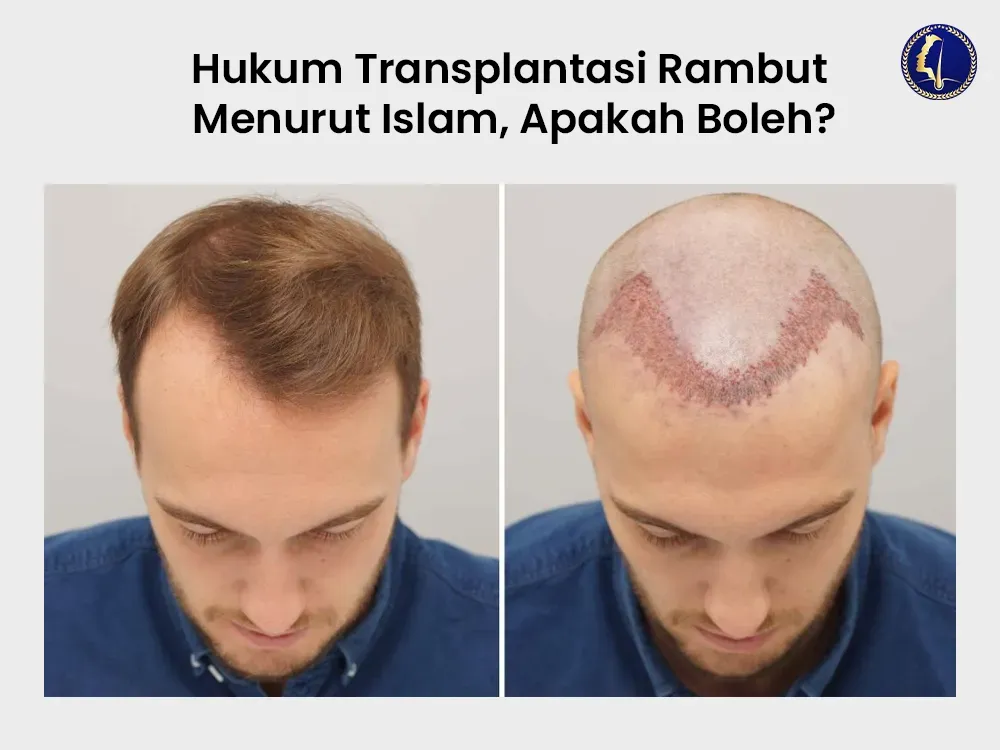
⚖️ Semak Hukum Syarak & Garis Panduan Transplantasi Rambut Pilih persoalan utama di bawah untuk melihat penjelasan hukum Islam dan panduan medis secara ringkas: 📖 Hukum Asal (Syariat) 🧬 Sumber Rambut & Syarat 🎯 Rawatan vs Ubah Cipta 📖 Hukum Asal Transplantasi Rambut Pandangan Ulama: Pada asasnya, ulama membolehkan prosedur transplantasi rambut jika ia bertujuan untuk merawat kecacatan atau memulihkan masalah keguguran rambut yang parah (bukan semata-mata untuk kecantikan berlebihan). Prinsip Syarak: Ia dikategorikan sebagai rawatan perubatan (tadawi) yang mengubah suai demi kemaslahatan dan menghilangkan keaiban. Ada pertanyaan lanjut mengenai prosedur rawatan dan konsultasi kesihatan rambut? 💬 Hubungi Kami via WhatsApp Masalah rambut rontok hingga kebotakan (alopecia) sering kali memicu krisis kepercayaan diri bagi pria maupun wanita. Di era modern ini, prosedur cangkok rambut menjadi solusi permanen yang paling diminati. Namun, sebelum Anda memutuskan untuk menjalani prosedur ini, penting untuk memahami hukum transplantasi rambut baik dari sudut pandang syariat Islam maupun regulasi hukum medis yang berlaku di Indonesia. Berikut adalah panduan komprehensif untuk menjawab keraguan Anda dari sisi agama, medis, dan hukum legalitas. Hukum Transplantasi Rambut Menurut Islam Bagi umat Muslim, kehalalan suatu tindakan medis estetika adalah hal yang krusial. Secara umum, para ulama kontemporer (termasuk lembaga fatwa internasional seperti Majma’ al-Fiqh al-Islami dan Dar al-Ifta) membagi hukum tindakan estetika menjadi dua kategori: mengubah ciptaan Allah (harman) atau mengobati cacat/penyakit (mubah). Lantas, di manakah posisi cangkok rambut? 1. Diperbolehkan (Mubah) Jika Menggunakan Rambut Sendiri (Autograft) Mayoritas ulama kontemporer menyatakan bahwa hukum transplantasi rambut adalah mubah (boleh), dengan syarat folikel rambut yang ditanam berasal dari bagian tubuh pasien itu sendiri (misalnya mengambil rambut bagian belakang kepala untuk dipindahkan ke bagian depan yang botak). Dasar hukum kelonggaran ini merujuk pada hadis sahih mengenai kisah tiga orang dari Bani Israil (penderita kusta, orang botak, dan orang buta) yang didatangi malaikat: “Malaikat bertanya kepada si botak: ‘Apakah yang paling kamu sukai?’ Ia menjawab: ‘Rambut yang indah dan hilangnya penyakit ini dari diriku…’ Lalu malaikat mengusapnya, dan tumbuhlah rambut yang indah pada kepalanya.” (HR. Bukhari & Muslim) Para ulama menyimpulkan bahwa mengembalikan rambut yang rontok ke kondisi normal dikategorikan sebagai tindakan pengobatan (al-ilaj) atau upaya menghilangkan cacat (izalatil ‘aib), bukan mengubah ciptaan Allah (taghyir khalqillah) yang dilarang. 2. Diharamkan Jika Menggunakan Rambut Orang Lain atau Rambut Sintetis Hukum transplantasi rambut berubah menjadi haram jika memenuhi kondisi berikut: Menggunakan rambut orang lain: Tindakan ini disetarakan dengan menyambung rambut (al-washl), yang secara tegas dilarang oleh Nabi Muhammad SAW karena mengandung unsur penipuan dan pemanfaatan bagian tubuh manusia lain secara tidak sah. Menggunakan rambut sintetis/palsu (Implan Rambut): Beberapa ulama melarang penggunaan serat sintetis karena tubuh berpotensi menolak benda asing tersebut (memicu infeksi) dan sifatnya yang menyerupai rambut palsu (wig) yang dilarang jika untuk menipu. Regulasi dan Hukum Kedokteran di Indonesia Dari sisi hukum positif dan regulasi medis di Indonesia, transplantasi rambut dikategorikan sebagai tindakan bedah minor atau prosedur bedah estetika invasi minimal. Oleh karena itu, pelaksanaannya diatur ketat oleh undang-undang demi keselamatan pasien. Berdasarkan regulasi Kementerian Kesehatan RI dan Konsil Kedokteran Indonesia (KKI), berikut adalah payung hukum pelaksanaannya: 1. Kualifikasi Tenaga Medis yang Sah Tidak semua dokter atau tenaga medis memiliki izin hukum untuk melakukan transplantasi rambut. Prosedur ini secara sah hanya boleh dilakukan oleh: Dokter Spesialis Dermatologi, Venereologi, dan Estetika (Sp.DVE) – dahulu dikenal sebagai Sp.KK. Dokter Spesialis Bedah Plastik Rekonstruksi dan Estetika (Sp.BP-RE). Dokter umum yang telah memiliki sertifikasi kompetensi formal dan rekognisi resmi di bidang hair restoration. Peringatan Hukum: Melakukan tindakan transplantasi rambut di salon kecantikan, klinik ilegal, atau oleh selebgram/praktisi non-medis (terapis tanpa izin) melanggar UU Kesehatan, dan pelakunya dapat dikenakan sanksi pidana penjara serta denda berat karena melakukan praktik kedokteran ilegal. 2. Hak Pasien dan Informed Consent Secara hukum, sebelum tindakan ekstraksi folikel (FUE/DHI) dilakukan, klinik wajib memberikan lembar persetujuan tindakan medis (Informed Consent). Pasien berhak mendapatkan informasi transparan mengenai: Risiko medis (pendarahan, infeksi, kegagalan graft). Alternatif terapi. Detail biaya dan komplikasi pasca-prosedur. Perbedaan Hukum: Transplantasi Rambut vs Menyambung Rambut (Al-Washl) Sering terjadi kesalahpahaman di masyarakat yang menyamakan transplantasi rambut dengan menyambung rambut (hair extension). Secara medis dan hukum Islam, keduanya sangat berbeda: Parameter Transplantasi Rambut (Cangkok) Menyambung Rambut (Hair Extension) Sumber Bahan Rambut hidup milik pasien sendiri (Autograft). Rambut orang lain, rambut hewan, atau serat sintetik. Prosedur Menanamkan akar/folikel hidup ke dalam kulit kepala secara medis. Mengikat atau mengelem rambut palsu pada batang rambut yang ada. Sifat Hasil Permanen, rambut tumbuh alami, bisa dipotong, dan dialiri darah. Sementara, rambut mati, dapat dilepas pasang. Hukum Islam Mubah (Boleh) karena bersifat mengobati/menumbuhkan kembali. Haram karena termasuk Al-Washl (menyambung yang dilarang). Validitas Wudhu Sah, karena air wudhu/mandi wajib tetap menyentuh kulit kepala asli. Bisa tidak sah, jika lem atau jalinan rambut menghalangi air sampai ke kulit kepala. Kesimpulan: Aman secara Syariat, Legal secara Hukum Hukum transplantasi rambut di Indonesia adalah boleh dan legal, baik dari kacamata agama Islam maupun hukum negara, dengan catatan: Menggunakan metode Autograft (rambut dari tubuh sendiri) dengan niat mengobati kebotakan. Dilakukan di klinik resmi yang memiliki izin operasional medis dan ditangani langsung oleh dokter spesialis yang memiliki Surat Izin Praktik (SIP) sah. Sebelum melakukan tindakan, pastikan Anda melakukan konsultasi mendalam dengan dokter Sp.DVE tepercaya untuk memastikan kondisi kulit kepala Anda ideal untuk menerima prosedur ini.
Apakah Hukum Tanam Rambut dalam Islam, Adakah Boleh?
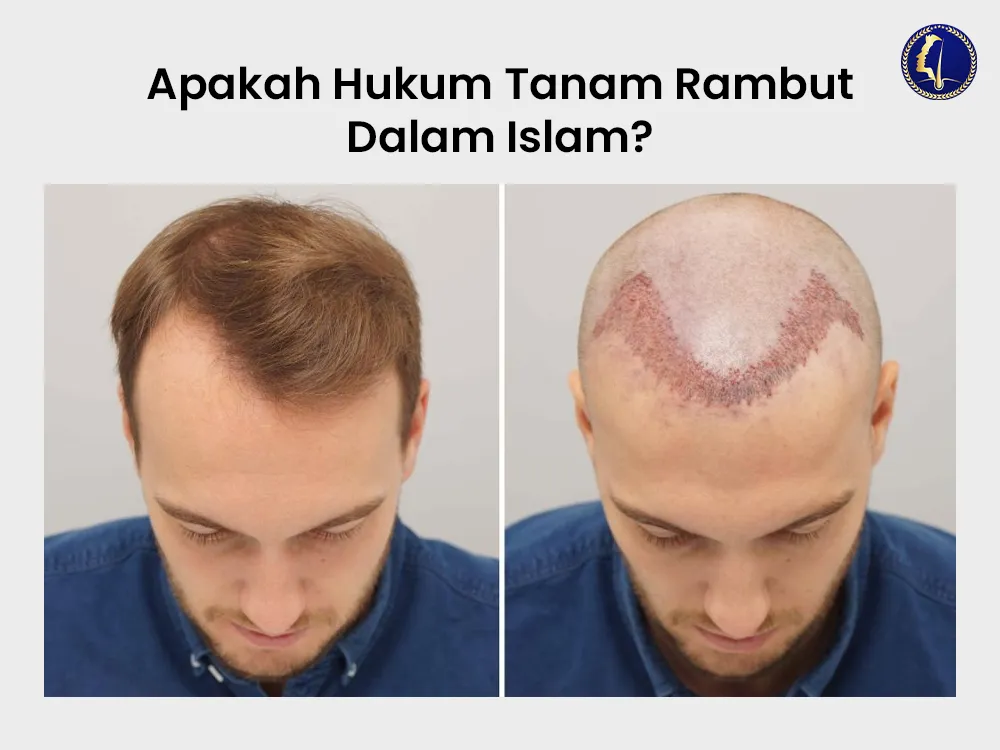
Apa Hukum Tanam Rambut Ni? Boleh Atau Tak? Keguguran rambut adalah proses semula jadi yang dialami oleh ramai individu akibat faktor genetik, umur, atau keadaan kesihatan. Dengan kemajuan perubatan, prosedur tanam rambut telah diperkenalkan untuk memulihkan rambut yang hilang. Namun, umat Islam sering bertanya tentang keizinan amalan ini dalam kerangka ajaran Islam. Artikel ini meneroka konsep tanam rambut dalam Islam, merujuk kepada sumber yang relevan dan pandangan ulama, serta menjawab soalan-soalan lazim mengenai topik ini. Apa Itu Tanam Rambut? Tanam rambut atau hair transplant adalah prosedur pembedahan di mana folikel rambut dipindahkan dari satu bahagian badan (biasanya dari bahagian belakang atau sisi kepala) ke kawasan yang mengalami kebotakan atau penipisan. Kaedah ini tidak melibatkan penambahan bahan asing atau sintetik tetapi hanya mengagihkan semula rambut semula jadi daripada badan individu itu sendiri. Prosedur ini semakin popular kerana ia berpotensi meningkatkan keyakinan diri. Hukum Tanam Rambut Dalam Islam Dalam Islam, pengubahsuaian tubuh biasanya dikawal oleh prinsip-prinsip yang bertujuan untuk mengekalkan keadaan semula jadi tubuh (“fitrah”). Perubahan yang bertujuan untuk kecantikan berlebihan atau yang mengubah ciptaan Allah secara tidak wajar biasanya dianggap tidak dibenarkan (“haram”). Walau bagaimanapun, pengubahsuaian untuk tujuan perubatan atau untuk mengatasi kemudaratan fizikal atau psikologi sering dianggap dibenarkan (“maslahah”). Apabila menilai tanam rambut, para ulama mempertimbangkan beberapa faktor: Penggunaan Rambut Semula Jadi: Oleh kerana tanam rambut melibatkan pengagihan semula folikel rambut individu itu sendiri, ia tidak memperkenalkan elemen asing ke dalam tubuh. Ini membezakan prosedur ini daripada penggunaan rambut palsu sintetik yang mungkin bertentangan dengan prinsip Islam tertentu. Tujuan Prosedur: Tanam rambut malaysia sering dilakukan untuk menangani keadaan seperti alopecia, keguguran rambut yang teruk, atau kebotakan akibat penyakit, kecederaan, atau penuaan. Jika masalah ini menyebabkan tekanan psikologi atau menjejaskan keyakinan dan kualiti hidup seseorang, ulama Islam menganggap prosedur ini dibenarkan. Mengelakkan Penipuan: Islam menekankan kejujuran dan ketelusan dalam interaksi peribadi. Pemindahan rambut, tidak seperti pembaikan kosmetik sementara, tidak melibatkan penipuan kerana hasilnya adalah kekal dan menggunakan rambut semula jadi individu itu sendiri. Oleh itu, prosedur ini biasanya tidak dikategorikan sebagai perbuatan menipu (“gurur”). Pandangan Ulama Ulama Islam berbeza pendapat tentang prosedur kosmetik dan perubatan, tetapi konsensus mengenai tanam rambut secara amnya menyokong keizinannya dalam keadaan tertentu. Beberapa pandangan utama ulama adalah: Fatwa dari Akademi Fiqh Islam: Akademi Fiqh Islam telah mengeluarkan fatwa bahawa tanam rambut dibenarkan jika ia dilakukan untuk merawat kebotakan atau keguguran rambut yang ketara, terutamanya apabila keadaan ini menyebabkan kemudaratan emosi atau psikologi. Pandangan Sheikh Yusuf Al-Qaradawi: Dalam bukunya Halal dan Haram dalam Islam, Sheikh Yusuf Al-Qaradawi menekankan bahawa prosedur yang bertujuan untuk memulihkan penampilan semula jadi, dan bukan untuk mengubahnya secara berlebihan, secara amnya dibenarkan. Beliau berhujah bahawa pemulihan rambut yang hilang akibat penyakit atau kecederaan adalah termasuk dalam rawatan perubatan yang dibenarkan. Fatwa dari Dar al-Ifta al-Misriyyah (Majlis Fatwa Mesir): Majlis ini telah menjelaskan bahawa tanam rambut adalah dibenarkan apabila niatnya adalah untuk memulihkan keadaan semula jadi dan menangani masalah perubatan, dan bukan untuk tujuan kecantikan berlebihan. Pertimbangan Utama Untuk Keizinan Bagi memastikan tanam rambut selaras dengan garis panduan Islam, beberapa pertimbangan berikut perlu diambil kira: Niat (“Niyyah”): Niat individu mestilah untuk menangani keperluan sebenar, seperti memulihkan keyakinan atau mengurangkan tekanan akibat keguguran rambut, dan bukan untuk tujuan kecantikan semata-mata. Kaedah Pelaksanaan: Prosedur mesti mengelakkan penggunaan bahan atau teknik yang dilarang. Ia harus menggunakan folikel rambut individu itu sendiri dan mematuhi amalan perubatan yang beretika. Mengelakkan Pembaziran (“Israf”): Islam melarang pembaziran yang tidak perlu. Walaupun tanam rambut boleh menjadi mahal, individu perlu memastikan bahawa kosnya tidak menyebabkan pembaziran atau pengabaian tanggungjawab kewangan lain. Berunding Dengan Ulama dan Pakar: Seperti mana-mana keputusan perubatan atau etika, adalah dinasihatkan untuk berunding dengan ulama Islam yang berpengetahuan dan profesional perubatan yang bertauliah sebelum membuat keputusan. Rujukan Islam Tentang Pengubahsuaian Tubuh Keizinan tanam rambut dapat difahami dengan lebih lanjut melalui pemeriksaan teks dan prinsip Islam yang relevan: Pemulihan vs. Pengubahan: Rasulullah SAW bersabda: “Allah melaknat orang yang membuat tatu, orang yang meminta dibuatkan tatu, orang yang mencabut bulu wajah, dan orang yang membuat celah antara giginya untuk kelihatan cantik, dan mengubah ciptaan Allah” (Sahih Bukhari, Kitab 72, Hadis 822). Ulama menafsirkan hadis ini untuk melarang kecantikan berlebihan yang mengubah ciptaan Allah. Walau bagaimanapun, pemulihan penampilan semula jadi, seperti melalui tanam rambut, tidak termasuk dalam larangan ini. Keperluan Perubatan: Rasulullah SAW juga bersabda: “Tidak ada penyakit yang Allah ciptakan, melainkan Dia juga menciptakan penawarnya” (Sahih Bukhari, Kitab 71, Hadis 582). Menangani keadaan seperti alopecia atau keguguran rambut yang teruk melalui rawatan perubatan selaras dengan prinsip Islam untuk mencari penawar bagi penyakit. Menjawab Soalan Lazim Untuk menjelaskan pendirian Islam tentang tanam rambut, berikut adalah jawapan kepada beberapa soalan lazim: 1. Adakah tanam rambut dianggap mengubah ciptaan Allah? Tidak, tanam rambut tidak dianggap mengubah ciptaan Allah kerana ia melibatkan pemulihan apa yang semula jadi. Ini berbeza daripada prosedur yang mengubah atau mencacatkan penampilan seseorang secara tidak wajar. 2. Adakah terdapat keadaan di mana tanam rambut tidak dibenarkan? Pemindahan rambut mungkin tidak dibenarkan jika ia melibatkan bahan yang dilarang, amalan perubatan yang tidak beretika, atau jika niatnya semata-mata untuk kecantikan yang tidak perlu. 3. Bolehkah wanita menjalani tanam rambut dalam Islam? Ya, wanita boleh menjalani tanam rambut untuk menangani keguguran rambut yang ketara atau keadaan perubatan, asalkan prosedur itu selaras dengan garis panduan yang sama mengenai niat, kaedah, dan keperluan. 4. Adakah kos prosedur mempengaruhi keizinannya? Walaupun kos sahaja tidak menentukan keizinan, Islam menggalakkan kesederhanaan dan mengelakkan pembaziran. Individu harus memastikan bahawa perbelanjaan itu munasabah dan tidak menjejaskan tanggungjawab kewangan lain. 5. Apa yang perlu dilakukan sebelum memutuskan untuk menjalani tanam rambut? Sebelum melakukannya, berundinglah dengan profesional perubatan yang bertauliah untuk memastikan prosedur itu selamat dan dengan ulama Islam untuk mengesahkan keizinannya berdasarkan keadaan tertentu anda. Kesimpulan Kesimpulannya, tanam rambut secara amnya dibenarkan dalam Islam apabila dilakukan untuk menangani keperluan perubatan atau psikologi yang tulen. Prosedur ini dilihat sebagai cara untuk memulihkan penampilan semula jadi dan bukannya mengubah ciptaan Allah. Dengan memastikan niat yang betul dan mematuhi garis panduan Islam, umat Islam boleh mendapat manfaat daripada kemajuan ini tanpa menjejaskan keimanan mereka. Seperti biasa, mendapatkan pengetahuan daripada ulama dan profesional perubatan yang dipercayai
Masalah Rambut: Punca, Jenis, dan Cara Mengatasinya Di Tahun 2026
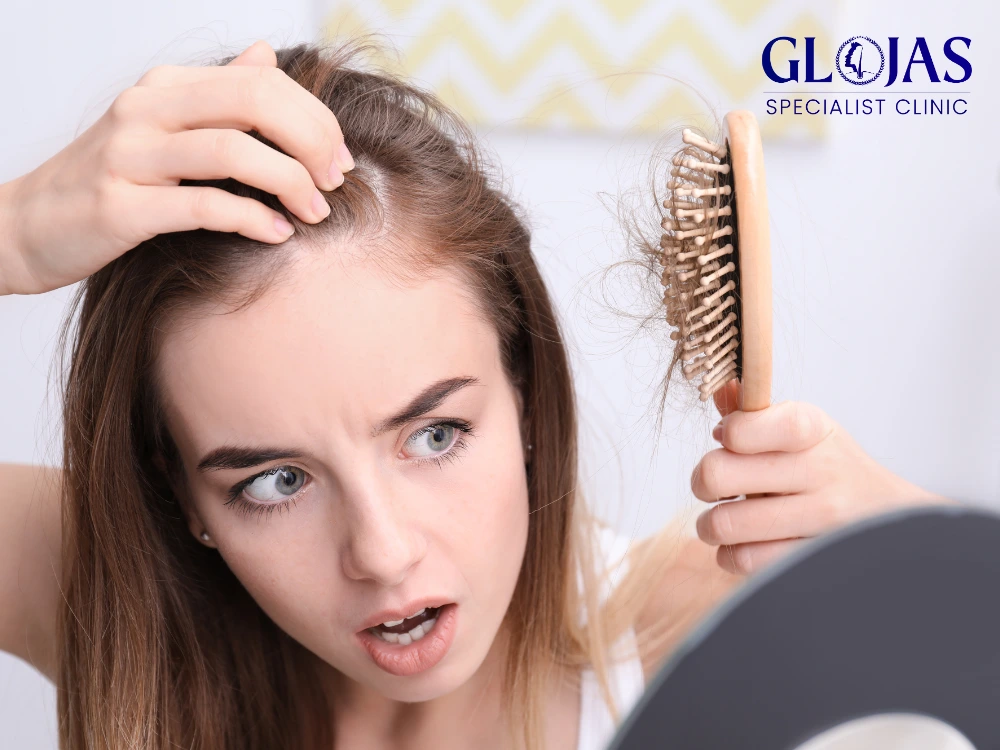
Kenal Pasti Punca & Solusi Masalah Rambut Anda Pilih jenis masalah rambut yang anda hadapi untuk mengetahui punca utama dan cara rawatan moden terkini. Pilih Masalah Rambut Anda: Garis Rambut Surut & Dahi Jendul (Alopecia Areata / Keturunan)Rambut Nipis Menyeluruh Di Atas KepalaRambut Gugur Melampau Selepas Mandi atau Sikat Rawatan Pemulihan Folikel & Pemindahan Rambut FUE Penyelesaian kekal untuk garis rambut surut dengan mengalihkan folikel sihat ke kawasan yang terjejas bagi pertumbuhan semula yang semulajadi. Inginkan diagnosis masalah rambut secara percuma? Hantar gambar keadaan rambut anda melalui WhatsApp untuk rundingan pakar klinik kami. Hubungi WhatsApp (+60 12-270 0122) Masalah Rambut – Rambut adalah salah satu ciri fizikal yang paling ketara pada seseorang. Ia memainkan peranan penting dalam penampilan dan juga memberikan keyakinan kepada individu. Namun, masalah rambut sering kali menghantui ramai orang, menjadikannya isu yang perlu diambil serius. Dalam artikel ini, kita akan membincangkan pelbagai masalah rambut yang biasa dihadapi, punca-punca yang menyebabkannya, serta cara-cara untuk mengatasinya. View this post on Instagram A post shared by FUE Hair Transplant Malaysia | Pakar Tanam Rambut Kuala Lumpur (@fuehairtransplantmalaysia) Jenis-jenis Masalah Rambut Terdapat pelbagai jenis masalah rambut yang mungkin dihadapi, antaranya termasuk: 1. Kehilangan Rambut (Alopecia) Kehilangan rambut adalah salah satu masalah yang paling umum. Ia boleh berlaku secara sementara atau kekal. Jenis-jenis alopecia termasuk: Alopecia Areata : Kehilangan rambut dalam patch, biasanya berlaku secara tiba-tiba. Androgenetic Alopecia : Kebotakan pola lelaki dan wanita, yang berkait dengan genetik dan hormon. Alopecia Totalis : Kehilangan semua rambut di kepala. 2. Rambut Kering dan Rosak Rambut kering sering disebabkan oleh faktor persekitaran seperti cuaca, pendedahan kepada sinar matahari, serta penggunaan alat penggaya rambut yang panas. Rambut rosak pula mungkin akibat penggunaan bahan kimia dalam produk pewarna atau perawatan rambut. 3. Rambut Berminyak Rambut berminyak berlaku apabila kelenjar sebum di kulit kepala menghasilkan minyak berlebihan. Ini boleh menyebabkan rambut kelihatan lekit dan tidak bersih, serta boleh menyumbang kepada masalah lain seperti kelemumur. 4. Kelemumur Kelemumur adalah masalah yang melibatkan pengelupasan kulit kepala yang berlebihan. Ia boleh disebabkan oleh pelbagai faktor termasuk jangkitan kulat, kulit kering, atau sensitiviti terhadap produk rambut. 5. Rambut Berpecah dan Tidak Terurus Rambut berpecah boleh berlaku akibat kerosakan disebabkan penggayaan, pendedahan kepada cuaca, atau tidak mendapatkan pemotongan rambut yang sepatutnya. 6. Rambut Menggerbang Rambut menggerbang atau frizzy adalah masalah yang biasa, terutama dalam cuaca lembap. Ini sering berlaku apabila rambut kekurangan kelembapan. Punca-punca Masalah Rambut Punca masalah rambut boleh berbeza-beza bergantung kepada individu. Berikut adalah beberapa punca umum: 1. Faktor Genetik Genetik memainkan peranan besar dalam masalah rambut, terutamanya dalam kes kebotakan pola. Jika ibu bapa anda mengalami kebotakan, kemungkinan besar anda juga akan mengalaminya. Penyebab ini sukar untuk diubah, tetapi pemahaman tentangnya boleh membantu anda bersedia. 2. Faktor Perubatan Penyakit tertentu seperti tiroid, lupus, dan diabetes boleh menyebabkan masalah rambut. Keadaan perubatan lain seperti jangkitan kulat di kulit kepala juga boleh menyebabkan kehilangan rambut. Selain itu, ubat-ubatan tertentu, seperti kemoterapi, boleh menyebabkan kehilangan rambut yang ketara. 3. Gaya Hidup Gaya hidup yang tidak sihat, termasuk pemakanan yang tidak seimbang dan kurang tidur, boleh mempengaruhi kesihatan rambut. Kekurangan nutrisi seperti protein, vitamin D, dan zat besi boleh menyebabkan rambut menjadi lemah dan gugur. Aktiviti harian seperti merokok dan pengambilan alkohol yang berlebihan juga boleh memberi kesan negatif. 4. Kekurangan Hormon Ketidakseimbangan hormon, terutamanya dalam kalangan wanita, boleh menyebabkan masalah rambut. Contohnya, perubahan hormon semasa kehamilan, menopaus, atau sindrom ovarium polikistik (PCOS) boleh menyebabkan kehilangan rambut. 5. Penggunaan Produk Kimia Penggunaan produk rambut yang mengandungi bahan kimia keras seperti sulfat dan paraben boleh merosakkan rambut dan kulit kepala. Begitu juga, penggunaan pewarna dan pelurus rambut yang berlebihan juga boleh menyebabkan kerosakan, menjadikan rambut lebih rapuh dan mudah putus. 6. Stres Stres mental dan emosi boleh menyebabkan masalah rambut. Ketika seseorang mengalami stres, ia boleh menyebabkan keguguran rambut secara mendadak, yang dikenali sebagai telogen effluvium. Ini biasanya berlaku selepas tempoh tekanan yang tinggi dan boleh menjadi sementara. 7. Kekurangan Penjagaan Kurangnya penjagaan rambut yang betul juga boleh menyebabkan pelbagai masalah. Tidak mencuci rambut dengan cukup atau terlalu kerap boleh menyebabkan pengumpulan kotoran, minyak, dan produk yang tidak diingini, yang akhirnya merosakkan rambut. Cara Mengatasi Masalah Rambut Terdapat pelbagai cara untuk mengatasi masalah rambut. Berikut adalah beberapa langkah yang boleh diambil: 1. Pemakanan yang Seimbang Pastikan diet anda kaya dengan protein, vitamin, dan mineral yang penting untuk kesihatan rambut. Makanan seperti ikan, kacang, telur, sayur-sayuran, dan buah-buahan dapat membantu memberikan nutrisi yang diperlukan oleh rambut. Contohnya, biotin dan vitamin E sangat penting untuk pertumbuhan rambut yang sihat. 2. Kawal Stres Amalkan teknik pengurusan stres seperti meditasi, yoga, atau senaman untuk mengurangkan tekanan. Stres yang berkurangan dapat membantu mengurangkan masalah kehilangan rambut. Luangkan masa untuk aktiviti yang menenangkan dan menjaga keseimbangan emosi. 3. Pilih Produk yang Sesuai Gunakan produk penjagaan rambut yang sesuai dengan jenis rambut anda. Elakkan produk yang mengandungi bahan kimia keras. Sebaliknya, pilihlah produk yang diperbuat daripada bahan semula jadi dan bebas sulfat. Pastikan anda juga menggunakan perapi untuk menjaga kelembapan rambut. 4. Rutin Penjagaan Rambut yang Betul Cuci rambut secara teratur tetapi tidak berlebihan. Gunakan syampu yang lembut dan sesuai dengan kulit kepala anda. Elakkan mengikat rambut terlalu ketat untuk mengelakkan tekanan pada akar rambut. Selain itu, cuba elakkan menggayakan rambut dengan alat panas secara berlebihan. 5. Rawatan dan Terapi Untuk masalah kehilangan rambut yang serius, berjumpalah dengan pakar dermatologi atau trichologist. Mereka mungkin mencadangkan rawatan seperti minoksidil, finasteride, atau terapi laser. Rawatan ini dapat membantu merangsang pertumbuhan rambut dan mengurangkan keguguran. 6. Pemotongan Rambut Potong rambut secara berkala untuk mengelakkan rambut berpecah dan rosak. Pemotongan dapat membantu memberikan penampilan yang lebih sihat dan terurus. Disarankan untuk mendapatkan pemotongan setiap 6-8 minggu. 7. Hidrasi Pastikan anda minum cukup air untuk menjaga kulit kepala dan rambut dalam keadaan terhidrasi. Dehidrasi boleh menyebabkan rambut menjadi kering dan rapuh. Makan buah-buahan dan sayur-sayuran yang kaya dengan air juga membantu. 8. Elakkan Menggunakan Alat Panas Kurangkan penggunaan alat penggaya rambut seperti pengering rambut, pelurus, dan pengeriting. Jika perlu, gunakan pelindung haba sebelum menggayakan rambut untuk mengurangkan kerosakan. Rawatan Alternatif Selain cara-cara di atas, terdapat
Glojas Clinic’s Moustache Transplant: A Life-Changing Solution for Men with Cleft Palate
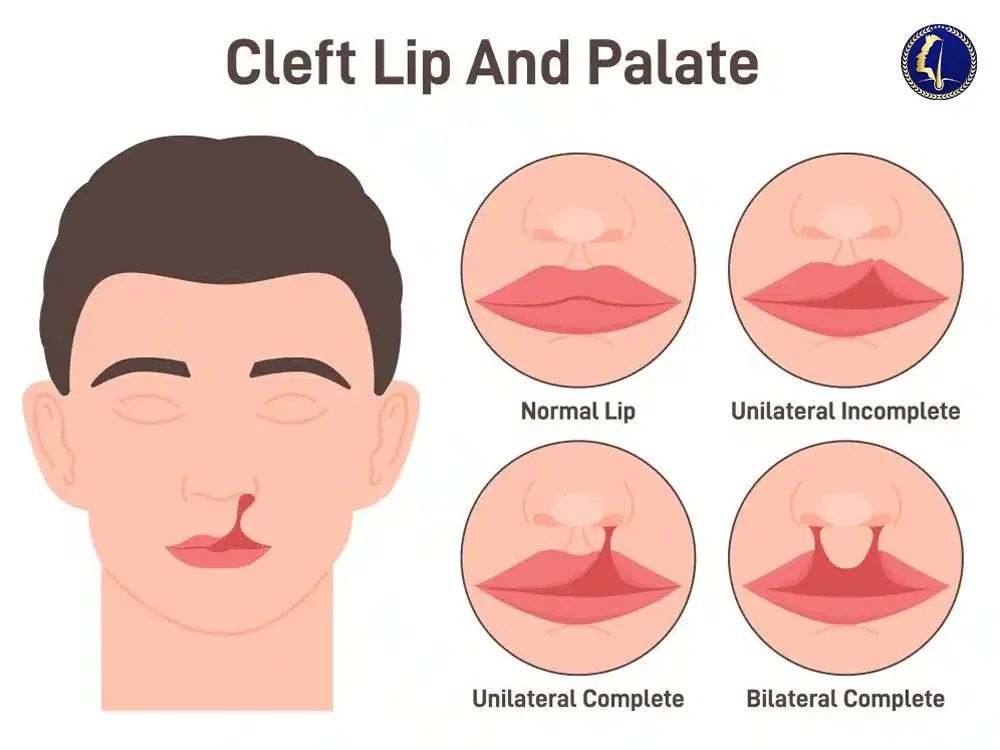
Individuals born with a cleft lip or palate often face both physical and psychological challenges due to the distinctive scar on their lips. This congenital condition can result in difficulties related to speech, eating, and even self-confidence. One of the aesthetic solutions gaining popularity in recent years is the moustache transplant, an innovative procedure that helps men with a cleft palate enhance their appearance and self-esteem. GLOJAS Specialist Clinic, a renowned clinic in Kuala Lumpur, is at the forefront of offering such procedures to individuals who wish to restore a more natural look to their facial features. Founded by the well-known aesthetic surgeon, Prof. Dato’ Dr. JasG, GLOJAS Clinic offers a range of cosmetic procedures, including hair transplants for the scalp, beard, and moustache, to help individuals reclaim their confidence. The Importance of Moustache Transplants for Men with Cleft Palate Resources : https://www.thestar.com.my/metro/metro-news/2019/07/29/moustache-transplant-for-men-with-cleft-palate/ For men with a cleft palate, the lack of a fully formed moustache or facial hair can accentuate the appearance of their cleft scar. Many of these men feel self-conscious and may struggle with their body image, especially in societies where facial hair is associated with masculinity and maturity. Moustache transplants provide a unique solution to this problem. By transplanting hair follicles into the area above the lip, the procedure can help conceal the cleft scar, allowing the individual to achieve a more conventional facial appearance. This, in turn, can boost their self-esteem and confidence in social interactions. Dato’ Dr. JasG of Glojas Clinic emphasizes that the procedure is not purely cosmetic. “Moustache transplants can significantly improve the quality of life for men with a cleft palate by offering them a chance to redefine their identity,” he states. The clinic has performed numerous transplants for men with this condition, witnessing firsthand the transformative impact on their clients’ lives. The Procedure: How Moustache Transplants Work The moustache transplant procedure at GLOJAS Clinic is conducted using advanced techniques to ensure natural and long-lasting results. The procedure involves extracting hair follicles from a donor area—usually the back of the scalp—and implanting them into the upper lip area where the moustache is meant to grow. The procedure typically involves the following steps: Consultation: A thorough consultation is conducted with the client to understand their specific needs, facial structure, and the extent of the cleft scar. This step is crucial to create a customized treatment plan that will provide the best aesthetic outcome. Hair Extraction: Hair follicles are harvested from the donor area using a technique called Follicular Unit Extraction (FUE). FUE is a minimally invasive method that leaves no visible scarring, making it ideal for those who want to maintain a natural appearance. Implantation: The extracted hair follicles are meticulously implanted into the upper lip area. The direction, angle, and density of the hair placement are carefully controlled to mimic the natural growth pattern of a moustache. This attention to detail ensures a seamless and realistic result. Recovery: After the procedure, the client can expect some mild swelling and redness, which typically subsides within a few days. Full results can be seen within 6-12 months as the transplanted hair grows in and takes on the characteristics of a natural moustache. Dato’ Dr. JasG notes that the moustache transplant procedure is relatively simple, with minimal downtime. Most clients can resume their normal activities within a few days, though they are advised to avoid strenuous physical activity for a short period post-procedure to ensure optimal healing. GLOJAS Clinic: A Leader in Hair Restoration GLOJAS Specialist Clinic has earned a reputation for excellence in hair restoration procedures. Led by Prof. Dato’ Dr. JasG, the clinic is equipped with state-of-the-art technology and a highly skilled team of medical professionals. GLOJAS Clinic’s commitment to individualized care and natural-looking results has made it a preferred choice for hair transplants, including moustache transplants for men with cleft palate. Prof. Dato’ Dr. JasG, a pioneer in aesthetic medicine, has extensive experience in performing moustache transplants. His approach involves a meticulous understanding of facial anatomy and hair growth patterns, which is crucial for achieving a natural and aesthetically pleasing result. By tailoring each procedure to the client’s unique facial structure and needs, he ensures that the outcome not only looks natural but also boosts the client’s confidence. Benefits of Moustache Transplant 1. Enhanced Aesthetics: One of the primary advantages of a moustache transplant is the improvement in facial aesthetics. A full, well-groomed moustache can enhance facial symmetry and create a more balanced appearance, helping individuals feel more confident in their looks. 2. Restoration of Masculinity: For many individuals, a moustache is a symbol of masculinity. A successful transplant allows for the restoration of this aspect of identity, enabling individuals to embrace their sense of self. 3. Improved Self-Esteem: The psychological impact of facial hair on self-image cannot be underestimated. A successful moustache transplant can lead to increased self-esteem, allowing individuals to engage more freely in social situations and relationships without the constant concern about their appearance. 4. Natural-Looking Results: Today’s advanced hair transplant techniques allow for natural-looking results. The hair follicles are expertly implanted to mimic the natural growth pattern of facial hair, resulting in a moustache that complements the individual’s unique facial structure. 5. Long-lasting Solution: Unlike temporary solutions such as makeup or fake moustaches, a moustache transplant provides a permanent solution. Once the transplanted hair follicles establish themselves and start growing, individuals can enjoy their moustache without ongoing maintenance or products. 6. Boost in Confidence: For those who have faced emotional difficulties stemming from their appearance due to cleft palate, the act of undergoing a moustache transplant can be transformative. It symbolizes taking control over one’s own identity, fostering a newfound confidence that can permeate all aspects of life. 7. Cultural Acceptance: In many cultures, facial hair carries significant social meaning. A moustache can signify maturity, wisdom, and social standing. Moustache transplants can help individuals align their appearance with cultural expectations, enhancing their acceptance and integration into their communities. The Psychological Impact of Moustache Transplants For men with
Tanam Jambang di Klinik Glojas: Solusi Terbaik untuk Meningkatkan Maskulin Lelaki
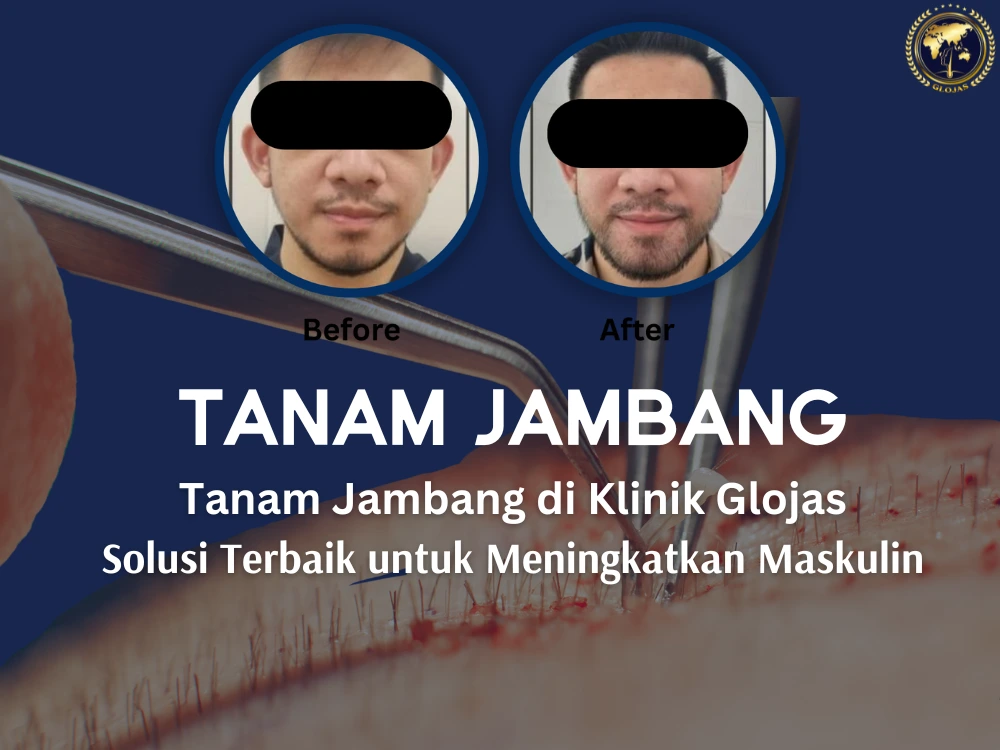
Memahami Apa itu Tanam Jambang: Klinik Glojas Mengubah Anda Menjadi Lebih Maskulin Tanam Jambang merupakan satu solusi yang semakin terkenal di Malaysia bagi lelaki yang ingin meningkatkan penampilan maskulin mereka. Ini kerana, jambang yang penuh dan terurus dengan baik sering dianggap sebagai simbol maskulin dan kepercayaan diri. Namun, tidak semua lelaki dikurniakan dengan jambang yang tebal dan menyeluruh. Bagi mereka yang menghadapi masalah kekurangan rambut pada kawasan jambang, Klinik Glojas menawarkan penyelesaian ideal melalui prosedur tanam jambang. Klinik Glojas, salah satu pusat kecantikan terkemuka di Malaysia, kini menawarkan penyelesaian terkini untuk masalah kekurangan jambang dengan teknik tanam jambang atau lebih dikenali sebagai “hair transplant”. Dengan kemajuan teknologi dan pengalaman pakar-pakar mereka, Klinik Glojas menjadi pilihan utama bagi individu yang ingin mendapatkan jambang yang lebih penuh dan sihat. Apa Itu Tanam Jambang? Tanam jambang adalah prosedur pembedahan kosmetik yang melibatkan pemindahan folikel rambut dari kawasan penderma yang kebiasaanya di bahagian belakang kepala ke kawasan jambang yang memerlukan rambut tambahan. Teknik ini bertujuan untuk meningkatkan kepadatan jambang dan memperbaiki bentuk serta ketebalannya. Kenapa Perlu Memilih Klinik Glojas untuk Tanam Jambang? Teknologi Terkini: Klinik Glojas menggunakan teknologi terkini dan canggih dalam prosedur tanam jambang. Teknik seperti Follicular Unit Extraction (FUE) dan Follicular Unit Transplantation (FUT) digunakkan untuk memastikan hasil yang optimal. Teknologi ini membolehkan pemindahan folikel rambut dilakukan dengan lebih tepat dan kurang invasif. Pakar Berpengalaman: Klinik Glojas mempunyai pasukan pakar yang berpengalaman dan terlatih dalam bidang pembedahan rambut dan dermatologi. Mereka memiliki pengetahuan mendalam tentang anatomi rambut dan teknik terbaru, menjadikan mereka pilihan terbaik untuk rawatan tanam jambang. Pendekatan Peribadi: Setiap individu mempunyai keperluan yang unik, dan Klinik Glojas memahami kepentingan pendekatan peribadi. Konsultasi awal akan membantu dalam memahami jangkaan anda serta menentukan pelan rawatan yang paling sesuai untuk mendapatkan hasil yang memuaskan. Hasil Yang Semula Jadi: Dengan menggunakan teknik dan teknologi canggih, hasil akhir dari tanam jambang di Klinik Glojas kelihatan semula jadi dan sesuai dengan wajah anda. Rambut yang dipindahkan akan tumbuh secara semula jadi seperti rambut asli, memberikan penampilan jambang yang lebih penuh dan teratur. View this post on Instagram A post shared by GLOJAS HAIR TRANSPLANT SPECIALIST MALAYSIA (@fuehairtransplantmalaysia) Proses Tanam Jambang Konsultasi Awal: Sesi konsultasi akan diadakan untuk menilai keadaan jambang anda dan berbincang tentang hasil yang anda idamkan serta keperluan peribadi anda. Penilaian kesihatan juga akan dilakukan untuk memastikan anda adalah calon yang sesuai untuk prosedur ini atau pun tidak. Persediaan: Sebelum prosedur dimulakan, kawasan penderma dan penerima akan disiapkan. Ini termasuk pembersihan dan persediaan kawasan yang akan dipindahkan. Prosedur Tanam Jambang: Prosedur dilakukan di bawah anestesia tempatan untuk memastikan anda selesa dan tidak mengalami kesakitan. Folikel rambut akan dipindahkan dari kawasan penderma ke kawasan yang memerlukan jambang. Pemulihan: Selepas prosedur, mungkin terdapat sedikit bengkak atau ketidakselesaan, tetapi ini biasanya bersifat sementara. Arahan pemulihan akan diberikan, termasuk cara menjaga kawasan yang baru dipindahkan dan produk yang disarankan untuk penjagaan selepas prosedur. Pakar Tanam Rambut di GLOJAS Kesimpulan Tanam jambang di Klinik Glojas merupakan pilihan unggul bagi lelaki yang ingin meningkatkan penampilan jambang mereka. Dengan teknologi terkini, pasukan pakar yang berpengalaman yang di yang diketuai oleh Professor Dato` Dr JasG telah berpengalaman dan kemahiran lebih dari 26 tahun akan memastikan pelanggan kami berpuas hati dengan hasil yang semula jadi. Klinik Glojas juga menawarkan penyelesaian yang berkesan untuk mendapatkan jambang yang lebih tebal dan terurus. Untuk maklumat lanjut dan untuk menjadualkan sesi konsultasi, hubungi Klinik Glojas hari ini dan mulakan perjalanan anda ke jambang yang lebih menawan. BACA ARTIKEL : Tanam Rambut Malaysia , Kebaikan Stem Cell