
What Is a Widow’s Peak? Causes, Myths, and Treatment Guide in Malaysia
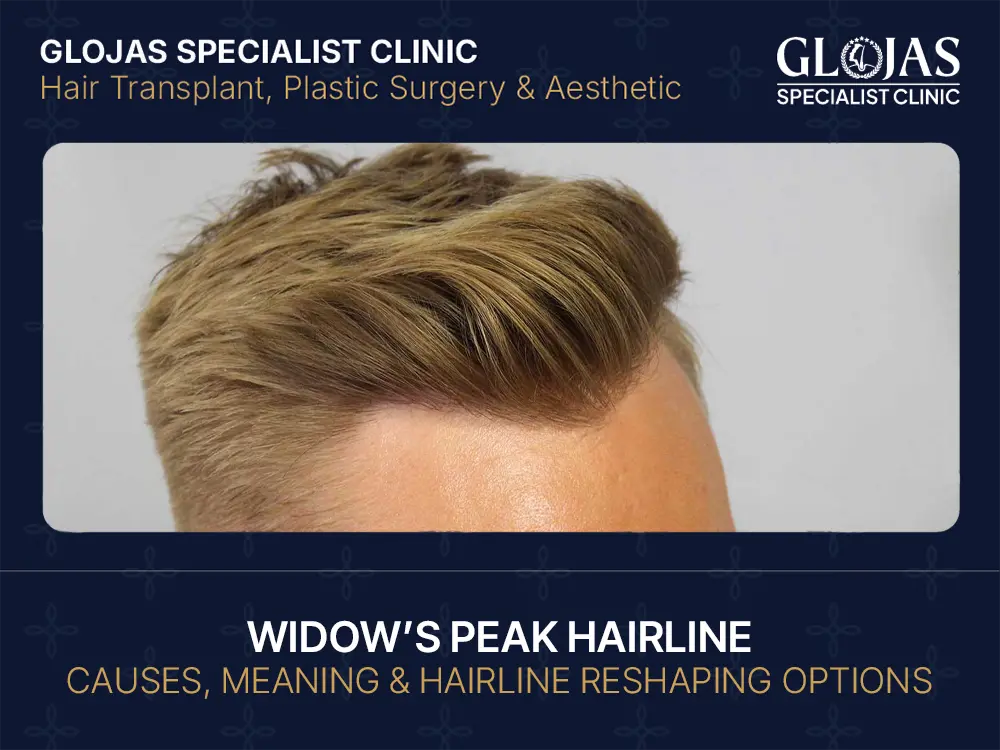
A widow’s peak is a V-shaped point in the center of the forehead hairline. It is mostly inherited and is usually harmless. Rarely, it may appear with certain medical syndromes. Knowing its causes, genetics, and cosmetic options helps people understand what is normal and when to seek medical advice. What is a Widow’s Peak? A widow’s peak is a V-shaped hairline that dips in the middle of the forehead. It is a natural variation in hair patterns. The name comes from 16th-century descriptions of hairlines resembling peaks seen in mourning attire. Key points: Sharp V-shape in the center of the forehead Often more visible in men due to hair thickness and styling Develops in childhood and usually stays the same in adulthood GLOJAS Specialist Clinic provides expert care for widow’s peak and hairline concerns. Our hair transplant surgeon offer clear, safe, and evidence-based advice. We guide patients on cosmetic options and genetic factors, ensuring professional and trustworthy care for both appearance and health. Genetics and Inheritance Widow’s peak is mainly inherited, but its genetics are complex. It is not caused by a single gene. Genetic factors: Several genes affect hairline shape and thickness Often runs in families Not linked to disease in most cases Common myths: Once thought to be a dominant trait; genetics are now known to be more complex Having a widow’s peak does not mean you have a medical problem How Common is a Widow’s Peak? About 25–30% of people worldwide have a widow’s peak Slightly more common in men than women Ethnicity does not significantly change prevalence, but forehead shape may affect appearance Clinical Significance For most people, a widow’s peak is purely cosmetic. Rarely, it may appear with certain syndromes. Possible associations: Aarskog syndrome: Rare disorder affecting facial and skeletal development Cornelia de Lange syndrome: Can include a distinct hairline and developmental delays Trichorhinophalangeal syndrome: May involve sparse hair and unusual hairline Red flags to watch for: Sudden changes in hairline in adults Patchy hair loss or rapid thinning Other unusual physical features in children If these occur, a doctor should evaluate them. How Widow’s Peak is Diagnosed? A widow’s peak is usually identified by looking at the hairline. Tests are rarely needed unless a syndrome is suspected. Assessment may include: Family history of hairline patterns Physical exam for other unusual features Patient concerns about appearance Management and Cosmetic Options for Widow’s Peak Treatment is generally not needed. Cosmetic options are available for those who want them. Options include: Hairstyles: Can hide or highlight the V-shape Hair transplant: Rarely needed to adjust the hairline Laser or skin treatments: Usually unnecessary unless there is thinning Counseling can help people who feel self-conscious about their hairline. Common Myths of Widow’s Peak Widow’s peak causes baldness: False. Baldness depends on genetics and hormones. Widow’s peak is unlucky or evil: This is a cultural myth. Inherited only from the mother: False. Both parents contribute genes. Prevention of Widow’s Peak You cannot prevent a widow’s peak because it is genetic. Focus on overall hair health: Eat a balanced diet with vitamins and protein Avoid pulling or stressing hair Keep the scalp clean Frequently Asked Questions (FAQ) Q1: Can a widow’s peak cause health problems?A1: Usually no. It is a harmless hairline variation. Rarely, it may appear with certain genetic syndromes. Q2: Will my widow’s peak change with age?A2: It usually stays the same. Hair thinning may make it appear more noticeable. Q3: Can hair treatments remove a widow’s peak?A3: Permanent removal is uncommon. Hairstyles or hair transplants can change its look. Q4: Does a widow’s peak predict baldness?A4: No. Baldness is determined by genetics and hormones, not hairline shape. Q5: How do I know if it’s linked to a syndrome?A5: Look for other unusual features. Consult a doctor if you notice multiple abnormalities. Key Takeaways A widow’s peak is a normal V-shaped hairline. It is mostly inherited and harmless. Cosmetic concerns are the main reason people seek changes. Rarely, it may be part of a genetic syndrome. It does not predict baldness or serious health problems.
Hair Graft Calculator: How Much Does Hair Transplant Cost In Malaysia (2025)

How Many Grafts Do I Need for a Hair Transplant?Use our instant calculator: Select your hair loss area and density to see how many grafts you need and estimated cost. Results are tailored to your profile and based on expert guidelines. Hair Graft Calculator Area of Hair Loss (cm²): Measure the width × length (cm) of your thinning or bald area. Desired Graft Density (grafts/cm²): Grafts per cm². Higher density = fuller look. Typical: 30–40. Calculate *Estimate only. Consult a hair specialist for assessment. Measurement Estimates Region Area Grafts Receding Hairline 20–40 cm² 800–1600 Crown 30–60 cm² 1200–2400 Full Top 100–150 cm² 3500–5500 Eyebrow 3–5 cm² 150–300 Beard Patch 5–10 cm² 300–600 *For general reference only. Actual needs are unique to you. Estimate Your Hair Transplant Needs & Cost Are you considering a hair transplant in malaysia but not sure how many grafts you need or what the procedure will cost? You’re not alone. With advanced technology and expert guidance, getting an accurate hair transplant estimate is now easier than ever—especially with a reliable hair graft calculator Malaysia. Whether you’re researching for FUE, FUT, or planning a full hair restoration, an online calculator is a valuable first step in your journey. Why Use a Hair Graft Calculator? A hair graft calculator is a user-friendly tool designed to estimate the number of grafts needed for hair transplant based on your current hair loss pattern, the area you want to restore, and your desired hair density. For many patients in Malaysia, this tool provides transparency and clarity before even stepping into a clinic. Benefits of Using a Hair Graft Calculator Instant Results: Get an accurate estimate within seconds. Cost Transparency: Know the average hair transplant cost per graft in Malaysia before committing. Personalized Estimates: Calculations are tailored based on your hair type, loss severity, and restoration goals. User Privacy: Most calculators don’t require personal information or sign-ups. Decision Support: Helps you understand if your expectations are realistic and how to plan financially. How Does It Work? Most modern hair graft calculators are based on the Norwood scale (for male pattern baldness) or Ludwig scale (for women). Users simply select their current hair loss stage, specify the areas to restore (hairline, crown, or full head), and adjust the desired hair density. The calculator then provides: Estimated grafts needed Approximate cost (based on local rates per graft) Suggested next steps (e.g., consultation, hairline design) Hair Graft Calculation in Malaysia: What to Expect 1. Localized Cost & Results GLOJAS Clinic is known for its world-class aesthetic clinic and highly experienced, MOH LCP-certified hair transplant surgeons. The cost per graft in Malaysia ranges from RM8 to RM12 per graft, depending on the technique (FUE, FUT, DHI), clinic reputation, and surgeon’s expertise. 2. Common Scenarios Hairline Restoration: Usually requires 1,200–2,000 grafts. Crown Area: May need 1,500–3,000 grafts. Full Coverage: Can go up to 4,000+ grafts for advanced hair loss. 3. What Influences the Estimate? Extent of hair loss (use Norwood/Ludwig scale) Desired density Hair type and texture Donor area quality Previous transplants or scarring Why Trust a Calculator from a Certified Clinic? Reputable Malaysian clinics ensure their hair graft calculators are developed with input from experienced surgeons and based on real patient outcomes. This means you get estimates grounded in science and tailored for Asian hair types. Ready to Take the Next Step? If you’re exploring options or want to plan your hair transplant budget, try a hair graft calculator Malaysia today. For the most accurate assessment, combine the calculator results with a free or in-person consultation at a certified clinic. This ensures your treatment plan is personalized for your hair and goals. Frequently Asked Questions (FAQ) 1. How accurate is a hair graft calculator in Malaysia?A hair graft calculator provides a reliable estimate based on your inputs and expert algorithms, but only a qualified surgeon can give you an exact graft count after an assessment. 2. What factors affect the number of grafts I need?Your hair loss stage, desired density, hair type, and size of the area to be restored all influence the number of grafts needed. 3. How much does a hair transplant cost per graft in Malaysia?The average cost ranges from RM8 to RM12 per graft, depending on the clinic, surgeon experience, and chosen technique. 4. Can I use the calculator for FUE, FUT, and DHI procedures?Yes, most calculators are designed to estimate grafts for all major hair transplant techniques used in Malaysia. 5. What should I do after using a hair graft calculator?Schedule a consultation with an MOH LCP-certified clinic to verify your results, discuss your goals, and plan your treatment with a trusted expert.
Rambut Rontok Parah? Penyebab, Solusi, dan Perawatan yang Terbukti Efektif

Rambut rontok adalah masalah umum yang bisa dialami siapa saja—baik pria maupun wanita, di berbagai usia. Kondisi ini bisa terjadi secara bertahap atau tiba-tiba, dan sering kali menimbulkan kekhawatiran serta rasa kurang percaya diri. Artikel ini membahas secara lengkap penyebab utama rambut rontok, metode perawatan yang tersedia, dan kapan waktu yang tepat untuk mencari penanganan medis. GLOJAS Specialist Clinic menawarkan perawatan rambut rontok yang ahli melalui rencana personalisasi berbasis bukti yang dikembangkan oleh spesialis bersertifikat. Dengan menggunakan teknologi bersertifikasi FDA dan CE seperti terapi PRP dan restorasi rambut presisi, kami menjamin hasil yang aman dan efektif. Perawatan lanjutan dan dukungan tindak lanjut yang komprehensif memperkuat kepercayaan pasien, menjadikan GLOJAS otoritas terpercaya dalam solusi restorasi rambut. Baca Selengkapnya: Tanam Rambut Malaysia Apa Itu Rambut Rontok Parah dan Kapan Harus Waspada Rontoknya rambut dalam jumlah kecil merupakan bagian dari siklus alami pertumbuhan rambut. Namun, jika rambut mulai menipis secara signifikan, muncul area botak, atau kerontokan melebihi 100 helai per hari, maka kondisi ini perlu diperhatikan lebih lanjut. Beberapa orang mengalami kerontokan karena faktor keturunan, sementara yang lain mungkin mengalaminya akibat perubahan gaya hidup, stres, atau kondisi medis tertentu. Penyebab Utama Rambut Rontok pada Pria dan Wanita Faktor GenetikKebotakan pola (androgenetic alopecia) merupakan penyebab paling umum, baik pada pria maupun wanita. Biasanya dimulai secara bertahap dan semakin luas seiring waktu. Perubahan HormonHormon berperan besar dalam siklus pertumbuhan rambut. Kehamilan, menopause, sindrom ovarium polikistik (PCOS), dan gangguan tiroid bisa menjadi pemicu. Stres BerlebihanStres emosional maupun fisik dapat menyebabkan kerontokan mendadak, seperti dalam kondisi telogen effluvium. Kurang NutrisiKekurangan zat besi, protein, vitamin D, dan biotin dapat melemahkan akar rambut dan mempercepat kerontokan. Penggunaan Produk KimiaPewarna rambut, pelurusan kimia, atau penggunaan alat panas berlebihan dapat merusak folikel dan memperparah kerontokan. Penyakit dan Pengobatan TertentuBeberapa penyakit autoimun, infeksi kulit kepala, atau penggunaan obat-obatan seperti kemoterapi bisa mengakibatkan rambut rontok. Cara Alami Mengatasi Rambut Rontok Parah Konsumsi makanan bergizi seimbang dengan kandungan protein, zat besi, dan vitamin yang cukup Gunakan minyak alami seperti minyak kelapa atau minyak rosemary untuk menutrisi kulit kepala Hindari mengikat rambut terlalu kencang atau penggunaan alat panas berlebihan Lakukan pijatan ringan di kulit kepala untuk melancarkan sirkulasi darah Pilihan Perawatan Medis untuk Rambut Rontok Parah MinoxidilDigunakan secara topikal untuk merangsang pertumbuhan rambut, cocok untuk pria dan wanita. FinasterideObat oral untuk pria yang bekerja dengan menurunkan kadar hormon penyebab kerontokan. Terapi Plasma (PRP)Menggunakan plasma darah pasien sendiri untuk memperbaiki dan menstimulasi folikel rambut. Stem Cell dan Terapi GCellTeknologi regeneratif yang membantu memperkuat dan mengaktifkan kembali folikel yang lemah. Tanam RambutMetode seperti FUE (Follicular Unit Extraction) dapat menjadi solusi permanen, terutama untuk kerontokan berat atau area botak. Kapan Waktu Tepat Berkonsultasi ke Dokter Segera temui tenaga medis apabila: Rambut rontok berlangsung lebih dari tiga bulan Muncul area botak yang semakin meluas Rambut rontok disertai gejala lain seperti gatal, luka, atau iritasi kulit kepala Anda telah mencoba berbagai solusi mandiri tanpa hasil Konsultasi dini dapat membantu menentukan penyebab pasti dan mempercepat penanganan. Tips Mencegah Rambut Rontok Kembali Gunakan sampo yang sesuai dengan kondisi kulit kepala Hindari menyisir rambut saat basah Istirahat cukup dan kelola stres dengan baik Rutin merawat rambut tanpa bahan kimia berlebihan Lakukan pemeriksaan darah jika dicurigai ada kekurangan nutrisi Pertanyaan Umum tentang Rambut Rontok Parah (FAQ) 1. Apa penyebab utama rambut rontok pada wanita?Biasanya disebabkan oleh perubahan hormon, stres, kekurangan nutrisi, atau gangguan tiroid. 2. Bisakah rambut tumbuh kembali setelah rontok?Bisa, selama folikel rambut belum rusak permanen dan penyebabnya ditangani dengan tepat. 3. Apakah ada cara cepat menghentikan rambut rontok?Perubahan pola makan, perawatan topikal seperti minoxidil, serta menghindari stres bisa membantu mengurangi kerontokan dengan cepat. 4. Kapan waktu yang tepat ke dokter jika rambut terus rontok?Jika rambut rontok melebihi 100 helai per hari atau muncul area botak dalam waktu singkat. 5. Apa perawatan paling efektif untuk rambut rontok parah?Untuk kerontokan berat, kombinasi terapi PRP, minoxidil, atau transplantasi rambut bisa memberikan hasil terbaik. Wujudkan Rambut Sehat dan Lebat Bersama Ahli Terpercaya Dapatkan perawatan personal dari dokter bersertifikat ABHRS dan ISHRS dengan pengalaman lebih dari 20 tahun di bidang transplantasi rambut indonesia.Di GLOJAS Specialist Clinic, setiap prosedur dilakukan dengan standar medis internasional, mengutamakan keamanan, hasil alami, dan teknologi terkini. Dengan ribuan pasien yang telah berhasil mendapatkan transformasi penampilan, kami siap membantu Anda meraih tampilan yang lebih percaya diri melalui konsultasi profesional dan rencana perawatan yang disesuaikan dengan kebutuhan unik Anda.
Top 5 Causes of Hair Loss in Men and Women: What You Should Know

Hair is more than just strands—it’s a symbol of beauty, confidence, and health. So when those strands start to thin or fall out, it can stir panic and confusion. Understanding the causes of hair loss is the first step in tackling the problem head-on. Whether you’re noticing a receding hairline, bald patches, or increased shedding, this guide will walk you through the top five culprits behind hair loss in both men and women. Let’s dive in. Understanding the Causes of Hair Loss Hair loss, medically known as alopecia, is not just one-size-fits-all. It can range from subtle thinning to sudden, patchy bald spots. And while genetics play a role, they’re far from the only factor. Identifying the causes of hair loss early gives you a better chance at controlling, treating, or even reversing it. The condition can be temporary or permanent, localized or widespread, and each type requires a unique approach. Genetics: The Most Common Cause Androgenetic Alopecia Androgenetic alopecia—commonly referred to as male or female pattern baldness—is the leading genetic cause of hair loss. In men, it usually starts with a receding hairline or thinning crown. In women, it presents as general thinning across the scalp. This hereditary condition is linked to hormones known as androgens, particularly dihydrotestosterone (DHT), which shrinks hair follicles over time and reduces hair growth. Is It Reversible? While you can’t alter your DNA, early treatment with minoxidil, finasteride (for men), or low-level laser therapy can slow progression and stimulate regrowth. Hormonal Imbalances and Medical Conditions Thyroid Disorders Both hypothyroidism and hyperthyroidism can disrupt the hair growth cycle, leading to increased shedding or diffuse thinning. Polycystic Ovary Syndrome (PCOS) PCOS causes hormonal shifts in women, often resulting in hair loss, particularly on the scalp while increasing facial hair growth. Postpartum and Menopause Hormonal changes during and after pregnancy or around menopause can trigger temporary or permanent hair loss in women. Other Conditions Autoimmune diseases like alopecia areata cause the immune system to mistakenly attack hair follicles, resulting in patchy baldness. Nutritional Deficiencies and Poor Diet Key Nutrients Linked to Hair Health Hair follicles are rapidly dividing tissues, which means they require a steady supply of nutrients. Deficiencies in these can be a major cause of hair loss: Iron – Essential for red blood cell production, which transports oxygen to hair follicles. Biotin – A B-vitamin that supports keratin production. Zinc – Plays a role in tissue repair and hair growth. Protein – Hair is primarily composed of protein; a low-protein diet weakens the strands. Unbalanced Diets and Crash Dieting Quick weight loss and extreme diets can shock your body, disrupting the hair growth cycle and pushing follicles into the shedding phase (telogen effluvium). Stress and Psychological Triggers Emotional Stress High levels of emotional stress—grief, divorce, trauma—can push hair follicles into the resting phase, causing temporary hair loss several months later. Physical Stress Surgery, high fever, or serious illness can trigger telogen effluvium, a form of temporary hair loss that affects the entire scalp. Trichotillomania This psychological disorder causes individuals to compulsively pull out their hair, leading to bald patches and potential follicle damage. Hair Care Habits and Styling Damage Tight Hairstyles Wearing tight braids, ponytails, or buns regularly can lead to traction alopecia—hair loss caused by prolonged tension on hair follicles. Heat and Chemicals Frequent use of straighteners, curling irons, dyes, and bleach can weaken hair shafts, making them prone to breakage and fall. Overwashing and Harsh Products Washing hair too frequently or using sulfates and alcohol-rich products can strip natural oils, weaken the scalp, and contribute to hair loss over time. Can Hair Loss Be Reversed? The answer depends on the cause of hair loss. Temporary types such as telogen effluvium often resolve on their own once the trigger is addressed. However, genetic and autoimmune causes may require long-term treatment or medical intervention. Early detection is your strongest defense. As soon as you notice changes in hair density, texture, or pattern, consult a dermatologist to assess the cause and formulate a treatment plan. How to Prevent Hair Loss Maintain a Balanced Diet: Incorporate iron, protein, and vitamins B, D, and E into your meals. Gentle Hair Care: Avoid excessive brushing and use sulfate-free, pH-balanced shampoos. Limit Heat Styling: Use low-heat settings and always apply heat protectant sprays. Manage Stress: Regular exercise, meditation, and therapy can help keep stress-induced hair loss at bay. Medical Checkups: Monitor your thyroid levels, hormone balance, and nutritional profile periodically. Get Professional Hair Loss Treatments: FUE Hair Transplant, PRP Hair Injection for hair regrowth. FAQs 1. What is the most common cause of hair loss in both men and women?Genetics, specifically androgenetic alopecia, is the most frequent cause across genders. 2. Can a poor diet cause hair loss?Yes, deficiencies in iron, protein, and biotin are directly linked to hair thinning and shedding. 3. Is hair loss from stress permanent?Stress-induced hair loss is usually temporary and reversible once the stressor is removed. 4. How long does it take to see regrowth after hair loss?It varies, but regrowth can begin within 3–6 months with proper treatment and care. 5. What vitamins help reduce hair loss?Biotin, vitamin D, iron, and zinc are essential for healthy hair growth. 6. When should I see a doctor for hair loss?If you notice sudden, excessive shedding or patchy hair loss, consult a dermatologist immediately.
Dandruff Treatment Malaysia: Safe & Effective Solutions for Itchy Scalp

Are you tired of battling stubborn dandruff and an itchy, flaky scalp? You’re not alone—dandruff is one of the most common scalp conditions affecting both men and women in Malaysia. If you’ve tried every shampoo on the shelf and still haven’t found relief, it may be time to consider professional help. Here’s your complete guide to understanding, treating, and preventing dandruff in Malaysia, written for 2025 and beyond. Why Choose Professional Dandruff Treatment in Malaysia? While mild dandruff can sometimes be managed with over-the-counter products, persistent or severe cases need expert intervention. GLOJAS Specialist Clinic offers expert dandruff treatment, combining advanced dermatological care with personalized solutions. Our certified specialists diagnose underlying causes, ensuring effective relief from flaking, itching, and scalp irritation. Using clinically proven therapies, we provide safe, long-lasting results, reinforcing our reputation for trusted, professional care in scalp and hair health. What Is Dandruff and What Causes It? Dandruff is a scalp condition marked by excessive shedding of dead skin cells. It often leads to visible flakes, scalp itchiness, and even embarrassment in social situations.Common causes include: Overgrowth of Malassezia fungus Oily or dry skin Stress or hormonal changes Sensitivity to hair products (contact dermatitis) Poor scalp hygiene Climate factors (Malaysia’s humidity can worsen symptoms) Types of Dandruff: Dry, Oily, and Fungal Not all dandruff is the same! Dry dandruff: Flaky white scales, often with a dry, itchy scalp. Oily (seborrheic) dandruff: Greasy yellowish flakes, often due to excess sebum. Fungal dandruff: Triggered by an overgrowth of Malassezia; may need antifungal treatments. Knowing your type helps doctors recommend the best solution for you. Dandruff Symptoms and When to See a Dermatologist Common symptoms: Persistent flaking or white/yellowish scales on scalp, hair, or shoulders Itchy, irritated scalp Redness or inflammation Sometimes, oily or greasy patches If you notice bleeding, sores, severe redness, or if dandruff doesn’t improve after weeks of self-care, consult a dermatologist or an MOH-certified clinic in Malaysia. Best Scalp & Dandruff Treatments in Malaysia Modern clinics offer a wide range of proven solutions. Here are the top options: Anti-Dandruff Shampoos (Medical-Grade & OTC) Medicated shampoos with zinc pyrithione, ketoconazole, selenium sulfide, or salicylic acid are often the first line of defense. MOH-certified clinics may prescribe stronger, clinic-only formulas for stubborn cases. Clinic Scalp Treatments These include professional scalp exfoliation, medical-grade scalp masks, and light-based therapies. Such treatments deeply cleanse, rebalance the scalp microbiome, and calm inflammation. Prescription Medications For severe or persistent dandruff, oral or topical antifungals, corticosteroids, or other medicated lotions may be prescribed. Home Remedies for Mild Dandruff Tea tree oil, coconut oil, and gentle scalp massages can help, but always check with your doctor before trying natural remedies—especially for sensitive or inflamed skin. Dandruff and Hair Fall: What’s the Connection? Untreated dandruff can weaken hair roots and cause increased hair shedding. Chronic scalp inflammation may contribute to hair thinning or even temporary hair loss.The good news: Effective dandruff treatment usually restores scalp health and supports better hair growth. How to Prevent Dandruff and Maintain a Healthy Scalp Wash hair regularly with a mild, anti-dandruff shampoo Avoid harsh hair products or frequent styling Rinse thoroughly to remove product buildup Manage stress and get enough sleep Eat a balanced diet rich in vitamins for scalp health Don’t scratch your scalp—this can worsen inflammation Dandruff Treatment for Men, Women & Children Dandruff affects everyone, regardless of age or gender. Men: Often linked to oily scalps and hormonal changes. Women: May notice dandruff flares during hormonal shifts, such as pregnancy or stress. Children: Less common, but can be related to eczema or scalp hygiene. MOH-certified clinics in Malaysia offer specialized care for each group, ensuring safe and effective results. Cost of Dandruff Treatment in Malaysia The cost varies depending on the severity and the treatments required: Anti-dandruff shampoos: RM30 – RM200+ Clinic scalp treatments: RM150 – RM500 per session Prescription medications: RM80 – RM300 per month At our clinic, we believe in transparent pricing. Book a consultation for a personalized quote and treatment plan that fits your needs and budget. Myths & Facts About Dandruff Myth: Dandruff is caused by poor hygiene.Fact: While good hygiene helps, dandruff is mainly linked to scalp condition and fungus. Myth: Only people with dry scalp get dandruff.Fact: Oily skin can also trigger dandruff. Myth: Dandruff is contagious.Fact: It isn’t—you can’t “catch” dandruff from someone else. Frequently Asked Questions About Dandruff Treatment 1. Can dandruff cause hair loss?Severe dandruff may lead to increased shedding, but it’s rarely the main cause of permanent hair loss. 2. What’s the fastest way to get rid of dandruff?Consistent use of medicated shampoos and following your doctor’s advice usually gives the quickest results. 3. Are anti-dandruff shampoos safe for colored hair?Some are. Ask your clinic for recommendations suited to your hair type. 4. When should I see a dermatologist for dandruff?If home remedies and OTC shampoos don’t work after several weeks, or if you notice bleeding, sores, or severe redness. 5. Is dandruff permanent?Dandruff can be controlled long-term with proper treatment, though it may return if scalp care lapses. Read More About : Hair Transplant Malaysia
Regenera Activa Malaysia: A Natural Solution for Early Hair Loss

Introduction: Why Early Hair Loss Needs a Smarter Approach Hair thinning is no longer just a cosmetic issue—it’s a confidence disruptor. Many Malaysians are now turning to Regenera Activa, a non-surgical, regenerative treatment that uses your body’s own cells to restore hair naturally. This guide explains what Regenera Activa is, how it works, who it’s for, and how it compares to other treatments like PRP hair therapy and hair transplant. What Is Regenera Activa? Regenera Activa is an autologous micrografting treatment that extracts regenerative cells from your scalp and reintroduces them to stimulate dormant hair follicles. This process encourages natural hair regrowth without surgery, synthetic chemicals, or implants. How Regenera Activa Works A small tissue sample is taken from the back of your scalp (an area resistant to hair loss). The sample is processed using a special Regenera device to isolate stem cells, progenitor cells, and growth factors. These cells are injected into thinning areas to reactivate follicle regeneration. Treatment is done in one session, with no downtime. Key Benefits of Regenera Activa ✅ Minimally invasive, done in under 45 minutes ✅ No downtime – resume normal activities immediately ✅ Ideal for early-stage androgenetic alopecia ✅ Enhances hair density and slows hair miniaturization ✅ Uses your body’s own regenerative ability ✅ No risk of allergic reaction or rejection Who Is It For? Regenera Activa is best for: Men and women with early to moderate pattern baldness Individuals noticing widening part lines or thinning crowns Patients not ready for a hair transplant Those who want a natural and preventive approach Regenera Activa vs. PRP: What’s the Difference? Feature Regenera Activa PRP Therapy Cell Source Tissue graft (micrografts) Platelet-rich plasma Potency Higher (includes stem & progenitor cells) Moderate (growth factors only) Sessions Required Usually 1 3–6 sessions Downtime None Mild swelling Pain Level Minimal Mild discomfort What to Expect After Treatment Week 1–2: Minor sensitivity, no shedding or swelling Month 2–3: Hair shedding stabilizes, scalp feels fuller Month 4–6: Visible improvement in hair thickness and texture Month 12: Peak results; some patients may repeat treatment yearly Cost of Regenera Activa in Malaysia (2025) At GLOJAS, Regenera Activa is priced at RM10,000 — inclusive of consultation, scalp biopsy, cell processing, and injection in one session. This FDA-approved treatment is ideal for early-stage hair loss, with results lasting 12–18 months. KWSP withdrawal and flexible payment plans are available. Book your consultation today. Frequently Asked Questions (FAQs) 1. Is Regenera Activa painful?No. Local anesthesia is applied, and the procedure is well-tolerated with minimal discomfort. 2. Can it treat female pattern hair loss?Yes. It’s safe and effective for women experiencing diffuse thinning or genetic hair loss. 3. Is one session enough?In most cases, yes. Some individuals may benefit from repeat treatment after 12–18 months. 4. Is there any downtime?There’s no downtime. You can return to work the same day. 5. How soon will I see results?Visible changes usually begin around 2–3 months, with full results by 6–12 months. Choosing the Right Clinic in Malaysia When looking for Regenera Activa providers, prioritize: Clinics using official Regenera Activa systems Licensed aesthetic doctors or hair restoration specialists Clinics offering scalp analysis and follow-up plans Transparent reviews and before/after case studies Search terms like: “Best Regenera Activa clinic Kuala Lumpur” “Hair loss solution Malaysia no surgery” “Stem cell hair restoration near me” …can help you locate verified, professional options. Final Thoughts Regenera Activa is a breakthrough in natural hair loss treatments, offering a science-backed, minimally invasive option for early-stage hair loss. Whether you’re in Kuala Lumpur or anywhere in Malaysia, consider this innovative treatment before jumping into surgery.
DHT Blocker for Hair Loss: What They Are, How They Work & Top Options

Introduction Hair loss affects millions of people, especially men experiencing androgenetic alopecia (male pattern baldness). One of the major causes of hair loss is DHT (dihydrotestosterone), a hormone derived from testosterone. When DHT binds to hair follicles, it causes them to shrink, eventually stopping hair growth. That’s where DHT blockers come in. These supplements, foods, and medications help block or inhibit the effects of DHT on hair follicles, promoting regrowth and preventing further loss. In this article, we explore how DHT blockers work, the best natural and clinical options available, and how to use them safely. What Is DHT? DHT, or dihydrotestosterone, is an androgen hormone produced when the enzyme 5-alpha reductase converts testosterone. DHT plays a key role in male characteristics like facial hair and deep voice, but it also causes hair follicles to miniaturize — leading to thinning and baldness, especially on the crown and hairline. How Do DHT Blockers Work? DHT blockers work by either: Inhibiting the 5-alpha reductase enzyme, which reduces DHT production Blocking DHT from binding to receptors in hair follicles This protects the follicle from damage, prolongs the hair growth cycle, and promotes thicker, healthier hair regrowth. Types of DHT Blockers 1. Prescription DHT Blockers Finasteride (Propecia): FDA-approved for male pattern baldness Dutasteride: A more potent option, sometimes prescribed off-label Note: These are effective but may carry side effects like decreased libido or mood changes. 2. Natural DHT Blockers For those seeking non-pharmaceutical options, several natural DHT blockers have shown promise: Saw Palmetto: Popular herbal extract with anti-DHT effects Pumpkin Seed Oil: Contains phytosterols that help block DHT Green Tea Extract (EGCG): Antioxidant-rich and supports scalp health Pygeum Bark: Traditionally used for prostate health, also inhibits DHT Nettle Root: Blocks the binding of DHT to receptors These ingredients are commonly found in DHT blocker supplements, often combined in capsule or topical form. 3. Topical DHT Blockers Topical options include shampoos or serums that contain ingredients like: Caffeine Ketoconazole Biotin Rosemary oil These formulas work directly on the scalp and are often used alongside oral supplements. Are DHT Blockers Safe? Natural DHT blockers are generally safe with minimal side effects. However, some may experience: Mild digestive issues Skin irritation (topical use) Hormonal sensitivity Prescription DHT blockers (like finasteride) may cause more serious side effects, including: Erectile dysfunction Decreased libido Mood swings Always consult a doctor before starting a new supplement or medication, especially if you’re already undergoing hair loss treatments like PRP or hair transplant. Best DHT Blockers in Malaysia If you’re in Malaysia and searching for safe, effective DHT blockers, here are common options available in clinics and pharmacies: Nutrafol Men/Women – Contains saw palmetto, biotin, and ashwagandha Advanced Trichology DHT Blocker – Professional-grade formula with zinc, green tea, and pumpkin seed Biotin & Caffeine Shampoo – For topical DHT management HairMax LaserComb – Used in clinics with DHT-inhibiting treatments For best results, combine DHT blockers with a healthy lifestyle, stress reduction, and scalp care. Who Should Use DHT Blockers? You’re a good candidate if you: Have early signs of male or female pattern baldness Want to prevent further hair thinning Are not yet ready for hair transplant surgery Prefer non-invasive hair regrowth solutions Summary DHT blockers offer an effective way to slow hair loss and support regrowth by targeting one of its root causes — dihydrotestosterone. Whether through prescription drugs, natural supplements, or topical treatments, these options can preserve hair health and confidence. However, results vary between individuals, and the best approach may combine multiple methods, including nutrition, topical treatments, and medical therapies under the guidance of a certified clinic. FAQs About DHT Blockers 1. Do DHT blockers really regrow hair?They help slow hair loss and promote regrowth in early stages, especially when used consistently over 3–6 months. 2. Is it safe to take DHT blockers long term?Natural blockers are safe for long-term use. Prescription blockers should be monitored by a doctor due to hormonal side effects. 3. Can women use DHT blockers?Yes, especially post-menopausal women. However, they should avoid finasteride unless prescribed by a doctor. 4. What foods help block DHT?Green tea, pumpkin seeds, flaxseeds, and berries are rich in antioxidants that support healthy hormone balance. 5. Are there side effects with natural DHT blockers?Most people tolerate them well, but minor issues like bloating or headaches can occur. Always start with low doses. Ready to Stop Hair Loss? Visit GLOJAS Clinic Kuala Lumpur – led by an ABHRS-certified hair specialist. We offer safe, effective hair loss treatments including DHT blockers, PRP hair injection, and hair transplant Malaysia.
Understanding Female Pattern Baldness: Causes, Symptoms & Best Treatments
What is Female Pattern Baldness (Androgenetic Alopecia) in Women? Female pattern baldness, also called female pattern hair loss or androgenetic alopecia, is the most common cause of hair thinning in women. Unlike men, who typically experience a receding hairline or bald spot at the crown, women usually notice a gradual thinning over the top of the scalp, part widening, or reduced hair density. This type of hair loss affects millions of women worldwide—including in Malaysia—often causing emotional distress and a loss of confidence. But here’s the good news: Female pattern baldness is treatable, especially when diagnosed early. At Glojas Specialist Clinic, we’re dedicated to helping women regain healthy, fuller hair through advanced and safe treatments. Female Pattern Baldness Causes: Why Do Women Experience Hair Thinning & Hair Loss? The root causes of female pattern baldness are complex and often involve a combination of genetics, hormones, and aging. Here are the main triggers: Genetic Factors: If your mother or grandmother had hair thinning, you may inherit this tendency. Hormonal Changes: Pregnancy, menopause, polycystic ovarian syndrome (PCOS), and other hormonal imbalances can trigger hair loss in women. Aging: As women age, hair follicles shrink, producing finer, weaker hairs or stopping hair production altogether. Medical Conditions: Thyroid disorders, iron deficiency, and autoimmune diseases can contribute. Lifestyle & Stress: Crash dieting, poor nutrition, and chronic stress may accelerate hair loss. Dr. Ali explains: “Early diagnosis is key. If you notice more hair in your brush, a widening part, or reduced scalp coverage, see a specialist for an evaluation.” Female Pattern Baldness Symptoms & Stages Women often overlook the first signs of hair loss until the condition becomes advanced. Here’s what to watch for: Gradual Thinning on the Top of the Head: The most common pattern, especially along the part. Widening Hair Part: Notice your parting looks wider? That’s often an early warning sign. Diffuse Hair Loss: Hair looks thinner all over, not in patches. Reduced Ponytail Volume: Your ponytail feels thinner than before. Visible Scalp: More scalp is visible through your hair, especially under bright light. The Ludwig Scale is commonly used to classify the severity of female pattern hair loss, ranging from mild thinning to advanced baldness. Best Female Hair Loss Treatments in Malaysia For Female Pattern Baldness At Glojas Specialist Clinic, we combine the latest science with personalized care. Here are the most effective, evidence-based options: 1. Medical Hair Regrowth Treatments for Women Topical Minoxidil: The only FDA-approved solution for female pattern hair loss. It helps stimulate hair regrowth and slow hair shedding. Oral Medications: Spironolactone, finasteride (for postmenopausal women), and other hormone modulators may be prescribed in select cases. 2. Non-Surgical Hair Restoration Solutions Platelet-Rich Plasma (PRP) Hair Therapy: Dr. Ali’s signature technique uses your own blood plasma, rich in growth factors, to rejuvenate hair follicles and encourage new growth. Low-Level Laser Therapy (LLLT): Painless light therapy that stimulates hair follicles. 3. Advanced Hair Transplant Options for Women Female Hair Transplant: Suitable for women with stable donor hair, especially at the back or sides. Our FUE method leaves minimal scarring and delivers natural results. Scalp Micropigmentation: Creates the illusion of fuller hair and masks scalp visibility. 4. Lifestyle Changes & Nutritional Support for Healthier Hair Nutritional Supplements: Biotin, iron, and vitamin D are often recommended. Gentle Scalp Care: Use sulfate-free, anti-thinning shampoos, and avoid harsh styling. Dr. Ali advises: “Every woman’s hair loss is unique. The best treatment plan is tailored after a detailed consultation and scalp analysis.” Female Pattern Baldness vs. Male Pattern Baldness While both men and women can experience androgenetic alopecia, the pattern and progression differ. Men usually see a receding hairline and bald spots, while women have diffuse thinning. Female pattern baldness rarely leads to total baldness. Can Female Pattern Baldness Be Prevented? Although you can’t change your genetics, early intervention and healthy habits can slow progression. Maintain a balanced diet, manage stress, avoid tight hairstyles, and seek help promptly if you notice increased hair loss. Conclusion Female pattern baldness is common, but it doesn’t have to define your confidence or self-image. With advances in hair restoration and the expertise of doctors like Dr. Ali, you have more options than ever to fight hair loss and regain thicker, healthier hair. If you’re ready to address thinning hair, book a consultation with Dr. Ali at Glojas Specialist Clinic today—your journey to fuller hair and renewed confidence starts here. Expert Hair Loss Insights from GLOJAS Specialist Doctors Many women in Malaysia and around the world struggle with androgenetic alopecia in women, also known as hereditary hair loss or patterned hair loss in women. This condition happens when hair follicles go through miniaturization, producing finer strands over time, leading to progressive hair thinning. It’s not just about losing hair—it’s about noticing subtle changes like a hair thinning crown, a diffuse thinning top of head, or a part that gets noticeably wider. Understanding the Ludwig scale hair loss stages can help you identify whether you’re in the early stages or if it’s already more advanced. Hormones play a big role too. A rise in DHT (dihydrotestosterone) sensitivity, hormonal imbalance hair loss in women, or changes during perimenopause and postpartum hair loss can all accelerate thinning. That’s why doctors often recommend a proper scalp examination for hair loss, sometimes using trichoscopy for female pattern baldness, alongside blood tests for hair loss in women to rule out other causes. Factors like poor diet, tight hairstyles that risk traction alopecia, or neglecting scalp health can make things worse—but the good news is, there are proven treatments. From hair regrowth treatments for women like minoxidil 5% for women to prescription options such as spironolactone hair loss women and finasteride for women (especially postmenopausal), there are many solutions tailored to your needs. Non-invasive options like laser cap therapy for female hair loss can boost results, while surgical options such as a hair transplant women before and after transformation are available for suitable candidates. At Glojas, we also guide you on supportive measures—like choosing the best
Alopecia Areata: Causes, Treatment Options & Everything You Need To Know
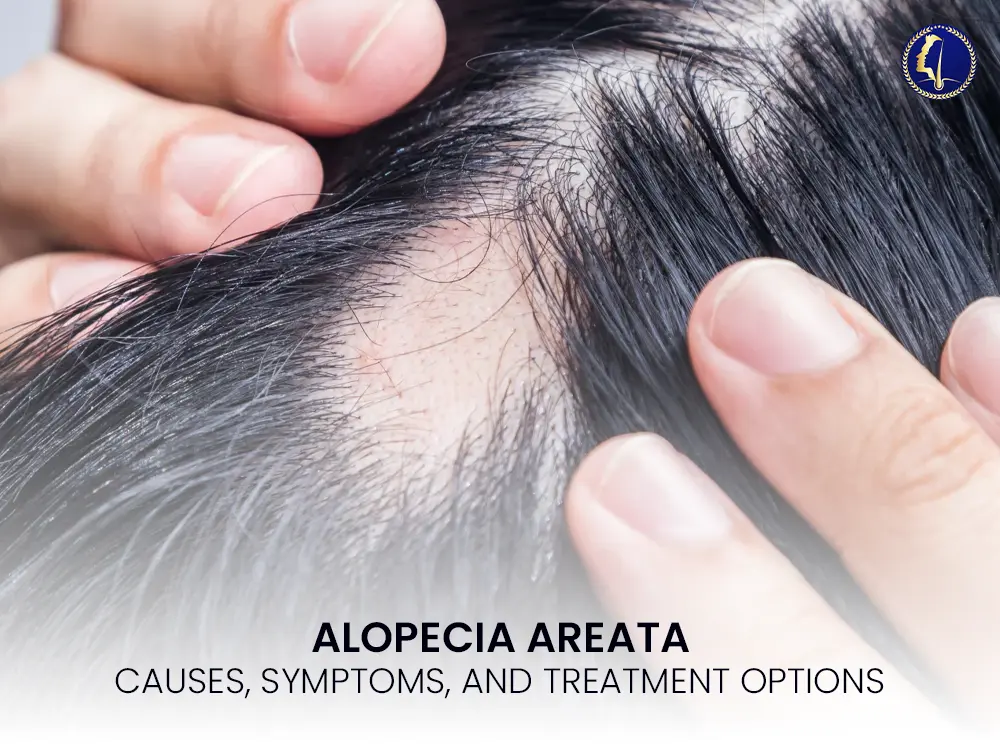
What Is Alopecia Areata? Alopecia areata is an autoimmune condition where the body’s immune system mistakenly attacks healthy hair follicles, leading to sudden hair loss in round or oval patches, most commonly on the scalp. However, it can also affect the eyebrows, eyelashes, beard, or body hair. It is non-scarring (no permanent damage to follicles) and may be temporary or long-lasting, depending on severity and treatment. Causes of Alopecia Areata While the exact cause is unknown, alopecia areata is believed to be triggered by a combination of genetic, autoimmune, and environmental factors. Common contributors include: Autoimmune response – The immune system targets hair follicles. Genetics – Often runs in families. Stress – Emotional or physical stress may contribute to flare-ups. Infections or Illnesses – Viral infections or immune triggers. Other autoimmune diseases – Like thyroid issues or vitiligo. Common Symptoms Sudden appearance of round, smooth bald patches on the scalp or beard. Tingling or mild discomfort in affected areas before hair loss. Exclamation mark hairs – Short, broken hairs at patch borders. Nail changes (ridges, pitting) in some patients. Types of Alopecia Areata Type Description Alopecia Areata Patchy hair loss on the scalp or face Alopecia Totalis Complete loss of hair on the scalp Alopecia Universalis Loss of all body hair (including eyebrows, eyelashes, body hair) Ophiasis Pattern Hair loss in a wave-like pattern around the sides and lower back of the scalp Diagnosis Diagnosis is typically clinical and may involve: Physical scalp examination Dermatoscopy to examine hair follicles Blood tests to check for autoimmune markers or thyroid dysfunction Biopsy in rare or unclear cases Treatment Options for Alopecia Areata While there is currently no cure, several effective treatments help stimulate regrowth or manage symptoms: 🔹 Topical Treatments Topical corticosteroids – Reduce inflammation and immune response Minoxidil (5%) – Promotes blood flow and hair regrowth Anthralin – Used for chronic cases, encourages irritation-regeneration cycle 🔹 Injectable Corticosteroids Intralesional steroid injections into the bald patches are commonly used for mild or moderate patchy alopecia with high success rates. 🔹 Oral Treatments Corticosteroids for short-term control of widespread hair loss JAK inhibitors (tofacitinib, baricitinib) – Advanced immunotherapy with promising results Immunosuppressants – Used under specialist care for resistant cases 🔹 PRP Hair Injection (Platelet-Rich Plasma) Promotes natural healing and hair regrowth using the patient’s own blood plasma Often combined with microneedling for better results Lifestyle & Supportive Care Reducing stress and managing autoimmune triggers Using cosmetic camouflage like wigs, makeup, or microblading Joining support groups for mental and emotional health Using UV protection on bald patches to prevent sunburn Prognosis The outcome of alopecia areata varies. Some patients experience spontaneous hair regrowth within months, while others may have chronic or recurring episodes. Early treatment typically improves outcomes. FAQs About Alopecia Areata 1. Is alopecia areata permanent?Not always. Many cases see spontaneous regrowth, though recurrence is common. 2. Can alopecia areata be cured?There is no cure, but treatments are available to manage and stimulate regrowth. 3. Is alopecia areata contagious?No. It is an autoimmune condition and cannot be spread to others. 4. Will my hair grow back the same?Regrown hair may initially appear white or fine, but normal color and texture often return. 5. Who should I consult for alopecia areata?Consult a dermatologist or hair restoration specialist for accurate diagnosis and treatment. Seeking Alopecia Areata Treatment in Malaysia? If you’re experiencing patchy hair loss, early intervention can make a significant difference. Clinics like GLOJAS Aesthetic Clinic offer medical evaluations, scalp therapies, and advanced treatments such as PRP and corticosteroid injections to support regrowth safely and effectively.
Male Pattern Baldness: Causes, Symptoms & Treatment Options in Malaysia
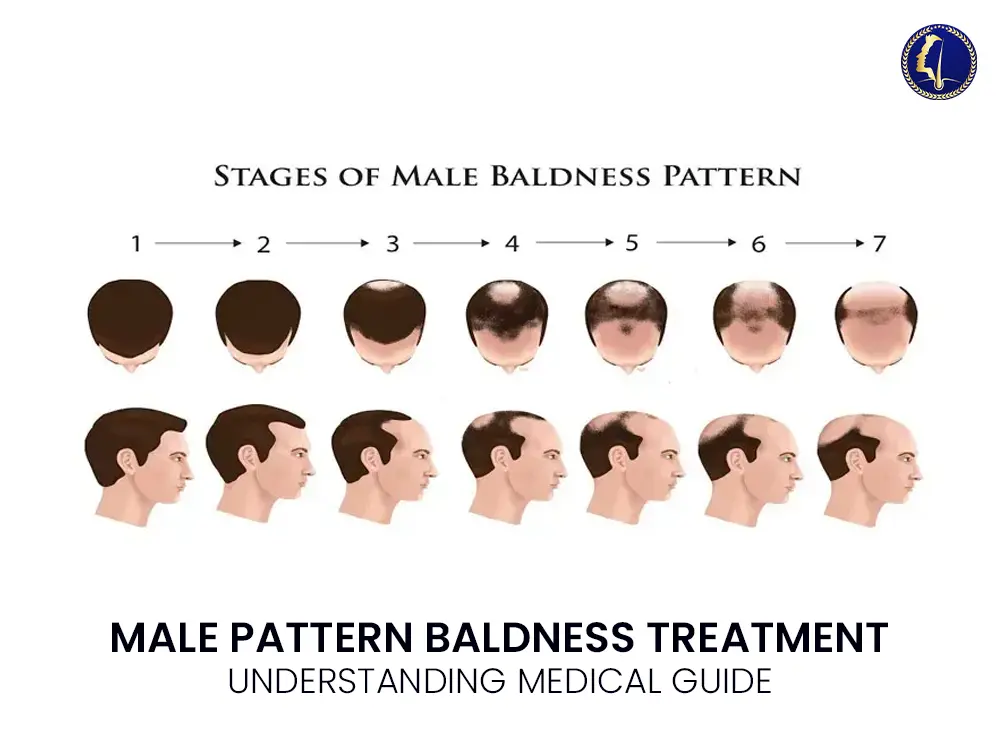
In Malaysia, male pattern baldness is a super common conversation starter (or ender) for guys of all ages. Whether you’re just starting to thin or you’re ready to take action, let’s break down what’s actually happening to your hair and what you can do about it. GLOJAS Specialist Clinic Kuala Lumpur offers world-class male pattern baldness treatment in Malaysia, specializing in SMART™ FUE transplants and PRP therapy to deliver natural, permanent results for thinning hair. What Is Male Pattern Baldness Simply put, it’s the most common cause of hair loss in men. In a tropical climate like Malaysia, where heat and humidity can make hair look flat anyway, noticing that “see-through” scalp can be a bit of a wake-up call. Definition of Androgenetic Alopecia Medical professionals call this condition Androgenetic Alopecia. It’s a mouthful, but it basically means your hair loss is driven by a mix of genetics and hormones. Unlike temporary hair loss caused by stress or diet, this one is progressive—meaning it doesn’t usually stop on its own. How Male Pattern Baldness Develops It’s not an overnight disappearance. It’s a process called miniaturization. Your hair follicles, which used to produce thick, healthy strands, start shrinking. Over time, they produce shorter, thinner hairs until they eventually stop producing hair altogether. Causes of Male Pattern Baldness Why is this happening to you? It’s usually a “perfect storm” of biology. Genetic Factors & Family History You can thank (or blame) your parents for this one. If your dad or your maternal grandfather had a receding hairline, there’s a high chance your DNA has already mapped out a similar path. You can learn more about how genetics influence hair loss to see where you stand. DHT (Dihydrotestosterone) Sensitivity This is the main villain in the story. DHT is a byproduct of testosterone. If you are genetically predisposed, DHT attaches to your hair follicles and tells them to pack their bags and shrink. Hormonal & Age-Related Factors While DHT is the trigger, age is the accelerator. As we get older, the cumulative effect of DHT exposure makes thinning more visible. In Malaysia, environmental factors like UV exposure can also stress already-weakened hair. Stages of Male Pattern Baldness Knowing where you are in the process helps determine which treatment will actually work. Norwood Scale Explained The Norwood Scale is the gold standard for classifying hair loss. It ranges from Stage 1 (minimal loss) to Stage 7 (severe baldness where only a wreath of hair remains on the sides). Early vs Advanced Hair Loss Early (Stages 1-3): You’ll notice a “V” or “M” shape at the hairline. This is the best time to start preventative treatments. Advanced (Stages 4-7): The crown (top of the head) starts thinning significantly, eventually meeting the receding hairline. Signs & Symptoms Receding Hairline This usually starts at the temples. You might notice your “widow’s peak” becoming more prominent. Crown Thinning Often called the “monk’s patch,” this is thinning at the very top of your head. You might only notice it through a rear-view mirror or in photos taken from above. Diffuse Scalp Thinning Some guys don’t get a clear receding line but instead experience a general decrease in density across the entire top of the scalp. Diagnosis of Male Pattern Baldness Before buying every “anti-hair loss” shampoo in the pharmacy, get a proper diagnosis. Clinical Scalp Examination A doctor or hair specialist will check your hair loss pattern and scalp health to rule out other issues like fungal infections or scarring alopecia. Trichoscopy & Hair Density Analysis This involves using a specialized camera to look at your scalp under high magnification. It allows doctors to see exactly how many follicles are miniaturizing and measure your hair density. Male Pattern Baldness Treatment Options in Malaysia The good news? Malaysia has world-class hair restoration tech. Medications (Finasteride, Minoxidil) These are the “Big Two.” Minoxidil (topical) helps blood flow to the follicles, while Finasteride (oral) blocks DHT. You can check out the FDA-approved hair loss medications to understand how they work. PRP Hair Treatment Platelet-Rich Plasma (PRP) involves drawing a bit of your own blood, spinning it to concentrate the growth factors, and injecting it back into your scalp. It’s like “fertilizer” for your hair. Low-Level Laser Therapy (LLLT) This uses medical-grade lasers to stimulate cellular activity in the follicles. It’s painless and often done via “laser caps” or in-clinic devices. Hair Transplant Overview If the follicle is completely dead, meds won’t bring it back. That’s where a transplant comes in—moving healthy hair from the back of your head to the bald spots. Hair Transplant for Male Pattern Baldness FUE Hair Transplant Follicular Unit Extraction (FUE) is the most popular method in Malaysia. Individual follicles are plucked out one by one and moved. No linear scars! FUT Hair Transplant Follicular Unit Transplantation (FUT) involves removing a strip of skin from the back. It’s better for guys needing a massive amount of hair in one session, but it does leave a thin scar. DHI Hair Transplant Direct Hair Implantation (DHI) is an advanced version of FUE where a specialized tool (a Choi pen) is used to control the depth and angle of every single hair for a very natural look. Treatment Results & Timeline Patience is key. Hair grows slow! When Hair Regrowth Starts With meds or PRP, you might see “fuzz” in 3 to 6 months. For transplants, the transplanted hair actually falls out first (shock loss) before growing back permanently around the 6-to-9-month mark. Long-Term Maintenance Hair loss is a marathon. Even after a transplant, you’ll likely need to stay on some form of maintenance (like Minoxidil) to keep the non-transplanted hair from falling out. Who Is a Suitable Candidate for Treatment Ideal Candidates The best candidates are those in the early-to-mid stages of hair loss with a healthy “donor area” (the hair on the back and sides). Limitations & Expectations If you are completely bald (Norwood 7), a transplant might not give you a full “teenager” mane, but it can