
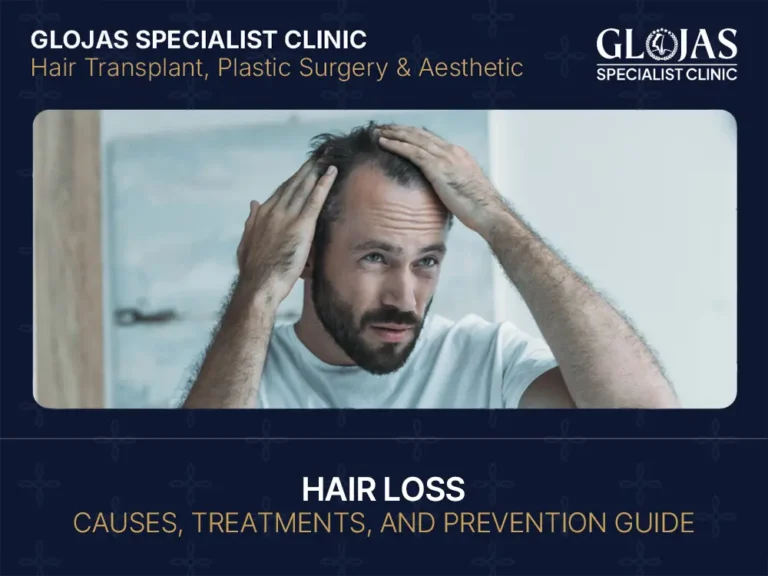
Dealing with hair loss can be a frustrating experience, affecting both your confidence and daily life. In Malaysia, factors like the tropical climate and lifestyle stress play a major role in scalp health. Understanding the root cause is the first step toward finding a solution that actually works for you.
What Is Hair Loss?
Definition of Hair Loss (Alopecia)
Clinically known as alopecia, hair loss occurs when the natural hair growth cycle is disrupted. This can result from follicles shrinking or the growth phase shortening. Whether temporary or permanent, it often signals a need for medical or nutritional intervention to restore the biological balance of your scalp.

Normal Hair Shedding vs Excessive Hair Loss
It is normal to lose about 50 to 100 strands a day. However, if you notice clumps on your pillow or a visible widening of your part line, you may be experiencing excessive loss. Monitoring these changes helps in identifying early-stage thinning before it becomes more severe.
Types of Hair Loss
Male Pattern Hair Loss
Also known as androgenetic alopecia, this is the most common type for men. It typically follows a predictable pattern, starting with a receding hairline and thinning at the crown. It is primarily driven by genetics and the hormone dihydrotestosterone (DHT).
Female Pattern Hair Loss
For women, hair loss usually manifests as diffuse thinning across the entire scalp rather than a total bald spot.
This often becomes more noticeable during menopause due to hormonal shifts. Maintaining the frontal hairline is common, though overall volume decreases significantly.
Telogen Effluvium (Stress-Related Hair Loss)
This condition triggers sudden shedding after a stressful event, surgery, or illness. It pushes a large number of hairs into the resting phase prematurely. Fortunately, telogen effluvium is usually temporary, and hair typically grows back once the underlying stressor is resolved or managed.
Alopecia Areata
An autoimmune disorder, alopecia areata causes the immune system to attack hair follicles. This results in sudden, round, patchy bald spots on the scalp or body. While unpredictable, various medical treatments in Malaysia can help suppress the immune response and encourage regrowth in affected areas.
Causes of Hair Loss
Genetic Factors
Your DNA is often the blueprint for your hair’s lifespan. If your parents experienced thinning, you are more likely to inherit follicles that are sensitive to hormonal changes. This genetic predisposition determines how early and how fast your hair density might decrease over time.
Hormonal Changes
Hormonal imbalances, including thyroid issues or PCOS, frequently trigger thinning. For many, the sensitivity of follicles to androgens is the primary culprit. According to medical studies on hair biology, fluctuating levels of estrogen and testosterone directly influence the length of the hair growth (anagen) phase.
Stress and Lifestyle
High cortisol levels from chronic stress can force follicles into a dormant state. In Malaysia, fast-paced urban living and poor sleep hygiene often contribute to this. Managing your mental well-being is just as important as topical treatments when trying to maintain a healthy, thick head of hair.
Nutritional Deficiency
Hair follicles require specific nutrients like Iron, Biotin, and Vitamin D to thrive. A diet lacking in protein or essential minerals can cause the body to redirect nutrients away from “non-essential” hair growth. Ensuring balanced nutrition is a fundamental part of any long-term hair restoration plan.
Symptoms of Hair Loss
Thinning Hair
Gradual thinning on top of the head is the most common sign. You might notice your ponytail feels lighter or that your scalp is more visible through your hair. This symptom often develops slowly, making it easy to miss until a significant amount of density is lost.
Receding Hairline
Often the first sign for men, the hairline begins to move backward, creating an “M” shape. This is a classic indicator of androgenetic alopecia. Early detection of a receding hairline allows for more effective use of preventative medications before the follicles become completely dormant.
Excessive Shedding
Finding excessive amounts of hair in the shower drain or on your hairbrush can be alarming. While shedding is a natural part of the hair cycle, a sudden increase often points toward telogen effluvium or nutritional gaps that need immediate attention from a specialist.
Patchy Hair Loss
Some people experience smooth, coin-sized bald spots. This “patchy” loss is a hallmark of alopecia areata. It can occur suddenly and sometimes affects the eyebrows or beard area too. These patches require a specific diagnostic approach to rule out fungal infections or other scalp conditions.
Diagnosis of Hair Loss in Malaysia
Scalp Examination
A doctor will perform a physical check, often using a trichoscope to see the scalp at high magnification. This helps identify miniaturized follicles and signs of inflammation. In Malaysia, LCP-certified aesthetic physicians are trained to use these tools for accurate clinical diagnoses.
Hair Analysis
Tests like the “pull test” or “pluck test” help determine the stage of the hair growth cycle. By examining the roots of shed hairs, clinicians can see if the loss is due to breakage or an actual cycle disruption, which is vital for choosing the right treatment.
Medical Evaluation
Blood tests are often necessary to check for underlying health issues. Doctors look at iron levels (ferritin), thyroid function, and hormone balances. This holistic medical evaluation ensures that the treatment addresses the root cause rather than just masking the symptoms of thinning.
Hair Loss Treatment Options in Malaysia
Medical Hair Loss Treatment
Prescription topicals and oral medications form the first line of defense. These work by blocking DHT or increasing blood flow to the follicles. In Malaysia, these are strictly regulated by the Ministry of Health (MOH) to ensure patient safety and effectiveness in slowing down hair thinning.
PRP Hair Treatment
Platelet-Rich Plasma (PRP) therapy uses growth factors from your own blood to “wake up” dormant follicles. The plasma is injected into the scalp to stimulate cellular repair. This natural approach is highly effective for increasing hair diameter and overall density without the need for surgery.
Low-Level Laser Therapy (LLLT)
LLLT uses medical-grade red light lasers to boost mitochondrial activity in hair cells. This non-invasive treatment improves the energy supply to follicles, encouraging them to stay in the growth phase longer. Many patients combine LLLT sessions with other therapies for better cumulative results.
Hair Growth Medication
FDA-approved medications like Minoxidil and Finasteride are commonly used to treat pattern baldness. These help to maintain existing hair and can even trigger regrowth in some areas. It is essential to use these under medical supervision to monitor for side effects and ensure long-term success.
Hair Transplant for Hair Loss
FUE Hair Transplant
Follicular Unit Extraction (FUE) is the most popular surgical method in Malaysia. Individual follicles are moved from a “donor” area (usually the back of the head) to thinning areas. It leaves no linear scars and offers a faster recovery time compared to older surgical techniques.
FUT Hair Transplant
Follicular Unit Transplantation (FUT) involves removing a small strip of scalp to harvest grafts. While it leaves a linear scar, it is sometimes preferred for patients needing a large number of grafts in a single session. A certified hair transplant surgeon will determine which method suits your scalp laxity.
Who Is Suitable for Hair Loss Treatment?
Early Stage Hair Loss
The best candidates for non-surgical treatments are those in the early stages of thinning. When follicles are still active but producing thinner hair, they respond much better to PRP and LLLT. Catching it early often prevents the need for more invasive procedures later.
Progressive Hair Thinning
Patients experiencing steady, predictable thinning are also good candidates. Treatment can help stabilize the loss and improve current density. A consultation with a hair specialist is necessary to determine if your hair loss pattern has stabilized enough for successful long-term restoration.
Hair Loss Results
Hair Regrowth Timeline
Patience is key, as hair grows slowly. You might see reduced shedding within 4 to 8 weeks, but visible regrowth usually takes 3 to 6 months. Full results from a transplant or a dedicated medical regimen typically peak around the 12-month mark as the hair matures.
Long-Term Management
Hair loss is often a chronic condition that requires consistent care. Maintaining your results may involve ongoing topical use or annual maintenance sessions of PRP. Combining clinical treatments with a healthy lifestyle and proper scalp hygiene ensures that your hair remains thick and healthy for years to come.
FAQs About Hair Loss
What causes hair loss?
The primary causes are genetics, hormonal imbalances (DHT), stress, and nutritional deficiencies. Other factors like aging and certain medical conditions or medications can also trigger thinning or sudden shedding.
Can hair loss be stopped?
In many cases, yes. While you can’t change your genetics, medical treatments like Minoxidil and PRP can effectively slow down or stop the progression of thinning if started early enough.
What is the best treatment for hair loss?
The “best” treatment depends on your specific type of loss. A combination of medical-grade topicals and regenerative therapies like PRP usually provides the most comprehensive results for pattern thinning.
Is hair loss permanent?
Some types, like genetic pattern baldness, are progressive and can lead to permanent loss if left untreated. However, temporary types like telogen effluvium are usually reversible once the trigger is addressed.
When should I see a doctor?
You should see a doctor if you notice sudden patchy loss, excessive shedding, or if your thinning is causing you distress. Early intervention is the most effective way to save your existing hair.