
Receding Hairline: Causes, Signs & Effective Treatments in Malaysia
Dealing with a retreating forehead? You aren’t alone. In Malaysia, a receding hairline is one of the most common aesthetic concerns for men and women alike. Whether it’s genetics or the tropical heat, understanding why your hair is moving backward is the first step toward reclaiming your look. GLOJAS Specialist Clinic provides advanced receding hairline treatment, combining expert techniques and personalized care to restore a natural hairline, boost confidence, and deliver lasting, visible results for patients in Malaysia. What Is a Receding Hairline? A receding hairline occurs when hair begins to thin and stop growing at the temples and forehead. It often starts above the brow and moves upward, creating a more prominent forehead. In Malaysia, many notice this change in their mid-20s as adult hormones stabilize and genetic patterns emerge. Definition and Early Signs The early signs are subtle: a slightly higher forehead, thinning hair around the temples, or an “M-shape” forming at the front. You might notice “baby hairs” that never grow long or a change in how your hair sits when styled. These are indicators that follicles are miniaturizing. Receding Hairline vs. Mature Hairline vs. Balding A mature hairline is a natural shift of about 1cm to 2cm above the juvenile brow line and isn’t necessarily a sign of balding. However, if the recession continues beyond the “corners” of the forehead, it’s likely male pattern baldness. Balding involves thinning at the crown simultaneously. Norwood Scale Explained for Malaysian Men The Norwood Scale classifies hair loss from Stage 1 (no loss) to Stage 7 (severe). Most Malaysian men seeking treatment fall between Stage 2 and Stage 4, where the temple recession is distinct but still reversible or treatable through various medical interventions. Causes of Receding Hairline in Malaysia Living in Southeast Asia presents unique challenges for hair health. Beyond simple genetics, our environment and lifestyle play significant roles in how quickly our hairlines retreat. Identifying the specific trigger is crucial for selecting the right treatment path in our local context. Genetic and Hormonal Factors (Androgenetic Alopecia) About 50% of Malaysian men experience androgenetic alopecia by age 50. This is primarily caused by Dihydrotestosterone (DHT), a hormone that shrinks follicles. If your father or grandfather had a “high forehead,” your DNA likely carries the instructions for a receding hairline. High Humidity and Scalp Microbiome Malaysia’s 80% average humidity encourages fungal growth and excessive sebum. This can lead to seborrheic dermatitis, which inflames the scalp. Chronic inflammation disrupts the hair growth cycle, potentially accelerating recession at the temples where the skin is often more sensitive to environmental stressors. Chronic Stress and Urban Lifestyle in Malaysia The “hustle culture” in Kuala Lumpur often leads to Telogen Effluvium, where stress pushes hair into a resting phase. High cortisol levels restrict blood flow to the scalp. When combined with poor air quality in urban centers, the hairline is often the first area to show signs of distress. Nutritional Deficiencies Common in Malaysians Many Malaysians suffer from low Vitamin D and Iron levels, despite our sunny weather. A diet high in processed “mamak” food may lack the zinc and protein required for keratin production. These deficiencies weaken the hair shaft, making the frontal hairline appear sparse and brittle. Harsh Hair Practices (Sanggul, Headscarves, Chemical Treatments) Traction Alopecia is common in Malaysia due to tight “sanggul” buns or headscarves (tudung) worn too tightly. Frequent chemical rebonding or bleaching also damages the cuticle. Constant tension on the frontal follicles literally pulls them out, leading to a permanent recession of the hairline over several years. Early Symptoms and Self-Assessment Don’t wait until you see a “shiny” forehead to take action. Early detection is the “golden rule” of hair restoration. By monitoring your hairline monthly, you can catch miniaturization before the follicles become permanently dormant and incapable of producing new strands. How to Check for Temporal Recession Use the “four-finger” rule: place your hand above your eyebrows; if there is more than a four-finger gap to your hairline, you may be receding. Check the “corners” of your forehead in a mirror. If the hair there is finer than the hair at the back, recession has started. Shedding Patterns Specific to Receding Hairline Look for “miniaturized” hairs—short, thin, and translucent strands—on your pillow or in the sink. Unlike normal shedding where hairs are thick and long, a receding hairline drops weak hairs that have been “choked” by DHT. This specific pattern indicates the growth cycle is shortening. When to See a Trichologist in Malaysia If you lose more than 100 strands per day consistently, it’s time for a professional scalp analysis. In Malaysia, a certified trichologist can use a digital scope to check for “empty” follicles and determine if your hair loss is scarring or non-scarring before it progresses too far. Receding Hairline Treatments Available in Malaysia Malaysia is a hub for advanced hair restoration, offering everything from pharmaceutical solutions to high-tech cell therapies. The 2026 landscape features more personalized “cocktail” treatments that combine multiple modalities to target both the hormonal and environmental causes of hair loss. Topical Solutions (Minoxidil, Procapil, Redensyl) Minoxidil (5% concentration) remains the gold standard in Malaysia. Newer alternatives like Redensyl and Procapil are gaining popularity because they offer similar results with less scalp irritation. These serums work by increasing blood flow to the temples, “feeding” the hungry follicles to encourage thicker growth. Oral Medications (Finasteride, Dutasteride) Available via prescription at Malaysian clinics, Finasteride blocks the conversion of testosterone to DHT. Studies show it can stop hair loss in 90% of men. Dutasteride is a stronger alternative often prescribed locally when Finasteride isn’t sufficient to halt a rapidly retreating hairline. PRP (Platelet-Rich Plasma) Therapy PRP involves injecting your own concentrated growth factors into the hairline. In Malaysia, this “vampire” treatment is popular for its natural approach. By using your blood’s healing properties, it repairs damaged follicles. Most patients require 3 to 4 sessions to see a visible increase in density. Low-Level Laser Therapy (LLLT) LLLT uses medical-grade lasers to stimulate cellular activity. Many Malaysian
Hair Transplant vs PRP in Malaysia: Which Is Right for You?
Which Treatment Do You Need? Select your current hair loss condition below to see whether PRP or a Hair Transplant suits you best in Malaysia. Early Thinning / Receding Hair is starting to miniaturize or thin out slightly at the temples or crown. Moderate Hair Loss Noticeable bald spots, widening part line, or significant recession. Advanced Balding Smooth scalp or heavy baldness where hair follicles have stopped growing entirely. Best Match: PRP Therapy Platelet-Rich Plasma (PRP) Since your hair follicles are still active and alive, PRP therapy works exceptionally well. Growth factors from your own blood stimulate dormant roots, reverse miniaturization, increase hair thickness, and halt early hair shedding. Combination Approach (PRP + Hair Transplant) Hair Transplant Supported by PRP For moderate hair loss, a Hair Transplant (FUE) is typically required to restore permanent density to bare areas. Doctors in Malaysia frequently recommend pairing it with PRP sessions to accelerate healing and strengthen existing surrounding hair. Best Match: Hair Transplant (FUE / FUT) Surgical Hair Transplantation In areas where hair follicles are completely dead or inactive, topical treatments and PRP can no longer revive growth. A surgical hair transplant is the only permanent solution to relocate healthy DHT-resistant donor hair into the bald zones. Unsure about your hair stage? Get a free professional evaluation via WhatsApp! WhatsApp Consultation Navigating hair restoration in Malaysia can be overwhelming with so many options available. Whether you are dealing with a receding hairline or thinning patches, choosing between a surgical hair transplant and non-surgical PRP therapy is a pivotal decision. Both treatments offer unique paths to regaining your confidence and hair density. GLOJAS Specialist Clinic offers the best hair transplant in Malaysia using advanced FUE techniques, plus PRP hair treatment to boost growth and density naturally. What Is a Hair Transplant? Types of Hair Transplant Procedures (FUE vs FUT) In Malaysia, surgeons primarily use Follicular Unit Extraction (FUE) and Follicular Unit Transplantation (FUT). FUE involves harvesting individual follicles, leaving tiny dot scars. FUT involves removing a strip of scalp, which is better for high-volume graft needs. Both are highly effective for permanent hair restoration. How Hair Transplant Works for Hair Loss The procedure moves DHT-resistant follicles from the “safe donor zone” (back of the head) to balding areas. Once implanted, these follicles continue to grow naturally for a lifetime. It is a definitive solution for structural baldness, physically filling in empty spaces where hair has completely stopped growing. What Is PRP Hair Treatment? How PRP (Platelet-Rich Plasma) Therapy Works Platelet-Rich Plasma (PRP) is a regenerative treatment using your own blood. A clinician spins your blood in a centrifuge to concentrate platelets, which are rich in growth factors. This “liquid gold” is then injected into the scalp to revitalize dormant follicles and improve blood flow. Benefits of PRP for Hair Restoration PRP is fantastic for thickening existing hair and slowing down active shedding. It is non-surgical, requires zero downtime, and carries no risk of allergic reaction since it uses your own biological material. It’s an excellent “maintenance” therapy that keeps your native hair looking lush and healthy. Hair Transplant vs PRP: Key Differences Effectiveness and Results Hair transplants provide dramatic, visible changes by adding hair where there was none. PRP, however, focuses on quality over quantity, making thin hairs thicker. While a transplant is a “one-and-done” fix for many, PRP typically requires a series of initial sessions to see results. Procedure and Recovery Time A transplant is a minor surgery taking 4–8 hours, with a recovery period of 7–10 days. PRP is a “lunchtime” procedure taking about 45 minutes. You can return to work immediately after PRP, whereas transplant patients usually need a few days off for the swelling to subside. Cost Comparison in Malaysia Transplants have a higher upfront cost but offer permanent results. PRP is cheaper per session but requires ongoing maintenance. Feature Hair Transplant PRP Therapy Type Surgical Non-Surgical Duration 4–8 Hours 45 Minutes Permanence Lifetime Requires Maintenance Downtime 7–14 Days None Suitability for Different Hair Loss Stages Transplants are the gold standard for Norwood Scale Stage 3 and above, where bald spots are evident. PRP is most effective for Stage 1 or 2, where hair is merely thinning. If a follicle has completely died and scarred over, PRP cannot “wake” it up. Hair Transplant vs PRP: Pros and Cons Advantages of Hair Transplant The biggest pro is the permanent, transformative result. It can completely redesign a hairline or fill a bald crown. Modern FUE techniques in Malaysia ensure a natural look that is indistinguishable from your original hair, providing a significant boost in self-esteem. Advantages of PRP Therapy PRP is affordable, quick, and needle-based rather than blade-based. It is a great preventative measure. Since there is no surgery, there is no risk of scarring. It also works well for diffuse thinning where a transplant might be difficult to perform without damaging existing hairs. Limitations and Risks of Each Treatment Transplants carry risks of infection, scarring, or “shock loss.” PRP’s main limitation is that it cannot grow hair on a completely bald scalp. Additionally, results from PRP are temporary; if you stop treatments, your hair will eventually return to its previous thinning state over several months. Which Is Better: Hair Transplant or PRP? Best Option for Early Hair Loss If you’ve just noticed your part widening or more hair in the shower, PRP is likely your best bet. It strengthens the follicles you still have, potentially delaying the need for surgery by years. Early intervention with growth factor therapy is key to hair preservation. Best Option for Advanced Hair Loss For visible baldness or a significantly receded hairline, a transplant is the only way to restore coverage. At advanced stages, the follicles are often gone, meaning there is nothing for PRP to stimulate. Surgery physically replaces those lost units to create a full appearance again. Can PRP and Hair Transplant Be Combined? Yes! Many Malaysian clinics recommend combining them. PRP can be used during or after a transplant to speed up healing and increase the “take rate”
How Long Does Hair Transplant Take? (By Graft Count) in Malaysia
How Long Does Hair Transplant Take? (By Graft Count) So, you’ve decided to commit to a fuller head of hair. You’ve done the research, but now the logistics are hitting you: How much of my life will I actually spend in that surgical chair? A hair transplant in Malaysia isn’t a “lunch-break” procedure, but it’s also not a week-long hospital stay. It’s a precision-based marathon. Depending on how much “real estate” you’re trying to cover, you could be in and out in a morning, or you might be ordering lunch and dinner to the clinic. Let’s break down the clock on your hair restoration journey. Factors That Affect Hair Transplant Duration Not all scalps are created equal, and neither are the procedures. Several variables dictate whether your surgeon finishes in record time or takes the “slow and steady” route. Number of Hair Grafts Needed This is the biggest needle-mover. A graft is a tiny unit containing 1 to 4 hairs. Extracting and then meticulously placing 500 grafts is a completely different ballgame than handling 4,000. Each graft requires individual attention to ensure it survives the transit. Type of Hair Transplant: FUE vs FUT The technique matters. In Follicular Unit Extraction (FUE), the surgeon harvests units one by one, which is time-intensive. Follicular Unit Transplantation (FUT) involves removing a strip of skin and then dissecting it into grafts under a microscope. While FUT extraction is faster, the dissection phase still takes significant time. Hair Density and Donor Area Characteristics If your donor hair is curly, fine, or has “tight” follicles, the extraction becomes more delicate. Surgeons must work slower to avoid transection, which is the accidental damage to the hair bulb during harvesting. Average Time for Different Graft Counts While every clinic has a different pace, here is a general roadmap for your day based on the “math of the graft.” Less Than 1,000 Grafts Time: 3 to 4 hours. This is usually for minor hairline touch-ups or filling in small patches (like the temples or eyebrows). You can usually get this done in a single morning session. 1,000–2,500 Grafts Time: 5 to 7 hours. This is the “standard” session for moderate thinning. You’ll definitely be at the clinic for the better part of the day. Most clinics will provide a break for lunch midway through. 2,500–4,000 Grafts Time: 8 to 10+ hours. This is a “Mega-Session.” Because humans (and surgeons) have limits on focus, these sessions often push the boundaries of a single day. Some clinics may even suggest splitting this over two consecutive days to maintain graft viability and patient comfort. More Than 4,000 Grafts Time: 2 Days. Attempting more than 4,000 grafts in one sitting is rare. To ensure the highest success rate, surgeons often split these into two separate 6-to-8-hour sessions to prevent the grafts from staying outside the body for too long. Step-by-Step Hair Transplant Procedure Timeline The day is generally split into two main phases, with a bit of “artistic mapping” at the start. Donor Area Extraction First, the area is numbed. Then, the surgeon or a specialized robot begins the harvest. This is the most tedious part for the team, as they must carefully select the healthiest follicles while leaving enough hair behind so the donor area doesn’t look “over-harvested.” Graft Implantation After a quick lunch break (usually), the “design” phase begins. The surgeon creates thousands of micro-slits in the recipient area, following your natural hair growth direction. Then, the grafts are gently tucked into their new homes. How Long Each Stage Typically Takes Extraction Duration In an FUE setup, a skilled team can typically harvest about 500 to 800 grafts per hour. If you’re getting 2,000 grafts, expect the extraction phase to last roughly 3 hours. Implantation Duration Placing the grafts is often slightly faster than extracting them, but it requires more “artistry.” This phase usually takes about 2 to 4 hours, depending on the complexity of the hairline design. Frequently Asked Questions About Hair Transplant Duration Does Procedure Time Affect Hair Growth Results? Yes and no. A “fast” surgery isn’t necessarily better. However, the time the grafts spend outside the body (chilled in a solution) should be kept to a minimum—ideally under 6 hours—to ensure maximum survival. Can Multiple Sessions Be Done in a Day? Generally, you do one long continuous session. “Multiple sessions” usually refers to coming back months or years later for more density as natural hair loss progresses. How Long Will I Be at the Clinic on Surgery Day? Plan for a full workday. Even for a medium-sized transplant, by the time you do the consultation, numbing, extraction, lunch, implantation, and the post-op brief, you’ll likely spend 7 to 9 hours at the facility.
What to Eat Before Hair Transplant Surgery (Foods to Avoid)
Foods to Avoid to Eat Before Hair Transplant So, you’ve finally booked your session to get that hairline back to its glory days. Congratulations! While you’re likely focusing on the “after” photos, what you put in your body before you sit in that chair is just as important as the surgeon’s steady hand. Think of your scalp as a garden; you wouldn’t plant premium seeds in depleted, dehydrated soil, right? Why Nutrition Before a Hair Transplant Matters Your body is about to undergo a minor surgical “marathon.” Even though it’s minimally invasive, your system needs to be in peak condition to handle the local anesthesia and the thousands of micro-incisions involved in FUE or FUT techniques. How Food Affects Healing and Recovery Nutrition acts as the biological fuel for cellular repair. After the follicles are moved, your body kicks into high gear to heal the donor and recipient areas. If you’re deficient in key nutrients, that “healing” phase drags on, increasing the risk of scarring or poor graft survival. The Role of Blood Circulation in Hair Transplant Success Blood is the delivery truck for oxygen and nutrients. Optimal circulation ensures that newly implanted grafts receive the nourishment they need to “take” to their new home. Certain foods can either boost this flow or, conversely, thin your blood too much, which leads to excessive bleeding during the procedure. Should You Eat Before a Hair Transplant Procedure? The short answer is yes, but with a few “it depends” attached. Is Fasting Required Before Hair Transplant Surgery? Unlike major surgeries under general anesthesia, most hair transplant Malaysia use local anesthesia. This means you generally don’t need to fast. In fact, an empty stomach can make you feel lightheaded or jittery when the numbing agents kick in. What Most Hair Transplant Clinics in Malaysia Recommend In the Malaysian context, where procedures often take 6 to 8 hours, clinics almost always advise having a solid meal. Staying fueled prevents hypoglycemia (low blood sugar) which can be triggered by the stress of a long day in the clinic. Best Foods to Eat Before a Hair Transplant Focus on “clean” energy. You want foods that stabilize your blood sugar without making you feel bloated or sluggish. Protein-Rich Foods That Support Tissue Repair Hair is primarily made of a protein called keratin. Loading up on lean proteins like chicken, fish, eggs, or tofu ensures your body has the amino acids necessary for collagen synthesis and wound closing. Foods High in Vitamins for Skin and Hair Health Load up on Vitamin C (citrus, bell peppers) and Vitamin A (sweet potatoes, carrots). These are the heavy hitters for skin integrity and immune function. Hydrating Foods That Help Maintain Circulation Cucumbers, watermelon, and celery are great additions. Proper hydration keeps your skin supple, making it easier for the surgeon to navigate the scalp. Foods to Avoid Before Hair Transplant Surgery This is the “don’t touch” list. Some of these are obvious, others might surprise you. Alcohol and Caffeine Before the Procedure Stop the booze at least 3–5 days before. Alcohol is a vasodilator, meaning it widens blood vessels and increases bleeding. Caffeine is a stimulant that can raise blood pressure and make you fidgety during the long procedure. Oily and Heavy Meals on Surgery Day Avoid that heavy Nasi Lemak or deep-fried chicken the morning of. Oily foods can cause indigestion or an upset stomach while you’re trying to lay still for hours. Foods and Supplements That Thin the Blood Certain “healthy” foods like garlic, ginger, and Omega-3 fatty acids can thin the blood. While usually good for you, they can cause “popping” (where grafts are pushed out by bleeding) during surgery. What to Eat the Night Before a Hair Transplant Keep it simple and comforting. Ideal Dinner Choices Before Surgery A balanced plate of grilled salmon, steamed vegetables, and a bit of brown rice is perfect. It’s easy to digest and provides sustained energy. Hydration Tips Before Your Procedure Drink plenty of water, but don’t overdo it right before bed, or you’ll be up all night. Aim for consistent sips throughout the day. What to Eat on the Morning of Hair Transplant Surgery Light Breakfast Options Before Your Appointment Oatmeal with berries or a couple of boiled eggs with whole-grain toast. Avoid sugary cereals that lead to a “crash” halfway through the day. Foods That Help Maintain Stable Energy Levels Complex carbohydrates are your friend here. They digest slowly, keeping you calm and full during the 4–8 hour session. Supplements and Medications to Avoid Before Hair Transplant Herbal Supplements That May Affect Bleeding Green tea extracts, Echinacea, and Ginkgo Biloba are known to interfere with clotting. Most surgeons recommend stopping these two weeks out. Vitamins and Medications to Discuss With Your Doctor Specifically, avoid Vitamin E supplements and Aspirin, as both are potent blood thinners. Always check with your doctor before pausing prescribed meds. Hair Transplant Preparation Tips for Patients in Malaysia Lifestyle Adjustments Before Surgery Try to get a full 8 hours of sleep. Managing your stress levels helps keep your blood pressure stable. Smoking, Alcohol, and Diet Restrictions Smoking is a huge “no-no.” Nicotine constricts blood vessels, which can literally starve the new grafts of oxygen. Most Malaysian specialists insist on quitting at least a week before and after. When to Stop Eating Before a Hair Transplant (If Sedation Is Used) Differences Between Local Anesthesia and Sedation If you are opting for IV sedation (twilight anesthesia), the rules change. You will likely need to fast (NPO) for at least 6 hours prior. Clinic-Specific Pre-Surgery Fasting Guidelines Always follow your specific clinic’s instructions. If they say “no water after midnight,” they mean it! What to Eat After a Hair Transplant for Faster Recovery Nutrients That Support Graft Healing Zinc (found in seeds and legumes) is vital for wound healing. Foods That Promote Healthy Hair Growth After Surgery Iron-rich foods (spinach, lean red meat) help carry oxygen to the newly settled follicles, giving them the best start in life.
Hair Fall Out After COVID: Why It Happens and How to Recover
If you’ve recently recovered from COVID-19 only to find your shower drain clogged with more hair than usual, you aren’t alone. In Malaysia, many “post-COVID warriors” are noticing a sudden, thinning scalp just as they start to feel like themselves again. While Hair Fall Out After COVID can feel like a final, cruel parting gift from the virus, it is actually a well-documented medical phenomenon that is almost always temporary. Why Hair Falls Out After COVID How COVID Can Trigger Hair Shedding The primary cause is a condition called Telogen Effluvium (TE). Normally, about $90%$ of your hair is in the growth (anagen) phase, but a major shock can prematurely push a huge chunk of those follicles into the resting (telogen) phase. According to the American Academy of Dermatology, this shedding typically starts two to three months after the initial infection or fever. Stress, Fever, and Body Shock It’s not just the virus itself; it’s the body’s defensive response. High fevers (common with COVID-19) and the massive inflammatory response known as a “cytokine storm” can disrupt the hair cycle. Additionally, the psychological stress of isolation and health anxiety acts as a potent trigger for hair shedding. Who’s Most Likely to Experience It While anyone can experience TE, those who suffered from higher fevers, hospitalized cases, or severe emotional distress during their bout with COVID are statistically more likely to see significant thinning. Interestingly, even mild cases can lead to shedding if the body perceives the infection as a significant “stress event.” Signs Your Hair Is Shedding More Than Normal Noticing Extra Hair in the Shower or Brush Normal shedding is about 50 to 100 hairs a day. With TE, you might see 300 or more. If you’re seeing “clumps” on your pillow or a noticeably thinner ponytail, your body is likely clearing out the hairs that were “paused” during your illness. Thinning Spots on the Scalp Unlike male pattern baldness which affects the hairline, Hair Fall Out After COVID is usually diffuse—meaning it thins out evenly across the entire scalp. You might notice your “part” looks wider or your scalp is more visible under bright lights. When to Just Relax and Wait If the shedding is the only symptom and your scalp looks healthy (no redness, scaling, or sores), it’s likely TE. Research published in the National Library of Medicine confirms that most post-COVID hair loss cases are self-limiting and will resolve without aggressive intervention. Simple Ways to Help Hair Recovery Eating Right and Staying Hydrated Your hair follicles are some of the most metabolically active cells in your body. Focus on: Protein: Hair is made of keratin; you need the building blocks. Iron & Ferritin: Low iron is a common “stealth” cause of hair loss in Malaysia. Hydration: Tropical heat makes dehydration easy, which can make hair brittle. Gentle Hair Care Tips Stop the “tugging.” Switch to a wide-tooth comb and avoid tight “Tudung” styles or ponytails that put tension on the roots. Use sulfate-free shampoos to keep the scalp environment calm and reduce micro-inflammation. Supplements and Natural Boosters While a balanced diet is king, supplements like Biotin, Zinc, and Vitamin D can help. According to the Mayo Clinic, treating any underlying nutritional deficiency is a critical first step in hair restoration. Hair Loss Treatments and Options in Malaysia Over-the-Counter Hair Serums Minoxidil (commonly found in brands like Regaine) is available at Malaysian pharmacies like Watsons or Guardian. It works by prolonging the growth phase of the hair, though it’s often more effective for genetic balding than temporary shedding. Visiting Hair Clinics or Specialists If the shedding doesn’t stop, many clinics in Kuala Lumpur and Penang offer: PRP (Platelet-Rich Plasma): Using your own blood growth factors to “wake up” follicles. Hair Transplant Surgery: Using donor are for hair regrowth permanently. LLLT (Low-Level Laser Therapy): Using “cold” lasers to stimulate cellular repair. Meso-therapy: Injecting vitamins directly into the scalp. DIY Care vs Professional Advice If your hair loss is accompanied by an itchy scalp, rashes, or if it persists beyond six months, skip the DIY TikTok hacks and see a KKM-certified dermatologist. They can rule out other conditions like Alopecia Areata or thyroid issues. FAQs About Hair Fall After COVID How Long Until Hair Grows Back? You will usually start seeing “baby hairs” or short sprouts about 3 to 6 months after the shedding stops. Because hair only grows about 1cm per month, it may take a year to regain your original volume. Is It Permanent or Temporary? The good news is that post-COVID TE is almost always temporary. The follicle itself isn’t damaged; it’s just “resetting.” Unless you have a pre-existing genetic condition, your hair should return to its normal density. Can Anything Speed Up Recovery? While you can’t force hair to grow faster than its biological limit, you can ensure it has the best environment. The U.S. Food and Drug Administration emphasizes that managing stress and maintaining systemic health are the most effective ways to support natural hair recovery cycles.
Balding Crown: Causes, Treatments, and Hair Restoration in Malaysia
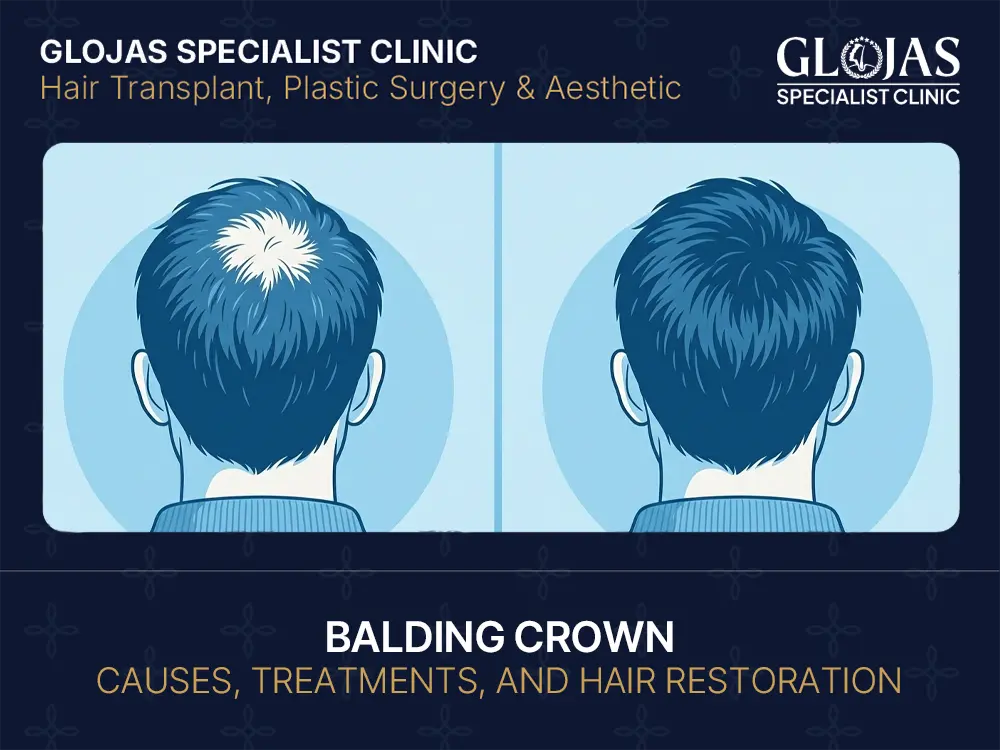
Curious About Your Balding Crown Treatment Options? Take the first step toward restoring your hairline. Chat directly with our hair restoration specialists in Malaysia to discuss personalized treatment plans tailored to your needs. Select the topic you’d like to discuss: Causes of Balding CrownMedical Treatments (Minoxidil/Finasteride)Hair Transplant Options (FUE/FUT)Treatment Costs and Packages Chat on WhatsApp If you’ve spotted a thinning patch at your crown in a photo or mirror, you’re likely dealing with balding crown. In Malaysia’s humidity, this is common. The good news? It’s not permanent. From clinical treatments to topical routines, you can reclaim your coverage. GLOJAS Specialist Clinic offers advanced treatments for balding crown, including medications and best hair transplant in Malaysia, helping patients restore hair and improve crown density safely and effectively. Understanding Balding Crown Definition and Characteristics A balding crown (vertex thinning) is hair loss at the top of the scalp, typically caused by androgenetic alopecia. It begins as subtle thinning or a widening part before progressing to a visible bald spot. This male pattern baldness occurs when DHT shrinks follicles. Early treatment includes Minoxidil, Finasteride, or scalp micropigmentation. How Balding Crown Progresses Because you can’t see it easily, crown balding often sneaks up on you. It begins with follicular miniaturization, where the hair grows back thinner and shorter in each cycle until the follicle eventually stops producing hair altogether. According to the American Academy of Dermatology, this progressive thinning is the hallmark of patterned hair loss. Causes of Balding Crown Androgenetic Alopecia (Male & Female Pattern Baldness) This is the “usual suspect” behind 95% of crown thinning cases. It’s caused by a genetic sensitivity to Dihydrotestosterone (DHT), a byproduct of testosterone that binds to hair follicles and shrinks them. Hormonal Imbalances and Medical Factors Thyroid issues, sudden weight loss, or high-stress levels can trigger hair loss. For women in Malaysia, postpartum hormonal shifts or PCOS (Polycystic Ovary Syndrome) are frequent culprits that can lead to diffuse thinning specifically around the crown area. Lifestyle Factors That Affect Crown Hair Malaysia’s tropical climate can indirectly impact scalp health. Excessive sweat and oil buildup, if not managed, can lead to seborrheic dermatitis. While not a direct cause of balding, an inflamed scalp can exacerbate existing hair fall. Research from the National Institutes of Health indicates that oxidative stress and environmental pollutants also play a secondary role in hair follicle aging. Treatment Options for Balding Crown Topical Treatments: Minoxidil and Hair Serums Minoxidil is an FDA-approved vasodilator that increases blood flow to the follicles. In Malaysia, you can find 5% solutions (like Regaine) at most pharmacies. It’s particularly effective at the crown, helping to extend the hair’s growth phase. Oral Medications: Finasteride and Supplements For men, oral Finasteride is the gold standard for blocking DHT. Clinical data from the U.S. Food and Drug Administration shows that daily use can stop progression in 90% of men. Many Malaysian clinics also recommend supplements rich in Biotin, Zinc, and Saw Palmetto to support the internal “building blocks” of hair. Hair Transplant Options for the Crown If the area is completely bald, surgery is the most permanent fix. Techniques used in Malaysia include: FUE (Follicular Unit Extraction): Individual grafts are moved from the back to the crown. DHI (Direct Hair Implantation): A high-precision method using a Choi pen for better angle control—crucial for the “swirl” pattern of the crown. Cost: In 2026, a crown transplant in Malaysia typically ranges from RM 9,000 to RM 25,000 depending on the graft count. Recovery and Results Expected Timeline for Hair Regrowth Patience is the name of the game. Months 1–3: You may experience “shock loss” (temporary shedding). Months 4–6: Fine, “baby” hairs begin to sprout. Months 12–18: Full density is usually achieved at the crown. Monitoring Treatment Effectiveness Clinics in Malaysia often use Trichoscopy (digital scalp mapping) to track your progress. You should look for a decrease in the “gap” between hairs and an increase in the thickness of individual strands. When to Consider Advanced or Corrective Procedures If meds and topicals haven’t worked after 6–12 months, it might be time for advanced therapies like Platelet-Rich Plasma (PRP) or a transplant. The International Society of Hair Restoration Surgery notes that early intervention yields significantly better results than waiting until the area is completely smooth and scarred. FAQs About Balding Crown Can Balding Crown Be Reversed? If the follicles are still active (thinning but not gone), medical treatments can often “reverse” the miniaturization. If the area is shiny and smooth, a transplant is usually the only way to get hair back. How Soon Will I See Results? Medical treatments usually take 3 to 6 months to show visible improvement. Surgical results take longer, with the best look appearing after one year. When Should I Consult a Specialist in Malaysia? The moment you notice a “wider” part or can see more of your scalp through your hair under bright lights, you should book a consultation. Early diagnosis of androgenetic alopecia is critical. For clinical classification of these disorders, the World Health Organization provides standardized medical definitions for various types of alopecia.
Diet After Hair Transplant: Foods for Faster Hair Growth in Malaysia
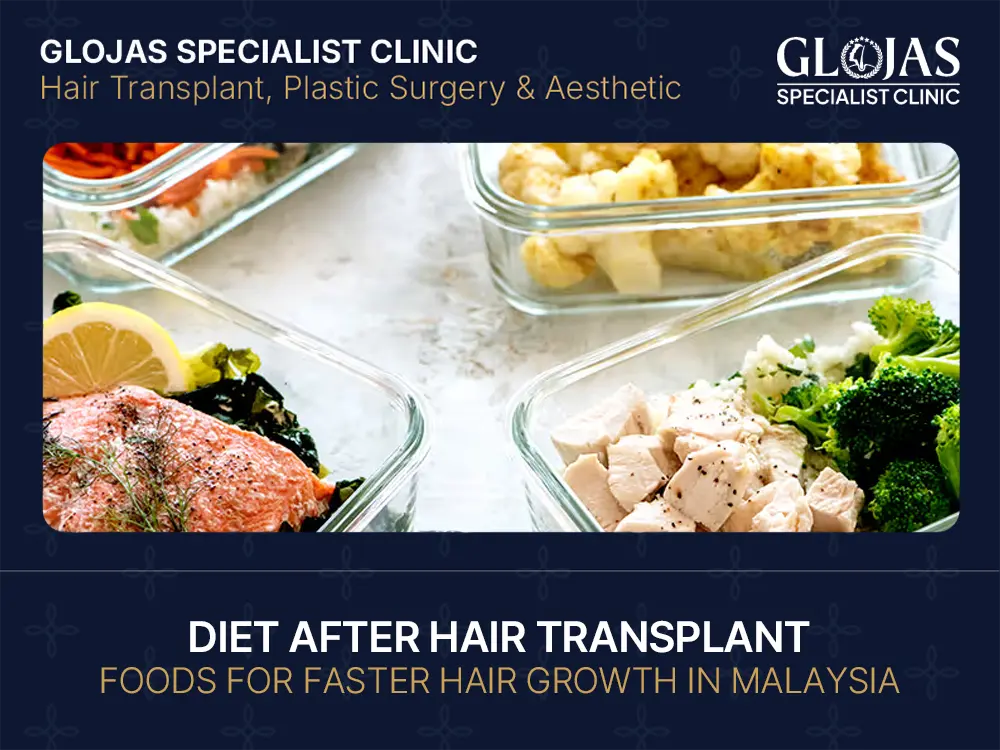
Diet After Hair Transplant: What to Eat So, you’ve just invested in a hair transplant Malaysia. The hard part—the surgery—is over, but the “growth part” has only just begun. While you might be tempted to celebrate with a massive plate of Nasi Lemak, what you put in your body over the next few months can actually make or break your results. Think of your new grafts as delicate seedlings; they need the right “fertilizer” to root properly and thrive. Why Diet Matters After a Hair Transplant Role of Nutrition in Hair Follicle Healing After a transplant, your scalp is essentially in “repair mode.” Your body reallocates resources to close micro-incisions and integrate new follicles. Without adequate nutrition, the healing process slows down, increasing the risk of graft failure. Proper fuel ensures that the blood supply to the scalp is rich with the oxygen and nutrients these “immigrant” follicles need to survive. Impact of Vitamins and Minerals on Hair Growth Hair is one of the fastest-growing tissues in the body, which also makes it the most demanding. According to the American Academy of Dermatology, nutritional deficiencies are a leading cause of telogen effluvium (temporary shedding). In a post-op scenario, vitamins act as the catalysts for keratin production and cellular regeneration. Foods to Eat After a Hair Transplant Protein-Rich Foods for Hair Regrowth Since your hair is approximately $95%$ protein (specifically keratin), you can’t skimp on it. Lean proteins provide the amino acids—like L-lysine and L-methionine—necessary for structural strength. Best Sources: Chicken, eggs, fish, tofu, and legumes. Vitamins and Minerals: Iron, Zinc, Biotin, and Vitamin C Iron: Transports oxygen to your follicles. Low iron = “suffocated” hair. Zinc: A powerhouse for tissue repair and protein synthesis. Biotin (B7): Known for strengthening the hair shaft. Vitamin C: Helps your body absorb iron and produce collagen. Hydration and Its Role in Recovery Hydration is the “transport system” for your nutrients. Drinking at least 2.5 liters of water daily helps maintain stable blood flow to the scalp and keeps the skin supple, which can reduce that annoying post-op itching. Foods to Avoid After a Hair Transplant Processed and Sugary Foods Highly processed snacks and sugary treats cause insulin spikes, which can trigger systemic inflammation. According to research published by the National Institutes of Health, inflammation can impair wound healing and reduce the survival rate of newly transplanted grafts. Alcohol and Caffeine Alcohol: It’s a blood thinner that can increase the risk of bleeding and swelling. It also dehydrates the body, which is the last thing your new follicles want. Caffeine: A stimulant that can temporarily raise blood pressure and constrict vessels. Most surgeons recommend skipping the Kopi O for at least the first 10 days. Spicy and Oily Foods That May Affect Healing In Malaysia, we love our spice, but excessive chili or heavy oils can cause sweating and irritation. Sweating on a fresh transplant site increases the risk of infection and may cause you to accidentally scratch or dislodge a graft. Sample Post-Transplant Meal Plans in Malaysia Breakfast, Lunch, and Dinner Ideas Breakfast: Soft-boiled eggs (rich in Biotin) with whole-grain toast. Lunch: Grilled salmon or mackerel (Omega-3s) with a side of stir-fried spinach. Dinner: Clear chicken soup with plenty of carrots and broccoli for a Vitamin A and C boost. Snacks and Smoothies for Hair Health A “Hair Power Smoothie” could include Greek yogurt (protein), blueberries (antioxidants), and a sprinkle of pumpkin seeds (zinc). Local Malaysian Foods That Support Recovery Ikan Bakar (Grilled Fish): High in protein and healthy fats. Sayur Lemak (Spinach/Sweet Potato): Excellent for Iron and Vitamin A. Tempeh: A fantastic plant-based protein and probiotic source for gut health. Supplements and Nutritional Support Recommended Hair Growth Supplements While whole foods are best, supplements like Biotin, Zinc, or Vitamin D are often recommended to bridge the gap. Studies found in the International Journal of Trichology suggest that targeted supplementation can improve hair density in patients with existing deficiencies. Dos and Don’ts for Supplement Use Do: Wait at least 2 weeks before starting any non-prescribed supplements. Don’t: Megadose on Vitamin A or E without a doctor’s nod, as excessive amounts can actually cause hair loss. Consultation With Nutritionists and Doctors Always check with your transplant surgeon before adding new pills to your routine. They may want to check your blood levels first to ensure you actually need them. Tips for Maintaining a Hair-Healthy Diet Long-Term Balanced Nutrition for Hair Retention Don’t stop the good habits once the scabs are gone. To keep your existing hair and help the new hair stay thick, maintain a diet high in antioxidants and low in trans fats. Lifestyle Habits That Support Hair Health Combine your diet with stress management. High cortisol levels can cut the growth phase (anagen) short. Monitoring Progress and Adjusting Your Diet Keep a food diary for the first 3 months. If you notice excessive “shock loss” or slow healing, you might need to up your protein or iron intake. FAQs About Diet After Hair Transplant How Soon Can I Resume Normal Diet? You can technically eat “normal” food immediately, but it’s best to stick to the “recovery diet” for at least 10 to 14 days until the grafts are secure. Are There Any Foods That Help Reduce Swelling? Yes! Pineapple contains bromelain, a natural enzyme that has anti-inflammatory properties and can help reduce post-surgical edema (swelling). Can Diet Affect Transplant Success Rates? Absolutely. The U.S. Food and Drug Administration notes that while the surgical technique is vital, the patient’s general health and nutritional status are significant variables in the success of any tissue transplant.
Anagen Phase: Duration, Function & Hair Growth Facts in Malaysia
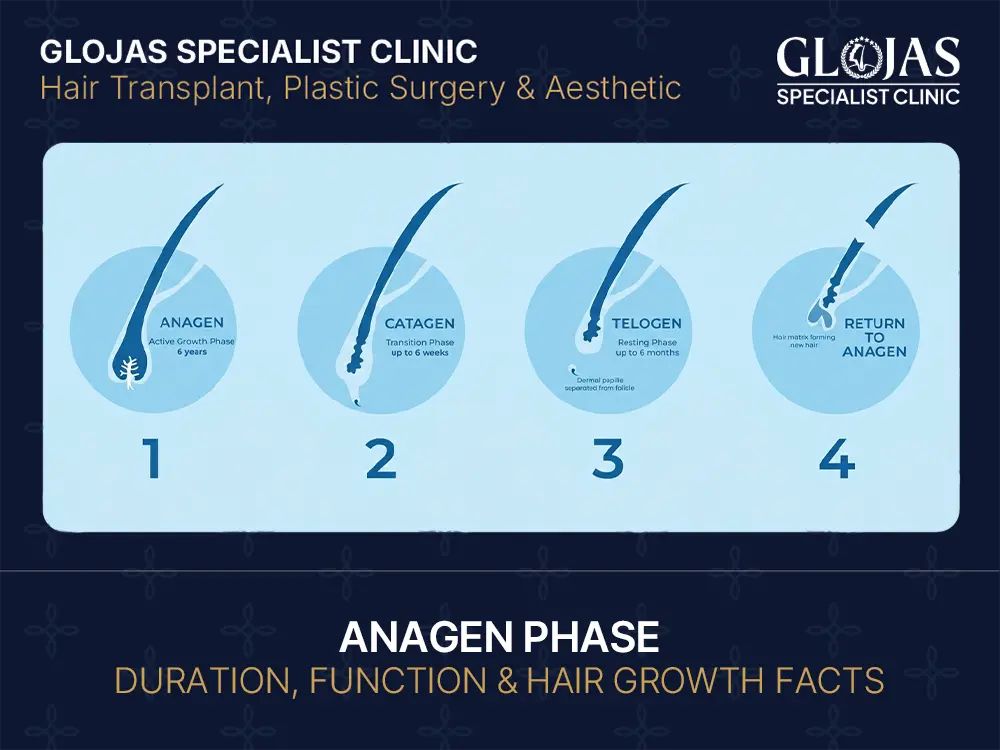
If you’ve ever wondered why some people can grow hair down to their waist while others hit a “terminal length” at their shoulders, the answer lies in your biology—specifically, the anagen phase. In the humid, tropical climate of Malaysia, factors like nutrition, genetics, and local health conditions play a massive role in how long your hair stays in this active growth state. What Is the Anagen Phase? Definition Within the Hair Growth Cycle Anagen Phase is the active growth stage of the hair follicle cycle, lasting two to seven years. During this period, cells in the hair bulb divide rapidly, producing new hair that pushes up the follicle. Factors like genetics and nutrition determine its duration, ultimately influencing the maximum length and thickness of individual strands. The anagen phase is essentially the “on” switch for your hair. It is the active growth stage where the hair bulb is deep within the dermis, continuously producing new hair cells. Unlike other stages where the hair rests or sheds, anagen is all about production. Role of Anagen in Determining Hair Length and Density Your maximum hair length is mathematically tied to the duration of this phase. Since hair grows at a relatively fixed speed, the longer your follicles stay in anagen, the longer your hair can physically become. High hair density also depends on having a high percentage of follicles in this phase simultaneously. Differences Between Anagen, Catagen, and Telogen Think of it as a relay race: Anagen: The runner is sprinting (Growth). Catagen: The runner slows down and stops (Transition). Telogen: The runner rests before the next race (Resting/Shedding). According to the American Academy of Dermatology, it is normal to shed between 50 and 100 hairs a day as follicles transition out of the anagen phase. Biology of the Anagen Phase Hair Follicle Structure and Dermal Papilla Function The command center of the hair follicle is the dermal papilla. Located at the base, it supplies the nutrients and signals required to keep the hair growing. If the dermal papilla is compromised, the anagen phase can be cut short. Cellular Proliferation and Keratin Production During this stage, cells divide rapidly. These cells are then keratinized—essentially hardened—to form the hair shaft we see. This process requires a massive amount of metabolic energy. Normal Hair Growth Rate During Anagen On average, hair grows about 1.25 centimeters per month. This means in a year, you’re looking at roughly 15 centimeters of new growth, provided your follicles stay healthy. Regulation by Growth Factors and Hormones Complex signaling molecules, such as Insulin-like Growth Factor-1 (IGF-1), dictate when a follicle enters anagen. Conversely, hormones like Dihydrotestosterone (DHT) can signal the follicle to shut down prematurely. Duration of the Anagen Phase Average Length in Healthy Adults For most people, the anagen phase lasts anywhere from 2 to 7 years. This wide range explains why hair length potential varies so drastically between individuals. Age-Related Changes in Anagen Duration As we age, the “biological clock” of the follicle tends to speed up. The growth phase often shortens, leading to hair that is finer, shorter, and less pigmented. Genetic Influence on Anagen Length Your DNA acts as a blueprint for your hair’s lifespan. Some ethnicities or family lineages naturally possess a longer anagen phase, allowing for “Rapunzel-like” hair growth. When Shortened Anagen Is Clinically Significant If your hair suddenly stops growing past a certain short length, or if you notice excessive shedding of short, thin hairs, it may indicate a shortened anagen phase, a condition that requires clinical attention. Medical Conditions That Shorten the Anagen Phase Androgenetic Alopecia Often called male or female pattern baldness, this condition involves the “miniaturization” of follicles. The anagen phase becomes shorter and shorter until the hair produced is barely visible. Telogen Effluvium with Reduced Anagen Ratio Stress, illness, or surgery can shock the system, causing a massive shift of hairs from the anagen phase into the telogen (resting) phase prematurely. Alopecia Areata This is an autoimmune condition where the body’s immune system attacks the hair follicles during their active growth phase, causing them to shut down and fall out in patches. Research published by the National Institutes of Health highlights how the inflammatory environment disrupts the normal follicular cycle. Thyroid Disorders and Hormonal Imbalance Both hyperthyroidism and hypothyroidism can disrupt the metabolic rate of the dermal papilla, often leading to a diffuse thinning of the hair. Nutritional Deficiencies Affecting Follicular Activity In Malaysia, deficiencies in Iron, Vitamin D, or Zinc are common triggers. Without these building blocks, the follicle cannot sustain the high-energy demands of the anagen phase. Diagnosing Anagen Phase Abnormalities in Malaysia Clinical Evaluation by Dermatologists A specialist will look at your scalp health and history. They check for signs of inflammation, scarring, or specific patterns of thinning that point to anagen dysfunction. Trichoscopy and Hair Pull Test Trichoscopy involves using a high-magnification lens to see the follicles up close. A “hair pull test” helps determine if hairs are coming out in the anagen or telogen stage. Blood Investigations for Underlying Causes Doctors often order blood tests to check ferritin (iron stores), thyroid hormones, and vitamin levels. Addressing these can often “reset” the growth cycle. Indications for Scalp Biopsy If the cause of hair loss is unclear, a small tissue sample (biopsy) may be taken to examine the follicles under a microscope to see exactly where the growth cycle is breaking down. Evidence-Based Treatments That Influence the Anagen Phase Topical Minoxidil and Anagen Prolongation Minoxidil is a vasodilator that improves blood flow to the follicle. Its primary superpower is extending the duration of the anagen phase and “waking up” follicles from the resting phase. Oral Therapies (Finasteride, Antiandrogens) For those with hormonal hair loss, medications like Finasteride block DHT. By preventing DHT from attacking the follicle, the anagen phase is allowed to return to a more normal, healthy length. Platelet-Rich Plasma (PRP) Therapy PRP involves injecting your own concentrated growth factors into the scalp. This bio-stimulation can jumpstart cellular proliferation in the dermal papilla.
Postpartum Hair Loss: Causes & Solutions in Malaysia
Quick Assessment: What’s Driving Your Postpartum Hair Loss? Answer 2 quick questions to find the best care approach suited for Malaysian mums. 1. How many months postpartum are you right now? 1 to 3 months postpartum 4 to 8 months postpartum (Peak shedding) More than 9 months postpartum 2. What is your biggest scalp or lifestyle challenge in Malaysia’s weather? Excessive hair fall during washing/brushing Oily scalp & limp hair due to humidity Itchy scalp with mild postpartum thinning 💬 Get Expert Advice via WhatsApp Retake Assessment Postpartum hair loss is a common experience for many Malaysian mothers. While seeing clumps of hair in the shower can be alarming, it is usually a temporary phase of hormonal recalibration. This guide explores the medical science behind shedding and how to restore your hair’s natural volume safely. What Is Postpartum Hair Loss? Postpartum hair loss, or postpartum alopecia, is temporary excessive shedding that occurs 1 to 6 months after childbirth. Dropping estrogen levels trigger more hairs than usual to enter the resting and shedding phase. It is completely normal, reversible, and typically resolves within 6 to 12 months without treatment. Definition and Timeline of Postpartum Hair Shedding Postpartum hair loss, or postpartum telogen effluvium, is the excessive shedding that occurs after childbirth. It typically begins 2 to 4 months after delivery. Most women see shedding peak at the 4-month mark, with hair density usually returning to a pre-pregnancy baseline by the baby’s first birthday. Difference Between Postpartum Hair Loss and Regular Hair Thinning Regular thinning is often gradual, but postpartum shedding is sudden and voluminous. Unlike androgenetic alopecia, which involves follicle shrinking, postpartum loss is a “cycle reset.” The follicles remain healthy, but a large percentage enter the resting phase simultaneously due to shifting estrogen levels. Common Areas Affected After Childbirth Thinning is most noticeable along the frontal hairline and temples, often called “mom bangs” once regrowth starts. You may also notice a widening of your middle part or a significant reduction in the thickness of your ponytail as the overall hair volume decreases temporarily across the entire scalp. Causes of Postpartum Hair Loss Hormonal Changes After Pregnancy During pregnancy, high estrogen levels keep your hair in the anagen (growth) phase, leading to lush locks. After delivery, estrogen drops sharply. This hormonal “withdrawal” signals those extra hairs to move into the telogen (resting) phase all at once, leading to the delayed shedding seen months later. Telogen Effluvium Explained Telogen effluvium is a scalp disorder characterized by thinning or shedding resulting from the early entry of hair into the resting phase. It is a reaction to systemic shock—in this case, the physical stress of labor and the rapid endocrine shift following delivery. Nutritional Deficiencies and Diet Factors Building a human depletes your reserves. Many Malaysian mothers face iron deficiency (anemia) or low Ferritin levels postpartum. Without adequate protein, zinc, and Vitamin D, your body prioritizes vital organ functions over hair growth, potentially prolonging the shedding phase beyond the typical window. Stress and Sleep Deprivation High cortisol levels from the “fourth trimester” stress can exacerbate hair fall. In local culture, the pantang (confinement) period emphasizes rest and specialized nutrition to combat this. Lack of sleep disrupts repair processes, which can negatively impact the hair follicle’s transition back to the growth phase. Genetic Predisposition While the hormonal trigger is universal, your DNA determines the intensity. If your mother experienced severe postpartum shedding, you are more likely to notice dramatic thinning. Genetics also influence how quickly your follicles “wake up” and begin producing new, visible baby hairs after the resting period ends. Complete Causes of Postpartum Hair Loss Dropping estrogen levels – During pregnancy, high estrogen keeps hair in the growing phase. After delivery, estrogen plummets, causing excess shedding. Telogen effluvium trigger – The physical and hormonal stress of childbirth pushes many hair follicles into the resting (telogen) phase at once. Prolactin increase – Breastfeeding raises prolactin levels, which can prolong hair shedding in some women. Nutrient depletion from pregnancy – Carrying a baby depletes iron, zinc, biotin, and folic acid stores, all essential for healthy hair growth. Postpartum thyroiditis – Inflammation of the thyroid after pregnancy (common in 5-10% of women) disrupts hormone balance and causes hair loss. Severe blood loss during delivery – Heavy bleeding at birth can cause iron deficiency anemia, a direct trigger for excessive hair shedding. Sleep deprivation – New parents often get fragmented, poor-quality sleep, which elevates cortisol and disrupts normal hair growth cycles. Physical stress of labor – The intense physiological stress of vaginal delivery or C-section activates telogen effluvium 2-4 months later. Rapid weight loss after pregnancy – Sudden calorie restriction or crash dieting shocks the system and diverts nutrients away from hair growth. Discontinuation of prenatal vitamins – Stopping supplements abruptly can lead to deficiencies that were previously masked during pregnancy. Breastfeeding demands – Producing breast milk requires extra calories and nutrients, sometimes leaving less available for hair follicle health. Postpartum depression or anxiety – Mental health struggles raise cortisol and inflammatory markers, both linked to increased hair shedding. Autoimmune flare (postpartum) – Pregnancy suppresses immunity. After delivery, autoimmune conditions like alopecia areata can flare up. Polycystic ovary syndrome (PCOS) unmasking – Some women discover underlying PCOS after pregnancy when hormonal changes reveal chronic hair thinning. Medications for postpartum complications – Certain drugs for high blood pressure (preeclampsia) or infections can trigger temporary hair loss as a side effect. Symptoms and Signs of Postpartum Hair Loss Excessive Hair Shedding The most obvious sign is losing significantly more than the average 50–100 hairs per day. Mothers often find large clumps on their pillows, stuck to clothing, or clogging the shower drain. This “diffuse shedding” means hair falls out from all over the scalp rather than in patches. Thinning Around the Hairline and Crown While shedding is global, the hairline and temples often appear the sparsest. This is due to the finer nature of hairs in these areas. You might also notice more scalp visibility at the crown when standing under bright lights or when styling your hair in a bun. Changes in
Is Hair Transplant Halal or Haram? Understanding the Islamic View
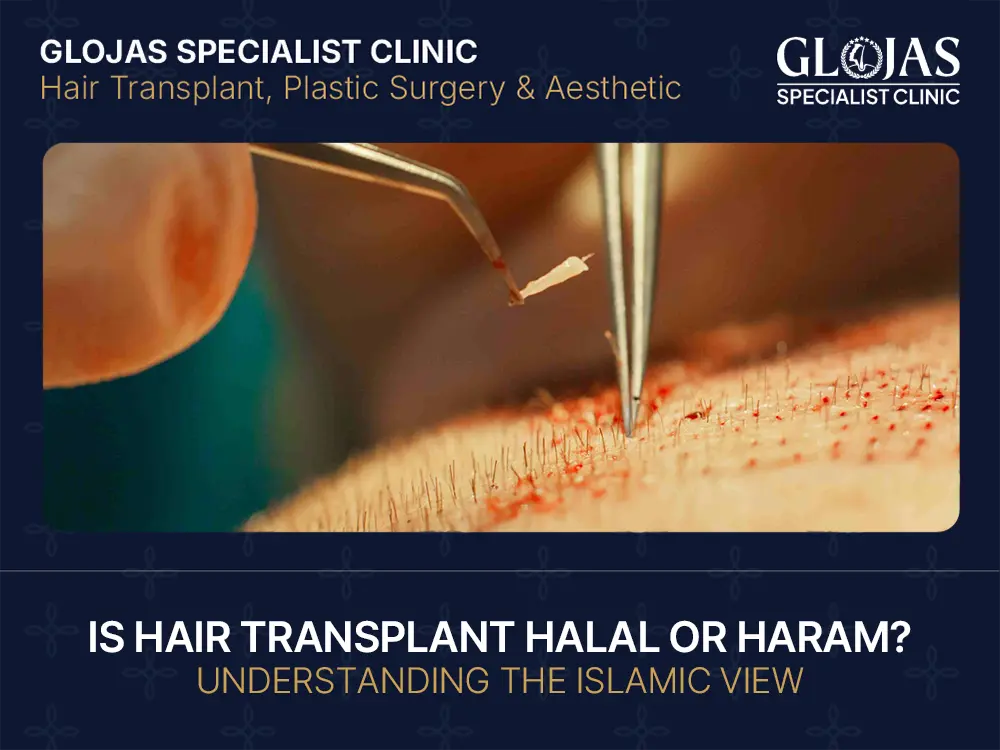
Islamic Ruling Is Hair Transplant Halal or Haram? According to major Islamic councils (such as the Islamic Fiqh Academy), hair transplants are generally considered Halal (permissible) if used to restore hair lost due to disease, burns, or natural balding, provided it uses the patient’s own natural hair and does not involve deception or permanent harm. Have questions about your specific procedure or medical guidelines? Consult via WhatsApp Hair Transplant Halal or Haram? It is generally considered halal (permissible) when used to treat medical hair loss or trauma using one’s own hair. A hair transplant is a minimally invasive surgical procedure designed to restore hair density by redistributing healthy hair follicles from a donor region (typically the back or sides of the scalp) to thinning or bald areas. Advanced techniques like Follicular Unit Extraction (FUE) and Direct Hair Implantation (DHI) relocate living autologous tissue safely. To explore modern procedural methods and clinical insights, you can review details provided by GLOJAS Specialist Clinic. The Significance of Hair Loss and Self-Care in Islam Islam places a high value on personal hygiene, neatness, and self-care, viewing the human body as a trust (Amanah) from Allah. While vanity is discouraged, treating physical defects, psychological distress, or medical conditions is widely supported. Scholars recognize that severe hair loss can deeply affect an individual’s emotional well-being and confidence, making restorative options a valid form of care. Islamic Ruling on Hair Transplants General Consensus Among Contemporary Scholars Major international Islamic jurisprudence bodies, including the Islamic Fiqh Academy and Al-Azhar, hold a consensus that hair transplants are generally halal (permissible). This ruling applies when the treatment addresses genuine hair loss, scarring, or accidental trauma rather than mere vanity. Restoring Natural Appearance Versus Altering Creation Islamic law prohibits permanent changes made purely to alter Allah’s creation. However, scholarly consensus distinguishes between permanent cosmetic alterations and restorative procedures. A hair transplant falls into the latter category because it repairs a perceived defect or hair loss, returning the individual back to their natural baseline appearance. Medical Treatment Versus Permanent Modification Seeking medical cures for physical ailments is actively encouraged in Islamic tradition. Because modern hair restoration treats alopecia or pattern baldness as a medical condition causing emotional or social hardship, it is classified as a restorative medical treatment rather than an unlawful bodily modification. Shariah Conditions for a Halal Hair Transplant Using One’s Own Hair (Autologous Grafts) For a hair transplant procedure to remain strictly halal, it must utilize the patient’s own biological hair follicles (autologous grafts). Transplanting hair harvested from another human being violates the fundamental rules governing bodily integrity and ownership. Prohibition of Human Hair Donations and Impure Materials Using foreign human hair, synthetic non-biodegradable fibers, or impure biological materials is strictly forbidden. The reliance on one’s own living donor tissue ensures that no outside elements compromise the ethical and religious purity of the operation. Permissible Intentions: Treating Hair Loss, Disease, or Trauma The underlying intention behind the surgery dictates its religious status. Procedures performed to correct medical hair loss, burn scars, or physical trauma are fully permissible, whereas operations driven by arrogance or extreme vanity are discouraged. Hair Transplants Versus Prohibited Practices Hair Extensions (Al-Washl) and Artificial Wigs Traditional jurisprudence explicitly forbids Al-Washl (attaching artificial hair or extensions) due to elements of deception. Hadiths recorded in Sahih al-Bukhari and Muslim highlight prohibitions against adding external or false hair structures to the head. Why Grafts Are Permitted While Extensions Are Restricted Extensions involve attaching foreign or artificial hair externally, which creates a deceptive appearance. In contrast, a hair transplant relocates living follicles beneath the skin where they grow naturally through a biological blood supply, making it legally and functionally distinct from extensions. Impact on Islamic Ritual Purification Validity of Wudhu (Ablution) and Ghusl Patients frequently ask whether surgical interventions interfere with obligatory Islamic rituals. Medical experts and religious advisers confirm that a hair transplant does not invalidate daily prayers or fasting, provided post-operative care guidelines are met. Reaching the Scalp and Skin During Ablution During the immediate healing phase, patients must follow surgeon instructions regarding washing. Once the micro-wounds heal and grafts anchor securely (typically after a short recovery window), water can safely reach the scalp, allowing complete and valid performance of Wudhu and Ghusl. Malaysian Context and Religious Guidelines Perspectives from JAKIM and State Mufti Decisions In Malaysia, religious authorities align closely with global fatwa resolutions, recognizing hair transplants as permissible medical treatments under Shariah compliance guidelines. Patients can seek localized advice from bodies like JAKIM for official domestic advisory standards. Choosing Certified Medical Clinics in Malaysia To ensure both medical safety and alignment with ethical standards, patients should choose registered, certified providers. Consulting with professional medical specialists guarantees that procedures are executed cleanly, safely, and transparently. Clinical Experience Specialized hair restoration clinics emphasize that transparent patient communication and adherence to medical protocols are critical. Qualified physicians evaluate donor capacity and health history carefully to ensure optimal, natural-looking outcomes while respecting each patient’s personal and religious requirements. Frequently Asked Questions What is a hair transplant? A hair transplant is a medical procedure that moves healthy hair follicles from a donor site on the scalp to thinning or balding areas to restore natural hair growth permanently. Is a hair transplant considered halal in Islam? Yes, hair transplants are generally considered halal by major contemporary scholarly councils if they use the patient’s own hair to treat genuine hair loss or trauma. Can I use someone else’s hair for a transplant? No, using donor hair from another human being or synthetic materials violates Islamic guidelines; only autologous (one’s own) hair grafts are permissible. Does a hair transplant affect my daily prayers or Wudhu? No, once the scalp heals and the initial post-operative recovery phase passes, water can reach the skin normally, keeping Wudhu and Ghusl completely valid. Where can I get a safe and compliant hair transplant consultation? You can consult at GLOJAS Specialist Clinic to receive expert medical evaluations tailored to your individual needs.