
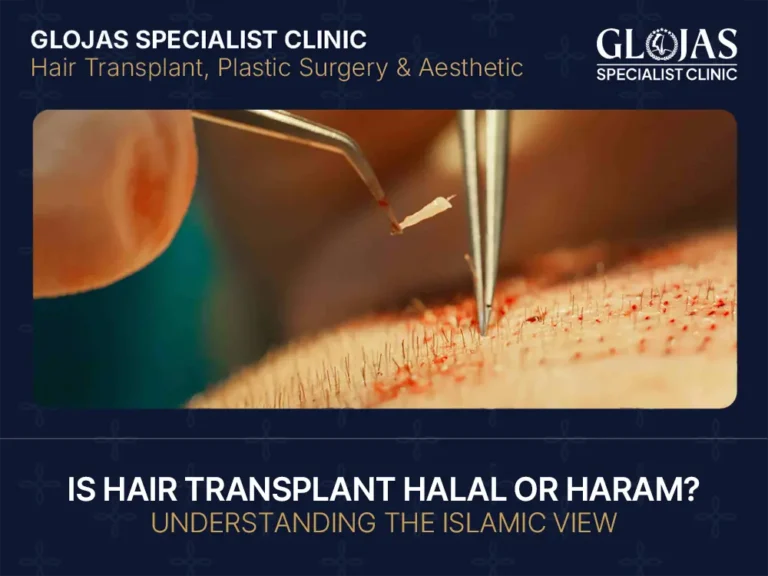
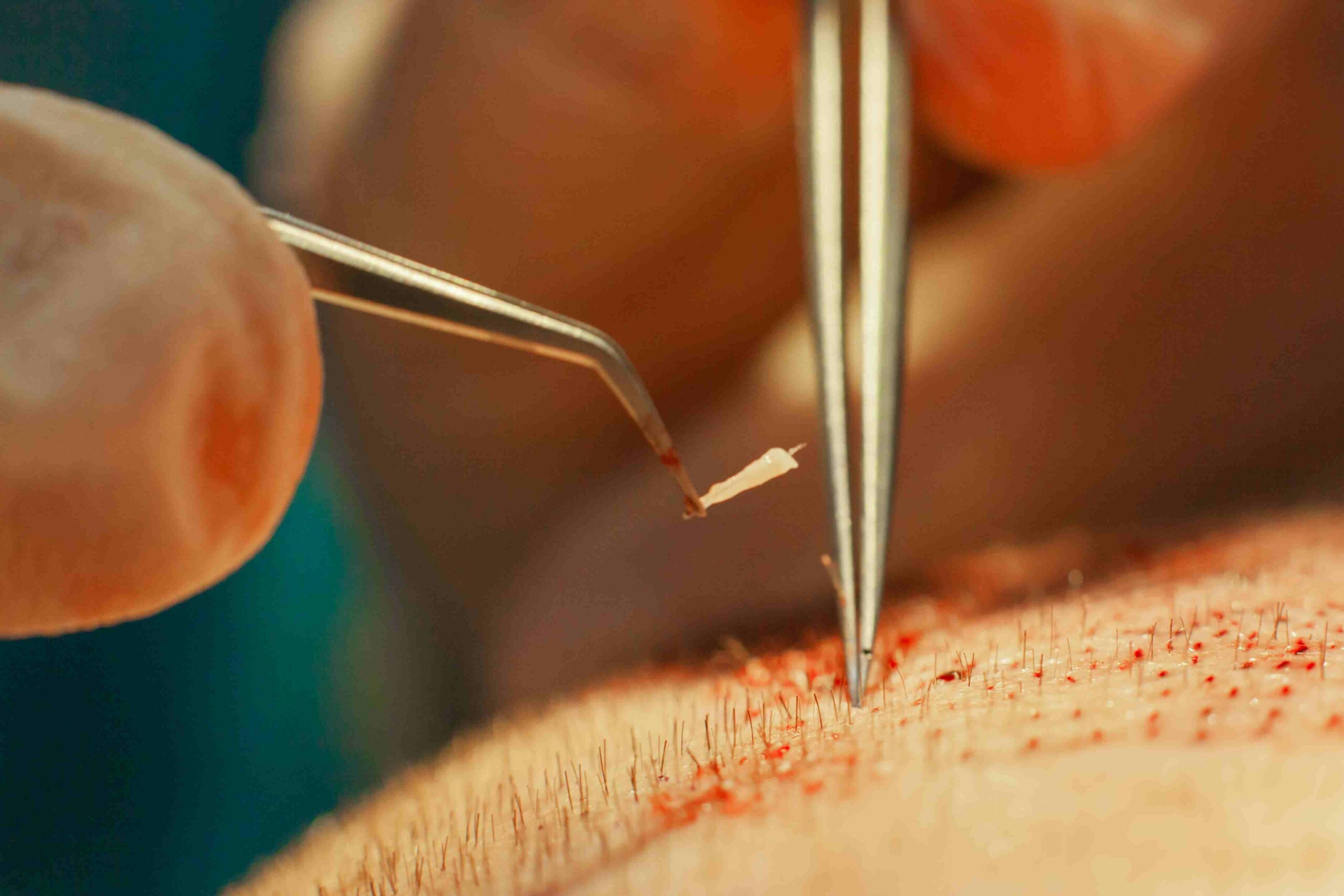
Hair Transplant Halal or Haram? It is generally considered halal (permissible) when used to treat medical hair loss or trauma using one’s own hair. A hair transplant is a minimally invasive surgical procedure designed to restore hair density by redistributing healthy hair follicles from a donor region (typically the back or sides of the scalp) to thinning or bald areas. Advanced techniques like Follicular Unit Extraction (FUE) and Direct Hair Implantation (DHI) relocate living autologous tissue safely. To explore modern procedural methods and clinical insights, you can review details provided by GLOJAS Specialist Clinic.
The Significance of Hair Loss and Self-Care in Islam
Islam places a high value on personal hygiene, neatness, and self-care, viewing the human body as a trust (Amanah) from Allah. While vanity is discouraged, treating physical defects, psychological distress, or medical conditions is widely supported. Scholars recognize that severe hair loss can deeply affect an individual’s emotional well-being and confidence, making restorative options a valid form of care.
Islamic Ruling on Hair Transplants
General Consensus Among Contemporary Scholars
Major international Islamic jurisprudence bodies, including the Islamic Fiqh Academy and Al-Azhar, hold a consensus that hair transplants are generally halal (permissible). This ruling applies when the treatment addresses genuine hair loss, scarring, or accidental trauma rather than mere vanity.
Restoring Natural Appearance Versus Altering Creation
Islamic law prohibits permanent changes made purely to alter Allah’s creation. However, scholarly consensus distinguishes between permanent cosmetic alterations and restorative procedures. A hair transplant falls into the latter category because it repairs a perceived defect or hair loss, returning the individual back to their natural baseline appearance.
Medical Treatment Versus Permanent Modification
Seeking medical cures for physical ailments is actively encouraged in Islamic tradition. Because modern hair restoration treats alopecia or pattern baldness as a medical condition causing emotional or social hardship, it is classified as a restorative medical treatment rather than an unlawful bodily modification.
Shariah Conditions for a Halal Hair Transplant
Using One’s Own Hair (Autologous Grafts)
For a hair transplant procedure to remain strictly halal, it must utilize the patient’s own biological hair follicles (autologous grafts). Transplanting hair harvested from another human being violates the fundamental rules governing bodily integrity and ownership.
Prohibition of Human Hair Donations and Impure Materials
Using foreign human hair, synthetic non-biodegradable fibers, or impure biological materials is strictly forbidden. The reliance on one’s own living donor tissue ensures that no outside elements compromise the ethical and religious purity of the operation.
Permissible Intentions: Treating Hair Loss, Disease, or Trauma
The underlying intention behind the surgery dictates its religious status. Procedures performed to correct medical hair loss, burn scars, or physical trauma are fully permissible, whereas operations driven by arrogance or extreme vanity are discouraged.
Hair Transplants Versus Prohibited Practices
Hair Extensions (Al-Washl) and Artificial Wigs
Traditional jurisprudence explicitly forbids Al-Washl (attaching artificial hair or extensions) due to elements of deception. Hadiths recorded in Sahih al-Bukhari and Muslim highlight prohibitions against adding external or false hair structures to the head.
Why Grafts Are Permitted While Extensions Are Restricted
Extensions involve attaching foreign or artificial hair externally, which creates a deceptive appearance. In contrast, a hair transplant relocates living follicles beneath the skin where they grow naturally through a biological blood supply, making it legally and functionally distinct from extensions.
Impact on Islamic Ritual Purification Validity of Wudhu (Ablution) and Ghusl
Patients frequently ask whether surgical interventions interfere with obligatory Islamic rituals. Medical experts and religious advisers confirm that a hair transplant does not invalidate daily prayers or fasting, provided post-operative care guidelines are met.
Reaching the Scalp and Skin During Ablution
During the immediate healing phase, patients must follow surgeon instructions regarding washing. Once the micro-wounds heal and grafts anchor securely (typically after a short recovery window), water can safely reach the scalp, allowing complete and valid performance of Wudhu and Ghusl.
Malaysian Context and Religious Guidelines
Perspectives from JAKIM and State Mufti Decisions
In Malaysia, religious authorities align closely with global fatwa resolutions, recognizing hair transplants as permissible medical treatments under Shariah compliance guidelines. Patients can seek localized advice from bodies like JAKIM for official domestic advisory standards.
Choosing Certified Medical Clinics in Malaysia
To ensure both medical safety and alignment with ethical standards, patients should choose registered, certified providers. Consulting with professional medical specialists guarantees that procedures are executed cleanly, safely, and transparently.
Clinical Experience
Specialized hair restoration clinics emphasize that transparent patient communication and adherence to medical protocols are critical. Qualified physicians evaluate donor capacity and health history carefully to ensure optimal, natural-looking outcomes while respecting each patient’s personal and religious requirements.
Frequently Asked Questions
What is a hair transplant?
A hair transplant is a medical procedure that moves healthy hair follicles from a donor site on the scalp to thinning or balding areas to restore natural hair growth permanently.
Is a hair transplant considered halal in Islam?
Yes, hair transplants are generally considered halal by major contemporary scholarly councils if they use the patient’s own hair to treat genuine hair loss or trauma.
Can I use someone else’s hair for a transplant?
No, using donor hair from another human being or synthetic materials violates Islamic guidelines; only autologous (one’s own) hair grafts are permissible.
Does a hair transplant affect my daily prayers or Wudhu?
No, once the scalp heals and the initial post-operative recovery phase passes, water can reach the skin normally, keeping Wudhu and Ghusl completely valid.
Where can I get a safe and compliant hair transplant consultation?
You can consult at GLOJAS Specialist Clinic to receive expert medical evaluations tailored to your individual needs.