
Liposuction vs CoolSculpting: Which is Right for You?
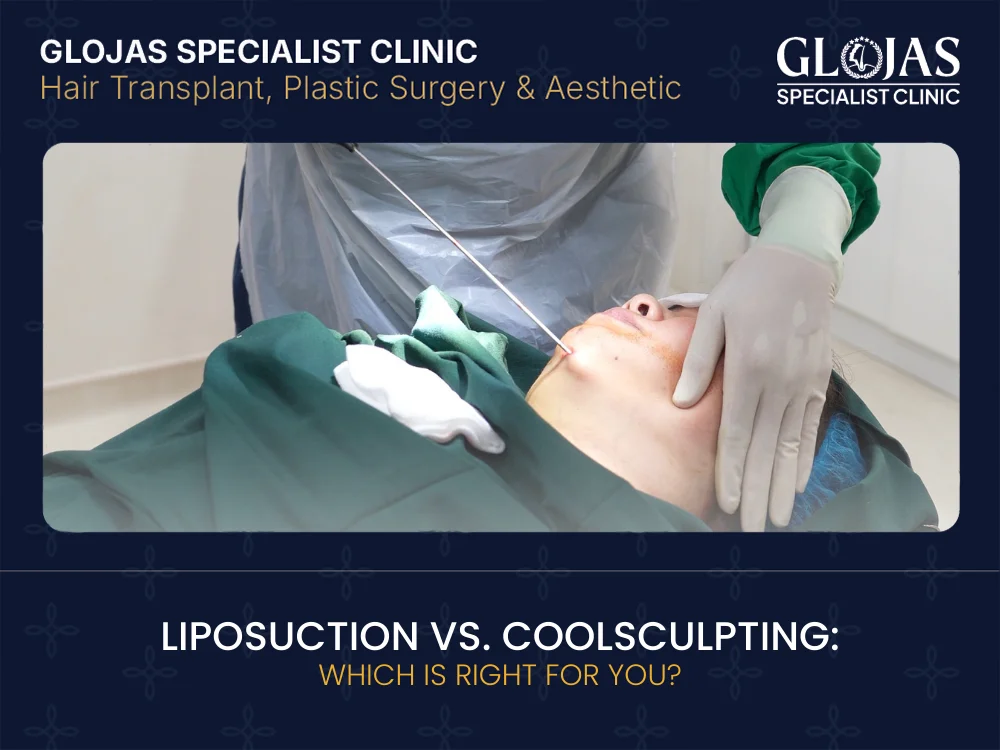
Stubborn fat can be frustrating. Even with a healthy diet and regular exercise, some areas simply refuse to slim down. This is why body contouring treatments like Liposuction vs CoolSculpting remain highly popular worldwide. But choosing between them is not always simple. This guide breaks down Liposuction vs CoolSculpting in detail—how they work, how fast results appear, risks, recovery, costs, and who each treatment is best suited for—so you can make a confident, informed decision. Liposuction vs CoolSculpting: What’s the Fundamental Difference? When comparing Liposuction vs CoolSculpting, the main difference lies in invasiveness and fat removal method. Liposuction is a surgical procedure that physically removes fat cells, while CoolSculpting is a non-invasive treatment that freezes fat cells so the body can eliminate them naturally. Both target localized fat, but the experience, results, and recovery time differ significantly. What Is Liposuction? Liposuction is a cosmetic surgical procedure designed to remove stubborn fat deposits from specific areas of the body. How Liposuction Works Small incisions are made in the skin A thin tube (cannula) is inserted Fat cells are loosened and suctioned out Body contours are reshaped immediately Common Liposuction Techniques Tumescent liposuction Ultrasound-assisted liposuction (UAL) Power-assisted liposuction (PAL) Laser-assisted liposuction Liposuction has been performed safely for decades and is considered the gold standard for fat removal. What Is CoolSculpting? CoolSculpting is a non-surgical fat reduction treatment based on a technology called cryolipolysis. How CoolSculpting Works Controlled cooling targets fat cells Fat cells freeze and undergo natural cell death The body gradually removes them through the lymphatic system No needles, incisions, or anesthesia CoolSculpting is FDA-cleared and widely used for patients who prefer non-invasive options. Treatment Areas: What Can Each Address? Liposuction Treatment Areas Abdomen Flanks (love handles) Thighs Arms Chin and neck Back Chest (including gynecomastia) CoolSculpting Treatment Areas Abdomen Flanks Thighs Upper arms Double chin Bra fat Banana roll Liposuction can treat larger volumes of fat and more areas in a single session. Liposuction vs CoolSculpting: Speed of Results Liposuction Results Timeline Fat removal is immediate Swelling reduces over 4–8 weeks Final results visible in 3–6 months CoolSculpting Results Timeline Initial changes in 3–4 weeks Optimal results at 2–3 months Continued improvement up to 6 months Winner for faster, noticeable results: Liposuction Amount of Fat Removed: Liposuction vs CoolSculpting? Factor Liposuction CoolSculpting Fat removal per session High Moderate Sculpting precision High Moderate Large fat deposits Excellent Limited Small pockets of fat Excellent Good Liposuction removes fat cells directly, while CoolSculpting typically reduces 20–25% of fat thickness per session in treated areas. Downtime and Recovery: Liposuction vs CoolSculpting Liposuction Recovery Downtime: 5–14 days Compression garments required Swelling and bruising common Exercise restricted initially CoolSculpting Recovery Little to no downtime Mild redness or numbness Resume normal activities immediately CoolSculpting is often called a “lunchtime procedure”, while liposuction requires recovery planning. Pain and Comfort Level: Liposuction vs CoolSculpting Liposuction: Performed under local or general anesthesia. Post-procedure soreness is expected. CoolSculpting: Sensation of intense cold, pressure, and temporary numbness during treatment. Pain tolerance and comfort preference play a role in decision-making. Safety and Risks Liposuction Risks Infection Bleeding Fluid accumulation Irregular contours Anesthesia-related risks When performed by a qualified surgeon, complications are uncommon. CoolSculpting Risks Temporary numbness or tingling Redness or bruising Rare risk of paradoxical adipose hyperplasia Both procedures are considered safe when properly indicated. Cost Comparison Treatment Cost Structure Total Cost Liposuction One-time surgical fee Higher upfront CoolSculpting Per applicator/session Adds up over time CoolSculpting may seem more affordable initially, but multiple sessions can approach the cost of liposuction. Longevity of Results: Liposuction vs CoolSculpting Liposuction Liposuction removes fat cells permanently from targeted areas, creating immediate and noticeable contour changes. Key points to understand: Fat cells removed do not regenerate in treated areas Weight gain can still occur, causing remaining fat cells (in treated or untreated areas) to enlarge Results are typically long-lasting, especially when body weight remains stable Body proportions may change if significant weight gain occurs, even though treated areas usually accumulate less fat than before With a balanced diet, regular physical activity, and healthy habits, liposuction results can be maintained for many years or even decades. CoolSculpting CoolSculpting also permanently eliminates fat cells, but the process and timeline are different. What to expect: Destroyed fat cells do not return once the body naturally clears them Fat reduction is gradual, becoming visible over several weeks to months Results are more subtle compared to liposuction, as less fat is removed per session Maintenance treatments may be required, especially if weight fluctuates or new fat pockets develop CoolSculpting works best for long-term refinement when combined with consistent lifestyle habits. The Role of Lifestyle in Maintaining Results Regardless of the treatment chosen: Neither liposuction nor CoolSculpting prevents future weight gain Neither treatment replaces weight management, proper nutrition, or exercise Maintaining a stable weight helps preserve body contours and symmetry Ideal Candidate for Liposuction Liposuction is best suited for individuals who want significant, visible fat reduction in specific areas of the body. It is a surgical procedure, so proper candidate selection is crucial for both safety and results. You may be a good candidate for liposuction if you: Have moderate to large fat deposits that do not respond well to diet and exercise Desire dramatic and immediate results, often noticeable once swelling subsides Are close to your ideal body weight, as liposuction is a body-contouring procedure, not a weight-loss solution Have good skin elasticity, which helps the skin retract smoothly after fat removal Can tolerate downtime, including temporary swelling, bruising, and recovery time Are in good overall health, with no uncontrolled medical conditions that may affect healing Have realistic expectations, understanding that results enhance body contours rather than create perfection Liposuction is ideal for areas such as the abdomen, flanks, thighs, arms, and chin when more aggressive fat removal is required. Ideal Candidate for CoolSculpting CoolSculpting is a non-invasive fat reduction treatment that works by freezing fat cells. It is best for patients seeking subtle improvements without surgery. CoolSculpting may suit you if
Silicone vs Saline Implants: Pros, Cons & 2026 Safety Guide
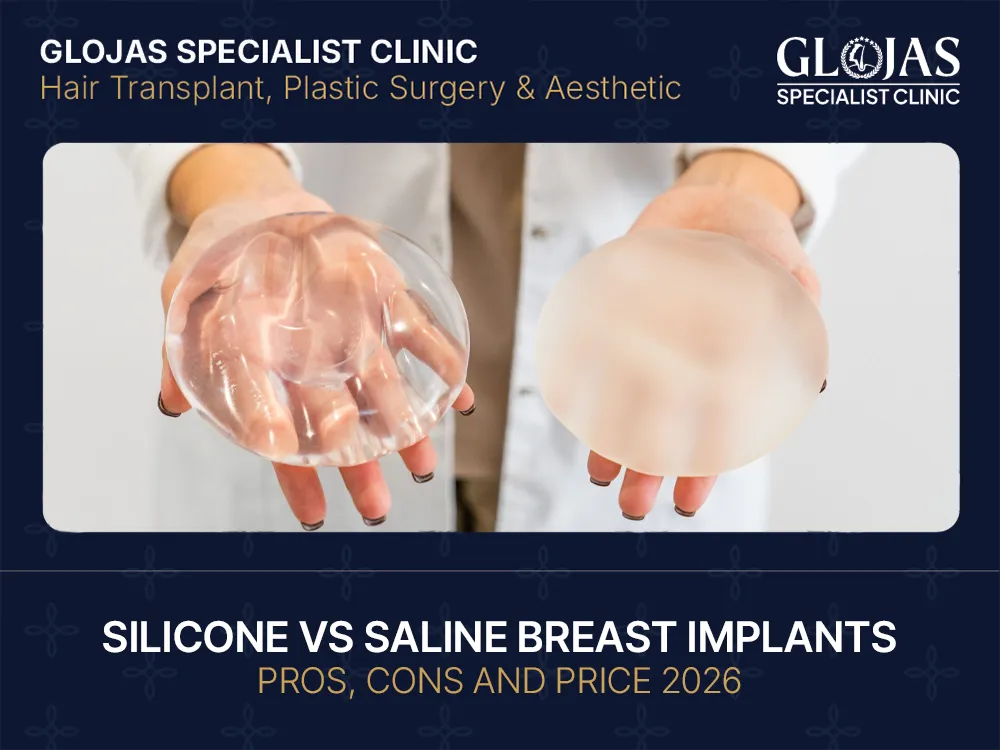
Choosing between silicone vs saline implants involves weighing the “natural feel” of cohesive silicone gel against the “peace of mind” provided by saline’s easy rupture detection. While silicone mimics human fat more closely, saline offers adjustable volumes and smaller incisions. Both are FDA-approved medical devices with high satisfaction rates. Understanding Silicone vs Saline Implants When you’re looking to enhance your silhouette, the “Silicone vs Saline” debate is usually the first fork in the road. At GLOJAS Specialist Clinic, we believe the best choice isn’t universal—it’s personal. Our board-certified surgeons focus on your anatomy, tissue thickness, and lifestyle to help you decide. 1. Silicone Gel Implants: The “Natural” Gold Standard Silicone implants are pre-filled with a cohesive gel that behaves a lot like natural breast tissue. In 2026, the latest “gummy bear” or highly cohesive gel versions are the go-to for many because they hold their shape even if the shell is compromised. The Pros: Authentic Texture: They feel softer and move more like real breasts. Less Rippling: Because the gel is thick, you’re less likely to see “waves” or wrinkles under the skin, especially if you have a slender frame. Custom Shapes: Available in both round and anatomical (teardrop) profiles. The Cons: Silent Ruptures: If they leak, you might not notice immediately. The FDA recommends periodic ultrasound or MRI monitoring. Larger Incisions: Since they come pre-filled, the surgeon needs a slightly wider opening. 2. Saline-Filled Implants: Simple and Adjustable Saline implants consist of a silicone shell filled with sterile saltwater. They have been a reliable choice for decades, particularly for those who prioritize a “firmer” look or a smaller scar. The Pros: Smaller Scars: These are inserted empty and filled once they’re in place, allowing for much smaller incision sites. Instant Rupture Detection: If a saline implant leaks, the breast will deflate visibly within a day. The saltwater is then safely absorbed by your body. Volume Control: Your surgeon can fine-tune the filling during surgery to ensure perfect symmetry. The Cons: Firmness: They can feel a bit more like a “water balloon” than natural tissue. Visible Rippling: In patients with very little natural breast tissue, the edges of the implant might be more palpable or visible. Silicone vs Saline Implants Clinical Evidence & Safety Standards Modern breast augmentation is backed by rigorous data. Two landmark studies highlight the long-term performance of these devices: The “Systematic Review of Long-Term Complications” (2024/2025): This study confirmed that while silicone implants have a slightly higher risk of capsular contracture, they provide significantly higher patient satisfaction regarding aesthetic “naturalness” compared to saline. [Reference: MDPI Prosthesis, 2024]. FDA Safety Updates (2021-2026): The FDA’s latest guidance emphasizes the importance of the Patient Decision Checklist. At GLOJAS, we ensure every patient is briefed on the biocompatibility of the silicone shell, which is common to both types. [Reference: FDA Breast Implant Labeling Guide]. Silicone vs Saline Implants Comparison Table: At a Glance Feature Silicone Gel Implants Saline-Filled Implants Primary Feel Soft, natural mimicry Firmer, more “perky” Incision Size Moderate (4–5 cm) Minimal (2–3 cm) Rupture Sign “Silent” (requires imaging) Immediate deflation FDA Age Limit 22+ for augmentation 18+ for augmentation Rippling Risk Very Low Higher in thin patients Frequently Asked Questions (FAQ) About Silicone vs Saline Implants Q1: Which implant lasts longer, silicone or saline? Neither is considered a “lifetime” device. Most implants are designed to last 10 to 20 years. However, high-quality cohesive silicone gels used in 2026 have shown remarkable durability against shell fatigue. Q2: Will people be able to tell I have implants? With silicone implants and submuscular placement (under the muscle), it is very difficult to tell. Saline can sometimes be visible in very thin patients, but our surgeons use advanced placement techniques to minimize this. Q3: Is the silicone leak dangerous? Modern cohesive silicone is not a liquid; it’s more like a solid gel. If the shell breaks, the gel typically stays in place. Clinical studies have not found a link between silicone gel and systemic diseases, though a ruptured implant should always be replaced. Q4: Can I breastfeed with these implants? Yes, most women can successfully breastfeed with either type. The choice of incision (such as the inframammary fold) is often more important for breastfeeding than the filler material itself. Q5: Why is silicone more expensive? Silicone implants involve a more complex manufacturing process to create the cohesive gel and multi-layered shells that prevent “gel bleed.” Why Choose GLOJAS for Your Journey? At GLOJAS Specialist Clinic, we don’t just “do surgery.” We craft results. Led by MOH-certified and NSR-registered surgeons with over 25 years of experience, our clinic in Kuala Lumpur utilizes the latest 2026 surgical protocols to ensure your safety and satisfaction. Whether you’re leaning toward the natural movement of silicone or the safety-first profile of saline, we provide a personalized roadmap to the “new you.”
A Week-by-Week Guide to Breast Augmentation Recovery
So, you’ve decided to enhance your silhouette and embrace a new chapter of self-love and wondering your breast augmentation recovery? Congratulations! You’re in a good hands of expertise. Breast augmentation is a transformative experience, and understanding the recovery process is key to a smooth journey. Forget the daunting “what ifs”—let’s dive into a realistic, week-by-week roadmap to help you navigate your way back to feeling fantastic. Under the leadership of Dr. Muya, a world-class plastic surgeon with over 20 years of experience, Glojas Specialist Clinic Kuala Lumpur ensures clinical excellence, patient safety, and natural, bespoke results. Breast Augmentation Recovery Phases The Initial Bloom: Week 1 – The Gentle Awakening The first few days post-surgery are all about rest and gentle healing. You’ll likely experience some discomfort, swelling, and bruising, which is completely normal. Think of it as your body’s way of saying, “Hey, I just did something amazing, give me a minute!” Your surgeon will have prescribed pain medication to manage this, and a supportive surgical bra will be your new best friend. Rest is paramount; avoid any strenuous activities, lifting, or reaching. Keep your arms close to your body and try to sleep on your back, propped up with pillows. This week is about being kind to yourself, staying hydrated, and letting your body do its vital work. Don’t be surprised if your new breasts feel high and firm—they’re still settling into their “pocket.” Emerging from the Cocoon: Week 2 – Light and Lighter By week two, you should start to feel a noticeable improvement. The initial “tight” sensation begins to subside, and you might even be able to transition from prescription meds to over-the-counter options. Swelling will still be present, but you’ll likely see it diminishing gradually. You can begin to incorporate light activities, like short, slow walks around the house or neighborhood. However, continue to avoid anything that elevates your heart rate significantly. Your surgeon will probably clear you for gentle arm movements, but heavy lifting remains off-limits. You might start to feel more like yourself, but remember: patience is a virtue. Continue wearing your supportive bra diligently, as it plays a crucial role in shaping your results and minimizing fluid buildup. Stepping Forward: Weeks 3-4 – A New Rhythm This period marks a significant turning point. Much of the noticeable swelling will have resolved, and your breasts will start to “drop and fluff”—softening and settling into a more natural position. You’ll likely feel more energetic and capable of resuming most daily activities, excluding strenuous exercise. Many patients are cleared to return to office jobs around this time. Your surgeon might give you the green light for light cardio (like a stationary bike), but still hold off on upper body workouts or anything that engages the pectoral muscles. You’ll be feeling more like your old self, but with a new silhouette! If recommended by your surgeon, gentle massage can begin now to aid in tissue softening. Embracing the New You: Months 2-3 – The Full Bloom By the second and third months, you’ll be feeling fantastic. The vast majority of swelling will be gone, and your breast implants will have settled into their final, beautiful position. Your scars will begin to fade from a bright pink to a softer tone. Most patients can finally resume their full exercise routines, including weightlifting and high-impact sports, provided they have their surgeon’s final approval. You’ll be enjoying your new shape and the increased confidence that comes with it. While you’ll feel fully recovered, keep in mind that internal healing continues for up to a year. Continue to follow aftercare instructions regarding scar care and sun protection. Frequently Asked Questions (FAQs) How long will I be in pain after breast augmentation? Initial discomfort is most prominent in the first 3-5 days. Most patients manage with prescription medication for the first week and transition to mild discomfort by week two. When can I go back to work? This depends on your role. Desk jobs can typically be resumed within 7-10 days. If your job involves heavy lifting or physical labor, you may need 3-4 weeks. When can I wear an underwire bra? Most surgeons recommend waiting at least 6 weeks. Underwires can irritate healing incisions and interfere with the settling process of the implants. How long do I have to sleep on my back? Usually, patients are advised to sleep on their backs for at least 4-6 weeks to prevent shifting and ensure even healing. Will my breasts feel hard after surgery? Yes, they will initially feel firm and look “high” on the chest. Over 2-3 months, they will soften and move into a more natural, teardrop shape. Every individual’s recovery journey is unique. Always prioritize your surgeon’s personalized advice over general guides.
Excess Skin: How to Tighten Loose Skin After Weight Loss

Loose or excess skin happens when your skin loses elasticity due to aging, rapid weight loss, or post-pregnancy changes. This can lead to sagging, folds, or dermatochalasis in certain areas. Treatments range from non-surgical skin tightening to surgical excision like abdominoplasty (tummy tuck), brachioplasty (arm lift), thighplasty, and facial lifts. What Causes Excess Skin? Extra skin develops when collagen and elastin fibers lose their tension. Common causes include: Rapid weight loss (after bariatric surgery or dieting) Aging – skin naturally loses elasticity Pregnancy and post-partum body changes Genetics or predisposition to sagging skin Areas commonly affected: abdomen, arms, thighs, neck, face, chest. Beyond aesthetics, sagging skin can cause skin irritation, rashes, intertrigo, and hygiene issues. Why It Happens (Mechanisms) Collagen and elastin breakdown reduces skin recoil Gravity pulls tissue downward over time Rapid fat loss leaves skin unsupported Excess skin can occur around eyelids, abdomen, arms, and thighs Sun damage and smoking accelerate collagen degradation Conditions like ptosis or dermatochalasis can affect function Treatment Options for Excess Skin Non-Surgical Approaches Radiofrequency / Ultrasound Skin Tightening: Stimulates collagen production, improves firmness Laser Therapy (CO2 / Fractional): Enhances skin texture and tightness Topical Treatments: Retinoids, peptides, antioxidants, hyaluronic acid Fat Grafting or Dermal Fillers: Restores volume under minor sagging areas Best for mild sagging, often requires multiple sessions to see visible improvement Surgical Approaches Abdominoplasty (Tummy Tuck): Removes excess abdominal skin, tightens underlying fascia and muscles Brachioplasty (Arm Lift) & Thighplasty (Thigh Lift): Excises hanging skin after weight loss Blepharoplasty: Eyelid Surgery Body Contouring Surgery: Combines liposuction and skin removal for smooth, natural results Facial and Neck Lifts: Correct sagging in jawline, neck, and cheeks Reconstructive Surgery: Post-bariatric or post-trauma skin repair Always performed by board-certified plastic or reconstructive surgeons, following pre-op assessment including BMI stability, comorbidities, and skin condition. Board-certified surgeons at GLOJAS Specialist Clinic in Kuala Lumpur, Malaysia, ensure safe, effective results while minimizing risks such as hematoma, infection, or hypertrophic scarring. Who Is a Good Candidate? Generally healthy adults Stable weight for at least 6–12 months No active skin infections, diabetes, cardiovascular, or clotting issues Non-smokers or willing to stop before surgery Realistic expectations and adherence to post-op care What Happens During Treatment? Non-Surgical Outpatient procedure, minimal downtime Gradual results over weeks Often combined with topical skin treatments and exercise Surgical Anesthesia: General or local (twilight sedation) Incision: Strategically placed along natural creases or supratarsal line, tarsal plate, or abdomen fold Excision: Removes excess skin; underlying muscle tightening and fat repositioning Recovery: Swelling/bruising 1–3 weeks, full results 2–3 months Compression garments, wound care, and follow-ups required Benefits of Excess Skin Treatment Restores natural body contour and firmness Enhances mobility and reduces skin irritation or infections Improves self-confidence and body image Long-lasting results with healthy lifestyle maintenance Risks & Considerations Common: bruising, swelling, temporary numbness Surgical: hematoma, seroma, infection, hypertrophic scarring, anesthesia risks Minimizing risks: choose board-certified, Ministry of Health-accredited surgeons in Malaysia Aftercare Tips Wear compression garments 4–6 weeks Keep incisions clean, moisturized, and protected from sun Avoid heavy lifting and strenuous activity for 2–4 weeks Gradually resume exercise and daily activities Follow all surgeon instructions and attend follow-ups Other Helpful Approaches Exercise: Strengthens underlying muscles, supporting skin Healthy diet: Boosts collagen and elastin production Topical skincare: Retinoids, peptides, antioxidants for mild improvements Cost of Excess Skin Treatment in Malaysia (2025) Non-surgical: RM1,500–RM6,000 per session Surgical: RM10,000–RM50,000+ depending on complexity Insurance may cover functional skin removal after massive weight loss Frequently Asked Questions (FAQ) 1. Can excess skin tighten naturally?Mild sagging may improve slowly, but significant loose skin usually requires treatment. 2. How long does surgical recovery take?Initial healing: 1–3 weeks; full results visible in 2–3 months. 3. Are non-surgical treatments effective?Yes, for minor sagging, but multiple sessions are often needed. 4. Will scars be noticeable?Surgeons hide incisions strategically; scars fade over time but never fully disappear. 5. Can I get an infection?Yes, but proper hygiene, antibiotics, and follow-ups reduce risk. 6. Will removing excess skin improve mobility?Yes, it improves comfort and ability to exercise. 7. How long will results last?Long-lasting if weight is stable and healthy habits maintained. 8. Is treatment painful?Discomfort is mild; pain is managed with medications and care. 9. Who should perform skin removal?A board-certified plastic or reconstructive surgeon, preferably Ministry of Health-accredited in Malaysia. 10. Can skin removal be combined with other procedures?Yes, often combined with liposuction, tummy tuck, or body contouring for optimal results.
Upper, Lower & Asian Blepharoplasty Types: Which Is Right for You

Blepharoplasty, or eyelid surgery, improves eyelid appearance and function by removing excess skin, fat, or muscle. Upper, lower, and Asian blepharoplasty types target droopy lids, under-eye bags, or unique eyelid anatomy. Choosing the right procedure depends on your goals, facial structure, and lifestyle, with safe, long-lasting results under expert care. What is Blepharoplasty? Blepharoplasty is a surgical procedure designed to enhance the eyelids’ appearance or function. It can correct: Drooping upper eyelids that affect vision or appearance Under-eye bags or puffiness Excess skin and wrinkles around the eyelids This procedure restores a more rested, youthful, and symmetrical look while sometimes improving visual field obstruction caused by sagging lids. Types of Blepharoplasty 1. Upper Blepharoplasty Upper eyelid surgery focuses on removing excess skin, fat, or muscle from the upper eyelids. Benefits: Reduces droopy eyelids that can obstruct vision Creates a refreshed, youthful appearance Can improve symmetry of both eyes Ideal Candidates: Individuals with sagging upper eyelids Patients experiencing heavy lids or vision impairment Recovery: Mild swelling and bruising for 1–2 weeks Sutures usually removed within 5–7 days Normal activities resumed in 1–2 weeks 2. Lower Blepharoplasty Lower eyelid surgery targets puffiness, bags, and wrinkles under the eyes. Benefits: Smooths under-eye bags Reduces wrinkles and fine lines Improves tired or aged appearance Techniques: Transconjunctival approach: incision inside the eyelid, ideal for younger patients with fat bags but no excess skin Transcutaneous approach: incision under the lash line, suitable for patients with skin excess and wrinkles Recovery: Mild swelling, bruising, or tightness for 1–2 weeks Avoid heavy lifting or strenuous exercise for 2–3 weeks 3. Asian Blepharoplasty Asian blepharoplasty, often called double eyelid surgery, creates a natural crease in the upper eyelid while respecting ethnic anatomy. Benefits: Defines eyelid crease without altering eye shape drastically Enhances natural eyelid contour Can combine with fat repositioning or epicanthoplasty for harmonious results Ideal Candidates: Patients seeking a defined eyelid crease Individuals with monolids or minimal natural crease Recovery: Slight swelling and bruising for 1–2 weeks Results gradually visible over 3–6 months Choosing the Right Eyelid Surgery Factors to Consider: Age and skin elasticity – younger patients may need less skin removal Eyelid anatomy – unique features, like monolids or puffiness Goals – cosmetic, functional, or both Lifestyle – downtime tolerance, work schedule, and post-op care Consultation Tips: Seek board-certified oculoplastic or plastic surgeons Review before-and-after photos Discuss realistic outcomes, risks, and recovery expectations Risks and Safety Considerations Blepharoplasty is generally safe but, like any surgery, carries potential risks: Temporary swelling or bruising Mild discomfort or tightness Dry eyes or temporary vision changes Rare complications: infection, asymmetry, or scarring Safety Tips: Choose experienced, accredited clinics Follow pre- and post-operative instructions carefully Avoid smoking, alcohol, or blood-thinning medications before surgery Recovery and Aftercare General Guidelines: Keep the head elevated to reduce swelling Use cold compresses during first 48 hours Avoid rubbing eyes or strenuous activity Follow up with your surgeon regularly Healing Timeline: Week 1–2: Swelling and bruising peak, stitches removed Week 3–4: Most swelling subsides, normal activities resume 3–6 months: Final results visible FAQs 1. Can blepharoplasty improve vision?Yes, upper eyelid surgery can remove sagging skin that obstructs peripheral vision. 2. How long do results last?Results can last 10–15 years, though natural aging continues. 3. Is Asian blepharoplasty reversible?Minor adjustments are possible, but complete reversal is rare; careful pre-surgical planning is key. 4. Will scars be visible?Upper eyelid incisions follow natural folds, and lower eyelid scars are usually hidden under lashes or inside the eyelid. 5. Can blepharoplasty be combined with other procedures?Yes, it can be combined with brow lifts, facelifts, or fat grafting for comprehensive rejuvenation. 6. How painful is the surgery?Most patients experience mild discomfort, controlled with prescribed pain medications. 7. Are non-surgical options effective?Temporary improvements can be achieved with fillers, Botox, or laser treatments, but surgical blepharoplasty provides long-lasting, definitive results. Conclusion:Choosing between upper, lower, or Asian blepharoplasty depends on your eyelid anatomy, aesthetic goals, and functional needs. A board-certified surgeon can guide you to the safest, most effective option, ensuring natural, long-lasting results with minimal downtime. GLOJAS Specialist Clinic in Kuala Lumpur offers expert upper, lower, and Asian blepharoplasty, combining board-certified surgeons, advanced techniques, and personalized care to achieve natural, safe, and long-lasting eyelid rejuvenation with optimal functional and aesthetic results.
Cara Kecilkan Peha Dengan Teknik Berkesan, Selamat & Terbukti

Peha Besar & Mengelebeh? Boleh Ke Kecilkan Peha? Cara kecilkan peha bergantung pada gabungan senaman kekuatan, latihan kardio, pengurusan pemakanan, dan perubahan gaya hidup. Tiada cara “spot reduction”, tetapi anda boleh mengecilkan peha dengan membakar lemak keseluruhan dan membina otot paha yang lebih firm. Rutin konsisten 6–12 minggu biasanya menunjukkan hasil. Apa Yang Menyebabkan Peha Membesar? Beberapa faktor mempengaruhi bentuk dan saiz peha: Genetik – menentukan tempat tubuh menyimpan lemak. Peratus lemak badan tinggi – lebihan kalori disimpan di peha. Gaya hidup sedentari – kurang penggunaan otot quadriceps, hamstring, dan glute. Hormon – terutamanya estrogen yang cenderung menyimpan lemak di bahagian pinggul & peha. Postur dan keseimbangan otot – otot tidak aktif boleh membuat peha nampak lebih bulky. Peha boleh dikecilkan melalui pendekatan yang konsisten dan realistik, selaras dengan bukti bahawa tiada spot reduction, tetapi shaping dan toning memang boleh dicapai. 1. Senaman Terbaik Untuk Kecilkan Peha A. Latihan Kekuatan (Strength Training) Melibatkan otot besar peha untuk membina otot lean dan meningkatkan metabolisme. 1. Squat Sasaran: quadriceps, hamstring, glute. 12–15 repetisi × 3 set. Pastikan lutut tidak melepasi hujung jari kaki. 2. Lunges Sasaran: peha hadapan & belakang. 10 langkah setiap kaki × 3 set. Tingkatkan intensiti dengan dumbbell. 3. Step-up Mengaktifkan glute dan peha secara seimbang. Naik platform sederhana tinggi. 12 repetisi × 3 set. 4. Bridge Baik untuk posterior chain, mengurangkan “dominant thighs”. 12–20 repetisi × 3 set. Kenapa Ia Berkesan? Latihan kekuatan membentuk otot yang lebih padat (lean muscle), menghasilkan peha yang lebih firm, mengurangkan lemak keseluruhan, dan meningkatkan resting metabolic rate. B. Kardio untuk Pembakaran Lemak Kardio ialah kaedah paling efisien untuk membakar kalori. Pilihan terbaik: Larian ringan / brisk walking – impak rendah, mudah diikuti. Cycling – membina otot peha tanpa membesarkan secara berlebihan. Stair climbing – fokus pada peha & glute. HIIT 15–20 minit – membakar lemak lebih cepat. Cadangan Jadual: 150–300 minit kardio intensiti sederhana / minggu. Atau 75–150 minit kardio intensiti tinggi. 2. Pemakanan untuk Kecilkan Peha Secara Selamat A. Imbangan Kalori (Caloric Deficit) Untuk kecilkan peha, perlu kurangkan lemak keseluruhan badan. Kurangkan 300–500 kcal sehari untuk penurunan beransur. Elak “crash diet” kerana ia mengurangkan massa otot dan memperlahankan metabolisme. Baca Selanjutnya : Cara Diet IF Dengan Betul B. Nutrien Utama 1. Protein Menyokong pembinaan otot dan kenyang lebih lama. Sumber: ayam, ikan, telur, tofu, tempe. 2. Serat Melambatkan pencernaan, stabilkan gula darah. Sumber: sayur, buah, oat, kekacang. 3. Lemak sihat Sokong hormon dan kenyang lebih lama. Sumber: avocado, kekacang, olive oil. 4. Air 2–2.5 L/hari untuk mengurangkan water retention yang buat peha nampak lebih besar. 3. Tips Gaya Hidup untuk Peha Lebih Kecil A. Kurangkan Water Retention Kurangkan garam berlebihan. Elakkan minuman manis. Tingkatkan pergerakan harian. B. Postur & Aktiviti Harian Berjalan minimum 7,000–10,000 langkah/hari. Tukar duduk lama dengan berdiri atau regangan ringkas setiap 30–60 minit. C. Tidur 7–9 jam setiap malam. Kurang tidur meningkatkan hormon lapar (ghrelin) dan mengganggu metabolisme. D. Stress Management Stress kronik meningkatkan hormon kortisol yang dikaitkan dengan penyimpanan lemak. 4. Berapa Lama Untuk Nampak Hasil? Setiap individu berbeza, tetapi kebanyakan orang mula melihat perubahan peha dalam: 3–4 minggu – peha lebih firm & kuat. 6–12 minggu – inch loss lebih ketara. Konsistensi dan gabungan latihan + pemakanan ialah kunci utama. 5. Kesalahan Umum Semasa Cuba Kecilkan Peha Hanya buat kardio tanpa kekuatan → otot kurang defined. Diet terlalu ketat → hilang otot, metabolisme menurun. Hanya fokus pada peha → spot reduction tidak berkesan. Latihan tidak cukup intensiti → tiada perubahan ketara. Kurang rehat → tubuh tidak sempat pulih. 6. Rutin Mingguan Contoh (Beginner & Intermediate) Beginner (30 min / sesi) Isnin: Squat, lunges, bridge + brisk walk 20 min Rabu: Step-up, hip hinge, plie squat Jumaat: Brisk walk / cycling 30 min Hujung minggu: Regangan + mobility Intermediate (45 min / sesi) Isnin: Strength lower body (squat, lunges, deadlift ringan) Rabu: HIIT 20 min + core Jumaat: Cycling/stair climbing Sabtu: Mix strength + mobility 7. Adakah Anda Perlu Produk atau Alat Khas? Boleh membantu, tapi tidak wajib: Resistance band Dumbbell ringan Foam roller untuk kurangkan ketegangan otot Mat senaman Tidak disyorkan: krim pembakar lemak, alat getar, atau produk “instant slim”.Tiada bukti kukuh ia boleh mengecilkan peha secara kekal. Lakukan Liposuction untuk Kecilkan Peha Liposuction ialah prosedur pembedahan untuk membuang lemak berlebihan di peha dengan cepat dan tepat. Ia sesuai untuk individu dengan lemak degil yang tidak hilang melalui diet dan senaman. Hasilnya lebih cepat dan terperinci, namun memerlukan pemulihan beberapa minggu dan perlu dilakukan oleh pakar bertauliah. GLOJAS Specialist Clinic di Malaysia menawarkan pilihan profesional untuk cara kecilkan peha, termasuk liposuction yang dilakukan oleh doktor bertauliah dengan standard keselamatan tinggi. Klinik ini menekankan penilaian menyeluruh, teknik moden, dan penjagaan pasca-prosedur untuk membantu pesakit mencapai bentuk peha yang lebih terperinci dan semula jadi. FAQ 1. Bolehkah kecilkan peha dalam seminggu? Tidak. Anda boleh kurangkan water retention cepat, tetapi kehilangan lemak memerlukan beberapa minggu. 2. Adakah squat membuatkan peha lebih besar? Tidak jika dilakukan betul dan digabungkan dengan defisit kalori. Ia membantu firming dan shaping. 3. Apakah cara paling cepat kecilkan peha? Kombinasi kardio + latihan kekuatan + diet seimbang. HIIT juga berkesan untuk pembakaran lemak. 4. Kecilkan peha tanpa senaman, boleh? Boleh turun lemak melalui pemakanan, tetapi shaping & toning memerlukan senaman. 5. Peha besar sebab hormon? Sebahagiannya boleh, terutamanya estrogen. Namun gaya hidup dan pemakanan lebih dominan. 6. Cycling buat peha besar? Cycling biasanya membentuk otot lean, bukan bulky — selamat untuk tujuan mengecilkan peha. 7. Berapa kali perlu bersenam seminggu? 3–4 kali latihan kekuatan + 2–3 kali kardio untuk hasil terbaik. View this post on Instagram A post shared by GLOJAS PLASTIC & RECONSTRUCTIVE SURGERY SPECIALIST (@glojasplasticsurgeryspecialist)
What Is Semaglutide? Everything You Need To Know For Weight Management

Semaglutide is a prescription GLP-1 receptor agonist used to help manage type 2 diabetes and medically supervised weight reduction. It works by calming appetite signals, supporting blood sugar control, and promoting steady, evidence-based weight change. Available as weekly injections or daily tablets, semaglutide is clinically proven and must be used under professional medical care to ensure safety and appropriate treatment planning. At GLOJAS Specialist Clinic, patients can receive professionally guided Ozempic® Malaysia from experienced medical specialists who prioritise safety, personalised assessments, and consistent progress monitoring. Our team provides trusted, regulation-aligned care with clear explanations and supportive follow-up throughout every stage of treatment. What Is Semaglutide? Semaglutide belongs to the GLP-1 receptor agonist class—medications designed to mimic the natural GLP-1 hormone. By supporting blood glucose regulation, improving satiety, slowing stomach emptying, and reducing appetite signals in the brain, semaglutide helps with type 2 diabetes control and medically supervised weight management. It is available under several recognised brand names: Ozempic® – for type 2 diabetes Wegovy® – for chronic weight management Rybelsus® – an oral version for diabetes Each requires a prescription and clinical oversight to ensure safe, suitable use. How Does It Works (Mechanism of Action) 1. Pancreas: Better Blood Sugar Regulation Increases insulin release when glucose is present Reduces abnormal glucagon levels Helps control post-meal glucose spikes 2. Brain: Appetite and Craving Control Acts on appetite-regulating centres Increases feelings of fullness Helps reduce calorie intake without stimulants 3. Digestive System: Slower Gastric Emptying Food remains in the stomach longer Promotes early satiety and smaller portion sizes 4. Metabolism: Clinically Supported Weight Benefits Trials show meaningful weight changes when paired with lifestyle guidance and medical supervision. Clinical Benefits of Semaglutide 1. FDA-Approved Weight Management (Wegovy®) For eligible adults, semaglutide may support: Noticeable reductions in body weight Lower waist circumference Improved metabolic markers Results develop gradually and steadily over several months. 2. Type 2 Diabetes Management (Ozempic® / Rybelsus®) Benefits include: Reduced HbA1c Lower cardiovascular risk in appropriate patients More predictable daily blood sugar patterns 3. Cardiometabolic Health Support Research also shows improvements in: Blood pressure Inflammation markers Lipid levels These benefits occur as part of a structured medical plan. Who May Be Eligible for Semaglutide? A healthcare professional determines eligibility. Semaglutide may be considered for: Adults meeting medical criteria for chronic weight management Adults with type 2 diabetes who need improved glucose control Patients whose medical history and current medications allow safe use Who should avoid semaglutide? A clinical evaluation is essential, especially for individuals with: A personal or family history of specific thyroid tumours Severe gastrointestinal disease Previous pancreatitis Pregnancy or plans to conceive Doctors perform a careful risk–benefit review before prescribing. Forms and Dosing Overview (High-level only; dosing must be clinician-directed.) Injectable Semaglutide Weekly subcutaneous injection Used for diabetes (Ozempic®) and weight management (Wegovy®) Oral Semaglutide Rybelsus® tablets Taken under specific timing and intake instructions Clinicians gradually adjust the dose based on tolerance and treatment response. Safety, Side Effects & Monitoring Semaglutide is generally well-tolerated, though some patients may experience side effects. Common, Usually Mild Nausea Fullness Reflux Constipation or diarrhea Tiredness Temporary appetite decrease Less Common, Needs Prompt Medical Review Gallbladder symptoms Severe abdominal discomfort Signs of pancreatitis Allergic reactions Ongoing monitoring helps clinicians tailor treatment and maintain safety. What Results to Expect Early Phase (Weeks 1–4) Decreased appetite Feeling full more quickly Mild digestive adjustments Middle Phase (Months 2–4) Gradual, steady weight change Better energy levels Reduced cravings More stable blood sugar levels (in diabetes care) Long-Term (4+ months) Continued weight and metabolic improvements Stronger lifestyle habits Occasional plateaus, which clinicians can help manage Some patients may need ongoing therapy to maintain results, always guided by medical review. Lifestyle Support During Treatment Semaglutide works best when paired with supportive habits such as: Balanced, nutrient-rich meals Adequate protein intake Proper hydration Strength and low-impact exercise Consistent sleep Regular follow-ups with healthcare professionals The medication is a tool—healthy habits help sustain long-term outcomes. Semaglutide vs. Other GLP-1 Medications Compared with older GLP-1 options like liraglutide, semaglutide offers: A longer half-life Convenient once-weekly dosing Stronger evidence for weight loss Enhanced metabolic improvements The best choice depends on medical history, treatment goals, and clinician guidance. Read More Here : Ozempic vs Mounjaro Frequently Asked Questions (FAQ) Is semaglutide the same as Ozempic or Wegovy?Semaglutide is the active ingredient. Ozempic treats type 2 diabetes, while Wegovy is approved for chronic weight management at a different dose range. How soon does semaglutide start working?Appetite changes may appear within a few weeks; weight and metabolic improvements develop gradually over several months. Can ozempic be used for aesthetic or cosmetic weight loss alone?No. It must meet medical eligibility criteria and requires professional assessment and supervision. Will I regain weight after stopping ozempic?Some regain is possible if treatment ends without long-term lifestyle strategies. Clinicians help patients build sustainable habits to support maintenance. Is compounded semaglutide the same as FDA-approved brands?No. Quality, safety, and dosing consistency differ. FDA-approved brands undergo strict regulatory oversight. Is it safe for long-term use?Long-term studies show benefits for suitable patients under medical supervision. Ongoing monitoring ensures safety.
6 Ways How to Select a Board-Certified Plastic Surgeon in Malaysia

Choosing a plastic surgeon is a big decision—one that can shape your confidence, safety, and long-term results. This guide helps you understand exactly how to find a truly qualified, board-certified plastic surgeon in Malaysia, and what to look for at every step of your decision-making process. GLOJAS Specialist Clinic is led by board-certified plastic surgeons in Malaysia, providing safe, evidence-based procedures such as liposuction and breast augmentation. With accredited facilities, advanced surgical techniques, and a strong track record of patient satisfaction, the clinic emphasizes medical expertise, ethical care, and high-quality aesthetic outcomes for every patient. Why Choosing the Right Plastic Surgeon Matters Plastic surgery isn’t just a medical procedure—it’s a personal journey. Whether you’re planning cosmetic enhancement or reconstructive surgery after an injury or illness, the surgeon you choose directly influences your safety, recovery, and overall outcome. Malaysia has many excellent surgeons, but not all have the same training or credentials. Taking the time to understand what makes a surgeon qualified—and how to verify it—gives you peace of mind and helps you avoid unnecessary risks. This guide walks you through all the essential criteria: board certification, training, experience, facility standards, and red flags to avoid. 1. What Board Certification Really Means Board certification is more than a title—it’s proof of a surgeon’s commitment to rigorous medical education, ethical practice, and patient safety. In Malaysia: The Malaysian Medical Council (MMC) oversees licensing for all medical practitioners. MAPACS (Malaysian Association of Plastic, Aesthetic and Craniomaxillofacial Surgeons) is the recognized professional body for trained plastic surgeons. Some surgeons also belong to SAMM (Society of Aesthetic Medicine Malaysia), which focuses on aesthetic medicine standards. A board-certified plastic surgeon has: Completed foundational medical training. Undergone 5–6 years of advanced specialist training in plastic and reconstructive surgery. Passed exams and evaluations demonstrating clinical skill and ethical practice. Choosing a board-certified surgeon helps ensure your treatment is safe, evidence-based, and performed by someone trained to manage complex anatomy and surgical risks. Check Out Our Services Page : Plastic Surgery In Malaysia 2. Verify Qualifications and Areas of Specialization Plastic surgery covers a wide range of procedures—each requiring different skills. Not every surgeon performs every type of surgery, which is why specialization matters. Most qualified plastic surgeons will have: MBBS or equivalent medical degree Formal plastic and reconstructive surgery training (typically 5–6 years) Membership in MAPACS or similar recognized associations Ask about their clinical focus. Some surgeons specialize in: Facial procedures (rhinoplasty, facelift, eyelid surgery) Breast procedures (augmentation, reduction, reconstruction) Body contouring (liposuction, tummy tuck, body lift) Reconstructive surgery (post-trauma, cancer reconstruction, burns) Choosing a surgeon who regularly performs your specific procedure significantly improves your chances of achieving a safe and natural-looking outcome. 3. Assess Their Experience and Track Record Experience builds skill—and in plastic surgery, it also builds consistency. A surgeon who has performed a procedure many times is more prepared to handle variations, adapt techniques, and manage complications. Here’s what to check: Years of practice: Long-term experience usually reflects refined technique. Before-and-after photos: Look for natural, balanced results that align with your aesthetic preference. Patient testimonials: Reviews give insight into bedside manner, communication, and overall satisfaction. Pay attention to how patients describe their experience—not just the results but also the surgeon’s care, transparency, and support during recovery. 4. Ensure Surgical Facility Accreditation and Safety Standards A safe surgery requires more than a skilled surgeon—the facility must also meet strict safety guidelines. Before committing, confirm that the clinic or hospital: Is accredited by the Malaysian Ministry of Health (MOH) Complies with the Private Healthcare Facility and Services Act (PHFSA) Follows international hygiene, sterilization, and emergency-response standards Has a fully equipped, sterile operating room A properly accredited facility offers the infrastructure necessary for safe anesthesia administration, emergency intervention, and high-quality post-operative care. For example, at GLOJAS we have Dr. Muya – Dr. Muya is an LCP-certified aesthetic physician at GLOJAS Aesthetic Clinic, Kuala Lumpur, with MBBS and Diplomate in Aesthetic Medicine (USA) credentials. Known for her gentle, patient-centred approach, she specializes in non-surgical facial enhancement, skin rejuvenation, and body contouring, delivering natural, evidence-based results with compassionate care. 5. Evaluate Communication, Transparency, and Rapport You should feel confident and supported by your surgeon. A good consultation is an open, honest conversation—not a sales pitch. Your surgeon should: Listen carefully to your goals and concerns Give realistic, medically grounded expectations Explain the procedure, risks, benefits, and alternatives clearly Encourage questions Avoid promising “perfect” results A surgeon’s communication style and professionalism are strong indicators of how they will care for you throughout the entire process—from planning to recovery. 6. Understand Costs and Look for Ethical Practices While cost is an important factor, it should never outweigh safety or qualifications. Extremely low prices can signal inadequate training, hidden fees, or unsafe practices. A trustworthy surgeon will: Provide a detailed, transparent breakdown of costs (procedure, anesthesia, facility fees, follow-ups) Explain what is included and what is not Encourage you to consider value rather than price alone Avoid pressuring you into quick decisions or “special promotions” Ethical practice is the cornerstone of safe medical care. Frequently Asked Questions Q1: How do I verify a Malaysian plastic surgeon’s certification? You can confirm a surgeon’s credentials through the Malaysian Medical Council (MMC) database and by checking for membership in MAPACS or SAMM. These organizations list qualified, properly trained surgeons. Q2: How much does plastic surgery usually cost in Malaysia? Prices vary widely depending on the procedure and surgeon: Breast augmentation: RM 10,000–25,000 Facelift: RM 15,000–40,000 Rhinoplasty: RM 8,000–20,000 (varies by technique) Always request a full written quotation. Q3: What should I ask during my consultation? Important questions include: How many times have you performed this procedure? Can I see before-and-after photos? What risks should I be aware of? What is the expected recovery timeline? How do you manage complications? Q4: Should I choose a surgeon in Kuala Lumpur or another major city? Major cities like Kuala Lumpur or Penang often host more specialized clinics, but smaller cities may also have skilled, well-trained surgeons. Focus on
Ozempic vs Mounjaro: Best Choice for Weight Loss & Diabetes?

Ozempic and Mounjaro are weekly injectable prescription medications designed for people with type 2 diabetes, but many patients and clinicians also discuss their off-label role in weight management. The key difference is how they work: Ozempic contains semaglutide, a GLP-1 agonist, while Mounjaro uses tirzepatide, a dual GIP/GLP-1 agonist that often leads to stronger appetite control and greater weight loss. Because the medications vary in safety, dosing, cost, and suitability, a medical assessment is essential before starting either one. What Are Ozempic and Mounjaro? Both medications belong to the incretin-mimicking family of drugs and are given once weekly. They help regulate blood sugar and improve overall metabolic health for those with type 2 diabetes.Although widely discussed for weight loss, the FDA-approved versions specifically for obesity are Wegovy (semaglutide) and Zepbound (tirzepatide). GLOJAS Specialist Clinic offers expert, medically supervised guidance for patients seeking Ozempic Malaysia, providing consultant-led evaluations, safe prescribing, and personalised metabolic treatment plans. Our clinical team ensures evidence-based care, ongoing monitoring, and supportive lifestyle coaching to help patients achieve effective, safe, and sustainable weight and diabetes management. How They Work Ozempic (Semaglutide – GLP-1 Agonist) Ozempic acts like the natural GLP-1 hormone. It: Slows how quickly food leaves the stomach Reduces appetite and cravings Helps the pancreas release insulin when blood sugar rises Supports steadier blood glucose and improved satiety Mounjaro (Tirzepatide – Dual GIP/GLP-1 Agonist) Mounjaro targets two incretin receptors instead of one. This dual action: Enhances appetite suppression Improves glucose control more powerfully Supports more efficient metabolism Often results in more noticeable weight changes compared with semaglutide at similar diabetes doses Efficacy: How Do They Compare? Blood Glucose Control Ozempic: Lowers A1C by roughly 1.0–1.8%. Mounjaro: Can reduce A1C up to 2.0–2.5%, and head-to-head studies often show stronger results. Weight Loss Although doses differ between diabetes and obesity treatments, outcomes follow a consistent pattern: Ozempic: Average loss of about 4–6 kg in diabetes trials Mounjaro: Typically 7–12 kg depending on dose Higher, obesity-targeted doses of Wegovy and Zepbound deliver even greater reductions Cardiovascular Benefits Ozempic: Has established cardiovascular risk-reduction data. Mounjaro: A major CV outcomes trial is underway; early findings are promising but not yet confirmed by regulatory approval. Dosing & How They’re Taken Both come as prefilled pens for once-weekly subcutaneous injection. Ozempic Titrates slowly from 0.25 mg to 0.5 mg, 1 mg, or up to 2 mg weekly.Because it has been available longer, some patients find it easier to access. Mounjaro Starts at 2.5 mg and gradually increases through several strengths up to 15 mg weekly.The wider dose range gives clinicians more flexibility for tailoring treatment and managing side effects. Side Effects & Safety Most side effects occur because these medications slow digestion. Common Side Effects (Both) Nausea Vomiting Diarrhoea or constipation Abdominal discomfort Lower appetite Less Common but Important Gallbladder issues, including gallstones Pancreatitis (rare but serious) Thyroid C-cell tumours seen in animal studies (uncertain relevance to humans) Key Differences Mounjaro may cause slightly more digestive issues at higher doses due to dual incretin activity. Ozempic has the longest track record and more long-term outcome data. Not Suitable For (Both) People with a personal or family history of medullary thyroid carcinoma (MTC) Individuals with MEN2 Those who are pregnant or planning pregnancyA clinician should always review your medical history before choosing therapy. Which Medication Supports Better Weight Loss? Overall, Mounjaro tends to produce greater weight-loss results, though everyone responds differently.Your best option may depend on: How your body tolerates the medication Cost and availability Cardiovascular history Personal goals and response during the first few months of treatment Which Is Better for Diabetes Control? Mounjaro typically offers stronger A1C reduction, but: Patients with established cardiovascular disease may benefit more from Ozempic’s proven CV protection Insurance coverage for each drug varies widely Both medications lower insulin requirements and improve metabolic markers Cost & Insurance Both medications are expensive without insurance.Coverage is usually better for type 2 diabetes than for weight loss.Some insurers require proof that other treatments have not worked before approving either drug. Who Might Prefer Ozempic? Those with type 2 diabetes and cardiovascular disease Patients who find tirzepatide’s GI effects too strong People who value semaglutide’s long-term safety data Patients with stronger insurance coverage for GLP-1 monotherapy Who Might Prefer Mounjaro? Patients wanting the most potent A1C reduction Individuals aiming for larger weight-loss outcomes Those who tolerate dual-agonist therapy well Anyone with insurance coverage for tirzepatide-based treatments Lifestyle Still Matters These medications work best when paired with sustainable everyday habits, including: A high-protein, balanced diet Consistent resistance and aerobic exercise Adequate hydration Quality sleep and stress management Medication enhances metabolic health, but lifestyle changes drive long-term results. FAQs Is Mounjaro stronger than Ozempic? In most clinical trials, yes. Mounjaro generally provides greater A1C improvement and more significant weight loss. Is Ozempic safer? Both have similar side-effect profiles, but Ozempic has more established cardiovascular outcome data. Can you switch from Ozempic to Mounjaro? You can, but only under medical guidance. Dose adjustments and GI symptom monitoring are essential during transitions. Can people without diabetes use them? The diabetes versions aren’t approved for weight loss. Wegovy and Zepbound are the approved options. Off-label use requires specialist oversight. Which works best for reducing belly fat? Both reduce visceral fat, but Mounjaro often leads to greater overall and central fat loss. How quickly do they work? Blood sugar improvements often appear within 1–2 weeks. Weight changes typically accelerate after dose escalation around 6–12 weeks. Can they stop working over time? Plateaus are normal. Adjusting dose, reviewing lifestyle habits, or changing medications can help when supervised by a clinician.
GLP-1 (Glucagon-Like Peptide-1): Uses, Benefits, & Mechanism
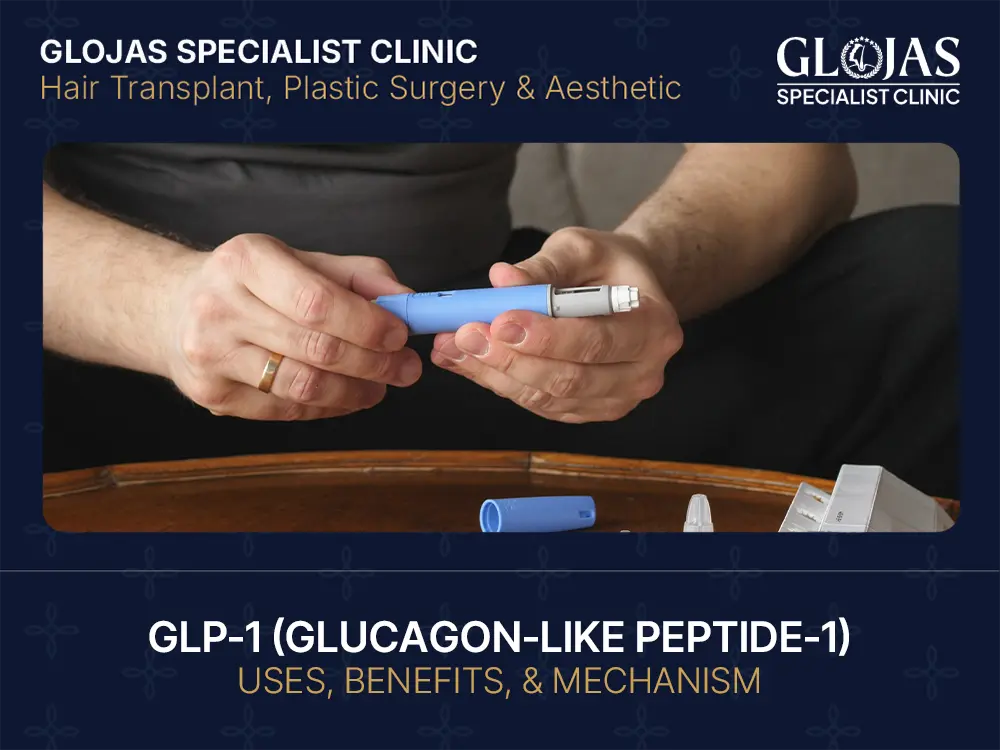
GLP-1 (glucagon-like peptide-1) is a hormone that regulates blood sugar and appetite. Clinically used as GLP-1 receptor agonists, it improves glycemic control, promotes weight loss, and supports metabolic health. Evidence-based therapies are effective and generally well-tolerated, with research supporting benefits in type 2 diabetes, obesity, and cardiovascular risk reduction. What is GLP-1? GLP-1 is an incretin hormone secreted by intestinal L-cells in response to food intake. It stimulates insulin secretion, inhibits glucagon release, slows gastric emptying, and enhances satiety. Its physiological actions make it a key target for managing type 2 diabetes and obesity. Key Functions: Enhances glucose-dependent insulin release Suppresses glucagon to prevent hyperglycemia Slows gastric emptying to reduce postprandial spikes Promotes appetite regulation and weight management GLOJAS Specialist Clinic in Malaysia provides expert management of type 2 diabetes and obesity using Ozempic (semaglutide). Our doctors deliver personalized, evidence-based GLP-1 therapy, ensuring safe, effective blood sugar control, weight management, and metabolic health, supported by the latest clinical guidelines and continuous patient monitoring. GLP-1 Receptor Agonists (GLP-1 RAs) GLP-1 receptor agonists are medications that mimic endogenous GLP-1, providing sustained metabolic benefits. Commonly prescribed agents include: Exenatide (Byetta, Bydureon) Liraglutide (Victoza, Saxenda) Semaglutide (Ozempic, Wegovy) Dulaglutide (Trulicity) Clinical Benefits: Improved glycemic control in type 2 diabetes Significant weight reduction in obesity Cardiovascular risk reduction in high-risk patients Potential improvements in liver fat and NAFLD Administration: Most GLP-1 RAs are injectable; some oral forms (e.g., oral semaglutide) are available. Dosing frequency ranges from daily to weekly depending on the agent. Mechanism of Action GLP-1 RAs work by activating GLP-1 receptors in pancreatic beta cells and the central nervous system: Pancreatic Effects: Enhance insulin secretion and inhibit glucagon, lowering blood glucose. Gastrointestinal Effects: Delay gastric emptying, prolonging nutrient absorption. Central Nervous System Effects: Increase satiety and reduce caloric intake. This combination results in improved metabolic control, reduced appetite, and gradual weight loss. Clinical Applications 1. Type 2 Diabetes GLP-1 receptor agonists are recommended for adults with type 2 diabetes, particularly those needing weight management or at cardiovascular risk. Studies show consistent reductions in HbA1c and fasting glucose, often alongside lifestyle interventions. 2. Obesity and Weight Management GLP-1 RAs like semaglutide and liraglutide demonstrate clinically significant weight loss (5–15% of baseline body weight) when combined with dietary counseling. 3. Cardiovascular Risk Reduction Evidence from trials such as LEADER and SUSTAIN-6 shows that GLP-1 therapy reduces major cardiovascular events in patients with type 2 diabetes and high cardiovascular risk. 4. Potential Off-Label Uses Research explores GLP-1 RAs in non-alcoholic fatty liver disease (NAFLD), polycystic ovary syndrome (PCOS), and prediabetes, though these uses require specialist oversight. Side Effects and Safety GLP-1 therapy is generally well-tolerated, but patients may experience: Gastrointestinal upset (nausea, vomiting, diarrhea) Rare pancreatitis or gallbladder disease Injection-site reactions (for injectable forms) Precautions: Avoid in patients with a history of medullary thyroid carcinoma or multiple endocrine neoplasia type 2 (MEN2). Monitoring for kidney function and hydration status is recommended in high-risk patients. Integration with Lifestyle and Other Therapies GLP-1 therapy works best when combined with: Balanced diet: Reducing calorie-dense foods enhances weight loss. Regular exercise: Supports metabolic improvements and cardiovascular health. Adjunctive medications: Can be combined with SGLT2 inhibitors, metformin, or other diabetes therapies as clinically indicated. GLP-1 Research and Emerging Trends Ongoing studies explore: Long-term cardiovascular outcomes Oral GLP-1 formulations for convenience Combination therapies with GIP (glucose-dependent insulinotropic polypeptide) for enhanced metabolic effects Use in prediabetes prevention and NAFLD Frequently Asked Questions (FAQ) Q1: How quickly does GLP-1 therapy work?A1: Blood sugar improvements can appear within days to weeks, while weight loss may take several weeks to months, depending on dose and lifestyle factors. Q2: Can GLP-1 cause hypoglycemia?A2: GLP-1 RAs rarely cause hypoglycemia alone but risk increases if combined with insulin or sulfonylureas. Q3: Is GLP-1 safe long-term?A3: Long-term studies support cardiovascular safety and sustained weight loss, though monitoring for gastrointestinal and pancreatic health is recommended. Q4: Are oral GLP-1 medications as effective as injections?A4: Oral semaglutide demonstrates similar glycemic and weight benefits but requires strict adherence to fasting and dosing instructions. Q5: Who should avoid GLP-1 therapy?A5: Individuals with personal or family history of medullary thyroid carcinoma, MEN2, or severe gastrointestinal disease should avoid GLP-1 therapy. Q6: Can GLP-1 help with NAFLD?A6: Emerging evidence suggests GLP-1 RAs reduce liver fat and improve metabolic markers, but use for NAFLD remains off-label.