
The Truth About Otoplasty Cost: 7 Key Factors That Affect Your Budget
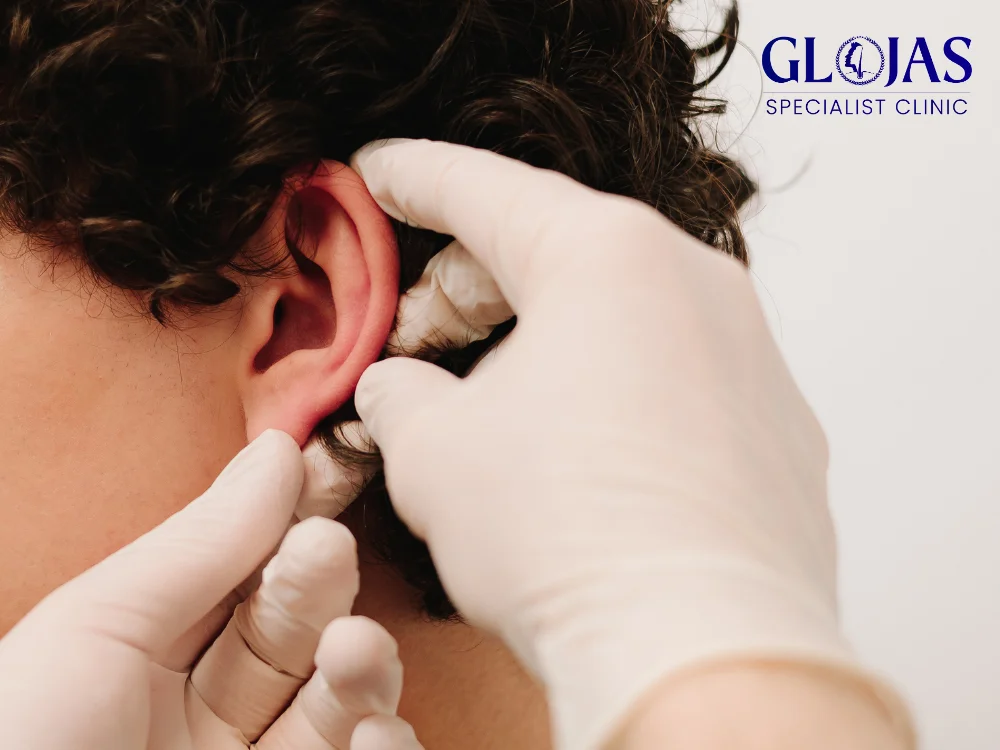
Estimate Your Otoplasty Cost in Malaysia Select your preferences below to get an estimated budget range based on key cost factors. 1. Surgeon Expertise & Reputation: Standard Certified Plastic Surgeon (RM 8,000 – RM 11,000)Senior Consultant Plastic Surgeon (RM 11,000 – RM 16,000)Elite / Renowned Specialist (RM 16,000+) 2. Complexity / Procedure Type: Bilateral Ear Correction (Both Ears) – StandardUnilateral Ear Correction (One Ear Only)Revision Otoplasty (Complex) 3. Facility & Anesthesia Type: Daycare / Ambulatory Surgical Center (Local/Sedation)Private Hospital Suite (General Anesthesia / Overnight) Estimated Budget Range: RM 8,000 – RM 12,000 Inquire Exact Cost via WhatsApp Otoplasty, commonly known as ear surgery, is a cosmetic procedure aimed at enhancing the shape, position, or proportion of the ears. Whether you’re considering it for aesthetic reasons or to correct a structural issue, understanding the otoplasty cost is crucial for effective financial planning. In this article, we’ll explore all the essential aspects of otoplasty cost, including factors influencing the price and ways to manage expenses. What is Otoplasty? Otoplasty is a surgical procedure designed to improve the appearance of the ears. This procedure can correct protruding ears, asymmetry, or other ear deformities. It’s typically performed on children over the age of five but is also popular among adults seeking aesthetic enhancement. While otoplasty can significantly boost confidence and self-esteem, one of the most common concerns is the cost. So, how much does otoplasty cost, and what factors influence it? Average Otoplasty Cost The average otoplasty cost in the United States ranges from $3,000 to $7,000. However, this figure can vary depending on several factors, including the complexity of the procedure, the surgeon’s experience, and geographic location. It’s important to note that this cost typically includes the surgeon’s fee, anesthesia, facility fees, and follow-up appointments. Factors Influencing Otoplasty Cost Surgeon’s Experience and Expertise Highly experienced surgeons tend to charge more for their services. Their advanced skills and reputation for delivering excellent results often justify the higher price. However, investing in a qualified and experienced surgeon can minimize risks and ensure satisfactory outcomes. Complexity of the Procedure Not all otoplasty procedures are the same. Some may involve minor corrections, while others require extensive reshaping or reconstruction. More complex surgeries naturally increase the overall otoplasty cost. Geographic Location The cost of living and demand for cosmetic surgery significantly influence prices. For instance, otoplasty in metropolitan areas like New York or Los Angeles is generally more expensive compared to smaller cities or rural areas. Type of Anesthesia Used General anesthesia is more costly than local anesthesia. The choice between the two depends on the procedure’s complexity and the patient’s comfort level. Facility Fees Otoplasty performed in a high-end surgical center or hospital typically incurs higher facility fees. Opting for accredited outpatient centers can help reduce this cost without compromising safety. Post-Operative Care and Medications The cost of follow-up appointments, prescription medications, and recovery supplies can add to the overall expenses. It’s essential to include these costs when budgeting for otoplasty. Additional Expenses These may include consultation fees, pre-operative tests, and the cost of revision surgery if needed. Some surgeons offer package deals that encompass these extras, so it’s worth inquiring during consultations. Is Otoplasty Covered by Insurance? In most cases, otoplasty is considered a cosmetic procedure and is not covered by insurance. However, if the surgery is deemed medically necessary (e.g., to correct a congenital deformity or injury), partial or full coverage may be possible. It’s advisable to check with your insurance provider for detailed information on eligibility and reimbursement. Ways to Manage Otoplasty Cost Financing Options Many plastic surgeons offer financing plans to make the otoplasty cost more affordable. These plans allow you to pay in installments over a set period, reducing the burden of upfront expenses. Special Discounts and Promotions Some clinics provide seasonal discounts, promotional offers, or package deals. Keep an eye out for these opportunities, as they can significantly reduce costs. Medical Tourism Traveling to countries where cosmetic surgery is more affordable is another option. However, it’s essential to research thoroughly to ensure the surgeon’s credentials and the facility’s safety standards. Using Health Savings Accounts (HSA) or Flexible Spending Accounts (FSA) If the procedure is deemed medically necessary, you might be able to use HSA or FSA funds to cover the expenses, offering potential tax benefits. What to Expect During Otoplasty Recovery? The recovery period for otoplasty generally lasts one to two weeks. Patients may experience mild discomfort, swelling, or bruising, which can be managed with prescribed painkillers and cold compresses. It’s advisable to avoid strenuous activities for at least a month to ensure proper healing. Proper post-operative care, including follow-up visits, is crucial for optimal results and avoiding complications. Keep in mind that follow-up appointments might add to the overall otoplasty cost. Choosing the Right Surgeon Selecting a qualified and board-certified plastic surgeon is essential for a safe and successful otoplasty. Don’t base your decision solely on cost; consider the surgeon’s experience, reputation, and patient testimonials. A higher fee is often a reflection of the surgeon’s skill and expertise, ensuring a better outcome. Frequently Asked Questions FAQs 1. How much does otoplasty cost on average?The average otoplasty cost in the U.S. ranges from $3,000 to $7,000, depending on various factors like the surgeon’s expertise, geographic location, and procedure complexity. 2. Does insurance cover otoplasty?Typically, otoplasty is considered a cosmetic procedure and is not covered by insurance. However, if it’s medically necessary, partial or full coverage might be available. 3. Are there financing options available for otoplasty?Yes, many plastic surgery clinics offer financing plans, allowing you to pay in manageable installments over time. 4. How long does otoplasty recovery take?The recovery period typically lasts one to two weeks, with full healing taking about a month. During this time, patients should avoid strenuous activities. 5. Can adults undergo otoplasty?Yes, otoplasty is suitable for both children and adults looking to improve the appearance of their ears. 6. What are the risks associated with otoplasty?Like
Emsculpt NEO: Advanced Fat Reduction & Muscle Sculpting Treatment
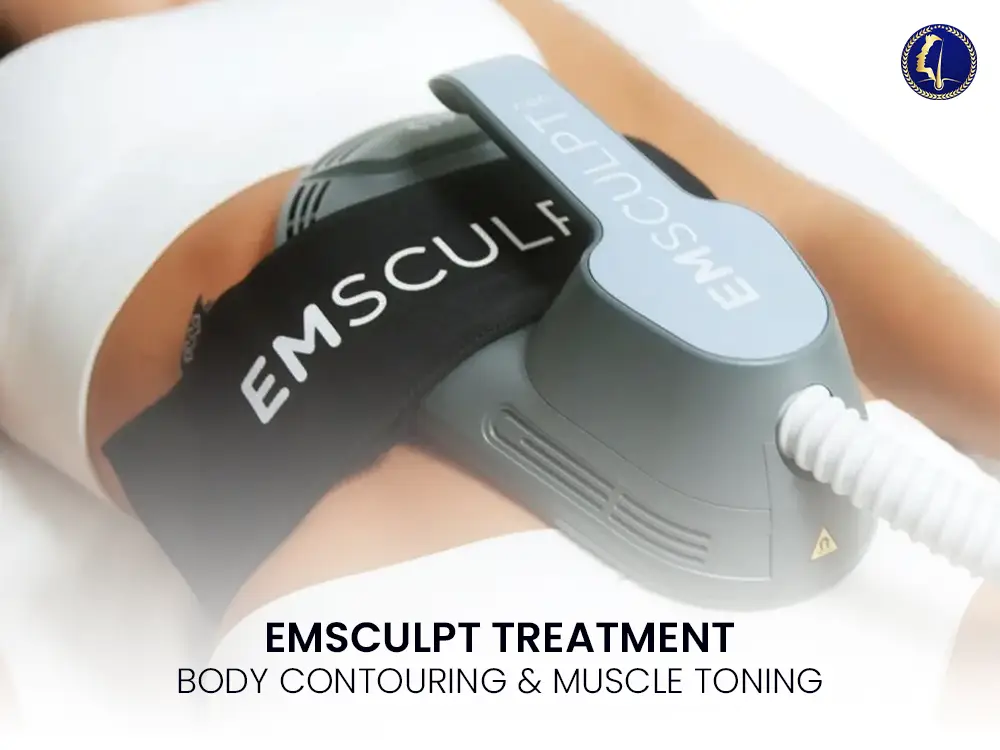
Achieving a sculpted physique in Malaysia often feels like a battle against two formidable foes: our delicious (but high-carb) food culture and the relentless tropical heat that makes outdoor workouts a challenge. If you’ve been hitting the gym at Bangsar or Mont Kiara but still can’t quite “pop” that muscle definition, Emsculpt NEO might be the high-tech ally you need. GLOJAS Specialist Clinic offers Emsculpt NEO in Malaysia, a non-invasive body sculpting treatment that reduces stubborn fat while building muscle safely and effectively. What Is Emsculpt NEO? Emsculpt NEO works by combining HIFEM+ (high-intensity focused electromagnetic) energy with Radiofrequency (RF) heating. This dual-action technology simultaneously triggers thousands of supramaximal muscle contractions and thermal fat reduction. In a 30-minute session, it builds muscle density, destroys stubborn fat cells, and tightens skin for superior, non-invasive body contouring results. How Emsculpt NEO Technology Works (HIFEM+ & RF Energy) Emsculpt NEO is the first and only non-invasive body-shaping procedure that combines two energies in a single 30-minute session. It uses Synchronized Radiofrequency (RF) to heat the fat layer to between 43°C and 45°C, causing apoptosis (permanent fat cell death). Simultaneously, High-Intensity Focused Electromagnetic (HIFEM+) energy induces “supramaximal” muscle contractions—about 25,000 in one session—which is physically impossible to achieve through voluntary exercise like crunches or squats. Difference Between Emsculpt NEO and Traditional Emsculpt The original Emsculpt was a pioneer in muscle toning, but it lacked the fat-melting component. The “NEO” version adds the RF heating element. While the original can increase muscle by roughly 16%, the NEO version pushes that to an average of 25% muscle growth while adding a massive 30% reduction in subcutaneous fat. It’s effectively a workout and a fat-loss treatment happening at the same time. FDA Approval and International Safety Standards Safety is paramount. Emsculpt NEO is FDA-cleared for the non-invasive breakdown of fat and the improvement of abdominal tone, strengthening of the buttocks, and firming of the arms and legs. It has undergone rigorous clinical safety testing to ensure the energy output remains within therapeutic ranges without damaging internal organs. Emsculpt NEO Benefits for Body Contouring Fat Reduction and Muscle Building Results The “dual-action” approach is the biggest draw for Malaysians. Instead of just debulking, you are refining. The RF energy prepares the muscle for work (much like a warm-up) and then melts the fat “curtain” that hides the muscle underneath. Key Treatment Areas (Abdomen, Buttocks, Arms, Thighs, Calves) Abdomen: Ideal for targeting the “mummy tummy” or stubborn lower belly pooch. Buttocks: Known as the “non-invasive butt lift,” it tones the glutes without removing volume-giving fat. Arms: Specifically targets biceps and triceps for that “toned” look. Calves & Thighs: Improves muscle definition and reduces circumference. Non-Invasive Body Sculpting Advantages Unlike liposuction, there are no needles, no anesthesia, and zero downtime. You can literally have a session during your lunch break in PJ and head back to the office immediately after. Who Is Suitable for Emsculpt NEO in Malaysia Ideal Candidates Based on Body Goals The best candidates are those who are relatively active but have hit a plateau. It’s perfect for someone wanting to “etch” their abs or lift their glutes without surgery. BMI, Lifestyle, and Fitness Considerations Clinical data shows that Emsculpt NEO is effective for patients with a BMI up to 35. While it works on most body types, it is not a weight-loss treatment for obesity; rather, it’s a body contouring tool. Who Should Avoid Emsculpt NEO Treatment Due to the powerful magnetic field and RF energy, certain individuals must avoid this treatment: Those with metal implants (screws, plates, or hip replacements) near the treatment area. People with pacemakers or defibrillators. Pregnant women. Those with active hernias in the treatment zone. Emsculpt NEO Treatment Process Initial Consultation and Body Assessment Your journey starts with a medical assessment. A doctor will measure your fat thickness and muscle tone to ensure you aren’t carrying too much visceral fat (fat around organs), which the machine cannot reach. What Happens During an Emsculpt NEO Session An applicator is strapped to the target area. You’ll feel a warming sensation (like a hot stone massage) from the RF, followed by intense muscle “tugs” from the HIFEM+. It’s not painful, but it is a very unique, vigorous sensation. Number of Sessions Required for Optimal Results The standard protocol is four 30-minute sessions, typically spaced 5 to 10 days apart. Some patients may opt for six sessions if they are starting with lower muscle density. Emsculpt NEO Results and Expectations Timeline for Visible Results You might feel “tighter” immediately, but the real magic happens as your body flushes out the dead fat cells. Visible changes usually peak at 8 to 12 weeks post-treatment. Before and After Results in Malaysian Patients In local clinics, patients often report a noticeable reduction in waist circumference (averaging 3–4 cm) and a significantly firmer core, which also helps with lower back pain due to increased core strength. How Long Emsculpt NEO Results Last The fat cells destroyed are gone forever. However, muscle mass is like any other muscle—it requires maintenance. Results typically last 6 to 12 months, but can be extended with regular exercise and a protein-rich diet. Emsculpt NEO vs Other Body Contouring Treatments Emsculpt NEO vs CoolSculpting CoolSculpting is great for “pinchable” fat (cryolipolysis) but does nothing for muscle. If you want a “fit” look rather than just a “smaller” look, Emsculpt NEO is superior because it addresses both. Emsculpt NEO vs Liposuction Liposuction is a surgical procedure that removes massive amounts of fat but involves significant recovery time and scarring. Emsculpt NEO is for those who want a natural enhancement without the risks of the operating room. Emsculpt NEO vs RF and Ultrasound Fat Reduction While standard RF treatments only tighten skin or slightly reduce fat, they lack the muscle-building HIFEM+ component that provides the actual “shape” to the body. Safety, Side Effects, and Recovery Common Side Effects After Emsculpt NEO Expect mild muscle soreness, exactly like what you’d feel after a heavy gym session. Some
Cara Hilangkan Eyebag: Punca, Rawatan & Petua Berkesan
Eye bags, atau bengkak bawah mata, bukan sahaja membuat wajah kelihatan penat tetapi juga boleh menurunkan keyakinan diri. Ramai yang tertanya-tanya cara hilangkan eyebag dengan selamat dan berkesan. Punca eyebag boleh bervariasi dari kekurangan tidur, faktor genetik, hingga gaya hidup tidak sihat. Dalam artikel ini, kita akan mengupas secara mendalam mengenai punca, cara pencegahan, serta pelbagai cara merawat eyebag agar anda dapat menampilkan wajah yang lebih segar dan berseri. Punca Eyebag Sebelum kita membahas cara merawat eyebag, adalah penting untuk mengenali puncanya. Dengan memahami punca, kita dapat mengambil langkah untuk cara merawat eyebag yang lebih berkesan. Berikut adalah beberapa faktor yang sering menyebabkan eyebag: 1. Kekurangan Tidur Tidur yang tidak mencukupi adalah salah satu penyebab utama munculnya eyebag. Ketika kita tidak mendapatkan tidur yang cukup, badan kita tidak dapat memulihkan diri dengan baik. Akibatnya, cecair akan terkumpul di bawah mata, menyebabkan bengkak dan lingkaran gelap. 2. Genetik Faktor genetik juga memainkan peranan yang signifikan. Jika keluarga anda mempunyai riwayat eyebag, kemungkinan anda juga akan mengalaminya. Gen yang diwarisi ini dapat mempengaruhi ketebalan kulit dan distribusi lemak di bawah mata. 3. Penuaan Proses penuaan semulajadi juga memberi kesan kepada penampilan kulit. Dengan bertambahnya usia, kulit kehilangan kolagen dan elastin, dua protein penting yang menjaga keanjalan dan kekencangan kulit. Ini boleh menyebabkan kawasan di bawah mata kelihatan kendur dan lebih jelas. 4. Dehidrasi Dehidrasi adalah satu lagi penyebab eyebag. Apabila badan kekurangan air, kulit akan kehilangan kelembapan dan keanjalannya. Ini menjadikan eyebag lebih ketara. Minum air yang cukup adalah penting untuk menjaga kelembapan kulit. 5. Alahan Reaksi alahan kepada debu, polen, atau bahan kimia boleh menyebabkan keradangan dan bengkak di sekitar mata. Gejala alahan seperti gatal, kemerahan, dan pembengkakan adalah faktor penyumbang kepada eyebag. 6. Gaya Hidup Tidak Sihat Pengambilan alkohol, merokok, dan diet yang tidak seimbang boleh merosakkan kulit dan meningkatkan kemungkinan munculnya eyebag. Kebiasaan buruk ini bukan sahaja memberi kesan kepada penampilan tetapi juga kepada kesihatan secara keseluruhan. Cara Hilangkan Eyebag Dengan Pencegahan Yang Betul Mencegah eyebag adalah langkah terbaik untuk mengekalkan penampilan yang segar. Berikut adalah beberapa langkah yang boleh diambil untuk cara merawat eyebag: 1. Tidur yang Cukup Tidur yang berkualiti adalah asas kepada kesihatan kulit yang baik. Pastikan anda mendapatkan antara 7 hingga 9 jam tidur setiap malam. Cipta persekitaran tidur yang selesa dengan menggunakan bantal yang sesuai dan menghindari penggunaan alat elektronik sebelum tidur. 2. Hidrasi yang Mencukupi Minum air yang mencukupi setiap hari adalah penting untuk menjaga kelembapan kulit. Sasarkan untuk meminum sekurang-kurangnya 8 gelas air sehari. Anda juga boleh mendapatkan hidrasi daripada buah-buahan dan sayur-sayuran yang kaya dengan air, seperti timun dan tembikai. Ini merupakan salah satu cara merawat eyebag dengan berkesan dan mudah. 3. Pemakanan Seimbang Amalkan diet yang kaya dengan nutrisi. Makanan yang tinggi antioksidan, seperti buah-buahan berwarna cerah dan sayur-sayuran hijau, dapat membantu melawan radikal bebas yang merosakkan kulit. Pastikan juga anda mendapatkan cukup vitamin C, E, dan K yang penting untuk kesihatan kulit. 4. Elakkan Merokok dan Pengambilan Alkohol Merokok dan pengambilan alkohol secara berlebihan boleh merosakkan kolagen dan elastin, menjadikan kulit lebih kendur. Jika anda merokok, pertimbangkan untuk berhenti demi kesihatan kulit dan badan. 5. Mengurus Stres Stres boleh memberi kesan negatif kepada kesihatan kulit. Amalkan teknik pengurusan stres seperti meditasi, yoga, atau senaman untuk membantu mengurangkan kesan stres terhadap tubuh dan kulit. 6. Lindungi Kulit dari Sinar UV Sinaran UV boleh merosakkan kulit dan mempercepatkan proses penuaan. Gunakan pelindung matahari yang sesuai setiap hari, walaupun cuaca mendung. Pakai cermin mata hitam untuk melindungi kawasan sekitar mata dari sinaran berbahaya. View this post on Instagram A post shared by FUE Hair Transplant Malaysia | Pakar Tanam Rambut Kuala Lumpur (@fuehairtransplantmalaysia) Cara Hilangkan Eyebag Dengan Berkesan Jika eyebag sudah muncul, terdapat pelbagai cara untuk merawat eyebag. Berikut adalah beberapa kaedah yang berkesan: 1. Kompres Dingin Kompres dingin adalah salah satu cara termudah dan paling berkesan untuk mengurangkan bengkak di bawah mata. Beberapa cara untuk melakukannya termasuk: Sudu Dingin : Simpan sudu di dalam peti sejuk selama 10-15 minit, kemudian letakkan pada kawasan mata selama 10-15 minit. Kesejukan sudu dapat membantu mengurangkan bengkak. Teh Beg : Gunakan beg teh hijau atau chamomile yang telah digunakan dan sejukkan. Letakkan beg teh tersebut di atas mata selama 10-15 minit. Antioksidan dalam teh dapat membantu meredakan keradangan. 2. Krim Mata Memilih krim mata yang mengandungi bahan aktif tertentu dapat membantu mengurangkan eyebag. Antara bahan yang perlu dicari adalah: Kafein : Membantu mengecilkan saluran darah dan mengurangkan bengkak. Retinol : Merangsang pengeluaran kolagen dan membantu mengurangkan kedutan. Asid Hyaluronik : Memberikan kelembapan yang diperlukan untuk kulit. 3. Penutup Mata Menggunakan penutup mata dengan bahan semulajadi seperti aloe vera, vitamin E, atau minyak kelapa boleh membantu menenangkan dan melembapkan kulit di sekitar mata. Sapukan penutup mata sebelum tidur untuk hasil yang lebih baik. 4. Mengubah Posisi Tidur Posisi tidur dapat mempengaruhi penampilan eyebag. Tidur dengan bantal yang lebih tinggi membantu mengelakkan pengumpulan cecair di bawah mata. Pastikan anda tidur dalam posisi yang selesa dan tidak menyumbang kepada masalah eyebag. 5. Gaya Hidup Sihat Mengamalkan gaya hidup yang sihat dengan senaman secara teratur dan tidur yang cukup adalah kunci untuk menjaga kesihatan kulit. Senaman meningkatkan peredaran darah dan memberi penampilan yang lebih segar. 6. Rawatan Profesional Jika eyebag anda masih ketara walaupun telah mencuba pelbagai cara, anda mungkin ingin mempertimbangkan rawatan profesional. Pilihan termasuk: Pengisi (Fillers) : Suntikan ini membantu mengisi kawasan di bawah mata, memberikan penampilan yang lebih muda. Pembedahan Blepharoplasty : Pembedahan ini menghilangkan lemak berlebihan dan kulit kendur di sekitar mata. Laser atau Terapi Cahaya : Kaedah ini dapat merangsang penghasilan kolagen dan mengurangkan kedutan. Cara Hilangkan Eyebag Dengan Menggunakan Bahan Semulajadi Terdapat banyak bahan semulajadi yang boleh digunakan untuk merawat eyebag. Berikut adalah beberapa pilihan yang boleh dicuba: 1. Timun Timun bukan sahaja menyegarkan tetapi juga mengandungi sifat menyejukkan. Potong timun menjadi kepingan dan letakkan di atas mata selama 10-15 minit. Ini dapat membantu mengurangkan bengkak dan memberikan efek menenangkan. 2. Lidah Buaya Gel lidah buaya terkenal dengan sifat anti-radang dan melembapkan. Sapukan gel lidah buaya pada kawasan mata sebelum tidur untuk
Brazilian Butt Lift Malaysia: Safe BBL Fat Transfer by Certified Surgeons
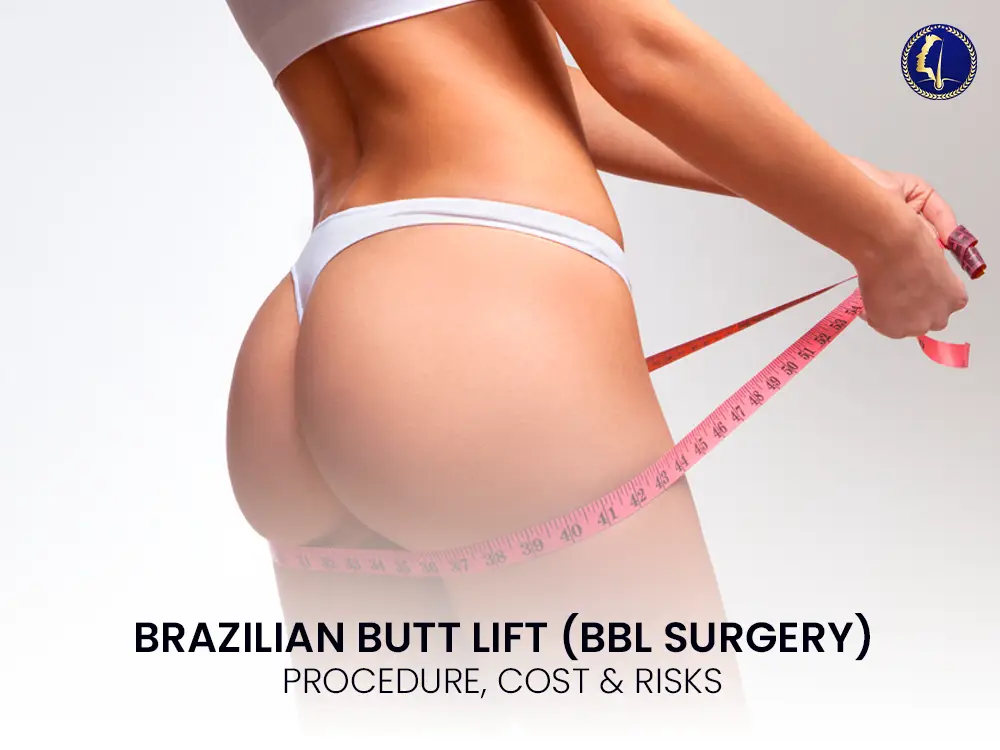
Confidential BBL Inquiry Speak directly with our certified plastic surgeons in Malaysia regarding safety, eligibility, and custom planning. Chat on WhatsApp The Brazilian Butt Lift (BBL) has gained global attention as one of the most transformative cosmetic surgeries for enhancing curves and body proportion. Unlike implants, BBL uses your own body fat to naturally augment the buttocks—offering a sculpted, lifted, and youthful silhouette. At GLOJAS Plastic Surgery Specialist Clinic in Kuala Lumpur, our board-certified plastic surgeons use safe, advanced fat transfer techniques to perform BBLs with precision. Here’s everything you need to know before considering this procedure—from how it works to safety, cost, recovery, and real results. What Is a Brazilian Butt Lift? A Brazilian Butt Lift is a two-step cosmetic surgery that involves liposuction to remove unwanted fat from areas like the abdomen, flanks, back, or thighs, and then injecting purified fat into the buttocks for volume enhancement and reshaping. This procedure achieves: Fuller, rounder buttocks A slimmer waistline and contoured torso Natural-looking results using your own fat Minimal scarring compared to implants How Brazilian Butt Lift Surgery Is Performed: Step-by-Step At GLOJAS Plastic Surgery Specialist Clinic, we follow the latest MOH and global safety standards for BBL: Liposuction – We extract fat from donor areas (abdomen, thighs, arms) using VASER or PAL-assisted techniques. Fat Purification – Fat is centrifuged to separate viable fat cells. Fat Transfer – The purified fat is injected into the subcutaneous layer (never intramuscular) using blunt cannulas, which reduce risks. We use ultrasound guidance to ensure safe injection zones, avoiding deep muscle layers where complications like fat embolism may occur. Who’s a Good Candidate for Brazilian Butt Lift? You’re a suitable BBL candidate if you: Are in good overall health Have enough excess fat in donor areas Don’t smoke or can stop 4–6 weeks pre/post-op Have realistic expectations Want a more natural alternative to butt implants Not ideal if: You’re very lean (low BMI) You have uncontrolled health issues You expect extreme or exaggerated results Is Brazilian Butt Lift Safe? When performed by qualified, LCP-certified plastic surgeons using updated safety protocols, BBL is safe. The most serious risk—fat embolism—has significantly dropped when fat is injected only in the subcutaneous plane using blunt-tip cannulas. We adhere to ASPS (American Society of Plastic Surgeons) guidelines and ensure: Minimal incision size Precise fat placement Real-time monitoring FDA-approved techniques Brazilian Butt Lift Recovery: What to Expect BBL recovery requires specific care for optimal fat survival and safety. 🗓️ Week 1–2: No sitting or lying directly on buttocks Wear compression garments 24/7 Swelling, bruising, and tenderness are normal Avoid smoking and strenuous activity 🗓️ Week 3–6: Light walking encouraged to promote circulation Can sit with a BBL pillow (offloading pressure) Garment worn 12–16 hours/day 🗓️ Month 2+: Most swelling subsides Fat stabilizes, and final shape emerges Return to gym and regular routines with care On average, 60–70% of transferred fat survives, while the rest is absorbed naturally by the body. How Long Do Brazilian Butt Lift Results Last? BBL results are long-lasting, especially if you: Maintain stable body weight Follow post-op instructions Avoid smoking or extreme dieting The fat that survives after the initial healing period becomes a permanent part of your buttocks. Touch-ups are rarely needed unless significant weight changes occur. Pros and Cons of Brazilian Butt Lift ✅ Pros: Uses your own fat (natural, biocompatible) Enhances two areas: buttocks + donor zones No foreign implants Minimal scarring ⚠️ Cons: Not suitable for very lean patients 30–40% of fat may not survive Requires careful recovery discipline Risk of complications if done improperly Alternatives to Brazilian Butt Lift If you’re not a good candidate for fat transfer, consider: Buttock Implants – for those with low body fat Sculptra® Injections – temporary volumizing via biostimulants Endolift® or Skin Tightening – to improve skin laxity in mild cases Why Choose GLOJAS Plastic Surgery Specialist Clinic? NSR-Certified Plastic Surgeon Ultrasound-Guided Fat Transfer High-definition Liposuction & Contouring FDA-Approved Facility in Kuala Lumpur Hundreds of BBL Cases with Proven Results Whether you’re reshaping after weight loss, enhancing body proportions, or restoring youthful curves, we’ll help you achieve safe, stunning results. Transform Your Curves with a Brazilian Butt Lift (BBL) Today Enhance your natural curves and boost confidence with a safe, expert-performed Brazilian Butt Lift (BBL). Using advanced fat transfer techniques, our board-certified plastic surgeons at GLOJAS Plastic Surgery Specialist Clinic Kuala Lumpur sculpt your buttocks for a fuller, natural-looking shape. Whether you’re looking for subtle contouring or a dramatic transformation, we create results tailored to your body. Book a consultation at GLOJAS Plastic Surgery Specialist Clinic Kuala Lumpur today and discover how a BBL can help you achieve the curves you’ve always desired. FAQs About Brazilian Butt Lift (BBL) 1. Is a Brazilian Butt Lift permanent?Yes. About 60–70% of the fat survives and remains permanently, provided you maintain a stable weight. 2. How painful is BBL surgery?Discomfort is moderate and managed with medications. Most patients describe it as soreness rather than sharp pain. 3. Can I sit after BBL surgery?Not directly. Use a BBL pillow to offload pressure for at least 2 weeks post-op. 4. Is Brazilian Butt Lift safe in Malaysia?Yes, when done by an LCP-certified surgeon following strict MOH and ASPS safety protocols like Glojas Clinic. 5. What’s the difference between BBL and implants?BBL uses your own fat and has a natural feel. Implants use synthetic materials and are better for very lean individuals.
Memahami Selulit: Punca, Cara Pencegahan dan Rawatan Sesuai
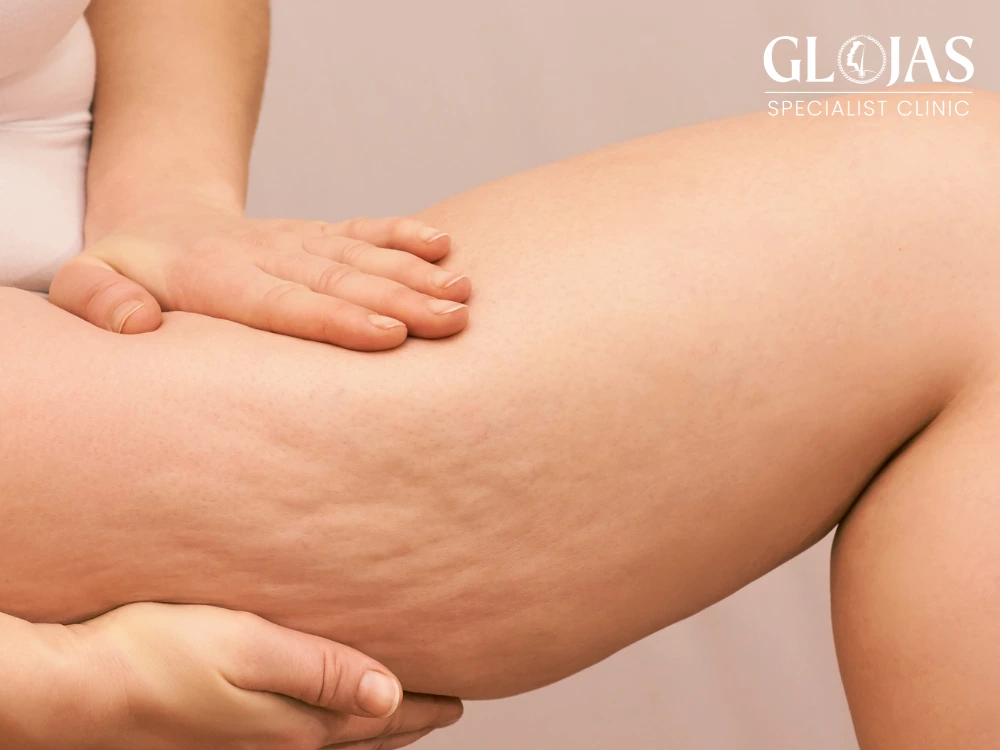
Rawatan Selulit Sesuai & Berkesan Pilih jenis rawatan di bawah untuk mengetahui cara moden mengatasi selulit dengan lebih mendalam. Laser & RF Krim Topikal Terapi Urutan Gaya Hidup Rawatan Radiofrekuensi (RF) & Laser Rawatan estetik moden menggunakan tenaga haba untuk merangsang pengeluaran kolagen, memecahkan sel-sel lemak di bawah kulit, serta menegangkan tisu kendur bagi mengurangkan tekstur kulit oren (selulit). Klinikal & Profesional Kesan Jangka Panjang Tanpa Bedah Krim & Losyen Mengandungi Kafein/Retinol Penggunaan losyen khas yang mengandungi kafein membantu melancarkan peredaran darah setempat dan mengecilkan sel lemak buat sementara waktu, manakala retinol membantu menegangkan struktur kulit luar. Mudah Diguna Di Rumah Penyelenggaraan Harian Terapi Urutan & Endermologi Teknik urutan mekanikal atau manual bertekanan khusus membantu melancarkan sistem limfa, mengurangkan takungan cecair berlebihan, serta meregangkan gentian tisu penghubung yang ketat. Melegakan Badan Mengurangkan Lebihan Cecair Senaman & Pemakanan Sihat Pendekatan semula jadi dengan fokus kepada senaman kekuatan otot (strength training) untuk membina otot di bawah lapisan selulit serta pemakanan rendah garam dan gula bertapis. Mapan & Sihat Kos Rendah Ingin tahu rawatan selulit yang paling sesuai dengan keadaan kulit anda? Dapatkan konsultasi percuma sekarang! Hubungi Pakar via WhatsApp Selulit merupakan masalah yang sering dihadapi oleh ramai wanita dan juga lelaki, walaupun ia lebih dikenali sebagai isu wanita. Penampilan kulit yang berlekuk, berkedut, dan tidak sekata ini bukan sahaja menjejaskan penampilan fizikal tetapi juga boleh memberi kesan kepada keyakinan diri. Dalam artikel ini, kita akan menyelidiki apa itu selulit, punca-puncanya, langkah-langkah pencegahan, serta pilihan rawatan yang ada. Apa Itu Selulit? Selulit adalah keadaan di mana lemak yang terperangkap di bawah kulit mengganggu tisu penghubung, menghasilkan penampilan yang tidak rata. Ianya biasanya muncul di kawasan seperti paha, punggung, perut, dan lengan atas. Walaupun ia lebih umum di kalangan wanita, lelaki juga boleh mengalaminya, terutama jika mereka mempunyai tahap lemak tubuh yang tinggi. Kebanyakan orang menganggap selulit sebagai masalah kosmetik, tetapi ia sebenarnya adalah hasil daripada beberapa faktor biologi dan genetik. Ianya tidak menandakan sebarang masalah kesihatan yang serius, tetapi ia boleh menjadi sumber rasa rendah diri bagi mereka yang mengalaminya. Punca Selulit 1. Genetik Salah satu faktor utama yang menyumbang kepada pembentukan selulit adalah genetik. Jika ibu atau nenek anda mempunyai masalah ini, anda mungkin lebih cenderung untuk mengalaminya juga. Penyelidikan menunjukkan bahawa gen-gen tertentu boleh mempengaruhi cara lemak disimpan, ketebalan kulit, dan keanjalan tisu penghubung, menjadikan sesetengah individu lebih terdedah kepada terjadinya masalah ini. 2. Hormon Hormon juga memainkan peranan penting dalam perkembangan selulit. Estrogen, yang merupakan hormon utama dalam tubuh wanita, dikaitkan dengan pengumpulan lemak, terutama semasa perubahan hormon seperti kehamilan, haid, dan menopause. Hormon lain seperti insulin dan norepinefrin juga terlibat dalam pengaturan lemak dan metabolisme, yang boleh mempengaruhi pembentukan selulit. 3. Gaya Hidup Gaya hidup yang tidak sihat turut menyumbang kepada pembentukan selulit. Diet yang tinggi dengan lemak tidak sihat, gula, dan garam dapat meningkatkan risiko selulit. Kurangnya aktiviti fizikal juga memainkan peranan penting. Apabila kita kurang bergerak, aliran darah menjadi perlahan, dan ini boleh mengakibatkan pengumpulan lemak di bawah kulit. 4. Dehidrasi Kekurangan pengambilan air boleh menyebabkan kulit menjadi kering dan kurang elastik. Kulit yang tidak terhidrasi dengan baik adalah lebih terdedah kepada penampilan selulit. Pengambilan air yang mencukupi bukan sahaja membantu menjaga kelembapan kulit, tetapi juga dapat meningkatkan penampilan keseluruhan kulit. 5. Umur Seiring dengan bertambahnya usia, kulit kehilangan kolagen dan elastin, dua protein penting yang memberikan struktur dan keanjalan kepada kulit. Kehilangan kolagen ini membuatkan kulit lebih mudah kendur dan memudahkan penampilan selulit menjadi lebih ketara. Di samping itu, lapisan lemak di bawah kulit juga boleh meningkat dengan usia, menjadikan selulit lebih jelas. 6. Faktor Lain Selain daripada faktor di atas, terdapat beberapa faktor lain yang juga boleh menyumbang kepada pembentukan selulit, termasuk: – Merokok : Tabiat merokok boleh merosakkan peredaran darah dan mengurangkan aliran oksigen ke kulit, yang boleh mempercepatkan proses penuaan kulit.– Penggunaan Kontraseptif Hormonal : Beberapa jenis pil perancang boleh mempengaruhi keseimbangan hormon dan berpotensi meningkatkan risiko selulit.– Fluktuasi Berat Badan : Kenaikan dan penurunan berat badan yang drastik boleh mengakibatkan kulit kehilangan keanjalan, menjadikan selulit lebih ketara. Pencegahan Selulit Walaupun tidak ada cara yang pasti untuk menghilangkan selulit sepenuhnya, terdapat beberapa langkah yang boleh diambil untuk mencegah atau mengurangkan penampilannya. Berikut adalah beberapa strategi yang boleh membantu: 1. Pemakanan Seimbang Mengamalkan diet yang sihat dan seimbang adalah langkah penting dalam pencegahan selulit. Fokus pada makanan yang kaya dengan serat, vitamin, dan mineral. Makanan seperti sayuran, buah-buahan, bijirin penuh, dan protein tanpa lemak bukan sahaja baik untuk kesihatan tetapi juga membantu mengekalkan kulit yang sihat. Kurangkan pengambilan makanan tinggi gula dan lemak tepu yang boleh menyebabkan penimbunan lemak. 2. Tingkatkan Pengambilan Air Pengambilan air yang mencukupi sangat penting untuk mengekalkan kelembapan kulit. Pastikan anda minum sekurang-kurangnya 8 gelas air sehari. Ini bukan sahaja membantu kulit kelihatan lebih sihat, tetapi juga dapat membantu proses penghadaman dan mengeluarkan toksin dari badan. 3. Senaman Secara Teratur Aktiviti fizikal yang konsisten membantu meningkatkan peredaran darah dan menguatkan otot, yang kedua-duanya penting untuk mengekalkan keanjalan kulit. Senaman aerobik seperti berjalan, berlari, dan berenang adalah pilihan yang baik, manakala latihan kekuatan seperti angkat berat juga penting untuk membina otot dan mengurangkan lemak. 4. Urutan dan Pijat Mengurut kawasan yang terjejas boleh meningkatkan peredaran darah dan membantu mengurangkan penampilan selulit. Anda boleh menggunakan minyak atau krim yang mengandungi bahan aktif untuk membantu memperbaiki penampilan kulit. Urutan secara berkala boleh merangsang aliran limfa dan meningkatkan keanjalan kulit. 5. Menjaga Berat Badan Sihat Mengelakkan fluktuasi berat badan yang drastik boleh membantu mencegahnya. Kenaikan dan penurunan berat badan yang berulang boleh menyebabkan kulit kendur dan meningkatkan risiko selulit. Usahakan untuk mencapai dan mengekalkan berat badan yang sihat melalui pemakanan yang baik dan senaman yang konsisten. 6. Mengelakkan Merokok dan Alkohol Merokok dan pengambilan alkohol yang berlebihan boleh merosakkan kulit dan meningkatkan risiko terjadinya masalah ini. Merokok mengurangkan aliran darah ke kulit, manakala alkohol boleh menyebabkan dehidrasi. Mengurangkan atau menghentikan kedua-duanya boleh membantu memperbaiki penampilan kulit secara keseluruhan. Rawatan Selulit Jika anda sudah mengalami selulit dan ingin mencuba rawatan, terdapat pelbagai pilihan yang boleh dipertimbangkan: 1. Krim dan Losyen Terdapat banyak produk di
Ear Otoplasty: 5 Essential Benefits You Should Know
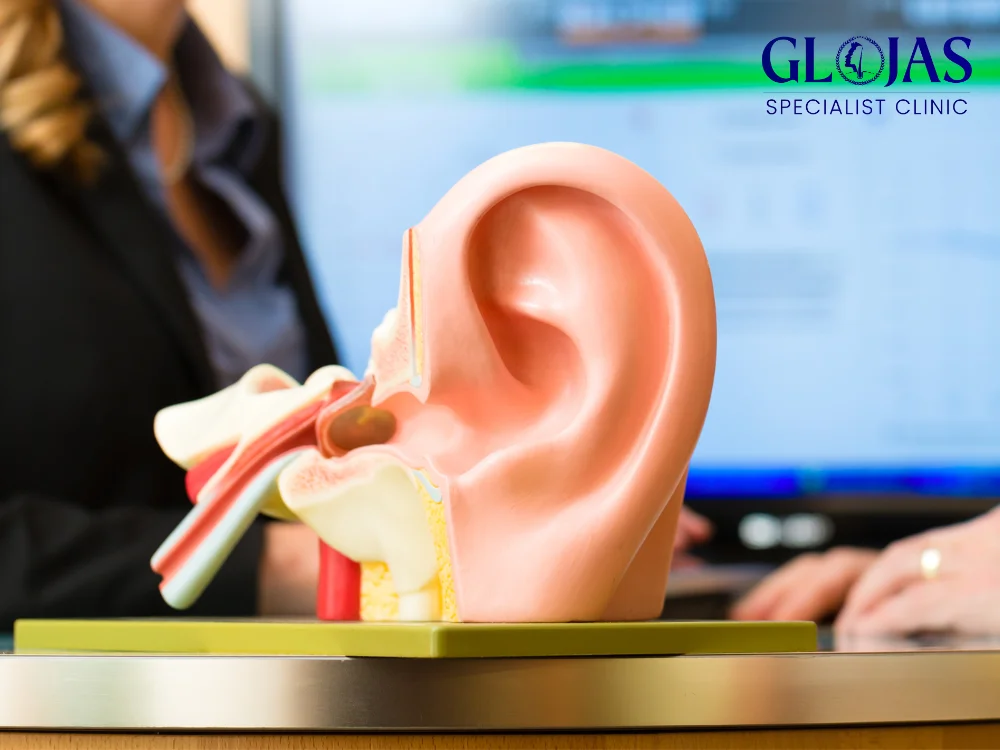
Ear otoplasty, commonly referred to as ear reshaping surgery, is a cosmetic procedure designed to improve the appearance of the ears, often addressing issues like protruding ears, asymmetry, or deformities. For individuals feeling self-conscious about the shape, size, or position of their ears, otoplasty can provide life-changing results. In this comprehensive guide, we’ll explore what ear otoplasty entails, its benefits, potential risks, and the factors that influence the decision to undergo this procedure. What Is Ear Otoplasty? Ear otoplasty is a surgical procedure that alters the shape, position, or size of the ears. It is most commonly performed to pin back ears that stick out too far from the head, but it can also address other ear-related issues, such as correcting ear deformities or repairing damage from injury. The goal of otoplasty is to create a more balanced and symmetrical appearance, which can significantly boost a person’s confidence. Otoplasty is suitable for both children and adults, though the procedure is often performed on children between the ages of 5 and 14. By this age, the ears have typically grown to their full size, making it an appropriate time to consider surgery if there are noticeable concerns. How Much Does Ear Otoplasty Cost? The cost of ear otoplasty varies depending on several factors, including the surgeon’s experience, the geographic location of the clinic, and the complexity of the procedure. On average, ear otoplasty can range from $3,000 to $6,000, though this can fluctuate based on individual circumstances. Key cost factors include: Surgeon’s expertise: More experienced surgeons may charge higher fees. Location: Clinics in major cities or regions with high demand for cosmetic surgery often have higher costs. Extent of correction: Minor adjustments will cost less than more complex surgeries that require significant reshaping. Insurance typically does not cover otoplasty when it’s performed for cosmetic reasons. However, in cases where the surgery is deemed medically necessary (such as for repairing a birth defect or injury), partial coverage might be available. Who Is a Good Candidate for Ear Otoplasty? Ear otoplasty is suitable for individuals who are unhappy with the appearance of their ears, particularly if the ears stick out or are asymmetrical. Candidates should be in good health, have realistic expectations for the outcome, and not have any existing ear infections or serious medical conditions that could affect healing. Ideal candidates include: Children over the age of 5: By this age, the ears have grown to their adult size, making it possible to achieve permanent results. Teens and adults: Anyone unhappy with the appearance of their ears and seeking cosmetic improvement. People with ear deformities: Individuals born with congenital ear deformities or those who have suffered ear trauma may benefit from otoplasty to restore a more natural appearance. What Are the Benefits of Ear Otoplasty? The benefits of ear otoplasty go beyond aesthetic enhancement. Below are some key advantages: 1. Improved Confidence and Self-Esteem For many individuals, large or protruding ears can be a source of insecurity, particularly for children who may face teasing or bullying at school. Otoplasty can greatly improve self-confidence by bringing the ears into better proportion with the rest of the face. 2. Permanent Results Unlike non-surgical treatments, which may require maintenance, otoplasty offers permanent results. Once the ears have been reshaped, they will remain in their new position for life, provided there are no future injuries. 3. Customizable Procedure One of the major advantages of ear otoplasty is that it can be tailored to meet the specific needs and concerns of each patient. Whether it’s reducing the prominence of the ears, correcting asymmetry, or repairing deformities, the surgery can be personalized to achieve the desired outcome. 4. Minimal Scarring Otoplasty typically involves small incisions made behind the ear, which means that scarring is minimal and well-hidden. For most patients, any scars will be virtually invisible after healing. 5. Short Recovery Time The recovery time for ear otoplasty is relatively short compared to other cosmetic surgeries. Most patients can return to normal activities, including work or school, within a week. There may be some swelling and discomfort during the initial healing phase, but this typically resolves within a few days. What to Expect During Ear Otoplasty Surgery Ear otoplasty is generally performed on an outpatient basis under local anesthesia for adults or general anesthesia for children. The procedure typically lasts two to three hours, depending on the extent of correction needed. Steps involved in the procedure: Incisions: The surgeon makes small incisions behind the ear to access the cartilage. Cartilage reshaping: Depending on the desired outcome, the surgeon may remove or reshape the ear cartilage to create a more natural contour. Sutures: Permanent sutures are used to hold the ear in its new position. Closure: The incisions are closed with stitches, and a bandage is applied to protect the area. After surgery, patients are usually sent home with post-operative instructions, which may include wearing a headband to protect the ears during the healing process. Risks and Complications While ear otoplasty is generally safe, as with any surgery, there are potential risks and complications to be aware of: Infection: As with any surgical procedure, there’s a risk of infection at the incision sites. Proper aftercare reduces this risk. Asymmetry: In some cases, the ears may not heal symmetrically, requiring additional procedures. Scarring: While rare, visible scarring can occur, particularly if the healing process is interrupted. Changes in skin sensation: Some patients may experience temporary numbness or tingling around the ear area following surgery. Patients should discuss these risks with their surgeon during the consultation phase to ensure they have a clear understanding of what to expect. FAQs About Ear Otoplasty 1. How long does ear otoplasty take? The surgery typically takes two to three hours, depending on the complexity of the procedure and the extent of correction needed. 2. Is ear otoplasty painful? Most patients experience only mild discomfort following the surgery. Pain can usually be managed with over-the-counter pain medications. The
Alarplasty Surgery: 5 Transformative Facts You Need to Know
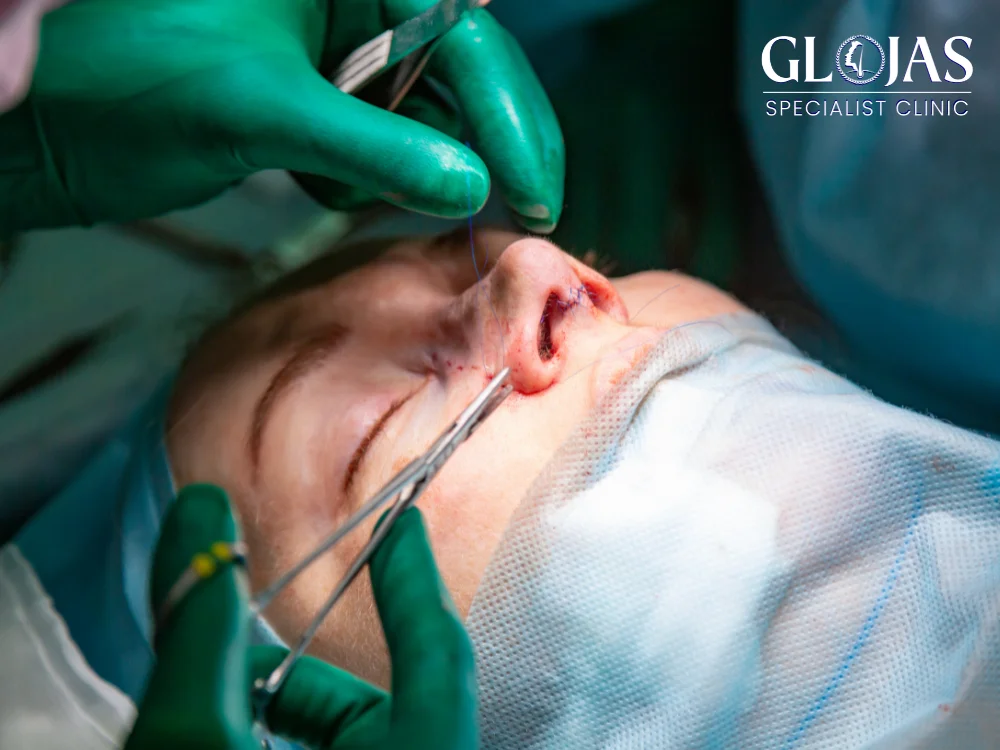
Alarplasty surgery, also known as alar base reduction, is a specialized cosmetic procedure designed to reshape and resize the nostrils. Whether you’re looking to refine your nose’s overall appearance or address asymmetry, alarplasty surgery is a safe and effective solution. This guide will walk you through the essential details about the procedure, benefits, recovery, and more, helping you decide if it’s right for you. What Is Alarplasty Surgery? Alarplasty surgery is a targeted nasal surgery that focuses on reducing the size and width of the nostrils by reshaping the alar base, the area where the nostrils meet the cheeks. This cosmetic procedure is often performed as part of a rhinoplasty or as a standalone surgery to address concerns such as: Wide or flared nostrils. Disproportionate nostril size relative to the face. Asymmetrical nostrils. Unlike a full rhinoplasty, alarplasty surgery is less invasive, with a shorter recovery time, making it an appealing option for those seeking subtle nasal enhancements. Who Is a Good Candidate for Alarplasty Surgery? Not everyone is a candidate for alarplasty surgery. Ideal candidates include: Individuals unhappy with the size or shape of their nostrils. People in good general health without underlying conditions that could affect healing. Non-smokers or those willing to quit before and after surgery. Those with realistic expectations about the results. A consultation with a board-certified surgeon is crucial to determine your suitability for the procedure and discuss your desired outcomes. Benefits of Alarplasty Surgery Alarplasty offers several cosmetic and psychological benefits, including: Enhanced Facial Proportions: Reshaping the nostrils creates better balance with other facial features. Boosted Self-Confidence: A more refined nasal appearance often results in improved self-esteem. Quick Procedure: The surgery typically takes less than an hour. Minimal Downtime: Compared to more extensive surgeries, recovery is fast and straightforward. Targeted Results: Alarplasty addresses specific concerns without altering the entire nose structure. How Is Alarplasty Surgery Performed? The procedure itself is relatively straightforward and minimally invasive. Here’s what happens during alarplasty surgery: 1. Anesthesia The surgeon typically uses local anesthesia with or without sedation. This ensures a painless experience during the procedure. 2. Incision Placement Small incisions are made along the alar base, either inside the nostrils or at the junction of the nostrils and cheeks. 3. Tissue Removal and Reshaping Excess skin and tissue are removed to reduce nostril size. The surgeon carefully reshapes the alar base to achieve symmetry and balance. 4. Incision Closure The incisions are closed with fine sutures, which are often hidden within natural nasal folds, leaving minimal visible scarring. The entire surgery typically takes 30–60 minutes and is performed on an outpatient basis. Recovery After Alarplasty Surgery One of the major advantages of alarplasty surgery is its relatively short recovery time. Here’s what to expect during the healing process: Immediate Post-Surgery Mild swelling and bruising around the nose, which usually subsides within 7–10 days. Some discomfort or tightness, managed with over-the-counter pain relief or prescribed medications. Avoid strenuous activities for at least one week to minimize swelling. Suture Removal Stitches are typically removed within 5–7 days, depending on the type used. Dissolvable sutures may not require removal. Long-Term Recovery Final results become visible as swelling completely subsides, usually within 4–6 weeks. Scars fade significantly over time and become almost invisible with proper care. Post-Surgery Tips Sleep with your head elevated to reduce swelling. Avoid touching or rubbing your nose for several weeks. Use any prescribed ointments to keep incisions clean and promote healing. Risks and Complications of Alarplasty Surgery As with any surgical procedure, alarplasty surgery carries potential risks, though complications are rare when performed by a skilled surgeon. Possible risks include: Infection at the incision site. Poor wound healing. Asymmetry or dissatisfaction with results. Scarring (though it’s usually minimal and fades over time). To minimize these risks, choose a board-certified and experienced surgeon, and follow all pre- and post-operative instructions carefully. Alarplasty Surgery vs. Rhinoplasty: What’s the Difference? While both procedures address nasal aesthetics, there are key differences between alarplasty and rhinoplasty: Aspect Alarplasty Surgery Rhinoplasty Focus Area Nostrils (alar base) Entire nose structure Surgical Scope Minimal Comprehensive Recovery Time 1–2 weeks 2–6 weeks Cost Lower Higher Invasiveness Low Moderate to high Alarplasty is ideal for those who want to refine their nostrils without altering the rest of their nose. Rhinoplasty is a better option for addressing issues like a deviated septum, hump removal, or significant reshaping. How Much Does Alarplasty Surgery Cost? The cost of alarplasty surgery varies depending on factors such as: The surgeon’s experience and reputation. The clinic’s location. Anesthesia and facility fees. On average, the procedure costs between $2,000 and $5,000. Keep in mind that alarplasty is considered cosmetic, so it’s not typically covered by insurance. How to Prepare for Alarplasty Surgery Preparing for alarplasty surgery is vital to ensure a smooth experience. Follow these steps: Medical Evaluation: Undergo a thorough consultation to assess your health and discuss goals. Avoid Smoking: Smoking impairs healing, so quit at least four weeks before and after surgery. Medications: Avoid blood-thinning medications like aspirin or ibuprofen. Arrange Recovery Support: Plan for someone to drive you home and assist during the first 24 hours. Being well-prepared helps reduce risks and ensures a more successful outcome. Frequently Asked Questions (FAQs) 1. Is alarplasty surgery painful? Most patients experience only mild discomfort during and after surgery. Local anesthesia ensures the procedure is painless, and any post-operative discomfort can be managed with medication. 2. Will there be visible scars after alarplasty? Scars are minimal and typically hidden in the natural folds of the nostrils. With proper care, they fade significantly over time. 3. How long does alarplasty surgery take? The surgery itself usually takes 30–60 minutes, making it one of the quicker cosmetic procedures. 4. When can I return to work after alarplasty surgery? Most patients can return to work or normal activities within 5–7 days, depending on the level of swelling and bruising. 5. Can alarplasty be combined with other procedures? Yes, alarplasty can be combined with rhinoplasty or other facial surgeries for
5 Life-Changing Benefits of a Tummy Tuck You Should Know About

For many people, achieving a flat, toned abdomen can be challenging, even with a strict diet and exercise regimen. Factors such as aging, genetics, pregnancy, and significant weight fluctuations can result in excess skin and fat in the abdominal area that are resistant to conventional methods. This is where a tummy tuck can make a significant difference. In this article, we’ll explore the essential aspects of tummy tuck surgery, its benefits, and what you should know before considering this procedure. What Is a Tummy Tuck? A tummy tuck, medically known as abdominoplasty, is a surgical procedure designed to remove excess skin and fat from the abdomen while tightening the underlying muscles. The result is a smoother, firmer abdominal profile that can dramatically enhance a person’s appearance and self-confidence. Types of Tummy Tucks There are different variations of tummy tuck surgery, each tailored to meet the specific needs of the patient: Full Tummy Tuck A full tummy tuck is the most comprehensive form of the procedure. It involves an incision made from hip to hip, just above the pubic area, and another around the navel. This allows the surgeon to remove a significant amount of excess skin and fat, tighten the abdominal muscles, and reposition the belly button for a natural appearance. Mini Tummy Tuck A mini tummy tuck is ideal for patients with a smaller amount of excess skin and fat localized below the navel. The procedure involves a smaller incision, and there is no need to reposition the belly button. This option offers a shorter recovery time and less scarring compared to a full tummy tuck. Extended Tummy Tuck An extended tummy tuck is designed for patients who have excess skin and fat that extends beyond the abdomen to the flanks or lower back. This procedure includes a longer incision, allowing for the removal of excess tissue from a larger area, resulting in a more comprehensive contouring effect. 5 Life-Changing Benefits of a Tummy Tuck Opting for a tummy tuck can provide numerous benefits beyond just improving your appearance. Here are five life-changing advantages that make this procedure worth considering: 1. Enhanced Abdominal Tone and Contour One of the most obvious benefits of a tummy tuck is the improved appearance of the abdomen. By removing excess skin and fat, and tightening the abdominal muscles, the procedure results in a flatter, more toned stomach. This can be particularly beneficial for individuals who have lost a significant amount of weight or women who have had multiple pregnancies, as these factors can stretch the abdominal muscles and skin beyond their natural elasticity. 2. Improved Posture Weak abdominal muscles often lead to poor posture, which can result in back pain and discomfort. By tightening the abdominal muscles, a tummy tuck can provide better core support, leading to improved posture. Many patients report reduced back pain and an overall improvement in their physical comfort following the surgery. 3. Reduction in Stress Urinary Incontinence (SUI) Stress urinary incontinence (SUI) is a condition characterized by uncontrollable leakage of urine during physical activities such as coughing, sneezing, or exercising. It is a common issue for women, particularly after childbirth. A tummy tuck, particularly when combined with other pelvic floor surgeries, can help alleviate the symptoms of SUI by providing additional support to the pelvic region. 4. Correction of Ventral Hernias A ventral hernia occurs when the intestine or abdominal tissue pushes through the abdominal wall, creating a bulge. This condition can be caused by factors such as obesity, previous surgeries, or significant weight loss. A tummy tuck can correct a ventral hernia by reinforcing the abdominal wall, preventing the recurrence of the hernia and providing a more stable abdominal structure. 5. Boost in Self-Confidence and Quality of Life Beyond the physical benefits, a tummy tuck can have a profound impact on a patient’s mental and emotional well-being. Many individuals feel more confident and satisfied with their appearance after the surgery, which can translate into improved self-esteem and a better quality of life. This boost in confidence often encourages patients to maintain their results through a healthier lifestyle, including regular exercise and a balanced diet. What to Expect During and After a Tummy Tuck Understanding the tummy tuck procedure and recovery process is crucial for those considering this surgery. The Tummy Tuck Procedure A tummy tuck is usually performed under general anesthesia and can take between two to five hours, depending on the extent of the surgery. Here’s a general outline of what the procedure involves: Anesthesia: The surgeon will administer general anesthesia to ensure the patient is comfortable and pain-free during the procedure. Incision: The type and length of the incision depend on the type of tummy tuck being performed. For a full tummy tuck, an incision is typically made from hip to hip, while a mini tummy tuck requires a shorter incision. Muscle Tightening: The surgeon will tighten the underlying abdominal muscles by stitching them together, creating a firmer abdominal wall. Excess Skin and Fat Removal: The surgeon will remove the excess skin and fat, pulling the remaining skin taut over the abdomen. Repositioning the Belly Button: In a full tummy tuck, the belly button is repositioned to ensure it remains in a natural location on the abdomen. Closing the Incisions: The incisions are closed with sutures, and the area is bandaged to support the healing process. Recovery and Results The recovery period following a tummy tuck varies depending on the individual and the extent of the surgery. Here’s what you can generally expect: Initial Recovery: Most patients can return home the same day or the day after the surgery. You will need to wear a compression garment to reduce swelling and support the abdomen as it heals. Pain Management: Pain and discomfort are common during the first few days post-surgery, but these can be managed with prescribed pain medication. Activity Restrictions: It’s important to avoid strenuous activities, including heavy lifting and vigorous exercise, for at least six weeks. Light activities and walking
Filler Bibir: Bibir Lebih Penuh untuk Lebih Menawan
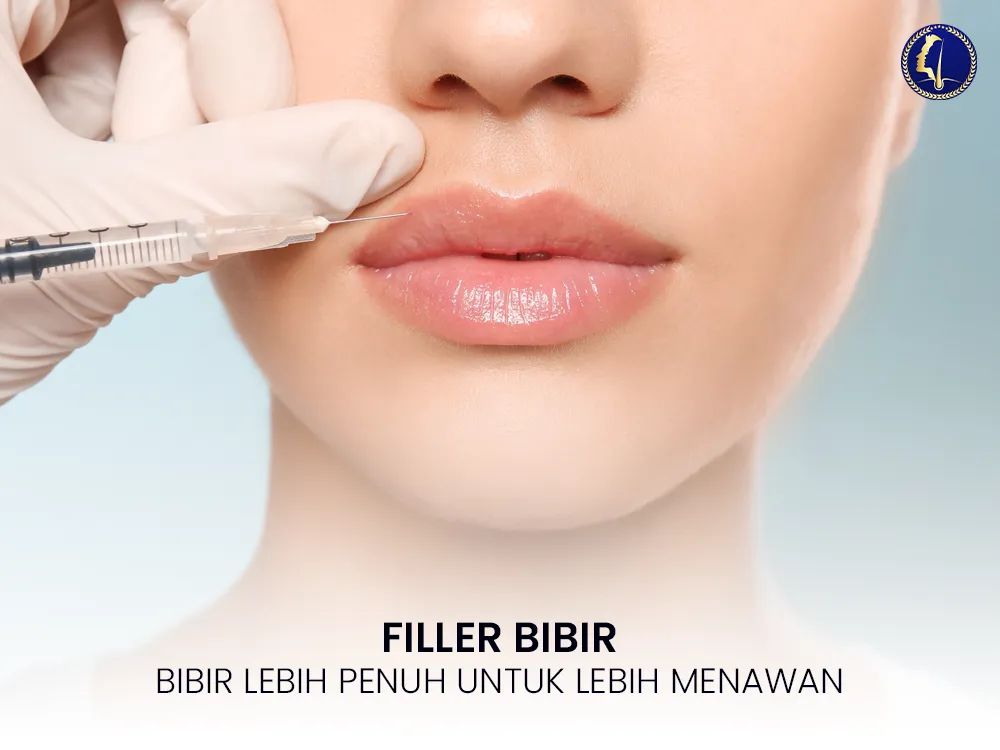
Filler Bibir: Memahami, Kebaikan, Risiko, dan Prosedur Filler bibir merupakan rawatan untuk menjadikan bibir lebih penuh dan sempurna. Berlawanan dengan rawatan mengurangkan volume bibir (lip reduction), bibir yang penuh dan berbentuk sempurna sering dianggap sebagai ciri kecantikan yang diidamkan. Untuk mencapai penampilan ini, ramai orang kini memilih untuk menjalani rawatan ini. Artikel ini akan membincangkan segala yang perlu anda ketahui tentang filler bibir, termasuk jenis-jenisnya, kebaikan dan risiko, serta prosedur dan penjagaan selepas rawatan. Apa Itu Filler Bibir? Filler bibir adalah prosedur kosmetik yang melibatkan suntikan bahan khas ke dalam bibir untuk menambah volum dan memperbaiki bentuk bibir. Prosedur ini bertujuan untuk memberikan bibir yang lebih penuh dan berbentuk menarik tanpa memerlukan pembedahan invasif. Bahan utama yang digunakan dalam pengisi bibir biasanya adalah asid hyaluronik, satu bahan yang secara semula jadi terdapat dalam tubuh manusia. Jenis-Jenis Filler Bibir Asid Hyaluronik : Asid hyaluronik adalah bahan paling popular dalam rawatan ini. Ia adalah bahan semulajadi yang terdapat dalam tisu penghubung, kulit, dan mata. Asid hyaluronik membantu mengekalkan kelembapan dan memberikan sokongan struktur pada kulit. Filler ini yang mengandungi asid hyaluronik membantu menambah volum bibir dan memberikan hasil yang semulajadi. Kesan daripada pengisi jenis ini biasanya bertahan antara 6 hingga 12 bulan. Kolagen : Kolagen adalah protein yang memberikan kekuatan dan keanjalan kepada kulit. Filler bibir yang mengandungi kolagen digunakan untuk meningkatkan keanjalan dan mengurangkan kedutan di bibir. Walau bagaimanapun, penggunaan kolagen sebagai filler bibir kurang popular berbanding asid hyaluronik kerana risiko reaksi alergi yang lebih tinggi dan hasil yang kurang tahan lama. Bahan Sintetik : Terdapat juga filler bibir yang menggunakan bahan sintetik seperti polimetil metakrilat (PMMA). PMMA adalah bahan yang memberikan hasil yang lebih kekal berbanding filler lain. Namun, bahan ini juga datang dengan risiko komplikasi yang lebih tinggi dan memerlukan pertimbangan yang lebih teliti sebelum digunakan. Sel Stem : Filler bibir berasaskan sel stem adalah teknologi terbaru yang masih dalam penyelidikan dan perkembangan. Prosedur ini melibatkan penggunaan sel stem untuk merangsang pertumbuhan tisu dan meningkatkan volum bibir. Walaupun menjanjikan hasil yang lebih tahan lama, teknologi ini masih memerlukan lebih banyak kajian dan bukti klinikal sebelum diterima secara meluas. View this post on Instagram A post shared by Glojas Spec Plastic Surgery, Hair Transplant, Aesthetic Malaysia (@glojasspecialist) Kebaikan Filler Bibir Penambahbaikan dalam Kecantikan : Rawatan ini dapat membantu memperbaiki penampilan bibir yang nipis atau tidak seimbang. Ia boleh memberikan bibir yang lebih penuh, membentuk semula bibir yang asimetrik, dan mengurangkan garisan halus di sekitar bibir. Ini meningkatkan keyakinan diri individu dan memberikan wajah yang lebih segar dan muda. Prosedur Tidak Invasif : Salah satu kelebihan utama rawatan ini ialah ia adalah prosedur yang tidak invasif. Ini bermaksud tiada pembedahan besar diperlukan, dan proses pemulihan biasanya lebih cepat berbanding pembedahan kosmetik lain. Suntikan dilakukan dengan jarum halus, dan kebanyakan pesakit hanya mengalami kesakitan yang minimum. Kesan Serta-Merta : Salah satu daya tarik utama filler bibir adalah hasilnya yang segera. Setelah prosedur selesai, pesakit dapat melihat perubahan pada bibir mereka serta-merta. Walau bagaimanapun, hasil akhir mungkin memerlukan beberapa hari untuk sepenuhnya jelas apabila bengkak dan kemerahan reda. Penjagaan Selepas Prosedur yang Mudah : Penjagaan selepas prosedur filler bibir adalah agak mudah. Pesakit biasanya disarankan untuk mengelakkan aktiviti yang boleh menyebabkan tekanan atau kecederaan pada bibir dalam tempoh beberapa hari selepas suntikan. Kebanyakan pesakit dapat kembali kepada aktiviti harian mereka dalam tempoh yang singkat. Risiko dan Kesan Sampingan Filler Bibir Kemerahan dan Bengkak : Kemerahan dan bengkak adalah kesan sampingan yang biasa selepas prosedur filler bibir. Ini adalah reaksi normal terhadap suntikan dan biasanya reda dalam beberapa hari. Untuk mengurangkan ketidakselesaan, pesakit boleh menggunakan kompres sejuk pada kawasan yang terjejas. Kesakitan dan Ketidakselesaan : Beberapa pesakit mungkin mengalami kesakitan atau ketidakselesaan selepas suntikan. Walau bagaimanapun, kebanyakan filler bibir mengandungi anestetik tempatan yang membantu mengurangkan kesakitan semasa dan selepas prosedur. Jika ketidakselesaan berlanjutan, pesakit disarankan untuk berunding dengan penyedia perkhidmatan kesihatan. Komplikasi Jangkitan : Seperti prosedur suntikan lain, terdapat risiko jangkitan selepas filler bibir. Menjaga kebersihan kawasan suntikan dan mengikuti arahan penjagaan selepas prosedur adalah penting untuk mengurangkan risiko jangkitan. Pesakit perlu melaporkan sebarang tanda jangkitan seperti kemerahan teruk, nanah, atau demam kepada doktor mereka. Reaksi Alahan : Walaupun jarang berlaku, terdapat kemungkinan reaksi alahan terhadap bahan filler. Reaksi ini boleh termasuk gatal-gatal, ruam, atau bengkak yang berlebihan. Pesakit dengan sejarah alahan atau sensitiviti kulit perlu memberitahu penyedia perkhidmatan kesihatan mereka sebelum menjalani prosedur. Ketidakpuasan Terhadap Hasil : Ada kalanya pesakit mungkin tidak berpuas hati dengan hasil filler bibir. Ini boleh disebabkan oleh faktor seperti teknik suntikan, jenis pengisi yang digunakan, atau jangkaan yang tidak realistik. Pesakit perlu berbincang dengan penyedia perkhidmatan untuk menguruskan jangkaan mereka dan mencari penyelesaian jika diperlukan. Prosedur Filler Bibir Persediaan : Sebelum menjalani prosedur, pesakit perlu menjalani konsultasi dengan penyedia perkhidmatan kesihatan untuk membincangkan matlamat dan keperluan mereka. Penyedia akan menilai keadaan bibir, sejarah perubatan, dan jenis filler yang paling sesuai. Jika pesakit mempunyai alahan atau keadaan kesihatan tertentu, ini perlu dibincangkan untuk memastikan keselamatan prosedur. Prosedur Suntikan : Prosedur filler bibir biasanya memakan masa antara 15 hingga 30 minit. Penyedia akan membersihkan kawasan bibir dan mungkin menggunakan anestetik tempatan untuk mengurangkan ketidakselesaan. Suntikan filler akan dilakukan dengan jarum halus atau kanula, bergantung kepada teknik yang digunakan. Selama prosedur, penyedia akan memantau hasil untuk memastikan bibir mendapat bentuk dan volum yang diinginkan. Penjagaan Selepas Prosedur : Selepas prosedur, pesakit perlu mengikuti arahan penjagaan yang diberikan oleh penyedia. Ini termasuk mengelakkan sentuhan atau tekanan pada bibir, tidak melakukan aktiviti fizikal berat, dan mengelakkan paparan matahari secara langsung. Menggunakan kompres sejuk boleh membantu mengurangkan bengkak dan kemerahan. Pesakit juga disarankan untuk minum banyak air dan mengelakkan makanan yang boleh menyebabkan iritasi. Temujanji Susulan : Temujanji susulan mungkin diperlukan untuk menilai hasil dan membuat penyesuaian jika perlu. Penyedia akan memantau perkembangan dan memastikan tiada komplikasi. Jika terdapat sebarang kebimbangan atau isu, pesakit perlu berunding dengan penyedia mereka untuk mendapatkan nasihat dan rawatan lanjut. Kesimpulan Filler bibir adalah prosedur kosmetik yang semakin popular untuk mendapatkan bibir yang lebih penuh dan berbentuk menarik tanpa perlu menjalani pembedahan besar. Walaupun prosedur ini menawarkan banyak
3 Cara Mudah Memancungkan Hidung Dengan Selamat & Berkesan
Cara #1 Teknik Urutan Regangan Hidung Amalkan selama 3-5 minit setiap hari untuk hasil yang lebih semulajadi dan konsisten. Tanda kotak di bawah setelah anda selesai lakukan: Langkah 1: Cubit lembut batang hidung menggunakan ibu jari dan telunjuk. Langkah 2: Urut perlahan-lahan dari bahagian pangkal ke hujung hidung ke bawah. Langkah 3: Tolak hujung hidung perlahan-lahan ke atas menggunakan jari telunjuk. 0 daripada 3 langkah selesai Nak tahu cara pantas & selamat tanpa risau kesan sampingan? Konsultasi Percuma via WhatsApp Memiliki profil wajah yang cantik sering bermula dengan bentuk hidung yang ideal. Di Malaysia, terdapat pelbagai cara untuk memancungkan hidung, sama ada melalui teknik di rumah atau rawatan klinikal yang pantas. Panduan ini akan membantu anda memilih kaedah paling selamat dan sesuai untuk gaya hidup anda. Cara Memancungkan Hidung Secara Semulajadi di Rumah Kaedah semulajadi sering menjadi pilihan kerana ia tidak menyakitkan dan percuma. Walaupun ia tidak dapat mengubah tulang hidung secara kekal, teknik ini membantu menguatkan otot muka. Ramai yang melakukannya sebagai rutin harian untuk menjaga kecantikan wajah secara holistik tanpa perlu ke klinik. Senaman Hidung (Yoga Hidung) Langkah Demi Langkah Yoga hidung sangat mudah dilakukan. Anda boleh memicit bahagian tepi hidung menggunakan jari telunjuk dan ibu jari sambil bernafas dengan tenang. Senaman ini membantu otot nasal menjadi lebih kuat. Walaupun nampak ringkas, konsistensi adalah kunci untuk melihat sedikit perubahan pada “tonasi” otot hidung anda. Teknik Urutan untuk Meniruskan Hidung Urutan yang betul boleh mengurangkan air yang berlebihan di bawah kulit (sembab). Gunakan minyak muka dan urut dari batang hidung ke bawah dengan lembut. Menurut pakar kesihatan, urutan ini merangsang aliran darah tetapi tidak akan mengubah saiz tulang atau rawan hidung anda yang sudah matang. Latihan Muka untuk Bentuk Hidung Lebih Mancung Latihan seperti tersenyum sambil menolak hujung hidung ke atas boleh membantu menaikkan otot di kawasan tersebut. Ini memberikan ilusi hidung yang lebih “terangkat.” Namun, pakar mengingatkan bahawa otot muka adalah sangat kecil, jadi hasil yang diperolehi mungkin tidak begitu ketara tanpa bantuan rawatan profesional. Key Takeaways Struktur Nasal: Tulang dan rawan yang membentuk hidung. Filler Hidung (HA): Suntikan asid hialuronik untuk menambah ketinggian. Thread Lift (Benang): Rawatan mengangkat hidung menggunakan benang. Rhinoplasty: Pembedahan plastik untuk mengubah bentuk hidung secara kekal. LCP-Certified: Doktor estetik bertauliah di Malaysia. Produk & Alat Pemancung Hidung Kini terdapat banyak alat “ajaib” yang dijual di pasaran untuk mendapatkan hidung mancung. Walaupun nampak menarik, anda perlu berhati-hati dengan kualiti bahan yang digunakan. Pastikan alat tersebut tidak menyakitkan atau menghalang pernafasan anda, kerana keselamatan kulit dan tisu hidung adalah yang paling utama. Cara Guna Klip Hidung dengan Betul Gunakan klip hidung hanya untuk 10 minit sehari. Jangan klip terlalu kuat sehingga meninggalkan kesan merah yang dalam atau luka. Jika terasa sakit, segera tanggalkan. Penggunaan yang berlebihan boleh merosakkan kapilari darah halus pada hidung dan menyebabkan kerengsaan kulit yang serius. Keberkesanan Alat Pemancung Hidung dari Shopee Malaysia Alat yang murah ini popular tetapi keberkesanannya adalah sementara sahaja. Menurut Kementerian Kesihatan Malaysia (KKM), alat tanpa sokongan perubatan mungkin tidak memberikan hasil kekal. Tekanan mekanikal daripada klip ini hanya menekan tisu lembut buat seketika dan tidak mengubah kedudukan tulang hidung anda. Prosedur Tanpa Pembedahan di Klinik Malaysia Bagi anda yang mahukan hasil yang cepat dan jelas, rawatan klinik adalah jawapannya. Malaysia mempunyai banyak pusat estetik yang menawarkan prosedur moden tanpa perlu “masuk bilik bedah.” Rawatan ini biasanya mengambil masa kurang dari 30 minit dan anda boleh terus bekerja selepas itu. Filler Hidung (HA): Proses, Harga, dan Keputusan Filler menggunakan gel asid hialuronik untuk mengisi bahagian batang hidung yang rendah. Ia sangat popular kerana hasilnya serta-merta. Kos filler hidung di Malaysia sekitar RM1,500 hingga RM3,500 setiap suntikan. Ia sangat selamat kerana gel tersebut akan diserap secara semulajadi oleh badan selepas beberapa bulan. Benang Hidung (Thread Lift): Sesuai untuk Anda? Thread lift menggunakan benang halus untuk mengangkat hujung hidung agar lebih tajam. Ia sangat sesuai untuk mereka yang mahukan definisi hidung yang “slim.” Rawatan ini merangsang kolagen asli, jadi hidung akan nampak lebih cantik secara semulajadi walaupun selepas benang tersebut cair sepenuhnya. Beza Filler vs Benang untuk Hasil Mancung Ciri-Ciri Filler Hidung Benang Hidung Hasil Nampak lebih tinggi Nampak lebih tajam/halus Ketahanan 9 – 12 Bulan 12 – 24 Bulan Kos Sederhana Sederhana ke Tinggi Risiko Migrasi gel Benang terkeluar (jarang) Pembedahan Memancungkan Hidung (Rhinoplasty) Jika anda mencari perubahan yang kekal seumur hidup, rhinoplasty adalah pilihannya. Ini adalah pembedahan plastik untuk mengubah struktur tulang dan rawan. Prosedur ini perlu dilakukan oleh pakar bedah yang berpengalaman di hospital pakar untuk memastikan hasil yang simetri dan selamat untuk kesihatan. Persediaan & Proses Pembedahan Sebelum pembedahan, anda perlu berbincang tentang bentuk hidung yang diimpikan. Pakar akan menggunakan implan atau tulang rawan sendiri (dari telinga atau rusuk) untuk membentuk hidung baru. Proses ini dilakukan di bawah bius penuh, jadi anda tidak akan merasa sakit sepanjang prosedur dijalankan. Kos Rhinoplasty di Malaysia Kos pembedahan hidung di Malaysia pada tahun 2026 adalah antara RM12,000 hingga RM35,000. Harga ini merangkumi kos pakar bedah, bilik bedah, dan ubat-ubatan. Walaupun mahal, ia adalah pelaburan satu kali sahaja kerana hasilnya tidak akan hilang dan akan kekal selamanya. Risiko & Tempoh Pemulihan Anda memerlukan 1 hingga 2 minggu untuk bengkak hilang. Selepas sebulan, anda akan mula melihat bentuk sebenar hidung anda. Risiko seperti jangkitan atau lebam adalah perkara biasa, namun ia boleh dikawal dengan ubat-ubatan. Sentiasa pastikan doktor anda berdaftar dengan Majlis Perubatan Malaysia (MMC). Soalan Lazim (PAA) Adakah mengurut hidung setiap hari boleh memancungkannya? Secara fizikalnya, tidak. Urutan tidak boleh mengubah tulang keras manusia. Ia mungkin membantu mengurangkan bengkak atau lemak pada kulit hidung, namun batang hidung anda tidak akan tiba-tiba menjadi tinggi hanya dengan tekanan jari sahaja. Berapa lama hasil filler hidung bertahan? Biasanya antara 9 hingga 12 bulan. Bahan asid hialuronik dalam filler akan hancur secara perlahan dan diserap oleh sistem badan anda. Jika anda mahu mengekalkan ketinggian hidung tersebut, anda perlu kembali ke klinik untuk suntikan baru. Adakah klip hidung dari platform e-commerce berkesan? Alat ini hanya memberi tekanan sementara. Sebaik sahaja anda tanggalkan klip, tisu hidung akan kembali ke bentuk asal dalam masa beberapa jam.