
How Long Do Breast Implants Last? – Lifespan, Safety & Maintenance
How Long Do Breast Implants Last? The “10-year rule” is one of the most persistent myths in the aesthetic world. If you’ve been scrolling through forums or chatting with friends about breast augmentation, you’ve probably heard that implants come with an “expiry date.” In reality, it’s not like a carton of milk. Modern breast implants in 2026 are engineered with high-strength shells and cohesive gels that can go the distance. While they aren’t technically “lifetime devices,” many women in Malaysia enjoy their results for 15 to 20 years—or even longer—without a single issue. Here’s the lowdown on how long your investment will actually last and what you need to keep an eye on. Average Lifespan of Breast Implants Think of breast implants like high-quality tires. They are built for long-term use, but “mileage” varies based on your body, lifestyle, and the type of tech inside them. Typical Duration of Silicone and Saline Implants The material matters. Saline implants usually have a lifespan of 10 to 15 years. Because they are filled with sterile saltwater, the shell can eventually wear down, leading to a visible leak. Silicone implants—the crowd favorite in Malaysia for their natural feel—tend to last longer, often 15 to 20+ years. Today’s “gummy bear” or highly cohesive silicone gels are designed to hold their shape even if the shell is compromised. Most manufacturers now offer long-term warranties that cover replacements for at least a decade, reflecting their confidence in device durability. Factors That Affect Implant Longevity Surgical Technique: How the “pocket” is created and whether a “no-touch” insertion sleeve is used can significantly lower the risk of early complications. Placement: Implants placed under the muscle (submuscular) often face less “tissue thinning” over time compared to those over the muscle. Lifestyle & Gravity: If you’re a marathon runner or high-impact gym enthusiast, the extra movement can put more “wear and tear” on your breast tissue and the implant interface. Body Changes: Pregnancy, breastfeeding, and significant weight fluctuations can change how your implants sit, even if the devices themselves are perfectly fine. Signs You May Need a Replacement Your body is surprisingly good at signaling when it’s time for a “refresh.” You don’t need surgery just because a calendar says it’s been 10 years; you need it when there’s a physical reason. Common Indications for Revision The most frequent reason for a trip back to the surgeon is capsular contracture. This happens when the scar tissue around the implant tightens, making the breast feel firm or look distorted. Other signs include implant displacement (where one sits higher than the other) or bottoming out, where the implant slips below the breast crease. For saline users, the sign is obvious: a sudden loss of volume as the breast deflates like a balloon. How to Monitor Implant Health For silicone, things are a bit more subtle. Since silicone leaks are often “silent,” you won’t see a change in size overnight. According to the American Society of Plastic Surgeons, persistent pain, new lumps, or a change in the “softness” of the breast are the primary red flags that warrant a professional check-up. Maintenance and Follow-Up Owning implants is a bit like owning a luxury car—regular servicing keeps things running smoothly and safely. Recommended Check-Ups in Malaysia In Malaysia, it’s best practice to visit your surgeon every 2 to 3 years for a physical evaluation. If you had your surgery in KL or Penang, your clinic likely has a protocol for long-term monitoring. Recent updates in patient safety guidelines emphasize that being proactive is the best way to avoid complex revision surgeries later on. Imaging and Self-Examinations Self-Exams: Once a month, perform a breast self-exam. Get to know the “normal” feel of your implants so you can spot any new firm areas or changes in symmetry. Imaging: The current FDA recommendation for silicone implants is to have your first screening (ultrasound or MRI) at the 5 to 6-year mark, followed by regular imaging every 2 to 3 years to check for silent ruptures. FAQs About Breast Implant Longevity in Malaysia 1. Is it true I must replace them every 10 years? Nope! That’s a dated guideline. If your implants look and feel great and imaging shows no leaks, there is no medical reason to replace them. 2. Can I get a mammogram with implants? Absolutely. You just need to inform the radiologist so they can use “displacement views.” Standard mammography is still effective for breast cancer screening in women with implants. 3. What does “silent rupture” mean? It means the outer shell of a silicone implant has a tiny tear, but the thick gel stays inside the scar tissue “pocket,” so you don’t notice any change in appearance or feel without an ultrasound or MRI. 4. Does insurance in Malaysia cover replacement? Generally, aesthetic procedures aren’t covered. However, if the replacement is due to a medical complication like severe capsular contracture or a ruptured reconstruction implant, some policies might offer partial coverage. Always check with your provider. 5. Are newer implants like Motiva or Mentor safer? Modern “6th generation” implants used in top Malaysian clinics feature advanced barrier layers and even RFID microchips for easy identification, which can help in long-term tracking and safety.
Breast Augmentation Before & After: What to Expect in Malaysia
If you’ve been scrolling through Instagram or aesthetic clinic galleries, you’ve likely seen a mountain of “Before & After” transformations. In Malaysia’s booming medical tourism scene, these photos are the gold standard for setting expectations. But what does the journey from “A” to “C” (or beyond) actually look like behind the scenes? Let’s dive into the reality of the Breast Augmentation Before & After experience, from the first consultation in KL to the final “settled” look. Understanding Breast Augmentation Before & After It’s more than just a size change; it’s a structural recalibration. What “Before & After” Means in Breast Augmentation A “Before” photo represents your baseline—your natural breast tissue, chest wall shape, and skin elasticity. The “After” isn’t just about volume; it’s about how the silicone or saline implants interact with your unique anatomy to create a new silhouette. Why Seeing Before & After Results Matters Photos help you “speak” the same language as your surgeon. While one person’s “natural look” is another’s “too small,” visual aids ensure you and your doctor are on the same page regarding projection and cleavage. Factors Influencing Results in Malaysian Patients Genetics play a huge role. Factors like the width of your sternum and the amount of existing “pinchable” fat determine how close the implants can sit together. Local climate also matters—Malaysian humidity means post-op wound care is extra vital to prevent irritation. Preparing for Breast Augmentation – Before Surgery The “Before” phase is where the magic (and the math) happens. Consultation and Assessment with a Certified Surgeon In Malaysia, your first step should be verifying your doctor via the National Specialist Register (NSR). A certified plastic surgeon will measure your base tissue diameter to ensure the implant doesn’t overstretch your skin. Choosing the Right Implant Type, Size, and Shape Do you want the “teardrop” look of anatomical implants or the fullness of round ones? Most Malaysian clinics now offer 3D imaging software so you can virtually “try on” different CC (cubic centimeter) sizes before the scalpel even touches skin. Pre-Surgery Health Evaluation and Lifestyle Considerations You’ll need a clean bill of health. This includes blood tests and potentially a mammogram. According to the American Society of Plastic Surgeons, quitting smoking at least four weeks prior is non-negotiable for proper blood flow and healing. Expectations and Goal Setting for Your Body Type If you have a petite frame, jumping to a very large size might lead to “rippling” or visible edges. Your surgeon will help you pick a size that stays “proportional” to your hips and shoulders. The Breast Augmentation Procedure What actually happens when you’re under? Surgical Techniques and Implant Placement Your surgeon will choose between Submuscular (under the muscle) or Subglandular (over the muscle). Under-the-muscle placement is often preferred for thinner patients to provide better coverage and a more natural “After.” Duration of Surgery and Anesthesia Options The procedure typically takes 1 to 2 hours under general anesthesia. Modern techniques in Malaysia often use “TIVA” (Total Intravenous Anesthesia) for a smoother wake-up with less nausea. What Happens During the Operation The surgeon creates an incision, creates a “pocket” for the device, and carefully positions the implant. They then check for symmetry while you are lying flat to ensure the breast implant placement is perfect. Immediate Results – After Surgery The “After” photo taken in the recovery room isn’t the final look—not by a long shot. Swelling, Bruising, and Initial Changes Immediately after, your breasts will look very high, tight, and perhaps a bit “boxy.” This is due to muscle tension and fluid. Pain Management and Recovery Tips The first 48–72 hours are the “tightest.” Most patients manage with oral pain relief and plenty of rest. Pro tip: Sleep in a reclined position to help the swelling go down faster. How the Breasts Look in the First Weeks They might look intimidatingly large at first. Don’t panic! This is 20% implant and 80% “I just had surgery” inflammation. Long-Term Results – Weeks to Months After Surgery This is the “Drop and Fluff” phase. Healing Process and Breast Settling Over 3 to 6 months, the implants settle into the lower part of the breast pocket. The skin relaxes, and the “After” starts looking soft and natural. Final Shape, Symmetry, and Contour By the six-month mark, your results are mostly permanent. The International Society of Aesthetic Plastic Surgery (ISAPS) notes that it takes this long for the internal scars to soften and the tissue to fully adapt. Scarring and Skin Adaptation Scars will transition from angry red to a thin white or pink line. Consistent use of silicone sheets or gels during this phase is your best bet for a “hidden” scar. Maintaining Results Over Time Gravity still exists. Wearing a supportive bra and maintaining a stable weight will keep your “After” looking fresh for years. Factors That Affect Before & After Results Why do two people with the same implants look different? Age & Elasticity: Younger skin snaps back better; older skin may require a “Lift” (Mastopexy) alongside the augmentation. Implant Material: Highly cohesive gel (Gummy Bear) holds its shape better than liquid silicone. Post-Op Care: Following the “no heavy lifting” rule for 6 weeks prevents the implants from shifting. Real Before & After Examples in Malaysia The “Mommy Makeover”: Often involves restoring volume lost after breastfeeding. The “Athletic Upgrade”: Smaller implants placed under the muscle to maintain a fit, subtle look. The “Correction”: Using implants to fix asymmetry (where one side is naturally smaller). Breast Augmentation Before & After FAQs How long until I see final results? Usually 3 to 6 months. That’s when the “drop and fluff” is complete and the implants look like part of your body. Can results change over time? Yes. Pregnancy, significant weight loss, and the natural aging process will still affect your breast tissue, even with implants. Are before & after photos reliable? They are a great guide, but remember that lighting and posture matter. Always ask to see “un-retouched” photos during your consult. How
Breast Augmentation Side Effects & Safety in Malaysia
Getting a confidence boost through surgery is a big deal, but let’s be real—the most important part of your glow-up isn’t just the “after” photo; it’s the Side Effects & Safety protocols that get you there. Malaysia has become a global hub for medical tourism, but navigating the local landscape requires more than just looking at price tags. Whether you’re eyeing silicone gel or saline, here is the lowdown on what to expect and how to stay safe in the 603. Common Side Effects of Breast Augmentation Most people breeze through recovery, but your body is going to have some opinions about its new additions. These initial reactions are usually part of the standard healing timeline. Swelling, Bruising, and Tenderness Expect some “fluffing” time. Your breasts will look higher and feel tighter than expected for the first few weeks. According to the U.S. Food and Drug Administration (FDA), swelling and bruising are the most common localized reactions immediately following surgery. Numbness or Tingling Around the Breast It’s a weird sensation, but “zaps” or temporary numbness are normal. This happens because the small nerves in the breast tissue get stretched or moved. For most patients, sensation returns within a few months, though for some, it can be permanent. Scarring and Skin Sensitivity Every surgeon makes an incision, and every incision leaves a mark. Whether it’s inframammary (under the fold) or periareolar (around the nipple), the skin might feel sensitive or itchy as it knits back together. Using silicone gel sheets can help manage the aesthetic of the scar. Implant-Related Discomfort or Pain A heavy feeling in the chest is common as your pectoral muscles adjust to the volume. This isn’t usually “sharp” pain, but more of a deep ache that responds well to the meds your surgeon will prescribe. Serious but Rare Complications While most surgeries go off without a hitch, being an informed patient means knowing the “what-ifs.” Capsular Contracture – Causes and Management This is the big one. Your body naturally forms a tissue capsule around any foreign object. If that capsule tightens excessively, it’s called capsular contracture. Current data suggests a capsular contracture rate of approximately 10% over the life of the implant. Infection Risks and Prevention Infections are rare (around 1%) but serious. They usually pop up within the first few weeks. High-end clinics in Malaysia use the “Keller Funnel” or “no-touch” techniques to keep bacteria away from the implant shell. Implant Rupture or Leakage Implants aren’t lifetime devices. The FDA reports a rupture rate of about 0.5% at two years, which can climb to nearly 8% after a decade. If a silicone implant leaks, it’s often a “silent rupture,” which is why regular imaging is a must. Changes in Breast or Nipple Sensation While most regain feeling, there is a small risk of permanent loss of nipple sensation or, conversely, hypersensitivity. This is often linked to the surgical approach and the size of the implant. Factors Affecting Safety of Breast Augmentation Your safety isn’t just luck; it’s a combination of these four pillars. Implant Type, Size, and Material Choosing between cohesive “gummy bear” silicone and saline matters. Larger implants carry a higher risk of “bottoming out” or causing tissue thinning over time. Always ask for Kementerian Kesihatan Malaysia (KKM) approved brands like Motiva, Mentor, or Polytech. Surgeon Credentials and Experience in Malaysia In Malaysia, you want a surgeon who isn’t just a “medical practitioner” but a board-certified specialist. Look for memberships in MAPACS (Malaysian Association of Plastic, Aesthetic and Craniomaxillofacial Surgeons). Pre-Existing Medical Conditions Autoimmune issues or smoking can significantly delay healing. Be 100% honest during your consultation; a “safe” surgery starts with a healthy candidate. Post-Surgery Care and Lifestyle Considerations If you’re a gym rat, you’ll need to hit pause. Pushing your body too early can cause implant displacement or seroma (fluid buildup). How to Minimize Side Effects and Ensure Safety Pre-Surgery: Get a baseline mammogram or ultrasound. Post-Op: Wear your surgical bra like it’s your new best friend. Warning Signs: Watch for sudden swelling in only one breast or redness that feels hot to the touch. Monitoring: The American Society of Plastic Surgeons recommends MRI or ultrasound screenings starting 5–6 years post-surgery to check for silent ruptures. Breast Implant Safety Standards in Malaysia The Medical Device Authority (MDA) under the Ministry of Health regulates every implant that enters the country. Only Class III medical devices (the highest safety tier) are permitted for use in reputable clinics. When choosing a facility, ensure it complies with the Private Healthcare Facilities and Services Act (PHFSA). This ensures the clinic has the emergency equipment and sterilization protocols to handle any hiccups during surgery. FAQs on Breast Augmentation Side Effects & Safety Are breast implants safe long-term? Yes, but they require maintenance. Think of them like a high-end car—they are safe to drive, but you need to go in for “servicing” (check-ups) every few years. How common are complications in Malaysia? When performed by a board-certified surgeon in an accredited hospital, the complication rate in Malaysia aligns with international standards, with major issues appearing in less than 3–5% of cases. Can side effects be reversed or treated? Absolutely. Capsular contracture can be treated with a capsulectomy, and infections are managed with antibiotics or, in extreme cases, temporary implant removal. When should I consult my surgeon after surgery? Aside from your scheduled follow-ups, call your surgeon immediately if you experience shortness of breath, chest pain, or an unusual heart rhythm—though rare, these require immediate medical eyes.
Cosmetic Surgery: Procedures, Clinics & Costs Guide in Malaysia
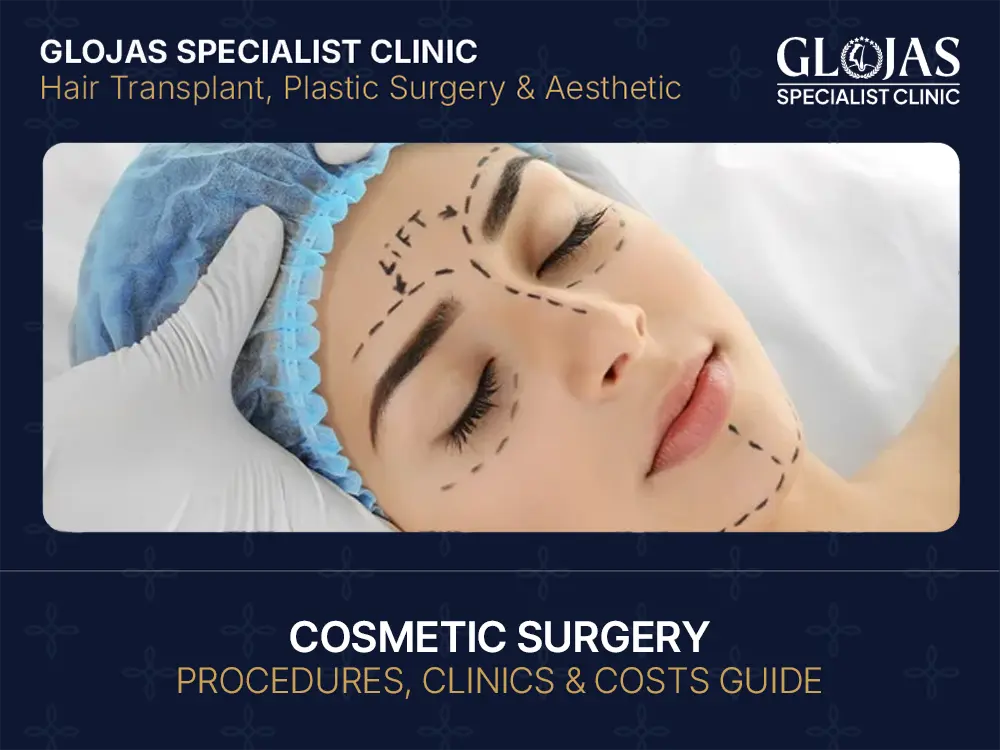
The pursuit of confidence has no borders, and these days, Malaysia is at the heart of the global map for aesthetic transformations. Whether it’s the allure of world-class medical facilities or the incredibly competitive pricing, cosmetic surgery in Malaysia has evolved from a niche luxury to a mainstream wellness choice. GLOJAS Specialist Clinic is a multi-award-winning leader for cosmetic surgery in Malaysia, offering board-certified expertise in facial rejuvenation, breast augmentation, and body contouring for natural, life-changing results. Introduction to Cosmetic Surgery In the modern era, looking as good as you feel isn’t just about vanity—it’s about self-actualization. Malaysia’s medical landscape has embraced this, offering everything from minor “tweakments” to full-scale transformations. What Is Cosmetic Surgery? Often referred to as aesthetic surgery, cosmetic surgery is a unique discipline of medicine focused on enhancing appearance through surgical and medical techniques. It can be performed on all areas of the head, neck, and body. Because the treated areas function properly but lack aesthetic appeal, cosmetic surgery is almost always elective. Differences Between Cosmetic and Reconstructive Surgery While the terms are often used interchangeably, they serve different masters: Cosmetic Surgery: Focused entirely on enhancing a patient’s appearance. Improving aesthetic appeal, symmetry, and proportion are the primary goals. Reconstructive Surgery: Aims to restore function and normal appearance after trauma, infection, or birth disorders. As noted by the Mayo Clinic, reconstructive work is often considered a medical necessity, whereas cosmetic work is a personal choice. Popular Cosmetic Surgery Procedures in Malaysia Malaysia has built a reputation for specific “signature” procedures that attract thousands of international patients annually. Facial Procedures (Rhinoplasty, Facelift, Eyelid Surgery) The “Asian Rhinoplasty” is a specialized field here, focusing on bridge augmentation and tip refinement. Blepharoplasty (eyelid surgery) is also high on the list for those seeking a more alert, youthful gaze. For those looking to turn back the clock, the Deep Plane Facelift has become a 2026 favorite for providing structural lifting without that “wind-tunnel” look. Body Contouring (Liposuction, Tummy Tuck, Breast Surgery) Post-weight-loss transformations are surging. With the rise of GLP-1 medications, many are seeking a tummy tuck (abdominoplasty) or liposuction to remove stubborn skin and fat. In the realm of breast surgery, the trend has shifted toward “ballerina breasts”—smaller, more athletic implants that complement an active lifestyle. Non-Surgical Treatments (Botox, Fillers, Laser Therapy) If you’re not ready for the operating room, Malaysia’s “Medispas” offer advanced biostimulators like Sculptra or Radiesse. These aren’t just fillers; they encourage your skin to produce its own collagen over time, leading to a more natural, gradual rejuvenation. Choosing a Cosmetic Surgeon in Malaysia Your safety depends entirely on the hands you choose. In Malaysia, the “Golden Rule” is to verify before you book. Qualifications and Certifications Every legitimate surgeon must be registered with the Malaysian Medical Council (MMC). Specifically, for aesthetic work, ensure your doctor holds the Letter of Credentialing and Privileging (LCP). This is a mandatory certification from the Ministry of Health that proves the doctor has the specialized training to perform these procedures. Top Clinics and Hospitals Look for facilities with international stamps of approval. Many Malaysian hospitals are accredited by the Joint Commission International (JCI), which is the global gold standard for patient safety and quality of care. Patient Reviews and Success Rates In the age of social media, “Before & After” galleries are your best friend. Look for consistency in results and read through independent forums to get the “unfiltered” patient experience. Cost of Cosmetic Surgery in Malaysia One of the biggest draws to Malaysia is the price tag. You can expect to save anywhere from 40% to 70% compared to Western prices. Average Prices by Procedure Procedure Estimated Price (RM) Estimated Price (USD) Rhinoplasty RM 10,000 – RM 18,000 $2,300 – $4,200 Breast Augmentation RM 15,000 – RM 30,000 $3,500 – $7,000 Liposuction (per area) RM 8,000 – RM 15,000 $1,800 – $3,500 Facelift (Full) RM 30,000 – RM 45,000 $7,000 – $10,500 Factors Affecting Cost The final bill depends on the surgeon’s prestige, the type of anesthesia used, and whether you’re staying in a boutique clinic or a full-scale private hospital. High-quality implants (like Motiva or Mentor) will also influence the total cost of breast procedures. Financing and Payment Options Most top-tier clinics offer 0% interest installment plans for locals. International patients usually pay via credit card or bank transfer, often opting for “all-inclusive” packages that cover surgery, hospital stay, and initial recovery accommodation. Safety, Risks, and Recovery Surgery is a marathon, not a sprint. The recovery phase is just as important as the procedure itself. Potential Complications No surgery is risk-free. Common issues include hematoma, infection, or scarring. According to the International Society of Aesthetic Plastic Surgery (ISAPS), the best way to mitigate these risks is to follow your surgeon’s pre-op and post-op instructions to the letter. Pre- and Post-Operative Care Stop smoking at least two weeks before. Smoking constricts blood vessels and can lead to skin necrosis (tissue death). Post-op, you’ll likely need compression garments to minimize swelling and help the skin adhere to its new contours. Recovery Timelines Initial Rest: 2–3 days of pure downtime. Back to Work: 1–2 weeks for most facial surgeries; 2 weeks for body work. Final Results: While you’ll look great in a month, true final results (especially in rhinoplasty) can take up to a full year to settle. Latest Trends and Innovations in Cosmetic Surgery The industry is moving toward “regenerative” medicine—helping the body heal itself for more natural results. Advanced Surgical Techniques Fat Grafting is the hero of 2026. Instead of synthetic fillers, surgeons are using your own processed fat to restore volume to the face or breasts. It’s natural, permanent, and reduces the risk of rejection. Minimally Invasive Procedures Pico Lasers and Ultherapy (which uses ultrasound to lift the skin) are the go-to for busy professionals who want a refresh during their lunch break. These treatments require zero downtime and provide a “filtered” skin effect. Popular Treatments Among Locals and Tourists While locals love V-shape face contouring and
10 Cara Kecilkan Punggung Secara Berkesan di Malaysia
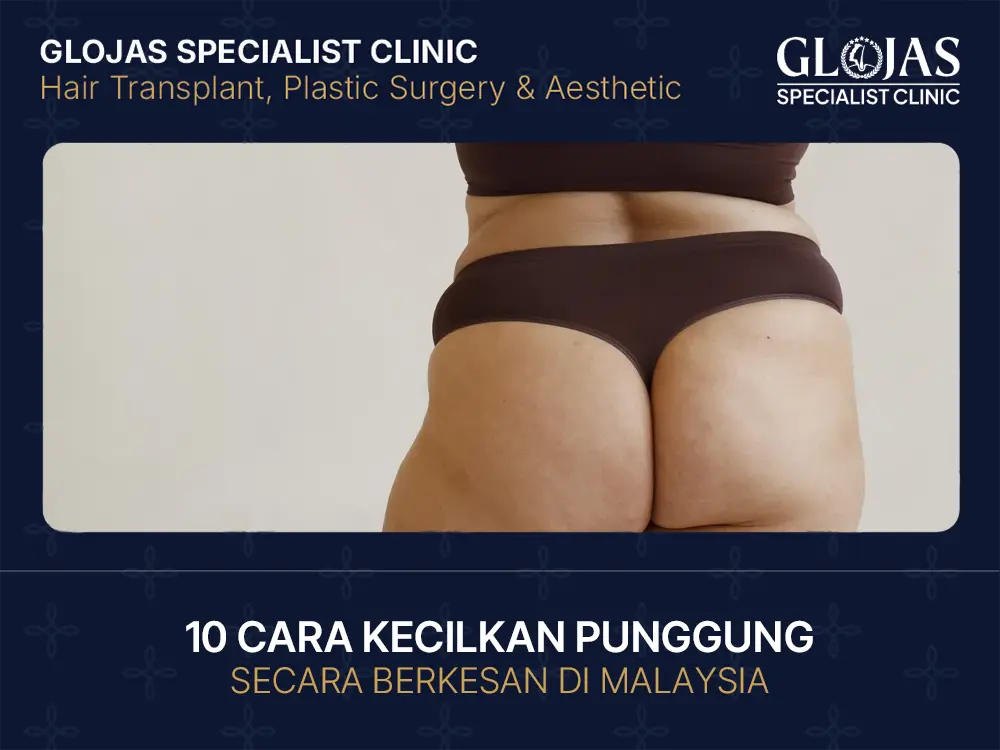
Nak pakai seluar jeans kegemaran tapi sangkut di bahagian punggung? Jangan risau, anda tidak bersendirian. Ramai rakyat Malaysia mencari cara kecilkan punggung yang bukan sahaja berkesan, tapi juga selamat dan praktikal untuk gaya hidup kita yang kaya dengan makanan sedap! Ingin cara kecilkan punggung yang pantas dan selamat? GLOJAS Specialist Clinic menawarkan teknologi terkini untuk membentuk kontur badan idaman anda dengan hasil yang nampak semula jadi dan memukau oleh doktor pakar. Apa Itu Punggung Besar & Punca Utama Punggung yang besar selalunya disebabkan oleh pengumpulan tisu adiposa (lemak) di bahagian bawah badan. Walaupun bentuk badan “pear” dianggap sihat oleh sesetengah pakar, namun lemak yang berlebihan boleh membuatkan kita rasa kurang yakin. Faktor Genetik & Bentuk Badan Genetik memainkan peranan besar dalam menentukan di mana badan anda menyimpan lemak. Jika ahli keluarga anda cenderung mempunyai pinggul yang lebar, kemungkinan besar anda juga akan mewarisi struktur tulang dan taburan lemak yang sama. Lemak Berlebihan di Kawasan Punggung Lemak subkutaneus adalah lemak yang berada tepat di bawah kulit. Kawasan punggung dan paha merupakan “kawasan simpanan” utama bagi wanita kerana faktor biologi untuk persediaan kehamilan dan penyusuan. Gaya Hidup, Diet & Kurang Aktiviti Fizikal Tabiat suka makan makanan berlemak (seperti nasi lemak atau roti canai setiap pagi) tanpa melakukan aktiviti fizikal akan menyebabkan kalori berlebihan disimpan sebagai lemak. Pekerjaan pejabat yang memerlukan anda duduk terlalu lama juga boleh melemahkan otot gluteus. Hormon & Perubahan Berat Badan Hormon estrogen sangat mempengaruhi pengumpulan lemak di bahagian bawah badan. Perubahan hormon semasa akil baligh, kehamilan, atau menopaus boleh menyebabkan saiz punggung berubah secara drastik. Cara Kecilkan Punggung Secara Semula Jadi Tiada jalan pintas yang ajaib, tetapi kombinasi pergerakan yang betul boleh membuahkan hasil yang sangat memuaskan. Senaman Fokus Untuk Mengecilkan Punggung Untuk “tone up” otot, anda perlu melakukan senaman kekuatan. Squats, lunges, dan glute bridges adalah senaman wajib. Walaupun ia tidak membakar lemak secara setempat (spot reduction), otot yang pejal akan membuatkan punggung nampak lebih kecil dan kemas. Senaman Kardio Paling Berkesan Kardio adalah kunci untuk membakar kalori keseluruhan. Berlari, berbasikal, atau mendaki (hiking) adalah antara senaman membakar lemak yang paling efektif untuk mengecilkan bahagian bawah badan. Regangan & Postur Badan Kadangkala, punggung nampak lebih besar disebabkan oleh Anterior Pelvic Tilt (punggung tertonggok ke belakang). Melakukan regangan hip flexors secara rutin boleh membetulkan postur dan memberikan ilusi badan yang lebih ramping. Tempoh & Kekerapan Senaman Yang Disarankan Konsistensi adalah kunci. Cuba sasarkan sekurang-kurangnya 150 minit aktiviti intensiti sederhana seminggu mengikut saranan World Health Organization untuk kesihatan optimum. Pemakanan Untuk Kecilkan Punggung Abs are made in the kitchen! Begitu juga dengan punggung yang idaman. Makanan Yang Perlu Dikurangkan Kurangkan pengambilan gula ringkas, minuman manis, dan makanan diproses. Garam berlebihan juga perlu dielakkan kerana ia menyebabkan “water retention” yang membuatkan badan nampak bengkak. Diet Rendah Lemak & Kalori Fokus kepada pengambilan protein tanpa lemak, sayur-sayuran hijau, dan karbohidrat kompleks seperti nasi perang atau oat. Diet seimbang membantu badan membakar simpanan lemak sedia ada untuk tenaga. Contoh Pelan Pemakanan Harian Sarapan: Telur hancur dengan roti bijirin penuh. Makan Tengah Hari: Ayam bakar, ulam-ulaman, dan separuh senduk nasi putih. Makan Malam: Sup ikan dengan sayur sawi. Peranan Air & Metabolisme Minum air secukupnya membantu melancarkan sistem pencernaan dan meningkatkan kadar metabolisme. Air juga membantu otot berfungsi dengan lebih baik semasa bersenam. Rawatan Estetik Untuk Kecilkan Punggung di Malaysia Bagi mereka yang mahukan hasil lebih pantas tanpa pembedahan, teknologi moden kini ada jawapannya. Fat Reduction Non-Surgical Rawatan non-invasif semakin popular di klinik estetik sekitar Kuala Lumpur dan Selangor. Ia tidak memerlukan waktu pemulihan yang lama (no downtime). Teknologi Pelangsingan Badan (RF, Ultrasound, Cryolipolysis) Cryolipolysis (CoolSculpting): Membekukan sel lemak sehingga mati dan disingkirkan secara semula jadi oleh badan. Radiofrequency (RF): Menggunakan haba untuk menegangkan kulit dan mengurangkan selulit. Ultrasound: Memecahkan dinding sel lemak menggunakan gelombang bunyi. Kelebihan & Kekangan Rawatan Tanpa Pembedahan Kelebihannya ialah prosedur ini tidak menyakitkan dan selamat. Namun, kekangannya ialah anda mungkin memerlukan beberapa sesi untuk nampak hasil yang ketara dan kosnya boleh menjadi agak tinggi. Pembedahan Untuk Mengecilkan Punggung Jika kaedah semula jadi dan estetik ringan tidak mencukupi, prosedur perubatan adalah pilihan terakhir. Liposuction Punggung Liposuction adalah prosedur pembedahan untuk menyedut keluar lemak degil secara terus. Ini adalah cara paling drastik untuk mengubah bentuk badan dalam masa singkat. Siapa Calon Yang Sesuai Calon terbaik adalah individu yang mempunyai berat badan stabil tetapi mempunyai lemak degil yang tidak hilang dengan diet atau senaman. Anda juga perlu berada dalam tahap kesihatan yang baik. Proses, Risiko & Tempoh Pemulihan Seperti mana-mana pembedahan, terdapat risiko jangkitan atau lebam. Pemulihan biasanya mengambil masa 2 hingga 4 minggu sebelum anda boleh kembali melakukan aktiviti lasak. Anda boleh merujuk portal MyHealth KKM untuk maklumat lanjut mengenai prosedur kosmetik di Malaysia. Hasil Sebelum & Selepas Rawatan Hasil liposuction adalah sangat ketara, namun ia memerlukan penjagaan rapi seperti memakai compression garment untuk memastikan kulit mengecut dengan cantik. Cara Mengecilkan Punggung Dengan Selamat Keselamatan harus menjadi keutamaan anda sebelum memulakan mana-mana regimen baru. Kesilapan Biasa Yang Perlu Dielakkan Ramai orang tersilap dengan mengambil produk “kurus” yang tidak berdaftar. Produk ini selalunya mengandungi bahan terlarang yang boleh merosakkan buah pinggang. Kepentingan Nasihat Pakar Sebelum memulakan senaman berat atau rawatan estetik, berbincanglah dengan doktor atau pakar kecergasan bertauliah untuk memastikan kaedah tersebut sesuai dengan kondisi jantung dan sendi anda. Keselamatan & Jangkaan Realistik Fahami bahawa badan manusia memerlukan masa untuk berubah. Jangan terpedaya dengan iklan “kecilkan punggung dalam 3 hari”. Matlamat yang sihat adalah penurunan yang konsisten dan kekal. Berapa Lama Untuk Nampak Hasil Mengecilkan Punggung Sabar itu separuh daripada kejayaan! Faktor Yang Mempengaruhi Keputusan Kadar metabolisme, umur, dan tahap aktiviti harian mempengaruhi kepantasan anda nampak hasil. Orang muda biasanya nampak kesan lebih cepat berbanding mereka yang lebih berusia. Senaman vs Rawatan Estetik Senaman memerlukan masa (3-6 bulan), manakala rawatan estetik seperti CoolSculpting mungkin menampakkan hasil dalam masa 8-12 minggu selepas satu sesi. Konsistensi & Penjagaan Jangka Panjang Walaupun anda sudah berjaya mengecilkan punggung, lemak boleh kembali jika anda tidak menjaga pemakanan. Jadikan gaya hidup sihat sebagai rutin harian, bukan sekadar “projek jangka pendek”. Soalan Lazim Tentang Cara Kecilkan Punggung
Yo-Yo Dieting in Malaysia: Causes, Effects & How to Stop the Weight Cycle
Let’s be real: we’ve all been there. You see a wedding on the calendar or a beach trip to Langkawi, and suddenly, it’s all about the “cabbage soup diet” or skipping rice for two weeks. You lose five kilos, feel like a champ, and then—boom. A few months later, the weight is back, plus a little extra. Break the yo-yo dieting cycle at GLOJAS Specialist Clinic. We offer medically supervised weight loss solutions, including Ozempic and Mounjaro or even Liposuction Surgery, to help you achieve sustainable results safely. What Is Yo-Yo Dieting? Yo-Yo Dieting Meaning and Definition Yo-yo dieting is the process of losing weight, typically through restrictive means, only to regain it shortly after. It’s a cyclical pattern that feels like a never-ending loop of “starting again on Monday.” Why Yo-Yo Dieting Is Also Called Weight Cycling Scientists often call it weight cycling because your body weight moves up and down like a wave. It’s not just a fluctuation of a few grams; it’s the repeated loss and gain of significant body mass, which can take a toll on your internal systems. How Common Is Yo-Yo Dieting in Malaysia? Diet Culture and Weight Loss Trends in Malaysia With Malaysia having one of the highest obesity rates in Southeast Asia, the pressure to “slim down fast” is intense. From detox teas sold on Instagram to extreme “no-carb” challenges, diet culture is booming in KL and beyond. Crash Diets vs Sustainable Weight Loss The problem is that most Malaysians opt for crash diets—short-term fixes for long-term problems. Sustainable weight loss is about shifting habits over years, not weeks, yet the allure of a “7-day transformation” remains hard to resist. What Causes Yo-Yo Dieting? Extreme Calorie Restriction and Fad Diets When you slash your calories too low, your body enters “starvation mode.” You’ll lose weight, sure, but your brain will eventually scream for energy, leading to a massive binge. Unrealistic Weight Loss Goals Trying to lose 10kg in a month isn’t just difficult; it’s biologically unsustainable. When we don’t hit these impossible targets, we give up entirely and revert to old habits. Emotional Eating and Stress Factors Work stress in busy hubs like PJ or Penang often leads to “healing” with food. According to the American Psychological Association, stress-related eating is a primary driver of weight fluctuations. Lack of Long-Term Weight Maintenance Plan Most people focus on the loss phase but have zero plan for the maintenance phase. Without a strategy for how to eat once the goal is reached, the weight inevitably creeps back. Signs You Are Experiencing Yo-Yo Dieting Repeated Weight Loss and Rapid Weight Regain If your wardrobe has three different sizes of jeans to accommodate your “up” and “down” months, you’re likely in the cycle. Constant Diet Hopping One month it’s Keto, the next it’s Intermittent Fasting, followed by a juice cleanse. If you can’t stick to one method for more than three weeks, it’s a red flag. Feeling Stuck in a Weight Loss Cycle That feeling of “I’ve been dieting for ten years but I’m heavier than when I started” is the classic hallmark of the yo-yo effect. Health Effects of Yo-Yo Dieting Impact on Metabolism and Fat Storage Every time you lose weight and regain it, your body becomes more “efficient” at storing fat as a survival mechanism. Muscle Loss and Reduced Metabolic Rate When you lose weight rapidly, you don’t just lose fat; you lose muscle. Since muscle burns more calories at rest, losing it effectively slows down your metabolism. Hormonal Imbalance and Appetite Regulation Weight cycling messes with leptin (the fullness hormone) and ghrelin (the hunger hormone). This makes you feel hungrier more often, even when you’ve eaten enough. Mental Health Effects and Body Image Issues The “failure” of regaining weight can lead to depression and low self-esteem. The National Eating Disorders Association highlights how chronic dieting can distort body perception and lead to disordered eating patterns. Long-Term Cardiovascular and Metabolic Risks Studies suggest that frequent weight fluctuations can put extra stress on the heart and increase the risk of Type 2 diabetes. Does Yo-Yo Dieting Make It Harder to Lose Weight? Metabolic Adaptation Explained Your body is smart. If you keep starving it, it lowers its Basal Metabolic Rate (BMR) to save energy. This is why the last 5kg are always the hardest to shed. Insulin Resistance and Weight Regain Repeatedly gaining weight, especially around the midsection, can lead to insulin resistance, making it much harder for your body to process carbohydrates efficiently. Set Point Theory and Body Weight Regulation The Set Point Theory suggests your body has a “preferred” weight range. Rapid dieting fights against this biological thermostat, usually resulting in the body “fighting back” to return to its previous weight. Who Is Most at Risk of Yo-Yo Dieting? Overweight and Obese Individuals Those with more weight to lose are often targets for aggressive marketing of “fast-acting” supplements that trigger the cycle. Post-Pregnancy Weight Loss New moms often feel pressured to “bounce back” instantly, leading to restrictive diets that aren’t compatible with the demands of motherhood or breastfeeding. Busy Professionals and Sedentary Lifestyles in Malaysia The “office life” in Malaysia—long hours followed by late-night Mamak sessions—creates a perfect storm for erratic eating patterns. How to Stop Yo-Yo Dieting Permanently Adopting Sustainable Eating Habits Stop looking for a “diet” and start looking for a lifestyle. If you can’t imagine eating this way in five years, don’t start it today. Balanced Malaysian Diet for Long-Term Weight Control You don’t have to quit Malaysian food. Switch to Nasi Campur with more ulam and veggies, choose grilled over fried, and opt for Teh O Ais Limau (less sugar) instead of Teh Tarik. Importance of Protein, Fibre, and Portion Control Protein keeps you full, and fibre (from veggies and whole grains) keeps your digestion on track. Understanding portions is the “secret sauce” to eating what you love without the guilt. Building Consistent Exercise Routines Focus on strength training. Building muscle helps counteract the metabolic slowdown caused
Understanding Keloid Scars: A Guide to Removal and Care In Malaysia
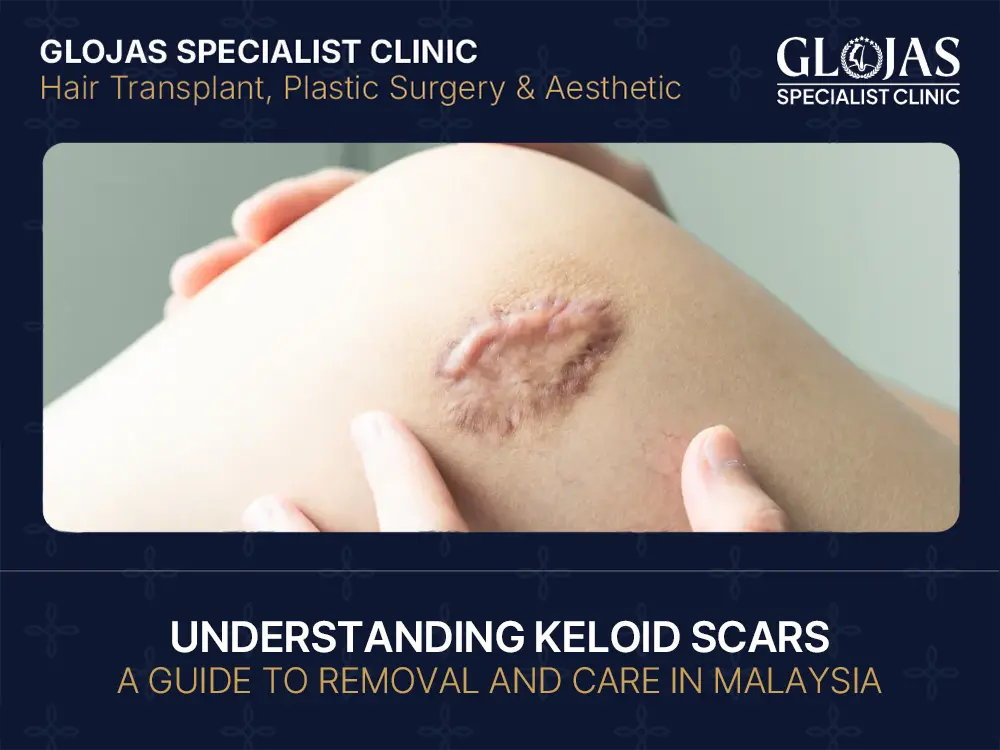
Dealing with a scar that just won’t quit? You aren’t alone. In Malaysia, where our skin is often exposed to humidity and a variety of environmental factors, keloid scars are a common concern. Whether it’s a piercing gone wrong or a reminder of a past surgery, getting that smooth skin back is a top priority for many. GLOJAS Specialist Clinic Kuala Lumpur offers premier keloid scar treatment in Malaysia, utilizing expert steroid injections and advanced laser technology to effectively flatten scars and restore skin confidence. What Is a Keloid Scar? Definition and Medical Overview A keloid is essentially an overgrowth of scar tissue. Unlike a normal scar that stays within the lines of the original wound, a keloid is a “rule-breaker.” It keeps growing even after the wound has healed, creating a raised, firm, and often shiny bump on the skin. According to the American Academy of Dermatology, these are benign (non-cancerous) but can be quite stubborn to manage. How Keloid Scars Form When your skin is injured, your body rushes to produce collagen to bridge the gap. In some people, the “off switch” for collagen production fails. The body keeps pumping out protein, leading to a thickened, rubbery lesion that can eventually become larger than the initial injury. Keloid Scar vs Hypertrophic Scar It’s easy to mix them up! A hypertrophic scar stays within the boundaries of the original wound and often flattens over time. A keloid, however, spreads like wildfire beyond the original cut and rarely disappears on its own without medical intervention. Causes and Risk Factors of Keloid Scars Genetic and Skin Type Factors Genetics play a huge role. If your parents have keloids, you’re more likely to develop them. Research on keloid genetics suggests that certain genes influence how our skin responds to trauma. Common Triggers (Acne, Surgery, Piercing, Burns) Anything that breaks the skin can trigger a keloid. This includes: Acne: Especially deep cystic acne on the jawline or back. Piercings: Earlobes are a prime target. Surgery: C-section scars or heart surgery incisions. Burns: Deep thermal or chemical burns. Who Is Most Prone to Keloid Scars in Malaysia In Malaysia, we see a higher prevalence among individuals with darker skin tones, including those of Malay, Indian, and certain Chinese descents. Higher melanin levels are often linked to a more aggressive fibroproliferative response (aka, more scar tissue). Common Areas Affected by Keloid Scars Keloid Scars on Face and Jawline This is often the most distressing area. Jawline keloids are frequently caused by severe acne and can affect one’s confidence significantly. Chest, Shoulders, and Upper Back The skin here is under constant tension from movement, which makes it a “hot zone” for keloid growth after minor scratches or surgery. Ear Keloid Scars (Piercing-Related) Ever noticed a firm “grape-like” lump after an ear piercing? That’s a classic ear keloid. They can grow on the lobe or the cartilage (industrial piercings). Symptoms and Complications of Keloid Scars Pain, Itching, and Discomfort Keloids aren’t just a cosmetic issue. They can be itchy, tender, or even cause sharp pains as they grow and tighten the surrounding skin. Cosmetic and Psychological Impact Beyond the physical, keloids can affect mental well-being. Many people feel self-conscious about visible scars, leading to a search for effective aesthetic solutions. Progressive Growth and Recurrence Risk The trickiest part? If you cut a keloid out without the right follow-up, it might come back even bigger. This “rebound effect” is why professional treatment is vital. Diagnosis of Keloid Scars Clinical Examination by Specialist Most dermatologists in Malaysia can diagnose a keloid just by looking at it. They’ll check the texture, color, and whether it has spread beyond the original wound site. When Biopsy Is Required If the scar looks unusual or is growing rapidly in an odd way, a doctor might perform a skin biopsy to rule out more serious skin conditions. You can learn more about skin biopsy procedures to understand what to expect. Differentiating Keloid from Other Scar Types The specialist will distinguish it from hypertrophic scars or dermatofibromas to ensure the treatment plan actually works. Keloid Scar Treatment Options in Malaysia Steroid Injection for Keloid Scar The “gold standard.” Corticosteroid injections help flatten the scar and reduce itching by breaking down the excess collagen. Laser Treatment for Keloid Scar Vascular lasers (like Pulsed Dye Laser) target the blood vessels feeding the scar, reducing redness and shrinking the tissue. Cryotherapy (Freezing Treatment) This involves using liquid nitrogen to freeze the keloid from the inside out. It’s effective for smaller keloids, though it may cause some skin lightening. Surgical Removal of Keloid Scar For very large keloids, surgery is an option, but it is always paired with other treatments (like injections) to prevent the scar from returning. Combination Therapy for Severe Keloids The best results usually come from a “cocktail” approach—combining lasers, injections, and silicone sheets. Advanced Medical and Aesthetic Treatments Silicone Gel and Pressure Therapy Applying silicone sheets or pressure earrings helps hydrate the scar and physically prevents it from rising. Radiofrequency and Energy-Based Devices Newer tech uses radiofrequency to remodel the collagen deep within the skin without the downtime of traditional surgery. Post-Treatment Scar Modulation Therapy This involves ongoing care to ensure the skin remains supple and the collagen fibers stay organized. Recovery and Aftercare for Keloid Scar Treatment Healing Timeline and Expected Results Don’t expect an overnight miracle. Most treatments require 4 to 8 sessions spaced weeks apart. You’ll notice the scar softening first, followed by flattening. Reducing Recurrence After Treatment The secret to success is consistency. Skipping an injection session can allow the keloid to start growing again. Post-Treatment Lifestyle and Skincare Advice Keep the area out of the sun! UV rays can darken the scar permanently. Using a high-quality SPF is non-negotiable. Keloid Scar Treatment Results and Success Rates Visible Improvement and Symptom Relief Most patients see a 50% to 80% reduction in scar height and almost total relief from itching and pain. Factors Affecting Treatment Outcome Your age, skin type, and
Man Boobs: Why They Develop & How to Fix Them in Malaysia
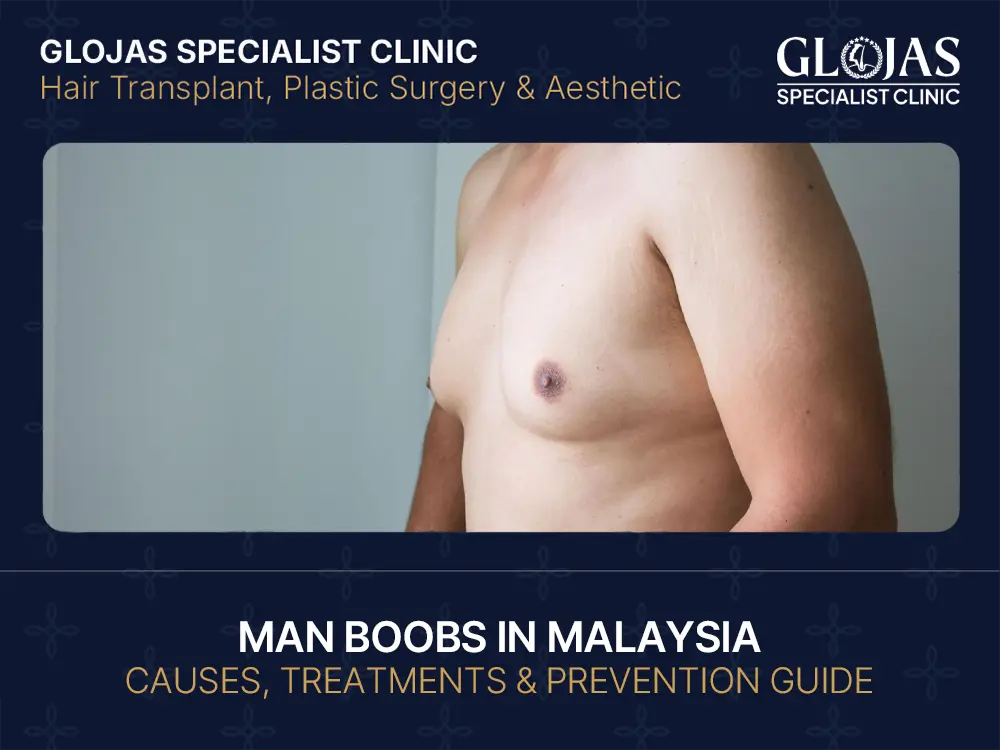
Let’s be honest—it’s a topic many Malaysian men think about but few want to discuss over teh tarik. Whether you call them “man boobs,” “moobs,” or use the medical terms, carrying extra tissue in the chest area can be a major hit to your confidence, especially during a beach trip to Langkawi or a session at the gym. In this guide, we’re breaking down everything you need to know about this common condition, from the science behind it to the local treatment options available in Malaysia. What Are Man Boobs? Definition & Medical Context In simple terms, “man boobs” refers to an enlargement of the male breast tissue. While it’s often played off as a joke in movies, for many men, it’s a source of genuine physical and emotional discomfort. Medically, it usually falls into one of two categories based on what exactly is causing the volume. Gynecomastia vs Pseudogynecomastia: What’s the Difference? It’s important to distinguish between the two because the treatments are very different: Gynecomastia: This is the growth of actual glandular breast tissue. It’s usually caused by a hormonal imbalance (too much estrogen or too little testosterone). If you feel a firm lump behind the nipple, it’s likely gynecomastia. Pseudogynecomastia: This is simply fat accumulation in the chest area, common in men who are overweight. There is no hard glandular tissue involved; it’s just soft adipose tissue. How Common Are Man Boobs in Malaysia? You aren’t alone. Data suggests that up to 30% to 60% of men worldwide experience some form of gynecomastia in their lifetime. In Malaysia, rising obesity rates—with Malaysia often cited as one of the heaviest nations in Southeast Asia—have led to a significant increase in pseudogynecomastia cases among local men. Causes of Man Boobs Understanding the “why” is the first step toward the “how” of fixing it. Hormonal Imbalance & Endocrine Factors The male body produces both testosterone and estrogen. When the ratio flips and estrogen becomes too high, breast tissue grows. This is common during puberty (when hormones are haywire) and later in life as testosterone naturally dips. Weight Gain, Obesity & Fat Distribution Malaysia is a food paradise, but our love for nasi lemak and char kway teow can lead to weight gain. Fat cells don’t just sit there; they actually produce aromatase, an enzyme that converts testosterone into estrogen, creating a vicious cycle of breast tissue growth. Medications & Drug-Induced Causes Certain medications can trigger chest growth as a side effect. Common culprits include certain antidepressants, blood pressure medications, and even some antibiotics. Underlying Medical Conditions In some cases, moobs are a symptom of something else, such as: Kidney or liver failure. Thyroid issues. Hypogonadism (low testosterone). Symptoms & When to See a Doctor Physical Signs to Watch For The most obvious sign is swollen breast tissue. This might happen in just one breast (unilateral) or both (bilateral). You might notice the area looks “pointy” or feels softer than the surrounding muscle. Pain, Tenderness & Other Symptoms True gynecomastia often comes with sensitivity or tenderness. If your chest feels sore when your shirt rubs against it or when you apply pressure, it’s a sign that glandular tissue is active. Red Flags: Serious Conditions to Rule Out While rare, male breast cancer does exist. According to the American Cancer Society, you should see a doctor immediately if you notice: A hard, fixed lump. Nipple discharge. Skin dimpling or puckering on the chest. Diagnosis: How Man Boobs Are Evaluated Medical History & Physical Exam Your GP or a specialist (like an endocrinologist) will ask about your diet, gym supplements (like steroids, which are a major cause), and medications. They will perform a physical exam to feel the consistency of the tissue. Blood Tests & Hormone Panels Doctors often order blood work to check your levels of testosterone, estrogen, and prolactin. This helps determine if an internal hormonal shift is the root cause. Ultrasound & Imaging Studies If the doctor feels a suspicious lump, they may recommend an ultrasound or a mammogram. This is the gold standard for distinguishing between fat, glandular tissue, and potentially harmful tumors. Treatment Options for Man Boobs in Malaysia Lifestyle Changes: Diet & Exercise If the cause is pseudogynecomastia (fat), the first line of defense is a caloric deficit. Focus on high-protein Malaysian favorites like ayam bakar while skipping the sugary teh ais. High-intensity interval training (HIIT) is particularly effective for overall fat loss. Medications & Hormone Therapy If an imbalance is found, doctors might prescribe medications like Tamoxifen. While these are often used for breast cancer, they can help block estrogen’s effect on male chest tissue. Always consult a certified medical professional before starting any hormonal treatment. Surgical Solutions: Liposuction & Reduction Surgery For permanent glandular tissue or stubborn fat that won’t budge, surgery is an option. Liposuction: Removes excess fat. Excision: Removes the actual gland. Many plastic surgery clinics in Kuala Lumpur and Penang specialize in “Male Chest Contouring.” Cost Considerations & Local Clinics In Malaysia, the cost for gynecomastia surgery can range from RM 8,000 to RM 20,000, depending on the complexity and the clinic. Private hospitals like Gleneagles or specialized aesthetic clinics in Bangsar are popular choices for these procedures. Prevention & Healthy Habits Nutrition Strategies to Reduce Chest Fat Focus on “anti-estrogenic” foods. Cruciferous vegetables like broccoli and cauliflower contain compounds that help the body process estrogen. The Harvard T.H. Chan School of Public Health emphasizes that a balanced diet rich in whole grains and lean proteins is key to maintaining a healthy hormonal profile. Exercise Routines for Targeted Results You can’t “spot reduce” fat, but you can build the muscle underneath to create a firmer look. Incorporate: Bench Presses (Flat and Incline). Push-ups. Chest Flies. Avoiding Substances That Can Contribute to Man Boobs Be wary of: Alcohol: Heavy drinking can affect the liver’s ability to clear estrogen. Anabolic Steroids: A very common cause among Malaysian bodybuilders. Certain Herbal Supplements: Some oils, like lavender or tea tree oil, are thought to have
How Gynecomastia Works: Medical Explanation in Malaysia
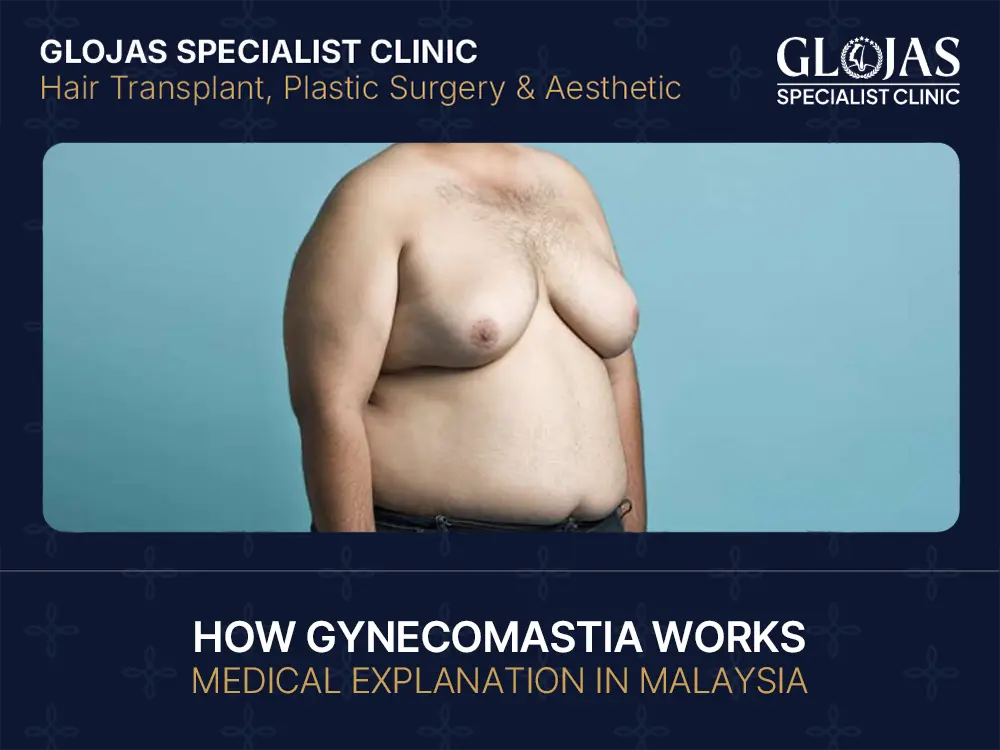
How Gynecomastia Works? Medical Explained Ever noticed some extra “padding” in the chest area that just won’t go away, no matter how many bench presses you do? You aren’t alone. In Malaysia, many men deal with this condition, often feeling a bit self-conscious about it. Let’s break down the science of what’s actually happening under the skin. What Is Gynecomastia? Medical Definition of Gynecomastia At its core, gynecomastia is the non-cancerous enlargement of male breast tissue. It’s not just “man boobs” or extra weight; it is a clinical condition where the glandular tissue—the firm stuff behind the nipple—grows due to a specific biological trigger. Gynecomastia vs Chest Fat (Pseudogynecomastia) It’s easy to confuse the two. Pseudogynecomastia is simply an accumulation of fat in the chest, often seen in guys carrying a few extra kilos. However, true gynecomastia involves the growth of actual breast glands. You can usually tell the difference by touch: fat feels soft, while glandular tissue feels like a firm, rubbery lump. How Gynecomastia Works in the Male Body Hormonal Imbalance Between Estrogen and Testosterone The male body produces both testosterone (the “male” hormone) and estrogen (the “female” hormone). Normally, testosterone keeps estrogen in check. Gynecomastia happens when the balance of these hormones tips. If your testosterone levels drop or your estrogen levels spike, the breast tissue receives a signal to start growing. How Breast Gland Tissue Develops and Enlarges When estrogen dominates, it binds to receptors in the breast area. This stimulates the ductal structures to branch out and the surrounding stroma to thicken. This is why the area right under the areola often feels tender, sensitive, or swollen during the early stages. Why Gynecomastia Can Be Unilateral or Bilateral Hormones travel through the whole body, but they don’t always affect both sides equally. While bilateral gynecomastia affects both breasts, unilateral gynecomastia (affecting just one side) is also very common. This usually happens because one side’s tissue is simply more sensitive to hormonal signals than the other. Biological Causes Behind How Gynecomastia Works Puberty-Related Hormonal Changes Puberty is a hormonal rollercoaster. Up to 60% of boys experience some form of breast swelling during their teens because their bodies are still figuring out the right testosterone-to-estrogen ratio. Luckily, for most Malaysian teenagers, this usually settles down on its own within a year or two. Age-Related Hormonal Decline As men get older, testosterone levels naturally begin to dip. At the same time, body fat often increases, and fat cells actually convert testosterone into estrogen. This “double whammy” makes gynecomastia in older men quite common as the hormonal gap widens. Medical and Metabolic Triggers Sometimes, it isn’t just age or puberty. Certain medications—like some anti-anxiety meds, hair loss treatments, or steroids—can disrupt how the body processes hormones. Additionally, underlying issues with the liver or kidneys can lead to unwanted growth. Types of Gynecomastia and How Each Works Glandular Gynecomastia This is “true” gynecomastia. It is characterized by firm, fibrous tissue directly under the nipple. It is strictly caused by the growth of the breast gland itself rather than weight gain. Fat-Dominant Gynecomastia Mostly seen in men with higher BMIs, this type is primarily composed of adipose (fat) tissue. While it looks like gynecomastia, there is very little actual glandular tissue present upon examination. Mixed Gynecomastia This is the most common type we see in clinics. It’s a combination of both excess fat and enlarged glandular tissue. To fix this, both the fat and the gland usually need to be addressed simultaneously. How Gynecomastia Progresses Over Time Early Development Stage In the first 6 to 12 months (the florid phase), the tissue is actively growing. This is often the stage where guys experience pain or a “burning” sensation in the chest. Stable and Fibrotic Stage If the hormonal issue isn’t fixed, the tissue becomes “fibrotic.” The soft, growing gland turns into tough, scarred tissue. At this point, the American Society of Plastic Surgeons notes that the growth is likely permanent and won’t shrink with diet or exercise alone. How Gynecomastia Is Clinically Diagnosed Physical and Hormonal Assessment A doctor will start with a physical exam to feel the consistency of the tissue. They may also order blood tests to check your testosterone, estrogen, and thyroid levels to rule out underlying health issues. Imaging to Confirm Glandular Enlargement In some cases, an ultrasound or mammogram is used to get a clear picture of what’s inside. This helps the doctor confirm if it’s fat, a gland, or in very rare cases, something more serious that requires attention. How Gynecomastia Resolves or Persists Natural Regression vs Permanent Tissue Growth If the cause is puberty, the tissue usually disappears within six months to two years. However, if the tissue has been there for more than a year and has become fibrotic, it rarely goes away on its own. Factors That Influence Reversibility Several things determine if the condition will reverse: Duration: The longer it’s there, the more “set” the tissue becomes. Cause: If it’s caused by a medication you’ve stopped, it might shrink. Lifestyle: Reducing alcohol and avoiding certain supplements can help prevent it from worsening. How Treatment Targets the Mechanism of Gynecomastia Medical Management Based on Hormonal Cause If caught very early, doctors might prescribe Selective Estrogen Receptor Modulators (SERMs) like Tamoxifen. These drugs block estrogen from “talking” to the breast tissue, potentially halting the growth before it becomes permanent. Surgical Correction of Glandular Tissue For most men, the gold standard is surgery. This involves liposuction to remove the fat and a small incision to physically excise the firm gland. Since the gland is removed, the results are typically permanent. If you’re curious about the specific surgical techniques used today, you can find more details at WebMD.
Breast Reduction Surgery: Procedure, Risks & Results in Malaysia
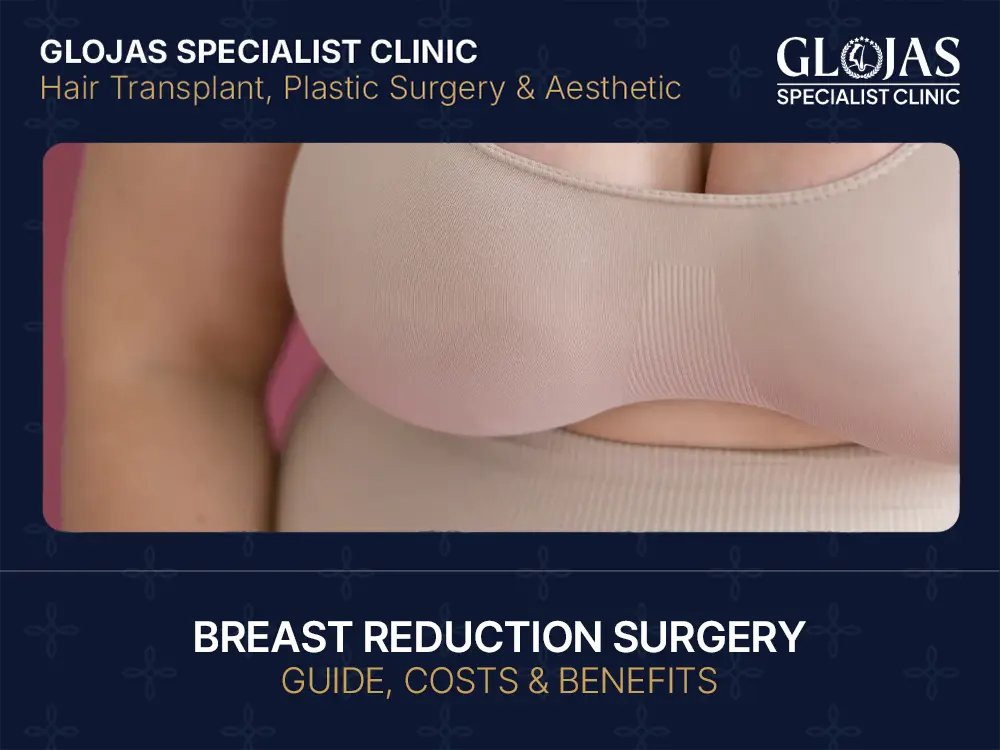
If you’ve ever felt like your chest is carrying a weight—literally—that your back and neck just weren’t designed for, you’re not alone. In Malaysia, breast reduction (medically known as reduction mammoplasty) has become a go-to solution for women looking to trade chronic discomfort for a more balanced, active lifestyle. GLOJAS Specialist Clinic in Malaysia offers expert breast reduction surgery to relieve back pain, improve posture, and enhance body proportion with safe, personalized care. What Is Breast Reduction Surgery? Definition and Overview Breast reduction surgery, or reduction mammoplasty, removes excess breast tissue, fat, and skin to alleviate physical discomfort like back and neck pain. This procedure reshapes breasts for improved proportion and symmetry. It also relieves bra strap grooves and skin irritation, enhancing both function and aesthetic appearance. Who Is a Suitable Candidate Most surgeons recommend waiting until breasts are fully developed, though it can be done earlier if the physical pain is severe. You’re likely a great candidate if: You are physically healthy and a non-smoker. Your breast size limits your physical activity. You have realistic expectations about scarring. Medical and Cosmetic Reasons for Surgery While the “aesthetic” upgrade is a nice perk, many Malaysian women seek this for medical reasons. Chronic rashes under the breast fold, deep bra strap grooves, and nerve pain are common complaints that this surgery can resolve. Types of Breast Reduction Surgery Traditional Reduction Mammoplasty This is the “gold standard” for significant reductions. The surgeon removes tissue and skin through an incision, repositioning the nipple to a higher, more youthful spot. Liposuction Breast Reduction If your breast size is primarily due to fatty tissue and you have good skin elasticity, liposuction might be an option. It’s less invasive and leaves almost no scarring, but it won’t address sagging (ptosis). Scar Patterns and Surgical Techniques The technique often dictates the scar: Wise Pattern (Anchor): An incision around the areola, down the middle, and across the breast crease. Lollipop (Vertical): A circular incision around the areola and a vertical line down. Donut (Periareolar): Only around the areola (usually for very small reductions). Breast Reduction Surgery Procedure Pre-Surgery Consultation and Assessment Your journey starts with a chat. Your surgeon will measure your proportions, check your medical history, and likely request a mammogram. This is where you’ll discuss your “goal size”—bring photos if it helps! Step-by-Step Surgical Process Marking: The surgeon draws the new “blueprint” on your skin while you’re standing. Incisions: Following the chosen pattern (Lollipop or Anchor). Reshaping: Excess tissue is removed, and the nipple-areola complex is shifted upward. Closing: Internal sutures support the new shape, while external ones close the skin. Anaesthesia Options and Duration The procedure typically takes 3 to 4 hours under general anaesthesia. You’ll be dreaming through the whole thing, and most patients in Malaysia stay overnight for observation. Recovery and Downtime Immediate Post-Operative Care When you wake up, your chest will be wrapped in a surgical bra. You might have small drainage tubes to prevent fluid buildup, which are usually removed within 24–48 hours. Healing Timeline and Restrictions Week 1: Lots of rest. No heavy lifting or reaching overhead. Week 2-3: Most people return to desk jobs. Swelling starts to dip. Week 6: You’re usually cleared for the gym and can ditch the compression bra for a regular one. Tips for Faster Recovery Hydrate: Water is your best friend for flushing out anaesthesia. Sleep Elevated: Use a couple of pillows to stay propped up; it helps with the swelling. Follow the Bra Rule: Wear that surgical bra religiously. It’s the “internal scaffolding” for your new shape. Benefits of Breast Reduction Surgery Physical Relief (Back, Neck, Shoulder Pain) The most immediate “wow” factor is the relief of tension. Removing even 500g of tissue per side can drastically change the load on your trapezius muscles. Improved Posture and Mobility Without that forward-pulling weight, your spine can finally align properly. Many patients find they can finally enjoy running or yoga without the physical (and mental) discomfort of “the bounce.” Enhanced Body Proportion and Confidence There’s a massive psychological win here. According to Yale Medicine, patients report significant boosts in self-esteem and body image after the procedure. H2: Risks and Complications Common Side Effects (Swelling, Bruising, Scars) Expect some “Frankenstein” vibes for the first month. Bruising and swelling are 100% normal. Scars will be red and lumpy initially but will fade over 12–18 months. Rare Surgical Risks Like any major surgery, there are risks of infection, hematoma, or changes in nipple sensation. In very rare cases, partial loss of the nipple (necrosis) can occur if blood flow is compromised. How to Minimize Complications Choose a surgeon registered with the Malaysian Medical Council (MMC) and the Malaysian Society of Plastic and Reconstructive Surgery (MSPRS). Following post-op instructions to a “T” is your best defense. Cost of Breast Reduction Surgery in Malaysia Average Price Range In 2026, the price for a breast reduction in Malaysia generally ranges between RM 18,000 and RM 30,000. This is significantly more affordable than in the US or Australia, where prices can double. Factors Affecting Cost (Surgeon, Technique, Hospital) Surgeon’s Fee: Seniority and expertise matter. Facility: Private hospitals in Kuala Lumpur vs. smaller boutique clinics. Complexity: A standard reduction vs. one requiring extensive liposuction or specialized reconstructive techniques. FAQs About Breast Reduction Surgery Is breast reduction surgery safe? Yes, it is considered a very safe and common procedure. When performed by a qualified plastic surgeon in a sterile hospital environment, complications are statistically low. How long is recovery? Most people feel “normal” within 2 to 4 weeks, but you should wait at least 6 weeks before doing any heavy lifting or high-impact cardio. Will scars fade over time? Absolutely. While they never disappear completely, they usually fade from red to a thin, silver-white line that is easily hidden by a bikini top or bra. Can the procedure affect breastfeeding? It can. While many women can still breastfeed, there is a risk that the milk ducts may be disrupted. If breastfeeding is a high priority for you, discuss the “pedicle” technique