
Breast Implant Guide: Saline vs Silicone Options in Malaysia
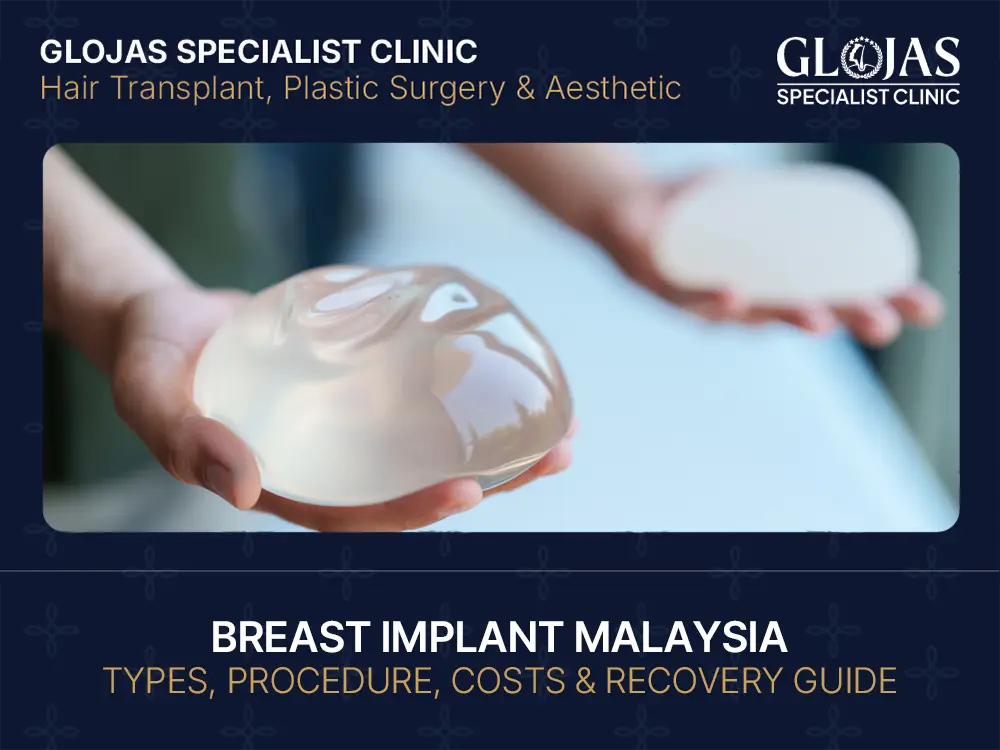
Thinking about enhancing your silhouette? You aren’t alone. Breast augmentation remains one of the most popular cosmetic procedures in Malaysia, helping many regain confidence after pregnancy, weight loss, or simply to achieve their desired aesthetic. Whether you’re looking for a subtle lift or a more dramatic change, this guide covers everything you need to know about getting breast implants in Malaysia. GLOJAS Specialist Clinic offers world-class breast augmentation in Malaysia, led by board-certified surgeons with over 27 years of experience. They specialize in safe, personalized procedures for natural-looking results. What is a Breast Implant? At its simplest, a breast implant is a medical prosthesis used to change the size, shape, and contour of a person’s breast. In Malaysia, this is a highly regulated procedure performed by skilled specialists to ensure both beauty and safety. Understanding Breast Augmentation Breast augmentation isn’t just about “getting bigger.” It’s about proportion. The surgery involves placing an implant behind the natural breast tissue or the chest muscle. It can correct asymmetry, restore volume lost after breastfeeding, or provide a more “balanced” look for those with smaller frames. Who Can Get a Breast Implant in Malaysia? Most healthy adults are candidates. Generally, you should be: At least 18 (for saline) or 22 (for silicone) years old. In good physical health with no active infections. Realistic about your goals. Not currently pregnant or breastfeeding. Types of Breast Implants Available Choosing your implant is like picking the right pair of jeans—it’s all about the fit and the “material.” Saline vs Silicone Implants Saline: Filled with sterile salt water. If they leak, the body absorbs the liquid naturally. Silicone: Filled with a cohesive gel that feels more like natural breast tissue. According to the U.S. Food and Drug Administration (FDA), silicone is often preferred for its realistic “bounce” and texture. Round vs Anatomical (Teardrop) Implants Round implants give more fullness to the top of the breast (the “cleavage” area), while Anatomical implants are shaped like a teardrop to mimic the slope of a natural breast. Textured vs Smooth Implants Smooth implants move naturally within the breast pocket, whereas textured implants “grip” the tissue to prevent the implant from rotating—which is particularly important for teardrop shapes. The Breast Implant Procedure Step-by-Step Initial Consultation & Choosing the Right Size Your surgeon will use “sizers” or 3D imaging to show you how different volumes look on your frame. It’s not just about the CCs (cubic centimeters); it’s about your shoulder width and existing tissue. Surgical Techniques: Subglandular vs Submuscular Subglandular: Placed over the muscle. Recovery is usually faster. Submuscular: Placed under the pectoral muscle. This offers more coverage and often a more natural-looking result, especially for thinner patients. Anaesthesia and Operation Duration The surgery is performed under general anaesthesia. It typically takes 1 to 2 hours, and most patients go home the same day (outpatient) or stay one night for observation. Recovery After Breast Implant Surgery Post-Operative Care & Restrictions You’ll wake up in a surgical bra. No heavy lifting, no overhead reaching, and definitely no “Tough Mudder” races for a few weeks. Proper postoperative care is vital for the best aesthetic outcome. Managing Pain, Swelling, and Scarring Expect some tightness and “soreness” (like a heavy chest workout). Your surgeon will prescribe pain relief. Swelling is normal and usually subsides significantly within 4 to 6 weeks. When to Resume Normal Activities Desk Work: 1 week. Light Cardio: 3–4 weeks. Full Gym Routine: 6–8 weeks. Risks and Complications of Breast Implants Capsular Contracture and Implant Rupture The most common complication is capsular contracture, where scar tissue tightens around the implant. While rare, modern “Gummy Bear” silicone implants are designed to hold their shape even if the shell breaks. Infection, Bleeding, and Sensation Changes As with any surgery, there is a risk of infection or temporary nipple numbness. Most sensation returns as the nerves heal over several months. Long-Term Considerations & Implant Replacement Implants are not “lifetime” devices. While they can last 10–20 years, the American Society of Plastic Surgeons notes that you may eventually need a “revision” surgery to replace them due to age or wear. Cost of Breast Implants in Malaysia Price Range by Implant Type and Clinic In Malaysia, prices are quite competitive compared to the West. Estimated Cost: RM 15,000 to RM 30,000. Factors include the surgeon’s fee, the brand of implant (e.g., Motiva, Mentor), and hospital charges. Insurance Coverage and Financing Options Since this is elective cosmetic surgery, standard health insurance usually doesn’t cover it. However, many Malaysian clinics offer 0% interest installment plans through major banks. Choosing the Right Clinic and Surgeon in Malaysia Board-Certified Plastic Surgeons Don’t settle for a “beauty aesthetician.” Ensure your doctor is registered with the National Specialist Register (NSR) of Malaysia and is a member of the Malaysian Association of Plastic, Aesthetic and Craniomaxillofacial Surgeons (MAPACS). Patient Reviews and Before-After Gallery A surgeon’s “style” matters. Look at their portfolio to see if their aesthetic matches yours. If you want a natural look, find a surgeon who specializes in that. FAQs About Breast Implants in Malaysia How Long Do Breast Implants Last? Most last 10 to 15 years, but if they still look and feel great, there’s no urgent need to swap them out. Can I Breastfeed After Breast Implants? Yes! Most incisions are made so that the milk ducts remain intact. According to The Mayo Clinic, most women with implants breastfeed successfully. What Are the Alternatives to Breast Implants? If you’re wary of foreign objects, Fat Grafting (Lipofilling) is a popular alternative where your own fat is suctioned from your tummy or thighs and injected into your breasts.
Is Liposuction Permanent? Will Fat Come Back?
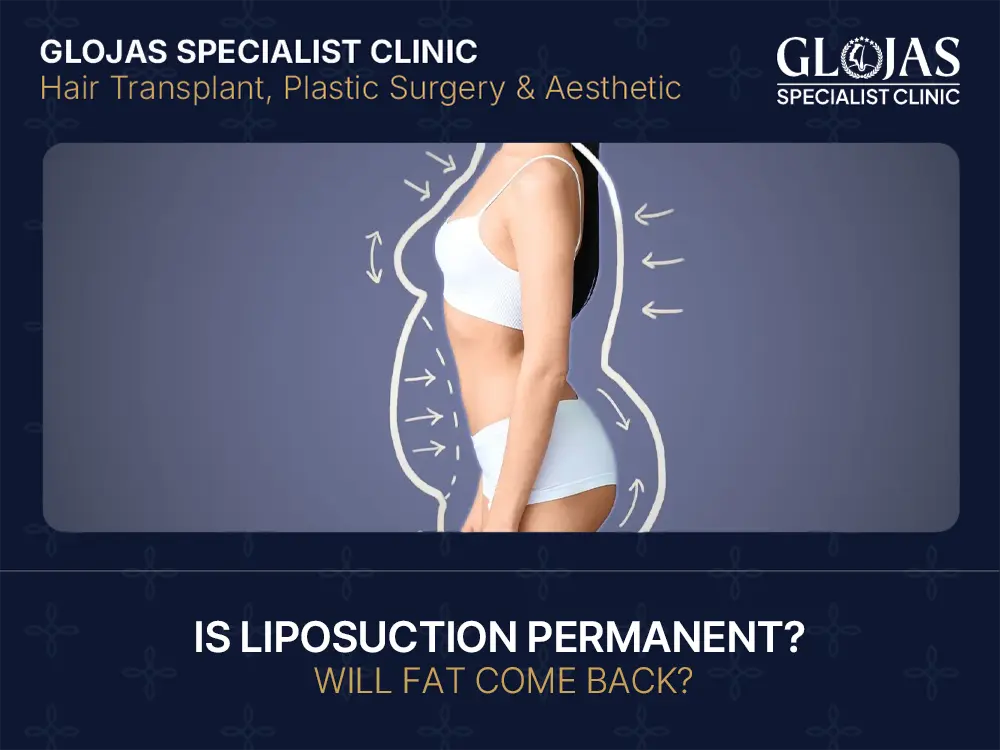
Is Liposuction Permanent? Will Fat Come Back? So, you’re thinking about liposuction to finally ditch those stubborn pockets of fat that just won’t budge, no matter how many salads you eat or miles you run. It’s one of the most popular cosmetic procedures for a reason, but the big question everyone asks is: Is it actually permanent? The short answer is yes—but with a catch. Let’s dive into the science of how fat works and how you can keep those results for a lifetime. How Liposuction Removes Fat Liposuction isn’t a weight-loss tool; it’s a body contouring procedure. During the process, a surgeon uses a thin tube called a cannula to physically suction out fat deposits from specific areas like the abdomen, thighs, or arms. Permanent Removal of Fat Cells Here’s the cool part: humans are born with a relatively fixed number of fat cells. Once you pass puberty, that number stays pretty much the same. When a surgeon suctions out fat cells during lipo, those specific cells are gone forever. According to the American Society of Plastic Surgeons, this physical removal is what makes the procedure “permanent.” Difference Between Fat Cell Removal and Fat Shrinkage When you lose weight through diet and exercise, your fat cells don’t disappear—they simply “deflate” or shrink in size. When you gain weight, they expand again. Liposuction is different because it reduces the total count of cells in the treated area. Fewer cells mean less capacity to store fat in that specific spot. Will Fat Come Back After Liposuction? This is where the “catch” comes in. While the cells removed are gone, the remaining fat cells in your body can still grow if you consume more calories than you burn. Fat Regain vs. Fat Redistribution If you gain a significant amount of weight after surgery (usually 10% of your body weight or more), your body will store that fat in the remaining cells. Interestingly, because there are fewer fat cells in the treated area, you might notice fat appearing in new places you didn’t have it before, like your shoulders or back. Areas Most Likely to Gain Fat Again The areas not treated by liposuction are the most “vulnerable” to weight gain. If you had lipo on your stomach but not your hips, your hips might become the new primary storage site for excess energy. This is why Healthline emphasizes that lipo is about shape, not about becoming “immune” to weight gain. Factors That Affect Long-Term Liposuction Results Your surgical outcome is a team effort between your surgeon’s skill and your daily habits. Lifestyle and Diet Your fork is the most powerful tool for maintaining your new silhouette. A diet high in processed sugars and unhealthy fats will eventually catch up to you. Focus on whole foods, lean proteins, and plenty of hydration to keep your skin elastic and your weight stable. Exercise and Metabolism Muscle burns more calories at rest than fat does. Incorporating strength training helps boost your metabolism, making it easier to maintain your results. The Mayo Clinic suggests that consistent physical activity is a key predictor of long-term success after body contouring. Hormones and Ageing Life happens! Hormonal shifts during pregnancy or menopause can change how your body stores fat. Additionally, as we age, our skin loses elasticity. While the fat removal is permanent, the appearance of the area might change if the skin begins to sag over time. How to Maintain Permanent Liposuction Results If you want to keep that snatched look for decades, consistency is your best friend. Post-Liposuction Diet and Exercise Don’t wait months to start moving. Once your surgeon clears you for activity (usually a few weeks post-op), get into a routine. Focus on: Cardio: For heart health and calorie burning. Resistance Training: To tone the muscles underneath the treated area. Anti-inflammatory foods: To help with the healing process. Long-Term Weight Management Think of liposuction as a “head start” rather than a finish line. The most successful patients are those who were already close to their goal weight and used the procedure to refine their shape. Detailed guides from Cleveland Clinic highlight that keeping a stable weight is the only way to ensure those new contours stay sharp. FAQs About Liposuction Permanency Can liposuction results last forever? Yes. If you maintain a stable weight, the contouring results can last the rest of your life. The fat cells removed will never return to the treated area. Can fat return years later? The original cells won’t return, but if you gain weight, the remaining cells in that area (and elsewhere) will expand. It’s possible to “undo” the aesthetic look of your surgery with significant weight gain. Is revision liposuction needed? Most people do not need a revision. However, if there are irregularities or if a patient experiences major life changes (like pregnancy), a touch-up might be desired. You can find more on surgical expectations through MedlinePlus.
How to Choose Breast Implant Size & Shape in Malaysia
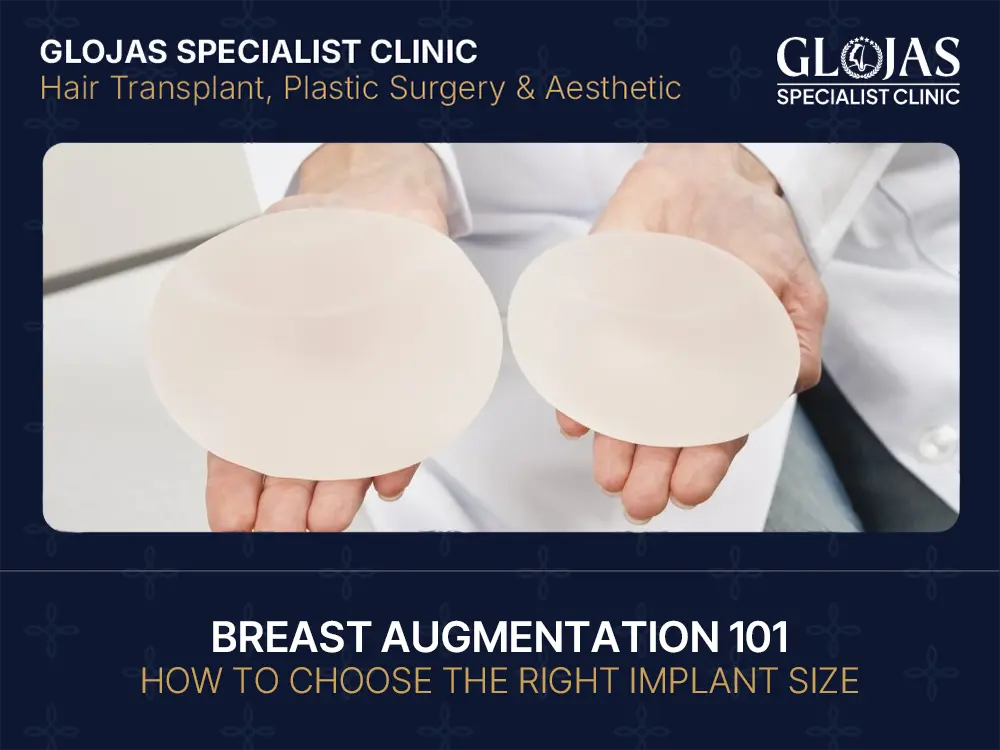
Selecting the perfect implant size is often the most stressful part of the journey. In Malaysia’s aesthetic scene, the trend has shifted from “as big as possible” to “proportional and natural.” Finding that “sweet spot” requires balancing your dream look with your body’s unique anatomy. What Implant Size Really Means In the surgical world, size isn’t measured in letters (A, B, C), but in volume. CC vs Cup Size Explained Breast implants are measured in Cubic Centimeters (CCs). While patients often say, “I want to be a C-cup,” cup sizes vary wildly between bra brands. Generally, 150cc to 200cc equates to roughly one cup size increase, but this depends entirely on your starting point and chest wall width. Why Implant Size Selection Matters Choosing the right size isn’t just about how you look in a bikini; it’s about your long-term comfort. Proportion, Comfort, and Longevity If an implant is too heavy for your tissue, it can lead to premature sagging or back pain. A well-proportioned size ensures your results look “part of you” and remain stable for a decade or more. Body Factors That Determine Implant Size Your surgeon will use your physical “envelope” to determine what volume your body can safely hold. Frame, Height, and Chest Width A 300cc implant looks very different on a petite 150cm woman than on someone 175cm tall. Your breast base width is the most critical measurement; the implant must fit within this “footprint” to avoid looking unnatural. Existing Breast Tissue and Skin Elasticity If you have very little natural tissue, a massive implant may look obvious or “bolted on.” Good skin elasticity is required to support heavier volumes; otherwise, the skin may stretch and thin over time. You can learn more about skin elasticity and aging to understand how it impacts surgical outcomes. BMI and Weight Stability Your current BMI affects how much natural fat covers the implant. Surgeons recommend being at a stable weight, as significant weight loss after surgery can change the way the implants look. Personal Aesthetic Goals Natural vs Full Appearance Natural: Typically involves a moderate profile implant that mimics a teardrop slope. Full/Glamour: Often utilizes high-profile implants to create more upper-pole fullness. Lifestyle Considerations Are you an avid marathon runner or a yoga enthusiast? Larger implants can feel heavy during high-impact sports. Many active women in Malaysia opt for moderate sizes to maintain their athletic lifestyle. Implant Type and Profile Profile and Projection The “profile” refers to how far the implant sticks out from your chest. Low Profile: Wide and flat. High Profile: Narrower base but sticks out further (high projection). Round vs Anatomical Implants Round implants provide more fullness at the top, while anatomical (teardrop) implants mimic the natural breast shape. Most FDA-approved silicone implants come in both varieties to suit different body types. Implant Placement Impact Over vs Under the Muscle Placing the implant under the muscle (submuscular) provides more coverage. This is common in Malaysia, as it can “hide” the edges of the implant, making the size choice look more natural. You can research the anatomical layers of the breast to better visualize where these implants sit. How Surgeons Choose the Right Size Measurements, Sizers, and 3D Imaging Modern clinics in Kuala Lumpur often use 3D simulation software to show you a virtual “preview.” You may also try on “sizers”—silicone inserts placed inside a sports bra—to feel the weight and see the volume in a mirror. Common Sizing Mistakes Choosing Too Large or Too Small “Goal envy” is real. Patients often pick a size based on a friend’s results. However, because every chest wall is different, 350cc might look huge on one person and moderate on another. Trust your surgeon’s measurements over a friend’s CC count. CC to Cup Size Estimation Table Note: These are estimates. Your actual result depends on your starting breast tissue and chest width. Current Cup Goal Cup Estimated Implant Volume (CC) Look/Effect A Cup B Cup 250cc – 300cc Subtle, natural enhancement A Cup C Cup 300cc – 350cc Noticeable, classic “full” look A Cup D Cup 370cc – 430cc Significant volume increase B Cup C Cup 250cc – 350cc Balanced and proportional B Cup D Cup 350cc – 400cc Voluminous/curvier profile C Cup D Cup 300cc – 350cc Enhanced cleavage/fullness C Cup DD/E Cup 450cc – 550cc Dramatic transformation Safety and Medical Limits Risks of Oversized Implants Going too big can lead to tissue thinning, palpability (feeling the edges), or symmastia (where the implants meet in the middle). Staying within medical safety limits is vital for a complication-free recovery. The American Society of Plastic Surgeons offers extensive guides on why staying within your anatomical limits is crucial for safety. FAQs on Implant Size CC to Cup Size As a rule of thumb, 175cc to 200cc is roughly one cup. If you are an A-cup and want to be a full C, you are likely looking at the 300cc to 350cc range. Size Changes After Healing Immediately after surgery, you will look larger due to swelling. As the implants “drop and fluff” over 3–6 months, the size will settle into a more natural, slightly smaller-looking volume. For those concerned about long-term health, checking the National Specialist Register ensures your surgeon is fully qualified to guide your sizing.
Am I a Good Candidate for Breast Augmentation In Malaysia?

Deciding to enhance your silhouette is a big step, and if you’re reading this, you’re likely wondering if you’re the right “fit” for the procedure. In Malaysia, breast augmentation has become one of the most sought-after aesthetic surgeries, blending advanced medical technology with a high standard of care. But beyond the desire for a change, what actually makes someone a “good” candidate? What Is Breast Augmentation? At its core, breast augmentation—often referred to as a “boob job”—is a surgical procedure designed to increase breast size, change shape, or improve symmetry. In Malaysia, plastic surgeons typically use FDA-approved medical implants or fat grafting techniques to achieve these goals. Purpose of Breast Augmentation Surgery The primary goal is to enhance the physical appearance of the breasts. Whether it’s adding volume that was never there or restoring what time has taken away, the surgery aims to create a more balanced, proportionate figure that boosts a woman’s confidence in her clothing and her skin. Common Reasons Women Consider Breast Augmentation Genetic Factors: Naturally small breasts (micromastia). Post-Life Changes: Loss of volume after breastfeeding or significant weight loss. Symmetry Issues: One breast being significantly different in size or shape than the other. Reconstruction: Following a mastectomy or other breast surgeries. Who Is an Ideal Candidate for Breast Augmentation? Being a good candidate isn’t just about wanting the surgery; it’s about your body being ready for it. Physical Health Requirements General health is the foundation of a successful surgery. You should be free from active infections or untreated cancers. Surgeons in Malaysia will look at your overall medical history to ensure your body can handle anesthesia and the recovery process. Stable Body Weight and BMI Considerations Significant weight fluctuations after surgery can stretch breast tissue and alter your results. It’s best to be at a stable, healthy weight. While there isn’t a “perfect” BMI, being within a healthy range reduces the risk of surgical complications. Fully Developed Breasts and Age Criteria In Malaysia, surgeons generally require patients to be at least 18 years old for saline implants and 22 for silicone implants (though this can vary by clinical judgment). It is vital that breast development is complete before any permanent changes are made. Non-Smoker or Willingness to Stop Smoking Smoking impairs blood flow and slows down the healing process. Most surgeons will require you to quit at least 4–6 weeks before and after surgery to prevent tissue necrosis or scarring issues. Aesthetic Goals That Make You a Good Candidate Desire to Increase Breast Size If you feel your breasts are disproportionately small for your frame, augmentation can provide that “fullness” you’re looking for. Correcting Breast Asymmetry Very few women are perfectly symmetrical, but if the difference is a full cup size or more, implants can help create a much more uniform appearance. Restoring Breast Volume After Pregnancy or Weight Loss Pregnancy and nursing can leave breasts looking “deflated.” Augmentation can “refill” that space, though sometimes a breast lift is recommended alongside it if there is significant sagging. Enhancing Breast Shape and Proportion It’s not always about size. Sometimes, it’s about the “slope” or the projection. A good candidate has a clear vision of the shape they want to achieve. Medical Factors That Affect Breast Augmentation Eligibility Existing Medical Conditions to Discuss With a Surgeon Conditions like diabetes, autoimmune disorders, or heart disease don’t automatically disqualify you, but they must be well-managed. Transparency with your surgeon is non-negotiable for your safety. History of Breast Disease or Surgery If you have a history of abnormal mammograms or biopsies, your surgeon will need to coordinate with your primary doctor. Safety first—always. Pregnancy and Breastfeeding Considerations It is generally advised to wait at least six months after you’ve finished breastfeeding before undergoing surgery. This allows the breast tissue to settle into its “new normal” state. Psychological Readiness for Breast Augmentation Realistic Expectations About Results Surgery can enhance your look, but it won’t make you look like a different person or solve deep-seated personal issues. Looking through a gallery of before-and-after photos can help align your expectations with reality. Emotional and Mental Preparedness for Surgery Recovery involves a bit of “down time” and a period where your body looks bruised or swollen. Being mentally prepared for the healing journey is just as important as the surgery itself. Understanding Limitations of Breast Augmentation Implants have a lifespan. They aren’t “lifetime devices.” A good candidate understands that they may need a replacement or revision surgery 10–15 years down the road. Are You a Suitable Candidate for Breast Implants? Silicone vs Saline Implants and Candidate Suitability Silicone: Often preferred in Malaysia for their “natural” feel; they are pre-filled with a cohesive gel. Saline: Filled with sterile saltwater; they can be inserted through smaller incisions but may feel slightly firmer. Implant Size Selection Based on Body Frame A “one size fits all” approach doesn’t work. Your surgeon will measure your chest wall width and existing tissue to recommend a size that looks natural and stays supported by your body. Implant Placement and Tissue Considerations Whether the implant goes over or under the muscle depends on your existing breast tissue. If you have very little natural tissue, “under the muscle” (submuscular) placement often provides a smoother transition. When Breast Augmentation May Not Be Recommended Uncontrolled Medical Conditions If you have high blood pressure or other conditions that aren’t under control, any elective surgery carries too much risk. Unrealistic Expectations or External Pressure If you are doing this because a partner wants you to, or if you expect “perfection,” a reputable surgeon in Malaysia will likely advise against it. Planning Pregnancy in the Near Future While you can have children after augmentation, pregnancy will change your results. Many women choose to wait until they are finished having children to ensure their results last longer. Pre-Surgery Evaluation for Breast Augmentation in Malaysia Medical Assessment and Health Screening Expect blood tests and a physical exam. The Ministry of Health Malaysia sets strict standards for surgical facilities to ensure
Ozempic vs Wegovy vs Saxenda vs Mounjaro in Malaysia: Comparison Guide

Ozempic vs Wegovy vs Saxenda vs Mounjaro Comparison In Malaysia Struggling with weight management or Type 2 Diabetes can feel like an uphill battle. If you’ve spent any time on social media or in a doctor’s waiting room lately, you’ve likely heard of “weight loss jabs.” In Malaysia, the conversation around these medications is growing fast. But with so many names—Ozempic, Wegovy, Saxenda, and Mounjaro—it’s easy to get confused. This guide breaks down everything you need to know about these medical breakthroughs in the Malaysian context. Overview of Injectable Weight Loss and Diabetes Medications in Malaysia Why GLP-1 and Dual GIP-GLP-1 Injections Are Popular These aren’t just “fad” shots. These medications mimic hormones your body naturally produces to regulate hunger and blood sugar. By slowing down stomach emptying and telling your brain you’re full, they make sticking to a calorie deficit significantly easier. Medical vs Weight Loss Indications It’s important to distinguish between Diabetes treatment and Chronic Weight Management. While the ingredients often overlap, the dosages and official labels (indications) differ based on whether you are managing blood sugar or strictly focusing on obesity. Regulatory Status in Malaysia The National Pharmaceutical Regulatory Agency (NPRA) oversees the approval of these drugs. While some are widely available in local pharmacies with a prescription, others are still in the process of a full commercial rollout. Always ensure you are sourcing these through licensed medical practitioners. What Is Ozempic? Active Ingredient and Mechanism of Action Ozempic contains Semaglutide. It is a GLP-1 (Glucagon-Like Peptide-1) receptor agonist. Essentially, it acts like a “satiety signal” to your brain and helps your pancreas release the right amount of insulin when your blood sugar is high. Approved Uses in Malaysia In Malaysia, Ozempic is officially approved for the treatment of Type 2 Diabetes. While doctors may sometimes prescribe it “off-label” for weight loss, its primary design is to manage blood sugar. You can find detailed patient info on the official Novo Nordisk Malaysia portal. Typical Dosage and Injection Schedule Ozempic is a once-weekly injection. You usually start at a low dose of 0.25 mg for four weeks to let your body adjust, eventually moving up to 0.5 mg or 1.0 mg. What Is Wegovy? How Wegovy Differs From Ozempic Think of Wegovy as Ozempic’s “stronger sibling.” Both contain Semaglutide, but Wegovy is specifically formulated and branded for weight loss, featuring higher maximum dosages. Weight Loss Indication and Dosage Wegovy is intended for adults with a BMI of 30 or greater (obesity), or 27 or greater with weight-related health issues. The maintenance dose is higher than Ozempic, usually reaching 2.4 mg weekly. Availability and Approval Status in Malaysia While Wegovy has received NPRA approval, supply chains can be tight. Many Malaysians currently use Ozempic because Wegovy’s stock levels are still stabilizing in the Southeast Asian market. What Is Saxenda? Liraglutide Explained Saxenda uses an older molecule called Liraglutide. It was the first “mainstream” weight loss injection to gain popularity in Malaysia before the weekly shots took over the headlines. Daily Injection vs Weekly Injections The biggest difference with Saxenda is the frequency. Unlike its weekly competitors, Saxenda requires a daily subcutaneous injection. Who Saxenda Is Best Suited For Saxenda is a solid option for those who may not tolerate Semaglutide or for those who prefer a medication that clears the system faster (since it’s daily, if you have bad side effects, it’s out of your system within 24 hours). What Is Mounjaro? Tirzepatide and Dual GIP-GLP-1 Action Mounjaro is the “new kid on the block” and arguably the most powerful. It contains Tirzepatide, which targets two hormones (GIP and GLP-1) instead of just one. This “dual-action” approach often leads to more significant weight loss. Diabetes and Weight Loss Effects Clinical trials have shown that Tirzepatide is incredibly effective at lowering blood sugar and inducing weight loss. In some cases, patients lost up to 20% of their body weight. Current Status and Access in Malaysia Mounjaro received its official NPRA approval in late 2025 and is now becoming increasingly available at private specialist clinics and hospitals, though it typically carries a higher price tag than the others. Ozempic vs Wegovy vs Saxenda vs Mounjaro: Mechanism Comparison Feature Ozempic/Wegovy Saxenda Mounjaro Active Ingredient Semaglutide Liraglutide Tirzepatide Hormones Targeted GLP-1 GLP-1 GLP-1 & GIP Frequency Weekly Daily Weekly GLP-1 vs Dual GIP-GLP-1 Receptor Activity While GLP-1 focuses on appetite and insulin, the addition of GIP in Mounjaro may improve how the body breaks down sugar and fat, potentially reducing the nausea associated with GLP-1-only drugs. Appetite Suppression and Satiety Effects All four medications excel at “quieting the food noise”—those constant intrusive thoughts about eating. This allows patients to make healthier choices without feeling deprived. Weight Loss Results Comparison Average Weight Loss Percentages Saxenda: Approx. 5–8% of body weight. Ozempic/Wegovy: Approx. 10–15% of body weight. Mounjaro: Approx. 15–22% of body weight. Speed of Results and Plateau Differences Mounjaro typically shows faster results. However, every body is different. Some Malaysians find they plateau after 6 months and may need to adjust their dosage under medical supervision. Diabetes Control and Metabolic Benefits Comparison HbA1c Reduction All four options are excellent at lowering blood sugar, but Mounjaro and Ozempic are particularly noted for significant drops in HbA1c levels, often by 1.5% to 2.4%. Cardiovascular Risk Reduction These drugs don’t just help with weight; they have protective effects on the heart. Studies suggest a reduction in the risk of major cardiovascular events for patients with existing heart disease. Benefits for Metabolic Syndrome Improving insulin sensitivity helps with a range of issues, from fatty liver to PCOS-related weight gain, which is a major concern for many in Malaysia. Side Effects and Safety Profile Comparison Common Gastrointestinal Side Effects Nausea is the #1 complaint. Other common issues include: Vomiting Diarrhea or Constipation Stomach pain Serious Risks and Contraindications These medications are not for everyone. They are generally contraindicated for individuals with a personal or family history of Medullary Thyroid Carcinoma. You can check the latest NPRA Safety Alerts
Ozempic Side Effects & Safety in Malaysia: What Patients Need to Know

What Is Ozempic and Why Side Effects Occur How Semaglutide Works in the Body The active ingredient in Ozempic is Semaglutide. It mimics a hormone your body naturally produces called GLP-1 (glucagon-like peptide-1). This hormone tells your brain you’re full, slows down how fast your stomach empties, and triggers your pancreas to release insulin. Why GLP-1 Receptor Agonists Cause Side Effects Because GLP-1 receptors are found throughout your digestive system and brain, the drug doesn’t just “target” blood sugar; it affects your whole GI tract. Most side effects happen because your body is adjusting to food staying in your stomach much longer than usual. Common Ozempic Side Effects Nausea, Vomiting, and Digestive Discomfort This is the “big one.” According to clinical data from the FDA, nausea affects a significant portion of users, especially when starting a new dose. It often feels like mild motion sickness. Diarrhoea, Constipation, and Bloating Your gut motility changes on Ozempic. Some people find things move too fast, while others find the “slow down” leads to uncomfortable constipation. Appetite Changes and Early Fullness While this is technically the goal for weight loss, the sensation of being “stuffed” after just three bites of nasi lemak can be jarring at first. Fatigue, Dizziness, and Headache Some Malaysians report feeling “off” or tired. This is often a secondary effect of eating significantly fewer calories or becoming slightly dehydrated. Less Common but Serious Ozempic Side Effects Pancreatitis: Warning Signs and Risk Factors Though rare, inflammation of the pancreas is serious. If you feel severe abdominal pain that radiates to your back, stop the medication and head to a clinic immediately. Gallbladder Problems and Rapid Weight Loss Rapid weight loss can trigger gallstones. This isn’t unique to Ozempic but is a known risk of losing weight too quickly. Kidney Function Changes and Dehydration If you’re vomiting or have diarrhoea, you risk dehydration, which can strain your kidneys. Always keep a bottle of water handy, especially in our Malaysian heat! Severe Allergic Reactions Watch for rashes, swelling, or difficulty breathing. While extremely rare, anaphylaxis requires emergency care. Ozempic and Thyroid Cancer Risk Medullary Thyroid Carcinoma (MTC) Warning Explained You might see a “Boxed Warning” on the packaging. This is because certain thyroid tumors were found in rodents during early testing. Animal Studies vs Human Evidence It is important to note that this specific cancer risk has not been proven in humans. However, the European Medicines Agency (EMA) continues to monitor long-term data to ensure patient safety. Who Should Avoid Ozempic If you or your family have a history of Medullary Thyroid Carcinoma or Multiple Endocrine Neoplasia syndrome type 2 (MEN 2), Ozempic is generally a “no-go.” Ozempic Safety for Long-Term Use Clinical Trial Data and Real-World Evidence The SUSTAIN trials showed that Semaglutide is generally safe for long-term use in managing diabetes. Cardiovascular Safety and Benefits Actually, Ozempic has been shown to reduce the risk of major cardiovascular events like heart attacks and strokes in adults with Type 2 diabetes. Is Ozempic Safe Beyond One Year? Current evidence suggests it is safe for multi-year use, provided you are monitored by a qualified doctor in Malaysia. Ozempic Side Effects Timeline What to Expect in the First 1–4 Weeks This is the “adjustment phase.” Most nausea happens here as you start the 0.25mg “loading dose.” Side Effects During Dose Escalation Whenever you move up (e.g., from 0.5mg to 1.0mg), side effects might briefly flare up again for a few days. Long-Term Tolerability Over Months For most, the “Ozempic ick” fades. By month three, many patients feel completely normal while still enjoying the benefits of the medication. Who Is at Higher Risk of Ozempic Side Effects Patients With Gastrointestinal Conditions: If you have Gastroparesis (paralyzed stomach), Ozempic can make it worse. History of Pancreatitis or Gallstones: These patients need extra caution. Older Adults: They may be more prone to dehydration and dizzy spells. Ozempic Safety for Weight Loss vs Diabetes Treatment Dose Differences and Risk Profiles While Ozempic is for diabetes, its sister drug Wegovy (also Semaglutide) is approved specifically for weight loss at higher doses. Higher doses generally mean a higher chance of side effects. Off-Label Use Considerations in Malaysia In Malaysia, some doctors prescribe Ozempic “off-label” for obesity. This is legal, but it must be done under strict medical supervision. Medical Supervision Requirements Never buy Ozempic from unauthorized sellers on Shopee or Telegram. Counterfeit pens have been found globally, and they are incredibly dangerous. Always get your supply from a registered pharmacy or hospital. Managing and Reducing Ozempic Side Effects Dose Titration and Injection Schedule The “slow and steady” approach is best. Don’t rush to increase your dose if you’re still feeling sick. Dietary Adjustments to Reduce Nausea Avoid fried, greasy food (goodbye, deep-fried pisang goreng for a while). Eat smaller, more frequent meals. Stop eating the moment you feel full. When to Pause or Stop Treatment If you cannot keep liquids down or the pain is intense, talk to your doctor about pausing the treatment. Ozempic Drug Interactions and Precautions Interactions With Diabetes Medications If you take Insulin or Sulfonylureas, Ozempic can cause your blood sugar to drop too low (Hypoglycemia). Alcohol Consumption and Safety Alcohol can irritate the stomach and increase the risk of low blood sugar. It’s best to limit your intake while on the medication. Ozempic Use With Other Weight Loss Treatments Combining Ozempic with other stimulants or weight-loss pills isn’t well-studied and should be avoided unless directed by a specialist. Ozempic Safety in Special Populations Pregnancy and Breastfeeding: Ozempic is not recommended. You should stop the medication at least two months before trying to conceive. Kidney or Liver Disease: Dosage adjustments might be necessary; check with your nephrologist. Elderly Patients: Monitoring for falls (due to dizziness) and kidney health is vital. Ozempic Safety Compared to Other GLP-1 Injections Ozempic vs Wegovy Both are Semaglutide, but Wegovy goes up to a 2.4mg dose, whereas Ozempic usually caps at 1.0mg or 2.0mg. Ozempic vs Saxenda Saxenda (Liraglutide) is a
Ozempic Benefits: Beyond Weight Loss & Diabetes Control
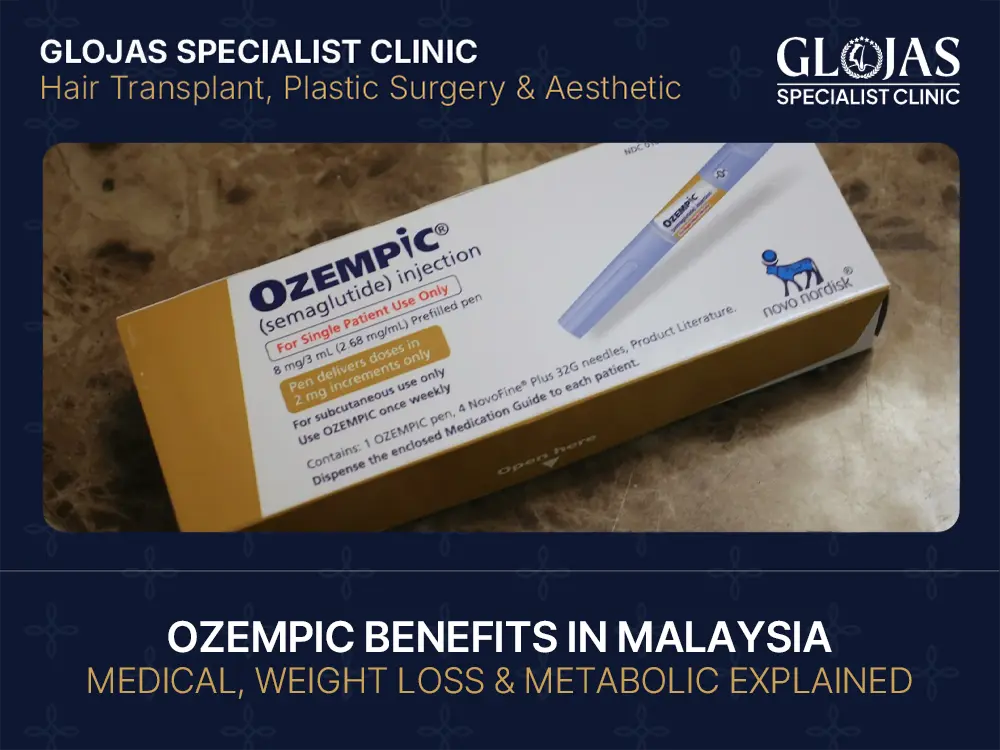
Ozempic Benefits In 2026? Weight Loss Pen Injections If you’ve been scrolling through social media or chatting with friends in KL lately, you’ve likely heard of Ozempic Malaysia. While it started as a breakthrough for diabetes, it has quickly become a “game-changer” for weight management. But what’s the real story for Malaysians looking to improve their health? Let’s dive into the science, the benefits, and what you can actually expect. What Is Ozempic and How Does It Work? Ozempic isn’t just a “diet jab”; it’s a sophisticated medication designed to mimic how your body naturally handles food and energy. What Is Semaglutide (GLP-1 Receptor Agonist)? Ozempic is a brand name for Semaglutide. It belongs to a class of drugs called GLP-1 receptor agonists. According to the World Health Organization, non-communicable diseases like diabetes are a rising global concern, and medications like Semaglutide are at the forefront of modern treatment. How Ozempic Regulates Blood Sugar and Appetite It works by mimicking a hormone your gut produces after eating. This hormone tells your pancreas to release insulin, prevents your liver from making too much sugar, and—most importantly for many—tells your brain that you are full. Ozempic vs Other GLP-1 Medications While there are several GLP-1s on the market, Ozempic is known for its once-weekly convenience compared to older daily injections, making it much easier to stick to a routine. Primary Ozempic Benefits for Type 2 Diabetes For the millions of Malaysians living with Type 2 Diabetes, Ozempic offers more than just “control”—it offers a path to better long-term health. Improved Blood Sugar Control (HbA1c Reduction) Clinical trials consistently show that Ozempic is highly effective at lowering HbA1c levels, often helping patients reach their target range when other medications have failed. Reduced Risk of Hypoglycaemia Unlike some older diabetes drugs, Ozempic only stimulates insulin when your blood sugar is actually high. This significantly reduces the risk of “crashes” or dangerously low blood sugar. Better Insulin Sensitivity and Beta Cell Function By giving the pancreas a “helping hand,” Ozempic can help improve how your body uses the insulin it already makes, preserving the function of your insulin-producing cells. Ozempic Benefits for Weight Loss In Malaysia, where we have some of the highest obesity rates in Southeast Asia, the weight loss “side effect” of Ozempic has become a primary reason for prescription. Appetite Suppression and Reduced Food Cravings Ever feel like you have “food noise” constantly buzzing in your head? Ozempic quiets those cravings, making it easier to say no to that extra serving of Nasi Lemak. Slower Gastric Emptying and Early Satiety Ozempic slows down how fast food leaves your stomach. You feel full much faster and stay full for longer periods. Average Weight Loss Results in Malaysian Patients While results vary, many patients see a reduction of 5% to 15% of their body weight over a year when combined with lifestyle changes. Cardiovascular Benefits of Ozempic This is where Ozempic really shines as a medical tool. It doesn’t just help you look better; it protects your heart. Reduced Risk of Heart Attack and Stroke Research published by the American Heart Association highlights that Semaglutide can significantly lower the risk of major cardiovascular events in adults with heart disease and diabetes. Blood Pressure and Cholesterol Improvements As weight drops and metabolic health improves, many patients see a natural “downward trend” in their blood pressure and “bad” LDL cholesterol levels. Why Ozempic Is Recommended for High-Risk Patients If you have a family history of heart disease, your doctor might prioritize Ozempic because it treats the “whole package”—sugar, weight, and heart health simultaneously. Metabolic Health Benefits Beyond Weight Loss Improved Insulin Resistance and Metabolic Syndrome By targeting the root causes of metabolic syndrome, Ozempic helps “reset” your body’s chemistry. Reduction in Visceral Fat This is the dangerous “hidden” fat around your organs. Ozempic is particularly effective at targeting this inflammatory fat. Impact on Fatty Liver Disease (NAFLD) Recent studies suggested by The Lancet indicate that GLP-1 medications may help reduce liver fat, a common issue for those with metabolic disorders. Ozempic Benefits for Obesity Management in Malaysia Who Is Eligible for Ozempic Treatment? In Malaysia, Ozempic is a prescription-only medication. Generally, it’s for those with a BMI over 30, or over 27 with weight-related health issues like hypertension. Ozempic for BMI-Based Medical Weight Loss Doctors use BMI as a starting point, but they also look at your waist circumference and overall metabolic profile. Ozempic vs Bariatric Surgery for Obesity While surgery is more permanent, Ozempic offers a non-invasive alternative that can achieve significant results without the risks associated with the operating table. Psychological and Lifestyle Benefits of Ozempic Improved Eating Behaviour and Portion Control The medication helps break the cycle of emotional eating, allowing you to develop a healthier relationship with food. Increased Energy Levels and Mobility Carrying less weight means less strain on your joints. Many patients report feeling more “light on their feet” and motivated to exercise. Quality of Life Improvements Better health leads to better sleep, more confidence, and more energy to spend with family. How Long Does It Take to See Ozempic Benefits? Short-Term Results (First 4–8 Weeks) You might notice a drop in appetite within the first week. Initial weight loss is often water weight and reduced bloating. Medium-Term Benefits (3–6 Months) This is when the “clothing size” changes happen. Your HbA1c levels will show significant improvement in your first quarterly blood test. Long-Term Outcomes With Continued Use The greatest benefits—like heart protection and sustained weight loss—come from staying consistent for a year or more. Ozempic Benefits vs Risks Common Side Effects and Tolerability Most people experience mild nausea, especially when first starting or increasing the dose. Managing Nausea and Digestive Symptoms Eating smaller meals, avoiding greasy food, and staying hydrated are key strategies used by Malaysian clinics. Long-Term Safety Considerations Ozempic has been studied for years. While rare risks like pancreatitis exist, for most, the benefits of treating obesity and diabetes far outweigh the risks. Who Should and Should
Liposuction Side Effects: Risks, Safety & Recovery in Malaysia
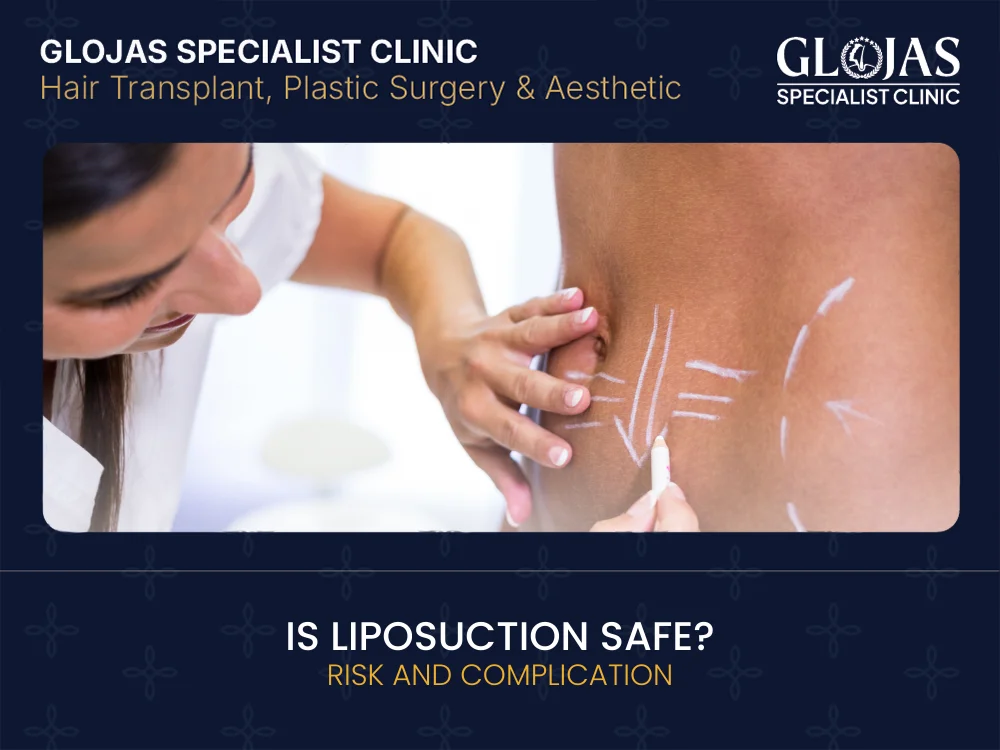
Considering body contouring to remove stubborn fat? While the procedure is a highly effective way to refine your silhouette, understanding the potential liposuction side effects is essential for a safe journey. In 2026, enhanced regulations ensure that only qualified practitioners use approved technology, but patient awareness remains the first line of defense. What Are the Common Liposuction Side Effects? Most patients experience standard physiological responses as the body heals from the surgical disruption of adipose tissue. These are typically manageable and expected parts of the inflammatory phase following fat removal surgery. Swelling and Bruising After Liposuction Post-operative edema (swelling) and bruising are the most frequent immediate reactions. These occur because the cannula disrupts small blood vessels during fat extraction. While most bruising fades within 2 to 3 weeks, residual swelling can linger as your lymphatic system recalibrates. Pain and Discomfort During Recovery Expect a sensation similar to intense muscle soreness after a heavy workout. This discomfort usually peaks within the first 48 to 72 hours. Most surgeons prescribe a combination of analgesics and anti-inflammatories to manage the surgical recovery window comfortably. Temporary Numbness or Tingling Nerve irritation is common, leading to temporary numbness or a “pins and needles” sensation (paresthesia) in the treated area. According to clinical data, sensation typically returns gradually over 2 to 6 months as the microscopic nerve endings regenerate after the lipoplasty. Early vs Late Liposuction Side Effects Timing is everything when monitoring your body sculpting progress. Distinguishing between normal early healing and delayed complications helps you stay proactive about your health. Immediate Post-Procedure Reactions In the first few days, you may notice fluid drainage from incision sites. This is a normal part of the tumescent technique used to minimize blood loss. You might also feel slightly groggy if general anesthesia was administered during the cosmetic surgery. Long-Term or Delayed Complications Late side effects can appear weeks or months later. These might include persistent hardness in the tissue or changes in skin pigmentation. While most resolve with massage, some may require professional lymphatic drainage therapy to smooth out internal healing. Rare but Serious Liposuction Risks While rare when performed by experts, being aware of serious surgical risks is vital for informed consent. Modern safety protocols in Malaysia have significantly reduced these occurrences. Infection and Fluid Accumulation Any surgery carries an infection risk. Surgeons typically provide prophylactic antibiotics. Another rare issue is a seroma, where sterile fluid collects under the skin; if this happens, your doctor may need to drain it with a simple needle aspiration. Irregular Skin Contours or Lumps Uneven fat removal or poor skin elasticity can lead to a “wavy” or “lumpy” appearance. This is often mitigated by using advanced technologies like VASER or Laser-assisted lipolysis, which offer more precision than traditional suction-assisted liposuction. Blood Clots and Anesthesia Risks Deep Vein Thrombosis (DVT) is a serious risk for any major surgery. To prevent this, clinics emphasize early mobilization—walking gently within hours of surgery—to maintain healthy blood flow and prevent clots from forming. Factors That Increase Liposuction Side Effects Not every patient experiences the same side effect profile. Several variables influence how your body reacts to the fat reduction process. Surgeon Experience and Technique The skill of your doctor is the biggest safety factor. In Malaysia, only credentialed and privileged plastic surgeons should perform these invasive procedures. An experienced hand ensures smoother contours and reduces tissue trauma. Patient Health and Lifestyle Factors Your baseline health dictates your recovery speed. Factors like smoking, uncontrolled diabetes, or poor skin elasticity significantly increase the risk of delayed healing or skin necrosis. Surgeons usually require a stable BMI and a tobacco-free window. Treatment Area and Fat Volume Removing larger volumes of fat (approaching the 5-liter safety limit) increases the physiological strain on your body. Larger areas like the abdomen or back typically experience more significant swelling compared to smaller zones like the chin. How to Minimize Liposuction Side Effects You play a starring role in your own recovery. Following a strict post-operative protocol can dramatically reduce the duration and intensity of side effects. Choosing a Qualified Plastic Surgeon in Malaysia Verify that your doctor is registered with the Malaysian Medical Council (MMC). Choosing a board-certified member of professional bodies ensures they adhere to strict safety standards and have the specialized training necessary to handle any complications. Following Post-Operative Care Instructions Stay Hydrated: Drink plenty of water to help flush out residual fluids. Avoid Salt: High sodium intake can worsen swelling and fluid retention. Gentle Movement: Short walks prevent blood clots without straining incisions. Keep Sites Clean: Follow specific wound care to prevent bacterial infection. Wearing Compression Garments Properly Wearing your medical-grade compression garment is non-negotiable. It provides the necessary pressure to reduce swelling, supports the newly contoured tissues, and helps the skin “re-drape” smoothly over your smaller frame. Liposuction Safety in Malaysia Malaysia’s aesthetic industry is strictly regulated to protect patients. The Private Healthcare Facilities and Services Act mandates that clinics meet specific sterilization and emergency equipment standards. Medical Standards and Clinic Accreditation Accredited facilities undergo regular inspections to ensure their operating theaters meet surgical standards. Always choose a clinic that prioritizes patient safety over low prices, as “budget” procedures often skip essential safety steps. Importance of Consultation Before Surgery A thorough pre-surgical screening is your best defense against side effects. Your surgeon should review your medical history, perform blood tests, and set realistic expectations. This transparent dialogue ensures you are a suitable candidate for body contouring. Recovery Timeline After Liposuction Healing is a journey, not a race. Here is what a typical recovery looks like for most healthy patients in Malaysia. Week-by-Week Healing Process Timeline What to Expect Week 1 Peak swelling and bruising; return to light desk work. Week 2-3 Bruising fades; most acute pain subsides; light walking encouraged. Week 4-6 Garment usually removed; resume moderate exercise; results visible. Month 6+ Final contours settle; residual internal swelling fully resolves. When Side Effects Typically Subside Most visible side effects resolve within 4 to 6 weeks. However, tissue
Is Ozempic Safe for Weight Loss? Side Effects, Risks & Doctor Guidelines
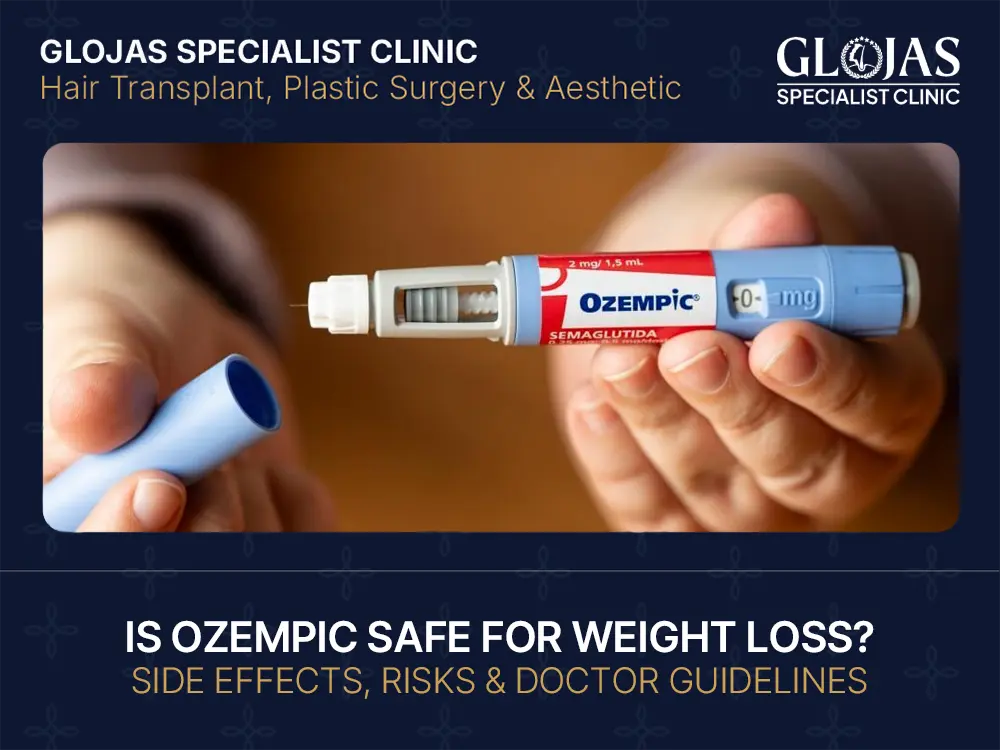
If you’ve spent more than five minutes on social media lately, you’ve definitely heard of Ozempic. It’s gone from a quiet diabetes medication to a global weight loss phenomenon. But with all the hype comes a big question: Is it actually safe for weight loss? Let’s break down the science, the side effects, and what doctors really think about using this “miracle shot” to shed pounds. What Is Ozempic? At its core, Ozempic is a brand-name medication containing semaglutide. While it has become a household name for weight loss, its history is actually rooted in metabolic health. What Ozempic Is Approved For Currently, Ozempic is FDA-approved specifically for adults with Type 2 diabetes. It helps manage blood sugar levels and reduces the risk of major cardiovascular events like heart attacks or strokes in people with heart disease. How Ozempic Works in the Body (GLP-1 Mechanism) Ozempic belongs to a class of drugs called GLP-1 receptor agonists. It mimics a hormone your body naturally produces when you eat. It tells your brain you’re full, slows down how fast your stomach empties, and triggers your pancreas to release insulin. Difference Between Ozempic and Other Weight Loss Drugs Unlike older diet pills that acted as stimulants (think caffeine on steroids), Ozempic works on your hormones. It’s a weekly injectable, not a daily pill, which makes it much more potent than over-the-counter alternatives. Why Ozempic Is Used for Weight Loss Even though it’s a diabetes drug, people are losing significant weight on it. Here’s why. Appetite Suppression and Blood Sugar Control The “secret sauce” is how it handles hunger. By slowing gastric emptying, that sandwich you had for lunch stays in your stomach longer. You feel “full” for hours, which naturally leads to eating less. Weight Loss Results Seen in Clinical Studies Clinical trials have shown that participants using semaglutide lost significantly more weight than those on a placebo. You can check out more detailed data on clinical trial outcomes to see the exact percentages. Who Typically Loses Weight on Ozempic While it works for many, those with a high BMI or weight-related health issues tend to see the most dramatic shifts in their body composition. Is Ozempic FDA-Approved for Weight Loss? This is where things get a bit “grey.” Off-Label Use Explained Technically, Ozempic is not FDA-approved for weight loss. When a doctor prescribes it for weight loss, it’s called “off-label” use. This is legal and common in medicine, but it means the drug wasn’t specifically tested for that purpose under the Ozempic label. Ozempic vs Wegovy: What’s the Difference? Think of Ozempic and Wegovy as twins. They both use semaglutide. However, Wegovy is FDA-approved for chronic weight management and comes in higher doses. Legal and Medical Considerations Because of the massive demand, there have been shortages for actual diabetic patients. Doctors now have to weigh the medical necessity of weight loss versus the needs of those with Type 2 diabetes. How Much Weight Can You Lose on Ozempic? Average Weight Loss Results Most people on a therapeutic dose of semaglutide lose between 10% to 15% of their body weight over a year. Factors That Affect Weight Loss Outcomes Your starting weight, metabolism, and—most importantly—your diet play huge roles. It’s not a “get thin while eating pizza” shot; it’s a tool to help you stick to a deficit. Timeline: When Results Usually Appear You won’t wake up skinny after one shot. Most people start seeing changes within the first 4 to 8 weeks as the dosage gradually increases. Common Side Effects of Ozempic It’s not all sunshine and smaller jeans. The side effects can be… rough. Gastrointestinal Issues: Nausea is the #1 complaint. Vomiting, diarrhea, and intense constipation are also on the menu. Fatigue and Dizziness: Some users report feeling “wiped out” or dizzy, especially when they first start. Injection-Site Reactions: Since it’s a needle, you might get some redness or itching where you jab yourself. Serious Risks and Long-Term Concerns This is the serious stuff you need to discuss with a pro. Pancreatitis and Gallbladder Issues There is a rare but real risk of pancreatitis (inflammation of the pancreas) and gallstones. If you feel severe abdominal pain, that’s a “go to the ER” sign. Thyroid Tumor Warning In animal studies, semaglutide caused thyroid C-cell tumors. While it’s not confirmed in humans, the FDA includes a Boxed Warning for people with a family history of Medullary Thyroid Carcinoma (MTC). Muscle Loss and Nutritional Deficiencies Because you’re eating so much less, you might lose muscle along with fat. This is why many doctors recommend a high-protein diet while on the drug. Doctor Guidelines for Using Ozempic Safely If you’re thinking about it, don’t buy it from a random website. See a doctor. Medical Screening: You need blood work to check your kidney and thyroid function. Titration Schedule: Doctors start you on a tiny dose (0.25mg) and slowly move up to let your stomach adjust. Lifestyle Changes: Ozempic works best when paired with exercise. You can find great weight loss lifestyle tips to maximize your results. What Happens When You Stop Ozempic? The “Ozempic Rebound” is real. Research suggests that once you stop the medication, your appetite returns to its original state. Without a solid maintenance plan, many people regain a significant portion of the weight they lost. Pros and Cons Pros Cons Highly effective for weight loss Expensive without insurance Improves blood sugar and heart health Potential for “Ozempic Face” (sagging skin) Reduces “food noise” (cravings) Long-term side effects are still being studied Alternatives to Ozempic If Ozempic isn’t for you, there are other options: Mounjaro/Zepbound: A newer class of drug (Tirzepatide) that targets two hormones instead of one. Lifestyle & Behavior: Working with a nutritionist or using behavioral therapy for weight loss can create lasting change without needles. Frequently Asked Questions (PAA) 1. Is Ozempic safe for non-diabetics? While many non-diabetics use it off-label, it should only be done under strict medical supervision to monitor for side effects like hypoglycemia or kidney
Liposuction vs CoolSculpting: Which is Right for You?
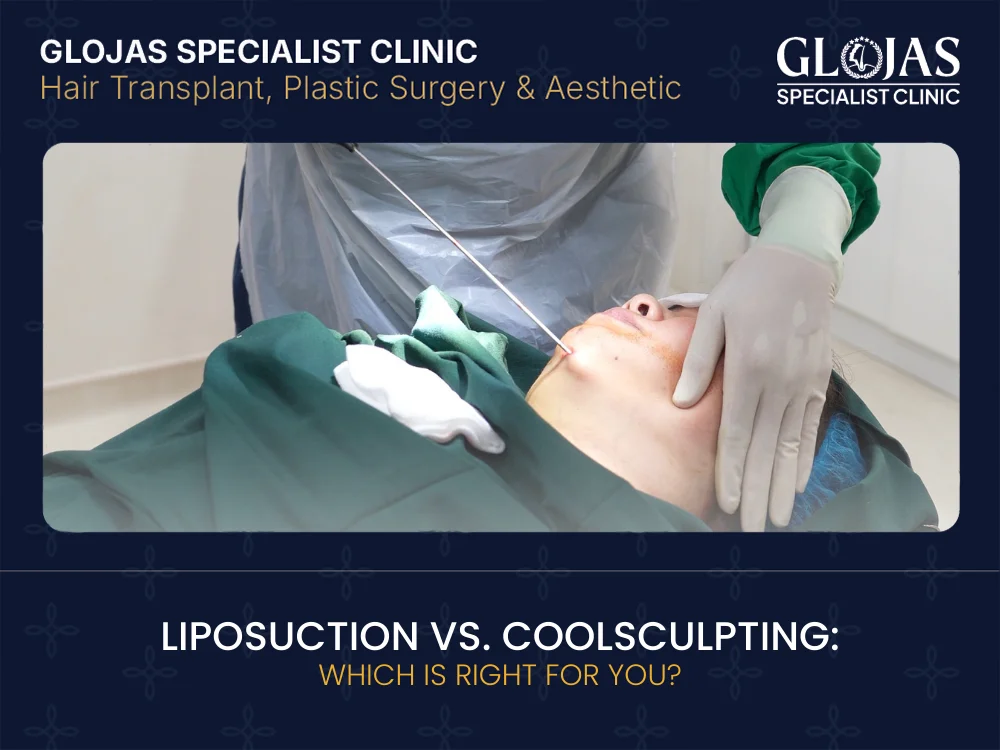
Stubborn fat can be frustrating. Even with a healthy diet and regular exercise, some areas simply refuse to slim down. This is why body contouring treatments like Liposuction vs CoolSculpting remain highly popular worldwide. But choosing between them is not always simple. This guide breaks down Liposuction vs CoolSculpting in detail—how they work, how fast results appear, risks, recovery, costs, and who each treatment is best suited for—so you can make a confident, informed decision. Liposuction vs CoolSculpting: What’s the Fundamental Difference? When comparing Liposuction vs CoolSculpting, the main difference lies in invasiveness and fat removal method. Liposuction is a surgical procedure that physically removes fat cells, while CoolSculpting is a non-invasive treatment that freezes fat cells so the body can eliminate them naturally. Both target localized fat, but the experience, results, and recovery time differ significantly. What Is Liposuction? Liposuction is a cosmetic surgical procedure designed to remove stubborn fat deposits from specific areas of the body. How Liposuction Works Small incisions are made in the skin A thin tube (cannula) is inserted Fat cells are loosened and suctioned out Body contours are reshaped immediately Common Liposuction Techniques Tumescent liposuction Ultrasound-assisted liposuction (UAL) Power-assisted liposuction (PAL) Laser-assisted liposuction Liposuction has been performed safely for decades and is considered the gold standard for fat removal. What Is CoolSculpting? CoolSculpting is a non-surgical fat reduction treatment based on a technology called cryolipolysis. How CoolSculpting Works Controlled cooling targets fat cells Fat cells freeze and undergo natural cell death The body gradually removes them through the lymphatic system No needles, incisions, or anesthesia CoolSculpting is FDA-cleared and widely used for patients who prefer non-invasive options. Treatment Areas: What Can Each Address? Liposuction Treatment Areas Abdomen Flanks (love handles) Thighs Arms Chin and neck Back Chest (including gynecomastia) CoolSculpting Treatment Areas Abdomen Flanks Thighs Upper arms Double chin Bra fat Banana roll Liposuction can treat larger volumes of fat and more areas in a single session. Liposuction vs CoolSculpting: Speed of Results Liposuction Results Timeline Fat removal is immediate Swelling reduces over 4–8 weeks Final results visible in 3–6 months CoolSculpting Results Timeline Initial changes in 3–4 weeks Optimal results at 2–3 months Continued improvement up to 6 months Winner for faster, noticeable results: Liposuction Amount of Fat Removed: Liposuction vs CoolSculpting? Factor Liposuction CoolSculpting Fat removal per session High Moderate Sculpting precision High Moderate Large fat deposits Excellent Limited Small pockets of fat Excellent Good Liposuction removes fat cells directly, while CoolSculpting typically reduces 20–25% of fat thickness per session in treated areas. Downtime and Recovery: Liposuction vs CoolSculpting Liposuction Recovery Downtime: 5–14 days Compression garments required Swelling and bruising common Exercise restricted initially CoolSculpting Recovery Little to no downtime Mild redness or numbness Resume normal activities immediately CoolSculpting is often called a “lunchtime procedure”, while liposuction requires recovery planning. Pain and Comfort Level: Liposuction vs CoolSculpting Liposuction: Performed under local or general anesthesia. Post-procedure soreness is expected. CoolSculpting: Sensation of intense cold, pressure, and temporary numbness during treatment. Pain tolerance and comfort preference play a role in decision-making. Safety and Risks Liposuction Risks Infection Bleeding Fluid accumulation Irregular contours Anesthesia-related risks When performed by a qualified surgeon, complications are uncommon. CoolSculpting Risks Temporary numbness or tingling Redness or bruising Rare risk of paradoxical adipose hyperplasia Both procedures are considered safe when properly indicated. Cost Comparison Treatment Cost Structure Total Cost Liposuction One-time surgical fee Higher upfront CoolSculpting Per applicator/session Adds up over time CoolSculpting may seem more affordable initially, but multiple sessions can approach the cost of liposuction. Longevity of Results: Liposuction vs CoolSculpting Liposuction Liposuction removes fat cells permanently from targeted areas, creating immediate and noticeable contour changes. Key points to understand: Fat cells removed do not regenerate in treated areas Weight gain can still occur, causing remaining fat cells (in treated or untreated areas) to enlarge Results are typically long-lasting, especially when body weight remains stable Body proportions may change if significant weight gain occurs, even though treated areas usually accumulate less fat than before With a balanced diet, regular physical activity, and healthy habits, liposuction results can be maintained for many years or even decades. CoolSculpting CoolSculpting also permanently eliminates fat cells, but the process and timeline are different. What to expect: Destroyed fat cells do not return once the body naturally clears them Fat reduction is gradual, becoming visible over several weeks to months Results are more subtle compared to liposuction, as less fat is removed per session Maintenance treatments may be required, especially if weight fluctuates or new fat pockets develop CoolSculpting works best for long-term refinement when combined with consistent lifestyle habits. The Role of Lifestyle in Maintaining Results Regardless of the treatment chosen: Neither liposuction nor CoolSculpting prevents future weight gain Neither treatment replaces weight management, proper nutrition, or exercise Maintaining a stable weight helps preserve body contours and symmetry Ideal Candidate for Liposuction Liposuction is best suited for individuals who want significant, visible fat reduction in specific areas of the body. It is a surgical procedure, so proper candidate selection is crucial for both safety and results. You may be a good candidate for liposuction if you: Have moderate to large fat deposits that do not respond well to diet and exercise Desire dramatic and immediate results, often noticeable once swelling subsides Are close to your ideal body weight, as liposuction is a body-contouring procedure, not a weight-loss solution Have good skin elasticity, which helps the skin retract smoothly after fat removal Can tolerate downtime, including temporary swelling, bruising, and recovery time Are in good overall health, with no uncontrolled medical conditions that may affect healing Have realistic expectations, understanding that results enhance body contours rather than create perfection Liposuction is ideal for areas such as the abdomen, flanks, thighs, arms, and chin when more aggressive fat removal is required. Ideal Candidate for CoolSculpting CoolSculpting is a non-invasive fat reduction treatment that works by freezing fat cells. It is best for patients seeking subtle improvements without surgery. CoolSculpting may suit you if