
Jenis Gatal Kulit: Punca, Jenis, Gambar & Cara Rawat Penyakit Kulit Dengan Berkesan
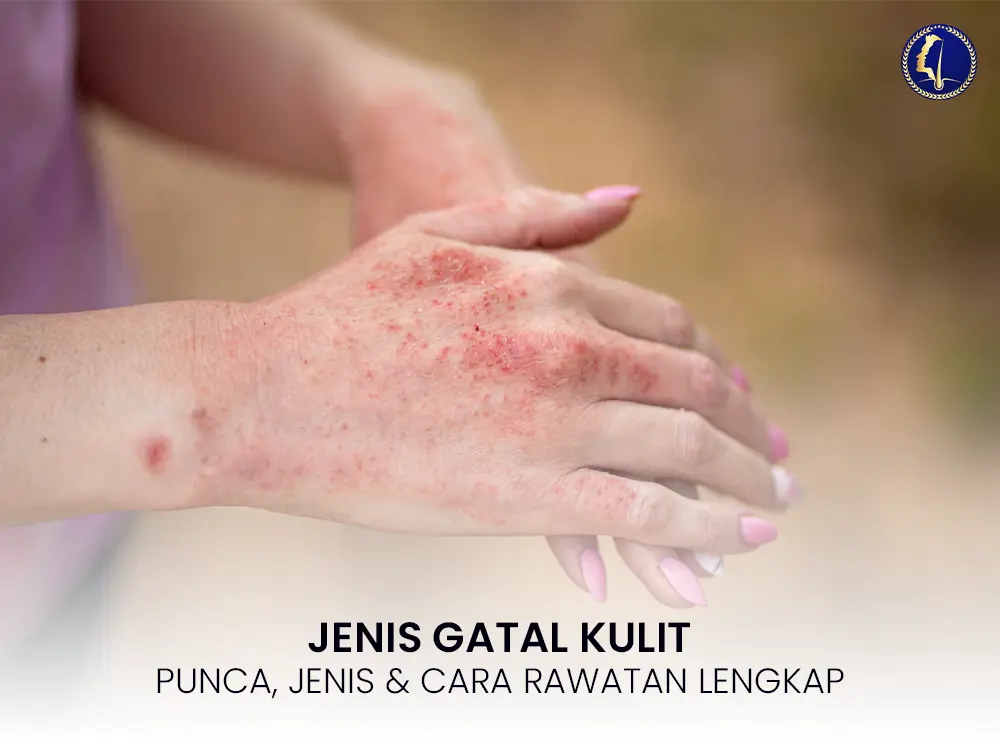
Kenali Jenis Gatal Kulit & Puncanya Klik pada jenis penyakit kulit di bawah untuk melihat punca dan cara mengatasinya. Ekzema (Dermatitis) Urticaria (Kerapu/Gegat) Psoriasis 1. Ekzema (Atopic Dermatitis) Punca: Faktor genetik, sistem imuniti sensitif, atau pendedahan kepada bahan kimia/habuk. Simptom: Kulit menjadi merah, sangat gatal, kering, bersisik, dan kadangkala melepuh. Rawatan Segera Perlukan nasihat pakar untuk redakan kegatalan ekzema dengan berkesan? Hubungi Kami via WhatsApp 2. Urticaria (Gegat / Hives) Punca: Alergi makanan (makanan laut, kacang), gigitan serangga, ubat-ubatan, atau perubahan suhu mendadak. Simptom: Bintal-bintal merah yang timbul dan bengkak (seperti kena ulat bulu) serta rasa merenyam yang kuat. Rawatan Segera Gatal gegat menyerang secara tiba-tiba? Dapatkan bantuan kecemasan di sini. Hubungi Kami via WhatsApp 3. Psoriasis Punca: Gangguan sistem imun yang mempercepatkan pertumbuhan sel kulit baru sebelum sel lama gugur. Simptom: Tompokan kulit tebal, berwarna kemerahan, dan disaluti sisik berwarna perak yang pedih atau gatal. Rawatan Segera Kawal simptom psoriasis daripada merebak ke bahagian badan yang lain. Hubungi Kami via WhatsApp Jenis Gatal Pada Kulit Dan Gambarnya Gatal kulit merupakan masalah dermatologi yang sangat biasa dalam kalangan rakyat Malaysia. Ia boleh menjadi ringan dan sementara, atau kronik dan mengganggu kehidupan harian. Dalam artikel ini, kita akan mengenal pasti jenis-jenis gatal kulit, punca yang menyebabkannya, serta rawatan terbaik berdasarkan jenisnya, bersesuaian dengan iklim tropika dan gaya hidup kita. Apa Itu Gatal Kulit? Gatal kulit, atau pruritus, ialah sensasi yang menyebabkan keinginan untuk menggaru. Ia boleh berlaku di mana-mana bahagian tubuh dan mungkin disebabkan oleh pelbagai faktor termasuk alahan, jangkitan, atau penyakit dalaman. Punca Jenis Penyakit Gatal Kulit Antara punca utama gatal kulit termasuk: Alergi (Alahan) – Makanan, ubat-ubatan, habuk, atau bahan kimia kosmetik. Jangkitan kulit – Seperti kulat, bakteria, atau virus. Penyakit kulit kronik – Eczema, psoriasis, atau dermatitis. Gigitan serangga – Seperti nyamuk, kutu, atau hama. Keadaan kesihatan dalaman – Seperti diabetes, gangguan hati atau buah pinggang. Jenis Gatal Kulit 1. Eczema (Dermatitis Atopik) Gatal yang berulang dan disertai kemerahan, kulit kering, bersisik atau melepuh. Selalunya bermula sejak kecil dan dipengaruhi faktor genetik dan alahan. 2. Urtikaria (Hives) Timbul sebagai ruam merah atau bengkak kecil yang gatal. Boleh disebabkan makanan, ubat, atau cuaca panas. 3. Jangkitan Kulat (Tinea/Ringworm) Gatal berbentuk bulat, kemerahan, dengan bahagian tengah yang bersih. Sangat biasa di kawasan lipatan badan seperti ketiak atau celah paha. 4. Scabies (Kudis Buta) Punca dari hama kecil yang masuk ke dalam kulit. Simptom termasuk gatal teruk pada waktu malam, ruam kecil, dan kerak. 5. Psoriasis Penyakit autoimun yang menyebabkan kulit menebal, bersisik, dan sangat gatal. Biasanya berlaku di siku, lutut, dan kulit kepala. 6. Contact Dermatitis Reaksi kulit terhadap sentuhan bahan tertentu seperti sabun kuat, logam (nikel), atau lateks. Menyebabkan kulit gatal, merah, dan melepuh. Bagaimana Nak Bezakan Jenis Gatal? Jenis Gatal Ciri-ciri Utama Kawasan Biasa Eczema Kering, merah, bersisik, gatal Tangan, lipatan lengan, leher Urtikaria Bengkak merah sementara, sangat gatal Seluruh badan Jangkitan Kulat Bulat, bersisik, gatal Celah paha, kaki, ketiak Scabies Gatal waktu malam, ruam kecil Celah jari, pergelangan tangan Psoriasis Kulit menebal, sisik keperakan Siku, lutut, kepala Rawatan Gatal Kulit Berdasarkan Jenis Topikal (Sapuan) Krim steroid (untuk eczema, psoriasis) Krim antikulat (untuk jangkitan kulat) Krim antihistamin (untuk urtikaria) Oral (Makan) Antihistamin (mengurangkan gatal) Antibiotik atau antifungal (jika ada jangkitan) Imunosupresan (untuk psoriasis kronik) Penjagaan Harian Guna sabun hypoallergenic Elak mandi air panas terlalu lama Sentiasa lembapkan kulit selepas mandi Elakkan menggaru untuk mengurangkan luka sekunder Rawatan Klinik Pemeriksaan dermatologi Ujian alergi atau ujian kulit Terapi cahaya (untuk psoriasis) Bila Perlu Jumpa Doktor? Segera dapatkan rawatan jika: Gatal kulit berpanjangan lebih 2 minggu Disertai demam, luka bernanah, atau kulit mengelupas teruk Mengganggu tidur atau aktiviti harian Terdapat tanda-tanda jangkitan atau pembengkakan luar biasa Pencegahan Gatal Kulit Kekalkan kelembapan kulit Elakkan penggunaan produk penjagaan kulit yang mengandungi alkohol atau pewangi kuat Guna pakaian kapas yang selesa dan tidak panas Kekalkan kebersihan diri Jaga pemakanan dan elakkan makanan pencetus alahan Cara Rawat Gatal Kulit Seperti Jerawat di Klinik 1. Laser & Cahaya Fractional CO2 Laser – rawat parut dan jerawat aktif. Pulsed Dye Laser (PDL) – kurangkan kemerahan dan keradangan. Nd:YAG – kawal jerawat aktif & kelenjar minyak. Blue Light / PDT – bunuh bakteria penyebab jerawat. 2. Chemical Peels Salicylic acid – bersihkan liang pori & eksfoliasi. Glycolic acid – bantu parut & jerawat ringan. Jessner/TCA – eksfoliasi lebih dalam & cegah parut. 3. Microneedling & PRP Microneedling – rangsang kolagen, baik parut. Microneedling + PRP – percepat penyembuhan & kurangkan parut. 4. Ekstraksi & Manual Comedone extraction – buang blackhead & whitehead. Cyst drainage – untuk jerawat cyst di bawah pengawasan doktor. 5. Skin Booster & Suntikan Hyaluronic acid skin booster – lembapkan kulit & kurangkan keradangan. Mesoterapi – untuk jerawat ringan & cegah parut. Soalan Lazim (FAQ) 1. Apakah gatal kulit yang paling biasa dalam kalangan orang dewasa? Eczema, urtikaria, dan jangkitan kulat adalah antara yang paling biasa dialami oleh orang dewasa, terutama mereka yang tinggal di kawasan panas dan lembap. 2. Adakah gatal kulit boleh jadi tanda penyakit serius? Ya, dalam beberapa kes, gatal berpanjangan boleh menjadi tanda masalah dalaman seperti penyakit hati, buah pinggang, atau gangguan tiroid. 3. Bagaimana cara hilangkan gatal kulit dengan cepat? Gunakan krim antihistamin, mandi air suam, dan elakkan menggaru. Jika tidak reda, dapatkan nasihat doktor. 4. Apakah perbezaan antara gatal akibat kulat dan alergi? Gatal akibat kulat biasanya berbentuk bulat dan bersisik, manakala gatal akibat alergi muncul secara tiba-tiba, gatal menyeluruh, dan boleh hilang dengan cepat. 5. Adakah perlu buat ujian kulit untuk kenal pasti jenis gatal? Jika gatal kulit berpanjangan atau berulang, doktor mungkin mencadangkan ujian kulit atau ujian alergi untuk mengetahui puncanya dengan tepat. Kesimpulan Masalah gatal kulit bukan sahaja menjejaskan keselesaan tetapi juga kualiti hidup. Dengan memahami jenis-jenis gatal kulit, anda boleh mendapatkan rawatan yang betul dan mencegahnya daripada menjadi lebih teruk. Jika simptom berterusan, jangan tangguh untuk berjumpa doktor pakar kulit. Terdapat pelbagai jenis gatal pada kulit dan gambarnya yang sering dialami oleh masyarakat di Malaysia. Memahami jenis gatal kulit adalah penting untuk mendapatkan rawatan yang betul bagi setiap jenis gatal kulit seperti eczema,
PRP Treatment in Malaysia: Benefits, Procedure, and Results Explained
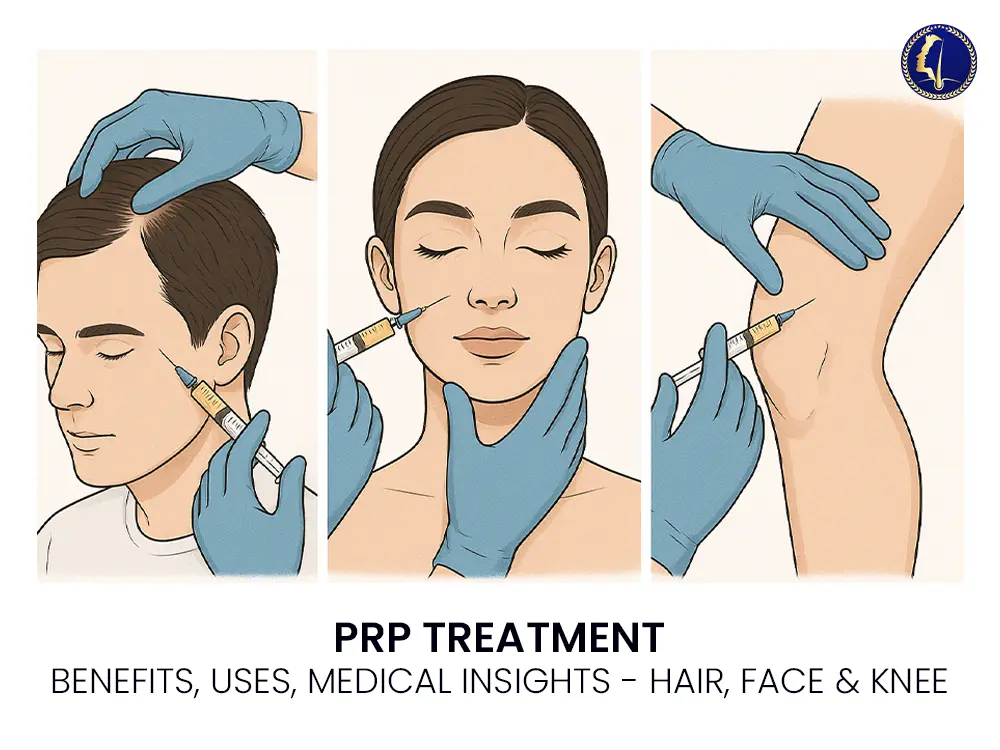
If you’ve been scrolling through social media or chatting with friends about the latest “tweakments,” you’ve likely heard of PRP treatment. Whether it’s called the “Vampire Facial” or a miracle for thinning hair, Platelet-Rich Plasma (PRP) has become a staple in Malaysia’s aesthetic and medical scene. It’s natural, it’s versatile, and it uses your own body to do the heavy lifting. GLOJAS Specialist Clinic offers premier PRP treatments in Malaysia, utilizing advanced hair restoration and skin rejuvenation techniques to deliver natural, long-lasting results for every patient. What Is PRP Treatment? At its core, PRP treatment is a regenerative therapy that uses a concentrated version of your own blood to speed up healing and stimulate growth. Because it is autologous (meaning it comes from you), the risk of allergic reactions is virtually zero. It’s essentially “liquid gold” for your skin, hair, and joints. How PRP Treatment Works The magic isn’t in a synthetic chemical; it’s in your blood’s innate ability to repair itself. PRP Mechanism: Platelets & Growth Factors Your blood contains platelets, which are famous for clotting but even better at healing. When concentrated, these platelets release growth factors that act like messengers, telling your cells to produce more collagen, repair damaged tissue, and improve blood circulation in the treated area. Procedure Steps: What to Expect Blood Draw: A small amount of blood (similar to a routine lab test) is taken from your arm. Centrifugation: The blood is placed in a centrifuge machine that spins at high speeds to separate the plasma from the red blood cells. Activation: The golden, platelet-rich plasma is collected. Injection: The PRP is carefully injected or microneedled into the target area (scalp, face, or joint). Types of PRP Treatment In Malaysia, PRP isn’t just a one-trick pony. It’s widely used across three main categories: PRP for Hair Loss This is a game-changer for those dealing with androgenetic alopecia or general thinning. By injecting PRP into the scalp, the growth factors wake up dormant hair follicles, leading to thicker, healthier strands. PRP for Skin Rejuvenation Often paired with microneedling, this treatment—popularized as the Vampire Facial—targets fine lines, acne scars, and dullness. It’s a favorite for those seeking a natural glow-up without synthetic fillers. PRP for Joint Pain & Orthopedic Use Athletes and those with osteoarthritis often turn to PRP to manage knee or joint pain. It helps reduce inflammation and can potentially slow down cartilage degeneration. Benefits of PRP Treatment Why is everyone in KL and Penang talking about this? Because the results are backed by biology. Improved Healing & Tissue Regeneration Whether it’s a sports injury or a stubborn acne scar, PRP accelerates the body’s repair timeline. It’s often used post-surgery to help tissues knit back together faster. Hair Growth & Thicker Hair Unlike topical solutions that you have to apply every single day, PRP works at the follicle level. Many patients see a significant reduction in hair fall and an increase in hair density after a few sessions. Younger, Firmer Skin By boosting collagen and elastin, PRP helps tighten sagging skin and smooth out those pesky “smile lines.” Risks & Side Effects While PRP is very safe, it’s still a medical procedure. Common Mild Reactions Swelling and Redness: Usually subsides within 24–48 hours. Bruising: Small bruises at the injection site are common but temporary. Tenderness: The area might feel a bit sore for a day or two. Rare Complications Though rare, if the procedure isn’t done in a sterile environment, there is a small risk of infection or nerve injury. This is why choosing a certified medical clinic is non-negotiable. PRP Treatment Cost in Malaysia Let’s talk numbers. The cost of PRP can vary quite a bit depending on where you go and what you’re treating. Price Range by Clinic On average, a single session of PRP in Malaysia costs between RM 1,000 and RM 3,500. Hair Loss: RM 1,500 – RM 3,000 per session. Facial Rejuvenation: RM 1,200 – RM 2,800 per session. Joint Injections: RM 2,000 – RM 4,500 per session. Factors Affecting Cost Clinic Location: Expect to pay more in prime areas like Bangsar or Bukit Bintang. Doctor’s Expertise: Specialist dermatologists or orthopedic surgeons often charge higher fees than general aesthetic doctors. Technology Used: Some clinics use advanced kits that produce a higher concentration of platelets, which can increase the price. Choosing the Right PRP Clinic in Malaysia Don’t just go for the cheapest “groupon” deal you find. Your safety comes first. Certifications & Experience Ensure the clinic is registered with the Ministry of Health (MOH) and the doctor holds a valid Letter of Credentialing and Privileging (LCP) for aesthetic medical practice. Patient Reviews & Before-After Results Check Google reviews and ask to see real “before and after” photos of previous patients. A reputable clinic will be transparent about the results you can realistically expect. PRP Treatment FAQs How Long Do Results Last? For skin and hair, results typically last 6 to 18 months. Maintenance sessions once or twice a year are usually recommended to keep the glow (or the hair) going. Is PRP Painful? It’s more “uncomfortable” than painful. Most clinics apply a topical numbing cream before the injections to make the process as breezy as possible. How Many Sessions Do You Need? Most experts recommend an initial series of 3 to 6 sessions, spaced about 4 weeks apart, for optimal results. Conclusion: Is PRP Treatment Right for You? If you’re looking for a natural, low-risk way to tackle hair thinning, skin aging, or joint discomfort, PRP is a fantastic option. It’s not an “instant fix,” but for those who value long-term health and natural-looking results, it’s worth the investment.
Signs of Aging: Early Signs, Causes & Effective Treatments in Malaysia
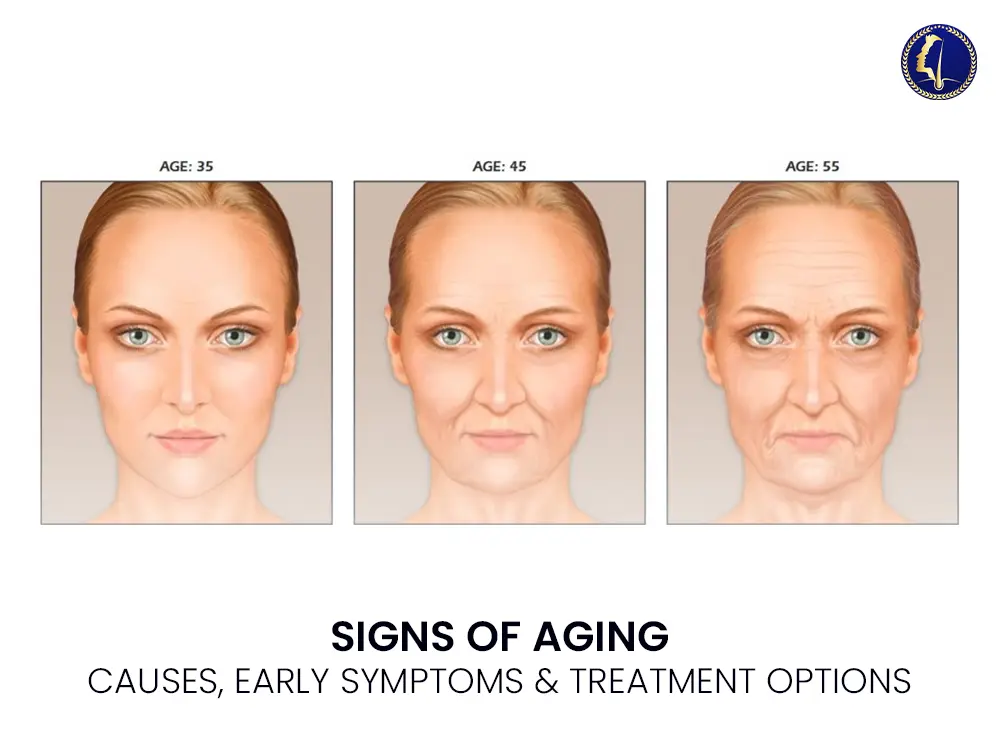
Signs of aging are visible biological changes in the body and skin that occur over time, primarily due to natural cellular decline and environmental stressors. Key indicators include fine lines, wrinkles, sagging skin, and hyperpigmentation, often resulting from the gradual loss of essential proteins like collagen and elastin. What Are Signs of Aging? Definition and Overview Biologically, aging is characterized by a gradual decline in physiological functions and the skin’s ability to repair itself after damage. In the context of aesthetics, it refers to the thinning of the epidermis and the loss of structural support in the dermal layers. The American Academy of Dermatology highlights that while genetics play a role, roughly 80% of visible skin aging is caused by external factors like ultraviolet (UV) radiation. Early vs Advanced Signs of Aging Early signs often appear as “dynamic wrinkles”—faint lines that only show when you smile or squint—along with slightly enlarged pores. Advanced signs involve “static wrinkles” that remain visible even when the face is at rest, accompanied by significant volume loss in the cheeks. You might notice skin becoming translucent or “crepy,” especially in delicate areas like the neck and the backs of the hands. Common Signs of Aging on the Face Fine Lines and Wrinkles These often start as “crow’s feet” around the eyes or “frown lines” on the forehead due to repetitive muscular movements. Over time, these evolve into deeper furrows as the skin loses its “memory” and its ability to snap back into place. Sagging Skin and Loss of Firmness Known clinically as skin laxity, this occurs when the “scaffolding” of the face—fat pads and bone—begins to shift or diminish. Common manifestations include the development of jowls along the jawline and a softening of the facial contour. Dark Spots and Pigmentation Also called liver spots or solar lentigines, these are flat, brown areas caused by years of cumulative sun exposure. Irregular melanin production leads to an uneven skin tone, which is often one of the most stubborn signs to treat. Dull Skin and Uneven Texture As cell turnover slows down, dead skin cells accumulate on the surface, preventing light from reflecting evenly off the face. This results in a “matte” or grayish complexion instead of a healthy, youthful glow. Eye Bags and Dark Circles The skin under the eyes is the thinnest on the body, making it the first place to show fatigue and vascular congestion. Fat deposits can also migrate into the lower eyelids, creating a puffy appearance that persists regardless of how much sleep you get. Causes of Signs of Aging Natural Aging Process Intrinsic aging is a continuous process that usually begins in our mid-20s, though it remains invisible for several years. The rate of epidermal turnover slows down, meaning it takes longer for fresh, new cells to reach the surface. Collagen and Elastin Loss Starting at age 25, we lose approximately 1% of our collagen every year, which is the protein responsible for skin strength. Elastin fibers, which allow skin to stretch and bounce back, also begin to break down and lose their snap. Sun Exposure and UV Damage Known as dermatoheliosis, UV rays trigger the production of free radicals that destroy healthy skin cells and DNA. According to the Skin Cancer Foundation, UVA rays penetrate deep into the dermis, causing long-term structural damage even on cloudy days. Lifestyle and Environmental Factors Smoking introduces toxins that constrict blood vessels, depriving the skin of oxygen and essential nutrients like Vitamin A. High-sugar diets lead to “glycation,” a process where sugar molecules attach to proteins and make collagen stiff and brittle. When Do Signs of Aging Start? Aging in Your 20s, 30s, 40s and Beyond 20s: Most signs are invisible, but hydration levels begin to dip, and the very first faint expression lines may appear. 30s: This is typically when “sun spots” and dullness become noticeable as the skin’s defense mechanisms weaken. 40s: Hormonal changes, particularly a drop in estrogen, lead to increased dryness and more pronounced sagging around the mouth and eyes. Factors That Accelerate Aging Chronic stress increases cortisol levels, which can break down collagen and impede the skin’s natural barrier function. Lack of sleep prevents the “repair phase” of the circadian rhythm, where the body produces growth hormones to fix cellular damage. How to Prevent Signs of Aging Daily Skincare and Sun Protection The most effective anti-aging tool is a broad-spectrum sunscreen with at least SPF 30, applied every single day without exception. Incorporate antioxidants like Vitamin C to neutralize pollution and retinoids to keep the cell renewal process moving quickly. Healthy Lifestyle Habits Stay hydrated with plenty of water and eat a diet rich in Omega-3 fatty acids to keep the skin’s lipid barrier strong. Prioritize 7–9 hours of quality sleep to allow for nocturnal skin regeneration. Signs of Aging FAQ What are the first signs of aging? The very first signs usually appear around the eyes as fine “dehydration lines” or a slight loss of radiance. You might also notice that your skin feels drier than it used to or that makeup begins to settle into small creases by mid-day. Can signs of aging be delayed? Yes, while you cannot stop time, you can significantly slow down extrinsic aging through consistent sun protection, a nutrient-dense diet, and a medical-grade skincare routine. Starting these habits in your 20s provides the best long-term “preventative” results. Why does skin lose elasticity with age? Skin loses elasticity because the production of elastin and collagen drops, and the existing fibers become disorganized. Additionally, the loss of hyaluronic acid—a natural humectant in the skin—means there is less moisture to keep the tissues plump and firm. How to reduce early signs of aging? To reduce early signs, use a retinoid (Vitamin A derivative) at night to boost collagen and an antioxidant serum during the day. Professional treatments like chemical peels or microneedling can also help resurface the skin and trigger deep-level repair. Does blue light from screens cause aging? Recent studies suggest that “High Energy
Tips Kecantikan Kulit Wajah: Pendekatan Dermatologi untuk Kulit Sihat dan Berseri
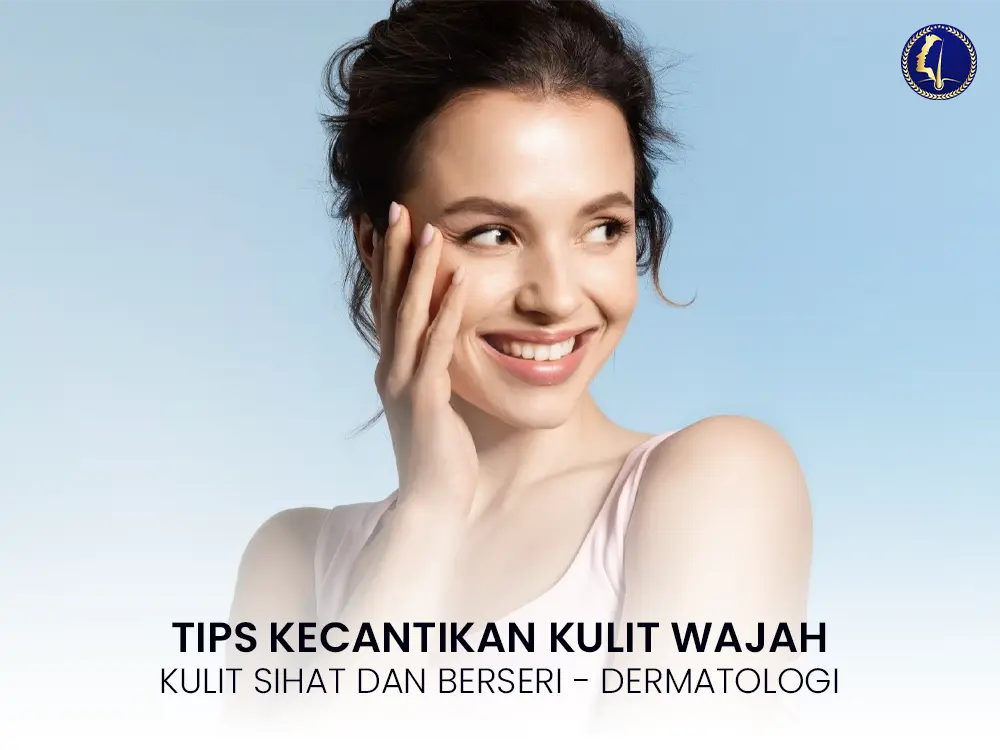
Tips Kecantikan Kulit Wajah Penjagaan kulit wajah bukan sahaja berkait dengan aspek kosmetik tetapi juga kesihatan dermatologi. Kulit merupakan organ paling besar dan berperanan sebagai pelindung utama terhadap faktor luaran seperti pencemaran, sinaran UV dan jangkitan. Oleh itu, memahami cara penjagaan kulit yang betul dari sudut perubatan oleh klinik kecantikan kuala lumpur adalah penting untuk mencegah masalah seperti jerawat, hiperpigmentasi, dan penuaan pramatang. Artikel ini menghimpunkan tips kecantikan kulit wajah yang disokong oleh sains dermatologi, serta praktikal untuk diamalkan oleh semua jenis kulit. 1. Pembersihan Wajah yang Tepat Langkah paling asas dan penting dalam rutin penjagaan kulit adalah pembersihan wajah. Pembersih yang betul membantu menghapuskan kotoran, sebum berlebihan, dan sisa solekan yang boleh menyumbat pori-pori. Cadangan dermatologi: Gunakan pembersih ber-pH seimbang (5.5) untuk mengekalkan lapisan asid semula jadi kulit. Elakkan sabun yang keras kerana boleh mengganggu mikrobiom kulit. 2. Penggunaan Bahan Aktif Berdasarkan Masalah Kulit Rawatan kulit yang berkesan perlu disesuaikan dengan masalah kulit individu. Berikut adalah bahan aktif yang terbukti secara klinikal: Niacinamide: Mengurangkan kemerahan, memperbaiki fungsi penghadang kulit. Retinoid: Melawan tanda-tanda penuaan dan mempercepatkan pembaharuan sel. Salicylic Acid: Sesuai untuk kulit berjerawat kerana ia menembusi pori dan menyingkirkan minyak tersumbat. Vitamin C: Antioksidan kuat yang mencerahkan kulit dan mengurangkan pigmentasi. 3. Perlindungan Matahari Setiap Hari Pendedahan kepada sinaran UV adalah punca utama penuaan kulit dan pigmentasi. Justeru, penggunaan pelindung matahari (sunscreen) dengan sekurang-kurangnya SPF 30 adalah wajib walaupun berada dalam rumah atau cuaca mendung. Nota klinikal: Sinar UVA menembusi awan dan kaca tingkap. Gunakan sunscreen spektrum luas (broad-spectrum) dan ulang sapuan setiap 2 jam jika berpeluh atau berenang. 4. Hidrasi dan Penggunaan Pelembap Kulit yang terhidrat dengan baik lebih sihat dan tahan terhadap iritasi. Kekeringan boleh merosakkan lapisan pelindung kulit dan menyebabkan kulit kelihatan kusam. Rekomendasi: Gunakan pelembap mengandungi humektan seperti glycerin dan hyaluronic acid. Amalkan pengambilan air mencukupi (minimum 2 liter sehari) untuk sokongan dalaman. 5. Amalan Gaya Hidup Sihat Faktor dalaman juga mempengaruhi kesihatan kulit. Ini termasuk: Tidur mencukupi: Regenerasi kulit berlaku semasa tidur malam. Diet seimbang: Antioksidan dari sayur dan buah membantu melindungi sel kulit. Pengurangan tekanan: Tekanan berlebihan boleh meningkatkan hormon kortisol yang mencetuskan jerawat. Kepentingan Rutin Malam Berbanding Siang Pada waktu malam, kulit berada dalam fasa pemulihan. Oleh itu, produk aktif seperti retinoid dan AHA paling sesuai digunakan pada waktu malam. Waktu siang pula perlu memberi fokus pada perlindungan dan hidrasi. Kebersihan Alat Solek dan Sarung Bantal Bersihkan berus solekan seminggu sekali untuk mencegah pertumbuhan bakteria. Tukar sarung bantal sekurang-kurangnya dua kali seminggu bagi mengelakkan penularan minyak dan kotoran pada wajah. Soalan Lazim (FAQ) Tentang Kecantikan Kulit Wajah 1. Adakah produk semulajadi lebih selamat berbanding produk kimia? Tidak semestinya. Bahan semula jadi juga boleh menyebabkan alahan. Yang penting ialah keselamatan dan keberkesanan bahan berdasarkan bukti klinikal, bukan sama ada ia semulajadi atau tidak. 2. Berapa kerap saya perlu melakukan eksfoliasi? Eksfoliasi (pengelupasan) perlu dilakukan 1–2 kali seminggu. Terlalu kerap boleh merosakkan lapisan pelindung kulit dan menyebabkan sensitiviti. 3. Adakah kulit berminyak perlu pelembap? Ya. Kulit berminyak masih memerlukan pelembap untuk mengekalkan keseimbangan hidrasi. Gunakan pelembap ringan dan bebas minyak (oil-free). 4. Bolehkah jerawat dipicit untuk mempercepatkan penyembuhan? Tidak digalakkan. Memicit jerawat boleh menyebabkan keradangan lebih teruk dan berisiko meninggalkan parut kekal. 5. Apakah usia sesuai untuk mula menggunakan produk anti-penuaan? Secara umum, usia pertengahan 20-an adalah sesuai untuk mula menggunakan produk pencegahan seperti antioksidan dan retinoid ringan, bergantung kepada jenis kulit. Kesimpulan Kecantikan kulit wajah memerlukan pendekatan menyeluruh yang melibatkan rutin harian, pemilihan produk berdasarkan sains dermatologi, dan gaya hidup sihat. Pengetahuan tentang fungsi bahan aktif dan kepentingan perlindungan matahari akan membantu mencegah masalah kulit dari awal lagi. Sebarang rawatan kulit yang melibatkan perubahan besar, seperti penggunaan retinoid atau prosedur klinikal, wajar dilakukan di bawah pengawasan pakar dermatologi bertauliah.
Kulit Gatal dan Merah: Punca, Tanda-Tanda & Rawatan Dermatologi Selamat
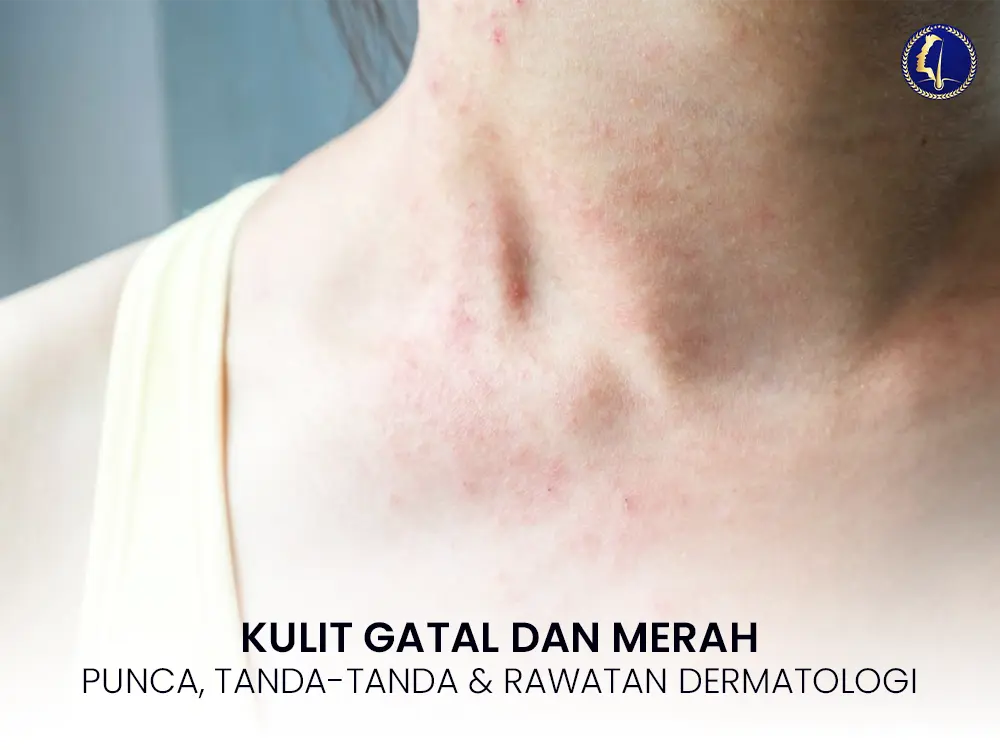
Pilihan Rawatan Dermatologi Selamat Kulit gatal dan merah memerlukan penilaian profesional untuk mengelakkan kerosakan kekal. Pilih jenis rawatan di bawah untuk mendapatkan konsultasi lanjut: Krim Topikal / Preskripsi Khas Doktor Terapi Cahaya (Phototherapy) Ubat Alahan (Antihistamin) & Pelembap Perubatan Tempah Konsultasi Rawatan via WhatsApp Kulit Gatal dan Merah Masalah kulit gatal dan merah adalah antara aduan kulit paling biasa di Malaysia. Ia boleh berpunca daripada pelbagai faktor seperti alergi, iritasi, jangkitan, atau keadaan kulit kronik seperti ekzema. Simptom ini bukan sahaja menjejaskan penampilan, malah boleh mengganggu keselesaan harian dan kualiti hidup. Dalam artikel ini, kami kongsikan info penting mengenai punca, gejala, dan rawatan kulit gatal dan merah yang selamat serta disyorkan oleh pakar dermatologi. 🔍 Apakah Punca Kulit Gatal dan Merah? Kulit menjadi merah dan gatal apabila berlaku keradangan atau reaksi alahan pada permukaan kulit. Antara punca biasa termasuk: 1. Ekzema (Dermatitis Atopik) Keadaan kronik yang menyebabkan kulit menjadi kering, bersisik, dan sangat gatal. Biasanya menyerang kanak-kanak dan boleh berulang. 2. Alergi Kulit (Contact Dermatitis) Berlaku apabila kulit bersentuhan dengan bahan pencetus seperti sabun, kosmetik, logam atau lateks. Boleh menyebabkan ruam merah, melepuh, atau rasa pedih. 3. Ruam Haba (Heat Rash) Berlaku apabila liang peluh tersumbat, terutama dalam cuaca panas dan lembap. Ruam merah kecil muncul bersama kegatalan. 4. Jangkitan Kulit (Fungal/Bacterial) Cendawan seperti tinea (kurap) atau bakteria boleh menyebabkan ruam merah yang merebak. Biasanya disertai rasa pedih, berair atau bersisik. 5. Ubat-ubatan atau Makanan Reaksi alahan terhadap ubat atau makanan tertentu juga boleh menyebabkan kulit gatal secara tiba-tiba. 🩺 Simptom yang Perlu Diberi Perhatian Selain kegatalan dan kemerahan, perhatikan simptom lain seperti: Kulit melepuh atau berair Kulit mengelupas atau bersisik Rasa pedih atau panas pada kawasan terlibat Pembengkakan di sekitar ruam Gatal yang teruk hingga mengganggu tidur 🧴 Rawatan untuk Kulit Gatal dan Merah Rawatan bergantung pada punca dan tahap keterukan. Antara rawatan umum yang disarankan oleh pakar kulit termasuk: 🔹 Krim Steroid Ringan Untuk mengurangkan keradangan dan gatal, terutama jika ekzema atau dermatitis. 🔹 Krim Anti-Fungal atau Anti-Bakteria Jika berpunca daripada jangkitan, rawatan topikal diperlukan. 🔹 Antihistamin Oral Membantu mengawal gatal yang disebabkan oleh alahan atau ruam. 🔹 Pelembap Kulit Medikal Untuk memulihkan lapisan pelindung kulit yang rosak, terutama dalam kes ekzema. 🔹 Elakkan Pencetus (Trigger) Kenal pasti dan elakkan bahan atau keadaan yang menyebabkan iritasi kulit. 👨⚕️ Bila Perlu Jumpa Doktor atau Pakar Kulit? Jumpa doktor sekiranya: Simptom berlarutan lebih dari 3–5 hari Gatal sangat teruk hingga mengganggu tidur Kulit mula berair, berdarah atau bernanah Ubat sapuan tidak menunjukkan kesan Anda tidak pasti puncanya Klinik kulit atau pakar dermatologi boleh melakukan ujian alergi atau kulit untuk diagnosis lebih tepat. 💡 Cara Mencegah Kulit Gatal dan Merah Gunakan sabun tanpa pewangi atau alkohol Elakkan menggaru kawasan gatal Pakai pakaian longgar & menyerap peluh Jaga kelembapan kulit dengan losyen Amalkan diet seimbang dan minum air secukupnya 📍 Kesimpulan: Rawat Kulit Gatal dan Merah dengan Selamat Kulit gatal dan merah boleh sembuh sepenuhnya jika dikenal pasti awal dan dirawat dengan betul. Jangan abaikan simptom, terutama jika berulang atau bertambah teruk. Dapatkan nasihat profesional daripada pakar kulit berdaftar di klinik yang diiktiraf. 📞 Ingin mendapatkan rawatan kulit gatal dan merah yang selamat? Hubungi klinik kulit & kecantikan glojas untuk konsultasi lanjut dan rawatan peribadi daripada doktor bertauliah.
Whiteheads: Causes, Treatment Options & Prevention in Malaysia
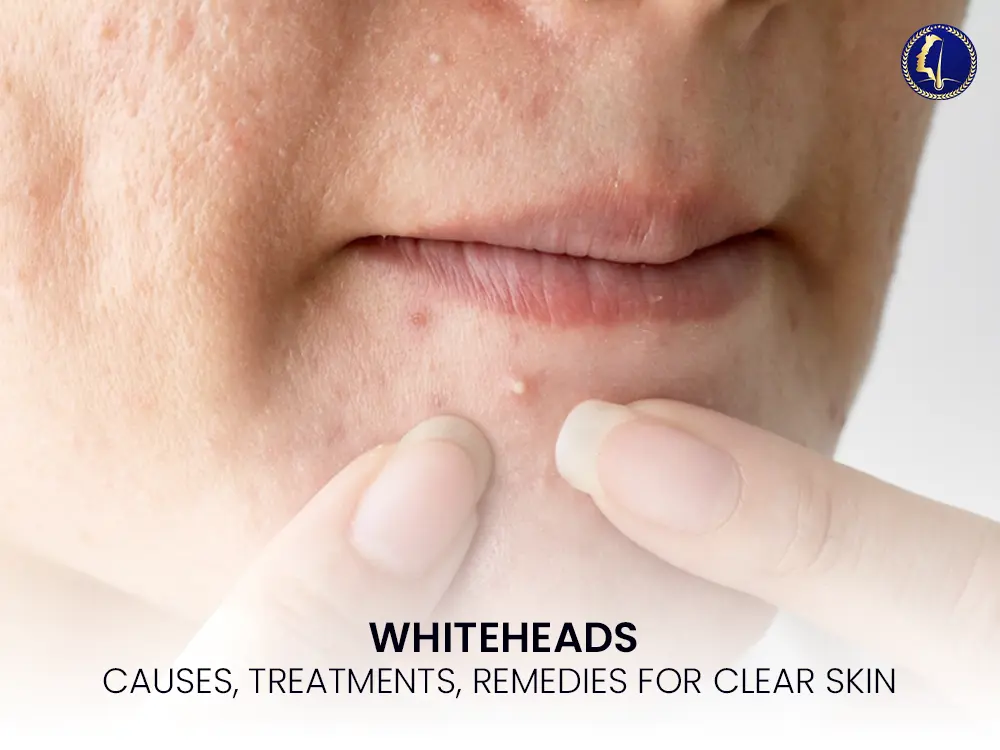
💡 Whiteheads Guide: Understand, Treat & Prevent Click an option below to explore key insights on managing whiteheads effectively: 🔍 Common Causes ✨ Effective Treatments 🛡️ Prevention Tips 🔍 Common Causes of Whiteheads Pore Congestion: Whiteheads (closed comedones) occur when dead skin cells, excess sebum (oil), and bacteria become trapped beneath the surface of closed pores. Malaysian Climate Factor: High humidity and tropical heat can increase sweat and oil production, making pores more prone to clogging. Looking for professional skin consultation or acne treatment options in Malaysia? 💬 Chat via WhatsApp A whitehead is a type of acne lesion medically known as a closed comedo. It forms when dead skin cells, natural sebum (oil), and microscopic debris become trapped inside a hair follicle, creating a small, flesh-colored or white bump that remains completely covered by a thin layer of skin. Because the trapped contents are sealed away from the outside air, the debris does not oxidize or change color, allowing the bump to maintain its distinct white or yellowish head. Whiteheads vs. Blackheads vs. Pimples While all three originate from clogged pores, their structural differences change how they look and how they must be treated. Whiteheads (Closed Comedones): The pore remains completely closed by a microscopic layer of skin cells. The trapped sebum and dead cells stay white or flesh-colored. There is minimal to no active inflammation or redness. Blackheads (Open Comedones): The pore is widened and open to the surface environment. Exposure to air causes the trapped lipids and melanin to oxidize, turning the debris a dark black or brown color. Like whiteheads, they are non-inflammatory. Pimples (Papules and Pustules): These occur when the trapped plug ruptures the follicle wall or when Cutibacterium acnes bacteria multiply inside the pore. The body responds with an immune defense, resulting in a swollen, painful, red bump that often develops a pus-filled tip. What Causes Whiteheads Whiteheads are caused by an accumulation of cellular debris and sebum production failures: Excess Sebum Production: Hormonal fluctuations (such as during puberty, menstrual cycles, or stress) trigger the sebaceous glands to overproduce natural oils. Abnormal Desquamation: The body fails to properly shed dead epidermal cells. Instead of rising and washing away, these sticky cells clump together inside the pore opening. Comedogenic Products: Using thick, heavy moisturizers, foundations, or hair styling oils that physically block the skin’s surface pores. Friction and Sweat: Consistent pressure or rubbing from face masks (maskne), tight hats, or sports helmets traps sweat and sebum against the skin surface. How to Get Rid of Whiteheads Safely Clearing whiteheads requires a patient, chemical-based approach rather than aggressive physical scrubbing, which can damage the skin barrier. Chemical Exfoliation: Using leave-on liquid exfoliants that penetrate deep into the skin’s pores to break down the sticky cellular glue binding the plug together. Double Cleansing: Utilizing a oil-based pre-cleanser at night to break down excess surface sebum and water-resistant sunscreen, followed by a gentle water-based foaming cleanser. Professional Extractions: Visiting a licensed aesthetic clinic or medical spa where an aesthetician uses sterile comedone extractors to apply uniform, safe lateral pressure to drain the stubborn plug without tearing the surrounding tissue. Skincare Ingredients for Whiteheads: Salicylic Acid, Benzoyl Peroxide, Retinoids To clear closed comedones effectively, incorporate targeted, clinically-proven topical active ingredients into your daily skincare regimen. Active Ingredient How It Works Best Used For Salicylic Acid (BHA) A oil-soluble chemical acid that dissolves the lipid bonds holding dead skin cells together inside the lining of the pore. Daily pore decongestion, reduction of localized oil production, and smoothing texture. Benzoyl Peroxide An antimicrobial agent that introduces oxygen into the pore, killing acne-causing bacteria while helping to dry and clear cellular plugs. Disinfecting pores and preventing whiteheads from inflamed turning into painful pimples. Topical Retinoids (Retinol / Adapalene) Vitamin A derivatives that accelerate skin cell turnover, forcing old cells to shed quickly and preventing pores from clogging. The gold standard for long-term prevention of new comedones and boosting skin texture. Should You Pop Whiteheads No, you should never squeeze or pop whiteheads at home. Because the pore is closed by a layer of skin, squeezing forces the trapped debris and bacteria deeper into the dermis, causing tissue damage, hyperpigmentation, or permanent scarring. Attempting to pop a closed comedone manually usually results in a localized infection, transforming a minor, flesh-colored bump into a swollen, painful nodule or cyst. Over-the-Counter Treatments for Whiteheads Most mild to moderate cases of whiteheads respond well to non-prescription skincare regimens used consistently for 4 to 8 weeks. BHA Toners or Serums: Look for leave-on products containing 2% Salicylic Acid. Apply this to clean, dry skin 2 to 3 times a week at night, gradually increasing frequency as tolerated. Targeted Spot Gels: Formulations combining 2.5% Benzoyl Peroxide with soothing botanical extracts can be applied directly to stubborn clusters to reduce lipid blockages. Non-Comedogenic Moisturizers: Lightweight, gel-based lotions containing hyaluronic acid or glycerin that hydrate the skin barrier without adding heavy, pore-clogging oils. Prescription Treatments for Persistent Whiteheads When over-the-counter options fail to clear dense clusters of closed comedones, a doctor can prescribe stronger, targeted medical formulations. Prescription Retinoids: Tretinoin or Adapalene (Differin) gel. These powerful topicals drastically alter how cells grow and shed within the oil glands, systematically clearing deep blockages. Azelaic Acid (15% – 20%): A prescription-strength cream that acts as a mild exfoliant, antimicrobial agent, and anti-inflammatory treatment, making it highly effective for sensitive skin types prone to redness. Oral Medications: For severe cases driven by hormonal imbalances, medical practitioners may prescribe oral contraceptive pills, spironolactone, or oral isotretinoin (Roaccutane) to suppress systemic sebum production. How to Prevent Whiteheads Maintaining clear skin requires proactive habits that prevent the initial accumulation of sebum and cellular debris. Verify Product Labels: Ensure all skincare, sunscreens, and makeup cosmetics are explicitly labeled as non-comedogenic, oil-free, or won’t clog pores. Wash After Sweating: Cleanse your face immediately after strenuous physical activity or workouts to prevent sweat from trapping ambient dirt and oils inside the skin. Avoid Over-Exfoliation: Do not use coarse
Best Depilatory Solutions: 5 Effective Methods for Smooth Skin
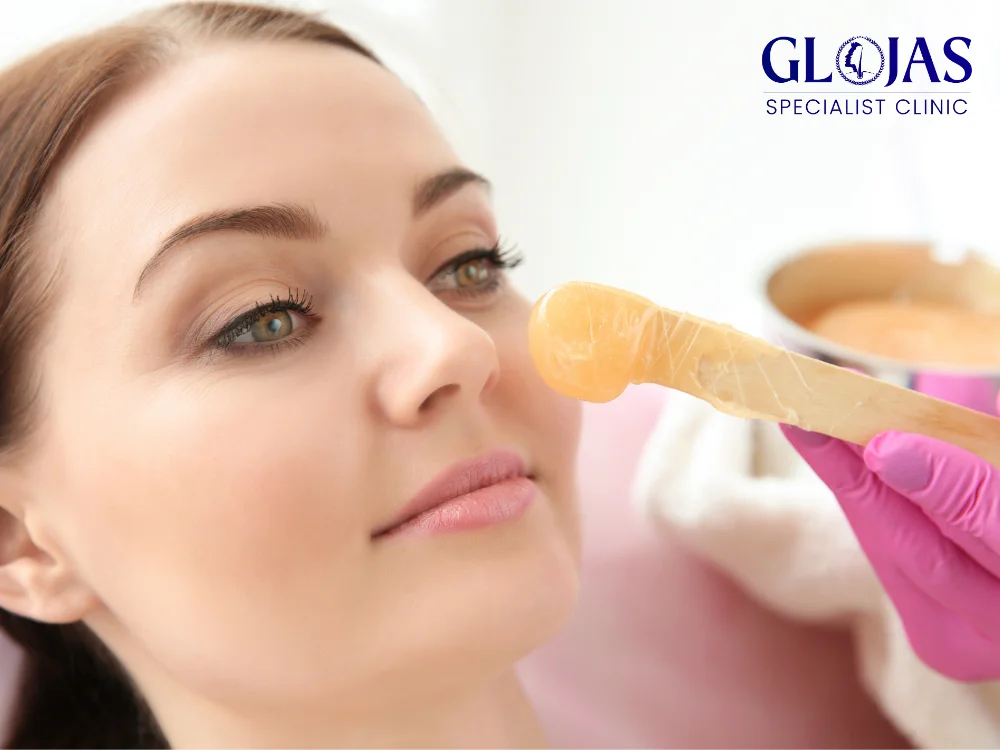
Hair removal can be a frustrating and ongoing battle for many individuals, leading them to seek out the most effective depilatory methods. While traditional options like shaving and waxing remain popular, advancements in technology, such as the Candela Gentle YAG Laser, have revolutionized the world of hair removal. In this article, we will explore the various depilatory methods available, including both temporary and permanent solutions, and highlight why Candela Gentle YAG Laser stands out as one of the top choices for long-term results. What Is a Depilatory? A depilatory refers to any product or method used to remove hair from the surface of the skin. Unlike epilation, which removes hair from the root (such as with waxing or tweezing), depilatories work by dissolving the part of the hair that is visible above the skin. Depilatory creams, lotions, and foams contain active chemical ingredients that break down the structure of hair, allowing it to be easily wiped away. Depilatories are often used for areas like the legs, arms, underarms, and bikini line, providing a quick and pain-free hair removal solution. However, because they do not remove the hair from the root, hair tends to regrow within a few days. Types of Depilatory Methods When it comes to hair removal, there are several depilatory methods available, each with its own pros and cons. Let’s explore five popular options: 1. Depilatory Creams One of the most common forms of depilatories is depilatory creams. These creams contain active ingredients, such as calcium thioglycolate, that dissolve hair proteins, making it easy to wipe the hair away. The process is painless, though there may be a slight odor due to the chemicals involved. Pros: Quick, affordable, and easy to use at home. Cons: Temporary results; hair typically regrows within a few days. 2. Shaving Although not technically a depilatory, shaving is one of the oldest and most widely used methods of hair removal. Shaving cuts hair at the surface of the skin, making it smooth to the touch. However, it only lasts for a few days before regrowth becomes noticeable. Pros: Fast, affordable, and convenient. Cons: Frequent maintenance required, potential for nicks, cuts, and razor burn. 3. Waxing Unlike depilatories that remove hair at the surface, waxing removes hair from the root. This method involves applying warm wax to the skin and quickly pulling it off, removing the hair along with it. Waxing can be painful, but the results last much longer than creams or shaving. Pros: Longer-lasting results (up to 4 weeks). Cons: Painful and can cause skin irritation or ingrown hairs. 4. Sugaring Similar to waxing, sugaring is another method that pulls hair from the root. However, sugaring uses a natural mixture of sugar, lemon juice, and water, which is considered gentler on the skin. Sugaring is ideal for sensitive skin and can reduce hair growth over time. Pros: Less painful than waxing, made from natural ingredients. Cons: Requires frequent treatments to maintain smooth skin. 5. Laser Hair Removal (Candela Gentle YAG Laser) One of the most effective long-term depilatory methods is laser hair removal, specifically with devices like the Candela Gentle YAG Laser. This advanced technology uses laser energy to target and destroy hair follicles, leading to permanent reduction in hair growth over multiple sessions. How the Candela Gentle YAG Laser Works The Candela Gentle YAG Laser is a highly effective solution for individuals with darker skin tones and those looking for a more permanent solution to hair removal. The YAG laser targets the hair follicles without damaging the surrounding skin, making it ideal for treating larger areas like the legs, back, and arms. Over the course of several sessions, the treated hair becomes finer, lighter, and eventually stops growing altogether. Pros: Permanent hair reduction, suitable for all skin types, and minimal discomfort. Cons: Requires multiple sessions (6-8 treatments), higher initial cost compared to other depilatory methods. Comparing Depilatory Creams to Candela Gentle YAG Laser When deciding between depilatory creams and laser treatments like the Candela Gentle YAG Laser, it’s important to consider your goals, budget, and time commitment. Let’s break down the key differences: Depilatory Creams Candela Gentle YAG Laser Cost: Affordable, usually $10-20 per bottle Cost: More expensive, but long-term investment Duration: Lasts a few days to a week Duration: Permanent hair reduction after several treatments Pain: Painless Pain: Minimal discomfort during sessions Skin Types: Best for lighter skin tones Skin Types: Safe for all skin tones, including darker skin Maintenance: Frequent reapplication needed Maintenance: Requires fewer touch-ups after initial sessions If you’re looking for a quick, temporary solution, depilatory creams are an easy and cost-effective choice. However, for those seeking long-term results and are tired of constant maintenance, laser hair removal with the Candela Gentle YAG Laser is the best option available. Benefits of Candela Gentle YAG Laser for Hair Removal Laser hair removal has become a popular choice for permanent hair reduction, and the Candela Gentle YAG Laser offers several distinct advantages: 1. Permanent Results Unlike other depilatory methods that require constant reapplication or maintenance, laser hair removal provides a permanent reduction in hair growth. After a series of treatments, you can enjoy smooth skin without the need for daily hair removal routines. 2. Safe for All Skin Types The Candela Gentle YAG Laser is particularly effective for individuals with darker skin tones, a group that can struggle to find suitable laser treatments. The YAG wavelength targets hair follicles without damaging surrounding skin, reducing the risk of hyperpigmentation or burns. 3. Minimal Downtime One of the major benefits of laser hair removal is the minimal downtime required. After a session, patients can return to their regular activities almost immediately, with only slight redness or sensitivity in the treated area. 4. Precision Targeting The laser technology used in the Candela Gentle YAG Laser allows for precise targeting of hair follicles, ensuring that only unwanted hair is treated. This minimizes the risk of irritation and promotes faster healing. 5. Less Painful Than Waxing While waxing pulls hair from the root
Rawatan Laser untuk Pigmentasi: Penyelesaian Berkesan untuk Kulit Anda
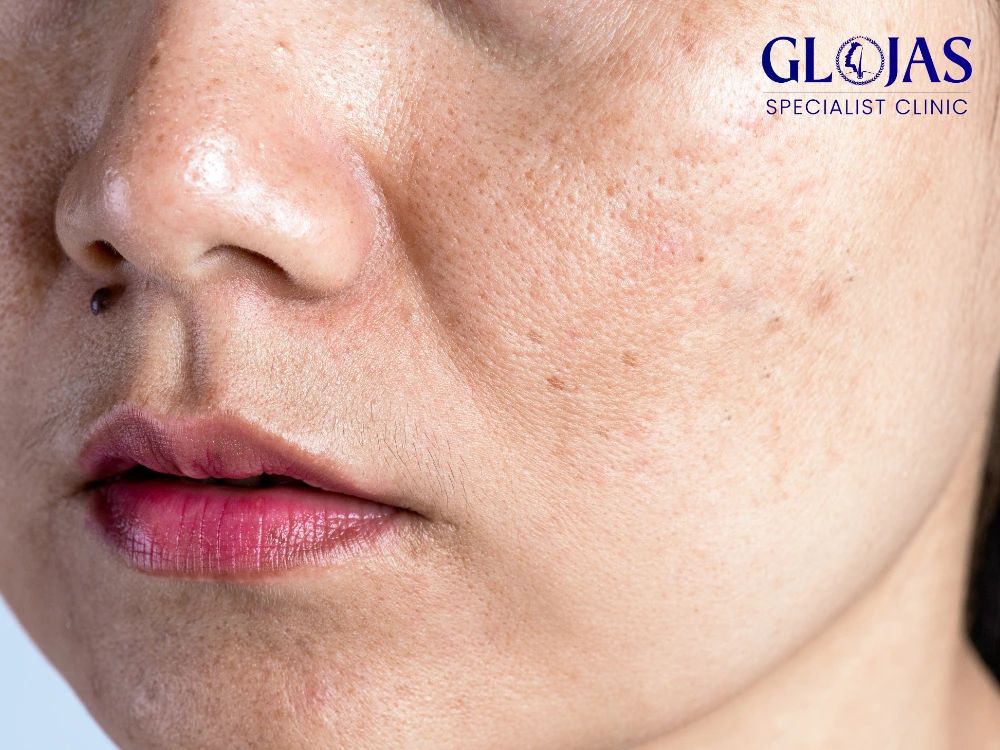
Pigmentasi kulit adalah masalah yang sering dihadapi oleh ramai orang di seluruh dunia. Ia boleh muncul dalam pelbagai bentuk seperti bintik-bintik hitam, tompok merah, dan perubahan warna kulit yang tidak sekata. Masalah ini sering disebabkan oleh faktor-faktor seperti pendedahan kepada sinaran UV, perubahan hormon, penuaan, dan faktor genetik. Bagi mereka yang ingin mengembalikan keserian kulit mereka, rawatan laser untuk pigmentasi telah menjadi pilihan yang semakin popular. Dalam artikel ini, kita akan membincangkan secara mendalam tentang rawatan laser untuk pigmentasi, cara ia berfungsi, jenis-jenis laser yang digunakan, dan langkah-langkah yang perlu diambil sebelum dan selepas prosedur. Apa Itu Pigmentasi Kulit? Pigmentasi kulit merujuk kepada perubahan warna pada kulit yang disebabkan oleh penghasilan melanin yang berlebihan atau kekurangan. Melanin adalah pigmen yang memberikan warna kepada kulit, rambut, dan mata. Apabila melanin dihasilkan secara berlebihan, ia boleh menyebabkan bintik-bintik gelap pada kulit. Sebaliknya, jika penghasilan melanin berkurangan, ia boleh menyebabkan tompok putih pada kulit. Terdapat beberapa jenis pigmentasi yang biasa, termasuk: Bintik Penuaan: Tompok gelap yang muncul akibat penuaan dan pendedahan kepada sinar matahari. Melasma: Pigmentasi yang sering berlaku pada wanita hamil atau mereka yang mengambil pil perancang. Bintik Matahari: Tompok-tompok gelap yang muncul akibat pendedahan berlebihan kepada sinar UV. Bagaimana Rawatan Laser untuk Pigmentasi Berfungsi? Rawatan laser untuk pigmentasi adalah prosedur yang menggunakan cahaya laser untuk menargetkan dan menghilangkan sel-sel yang menghasilkan melanin berlebihan. Terdapat beberapa jenis laser yang digunakan dalam rawatan ini, dan setiap satu berfungsi dengan cara yang sedikit berbeza. Prinsip Kerja Laser berfungsi dengan mengeluarkan cahaya yang sangat fokus yang diserap oleh melanin dalam kulit. Apabila cahaya laser diserap, ia menghasilkan haba yang memecahkan sel-sel melanin. Sel-sel ini kemudian dihapuskan oleh sistem imun badan, menjadikan kulit kelihatan lebih bersih dan cerah. Jenis-Jenis Rawatan Laser untuk Pigmentasi Laser Erbium YAG: Laser ini adalah pilihan popular untuk merawat pigmentasi kerana ia berfungsi pada lapisan permukaan kulit dan boleh memecahkan bintik-bintik tanpa merosakkan tisu sekeliling. Ia sesuai untuk kes-kes yang tidak terlalu serius dan memberikan pemulihan yang cepat. Laser CO2: Laser ini lebih agresif dan berfungsi dengan mengeluarkan lapisan kulit yang terjejas secara langsung. Ia lebih sesuai untuk kes-kes pigmentasi yang lebih teruk, tetapi memerlukan masa pemulihan yang lebih lama. Kelebihan laser CO2 adalah hasilnya yang ketara dalam masa yang singkat. Laser IPL (Intense Pulsed Light): Ini bukan laser dalam erti kata sebenar, tetapi ia menggunakan cahaya terang untuk merawat pigmentasi. Ia berfungsi dengan memecahkan melanin dan merangsang pengeluaran kolagen. Rawatan ini sangat baik untuk masalah kulit yang lebih umum, termasuk pigmentasi dan jerawat. Laser Nd:YAG: Laser ini digunakan untuk merawat pigmentasi yang lebih dalam, dan ia mampu menembusi ke dalam lapisan kulit yang lebih dalam. Ia berkesan untuk merawat bintik-bintik penuaan dan melasma. Kelebihan Rawatan Laser untuk Pigmentasi Terdapat banyak kelebihan yang menjadikan rawatan laser untuk pigmentasi pilihan yang menarik bagi ramai orang: 1. Hasil yang Cepat dan Efektif Salah satu kelebihan utama rawatan laser untuk pigmentasi adalah hasilnya yang cepat. Selepas hanya beberapa sesi, anda boleh melihat peningkatan yang ketara dalam penampilan kulit anda. Bintik-bintik gelap biasanya akan pudar, dan kulit akan kelihatan lebih cerah dan sekata. Proses ini biasanya memerlukan 3 hingga 5 sesi bergantung kepada keparahan pigmentasi. 2. Prosedur Minim Invasif Rawatan laser untuk pigmentasi adalah prosedur yang minim invasif, bermakna ia tidak memerlukan pembedahan besar. Pesakit biasanya boleh kembali ke aktiviti harian mereka dengan segera selepas sesi. Ini menjadikannya pilihan yang baik bagi mereka yang mempunyai jadual sibuk dan tidak dapat mengambil cuti panjang untuk pemulihan. 3. Risiko Kesan Sampingan yang Rendah Jika dilakukan oleh pakar yang berpengalaman, rawatan laser untuk pigmentasi mempunyai risiko kesan sampingan yang rendah. Kesan sampingan yang biasa mungkin termasuk kemerahan atau bengkak sementara, tetapi ini biasanya hilang dalam beberapa jam hingga beberapa hari. Dengan penjagaan yang betul, komplikasi serius adalah jarang berlaku. 4. Sesuai untuk Pelbagai Jenis Kulit Rawatan laser untuk pigmentasi boleh disesuaikan mengikut jenis kulit dan keperluan individu. Ini bermakna pesakit dengan pelbagai jenis dan warna kulit dapat menerima rawatan yang sesuai dengan keadaan mereka. Ini penting kerana sesetengah jenis kulit mungkin lebih sensitif kepada rawatan tertentu. Prosedur Rawatan Laser untuk Pigmentasi Sebelum memulakan rawatan, adalah penting untuk melakukan konsultasi dengan pakar kulit. Dalam sesi ini, doktor akan: Memeriksa kulit anda: Menentukan jenis pigmentasi yang anda alami dan sejauh mana keparahannya. Membincangkan pilihan rawatan: Menerangkan pelbagai pilihan rawatan yang tersedia dan memberikan nasihat tentang pilihan yang terbaik untuk keadaan anda. Menilai sejarah perubatan anda: Memastikan anda adalah calon yang sesuai untuk prosedur ini. Langkah-langkah dalam Prosedur Persiapan Kulit: Sebelum sesi, kulit akan dibersihkan dan mungkin akan disapukan krim anestetik untuk mengurangkan ketidakselesaan semasa rawatan. Ini penting bagi memastikan pesakit merasa selesa semasa prosedur. Proses Laser: Pakar akan menggunakan mesin laser untuk merawat kawasan yang terjejas. Proses ini biasanya berlangsung antara 15 hingga 30 minit, bergantung kepada kawasan yang dirawat. Semasa rawatan, pesakit mungkin merasakan sedikit ketidakselesaan, tetapi ini biasanya dapat ditangani dengan baik. Pemulihan: Selepas sesi, anda mungkin akan mengalami sedikit kemerahan atau bengkak. Ini adalah perkara biasa dan biasanya hilang dalam beberapa jam hingga beberapa hari. Doktor mungkin memberikan arahan mengenai penjagaan kulit selepas rawatan, termasuk cara menjaga kulit dan produk yang harus digunakan. Apa yang Perlu Diketahui Sebelum Melakukan Rawatan Laser untuk Pigmentasi Sebelum memutuskan untuk menjalani rawatan laser untuk pigmentasi, terdapat beberapa perkara yang perlu dipertimbangkan: 1. Pilih Pakar yang Berpengalaman Memilih pakar dermatologi atau pakar bedah plastik yang berpengalaman dalam rawatan laser adalah langkah penting. Pastikan mereka mempunyai kelayakan dan pengalaman yang mencukupi dalam melakukan prosedur ini. Anda boleh meminta rujukan atau membaca ulasan daripada pesakit lain untuk memastikan anda memilih pakar yang tepat. 2. Kenali Risiko dan Kesan Sampingan Walaupun rawatan laser untuk pigmentasi adalah prosedur yang selamat, ada risiko tertentu yang perlu anda ketahui. Ini termasuk risiko hipopigmentasi (penurunan warna kulit) atau hiperpigmentasi (peningkatan warna kulit) selepas rawatan. Pastikan anda membincangkan ini dengan pakar sebelum menjalani prosedur. 3. Tempoh Pemulihan Walaupun kebanyakan orang boleh kembali ke aktiviti harian mereka dengan cepat, ada baiknya anda merancang untuk memberi diri anda masa pemulihan yang mencukupi selepas sesi. Elakkan pendedahan langsung kepada matahari dan gunakan pelindung
Keloid Scar: Punca, Simptom, dan Rawatan Berkesan untuk Parut Tebal
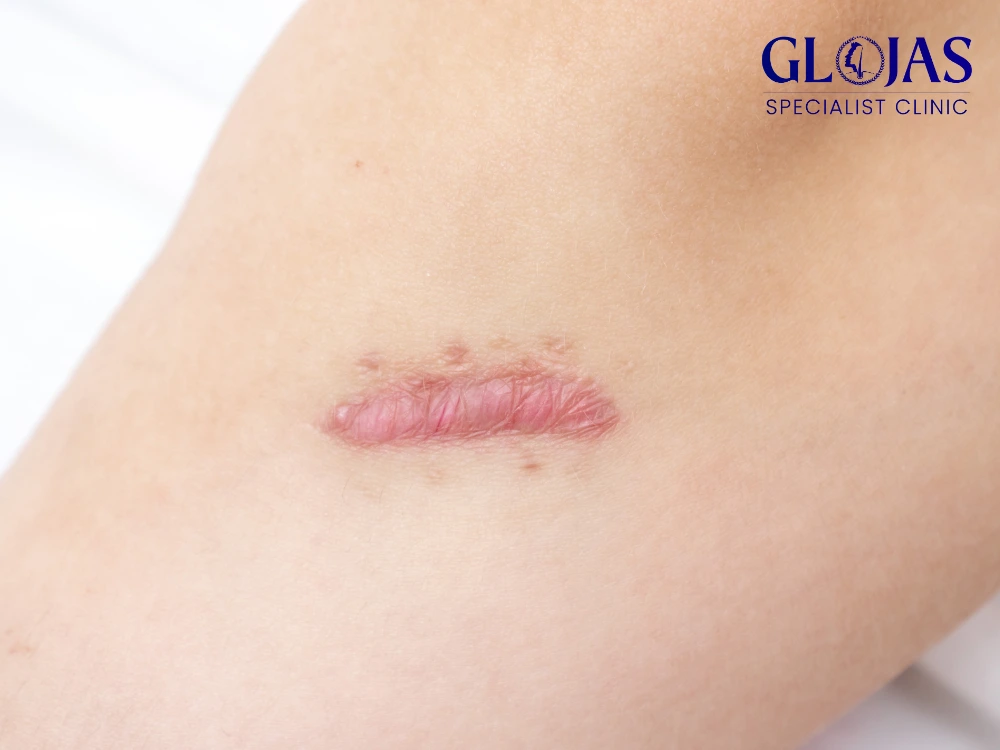
Kenali Tahap Parut & Pilihan Rawatan Keloid Pilih simptom atau jenis parut yang anda alami untuk mengetahui kaedah rawatan pakar yang paling berkesan. Pilih Keadaan Parut Anda: Parut Menebal, Gatal & Kemerahan (Keloid Aktif)Ketulan Keras Melepasi Suar Asal Luka (Keloid Lama)Parut Timbul Tetapi Terhad Pada Kawasan Luka (Hipertrofik) Suntikan Steroid (Intralesional Corticosteroid) Rawatan utama untuk mengurangkan keradangan, meratakan parut yang tebal, serta melegakan rasa gatal dan sakit pada peringkat awal. Inginkan penilaian parut keloid anda? Hantar gambar parut anda melalui WhatsApp untuk rundingan bersama doktor pakar kami. Hubungi WhatsApp (+60 12-270 0122) Keloid Scar ialah parut tebal yang tumbuh melebihi sempadan luka asal akibat penghasilan kolagen berlebihan. Ia sering timbul selepas jerawat, tindikan, pembedahan, atau kecederaan dan boleh menyebabkan gatal atau sakit. Rawatan termasuk suntikan steroid, laser, pembedahan, dan terapi tekanan. Keloid tidak berjangkit dan boleh berulang jika tidak diurus dengan betul. Apa Itu Keloid Scar Definisi: Tisu parut fibrotik benigna yang membesar secara agresif di luar kawasan luka asal. Punca utama: Trauma kulit, jerawat teruk, cacar air, tindik, pembedahan, gigitan serangga, suntikan vaksin. Faktor risiko: Genetik, kulit gelap, umur 10-30 tahun, lokasi badan dengan tegangan tinggi. Ciri: Berwarna merah jambu ke ungu, gatal, sakit, tidak surut sendiri, boleh membesar bertahun-tahun. Rawatan Keloid Scar Paling Berkesan Rawatan Keberkesanan Kos Anggaran Nota Penting Suntikan Kortikosteroid 50-80% kecut RM180-RM850/sesi Perlu 3-6 sesi. Standard emas rawatan awal Cryotherapy 51-74% rata RM470-RM1400/sesi Berkesan untuk keloid kecil. Risiko hipopigmentasi Laser Pulsed Dye 50-70% kurang merah RM940-RM2350/sesi Gabung dengan steroid lebih baik Gel/Silikon Sheet 70-85% cegah baru RM95-RM280/unit Guna 12-24 jam sehari, 3-6 bulan Pembedahan + Radiasi 85-90% tak berulang RM7000-RM18800 Untuk keloid besar/tegar. Radiasi selepas bedah 5-Fluorouracil 45-70% respon RM375-RM940/sesi Pilihan jika steroid gagal Rawatan gabungan > rawatan tunggal. Protokol biasa: suntikan steroid + cryotherapy + silikon. Cara Cegah Keloid Scar Selepas Luka Elak prosedur elektif: Tindik, tatu jika ada sejarah keluarga keloid. Tekanan luka: Guna silikon gel/sheet seawal hari ke-10 selepas luka sembuh. Jaga luka: Elak jangkitan, jangan cungkil kuping, lindungi dari matahari 6-12 bulan. Steroid awal: Suntikan triamcinolone jika parut mula menebal dalam 3 bulan pertama. Teknik jahitan: Minta pakar bedah guna teknik kurangkan tegangan untuk luka elektif. Mitos vs Fakta Keloid Scar Mitos: Keloid boleh jadi kanser. Fakta: Keloid benigna 100%. Tiada risiko malignan. Mitos: Boleh hilang sendiri dengan krim biasa. Fakta: Krim OTC tak berkesan. Perlu rawatan perubatan. Mitos: Buang dengan pembedahan saja cukup. Fakta: 45-100% berulang jika bedah saja tanpa rawatan susulan. Soalan Lazim Tentang Keloid Scar 1. Adakah keloid scar berbahaya? Tidak. Keloid bukan kanser dan tidak mengancam nyawa. Tapi boleh gatal, sakit, dan jejaskan emosi. 2. Bolehkah keloid scar hilang sepenuhnya? Sukar. Matlamat rawatan ialah ratakan, kecilkan, dan hilangkan simptom. Kadar berulang 10-50% walaupun selepas rawat. 3. Ubat apa paling mujarab untuk keloid? Suntikan triamcinolone acetonide 10-40mg/mL setiap 4-6 minggu. Ini rawatan lini pertama paling terbukti. 4. Kenapa keloid saya makin besar selepas dibedah? Pembedahan tanpa radiasi/steroid susulan rangsang kolagen baru. Risiko berulang 45-100%. Sebab itu gabungan terapi wajib. 5. Berapa lama masa untuk lihat hasil rawatan keloid? Suntikan steroid: 3-4 sesi baru nampak kecut. Silikon: minimum 2-3 bulan. Laser: 4-6 sesi, jarak 6 minggu.
Pigmentasi Jeragat: Cara Hilangkan Tompok Hitam di Muka Dengan Berkesan
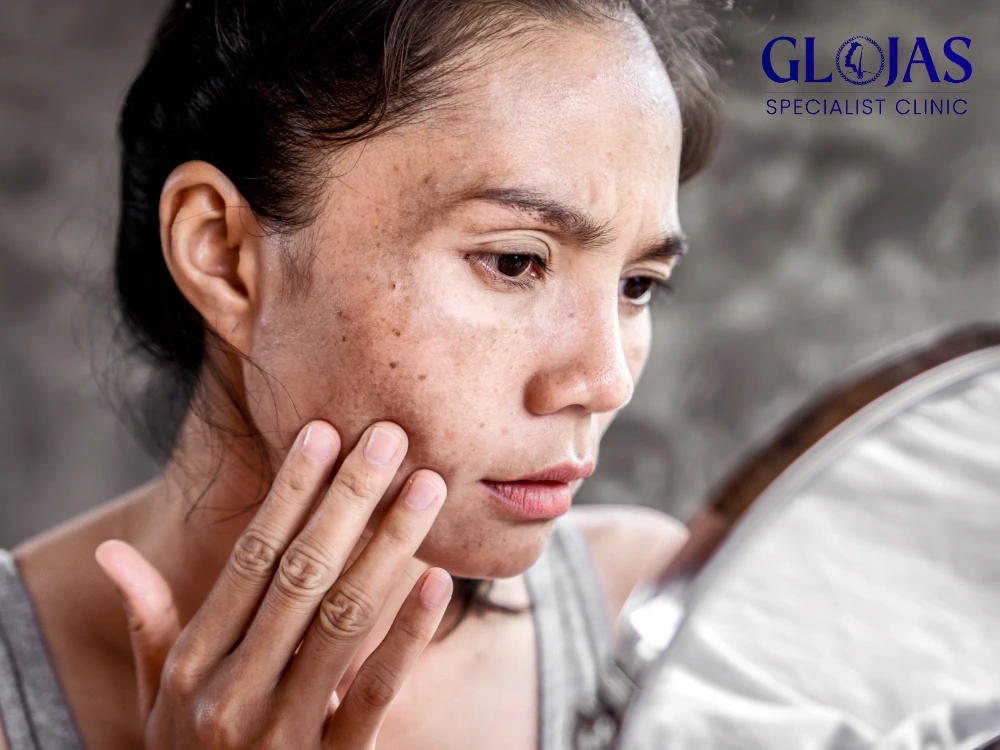
Semak Tahap Jeragat Anda Hari Ini Adakah tompok hitam di muka anda semakin meluas? Ketahui punca dan solusi penawaran yang paling berkesan untuk kulit anda. 💬 Konsultasi Percuma via WhatsApp Masalah pigmentasi jeragat sering menghantui rakyat Malaysia akibat cuaca panas terik. Mencari cara hilangkan jeragat yang berkesan memerlukan pemahaman tentang punca jeragat dan rawatan klinikal yang tepat. Artikel ini membincangkan solusi moden untuk mendapatkan kulit yang lebih cerah dan sekata. Apa Itu Jeragat (Pigmentasi Jeragat)? Jeragat ialah masalah pigmentasi kulit yang menyebabkan tompok gelap muncul, biasanya pada wajah akibat pendedahan sinar UV, perubahan hormon, dan faktor genetik. Pigmentasi jeragat berlaku apabila penghasilan melanin berlebihan. Di Malaysia, iklim panas mempercepatkan pembentukan jeragat, menjadikannya antara masalah kulit paling biasa. Definisi Jeragat Secara saintifik, jeragat adalah bentuk hiperpigmentasi yang muncul sebagai bintik coklat atau kelabu. Di Malaysia, istilah ini merangkumi pelbagai kondisi seperti melasma dan tompok penuaan yang biasanya tertumpu di kawasan pipi, hidung, dan dahi. Bagaimana Jeragat Terbentuk pada Kulit Apabila kulit terdedah kepada stres, sel melanosit akan menghasilkan melanin secara agresif sebagai perlindungan. Melanin ini kemudian berkumpul di lapisan epidermis atau dermis, mewujudkan tompokan yang kita kenali sebagai pigmentasi jeragat yang degil. Punca Utama Jeragat Memahami punca adalah langkah pertama pencegahan. Mengikut data dermatologi, faktor persekitaran dan biologi memainkan peranan besar dalam mencetuskan masalah kulit ini di kawasan tropika. Pendedahan Sinar UV Sinar ultraungu (UV) adalah musuh nombor satu. Pertubuhan Kesihatan Sedunia (WHO) menyatakan indeks UV yang tinggi boleh merosakkan DNA kulit, memaksa penghasilan pigmen gelap sebagai perisai semula jadi yang akhirnya membentuk jeragat. Faktor Hormon Perubahan hormon, terutamanya semasa mengandung atau pengambilan pil perancang, sering mencetuskan melasma. Keadaan ini, yang digelar “topeng kehamilan,” berlaku kerana estrogen merangsang melanosit secara berlebihan, menyebabkan pigmentasi simetri pada wajah. Faktor Genetik Jika ibu bapa anda mempunyai masalah pigmentasi, anda berisiko lebih tinggi. Kajian menunjukkan genetik menentukan sensitiviti melanosit anda terhadap cahaya matahari, menjadikan sesetengah individu lebih mudah mendapat bintik hitam walaupun dengan pendedahan minimum. Berikut adalah punca jeragat: Pendedahan UV berlebihan – sinaran matahari atau lampu solek merangsang pengeluaran melanin tidak sekata Penuaan kulit – keupayaan kulit untuk baiki dan agih melanin berkurang dengan usia Perubahan hormon – mengandung, pil perancang, atau terapi hormon meningkatkan sensitiviti pigmen Faktor keturunan – ada ahli keluarga yang juga mengalami jeragat atau bintik hitam Keradangan kulit – kesan jerawat, luka, atau prosedur kosmetik yang kasar Jenis-Jenis Jeragat Bukan semua tompok hitam itu sama. Mengenali jenis pigmentasi adalah kunci untuk memilih rawatan yang paling efektif di klinik estetik. Jenis Jeragat Ciri-Ciri Utama Lapisan Kulit Melasma Tompok besar, simetri Epidermis & Dermis Freckles Bintik kecil, coklat muda Epidermis Lentigines Tompok penuaan, jelas Epidermis Melasma Melasma biasanya muncul sebagai tompokan besar yang tidak sekata. Ia sering dikaitkan dengan perubahan hormon dan lebih sukar dirawat kerana pigmennya boleh berada jauh di dalam lapisan dermis kulit. Freckles (Ephelides) Freckles adalah bintik-bintik kecil yang sering muncul pada individu berkulit cerah. Ia biasanya menjadi lebih gelap selepas terdedah kepada matahari dan boleh pudar jika anda mengamalkan perlindungan UV yang ketat. Lentigines (Age Spots) Juga dikenali sebagai tompok penuaan, ia berpunca daripada akumulasi kerosakan matahari selama bertahun-tahun. Lentigines mempunyai sempadan yang jelas dan tidak akan pudar tanpa bantuan rawatan aktif atau prosedur klinikal. Cara Hilangkan Jeragat Dengan Berkesan Terdapat pelbagai kaedah moden untuk memudarkan pigmentasi. Pilihan rawatan bergantung pada kedalaman pigmen dan bajet anda. Rawatan Laser Teknologi seperti Pico Laser atau Q-Switched Nd:YAG sangat popular di Malaysia. Menurut American Academy of Dermatology, laser berfungsi memecahkan zarah pigmen kepada cebisan halus yang kemudiannya disingkirkan secara semula jadi oleh sistem imun badan. Chemical Peeling Prosedur ini menggunakan asid gred perubatan seperti asid glikolik atau asid salisilik untuk membuang lapisan kulit mati. Ia mempercepatkan penggantian sel baru, sekali gus memudarkan jeragat di permukaan epidermis dengan efektif. Krim dan Serum Topikal Penggunaan produk topikal adalah asas penjagaan. Krim yang mengandungi bahan pencerah terbukti secara klinikal mampu menyekat enzim tyrosinase yang bertanggungjawab menghasilkan melanin, memberikan hasil yang konsisten jika diamalkan setiap hari. Produk untuk Pigmentasi Jeragat Pemilihan produk yang tepat mestilah berasaskan sains, bukan sekadar trend testimoni semata-mata. Bahan Aktif Berkesan Cari produk dengan kandungan seperti Vitamin C, Niacinamide, Arbutin, atau Asid Kojik. Bahan-bahan ini diiktiraf oleh pakar dermatologi kerana keupayaannya mencerahkan tona kulit dan mengurangkan keradangan tanpa merosakkan penghalang kulit (skin barrier). Sunscreen untuk Jeragat Sunscreen adalah “ubat” jeragat terbaik. Pastikan anda menggunakan pelindung spektrum luas dengan sekurang-kurangnya SPF 50 dan PA++++. Tanpa pelindung matahari, semua rawatan mahal lain akan menjadi sia-sia kerana UV akan terus merangsang pigmentasi baru. Rawatan Jeragat di Klinik Malaysia Malaysia mempunyai banyak klinik estetik berlesen yang menawarkan teknologi terkini. Cara Memilih Klinik Pastikan klinik tersebut mempunyai pendaftaran dengan Kementerian Kesihatan Malaysia (KKM) dan dikendalikan oleh doktor bertauliah (LCP certified). Elakkan “rawatan bajet” di spa yang tidak mempunyai kelayakan perubatan untuk mengendalikan mesin laser. Anggaran Kos Rawatan Kos rawatan laser di Malaysia biasanya bermula dari RM300 hingga RM1,500 setiap sesi, bergantung kepada teknologi yang digunakan. Chemical peeling pula lebih mampu milik, sekitar RM150 hingga RM400 mengikut jenis bahan kimia. Cara Mencegah Jeragat Pencegahan sentiasa lebih baik dan murah daripada merawat. Penggunaan Sunscreen Gunakan peraturan “dua jari” untuk kuantiti sunscreen yang cukup pada wajah. Sapu semula setiap 2 hingga 3 jam jika anda berada di luar rumah atau bekerja berhampiran tingkap yang ditembusi cahaya matahari. Elak Pendedahan Matahari Gunakan pelindung fizikal seperti payung atau topi lebar apabila berada di bawah sinar matahari antara jam 10 pagi hingga 4 petang. Skin Cancer Foundation menyarankan langkah ini untuk meminimumkan risiko kerosakan kulit jangka panjang. FAQ Jeragat Adakah Jeragat Boleh Hilang? Jeragat boleh dipudarkan sehingga tidak kelihatan, tetapi kecenderungan untuk ia kembali tetap ada. Penjagaan rapi dan perlindungan UV yang berterusan adalah wajib untuk mengekalkan hasil kulit yang bersih selepas rawatan. Berapa Lama Rawatan Berkesan? Biasanya, perubahan mula kelihatan selepas 3 hingga 6 sesi rawatan klinikal. Untuk produk topikal, anda perlu bersabar sekurang-kurangnya 12 minggu kerana kitaran pembaharuan sel kulit manusia mengambil masa yang agak lama. Adakah Laser Selamat? Ya, laser adalah selamat jika dilakukan oleh pakar. Teknologi moden kini mempunyai downtime yang minima. Pastikan anda mengikuti nasihat Persatuan Dermatologi Malaysia mengenai penjagaan selepas prosedur