
Linerase Treatment: Collagen Biostimulator for Skin Rejuvenation
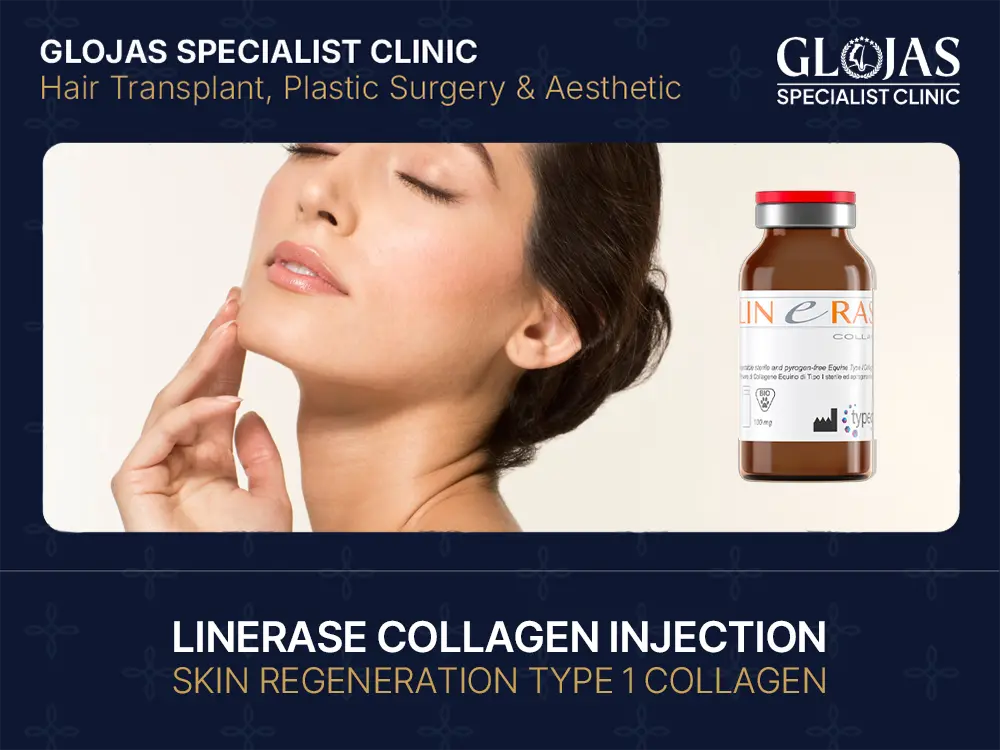
Linerase is a CE-certified Class III medical device composed of sterile, micronized heterologous Type I collagen. It is an injectable biostimulator designed to trigger the body’s natural production of collagen and elastin. By reactivating fibroblast activity within the dermis, it restores skin density, improves texture, and repairs damaged connective tissue. What Is Linerase? (Medical Definition) Linerase is a highly purified, bio-active Type I collagen powder that is reconstituted into a liquid form for intradermal injection. In medical aesthetic terms, it is categorized as a collagen biostimulator rather than a traditional volumizing filler. The product uses heterologous Type I collagen (HTIC), which mirrors the structural collagen found naturally in human skin to ensure high biocompatibility. Clinically, it is used to reverse dermal atrophy and improve the structural integrity of the extracellular matrix. How Linerase Collagen Injection Works The treatment involves micro-injections of the collagen solution into the mid-to-deep dermis of the target area. Once injected, it acts as a mechanical trigger for fibroblasts, the primary cells responsible for synthesizing new skin proteins. Unlike hyaluronic acid skin boosters that focus on hydration, Linerase focuses on biological repair. It creates a “bio-scaffold” that supports the growth of new, healthy skin fibers over several weeks. Type I Collagen and Skin Regeneration Role Type I collagen makes up approximately 80-85% of the collagen in healthy adult skin and is essential for tensile strength. As we age, our natural production of this protein drops by about 1% every year after the age of 25. Linerase helps replenish this loss by providing the building blocks necessary for dermal regeneration. It specifically targets the structural “framework” of the skin to restore firmness that has been lost due to aging or environmental damage. Skin Problems Treated by Linerase Fine Lines and Early Wrinkles Linerase is highly effective at smoothing out “crepey” skin around the eyes, mouth, and neck. By increasing dermal thickness, it fills in shallow lines from the inside out without changing facial expressions. It is particularly popular in Malaysia for treating “tech neck” lines caused by constant looking down at devices. Acne Scars and Skin Texture Damage The biostimulatory effect helps level out “rolling” and “boxcar” acne scars by filling the depressions with new collagen. It improves the overall “orange peel” texture of the skin, making pores appear smaller and the surface smoother. Studies show that collagen biostimulators significantly enhance the outcomes of subcision or laser treatments for deep scarring. Skin Laxity and Loss of Elasticity It addresses sagging skin by tightening the dermal layer, especially around the jawline and lower face. Linerase is also used on the body to treat skin laxity on the abdomen, arms, and above the knees. The treatment helps “snap back” skin that has become thin or fragile due to sun damage. Dull and Aging Skin Increased collagen production leads to better microcirculation, which restores a natural “glow” to sallow skin. It helps brighten the complexion by improving light reflection on a smoother skin surface. Patients often report their skin feels “bouncier” and more hydrated after the full treatment course. How Linerase Works in the Skin Collagen Stimulation Process The injected collagen fragments act as a signal to the body that the dermal matrix needs repair. This triggers a controlled inflammatory response that recruits fibroblasts to the injection site. These cells then begin producing endogenous collagen (your own natural collagen), which integrates into your tissue. The process is gradual, ensuring that the rejuvenation looks natural and evolves over time. Dermal Repair and Remodeling Mechanism Linerase doesn’t just add volume; it remodels the existing skin architecture. It breaks down the old, disorganized fibers and replaces them with a fresh, organized network. This remodeling continues for several months after the final injection, providing a long-tail benefit. It is particularly effective for “re-densifying” skin that has become thin and translucent. Long-Term Skin Quality Improvement The results are cumulative, meaning each session builds upon the last for stronger skin. Because it stimulates your own biology, the improvements can last between 12 to 18 months. Regular maintenance sessions help stay ahead of the natural aging process and maintain skin thickness. It provides a protective effect by strengthening the skin barrier against future environmental stressors. Linerase Treatment Procedure in Malaysia Initial Consultation and Skin Assessment A certified aesthetic physician will examine your skin elasticity, hydration levels, and scar depth. Doctors in Malaysia typically follow MOH Malaysia guidelines to ensure the treatment is suitable for your specific skin type. Photos are taken to track progress, and a personalized treatment plan (usually 2-4 sessions) is established. Injection Technique and Treatment Areas A topical numbing cream is applied for 20-30 minutes to ensure a comfortable experience. The doctor uses a very fine needle to perform multiple micro-injections in a grid-like pattern. Commonly treated areas include the full face, neck, décolletage, hands, and even stretch marks on the body. Treatment Session Duration The actual injection process is relatively quick, usually taking between 15 to 30 minutes. Total clinic time, including numbing and post-care, is typically around 60 minutes. This makes it a convenient “lunchtime” procedure for busy professionals in KL and Selangor. Post-Treatment Recovery There is minimal downtime, and most patients return to work immediately. Slight redness or tiny bumps at the injection sites are normal and usually disappear within 24 hours. It is recommended to avoid heavy exercise, saunas, and direct sun exposure for the first 48 hours. Results and Timeline of Linerase When Results Start to Show Initial subtle improvements in skin brightness and hydration can be seen within 7 to 14 days. However, because collagen takes time to grow, the most noticeable “firming” starts after the second session. The skin surface begins to feel smoother and more “resilient” to the touch during this early phase. Collagen Regeneration Over Time The peak of collagen production typically occurs 3 to 4 months after the initial treatment course. During this period, fine lines continue to soften, and skin density visibly increases. The “remodeling” phase can continue for up to 6 months
Dark Eye Circle Treatment in Malaysia: Causes & Effective Solutions
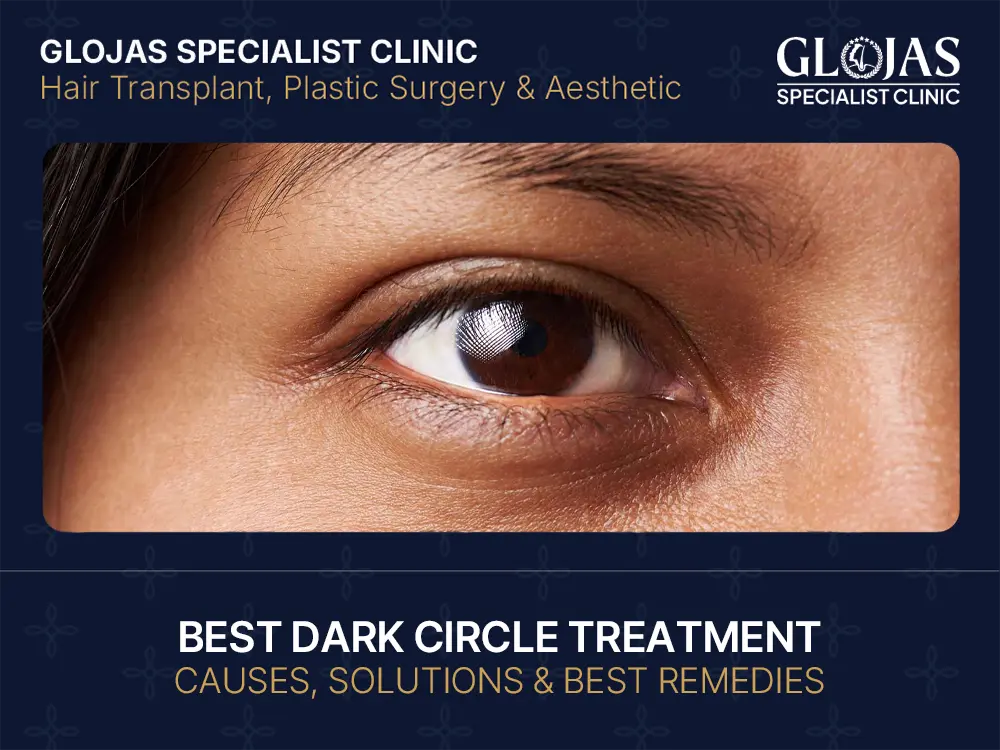
Find Your Ideal Dark Circle Solution Teartrough Filler Pico Laser PRP Therapy Teartrough Dermal Fillers (For Hollows & Shadows) If your dark circles are caused by structural volume loss under the eyes creating a shadow effect, hyaluronic acid fillers can instantly lift the skin, smooth out hollows, and brighten the area. Enquire via WhatsApp Pico Laser (For Pigmentation & Melanin) Best suited for brownish dark circles caused by genetics, sun damage, or frequent rubbing. Pico laser targets excess melanin safely, breaks down pigment granules, and stimulates collagen production. Enquire via WhatsApp PRP / Rejuran (For Thin Skin & Fine Lines) Platelet-Rich Plasma (PRP) or skin boosters use your body’s growth factors or polynucleotides to rejuvenate thin, crepey under-eye skin, improving microcirculation and reducing vascular dark circles (purple/blue tones). Enquire via WhatsApp What Are Dark Eye Circles? Dark eye circles refer to the darkening of the skin or the appearance of shadows directly beneath the lower eyelids. This cosmetic concern gives the face a perpetually tired, aged, or stressed appearance, even when an individual is fully rested. While often viewed as a single issue, they are actually multi-faceted clinical conditions influenced by genetics, vascular structure, and facial anatomy. Common Causes of Dark Eye Circles The development of periorbital hyperpigmentation (the medical term for dark circles) stems from several primary physiological factors: Genetics: Hereditary traits dictate skin thickness, melanin production tendencies, and bone structure. Aging: Natural depletion of collagen, elastin, and subcutaneous fat thins the skin and recesses the under-eye area. Vascular Pooling: Poor microcirculation causes deoxygenated blood to pool in the dense capillary networks beneath the eyes. Lifestyle Stressors: Chronic sleep deprivation, digital eye strain, dehydration, and poor diet exacerbate fluid retention and vascular visibility. Allergies: Allergic rhinitis triggers “allergic shiners,” where congestion in the nasal cavities blocks venous drainage from the orbital region. Types of Dark Eye Circles Pigmentation-Related Dark Circles These present as brown or dark black patches and are caused by true hyperpigmentation. This occurs when an overproduction of melanin accumulates in the epidermis or dermis, often triggered by cumulative sun exposure, chronic eye-rubbing, or genetic predisposition. Dark Circles from Thin Skin & Visible Veins Characterized by a blue, purple, or pinkish hue, these are vascular dark circles. The skin under the eye is the thinnest on the human body (about 0.5 mm). As aging or genetics thin this barrier further, the underlying blood vessels and specialized muscle tissue show through the translucent surface. Dark Circles from Hollows & Volume Loss These are structural dark circles. They are not caused by changes in skin color, but are instead optical illusions created by deep “tear troughs.” When deep fat pads in the cheeks shrink and shift downward, it creates a sunken depression that casts a persistent shadow under the eye under overhead lighting. Dark Eye Circle Treatments in Malaysia Laser Therapy for Dark Circles Laser treatments utilize targeted light energy to shatter microscopic melanin clusters into smaller particles that the body’s lymphatic system can naturally clear away. Specific vascular lasers can also target and constrict leaky, dilated capillaries to resolve blood pooling. Under-Eye Dermal Fillers This highly effective technique treats structural dark circles by precisely placing a soft, cohesive hyaluronic acid gel into the hollow tear trough valley. The filler physically lifts the depression, eliminating the casted shadow and creating a seamless transition between the eye and the upper cheek. Skinboosters & Collagen Stimulators Unlike structural fillers, skinboosters and injectable polynucleotides work at a cellular level. They are micro-injected across the under-eye area to activate fibroblasts, stimulate native collagen production, and increase dermal thickness to mask visible veins and tighten crepey skin. Pico Laser Brightening Treatment Operating in picoseconds (trillionths of a second), Pico lasers deliver ultra-short photoacoustic pulses rather than thermal heat. This shatters stubborn epidermal pigmentation with minimal risk of post-inflammatory hyperpigmentation, making it a safe choice for Asian skin types prone to rebound darkening. Eye Bag Removal Surgery Formally known as lower blepharoplasty, this surgical intervention addresses structural dark circles caused by protruding or herniated fat pads. A plastic surgeon removes or repositions the excess fat and tightens lax skin through a hidden incision inside the eyelid, yielding long-term rejuvenation. Treatment Comparison: Which Is Right For You? Treatment Type Primary Target Concern Working Mechanism Best Suited For Pico Laser Melanin & Hyperpigmentation Photoacoustic shattering of pigment Brown, sun-damaged, or hereditary dark patches Dermal Fillers Hollow Tear Troughs & Shadowing Physical volume restoration via HA gel Sunken eyes with structural volume loss Skinboosters Thin Skin & Fine Crepey Lines Dermal thickening via cellular repair Vascular blue/purple pooling and early aging Blepharoplasty Protruding Eye Bags Surgical fat removal or repositioning Severe structural shadows caused by sagging fat How Many Sessions Are Needed? The required protocol depends directly on the chosen modality: Dermal Fillers: Requires 1 session, with immediate results settling over 14 days. Pico & Brightening Lasers: Typically requires 3 to 5 sessions, spaced 4 weeks apart. Skinboosters / Polynucleotides: Requires an initial loading phase of 2 to 3 sessions, spaced 3 to 4 weeks apart. Surgical Blepharoplasty: A one-time permanent procedure. Is Dark Eye Circle Treatment Safe? Yes, when performed by a Ministry of Health (MOH) certified aesthetic physician or plastic surgeon possessing a valid Letter of Credentialing and Privileging (LCP). The under-eye region is anatomically complex and rich in critical blood vessels. Ensuring your provider uses authentic, FDA-approved products and clinical-grade machinery minimizes risks such as lumps, unevenness, or vascular complications. What Is the Downtime? Non-surgical options require very little recovery time: Lasers & Pico Brightening: Mild redness or slight swelling lasting 12 to 24 hours. Makeup can usually be applied the next day. Injectables (Fillers & Boosters): Possible pinpoint bruising or minor swelling at the injection sites that resolves within 3 to 7 days. Surgery (Blepharoplasty): Moderate swelling and bruising requiring 7 to 14 days of recovery before stitches are removed and swelling subsides. Dark Eye Circle Treatment Price in Malaysia Aesthetic treatment pricing in Malaysia is structured primarily per session or per unit
Plinest & Newest Treatment Malaysia: Bio-Revitalisation for Youthful Skin
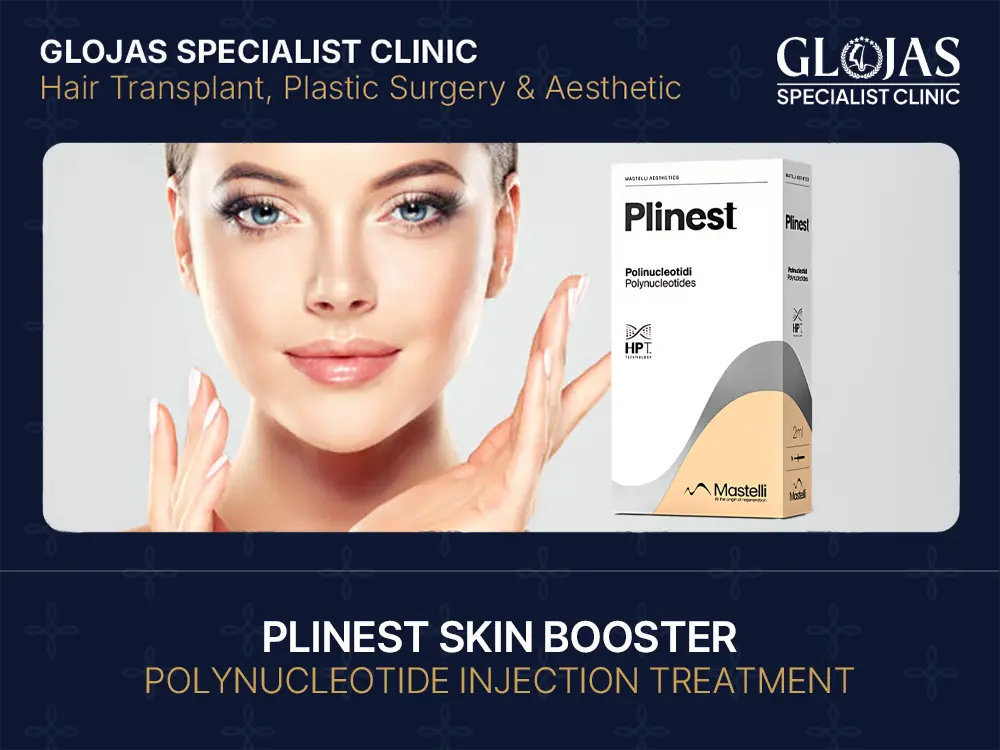
Plinest and Newest are advanced injectable bio-stimulators from Italy containing Polynucleotides (PN-HPT), which are DNA fragments that trigger cellular repair and collagen synthesis. While Plinest focuses on pure skin regeneration and scar repair, Newest combines polynucleotides with Hyaluronic Acid (HA) to provide simultaneous deep hydration and a visible “glow.” What Are Plinest and Newest? What Is Plinest (Polynucleotide Skin Booster) Plinest is a pioneering “master healer” in regenerative medicine, formulated with a high concentration of Polynucleotide Highly Purified Technology (PN-HPT). It is derived from trout DNA and acts as a bio-revitalizer rather than a traditional filler, focusing on repairing the skin’s foundation. This treatment is widely recognized for its ability to increase fibroblast proliferation, making it a gold standard for thinning skin. In Malaysia, it is a top choice for those seeking natural-looking improvements in skin quality without the volume of a dermal filler. What Is Newest (Polynucleotide Injection) Newest is a hybrid injectable that pairs the regenerative power of 20mg polynucleotides with the instant plumping of 20mg Hyaluronic Acid. It also contains Mannitol, an antioxidant that helps stabilize the HA and reduces the risk of post-injection swelling. This combination creates a synergistic effect where the HA provides immediate radiance while the PN works on long-term tissue remodeling. It is specifically designed for mature or dehydrated skin that needs both structural repair and a boost in moisture. How Polynucleotides Work for Skin Regeneration Polynucleotides act as “building blocks” for DNA, providing the raw materials needed for damaged skin cells to repair themselves. They stimulate Type I collagen and elastin production by activating the A2A receptors in the skin, which also improves microcirculation. By boosting Vascular Endothelial Growth Factor (VEGF), these injections enhance oxygen delivery to the dermis, accelerating the healing of scars. Unlike temporary boosters, PN-HPT creates a long-lasting biological change by improving the overall health of the extracellular matrix. Plinest vs Newest: What Is the Difference? Feature Plinest (Pure PN) Newest (PN + HA) Main Ingredients 40mg/2ml PN-HPT 20mg PN-HPT + 20mg Hyaluronic Acid Primary Goal Deep tissue repair & regeneration Hydration, radiance, and repair Best For Acne scars, sagging, & thinning skin Dull, dry, and aging skin Texture Thicker, focused on scaffolding Smoother, focused on plumping Formulation and Concentration Differences Plinest contains a higher concentration of pure polynucleotides (20mg/ml), making it more potent for cellular signaling and repair. Newest balances its formula with a 1:1 ratio of PN and HA to address both the biological age of the skin and its hydration levels. The addition of Mannitol in Newest helps protect the skin from oxidative stress immediately after the procedure. Both products utilize the patented HPT technology, ensuring the highest level of purification to minimize allergic reactions. Target Skin Concerns and Indications Plinest is the preferred option for treating atrophic acne scars, stretch marks, and chronic skin inflammation like rosacea. Newest is better suited for individuals experiencing “crepey” skin, fine lines, and a loss of facial luminosity. Clinicians often recommend Plinest for younger patients focusing on scar revision or skin “priming” before laser therapy. Newest is frequently prescribed for patients over 35 who notice their skin feels chronically tight or lacks volume. Treatment Areas and Suitability Both treatments are highly versatile and can be used on the face, neck, and décolletage. Plinest Fast is a specialized variant often used for the delicate under-eye area to treat dark circles and fine wrinkles. Plinest One is typically reserved for larger body areas, such as the abdomen or thighs, to improve skin elasticity. Most Malaysian skin types, including sensitive and acne-prone skin, are suitable candidates for these bio-compatible treatments. Results Timeline and Longevity While Newest offers a slight “instant” plumping effect due to the Hyaluronic Acid, the regenerative results for both take time. You will typically notice improved skin texture and a brighter complexion within 7 to 14 days after the first session. Maximum collagen remodeling usually peaks at the 3-month mark after a full course of treatment. Results are long-lasting, with many patients enjoying improved skin quality for 6 to 12 months. Benefits of Plinest and Newest Treatments Collagen Stimulation and Skin Repair These treatments effectively “wake up” aging fibroblasts, leading to a significant increase in collagen and elastin production. This process thickens the dermis, which naturally thins as we age, resulting in a firmer and more resilient skin structure. Polynucleotides also possess powerful anti-inflammatory properties that help transition the skin from a state of “injury” to “healing.” Skin Hydration and Elasticity Improvement Polynucleotides are highly hydrophilic, meaning they attract and bind water molecules deep within the skin layers. This leads to sustained hydration that lasts much longer than topical creams or standard mesotherapy. Increased elasticity ensures the skin “snaps back” into place, reducing the appearance of sagging around the jawline and cheeks. Fine Lines, Wrinkles, and Acne Scar Reduction By filling in the “gaps” in the dermal layer, PN-HPT effectively smooths out superficial fine lines and deep-set wrinkles. For acne scar treatment, Plinest helps remodel the fibrous tissue in atrophic scars, making them shallower and less visible. The treatment is often combined with fractional CO2 laser to maximize the results of scar revision protocols. Which Is Better: Plinest or Newest? Best Option for Aging Skin For mature skin showing signs of both volume loss and wrinkles, Newest is generally considered the superior choice. The dual-action formula addresses the two main pillars of aging: cellular degradation and moisture loss. It provides a more comprehensive “refresh” for the entire face by improving light reflection on the skin’s surface. Best Option for Acne Scars and Damaged Skin Plinest is the winner when the primary goal is structural repair, such as fixing “pitted” acne scars or surgical scarring. Its higher PN concentration provides a stronger signal for tissue regeneration without the interference of added HA. This makes it ideal for targeted “spot” treatments where the skin needs intense rebuilding rather than general hydration. Choosing Based on Skin Type and Goals If you have oily but scarred skin, Plinest is often better as it
HIFU vs Ultherapy: What’s the Difference and Which Is Better?
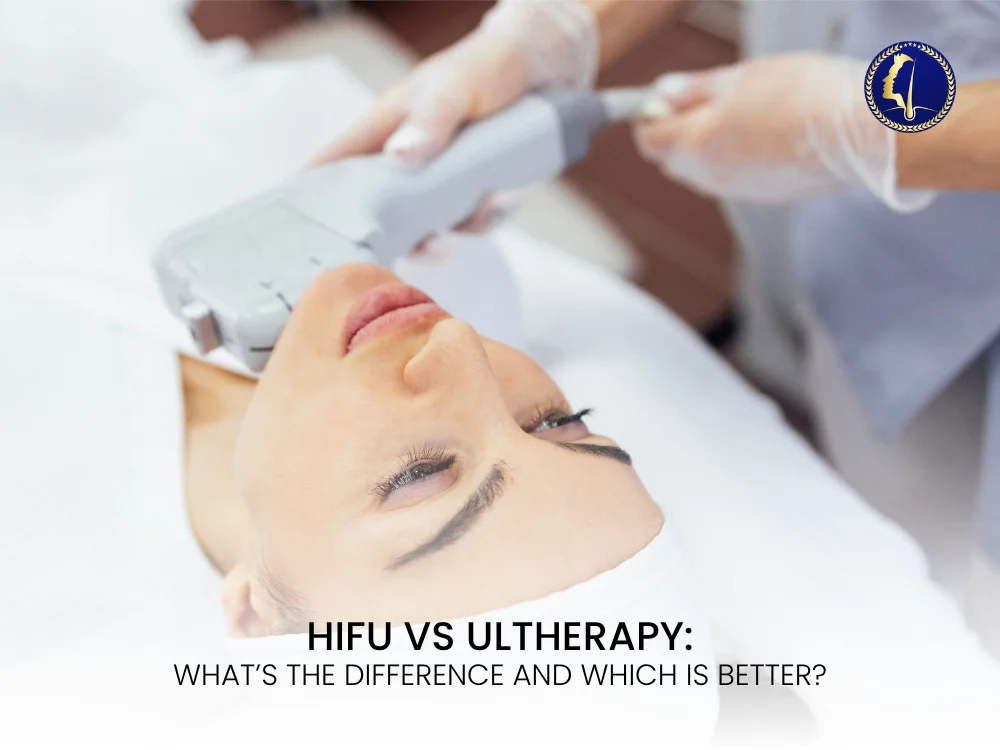
With the growing popularity of non-invasive cosmetic procedures, many people are turning to high-tech treatments like HIFU vs Ultherapy to achieve firmer, more youthful skin—without the need for surgery. But what’s the difference between these two powerhouse technologies? And more importantly, which one is better for your skin goals? Both treatments aim to stimulate collagen production, tighten the skin, and improve overall facial contouring. However, they differ in terms of technology, depth of penetration, comfort, cost, and results. In this comprehensive guide, we’ll break down everything you need to know about HIFU vs Ultherapy, so you can make a confident, informed decision. Understanding the Basics: HIFU vs Ultherapy What Is HIFU? High-Intensity Focused Ultrasound (HIFU) is a non-invasive treatment that uses ultrasound energy to heat deeper layers of skin. This controlled thermal injury stimulates collagen and elastin production, helping to lift and tighten sagging areas. What Is Ultherapy? Ultherapy is an FDA-approved non-surgical facelift alternative that also uses ultrasound technology, but it includes real-time imaging to target layers more precisely. It’s often recommended for lifting the brow, chin, neck, and improving lines on the décolletage. Technology Comparison: HIFU vs Ultherapy Though both treatments use ultrasound energy, they differ significantly in execution. Feature HIFU Ultherapy Energy Type High-Intensity Focused Ultrasound Micro-focused Ultrasound Depth of Penetration Up to 4.5 mm 1.5 mm, 3.0 mm, and 4.5 mm Imaging Capabilities No real-time imaging Integrated ultrasound imaging FDA Approval Varies by device Fully FDA-approved Ultherapy’s imaging advantage allows doctors to see tissue layers during treatment, offering more precision, especially in sensitive areas. Treatment Areas and Suitability Who Should Choose HIFU? People looking for general skin tightening Those targeting larger areas like the jawline and cheeks Patients who prefer a more affordable option Ideal for early to moderate signs of aging Who Should Choose Ultherapy? Those needing precision treatment for delicate zones Best for brow lift, neck tightening, and fine lines Those comfortable with mild discomfort during treatment Ideal for moderate to advanced skin laxity When comparing HIFU vs Ultherapy, your skin type, sensitivity, and treatment goals should play a role in the final decision. Pain and Comfort Level HIFU Pain Level Most users describe HIFU as mildly uncomfortable, with sensations of heat or tingling during the procedure. Topical numbing is typically enough to manage discomfort. Ultherapy Pain Level Ultherapy is more intense, with some patients reporting sharp heat or tingling, especially at deeper tissue layers. Numbing creams and oral medications are often used to improve comfort. Downtime and Side Effects One major advantage of both HIFU vs Ultherapy is minimal downtime. However, there are slight differences: Side Effect HIFU Ultherapy Redness A few hours A few hours Swelling Rare and minimal Mild to moderate Bruising Very rare Sometimes Numbness Rare Rare but possible Both treatments allow you to return to daily activities the same day. Results: HIFU vs Ultherapy HIFU Results Timeline Initial results in 4–6 weeks Full results visible by 3–6 months May require multiple sessions for best effect Ultherapy Results Timeline Initial tightening within 2–3 weeks Max results in 3–6 months Often one treatment per year is sufficient While Ultherapy may offer more dramatic lifting, HIFU is excellent for subtle, natural improvements over time. Cost Comparison: Which Is More Affordable? Price often plays a key role in deciding between HIFU vs Ultherapy. Treatment Average Cost per Session (USD) HIFU $300 – $800 Ultherapy $1,500 – $4,000 Ultherapy’s higher price is due to FDA approval, imaging technology, and longer-lasting results. HIFU, being more affordable, is accessible for maintenance or touch-up treatments. Longevity of Results HIFU: Results typically last 6–12 months, depending on age and skin condition. Ultherapy: Effects can last 12–18 months or longer, especially when combined with a healthy skincare routine. Regular maintenance sessions help extend and enhance results for both treatments. Which Treatment Is Better: HIFU or Ultherapy? There’s no one-size-fits-all answer in the HIFU vs Ultherapy debate. Here’s a quick guide: Best For… Choose This Treatment Budget-friendly tightening HIFU Maximum lifting effect Ultherapy Mild to moderate aging HIFU Precise, deep lifting Ultherapy Maintenance sessions HIFU Long-term results Ultherapy In clinical settings, some professionals even combine both treatments for enhanced outcomes, depending on patient needs and response. Frequently Asked Questions 1. Is HIFU as effective as Ultherapy?HIFU is effective for mild to moderate lifting and skin tightening. Ultherapy offers more precision and is often considered superior for deeper, more targeted lifting. 2. How many sessions are needed for HIFU vs Ultherapy?HIFU may require 2–3 sessions. Ultherapy usually needs just one annual session to maintain results. 3. Can I combine HIFU and Ultherapy?Yes, in some cases. A dermatologist or cosmetic doctor may recommend combining them for customized treatment plans. 4. Which is less painful: HIFU or Ultherapy?HIFU is generally less painful. Ultherapy tends to be more intense due to its deeper tissue targeting. 5. Are both treatments safe?Yes, both are considered safe with minimal side effects when performed by trained professionals. 6. Who shouldn’t get HIFU or Ultherapy?People with open wounds, severe acne, or metal implants in the treatment area should avoid these procedures. Always consult with a certified provider.
Fungal Acne: Symptoms, Causes, and Effective Treatments in Malaysia
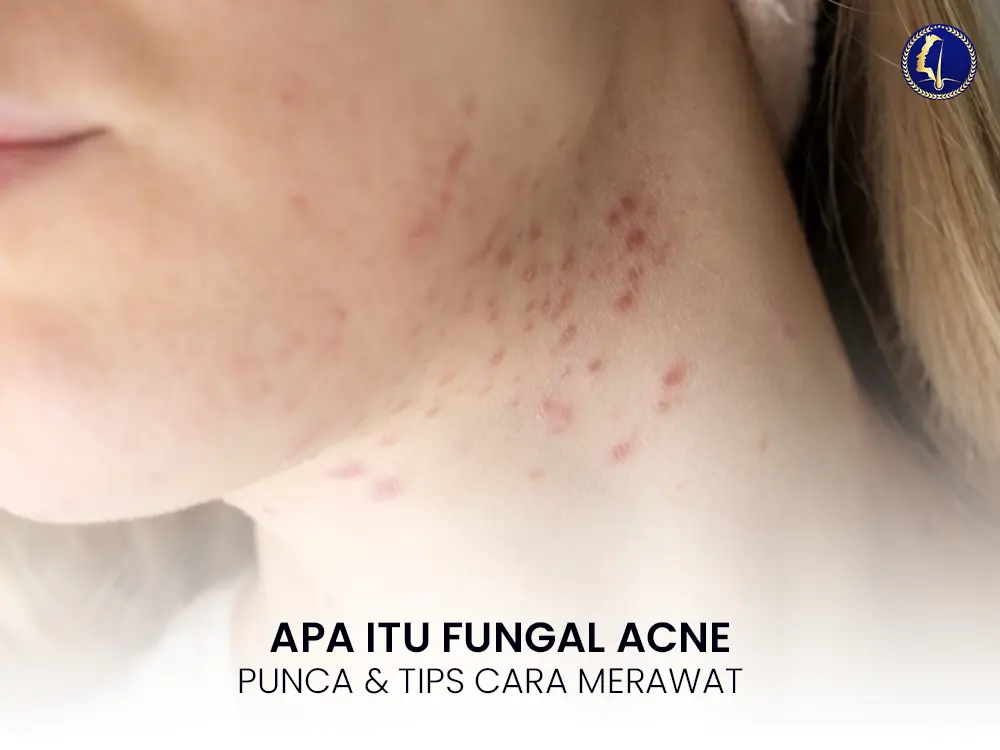
Effective Fungal Acne Treatments in Malaysia Malaysian Weather Care Topical Antifungals Skincare Adjustments Humidity & Sweat Management Malaysia’s tropical climate triggers excessive sweating and sebum production, which feeds Malassezia yeast. Use lightweight, sweat-resistant routines, and gently cleanse your skin promptly after outdoor activities or workouts. Targeted OTC Treatments Standard acne treatments like benzoyl peroxide or retinoids often fail on fungal acne. Look for over-the-counter anti-dandruff ingredients available in Malaysian pharmacies, such as Ketoconazole or Zinc Pyrithione washes, used as a brief face mask. Fungal-Safe Product Swaps Malassezia feeds on lipids with carbon chain lengths between C11 and C24. Eliminate heavy oils (like coconut oil or olive oil) and esters from your routine. Switch entirely to fungal-acne-safe moisturizers and sunscreens. Unsure which local products are safe for your skin type? Chat with our skin specialist on WhatsApp! WhatsApp Us (+6012-270 0122) Fungal acne is a follicular infection caused by an overgrowth of Malassezia yeast, rather than the C. acnes bacteria responsible for typical acne. It manifests as small, uniform, and intensely itchy papules. In Malaysia’s tropical heat, this yeast flourishes by feeding on excess sebum, leading to persistent, cluster-like breakouts. What Is Fungal Acne (Malassezia Folliculitis)? Clinically termed Malassezia folliculitis, this condition is an inflammatory skin disorder that occurs when the yeast naturally present on our skin invades the hair follicles. While typical acne involves clogged pores and sebum-eating bacteria, fungal acne is a microbiome imbalance where opportunistic fungi take over. In a clinical setting, this is often identified by its resistance to traditional acne medications like benzoyl peroxide or oral antibiotics. The Malaysian climate, characterized by high humidity and temperature, creates a “petri dish” environment that accelerates fungal metabolic activity. Difference Between Fungal Acne and Bacterial Acne Biological Trigger: Bacterial acne is driven by Cutibacterium acnes, while fungal acne is strictly a yeast overgrowth of the Malassezia genus. Visual Patterns: Bacterial acne is polymorphic (blackheads, cysts, and pustules of various sizes); fungal acne is monomorphic (all bumps look nearly identical). Subjective Sensation: A primary diagnostic clue is pruritus (itching); fungal acne almost always itches, whereas bacterial acne is usually tender or painful. Follicular Location: Fungal acne is often localized to the hair follicle opening, appearing as tiny, uniform “seeds” under the skin surface. Causes of Fungal Acne Malassezia Yeast Overgrowth on Skin Malassezia is a lipophilic (fat-loving) yeast that thrives in areas with high sebaceous gland activity. When the skin’s protective acid mantle is compromised—often by harsh scrubbing or over-cleansing—the yeast finds it easier to penetrate the follicular walls. The yeast breaks down skin oils into oleic acids, which are highly irritating to the skin and trigger the inflammatory “bump” response. Common Triggers in Malaysia’s Humid Climate High Ambient Humidity: Malaysia’s average humidity levels (often above 80%) prevent sweat from evaporating, keeping the skin hydrated in a way that promotes yeast germination. Occlusive Environments: Heat and moisture trapped by tight clothing or face masks (maskne) create an anaerobic environment where fungi thrive. Antibiotic Disruption: The use of broad-spectrum antibiotics for other conditions can kill off the “friendly” bacteria that normally keep yeast populations in check. Sebum Hypersecretion: High temperatures increase oil production; for every 1°C rise in skin temperature, sebum excretion can increase by up to 10%. Symptoms of Fungal Acne Small, Uniform, Itchy Bumps Lesions typically appear as 1–2mm red papules or white pustules that do not “evolve” into larger cysts. The itching sensation often intensifies with heat, exercise, or sweating, making the condition particularly bothersome during Malaysian afternoons. Unlike bacterial acne, there are no “open comedones” (blackheads), which is a key clinical differentiator. Common Affected Areas (Face, Chest, Back) On the face, it typically congregates on the forehead, hairline, and jawline where sweat and oil are most prevalent. The upper back and chest are frequently affected because these areas have high heat retention and a large number of oil glands. Breakouts often appear in “crops” or clusters rather than being scattered randomly across the skin surface. How to Diagnose Fungal Acne Clinical Identification by Dermatologist A definitive diagnosis is usually made through a KOH (Potassium Hydroxide) test, where a skin scraping is analyzed under a microscope to visualize “spaghetti and meatballs” fungal structures. Dermatologists may use a Wood’s Lamp examination, as Malassezia causes a yellow-orange fluorescence under UV light. The “therapeutic trial” is also common—if the skin clears rapidly using an antifungal wash, the diagnosis is confirmed. When to Suspect Fungal vs Acne Vulgaris Suspect a fungal cause if your breakouts appear suddenly (eruptive) and do not respond to traditional salicylic acid or benzoyl peroxide. If your acne is localized to the forehead and upper back and feels “prickly” or itchy rather than sore, it is likely fungal. Recent history of taking oral steroids or antibiotics is a strong clinical indicator for Malassezia overgrowth. Fungal Acne Treatment in Malaysia Topical Antifungal Treatments Ketoconazole: Available in 2% formulations, this is the gold standard for inhibiting fungal cell wall synthesis. Zinc Pyrithione & Selenium Sulfide: Often found in medicated shampoos, these ingredients serve as effective “short-contact” skin treatments when left on for 3–5 minutes. In Malaysia, topical treatments are highly effective when integrated into a “fungal-safe” maintenance routine. Oral Antifungal Medications For widespread or “recalcitrant” cases, oral medications like Fluconazole or Itraconazole provide a systemic clear-out. These are strictly prescription-only and are used when topical therapy fails to penetrate deep enough into the follicles. Clinical clearance is often achieved within a 7-to-14-day course under medical supervision. Medical-Grade Skincare for Malassezia Control Professional-strength Sulfur masks are excellent for their dual keratolytic and antifungal properties. Dermatological clinics in Malaysia often recommend Mandelic Acid, which has larger molecules that stay on the skin surface to combat fungi without deep irritation. Urea-based creams can also help by gently dissolving the “plugs” that trap yeast inside the follicles. Fungal Acne Skincare Routine Ingredients That Help (Ketoconazole, Zinc, Sulfur) Ketoconazole: The most potent antifungal for home care; it disrupts the yeast’s ability to multiply. Sulfur: A time-tested ingredient that dries out excess oil and kills
6 Rahsia Cara Hilangkan Hitam Bawah Mata Secara Cepat & Berkesan!

Nak Selesaikan Masalah Mata Panda dengan Pantas? Dapatkan panduan lengkap langkah demi langkah serta tips eksklusif cara hilangkan hitam bawah mata tanpa kesan sampingan terus ke WhatsApp anda! Ketahui Rahsia Sekarang (WhatsApp) Apakah Cara Terbaik untuk Hilangkan Hitam Bawah Mata? Lingkaran hitam (dark circles) atau “mata panda” sering menjadi masalah yang membuat seseorang kelihatan letih, berusia, atau kurang sihat. Ramai yang cuba menutupinya dengan concealer, tetapi penyelesaian sementara tidak cukup. Untuk memahami cara hilangkan hitam bawah mata dengan berkesan, kita perlu tahu punca utama dan rawatan terbaik — sama ada secara semula jadi di rumah atau melalui rawatan klinik. Apa Itu Lingkaran Hitam Bawah Mata? Hitam bawah mata merujuk kepada kawasan gelap di bawah kelopak mata yang menjadikan wajah tampak lesu. Keadaan ini bukanlah penyakit serius, tetapi boleh menjejaskan keyakinan diri. Dalam istilah perubatan, lingkaran hitam terjadi akibat peningkatan pigmen melanin, pembuluh darah yang kelihatan jelas, atau kehilangan kolagen pada kulit bawah mata yang nipis. GLOJAS Specialist Clinic menyediakan Rawatan Hitam Bawah Mata yang selamat dan berasaskan bukti, dipimpin doktor pakar berpengalaman. Kami menawarkan diagnosis tepat, pilihan rawatan perubatan yang disesuaikan, serta pemantauan rapi untuk memastikan hasil yang semula jadi, berkesan dan mengutamakan keselamatan pesakit. Punca-Punca Utama Lingkaran Hitam Sebelum mencari cara menghilangkannya, penting untuk faham apa yang menyebabkannya: Kurang tidur – menjadikan kulit pucat dan saluran darah lebih ketara. Genetik – sesetengah individu mewarisi kecenderungan mempunyai mata panda. Penuaan kulit – kolagen berkurang, menyebabkan kulit bawah mata lebih nipis. Dehidrasi – kekurangan air membuat mata kelihatan tenggelam. Alergi & resdung – menyebabkan geseran berlebihan di kawasan mata. Gaya hidup tidak sihat – merokok, alkohol, atau stres kronik. Cara Hilangkan Hitam Bawah Mata Secara Semula Jadi Bagi mereka yang ingin mencuba cara semula jadi, berikut beberapa langkah mudah: 1. Tidur yang Cukup Pastikan tidur 7–8 jam sehari. Kekurangan tidur adalah punca paling biasa mata panda. 2. Kompres Sejuk Letakkan sudu logam sejuk atau hirisan timun pada mata selama 10 minit. Ia membantu mengecilkan saluran darah dan mengurangkan bengkak. 3. Minum Air Mencukupi Dehidrasi boleh menjadikan lingkaran hitam lebih jelas. Minum sekurang-kurangnya 8 gelas air sehari. 4. Pemakanan Kaya Antioksidan Amalkan makanan seperti buah beri, sayuran hijau, dan kacang badam yang mengandungi vitamin C dan E untuk menyokong kesihatan kulit. 5. Kurangkan Geseran Elakkan menggosok mata terlalu kerap kerana ia boleh menipiskan kulit dan meningkatkan pigmentasi. 6. Pakai Sunscreen Sunscreen lindungi kulit bawah mata daripada sinar UV yang sebabkan pigmentasi. Pilih SPF 30+, ringan, dan sesuai untuk kawasan sensitif. Produk Penjagaan Kulit untuk Kurangkan Lingkaran Hitam Krim mata adalah pilihan popular. Carilah produk dengan bahan aktif berikut: Retinol – merangsang penghasilan kolagen. Vitamin C – mencerahkan pigmentasi. Hyaluronic Acid – menambah kelembapan dan mengurangkan garis halus. Kafein – membantu mengecutkan saluran darah yang menyebabkan lebam. Penggunaan berterusan selama beberapa minggu boleh memberi hasil lebih baik, tetapi kesannya berbeza bagi setiap individu. Rawatan Klinik Paling Berkesan untuk Hitam Bawah Mata Bagi yang mahukan hasil lebih ketara, rawatan estetik di klinik adalah pilihan: 1. Filler Bawah Mata Mengisi kekosongan bawah mata menggunakan asid hyaluronik untuk mengurangkan bayangan gelap. 2. Laser Skin Resurfacing Menghapuskan pigmen berlebihan dan merangsang penghasilan kolagen. 3. PRP (Platelet-Rich Plasma) Menggunakan plasma darah sendiri untuk memperbaiki tekstur kulit dan kecerahan bawah mata. Satu kajian ulasan pada 2021 mendapati bahawa selepas dua sesi PRP (dengan jarak 3 bulan), ramai pesakit melaporkan peningkatan sederhana hingga cemerlang pada lingkaran gelap bawah mata — 47.8% pada 3 bulan dan 60.9% pada 6 bulan.. (PMC) 4. Chemical Peel Ringan Mengurangkan pigmentasi dengan pengelupasan lembut di kawasan bawah mata. Rawatan ini biasanya dilakukan oleh doktor bertauliah dan hasilnya lebih tahan lama berbanding krim atau petua rumah. Adakah Lingkaran Hitam Boleh Hilang Sepenuhnya? Jawapannya bergantung kepada punca utama. Jika disebabkan kurang tidur atau dehidrasi, ia boleh hilang dengan gaya hidup sihat. Namun, jika berpunca daripada faktor genetik atau struktur anatomi, rawatan klinik seperti filler dan laser mungkin diperlukan untuk kesan optimum. Kesimpulan: Pilihan Rawatan Terbaik Mengikut Punca Hitam bawah mata bukan hanya masalah kosmetik, tetapi juga cerminan gaya hidup dan kesihatan kulit. Cara hilangkan hitam bawah mata melibatkan gabungan penjagaan diri, produk penjagaan kulit, dan rawatan klinik. Setiap orang mungkin memerlukan pendekatan berbeza, bergantung pada punca sebenar. Soalan Lazim (FAQ) tentang Lingkaran Hitam Bawah Mata 1. Adakah petua tradisional berkesan untuk hilangkan mata panda?Sesetengah petua seperti menggunakan timun sejuk boleh membantu sementara, tetapi ia tidak menyelesaikan punca utama. 2. Berapa lama masa diperlukan untuk krim mata menunjukkan kesan?Biasanya 4–8 minggu dengan penggunaan konsisten, bergantung kepada bahan aktif dalam produk. 3. Adakah rawatan filler bawah mata selamat?Ya, jika dilakukan oleh doktor bertauliah. Risiko seperti bengkak atau lebam biasanya bersifat sementara. 4. Adakah lingkaran hitam boleh hilang tanpa rawatan klinik?Boleh, jika punca utamanya ialah kurang tidur, dehidrasi atau gaya hidup. Namun untuk faktor genetik, rawatan klinik lebih berkesan. 5. Apakah rawatan paling cepat untuk hilangkan hitam bawah mata?Rawatan filler adalah antara pilihan paling cepat kerana hasilnya boleh dilihat segera selepas prosedur Bekyk hierdie plasing op Instagram 'n Plasing gedeel deur GLOJAS PLASTIC & RECONSTRUCTIVE SURGERY SPECIALIST (@glojasplasticsurgeryspecialist)
Petua & Cara Hilangkan Tiny Bumps Pada Dahi Untuk Kulit Lebih Licin dan Sihat

💡 Pilih Petua Hilangkan Tiny Bumps Klik pada salah satu petua di bawah untuk melihat langkah penjagaan kulit: 1. Double Cleansing 2. Eksfoliasi Lembut 3. Hidrasi & Pelembap Amalkan Teknik Double Cleansing Sisa peluh, minyak, dan solekan yang tersumbat adalah punca utama dahi berpasir. Gunakan cleansing oil atau micellar water terlebih dahulu, diikuti dengan pencuci muka berasaskan buih (gentle cleanser). Gunakan Eksfolian (BHA/AHA) 2 Kali Seminggu Bantu singkirkan sel kulit mati yang terperangkap dalam Pori dengan produk mengandungi Salicylic Acid (BHA). Ia berkesan membersihkan liang pori jauh ke dalam tanpa merengsakan kulit dahi. Kunci Kelembapan dengan Produk Non-Comedogenic Jangan abaikan pelembap walaupun kulit berminyak. Pilih pelembap tekstur gel ringan yang bertanda non-comedogenic (tidak menyumbat pori) bagi mengelakkan kulit menghasilkan lebihan sebum. Nak kulit licin & sihat dengan pantas? Dapatkan konsultasi skincare percuma sekarang! 💬 WhatsApp Kami Sekarang Apa Itu Tiny Bumps? Tiny bumps merujuk kepada bintik-bintik kecil pada permukaan kulit, terutamanya di kawasan dahi. Ia biasanya tidak menyakitkan tetapi mengganggu penampilan kerana menjadikan kulit kelihatan tidak rata dan bertekstur. Dalam istilah perubatan, tiny bumps boleh dikaitkan dengan: Milia Closed comedones (whiteheads) Fungal acne (malassezia folliculitis) Keratosis pilaris Walaupun tidak berbahaya, tiny bumps boleh memberi kesan negatif terhadap keyakinan diri, terutama jika tidak dirawat dengan betul. Punca Tiny Bumps Pada Dahi Pengumpulan Sel Kulit MatiKulit yang tidak dibersihkan dengan betul menyebabkan pori tersumbat dan pembentukan tiny bumps. Minyak Berlebihan (Sebum)Kulit berminyak cenderung menghasilkan sebum berlebihan yang boleh menyebabkan whiteheads atau jerawat kecil. Penggunaan Produk Tidak SesuaiProduk penjagaan kulit yang komedogenik atau terlalu berat boleh menyumbat liang pori. Peluh dan KotoranKhususnya di Malaysia yang beriklim lembap, peluh dan debu boleh menyumbat pori dan mencetuskan tiny bumps. Jangkitan Kulat (Fungal Acne)Tiny bumps yang gatal dan berkelompok mungkin disebabkan oleh jangkitan kulat pada folikel rambut. Cara Hilangkan Tiny Bumps 1. Pembersihan Berganda (Double Cleansing) Gunakan oil cleanser diikuti dengan gentle foaming cleanser untuk menanggalkan makeup, peluh dan sebum berlebihan. 2. Eksfoliasi Kimia (Chemical Exfoliation) Produk dengan salicylic acid (BHA) atau glycolic acid (AHA) membantu membuang sel kulit mati dan membuka pori tersumbat. Guna 2–3 kali seminggu. 3. Rawatan Topikal Niacinamide: Mengurangkan minyak dan inflamasi Retinoids: Mempercepatkan pembaharuan sel dan mengelakkan pori tersumbat Azelaic Acid: Sesuai untuk fungal acne dan milia 4. Rawatan Profesional di Klinik Estetik Carbon Laser Peel – membersih dan mengecilkan pori Chemical Peels Profesional – pengelupasan terkawal untuk tekstur kulit Hydrafacial – membersih secara mendalam sambil melembapkan kulit 5. Perubahan Gaya Hidup Tukar sarung bantal setiap minggu Elakkan menyentuh wajah dengan tangan kotor Pastikan alat solekan dibersihkan dan tidak melebihi tarikh luput Cara Hilangkan Tiny Bumps Cara Tradisional Untuk hilangkan bintik bintik pada kulit secara tradisional, anda boleh cuba beberapa petua mudah berikut: Lidah Buaya: Sapukan gel lidah buaya segar pada kawasan bermasalah, biarkan selama 15-20 minit, kemudian bilas dengan air suam. Ia membantu mengurangkan radang dan melembapkan kulit. Madu Asli: Gunakan madu sebagai masker untuk kulit, biarkan selama 10-15 minit sebelum dibilas. Madu bertindak sebagai antibakteria dan melembapkan kulit. Minyak Kelapa: Urut perlahan minyak kelapa pada kulit untuk membuka liang pori dan memperbaiki tekstur kulit. Pengelupasan Lembut: Gunakan skrub semula jadi seperti campuran gula dan minyak zaitun untuk membuang sel kulit mati secara lembut. Jaga Kebersihan Wajah: Cuci muka dua kali sehari dengan pembersih lembut agar liang pori tidak tersumbat. Elakkan Produk Kimia Keras: Gunakan produk semula jadi untuk mengelakkan kulit menjadi iritasi dan lebih teruk. Amalkan secara konsisten untuk mendapatkan kulit yang lebih licin dan sihat tanpa kesan sampingan. Mitos Yang Perlu Dielakkan ❌ “Lebih cuci, lebih bersih”: Terlalu kerap mencuci boleh mengeringkan kulit dan merangsang lebih banyak minyak. ❌ Gunakan scrub keras: Ini boleh merengsakan dan memburukkan keadaan kulit. ❌ Produk mahal mesti berkesan: Keberkesanan bergantung pada bahan aktif, bukan harga. Berapa Lama Untuk Hilangkan Masalah Tiny Bumps? Ini bergantung kepada punca dan jenis rawatan. Dengan rutin yang konsisten dan rawatan yang betul, kebanyakan orang melihat perubahan dalam 2–6 minggu. Namun, rawatan profesional boleh mempercepatkan hasil. Soalan Lazim (FAQ) 1. Tiny bumps ni sama ke dengan jerawat biasa?Tidak. Tiny bumps biasanya tidak merah atau bengkak seperti jerawat. Ia lebih kepada pori tersumbat atau milia. 2. Adakah tiny bumps boleh hilang sendiri?Kadang-kala ya, tetapi biasanya memerlukan bantuan seperti exfoliation atau rawatan topikal. 3. Perlu jumpa doktor kulit ke untuk tiny bumps?Jika tidak hilang dengan penjagaan biasa atau makin banyak, sebaiknya jumpa pakar kulit atau klinik estetik bertauliah. 4. Adakah rawatan laser sesuai untuk tiny bumps?Ya, rawatan seperti Carbon Laser Peel sangat berkesan untuk membersih pori dan memperbaiki tekstur kulit. 5. Tiny bumps boleh berlaku pada kulit kering?Boleh. Walaupun lebih biasa pada kulit berminyak, kulit kering juga boleh mengalami pori tersumbat akibat sel mati. Ingin Kulit Lebih Licin & Berseri? Hubungi GLOJAS Hari Ini! GLOJAS Specialist Clinic di Kuala Lumpur menyediakan pelbagai rawatan dermatologi moden untuk menghapuskan tiny bumps secara selamat dan berkesan. Kenapa pilih GLOJAS? Doktor berdaftar & MOH Certified Rawatan laser terkini & chemical peel berkualiti Penilaian kulit secara profesional Pelan rawatan disesuaikan untuk setiap individu Jangan tunggu lagi. Tempah sesi konsultasi kulit bersama pakar kami hari ini dan mulakan langkah untuk kulit yang licin, bersih dan sihat. 📍 Alamat: Glomac Galeria Hartamas, B-G, 05, Jalan 26a/70a, Desa Sri Hartamas, 50480 Wilayah Persekutuan, Wilayah Persekutuan Kuala Lumpur📞 Hubungi Kami: +603 6211 5555🌐 Laman Web: www.glojasaesthetic.com
Blackheads: Causes, Treatment & Prevention Methods in Malaysia
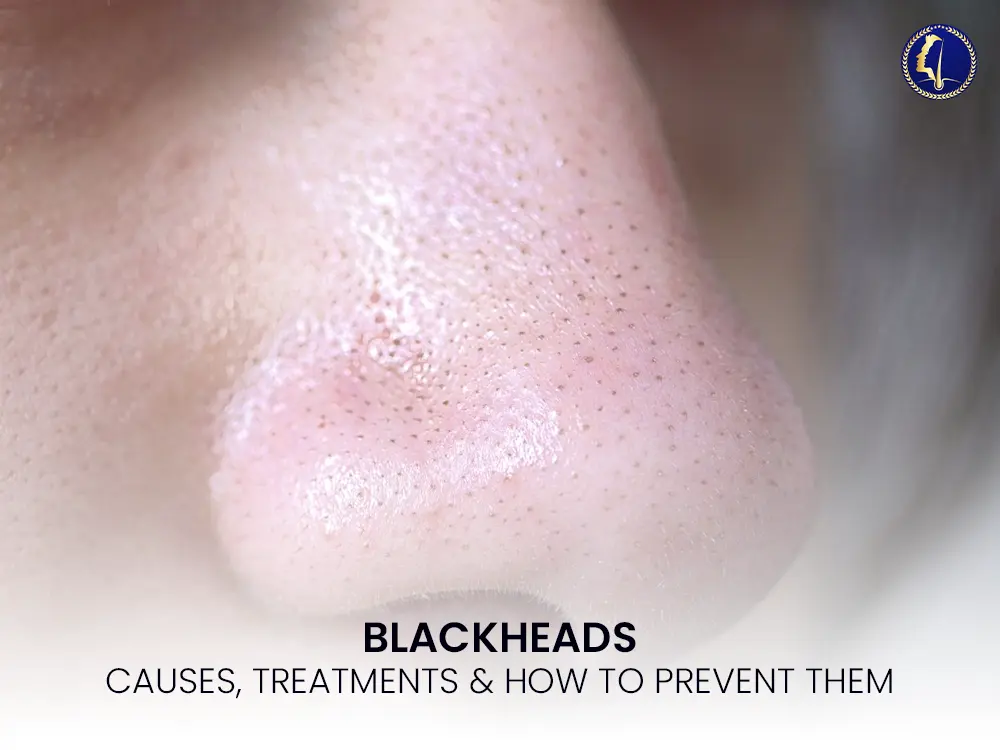
Blackheads are one of the most common forms of acne, affecting millions of people worldwide. While they are frequently associated with the teenage years, they can occur at any stage of adulthood. Unlike deeper, painful blemishes, blackheads sit right on the surface of the skin, making them highly visible and often frustrating to manage. To clear your skin effectively, it helps to understand the underlying biology of these spots and how to treat them without causing damage or scarring. What Are Blackheads? In dermatological terms, a blackhead is known as an open comedo (or open comedones when speaking of duplicates). They are a specific type of non-inflammatory acne vulgaris that develops within the hair follicle. A blackhead forms when a pore becomes clogged with a mixture of dead skin cells and natural skin oil, known as sebum. Because the top of the pore remains open to the air, oxygen reacts with the trapped material. This chemical reaction is called oxidation, and it turns the exposed debris dark brown or black. A common misconception is that blackheads are caused by dirt; in reality, the dark color is simply oxidized oil and skin pigment. What Causes Blackheads? Blackheads occur due to a combination of internal biological shifts and external habits. Several factors can accelerate how quickly your pores become congested. Excess Sebum Production Your skin relies on sebaceous glands to produce sebum, which keeps the skin hydrated and protects the skin barrier. However, hormonal fluctuations—specifically an increase in androgens (male hormones present in both men and women)—can cause these glands to go into overdrive. This frequently happens during puberty, menstruation, pregnancy, or high-stress periods. Accumulation of Dead Skin Cells The epidermis constantly sheds dead skin cells to make room for new ones. Sometimes, a process called cellular buildup or hyperkeratinization occurs, where these dead cells do not shed properly. Instead, they stick together, mix with the excess sebum, and form a dense plug within the pore. External Contributors and Lifestyle Factors While internal factors drive oil production, everyday habits can worsen pore blockages: Comedogenic Products: Heavy makeup, thick moisturizers, and greasy sunscreens can physically block pores. Friction and Sweat: Wearing tight hats, headbands, or leaving sweat on the skin after a workout can trap debris. Humidity and Pollution: High humidity increases oil production, while airborne pollutants can settle into open pores. Common Areas Where Blackheads Appear Because blackheads rely on oil production, they naturally appear in areas with the highest density of sebaceous glands. The Nose and T-Zone The forehead, nose, and chin collectively make up the T-zone. This area naturally contains more active oil glands than the rest of the face, making the nose the most common hotspot for stubborn blackheads. The Cheeks and Jawline Blackheads on the cheeks and jawline are often linked to external contact, such as resting your face on your hands, friction from cell phones, or using heavy cosmetic products. Body Acne: Back and Chest The upper back, shoulders, and chest are also highly prone to open comedones. Sweat retention from exercise and friction from clothing frequently contribute to body breakouts. Blackheads vs. Whiteheads: Understanding the Difference Both blackheads and whiteheads belong to the comedonal acne family, meaning they both stem from clogged pores. However, their structural difference changes how they look and how they are treated. Feature Blackheads (Open Comedones) Whiteheads (Closed Comedones) Pore Structure Open at the skin’s surface. Completely closed by a layer of skin cells. Appearance Flat, dark brown or black specks. Raised, flesh-colored or white bumps. Oxidation High; exposure to air turns the plug dark. None; the trapped contents are sealed away from oxygen. Inflammation Low risk of inflammation unless squeezed. Higher risk of turning into a red, inflamed pimple. How to Treat and Remove Blackheads Safely Clearing open comedones requires active ingredients that can break down trapped oil and regulate skin cell shedding. Salicylic Acid (BHA) Salicylic acid is a beta-hydroxy acid, which means it is oil-soluble. Unlike alpha-hydroxy acids (AHAs) that work only on the skin surface, salicylic acid can dive deep inside the hair follicle. It dissolves the sticky sebum and dead cells, effectively clearing the blockage from the inside out. Topical Retinoids Retinoids, which are derivatives of Vitamin A (such as over-the-counter adapalene or prescription tretinoin), are highly effective for long-term clarity. They speed up cellular turnover, ensuring that dead skin cells shed efficiently rather than accumulating inside your pores. Professional Extraction If you have deeply rooted blackheads, a licensed dermatologist or aesthetician can perform professional extractions using specialized sterile tools. This safely removes the plug without tearing the surrounding skin tissue. Ingredients and Habits to Avoid When trying to clear blackheads quickly, it is easy to resort to methods that cause more harm than good. Avoid Manual Squeezing: Using your fingernails to pop or squeeze blackheads can tear the skin, introduce new bacteria, and lead to permanent scarring or hyperpigmentation. Skip Aggressive Physical Scrubs: Harsh facial scrubs containing large particles (like crushed walnut shells or apricot pits) create micro-tears in the skin barrier. This causes inflammation and can trigger your skin to produce even more oil. Limit Pore Strips: While adhesive pore strips offer instant gratification by pulling out the top layer of a blackhead, they do not cure the underlying issue. Frequent use can irritate the skin and permanently stretch out the pore opening. How to Prevent Blackheads Prevention focuses on keeping oil production balanced and ensuring dead skin cells do not pile up. Switch to Non-Comedogenic Skincare: Look for moisturizers, makeup, and sunscreens explicitly labeled “non-comedogenic,” “oil-free,” or “won’t clog pores.” Cleanse Daily with a Gentle Cleanser: Wash your face twice per day with a water-soluble, sulfate-free cleanser to remove surface oils, daily grime, and pollution. Incorporate a Weekly Clay Mask: Kaolin or bentonite clay masks can help draw out surface oils and temporarily mattify the skin without drying it out completely. Keep Your Pillowcases Clean: Change your pillowcases at least once a week to prevent transferred oils and dead skin from rubbing back
Vitamin C for Skin: Brightening, Anti-Aging & Protection in Malaysia
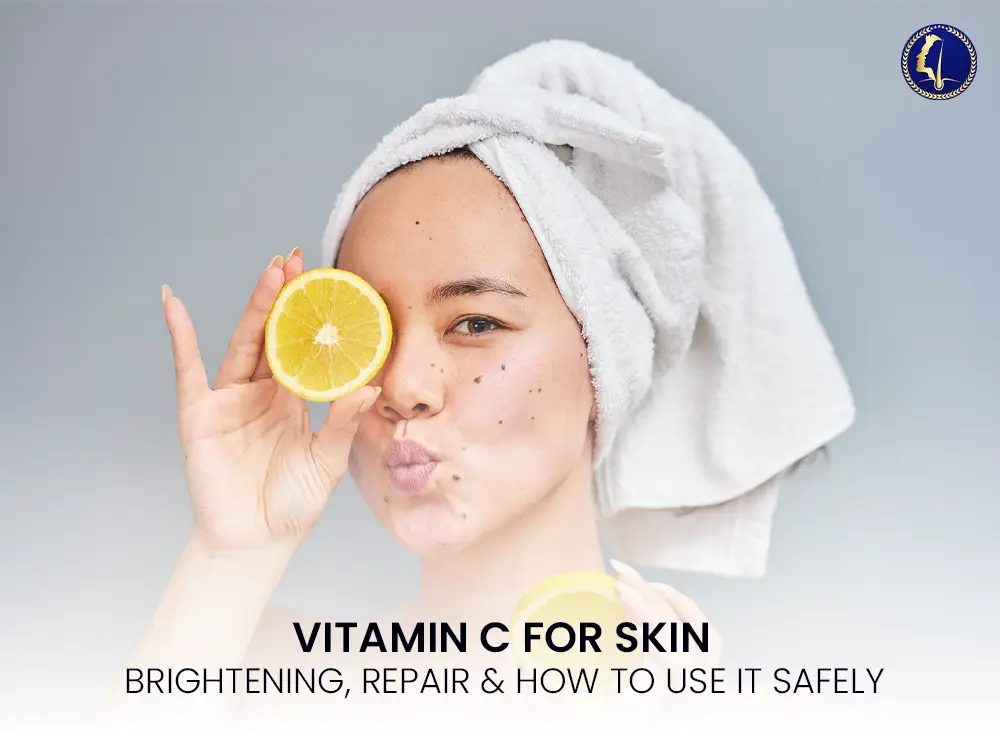
Discover Your Malaysian Vitamin C Routine Answer a quick question to see how Vitamin C brightening and anti-aging fits your skin context. What is your primary skin goal under the Malaysian sun? Select your main goal…Fading dark spots & hyperpigmentationBoosting collagen & reducing fine linesDaily UV environmental defense Get Expert Recommendation Vitamin C has become a staple in modern skincare—and for good reason. As a potent antioxidant, it brightens dull skin, fades pigmentation, and supports collagen synthesis, making it one of the most effective ingredients for improving skin tone and texture. Whether you’re looking to even out your complexion, fight early signs of aging, or simply restore glow, vitamin C may be the missing step in your skincare routine. What Is Vitamin C in Skincare? In topical products, vitamin C typically comes in the form of L-ascorbic acid, a powerful antioxidant that neutralizes free radicals—unstable molecules caused by UV exposure, pollution, and stress. Topical vitamin C helps repair visible skin damage and improves skin’s firmness, brightness, and overall resilience. Key Benefits of Vitamin C for Skin Benefit How It Works Brightens dull complexion Inhibits melanin production, fades dark spots Fades pigmentation Lightens acne scars, sunspots, melasma Boosts collagen Supports elasticity, reduces fine lines Protects against sun damage Neutralizes free radicals before they harm skin Improves skin texture Encourages smoother, more even-toned skin Types of Vitamin C in Skincare Form Description L-Ascorbic Acid Most effective, but also the most unstable Magnesium Ascorbyl Phosphate Gentler, more stable form for sensitive skin Sodium Ascorbyl Phosphate Often used in acne-fighting formulas Ascorbyl Glucoside Water-soluble and less irritating Most vitamin C serums contain 10% to 20% L-ascorbic acid, often combined with vitamin E and ferulic acid for enhanced stability and performance. How to Use Vitamin C in Your Skincare Routine Cleanse your face to remove dirt and oils Apply vitamin C serum to dry skin in the morning Wait a few minutes, then apply moisturizer and broad-spectrum SPF For nighttime routines, vitamin C can be alternated with retinol or used in gentler forms Start with 2–3 times per week and gradually increase to daily use, based on your skin’s tolerance. Can You Mix Vitamin C With Other Ingredients? ✅ Safe Combinations: Vitamin E and Ferulic Acid (enhance antioxidant power) Niacinamide (if formulated together or layered with a gap) Hyaluronic Acid (hydrates and complements vitamin C) ⚠️ Avoid Mixing With: Retinol (unless alternated by time of day) AHAs/BHAs (may cause irritation if not layered properly) Benzoyl Peroxide (can oxidize and reduce vitamin C’s efficacy) Side Effects & Safety Tips While generally safe, some users may experience: Mild tingling or redness Peeling or irritation with high concentrations Sensitivity to sunlight (always wear SPF) Who Should Be Cautious? People with rosacea, eczema, or very sensitive skin Those using multiple actives (consult a dermatologist before layering) Vitamin C in Professional Treatments Besides topical serums, vitamin C is also used in: 🔹 Clinical Vitamin C Peels Use high-concentration vitamin C combined with AHAs Promote brighter, smoother skin in 1–2 sessions 🔹 Vitamin C Infusions / IV Drips Administered in aesthetic clinics like GLOJAS Aimed at full-body antioxidant support and skin radiance Always ensure clinical treatments are performed at MOH-certified clinics under licensed medical supervision. Choosing the Right Vitamin C Product When selecting a vitamin C serum: Look for L-ascorbic acid between 10–20% Check for low pH (around 3.5) for better absorption Choose dark amber or airless packaging to prevent oxidation Opt for products that also contain ferulic acid or vitamin E for stability Final Thoughts Vitamin C is one of the most powerful, research-backed ingredients for glowing, even-toned skin. It protects, corrects, and rejuvenates when used consistently and correctly. For advanced results, consider combining daily vitamin C use with professional skin brightening treatments offered by certified clinics like GLOJAS Specialist Clinic, where treatments are customized based on your skin type, tone, and goals. Frequently Asked Questions (FAQs) 1. Can vitamin C be used every day? Yes, if your skin tolerates it well. Start slowly and increase frequency based on comfort. 2. What’s the best time to apply vitamin C? Morning, after cleansing, followed by sunscreen. It enhances your skin’s UV defense. 3. Does vitamin C lighten skin permanently? It fades pigmentation but does not bleach skin. Consistent use maintains brightness. 4. Can I use vitamin C with retinol? Yes, but not together. Use vitamin C in the morning and retinol at night to reduce irritation. 5. How long before I see results? Visible improvement in skin texture and tone may appear in 2–4 weeks, with full results in 8–12 weeks.
Ekzema: Penyebab, Gejala & Rawatan Berkesan di Malaysia
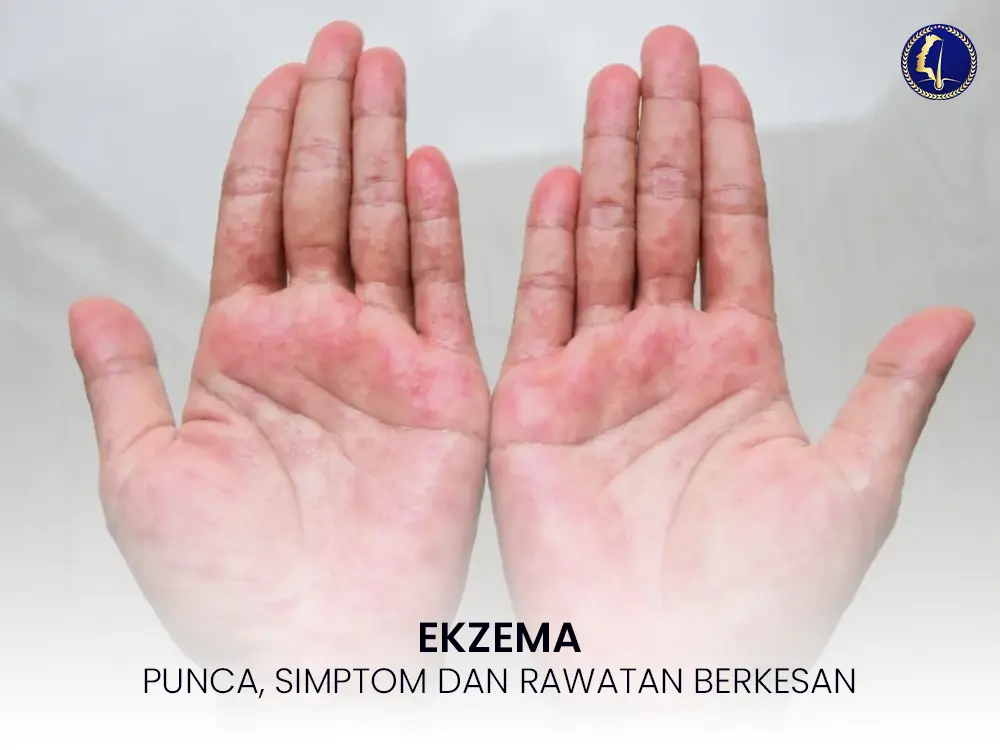
Pilihan Rawatan Ekzema Berkesan di Malaysia Klik pilihan di bawah untuk ketahui jenis rawatan yang sesuai untuk kulit anda. Krim & Pelembap Rawatan Perubatan Petua Semula Jadi 1. Krim Pelembap & Emolien (Asas Penjagaan) Kekerapan: Sapu sekurang-kurangnya 3 hingga 4 kali sehari, terutamanya selepas mandi semasa kulit masih lembap. Pemilihan Produk: Pilih pelembap bebas pewangi (fragrance-free) dan hypoallergenic yang sesuai dengan cuaca lembap di Malaysia. Ingin tahu jenis pelembap farmasi yang sesuai untuk kulit sensitif anda? Hubungi Kami via WhatsApp 2. Rawatan Klinikal & Preskripsi Doktor Krim Steroid Topikal: Digunakan untuk meredakan radang (flare-up) akut di bawah pengawasan doktor klinik. Perencat Calcineurin: Alternatif kepada steroid untuk bahagian kulit yang nipis seperti muka atau leher. Antihistamin: Membantu mengurangkan rasa gatal yang teruk pada waktu malam supaya tidur lebih lena. Ada soalan mengenai dos atau kesan sampingan ubat ekzema? Tanya Pakar via WhatsApp 3. Pengubahsuaian Gaya Hidup & Penjagaan Rumah Pakaian Selesa: Pilih fabrik kapas (cotton) yang menyerap peluh untuk mengelakkan iritasi akibat cuaca panas Malaysia. Kawalan Mandian: Elakkan mandi air terlalu panas; gunakan air suam-suam kuku dan mandi tidak melebihi 10 minit. Pencetus Alahan: Kenal pasti makanan atau habuk rumah yang boleh mencetuskan gatal. Perlukan panduan lengkap kawalan pemakanan dan gaya hidup pesakit ekzema? Dapatkan Tips via WhatsApp Pernah tak anda rasa gatal yang melampau sampai tak boleh tidur malam? Kalau ya, kemungkinan besar anda sedang bergelut dengan masalah kulit yang sangat popular di Malaysia: ekzema. Jom kita sembang santai tentang macam mana nak uruskan kulit sensitif ni supaya hidup lebih selesa. Apa Itu Ekzema? Ekzema bukan sekadar “gatal biasa”. Ia adalah satu keadaan di mana lapisan pelindung kulit anda tidak berfungsi dengan baik, menyebabkan kulit mudah kehilangan kelembapan dan terdedah kepada jangkitan. Definisi Ekzema Secara ringkasnya, ekzema (atau dermatitis) adalah keradangan kulit kronik yang membuatkan kulit menjadi merah, gatal, dan kulit kering. Ia bukan penyakit berjangkit, jadi jangan risau kalau nak bersalaman dengan kawan yang ada ekzema! Jenis-Jenis Ekzema Atopic Dermatitis: Jenis paling lazim, biasanya bermula sejak kecil. Contact Dermatitis: Terjadi bila kulit tersentuh bahan kimia atau alergen. Dyshidrotic Eczema: Lepuhan kecil yang gatal di tapak tangan atau kaki. Seborrheic Dermatitis: Biasanya kena kat kulit kepala (macam kelemumur kronik). Punca Ekzema Ramai tanya, “Kenapa aku yang kena?” Sebenarnya, punca ekzema ni agak kompleks dan berbeza bagi setiap individu. Faktor Genetik Kalau mak atau ayah ada sejarah asma, resdung, atau ekzema, kebarangkalian untuk anak-anak dapat ekzema adalah sangat tinggi. Ia ada kaitan dengan mutasi gen yang menjejaskan protein filaggrin pada kulit. Alahan & Persekitaran Cuaca panas dan lembap di Malaysia memang “syurga” untuk ekzema meradang. Selain itu, habuk rumah, bulu haiwan, dan debunga juga boleh jadi pencetus utama. Menurut World Allergy Organization, faktor persekitaran memainkan peranan besar dalam peningkatan kes penyakit alergik secara global. Iritasi Kulit & Produk Harian Kadang-kadang, sabun basuh baju atau gel mandian yang kita guna hari-hari tulah puncanya. Wangian sintetik dan bahan pengawet dalam produk kosmetik boleh merosakkan skin barrier anda. Simptom Ekzema Simptom ni boleh datang dan pergi (flare-ups). Penting untuk anda kenali tanda-tanda awal sebelum ia melarat. Kulit Kemerahan & Gatal Ini simptom “trademark”. Rasa gatalnya kadang-kadang sampai rasa nak menyiat kulit! Selalunya kawasan lipatan seperti siku, belakang lutut, dan leher akan nampak merah menyala. Kering & Bersisik Kulit pesakit ekzema kurang minyak semula jadi. Hasilnya, kulit nampak kusam, kasar, dan ada kepingan halus macam sisik ikan. Ruam & Luka Kalau dah garu sampai berdarah, kulit boleh luka dan berair (weeping). Jika dibiarkan, ia boleh terkena jangkitan kuman seperti Staphylococcus aureus. Anda boleh rujuk panduan Mayo Clinic untuk melihat perbezaan visual antara ruam biasa dan ekzema yang terjangkit. Rawatan Ekzema di Malaysia Kabar baiknya, ekzema boleh dikawal! Di Malaysia, kita ada pelbagai pilihan rawatan mengikut tahap serius kulit anda. Ubat Topikal & Krim Steroid Ini adalah rawatan first-line. Krim steroid membantu mengurangkan keradangan dengan cepat. Namun, pastikan guna bawah pengawasan doktor supaya kulit tak jadi nipis. Terapi Fototerapi Untuk kes yang degil, pakar kulit mungkin cadangkan fototerapi. Ia menggunakan cahaya UV khas untuk meredakan sistem imun di kawasan kulit yang terjejas. National Eczema Association menjelaskan bagaimana terapi cahaya ini membantu mengurangkan kegatalan dan keradangan secara efektif. Rawatan Semula Jadi & Penjagaan Kulit Gunakan pelembap (emollient) sekurang-kurangnya dua kali sehari. Cari produk yang ada ceramides untuk bantu bina semula lapisan kulit yang rosak. Mandian oat (colloidal oatmeal) juga sangat membantu menenangkan kulit yang “mengamuk”. Pencegahan & Tips Mengawal Ekzema Mencegah lebih baik daripada menggaru, betul tak? Pemilihan Produk Penjagaan Kulit Pilih sabun yang Soap-Free dan Fragrance-Free. Gunakan pelembap sejurus selepas mandi (teknik soak and seal). Elakkan produk yang mengandungi alkohol tinggi. Diet & Gaya Hidup Sihat Walaupun makanan bukan punca utama, ada sesetengah orang sensitif terhadap telur, susu lembu, atau kacang. Cuba perhatikan kalau ada makanan tertentu yang buat anda gatal. Banyakkan makan makanan tinggi Omega-3 untuk kesan anti-radang. Mengelakkan Pencetus Ekzema Pakai baju kain kapas (cotton) yang serap peluh. Elakkan kain wool atau sintetik yang gatal. Kalau boleh, pasang aircond atau kipas supaya badan tak berpeluh melampau. Anda juga boleh semak tips tambahan dari WebMD tentang cara menguruskan gaya hidup pesakit kulit sensitif. Bila Perlu Rujuk Pakar Kulit Jangan tunggu sampai kulit bernanah baru nak cari doktor! Tanda-Tanda Serius Demam berpanjangan. Ruam merebak ke seluruh badan dengan cepat. Luka mula mengeluarkan cecair kuning atau berbau (tanda jangkitan kuman). Gatal yang mengganggu kualiti tidur dan kerja. Rawatan Profesional di Klinik Malaysia Malaysia mempunyai ramai pakar dermatologi yang hebat. Anda boleh mulakan dengan berjumpa doktor umum di klinik (GP) atau terus ke hospital kerajaan/swasta untuk rujukan pakar. Laman Healthline menyediakan panduan lengkap tentang bila masanya rawatan di rumah sudah tidak mencukupi. Soalan Lazim (FAQ) 1. Adakah ekzema boleh sembuh sepenuhnya? Secara teknikal, ekzema tidak ada ubat yang “menghilangkan” terus selamanya, tapi ia boleh dikawal sehingga anda bebas simptom (remission) untuk jangka masa panjang. 2. Bolehkah pesakit ekzema berenang di kolam berklorin? Boleh, tapi klorin boleh mengeringkan kulit. Sapukan lapisan tebal pelembap sebelum masuk kolam dan mandi bersih-bersih sejurus selepas keluar. 3. Adakah cuaca Malaysia buruk untuk ekzema? Ya dan tidak. Kelembapan tinggi bagus untuk kulit kering,