
10 Anti-Aging Skin Care Products in Malaysia That Actually Work (2026)
In 2026, the skincare market in Malaysia features a wide range of Anti-Aging Skin Care Products designed to target visible signs of aging such as wrinkles, fine lines, loss of elasticity, and age spots. From dermatologist-approved formulas to emerging skincare technologies, these top 10 products are backed by scientific evidence and suited for different skin types and concerns. Key Takeaways Discover 10 clinically supported Anti-Aging Skin Care Products available in Malaysia for 2026 Includes both FDA-approved ingredients and dermatologist-recommended innovations Targets fine lines, wrinkles, pigmentation, and skin firmness Helps you choose products based on skin type and sensitivity Highlights proven skincare technologies that promote youthful-looking skin 10 Best Anti-Aging Skin Care Products in Malaysia for 2026 1. Olay Regenerist Micro-Sculpting Cream A long-standing favorite, this cream is among the most trusted Anti-Aging Skin Care Products in Malaysia. It helps visibly firm skin and smooth fine lines. Key Ingredients Niacinamide: Improves skin tone and barrier function Peptides: Support collagen production and skin elasticity Clinical Evidence: Published data in The Journal of Clinical and Aesthetic Dermatology confirms improvements in wrinkle depth and firmness with consistent use. 2. La Roche-Posay Redermic R Retinol Cream This dermatologist-recommended formula uses retinol, one of the most studied anti-aging ingredients. Key Ingredients Retinol: Boosts cell turnover and collagen synthesis Glycerin: Hydrates and minimizes irritation Clinical Evidence: Studies in Dermatologic Therapy support retinol’s effectiveness in reducing visible signs of aging. 3. SkinCeuticals C E Ferulic A gold standard antioxidant serum, often recommended by dermatologists as a preventive Anti-Aging Skin Care Product. Key Ingredients Vitamin C: Brightens and improves uneven tone Ferulic Acid: Stabilizes antioxidants and enhances protection 4. Neutrogena Rapid Wrinkle Repair Retinol Oil This lightweight oil delivers fast-absorbing retinol without excessive dryness. Key Ingredients Retinol: Smooths fine lines Hyaluronic Acid: Adds hydration and plumpness 5. Dr. Dennis Gross C+ Collagen Brighten & Firm Serum Ideal for dull or sagging skin, this serum combines brightening and firming benefits. Key Ingredients Vitamin C: Fights free radical damage Collagen Amino Acids: Support skin structure 6. The Ordinary Granactive Retinoid 2% Emulsion A budget-friendly entry into Anti-Aging Skin Care Products, suitable for sensitive skin. Key Ingredients Granactive Retinoid: Gentler alternative to retinol Squalane: Prevents dryness and irritation 7. Murad Rapid Age Spot and Pigment Lightening Serum Designed for sun damage and pigmentation, commonly seen in tropical climates like Malaysia. Key Ingredients Hydroquinone: Clinically proven to fade dark spots Vitamin C: Enhances skin clarity 8. Shiseido Benefiance Wrinkle Smoothing Cream A premium option for mature skin experiencing deeper wrinkles. Key Ingredients ReNeura Technology™: Enhances skin responsiveness Botanical Extracts: Improve hydration and smoothness 9. Pond’s Age Miracle Deep Action Night Cream One of the most accessible Anti-Aging Skin Care Products for overnight repair. Key Ingredients Retinol: Encourages skin renewal Niacinamide: Strengthens skin barrier 10. Kiehl’s Powerful-Strength Line-Reducing Concentrate A high-strength vitamin C treatment for visible line reduction. Key Ingredients Vitamin C: Improves skin brightness Hyaluronic Acid: Restores moisture and elasticity Conclusion: Choosing the Right Anti-Aging Skin Care Products Advances in dermatology have made Anti-Aging Skin Care Products more effective and accessible than ever in 2026. Whether you prefer retinol-based treatments, antioxidant serums, or peptide-rich creams, consistency and proper product selection are key. Always patch-test and consult a dermatologist when introducing active ingredients. Frequently Asked Questions (FAQs) 1. Are Anti-Aging Skin Care Products safe for daily use?Most are safe when used as directed. Retinol-based products may require gradual introduction. 2. How long before Anti-Aging Skin Care Products show results?Initial improvements often appear in 4–6 weeks, with optimal results at 12 weeks. 3. At what age should I start using Anti-Aging Skin Care Products?Preventive care can begin in your mid-20s, especially sunscreen and antioxidants. 4. Can I combine multiple Anti-Aging Skin Care Products?Yes, but avoid mixing strong actives (e.g., retinol + acids) unless advised by a professional. 5. Do Anti-Aging Skin Care Products work for tropical climates like Malaysia?Yes—choose lightweight, non-comedogenic formulas suited for humid environments.
Rejuran FAQs: Everything You Need to Know About Rejuran Treatment

Rejuran FAQs In Malaysia Rejuran Healer is a groundbreaking skin treatment that’s capturing attention for its rejuvenating effects. Below is a detailed answer to 20 frequently asked questions, crafted in a conversational style to help you understand this innovative procedure better. 1. What is Rejuran Healer? Rejuran Healer is a specialized skin treatment that utilizes polynucleotides (PN) derived from salmon DNA. This unique formulation aims to rejuvenate the skin by promoting regeneration and healing at a cellular level. It’s particularly known for its ability to enhance skin texture and elasticity. 2. How does Rejuran Healer work? The magic of Rejuran Healer lies in its ability to stimulate collagen and elastin production. When injected into the skin, the PN promotes cellular turnover and healing, resulting in a more youthful and vibrant complexion. Essentially, it kick-starts your skin’s natural repair processes. 3. What are the primary benefits of Rejuran Healer? Patients often rave about the benefits, which include: Improving skin texture, making it smoother and more even. Reducing the appearance of fine lines and wrinkles, giving the skin a plump look. Boosting hydration, effectively quenching dry skin. Promoting quicker healing of blemishes and scars. Enhancing skin elasticity, leading to a firmer appearance. 4. Who is an ideal candidate for Rejuran Healer? Rejuran Healer is great for anyone looking to rejuvenate their skin, especially those starting to notice signs of aging like fine lines or dullness. It’s also effective for individuals dealing with acne scars or uneven skin texture. Essentially, if you want to give your skin a fresh start, this treatment could be for you. 5. Is the procedure painful? While some discomfort is normal during the injections, many clinics use topical anesthetics to minimize any pain. Patients often describe the sensation as a slight pinch, which is quite manageable. 6. How long does a Rejuran Healer session take? You can expect a typical session to last between 30 to 60 minutes, depending on the treatment area. It’s a relatively quick procedure, making it easy to fit into a busy schedule. 7. How many sessions are usually required? Most practitioners recommend 2 to 4 sessions, spaced about three to four weeks apart. This approach ensures that your skin receives adequate stimulation for the best results. Your practitioner will tailor the number of sessions based on your specific needs. 8. What results can I expect after treatment? After the treatment, you may notice some mild swelling or redness at the injection sites, but this usually subsides within a few days. Many patients begin to see visible improvements in skin quality within 1 to 2 weeks after treatment, with continued enhancements over the following weeks. 9. Are there any side effects? While the treatment is generally safe, common side effects include temporary bruising, swelling, or redness at the injection sites. Serious complications are rare, but if you experience excessive swelling or pain, it’s essential to consult your practitioner. 10. How long do the effects of Rejuran Healer last? The results typically last between six months to a year, depending on your skin type, lifestyle, and maintenance routines. Regular touch-up sessions can help prolong the effects. 11. Can I combine Rejuran Healer with other procedures? Absolutely! Rejuran Healer can be effectively combined with other treatments like dermal fillers or laser therapies to enhance overall results. Your practitioner can provide a customized treatment plan based on your goals. 12. Who should avoid Rejuran Healer? It’s advisable for certain individuals to steer clear of this treatment. Those who are pregnant or breastfeeding, have active skin infections, or are allergic to any ingredients in the formulation should consult their healthcare provider before proceeding. 13. What is the cost of Rejuran Healer treatment? Costs can vary widely based on geographic location and the specific clinic. In Malaysia, the cost of Rejuran Healer typically ranges from RM 1,200 to RM 2,500 per session. It’s always best to check with your clinic for a precise quote based on your treatment needs. 14. How should I prepare for the treatment? To minimize bruising, it’s recommended to avoid blood-thinning medications (like aspirin) and alcohol for a few days prior to your appointment. Your practitioner will provide specific pre-treatment guidelines to ensure the best experience. 15. Is there any downtime after the treatment? One of the appealing aspects of Rejuran Healer is minimal downtime. Most patients can return to daily activities immediately, but it’s wise to avoid strenuous exercise and direct sun exposure for a couple of days to allow your skin to recover. 16. Can Rejuran Healer treat specific skin concerns? Yes, Rejuran Healer can address a variety of specific skin concerns. It’s particularly effective for: Fine Lines and Wrinkles: Helps to plump and minimize visible aging signs. Dull or Uneven Skin Tone: Brightens and evens out the complexion. Acne Scars: Supports healing and reduces the appearance of scarring. Large Pores: Can help refine the appearance and texture of enlarged pores. 17. How does Rejuran Healer compare to dermal fillers? While both treatments aim to improve skin appearance, they work differently. Dermal fillers add volume to specific areas, while Rejuran Healer focuses on skin rejuvenation by stimulating natural healing processes and improving overall skin quality. Think of fillers as providing immediate volume, whereas Rejuran Healer fosters long-term skin health. 18. When should I see significant results? Most patients notice visible improvements within 2 to 4 weeks post-treatment, with continued enhancement as collagen rebuilds over the following months. This gradual improvement is a key benefit, as it allows results to appear natural and less abrupt. 19. Is it safe for all skin types? Yes, Rejuran Healer is considered safe for various skin types. However, conducting a thorough consultation with a licensed practitioner is crucial to ensure the treatment is suitable for your specific skin concerns and needs. 20. What aftercare is recommended following the treatment? After receiving Rejuran Healer, it’s essential to follow some simple aftercare guidelines: Avoid vigorous exercise for at least 24 to 48 hours. Steer clear of direct sunlight and use sunscreen diligently
Cryolipolysis Fat Freezing: Safe, Non-Surgical Fat Reduction Guide
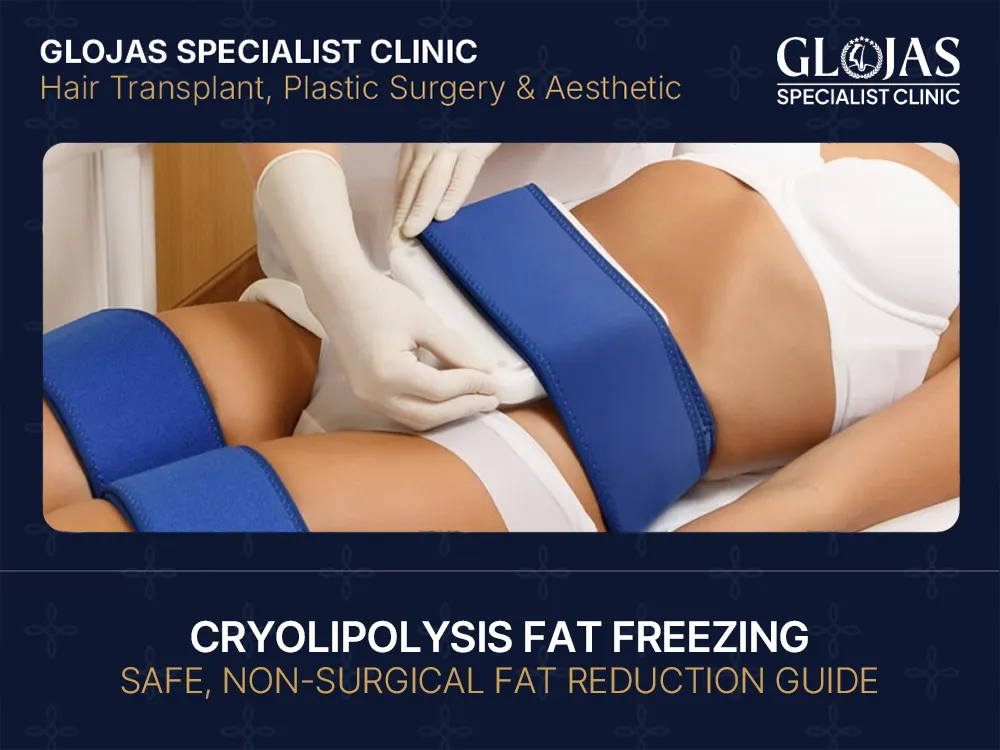
Cryolipolysis fat freezing is a non-invasive treatment that safely reduces stubborn fat by freezing fat cells, which the body naturally eliminates. With no surgery or downtime, it sculpts areas like belly, thighs, arms, and love handles. Results appear gradually, making it a convenient, natural-looking body contouring option. GLOJAS Specialist Clinic Malaysia is recognized for expertise in double chin removal, with clinicians trained in safe, precise, and evidence-based body contouring techniques. The clinic’s approach emphasizes patient safety, clinical accuracy, and reliable, non-surgical fat reduction outcomes. What Is Cryolipolysis Fat Freezing? Cryolipolysis, commonly called fat freezing, is a non-surgical procedure that targets pockets of fat resistant to diet and exercise. Approved by the FDA, it uses controlled cooling to destroy fat cells beneath the skin without harming surrounding tissues. Key points: Not a weight-loss treatment; best for localized fat reduction. Works on abdomen, thighs, arms, flanks, and double chin. Usually 1–3 sessions per area for optimal results. How Cryolipolysis Works Consultation: Clinician assesses if you’re a good candidate. Treatment: Applicator applies suction and controlled cooling to fat. Fat Breakdown: Cold triggers apoptosis (natural fat cell death). Results: Body metabolizes dead fat cells over 4–12 weeks, with full results at ~3 months. Most patients feel mild tugging or cold, with temporary numbness or redness. 👉 A prospective clinical study found that cryolipolysis using a three‑dimensional cooling method significantly reduced abdominal subcutaneous fat by ~28–31% at 12–16 weeks after treatment, with high patient satisfaction and no serious adverse events reported. PubMed Benefits of Cryolipolysis Non-surgical: No incisions, anesthesia, or stitches. Minimal downtime: Resume daily activities immediately. Targeted fat reduction: Sculpt stubborn areas like love handles and belly. Long-lasting: Fat cells are permanently eliminated if weight is maintained. Safe and clinically proven: FDA-approved with numerous studies confirming effectiveness. Ideal Candidates Adults within 20–30 pounds of their ideal weight. People with localized fat pockets resistant to diet/exercise. Not recommended for: cold-related conditions, pregnancy, or certain medical implants. What to Expect During Treatment Sessions last 35–60 minutes per area. Mild tugging, pinching, or cold sensation is normal. Temporary redness, swelling, or bruising may occur. Results: gradual fat reduction over 4–12 weeks, full effect in ~3 months. Cryolipolysis vs Other Fat Reduction Options Feature Cryolipolysis Liposuction Injectable Fat Melt (Kybella) Invasive No Yes Minimally Downtime Minimal 1–2 weeks Minimal Pain Mild Moderate Mild–Moderate Target Areas Multiple Multiple Chin/Neck Results Gradual Immediate Gradual Safety and Side Effects Cryolipolysis is safe when performed by trained professionals. Side effects are usually mild: Redness, swelling, bruising Tingling or numbness Rare: paradoxical adipose hyperplasia (slight increase in fat in treated area) Tip: Always confirm device type and practitioner credentials for maximum safety. Cryolipolysis vs HIFU vs Ultherapy Prime for Double Chin Feature Cryolipolysis (Fat Freezing) HIFU (High-Intensity Focused Ultrasound) Ultherapy Prime Mechanism Freezes fat cells, which die and are naturally eliminated Ultrasound energy stimulates collagen and tightens skin Ultrasound with advanced imaging lifts and tightens skin Primary Goal Reduce submental fat (double chin) Tighten sagging skin and mild fat reduction Lift and firm skin while improving contour Invasiveness Non-surgical Non-surgical Non-surgical Downtime Minimal Minimal Minimal Pain Mild cold or tugging Mild tingling or heat sensation Mild heat sensation, tolerable Results Timeline Gradual over 6–12 weeks Gradual tightening over 2–3 months Gradual lifting over 2–3 months Best For Stubborn fat under the chin Mild sagging skin, some fat Skin laxity, lifting, and contour definition Limitations Doesn’t tighten loose skin Less effective for significant fat Minimal fat reduction; mainly for lifting Key Takeaways Cryolipolysis is ideal if the main issue is excess fat under the chin. HIFU works best for mild sagging with some fat reduction. Ultherapy Prime focuses on lifting and firming skin rather than removing fat. For patients with a double chin, choosing the right treatment depends on whether the concern is fat, skin laxity, or both. Sometimes a combination approach yields optimal results. Cryolipolysis FAQs 1. Does cryolipolysis really work?Yes, studies show 20–25% fat reduction per treated area over weeks. 2. Is it painful?Most patients feel mild tugging or cold; discomfort is temporary. 3. How many sessions are needed?1–3 sessions per area are typical. 4. When do results show?Visible results in 4–12 weeks, full effect by ~3 months. 5. Can it be done at home?At-home devices aren’t FDA-approved and may be unsafe. 6. Who should avoid cryolipolysis?People with cold sensitivity disorders, pregnancy, or certain implants. 7. What areas respond best?Abdomen, flanks, inner/outer thighs, upper arms, and submental area (double chin). 8. How long do results last?Fat cells destroyed are gone permanently, but weight gain can affect remaining fat.
OTC vs Prescription Acne Medications: Which Works Better?

Over-the-counter acne medications are effective for mild breakouts, while prescription acne medications are designed for moderate to severe acne, hormonal acne, or scarring risk. The right choice depends on acne type, severity, and skin response. Early medical treatment improves outcomes and reduces long-term skin damage. Understanding Acne: Why Treatment Choice Matters Acne is not just a cosmetic issue. Medically, it is a chronic inflammatory skin condition involving excess oil production, clogged pores, bacterial overgrowth (Cutibacterium acnes), and inflammation. The mistake many people make is treating all acne the same. In reality, mild acne and cystic acne require very different levels of treatment, which is why understanding the difference between over-the-counter and prescription acne medications is essential. How Acne Medications Work (Clinician Explanation) Acne treatment target one or more of these core mechanisms: Reducing oil (sebum) production Preventing clogged pores (comedones) Killing acne-causing bacteria Calming inflammation The key difference between OTC and prescription acne medication is strength, depth of action, and consistency of results. Over-the-Counter Acne Medications Over-the-counter acne treatments are widely available and suitable for mild, early-stage acne. Common OTC Acne Ingredients Benzoyl Peroxide (2.5–10%)Kills acne-causing bacteria and reduces inflammation. It works quickly but can cause dryness if overused. Salicylic Acid (0.5–2%)Helps unclog pores and reduce blackheads and whiteheads. Best for comedonal acne. Adapalene 0.1%A mild topical retinoid that improves skin turnover and prevents clogged pores. Niacinamide & SulfurSupport oil control and soothe redness. When OTC Acne Treatment Works Best Mild acne Occasional breakouts Teen acne without scarring Maintenance after prescription treatment Limitations of OTC Acne Medication Limited penetration into deeper skin layers Less effective for hormonal acne Minimal impact on cystic or nodular acne Results may plateau after initial improvement OTC acne treatments are not designed to treat deeper inflammation or prevent scarring. Prescription Acne Medications Prescription acne medications are recommended when acne is persistent, inflammatory, painful, or scarring. Prescription Topical Acne Treatments Topical Retinoids (Tretinoin, Adapalene 0.3%, Tazarotene)These normalize skin cell turnover and prevent pore blockage. They are more potent than OTC retinoids. Topical Antibiotics (Clindamycin, Erythromycin)Reduce bacterial growth and inflammation. Always combined with benzoyl peroxide to prevent antibiotic resistance. Azelaic Acid 15–20%Useful for acne with redness, pigmentation, or sensitive skin. Oral Prescription Acne Medications Oral Antibiotics (Doxycycline, Minocycline)Used short-term for moderate to severe inflammatory acne. Hormonal Therapy (Spironolactone, Oral Contraceptives)Highly effective for adult female and hormonal acne. IsotretinoinReserved for severe, nodulocystic, or scarring acne. It treats acne at its root but requires strict medical supervision. Key Differences: OTC vs Prescription Acne Medications Feature Over-the-Counter Prescription Acne severity Mild Moderate to severe Strength Lower Medical-grade Depth of action Surface-level Deep follicular Speed of results Slower Faster Scarring prevention Limited Strong Medical supervision Not required Required Clinical evidence:The American Academy of Dermatology (AAD) states that over-the-counter acne treatments are appropriate for mild acne, while moderate to severe acne often requires prescription medications such as topical retinoids, antibiotics, or hormonal therapy to prevent scarring and long-term skin damage. 🔗 Source: American Academy of Dermatology – Acne treatment guidelineshttps://www.aad.org/public/diseases/acne/derm-treat/treat Which Acne Treatment Is Right for You? OTC Acne Medication May Be Enough If: Acne is mild and localized No deep cysts or nodules Minimal pigmentation or scarring Prescription Acne Medication Is Recommended If: Acne lasts longer than 8–12 weeks Painful cysts or nodules appear Acne affects chest or back Dark marks or scars are developing Acne worsens during menstrual cycles Early prescription treatment reduces the risk of permanent scarring. At GLOJAS Specialist Clinic Malaysia, acne treatment is handled by qualified doctors using proven medical methods. Each plan is tailored to your skin type and acne severity, focusing on safe care, visible improvement, and long-term skin health. Side Effects & Skin Barrier Protection Both OTC and prescription acne medications may cause: Dryness Peeling Redness Temporary purging Using a gentle cleanser, non-comedogenic moisturizer, and daily sunscreen significantly improves tolerance and results. When to See a Doctor for Acne You should seek medical advice if: Acne does not improve after OTC treatment Breakouts are painful or widespread Acne affects self-esteem or mental health You notice scarring or pigmentation Medical evaluation ensures the right medication, dose, and treatment duration. Frequently Asked Questions (FAQs) Is over-the-counter acne medication effective? Yes, OTC acne treatments are effective for mild acne, especially blackheads and whiteheads. When should I switch to prescription acne medication? If there is no improvement after 8–12 weeks or acne worsens, prescription treatment is recommended. Are prescription acne medications stronger than OTC? Yes, prescription medications are more potent and treat deeper acne causes. Can I use OTC and prescription acne treatments together? Yes, many prescription regimens include OTC products under medical guidance. Which acne medication prevents scarring best? Prescription treatments, especially retinoids and isotretinoin, are most effective at preventing acne scars.
Is Pico Laser Safe for Dark Skin?

Laser skin treatments were once considered risky for darker skin tones. Many people with melanin-rich skin were warned about burns, scars, and unwanted pigmentation. Today, technology has changed that perception. One question still dominates search results: Is pico laser safe for dark skin? This article explains the science, safety, benefits, and limitations of pico laser treatments so you can make an informed decision with confidence. What Does Pico Laser Safe Really Mean? The term pico laser safe refers to laser technology that uses ultra-short picosecond pulses to treat the skin with minimal heat. Instead of burning pigment, the laser shatters it into microscopic particles using a photoacoustic effect. This approach significantly reduces the risk of overheating melanin-rich skin, making pico laser treatments safer for darker skin tones when performed by trained medical professionals. Why Pico Laser Safe Matters More for Dark Skin Dark skin contains higher concentrations of melanin, the pigment responsible for skin color. Melanin absorbs light energy easily. With older laser systems, this often led to complications such as: ·Post-inflammatory hyperpigmentation (PIH) ·Burns or blisters ·Uneven skin tone ·Prolonged healing time Because of these risks, not all laser devices are suitable for Fitzpatrick skin types IV, V, and VI. Safety depends on pulse duration, wavelength, and operator expertise. How Pico Laser Safe Technology Works Pico lasers deliver energy in trillionths of a second. This ultra-fast pulse changes how the skin responds to laser treatment. Key Mechanisms ·Uses photoacoustic energy instead of thermal heat ·Breaks pigment into tiny fragments ·Minimizes damage to surrounding tissue ·Triggers natural pigment clearance by the body This makes pico lasers fundamentally different from traditional laser systems. Why Pico Laser Safe Is Considered for Dark Skin Several features contribute to its improved safety profile: ·Short pulse duration limits heat buildup ·Selective pigment targeting avoids surrounding melanin ·Lower risk of PIH compared to older lasers ·Controlled energy delivery tailored to skin type These characteristics explain why pico laser has become a preferred option for treating darker skin tones in aesthetic dermatology. Skin Concerns Pico Laser Safe Can Treat in Dark Skin Pico laser treatments are commonly used for: Hyperpigmentation Safely breaks down excess pigment without damaging healthy skin. Melasma Used carefully as part of a controlled treatment plan. Acne Scars Improves texture and stimulates collagen remodeling. Uneven Skin Tone Gradually enhances clarity and brightness. Tattoo Removal Effective for stubborn pigment with lower scarring risk. Clinical Evidence and Dermatology Experience Pico laser technology is well established in modern dermatology and aesthetic medicine, with widespread global use for pigmentation disorders, acne scars, tattoo removal, and overall skin rejuvenation. Its effectiveness is supported by clinical studies and years of real-world dermatology experience. Research and long-term clinical practice show that pico laser treatments have low complication rates when performed by trained medical professionals using appropriate parameters. The ultra-short pulse duration allows targeted pigment and tissue disruption while minimizing heat damage to surrounding skin, which contributes to its strong safety profile—particularly for darker skin tones. Most reported side effects are mild and temporary, such as short-lived redness, swelling, or sensitivity. These effects typically resolve within a few days and are significantly reduced when patients follow proper pre- and post-treatment care, including sun protection and gentle skincare routines. Equally important is careful patient selection and individualized treatment planning. A medical consultation ensures the laser settings are adjusted based on skin type, condition, and treatment goals, further improving outcomes and safety. When these principles are followed, pico laser remains a reliable, evidence-based option with consistently high patient satisfaction. Possible Side Effects and How They Are Managed Even safe technologies require proper handling. Temporary effects may include: ·Redness ·Mild swelling ·Short-term darkening before lightening How Risks Are Reduced ·Accurate skin assessment ·Conservative laser parameters ·Strict sun avoidance ·Medical-grade skincare support Choosing an experienced provider plays a major role in safety. Who Is a Good Candidate for Pico Laser? Pico laser treatments are designed to be versatile and safe, but they are especially beneficial for individuals with specific skin concerns and lifestyle preferences. You may be a good candidate if you meet one or more of the following criteria: Have darker skin tones (Fitzpatrick III–VI)Pico laser technology uses ultra-short pulses that reduce heat buildup, making it safer for darker skin tones with a lower risk of post-inflammatory hyperpigmentation (PIH). Experience pigmentation issues or acne scarsConditions such as melasma, sunspots, post-acne marks, and uneven skin tone respond well to pico laser due to its ability to break down pigment particles precisely. Want a non-invasive treatment optionPico laser is non-surgical and does not damage surrounding skin tissue, making it ideal for patients seeking effective results without needles or incisions. Prefer minimal downtimeMost patients experience only mild redness or swelling that subsides within a short period, allowing a quick return to daily activities. Are free from active skin infections or severe inflammationHealthy skin at the time of treatment helps ensure optimal results and reduces the risk of complications. Ultimately, a medical consultation is essential to assess your skin type, concerns, and goals. A qualified practitioner can tailor the treatment parameters to your needs, ensuring both safety and effective outcomes. What to Expect During and After Treatment During Treatment Pico laser sessions are generally quick and well tolerated. You may feel mild tingling, warmth, or a snapping sensation, similar to a light rubber band flicking the skin. The intensity varies depending on the treatment area and settings used.To enhance comfort, a topical numbing cream may be applied before the procedure, especially for sensitive areas. Each session usually lasts 15–30 minutes, depending on the size of the area being treated. After Treatment Recovery is usually minimal, making pico laser a popular option for patients with busy schedules: Redness and mild swelling are common and typically subside within 24–48 hours The skin may feel slightly warm or sensitive, similar to mild sun exposure Gradual skin improvement occurs as pigmentation fades and collagen production increases over time Daily activities can be resumed quickly, often on the same day, with basic aftercare
Plenhyage Skin Booster for Deep Hydration and Youthful Glow in Malaysia
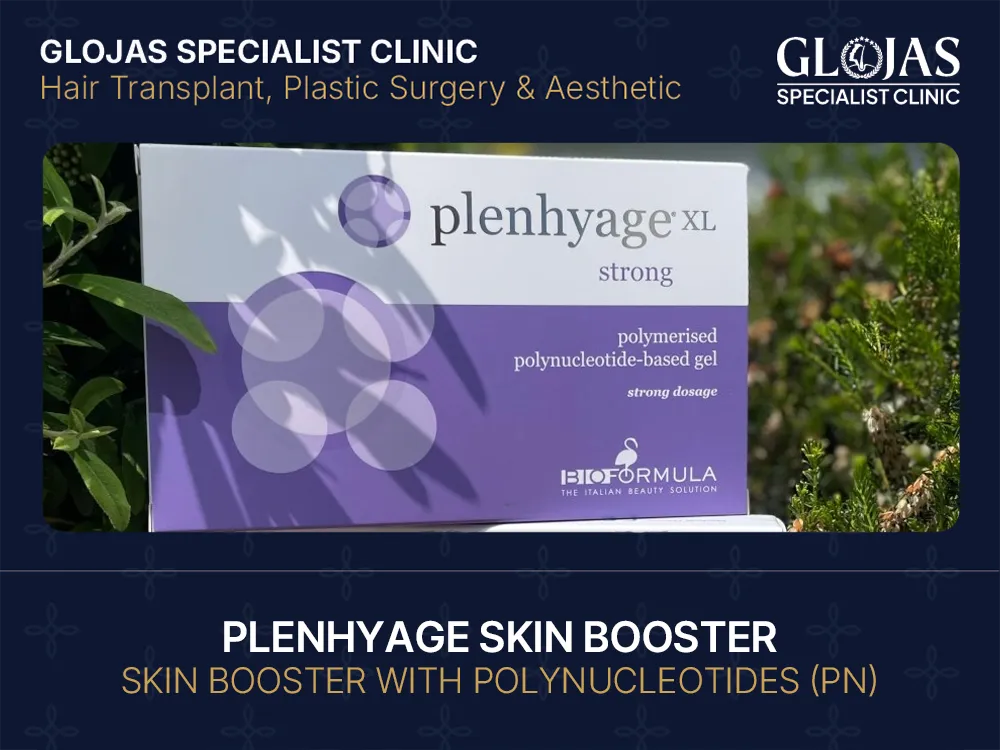
If you’re chasing that elusive “glass skin” glow in Malaysia, you’ve likely heard of Plenhyage. This isn’t just another filler; it’s a high-concentration polynucleotide (PN) gel that repairs skin at a cellular level. It’s quickly becoming the go-to regenerative treatment for those wanting natural, long-lasting rejuvenation. GLOJAS Specialist Clinic offers Plenhyage Skin Booster treatments to hydrate, rejuvenate, and improve skin elasticity, delivering natural-looking results through advanced, doctor-led aesthetic care. What is Plenhyage Skin Booster? Plenhyage is a regenerative skin booster using polynucleotides (PN) from purified salmon DNA. This biorevitalization gel stimulates fibroblasts to boost collagen and elastin, improving skin elasticity, hydration, and texture. It treats fine lines, scars, and photoaging without adding volume, offering natural rejuvenation. Definition & Origins: The Science of Salmon DNA The secret lies in salmon DNA, which is remarkably biocompatible with human skin. These polynucleotides are extracted and purified to ensure they don’t trigger immune responses. This regenerative medicine approach uses these biological building blocks to kickstart the body’s natural repair mechanisms effectively. How Plenhyage Works: Cellular Regeneration & Bio-Remodeling Plenhyage works by stimulating fibroblasts, the cells responsible for producing collagen and elastin. It essentially “recycles” old cell components and provides the nutrients needed for new growth. This process, known as bio-remodeling, improves skin thickness and reduces inflammation, making it a powerful ally against environmental damage. Plenhyage vs. Other Skin Boosters (Profhilo, Rejuran, Fillers) While Profhilo focuses on intense hydration and Rejuran on general healing, Plenhyage offers a higher concentration of PN for targeted repair. Unlike dermal fillers, it adds zero artificial volume. It’s specifically designed for patients who want structural skin improvement without looking like they’ve had “work done.” The PH-HPT™ Purification Technology What sets Plenhyage apart is its PH-HPT™ (Highly Purified Technology). This patented process ensures the removal of all protein impurities, making it exceptionally safe. This Italian-engineered standard guarantees a high-purity polynucleotide gel that minimizes the risk of allergic reactions or late-onset granulomas often seen with lesser-purified products. Benefits of Plenhyage Treatment for Malaysian Skin Malaysian skin often battles high UV exposure and humidity, leading to premature aging and pigmentation. Plenhyage addresses these local concerns by strengthening the skin barrier. It’s an versatile solution that works across various skin types and ages, providing a resilient, healthy complexion. Key Skin Concerns Treated: Acne Scars, Pigmentation, and Aging Plenhyage is a heavy hitter for acne scarring and uneven texture. By promoting tissue repair, it helps fill in “pitted” scars and smooths out fine lines. It also suppresses melanin overproduction, which is a major win for Malaysians dealing with stubborn post-inflammatory hyperpigmentation (PIH). Visible Results: Hydration, Elasticity, and “Glass Skin” After treatment, you’ll notice a significant boost in hydration. Clinical studies have shown a 115% increase in skin moisture levels within weeks. This deep hydration, combined with improved elasticity, creates that sought-after glass skin effect characterized by a poreless, luminous, and translucent appearance. Long-Term Skin Health: Collagen Stimulation The real magic happens beneath the surface over time. By constantly nudging fibroblasts to produce Type I collagen, Plenhyage increases dermal thickness by up to 50%. This isn’t a temporary fix; it’s a long-term investment that builds a stronger, more youthful skin foundation every year. Types of Plenhyage Treatments Available in Malaysia In Malaysia, aesthetic clinics typically offer two primary variants of this booster. Both utilize the same PN technology but differ in concentration. Your doctor will select the appropriate version based on your skin’s current condition and your specific aesthetic goals during your initial consultation. Plenhyage XL Medium: Early Signs of Aging & Maintenance Plenhyage XL Medium (20mg/ml) is the “entry-level” option, perfect for younger patients in their 20s or 30s. It’s ideal for treating the delicate under-eye area to reduce dark circles or fine lines. Many use it as a preventative “maintenance” jab to keep skin resilient. Plenhyage XL Strong: Intensive Regeneration For deeper wrinkles or significant scarring, Plenhyage XL Strong (25mg/ml) is the preferred choice. This higher concentration provides more intensive repair for the cheeks, neck, and hands. It’s the “gold standard” for older patients or those with more advanced sun damage and skin laxity. The Plenhyage Treatment Procedure: What to Expect The journey to better skin starts with a simple, minimally invasive procedure. It’s designed to fit into a busy lifestyle, often taking less than an hour from start to finish. Understanding the steps can help ease any “needle jitters” you might have before your first session. Pre-Treatment Consultation & Skin Assessment Your doctor will first analyze your skin texture and elasticity. They’ll check for any active infections or contraindications. This is the time to discuss your medical history and set realistic expectations. A customized map of injection points is usually created to target your specific “problem zones.” The Injection Process: Pain Level and Duration The actual procedure takes about 20–30 minutes. After applying a topical numbing cream, the doctor uses a fine needle or cannula to perform micro-injections. Most patients describe the sensation as a light “prickling.” It’s very tolerable, and the discomfort is minimal compared to deeper dermal fillers. Aftercare and Recovery Guidelines Recovery is remarkably quick. You might see tiny “bumps” at the injection sites, but these usually disappear within 24 to 48 hours. Avoid heavy exercise, saunas, or direct sun exposure for two days. This ensures the PN gel settles properly and minimizes any risk of temporary swelling. Treatment Schedule: How Many Sessions Are Needed? For optimal results, a primary course of 3 to 4 sessions is typically recommended. These should be spaced about 3 to 4 weeks apart. This interval allows your skin’s regenerative cycle to fully engage before the next “boost,” ensuring the most dramatic improvement in tissue quality. Timeline of Results: From Immediate Glow to Long-Term Gains You’ll likely see a “glow” within the first week due to improved hydration. However, structural changes like collagen remodeling take time. The most significant improvements in firmness and scar reduction usually peak around the 3-month mark, as your body builds new, healthy skin cells. Finding the Best Plenhyage Clinic in Malaysia Choosing the right clinic is vital for both safety and results. Since Plenhyage
The Ultimate Guide to Stimulating Collagen Production Effectively
Collagen is like the scaffolding that holds your skin together. It keeps things firm, bouncy, and looking young. As we age, our collagen production slows down, which can lead to wrinkles and less elastic skin. The good news is there are things we can do to help boost collagen and keep our skin looking its best! There are a lot of treatments and products on the market that all promise the world, so it is important not to be persuaded by the false hope that advertising may give. What’s the Deal with Collagen? Think of collagen as the main component that gives your skin its strength and elasticity. It makes up about 75% of what your skin is made up of when water is removed. When we’re young, we have plenty of it, but as we get older, collagen production slows down. This is when we start to see the visible signs of aging, such as: Fine lines and wrinkles popping up where they weren’t before Skin starts to get saggy, not holding itself as tight Pores seem to get bigger Skin looks thinner and just not as bright Getting collagen production moving is all about waking up those fibroblasts – they’re the skin cells whose job it is to crank out collagen. When these fibroblasts get moving, they make new collagen fibers which improve the look, feel and quality of your skin. Why Does Collagen Production Slow Down? Unfortunately, a lot of things contribute to collagen loss: Aging: It’s inevitable. As we get older, our fibroblasts just don’t work as fast. Cell turnover slows, and hormonal changes can cause skin to thin. Reduced Estrogen is especially relevant to skin thinning. Sun Damage: UV rays are a major collagen killer. They trigger enzymes that break down collagen, leading to premature aging. Lifestyle: Smoking, a poor diet, too much sugar, stress, and not enough sleep and rest all negatively impact collagen formation. Pollution: Environmental pollutants create free radicals that damage collagen fibers and hinder skin repair. How Does Collagen Production Work? Collagen Production is essentially the skin repairing itself. It all comes down to a few key things: Fibroblast Activation: This is the main goal – getting those collagen-producing cells to wake up and get to work. Wound Healing: Tiny injuries can actually stimulate fibroblasts and help produce collagen. Growth Factors: certain chemicals are needed to jumpstart and support collagen production. Nutrients: Vitamins and minerals are also needed. Medical and skin care treatments aim to tap into the process, boosting the production of strong, healthy collagen for firmer skin. Medical Treatments for Collagen Boost Microneedling: Tiny needles create micro-injuries in the skin, which signals the body to repair itself and produce more collagen. This is great for scars, fine lines, and large pores. You’ll typically see results over a few months. Combining it with special blood plasma can make it even more better. Laser Therapy: Certain types of lasers heat the deeper layers of skin, which triggers collagen production. This can address wrinkles, scars, and uneven pigmentation by prompting the skin to make more collagen. Radiofrequency: RF therapy heats the skin to tighten it and signal collagen production. It’s non-invasive, so there’s usually minimal downtime. HIFU: This uses ultrasound energy to target deeper layers of skin and stimulate collagen. Often it is used of the face and neck. Injectable Stimulators: Substances injected can trigger collagen production over time, leading to a more gradual and natural-looking lift. It takes multiple sessions. Skincare Ingredients That Help Collagen Retinoids: These vitamin A derivatives are fantastic at stimulating fibroblast activity and increasing collagen density. They also reduce wrinkles and fade dark spots. Vitamin C: This is a must have. It’s essential for collagen production and protects skin from damage. Vitamin C brightens up skin. Peptides: They signal fibroblasts to produce more collagen and support skin repair. Growth Factor Serums: These serums contain growth factors that promote collagen remodeling. Sunscreen: This is a no brainer. It shields collagen from UV damage, so wear SPF 30+ every day. Nutrition and Lifestyle Tips for Healthy Collagen The Right Nutrients: Protein, Vitamin C, zinc, copper, omega-3s, and antioxidants are crucial for collagen production. Healthy Habits: Get enough sleep, avoid smoking and excessive alcohol, manage stress, and protect your skin from sun and pollution. Collagen Supplements: I only recommend oral collagen is used WITH good skincare and healthy lifestyle choices. Things to Keep in Mind (Risks, Side Effects, Etc.) These treatments are usually safe, but there can be some temporary side effects: Microneedling: Redness, swelling, and pinpoint bleeding are common. RF & HIFU: You might feel a little heat or see some redness. Lasers: There’s a risk of hyperpigmentation or burns if not done correctly. Injectables: Bruising, swelling, or rare nodule formation can occur. Talk to a professional to make sure the treatment is right for you! Who Shouldn’t Get Collagen Treatments? These treatments aren’t for everyone. Avoid them if you have: Active skin infections Certain autoimmune disorders Pregnancy or breastfeeding A tendency to form keloid scars A professional assessment is always a good idea before starting any treatments. Aftercare and Recovery Stay out of the sun for a week or two after treatment. Use gentle cleansers and moisturizers. Avoid harsh scrubs. Follow your providers guide. Recovery can take anywhere from a few days to a week, depending on the treatment. Frequently Asked Questions How soon will I see results? You will start to see improvements in skin texture within a month or two. Noticeable firmness takes a few months. Full remodeling will be seen in 3–6 months. Can I boost collagen naturally? Sure, with sun protection, retinoids, peptides, nutrition, and a healthy lifestyle. When should I start collagen stimulation? You can start preventing aging in your mid-20s. Get treatments starting from your 30s. Do collagen creams work? Not really, they mostly hydrate. Ingredients like retinoids, peptides, and Vitamin C are effective internally. Are collagen treatments painful? It is mild. Microneedling needs numbing cream, and RF/HIFU feels warm. Very
Is HIFU Right for You? Ideal Candidates Explained
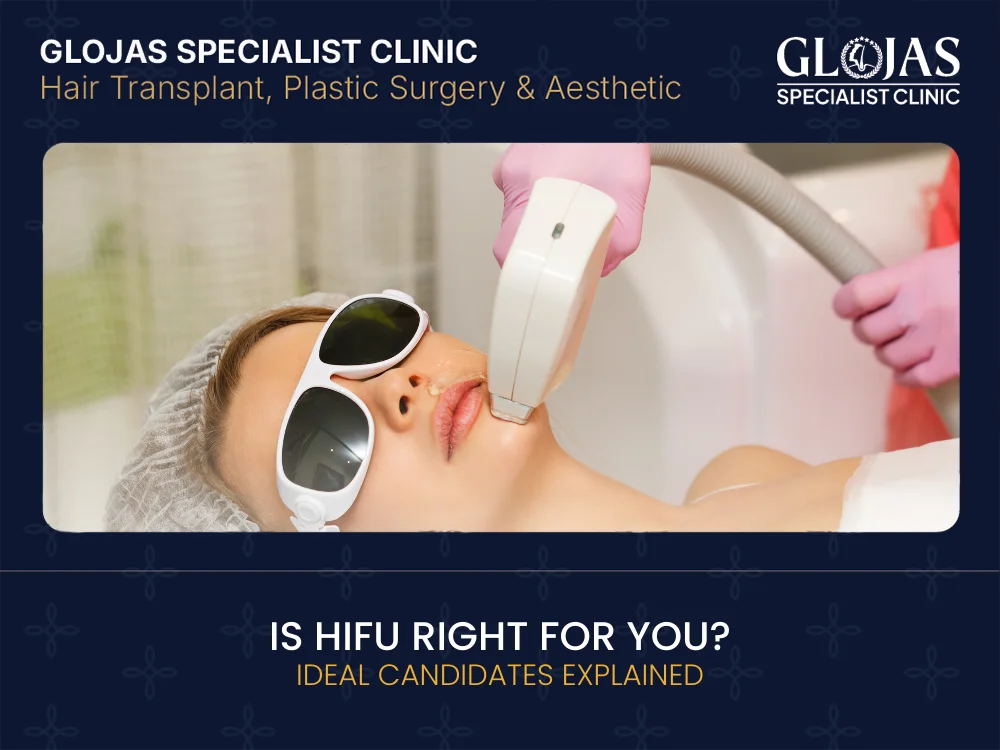
Is HIFU Right for Your Skin Concerns? High-Intensity Focused Ultrasound, commonly known as HIFU Right, is a non-surgical treatment designed to lift and tighten skin using focused ultrasound energy. If you are exploring options to improve skin firmness without needles or downtime, you may wonder whether this treatment suits your needs. This guide explains who benefits most from HIFU Right, how it works, and what results you can realistically expect. What Is HIFU and How Does It Work? HIFU is a medical-grade aesthetic technology that uses focused ultrasound waves to target deeper layers of the skin. Unlike lasers or radiofrequency, ultrasound energy bypasses the skin surface and reaches the SMAS layer—the same foundational layer addressed during surgical facelifts. By heating precise points beneath the skin, HIFU stimulates natural collagen production. Over time, this collagen renewal leads to firmer, tighter, and smoother-looking skin. Key characteristics include: Non-invasive and needle-free Targets deep structural layers Gradual, natural-looking results Minimal downtime Who Is an Ideal Candidate for HIFU Right? HIFU Right works best for individuals with mild to moderate skin laxity. It is not designed to replace surgery, but it is highly effective for early signs of aging. You may be an ideal candidate if you: Notice mild sagging around the jawline or cheeks Have loose skin on the neck or under the chin Want to lift brows or smooth fine lines Prefer non-surgical treatments Have realistic expectations HIFU Right is commonly chosen by adults who want preventive or corrective skin tightening without significant recovery time. Who May Not Be Suitable for HIFU? While HIFU is safe for many people, it is not suitable for everyone. You may not be an ideal candidate if you: Have severe skin laxity requiring surgical lifting Have active skin infections or open wounds in the treatment area Have implanted electronic devices near the treatment zone Are expecting immediate, dramatic changes A professional consultation is essential to determine suitability and personalize treatment settings. Common Areas Treated with HIFU Right HIFU is a versatile, non-invasive treatment designed to target skin laxity and early signs of ageing across multiple areas of the face and body. By delivering focused ultrasound energy to deeper skin layers, HIFU helps lift, firm, and tighten without surgery or downtime. Commonly treated areas include: Face (cheeks, jawline, nasolabial folds)HIFU is frequently used to improve mid-face sagging, redefine the jawline, and soften nasolabial folds. It stimulates collagen production at deeper levels, resulting in a more lifted, contoured, and youthful appearance over time. Neck and under-chin areaLoose skin, mild sagging, and fullness under the chin respond well to HIFU. Treatment in this area helps improve skin firmness, reduce the appearance of a double chin, and create a smoother, more defined neck profile. Brow and foreheadHIFU can provide a subtle brow lift and help tighten forehead skin, making the eyes appear more open and refreshed. It is often chosen by individuals who want lifting effects without injectables or surgical procedures. DécolletageSun damage, fine lines, and crepey skin on the décolletage can be improved with HIFU. The treatment helps strengthen the skin structure, leading to firmer, smoother-looking skin across the chest area. Body (selected areas)Some clinics also offer body HIFU for skin tightening in areas such as the abdomen, arms, thighs, or knees. Body HIFU is generally best suited for mild to moderate skin laxity rather than significant fat reduction, making it ideal for individuals seeking firmer skin after weight changes or ageing. Overall, HIFU’s adaptability makes it suitable for patients who want targeted tightening and lifting across different areas, provided their skin condition and expectations are appropriate. What Results Can You Expect? Results from HIFU Right develop gradually, as the treatment works by stimulating the body’s natural collagen regeneration process. Some individuals may notice mild tightening immediately after treatment, but the most noticeable and consistent improvements typically appear over 2 to 3 months, once new collagen fibres have formed and strengthened. Expected outcomes include: Firmer skin textureHIFU helps strengthen the deeper support layers of the skin, leading to smoother, tighter, and more resilient skin over time. Subtle lifting effectRather than creating dramatic changes, HIFU produces a natural-looking lift, particularly in areas such as the jawline, cheeks, brow, and neck. Improved facial contoursAs skin tightens and collagen density improves, facial contours become more defined, helping reduce the appearance of sagging and loss of firmness. Youthful, refreshed appearanceThe overall effect is a fresher, more rested look without altering facial expressions or features, making HIFU suitable for those seeking gradual, natural rejuvenation. How long do results last?Results from HIFU Right can last approximately 9 to 18 months, depending on factors such as age, skin quality, collagen levels, and lifestyle habits. Periodic maintenance treatments may be recommended to help prolong results and support ongoing collagen production. Because outcomes vary between individuals, a professional assessment is essential to set realistic expectations and ensure safe, effective treatment planning. How Many Sessions Are Needed? For many individuals, one HIFU session is often sufficient to stimulate collagen production and achieve visible lifting and tightening effects. However, results and treatment needs can vary from person to person, and some may benefit from a follow-up session after several months to enhance or maintain results. The recommended number of sessions depends on several key factors: Degree of skin laxityIndividuals with mild to moderate skin laxity typically respond well to a single session. Those with more noticeable sagging may require an additional treatment to achieve optimal tightening and lifting. Age and collagen levelsYounger individuals or those with higher natural collagen levels often see results more quickly and may need fewer sessions. As collagen production decreases with age, mature skin may benefit from repeat treatments to support long-term firmness. Treatment areaDifferent areas of the face and body respond differently to HIFU. Smaller or thinner areas, such as the brow or jawline, may require fewer sessions, while larger areas like the neck or body regions may benefit from staged treatments. Because HIFU works by gradually stimulating collagen regeneration, results continue to improve over
HIFU Benefits for Face and Neck: Lift, Tighten, and Rejuvenate
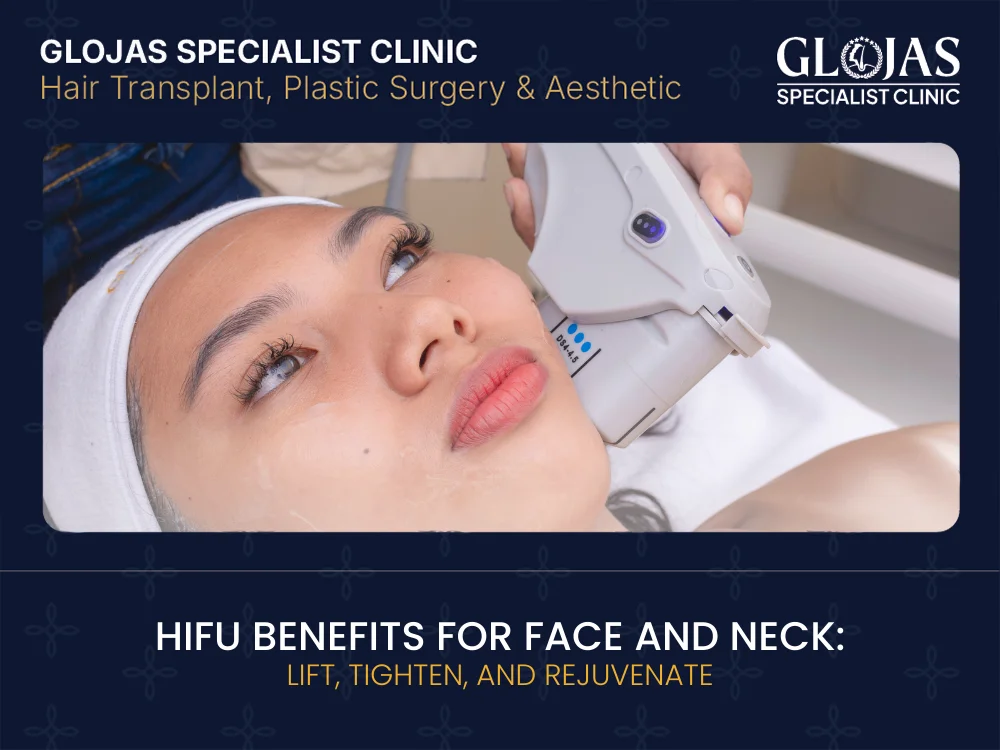
What Are the Key HIFU Benefits for Face and Neck? If you’re searching for a non-surgical way to lift and tighten your skin, you’ve likely heard of High-Intensity Focused Ultrasound. Understanding HIFU benefits can help you decide whether this treatment is the right choice for natural rejuvenation. Many adults choose HIFU benefits because it delivers noticeable lifting results without incisions, injections, or downtime. What Is HIFU and How Does It Work? High-Intensity Focused Ultrasound (HIFU) is a medical-grade aesthetic treatment designed to lift, tighten, and rejuvenate the skin without surgery. It uses precise ultrasound energy to target deeper layers beneath the surface—specifically the SMAS layer, which is the same foundational layer addressed during a surgical facelift. This allows HIFU benefits to create noticeable lifting effects without incisions, needles, or downtime. During treatment, the focused ultrasound energy heats targeted tissues at controlled depths. When these deeper layers absorb heat, the body naturally responds by producing new collagen and elastin—the essential proteins that keep skin firm, smooth, and youthful. This gradual regeneration process continues over the next several weeks, leading to progressively firmer and more lifted skin. HIFU is commonly used to improve: Sagging CheeksHelps lift and support mid-face areas for a more refreshed look. Jawline DefinitionEnhances contour by tightening early skin laxity along the jawline. Neck LaxityReduces mild sagging and softens lines on the neck. Double Chin AppearanceFirms the area under the chin for improved profile balance. Fine CreasesSmooths mild textural irregularities caused by early collagen loss. Overall Skin TextureEnhances firmness and resilience for a healthier, more refined complexion. HIFU benefits is suitable for adults seeking a non-surgical, collagen-boosting option to address early to moderate signs of aging. It offers natural-looking results that develop over time, making it a popular choice for those who prefer subtle, gradual rejuvenation. Top HIFU Benefits for Face and Neck 1. Non-Surgical Lifting Without Downtime One of the biggest HIFU benefits is that it offers lifting and tightening results similar to a mini facelift—without surgery. Because it is non-invasive, there is no need for: Anaesthesia Incisions Stitches Recovery time You can return to work or daily activities immediately after treatment, making HIFU ideal for busy adults. 2. Natural-Looking Results Unlike fillers or threads that can reshape the face instantly, HIFU benefits works by stimulating natural collagen production. This means the improvements appear gradually, giving the skin a subtle lift without looking “overdone.” Most people start seeing results within 4–8 weeks, with full effects appearing at 3–6 months. 3. Targets Deep Skin Layers for True Lifting HIFU benefits energy reaches layers that creams, facials, or superficial treatments cannot. It targets: Dermis layer (for skin tightening) SMAS layer (for structural lifting) This ability to reach deeper tissues is one of the reasons HIFU benefits is often recommended for lifting the lower face, jawline, and neck. 4. Improves Jawline and Redefines Facial Contours If you struggle with a soft jawline, mild jowls, or early sagging, HIFU can help create sharper contours. By tightening the tissues along the lower face, the jawline appears more sculpted. This natural contouring effect is a major reason adults choose HIFU over fillers or threads. 5. Reduces Neck Laxity and Smoothens Fine Lines Neck aging can happen earlier than expected. Skin on the neck is thinner, which makes sagging more noticeable. One of the key HIFU benefits is its ability to: Lift loose neck skin Improve “turkey neck” appearance Reduce fine horizontal lines Smooth uneven texture This makes HIFU a strong option for those who want neck rejuvenation without surgery. 6. Minimal Discomfort With Controlled Energy Modern devices such as Ultherapy®, Ultraformer III, and Doublo-Gold use advanced energy mapping and precision layers. This ensures controlled, consistent energy delivery while minimizing discomfort. Most people describe the sensation as: Warm pulses Tingling Light pressure Discomfort is brief and tolerable. 7. Long-Lasting Collagen Boost Another advantage is that collagen continues to rebuild for several months after treatment. Many adults enjoy results that last up to a year or more, depending on: Age Skin condition Lifestyle Aftercare Some choose to repeat the treatment annually to maintain their lifted look. 8. Safe for Various Skin Tones Unlike certain lasers that interact with surface melanin, HIFU targets deeper layers and does not affect pigmentation. This makes it suitable for many skin tones, including medium to deeper complexions. This is one of the reasons HIFU is widely recommended across Asia, Malaysia, Singapore, Korea, and the Middle East. 9. No Thinning of the Skin Because HIFU focuses on deeper structures, it does not damage the outer skin. The epidermis remains intact, reducing the risk of: Peeling Burns Hyperpigmentation This is especially important for individuals with sensitive skin. 10. Complements Other Aesthetic Treatments HIFU can be combined with treatments such as: Skin boosters Laser resurfacing Chemical peels Microneedling Dermal fillers Doctors often pair these treatments to enhance hydration, brightness, and overall facial rejuvenation. Proper timing and consultation ensure that treatments complement each other safely. How Long Do HIFU Benefits Last? HIFU results are known for their longevity because the treatment works by stimulating the body’s natural collagen production. For most adults, the lifting and tightening effects generally last 9–12 months. Some may experience even longer-lasting benefits depending on skin quality, age, and daily habits. Several factors can help maintain and extend your HIFU results: Good HydrationWell-hydrated skin responds better to collagen stimulation and maintains firmness more effectively. Sun ProtectionConsistent use of sunscreen helps prevent UV damage, which can break down collagen and shorten the duration of your results. Skincare ConsistencyA routine that includes gentle cleansing, moisturising, and collagen-supporting products helps maintain skin health after treatment. Healthy LifestyleBalanced nutrition, regular sleep, and avoiding excessive stress contribute to longer-lasting skin firmness and elasticity. Most adults choose to repeat HIFU once a year to maintain their lifted, contoured appearance and support ongoing collagen renewal. Are There Any Side Effects? HIFU is widely recognized as a safe and non-invasive aesthetic procedure when performed with approved medical-grade devices by trained professionals. Because it does not involve surgery or
Is HIFU Safe? Side Effects and Precautions Explained
What Is HIFU and Is HIFU Safe? High-Intensity Focused Ultrasound (HIFU) is a popular non-surgical aesthetic treatment known for lifting and tightening the skin. Many people considering this procedure often ask, “Is HIFU safe?” The short answer is yes—HIFU is generally safe when performed by trained medical professionals using certified devices. This article explains how it works, potential side effects, and important precautions so you can make a confident, informed decision. How HIFU Works: A Simple Explanation HIFU uses focused ultrasound energy to target deeper layers of the skin, particularly the SMAS layer, which is the same layer surgeons work on during a facelift. The heat energy stimulates collagen production, helping the skin look firmer over time. Because it targets deeper tissues without damaging the surface, HIFU safe is considered a non-invasive alternative to surgical lifting. It is commonly used on areas such as: Face Neck Jawline Under-chin Décolletage The treatment has gained popularity in Asia, the US, and Europe because it offers lifting results without incisions or downtime. Is HIFU Safe? What Experts Say Most dermatologists, aesthetic doctors, and medical professionals agree that HIFU is generally safe—as long as the treatment is performed correctly. The overall safety of HIFU depends on three key factors: 1. Using Medically Approved Devices Not all HIFU machines are created equal. Experts emphasize the importance of choosing clinics that use certified and clinically tested HIFU technologies, such as Ultherapy®, Ultraformer III, or Doublo-Gold. These devices have undergone extensive research to ensure stable energy delivery, consistent treatment depth, and patient safety.Using non-approved or low-quality machines increases the risk of uneven energy distribution, discomfort, or suboptimal results. 2. Performed by Trained Medical Professionals HIFU may be non-invasive, but it still requires skill. Trained providers understand: The correct energy settings The proper depth for each treatment area How to avoid sensitive structures like nerves or thinner tissues How to map the face for optimal lifting This professional expertise significantly reduces the likelihood of unwanted side effects and ensures better, more predictable results. 3. Proper Skin Evaluation Before Treatment Before performing HIFU safe, experienced practitioners typically conduct a detailed skin assessment. They look at factors such as: Skin thickness Degree of laxity Facial anatomy Fat distribution Any existing skin conditions This evaluation helps determine whether you’re a good candidate for HIFU or whether alternative treatments may be more effective. Personalization is key—what works for one person may not work for another. Supported by Global Safety Approvals HIFU technology has been reviewed and cleared by regulatory agencies such as the U.S. Food and Drug Administration (FDA) for non-surgical skin lifting. This approval indicates that the treatment has met strict safety, performance, and quality standards. Many countries in Asia, Europe, and the Middle East also recognize HIFU safe as a secure modality for aesthetic use. These global endorsements provide added confidence for individuals exploring non-invasive lifting treatments. Common Side Effects of HIFU Most people experience mild, short-lived side effects. These include: 1. Mild Redness Redness usually occurs immediately after treatment and fades within a few hours. It is the body’s natural response to heat-based energy. 2. Slight Swelling Some people experience swelling, especially around the jawline or cheek area. This typically subsides within 1–3 days. 3. Tingling or Warm Sensation Because HIFU targets deeper layers, you may feel lingering warmth or tingling for a short period. 4. Temporary Skin Sensitivity The skin may feel a bit sensitive or tender for a few days, especially when touched. 5. Light Bruising (Less Common) Bruising happens if blood vessels close to the surface are affected, particularly in individuals with sensitive skin. 6. Localized Numbness (Rare and Temporary) Although rare, temporary numbness can occur when ultrasound energy affects small superficial nerves. It usually resolves within days or weeks. Rare but Possible Side Effects While uncommon, the following may occur: 1. Minor Welts or Small Lines Some people may see small red welts or lines due to skin irritation. These typically fade quickly. 2. Mild Asymmetry If collagen stimulation occurs unevenly, slight asymmetry can appear temporarily. It often resolves once collagen settles. 3. Slight Fat Reduction (If Incorrect Settings Used) When performed improperly, overly high energy in certain areas may reduce fat pads, potentially altering facial contours. This is why device quality and practitioner expertise matter. These rare effects highlight the importance of choosing a licensed medical facility with authentic HIFU safe technology, such as Ultherapy®, Ultraformer III, or Doublo-Gold. Who Should Avoid HIFU? Although HIFU is safe for most adults, some individuals should avoid or delay treatment, including those with: Active acne or open wounds in the treatment area Severe skin laxity requiring surgical intervention Metal implants or pacemakers Active infections Severe dermatitis or inflammatory skin conditions A consultation with a qualified practitioner ensures proper screening. How to Ensure HIFU Is Safe for You To maximize safety and results, consider these precautions: 1. Choose the Right Clinic Look for clinics with: Certified medical practitioners Authentic, approved HIFU devices Clear safety protocols Avoid suspiciously cheap treatments or handheld devices that may not deliver controlled energy. 2. Ask About the Device Used Not all HIFU machines are equal.Approved and reputable systems include: Ultherapy® Ultraformer III Doublo-Gold Authentic devices undergo rigorous testing to ensure safe, consistent energy delivery. 3. Get a Proper Skin Assessment Every skin type responds differently. A qualified practitioner will evaluate: Skin elasticity Fat distribution Skin thickness Treatment suitability This helps tailor energy levels to your needs. 4. Follow Post-Treatment Advice Most aftercare is simple: Avoid harsh skincare temporarily Keep the skin moisturized Apply sunscreen These practices support recovery and collagen regeneration. How Soon Can You See Results? HIFU does not produce instant lifting. Instead, collagen production occurs gradually. Most people notice improvements: From 4–8 weeks Full results at 3–6 months This slow, natural improvement is part of what makes HIFU popular—it enhances your look without obvious signs of cosmetic intervention. Is HIFU Safe for Long-Term Use? Studies and clinical reports show that long-term use is safe, as HIFU does not damage the