
How Does HIFU Works on the Skin for Skin Tightening?
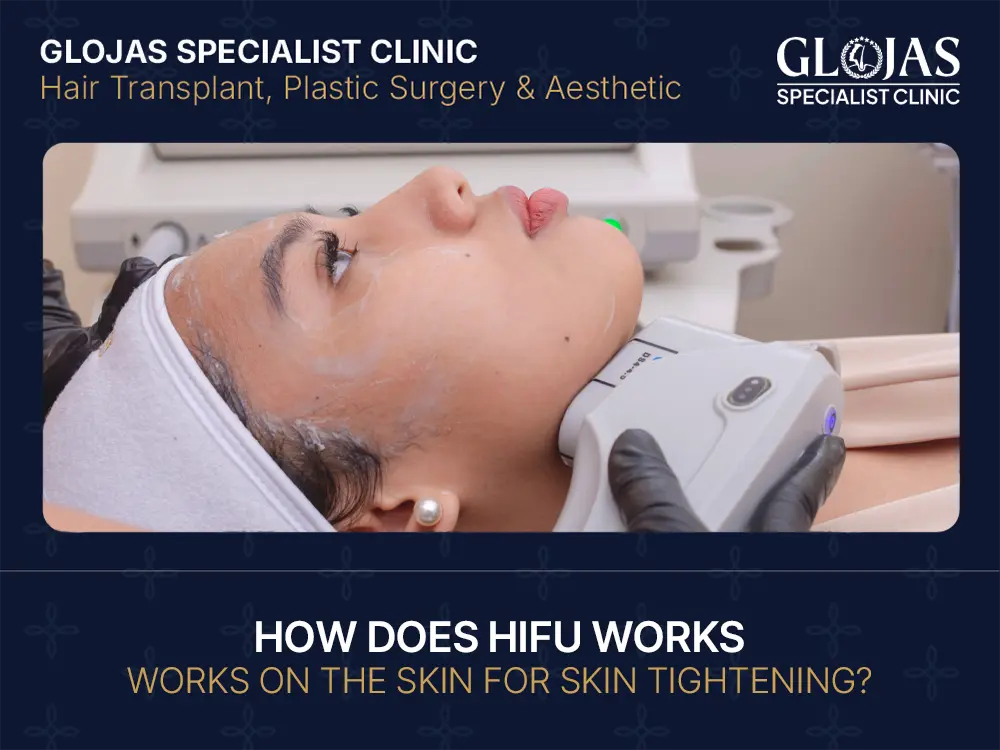
How Does HIFU Works on the Skin? Ever wondered how some people seem to age backward without ever going under the knife? The secret isn’t just good lighting or “drinking more water”—it’s likely High-Intensity Focused Ultrasound, or HIFU. If you’re looking for a non-invasive way to lift sagging skin and sharpen your jawline, understanding how does HIFU work is the first step toward that youthful glow. Let’s dive into the science of this “lunchtime facelift.” What Is HIFU Treatment? High-Intensity Focused Ultrasound (HIFU) is a medical-grade cosmetic treatment that uses targeted ultrasound energy to stimulate the deep structural layers of the skin. Unlike lasers, which treat the surface, HIFU bypasses the upper layer (epidermis) to deliver energy where it matters most. It’s a favorite for those who want the results of a facelift without the scars, anesthesia, or downtime. How HIFU Delivers Energy Beneath the Skin Focused Ultrasound Technology Think of HIFU like a magnifying glass focusing sunlight. The device sends highly concentrated ultrasound waves to a specific focal point beneath the skin. Because the energy is so focused, the surface of your skin remains completely unharmed while the tissues underneath are heated to between 60°C and 70°C. Thermal Coagulation Points At these precise depths, the energy creates Thermal Coagulation Points (TCPs). These are tiny “micro-injuries” that jumpstart your body’s natural repair system. When the body detects this heat, it realizes it’s time to get to work and repair the tissue, which is exactly how HIFU works to create a firmer look. Which Skin Layers HIFU Targets Dermis Layer The dermis is the middle layer of your skin, home to the most collagen and elastin. By targeting the dermis (usually at 1.5mm and 3.0mm depths), HIFU triggers immediate tightening of existing fibers and encourages the growth of new ones. SMAS Layer This is the “magic” of HIFU. The SMAS (Superficial Musculo-Aponeurotic System) is the layer of tissue that surgeons physically pull and tighten during a traditional facelift. HIFU is the only non-invasive technology that can reach this 4.5mm depth. This is how HIFU works to provide a structural lift that other treatments simply can’t reach. How HIFU Stimulates Collagen Production Collagen Denaturation When the ultrasound heat hits your collagen fibers, they undergo “denaturation.” This causes the fibers to contract and shorten immediately. This is how HIFU works to give you that slight “instant lift” right after you leave the clinic. Neocollagenesis Process The real transformation happens over the next few months through a process called neocollagenesis. Your body produces fresh, high-quality collagen and elastin to replace the old, weakened ones. This is truly how HIFU works to remodel your skin from the inside out. What Happens During and After HIFU Treatment Immediate Skin Response During the session, you might feel a warm, prickly sensation. This is a sign that the energy is reaching the correct depths. Post-treatment, you might experience slight redness or minor swelling, but this typically fades within a few hours. Gradual Tightening Effect Because the body takes time to build new tissue, you won’t see the full “wow” factor immediately. Understanding how HIFU works involves having a little patience while your biology does the heavy lifting. How Long HIFU Takes to Show Results While you might notice your skin feels firmer right away, the peak results usually appear 3 to 6 months after treatment. This is the timeline for your body to fully complete the collagen remodeling process. How Long HIFU Results Last On average, the lifting and tightening effects of a single session last between 12 to 18 months. To maintain your results, many practitioners recommend a “top-up” session once a year. This consistent stimulation is how HIFU works to keep aging at bay over the long term. Who HIFU Works Best For The ideal candidate is someone aged 30 to 65 with mild to moderate skin laxity. It’s perfect for: Sharpening a soft jawline. Lifting drooping eyelids or brows. Reducing “turkey neck” or sagging on the décolletage. Safety and Side Effects of HIFU HIFU is highly safe when performed by a trained professional. Common side effects are mild and temporary, including: Redness and slight swelling. A tingling sensation or temporary numbness. Occasional bruising in thin-skin areas. According to the American Board of Cosmetic Surgery, non-surgical skin tightening has seen a massive surge in popularity due to its high safety profile and effective results. Final Summary: How HIFU Tightens and Lifts Skin In short, how HIFU works is by using the body’s own healing power. By targeting the SMAS and dermis layers with focused heat, it creates a foundation for new collagen, resulting in a natural, surgical-free lift. Frequently Asked Questions (PAA) How does HIFU work for skin tightening? It uses focused ultrasound to create heat at deep skin layers, triggering a healing response that produces new collagen. How does HIFU work on the SMAS layer? It reaches 4.5mm deep to thermally contract the same tissue layer addressed in surgery, providing a deep-seated lift. How does HIFU work to reduce wrinkles? By stimulating neocollagenesis, it fills in fine lines and firms the skin structure from within. How does HIFU work for a double chin? At specific settings, HIFU can target subcutaneous fat cells while simultaneously tightening the skin for a more contoured profile. How does HIFU work compared to lasers?
CO2 Laser vs Microneedling: Which One Delivers Faster Results for Wrinkles?
Wrinkles are a natural part of aging, but modern aesthetic treatments now offer effective ways to soften lines and restore smoother skin. Among the most talked-about options are CO2 laser vs microneedling—two clinically proven procedures with very different approaches. This guide compares how they work, how fast results appear, and which option may be best for different skin goals. CO2 Laser vs Microneedling: Understanding the Core Difference When comparing CO2 Laser vs Microneedling, the main difference lies in how deeply and aggressively each treatment stimulates skin renewal. CO2 laser uses controlled thermal energy to resurface the skin, while microneedling relies on mechanical micro-injuries to trigger collagen production. Both aim to reduce wrinkles, improve texture, and boost collagen, but they vary significantly in intensity, downtime, and speed of visible results. What Is CO2 Laser Treatment? Fractional CO2 laser is a gold-standard resurfacing treatment used in dermatology and aesthetic medicine. It works by delivering precise columns of laser energy into the skin, removing damaged tissue and stimulating deep collagen remodeling. How CO2 Laser Works Vaporizes micro-columns of old skin Triggers wound healing response Stimulates collagen and elastin production Promotes new, smoother skin growth Wrinkles CO2 Laser Treats Best Deep facial wrinkles Static wrinkles (visible at rest) Crow’s feet and forehead lines Severe photoaging CO2 laser is often recommended for patients seeking dramatic skin rejuvenation with long-lasting results. What Is Microneedling? Microneedling, also known as collagen induction therapy, uses fine needles to create controlled microchannels in the skin. These tiny injuries stimulate the body’s natural healing process, increasing collagen and elastin over time. How Microneedling Works Creates micro-injuries in the dermis Activates fibroblast cells Improves skin texture gradually Enhances absorption of serums or PRP Wrinkles Microneedling Treats Best Fine lines Early signs of aging Mild textural irregularities Preventative anti-aging care Microneedling is popular due to its minimal downtime and suitability for most skin types. Which CO2 Laser vs Microneedling Delivers Faster Results for Wrinkles? If speed is your priority, CO2 laser delivers faster and more noticeable wrinkle reduction compared to microneedling. CO2 Laser Results Timeline Initial improvement: 7–14 days Visible wrinkle reduction: 3–4 weeks Continued collagen remodeling: up to 6 months Microneedling Results Timeline Subtle glow: 5–7 days Gradual improvement: 4–6 weeks Optimal results: after 3–6 sessions Winner for faster results: CO2 Laser Microneedling requires multiple treatments spaced weeks apart, while CO2 laser often produces significant improvement after one session. Downtime and Recovery Comparison CO2 Laser vs Microneedling Downtime is a key factor when choosing between CO2 laser vs microneedling. CO2 Laser Downtime Redness and swelling: 7–14 days Skin peeling and crusting Pinkness may last several weeks Strict sun avoidance required Microneedling Downtime Mild redness: 24–72 hours Minimal peeling Quick return to daily activities Microneedling wins for convenience, while CO2 laser requires planned recovery time. Safety and Skin Type Considerations CO2 Laser vs Microneedling CO2 Laser Best for Fitzpatrick skin types I–III Higher risk of post-inflammatory hyperpigmentation (PIH) in darker skin tones Requires experienced practitioner Microneedling Safe for all skin types (I–VI) Lower risk of pigmentation issues Suitable for sensitive skin For patients with darker skin tones, microneedling is often the safer first-line option. Pain Level and Comfort CO2 Laser: Moderate discomfort; usually performed with topical or local anesthesia Microneedling: Mild to moderate discomfort; numbing cream is typically sufficient Pain tolerance and comfort expectations should be discussed during consultation. Cost Comparison CO2 Laser vs Microneedling The total cost of treatment depends on the clinic’s expertise, device technology, treatment depth, and area treated. Prices below reflect typical ranges in Malaysia and may vary. CO2 Laser Estimated cost: RM3,000 – RM8,000 per session Number of sessions: Usually 1 session (occasionally a second for severe concerns) What you’re paying for: Deep skin resurfacing Strong collagen remodeling Significant improvement in wrinkles and scars Downtime considerations: Longer recovery period, which may add indirect costs (time off work, aftercare products) Overall value:Although the upfront cost is higher, CO2 laser can be more cost-effective long term for patients seeking dramatic improvement, as fewer sessions are required. Microneedling Estimated cost: RM500 – RM1,500 per session Number of sessions: Typically 3–6 sessions, spaced 4–6 weeks apart What you’re paying for: Gradual collagen stimulation Improved skin texture and tone Minimal downtime Downtime considerations: Very minimal, usually no disruption to daily routine Overall value:Microneedling has a lower entry cost, making it more accessible, but the total cost can accumulate over time due to multiple sessions. Which Is More Cost-Effective? CO2 laser: Higher upfront investment, faster and more dramatic results, fewer treatments Microneedling: Lower per-session cost, gradual improvement, higher cumulative cost over time Bottom line:If your goal is deep correction with fewer visits, CO2 laser may offer better long-term value. If you prefer budget flexibility and minimal downtime, microneedling may be the more practical choice. Longevity of Results CO2 Laser vs Microneedling The duration of results depends on treatment depth, skin condition, age, lifestyle, and post-treatment care. Proper skincare and sun protection play a major role in maintaining outcomes for both options. CO2 Laser Results duration: Often several years Why results last longer:CO2 laser triggers deep collagen remodeling, which continues to improve skin quality for months after treatment. Best for: Deep wrinkles Severe photoaging Acne scars and skin laxity Maintenance: Daily sun protection Medical-grade skincare Optional light maintenance treatments after 1–2 years Patients who follow good aftercare habits often enjoy long-lasting wrinkle reduction and firmer skin, particularly in areas with deeper lines. Microneedling Results duration: Shorter-term, typically 6–12 months Why maintenance is needed:Microneedling stimulates collagen at a more superficial level, producing gradual but less permanent structural changes. Best for: Fine lines Early aging Texture and pore refinement Maintenance: Repeat sessions every 6–12 months Consistent skincare to support collagen health Microneedling works best as a long-term maintenance treatment rather than a one-time corrective procedure. Key Takeaway CO2 laser delivers longer-lasting improvement, especially for deeper wrinkles and advanced skin aging. Microneedling provides subtle, natural enhancement that requires ongoing sessions to maintain results. Choosing between them depends on how dramatic and long-lasting you want your results to
Plenhyage vs Rejuran: Which Skin Booster Is Better for Anti-Aging?
If you’re researching skin boosters, chances are you’ve come across Plenhyage and Rejuran. Both are popular injectable treatments designed to improve skin quality, texture, and overall health—but they work in very different ways. So which one is better?The short answer: it depends on your skin goals. Let’s break down Plenhyage vs Rejuran in simple terms so you can decide which treatment makes the most sense for your skin. Overview of Plenhyage and Rejuran What Is Plenhyage? Plenhyage is a next-generation skin booster that combines high-concentration hyaluronic acid (HA) with polynucleotides (PN). This powerful combo focuses on: Deep hydration Skin regeneration Improved elasticity and glow Plenhyage is often described as a skin quality enhancer rather than a filler—it won’t add volume but will make your skin look healthier and more youthful. What Is Rejuran? Rejuran is a well-known polynucleotide (PN/PDRN) injectable, derived from salmon DNA. It’s famous for its ability to: Repair damaged skin Strengthen the skin barrier Improve skin texture from within Rejuran is especially popular for acne scars, sensitive skin, and post-procedure healing. Key Differences at a Glance Plenhyage = hydration + regeneration Rejuran = deep skin repair and healing Plenhyage gives faster “glow” results Rejuran works more slowly but deeply Key Ingredients and How They Work Plenhyage Ingredients and Mechanism of Action Plenhyage contains: High molecular weight hyaluronic acid for hydration and plumpness Polynucleotides (PN) to stimulate skin repair and collagen production This combination improves skin quality on multiple levels—hydrating the surface while regenerating skin cells underneath. Rejuran (PN/PDRN) Ingredients and Mechanism of Action Rejuran’s star ingredient is polynucleotides, which: Stimulate fibroblasts (collagen-producing cells) Repair damaged or inflamed skin Improve skin thickness and resilience It focuses less on hydration and more on healing and rebuilding. How Each Treatment Stimulates Skin Regeneration Plenhyage boosts hydration and cell turnover simultaneously Rejuran activates long-term skin repair at a cellular level Think of Plenhyage as a skin refresh, and Rejuran as a skin rehab program. Benefits of Plenhyage vs Rejuran Benefits of Plenhyage for Skin Quality Deep hydration Improved skin glow Smoother texture Better elasticity Fresher, more youthful appearance Great if your skin looks tired, dull, or dehydrated. Benefits of Rejuran for Skin Healing and Repair Repairs acne-damaged skin Strengthens weak or sensitive skin Improves fine lines over time Reduces inflammation Ideal for skin that needs repair more than hydration. Which Treatment Delivers Better Anti-Aging Results? Plenhyage: quicker visible improvement Rejuran: slower but longer-lasting structural improvement Many clinics actually recommend combining both for optimal anti-aging. Plenhyage vs Rejuran for Different Skin Concerns Acne Scars and Damaged Skin Winner: RejuranIts regenerative properties make it better for acne scars and compromised skin. Fine Lines, Wrinkles, and Elasticity Winner: PlenhyageThanks to hyaluronic acid, Plenhyage gives better plumping and smoothing effects. Dull, Dehydrated, or Sensitive Skin Dull & dehydrated → Plenhyage Sensitive or inflamed → Rejuran Post-Procedure Skin Recovery Rejuran is often used after lasers, microneedling, or peels to speed up healing. Treatment Experience and Procedure Comparison Injection Technique and Treatment Areas Both treatments are injected using: Microinjections Mesotherapy techniques Common areas include: Face Neck Under-eyes Hands Pain Level and Downtime Plenhyage: mild discomfort, minimal downtime Rejuran: more stinging during injection, slightly longer downtime Redness and small bumps usually settle within a few days. Number of Sessions Required Plenhyage: 2–3 sessions Rejuran: 3–4 sessions Sessions are typically spaced 2–4 weeks apart. Results and Longevity When You Can Expect to See Results Plenhyage: glow and hydration within 1–2 weeks Rejuran: gradual improvement over 3–6 weeks How Long Plenhyage Results Last Results typically last 4–6 months, depending on skin type and lifestyle. How Long Rejuran Results Last Rejuran results can last 6–12 months, especially after a full treatment course. Side Effects and Safety Profile Common Side Effects of Plenhyage Mild swelling Redness Small injection bumps Common Side Effects of Rejuran Swelling Bruising Temporary tenderness Which Is Safer for Sensitive Skin? Both are safe when performed by a trained professional, but Rejuran is often preferred for sensitive or damaged skin due to its healing properties. Plenhyage vs Rejuran: Cost and Value Comparison Average Cost of Plenhyage Treatment Plenhyage is usually slightly more expensive per session due to its dual-action formula. Average Cost of Rejuran Treatment Rejuran may be cheaper per session, but more sessions are often required. Which Treatment Offers Better Value for Money? Want faster glow → Plenhyage Want long-term skin repair → Rejuran Value really depends on your skin goals. Which Is Better: Plenhyage or Rejuran? Best Choice for Skin Rejuvenation Plenhyage is ideal if your goal is brighter, smoother, well-hydrated skin. Best Choice for Skin Repair and Healing Rejuran is better for acne scars, sensitive skin, and long-term skin strengthening. Dermatologist Recommendations Many dermatologists recommend alternating or combining Plenhyage and Rejuran for comprehensive skin rejuvenation—hydration plus repair. FAQs About Plenhyage vs Rejuran Can Plenhyage and Rejuran Be Combined? Yes. Combining them can deliver both immediate glow and long-term skin repair. Which Treatment Is Better for Long-Term Skin Health? Rejuran focuses more on structural repair, while Plenhyage maintains hydration and elasticity. Who Is an Ideal Candidate for Each Treatment? Plenhyage: dull, dry, aging skin Rejuran: acne scars, sensitive, damaged skin Final Thoughts When it comes to Plenhyage vs Rejuran, there’s no one-size-fits-all answer. The best choice depends on whether your skin needs hydration and glow or repair and regeneration.
CO2 Laser vs Erbium YAG: Which skin resurfacing treatment is right for your skin type?
Laser skin resurfacing has become one of the most effective ways to treat wrinkles, scars, and uneven skin texture. Among the most commonly compared options are CO2 Laser vs Erbium YAG. While both are powerful resurfacing lasers, they differ in depth, recovery time, and suitability for different skin types. This guide explains how each laser works and helps you decide which option aligns best with your skin needs. CO2 Laser vs Erbium YAG: Understanding the Key Differences When comparing CO2 Laser vs Erbium YAG, the primary difference lies in how deeply each laser penetrates the skin and how much heat it delivers. CO2 laser provides deeper thermal stimulation, while Erbium YAG offers more precise ablation with less heat spread. These differences directly affect results, downtime, and safety across skin types. Both lasers are widely used in dermatology and aesthetic medicine, but they are chosen for different clinical goals. What Is CO2 Laser Skin Resurfacing? CO2 laser skin resurfacing uses a carbon dioxide laser with a wavelength of 10,600 nm. This wavelength is strongly absorbed by water in the skin, allowing controlled removal of damaged tissue while stimulating deep collagen remodeling. How CO2 Laser Works Creates microthermal zones in the skin Removes damaged surface layers Delivers heat into the dermis Triggers long-term collagen production Skin Concerns Best Treated with CO2 Laser Deep wrinkles and folds Acne and surgical scars Severe sun damage Skin laxity CO2 laser is often considered the gold standard for dramatic skin rejuvenation. What Is Erbium YAG Laser Resurfacing? Erbium YAG laser operates at a wavelength of 2,940 nm, which is even more selectively absorbed by water. This allows precise ablation with minimal thermal damage to surrounding tissue. How Erbium YAG Works Removes thin layers of skin with accuracy Causes less heat diffusion Promotes faster epithelial healing Reduces risk of prolonged redness Skin Concerns Best Treated with Erbium YAG Fine lines and mild wrinkles Superficial scars Uneven skin tone Mild photoaging Erbium YAG is favored for patients seeking resurfacing with shorter downtime. Depth of Treatment: CO2 Laser vs Erbium YAG Depth is a major deciding factor. CO2 Laser: Penetrates deeper into the dermis, offering stronger collagen remodeling Erbium YAG: Treats more superficially with controlled ablation For advanced aging or deep scars, CO2 laser delivers more dramatic improvement. For early aging or texture refinement, Erbium YAG may be sufficient. Downtime and Recovery Comparison CO2 Laser vs Erbium YAG CO2 Laser Recovery Redness and swelling: 7–14 days Peeling and crusting Pinkness may last several weeks Erbium YAG Recovery Redness: 3–7 days Minimal crusting Faster return to daily activities Erbium YAG wins for shorter downtime, while CO2 laser requires more recovery time. Results Timeline and Longevity CO2 Laser vs Erbium YAG CO2 Laser Results Initial improvement: 2–3 weeks Continued collagen remodeling: up to 6 months Results can last several years Erbium YAG Results Faster visible improvement Gradual collagen stimulation May require maintenance treatments CO2 laser offers longer-lasting and more transformative results. Safety and Skin Type Considerations CO2 Laser vs Erbium YAG Skin type plays a crucial role when choosing between CO2 Laser vs Erbium YAG. CO2 Laser Safety Best suited for lighter skin tones (Fitzpatrick I–III) Higher risk of post-inflammatory hyperpigmentation (PIH) in darker skin Requires experienced practitioner Erbium YAG Safety Safer for a wider range of skin tones Lower risk of PIH Better option for sensitive skin Proper laser settings and aftercare are essential for both. Pain and Comfort Levels CO2 Laser: Moderate discomfort; often requires topical or local anesthesia Erbium YAG: Generally more comfortable; topical numbing is usually sufficient Comfort expectations should be discussed during consultation. Cost Comparison CO2 Laser vs Erbium YAG The cost of laser resurfacing treatments in Malaysia varies based on several factors, including the clinic’s reputation, doctor’s expertise, laser technology used, treatment area size, and depth of resurfacing required. While prices differ, understanding the general cost structure helps set realistic expectations. CO₂ Laser: Higher cost per sessionCO₂ laser treatments typically range at the higher end of the price spectrum due to their advanced technology and deeper skin penetration. Because results are more dramatic, many patients achieve their goals in fewer sessions, sometimes even a single treatment. This can make CO₂ laser more cost-effective in the long term for severe wrinkles or deep acne scars, despite the higher upfront cost. Erbium YAG: Lower cost per sessionErbium YAG treatments are usually more affordable per session, making them attractive for patients with mild to moderate skin concerns. However, multiple sessions may be required to achieve optimal results, especially for texture refinement and fine lines. When spread across several visits, the total cost may approach that of a single CO₂ laser treatment. Overall Value Consideration The true value is not based on price alone. It depends on: The severity of skin concerns The number of sessions needed Your downtime tolerance Desired speed and intensity of results Patients seeking dramatic, long-lasting improvement may find CO₂ laser offers better value despite higher costs, while those preferring gradual enhancement with minimal downtime may benefit more from Erbium YAG treatments. Who Is an Ideal Candidate for CO2 Laser? CO₂ laser resurfacing is a powerful treatment designed for individuals seeking significant skin rejuvenation and correction of advanced skin concerns. It is best suited for patients who are prepared for a more intensive procedure and recovery period. You may be an ideal candidate if you: Have deep wrinkles or scarsCO₂ laser is highly effective for treating deep acne scars, pronounced wrinkles, surgical scars, and severe sun damage. Its ability to penetrate deeper skin layers stimulates robust collagen remodeling and skin tightening. Want dramatic, long-lasting resultsCompared to milder laser treatments, CO₂ laser delivers more visible and longer-lasting improvements, often after a single session. Results continue to improve over several months as new collagen forms. Can tolerate downtime and recoveryCO₂ laser involves a longer healing period, including redness, swelling, crusting, and peeling. Downtime may range from one to two weeks, with residual redness lasting longer. This treatment is ideal for patients who can plan time off
The Ultimate Pico Laser Aftercare Guide
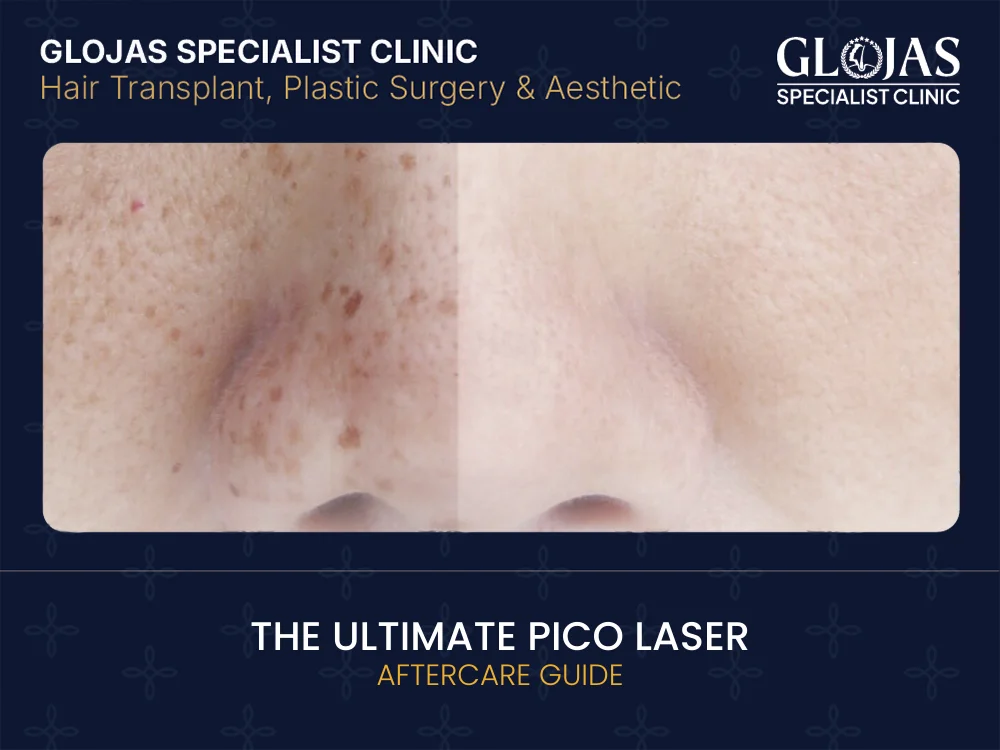
Pico laser is widely used for pigmentation, acne scars, and overall skin rejuvenation. While the technology is advanced and gentle, the treatment outcome does not depend on the laser alone. What you do after the procedure plays a major role in skin recovery and final results. This Ultimate Pico Laser Aftercare Guide explains what happens to your skin, what to do day by day, and how to protect your results for the long term. What Is Pico Laser Aftercare and Why Is It Important? Pico Laser Aftercare refers to the skincare steps and lifestyle adjustments needed after a pico laser treatment to support healing and prevent complications. Although pico laser uses ultra-short pulses that minimize heat damage, the skin still undergoes controlled inflammation. Proper Pico Laser aftercare helps calm the skin, reduce redness, prevent post-inflammatory hyperpigmentation (PIH), and ensure smoother, longer-lasting results. How Pico Laser Affects the Skin Pico laser works by delivering energy in picoseconds, creating a photoacoustic effect that breaks pigment into tiny particles. These particles are then cleared naturally by the body. After treatment, the skin may experience: Temporary redness Mild swelling Warm or tight sensation Darkening of pigment before it fades These reactions are normal and part of the healing process. The First 24 Hours After Pico Laser The first day is the most critical phase of recovery. What You Should Do Keep the treated area clean and dry Wash gently using a mild, non-foaming cleanser Apply soothing products recommended by your provider Use broad-spectrum sunscreen if exposed to daylight What You Should Avoid Touching, rubbing, or scratching the skin Makeup unless approved Hot showers, saunas, or steam rooms Protecting the skin barrier during this phase helps prevent irritation. Days 2–7: Early Healing Phase During this period, the skin begins stabilizing. Common Skin Changes Redness gradually subsides Pigmented spots may look darker before lightening Mild dryness or flaking may appear Recommended Care Continue gentle cleansing twice daily Use fragrance-free moisturizers Apply mineral sunscreen daily Avoid exfoliation and active ingredients This phase is essential for preventing pigmentation rebound. Skincare Ingredients That Support Healing Choosing the right ingredients can improve comfort and recovery. Recommended Ingredients Hyaluronic acid for hydration Ceramides to repair the skin barrier Panthenol (Vitamin B5) for soothing Centella asiatica for inflammation control Low-strength niacinamide for barrier support These ingredients help restore balance without irritating sensitive skin. Ingredients to Avoid After Pico Laser Certain skincare products can interfere with healing. Avoid Temporarily Retinoids and retinol Alpha hydroxy acids (AHA) Beta hydroxy acids (BHA) Vitamin C in the early phase Physical scrubs or cleansing brushes Most active ingredients can be slowly reintroduced after full recovery. Sun Protection: The Most Important Pico Laser Aftercare Step Sun exposure is the leading cause of complications after laser treatments. Best Sun Protection Practices Use SPF 30 or higher every day Reapply sunscreen every 2–3 hours Wear wide-brim hats when outdoors Avoid direct sun during peak hours Consistent sun protection significantly lowers the risk of PIH. Can You Wear Makeup After Pico Laser? Whether you can wear makeup after pico laser treatment depends on your skin’s sensitivity, the treatment intensity, and how your skin responds during the first 24–48 hours. While pico laser has minimal downtime, giving your skin time to recover is important for optimal results. General Guidelines for Makeup Use After Pico Laser Light makeup after 24 hoursIn most cases, light makeup can be applied about 24 hours after treatment, once redness and warmth have subsided. Tinted sunscreen or mineral-based powder is often preferred during the early healing phase. Choose gentle, skin-friendly productsUse non-comedogenic, fragrance-free, and hypoallergenic makeup to reduce the risk of irritation or clogged pores. Mineral makeup is usually better tolerated, especially for sensitive or post-laser skin. Avoid heavy foundation initiallyHeavy or full-coverage foundation should be avoided for the first few days, as it can trap heat, block pores, and interfere with skin healing. Allow the skin to breathe and recover naturally. Additional Tips for Safe Makeup Use Apply makeup with clean brushes or sponges Remove makeup gently without rubbing Avoid products with active ingredients such as retinoids, acids, or alcohol Always apply broad-spectrum sunscreen before makeup during the day Exercise, Heat, and Lifestyle Considerations Heat and sweat can increase inflammation. Avoid for 48–72 Hours Intense workouts Swimming pools Hot yoga or saunas Steam rooms Light walking is usually safe, but heavy exercise should wait. How Long Does Pico Laser Recovery Take? Pico laser recovery time is generally short, especially when compared to traditional laser treatments. Healing varies based on factors such as skin type, treatment intensity, targeted concern (pigmentation, acne scars, or skin rejuvenation), and how well Pico Laser aftercare instructions are followed. Typical Pico Laser Recovery Timeline Redness (1–3 days)Immediately after treatment, mild redness and warmth are common. This usually feels similar to a light sunburn and settles within a few hours to a few days. Sensitive skin types may experience slightly longer redness. Pigment Darkening (3–7 days)For pigmentation treatments, dark spots may temporarily appear darker before they fade. This is a normal part of the skin’s healing process, as pigmented cells rise to the surface and shed naturally. Avoid picking or exfoliating during this phase. Skin Normalization (1–2 weeks)As the skin heals, tone and texture gradually even out. Any dryness, roughness, or flaking resolves, revealing clearer and brighter skin. Most patients can return to normal skincare routines within this period. Ongoing Skin Improvement Although the surface recovery is quick, pico laser continues to work beneath the skin. Collagen and elastin remodeling occur over several weeks, leading to progressive improvements in skin texture, fine lines, acne scars, and overall skin quality. Factors That Affect Recovery Time Individual skin sensitivity Treatment depth and energy settings Size of the treated area Sun exposure and post-treatment care Use of gentle, hydrating skincare products With proper Pico Laser aftercare and sun protection, most patients experience minimal downtime and noticeable results within weeks, making pico laser a popular option for those seeking effective skin improvement with a fast recovery. Warning
How Profhilo Works: Bio-Remodelling Explained for Radiant Skin
If you’ve been keeping an eye on the latest aesthetic trends, you’ve likely heard a name whispered in every high-end skin clinic: Profhilo. Often dubbed the “injectable glow,” it has carved out a unique niche in the world of skincare. But despite its popularity, there is often a bit of confusion—is it a filler? Is it a skin booster? The answer lies in understanding how Profhilo works, a process scientifically known as bio-remodelling. Unlike traditional treatments that simply mask the signs of aging, Profhilo actually talks to your skin cells to encourage them to act younger. Let’s dive into the fascinating science behind this “honey-like” injectable. 5 Key Takeaways: How Profhilo Works It’s a Bio-Remodeller, Not a Filler: Profhilo doesn’t add volume or change your facial shape; instead, it restructures aging and sagging tissue. Ultra-High HA Concentration: It contains one of the highest concentrations of pure Hyaluronic Acid (HA) on the market (64mg per 2ml). Dual-Action Hydration & Lifting: It provides a “Hydro” effect for deep hydration and a “Lift” effect by stimulating structural proteins. Stimulates 4 Types of Collagen: Profhilo is clinically proven to trigger the production of four different types of collagen and elastin fibers. The BAP Technique: It uses the Bio Aesthetic Points method—just 5 injection sites per side—to ensure the product spreads evenly across the entire face. What Exactly is Bio-Remodelling? To understand how Profhilo works, we first have to clear up the biggest myth: it is not a dermal filler. Dermal fillers are designed to stay in one place to create a physical “plug” that adds volume to lips or cheeks. Bio-remodelling is different. Profhilo uses a patented technology called NAHYCO® to create “hybrid cooperative complexes” of both high and low molecular weight Hyaluronic Acid. Because it doesn’t use chemical cross-linking agents (like BDDE), the product has a unique, fluid consistency. Once injected, it doesn’t sit in a lump; it flows like honey through the subcutaneous layers, integrating into the skin’s architecture to remodel it from the inside out. The Two-Step Biological Process The “magic” of Profhilo happens in two distinct phases that transform the skin’s quality over several weeks. Phase 1: The Deep Hydration “Bath” Immediately after injection, the low molecular weight HA begins to bind with water. This provides a massive, “bath-like” hydration boost to the deeper layers of the dermis. Patients often report a “glass skin” glow within the first week as the skin’s moisture reservoir is replenished. Phase 2: The Remodelling Phase This is where the long-term benefits kick in. As the Profhilo remains in the skin for about 28 days, it acts as a bio-stimulator. It interacts with your fibroblasts (the cells that make collagen) and keratinocytes (the cells in your outer skin layer). By “waking up” these cells, Profhilo induces the synthesis of: Collagen Types I, II, III, and IV Elastin The result? Skin that is physically firmer, more elastic, and visibly lifted without the “overfilled” look associated with traditional injectables. Why the BAP Technique is a Game Changer One of the reasons people love Profhilo is the minimal downtime. Practitioners use the Bio Aesthetic Points (BAP) technique, which involves only five strategic injection points on each side of the face. These points are chosen because they are “safe zones” away from major vessels and nerves, and they allow the product to diffuse optimally across the malar (cheek) and submalar areas. This means you get a full-face rejuvenation with fewer needle pokes and a lower risk of bruising. Comparison: Profhilo vs. Traditional Fillers Feature Profhilo (Bio-Remodeller) Traditional Dermal Fillers Primary Goal Skin quality and hydration Volume and contouring Consistency Fluid, spreads evenly Gel-like, stays in place Collagen Impact Stimulates 4 types of collagen Minimal to no stimulation Appearance Subtle, “natural” glow Visible structural change Treatment Areas Face, neck, hands, chest Lips, cheeks, jawline The Results Timeline: What to Expect Profhilo is a “slow burn” treatment. While you might see a boost in radiance quickly, the real structural changes take time. Week 1: Increased hydration and a subtle “fresh” look. Week 4 (After Session 1): Improved skin texture and a reduction in “crepeyness.” Week 8 (4 Weeks After Session 2): Peak results. This is when the bio-remodelling is in full swing, and you’ll notice the most significant lifting and firming. To maintain these results, most experts recommend a maintenance session every six to nine months. Frequently Asked Questions (FAQs) Q: Does Profhilo hurt? The injections may sting slightly for a few seconds due to the high concentration of HA, but the BAP technique keeps the number of injections low. Most patients find it very tolerable without numbing cream. Q: Can I combine Profhilo with Botox? Absolutely! In fact, many clinicians recommend it. While Botox relaxes muscles to stop wrinkles, Profhilo improves the quality of the skin sitting on top of those muscles. Q: Are there any side effects? The most common side effects are small, bee-sting-like bumps at the injection sites. Because Profhilo is highly fluid, these usually disappear within 4 to 24 hours as the product spreads. Q: Who is the ideal candidate for Profhilo? It is perfect for anyone over 30 who is starting to notice skin laxity, fine lines, or a “tired” complexion. It’s also a fantastic preventative treatment for younger skin. Q: Is Profhilo safe? Yes. Because it is made of ultrapure, natural Hyaluronic Acid and contains no chemical cross-linkers, it has a very high biocompatibility and a low risk of inflammatory reactions. GLOJAS Specialist Clinic provides world-class bio-remodelling treatments, combining medical expertise with the latest HA technology to deliver a natural, youthful lift that radiates from within.
How Microneedling Works to Stimulate Collagen and Elastin Naturally
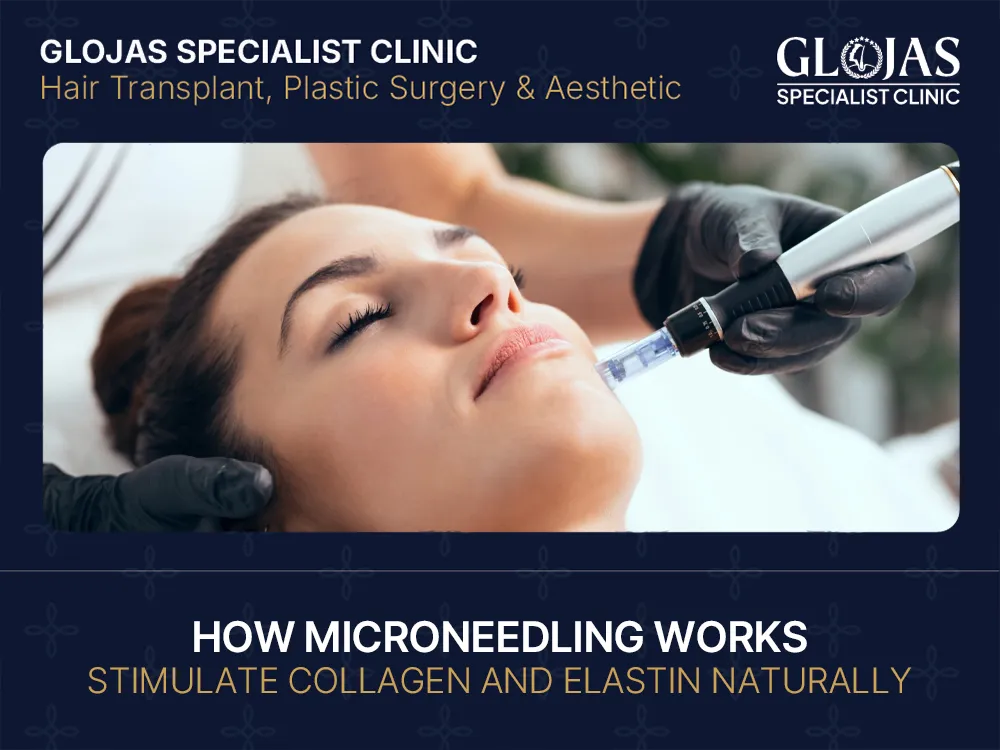
Have you ever wondered why some people seem to have skin that just… bounces back? That firmness and “snap” are thanks to two superstar proteins: collagen and elastin. Think of collagen as the scaffolding that holds your skin up and elastin as the rubber bands that allow it to stretch and recoil. As we blow out more birthday candles, our natural production of these proteins slows down. Enter collagen induction therapy, more commonly known as microneedling. It might sound a bit intense to use tiny needles to improve your complexion, but the science is actually a brilliant “hack” of your body’s own biology. GLOJAS Specialist Clinic offers expert-led microneedling treatments, utilizing medical-grade precision to effectively stimulate collagen and elastin for long-lasting, youthful skin rejuvenation and scar revision. 5 Key Takeaways: How Microneedling Works Triggers Natural Healing: The process uses “micro-injuries” to trick the brain into thinking the skin is wounded, sparking a repair response. Activates Fibroblasts: These are the “factory cells” in your dermis responsible for churning out fresh collagen and elastin fibers. Three-Phase Process: Skin rejuvenation happens in three distinct stages: Inflammation, Proliferation, and Remodeling. Massive Protein Boost: Clinical studies show that a series of treatments can increase collagen and elastin deposition by up to 400% over six months. Safe for Most: Because it doesn’t use heat or harsh chemicals, it is a versatile option for various skin types and tones. The Biological “Magic” of Microneedling At its core, microneedling is a form of fractional skin rejuvenation. Whether your aesthetician uses a manual dermaroller or an automated pen, the goal is the same: to create thousands of invisible perforations in the epidermis and dermis. These aren’t “real” wounds in the sense of a cut or scrape that leaves a scar. Instead, they are controlled, sterile channels. The second those needles touch your skin, your body’s internal “alarm system” goes off. Step 1: The Inflammatory Phase (Days 1–3) Immediately after the procedure, your skin enters the Inflammatory Phase. Platelets in your blood release growth factors that act like tiny foremen on a construction site, signaling to other cells that it’s time to get to work. This is why you look a little red or “sunburned” right after—your blood flow is increasing to deliver the nutrients needed for repair. Step 2: The Proliferative Phase (Weeks 1–3) This is where the heavy lifting happens. New tissue is built using a temporary “scaffolding” of type III collagen and specialized cells called fibroblasts. These fibroblasts begin synthesizing elastin and tropoelastin, which give the skin its youthful resilience. During this time, you might notice your skin feels tighter and looks brighter as neovascularization (the formation of new blood vessels) improves your “inner glow.” Step 3: The Remodeling Phase (Month 1+) The final stage is the most rewarding. The temporary collagen is replaced by Type I collagen, which is stronger and more organized. This “remodeling” can continue for up to a year after your last session! This is why professional treatments are often spaced 4–6 weeks apart; you want to “stack” these healing cycles on top of each other for the best results. Why “Needle Depth” Matters When discussing how microneedling works for stimulates collagen & elastin, depth is a major factor. Shallow depths (0.25mm – 0.5mm) are great for product absorption and fine lines. Deeper depths (1.0mm – 2.5mm) are required to reach the reticular dermis, where the thickest bundles of collagen live. This is usually necessary for treating acne scars or deep wrinkles. Enhancing the Results Many people choose to combine microneedling with active topicals. Because the needles create open “micro-channels,” anything you put on your skin afterward penetrates significantly deeper. Hyaluronic Acid: For a massive hydration boost. Vitamin C: To supercharge the brightening effect and protect new collagen from oxidative stress. PRP (Platelet-Rich Plasma): Often called the “Vampire Facial,” this uses your own growth factors to accelerate the healing cascade. Frequently Asked Questions (FAQs) Q: Is microneedling better than a chemical peel? It depends on your goal! While peels are fantastic for surface pigmentation, microneedling goes deeper to physically restructure the skin. For sagging and deep texture issues, microneedling usually takes the lead. Q: Can I do this at home with a roller? While home rollers exist, they are typically limited to 0.25mm. They are great for product absorption but aren’t deep enough to trigger the massive collagen and elastin boost seen with professional-grade medical devices. Q: How soon will I see more collagen? You’ll see an immediate “plump” from the swelling, but the true structural collagen begins to show around 4 to 6 weeks. The best results usually peak at the 3 to 6-month mark. Q: Does it hurt? Most professionals apply a numbing cream. You’ll feel a vibrating sensation and a bit of “scratchiness,” but it’s generally very tolerable. Q: Are the results permanent? While the new collagen created is yours to keep, your body will continue to age naturally. Most people opt for a “maintenance” session once or twice a year to keep their collagen levels topped up.
Types of Microneedling: Dermaroller vs. Dermapen vs. RF Microneedling
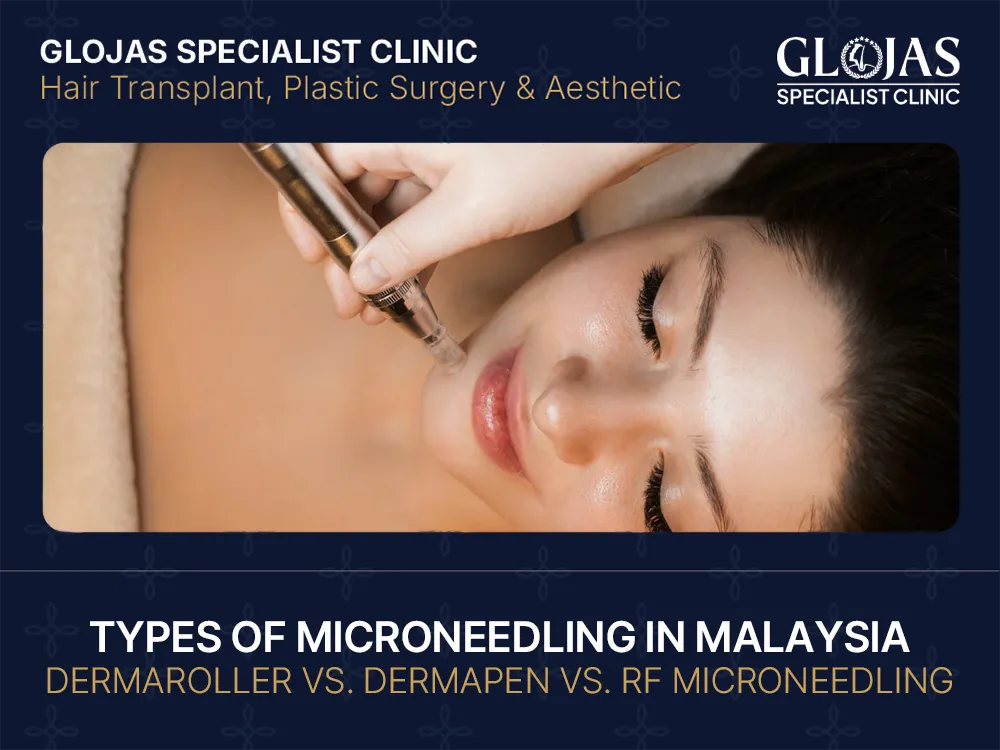
If you’ve been chasing that “lit-from-within” glow, you’ve likely stumbled upon the world of collagen induction therapy. It sounds a bit clinical, but the concept is simple: by creating tiny, controlled “micro-injuries” in the skin, you trigger your body’s natural healing response, resulting in fresh collagen and smoother texture. However, not all needles are created equal. When you start looking into the different types of microneedling, the options—Dermaroller vs. Dermapen vs. RF microneedling—can feel a bit overwhelming. Is a manual roller enough? Does the “pen” really work better? And what on earth is “RF”? In this guide, we’re breaking down the heavy hitters of the skin-needling world so you can choose the right path for your unique complexion. At GLOJAS Specialist Clinic, our KKM-registered doctors accelerate your microneedling treatment in Malaysia by utilizing medical-grade technology. This expertise ensures a faster microneedling result timeline, safely stimulating collagen for superior skin rejuvenation. Key Takeaways Dermarollers are manual tools best suited for entry-level, at-home maintenance and general skin brightening. Dermapens (Mechanical Microneedling) offer vertical precision and adjustable depth, making them superior for acne scars and delicate areas. RF Microneedling combines needles with radiofrequency heat for significant skin tightening and deep dermal remodeling. Safety & Hygiene: Professional devices like the Dermapen use sterile, disposable cartridges, significantly reducing the risk of cross-contamination compared to reusable rollers. Downtime: While all types involve some redness, RF microneedling typically requires the most recovery time due to the added thermal energy. 1. The Classic: Manual Dermarollers The Dermaroller is the OG of the industry. It’s a handheld device featuring a drum covered in tiny medical-grade needles. As you roll it across your face, the needles enter the skin at an angle. The Pros: It’s affordable and accessible. Many people use a “home-rolling” kit to enhance the absorption of serums like Hyaluronic Acid. The Cons: Because the needles enter and exit at an angle, they can cause “track-mark” tearing or minor epidermal damage. It’s also difficult to reach tiny crevices like the sides of the nose or the delicate skin around the eyes. 2. The Precision Pro: Dermapen (Mechanical Microneedling) Think of the Dermapen as the high-tech, motorized evolution of the roller. Instead of rolling, it uses an oscillating tip that pulses needles vertically into the skin thousands of times per minute. Adjustable Needle Depth: A professional can change the depth on the fly—shallower for the forehead and deeper for the cheeks or acne scars. Vertical Entry: Because the needles go straight in and straight out, there is far less trauma to the skin surface, meaning faster healing. Topical Infusion: The micro-channels created are perfect for “mesotherapy,” where vitamins and peptides are delivered directly into the dermis. 3. The Powerhouse: RF Microneedling If you want to move beyond surface texture and target skin laxity (sagging), RF Microneedling is the gold standard. Devices like the Morpheus8 or Vivace combine traditional needling with Radiofrequency (RF) energy. When the needles reach their target depth, they release a burst of heat. This thermal energy “shrink-wraps” the underlying tissue and stimulates an even more intense production of elastin and collagen. It is particularly effective for deep wrinkles, surgical scars, and tightening the jawline. Comparison Table: At a Glance Feature Dermaroller Dermapen RF Microneedling Method Manual Rolling Motorized Vertical Needles + Heat Best For Mild Glow / At-home Scars / Precision Tightening / Deep Aging Precision Low High High Pain Level Mild Moderate (Numbing used) High (Numbing used) Downtime 12–24 Hours 24–48 Hours 3–5 Days Choosing Your Treatment: Which is Right for You? Choosing between these types of microneedling depends on your specific “skin goals.” For the Beginner: If you just want to improve dullness and have a low budget, a professional-grade Dermaroller session (or a very gentle 0.25mm home version) is a great start. For Acne Scars & Pores: The Dermapen is the winner here. Its ability to break up fibrous scar tissue with vertical precision is unmatched for resurfacing. For Sagging & Deep Wrinkles: If you are over 40 or dealing with “jowls,” the investment in RF microneedling is worth it. The heat-induced tightening provides results that mechanical needling alone simply can’t achieve. Remember, regardless of the device, sun protection is non-negotiable after any treatment. Your “new” skin is highly sensitive to UV rays, and skipping SPF can lead to hyperpigmentation. Frequently Asked Questions (FAQs) Q: Does microneedling hurt? Most professional treatments involve a topical numbing cream. With numbing, you’ll feel a vibrating pressure or a “spiky” sensation, but it shouldn’t be painful. RF microneedling feels slightly warmer due to the energy. Q: How many sessions do I need? For general rejuvenation, 3 sessions are standard. For deep scarring or significant tightening, 4 to 6 sessions spaced 4–6 weeks apart are usually recommended. Q: Can I do RF microneedling at home? No. RF microneedling uses high-energy heat and deep needle penetration that must be performed by a licensed professional to avoid burns or permanent scarring. Q: How long does it take to see results? You’ll notice a “glow” within a week, but the real magic happens at the 3-month mark. This is how long it takes for your body to fully synthesize new collagen fibers. Q: Is there anyone who shouldn’t get microneedling? Avoid these treatments if you have active cystic acne, eczema flares, or a history of keloid scarring. Always consult a dermatologist first.
The Ultimate Microneedling Result Timeline: What to Expect Day-by-Day
So, you’ve finally booked that microneedling session. You’re ready to say goodbye to those pesky acne scars and hello to that “lit-from-within” glow. But then the reality hits: When will I actually look like myself again, and how long until the magic happens? The microneedling result timeline isn’t an overnight transformation, but it’s one of the most rewarding journeys in skincare. Because this treatment relies on your body’s natural healing powers, the results unfold in stages. Think of it like planting a garden—the soil needs a little tilling before the flowers can bloom. Key Takeaways: The Quick Timeline Days 1–3: Expect a “sunburned” look with mild swelling and tightness. Days 4–7: Minor peeling or flaking occurs as old skin cells shed. Week 2: The “Microneedling Glow” appears as surface texture smooths out. Weeks 4–6: Peak collagen production begins, showing real changes in scars and lines. Months 3–6: Final “remodeling” phase results in maximum firmness and skin health. Phase 1: The Immediate Aftermath (Days 1–3) Immediately after your session, your skin will feel warm and look quite red. This is the inflammatory phase. While it might look alarming, this is exactly what we want! Those tiny micro-injuries are signaling your immune system to send “repair crews” (growth factors and platelets) to the area. During the first 24 to 48 hours, you’ll likely experience: Erythema (Redness): Similar to a moderate sunburn. Tightness: Your skin may feel “plastic-y” or stretched. Minor Swelling: Especially around sensitive areas like the eyes. Pro Tip: Stick to a gentle skincare routine during this window. Use only lukewarm water and a basic hyaluronic acid serum. Skip the makeup and avoid the gym—sweat can irritate those open micro-channels! Phase 2: The Shedding & Smoothing (Days 4–7) Around day four, the redness usually fades to a light pink. This is when the proliferation phase kicks in. You might notice some light flaking or peeling. Whatever you do, don’t pick! This is your skin’s way of clearing out debris to make room for fresh, new tissue. By the end of the first week, the “downtime” is effectively over. Most people find that their skin feels softer and looks significantly brighter than it did before the treatment. Phase 3: The Collagen Boom (Weeks 2–6) This is where the microneedling result timeline gets exciting. While the surface looks healed, the real work is happening in the dermis. Fibroblasts are working overtime to produce Type III collagen, which eventually matures into the stronger Type I collagen that gives our skin its structure. At this stage, you’ll start to see: A more even skin tone and reduced hyperpigmentation. The softening of fine lines and “crepey” skin. A reduction in the visibility of enlarged pores. For those treating acne scars or deep wrinkles, this is usually the point where you’ll want to schedule your next session. Most professionals recommend a series of 3–6 treatments to see a 400% increase in collagen deposition. Phase 4: Long-Term Remodeling (Months 3–6) Microneedling is the gift that keeps on giving. The remodeling phase is the final stage of the healing cascade. Your body continues to reorganize and strengthen the new collagen fibers for months after your last needle prick. By month six, the structural integrity of your skin is at its peak. Scars are noticeably shallower, skin laxity is improved, and the overall “bounce” of your skin is restored. Because this is your own natural tissue—not a temporary filler—these results can last for years with proper sun protection and a solid anti-aging regimen. Factors That Influence Your Results Not everyone’s timeline is identical. Several “things” play a role in how fast you see that glow: Needle Depth: Professional devices (like the SkinPen) reach deeper layers than home rollers, leading to more dramatic (though slightly longer) recovery. Age: Younger skin generally regenerates faster, but microneedling is highly effective for mature skin as it “jumpstarts” a slowed-down healing process. Lifestyle: Smoking and high UV exposure can hinder collagen synthesis. Stay hydrated and wear your SPF! Serum Pairings: Using Vitamin C (after the first week) or Platelet-Rich Plasma (PRP) can accelerate the healing process. Frequently Asked Questions (FAQs) 1. When can I wear makeup after microneedling? Ideally, wait at least 48 hours. If you absolutely must, use a clean brush and mineral-based makeup starting on Day 3. Avoid heavy foundations that can clog the healing micro-channels. 2. Will one session give me perfect skin? While you’ll see a “glow” after one session, microneedling is a cumulative treatment. For concerns like deep acne scarring or significant skin laxity, 3 to 6 sessions are typically required to see a total transformation. 3. Why does my skin look worse on Day 3? It’s common for skin to look a bit dull, dry, or “rough” around Day 3. This is just the old skin preparing to flake off. Keep it hydrated with a fragrance-free moisturizer, and the glow will follow! 4. How long do the results actually last? The new collagen your body produces is permanent. However, your skin continues to age naturally. Most people opt for a “maintenance” session once or twice a year to keep their collagen levels high. 5. Is the timeline different for RF Microneedling? Radiofrequency (RF) microneedling adds heat to the process. This can sometimes result in slightly more swelling initially, but it often speeds up the long-term tightening results because the heat causes immediate collagen contraction. Ready to start your journey? The microneedling result timeline is a marathon, not a sprint, but the payoff of healthy, resilient skin is worth every stage. At GLOJAS Specialist Clinic, our KKM-registered doctors accelerate your microneedling treatment in Malaysia by utilizing medical-grade technology. This expertise ensures a faster microneedling result timeline, safely stimulating collagen for superior skin rejuvenation.
How Fractional CO2 Laser Actually Works
Fractional CO2 laser is one of the most powerful skin resurfacing treatments available today. It is widely used to improve acne scars, wrinkles, enlarged pores, and uneven skin texture. But many people still ask the same question: how fractional CO2 laser works actually and why it delivers such noticeable results. This guide explains the science, process, benefits, risks, and realistic expectations—without hype or medical jargon. If you are considering laser resurfacing, this article will help you make an informed decision. How Fractional CO2 Laser Works: A Simple Explanation How fractional CO2 laser works is based on controlled skin injury and natural healing. The laser delivers microscopic columns of thermal energy into the skin while leaving the surrounding tissue intact. These micro-injuries stimulate collagen production and skin renewal from within. Unlike older lasers that treated the entire surface, fractional technology treats only a fraction of the skin at a time. This improves safety, healing speed, and outcomes. In short: · The laser creates tiny treatment zones · Old, damaged skin is replaced · New collagen forms · Skin becomes smoother and firmer This balance between effectiveness and recovery is what makes fractional CO2 laser works so popular. What Is a Fractional CO2 Laser? Fractional CO2 laser is an ablative laser that uses carbon dioxide (CO2) wavelength at 10,600 nm. This wavelength is strongly absorbed by water in the skin, allowing precise vaporization of damaged tissue. Key characteristics: · Ablative (removes micro-layers of skin) · Fractional (treats skin in tiny columns) · Deep collagen stimulation · Medical-grade resurfacing technology Common devices include: · Fraxel Repair · Lumenis UltraPulse · DEKA SmartXide · eCO2 Laser Systems The Science Behind Fractional CO2 Laser Works Technology To truly understand how fractional CO2 laser works, it helps to know what happens at the cellular level. 1. Creation of Microthermal Treatment Zones (MTZs) The laser creates thousands of microscopic channels in the skin. These are called microthermal zones. Each zone: · Penetrates deep into the dermis · Triggers controlled thermal damage · Leaves surrounding skin untouched 2. Collagen Remodeling The body responds by activating fibroblasts, which produce: · New collagen · New elastin · Healthier skin structure This process continues for several months after treatment. 3. Skin Renewal Old skin cells are replaced with new ones. Texture improves, scars soften, and wrinkles become less visible. What Skin Concerns Can Fractional CO2 Laser Works Treat? Fractional CO2 laser works is used for moderate to severe skin concerns, including: · Acne scars (ice pick, boxcar, rolling) · Surgical or traumatic scars · Fine lines and deep wrinkles · Sun damage and photoaging · Enlarged pores · Uneven skin texture · Skin laxity · Stretch marks (selected cases) Because it penetrates deeper than non-ablative lasers, results are often more dramatic. What Happens During a Fractional CO2 Laser Works Treatment? Before Treatment · Medical consultation and skin assessment · Pre-treatment skincare (sometimes retinoids or bleaching agents) · Antiviral medication if needed During Treatment · Topical or local anesthesia is applied · Laser passes over the treatment area · Sensation: heat, pressure, mild stinging Session duration: · 20–60 minutes depending on area and intensity After Treatment · Redness and swelling · Warm or sunburn-like feeling · Tiny grid marks may appear temporarily Fractional CO2 Laser Downtime and Healing Timeline Downtime depends on treatment intensity. Typical recovery: · Day 1–3: Redness, swelling, oozing · Day 4–7: Crusting and peeling · Day 7–10: Skin re-epithelialization · Week 2–4: Pinkness fades · Month 3–6: Continued collagen improvement This is why fractional CO2 laser is considered a medium-to-high downtime procedure. Benefits of Fractional CO2 Laser Works Treatment Fractional CO2 laser treatment is widely regarded as one of the most powerful skin resurfacing technologies in aesthetic dermatology, especially for patients with advanced skin concerns. Below is an expanded explanation of its key benefits: Significant collagen stimulationFractional CO₂ lasers deliver controlled thermal energy deep into the dermis, triggering the skin’s natural wound-healing response. This process stimulates the production of new collagen and elastin, leading to firmer, thicker, and more youthful-looking skin over time. The collagen remodeling continues for several months after treatment, which is why results keep improving gradually. Long-lasting resultsUnlike superficial treatments that offer temporary improvement, fractional CO₂ laser provides long-term skin remodeling. Once new collagen is formed, improvements in skin texture, scarring, and wrinkles can last for years, especially when combined with good skincare and sun protection. Highly effective for deep scars and wrinklesThis treatment is particularly effective for deep acne scars, surgical scars, enlarged pores, and pronounced wrinkles. The laser penetrates deeper than non-ablative devices, breaking down scar tissue and encouraging smoother, more even skin regeneration—making it a preferred option for severe or long-standing scarring. Improves both skin texture and toneFractional CO₂ laser resurfacing not only smooths uneven texture but also improves overall skin tone. Patients often notice brighter skin, reduced roughness, refined pores, and a more even complexion as damaged surface layers are replaced with healthier skin. Customizable treatment depth and intensityOne of the major advantages of fractional CO₂ laser technology is its high level of customization. Treatment depth, energy levels, and coverage can be adjusted based on skin type, concern severity, and downtime tolerance. This allows clinicians to tailor treatments for acne scars, wrinkles, pigmentation irregularities, or skin laxity with precision. For patients with severe acne scarring or advanced skin aging, fractional CO₂ laser treatment remains a gold-standard solution due to its ability to deliver dramatic, clinically proven results that many other modalities cannot achieve. Risks and Side Effects You Should Know While effective, fractional CO2 laser is not risk-free. Possible side effects: · Prolonged redness · Post-inflammatory hyperpigmentation (PIH) · Infection (rare with proper care) · Scarring (very rare) · Temporary acne flare-ups Risk is higher in darker skin tones if not properly managed. This is why doctor-led treatment and proper settings are critical. Who Is a Good Candidate for Fractional CO2 Laser Works? Fractional CO₂ laser treatment is a powerful resurfacing procedure, but it is not suitable for everyone. Careful