
OTC vs Prescription Acne Medications: Which Works Better?

Over-the-counter acne medications are effective for mild breakouts, while prescription acne medications are designed for moderate to severe acne, hormonal acne, or scarring risk. The right choice depends on acne type, severity, and skin response. Early medical treatment improves outcomes and reduces long-term skin damage. Understanding Acne: Why Treatment Choice Matters Acne is not just a cosmetic issue. Medically, it is a chronic inflammatory skin condition involving excess oil production, clogged pores, bacterial overgrowth (Cutibacterium acnes), and inflammation. The mistake many people make is treating all acne the same. In reality, mild acne and cystic acne require very different levels of treatment, which is why understanding the difference between over-the-counter and prescription acne medications is essential. How Acne Medications Work (Clinician Explanation) Acne treatment target one or more of these core mechanisms: Reducing oil (sebum) production Preventing clogged pores (comedones) Killing acne-causing bacteria Calming inflammation The key difference between OTC and prescription acne medication is strength, depth of action, and consistency of results. Over-the-Counter Acne Medications Over-the-counter acne treatments are widely available and suitable for mild, early-stage acne. Common OTC Acne Ingredients Benzoyl Peroxide (2.5–10%)Kills acne-causing bacteria and reduces inflammation. It works quickly but can cause dryness if overused. Salicylic Acid (0.5–2%)Helps unclog pores and reduce blackheads and whiteheads. Best for comedonal acne. Adapalene 0.1%A mild topical retinoid that improves skin turnover and prevents clogged pores. Niacinamide & SulfurSupport oil control and soothe redness. When OTC Acne Treatment Works Best Mild acne Occasional breakouts Teen acne without scarring Maintenance after prescription treatment Limitations of OTC Acne Medication Limited penetration into deeper skin layers Less effective for hormonal acne Minimal impact on cystic or nodular acne Results may plateau after initial improvement OTC acne treatments are not designed to treat deeper inflammation or prevent scarring. Prescription Acne Medications Prescription acne medications are recommended when acne is persistent, inflammatory, painful, or scarring. Prescription Topical Acne Treatments Topical Retinoids (Tretinoin, Adapalene 0.3%, Tazarotene)These normalize skin cell turnover and prevent pore blockage. They are more potent than OTC retinoids. Topical Antibiotics (Clindamycin, Erythromycin)Reduce bacterial growth and inflammation. Always combined with benzoyl peroxide to prevent antibiotic resistance. Azelaic Acid 15–20%Useful for acne with redness, pigmentation, or sensitive skin. Oral Prescription Acne Medications Oral Antibiotics (Doxycycline, Minocycline)Used short-term for moderate to severe inflammatory acne. Hormonal Therapy (Spironolactone, Oral Contraceptives)Highly effective for adult female and hormonal acne. IsotretinoinReserved for severe, nodulocystic, or scarring acne. It treats acne at its root but requires strict medical supervision. Key Differences: OTC vs Prescription Acne Medications Feature Over-the-Counter Prescription Acne severity Mild Moderate to severe Strength Lower Medical-grade Depth of action Surface-level Deep follicular Speed of results Slower Faster Scarring prevention Limited Strong Medical supervision Not required Required Clinical evidence:The American Academy of Dermatology (AAD) states that over-the-counter acne treatments are appropriate for mild acne, while moderate to severe acne often requires prescription medications such as topical retinoids, antibiotics, or hormonal therapy to prevent scarring and long-term skin damage. 🔗 Source: American Academy of Dermatology – Acne treatment guidelineshttps://www.aad.org/public/diseases/acne/derm-treat/treat Which Acne Treatment Is Right for You? OTC Acne Medication May Be Enough If: Acne is mild and localized No deep cysts or nodules Minimal pigmentation or scarring Prescription Acne Medication Is Recommended If: Acne lasts longer than 8–12 weeks Painful cysts or nodules appear Acne affects chest or back Dark marks or scars are developing Acne worsens during menstrual cycles Early prescription treatment reduces the risk of permanent scarring. At GLOJAS Specialist Clinic Malaysia, acne treatment is handled by qualified doctors using proven medical methods. Each plan is tailored to your skin type and acne severity, focusing on safe care, visible improvement, and long-term skin health. Side Effects & Skin Barrier Protection Both OTC and prescription acne medications may cause: Dryness Peeling Redness Temporary purging Using a gentle cleanser, non-comedogenic moisturizer, and daily sunscreen significantly improves tolerance and results. When to See a Doctor for Acne You should seek medical advice if: Acne does not improve after OTC treatment Breakouts are painful or widespread Acne affects self-esteem or mental health You notice scarring or pigmentation Medical evaluation ensures the right medication, dose, and treatment duration. Frequently Asked Questions (FAQs) Is over-the-counter acne medication effective? Yes, OTC acne treatments are effective for mild acne, especially blackheads and whiteheads. When should I switch to prescription acne medication? If there is no improvement after 8–12 weeks or acne worsens, prescription treatment is recommended. Are prescription acne medications stronger than OTC? Yes, prescription medications are more potent and treat deeper acne causes. Can I use OTC and prescription acne treatments together? Yes, many prescription regimens include OTC products under medical guidance. Which acne medication prevents scarring best? Prescription treatments, especially retinoids and isotretinoin, are most effective at preventing acne scars.
Plenhyage: Polynucleotide Skin Booster for Skin Regeneration in Malaysia
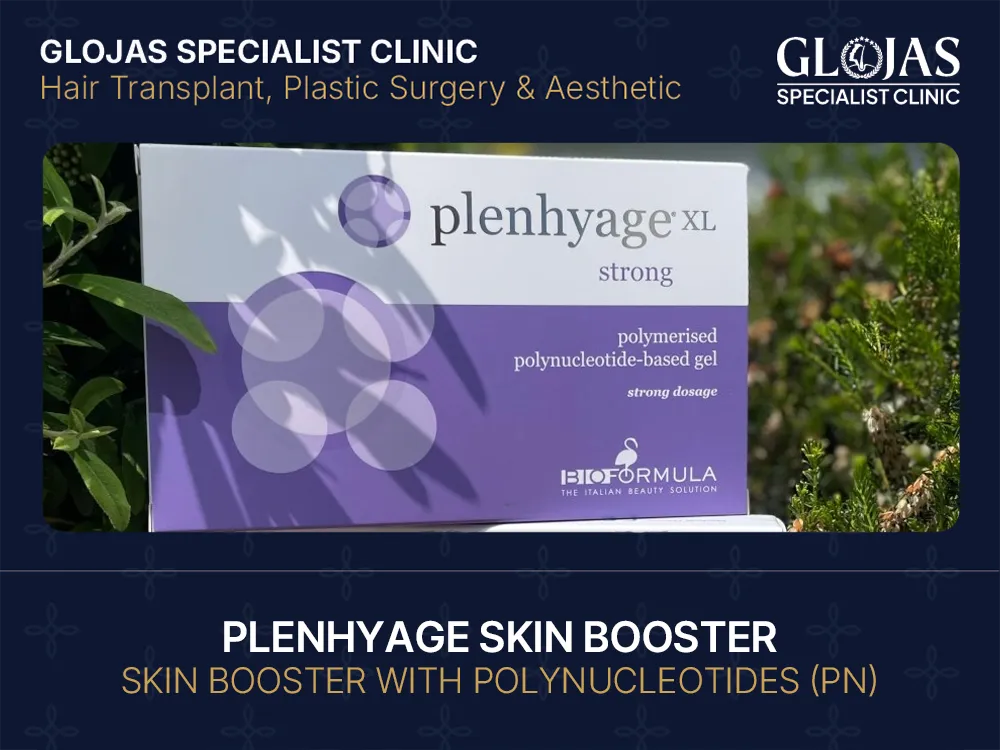
If your skin looks tired, dehydrated, or shows early signs of aging that creams can’t fix, Plenhyage might be the biostimulator you need. This next-generation polynucleotide treatment goes beyond surface hydration to repair and rejuvenate skin from within. Plenhyage is an injectable polynucleotide (PN) skin booster derived from purified salmon DNA fragments. It works by stimulating fibroblast activity and tissue regeneration to improve skin quality, hydration, and elasticity. Unlike hyaluronic acid fillers, Plenhyage biostimulates natural collagen production and repairs damaged skin at a cellular level. At GLOJAS Specialist Clinic, Plenhyage is used to treat fine lines, dullness, acne scars, and under-eye crepiness with minimal downtime. Results develop gradually over 4–6 weeks and can last 6–9 months. What: Polynucleotide skin booster using salmon DNA fragments for skin regeneration Best for: Dull skin, fine lines, acne scars, under-eye crepiness, skin laxity How it works: Stimulates collagen, improves hydration, repairs skin cells Downtime: Minimal — mild swelling/bumps for 24–48 hours Results: Visible glow in 2–3 weeks, full results 4–6 weeks, lasts 6–9 months Sessions needed: 2–3 sessions spaced 3–4 weeks apart for optimal outcome Available at: GLOJAS Specialist Clinic, Kuala Lumpur with LCP-certified doctors How Plenhyage Works: The Science of Polynucleotides Plenhyage uses highly purified polynucleotides (PN) extracted from salmon DNA. These DNA fragments are biocompatible with human skin and trigger 3 key actions: Fibroblast Activation: PNs bind to fibroblast cells, telling them to produce more collagen type I and elastin. This improves skin firmness and reduces fine lines. Tissue Repair: Plenhyage provides building blocks for DNA repair, helping heal acne scars, UV damage, and inflammation at the cellular level. Deep Hydration: The PN matrix holds water in the dermis, creating a dewy, plump effect without adding volume like fillers. Because it’s not a filler, Plenhyage won’t change your facial shape. It enhances your natural skin quality. Key Benefits of Plenhyage Treatment Skin Regeneration & Repair: Plenhyage stimulates cellular repair to improve acne scars, UV damage, and post-inflammatory marks. It rebuilds skin structure from within. Improved Skin Elasticity & Firmness: By activating fibroblasts, it boosts collagen and elastin production to reduce crepey texture and early skin laxity. Intense Hydration & Glow: The PN matrix binds water in the dermis for long-lasting hydration, giving a healthy, dewy glow without puffiness. Safe for Delicate Areas: Its biostimulating action makes it ideal for thin under-eye skin, neck lines, and décolletage where fillers are risky. Natural-Looking Results: No volume added. Plenhyage enhances your own skin quality, so results look refreshed, not “done”. Anti-Inflammatory Properties: Polynucleotides reduce skin inflammation, making it suitable for sensitive, rosacea-prone, or post-laser skin. Plenhyage vs Profhilo vs Rejuran: Key Differences Treatment Active Ingredient Primary Effect Best For Texture Post-Injection Plenhyage Polynucleotides PN Skin repair + regeneration Acne scars, crepey skin, under-eyes Small bumps 24–48h Profhilo High + low HA Intense hydration + bioremodeling Skin laxity, overall glow Small bumps 24h Rejuran Polynucleotides PDRN Anti-inflammatory + healing Sensitive skin, redness, pores Small bumps 2–3 days Plenhyage is often preferred for patients with textural concerns like acne scarring or thin under-eye skin because of its strong regenerative properties. Types of Plenhyage Treatment The Plenhyage XL range is formulated in three distinct concentrations of polymerized polynucleotides (PN). This allows treatments to be precisely tailored to the thickness of the target skin and the severity of the structural damage: Plenhyage XL Thin (1.0% PN): A lightweight formulation designed specifically for ultra-delicate or highly sensitive skin zones. It focuses on superficial hydration, early fine lines, and refining skin texture without overwhelming thin dermal layers. Plenhyage XL Medium (2.0% PN): A balanced, mid-tier concentration optimized for moderately aged skin and high-movement areas. It is highly effective for addressing dark circles and crepiness in the under-eye region, as well as treating the neck, hands, and early facial sagging. Plenhyage XL Strong (2.5% PN): The most intensive, high-concentration formula built for thicker skin and deep structural repair. It is the preferred choice for filling the “valleys” of deep atrophic acne scars, softening pronounced wrinkles, and rebuilding localized areas with severe tissue damage or laxity. What to Expect During Plenhyage at GLOJAS Specialist Clinic Consultation: Our LCP-certified doctors assess your skin concerns and map injection points. Plenhyage can be used on face, neck, décolletage, and hands. Preparation: Numbing cream is applied for 20 minutes to ensure comfort. Injection: Using micro-droplet or cannula technique, Plenhyage is placed evenly across the treatment area. The procedure takes 20–30 minutes. Aftercare: Expect small bumps at injection sites for 1–2 days. Avoid makeup, alcohol, and intense workouts for 24 hours. Most patients need 2–3 sessions 3–4 weeks apart, with maintenance every 6–9 months. Who Is an Ideal Candidate for Plenhyage? You’re a good candidate if you have: Dull, dehydrated skin lacking glow Early fine lines and crepey texture Acne scars or enlarged pores Dark circles or thin under-eye skin Sun-damaged or smoker’s skin Plenhyage is suitable for most skin types. It is not recommended if you’re pregnant, breastfeeding, or have a fish allergy. Plenhyage Results: Before & After Timeline Week 1: Skin feels more hydrated. Bumps fully settle. Week 2-3: Visible glow and smoother texture emerge. Week 4-6: Peak collagen stimulation. Fine lines soften, scars look shallower, skin elasticity improves. Month 6-9: Results gradually decline. Schedule maintenance to prolong effects. FAQs 1. How much does Plenhyage cost in Malaysia? Plenhyage price in Malaysia typically ranges from RM1,800 to RM2,800 per session depending on the clinic and area treated. At GLOJAS Specialist Clinic, pricing is quoted after a personalized skin assessment with our doctors to ensure you get the right protocol. 2. Is Plenhyage painful? Discomfort is minimal. We apply topical numbing cream before treatment, and most patients describe it as mild pinpricks. A cannula technique can also be used for sensitive areas like under-eyes to reduce bruising. 3. What are Plenhyage side effects? Common side effects include temporary redness, swelling, and small bumps at injection sites for 24–48 hours. Rare risks include bruising or infection, which are minimized when performed by LCP-certified doctors in a medical
10 Ways to Stimulate Collagen Production Effectively in Malaysia
Collagen Guide Malaysia Find Your Best Collagen Stimulator Click a method below to view its downtime, longevity, and suitability for Malaysian skin. Laser Toning HIFU Therapy Bio-Stimulators Microneedling Sub-surface Laser Stimulation Zero Downtime Delivers controlled thermal energy into the dermis to wake up dormant fibroblasts, encouraging natural collagen matrix remodeling without harming the outer epidermis. Longevity: Results build progressively over 3 to 6 months with regular maintenance sessions. 💬 Consult Doctor via WhatsApp How to Stimulate & Boost Collagen Production in Malaysia Want to keep your skin looking firm and youthful despite the relentless Malaysian sun? Boosting collagen production is the secret to a resilient complexion. In this guide, we’ll dive into how you can naturally and professionally enhance this “youth protein” to combat sagging and fine lines effectively. What Is Collagen and Why It Matters for Skin Collagen is the most abundant protein in the human body, acting as the primary building block for your skin, hair, and connective tissues. Think of it as the “glue” that holds everything together, providing the necessary strength and elasticity to maintain a smooth, plump appearance. Role of Collagen in Skin Structure In the dermis, collagen fibers form a dense network that supports the epidermis. This structure provides the skin with tensile strength. According to research on structural proteins, collagen works alongside elastin to ensure skin bounces back after stretching, preventing the formation of permanent creases and wrinkles. Why Collagen Levels Decline With Age Starting in your mid-20s, the body’s natural synthesis of collagen slows down by about 1% to 1.5% annually. By the time you reach 50, you may have lost nearly half of your skin’s collagen. This biological slowdown leads to thinner, more fragile skin that is prone to sagging. Causes of Low Collagen Production While aging is inevitable, several external factors can accelerate the breakdown of existing fibers. Understanding these triggers is essential for anyone living in a tropical, urban environment like Kuala Lumpur or Penang. Aging As we get older, fibroblasts—the cells responsible for producing collagen—become less active. This intrinsic aging process is governed by genetics but is often exacerbated by hormonal changes, such as the drop in estrogen during menopause, which significantly impacts skin density and moisture retention. UV Exposure In Malaysia, high UV index levels are a major threat. Photoaging occurs when UVA rays penetrate deep into the dermis, triggering the production of enzymes called metalloproteinases. These enzymes break down collagen fibers prematurely, a process often documented by the American Academy of Dermatology. Poor Lifestyle Habits Smoking and high sugar intake are collagen killers. Sugar molecules attach to collagen through a process called glycation, creating “Advanced Glycation End-products” (AGEs). These make collagen fibers brittle and weak. Additionally, smoking reduces blood flow, starving the skin of the oxygen and nutrients needed for repair. Natural Ways to Stimulate Collagen Production You can jumpstart your body’s internal “collagen factory” through simple dietary and lifestyle shifts. Consistency is key when trying to see visible improvements in skin texture and firmness. Collagen-Boosting Foods Fuel your body with amino acids like glycine and proline. Bone broth, chicken skin, and fish are excellent direct sources. For plant-based support, consume soy, beans, and seeds which provide the building blocks necessary for the synthesis of new protein fibers within the dermis. Vitamin C Intake Vitamin C is a vital cofactor for collagen synthesis; without it, the body cannot effectively link amino acids together to form fibers. Incorporate local Malaysian fruits like guava, papaya, and citrus into your diet to ensure your fibroblasts have the fuel they need to function optimally. Hydration Collagen fibers thrive in a hydrated environment. When you are dehydrated, these fibers can become stiff and lose their elasticity. Drinking at least 2 to 3 liters of water daily helps maintain the interstitial fluid that surrounds collagen, keeping your skin looking supple and “plumped” from within. Sleep Quality During deep sleep, the body enters a state of repair, releasing growth hormones that stimulate cell turnover and collagen production. Aim for 7 to 9 hours of quality rest. Chronic sleep deprivation increases cortisol, a stress hormone that can actually break down collagen over time. Skincare Ingredients That Boost Collagen Production The right topical treatments can signal your skin to produce more protein. Look for active ingredients that have been clinically proven to penetrate the skin barrier and reach the dermal layer. Retinoids: The gold standard for anti-aging. L-Ascorbic Acid: Protects and synthesizes fibers. Peptides: Messenger molecules that signal repair. Retinol Retinol and its prescription-strength counterpart, Tretinoin, are world-renowned for their ability to stimulate collagen. By accelerating cell turnover and inhibiting the enzymes that destroy collagen, retinoids help thicken the deeper layers of the skin. Always use sunscreen when using retinoids to prevent sensitivity in our sunny climate. Vitamin C Applied topically, Vitamin C (L-ascorbic acid) neutralizes free radicals from pollution and UV rays. It acts as a stabilizer for collagen molecules. Using a Vitamin C serum every morning creates a protective shield, preventing environmental damage from degrading your skin’s structural integrity throughout the day. Peptides Peptides are short chains of amino acids that act as messengers. When applied to the skin, they trick the body into thinking there is a breakdown of collagen, which triggers the fibroblasts to produce more. They are generally gentler than retinol, making them ideal for sensitive skin types. Hyaluronic Acid While Hyaluronic Acid (HA) doesn’t directly “create” collagen, it provides the essential moisture needed for collagen to remain flexible. HA can hold 1,000 times its weight in water, creating a healthy environment for protein fibers to thrive and preventing the brittle texture associated with dry, aging skin. Professional Treatments to Boost Collagen in Malaysia For more dramatic results, professional clinical procedures can induce “controlled trauma” to the skin, forcing it into a high-speed healing and collagen-building mode. Microneedling Also known as Collagen Induction Therapy, this involves using fine needles to create micro-injuries. This triggers a natural healing response. In Malaysia, certified aesthetic clinics often combine this with growth factors
Benefits of Laser Hair Removal: More Than Just Smooth Skin
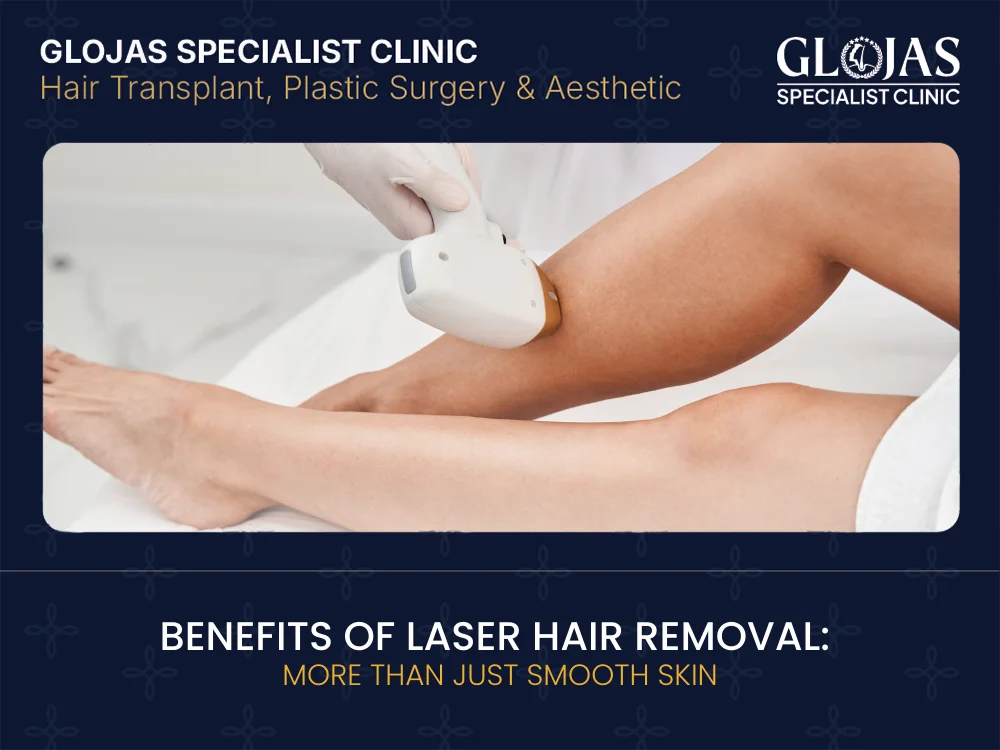
Understanding the Benefits of Laser Hair Removal The benefits of laser hair removal go beyond smooth skin. Laser technology targets hair follicles using concentrated light, reducing future growth for long-lasting results. Adults choose it because it helps minimize ingrown hairs, reduces irritation, saves time, and offers precision that shaving and waxing cannot match. With modern laser systems suitable for various skin tones, the treatment has become one of the most trusted and effective hair-reduction methods available today. Introduction: Why Benefits of Laser Hair Removal Is So Popular Laser hair removal has become a go-to solution for adults looking for a more convenient and lasting hair-reduction method. Traditional methods like shaving, waxing, threading, and depilatory creams can be time-consuming, uncomfortable, and repetitive. Laser technology offers a modern alternative that is faster, cleaner, and more consistent. But the appeal of laser hair removal isn’t limited to smoother skin. There are deeper benefits tied to skincare, personal confidence, hygiene comfort, and long-term savings. This blog breaks down the key benefits of laser hair removal, explains how it works, and provides clear insights to help adults make informed decisions. What Exactly Is Laser Hair Removal? Laser hair removal is a modern method that uses concentrated light energy to reduce unwanted hair. Instead of just cutting or removing hair at the surface, it works at the root by targeting melanin, the natural pigment in hair. When the laser’s light is absorbed, it turns into heat, which disables the hair follicle and slows down hair regrowth over time. Because hair grows in different cycles, a single session can’t treat every hair at once. Multiple treatments are required to catch hairs in the active growth phase, resulting in long-lasting hair reduction. Key Points: Non-invasive: No surgery or needles; the process is done from outside the skin. Targets the root, not just the surface: This is why regrowth is slower and thinner compared to shaving or waxing. Versatile: Can be used on various areas such as legs, arms, underarms, back, chest, and even the face (under professional guidance). Long-term results: After a series of sessions, hair becomes finer, lighter, and may grow back less frequently. Performed by trained professionals: Safety and effectiveness depend on proper technique, skin assessment, and the right laser settings. Laser hair removal is a popular choice for adults who want a more permanent and low-maintenance alternative to traditional hair removal methods. How It Benefits of Laser Hair Removal Works: A Quick Breakdown Laser hair removal relies on a scientific principle called selective photothermolysis. This means the laser is designed to target a specific element (the pigment in hair) without harming the surrounding skin. Step-by-step understanding: A laser emits a controlled wavelength of lightEach device uses a wavelength that is highly attracted to melanin—the natural pigment found in hair. Melanin absorbs the light energyDarker hair contains more melanin, so it absorbs the energy efficiently. This is why the treatment often works best on dark, coarse hair. The absorbed light turns into heatThe transformation from light to heat happens within milliseconds. The heat then travels down the hair shaft. The heat affects the hair follicleBy heating the follicle, the laser disrupts its ability to produce new hair as quickly and as thick as before. Over time, treated follicles may produce finer, slower-growing hair. Because the wavelengths are carefully selected and controlled, the process focuses on the hair pigment—not the surrounding tissue—making it precise and protective of the skin. Modern devices also include cooling features to maintain comfort while allowing the laser to work effectively. The Top Benefits of Laser Hair Removal 1. Long-Term Hair Reduction This is the biggest Benefits of Laser Hair Removal:. Compared to shaving or waxing, laser hair removal reduces hair growth significantly over time. After several sessions, adults often enjoy months or even years of smoother skin. Why this matters: Less maintenance Less regrowth Hair becomes finer and lighter 2. Saves Time in the Long Run Shaving every 2–3 days and waxing every few weeks takes time. Benefits of Laser hair removal offers long-lasting reduction that drastically minimizes grooming routines. Imagine the hours saved from not needing to shave your legs, underarms, or other areas weekly. 3. Reduces Ingrown Hairs Ingrown hairs are one of the most frustrating side effects of shaving and waxing. They can cause bumps, irritation, and skin discoloration. Laser hair removal helps reduce: Ingrown hairs Razor bumps Redness from repeated friction This is especially beneficial for adults who struggle with chronic ingrown hairs in sensitive areas. 4. Smoother, Clearer Skin Beyond removing hair, laser treatments can lead to: Softer texture Reduced pigmentation from shaving Fewer bumps Less irritation Many adults notice their skin looks healthier after completing their sessions. 5. Precise Targeting Laser technology is extremely precise. It can target coarse, dark hair without affecting the surrounding skin. Professionals can adjust the settings to suit different skin tones and hair types, making it customizable and safe. Precision makes it ideal for areas like: Upper lip Chin Underarms Bikini line 6. Cost-Effective Long Term Although benefits of laser hair removal may seem like a higher initial cost, it often becomes cost-effective because it reduces the lifelong expenses of: Razors Shaving foams Waxing appointments Depilatory creams Many adults find they spend far less money over time once they stop or reduce constant grooming. 7. Minimal Discomfort Modern lasers are designed to be more comfortable than older systems. Cooling technology helps reduce heat sensation and improve safety. Many adults describe the feeling as a quick, gentle snap. 8. Works on Most Body Areas Laser hair removal is versatile and commonly used on: Legs Arms Underarms Face Chest Back Stomach Bikini area Some areas show quicker results based on hair thickness and growth cycles. 9. Consistent and Predictable Results When done by trained professionals and spaced correctly, the results are predictable. Many adults experience noticeable reduction after only 3–4 sessions, with full results after several months. 10. Improved Confidence and Convenience Major benefits of laser hair removal is the boost of
6 Best Non-Surgical Facelift Options in Malaysia For Sagging Skin
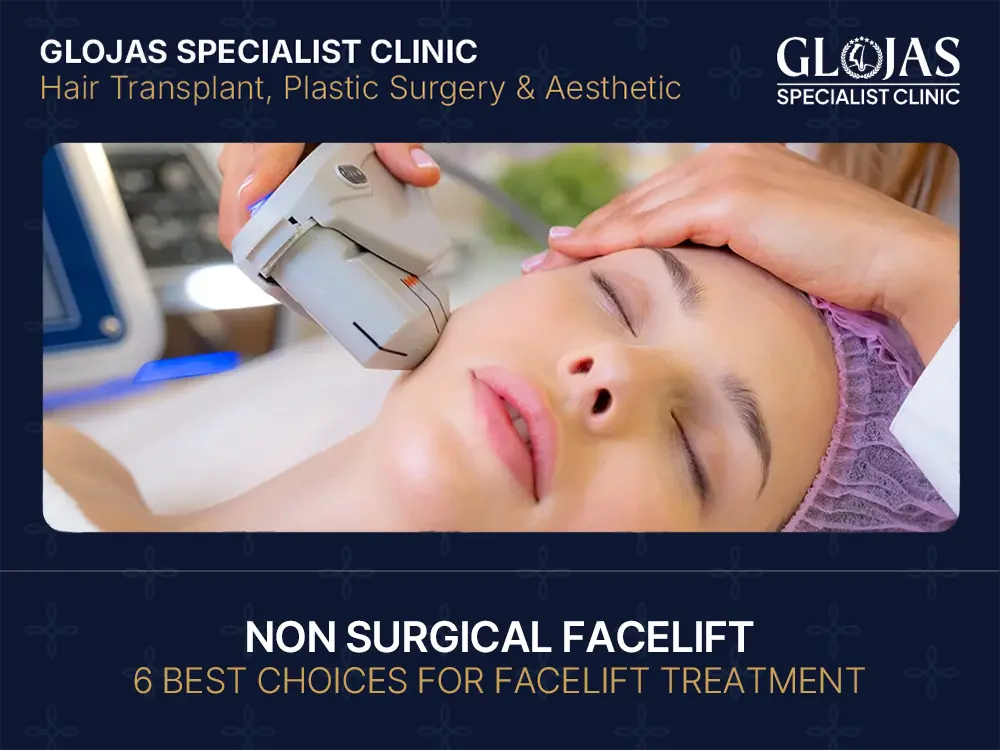
Non-surgical facelifts in Malaysia are transforming the way people approach facial rejuvenation. Using advanced treatments such as HIFU, dermal fillers, PDO threads, and radiofrequency therapy, these procedures lift sagging skin, restore facial volume, and enhance contours—all with minimal downtime. Tailored treatment plans ensure safe, natural-looking results for every skin type and aesthetic goal. Introduction Aging is inevitable, but looking older than you feel doesn’t have to be. Non-surgical facelifts are minimally invasive procedures designed to refresh your appearance without the risks of surgery. In Malaysia, they have grown in popularity due to their ability to subtly restore youthful contours, tighten lax skin, and improve overall facial harmony—all while letting you return to daily life quickly. 1. Dermal Fillers What They Are:Dermal fillers are hyaluronic acid-based injections that restore lost volume, smooth wrinkles, and refine facial contours. Common Areas Treated: Cheeks and mid-face Nasolabial folds (smile lines) Jawline and chin Under-eye hollows Benefits: Immediate, visible results Encourages natural collagen production Minimal downtime Things to Keep in Mind: Results typically last 6–18 months Temporary bruising or slight asymmetry can occur 2. PDO Thread Lifts What They Are:PDO threads are dissolvable sutures that lift sagging tissue while stimulating collagen production. How They Work: Provides mechanical lifting Promotes long-term collagen regeneration Advantages: Effects last 12–18 months Minimally invasive with local anesthesia Improves skin texture and firmness Potential Risks: Mild swelling or bruising Rare thread migration 3. HIFU (High-Intensity Focused Ultrasound) What It Is:HIFU treatment uses ultrasound energy to target deep layers of the skin, stimulating collagen and elastin for a firmer, lifted appearance. Highlights: Non-invasive alternative to a surgical facelift Reaches the SMAS layer for a deeper lift Can treat face, neck, and jawline Results: Gradual improvement over 2–3 months Long-lasting effects (12–18 months) Minimal recovery time Side Effects: Temporary redness or tingling Rare mild swelling 4. Ultherapy (Focused Ultrasound) What It Is:Ultherapy is similar to HIFU, using micro-focused ultrasound to stimulate deep collagen layers for lifting and tightening. Results: Natural, gradual lift over 2–3 months Effects can last up to 18 months Ideal for brows, cheeks, jawline, and neck Considerations: Mild discomfort during treatment Temporary redness or swelling may occur 5. Radiofrequency (RF) Treatments What They Are:RF treatments use controlled thermal energy to tighten skin and improve texture. Popular Devices: Thermage Venus Legacy Morpheus8 Benefits: Non-invasive and safe Stimulates collagen and elastin Minimal recovery time Side Effects: Temporary redness or warmth Rare risk of mild burns if misapplied 6. Combining Treatments For more comprehensive results, many clinics in Malaysia combine fillers, threads, HIFU, and RF. This approach addresses volume loss, skin laxity, and texture simultaneously. Example Treatment Plan: Fillers to restore cheek volume PDO threads for jawline lifting HIFU or RF for skin tightening Outcome: Harmonious, natural lift Long-lasting rejuvenation Minimal downtime 7. Choosing the Right Treatment Factors to consider before your treatment: Age and degree of skin laxity Desired lift intensity Skin type and overall health Budget and recovery tolerance Professional Advice: Consult certified aesthetic physicians or dermatologists Use only FDA-approved or Malaysian MOH-approved devices Avoid unregulated clinics that promise low-cost shortcuts 8. Recovery and Aftercare Most treatments allow you to resume daily activities immediately Avoid prolonged sun exposure for 1–2 weeks Mild swelling or bruising usually resolves in days Follow-up treatments may be recommended to maintain results 9. Costs in Malaysia Dermal fillers: RM 1,500 – RM 6,000 per area PDO thread lift: RM 3,000 – RM 12,000 HIFU: RM 4,000 – RM 10,000 Ultherapy: RM 6,000 – RM 12,000 RF treatments: RM 500 – RM 3,500 per session Note: Prices vary depending on clinic, device, and provider expertise. Safety should always come first. FAQ: Non-Surgical Facelifts in Malaysia Q1: How long do results last?A1: Fillers 6–18 months, PDO threads 12–18 months, HIFU and Ultherapy 12–18 months, RF 6–12 months. Regular maintenance prolongs results. Q2: Are non-surgical facelifts safe?A2: Yes, when performed by licensed professionals using approved devices. Risks are typically mild and temporary. Q3: Which treatment is best for sagging cheeks?A3: Dermal fillers and PDO threads provide the most noticeable lift. Combining treatments can enhance outcomes. Q4: Do these procedures hurt?A4: Most involve minimal discomfort. Local anesthesia or numbing cream ensures comfort. Q5: Can men benefit from non-surgical facelifts?A5: Absolutely. Treatments are customized for both men and women. Q6: How quickly will I see results?A6: Fillers are immediate. Threads, HIFU, RF, and Ultherapy produce gradual improvements over 2–3 months. Q7: Are they suitable for all ages?A7: Typically recommended for adults with mild to moderate skin laxity. Severe sagging may require surgical consultation. Conclusion Non-surgical facelifts in Malaysia—including HIFU, PDO threads, dermal fillers, and RF treatments—offer safe, effective, and minimally invasive ways to restore youthfulness. Choosing experienced providers and tailored combination treatments ensures natural, long-lasting results with minimal downtime, helping you look refreshed while feeling confident.
HIFU Treatment Price in Malaysia: Cost, Benefits & What to Expect
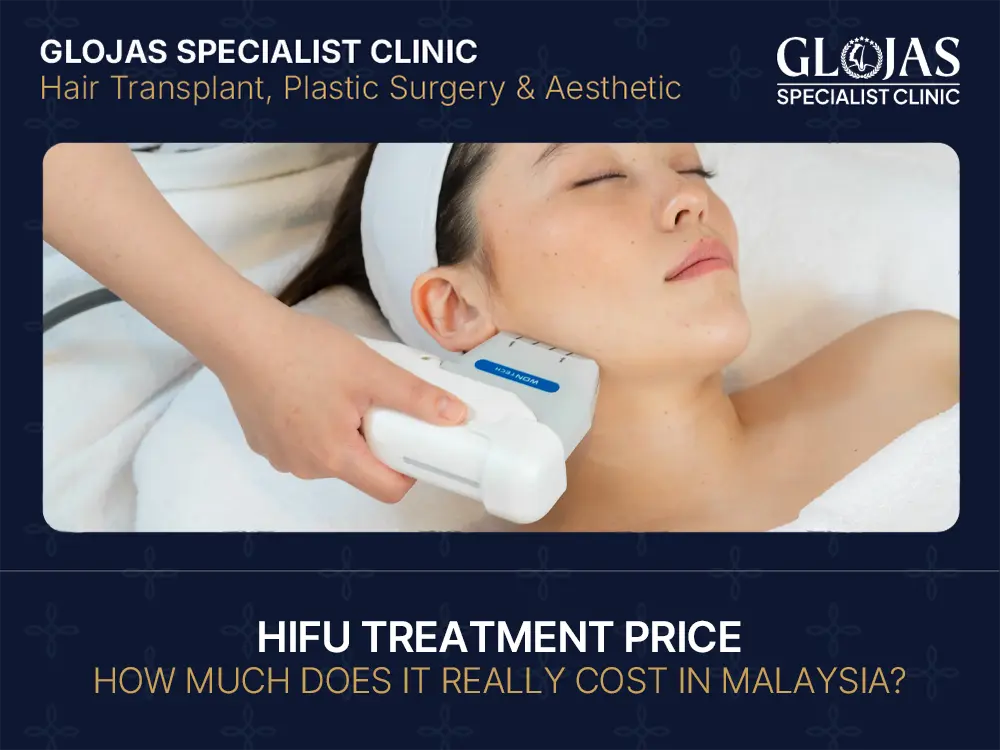
HIFU treatment price in Malaysia typically ranges from RM1,500 to RM6,000, depending on the treatment area, device quality, clinic standards, and how many energy lines are needed. Larger areas and premium HIFU machines cost more. Knowing these price factors helps patients plan safely and choose treatment with confidence. HIFU Treatment Price in Malaysia Below is the common pricing range across reputable aesthetic clinics: Treatment Area Price Range (RM) Full Face RM1,500 – RM4,000 Full Face + Neck RM2,000 – RM5,000 Jawline / Chin / Lower Face RM1,000 – RM2,500 Eye / Brow Area RM700 – RM1,500 Neck or Décolletage RM800 – RM3,000 Body Areas (abdomen, arms, thighs) RM2,000 – RM5,000+ Prices may shift slightly depending on the clinic, device brand, and treatment intensity. Key Factors That Influence HIFU Price 1. Treatment Area Size Larger zones—like full face and neck—take longer and require more energy lines, making them more costly. 2. Device Quality High-grade medical HIFU systems cost more because they deliver: precise depth targeting stable, consistent heat better tightening results improved safety Lower-cost devices often struggle with consistency, which affects results. 3. Practitioner Skill Experienced medical practitioners charge more, but their accuracy and understanding of facial anatomy significantly reduce risks and improve outcomes. 4. Number of Energy Lines More energy lines (or “shots”) create more collagen stimulation. Higher energy delivery typically means a higher price. 5. Clinic Reputation & Location Established clinics with strong track records, medical supervision, and modern equipment tend to charge slightly more. 6. Aftercare & Added Services Some clinics include extras such as: consultation skin assessment numbing cream aftercare review skincare products These enhance value, even if the upfront cost is higher. What Price Says About Quality A Safe, Fair HIFU Price Usually Includes: authentic medical-grade device appropriate number of energy lines medically supervised treatment comprehensive safety measures clear and realistic treatment planning If the price is very low (below RM1,000), be careful. It may reflect: outdated or non-medical devices insufficient energy delivered untrained staff lack of medical oversight Such shortcuts can lead to complications including burns, fat loss, uneven tightening, or nerve irritation. How Long Results Last (and How That Affects Value) Most patients experience: early tightening within 6–12 weeks active collagen rebuilding for up to 6 months overall results lasting 12–18 months Because results last more than a year, many patients find HIFU cost-effective compared to fillers, threads, or repeated laser treatments. Budgeting for HIFU in Malaysia For realistic planning: Expect RM1,500–4,000 for a good-quality full-face treatment. Add extra cost if treating the neck, chest, or additional areas. Plan for maintenance every 12–18 months. Always ask how many energy lines are included—this directly affects results. Higher prices often reflect stronger devices, safer protocols, and better outcomes. Read More Here : Ultherapy vs HIFU How to Choose a Safe Clinic When to Consider HIFU Treatment Price? Ask these questions: What HIFU device brand is used? How many years of experience does the practitioner have? Is the treatment done or supervised by a qualified medical professional? How many energy lines will be delivered? Are there pre- and post-care steps provided? Does the clinic offer realistic expectations and medical guidance? Choosing a transparent, medically supervised clinic protects your safety and ensures better long-term results. GLOJAS Specialist Clinic offers medically supervised HIFU treatments performed by experienced aesthetic doctors using certified, high-grade devices. With strict safety protocols, personalised treatment planning, and decades of combined clinical expertise, GLOJAS provides reliable, evidence-based results for patients seeking a safe and effective HIFU experience in Malaysia. FAQ — HIFU Treatment Price in Malaysia Q1: How much does HIFU usually cost in Malaysia?Most clinics charge RM1,500–4,000 for a full-face session. Adding the neck or other zones increases the price. Q2: Why do some clinics offer extremely cheap HIFU?Very low prices often indicate low-quality devices or inexperienced operators, which can affect safety and results. Q3: How often do I need HIFU?Usually once a year, with optional touch-ups every 12–18 months depending on your skin condition. Q4: Does HIFU hurt?You may feel heat or tingling. Numbing cream helps make the treatment more comfortable. Q5: Is there downtime after HIFU?No significant downtime. Most people resume daily activities immediately. Q6: Is HIFU worth the price?Yes, especially for mild to moderate skin laxity. It provides natural-looking lifting without needles or surgery and offers good longevity for the cost. Conclusion HIFU treatment prices in Malaysia vary mainly due to device quality, practitioner expertise, and treatment area. A medically supervised HIFU session typically costs RM1,500 to RM5,000, with long-lasting collagen stimulation and minimal downtime. Investing in a reputable clinic ensures you receive safe treatment and naturally lifted, confident results.
Deep Skin Hydration Therapy: What Causes Dehydrated, Dull Skin?
Why Skin Hydration Matters for Radiant, Healthy Skin Healthy, glowing skin starts with proper Skin Hydration. When your skin hydration lacks moisture, it becomes dull, rough, tight, and more prone to fine lines. Many people assume dry skin and dehydrated skin are the same, but dehydration is actually a condition where the skin lacks water—not oil. Modern lifestyles, weather, stress, and aging all contribute to moisture loss. Deep hydration therapy helps restore water levels from within, improving elasticity and overall skin comfort. Understanding why dehydration happens is the key to repairing and preventing it. Understanding Skin Hydration: Why It’s Essential for Skin Health Skin hydration plays a crucial role in maintaining softness, resilience, and smoothness. Your skin barrier—the outermost protective layer—needs sufficient water to function properly. When hydration levels drop, everything from texture to tone to elasticity is affected. Although moisturisers help, surface-level hydration isn’t always enough. Deep hydration therapy helps replenish water from within, targeting the layers where moisture loss actually begins. Before exploring treatments, it’s important to understand what causes dehydrated skin in the first place. Dry Skin vs. Dehydrated Skin: What’s the Difference? Many people mistake dry skin for dehydrated skin, but they are different conditions. Dry Skin Lacks oil (sebum) A skin type you are born with Flaky, rough, may feel itchy Dehydrated Skin Lacks water A condition that anyone can experience Appears dull, tight, tired, less radiant Dehydrated skin can affect both dry and oily skin types, often making oily skin appear shiny but still tight and uncomfortable. What Causes Dehydrated Skin? Dehydrated skin is extremely common and can happen to anyone, regardless of age, gender, or skin type. Several internal and external factors contribute to moisture loss. ✔ 1. Damaged Skin Barrier When the skin barrier is compromised, it cannot retain water efficiently.Causes include: Over-exfoliation Harsh skincare products Excessive cleansing Hot water Chemical irritation A weakened barrier leads to transepidermal water loss (TEWL), making the skin appear dull and dehydrated. ✔ 2. Weather and Climate Changes Low humidity, air conditioning, indoor heating, sun exposure, and wind all reduce the skin’s moisture content. Tropical climates can cause dehydration just as much as cold weather due to sun exposure and sweat evaporation. ✔ 3. Aging & Natural Moisture Decline As we age: Hyaluronic acid levels drop Skin becomes thinner Collagen production decreases Moisture retention weakens This leads to dryness, fine lines, and reduced elasticity. ✔ 4. Lack of Water Intake Dehydration can reflect on the skin when the body is not receiving enough fluids, though internal hydration alone cannot fully fix dehydrated skin. ✔ 5. Poor Skincare Routine Using the wrong products can worsen dehydration, such as: Overly drying cleansers Alcohol-heavy toners Products with high fragrance Skipping moisturiser ✔ 6. Lifestyle Factors These habits quickly drain skin hydration: Lack of sleep Stress Smoking High caffeine or alcohol intake Poor diet ✔ 7. Medical Conditions or Medications Certain medications or skin conditions like eczema, dermatitis, and allergies can reduce the skin’s ability to hold moisture. Signs Your Skin Is Dehydrated Dehydrated skin can be subtle but recognizable once you know what to look for. Common symptoms include: Tightness Dullness Rough texture Fine lines (especially dehydration lines under eyes) Increased oiliness (skin overcompensating) Flaking or peeling Sensitivity and irritation Makeup appearing patchy or cakey If your skin looks tired no matter what you apply, dehydration may be the root cause. How Deep Skin Hydration Therapy Works Surface moisturizers mainly target the top layer, but dehydrated skin often needs support at deeper levels. Deep skin hydration treatments replenish water from within and help repair the skin barrier. These treatments often include: Hyaluronic acid boosters Bioremodeling injectables Energy-based hydration treatments Skin barrier reparative serums Hydrating facials with active infusion technology Key benefits of deep hydration therapy: ✔ Restores water balance✔ Strengthens skin barrier✔ Improves glow and radiance✔ Softens fine lines✔ Reduces rough texture✔ Helps makeup apply more smoothly✔ Improves elasticity and suppleness For many people, deep hydration therapy becomes part of a yearly or biannual maintenance routine. Why Hyaluronic Acid Is Essential for Skin Hydration Hyaluronic acid (HA) is one of the most powerful hydrating molecules, naturally present in the skin. It binds up to 1,000 times its weight in water, helping keep skin plump and hydrated. However, natural HA levels decline with age, sun exposure, and environmental stress. That’s why many hydration treatments use HA-based formulations to replace what the skin has lost. Different types of HA (low, medium, and high molecular weight) penetrate different layers of the skin, improving hydration throughout. How Lifestyle Affects Skin Hydration Levels Even with professional treatments, your daily lifestyle plays a major role in how well your skin stays hydrated. The choices you make every day either support your skin’s moisture barrier or slowly weaken it. Hydration-supporting habits: ✔ Drinking sufficient waterKeeps your body’s internal hydration balance steady, allowing skin cells to function properly. ✔ Using gentle cleansersHarsh cleansers strip natural oils, while gentle formulas protect the moisture barrier. ✔ Applying moisturiser twice dailyRegular moisturising seals in hydration and prevents transepidermal water loss throughout the day. ✔ Eating nutrient-rich foodsFruits, vegetables, healthy fats, and antioxidants help strengthen the skin barrier from within. ✔ Reducing sugar intakeToo much sugar leads to glycation, which can weaken collagen and make skin appear dull and dehydrated. ✔ Limiting caffeine and alcoholBoth act as diuretics, pulling moisture from the body and contributing to dryness. ✔ Using sunscreen consistentlyUV exposure breaks down the skin barrier, making it harder for the skin to retain moisture. ✔ Avoiding long, hot showersHot water strips away natural lipids, increasing dryness and sensitivity. When these habits are practiced consistently, they create a strong foundation for healthy, hydrated, and resilient skin—enhancing the results of any treatment you choose. Why Your Skin Looks Dull Even If You Moisturise Many people feel like they apply moisturiser but still look dull. This happens because moisturiser alone cannot fix deeper dehydration. The problem often lies in the skin barrier or the deeper layers where water is lost. When
Jenis Kulit Muka: Cara Kenal Pasti & Penjagaan Terbaik
Kenali 5 Jenis Kulit Muka & Cara Penjagaan Yang Betul Memahami jenis kulit muka adalah langkah pertama ke arah wajah yang sihat dan glowing macam glass skin. Di Malaysia, faktor cuaca tropika sering menyebabkan kekeliruan antara kulit berminyak dan dehidrasi. Panduan ini akan membantu anda mengenalpasti profil unik kulit anda supaya rutin harian menjadi lebih efektif. Kenapa Penting Untuk Tahu Jenis Kulit Muka Sendiri? Ramai rakyat Malaysia membeli produk hanya berdasarkan iklan viral. Namun, tanpa mengetahui jenis kulit, anda berisiko merosakkan penghalang kulit (skin barrier). Pengetahuan ini memastikan setiap ringgit yang dibelanjakan pada kosmetik dan rawatan memberikan hasil yang optimum tanpa kesan sampingan. Elakkan Produk Yang Memburukkan Keadaan Kulit Menggunakan produk yang salah boleh mencetuskan masalah baru. Contohnya, krim pekat pada kulit berminyak akan menyumbat pori, manakala pencuci berbuih kuat pada kulit kering akan menyebabkan kegatalan. Mengenal jenis kulit menghalang anda daripada memburukkan keadaan jerawat atau ekzema sedia ada. Jimat Wang Dengan Beli Skincare Yang Tepat Mengikut statistik pasaran, ramai pengguna membazirkan wang pada produk yang tidak serasi. Dengan mengetahui profil kulit, anda boleh melangkau fasa trial and error yang mahal. Anda hanya fokus kepada bahan aktif yang diperlukan, seperti Asid Hyaluronik untuk kulit kering atau asid salisilik untuk kulit berminyak. Hasil Rawatan Lebih Efektif & Cepat Apabila produk serasi dengan jenis kulit, penyerapan bahan aktif menjadi lebih efisien. Hasilnya, masalah seperti kulit kusam, jeragat, atau garis halus dapat diatasi dengan lebih pantas. Konsistensi menggunakan rutin yang betul mengikut biologi kulit anda adalah kunci kecantikan jangka panjang. 5 Jenis Kulit Muka Utama (Ciri-Ciri & Contoh) Dermatologi secara amnya mengklasifikasikan kulit kepada lima kategori utama. Setiap kategori mempunyai keperluan fisiologi yang berbeza untuk mengekalkan keseimbangan lembapan dan sebum. Kulit Normal Kulit normal mempunyai keseimbangan minyak dan air yang sempurna (eutrophic). Ia jarang mengalami sensitiviti melampau, pori-pori kecil, dan tona wajah nampak sekata. Ini adalah jenis kulit yang paling kurang bermasalah dan mudah dijaga di bawah cuaca Malaysia yang lembap. Kulit Berminyak Kulit ini dicirikan oleh pengeluaran sebum berlebihan oleh kelenjar sebasea. Wajah nampak berkilat terutamanya di zon-T, pori-pori kelihatan besar, dan mudah ditumbuhi jerawat atau blackheads. Mengikut Persatuan Dermatologi Malaysia, kelembapan tinggi di Malaysia boleh merangsang lebih banyak minyak. Kulit Kering Kulit kering kekurangan lipid yang diperlukan untuk mengekalkan kelembapan. Wajah nampak kusam, terasa tegang selepas mencuci, dan mudah menggelupas. Jika dibiarkan tanpa pelembap yang mencukupi, kulit kering lebih cepat menunjukkan tanda-tahun penuaan pramatang seperti garis halus dan kedutan. Kulit Kombinasi Jenis ini paling lazim di Malaysia. Anda mempunyai zon-T (dahi, hidung, dagu) yang berminyak tetapi pipi yang kering atau normal. Penjagaan kulit kombinasi memerlukan strategi “multimasking” atau penggunaan produk yang berbeza mengikut zon wajah tertentu. Kulit Sensitif Kulit sensitif sangat mudah bertindak balas terhadap faktor luaran seperti wangian atau bahan kimia. Simptomnya termasuk kemerahan, rasa pedih, dan gatal-gatal. Pengguna perlu mencari produk yang dilabel “hypoallergenic” dan telah melalui ujian dermatologi klinikal untuk menjamin keselamatan. Cara Uji Jenis Kulit Muka Di Rumah (Kaedah Mudah) Anda tidak perlu peralatan canggih untuk mengetahui jenis kulit. Terdapat beberapa kaedah DIY yang diakui oleh pakar kecantikan untuk memberikan gambaran tepat tentang keadaan kulit anda dalam masa singkat. Ujian Tisu (Blotting Paper Method) Tekan helaian kertas minyak (blotting paper) pada bahagian wajah berbeza selepas bangun tidur. Jika kertas menyerap minyak di semua bahagian, anda berkulit berminyak. Jika hanya di dahi dan hidung, anda berkulit kombinasi. Kulit kering pula tidak akan meninggalkan kesan minyak pada kertas. Ujian Cuci Muka & Tunggu 30 Minit Cuci muka dengan pembersih lembut dan tepuk kering. Jangan sapu apa-apa produk selama 30 minit. Selepas itu, perhatikan: jika wajah terasa tegang, itu kulit kering. Jika berkilat, itu kulit berminyak. Jika rasa selesa dan kenyal, tahniah, anda mempunyai kulit normal! Pemerhatian Tekstur & Liang Rombut Gunakan cermin pembesar untuk melihat pori-pori. Pori yang jelas kelihatan di seluruh muka menandakan kulit berminyak. Kulit kering pula nampak bersisik atau kasar. Manakala kulit sensitif mungkin menunjukkan urat halus merah (kapilari) di sekitar pipi atau hidung. Penjagaan Mengikut Jenis Kulit Muka (Rutin Asas) Setiap jenis kulit memerlukan pendekatan unik dalam pemilihan bahan aktif. Berikut adalah ringkasan rutin asas yang disyorkan oleh pakar untuk mencapai kulit yang seimbang. Jenis Kulit Bahan Aktif Disyorkan Tekstur Produk Normal Antioxidant, Vitamin C Ringan (Lotion) Berminyak Salicylic Acid (BHA) Gel / Water-based Kering Ceramides, Glycerin Krim pekat Sensitif Centella Asiatica, Aloe Tanpa pewangi Rutin Untuk Kulit Normal Fokus kepada perlindungan dan penyelenggaraan. Gunakan pembersih lembut, serum antioksidan, dan pelindung suria SPF 50 setiap pagi. Rutin malam memadai dengan pelembap ringan untuk mengekalkan hidrasi. Kulit normal adalah kanvas terbaik untuk mencuba produk baru secara berhemah. Rutin Untuk Kulit Berminyak Gunakan pembersih berbahan asid salisilik untuk membersihkan pori secara mendalam. Jangan abaikan pelembap; pilih tekstur gel atau water-based supaya kulit tidak menghasilkan lebih banyak minyak akibat dehidrasi. Sunscreen jenis matte atau oil-control sangat disyorkan di Malaysia. Rutin Untuk Kulit Kering Gunakan teknik double cleansing dengan pembersih berasaskan minyak. Cari pelembap yang mengandungi Ceramides untuk membaiki penghalang kulit. Elakkan air panas semasa mandi atau mencuci muka kerana ia akan menarik keluar minyak semulajadi kulit yang sudah sedia sedikit. Rutin Untuk Kulit Kombinasi Gunakan pembersih berbuih lembut untuk zon-T dan pelembap lebih pekat untuk kawasan pipi. Eksfoliasi mingguan menggunakan AHA sangat membantu meratakan tona kulit. Anda mungkin perlu menggunakan dua jenis pelembap berbeza jika perbezaan antara zon berminyak dan kering terlalu ketara. Rutin Untuk Kulit Sensitif Kurangkan langkah rutin kepada yang paling asas: cuci, lembap, lindung. Elakkan produk yang mengandungi alkohol kering atau pewangi sintetik. Bahan seperti Niacinamide yang menenangkan boleh membantu menguatkan daya tahan kulit terhadap iritasi persekitaran. Faktor Cuaca & Persekitaran Malaysia Yang Mempengaruhi Jenis Kulit Cuaca di Malaysia mencabar integriti kulit kita. Kelembapan purata melebihi 80% boleh mengubah cara kulit bertindak balas terhadap produk penjagaan wajah harian anda. Cuaca Panas & Lembap Sepanjang Tahun Haba merangsang kelenjar sebum untuk bekerja lebih aktif, menjadikan kulit normal nampak berminyak. Peluh yang bercampur kotoran pula boleh menyebabkan pori tersumbat. Oleh itu, pembersihan yang teliti adalah mandatori bagi semua rakyat Malaysia untuk mengelakkan jerawat tropika. Penggunaan Aircond Di Rumah & Kereta Walaupun cuaca di luar lembap, udara
Glass Skin: Achieve Flawless, Dewy & Poreless Complexion in Malaysia
Glass skin is a skincare term describing skin that appears exceptionally smooth, clear, and deeply hydrated with a natural reflective glow similar to glass. It is achieved through strong skin barrier health, consistent hydration, and even texture, resulting in a luminous, pore-refined complexion that looks naturally radiant and healthy. What is Glass Skin? The term “glass skin” describes a skin state where the texture is so refined and hydrated that it reflects light uniformly. Unlike older trends that relied on heavy makeup or “slugging” to create shine, modern glass skin in 2026 focuses on “skinimalism”—achieving a natural glow through healthy skin function and barrier integrity. Key Characteristics of Glass Skin Translucency: A clear, “see-through” quality free from significant cloudiness or dullness. Uniform Texture: Minimal visible pores, bumps, or rough patches. Deep Hydration: A plump, supple feel that stems from high water content in the dermis. Luminosity: A natural, lit-from-within glow that persists even without makeup. Difference Between Glass Skin and Normal Healthy Skin While both are desirable, they differ in visual intensity and biological focus: Feature Normal Healthy Skin Glass Skin Surface Soft, matte to slight sheen Highly reflective, “wet” look Pores Visible but clean Virtually invisible or blurred Hydration Balanced moisture Maximum saturation (dewy) Maintenance Standard 3-step routine Precision hydration & medical aesthetics Causes of Dull, Rough, or Uneven Skin Texture Achieving a glass-like finish is difficult when the skin is fighting internal or external stressors. Understanding these triggers is the first step toward correction. Skin Barrier Damage and Dehydration A compromised skin barrier leads to Transepidermal Water Loss (TEWL). When the lipid bilayer is thin, moisture escapes, leaving the skin looking “crepey” and dull. Over-exfoliation with harsh acids is a leading cause of this damage in Malaysia’s humid climate. Acne, Scarring, and Pigmentation Issues Post-inflammatory hyperpigmentation (PIH) and acne scarring create “shadows” on the face. These shadows prevent light from reflecting evenly, which is the antithesis of the glass skin effect. Enlarged Pores and Excess Oil Production In Malaysia, high humidity often triggers overactive sebaceous glands. When excess oil mixes with dead skin cells, pores stretch and become more visible, breaking the smooth surface required for a reflective glow. How to Achieve Glass Skin Naturally While medical treatments offer a shortcut, your daily habits form the foundation of long-term skin health. Daily Skincare Routine for Glass Skin Double Cleansing: Use an oil-based cleanser followed by a pH-balanced water-based cleanser to remove pollutants without stripping lipids. Layering Hydration: Use “skin flooding” techniques with alcohol-free toners and essences containing hyaluronic acid. Barrier Support: Incorporate ceramides and niacinamide to strengthen the skin’s natural shield. Importance of Hydration and Nutrition Clinical data suggests that skin elasticity is closely tied to systemic hydration. Consuming antioxidant-rich foods like berries and healthy fats (Omega-3s) supports the lipid mantle from the inside out. Sun Protection and Lifestyle Habits UV radiation is the primary cause of collagen degradation. Using a broad-spectrum SPF 50+ is non-negotiable. Additionally, 2026 trends emphasize “circadian skincare”—ensuring 7–9 hours of sleep to allow for cellular repair cycles. Medical Aesthetic Treatments for Glass Skin in Malaysia For those seeking faster or more dramatic results, medical-grade treatments provide deep-reaching benefits that topical creams cannot match. Hydrafacial for Deep Cleansing and Hydration A Hydrafacial uses a patented vortex-fusion delivery system to exfoliate, extract, and hydrate. It is the “gold standard” for immediate luminosity with zero downtime. Chemical Peels for Skin Renewal Professional peels use controlled concentrations of AHAs or BHAs to dissolve the “glue” holding dead skin cells together, revealing the fresh, smooth skin underneath. Laser Treatments for Pigmentation and Pores Pico Lasers are highly effective in Malaysia for treating stubborn pigment and shrinking pores. They work by delivering ultra-short pulses of energy that shatter pigment without damaging the surrounding tissue. Skin Boosters for Deep Hydration Injectable treatments like Rejuran Healer (Salmon DNA) or Profhilo deliver high-concentration hyaluronic acid directly into the dermis. This provides a level of “internal hydration” that topicals simply cannot reach. Microneedling for Collagen Stimulation Devices like the Dermapen 4 create micro-channels in the skin, triggering a natural healing response that boosts collagen and elastin, smoothing out fine lines and texture. GLOJAS Specialist Clinic Insight: In our clinical experience, the most successful “Glass Skin” journeys involve a combination approach. While patients often request a single “miracle” laser, we find that prepping the skin with a medical-grade facial like Hydrafacial 48 hours before a Skin Booster injection significantly enhances the absorption and “glow” longevity. Glass Skin Treatment in Malaysia: Who is Suitable Ideal Candidates for Glass Skin Treatments Individuals with dull, dehydrated skin. Those with enlarged pores or minor textural irregularities. Patients looking for a “red carpet” glow before major events. Skin Conditions That May Require Caution Patients with active cystic acne, eczema flares, or extremely sensitive barriers (rosacea) should stabilize their condition before pursuing intensive “glass skin” protocols to avoid further inflammation. Step-by-Step Glass Skin Treatment Process 1. Skin Consultation and Analysis Using 3D skin analysis technology (like VISIA), practitioners assess hydration levels, UV damage, and pore size to create a baseline. 2. Customized Treatment Planning Not all skin needs the same approach. A plan might involve 3 sessions of Pico Laser followed by monthly maintenance Hydrafacials. 3. Treatment Procedure and Techniques Most treatments take 30–60 minutes. Numbing cream is typically applied for injectables or deeper laser settings to ensure comfort. 4. Aftercare and Recovery Guidance Post-treatment care involves avoiding direct sun, using gentle cleansers, and applying intensive barrier repair creams for 3–5 days. Results and Expected Timeline Treatment Initial Results Optimal Results Hydrafacial Immediate 2–3 days later Laser (Pico) 1 week After 3–5 sessions Skin Boosters 1 week 4 weeks (post-collagen synthesis) Glass Skin Treatment Cost in Malaysia The cost of aesthetic treatments in Malaysia is influenced by the technology used and the provider’s expertise. Factors That Affect Treatment Pricing Device Authenticity: Medical-grade, FDA-approved machines cost more than “beauty grade” replicas. Practitioner Expertise: LCP-certified doctors (Letter of Credentialing and Privileging) ensure safety and precision. Product Volume: For skin boosters, the
Salmon DNA Injections: Benefits, Cost, and Safety Facts in Malaysia
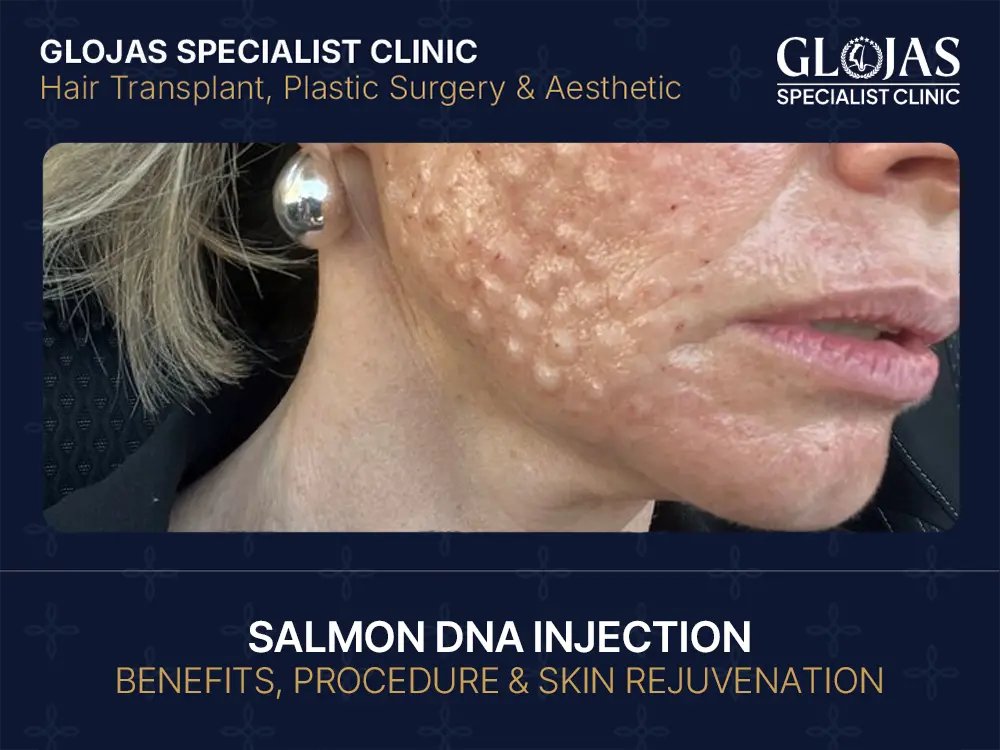
Salmon DNA, also called PDRN (Polydeoxyribonucleotide), is a purified DNA fragment extracted from salmon sperm. It’s used in injectable skin treatments to repair damaged tissue and boost collagen. Popular in Korea as “Rejuran,” salmon DNA injections help improve skin hydration, elasticity, and acne scars by stimulating cell regeneration and reducing inflammation. The phrase “salmon sperm facial” or “salmon DNA injection” might sound bizarre, but behind the internet trend lies solid clinical science. Known in the medical field as PDRN or PN therapy, salmon DNA injections represent one of the fastest-growing sectors of regenerative aesthetic medicine. Unlike traditional treatments that mask cosmetic concerns, these biological molecules work at a cellular level to rebuild damaged tissue, repair skin barriers, and revitalize dormant hair follicles. What Salmon DNA Injections Actually Do How PDRN Works in Skin Cells To understand how salmon DNA works, we look at two specific biomolecules: Polydeoxyribonucleotide (PDRN) and Polynucleotide (PN). These are long-chain nucleotide blocks extracted from the germ cells of salmon trout, which are then ultra-purified to remove all active proteins and lipids, leaving zero fishy traits behind. [Salmon DNA Injected into Dermis] │ ▼ [Activates A2A Adenosine Receptors] / ▼ ▼ [Angiogenesis] [Fibroblast Proliferation] (New Blood Supply) (Collagen & Elastin Growth) When injected directly into the dermis (the middle layer of skin), these molecules bind to A2A adenosine receptors. This binding action kicks off two primary healing processes: The Nucleotide Salvage Pathway: Cells require immense energy to duplicate DNA during repair. PDRN supplies ready-made nucleotide building blocks, allowing tired or damaged cells to bypass slow synthesis and fast-track their own healing. Neovascularization (Angiogenesis): PDRN triggers the expression of Vascular Endothelial Growth Factor (VEGF), which prompts the body to weave a tight web of new micro-capillaries. This floods the treated area with fresh oxygen and nutrients. Salmon DNA vs Rejuran Treatment While people often use the terms interchangeably, Rejuran Healer is a specific, commercial brand of injectable skin booster made of PN, whereas PDRN is the broader pharmaceutical-grade raw material used in wound healing gels and alternative scalp shots. Feature PDRN (Polydeoxyribonucleotide) PN / Rejuran (Polynucleotide) Molecule Structure Shorter, fragmented DNA chains. Longer, more complex DNA chains. Physical Consistency Watery, low viscosity. Thicker, cohesive gel-like matrix. Primary Action Rapid tissue healing and anti-inflammation. Sustained skin scaffolding and cellular repair. Common Target Hair loss, active acne inflammation, wounds. Total face rejuvenation, deep scars, elasticity. FDA and Global Approval Status The legal status of salmon DNA injections varies significantly by region: South Korea (KFDA) & Asia: Fully approved and considered a gold standard, baseline aesthetic treatment alongside basic skin boosters. Europe (CE Mark): PDRN and PN compounds are broadly approved as Class III medical devices for skin rejuvenation and wound management (e.g., Plinest). United States (FDA): As of 2026, the FDA has not officially approved Rejuran or PDRN injections specifically for cosmetic facial use. However, board-certified dermatologists and plastic surgeons frequently import these approved formulations to administer them off-label, or utilize topical PDRN paired with microneedling. Key Benefits People Get From Salmon DNA Injections Skin Rejuvenation and Hydration Effects Salmon DNA works differently than topical serums. By stimulating fibroblasts, it increases the synthesis of type I and type III collagen alongside natural elastin. This restores a dense, bouncy texture to thinning or crepey skin. While it is not a direct volume filler, its capacity to lock in endogenous water molecules transforms dry skin into a radiant, “glass-skin” texture from the inside out. Acne Scars and Texture Improvement For uneven skin texture and atrophic acne scars, clinics utilize a dense formulation called Rejuran S. When injected precisely beneath depressed scar tissues, the polynucleotides break up fibrous bands while forcing fibroblasts to generate clean, unscarred dermal scaffolding. This reduces scar depth and shrinks enlarged pores far more effectively than standard chemical peels. Hair Growth and Scalp Applications The scalp is an extension of our skin, and salmon DNA is quickly becoming a premier treatment for thinning hair (including early-stage Androgenetic Alopecia and postpartum shedding). Clinical trials highlight that micro-injecting PDRN into the scalp blocks chronic inflammation and guards the delicate hair matrix against DHT (dihydrotestosterone)-mediated follicle death. Clinical Data Point: A landmark trial published in the Archives of Dermatological Research demonstrated an 82.1% patient improvement rate in hair density and diameter following a 4-session polynucleotide injection protocol. When paired with microneedling, studies showcase hair thickness improvements reaching up to 53.1%. Salmon DNA Treatment Cost, Procedure, and What to Expect Price Per Session in Malaysia Because it requires premium, ultra-purified raw biomaterials, salmon DNA treatments are valued as a premium cosmetic medical procedure. Treatment Profile Target Area / Quantity Average Cost Range (RM / MYR) Single Session 1 Syringe (2ml) / Full Face RM 1,200 – RM 2,500 Starter Package 3 Sessions (Recommended Loading Phase) RM 3,200 – RM 5,500 Maintenance Session Single top-up (Every 6 Months) RM 1,200 – RM 2,000 Treatment Timeline and Downtime A standard corrective protocol requires 3 to 4 sessions spaced 3 to 4 weeks apart. Peak collagen restructuring and the notable “lit-from-within glow” typically show up 4 weeks after your second session. Downtime is brief but visible: because the thick gel is placed superficially, you will exit the clinic with small, raised papules (resembling symmetric mosquito bites) across the injection sites. These naturally dissipate within 24 to 48 hours as your skin absorbs the product. Pain Level and Aftercare Steps Let’s be candid: manual micro-injections can be quite pinpricky and uncomfortable. To manage this, providers apply a high-strength topical numbing cream (lidocaine) for 45 minutes prior to the procedure. Post-Treatment Protocol 1.Keep skin bare:First 12 Hours. Avoid applying makeup, tinted sunscreens, or heavy oils. Let the open micro-channels close naturally to prevent accidental bacterial introduction. 2.Soothe and hydrate:First 24 Hours. Wash gently with cool water and a basic, fragrance-free cleanser. Apply a pure hyaluronic acid or ceramide cream to mitigate mild flaking. 3.Strict sun defense:Day 2 to Day 7. Apply broad-spectrum SPF 50+ daily. Your skin will be highly sensitive to UV damage during the acute