
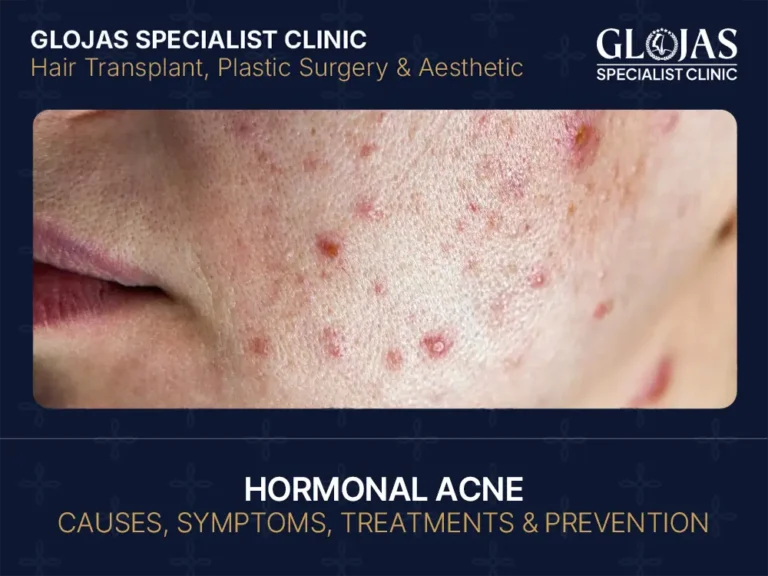
If your skin seems to have a mind of its own every time your “time of the month” approaches, you aren’t alone. In Malaysia, hormonal acne is a leading reason adults seek out dermatological help. Unlike the occasional pimple from a late-night snack, hormonal breakouts are deeply tied to your internal chemistry, often making them feel like an uphill battle.
Understanding Hormonal Acne
What Is Hormonal Acne
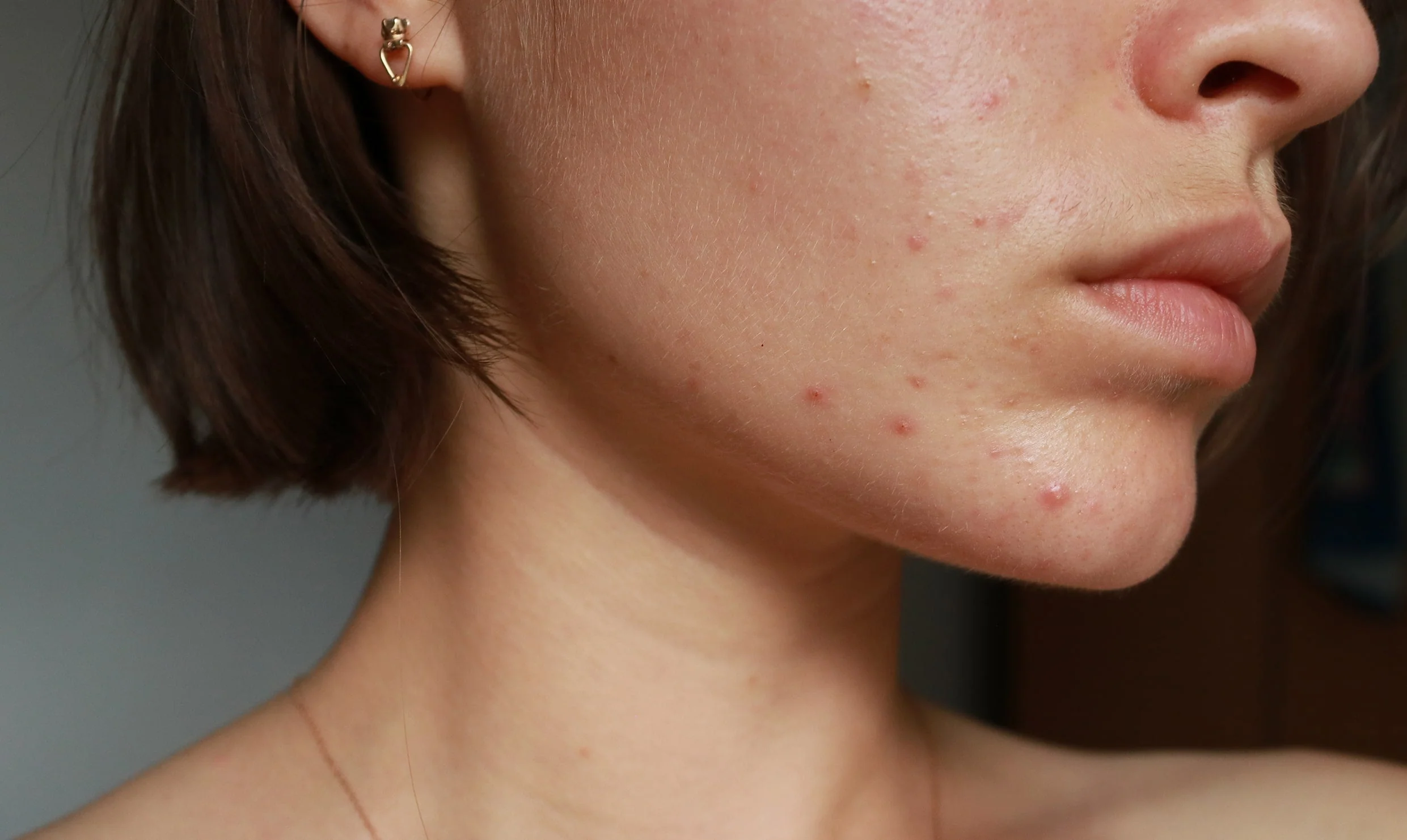
Hormonal acne occurs when androgens like testosterone overstimulate sebaceous glands, increasing sebum production. Excess oil clogs pores with dead skin cells, fueling Cutibacterium acnes bacteria. Fluctuations during menstruation, PCOS, or stress trigger deep, cystic breakouts along the jawline and chin. Treatment targets hormone regulation and oil control.
Causes of Hormonal Acne
The primary driver is a group of hormones called androgens (like testosterone). When these levels spike—or when your skin becomes hypersensitive to them—your pores clog and become a breeding ground for bacteria. In Malaysia, factors like Polycystic Ovary Syndrome (PCOS) are a frequent underlying cause for persistent hormonal flares.
Hormonal Acne vs Regular Acne
“Regular” or bacterial acne is often more random and appears as surface-level whiteheads or blackheads across the forehead and nose. Hormonal acne, however, is much more predictable. It typically presents as deep, painful cysts that don’t always “come to a head” and can linger for weeks regardless of how many topical spot treatments you apply.
Symptoms and Signs
Common Areas Affected
In adults, hormonal acne has a distinct “U-zone” distribution. You’ll mostly see it along the jawline, chin, and lower cheeks. This is because the hair follicles in these areas are particularly sensitive to hormonal signals.
Acne Flare Patterns
The most telling sign is the timing. If your skin clears up only to explode with 3–5 deep bumps exactly one week before your period, you are likely dealing with a hormonal cycle. This is due to the drop in estrogen and the relative rise in progesterone and testosterone during the luteal phase.
Severe vs Mild Hormonal Acne
Mild: Occasional tender bumps around the chin.
Severe: Large, multi-layered nodules and cysts that lead to permanent acne scarring if left untreated.
Risk Factors in Malaysia
Hormonal Imbalance and Endocrine Factors
Conditions like PCOS or even starting/stopping birth control can send your hormones into a tailspin. Many Malaysian women find that their acne is accompanied by other signs of androgen excess, such as irregular periods or thinning hair.
Stress and Lifestyle Influences
Our high-pressure urban lifestyle in cities like KL and Penang contributes significantly. When you’re stressed, your adrenal glands produce cortisol, which further stimulates oil production. Poor sleep quality—common among “workaholics”—is another often-overlooked trigger.
Diet and Environmental Factors
Local research suggests that high-glycemic Malaysian diets—think white rice, roti canai, and sugary teh tarik—can spike insulin. High insulin levels are directly linked to increased androgen activity, making your breakouts more aggressive.
Medical Treatments for Hormonal Acne
Prescription Topical Medications
While OTC creams might fail, medical-grade Retinoids (like Tretinoin) and Azelaic Acid are effective. They help normalize the way your skin cells shed, preventing the initial “plug” from forming.
Oral Antibiotics and Retinoids
For inflammatory flares, a short course of antibiotics like Doxycycline can act as a “fire extinguisher.” For the most stubborn, scarring cases, Malaysian dermatologists may prescribe Isotretinoin (Accutane) to permanently shrink oil glands.
Hormonal Therapy (Birth Control & Anti-Androgens)
This is the “gold standard” for internal management. Spironolactone, originally a blood pressure med, is frequently used off-label in Malaysia to block androgens at the skin level. Certain combined oral contraceptives are also FDA-approved specifically for acne.
Isotretinoin for Severe Cases
When all else fails, Isotretinoin capsules offer a powerful solution. However, this requires monthly blood tests and strict sun protection, as it makes your skin highly sensitive to Malaysia’s intense UV rays.
In-Clinic Procedures for Hormonal Acne
Chemical Peels for Hormonal Acne
Professional Salicylic Acid or Mandelic Acid peels are excellent for deep-cleaning pores. They are “lipophilic,” meaning they can cut through the thick sebum characteristic of hormonal skin.
Laser and Light-Based Treatments
Pico Laser and Dual Yellow Laser are popular in Malaysian aesthetic clinics. They target the vascular redness and kill C. acnes bacteria without the downtime of traditional lasers.
Acne Extraction and Medical Facials
Medical-grade extractions are much safer than “DIY” squeezing. A trained aesthetician can clear comedones safely, preventing them from turning into full-blown cysts.
Skincare for Hormonal Acne
Daily Routine for Acne-Prone Skin
Keep it simple. A double-cleanse (if using makeup/sunscreen) followed by a lightweight, oil-free moisturizer is key. Over-stripping your skin will only cause it to produce more oil in a panic.
Ingredients to Use
Salicylic Acid (BHA): Dissolves pore-clogging oil.
Niacinamide: Calms the “angry” redness of cysts.
Zinc: Helps regulate sebum production.
Ingredients to Avoid
Steer clear of Comedogenic ingredients like coconut oil, isopropyl myristate, or heavy waxes. If a product feels “rich” or “buttery,” it’s likely too heavy for your jawline.
Sun Protection for Acne Skin
UV rays can darken the marks (PIH) left behind by hormonal cysts. Look for “Gel-type” or “Aqua” sunscreens that won’t feel greasy in our humidity.
Hormonal Acne in Different Age Groups
Teenage Hormonal Acne
Usually concentrated in the T-zone and caused by the initial surge of puberty. It often responds well to basic medical topicals.
Adult Female Hormonal Acne
Typically emerges in the late 20s. It’s often deep, cyclical, and requires a combination of internal and external treatments.
Male Hormonal Acne
While less common, men can experience it due to high natural testosterone levels or “gym-related” hormonal changes (like protein supplements or steroids).
Managing Hormonal Acne Long-Term
Maintenance Skincare
Even when your skin is clear, don’t stop your routine. Maintenance with a low-strength retinoid is usually necessary to keep the pores clear.
Lifestyle and Diet Adjustments
Switching to low-GI carbohydrates (like brown rice or oats) and managing stress through exercise can significantly lower your “flare baseline.”
Preventing Recurring Breakouts
Consistency is your best friend. Most hormonal treatments take 2–3 months to show their full effect, so don’t give up too early!
Cost of Hormonal Acne Treatment in Malaysia
Consultation Fees
GP/Aesthetic Clinic: RM50 – RM150
Dermatologist (Specialist): RM150 – RM300
Treatment Package Costs
Chemical Peels: RM250 – RM450 per session.
Laser Therapy: RM500 – RM1,200 per session.
Medication: Oral meds can range from RM80 to RM300 per month depending on the brand.
Factors Affecting Price
Location (KL vs. smaller towns), the expertise of the doctor, and whether you are using original “innovator” drugs or generic versions.
When to See a Specialist
Signs Hormonal Acne Needs Medical Treatment
If you are starting to see “pitting” or indented scars, or if your acne is causing significant emotional distress, it’s time to stop the DIY and see a pro.
Choosing the Right Dermatologist
Ensure your clinic is registered with the Ministry of Health (MOH) and look for doctors with an LCP (Letter of Credentialing and Privileging) for aesthetic procedures.
Frequently Asked Questions About Hormonal Acne in Malaysia
Can Hormonal Acne Be Permanently Cured?
It can be effectively managed into “remission.” Most people outgrow it or find a maintenance routine that keeps it 95% clear.
Is Hormonal Acne Treatment Safe for Teens and Adults?
Yes. Treatments like birth control or Spironolactone are safe for adults, while teens usually focus on topical retinoids and gentle medical facials.
How Long Does Hormonal Acne Take to Improve?
Expect to see the first signs of improvement in 4–6 weeks, with significant clearing usually taking 12 weeks.