
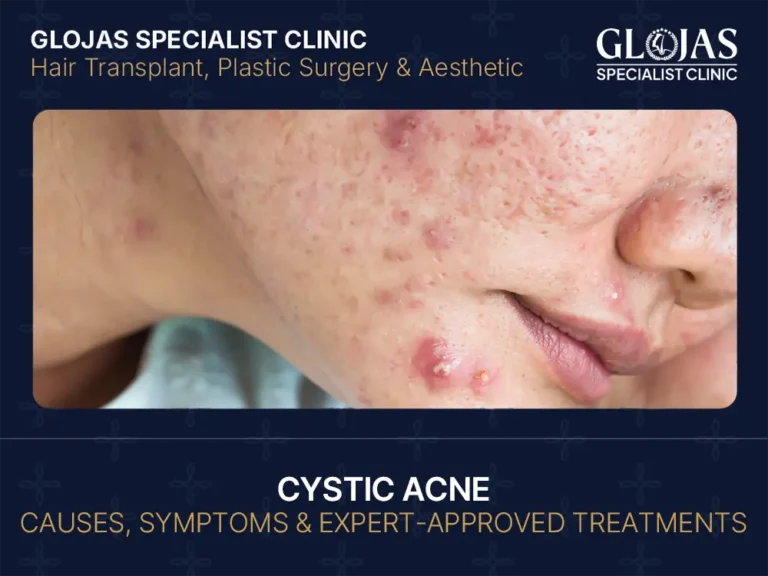
Dealing with cystic acne is more than just a surface-level skincare struggle; it is a painful, inflammatory condition that affects both physical comfort and self-confidence. Unlike typical whiteheads or blackheads, these deep-seated lesions require a strategic approach to prevent permanent scarring and manage the underlying causes.
Whether you are battling hormonal shifts or genetic predispositions, understanding how to treat this severe form of acne is the first step toward clearer skin.
GLOJAS Specialist Clinic offers advanced cystic acne treatment in Malaysia with board-certified dermatologists using evidence-based protocols. Our personalized approach combines FDA-approved therapies, cutting-edge technology, and comprehensive skin health management to deliver lasting results and prevent scarring.
5 Key Takeaways for Cystic Acne
Deep Inflammation: It is the most severe form of acne, characterized by large, painful, pus-filled lumps deep under the skin.
Hormonal Roots: Frequent triggers include hormonal fluctuations (androgens), stress, and genetic factors.
Avoid “Popping”: Squeezing or picking a cyst increases the risk of deep infection and permanent “ice-pick” or “boxcar” scarring.
Professional Care is Crucial: Over-the-counter (OTC) creams often fail to reach the depth of the cyst; prescription-strength oral or topical treatments are usually necessary.
Early Intervention: Treating the inflammation early in Malaysia’s humid climate can prevent the need for expensive laser resurfacing later.
What is Cystic Acne and Why Does It Occur?
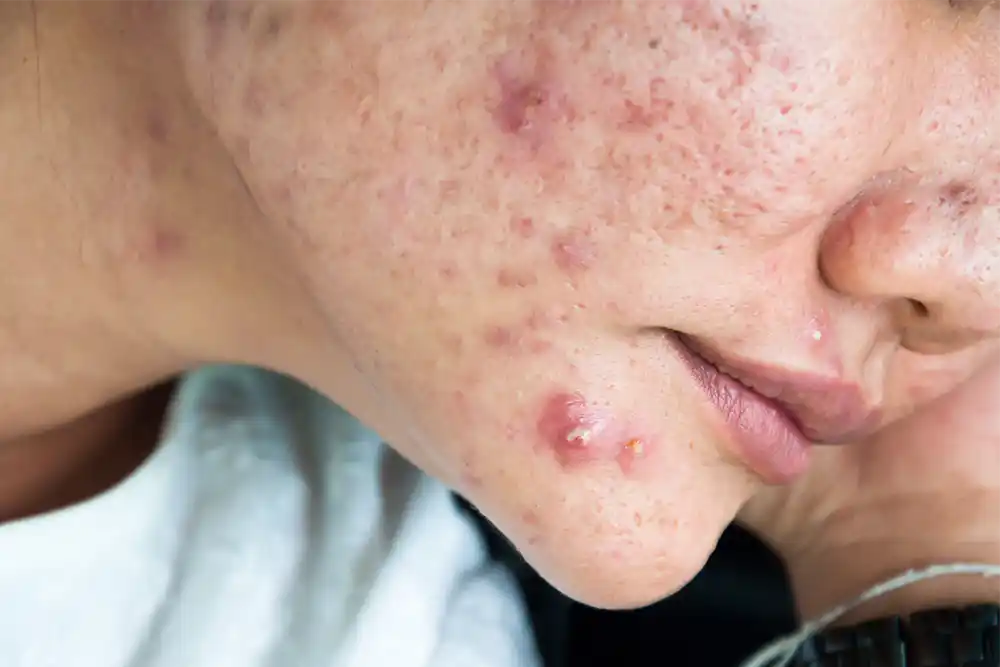
Cystic acne occurs when a combination of bacteria, excess oil (sebum), and dead skin cells becomes trapped deep within the hair follicle. While a regular pimple might sit on the surface, a cyst creates a localized infection in the dermis, the skin’s middle layer.
When these pores rupture beneath the surface, the inflammation spreads to the surrounding tissue, creating the signature red, swollen, and tender “lumps” that do not typically come to a head. Because the infection is so deep, the body’s immune response is intense, often leading to the destruction of healthy skin tissue and subsequent scarring.
How Cystic Acne Works: The Science of Inflammation
The development of a cyst follows a specific biological pathway:
Hyperkeratosis: Dead skin cells don’t shed properly, blocking the pore.
Sebum Overproduction: Hormones (like testosterone or cortisol) signal the sebaceous glands to produce more oil.
Bacterial Proliferation: C. acnes bacteria thrive in this oily, anaerobic (oxygen-free) environment.
Deep Rupture: Instead of the follicle opening at the surface, it bursts deep inside, triggering a massive inflammatory response.
Cystic Acne vs. Regular Acne: At a Glance
| Feature | Regular Acne (Comedonal) | Cystic Acne (Inflammatory) |
| Depth | Surface level (Epidermis) | Deep (Dermis) |
| Pain Level | Usually painless or mild | Often throbbing and tender |
| Appearance | Small whiteheads/blackheads | Large, red, fluid-filled lumps |
| Scarring Risk | Low | Very High |
| Main Treatment | Salicylic Acid / Benzoyl Peroxide | Isotretinoin / Oral Antibiotics / Spironolactone |
Average Cost of Treating Cystic Acne in Malaysia
In Malaysia, the price of managing cystic acne varies based on whether you seek treatment at a general practitioner (GP) or a specialist dermatologist. Given the intensity of the condition, medical-grade interventions are the gold standard.
| Treatment Type | Estimated Price (RM) | Frequency |
| Consultation Fee | RM 80 – RM 250 | Per visit |
| Oral Isotretinoin | RM 150 – RM 400 | Monthly supply |
| Oral Antibiotics | RM 50 – RM 150 | Per course |
| Cortisone Injection | RM 80 – RM 180 | Per cyst |
| Chemical Peels | RM 250 – RM 600 | Per session |
| Pico/CO2 Laser | RM 800 – RM 2,500 | Per session (for scars) |
Note: Prices are estimates and vary by location in regions like Kuala Lumpur, Penang, or Johor Bahru.
Safety and Side Effects of Cystic Acne Treatments
While medical treatments are highly effective, they come with specific safety profiles that patients should monitor.
Oral Isotretinoin: Often considered the “cure” for severe cystic acne, it can cause significant dryness of the lips and skin. It is strictly contraindicated during pregnancy due to high risks of birth defects.
Topical Retinoids: These can cause “purging” or initial redness and peeling. According to the American Academy of Dermatology, consistent use of sunscreen is vital as these medications increase photosensitivity.
Cortisone Injections: These provide rapid relief for painful lumps but, if used too frequently or in too high a concentration, can cause temporary skin thinning (atrophy) or “denting” at the injection site.
Oral Antibiotics: Long-term use may lead to gut microbiome imbalance or antibiotic resistance. Doctors typically limit these to 3–6 months.
Natural Management and Lifestyle Adjustments
While you cannot simply “wash away” cystic acne, certain lifestyle habits can reduce the frequency of flare-ups.
Low-Glycemic Diet: High-sugar foods and certain dairy products can spike insulin, which may worsen hormonal acne.
Stress Management: High cortisol levels are directly linked to increased sebum.
Gentle Skincare: Avoid harsh scrubs. The Mayo Clinic recommends using non-comedogenic (pore-clearing) products to prevent further blockages.
For those looking for evidence-based skincare routines, the National Health Service (NHS) provides comprehensive guides on active ingredients like Azelaic acid, which helps with post-inflammatory hyperpigmentation.
Summary
Cystic acne is a complex, deep-seated inflammatory condition that requires more than just over-the-counter spot treatments. It is driven by hormones, genetics, and bacteria, making professional medical intervention the most reliable way to prevent permanent scarring. By combining oral or topical prescriptions with a gentle skincare routine and professional procedures like cortisone injections or lasers, most patients in Malaysia can achieve clear skin and maintain their dermal health.
Frequently Asked Questions (FAQs)
1. Can I pop a cystic acne lump if it has a white head?
No. Most cysts do not have a reachable “head.” Squeezing pushes the infection deeper, which can lead to a much larger abscess or permanent scarring.
2. Is cystic acne caused by not washing my face?
No. It is primarily driven by internal factors like hormones and genetics. However, excessive washing can actually irritate the skin and worsen the inflammation.
3. How long does it take for a cyst to go away?
Without treatment, a deep cyst can linger for weeks or even months. With professional treatment like a cortisone injection, it can flatten within 24–48 hours.
4. Are there any home remedies for cystic acne?
Applying ice can help reduce the swelling and pain temporarily, but home remedies like toothpaste or lemon juice are too harsh and can cause chemical burns on sensitive skin.
5. Will my cystic acne scars ever fade?
Red or dark marks (hyperpigmentation) usually fade over several months. However, structural scars (depressed or raised) typically require professional treatments like microneedling or laser resurfacing.