
How to Choose the Right Hair Loss Treatment Plan in Malaysia

How to Choose Hair Loss Treatment? Selecting the right hair loss treatment in Malaysia requires understanding your specific type of alopecia, medical history, and budget. From FDA-approved medications like minoxidil to advanced therapies such as PRP injections, this guide helps you navigate evidence-based options while avoiding unproven remedies that waste time and money. Key Takeaways Diagnose first: Identify whether you have androgenetic alopecia, telogen effluvium, or another condition before treatment FDA-approved options work: Minoxidil and finasteride have the strongest clinical evidence Budget matters: Treatments range from RM50/month for topicals to RM2,000+ per PRP session Consistency is crucial: Most therapies need 3-6 months before visible results appear Combine approaches: Multi-modal strategies often deliver superior outcomes Understanding Your Hair Loss Type Before throwing money at random products, you need a proper diagnosis. Androgenetic alopecia (pattern baldness) affects roughly 50% of men by age 50 and 40% of women experiencing hair thinning. This genetic condition responds differently than telogen effluvium (stress-related shedding) or alopecia areata (autoimmune). Visit a dermatologist or trichologist in Malaysia for scalp examination and possibly a pull test or dermoscopy. Many private clinics in Kuala Lumpur, Penang, and Johor Bahru offer comprehensive hair analysis starting around RM150-300. Getting this step right saves you from wasting months on treatments that won’t address your specific issue. FDA-Approved Treatments: The Gold Standard Minoxidil (Topical Solution) This vasodilator remains the most accessible first-line treatment. Originally developed for hypertension, minoxidil stimulates hair follicles and extends the growth phase. A landmark study published in the Journal of the American Academy of Dermatology showed that 5% minoxidil solution produced significant hair regrowth in 45% of male participants after 48 weeks. Malaysian availability: Brands like Regaine and generic versions cost RM50-180 monthly. Apply twice daily for best results. Side effects are minimal—occasional scalp irritation or unwanted facial hair in women using higher concentrations. Finasteride (Oral Medication) This 5-alpha reductase inhibitor blocks DHT conversion, the hormone responsible for shrinking hair follicles in androgenetic alopecia. Clinical trials demonstrate that finasteride (1mg daily) stops progression in 90% of men and stimulates regrowth in approximately 65% over two years. Malaysian context: Available by prescription at RM80-150 monthly. Female patients, particularly those of childbearing age, should avoid this medication due to teratogenic risks. Some men report sexual side effects (2-4% incidence), though most studies suggest these resolve after discontinuation. Dutasteride Similar mechanism to finasteride but inhibits both type I and II 5-alpha reductase enzymes. A 2016 study in the Journal of Dermatology found dutasteride 0.5mg superior to finasteride for increasing hair count. Currently prescribed off-label in Malaysia (RM120-200 monthly) for cases resistant to finasteride. Advanced Clinical Procedures Platelet-Rich Plasma (PRP) Therapy This involves drawing your blood, concentrating the platelets, then injecting the growth-factor-rich plasma into your scalp. Malaysian clinics charge RM800-2,500 per session. Most protocols recommend 3-4 initial treatments spaced monthly, then maintenance every 6-12 months. While not FDA-approved specifically for hair loss, emerging evidence shows promise—especially when combined with minoxidil or microneedling. Low-Level Laser Therapy (LLLT) FDA-cleared devices like laser caps or combs use specific wavelengths to stimulate cellular activity in follicles. Expect to pay RM2,000-5,000 for home devices or RM200-400 per clinic session. Results appear modest compared to medications but carry virtually no side effects. Hair Transplantation Follicular Unit Extraction (FUE) and Follicular Unit Transplantation (FUT) surgically relocate hair from donor areas to thinning zones. Malaysian transplant costs range dramatically: RM8,000-30,000 depending on grafts needed and clinic reputation. Top surgeons in Kuala Lumpur match international standards. This works best for stable pattern baldness when combined with maintenance medications to protect existing hair. What Doesn’t Work (Save Your Money) Hair growth shampoos: Most over-the-counter options contain ketoconazole or caffeine with minimal clinical backing for regrowth. They won’t hurt but shouldn’t be your primary strategy. Biotin supplements: Only effective if you have an actual biotin deficiency (extremely rare). The supplement industry loves promoting this despite weak evidence. Stem cell creams: Topical products claiming “stem cell technology” lack peer-reviewed studies demonstrating follicle regeneration. Herbal remedies: While saw palmetto and pumpkin seed oil show theoretical mechanisms, clinical data remains insufficient for recommendation as standalone treatments. Building Your Personal Treatment Plan Here’s a practical framework: Stage 1 – Early thinning: Start with minoxidil 5% twice daily. Low cost, low risk, solid evidence. Add a ketoconazole shampoo (2%) twice weekly. Stage 2 – Moderate loss: Combine minoxidil with finasteride (men) or spironolactone (women). Consider adding microneedling monthly to enhance absorption. Stage 3 – Advanced loss: Evaluate hair transplant candidacy while maintaining medical therapy. Add PRP as an adjunct if budget allows. Budget considerations: Effective medical treatment starts at RM150-250 monthly. Advanced procedures require RM1,000-3,000 quarterly. Track progress with monthly photos in identical lighting. Most treatments need 4-6 months before noticeable improvement. Working With Malaysian Healthcare Providers Government hospitals offer dermatology consultations at subsidized rates (RM5-50) but expect longer wait times. Private dermatologists charge RM150-400 for initial consultations. Look for Malaysian Dermatological Society members for credentialed specialists. Ask these questions during your visit: What type of alopecia do I have? Which treatments have the strongest evidence for my condition? What realistic timeline should I expect? How will we measure progress? What’s the total monthly investment? Avoid clinics making guaranteed results claims or pushing proprietary “miracle” formulations without published research. Frequently Asked Questions Q: How long before I see results from hair loss treatment? Most FDA-approved treatments require 3-6 months of consistent use before visible improvement. Initial shedding in weeks 2-8 is normal as follicles reset their growth cycle. Don’t panic and discontinue—this often signals the treatment is working. Track progress with monthly photos rather than daily mirror checks. Q: Can women use the same hair loss treatments as men? Women can safely use minoxidil (2-5% formulations), but should avoid finasteride due to birth defect risks. Alternative options include spironolactone (oral), topical finasteride, or PRP therapy. Women’s hair loss often has different underlying causes—thyroid issues, iron deficiency, or hormonal imbalances—requiring comprehensive blood work before treatment. Q: Are hair loss treatments covered by Malaysian insurance? Most private insurance policies
How Many Grafts Do You Need for Hair Transplant?
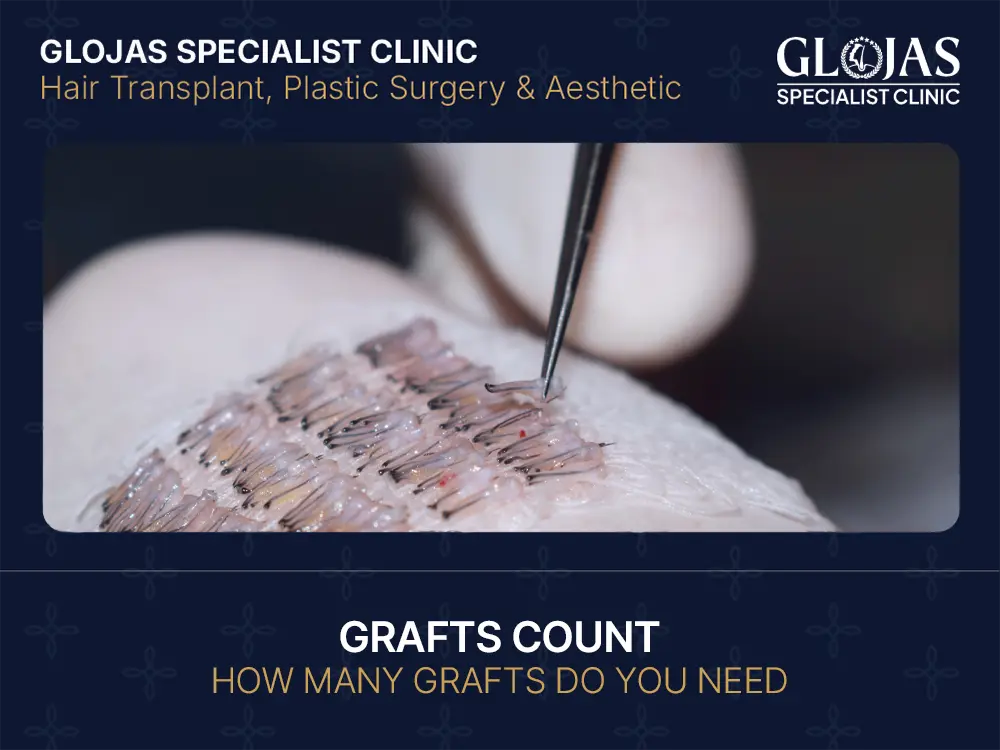
How Many Grafts Do You Need for a Hair Transplant? The number of grafts required for a hair transplant isn’t one-size-fits-all. It depends on your hair loss pattern, the density you want, and how much donor hair is available. Most adults need between 1,500 and 4,000 grafts to achieve natural-looking results. A personalized consultation with a qualified surgeon ensures safe harvesting, optimal coverage, and long-term satisfaction. Understanding Hair Grafts A hair graft is a tiny unit of scalp tissue that contains one to four hair follicles. These grafts are usually taken from the back or sides of your scalp—the donor areas—and transplanted to thinning or bald regions. The number of grafts determines how dense and full your hair will appear. Factors That Influence Graft Numbers Degree of Hair Loss Mild hair loss (Norwood II–III): ~1,500–2,000 grafts Moderate hair loss (Norwood III–IV): ~2,000–3,000 grafts Advanced hair loss (Norwood V–VI): 3,500–4,500+ grafts Coverage Area Smaller areas like the temples or crown need fewer grafts. Extensive thinning or full scalp restoration requires more grafts to achieve natural density. Desired Hair Density Standard density: 30–35 follicular units/cm² High density: 40–50 follicular units/cm², which may require additional grafts Donor Hair Quality and Availability Thick, strong hair can cover more area per graft. Limited donor supply or scalp tightness may reduce the total number of harvestable grafts. Patient Age and Hair Characteristics Younger patients may need staged procedures to keep results looking natural over time. Hair color, curl, and thickness affect visual coverage and how dense the hair appears. Types of Hair Transplant Procedures FUT (Follicular Unit Transplantation): Involves removing a linear strip of scalp; ideal for large graft numbers. FUE (Follicular Unit Extraction): Individual follicular units are harvested; minimally invasive and leaves tiny dot scars. Multiple sessions may be needed for extensive baldness. Many surgeons combine both techniques for the best results in advanced hair loss cases. Planning Your Hair Transplant Consultation: Surgeons assess scalp laxity, donor density, and hair characteristics. Graft Calculation: The bald area is measured, and the desired density guides the total graft count. Setting Realistic Expectations: Packing too many grafts into one session can harm graft survival. Staged procedures are often safer for long-term results. Recovery and Long-Term Considerations Transplanted hair usually sheds within 2–3 weeks, then regrows steadily over 6–12 months. Healthy donor sites allow for potential future procedures if needed. Follow-up ensures proper growth, monitors density, and addresses minor issues like shock loss or scarring. FAQ Q1: Can one session restore a completely bald scalp?A: Extensive baldness often requires multiple sessions. Safe graft limits per session typically range from 3,500 to 4,500, depending on donor hair availability. Q2: How is the exact number of grafts determined?A: Surgeons consider bald area size, desired density, donor hair supply, hair characteristics, and progression of hair loss. Q3: Does hair thickness affect graft requirements?A: Yes. Thicker or curlier hair provides better coverage per graft, potentially reducing the total number needed. Q4: Are there risks in taking too many grafts?A: Overharvesting can cause donor site thinning, scarring, and poor graft survival. Careful planning ensures safe and effective results. Q5: How long until transplanted hair looks natural?A: Hair growth usually begins around 3–4 months, with full density visible by 9–12 months post-procedure. Conclusion The ideal number of grafts for a hair transplant is unique to each individual. Factors like hair loss severity, desired coverage, donor hair quality, and personal goals all play a role. Working with an experienced surgeon ensures safe extraction, natural-looking results, and long-term satisfaction, giving you hair that looks and feels like your own. GLOJAS Specialist Clinic is a trusted leader in hair restoration, offering personalized hair transplant malaysia based on advanced graft assessment. With a team of experienced surgeons and evidence-based techniques, they ensure safe extraction, natural density, and lasting results, helping patients achieve confident, healthy hair with expert care and precision.
Hair Transplant Glossary: Every Medical Terms You Should Know
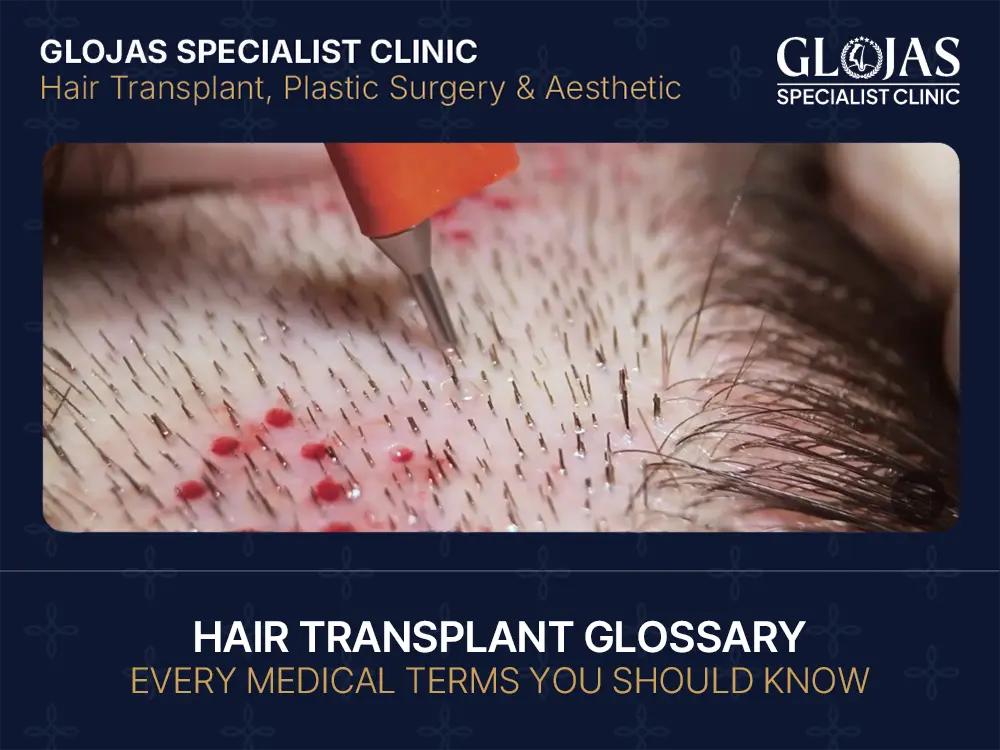
This hair transplant glossary breaks down the essential terms used in hair restoration—from grafts and follicular units to donor areas, FUE, FUT, and the biological mechanisms behind hair loss like DHT-driven miniaturization. It’s designed to help patients and clinicians speak the same language, set realistic expectations, and plan hair restoration with confidence. Core Anatomy & Hair-Loss Basics Hair Follicle & Follicular Unit (FU) A hair follicle is the tiny skin structure that produces each strand of hair. On the scalp, these follicles naturally group together in small clusters called follicular units. Each unit usually contains one to four thick “terminal” hairs, sometimes a fine vellus hair, and supporting structures like glands, nerves, and micro-blood vessels. These units are the foundation of modern hair transplantation. Hair Shaft, Hair Root & Dermal Papilla The hair shaft is the visible strand you see above the skin. Beneath the surface lies the hair root, which sits inside the follicle. At the base is the dermal papilla—the “control center” that provides nutrients and signals that regulate hair growth. Hair-Growth Cycle (Anagen, Telogen & More) Hair grows in repeating cycles. The anagen phase is the active growth stage and can last several years. When hair falls out while still in this phase—such as after certain medications or chemotherapy—it’s called anagen effluvium. Understanding the cycle helps explain shedding patterns and regrowth expectations. Miniaturization & Hormonal Hair Thinning In genetic hair loss (male or female pattern thinning), the hormone DHT gradually shrinks vulnerable follicles. Over time, hairs become thinner, shorter, and lighter until they disappear. This process is known as miniaturization and is one of the main reasons people pursue hair restoration. Hair Transplant Fundamentals Hair Transplant A hair transplant relocates healthy follicles from a DHT-resistant donor zone to areas of thinning or baldness. When done correctly, these transplanted hairs continue to grow naturally in their new location. Donor Area (Safe Donor Zone) The donor area is usually the back and sides of the scalp, where hair is genetically stronger and more resistant to hormonal loss. Because these follicles retain their resilience after being moved, they are considered “safe” for long-term restoration. Recipient Area This is the site where grafts are implanted—typically the hairline, crown, or any region affected by thinning or balding. Proper planning ensures the transplanted hair grows at the correct angle and density for a natural result. Harvesting Methods & Surgical Techniques Follicular Unit Excision (FUE) FUE involves removing follicular units one by one using a tiny circular punch. It is a minimally invasive method that avoids a linear scar and often provides a faster recovery. Patients appreciate the flexibility: surgeons can extract from broader areas, including beard or body hair when needed.However, FUE may yield fewer grafts in a single session, so large cases sometimes require multiple procedures. Follicular Unit Transplantation (FUT) — The Strip Method In FUT, a narrow strip of hair-bearing skin is taken from the donor area. Under magnification, this strip is divided into individual follicular units for transplantation. FUT is ideal for patients who need a large number of grafts in one session.The trade-off is a thin linear scar—usually easy to conceal with normal hair length. Grafts & Older Techniques Grafts A graft is a small piece of tissue that contains one or more follicular units destined for transplantation. Modern techniques aim to keep these units intact to maximize survival and ensure natural-looking regrowth. Mini-Grafts, Micro-Grafts & Hair Plugs Earlier methods used larger grafts or uneven groupings of follicles, sometimes producing a “pluggy” look. These approaches have largely been replaced by refined follicular-unit techniques that offer far more natural density and direction. Multi-Unit Grafts Some practices combine multiple follicular units into a single graft to increase density in certain areas. This can be effective—but must be balanced carefully to avoid unnatural fullness or patterns. Additional Concepts Every Patient Should Know Donor Dominance One of the central principles of hair transplantation is that transplanted follicles keep the characteristics of their original location. Because donor-zone hairs are resistant to DHT, they typically remain permanent after being moved. Recipient Influence Although donor hairs retain their genetic traits, local factors in the recipient site—like blood supply, skin quality, and angle of placement—can affect growth and final appearance. Skilled surgical planning helps optimize these factors. Scalp Laxity & Donor Capacity For FUT procedures, the scalp needs enough looseness (laxity) to safely remove a strip without creating tension during closure. Donor capacity, or the total available grafts, is also crucial for long-term planning. Hair Economics (Donor Hair Conservation) Because donor hair is limited, surgeons must think long-term. Prioritizing areas like the hairline first and approaching the crown strategically helps ensure natural balance and reserves grafts for future needs. Miniaturization vs. Permanent Loss Miniaturizing follicles can sometimes be stabilized with medical treatments. Fully lost follicles, however, cannot regenerate—making transplantation the only way to restore density in those areas. Why Understanding Hair Transplant Glossary Terms Matters Knowing the language of hair restoration gives patients real control over their treatment decisions. It opens clearer conversations with surgeons, builds realistic expectations, and helps everyone—from first-time patients to experienced clinicians—work together toward safe, natural, long-lasting results. Frequently Asked Questions – Hair Transplant Glossary Q: What’s the difference between a “hair transplant” and “graft extraction”?A hair transplant is the full procedure, from planning to implantation. Graft extraction is only one step—removing follicles for use in the transplant, typically by FUE or FUT. Q: Is transplanted hair permanent?In most cases, yes. Because donor hairs are naturally resistant to DHT, they usually continue growing for life. However, factors like surgical technique, healing, and overall scalp health influence long-term success. Q: Will a hair transplant stop future thinning?No. Transplants replace lost hair but do not prevent new hair loss. Many patients continue medical therapy or plan future sessions as part of a long-term strategy. Q: What are the pros and cons of FUE vs. FUT?FUE: tiny scars, quick recovery, flexible donor options—but fewer grafts per session.FUT: large graft yield and efficient sessions—but leaves a linear
Is Hair Transplant Halal or Haram? Understanding the Islamic View
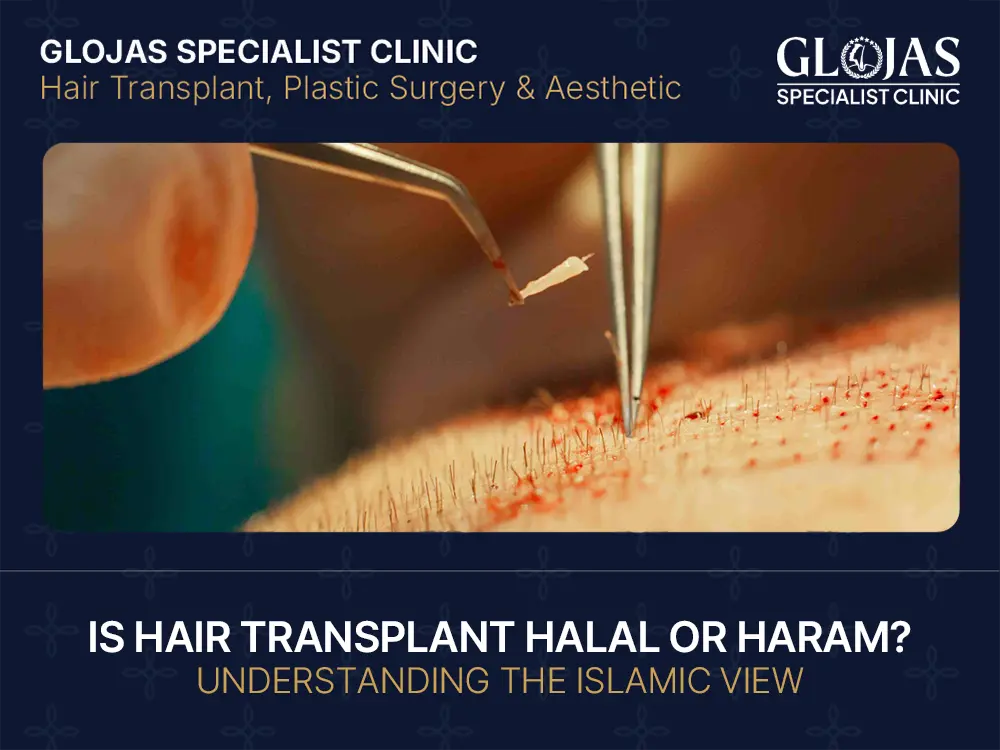
The Question Is: Is a Hair Transplant Halal Or Not? Hair loss can affect a person on many levels—emotionally, socially, and even spiritually. It’s no surprise that many Muslims who consider hair transplant surgery also wonder whether the procedure aligns with Islamic teachings. Is a hair transplant halal or haram? To answer the biggest questions is hair transplant halal or haram, we look at both the medical reality of hair transplantation and the Islamic principles that guide personal care and cosmetic interventions. One of the most helpful references on this topic comes from the Fatwa Committee of the Malaysian Federal Territories (Jabatan Mufti Wilayah Persekutuan), which offers clear guidance rooted in Islamic jurisprudence. What Exactly Is a Hair Transplant? A hair transplant is a medical procedure, not a cosmetic trick. It involves moving healthy hair follicles from one area of the scalp to another area that has thinned or gone bald. Doctors commonly use two techniques: 1. Follicular Unit Transplantation (FUT) A small strip of scalp is removed, and the follicles are divided into tiny units before being transplanted into the thinning area. 2. Follicular Unit Extraction (FUE) Individual hair follicles are extracted one by one and then implanted into the bald spots. Both methods aim to restore natural hair growth, often helping individuals regain confidence—especially those whose hair loss stems from genetics, illness, stress, or medical conditions. How Islam Views Body Alteration Islam encourages believers to take care of their bodies, but it also warns against unnecessary alterations that change Allah’s creation purely for vanity. Several guiding principles are relevant here: 1. Changing the Creation of Allah Altering the body out of dissatisfaction or for show is discouraged. This is why some cosmetic procedures fall into the haram category. 2. Differentiating Necessity from Vanity Scholars generally permit treatments that: restore normal function, treat a medical or psychological need, or repair damage caused by illness or injury. But procedures done solely to “enhance beauty” without a valid reason may be questionable. So, Is Hair Transplantation Halal? According to the fatwa issued by the Jabatan Mufti Wilayah Persekutuan (Irsyad al-Fatwa Series 694): ✔ Using Natural Hair Is Permissible (Halal) Transplanting your own hair—or, where permissible, donor hair—is considered restorative treatment, not an alteration of Allah’s creation.It’s similar to medical reconstruction rather than cosmetic beautification. ✘ Using Synthetic or Artificial Hair Is Not Permissible Artificial hair, including wigs or synthetic implants, is considered haram because: it is not natural, it may mislead others about a person’s appearance, and it falls under the category of prohibited cosmetic deception. ✔ Intention (Niyyah) Plays a Central Role If the goal of the transplant is: to restore confidence, to treat psychological distress, or to correct a condition that affects daily life, …then scholars generally classify the procedure as allowed. If the intention is purely vanity or self-display, the ruling may differ. ✔ Medical Necessity Is Recognized in Islam If hair loss causes emotional or mental distress, seeking treatment is fully acceptable—just like treating any other health condition. Islam values well-being of both the body and the heart. Final Verdict: Halal or Haram? In summary, a hair transplant is halal when: Natural hair is used (your own or a permissible donor). The intention is restorative, not purely cosmetic. The method does not involve misleading artificial hair. Muslims considering this procedure should consult knowledgeable scholars or trusted medical professionals if they have personal concerns. Islam always encourages seeking clarity before making important decisions—especially those involving one’s body. Conclusion Islam teaches balance: caring for your body while embracing the natural form Allah has given you. Hair transplantation, when done for valid reasons and using natural hair, fits within that balance. With the right intention and proper guidance, it can be a positive, permissible step toward emotional and physical well-being. If you’re struggling with hair loss, know that seeking treatment isn’t a sign of weakness—it’s part of caring for yourself, with gratitude and responsibility. At GLOJAS Specialist Clinic, hair restoration is performed by qualified medical professionals who combine advanced transplant techniques with ethical, evidence-based care. Our specialists ensure every procedure aligns with both medical best practices and Islamic guidance, offering patients safe, trustworthy, and halal-compliant treatment options. If you’re looking for hair transplant malaysia, do visit us in Kuala Lumpur, Malaysia.
Hair Transplant Myths Debunked: What You Need to Know
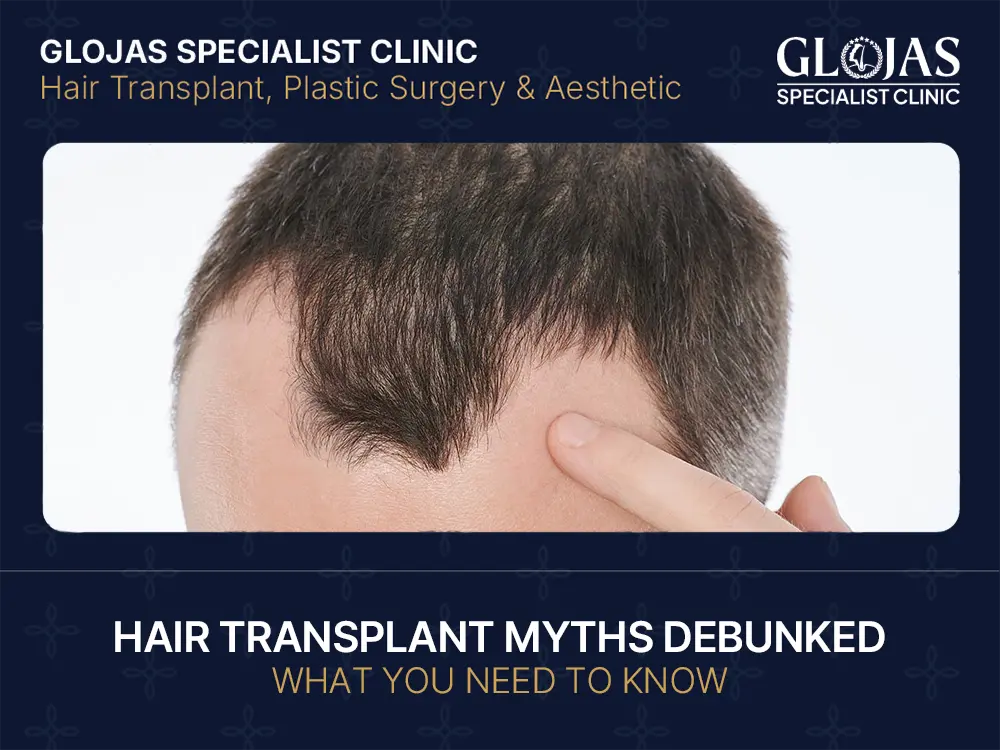
Hair transplant myths often cloud the decision-making process for those seeking hair restoration. This guide clears up misconceptions about the procedure, including its cost, pain levels, recovery time, and results. With accurate insights into what you can expect, you’ll be empowered to make an informed choice about your hair transplant journey. Introduction: Unveiling the Truth About Hair Transplants Hair loss can feel like a personal challenge, but today, a hair transplant offers an effective and permanent solution for many. However, misconceptions surrounding the procedure still exist, causing confusion and hesitation for many potential patients. This guide aims to clear the air about common myths, so you can approach your hair restoration journey with confidence. Understanding the truth behind hair transplants — from the procedure itself to the expected results and recovery process — can help you make informed decisions and alleviate any fears you may have. Common Hair Transplant Myths and the Real Facts 1. Hair Transplants Are Only for Men Myth: Only men benefit from hair transplants, especially those with male pattern baldness. Fact: Hair transplants are equally effective for both men and women. Women experiencing thinning hair or receding hairlines, including female pattern baldness, can also see great results from treatments like Follicular Unit Extraction (FUE) and Follicular Unit Transplantation (FUT). 2. Results Appear Immediately Myth: You’ll notice thick, full hair right after surgery. Fact: It’s common for transplanted hair to shed in the first few weeks. New hair growth begins gradually, and it can take several months before you see any noticeable results. Expect to see full results around 12 months after the procedure. 3. The Procedure Is Extremely Painful Myth: Hair transplants are unbearably painful and involve significant discomfort. Fact: While the procedure does involve surgery, local anesthesia ensures that the scalp is numb during the operation, minimizing pain. Post-surgery discomfort is mild and can typically be managed with over-the-counter pain medication. 4. You Can’t Achieve a Natural-Looking Outcome Myth: Transplants always leave you with an unnatural, “pluggy” look. Fact: Thanks to modern techniques like FUE, hair transplants now produce very natural results. Surgeons carefully place individual follicles to mimic natural hair growth patterns, resulting in a fuller and seamless look. 5. You Need to Be Bald for It to Work Myth: Hair transplants are only effective for people who are fully bald. Fact: Hair transplants are more effective when some hair remains in the donor area. Even individuals with moderate hair thinning can benefit from the procedure, making it an ideal solution for early to moderate hair loss. 6. One Hair Transplant Is Enough for Life Myth: A hair transplant is a one-time solution that permanently fixes hair loss. Fact: While hair transplants provide permanent results for transplanted hair, natural hair loss can continue. Many patients opt for additional treatments or touch-ups over time, especially as they age. 7. Hair Transplants Are Too Expensive Myth: Hair transplants are far too costly for the average person. Fact: The cost of a hair transplant varies depending on factors like the technique used, clinic location, and the number of grafts required. Financing options are available at many clinics, making this life-changing procedure accessible to more people than ever before. 8. Hair Transplants Only Work on Scalp Hair Myth: Hair transplants can only address hair loss on the scalp. Fact: Hair restoration is not limited to the scalp. Hair transplants are also effective for other areas, such as eyebrows, eyelashes, and beards, offering customized solutions for different types of hair loss. How Hair Transplants Work: The Science Behind the Procedure Hair transplants are based on a simple yet effective concept: relocating healthy hair follicles from one part of the scalp to an area affected by thinning or baldness. The two main techniques used are Follicular Unit Extraction (FUE) and Follicular Unit Transplantation (FUT). Here’s a breakdown of how each procedure works: FUE (Follicular Unit Extraction): This technique involves extracting individual hair follicles from the donor area, typically the back of the head, and transplanting them into thinning or bald spots. It’s minimally invasive, leaving no linear scars, and offers a quicker recovery period. FUT (Follicular Unit Transplantation): In this procedure, a strip of skin is removed from the donor area, and the individual follicles are extracted and transplanted. This method allows for a larger number of grafts to be transplanted, which can be helpful for more extensive hair loss. Both techniques can yield excellent results, but FUE tends to be the preferred option for those looking for less visible scarring and a faster recovery. What to Expect During Recovery and Aftercare Understanding the recovery process is key to ensuring your hair transplant’s success. While recovery is generally straightforward, it’s important to follow your surgeon’s advice closely to avoid complications. Post-Procedure Recovery: Swelling and Redness: In the first few days, mild swelling, redness, and scabbing are common around the transplant area. Washing and Hair Care: You’ll need to wait a few days before washing your hair. Afterward, gentle washing and special care will be necessary to protect the newly transplanted follicles. Physical Activity: Avoid vigorous exercise and heavy lifting for a week or so to prevent unnecessary stress on the transplant area. Sun exposure should also be minimized during the initial recovery period. Most people return to normal activities within 7-10 days, though full recovery can take several months. Frequently Asked Questions (FAQ) 1. How long do hair transplant results last? The transplanted hair is permanent because it’s taken from areas resistant to hair loss. However, ongoing hair loss can still affect your natural hair, so you may need touch-up sessions later on. 2. How long does it take to recover from a hair transplant? Most people experience mild redness and swelling for a few days. While you can return to work within a week, it takes 12-18 months to see the full results of your hair transplant. 3. Is the surgery risky? As with any surgery, hair transplants carry some risks, such as infection or scarring. Choosing a
Male vs Female Pattern Hair Loss: Causes, Stages, and Most Effective Treatments
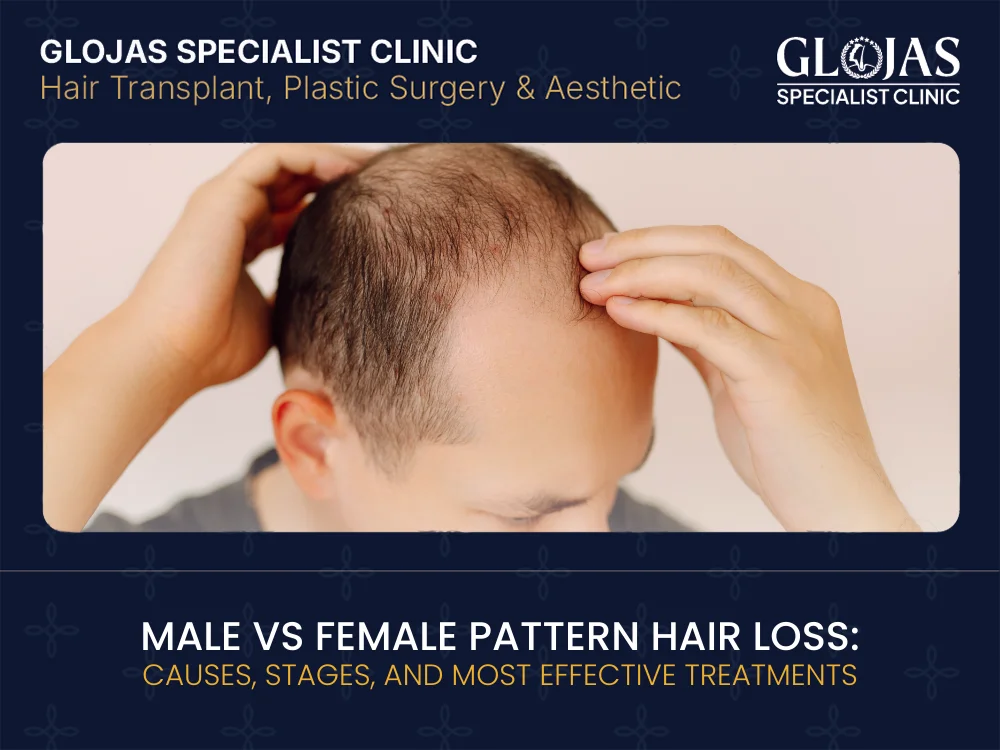
Understanding Pattern Hair Loss in Men and Women Pattern hair loss is one of the most common forms of hair thinning worldwide, but it doesn’t look the same in everyone. Men and women experience different patterns, symptoms, and progression stages. Identifying these differences early helps you choose the right treatment and protect your long-term hair health. What Is Pattern Hair Loss? Pattern hair loss—also called androgenetic alopecia—is a genetically influenced condition triggered by hormonal sensitivity, mainly to DHT (dihydrotestosterone). While it affects both genders, the visual patterns and psychological impacts differ significantly. It’s not caused by poor hygiene, hair products, or tight hairstyles. Instead, it’s an inherited sensitivity that causes follicles to gradually shrink, shorten their growth cycle, and produce finer, weaker strands over time. Understanding the mechanism behind pattern hair loss helps explain why early intervention matters and why some treatments work better than others depending on the stage. Why Men and Women Lose Hair Differently Although the root cause of pattern hair loss is similar in both genders, the way it appears on the scalp can vary a lot. This difference comes down to hormonal balance, genetics, and how hair follicles are distributed and respond to hormones. In Men: Men typically show more noticeable and structured patterns of loss because: Higher sensitivity to DHT (dihydrotestosterone): Male follicles—especially at the temples and crown—react more strongly to this hormone. More concentrated androgen receptors: These receptors make certain areas more vulnerable, leading to classic M-shaped recession or thinning at the crown. Faster follicle miniaturisation: Once male follicles start shrinking, they often progress more rapidly. In Women: Women also experience hormone-related thinning, but the pattern is different: Lower sensitivity to DHT: Female follicles are generally less reactive, so thinning is slower and less patchy. More diffuse thinning: Instead of receding hairlines or bald patches, women often notice overall volume loss across the top and sides of the scalp. Rarely complete baldness: Even with long-term thinning, women typically maintain their frontal hairline. Causes of Male Pattern Hair Loss Male pattern hair loss (MPHL) happens when hair follicles become increasingly sensitive to dihydrotestosterone (DHT). When DHT binds to genetically vulnerable follicles, it gradually shrinks them, weakens the roots, and shortens the growth phase of the hair cycle. Over time, the hair becomes finer, grows slower, and eventually stops growing altogether. While DHT is the main driver, several other factors influence how quickly or severely hair loss progresses: 1. Family History Genetics is the strongest predictor. Men with a family history of recession or balding are much more likely to develop MPHL. This genetic predisposition determines how sensitive the follicles are to DHT and which areas of the scalp are affected first. 2. Hormonal Fluctuations Hormones can change due to age, stress, health conditions, or medications. Even slight shifts in testosterone–DHT balance can accelerate thinning in men who are genetically prone. 3. Age Follicles naturally weaken with time. Most men start noticing mild changes in their late teens to 20s, and thinning becomes more common with each decade. As follicles get older, they recover more slowly from shedding cycles. 4. Stress and Lifestyle Chronic stress, poor sleep, smoking, and inadequate nutrition can all disrupt normal hair growth. These factors don’t directly cause MPHL, but they can speed up its progression by affecting scalp health and follicle strength. 5. Medical Conditions Issues such as thyroid disorders, testosterone imbalance, and certain chronic illnesses can worsen existing hair loss or trigger additional shedding on top of MPHL. Treating the underlying condition can help slow the impact. Because men often lose hair from the temples and crown first, early signs tend to be more visible than in women. This is why many men notice recession or thinning earlier, even if the underlying cause is the same. Stages of Male Pattern Hair Loss (Hamilton-Norwood Scale) The Hamilton-Norwood Scale outlines the typical progression: Stage 1: Minimal recession, often not noticeable. Stage 2: Mild temple recession. Stage 3: Clear M-shaped hairline, deeper recession. Stage 4: Thinning at the crown begins. Stage 5: Bigger balding area, noticeable separation between front and crown. Stage 6: Front and crown balding join together. Stage 7: Advanced baldness, horseshoe-shaped remaining hair. Early stages respond best to non-surgical treatments. How Male Pattern Hair Loss Looks Receding hairline Thinning at the crown Noticeable scalp visibility in bright light Loss of density at the mid-scalp Eventual merging of bald areas Men typically progress more predictably due to stronger DHT response. Causes of Female Pattern Hair Loss Female pattern hair loss (FPHL) happens when several internal and external factors combine to weaken hair follicles over time. While the process shares similarities with male hair loss, the triggers—and the way it shows—can be quite different. 1. Genetics A family history of thinning hair is one of the strongest predictors. Certain inherited genes make the follicles more sensitive to hormonal changes, leading to gradual thinning, especially at the crown or top of the scalp. 2. Hormone Changes Female hormones play a major role in hair growth cycles, so any shift can affect density. Common triggers include: Pregnancy and postpartum changes Menopause, when estrogen levels drop Conditions like PCOS, which can increase androgen activity These hormonal fluctuations can cause hair to grow slower, shed more, or become thinner over time. 3. Stress Emotional or physical stress can push hair into a shedding phase earlier than normal. If the stress continues, follicles may weaken and struggle to return to a healthy growth cycle. 4. Age As women grow older, follicles naturally shrink and produce finer strands. This makes thinning more noticeable, especially after the mid-30s to 40s. 5. Nutrient Deficiencies Low iron, vitamin D, zinc, or protein intake can reduce the strength of new hair growth. Since hair is not a “priority organ,” it’s often affected first when nutrient levels drop. 6. Thyroid or Metabolic Conditions Thyroid imbalances (overactive or underactive) and metabolic issues can disrupt the body’s overall hormones and energy use. This imbalance can weaken follicles and contribute to long-term thinning. Despite
Early Signs of Hair Loss: How to Spot Weak Hair Follicles Before They Fail
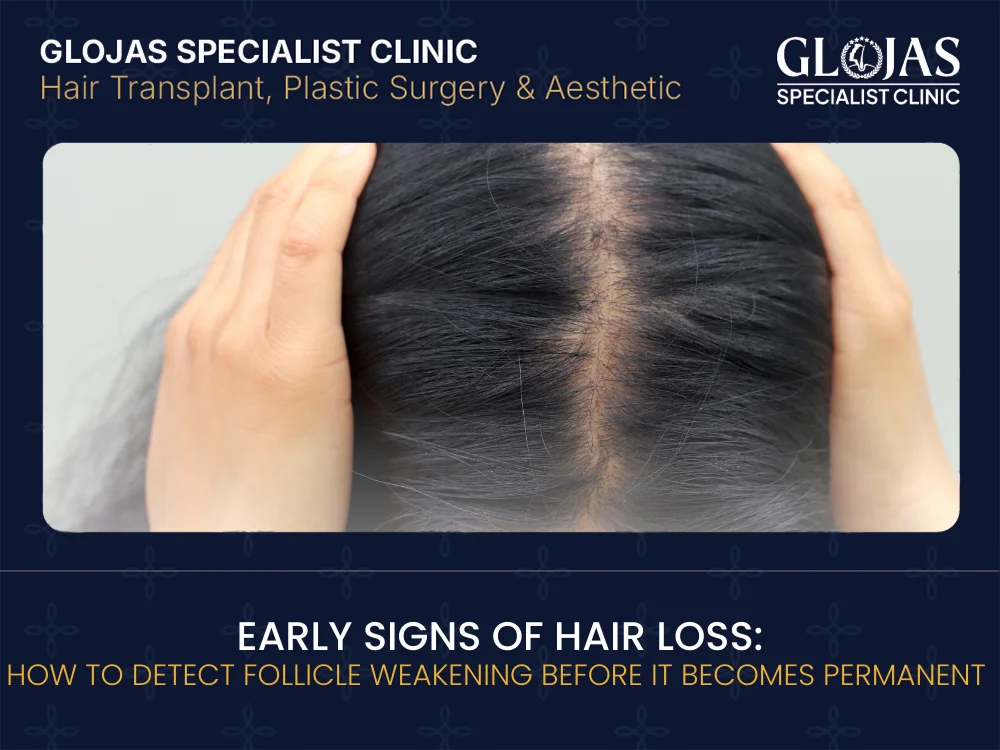
Understanding the Early Signs of Hair Loss Hair thinning can creep in quietly. Many people miss the early signs of hair loss because the changes happen slowly, sometimes over months or years. Spotting the clues early gives you the best chance of protecting your follicles and preventing long-term damage. GLOJAS Specialist Clinic is a leading MOH-licensed, LCP-certified centre for hair transplant Malaysia, backed by over 27 years of surgical expertise. Our procedures are performed by NSR-registered surgeons using advanced FUE and FUT techniques, ensuring safe, natural, and medically proven results trusted by patients across Malaysia. Why Early Signs of Hair Loss Detection Really Matters Signs of Hair loss rarely happens overnight. Most cases begin with subtle follicle weakening before the hair strands start shedding more noticeably. When you understand these early indicators, you can take action sooner—before the follicles become dormant or permanently inactive. Whether caused by genetics, hormones, stress, or lifestyle, early intervention often leads to better outcomes. Today, advanced treatments, supportive care, and proper diagnosis can significantly slow, stabilise, or even reverse early-stage thinning. 1. Gradual Thinning at the Crown One of the earliest and most overlooked signs of hair loss is diffuse thinning at the crown. It doesn’t always look like a bald spot in the beginning—sometimes it’s only a slight see-through area when you stand under bright light or review photos taken from above. This happens because follicles in the crown region are highly sensitive to hormonal changes (especially DHT) and often shrink earlier than other areas. If you spot this early, you can typically preserve much more density. 2. Increased Hair Fall on Your Pillow or Floor Seeing 30–50 strands per day can be normal, but if you’re suddenly noticing more hair on your: Pillow Hairbrush Shower drain Floor after combing …it may signal early signs of hair loss. What matters isn’t a single day of shedding but a consistent increase over a week or two. This pattern usually reflects follicle miniaturisation, where hairs become finer and fall out sooner than they should during the growth cycle. 3. A Widening Part Line For both men and women, the part line is one of the most reliable places to spot changes. If you notice your part: Looking wider Showing more scalp Becoming harder to conceal …it may indicate reduced volume at the top and mid-scalp. For women especially, this can be an early sign of female-pattern hair loss (FPHL). 4. Hair Feeling Finer or More Fragile When follicles weaken, they produce thinner strands. Many people notice this before any visible thinning happens. You might feel like your ponytail is less full or your hair loses volume faster throughout the day. Common signs of hair loss include: Hair that breaks more easily Loss of natural bounce or body Reduced styling hold Strands that feel softer but weaker This is often the earliest stage of signs of hair loss – miniaturisation, it’s highly reversible when treated early. 5. A Receding or Uneven Hairline A receding hairline is one of the classic early signs of hair loss, especially in men. But it’s not always dramatic at first. You may notice: A slightly higher temple area Hairline looking less defined Mini baby hairs that never grow long One side receding faster than the other Unevenness is very common, and early interventions can help prevent further recession. 6. More Scalp Sunburn or Sensitivity If your scalp is suddenly more exposed, you may experience: Sunburn more easily Extra sensitivity Visible redness after sun exposure These symptoms can indicate that your hair density has reduced enough to reveal more scalp than before. 7. Slower Hair Growth Than Usual Hair that once grew quickly might start taking more time to reach your usual length. Weakened follicles often shift into a prolonged resting phase, producing less growth. If your barber or hairstylist mentions slower growth or reduced thickness, pay attention—they often notice changes sooner than we do. 8. Changes in Hair Texture Follicle weakening doesn’t only affect density. It may also cause your hair to change texture. You might notice: Straighter strands if you naturally have wavy hair Less curl definition Limp, flat roots Hair feeling “coarser” but not fuller Texture changes are early biological indicators that hair follicles are responding to hormonal shifts or stress. 9. A Consistently Itchy or Flaky Scalp While itching alone doesn’t equal signs of hair loss, a scalp that is: Itchy Flaky Irritated Inflamed …may indicate underlying problems like seborrheic dermatitis, buildup, or early follicular stress. Chronic inflammation can weaken follicles over time. 10. The “Miniaturisation Shadow” in Photos Photos can reveal thinning that isn’t obvious in the mirror. You may notice: More visible scalp under bright flash Patchy areas at the temples Reduced volume on top Thinning spots near the cowlick Reviewing older pictures side-by-side often makes subtle changes easier to spot. What Causes Early Hair Loss? Early hair loss can happen for many reasons, and while genetics is the most common factor, several other triggers can accelerate thinning—especially in younger adults. Understanding the root cause is the first step in choosing the right treatment. Here are the most common contributors: • Hormonal changes (especially DHT sensitivity)Excess DHT can shrink hair follicles, causing them to produce thinner and shorter strands over time. Some people are genetically more sensitive to DHT, making them prone to earlier hair loss. • Stress and lifestyle factorsHigh stress levels, poor sleep, smoking, or rapid weight changes can push hair into the “shedding phase” too early, leading to noticeable thinning within months. • Nutritional deficienciesLow levels of iron, zinc, vitamin D, or protein can weaken the hair growth cycle. Even crash diets or inconsistent eating can trigger temporary hair loss. • Thyroid irregularitiesBoth an overactive and underactive thyroid can affect hair quality and density because thyroid hormones play a key role in follicle regulation. • Poor scalp healthConditions like dandruff, seborrheic dermatitis, and excess oil buildup can inflame the scalp, blocking proper follicle function and worsening shedding. • Autoimmune conditionsIn some cases, the
Punca Rambut Gugur & Rawatan Berkesan Untuk Rambut Nipis

Rambut Gugur Teruk? Ini Petua Terbaik Untuk Anda! Rambut gugur sering berlaku di Malaysia menyebabkan ramai lelaki dan perempuan kurang keyakinan diri mereka. Ianya boleh berlaku disebabkan oleh genetik, hormon, pemakanan, tekanan atau penyakit. Fahami punca sebenar penting supaya rawatan—sama ada ubat, suplemen, atau prosedur klinikal—boleh beri hasil yang selamat dan berkesan. Dengan gaya hidup sihat, risiko rambut gugur lebih teruk boleh dikurangkan. GLOJAS Specialist Clinic, dengan doktor pakar tanam rambut berpengalaman, menawarkan rawatan terbukti untuk rambut gugur. Pendekatan profesional dan teknologi terkini memastikan setiap pesakit mendapat solusi selamat, berkesan, dan disesuaikan mengikut keperluan individu.” Kenali Punca Rambut Gugur Rambut gugur atau alopecia merujuk kepada kehilangan rambut yang lebih banyak daripada biasa. Kehilangan rambut boleh berlaku secara berperingkat atau tiba-tiba, dan boleh melibatkan kulit kepala sahaja atau seluruh badan. Rambut yang gugur berlebihan biasanya lebih dari 100 helai sehari. Kira-kira 42% lelaki berumur 18–49 tahun mengalami keguguran rambut sederhana hingga teruk. (PubMed) Tanda & Simptom Rambut Gugur Rambut nipis secara beransur-ansur di bahagian mahkota kepala Garis rambut surut atau botak di bahagian tertentu Kehilangan rambut selepas mencuci, menyikat, atau menari rambut Rambut berbentuk tompok (alopecia areata) Kulit kepala gatal atau merah (jika disebabkan oleh penyakit kulit) Faktor Penyebab Rambut Gugur Faktor Genetik: Androgenetic alopecia (botak lelaki/wanita) adalah punca utama rambut gugur. Perubahan Hormon: Kehamilan, menopaus, tiroid, dan ubat hormon boleh menyebabkan rambut menipis. Pemakanan dan Kekurangan Nutrien: Kekurangan protein, zat besi, vitamin D, dan biotin meningkatkan risiko keguguran rambut. Tekanan & Psikologi: Stress fizikal atau emosi boleh mencetuskan telogen effluvium, rambut gugur sementara. Penyakit & Jangkitan: Jangkitan kulat (tinea capitis), lupus, dan penyakit autoimun lain. Ubat-Ubatan: Kemoterapi, antikoagulan, ubat tekanan darah tinggi, dan beberapa ubat antidepresan. Gaya Hidup & Rawatan Rambut: Pemakaian rambut ketat, bahan kimia, dan rawatan haba berlebihan boleh merosakkan rambut. Bagaimana Rambut Gugur Didiagnosis Pemeriksaan Klinikal: Doktor memeriksa corak keguguran rambut dan kulit kepala. Ujian Makmal: Analisis darah untuk hormon, zat besi, tiroid, dan vitamin. Trikologi / Biopsi Rambut: Diperlukan untuk punca yang kompleks atau penyakit autoimun. Pilihan Rawatan Rambut Gugur Terbaik Rawatan Topikal: Minoxidil 2–5% untuk merangsang pertumbuhan rambut. Ubat Oral: Finasteride (lelaki), spironolactone (wanita) untuk mengawal hormon penyebab rambut gugur. Suplemen & Nutrisi: Biotin, vitamin D, zat besi, omega-3, jika kekurangan nutrien dikesan. Terapi Klinikal: PRP (Platelet-Rich Plasma), laser rendah, dan mesoterapi rambut. Pembedahan Rambut: Tanam rambut untuk kes rambut gugur kronik atau botak menonjol. Rawatan Penyakit Asas: Menguruskan tiroid, lupus, atau jangkitan kulat sebagai penyebab rambut gugur. Risiko & Kesan Sampingan Rawatan Yang Anda Wajib Tahu! Penggunaan ubat topikal/ubat oral boleh menyebabkan kegatalan, ruam, atau perubahan hormon. Pembedahan rambut atau PRP memerlukan prosedur steril dan pengawasan klinikal. Rawatan tanpa diagnosis yang tepat boleh memburukkan rambut gugur. Tips Pencegahan Keguguran Rambut Amalkan diet seimbang tinggi protein dan vitamin. Elakkan tekanan berlebihan; praktikkan relaksasi. Gunakan syampu lembut, elak bahan kimia keras dan alat haba tinggi. Elakkan gaya rambut ketat yang menarik rambut secara berterusan. Pemeriksaan kulit kepala berkala jika ada sejarah keluarga atau simptom awal rambut gugur. Bilakah Perlu Rujuk Doktor? Rambut mula menipis dan gugur tiba-tiba atau banyak dalam masa singkat. Kehilangan rambut berserta kulit kepala merah, gatal, atau luka. Kehilangan bulu badan lain atau tompok botak. Kesan psikologi atau emosi yang teruk akibat rambut gugur. 5 Soalan Lazim 1. Adakah rambut gugur normal setiap hari?Ya, rambut normal boleh gugur 50–100 helai sehari. Gugur lebih daripada ini perlu diperiksa. 2. Bolehkah stress menyebabkan rambut menipis dan gugur?Ya, stress fizikal atau emosi boleh mencetuskan telogen effluvium, menyebabkan rambut nipis dan gugur sementara. 3. Apakah ubat terbaik untuk rambut nipis dan gugur?Minoxidil topikal dan finasteride (lelaki) terbukti berkesan. Rawatan harus disesuaikan mengikut punca. 4. Adakah tanam rambut selamat?Ya, jika dilakukan oleh pakar berpengalaman. Risiko termasuk jangkitan atau parut kecil. 5. Bolehkah diet membantu rambut menipis dan gugur?Diet kaya protein, zat besi, dan vitamin dapat menyokong pertumbuhan rambut sihat dan mengurangkan risiko gugur. Pandangan & Nasihat Pakar Folikel rambut yang sihat sangat penting untuk pertumbuhan helai rambut yang kuat. Keguguran rambut sering berlaku akibat kekurangan nutrien atau kekurangan zat besi, yang memberi kesan pada kesihatan rambut. Menjaga keseimbangan nutrisi dapat mengurangkan risiko masalah ini, termasuk ketidakseimbangan hormon yang boleh merosakkan folikel rambut. Mengalami keguguran rambut secara tiba-tiba mungkin disebabkan oleh telogen effluvium, yang berkait rapat dengan perubahan hormon. Penjagaan rambut yang betul dan pemakanan yang mencukupi boleh membantu mengelakkan rambut daripada menjadi rapuh. Jangan biarkan kekurangan zat besi mengganggu kitaran pertumbuhan rambut baru yang sihat. Menyebabkan keguguran rambut atau menyebabkan rambut gugur boleh berlaku akibat kekurangan nutrien dalam diet. Ia juga berkaitan dengan ketidakseimbangan hormon dan perubahan hormon yang drastik. Rawatan yang sesuai, seperti suplemen zat besi, boleh membantu memulihkan kesihatan rambut dan mencegah masalah rambut baru yang lemah. Punca utama keguguran rambut termasuk telogen effluvium, kekurangan nutrien, dan ketidakseimbangan hormon. Mengatasi masalah ini dengan pendekatan yang tepat, seperti penggunaan produk terbaik untuk rambut, dapat mengembalikan kesihatan rambut dan menggalakkan pertumbuhan semula helai rambut yang lebih kuat dan tebal.
Ketoconazole Shampoo (Nizoral): Uses, Benefits & Side Effects
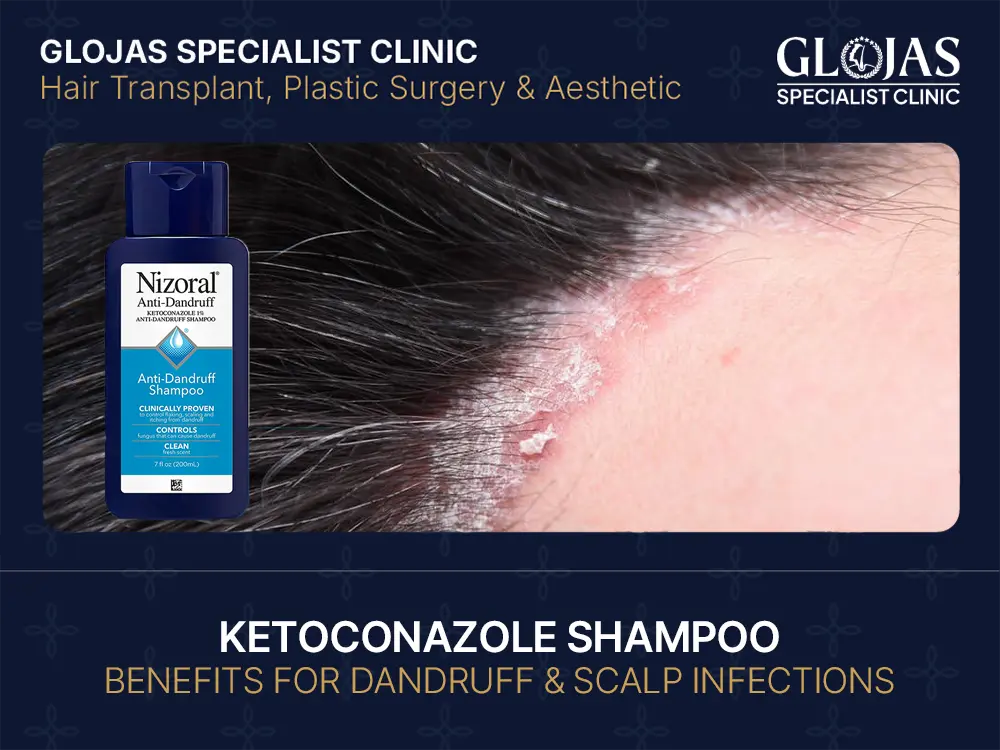
What Is Ketoconazole Shampoo? Ketoconazole shampoo is a medicated antifungal shampoo formulated to treat scalp conditions caused by fungal infections, such as dandruff, seborrheic dermatitis, and psoriasis. It works by reducing the growth of Malassezia yeast, a fungus naturally present on the scalp that can trigger itching, flaking, and inflammation. In Malaysia, Ketoconazole shampoo is available over the counter (OTC) or via doctor’s prescription, depending on its concentration level. The most common OTC version contains 1% Ketoconazole, while stronger formulations (2% or more) require a prescription from a dermatologist or doctor. What Does Ketoconazole Shampoo Treat? Ketoconazole shampoo can be used to manage a variety of scalp and skin conditions, including: 1. Dandruff & Seborrheic Dermatitis The most popular use of Ketoconazole shampoo is to relieve chronic dandruff and seborrheic dermatitis.These conditions often occur due to an overgrowth of Malassezia fungus, leading to flaky, itchy, and red scalp. Ketoconazole helps by reducing fungus and controlling inflammation, offering visible improvement within 2–4 weeks. Common OTC brand: Nizoral Anti-Dandruff Shampoo (1%) 2. Psoriasis Psoriasis is a chronic inflammatory skin disorder that can cause thick, scaly plaques on the scalp.Prescription-strength Ketoconazole (2%) can help reduce fungal infection, soothe the affected area, and manage flare-ups when used alongside medical treatment. 3. Tinea (Ringworm) Infections Ketoconazole shampoo can also treat tinea capitis (scalp ringworm) and tinea versicolor (skin fungal infection).These are contagious fungal conditions that may cause circular patches, itching, or hair loss.Using Ketoconazole shampoo helps clear the infection and prevent it from spreading. 4. Hair Loss and Hair Thinning Although primarily antifungal, some research suggests Ketoconazole shampoo may support hair growth or reduce hair loss caused by inflammation or fungal buildup on the scalp.By keeping the scalp healthy, it creates an ideal environment for stronger hair growth — which is why some Malaysian hair specialists combine Ketoconazole shampoo with Minoxidil or PRP treatments for hair restoration. Ketoconazole shampoo supports hair transplant recovery by keeping the scalp clean, reducing fungal growth, and minimizing inflammation—helping maintain healthy follicles and improve overall hair regrowth results post-surgery. Types of Ketoconazole Shampoo Available in Malaysia You can find several formulations of Ketoconazole shampoo in Malaysia, including both OTC and prescription versions: Type Ketoconazole Concentration Availability Common Brands OTC (Over-the-Counter) 1% Supermarkets, pharmacies, online stores Nizoral 1%, Sebizole 1% Prescription 2% or higher Requires doctor’s prescription Ketozal, Ketozolin, Ket Med 💡 Tip: Always consult a doctor before using 2% Ketoconazole shampoo, especially if you have sensitive scalp or existing medical skin conditions. How to Use Ketoconazole Shampoo Properly Follow these steps for effective results: Wet your hair and scalp thoroughly. Apply a small amount of Ketoconazole shampoo and massage it into your scalp to create lather. Leave it on for 3–5 minutes before rinsing thoroughly with water. Use a mild conditioner if your hair feels dry after washing. Frequency of Use: For dandruff: 2–3 times per week for the first 2–4 weeks. For maintenance: Once weekly to prevent recurrence. For fungal infections: Follow your doctor’s instructions (typically 2–4 weeks of regular use). Avoid overusing the shampoo as it can dry out your scalp. Possible Side Effects Most people tolerate Ketoconazole shampoo well, but mild side effects may occur, including: Dry or oily scalp Mild irritation or redness Temporary hair texture change Loss of perm or curl Slight hair shedding (rare) If you experience severe itching, swelling, or difficulty breathing, stop using immediately and seek medical attention, as these may indicate an allergic reaction. Who Should Avoid Ketoconazole Shampoo ⚠️ Ketoconazole shampoo may not be suitable for: Pregnant or breastfeeding women (consult a doctor first) Children under 12 years old (unless prescribed) People with known allergies to antifungal medications Always check the product label or ask your pharmacist if you are unsure. Alternative Shampoos for Dandruff & Scalp Health If Ketoconazole shampoo doesn’t fully control your symptoms, you can consider these alternatives or combine them under medical advice: Coal tar shampoo – for stubborn psoriasis or dermatitis Salicylic acid shampoo – helps remove flakes and scales Pyrithione zinc shampoo – gentle anti-dandruff option Tea tree oil shampoo – natural antifungal and soothing effect Key Takeaway Ketoconazole is a proven antifungal solution for managing dandruff, seborrheic dermatitis, psoriasis, and scalp fungal infections.When used correctly, it helps reduce flakes, soothe inflammation, and restore scalp balance. If you experience persistent symptoms after 4 weeks, consult a dermatologist or trichologist in Malaysia for further evaluation or alternative treatments such as PRP, Exosome therapy, or medical-grade scalp care. Frequently Asked Questions (FAQs) 1. Can I use Ketoconazole daily? No. It’s best used 2–3 times a week, depending on the severity of your condition. Overuse may cause dryness or irritation. 2. How long does it take for Ketoconazole shampoo to work? Most people see visible improvement in 2 to 4 weeks. Continue using it as recommended by your doctor for long-term control. 3. Can Ketoconazole help with hair loss? It may help reduce inflammation and fungal buildup that contribute to hair loss, but it’s not a standalone hair regrowth treatment. 4. Is Ketoconazole safe for color-treated hair? Yes, but it may cause slight fading with frequent use. Use a sulfate-free conditioner afterward to protect your color. 5. Where can I buy Ketoconazole shampoo in Malaysia? You can purchase Nizoral 1% OTC at local pharmacies like Watsons, Guardian, or online stores (Shopee, Lazada).For 2% versions such as Ketozal or Ket Med, a doctor’s prescription is required.
Hair Transplant Cost United States: Complete 2026 Price Breakdown
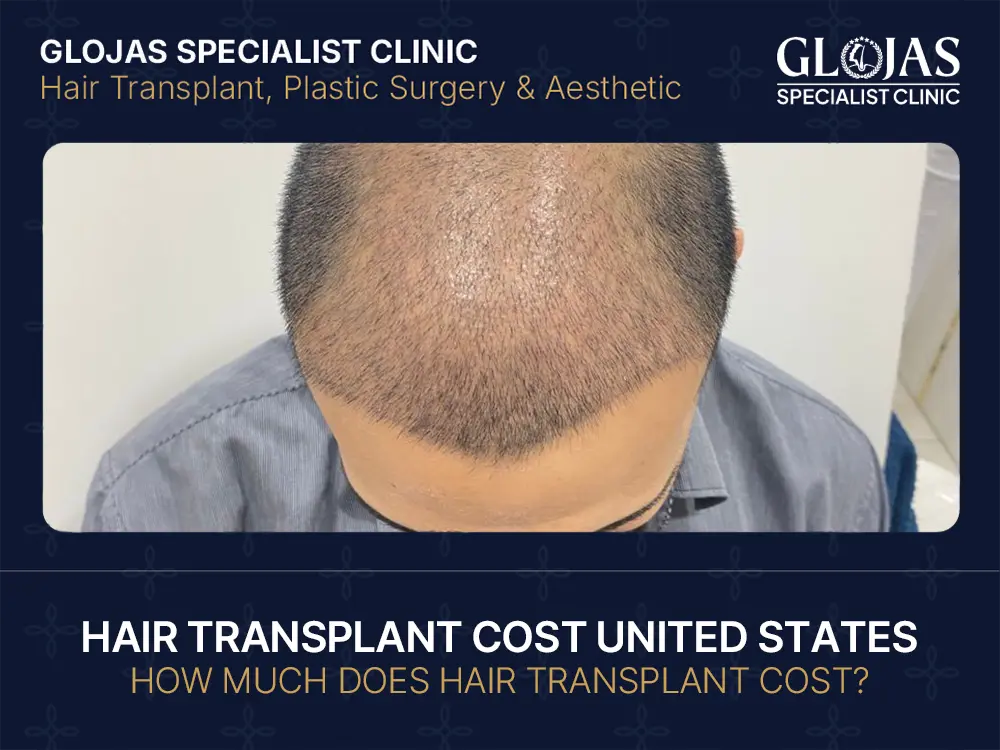
Hair Transplant Cost in the United States Navigating hair restoration prices in the U.S. can feel overwhelming. Unlike overseas clinics that offer “all-inclusive” bundles, American facilities typically use itemized billing. This guide breaks down current 2026 market rates and the specific variables that will influence your final investment in a fuller head of hair. GLOJAS Specialist Clinic offers the cheaper hair transplant price in Malaysia, providing safe, effective treatments in Kuala Lumpur with experienced doctors and advanced hair restoration techniques. Average Hair Transplant Cost in the United States In 2026, the national average for a hair transplant in the U.S. ranges from $8,000 to $20,000. While some minor touch-ups start near $5,000, extensive restorations for advanced balding can exceed $25,000. These figures reflect the high regulatory standards and surgeon expertise found across American clinics. Typical Cost for FUE Hair Transplant Follicular Unit Extraction (FUE) is the most sought-after method due to its “scarless” results. In the U.S., a standard FUE session typically costs between $10,000 and $18,000. This reflects the labor-intensive nature of manually extracting and implanting individual follicles over several hours. Typical Cost for FUT Hair Transplant Follicular Unit Transplantation (FUT), often called the “strip method,” remains a budget-friendly alternative. Patients usually pay between $6,000 and $12,000. While it leaves a linear scar, it is highly efficient for harvesting a large number of grafts in a single surgical session. Cost Per Graft Across U.S. Clinics Most American clinics charge on a “per graft” basis rather than a flat fee. Current rates sit between $5.00 and $10.00 per graft for FUE. Some high-end boutique clinics in major metros may charge up to $15.00 for specialized or celebrity-grade surgeon involvement. Factors That Influence Hair Transplant Cost The price tag isn’t just about the hair; it’s about the resources required. From the surgeon’s zip code to the technology in the operating room, several elements shift the needle on your total bill. Number of Grafts Required The primary cost driver is the volume of hair moved. Moving 1,000 grafts to fix a hairline is significantly cheaper than moving 3,000 grafts to cover a bald crown. Most surgeons provide a lower “price per graft” as the total volume of the procedure increases. Surgeon Experience and Credentials You are paying for a surgeon’s eye for aesthetics and technical precision. Board-certified surgeons with the American Board of Hair Restoration Surgery (ABHRS) often charge a premium. Their specialized training ensures higher graft survival rates and a more natural-looking hairline design. Clinic Reputation and Technology Clinics investing in the latest tools—like Sapphire blades or high-powered microscopes—often have higher overhead. A facility with a long-standing reputation for excellence in a city like New York or Beverly Hills will naturally cost more than a rural practice due to demand. Additional Treatments and Aftercare Comprehensive plans often include auxiliary therapies. Treatments like PRP (Platelet-Rich Plasma) or Exosome therapy can add $500 to $1,500 to the total. These are used to speed up healing and maximize the growth of newly transplanted follicles during the first year. Hair Transplant Cost by Procedure Type FUE Hair Transplant Cost United States FUE remains the premium choice, typically landing between $10,000 and $20,000. Because the doctor must extract each graft individually, the procedure can take 8+ hours. This high time-commitment from the medical team is the main reason for the elevated price point. FUT Hair Transplant Cost United States FUT is generally 30% to 40% cheaper than FUE, averaging $7,000 to $12,000. It is often recommended for patients needing maximum density. The lower cost is due to the faster extraction process, where a single strip of skin is removed and dissected. DHI Hair Transplant Cost United States Direct Hair Implantation (DHI) uses a “Choi Pen” to implant grafts immediately after extraction. This specialized technique can cost between $12,000 and $25,000. The higher fee covers the specialized disposable equipment and the extreme precision required by the surgeon. Robotic Hair Transplant Cost United States Systems like ARTAS use AI to assist in harvesting grafts. A robotic session usually costs between $12,000 and $22,000. While the tech reduces human fatigue and ensures uniform extraction, the high lease and maintenance costs of the robot are passed to the patient. Cost Comparison: United States vs Other Countries Many Americans look abroad to save money, but lower prices often come with different trade-offs. Here is how the U.S. market stacks up against popular medical tourism destinations in 2026. Hair Transplant Cost U.S. vs Turkey Turkey is the global leader in volume, with all-inclusive packages ranging from $2,500 to $5,500. While the U.S. is nearly four times more expensive, American patients benefit from local FDA-regulated safety standards and easier access to long-term follow-up care. Hair Transplant Cost U.S. vs Mexico Mexico is a popular middle ground, with procedures costing between $4,000 and $8,000. Clinics in border cities often cater specifically to U.S. residents. While cheaper, quality can vary wildly, requiring extensive research into the specific surgeon’s credentials before booking. Is It Worth Getting a Hair Transplant in the U.S.? For many, the answer is yes. Getting treated locally provides legal recourse and continuity of care. If a complication arises, your doctor is just a short drive away. This “peace of mind” factor often outweighs the potential savings of traveling internationally. Hair Transplant Cost by Hair Loss Severity The Norwood Scale is used to categorize the extent of male pattern baldness. The further you are along the scale, the more grafts you’ll need, which directly scales the total cost of your restoration. Mild Hair Loss (1000–1500 Grafts) For Norwood Stage 2 or 3, you can expect to pay $6,000 to $10,000. This typically involves filling in the temples or lowering the hairline. These are often half-day procedures with very straightforward recovery timelines for most patients. Moderate Hair Loss (2000–3000 Grafts) Norwood Stage 4 or 5 requires significant coverage, costing $12,000 to $18,000. This volume is necessary to bridge the gap between a receding front and a thinning crown. It usually requires a full