

Choosing to undergo a second hair transplant is a common step for many Malaysians looking to achieve their hair restoration goals. Whether you’re looking to add density or correct a previous procedure, Malaysia offers world-class clinics and experienced surgeons. This guide explores everything you need to know about planning your secondary hair restoration journey.
GLOJAS Specialist Clinic offers advanced hair transplant in Malaysia, providing FUE procedures, personalized consultations, and natural-looking results with experienced doctors, making it a trusted choice for effective hair restoration solutions.
What Is a Second Hair Transplant?
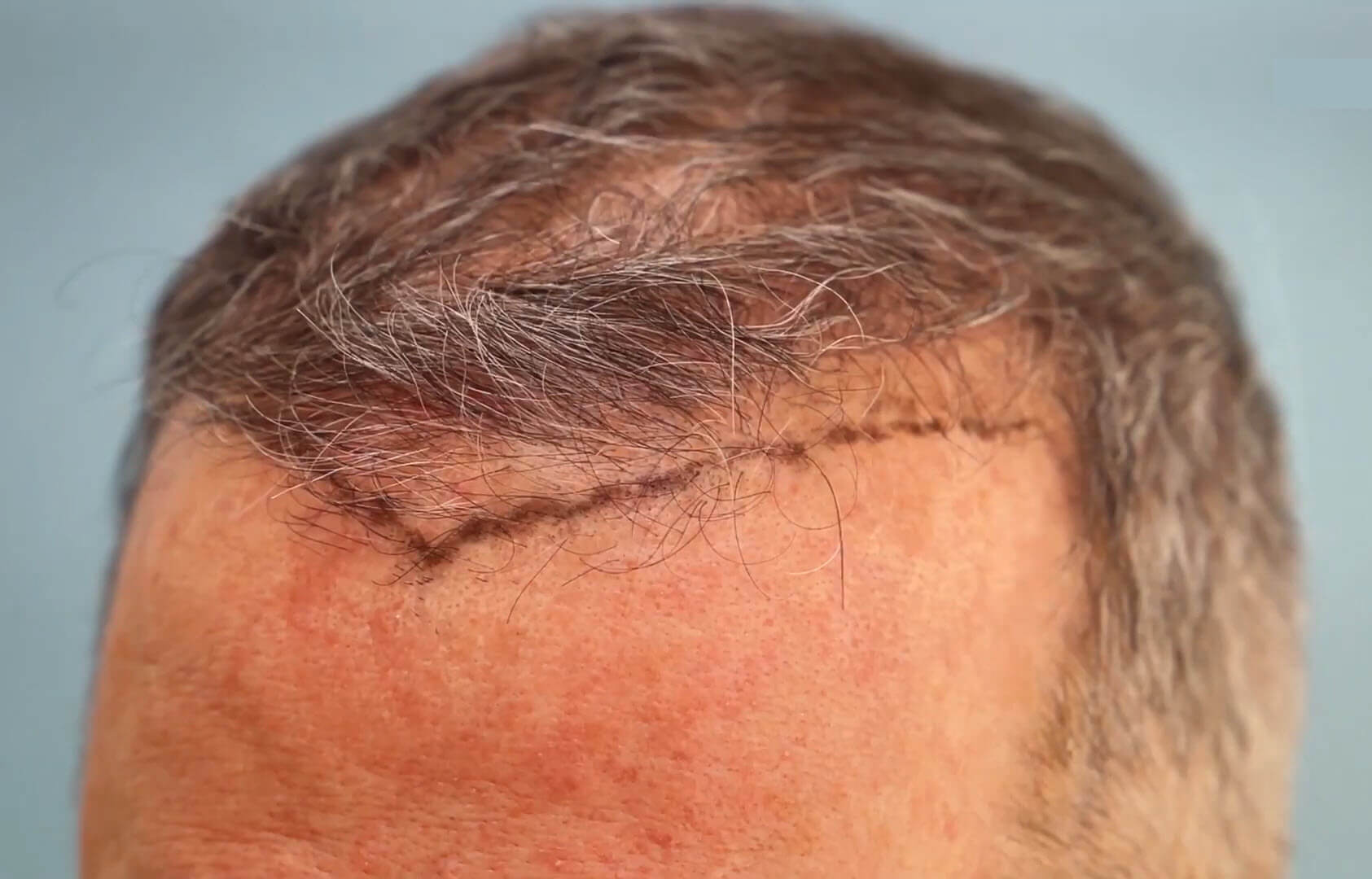
Definition and Purpose
A second hair transplant, often called a revision hair transplant, is a follow-up surgical procedure designed to enhance the results of an initial session. Its primary purpose is to address remaining bald patches or thin areas. By strategically relocating healthy follicles, surgeons can create a fuller, more youthful appearance that matches your aesthetic expectations.
Why Patients Need a Second Procedure
Many patients require a second session because hair loss is often progressive. While the transplanted hair is permanent, your original hair may continue to thin over time. According to the International Society of Hair Restoration Surgery (ISHRS), nearly 30% of patients require more than one procedure to maintain their desired density as they age.
Who Needs a Second Hair Transplant?
Poor Results from First Transplant
Unfortunately, some patients experience subpar outcomes due to outdated techniques or poor graft handling at lower-quality clinics. A second procedure can fix “pluggy” hairlines or unnatural growth patterns. Expert surgeons in Malaysia use corrective methods to camouflage old scars and redistribute hair for a much softer, more natural-looking frame for the face.
Hair Loss Progression After First Procedure
Androgenetic alopecia doesn’t always stop after one surgery. If you had a transplant in your 20s, you might lose more native hair by your 30s or 40s. A second session helps “fill the gaps” created by ongoing recession. This ensures your hair restoration journey stays consistent with your changing facial structure and natural aging process.
Low Density or Uneven Coverage
Sometimes, a single session isn’t enough to achieve high-volume density, especially for those with extensive thinning. A second pass allows the surgeon to place new grafts between existing ones without damaging the blood supply. This layering technique is essential for achieving “high-definition” results that look thick and full even under bright, direct overhead lighting.
Is a Second Hair Transplant Possible for You?
Donor Area Availability
The success of a second procedure depends entirely on your remaining donor supply. Surgeons must ensure that extracting more grafts won’t leave the back of your head looking sparse. Professional clinics in Malaysia use digital scalp analysis to measure your follicular unit density, ensuring at least 20-25% of donor hair remains for a natural look.
Hair Loss Stage Assessment
Your surgeon will evaluate your current stage on the Norwood Scale to determine if a second procedure is viable. It is crucial that your hair loss has stabilized through medical management like Minoxidil or Finasteride. Operating on an unstable scalp can lead to “island” patches where the transplanted hair stays but the surrounding native hair disappears.
Ideal Candidate Criteria
The ideal candidate for a second transplant has a healthy scalp, realistic expectations, and sufficient donor hair. In Malaysia, the Malaysian Medical Council (MMC) guidelines emphasize patient safety and psychological readiness. You should also be in good general health, as conditions like uncontrolled diabetes can negatively impact the survival rate of the newly implanted hair grafts.
Types of Second Hair Transplant Procedures
FUE for Second Transplants
Follicular Unit Extraction (FUE) is the most popular method for secondary procedures because it is minimally invasive and leaves no linear scar. Surgeons individually harvest follicles to fill specific thinning spots. This technique is perfect for patients who prefer short hairstyles, as the tiny “dot” scars are virtually invisible to the naked eye after healing.
FUT in Revision Cases
Follicular Unit Transplantation (FUT), or the strip method, is sometimes used if a patient has a very tight donor area or requires a large number of grafts. While it involves a linear scar, it can maximize the yield from the “safe donor zone.” Skilled surgeons can often excise the old scar from a previous FUT while performing the new one.
Repair and Correction Techniques
Revision surgery often requires specialized “stealth” techniques to fix mistakes from the past. This might include removing poorly placed, large grafts and “recycling” them into smaller, natural units. Surgeons may also use Scalp Micropigmentation (SMP) alongside the transplant to create the illusion of even greater density in areas where donor hair is becoming limited.
Benefits of a Second Hair Transplant
Improved Density and Coverage
The most immediate benefit is a significant boost in hair thickness. By adding 1,500 to 2,500 additional grafts, surgeons can effectively double the visual density in key areas like the crown or frontal forelock. This creates a much more robust look that allows for more versatile styling options and increased personal confidence in social settings.
Correction of Hairline Design
A second chance allows you to refine a hairline that may have been placed too high or too low during the first round. Trends change, and your face shape evolves; a revision lets you “modernize” your look. Refined hairline design principles ensure that the transition from forehead to hair is soft, irregular, and indistinguishable from nature.
More Natural Results
Advancements in technology mean that a second transplant often looks better than the first. Modern tools allow for smaller incisions and more precise angulation of the hair. This results in a “seamless” blend where the new hair follows the exact direction of your existing growth, eliminating the “doll-hair” look often associated with older, less sophisticated transplant methods.
Risks of a Second Hair Transplant
Limited Donor Hair
Every person has a finite amount of donor hair. Over-harvesting the back of the head can lead to a “moth-eaten” or patchy appearance. It is a delicate balancing act; taking too much can compromise the aesthetic of the donor site. Ethical surgeons will be honest if your donor supply is too depleted to safely perform another procedure.
Scarring from First Procedure
Scar tissue from a previous FUE or FUT can make the second surgery more complex. Scarred skin has reduced blood flow, which may slightly lower the graft survival rate compared to virgin scalp tissue. However, advanced regenerative treatments like PRP (Platelet-Rich Plasma) are often used in Malaysia to improve the health of the scalp before and during the surgery.
Shock Loss Risks
“Shock loss” refers to the temporary shedding of existing hair due to the trauma of surgery. While this is usually temporary, it can be distressing for patients undergoing a second procedure. Using medication and choosing a surgeon with a “gentle touch” minimizes this risk, ensuring that both the old and new hair thrive together after the initial healing phase.
How Many Grafts Are Needed for a Second Hair Transplant?
Graft Estimation Based on Hair Loss
The number of grafts needed depends on the size of the area being treated. For minor density touch-ups, 800 to 1,200 grafts might suffice. For more extensive coverage, such as filling a thinning crown, you might need 2,000 to 3,000 grafts. Your surgeon will provide a precise count during a microscopic scalp evaluation.
| Goal | Estimated Graft Count |
| Refining Hairline | 800 – 1,200 |
| Increasing Mid-Scalp Density | 1,200 – 2,000 |
| Crown Coverage | 1,500 – 2,500+ |
| Full Revision | 2,500 – 4,000 |
Donor Capacity and Planning
A person typically has a lifetime limit of 6,000 to 8,000 total grafts available for extraction. If you used 3,000 in your first session, you must carefully plan how to use the remaining balance. Malaysian specialists emphasize long-term “graft management” to ensure you don’t run out of hair should you need further touch-ups in ten or twenty years.
Cost of Second Hair Transplant in Malaysia
Average Cost Range
In Malaysia, the cost of a second hair transplant generally ranges from RM 8,000 to RM 25,000. While this is an investment, it is significantly more affordable than in the UK or Australia. Many clinics offer all-inclusive packages that cover the surgery, post-op medications, and follow-up care, making the financial planning much simpler for local and international patients.
Cost Per Graft
Most Malaysian clinics use a “per graft” pricing model to ensure transparency. You can expect to pay between RM 5 and RM 12 per graft depending on the complexity of the revision and the technology used (such as robotic-assisted FUE). High-volume sessions often come with a discounted rate per graft, providing better value for those needing extensive work.
Factors Affecting Cost
Several factors influence the final price, including the surgeon’s reputation and the specific technique required. Revision cases are often priced slightly higher than primary ones because they require more skill to navigate scar tissue. Additionally, the inclusion of supportive therapies like PRP or Exosome therapy to boost graft survival will add to the total cost of the procedure.
Second Hair Transplant Procedure: Step-by-Step
Consultation and Planning
The process begins with a deep-dive consultation. Your surgeon will review your previous surgical notes and analyze your current hair density. Together, you will design a “master plan” that accounts for future hair loss. This stage is critical for setting realistic goals and ensuring the donor area can safely provide the required number of follicles for your new look.
Extraction and Implantation
On the day of the procedure, local anesthesia is applied to ensure a painless experience. The surgeon carefully extracts the grafts, prioritizing the most robust follicles. Using specialized “implanter pens” or micro-blades, the grafts are then placed into the thinning areas. This phase can take 4 to 8 hours, depending on the number of grafts being moved.
Post-Procedure Care
After the surgery, you’ll receive a detailed aftercare kit. This typically includes specialized shampoos, saline sprays to keep grafts hydrated, and antibiotics. In Malaysia, clinics often schedule a “first wash” 24 hours later to teach you how to clean the area safely. Strict adherence to these post-operative instructions is the secret to achieving a 95% or higher graft survival rate.
Recovery After a Second Hair Transplant
Healing Timeline
The initial healing phase is relatively quick. By day 3, the tiny crusts around the grafts begin to form. By day 10, these scabs usually fall off naturally. Most patients return to desk jobs within 3 to 5 days, though strenuous exercise should be avoided for at least two weeks to prevent any accidental trauma to the newly implanted follicles.
Hair Shedding and Regrowth
Don’t panic if your new hair falls out after a few weeks! This is a normal biological process called “shock loss” or “shedding.” The follicle stays healthy beneath the skin while the hair shaft takes a break. New, permanent growth typically starts around the month 3 or 4 mark, appearing as fine, thin hairs that gradually thicken over time.
Final Results Timeline
Patience is key during recovery. While you will see significant improvement by month 6, the final results are usually evaluated at the 12 to 14-month mark. For crown transplants, it can take up to 18 months for the full density to manifest. Regular follow-ups with your Malaysian clinic will help track your progress and ensure everything is healing as expected.
Second Hair Transplant Results
Expected Outcomes
A successful second transplant should result in a denser, more natural-looking head of hair. The goal isn’t just “more hair,” but “better hair” that integrates perfectly with your existing follicles. Most patients report a significant boost in self-esteem and are happy with the added fullness, especially in previously sparse areas like the vertex or temple regions.
Factors Affecting Results
Results vary based on several factors, including your age, hair texture (curly hair covers better than straight), and how well you follow post-op rules. Smoking and poor nutrition can hinder blood flow to the scalp, so a healthy lifestyle is encouraged. Choosing a clinic that uses state-of-the-art storage solutions for grafts during surgery also significantly improves the final visual outcome.
FAQs About Second Hair Transplant
How long to wait before a second transplant?
You should wait at least 12 to 18 months between procedures. This allows the first transplant to fully grow in and the scalp to heal completely. Operating too soon can damage the blood supply and compromise the results of both the old and new grafts, so patience is a vital part of the process.
Is a second transplant more difficult?
Yes, it is generally more technically demanding due to the presence of scar tissue and a reduced donor supply. It requires a more strategic approach to graft placement and extraction. However, for an experienced surgeon, these challenges are manageable and should not prevent you from achieving the high-density results you are looking for.
Can density be improved significantly?
Absolutely. A second transplant is the gold standard for those who felt their first procedure was a bit “thin.” By placing new grafts in the gaps between the old ones, surgeons can achieve a much higher hairs-per-square-centimeter count. This “layering” effect is what transforms a “good” transplant into a “great” one.
Are results permanent?
Yes, the hair transplanted during a second session is taken from the permanent “safe zone” and is genetically resistant to thinning. While your non-transplanted hair may still be subject to natural hair loss, the results of the surgery itself are designed to last a lifetime, provided you maintain a healthy scalp environment.