
How Many Grafts Do You Need for a Hair Transplant?
The number of grafts required for a hair transplant isn’t one-size-fits-all. It depends on your hair loss pattern, the density you want, and how much donor hair is available. Most adults need between 1,500 and 4,000 grafts to achieve natural-looking results. A personalized consultation with a qualified surgeon ensures safe harvesting, optimal coverage, and long-term satisfaction.
Understanding Hair Grafts
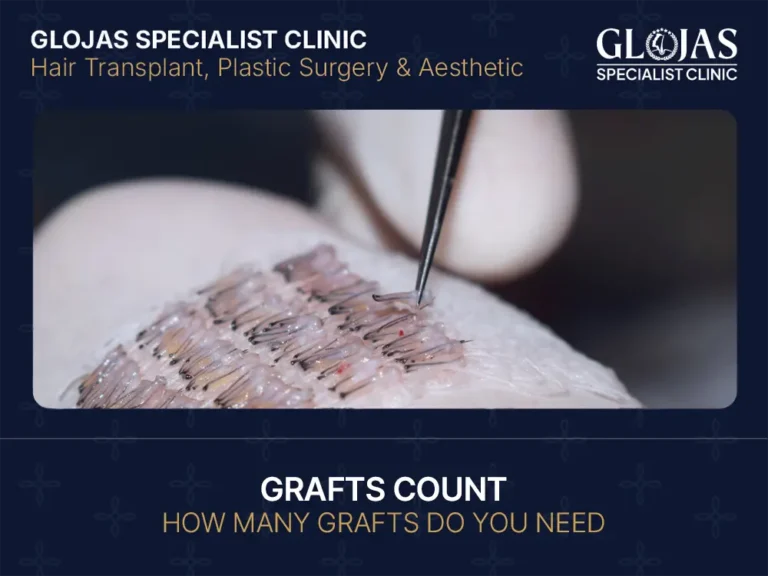
A hair graft is a tiny unit of scalp tissue that contains one to four hair follicles. These grafts are usually taken from the back or sides of your scalp—the donor areas—and transplanted to thinning or bald regions. The number of grafts determines how dense and full your hair will appear.
Factors That Influence Graft Numbers
Degree of Hair Loss
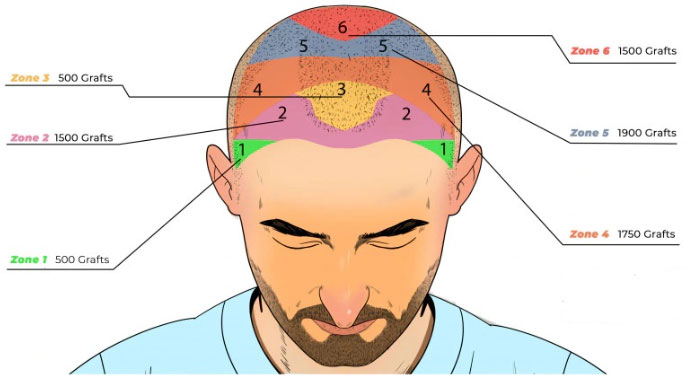
Mild hair loss (Norwood II–III): ~1,500–2,000 grafts
Moderate hair loss (Norwood III–IV): ~2,000–3,000 grafts
Advanced hair loss (Norwood V–VI): 3,500–4,500+ grafts
Coverage Area
Smaller areas like the temples or crown need fewer grafts.
Extensive thinning or full scalp restoration requires more grafts to achieve natural density.
Desired Hair Density
Standard density: 30–35 follicular units/cm²
High density: 40–50 follicular units/cm², which may require additional grafts
Donor Hair Quality and Availability
Thick, strong hair can cover more area per graft.
Limited donor supply or scalp tightness may reduce the total number of harvestable grafts.
Patient Age and Hair Characteristics
Younger patients may need staged procedures to keep results looking natural over time.
Hair color, curl, and thickness affect visual coverage and how dense the hair appears.
Types of Hair Transplant Procedures
FUT (Follicular Unit Transplantation): Involves removing a linear strip of scalp; ideal for large graft numbers.
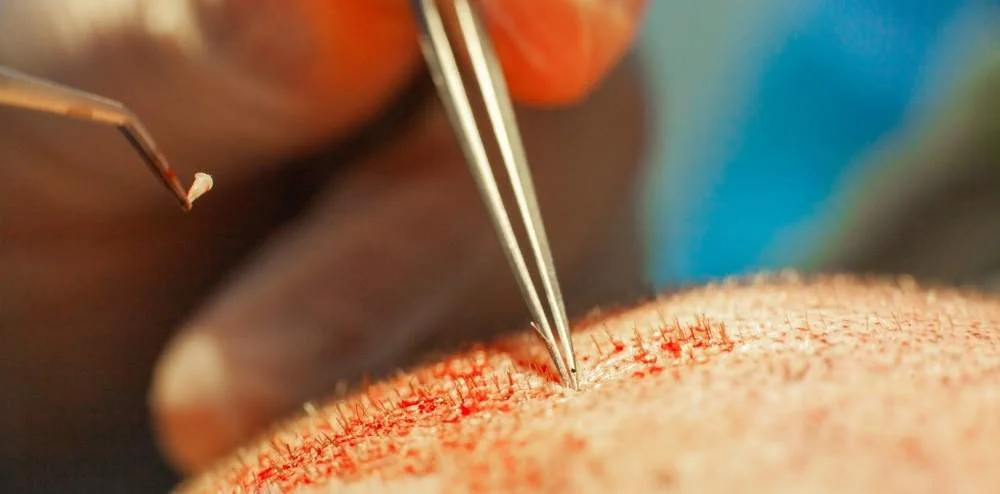
FUE (Follicular Unit Extraction): Individual follicular units are harvested; minimally invasive and leaves tiny dot scars. Multiple sessions may be needed for extensive baldness.
Many surgeons combine both techniques for the best results in advanced hair loss cases.
Planning Your Hair Transplant
Consultation: Surgeons assess scalp laxity, donor density, and hair characteristics.
Graft Calculation: The bald area is measured, and the desired density guides the total graft count.
Setting Realistic Expectations: Packing too many grafts into one session can harm graft survival. Staged procedures are often safer for long-term results.
Recovery and Long-Term Considerations
Transplanted hair usually sheds within 2–3 weeks, then regrows steadily over 6–12 months.
Healthy donor sites allow for potential future procedures if needed.
Follow-up ensures proper growth, monitors density, and addresses minor issues like shock loss or scarring.
FAQ
Q1: Can one session restore a completely bald scalp?
A: Extensive baldness often requires multiple sessions. Safe graft limits per session typically range from 3,500 to 4,500, depending on donor hair availability.
Q2: How is the exact number of grafts determined?
A: Surgeons consider bald area size, desired density, donor hair supply, hair characteristics, and progression of hair loss.
Q3: Does hair thickness affect graft requirements?
A: Yes. Thicker or curlier hair provides better coverage per graft, potentially reducing the total number needed.
Q4: Are there risks in taking too many grafts?
A: Overharvesting can cause donor site thinning, scarring, and poor graft survival. Careful planning ensures safe and effective results.
Q5: How long until transplanted hair looks natural?
A: Hair growth usually begins around 3–4 months, with full density visible by 9–12 months post-procedure.
Conclusion
The ideal number of grafts for a hair transplant is unique to each individual. Factors like hair loss severity, desired coverage, donor hair quality, and personal goals all play a role. Working with an experienced surgeon ensures safe extraction, natural-looking results, and long-term satisfaction, giving you hair that looks and feels like your own.
GLOJAS Specialist Clinic is a trusted leader in hair restoration, offering personalized hair transplant malaysia based on advanced graft assessment. With a team of experienced surgeons and evidence-based techniques, they ensure safe extraction, natural density, and lasting results, helping patients achieve confident, healthy hair with expert care and precision.