
What Is a Hair Transplant for Women?
Understanding Female Hair Loss
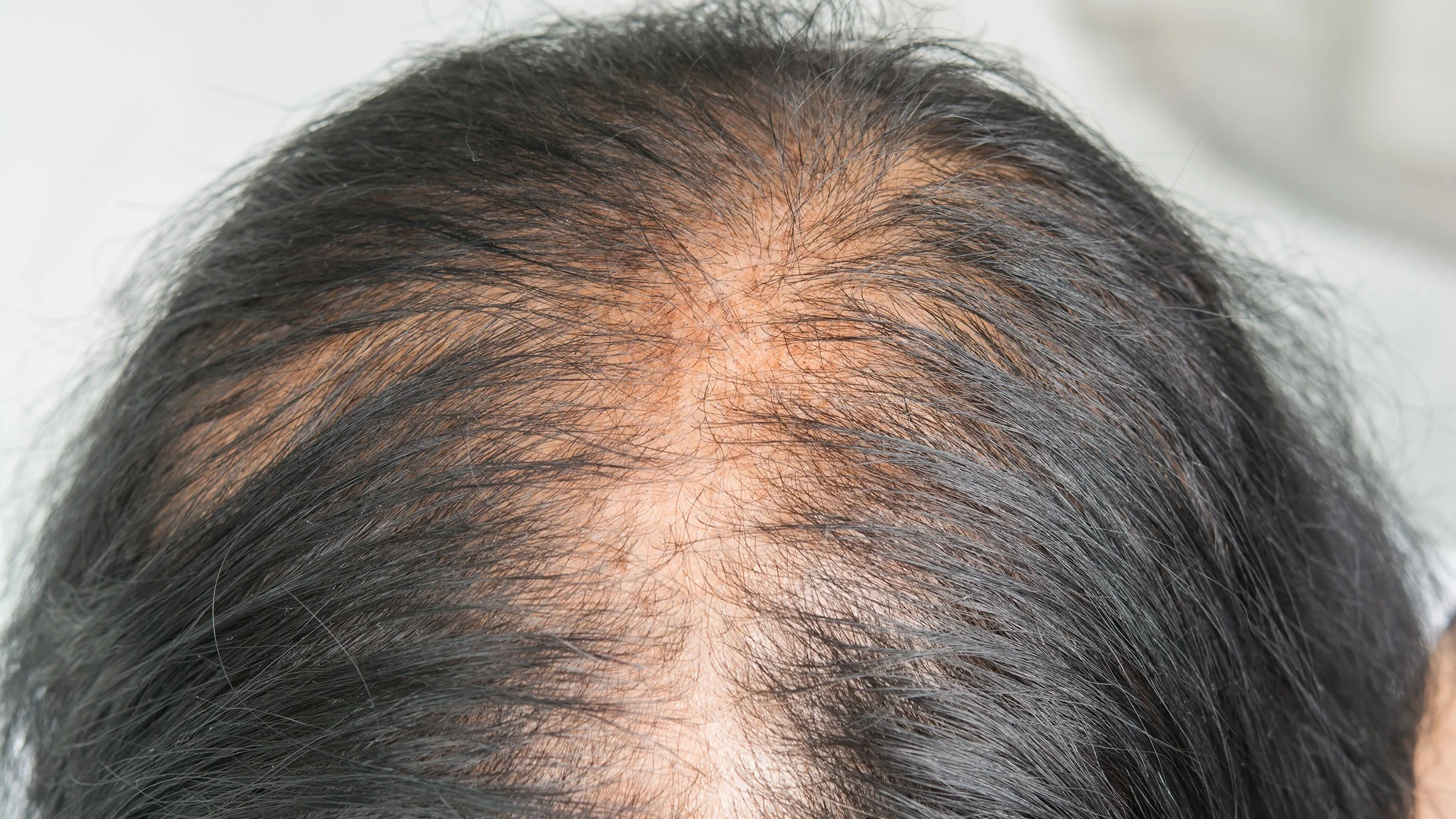
Female hair loss often manifests as diffuse thinning across the entire scalp rather than the receding hairline typical in men. Affecting nearly 40% of women by age 50, this condition can be triggered by hormonal shifts, stress, or genetics. Identifying the pattern is the first step toward effective restoration.
How Hair Transplant Works for Women
A hair transplant involves moving healthy hair follicles from a “donor” site—usually the back of the head—to thinning areas. Using microscopic precision, surgeons relocate these grafts to restore density. This surgical intervention provides a physical correction that topical serums simply cannot match for long-term volume.
Differences Between Male and Female Hair Transplants
Unlike men, women often preserve their frontal hairline, requiring a focus on internal density. Additionally, women are more likely to have “diffuse” thinning, meaning a surgeon must carefully select stable donor follicles. Technical precision is vital to avoid damaging existing hair during the implantation process.
Types of Hair Transplant Techniques for Women
FUE (Follicular Unit Extraction) for Women
FUE is a popular choice because it involves extracting individual follicles using a micro-punch tool. This method leaves tiny, dot-like scars that are virtually invisible, even with shorter hair. It is a minimally invasive technique that offers a faster recovery time for busy women.
FUT (Follicular Unit Transplantation) for Women
In FUT, a thin strip of scalp is removed to harvest a high volume of grafts. While it leaves a linear scar, this is easily hidden by longer female hairstyles. FUT is often recommended for women needing maximum coverage in a single session without shaving large sections of their hair.
Who Is a Suitable Candidate for Female Hair Transplant?
Common Causes of Hair Loss in Women
Candidates often suffer from androgenetic alopecia or traction alopecia caused by tight hairstyles. However, according to industry research, only about 2–5% of women with hair loss are ideal surgical candidates. It’s crucial to rule out temporary conditions like telogen effluvium before proceeding.
Age and Health Considerations
Surgeons typically recommend waiting until hair loss patterns are stable, often after age 25. Candidates must be in good general health, as chronic conditions like uncontrolled diabetes can hinder healing. A thorough scalp biopsy may be necessary to ensure the donor area is not affected by diffuse thinning.
Expectations and Realistic Outcomes
A successful transplant adds density but doesn’t recreate the exact thickness of childhood. Candidates should understand that hair restoration is about “refilling” visible gaps. Having a grounded perspective ensures satisfaction, as the full aesthetic impact of the surgery can take over a year to manifest completely.
Hair Transplant Procedure for Women
Pre-Procedure Consultation and Assessment
Your journey begins with a specialized scalp analysis. In Malaysia, surgeons must be LCP-certified by the Ministry of Health to perform these procedures legally. This assessment checks for “stable” donor hair and determines the exact number of grafts required to achieve your desired density.
The Hair Transplant Process Step by Step
Under local anesthesia, follicles are harvested and then prepared under a microscope. The surgeon creates tiny recipient sites in the thinning area, mimicking your natural growth angle. The grafts are then meticulously placed into these sites, a process that can take anywhere from 4 to 8 hours.
Recovery Time and Post-Procedure Care
Initial healing takes about 7 to 10 days. You may experience slight swelling or scabbing, which resolves quickly. Most women return to work within a week. It is vital to avoid heavy exercise and direct sun exposure for at least 14 days to protect the new grafts.
Benefits of Hair Transplant for Women
Natural-Looking Hair Restoration
Modern techniques like DHI (Direct Hair Implantation) allow for incredible artistic control. By following the natural direction of your hair, surgeons ensure the results blend seamlessly with your existing locks. Once grown out, it is impossible to distinguish the transplanted hair from the rest of your scalp.
Long-Term Solution for Hair Loss
While medications like minoxidil require daily application forever, a hair transplant is a permanent fix. The transplanted follicles are genetically resistant to thinning. This makes it a cost-effective investment over time, as you won’t need to rely on temporary camouflage or expensive, recurring topical treatments.
Boosting Confidence and Self-Esteem
Hair is often tied to identity and femininity. Restoring a thinning part or filling in temple areas can significantly improve self-image. Many women report feeling a renewed sense of confidence in social and professional settings after their hair grows back, effectively removing the stress of hiding bald spots.
Risks and Side Effects
Common Side Effects After Hair Transplant
Temporary side effects include redness, itching, and “shock loss,” where existing hair sheds briefly before regrowing. While rare, minor infections or folliculitis can occur if post-op instructions aren’t followed. These are usually well-managed with antibiotics and specialized shampoos provided by your clinic.
How to Minimize Complications
Choosing a surgeon registered with the National Specialist Register (NSR) is the best way to reduce risk. Proper aftercare, such as sleeping with your head elevated and avoiding scratching scabs, is essential. Always attend follow-up appointments to ensure the scalp is healing correctly and the grafts are thriving.
Hair Transplant Cost for Women in Malaysia
Average Price Range
In Malaysia, the cost typically ranges from RM 5,000 to RM 30,000. Most clinics charge per graft, with rates generally falling between RM 5 to RM 12 per graft. This makes Malaysia a top destination for medical tourism, offering world-class expertise at a fraction of Western prices.
Factors Affecting Cost
The final price depends on the technique (FUE vs. FUT) and the number of grafts needed. Experienced surgeons with high success rates may charge a premium. Additionally, some clinics include post-surgery boosters like PRP (Platelet-Rich Plasma) therapy in their packages to enhance graft survival and overall hair health.
Frequently Asked Questions About Hair Transplant for Women
Is Hair Transplant Painful for Women?
The procedure is performed under local anesthesia, so you won’t feel pain during the surgery. Most patients describe a sensation of pressure. Afterward, any mild soreness can be managed with standard over-the-counter pain relievers, and most discomfort vanishes within the first 48 hours.
How Long Does It Take to See Results?
Patience is key! Initial growth usually starts around month 3 or 4. You will see significant improvement by month 6, but the final results typically take 12 to 18 months for women. This timeline accounts for the hair’s natural growth cycle and maturation of the strands.
Is Hair Transplant Permanent for Women?
Yes. The follicles moved from the back of the scalp are “donor dominant,” meaning they retain their resistance to hair loss. Once they successfully take root in the new area, they will continue to grow for a lifetime, providing a permanent solution to thinning.