

If you’ve spent more than five minutes on social media lately, you’ve definitely heard of Ozempic. It’s gone from a quiet diabetes medication to a global weight loss phenomenon. But with all the hype comes a big question: Is it actually safe for weight loss?
Let’s break down the science, the side effects, and what doctors really think about using this “miracle shot” to shed pounds.
What Is Ozempic?
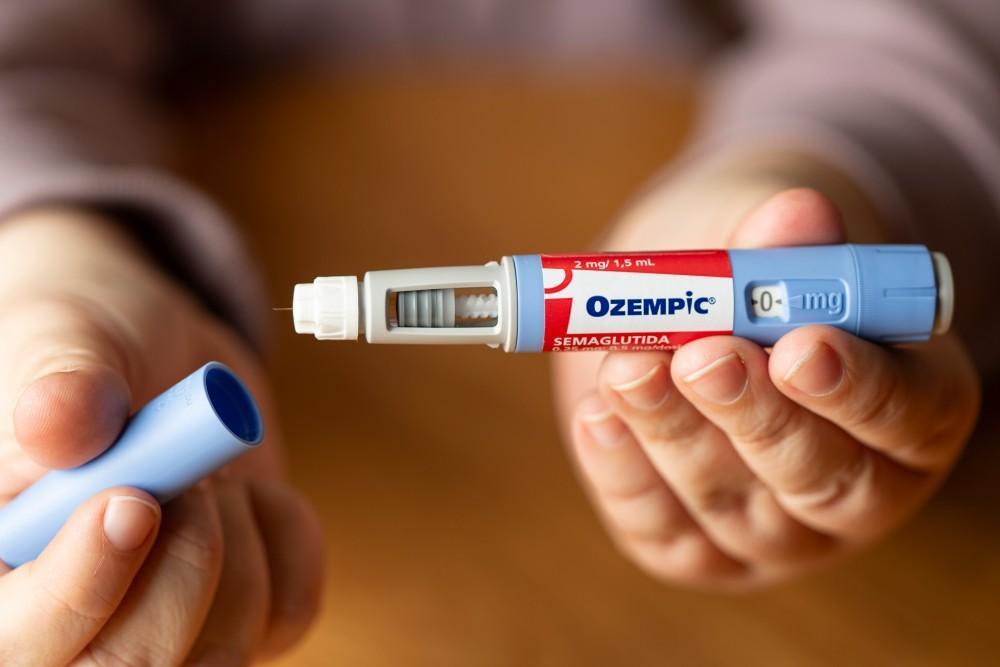
At its core, Ozempic is a brand-name medication containing semaglutide. While it has become a household name for weight loss, its history is actually rooted in metabolic health.
What Ozempic Is Approved For
Currently, Ozempic is FDA-approved specifically for adults with Type 2 diabetes. It helps manage blood sugar levels and reduces the risk of major cardiovascular events like heart attacks or strokes in people with heart disease.
How Ozempic Works in the Body (GLP-1 Mechanism)
Ozempic belongs to a class of drugs called GLP-1 receptor agonists. It mimics a hormone your body naturally produces when you eat. It tells your brain you’re full, slows down how fast your stomach empties, and triggers your pancreas to release insulin.
Difference Between Ozempic and Other Weight Loss Drugs
Unlike older diet pills that acted as stimulants (think caffeine on steroids), Ozempic works on your hormones. It’s a weekly injectable, not a daily pill, which makes it much more potent than over-the-counter alternatives.
Why Ozempic Is Used for Weight Loss
Even though it’s a diabetes drug, people are losing significant weight on it. Here’s why.
Appetite Suppression and Blood Sugar Control
The “secret sauce” is how it handles hunger. By slowing gastric emptying, that sandwich you had for lunch stays in your stomach longer. You feel “full” for hours, which naturally leads to eating less.
Weight Loss Results Seen in Clinical Studies
Clinical trials have shown that participants using semaglutide lost significantly more weight than those on a placebo. You can check out more detailed data on clinical trial outcomes to see the exact percentages.
Who Typically Loses Weight on Ozempic
While it works for many, those with a high BMI or weight-related health issues tend to see the most dramatic shifts in their body composition.
Is Ozempic FDA-Approved for Weight Loss?
This is where things get a bit “grey.“
Off-Label Use Explained
Technically, Ozempic is not FDA-approved for weight loss. When a doctor prescribes it for weight loss, it’s called “off-label” use. This is legal and common in medicine, but it means the drug wasn’t specifically tested for that purpose under the Ozempic label.
Ozempic vs Wegovy: What’s the Difference?
Think of Ozempic and Wegovy as twins. They both use semaglutide. However, Wegovy is FDA-approved for chronic weight management and comes in higher doses.
Legal and Medical Considerations
Because of the massive demand, there have been shortages for actual diabetic patients. Doctors now have to weigh the medical necessity of weight loss versus the needs of those with Type 2 diabetes.
How Much Weight Can You Lose on Ozempic?
Average Weight Loss Results
Most people on a therapeutic dose of semaglutide lose between 10% to 15% of their body weight over a year.
Factors That Affect Weight Loss Outcomes
Your starting weight, metabolism, and—most importantly—your diet play huge roles. It’s not a “get thin while eating pizza” shot; it’s a tool to help you stick to a deficit.
Timeline: When Results Usually Appear
You won’t wake up skinny after one shot. Most people start seeing changes within the first 4 to 8 weeks as the dosage gradually increases.
Common Side Effects of Ozempic
It’s not all sunshine and smaller jeans. The side effects can be… rough.
Gastrointestinal Issues: Nausea is the #1 complaint. Vomiting, diarrhea, and intense constipation are also on the menu.
Fatigue and Dizziness: Some users report feeling “wiped out” or dizzy, especially when they first start.
Injection-Site Reactions: Since it’s a needle, you might get some redness or itching where you jab yourself.
Serious Risks and Long-Term Concerns
This is the serious stuff you need to discuss with a pro.
Pancreatitis and Gallbladder Issues
There is a rare but real risk of pancreatitis (inflammation of the pancreas) and gallstones. If you feel severe abdominal pain, that’s a “go to the ER” sign.
Thyroid Tumor Warning
In animal studies, semaglutide caused thyroid C-cell tumors. While it’s not confirmed in humans, the FDA includes a Boxed Warning for people with a family history of Medullary Thyroid Carcinoma (MTC).
Muscle Loss and Nutritional Deficiencies
Because you’re eating so much less, you might lose muscle along with fat. This is why many doctors recommend a high-protein diet while on the drug.
Doctor Guidelines for Using Ozempic Safely
If you’re thinking about it, don’t buy it from a random website. See a doctor.
Medical Screening: You need blood work to check your kidney and thyroid function.
Titration Schedule: Doctors start you on a tiny dose (0.25mg) and slowly move up to let your stomach adjust.
Lifestyle Changes: Ozempic works best when paired with exercise. You can find great weight loss lifestyle tips to maximize your results.
What Happens When You Stop Ozempic?
The “Ozempic Rebound” is real. Research suggests that once you stop the medication, your appetite returns to its original state. Without a solid maintenance plan, many people regain a significant portion of the weight they lost.
Pros and Cons
| Pros | Cons |
| Highly effective for weight loss | Expensive without insurance |
| Improves blood sugar and heart health | Potential for “Ozempic Face” (sagging skin) |
| Reduces “food noise” (cravings) | Long-term side effects are still being studied |
Alternatives to Ozempic
If Ozempic isn’t for you, there are other options:
Mounjaro/Zepbound: A newer class of drug (Tirzepatide) that targets two hormones instead of one.
Lifestyle & Behavior: Working with a nutritionist or using behavioral therapy for weight loss can create lasting change without needles.
Frequently Asked Questions (PAA)
1. Is Ozempic safe for non-diabetics?
While many non-diabetics use it off-label, it should only be done under strict medical supervision to monitor for side effects like hypoglycemia or kidney issues.
2. How long can you stay on Ozempic?
For many, it is considered a long-term medication for chronic weight management. Stopping often leads to weight regain.
3. What is “Ozempic Face”?
It’s just rapid weight loss. When you lose fat quickly in your face, the skin can sag, making you look older. It’s not the drug itself; it’s the speed of the weight loss.
4. Does Ozempic cause hair loss?
Rapid weight loss can trigger a condition called telogen effluvium, which causes temporary hair thinning.
5. Is Ozempic worth the cost?
With prices hovering around $900+ a month without insurance, it’s a big investment. It depends on whether your health risks from obesity outweigh the monthly bill.
Final Verdict: Is Ozempic Safe for Weight Loss?
The short answer: Yes, for the right person and under the right supervision.
If you have a significant amount of weight to lose and have struggled with traditional methods, Ozempic can be a literal lifesaver. However, if you’re just trying to lose “the last 5 pounds” for a wedding, the risks likely outweigh the rewards. Always consult your primary care physician before starting any hormonal medication.