
If you’ve ever looked in the mirror and felt like your frame was playing a permanent game of “catch up” with your chest, you’re likely already wondering if there’s a better way to live. In Malaysia, where the tropical heat can make the physical burden of heavy breasts even more uncomfortable (hello, skin irritation and heavy sports bras), breast reduction surgery is a common and life-changing solution.
But how do you know if you’re actually a “candidate” or just having a bad back day? Let’s break down who qualifies for this procedure in the Malaysian medical landscape.
Determining your suitability for a reduction mammoplasty isn’t just about cup size; it’s about how that size impacts your daily quality of life. Malaysian plastic surgeons look for a combination of physical symptoms and realistic aesthetic goals to ensure you get the best outcome.
Who Qualifies as a Breast Reduction Candidate?
Physical Symptoms Indicating Surgery (Back, Neck, Shoulder Pain)
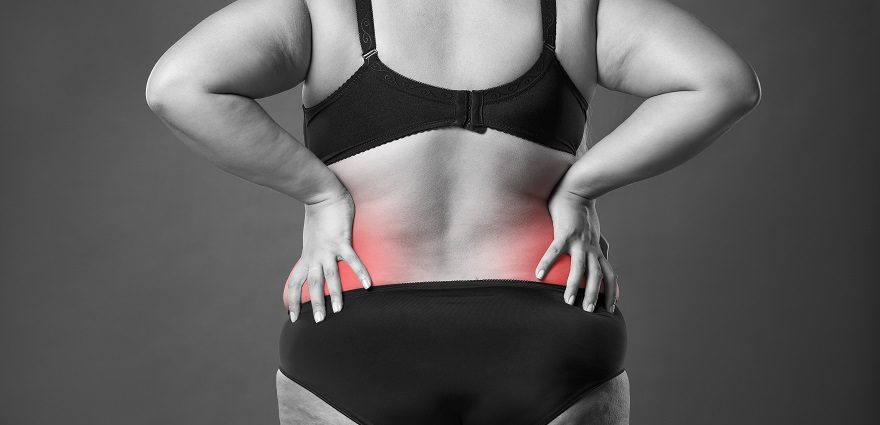
The most common “green flag” for surgery is chronic physical pain. When the weight of breast tissue pulls the shoulders forward, it creates a domino effect of musculoskeletal issues. Many candidates suffer from deep “bra strap grooves” in their shoulders or recurring intertrigo—a painful skin rash that occurs in the fold under the breast. If your chest is causing skeletal strain, you are likely a primary candidate.
Cosmetic and Proportional Concerns
Sometimes, it’s not just about the ache; it’s about the silhouette. You might be a candidate if you feel your breasts are disproportionately large for your height and frame, leading to a “top-heavy” appearance. This often results in difficulty finding clothes that fit or feeling extremely self-conscious during physical activities like HIIT classes or swimming.
Age and Health Considerations
While there isn’t a “magic number” for age, surgeons in Malaysia generally prefer candidates to be at least 18 years old to ensure breast development is complete. From a health perspective, being a non-smoker is a massive plus. According to the American Society of Plastic Surgeons, smoking significantly impairs blood flow to the tissue, which can lead to complications during the healing process.
Medical Assessment for Breast Reduction Candidates
Pre-Surgery Consultation and Evaluation
Your journey begins with a face-to-face consultation. In Malaysia, board-certified surgeons will evaluate your “ptosis” (the degree of sagging) and discuss your desired nipple position. This is the time to be honest about your lifestyle, your activity levels, and what you hope to achieve.
Medical History and Health Screening
Your surgeon will dive into your medical records. They’ll look for history of breast lumps, family history of breast cancer, and any chronic conditions like diabetes or hypertension. Controlling these factors is key to being cleared for general anaesthesia.
Imaging and Breast Measurements
Expect some “science” to go along with the art. A surgeon will take precise measurements from your sternal notch to your nipple to determine the degree of reduction needed. Most Malaysian clinics also require a baseline mammogram or ultrasound to ensure the tissue being operated on is healthy and free of underlying masses.
Ideal Candidates vs Unsuitable Candidates
Factors That Make Surgery Recommended
You are an ideal candidate if:
You have realistic expectations about scarring (which is permanent but fades).
You are at a stable weight (significant weight loss after surgery can change your results).
Your physical activities are limited by your breast size.
You experience chronic back pain that hasn’t responded to physical therapy or chiropractic care.
Conditions That May Prevent Surgery
On the flip side, some factors might make a surgeon hit the “pause” button. These include:
Active Smoking: Most Malaysian surgeons require you to quit at least 4–6 weeks before and after surgery.
Uncontrolled Diabetes: This can severely delay wound healing and increase infection risks.
BMI Over 35: Some surgeons may ask you to reach a lower Body Mass Index to reduce the risk of surgical complications and ensure a more aesthetic contour.
Future Pregnancy Plans: While not a total “no,” if you plan on getting pregnant soon, it’s often better to wait, as pregnancy can significantly alter breast size and shape.
FAQs About Breast Reduction Candidates in Malaysia
How do I know if I am a candidate?
If you can’t participate in sports without pain, struggle with skin infections under the breast, or have persistent neck and shoulder tension despite trying conservative treatments, you are likely a strong candidate for a reduction.
Are there age limits for surgery?
There is no upper age limit as long as you are in good cardiovascular health. For younger patients, it is usually recommended to wait until the breasts have finished growing, typically around late teens or early twenties.
Can medical conditions affect eligibility?
Yes. Conditions that affect blood clotting or the immune system’s ability to heal (like certain autoimmune disorders or poorly managed heart disease) can affect your eligibility. A thorough screening with your GP and your plastic surgeon is essential to ensure the procedure is safe for you.