
Over-the-counter acne medications are effective for mild breakouts, while prescription acne medications are designed for moderate to severe acne, hormonal acne, or scarring risk. The right choice depends on acne type, severity, and skin response. Early medical treatment improves outcomes and reduces long-term skin damage.
Understanding Acne: Why Treatment Choice Matters
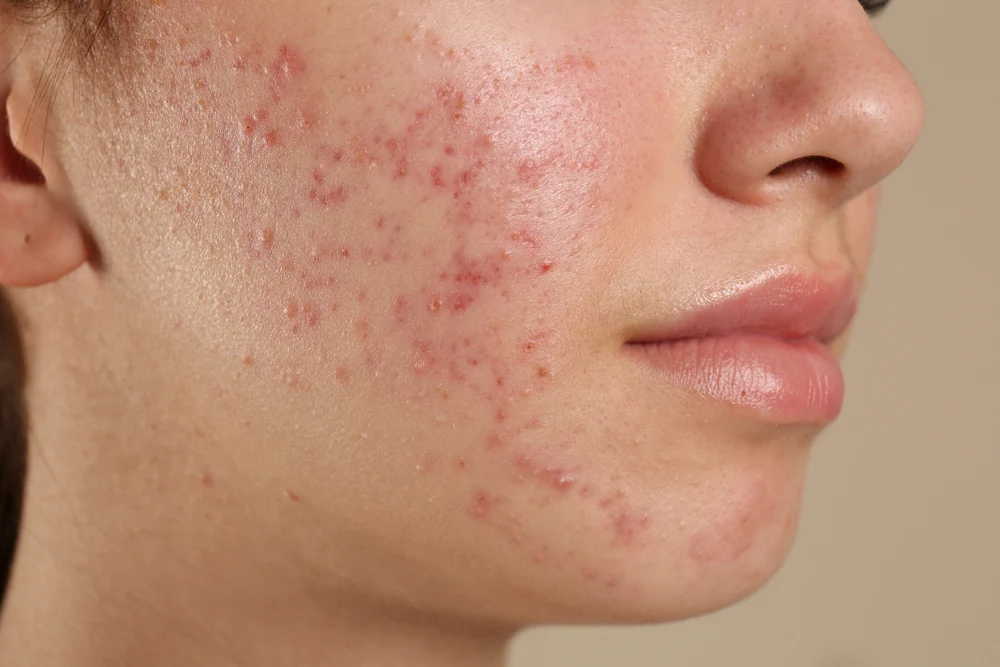
Acne is not just a cosmetic issue. Medically, it is a chronic inflammatory skin condition involving excess oil production, clogged pores, bacterial overgrowth (Cutibacterium acnes), and inflammation.
The mistake many people make is treating all acne the same. In reality, mild acne and cystic acne require very different levels of treatment, which is why understanding the difference between over-the-counter and prescription acne medications is essential.
How Acne Medications Work (Clinician Explanation)
Acne treatment target one or more of these core mechanisms:
Reducing oil (sebum) production
Preventing clogged pores (comedones)
Killing acne-causing bacteria
Calming inflammation
The key difference between OTC and prescription acne medication is strength, depth of action, and consistency of results.
Over-the-Counter Acne Medications
Over-the-counter acne treatments are widely available and suitable for mild, early-stage acne.
Common OTC Acne Ingredients
Benzoyl Peroxide (2.5–10%)
Kills acne-causing bacteria and reduces inflammation. It works quickly but can cause dryness if overused.
Salicylic Acid (0.5–2%)
Helps unclog pores and reduce blackheads and whiteheads. Best for comedonal acne.
Adapalene 0.1%
A mild topical retinoid that improves skin turnover and prevents clogged pores.
Niacinamide & Sulfur
Support oil control and soothe redness.
When OTC Acne Treatment Works Best
Mild acne
Occasional breakouts
Teen acne without scarring
Maintenance after prescription treatment
Limitations of OTC Acne Medication
Limited penetration into deeper skin layers
Less effective for hormonal acne
Minimal impact on cystic or nodular acne
Results may plateau after initial improvement
OTC acne treatments are not designed to treat deeper inflammation or prevent scarring.
Prescription Acne Medications
Prescription acne medications are recommended when acne is persistent, inflammatory, painful, or scarring.
Prescription Topical Acne Treatments
Topical Retinoids (Tretinoin, Adapalene 0.3%, Tazarotene)
These normalize skin cell turnover and prevent pore blockage. They are more potent than OTC retinoids.
Topical Antibiotics (Clindamycin, Erythromycin)
Reduce bacterial growth and inflammation. Always combined with benzoyl peroxide to prevent antibiotic resistance.
Azelaic Acid 15–20%
Useful for acne with redness, pigmentation, or sensitive skin.
Oral Prescription Acne Medications
Oral Antibiotics (Doxycycline, Minocycline)
Used short-term for moderate to severe inflammatory acne.
Hormonal Therapy (Spironolactone, Oral Contraceptives)
Highly effective for adult female and hormonal acne.
Isotretinoin
Reserved for severe, nodulocystic, or scarring acne. It treats acne at its root but requires strict medical supervision.
Key Differences: OTC vs Prescription Acne Medications
| Feature | Over-the-Counter | Prescription |
|---|---|---|
| Acne severity | Mild | Moderate to severe |
| Strength | Lower | Medical-grade |
| Depth of action | Surface-level | Deep follicular |
| Speed of results | Slower | Faster |
| Scarring prevention | Limited | Strong |
| Medical supervision | Not required | Required |
Clinical evidence:
The American Academy of Dermatology (AAD) states that over-the-counter acne treatments are appropriate for mild acne, while moderate to severe acne often requires prescription medications such as topical retinoids, antibiotics, or hormonal therapy to prevent scarring and long-term skin damage.
🔗 Source: American Academy of Dermatology – Acne treatment guidelines
https://www.aad.org/public/diseases/acne/derm-treat/treat
Which Acne Treatment Is Right for You?
OTC Acne Medication May Be Enough If:
Acne is mild and localized
No deep cysts or nodules
Minimal pigmentation or scarring
Prescription Acne Medication Is Recommended If:
Acne lasts longer than 8–12 weeks
Painful cysts or nodules appear
Acne affects chest or back
Dark marks or scars are developing
Acne worsens during menstrual cycles
Early prescription treatment reduces the risk of permanent scarring.
At GLOJAS Specialist Clinic Malaysia, acne treatment is handled by qualified doctors using proven medical methods. Each plan is tailored to your skin type and acne severity, focusing on safe care, visible improvement, and long-term skin health.
Side Effects & Skin Barrier Protection
Both OTC and prescription acne medications may cause:
Dryness
Peeling
Redness
Temporary purging
Using a gentle cleanser, non-comedogenic moisturizer, and daily sunscreen significantly improves tolerance and results.
When to See a Doctor for Acne
You should seek medical advice if:
Acne does not improve after OTC treatment
Breakouts are painful or widespread
Acne affects self-esteem or mental health
You notice scarring or pigmentation
Medical evaluation ensures the right medication, dose, and treatment duration.
Frequently Asked Questions (FAQs)
Is over-the-counter acne medication effective?
Yes, OTC acne treatments are effective for mild acne, especially blackheads and whiteheads.
When should I switch to prescription acne medication?
If there is no improvement after 8–12 weeks or acne worsens, prescription treatment is recommended.
Are prescription acne medications stronger than OTC?
Yes, prescription medications are more potent and treat deeper acne causes.
Can I use OTC and prescription acne treatments together?
Yes, many prescription regimens include OTC products under medical guidance.
Which acne medication prevents scarring best?
Prescription treatments, especially retinoids and isotretinoin, are most effective at preventing acne scars.