
Liposuction Testing
Liposuction is a popular body shaping treatment in Malaysia. It’s a safe and effective way to remove small areas of unwanted fat. Certified plastic surgeons perform the procedure. They use medical skill to give you a great look. You get modern methods, quick recovery, and proven safety rules. This makes Malaysia a trusted place for body shaping. What is Liposuction? Liposuction is an operation to remove stubborn fat that won’t go away with diet or exercise. It focuses on spots like the tummy, legs, arms, and chin. It’s a shaping treatment, not a way to lose a lot of weight. It makes your body look better. Popular Methods: Tumescent Lipo: Uses local painkiller with a salt-water mix. This makes fat removal safer. Ultrasound Lipo (UAL): Uses sound waves to melt the fat so it’s easier to remove. Laser Lipo (LAL): Uses laser energy. This helps tighten the skin while the fat is taken out. Power Lipo (PAL): Uses a tool that vibrates to remove the fat more smoothly. Why Pick Malaysia for Liposuction? Malaysia is known for high-quality cosmetic surgery. It offers good prices and top-level care. Skilled Doctors: Surgeons are certified and have global training. Modern Clinics: Hospitals are approved and have up-to-date surgical tools. Good Prices: Costs are lower than in Western countries, but safety is just as high. Easy Travel: Staff speak English and can help with travel plans. How the Operation Works Talk with the Doctor: The surgeon checks your body, talks about your goals, and plans the treatment. Health Check: You get tests (like blood work) to make sure you are healthy enough. Pain Block: You receive medicine to block pain (local, regional, or general sleep). Fat Removal: The surgeon gently sucks out the fat using thin tubes called cannulas. This careful method lowers harm to tissues. Finish: Small cuts are closed. You put on a tight compression garment. Time Needed: It takes 1 to 4 hours. Recovery: You will have some swelling and bruises for 1 to 2 weeks. You see the final result after 3 to 6 months. Safety and Things to Consider Liposuction is safe for most people, but there are a few risks: Infection or bleeding. Uneven skin or shape. Fluid issues or problems with the pain medicine. Numbness that usually goes away. Safety Tips: Only pick board-certified surgeons. Don’t have surgery if you are pregnant, nursing, or have serious health issues. Strictly follow your doctor’s rules after the operation (wear the tight garment, rest). Cost of Liposuction in Malaysia Prices change based on the area, method, and clinic. Area Size Average Price (MYR – Malaysian Ringgit) Small (e.g., chin) MYR 5,000 to 10,000 Medium (e.g., tummy) MYR 10,000 to 20,000 Large/Many areas MYR 20,000+ Most clinics offer payment plans. Travel services often include airport pick-up, lodging, and after-surgery check-ups. Getting Better and Aftercare Right After: Wear the compression garment to reduce swelling. Take medicine for mild pain. Limit physical activity for 1 to 2 weeks. Long-Term: Keep a healthy diet and exercise to keep the results. Treat scars with silicone sheets or laser if needed. See your surgeon often to check how you are healing. Common Questions (FAQ) Is it safe in Malaysia? Yes, if done by certified surgeons in proper hospitals. Problems are rare with good care. When will I see results? Swelling goes down in a few weeks, but the final shape takes 3 to 6 months. Does it help with being very overweight? No. It is for shaping, not for big weight loss. It works best for people at a stable weight with small fat areas. Are there other choices? Yes, non-surgical options exist, like CoolSculpting. But they are usually less effective than surgery. Will insurance pay? No. Insurance rarely covers cosmetic liposuction unless it’s for a health reason. How long does recovery take? Most people go back to normal life in 1 to 2 weeks. You can start exercising again after 4 to 6 weeks. Final Thoughts Liposuction in Malaysia gives you a safe, well-priced, and modern way to shape your body. With experienced surgeons, new methods, and clear aftercare, you can get long-lasting, natural-looking results. Malaysia is a trusted choice for cosmetic surgery due to its safety standards and approved clinics.
How To Wash Hair After Hair Transplant Correctly?
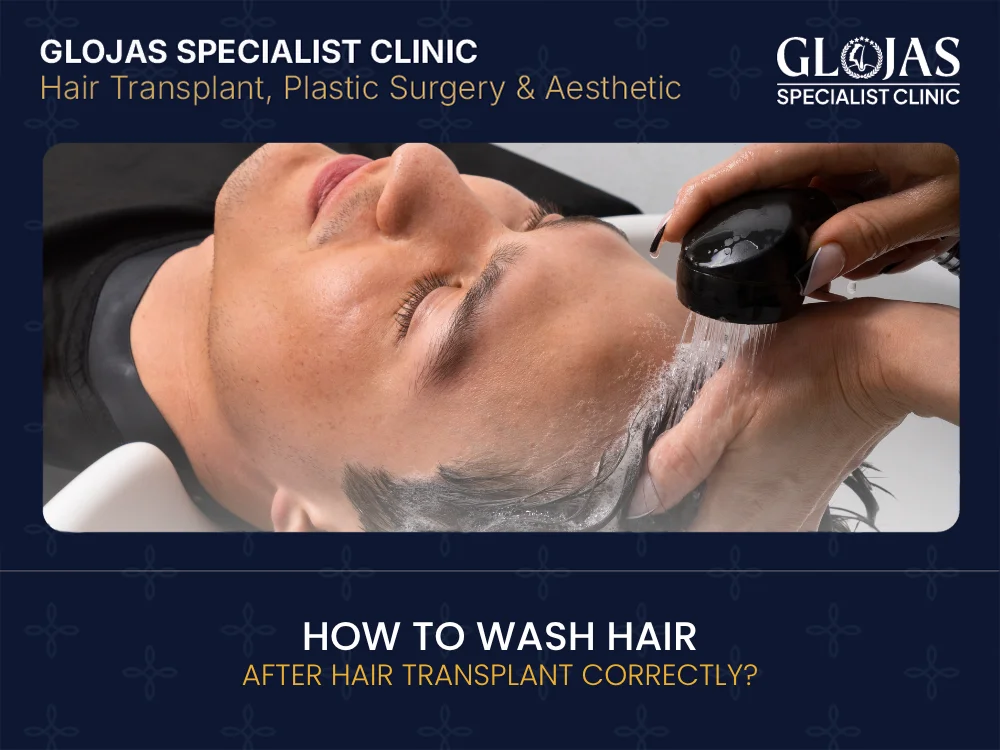
When you undergo a hair transplant, one of the most crucial parts of your recovery is how you wash hair. If done incorrectly, you risk damaging grafts or delaying healing; done right, you support optimal growth, cleanliness, and scalp health. In this guide, we’ll walk you through the timeline, techniques, dos and don’ts, and expert insights (from ABHRS/ISHRS-level advice) so you can wash hair safely and confidently after your procedure. When to First Wash Hair After Transplant You should avoid wash hair immediately. Most surgeons recommend waiting at least 48 hours (2 days) after surgery before attempting any wash. Some clinics delay until day 3 to day 5 to allow grafts to settle. The precise timing depends on the technique (FUE, FUT) and your surgeon’s protocol, so always follow your surgeon’s instructions as the primary guide. After that initial period, a gentle washing routine begins — usually daily or twice daily for the first 1–2 weeks — to remove dried blood, crusts, debris, and reduce infection risk. Why Gentle Washing Is Essential Wash hair post-transplant isn’t just about hygiene. It: Prevents infection by clearing blood crusts and bacteria Helps the scabs soften and gradually fall off Stimulates scalp circulation (without trauma) Maintains a clean environment for graft survival However, overly aggressive scrubbing, high-pressure water, or picking scabs can dislodge grafts, cause bleeding, impede healing, or even lead to graft failure. Thus, the method matters as much as the frequency. Step-by-Step: How to Wash Hair After Hair Transplant Below is a typical approach (general guidance) to wash hair after transplant: Soften crusts / scabs (optional pre-treatment, if your clinic provides lotion).Some surgeons or clinics offer a softening lotion or foam to apply ~30–60 minutes before the wash to loosen crusts gently. Use lukewarm, low-pressure water.Do not place your head directly under a strong shower jet. Instead, use a cup, pitcher, or reduce pressure. Use surgeon-recommended or mild shampoo.Dilute the shampoo with water (so it’s milder) and use your fingertips (pads, not nails) to gently tap or massage the scalp. Avoid rubbing or scratching. Let shampoo sit briefly (if advised).In some protocols, letting the shampoo foam sit for a minute or two can help loosen debris. Rinse gently with lukewarm water, low force.Use a cup or let water flow gently over the scalp to wash away suds. Dry by patting or air-dry.Avoid rubbing with towels. Use a clean, soft towel or paper towels to pat gently. Avoid hairdryers for the first week or more; if needed, use cool, distant airflow. Do not pick or scratch scabs.Let scabs naturally shed. Picking can uproot hair follicles. Resume gentle combing (if absolutely needed).After ~1 week, you may very gently comb using wide-tooth or soft comb, avoiding tension on recipient area. Over time, as grafts anchor and scabs disappear (by ~10–14 days), you gradually return to your normal washing routine, reintroducing your regular shampoo, conditioner, and styling products as permitted by your surgeon. Timeline of Hair Washing After Transplant Period What to Do Key Cautions Day 0–2 Avoid washing hair Let grafts stabilize; use saline spray if instructed Day 3–5 Begin gentle washing Use diluted shampoo, low pressure, soft taps Days 6–14 Continue daily washing Remove crusts gently, maintain hygiene After 14 days Gradually resume regular washing Reintroduce usual shampoo, mild massage 1 month onward Normal hair care routine Monitor scalp, avoid harsh chemicals This timeline aligns with many clinical guidelines. Common Mistakes to Avoid Even the most successful hair transplant procedure can be compromised by small post-care mistakes. The early recovery phase is critical for graft survival, and your scalp needs gentle handling to heal properly. Here are the most common mistakes patients make — and why avoiding them is essential for long-term results: Washing too early (before grafts settle)Washing your hair too soon after surgery can dislodge newly implanted grafts before they’ve had time to anchor securely in the scalp. Most surgeons recommend waiting at least 48–72 hours before the first gentle wash. Always follow your doctor’s timeline and instructions carefully. Using hot water or high-pressure jetsHot water can irritate sensitive skin and increase swelling, while strong water pressure can dislodge delicate grafts. Instead, use cool or lukewarm water and let it flow gently over your scalp. Avoid using a showerhead directly on your head during the first week; instead, pour water using a cup or your hands. Scrubbing or rubbing vigorouslyEven if your scalp feels itchy or flaky, don’t scratch or rub it. The newly transplanted follicles are fragile, and friction can easily damage them. Lightly pat your scalp dry with a soft towel or allow it to air-dry to minimize irritation. Picking scabs with nailsScabs are part of the natural healing process, protecting grafts while they settle. Picking at them can lead to infections, scarring, or even loss of transplanted hairs. Let scabs fall off naturally, usually within 10–14 days after surgery. Using aggressive shampoos or styling products too soonChemical-laden or harsh shampoos can irritate healing skin and delay recovery. Use only mild, doctor-approved cleansers during the first few weeks. Likewise, avoid gels, sprays, or styling creams until your surgeon confirms it’s safe — usually after the first month. Using a hairdryer on high heatHigh heat can damage both your scalp and fragile new follicles. If you need to dry your hair, set your dryer to the coolest, lowest setting, or let it air dry. Protecting your scalp from heat helps grafts stay healthy and encourages natural hair regrowth. Exposing the scalp to strong sun or sweat during early daysDirect sunlight, heat, or heavy sweating can irritate your scalp and increase the risk of infection. Avoid outdoor activities, gyms, saunas, and direct sun exposure for at least 2–3 weeks. If you must go outside, wear a loose-fitting hat for protection. What Shampoo or Products to Use Use the shampoo provided by your surgeon or clinic (often gentle, sulfate-free, pH-balanced) If none is given, choose a mild, fragrance-free, low-sulfate shampoo Avoid parabens, harsh surfactants, alcohols, or irritating additives initially Avoid any hair
Hair Transplant Side Effects: Causes & Effective Treatments
If you’re considering a hair transplant malaysia, understanding potential side effects is crucial. Reactions can range from mild and temporary—like swelling or itching—to rare but more serious complications. This guide explains common and uncommon side effects, offers practical tips for management, and helps you know when to contact your surgeon. Backed by decades of experience and ABHRS/ISHRS-certified expertise, this article prepares you for a safer, smoother recovery. Common Hair Transplant Side Effects Most side effects after hair transplantation are mild, temporary, and part of normal healing. Here’s what to expect and how to manage them: 1. Swelling (Edema) Swelling around the scalp, forehead, or eyelids is typical in the first few days. Management Tips: Sleep with your head elevated (~30–45°). Apply cold compresses to the forehead—avoid direct contact with grafts. Some surgeons may prescribe a short course of anti-inflammatory medication. 2. Pain, Tenderness, & Discomfort Mild soreness at donor and recipient sites is normal due to incisions. Management Tips: Use prescribed painkillers or approved over-the-counter options. Avoid tight caps or pulling on the scalp. Limit strenuous activity in the first week. 3. Minor Bleeding or Oozing Clear fluid or slight blood leakage in the first 24–48 hours is common. Management Tips: Apply gentle pressure with sterile gauze. Avoid rubbing or scratching. Contact your surgeon if bleeding is heavy or persistent. 4. Scabbing & Crusting Small scabs form around grafts during healing. Care Tips: Do not pick or scratch scabs. Use saline sprays or surgeon-approved gentle washes. Scabs usually shed naturally within 7–14 days. 5. Itching (Pruritus) Itching occurs as scabs loosen and the scalp heals. Relief Tips: Spray saline or moistened cotton on the area. Avoid scratching to prevent graft damage. Some clinicians allow mild antihistamines if necessary. 6. Numbness or Tingling Temporary altered sensation is common after incisions or anesthesia. Note: Usually resolves over weeks to months. Persistent numbness should be discussed with your surgeon. 7. Shock Loss (Temporary Shedding) Some transplanted or nearby native hair may fall out temporarily. This is normal. Timeline: Typically appears 2–3 weeks post-op. Regrowth usually begins within a few months. 8. Redness (Erythema) Mild pink or red discoloration of scalp tissue is normal early in recovery. Tip: Redness fades gradually over days to weeks. 9. Folliculitis (Bumps or Pimples) Inflamed follicles can appear as small red bumps. Management Tips: Keep the area clean and avoid squeezing. In some cases, topical or oral antibiotics may be prescribed. 10. Scarring FUE leaves tiny dot-like scars; FUT leaves a fine linear scar. Rarely, hypertrophic or keloid scars may occur. Proper surgical technique and follow-up care minimize risk. Less Common But Serious Complications While rare, be aware of these potential risks: Infection or abscess formation Excessive bleeding or hematoma Scalp necrosis (tissue loss) Permanent nerve damage or prolonged numbness Unsatisfactory cosmetic results (density, hairline) Always report unusual swelling, pain, pus, or fever immediately. Managing & Minimizing Hair Transplant Side Effects Proper aftercare is key to smooth recovery and optimal results. Follow Your Surgeon’s Instructions Adhering to your personalized aftercare plan—washing schedules, activity restrictions, medications, and follow-ups—reduces the risk of complications and ensures graft survival. Take Medications Correctly Antibiotics prevent infection. Steroids reduce swelling. Pain relief keeps you comfortable.Follow dosage instructions carefully and report any adverse reactions. Gentle Scalp Care Use mild, surgeon-approved shampoo. Avoid rubbing or scratching. Pat the scalp dry with a soft towel. Support Healing Internally Stay hydrated and eat nutrient-rich foods (vitamins A, C, E, zinc, lean protein). Get adequate rest—sleep is critical for tissue repair. Avoid Smoking, Alcohol, & Blood-Thinning Medications These can interfere with graft survival, increase bleeding, and slow healing. Limit Physical Strain Avoid heavy lifting, bending, or intense workouts in the first week. Light walking is fine; prioritize rest and gradual activity. Sleep Elevated Keep your head elevated for the first 3–5 nights to reduce swelling. Use Cold Compresses Carefully Place on the forehead only, not directly on grafts, for 10–15 minutes intervals. Track Healing Take regular photos to monitor progress and detect issues early. Seek Prompt Medical Attention Symptoms like spreading redness, pus, fever, severe pain, or unusual swelling require immediate consultation. Typical Timeline of Hair Transplant Side Effects Time Post-Surgery Common Side Effects Notes / Expectations Day 0–3 Bleeding, swelling, pain, redness Initial phase of recovery Days 3–7 Peak swelling, scabbing, itchiness Scabs start forming Days 7–14 Scabs shed, redness fades Shock loss may begin Weeks 3–4 Continued shedding, numbness recedes Regrowth not visible yet Months 2–6 Regrowth begins, side effects resolve Hair gradually appears Beyond 6 mo Cosmetic refinement Monitor donor/recipient zones Why Experience & Certification Matter Especially Hair Surgery At GLOJAS Specialist Clinic, we combine over 25 years of experience with ABHRS/ISHRS certification. Our focus is not just on the surgery, but on prevention, management, and safe resolution of side effects. Expert planning, meticulous technique, and patient-centered care reduce complications and improve results. 10 FAQs on Hair Transplant Side Effects Are side effects permanent?Most are temporary; only rare complications may persist. When should I worry about swelling?If swelling lasts beyond 7–10 days, worsens, or spreads unusually, contact your surgeon. Is shock loss permanent?No, hair usually regrows within months. Can I treat itching with creams?Only use products approved by your surgeon. When can I wash my scalp?Gentle washes typically start 2–5 days post-op. Can I start minoxidil or finasteride immediately?Usually delayed until healing stabilizes; follow your surgeon’s advice. How do I spot infection?Look for spreading redness, pus, fever, or worsening pain. What causes folliculitis bumps?Minor inflammation as grafts settle; usually self-limiting. Will I have visible scars?FUE leaves tiny micro-scars; FUT leaves a fine line, often concealed by hair. Does lifestyle affect side effects?Yes—smoking, alcohol, poor diet, stress, and non-compliance with aftercare increase risks. Final Thoughts Hair transplant side effects are usually mild, temporary, and manageable. Being informed helps you distinguish normal healing from warning signs. With the right clinic, experienced surgeons, and diligent aftercare, risks are minimized and outcomes maximized. GLOJAS Specialist Clinic offers decades of expertise, ABHRS/ISHRS-certified care, and comprehensive post-op support to ensure safer
Recipient Sites In Hair Transplants: Design & Technique
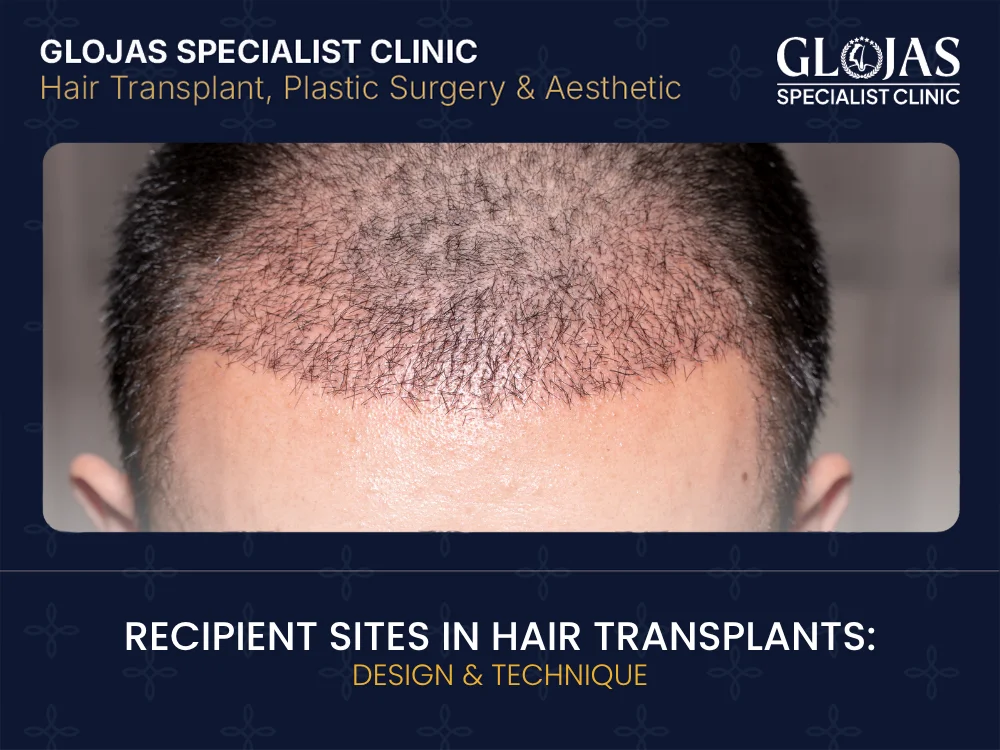
When planning a hair transplant, one of the most critical steps is crafting the recipient sites — the tiny slits or pockets on the scalp where grafts will be placed. The design, angle, depth, and spacing of those sites largely determine how natural the result looks, how well grafts survive, and how the hair flows. In this blog post, we dive deep into recipient sites—their design, technique, challenges, and how expert execution makes all the difference. What Are Recipient Sites and Why They Matter “Recipient sites” refer to the locations on the scalp where harvested follicular unit grafts are implanted. These sites are not mere holes; they are carefully planned incisions or slits made at specific angles, widths, and depths to accommodate individual grafts. The way these sites are designed influences: The angle and direction of hair growth (to mimic natural hair pattern) The density and spacing of grafts (to avoid overpacking, “popping,” or compromised blood supply) The survival of grafts (snug fit, minimizing trauma, preserving perfusion) The healing, scarring, and cosmetic surface appearance (avoiding pitting, ridging, or visible scars) In short: recipient sites are where artistry and surgical precision meet. A beautifully harvested graft can only perform if the recipient site allows it to “settle in” with minimal stress and optimal orientation. Principles of Recipient Site Design To design excellent recipient sites, experienced surgeons adhere to several guiding principles: 1. Angle, Direction & Hair Flow The incisions must follow the natural hair pattern—particularly at the hairline, temples, midscalp, and crown (vertex). That means choosing angles that cause hair to sweep, curve, or swirl as nature intended. In zones with existing hairs, the new sites must not transect native follicles but blend harmoniously. 2. Depth & Width (Micro-match to Graft Size) Recipient slits are sized to match the follicular units. If the slit is too small (graft must be squeezed in), it risks crush injury or compromised blood supply. Too large, and grafts may move, tilt, or lie poorly. Depth must be controlled: too shallow can lead to pitting (graft sits too low); too deep can lead to ridging or damage to deeper vascular tissue. 3. Spacing & Density Strategy It’s tempting to pack grafts densely, but overzealous density risks impairing blood flow or causing “popping” (grafts ejecting during placement) or desiccation. The surgeon must balance desired aesthetic density with biological safety. Typically, density is higher near the frontal hairline and lower toward the crown. 4. Shape, Grid, & Irregularity While grids help with planning, a perfectly regular grid looks unnatural. Surgeons introduce subtle irregularity (“irregularly irregular”) in the hairline transition zone for a natural edge. 5. Protecting Blood Supply & Minimizing Trauma Recipient site creation should not injure deeper vessels or compromise perfusion. Techniques to limit trauma include tumescent (lifting) solutions, shallow incisions, and careful handling. Techniques & Instruments for Recipient Site Creation Achieving optimal recipient sites involves selecting the right tool or method. Here are the commonly used techniques: Hypodermic Needles (Standard) Fine hypodermic needles are versatile and widely used. Depending on graft size and surgeon preference, gauges vary (e.g., 18G to 23G). They allow precise slits and are useful when grafts are varied in size. Custom Blades / Slit Blades / Chisels Surgeons often cut blades to exact widths needed during surgery (for example 0.6 mm to 0.9 mm) so slits match graft profiles. Lateral slits (also called coronal slits) are preferred by many because they allow better control over hair direction and fanning of grafts. Implanter Pens / “Stick-and-Place” With implanter pens, the surgeon can simultaneously create a recipient site and insert the graft. This reduces graft handling time, but requires strong skill to maintain angle, depth, and spacing. Robotic & Automated Slit Creation Some advanced robotic systems (e.g., ARTAS) can programmatically create sites based on image guidance, avoiding damage to existing hairs and distributing sites judiciously. This is especially useful in large sessions or complex topographies. Challenges, Pitfalls & Risk Mitigation Even with good planning, surgeon experience is vital. Here are risks and how they’re mitigated: Popping: Grafts ejecting from slits during insertion. Prevented by carefully sized slits and measured force. Graft Compression / Crush Injury: Forcing a graft into too-tight site damages viability. Correct slit sizing and gentle insertion prevent this. Poor Perfusion / Necrosis: Overpacking or trauma to blood supply reduces graft survival. Pitting or Ridging: Mis-depth placement causes shallow or deep depressions. Transection of Native Hairs: Especially in zones with residual hair, creating sites without damaging existing follicles is delicate. Scar tissue / Poor recipient bed: Grafting into scarred areas is more difficult; blood supply is compromised. Yet skilled surgeons can take extra care to condition the bed. Good technique, magnification (loupes or microscopes), and intraoperative adjustment are key. Workflow: From Planning to Placement Here’s a simplified flow of how recipient site design fits into the surgical plan: Pre-op Planning: Assess hair loss pattern, donor supply, scalp laxity, patient hair texture, and direction. Mapping & Sketching the Hairline: Determine where the frontal transition zone shall be, the shape, irregularity, and zones of density. Graft Sorting: Categorize harvested grafts by size (1-hair, 2-hair, 3-hair, etc.). Recipient Site Creation: Using chosen tools, the surgeon makes incisions/slits following the planning, adjusting as needed. Test Fitting: Occasionally, grafts are tested in slits to ensure fit and minor adjustments. Graft Placement: Grafts are implanted carefully, ensuring they sit flush, match angle, and aren’t twisted or forced. Post-placement Checks: Inspect for pitting, graft alignment, uniformity, and leftover tension or bleeding. When properly executed, this workflow yields natural-looking, long-lasting results. Recipient Sites: Real-World Examples & Case Considerations In a patient with a Norwood 4A pattern, a surgeon may use about 36 grafts per cm² in the frontal zone, creating slits that leave virtually no space between them. In a crown / vertex region, special attention must be paid to swirl / whorl patterns. The transition from circular to linear zones must be gradual and harmonious. For ethnic or thick, coarse hair, slit sizing may be slightly larger to
Can I Wear a Hat After Hair Transplant?
If you’ve just had (or are planning) a hair transplant, a common question is: “Can I wear a hat after hair transplant?” In this guide, we’ll cover the timeline, risks, best practices, and how to protect your grafts while managing daily life — especially in Malaysia’s climate. Why the question “hat after hair transplant” even matters The early days and weeks after a transplant are critical. The newly transplanted hair grafts are fragile and still securing themselves to the scalp bed. Wearing a hat after hair transplant too soon—or one that puts pressure or friction—can dislodge grafts, irritate healing tissue, or increase infection risk. On the flip side, once the grafts are stable, a hat after hair transplant becomes a useful tool for sun protection, concealing the recipient area, or simply comfort in daily life. When can you safely wear a hat after hair transplant? Timing depends on your surgeon’s protocol, the technique used (FUE, FUT, DHI, etc.), and how quickly your scalp heals. But here’s a general healing timeline: Days Post-Op Hat wearing guidance 0–3 days No hat. Avoid any head covering that contacts the recipient or donor area. Days 4–7 Possibly a very loose, soft cap or bucket hat, if surgeon allows — but still minimal contact. Days 7–10 Many clinics allow loose-fitting hats by now, though helmets or tight hats are still discouraged. After 10 days For many, hats can be worn more normally, provided they are not tight or pressuring grafts. 2–4 weeks onward Most types of hats (excluding helmets on some protocols) are acceptable, as long as they are clean, breathable, and gentle. Always follow your surgeon’s instructions — they know precisely how your scalp is healing. What happens if you wear a hat after hair transplant too early? It’s completely understandable to want to cover your scalp after a hair transplant — especially if you’re dealing with redness, scabbing, or swelling. However, wearing a hat after hair transplant too soon can do more harm than good. In the early days following your procedure, your grafts are still in a very delicate state and require special care. Here’s what can happen if you put on a hat prematurely: Graft dislodgement or damageDuring the first few days after your transplant, the newly implanted grafts are not yet securely anchored in your scalp. Wearing a hat after hair transplant too early can create friction or pressure that loosens or completely dislodges grafts, leading to patchy or uneven results. Even a soft hat can accidentally brush against the grafts and disturb them before they’ve settled properly. Irritation or frictionThe inner lining of a hat can rub against the healing skin, causing microtrauma or irritation. This friction not only risks harming grafts but can also slow down the healing process by creating small wounds or scabs that take longer to recover. Remember, the transplanted area is highly sensitive during the first 7–10 days. Infection riskA hat after hair transplant that’s too tight or not properly cleaned can trap sweat, oil, and bacteria close to the scalp. This warm, moist environment becomes a breeding ground for infection. Even minor infections at this stage can lead to inflammation, graft failure, or unwanted scarring. Delayed healing or poor graft takePressure from a snug-fitting hat can restrict blood flow to the recipient area. Since each graft needs a steady supply of oxygen and nutrients to survive, any disruption in circulation can cause grafts to die off or fail to thrive. As a result, the final hair density and growth may be uneven or thinner than expected. In short: wearing a hat after hair transplant too early after your hair transplant can jeopardize your results. It’s always best to follow your surgeon’s specific recommendations and wait until they confirm it’s safe. A little patience during this recovery period can make a world of difference in the long-term success of your transplant. Choosing the right hat after hair transplant (once it’s safe) When your surgeon gives the go-ahead, here are features of good hats post-transplant: Loose fit — avoid tight bands or elastic that presses on grafts Soft, breathable materials (cotton, bamboo blends) to reduce friction and heat Hats with adjustable straps (snapbacks, bucket hats) so you can control fit Avoid rigid hats, helmets, caps with tight bands or seams until much later (sometimes 3–4 weeks or more) Keep hats clean — wash them regularly to avoid bacterial contamination Take breaks — don’t wear hats for prolonged periods early on For example, hats such as soft bucket hats or loosely adjusted baseball caps are safer early choices. Specific considerations in Malaysia / tropical climates Wearing a hat after hair transplant is more realistic in Malaysia because of sun, rain, and heat. But that also means: Sweat, humidity, and heat can increase irritation or infection risk under a hat Use breathable materials to reduce heat trapping Limit hat-wearing duration early on, especially in peak sun hours When shade or umbrella is possible, favor those in early days rather than a tight cap Best practices for hat after hair transplant Wearing a hat after hair transplant can help protect your healing scalp from the sun, dust, and pollution — but only if done correctly. To avoid damaging your newly implanted grafts, it’s crucial to follow these best practices: Wait until your surgeon declares it safeAlways follow your surgeon’s post-operative timeline before wearing a hat. Most doctors recommend waiting at least 7–10 days after your hair transplant, but this can vary depending on your healing progress and the type of hat. Wearing a hat too soon can dislodge grafts and affect results. Use a gentle “pat-on” method instead of pulling the hat over your headWhen you start wearing a hat, place it gently over your head using a light patting motion rather than sliding or pulling it down. This prevents friction or pressure on the grafted area, which is still fragile in the early recovery phase. Avoid frequent taking on and off — that movement can tug
Are Hair Transplant Painful? What You Really Need to Know
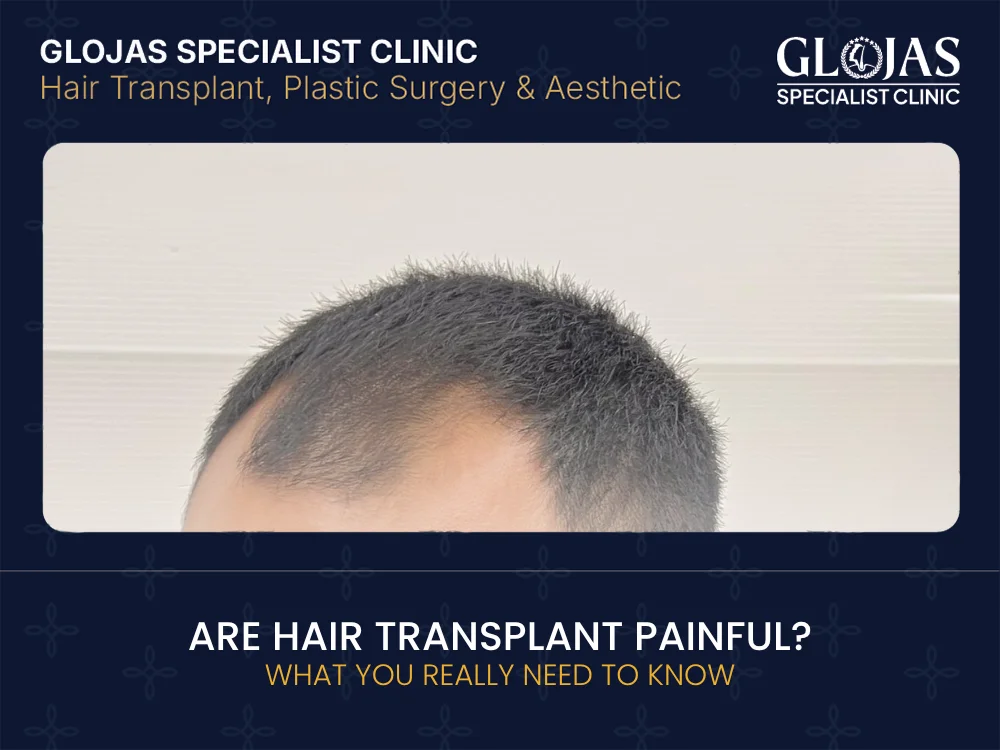
If you’re searching for “hair transplant painful,” you’re not alone — many people considering hair restoration wonder how much pain they’ll feel. In this post, we’ll explore in detail the pain (or lack thereof) during and after the surgery, the factors that influence discomfort, how to manage it, and real patient experiences. We aim to answer your questions with clarity, backed by credible sources and clinical insights. How Is a Hair Transplant Painful (and When)? When asking how hair transplant painful is a hair transplant, the truth is: very little, if done under skilled hands and with proper anaesthesia. The main discomfort tends to arise from the initial injections of local anaesthesia — similar to getting a dental shot or vaccination. Once the scalp is fully numbed, most patients feel only pressure or mild tugging during follicle extraction and placement. Because hair transplant is a surgical procedure, it would be misleading (and against ISHRS guidelines) to advertise it as entirely “painless.” Rather, modern techniques aim to minimize pain to very manageable levels. Timeline of Sensation / Discomfort Phase What You Might Feel Duration During anaesthetic injections Sharp sting or pinch Brief, seconds to a minute Surgical phase (after numbing) Pressure, tugging, vibration Typically negligible pain First 24–48 hours post-op Mild soreness, tightness, tender scalp Common, manageable Days 3–7 Tingling, itching, mild discomfort Subsides in most cases After 1 week onward Typically minimal or no pain Most patients resume normal life Most patients don’t need strong prescription painkillers beyond the first day or two; over-the-counter analgesics like ibuprofen or acetaminophen are often sufficient. Techniques & Their Impact on Hair Transplant Painful: FUE vs FUT vs DHI The type of hair transplant painful technique you choose can influence how much discomfort you feel, both during and after. FUE (Follicular Unit Extraction / Excision): Involves removing individual follicular units via small punch incisions. Because it’s less invasive and doesn’t involve a linear incision, post-op discomfort and the need for pain meds are often lower. FUT (“Strip” method): Involves excising a strip of scalp tissue, then suturing the donor area closed. This can lead to more post-operative pain or tightness along the suture line. DHI (Direct Hair Implantation): A variant of FUE where grafts are implanted directly using a specialized pen-like tool. Pain profile is similar to FUE, with the main discomfort during anaesthesia and early healing. In short: FUE / DHI generally offer lower discomfort and faster recovery than FUT, especially in the early days after surgery. But the actual experience also depends heavily on the surgeon, graft count, scalp condition, and post-op care. What Influences How Much Hair Transplant Painful You Actually Experience Even with excellent technique, pain perception is subjective. Here are key factors: Pain tolerance: Some people are more sensitive; others barely notice minor discomfort. Graft count / session length: A session with many grafts or very long duration may result in more swelling, soreness, or fatigue. Surgeon skill & technique: The precision of the incisions, handling of tissue, and speed all impact trauma and post-op sensation. Use of sedation or calming techniques: Some clinics offer light sedation or breathing techniques to reduce anxiety and mitigate pain perception. Post-op care & swelling: Inflammation and swelling can exacerbate sensations. Cold compresses, head elevation, and gentle care help reduce discomfort. Interestingly, one study suggested controlled breathing during local anaesthetic injection can lower pain perception at the donor site. Real Patient Experiences & What They Say “It is grueling because it can take up to 8 hours, but the most you will feel is slight discomfort.” Many patients report that once the scalp is numbed, the procedure is tolerable and even “boring” rather than hair transplant painful. Some, however, do recall the anaesthesia injections as the more uncomfortable part — a quick pinch that passes. Notably, some public figures have metaphorically compared the anesthesia shot to extreme pain — but these are anecdotal and not typical. Tips to Minimize Pain and Maximize Comfort Undergoing a hair transplant can be a transformative experience, and managing your comfort both during and after the procedure is key to a smooth recovery. Here are some expert-backed tips to help minimize discomfort and promote optimal healing: Choose a Certified, Experienced Surgeon Your comfort begins with the surgeon you choose. Selecting a board-certified hair restoration specialist — ideally certified by the American Board of Hair Restoration Surgery (ABHRS) or a member of the International Society of Hair Restoration Surgery (ISHRS) — ensures that your procedure is handled with the highest standards of safety, precision, and care. These credentials reflect advanced training, adherence to strict ethical guidelines, and extensive hands-on experience with local anesthesia and patient comfort techniques. Ask About Sedation Options If you’re anxious about discomfort, discuss sedation options with your clinic beforehand. Many modern clinics now offer light oral or IV sedation during the initial anesthetic injections to make the process virtually painless. This gentle sedation helps you stay calm and relaxed without deep anesthesia, allowing you to remain responsive while easing anxiety and discomfort. Stay Relaxed and Practice Controlled Breathing Your mindset plays a powerful role in your perception of pain. Staying relaxed, maintaining a calm attitude, and using controlled breathing techniques can significantly reduce discomfort during anesthesia administration. Deep, slow breaths signal your nervous system to relax, lowering stress hormones and helping you feel more at ease throughout the procedure. Use Cold Compresses and Elevate Your Head Mild swelling is common after a hair transplant. To keep this under control, apply cold compresses around (but not directly on) the treated area as instructed by your surgeon. Additionally, sleep with your head elevated on extra pillows for the first few nights. This helps fluid drain away from the scalp, reducing pressure, swelling, and tenderness. Take Prescribed Pain Medications Always follow your surgeon’s medication plan precisely. Most patients experience only mild soreness, which can be easily managed with prescribed pain relievers. However, it’s important to avoid over-the-counter NSAIDs (such as aspirin or ibuprofen) and certain supplements like
How Much Do 3,000 Hair Grafts Cost?
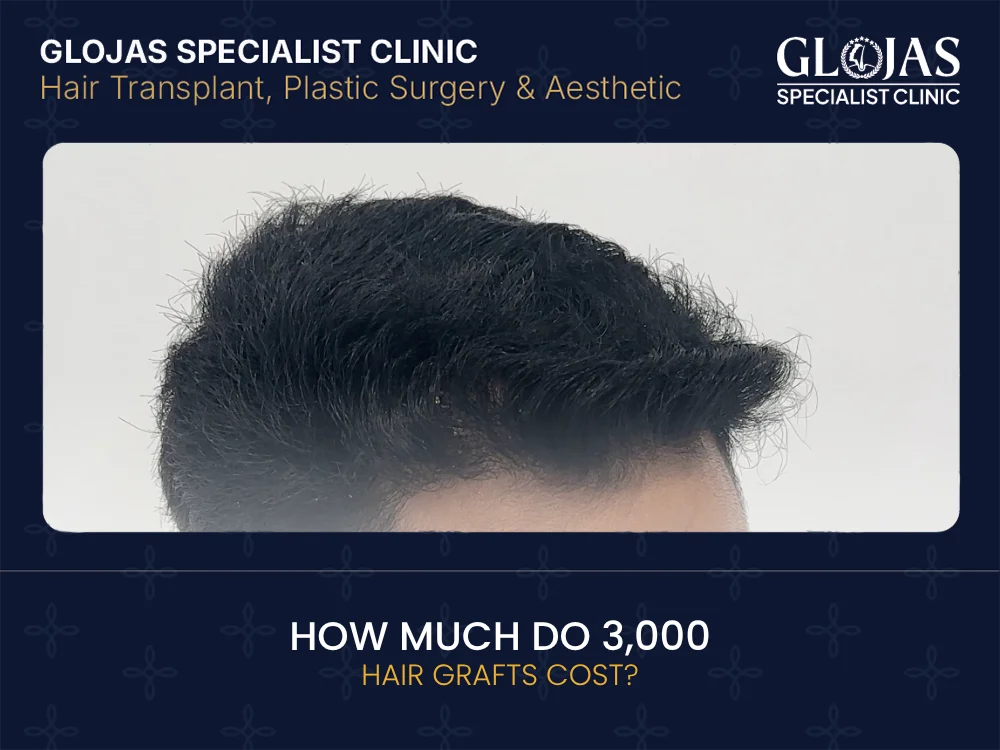
If you’re considering a hair transplant, one of the first questions is: how much does 3,000 hair grafts cost? In this article we’ll break down the expected pricing, the factors that influence cost, approximate regional ranges, and what you should watch out for. This is for informational intent — to help you be more informed when discussing with clinics or specialists. What is “hair grafts cost”? The term “hair grafts cost” refers to the price per graft (a graft being a cluster of hair follicles) for a hair transplantation procedure. Clinics often quote a cost per graft or per hair depending on their billing model. Multiply that by how many grafts you need (here, 3,000) plus additional fees, and you get the total procedure cost. Typical 3,000 hair grafts cost range When you ask “how much do 3,000 hair grafts cost?”, there is no single universal answer. The cost depends heavily on the country, clinic standard, surgeon’s reputation, the technique used (FUE, FUT, DHI, robotic, etc.), and extra services. But here are ranges to give you a ballpark: In Malaysia, as an example, some clinics list 3,000 grafts costing between RM 12,000 and RM 20,000. Some local pricing breakdowns show RM 6 per graft when the volume is large, which would put 3,000 grafts at around RM 18,000 in some clinics. In Malaysia overall, graft pricing for FUE is often said to range RM 6 to RM 12 per graft. In other countries, hair transplant cost ranges are much broader. In the U.S., a full hair transplant often ranges $4,000 to $15,000 depending on how many grafts are done. Globally, cost per graft in leading clinics often ranges from a few USD to higher, depending on region. So, using Malaysia as our illustrative base (because you are in Malaysia), you might expect 3,000 grafts to cost somewhere between RM 12,000 to RM 20,000 (or more, depending on add-ons). In other countries, equivalent grafts might cost more due to labor, overhead, and technology fees. Factors influencing hair grafts cost Why is there such variation in hair grafts cost? Below are the key variables that clinics consider: Factor How it affects cost Technique (FUE / FUT / DHI / robotic) More advanced or labor-intensive methods (like robotic FUE or DHI) often command higher rates. Surgeon’s expertise & reputation Highly experienced, ABHRS / ISHRS-certified surgeons can charge premium fees. Clinic location & overhead Clinics in major cities or premium districts cost more because of rent, staff, and equipment. Density goals & area size If you ask for dense packing or a wide area, more precise work is needed and that can increase pricing. Post-operative care / follow-up / medications Some clinics bundle follow-up, meds, PRP, or extra sessions into the package; others charge separately. Donor area condition If your donor area is weak or sparse, extra care or harvesting from body hair might be needed — raising costs. Technology / equipment Use of state-of-the-art tools (robotics, micromotors, magnification, etc.) increases cost. Sample pricing scenarios for 3,000 hair grafts cost Let’s run through a few hypothetical scenarios to give you a feel: Scenario Price per graft Estimated total cost Notes Basic FUE in a modest clinic RM 6 RM 18,000 Minimal extras, standard tools Mid-tier clinic with good surgeon RM 8 RM 24,000 Better equipment, some follow-up care included Premium / high-end clinic RM 10 RM 30,000 Includes extras like PRP, premium post-op care, superior surgeon Overseas clinic with lower labor costs USD 2 per graft ≈ RM 9 RM 27,000 But factor in travel, lodging, aftercare These are illustrative — actual quotes may differ. What you should ask your clinic / specialist Before committing, ask: Is the cost quoted “all inclusive” (surgeon, meds, follow-up) or just hair grafts cost? Which technique exactly (FUE / DHI / robotic)? What is the surgeon’s certification (e.g. ABHRS / ISHRS)? What is the survival rate / guarantee of grafts? Are post-op consultations and touch-ups included? What is the experience of that surgeon with high-graft sessions? Can I see before/after results from 3,000 grafts from that clinic? What is the donor area strategy? What is the schedule for growth and expected number of sessions? What happens if some grafts don’t survive — any fallback / warranty? Is 3,000 grafts enough? Yes, for many moderate hair loss cases, 3,000 grafts can achieve substantial coverage. It depends on your baldness pattern, recipient area size, hair caliber, scalp laxity, and density goals. In some larger areas, more grafts may be needed. Risks, recovery & additional hair grafts cost to consider There might be shock loss (temporary shedding) in adjacent hairs post-op. Some grafts may not survive — “take rate” varies by surgeon skill and aftercare. Minor side effects include redness, swelling, scabbing. Medications, PRP, or further touch-up sessions may cost extra. Travel, lodging, downtime (if you’re going abroad) add to your cost. Long-term, your native hairs may continue to thin, so future touch-ups may be needed. Why choosing the right clinic matters more than the lowest price While it’s completely natural to consider cost when planning a hair transplant, focusing solely on the cheapest deal can be a serious mistake. Hair restoration is both a medical procedure and an art form—it requires skill, precision, and aesthetic understanding. Opting for a clinic just because it’s inexpensive can lead to disappointing or even harmful results that may cost far more to fix later. A poorly executed hair transplant can leave lasting marks—literally. Visible scarring, patchy or uneven hair growth, and unnatural-looking hairlines are common outcomes when inexperienced or unqualified practitioners perform the surgery. Unfortunately, these results not only affect your appearance but also your confidence and the possibility of future corrective procedures. That’s why choosing the right clinic is far more important than finding the lowest price. Here’s what you should always prioritize when evaluating your options: Surgeon Credentials: Ensure your surgeon is board-certified and recognized by reputable organizations such as the American Board of Hair Restoration Surgery (ABHRS) or the International
Are You A Good Hair Transplant Candidate In Malaysia?
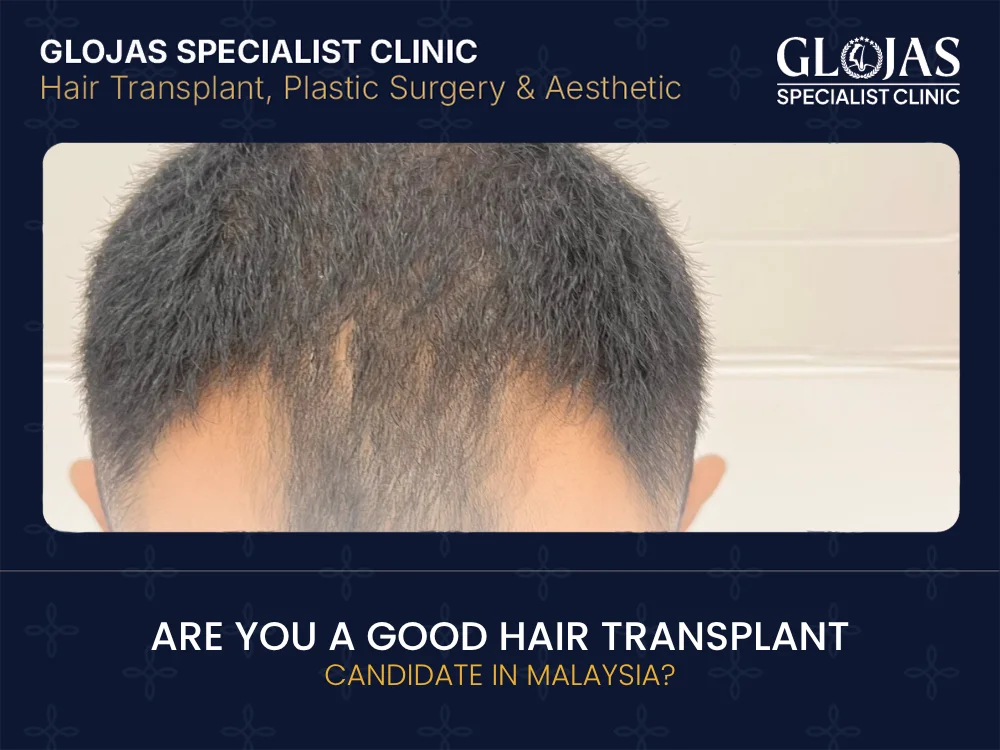
If you’re reading this, chances are you’re considering signing up for a hair transplant—or at least exploring whether you’re eligible. But who really qualifies? In this guide, we’ll dig into hair transplant candidate criteria, how specialists evaluate you, local context in Malaysia, and how to choose a clinic you can trust. What Does “Hair Transplant Candidate” Mean? A hair transplant candidate refers to a person whose scalp, donor hair, health status, and expectations align well enough that a hair restoration procedure has a good chance of success. Not everyone who’s losing hair makes a good hair transplant candidate candidate. A proper assessment by a certified specialist helps determine whether you’re likely to benefit. Key Criteria for Being a Good Hair Transplant Candidate Below are the main factors that specialists consider when deciding whether someone is a suitable hair transplant candidate candidate. 1. Age & Stage of Hair Loss Stable hair loss is important: If your hair is still rapidly receding, a transplant now might look unnatural later. Many surgeons prefer patients to be 25 years or older (though exceptions exist). If you’re in the early stages of pattern baldness (Norwood II–IV), the prognosis is generally better. 2. Donor Hair Quality & Density A strong donor zone—typically the back or sides of the scalp—must have adequate follicular units, thickness, and resistance to DHT (dihydrotestosterone). If donor hair is too thin or too sparse, you may not get the desired density in recipient areas. 3. Scalp Condition & Elasticity Your scalp should be healthy, free from active infections, severe scarring, or dermatologic disease (e.g. uncontrolled psoriasis or eczema). Good scalp elasticity helps in harvesting grafts (especially in FUT, though less critical in FUE). 4. Overall Health & Medical History Good general health: no uncontrolled diabetes, bleeding disorders, autoimmune disease that attacks hair follicles, or conditions that impair healing. Non-smoker or willing to stop smoking before and after procedure to help healing. 5. Expectation Management & Realism You must understand what a transplant can and cannot It’s not “full regrowth in one day.” Patients must accept that achieving natural density takes time (months) and sometimes multiple sessions. 6. Prior Treatments & Medications Prior use of hair-loss medications like finasteride or minoxidil can help stabilize loss, but they don’t guarantee transplant success. If you’re on medications (e.g. anticoagulants) or have conditions (e.g. alopecia areata), evaluation is necessary. 7. Psychological Readiness It’s a surgical procedure with recovery, some discomfort, and waiting time for results. Stress, unrealistic expectations, or impulsive decision-making can impair satisfaction. Specific Considerations in Malaysia Malaysia has become a regional hub for hair transplant and medical aesthetic tourism. Clinics often highlight 25+ years of experience and international accreditation. Some Malaysian clinics are led by ABHRS diplomates and ISHRS fellows (e.g. Dr. Inderjit Kaur is listed with those credentials) When choosing a clinic, check whether the surgeon (not just technicians) performs non-delegable parts of the surgery, which is a requirement per ABHRS ethical guidelines Clinics often promise high graft survival rates and minimal scarring; confirm via real before-and-after photos and patient reviews. Because the climate is humid, scalp care protocols (post-op cleansing, drying, avoiding fungal growth) are especially important. Step-by-Step How Specialists Evaluate You Initial consultation & historyYou’ll share your hair loss pattern, family history, medical history, medications, and your goals. Scalp & donor assessmentThe surgeon examines hair density, scalp laxity, donor supply, and follicle quality under magnification. Photographic documentation & mappingThe surgeon draws possible hairline designs, estimates graft count, and simulates possible coverage. Laboratory testsBlood tests may check for thyroid, hormones, iron levels, or coagulation markers in some cases. Treatment planDeciding FUE vs FUT, number of grafts per session, timelines, and contingency planning. If everything aligns, you might be approved as a hair transplant candidate. If not, the specialist might recommend medical (medications, PRP) or non-surgical alternatives first. Risks & Contraindications: Why Some People Are Not Hair Transplant Candidate Some conditions or traits make hair transplant ill-advised or risky: Diffuse unpatterned hair loss (DUPA): hair thinning across the donor area, leaving poor harvesting potential. Active scalp diseases like lupus, lichen planus, fungal infection, or untreated alopecia areata. Uncontrolled medical illnesses like uncontrolled diabetes, heart disease, or immune suppression. Poor wound healing or scarring tendencies (keloid history). Unrealistic expectations or psychological disorders (body dysmorphic disorder). Very young age with uncertain pattern: hair may continue receding unpredictably. If a hair transplant candidate is ruled out, the surgeon may suggest medical therapies first (e.g. minoxidil, finasteride, low-level laser therapy, PRP) and reevaluate later. Tips to Improve Your Candidacy Stabilize hair loss via medication (if suitable). Adopt a scalp-friendly lifestyle: quit smoking, manage stress, maintain nutrition. Avoid tight hairstyles or harsh treatments that damage follicles. Keep the donor area in good health (e.g. gentle scalp massage). Wait until your loss pattern has matured (usually a year or more) before final commitment. Why Choosing a Certified Specialist Matters When you choose a surgeon certified by ABHRS (American Board of Hair Restoration Surgery) and ISHRS (International Society of Hair Restoration Surgery), you ensure: The surgeon adheres to globally accepted standards of care. The surgeon personally performs critical surgical steps (not outsourcing non-delegable work). Ethical advertising and transparency about graft survival, risks, and outcomes. GLOJAS Specialist Clinic, for example, is ABHRS and ISHRS–certified and backed by over 25 years of experience in hair restoration. That means you’re engaging a team with deep domain expertise committed to safe, transparent, and high-quality results. What Happens After Your Transplant: Timeline Overview Period What to Expect Key Milestones Days 1–7 Healing, scabbing, mild swelling Follow wash/dressing protocol Weeks 2–8 Transplanted hairs “shock-shedding” Don’t panic — this is normal Months 3–6 New growth begins 20–50% hair density return Months 6–12 Density increases, maturity Final texture starts showing After 12 mo Full maturation Up to 80–90% of expected density It often takes 9–12 months (sometimes up to 18 months) to see the full outcome. Multiple sessions may be needed depending on your goals. How to Select the Right Hair Transplant Clinic in Malaysia Check credentials:
What Is the Best Age to Get a Hair Transplant?
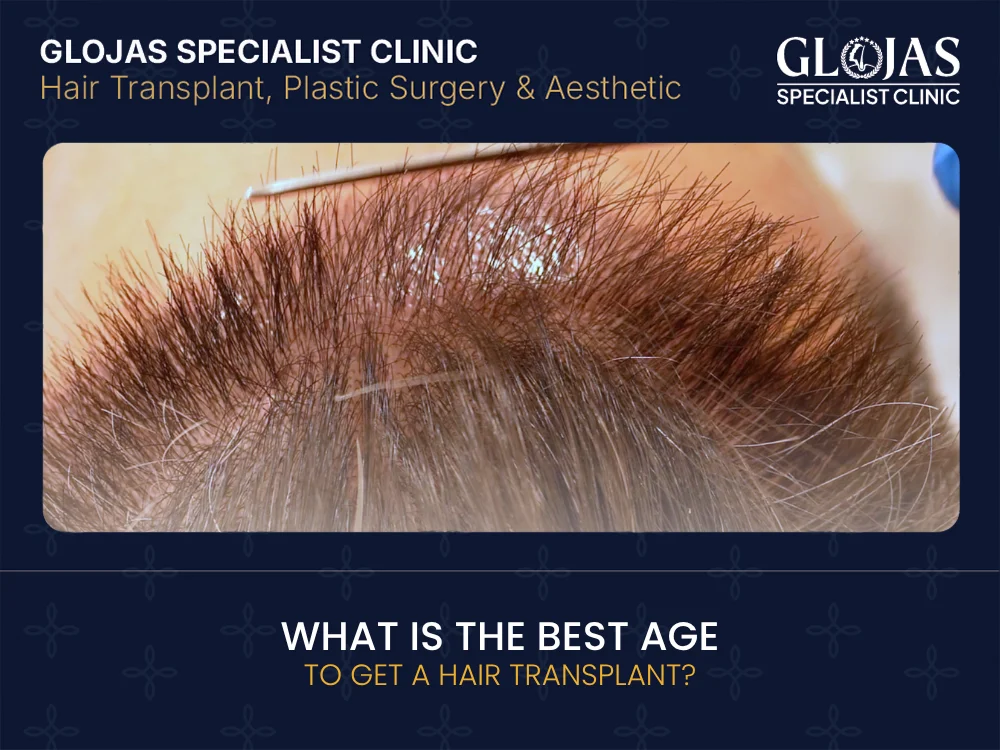
In Malaysia, many men and women considering hair restoration ask: what is the best age for a hair transplant? Understanding hair transplant age is crucial to achieving a natural, long-lasting result. In this article, we’ll delve into the science, clinical guidance, common hair transplant age brackets, and local context. The Role of Age in Hair Transplants When we talk about hair transplant age, we don’t mean a rigid rule. Rather, we consider how hair transplant age correlates with stability of hair loss, donor hair quality, hormonal changes, and long-term planning. In Malaysia’s context — with tropical climate, strong sun, and distinct ethnic hair types — timing plays an especially important role in optimizing graft survival and appearance. Why Age Matters in Hair Restoration Stability of Hair Loss One of the biggest challenges of doing a hair transplant too early is that your hair loss pattern may not have stabilized. If the hair around the transplanted follicles continues thinning, the final result can look patchy or unnatural. Leading guidance suggests waiting until late 20s or beyond to allow your pattern of androgenetic alopecia to settle. Donor Hair Reserve and Quality Your donor zone (usually the back and sides of the scalp) offers limited follicles for transplantation. If too many grafts are used prematurely, you may exhaust your donor supply, leaving fewer options later on. Aging can also reduce hair density and quality, which is something surgeons must account for. Hormones, Scalp Health & Healing Younger patients tend to heal better, but their hair may still be more vulnerable to hormonal fluctuations (especially DHT effects) that can influence ongoing hair thinning. On the flip side, older patients may have slower healing response or comorbidities; but if healthy, they can still be excellent candidates. Aesthetic and Lifetime Planning A well-designed hairline must consider how you will age over decades. Transplanting too low a hairline in your 20s, for instance, can look unnatural when you’re 50. Surgeons often design age-appropriate hairlines that maintain balance as you age. Typical Hair Transplant Age Ranges: Pros & Cons Below is a breakdown of age brackets commonly discussed by hair restoration experts: Age Range What You’ll Commonly See/Considerations Advantages & Risks Under 20 / early 20s (< 23) Hair loss onset, unpredictable progression Very high risk of needing multiple revisions or wasted grafts. Many specialists discourage transplant at this point unless exceptional case. Mid-20s (25–29) Hair loss pattern begins to stabilize Some surgeons accept candidates from 25 upward; risk still present if loss accelerates. 30s to Early 40s Hair loss pattern is more predictable Many consider this the “sweet spot” for hair transplant – good balance between stability, donor quality, and healing. Mid-40s and Older More stable loss, but lower donor density Good candidates if in good health, though more cautious planning is required. In Malaysia, clinics like GLOJAS also take into account ethnic hair thickness and sun exposure factors during planning. What Do Malaysian Clinics Recommend? In Malaysia, many hair transplant clinics tend to follow similar international best-practice guidelines: Most clinics recommend waiting until at least age 25 for surgical transplant, unless exceptional circumstances exist. Some clinics state there is no strict upper age limit, provided the patient is healthy and has viable donor hair. GLOJAS has published on the role of age in hair transplant, citing that late 20s to early 60s are often ideal age brackets. Thus, while surgical decisions are personalized, the Malaysian standard tends to align with global best practices: cautious approach under 25, open possibilities above that, with emphasis on consultation, diagnosis, and long-term planning. So, What Is the Best Hair Transplant Age in Malaysia? There isn’t one single “hair transplant age,” but a practical range emerges when combining evidence with clinical experience in Malaysia: Ideal range: late 20s through early 40s — this is when hair loss patterns are more predictable, donor hair is still robust, and long-term planning is feasible. Younger patients (under 25): may be evaluated, but many clinics delay surgical intervention and prefer non-surgical measures first. Older patients (50+): can still be good candidates if overall scalp health and donor hair allow it. If you’re in Malaysia and considering hair restoration, the best first step is a diagnostic consultation that includes scalp mapping, hair miniaturization studies, family history, and donor zone assessment. Key Decision Factors Beyond Age While hair transplant age is often discussed as a benchmark for eligibility, it’s far from the only—or even the most important—factor. The ultimate success of a hair transplant depends on a combination of clinical and personal considerations that go beyond mere numbers. Here are the crucial “qualifiers” that truly determine whether someone is a strong candidate for a hair restoration procedure: Stability of Hair Loss Trend The pattern and rate of your hair loss reveal more than your birthdate ever could. Surgeons assess how your hairline and crown have changed over time to predict future thinning. If your hair loss is still aggressive or unstable, performing a transplant too early may lead to patchy, unnatural results as native hair continues to recede around the transplanted area. A stable pattern, ideally observed over several years, provides a solid foundation for lasting, natural outcomes. Donor Hair Supply Your donor area—the region at the back and sides of your scalp—plays a defining role in what’s possible. Surgeons examine its density, hair shaft thickness, and scalp flexibility (laxity) to determine how much graft material is safely available. A limited donor supply requires strategic planning to avoid overharvesting, which can compromise both appearance and future treatment options. High-quality, dense donor hair allows for fuller coverage and more natural blending. Health Status Good general health supports faster healing, reduced risk of complications, and better graft survival rates. Conditions such as diabetes, autoimmune disorders, or circulatory issues can affect recovery and transplant success. Additionally, medications like blood thinners or certain hormonal drugs may interfere with surgery or postoperative outcomes. A thorough preoperative medical evaluation ensures that your body is in the right condition for surgery. Realistic Expectations
ms activator ✓ Activate Windows 10 11 & Office 2025 Now
ms activator ➤ Activate Microsoft Windows and Office products with KMS tool ✓ Manage licenses offline ★ Use advanced methods for smooth activation and troubleshooting