
Benefits of Laser Hair Removal: More Than Just Smooth Skin
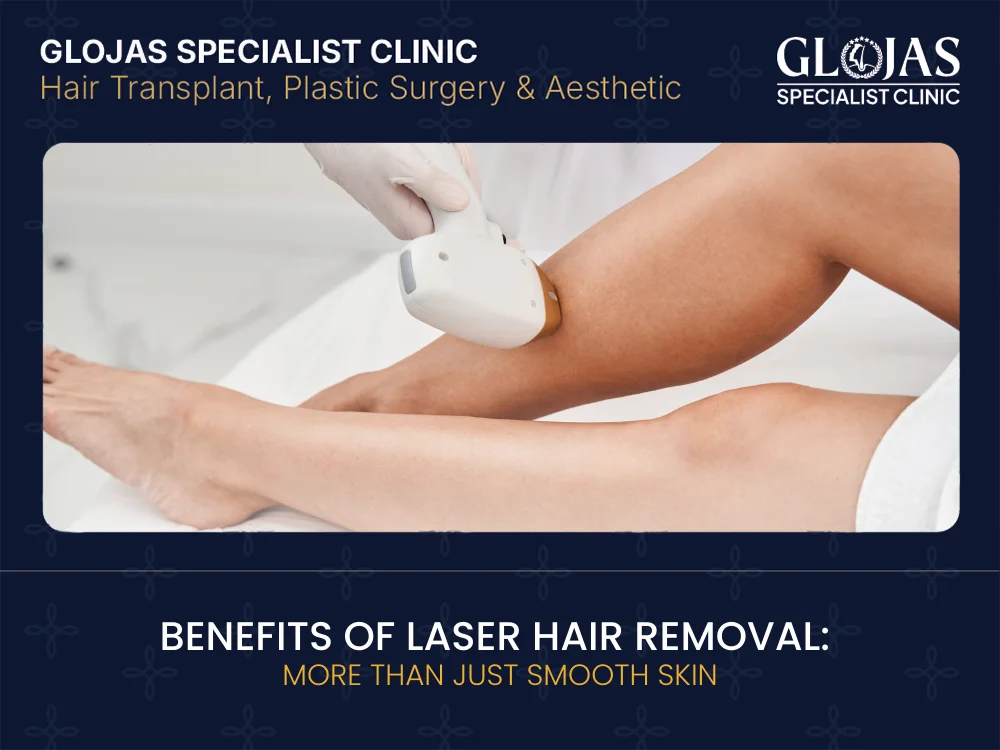
Understanding the Benefits of Laser Hair Removal The benefits of laser hair removal go beyond smooth skin. Laser technology targets hair follicles using concentrated light, reducing future growth for long-lasting results. Adults choose it because it helps minimize ingrown hairs, reduces irritation, saves time, and offers precision that shaving and waxing cannot match. With modern laser systems suitable for various skin tones, the treatment has become one of the most trusted and effective hair-reduction methods available today. Introduction: Why Benefits of Laser Hair Removal Is So Popular Laser hair removal has become a go-to solution for adults looking for a more convenient and lasting hair-reduction method. Traditional methods like shaving, waxing, threading, and depilatory creams can be time-consuming, uncomfortable, and repetitive. Laser technology offers a modern alternative that is faster, cleaner, and more consistent. But the appeal of laser hair removal isn’t limited to smoother skin. There are deeper benefits tied to skincare, personal confidence, hygiene comfort, and long-term savings. This blog breaks down the key benefits of laser hair removal, explains how it works, and provides clear insights to help adults make informed decisions. What Exactly Is Laser Hair Removal? Laser hair removal is a modern method that uses concentrated light energy to reduce unwanted hair. Instead of just cutting or removing hair at the surface, it works at the root by targeting melanin, the natural pigment in hair. When the laser’s light is absorbed, it turns into heat, which disables the hair follicle and slows down hair regrowth over time. Because hair grows in different cycles, a single session can’t treat every hair at once. Multiple treatments are required to catch hairs in the active growth phase, resulting in long-lasting hair reduction. Key Points: Non-invasive: No surgery or needles; the process is done from outside the skin. Targets the root, not just the surface: This is why regrowth is slower and thinner compared to shaving or waxing. Versatile: Can be used on various areas such as legs, arms, underarms, back, chest, and even the face (under professional guidance). Long-term results: After a series of sessions, hair becomes finer, lighter, and may grow back less frequently. Performed by trained professionals: Safety and effectiveness depend on proper technique, skin assessment, and the right laser settings. Laser hair removal is a popular choice for adults who want a more permanent and low-maintenance alternative to traditional hair removal methods. How It Benefits of Laser Hair Removal Works: A Quick Breakdown Laser hair removal relies on a scientific principle called selective photothermolysis. This means the laser is designed to target a specific element (the pigment in hair) without harming the surrounding skin. Step-by-step understanding: A laser emits a controlled wavelength of lightEach device uses a wavelength that is highly attracted to melanin—the natural pigment found in hair. Melanin absorbs the light energyDarker hair contains more melanin, so it absorbs the energy efficiently. This is why the treatment often works best on dark, coarse hair. The absorbed light turns into heatThe transformation from light to heat happens within milliseconds. The heat then travels down the hair shaft. The heat affects the hair follicleBy heating the follicle, the laser disrupts its ability to produce new hair as quickly and as thick as before. Over time, treated follicles may produce finer, slower-growing hair. Because the wavelengths are carefully selected and controlled, the process focuses on the hair pigment—not the surrounding tissue—making it precise and protective of the skin. Modern devices also include cooling features to maintain comfort while allowing the laser to work effectively. The Top Benefits of Laser Hair Removal 1. Long-Term Hair Reduction This is the biggest Benefits of Laser Hair Removal:. Compared to shaving or waxing, laser hair removal reduces hair growth significantly over time. After several sessions, adults often enjoy months or even years of smoother skin. Why this matters: Less maintenance Less regrowth Hair becomes finer and lighter 2. Saves Time in the Long Run Shaving every 2–3 days and waxing every few weeks takes time. Benefits of Laser hair removal offers long-lasting reduction that drastically minimizes grooming routines. Imagine the hours saved from not needing to shave your legs, underarms, or other areas weekly. 3. Reduces Ingrown Hairs Ingrown hairs are one of the most frustrating side effects of shaving and waxing. They can cause bumps, irritation, and skin discoloration. Laser hair removal helps reduce: Ingrown hairs Razor bumps Redness from repeated friction This is especially beneficial for adults who struggle with chronic ingrown hairs in sensitive areas. 4. Smoother, Clearer Skin Beyond removing hair, laser treatments can lead to: Softer texture Reduced pigmentation from shaving Fewer bumps Less irritation Many adults notice their skin looks healthier after completing their sessions. 5. Precise Targeting Laser technology is extremely precise. It can target coarse, dark hair without affecting the surrounding skin. Professionals can adjust the settings to suit different skin tones and hair types, making it customizable and safe. Precision makes it ideal for areas like: Upper lip Chin Underarms Bikini line 6. Cost-Effective Long Term Although benefits of laser hair removal may seem like a higher initial cost, it often becomes cost-effective because it reduces the lifelong expenses of: Razors Shaving foams Waxing appointments Depilatory creams Many adults find they spend far less money over time once they stop or reduce constant grooming. 7. Minimal Discomfort Modern lasers are designed to be more comfortable than older systems. Cooling technology helps reduce heat sensation and improve safety. Many adults describe the feeling as a quick, gentle snap. 8. Works on Most Body Areas Laser hair removal is versatile and commonly used on: Legs Arms Underarms Face Chest Back Stomach Bikini area Some areas show quicker results based on hair thickness and growth cycles. 9. Consistent and Predictable Results When done by trained professionals and spaced correctly, the results are predictable. Many adults experience noticeable reduction after only 3–4 sessions, with full results after several months. 10. Improved Confidence and Convenience Major benefits of laser hair removal is the boost of
How Laser Hair Removal Works: The Science Behind It
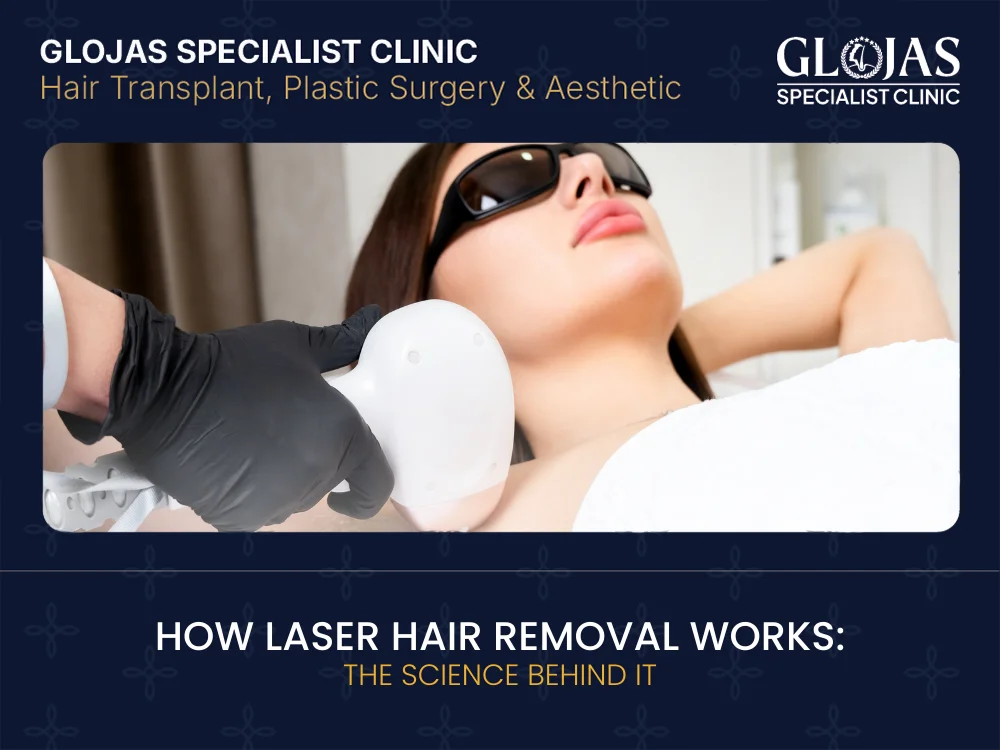
Understanding How Laser Hair Removal Works Laser hair removal works by using concentrated light energy to target the pigment (melanin) in hair follicles. The laser converts light into heat, damaging the follicle to slow and reduce future hair growth. This selective heating process leaves surrounding skin unharmed. Because hair grows in cycles, multiple sessions are needed to achieve long-term reduction. This technology is widely used by trained professionals around the world. Introduction: The Evolution of Hair Removal Technology Hair removal has transformed significantly—from shaving and waxing to advanced, medical-grade laser treatments. Adults today seek longer-lasting, low-maintenance options, and laser hair removal has become one of the most popular methods because of its effectiveness and fast results. But how exactly laser hair removal works? What makes it so precise, and why does it require multiple sessions? In this guide, we explore the science, technology, safety features, benefits, and the key differences between laser and traditional hair removal methods. This article is written to be clear, accessible, humanized, and optimized for search while maintaining a smooth reading flow (Flesch score target ~60–70%). What Is Laser Hair Removal? Laser hair removal is a non-invasive aesthetic procedure that uses concentrated light energy to reduce unwanted hair. The technology is based on a process known as selective photothermolysis, meaning the laser precisely targets dark pigments without harming the surrounding skin. Unlike shaving (cuts the hair surface) or waxing (removes hair temporarily), laser hair removal interacts with the root of the hair to slow down regrowth. Key Features: Long-term hair reduction Precise targeting Suitable for large and small areas No downtime Commonly used for the face, legs, arms, underarms, and more The Science of How Laser Hair Removal Works 1. The Role of Melanin (Pigment) Melanin is the pigment in skin and hair. Darker hair contains more melanin, which absorbs light more effectively. During laser hair removal: The laser emits a specific wavelength Melanin absorbs the light Light energy converts into heat Heat damages the hair follicle This disruption reduces the follicle’s ability to regrow hair. 2. Selective Photothermolysis Explained This scientific term describes how lasers target specific tissues using light and heat. The process: “Selective” → only the melanin-rich follicle is targeted “Photo” → the use of light “Thermo” → conversion into heat “Lysis” → destruction of the follicle’s regrowth ability The precision of this method is what makes laser hair removal safe and effective when performed by trained professionals. 3. Hair Growth Cycles and Why Multiple Sessions Are Needed Hair grows in three phases: Anagen (growth phase) – Best for Laser This is when the hair is actively growing and attached to the follicle. Laser works best here. Catagen (transition phase) The hair detaches from the follicle. Telogen (resting phase) The hair sheds to make room for new growth. Only 10–30% of hair is in the anagen phase at a time, which is why adults require multiple spaced-out sessions to see optimal reduction. Types of Lasers Hair Removal Works Different lasers are used based on skin tone, hair color, and treatment area. The most common medical-grade lasers include: 1. Alexandrite Laser (755 nm) Fast and effective Common for lighter skin tones 2. Diode Laser (810 nm) Versatile and widely used Suitable for many skin types 3. Nd:YAG Laser (1064 nm) Safest for darker skin tones Penetrates deeper with reduced melanin absorption in skin 4. IPL (Intense Pulsed Light) – Not a True Laser Although popular, IPL uses broad-spectrum light rather than a single wavelength.It can provide hair reduction but is generally less precise and less consistent compared to lasers. Benefits of Laser Hair Removal Works Laser hair removal has become a popular choice among adults because of its convenience, efficiency, and long-lasting effects. Some of the key benefits include: Long-Term Hair Reduction:With multiple sessions, many adults experience a significant and lasting decrease in hair growth, reducing the need for regular shaving or waxing. Smoother Skin Texture:Because the treatment targets the follicles, the skin often feels softer and more refined over time. Fewer Ingrown Hairs:Laser technology helps prevent hair from curling back into the skin, making it especially useful for those who struggle with ingrown hairs or razor bumps. Minimal Discomfort:Modern laser systems are designed to be gentle, with cooling mechanisms that reduce heat sensation and improve comfort. Fast Sessions for Large Areas:Areas like legs, arms, and back can be treated quickly thanks to devices with larger spot sizes. Precision Targeting:Lasers can accurately target specific follicles without affecting surrounding skin, making it ideal for smaller, detailed areas too. Overall, laser hair removal is often chosen by adults who want a simpler grooming routine, less irritation from shaving or waxing, and smoother-looking skin with less daily maintenance. How Skin and Hair Color Affect Results Best Combination: Light skin Dark hair This contrast allows the laser to easily differentiate between hair and skin. Darker Skin Tones: Lasers must be chosen carefully to avoid overheating the skin. Nd:YAG is usually preferred because it bypasses skin melanin and targets deeper follicles. Lighter or Blonde Hair: Since these contain less melanin, the laser may be less effective. Some technologies work better for medium-pigmented hair. Laser Hair Removal Works for Different Areas Laser hair removal is widely chosen by adults to reduce unwanted hair in various regions of the body. While each individual’s pattern of use differs, these are some of the most commonly treated areas: Legs: One of the most popular areas due to larger surface area and convenience. Underarms: Often chosen for smoother skin and reduced irritation from shaving. Brazilian/Bikini Area: Many adults opt for cleaner edges or fuller reduction in this region. Face (Upper Lip, Chin): Typically targeted for finer or hormonally influenced hair. Arms: Helps reduce noticeable or dense hair growth. Chest & Back: Common among adults with thicker growth patterns. Stomach: Selected for shaping or reducing midline hair. Neck: Helps with ingrown hairs or constant shaving irritation. Each body area can respond differently to laser due to variations in hair thickness, density, and hormonal influence.
Profhilo vs Dermal Fillers: Which Treatment Works Best?
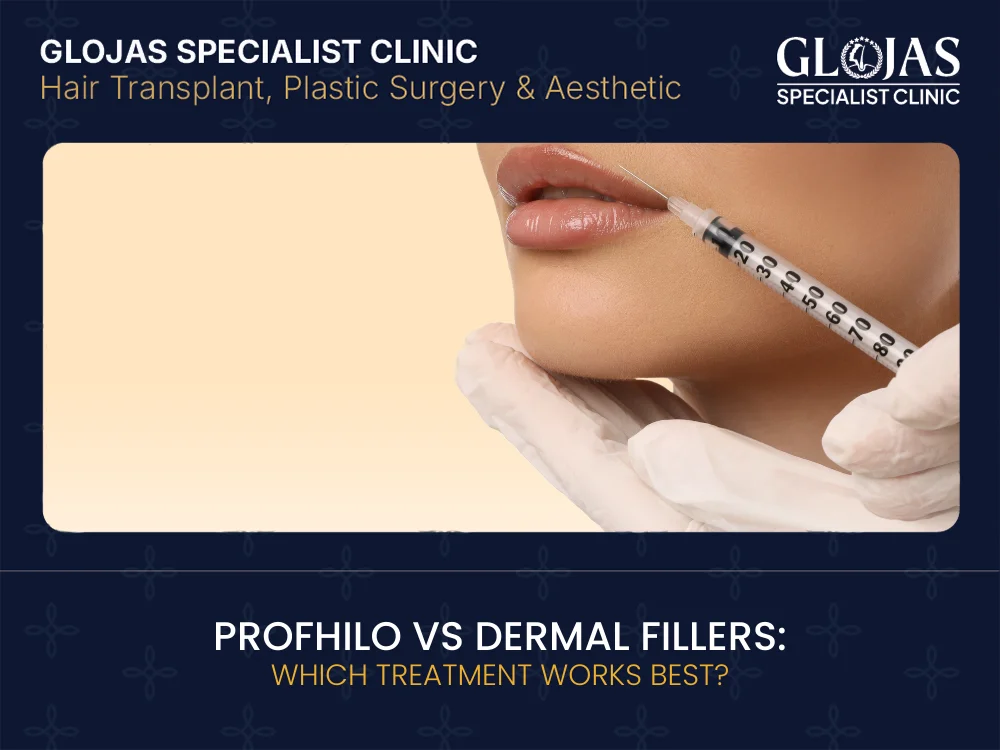
Understanding Profhilo vs Dermal Fillers The main difference between Profhilo vs dermal fillers lies in their purpose: Profhilo boosts overall skin quality by hydrating and stimulating collagen, while dermal fillers add shape, volume, and structure. Profhilo spreads evenly to refresh the skin, while fillers target specific areas to enhance facial contours. Both are popular among adults for different reasons, but they serve very different goals. Introduction: The Rise of Profhilo vs Dermal Fillers In recent years, aesthetic medicine has evolved beyond traditional beauty treatments. Adults today seek subtle, natural-looking enhancements that improve skin quality rather than drastically changing facial structure. This is where Profhilo and dermal fillers stand out—each offering unique benefits, technologies, and expected outcomes. While both involve hyaluronic acid, understanding their differences helps adults choose the right approach based on goals, skin needs, and treatment expectations. This article breaks down Profhilo vs dermal fillers in a clear, humanized way—covering how each works, key differences, safety profiles, ideal candidates (adults), and frequently asked questions. What Is Profhilo? Profhilo is an injectable skin bio-remodelling product containing one of the highest concentrations of pure hyaluronic acid (HA). Designed to improve skin quality, it: deeply hydrates increases elasticity improves firmness stimulates collagen and elastin reduces crepey texture Unlike fillers, Profhilo does not add volume or change facial contours. Key Characteristics: Ultrapure hyaluronic acid No BDDE chemical cross-linkers Flows freely under the skin Offers whole-face rejuvenation instead of targeted shaping What Are Dermal Fillers? Dermal fillers are injectable gels used to restore volume, enhance facial contours, and reduce static lines. They are commonly used for: lip shaping cheek augmentation jawline contouring chin projection deep wrinkle correction Most fillers are made from cross-linked hyaluronic acid, giving them a thicker consistency that stays in place after injection. Key Characteristics: Add structure and volume Restore lost facial definition Useful for sculpting and reshaping Different densities for different areas Profhilo vs Dermal Fillers: The Core Differences While both contain hyaluronic acid, they work very differently. Side-by-Side Comparison Table Feature Profhilo Dermal Fillers Main Purpose Improve skin quality Add volume & structure Texture Watery & spreadable Thick, gel-like Technology NAHYCO Hybrid HA Complexes Cross-linked HA Contains BDDE No Yes (commonly) Stimulation High collagen & elastin boost Minimal stimulation Aesthetic Goal Radiance, elasticity, hydration Shape, lift, contour Suitability Whole-face rejuvenation Specific facial features Results Natural, subtle Visible shaping Spread Even tissue diffusion Stays in targeted areas How Does Profhilo Work? Profhilo uses Hybrid Cooperative Complexes (HCC) created using patented NAHYCO® technology. This creates a stabilised HA formulation without chemical cross-linkers. How it acts in the skin: Hydrates deep tissues Spreads evenly for uniform improvement Stimulates fibroblasts to produce collagen & elastin Improves tissue quality over several weeks It behaves like a supercharged internal moisturizer, not a sculpting product. How Do Dermal Fillers Work? Fillers use cross-linked hyaluronic acid to create a gel that maintains shape. How it acts in the skin: Adds volume immediately Fills folds or depressions Supports facial structure Enhances key features like lips, jawline, and cheeks Fillers hold their form and stay exactly where the injector places them. Profhilo vs Dermal Fillers: Areas Commonly Treated Profhilo Adults commonly use it for: Face Neck Hands Décolletage Arms Best for crepey, dehydrated, or aging skin. Dermal Fillers Commonly used for structural enhancement in adults: Cheeks Chin Jawline Under-eyes (tear troughs) Lips Nasolabial folds Marionette lines Benefits of Profhilo Profhilo is known for its deep hydration and ability to rejuvenate the skin from within. Its unique formulation spreads evenly under the skin, giving a naturally refreshed look. Key benefits include: Restores hydration: Replenishes moisture levels for healthier, dewy skin. Increases skin elasticity: Helps the skin feel firmer and more resilient. Gives a natural glow: Enhances radiance without adding volume. Smoothens fine creases: Softens small lines, especially around the cheeks and under-eye area. Improves overall skin quality: Boosts texture, tone, and smoothness over time. Lightweight and natural: Feels subtle and integrates seamlessly into the skin. Benefits of Dermal Fillers Dermal fillers are ideal for sculpting, lifting, and enhancing facial features. They focus on restoring structure and adding definition where needed. Key benefits include: Restores volume loss: Adds back fullness in areas that have become hollow. Defines facial features: Shapes the nose, chin, cheeks, and more for improved contour. Contours jawline & chin: Creates sharper, more balanced facial proportions. Lifts sagging areas: Supports tissues to give a more youthful appearance. Smooths deep wrinkles: Helps reduce the appearance of pronounced folds. Adds plumpness (e.g., lips): Enhances natural volume for a fuller look. Profhilo vs Dermal Fillers: Which One Should Adults Choose? Choose Profhilo if the goal is: Profhilo is a skin‑booster and bio‑remodeller, ideal for adults who want natural rejuvenation rather than adding volume. Better skin hydration: Deeply moisturizes and restores a healthy glow to dry or dull skin. Improved elasticity: Helps the skin regain firmness and resilience, making it feel softer and more supple. Subtle, natural radiance: Provides a “lit‑from‑within” glow without altering your facial structure. Tissue tightening: Gently firms sagging areas, improving skin tone over time. “Glass skin” effect: Creates smooth, luminous, and even-textured skin for that dewy, youthful look. Treating crepey areas: Ideal for fine lines and loose skin on the neck, décolletage, or hands. Best for: Those who want overall skin improvement, a refreshed look, and natural, subtle changes rather than dramatic volume. Choose Dermal Fillers if the goal is: Dermal fillers are volumizing and contouring treatments, perfect for adults looking to reshape or lift their facial features. Adding shape and structure: Restores volume lost due to aging or weight changes. Enhancing facial balance: Improves harmony between features like cheeks, chin, and jawline. Boosting symmetry: Corrects minor asymmetries for a more balanced appearance. Lifting sagging areas: Provides support to drooping cheeks, jowls, or brows. Creating sharper contours: Sculpted cheekbones, jawline, and chin for a more defined look. Best for: Those seeking visible changes in facial structure, defined contours, or restoration of lost volume. Profhilo vs Dermal Fillers: Treatment Experience Here’s a general awareness outline of how both
How Polynucleotides Repair Skin: The Science Behind PN Treatments
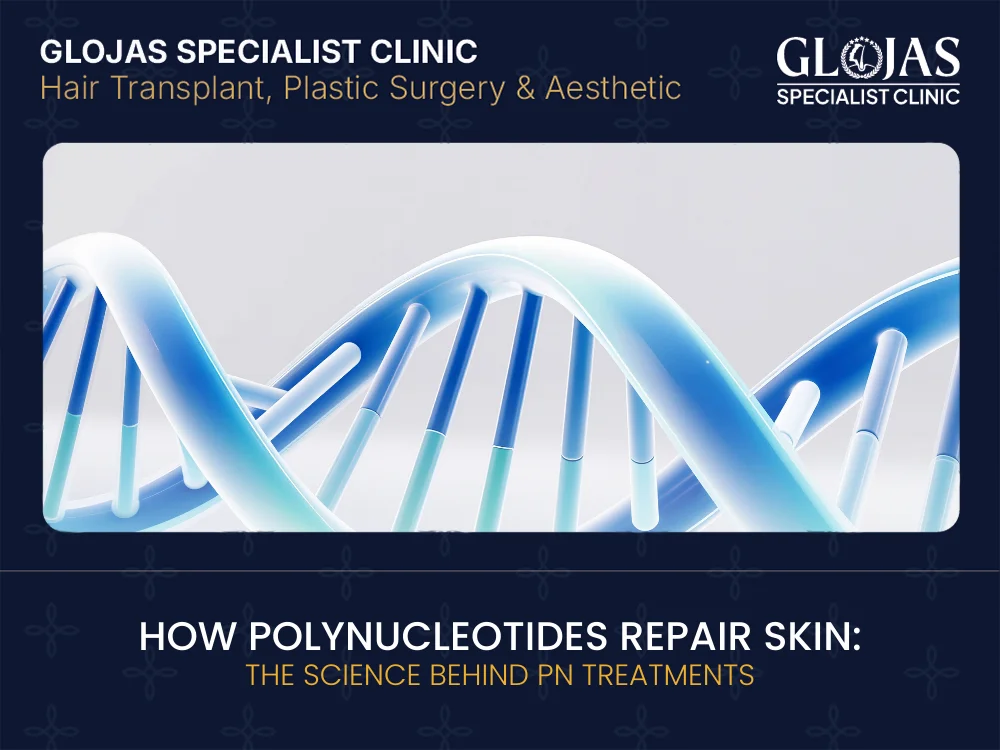
Polynucleotides (PN) are naturally derived molecules that have transformed modern skin rejuvenation. Found in advanced treatments like Rejuran Healer, they promote deep repair, hydration, and cell regeneration. Unlike conventional skincare that works mainly on the surface, PN treatments stimulate your skin’s innate ability to heal, strengthen the extracellular matrix, and improve elasticity. This makes them highly effective for addressing fine lines, uneven texture, and overall skin quality, providing a natural, healthy glow from the inside out. What Are Polynucleotides and How Do They Work? Polynucleotides are long chains of nucleotides, which are the building blocks of DNA and RNA. When applied topically or through injections like Rejuran Healer, they act as biological signaling molecules, triggering multiple regenerative processes in the skin. How PN Supports Skin Repair: Boosts Fibroblast Activity – Fibroblasts are cells responsible for producing collagen and elastin. Polynucleotides stimulate them to create stronger, more resilient skin. Enhances Hydration – PN molecules improve water retention in the extracellular matrix, keeping skin plump and hydrated. Reduces Inflammation – PN can calm irritation and support natural repair processes. Improves Skin Elasticity & Texture – Over time, regular treatments enhance skin resilience and smoothness. Because PN works at a cellular level, it addresses the root cause of ageing and damaged skin, rather than just masking it. Why Rejuran Healer Is a Game-Changer Rejuran Healer is a polynucleotides (PN)-based injectable treatment that has become highly popular for its anti-aging and regenerative effects. Unlike traditional dermal fillers, which mainly add volume, Rejuran focuses on enhancing the skin’s overall quality from within, targeting the root causes of ageing and skin damage. Here’s what makes it unique: Stimulates natural collagen and elastin productionRejuran encourages your skin to regenerate at a cellular level, improving firmness, elasticity, and overall texture over time. Boosts hydration and strengthens the skin barrierBy replenishing moisture and supporting the skin’s protective layer, Rejuran helps maintain plump, healthy skin that resists environmental stressors. Reduces redness and minor pigmentation issuesIts healing properties calm inflamed skin, helping to even out tone and reduce dullness or blotchiness. Safe for virtually all skin typesBiocompatible and gentle, it is suitable even for sensitive or reactive skin. Minimal downtimeMost people can resume daily activities immediately, with only slight temporary redness or swelling at the injection site. Because Rejuran works in harmony with your skin’s natural healing mechanisms, the results are subtle, natural, and long-lasting, giving you a refreshed, youthful appearance without the “overdone” look. What Skin Concerns Can Polynucleotides Address? Polynucleotides (PN) therapy is a versatile treatment that works at the cellular level to repair, regenerate, and rejuvenate the skin. It is effective for a wide range of skin concerns, including: Fine lines and early wrinklesPN stimulates collagen and elastin production, helping to soften the appearance of lines before they deepen. Dull, tired-looking skinBy promoting cellular renewal, PN restores radiance and a healthy, youthful glow. Skin texture irregularitiesIt smooths rough or uneven areas, improving overall skin refinement. Enlarged poresStrengthening the skin structure around pores helps them appear smaller and less noticeable. Mild scarring or acne scarsPN encourages tissue repair, reducing the visibility of minor scars over time. Sensitive or reactive skinIts gentle, biocompatible nature makes PN suitable for skin prone to redness or irritation. Skin prone to inflammationPN supports skin barrier recovery and reduces oxidative stress, helping calm stressed skin. Essentially, any concern related to early signs of ageing, minor damage, or skin stress can benefit from PN therapy. Regular sessions help maintain healthy, resilient, and naturally radiant skin. The Science Behind Polynucleotides Skin Repair PN molecules are highly biocompatible and work synergistically with the body’s natural repair processes. When injected: Fibroblast Activation – The main driver of collagen regeneration. Extracellular Matrix Strengthening – Improves skin’s structural integrity. Enhanced Blood Flow – Promotes nutrient delivery and cellular repair. Antioxidant Protection – Reduces oxidative stress that accelerates ageing. The result is smoother, more elastic, and hydrated skin with improved resilience against environmental damage. How Polynucleotides Differ From Other Anti-Aging Treatments Feature Polynucleotides Dermal Fillers Botox Target Skin quality & repair Volume enhancement Muscle relaxation Mechanism Cellular regeneration Adds structural support Reduces movement lines Result Natural, subtle, long-term Immediate volume Immediate wrinkle reduction Downtime Minimal Slight swelling/bruising Minimal Ideal for All skin types, preventive & corrective Facial contouring Dynamic wrinkles PN therapy is particularly suitable for people who want healthy, radiant skin without changing their natural facial features. Treatment Process: What to Expect with Rejuran Healer Undergoing Rejuran Healer is a straightforward and well-tolerated procedure. Here’s a step-by-step overview of what you can expect: Consultation – Personalized Skin AssessmentYour practitioner will evaluate your skin type, concerns, and suitability for PN therapy. This step ensures the treatment plan is tailored to your individual needs and desired outcomes. Preparation – Cleansing and NumbingThe treatment area is thoroughly cleansed to remove impurities. A numbing cream is applied to ensure maximum comfort during the injections. Injection – Targeted MicroinjectionsUsing fine needles, Rejuran is injected into specific areas of the face, neck, or other targeted regions. The microinjections stimulate skin regeneration, collagen production, and hydration from within. Immediate Care – Soothing and HydrationAfter injections, gentle soothing techniques and hydrating products are applied to calm the skin and enhance comfort. Recovery – Minimal DowntimeMost patients experience only mild redness, swelling, or tiny pinpoint marks at the injection sites, which typically resolve within a few hours to a couple of days. Daily activities can usually be resumed immediately. Results Timeline – Gradual, Natural ImprovementRejuran works by stimulating the skin’s natural repair mechanisms. Improvements in texture, hydration, and firmness appear gradually over several weeks, with optimal results typically visible around 4–6 weeks post-treatment. Subtle, natural rejuvenation continues over the following months. Benefits of Regular Polynucleotides Treatments Consistent PN treatments offer long-term improvements in overall skin health, thanks to their ability to repair, hydrate, and strengthen the skin from within. Key benefits include: Stronger, more resilient skinPN helps repair damaged cells and boosts tissue regeneration, making the skin more robust against environmental stressors and ageing. Reduction in fine lines and
6 Best Non-Surgical Facelift Options in Malaysia For Sagging Skin
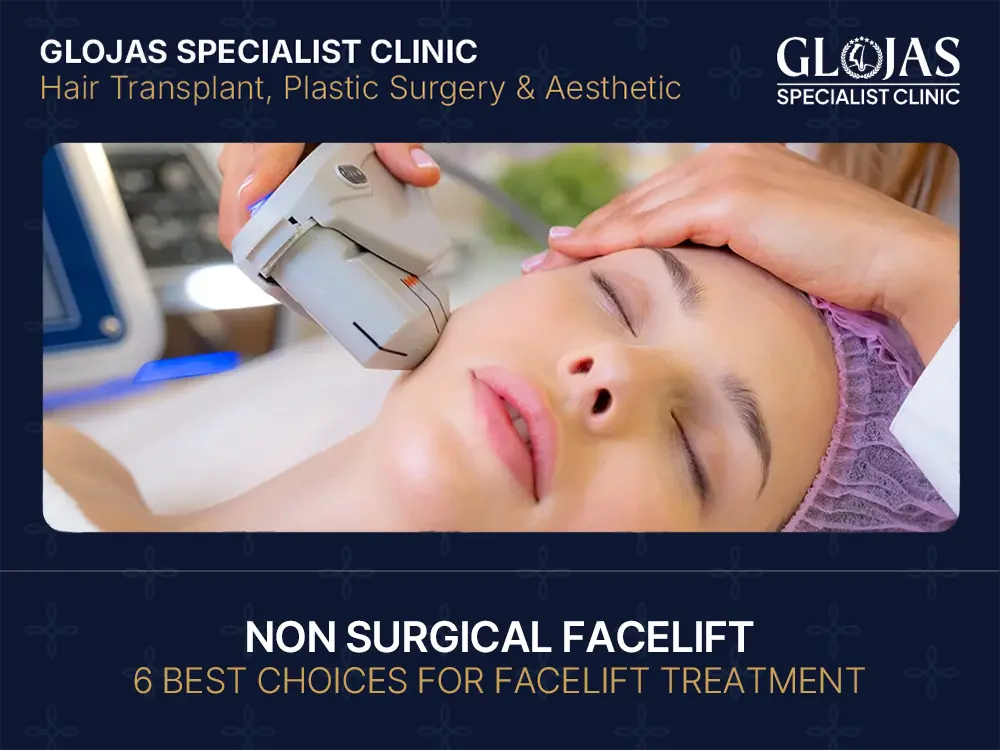
Non-surgical facelifts in Malaysia are transforming the way people approach facial rejuvenation. Using advanced treatments such as HIFU, dermal fillers, PDO threads, and radiofrequency therapy, these procedures lift sagging skin, restore facial volume, and enhance contours—all with minimal downtime. Tailored treatment plans ensure safe, natural-looking results for every skin type and aesthetic goal. Introduction Aging is inevitable, but looking older than you feel doesn’t have to be. Non-surgical facelifts are minimally invasive procedures designed to refresh your appearance without the risks of surgery. In Malaysia, they have grown in popularity due to their ability to subtly restore youthful contours, tighten lax skin, and improve overall facial harmony—all while letting you return to daily life quickly. 1. Dermal Fillers What They Are:Dermal fillers are hyaluronic acid-based injections that restore lost volume, smooth wrinkles, and refine facial contours. Common Areas Treated: Cheeks and mid-face Nasolabial folds (smile lines) Jawline and chin Under-eye hollows Benefits: Immediate, visible results Encourages natural collagen production Minimal downtime Things to Keep in Mind: Results typically last 6–18 months Temporary bruising or slight asymmetry can occur 2. PDO Thread Lifts What They Are:PDO threads are dissolvable sutures that lift sagging tissue while stimulating collagen production. How They Work: Provides mechanical lifting Promotes long-term collagen regeneration Advantages: Effects last 12–18 months Minimally invasive with local anesthesia Improves skin texture and firmness Potential Risks: Mild swelling or bruising Rare thread migration 3. HIFU (High-Intensity Focused Ultrasound) What It Is:HIFU treatment uses ultrasound energy to target deep layers of the skin, stimulating collagen and elastin for a firmer, lifted appearance. Highlights: Non-invasive alternative to a surgical facelift Reaches the SMAS layer for a deeper lift Can treat face, neck, and jawline Results: Gradual improvement over 2–3 months Long-lasting effects (12–18 months) Minimal recovery time Side Effects: Temporary redness or tingling Rare mild swelling 4. Ultherapy (Focused Ultrasound) What It Is:Ultherapy is similar to HIFU, using micro-focused ultrasound to stimulate deep collagen layers for lifting and tightening. Results: Natural, gradual lift over 2–3 months Effects can last up to 18 months Ideal for brows, cheeks, jawline, and neck Considerations: Mild discomfort during treatment Temporary redness or swelling may occur 5. Radiofrequency (RF) Treatments What They Are:RF treatments use controlled thermal energy to tighten skin and improve texture. Popular Devices: Thermage Venus Legacy Morpheus8 Benefits: Non-invasive and safe Stimulates collagen and elastin Minimal recovery time Side Effects: Temporary redness or warmth Rare risk of mild burns if misapplied 6. Combining Treatments For more comprehensive results, many clinics in Malaysia combine fillers, threads, HIFU, and RF. This approach addresses volume loss, skin laxity, and texture simultaneously. Example Treatment Plan: Fillers to restore cheek volume PDO threads for jawline lifting HIFU or RF for skin tightening Outcome: Harmonious, natural lift Long-lasting rejuvenation Minimal downtime 7. Choosing the Right Treatment Factors to consider before your treatment: Age and degree of skin laxity Desired lift intensity Skin type and overall health Budget and recovery tolerance Professional Advice: Consult certified aesthetic physicians or dermatologists Use only FDA-approved or Malaysian MOH-approved devices Avoid unregulated clinics that promise low-cost shortcuts 8. Recovery and Aftercare Most treatments allow you to resume daily activities immediately Avoid prolonged sun exposure for 1–2 weeks Mild swelling or bruising usually resolves in days Follow-up treatments may be recommended to maintain results 9. Costs in Malaysia Dermal fillers: RM 1,500 – RM 6,000 per area PDO thread lift: RM 3,000 – RM 12,000 HIFU: RM 4,000 – RM 10,000 Ultherapy: RM 6,000 – RM 12,000 RF treatments: RM 500 – RM 3,500 per session Note: Prices vary depending on clinic, device, and provider expertise. Safety should always come first. FAQ: Non-Surgical Facelifts in Malaysia Q1: How long do results last?A1: Fillers 6–18 months, PDO threads 12–18 months, HIFU and Ultherapy 12–18 months, RF 6–12 months. Regular maintenance prolongs results. Q2: Are non-surgical facelifts safe?A2: Yes, when performed by licensed professionals using approved devices. Risks are typically mild and temporary. Q3: Which treatment is best for sagging cheeks?A3: Dermal fillers and PDO threads provide the most noticeable lift. Combining treatments can enhance outcomes. Q4: Do these procedures hurt?A4: Most involve minimal discomfort. Local anesthesia or numbing cream ensures comfort. Q5: Can men benefit from non-surgical facelifts?A5: Absolutely. Treatments are customized for both men and women. Q6: How quickly will I see results?A6: Fillers are immediate. Threads, HIFU, RF, and Ultherapy produce gradual improvements over 2–3 months. Q7: Are they suitable for all ages?A7: Typically recommended for adults with mild to moderate skin laxity. Severe sagging may require surgical consultation. Conclusion Non-surgical facelifts in Malaysia—including HIFU, PDO threads, dermal fillers, and RF treatments—offer safe, effective, and minimally invasive ways to restore youthfulness. Choosing experienced providers and tailored combination treatments ensures natural, long-lasting results with minimal downtime, helping you look refreshed while feeling confident.
Understanding Skin Laxity: Why the Face Starts to Sag With Age
What Is Skin Laxity? Skin laxity refers to the gradual loosening, thinning, and sagging of the skin as we age. While mild at first, it becomes more visible over time—especially around the cheeks, jawline, neck, and under the eyes. Understanding what causes skin laxity helps you make informed choices about prevention and non-surgical tightening options like HIFU. Skin laxity is one of the most common signs of ageing, yet many people don’t understand why it happens or how early intervention can help. As collagen, elastin, fat pads, and even our facial bone structure begin to change, the skin loses its natural support system. This leads to sagging skin, droopy jowls, and reduced definition—changes that can begin as early as your late 20s. In this guide, we’ll explore why skin laxity occurs, what accelerates it, and how modern treatments like HIFU (High-Intensity Focused Ultrasound) can help lift and tighten sagging skin without surgery. How Skin Laxity Develops: The Aging Timeline Skin laxity doesn’t happen suddenly. It’s a slow, structural process influenced by biological ageing, lifestyle, and environmental factors. Here’s what happens beneath the surface: 1. Collagen Decline Begins in Our 20s Collagen is the skin’s scaffolding. Starting at age 25, your collagen production drops by about 1% per year. By age 40, this reduction becomes more visible—especially around the lower face and eyes. 2. Elastin Breakdown Elastin gives your skin the ability to stretch and bounce back. UV exposure and inflammation accelerate elastin loss, making the skin look less firm and more creased. 3. Slower Cell Turnover Ageing reduces cell renewal, making the skin appear duller and thinner. Thin skin has less structural strength, which contributes to sagging. 4. Shrinking Fat Compartments The youthful face is full and lifted because of evenly distributed fat pads. Over time, these pads shrink and shift downward due to gravity—leading to hollowing, drooping cheeks, and jowls. 5. Bone Resorption As we age, the facial bone structure subtly recedes, particularly around the jawline and midface. With less support, the skin begins to sag. Common Signs of Skin Laxity Skin laxity can show up gradually, and the way it appears often depends on age, lifestyle, and natural collagen levels. Some of the most common signs include: • Less Defined JawlineA softening or blurring of the jawline contour is often one of the earliest indicators of reduced skin firmness. • Droopy or Flattened CheeksAs collagen and fat pads shift downward, the mid-face can appear less lifted or full. • More Noticeable Nasolabial FoldsFolds between the nose and mouth may look deeper as skin support weakens. • Loose or Crepey Skin Around the EyesThinner skin in this area makes laxity more obvious, leading to a “crinkled” appearance. • Fine Lines Becoming More PronouncedExpressions, sun exposure, and loss of elasticity can turn early fine lines into deeper etchings. • Neck Sagging or “Turkey Neck”Weakened collagen and muscle support can cause the skin on the neck to stretch or droop. • Visible Loss of Facial ContourThe natural V-shape of the face becomes less defined as tissues shift downward over time. If these signs feel familiar, you’re not alone—skin laxity is a natural part of aging. Its severity varies based on genetics, skincare habits, environmental exposure, and overall lifestyle. Why Does the Face Start Sagging With Age? Understanding the why behind sagging helps you determine the right solutions. Let’s break down the major causes of skin laxity: 1. Natural Aging (Intrinsic Aging) This is the unavoidable part of ageing. Hormonal changes, genetics, and the natural decline of collagen and elastin all contribute to sagging. 2. Sun Exposure (Photoaging) Up to 80% of visible ageing is caused by UV radiation. It breaks down collagen fibers and slows elastin regeneration, making the skin slack and less elastic. 3. Lifestyle Factors Certain habits accelerate skin laxity, such as: Smoking Poor sleep High sugar intake Rapid weight loss Chronic stress Alcohol consumption These create inflammation, dehydration, and oxidative stress that weaken the skin’s structure. 4. Facial Movements & Gravity Daily expressions and the constant pull of gravity gradually cause the skin to stretch and droop, especially in areas with thin skin. 5. Lack of Preventive Skincare Skipping sunscreen, retinoids, or hydration accelerates structural thinning of the skin, making sagging appear earlier. How HIFU Helps Improve Skin Laxity HIFU (High-Intensity Focused Ultrasound) has become one of the most popular non-surgical lifting treatments for a reason—it targets the root cause of skin laxity: structural weakening of deeper layers. Here’s how HIFU works: 1. Stimulates Collagen at the SMAS Layer Unlike surface treatments, HIFU reaches the SMAS layer, the same layer targeted in surgical facelifts. This triggers controlled thermal energy to tighten and firm the foundation of the face. 2. Builds New Collagen and Elastin Naturally Over the next 3–6 months, the body produces fresh collagen to lift sagging areas: Jawline becomes sharper Cheeks look more lifted Neck skin tightens Fine lines reduce 3. Non-Surgical, No Downtime HIFU is perfect for people wanting visible lifting without needles or incisions. Most people resume normal activities immediately. 4. Long-Lasting, Natural Results Results last 12–18 months depending on age, skin quality, and lifestyle. 5. Safe for Most Skin Types HIFU uses ultrasound energy—not heat on the surface—making it suitable for various skin tones. HIFU vs Other Skin Tightening Methods HIFU vs Radiofrequency (RF) RF treats the superficial layers of the skin, while HIFU reaches deep structural layers. Combining both can enhance outcomes. HIFU vs Fillers Fillers restore volume; HIFU lifts tissue. Many patients benefit from both depending on their facial goals. HIFU vs Thread Lift Threads create immediate lifting; HIFU provides gradual tightening. Threads are more invasive, while HIFU is fully non-surgical. Who Is a Good Candidate for HIFU? HIFU is generally recommended for individuals who want noticeable lifting and tightening without undergoing surgery. It works best for people who have: • Early to Moderate Skin LaxityThose starting to notice reduced firmness or mild sagging often respond well. • Mild Jowls or a Softer JawlineEarly changes along the jawline can be
How Collagen Regeneration Works: The Role of Controlled Skin Injury
Why Collagen Regeneration Matters for Healthy, Youthful Skin Collagen Regeneration is at the heart of microneedling treatments. As we age, collagen levels naturally decline, causing fine lines, uneven texture, and reduced firmness. Microneedling encourages the skin to rebuild itself by triggering a gentle, controlled response that stimulates collagen and elastin production. When performed professionally, this process helps improve texture, minimise pores, and restore a smoother and healthier appearance. Understanding how collagen regeneration works explains why microneedling has become one of the most popular skin-rejuvenation treatments worldwide. Understanding Microneedling & Collagen Regeneration Microneedling is a medically supervised treatment designed to improve skin quality by activating your skin’s natural renewal system. Unlike many aesthetic procedures that rely on external ingredients, microneedling works from the inside out—encouraging your skin to repair itself. Collagen regeneration is the foundation of this process. Collagen is the structural protein that keeps skin firm, smooth, and bouncy. When collagen production slows, the skin becomes thinner and loses elasticity. Microneedling helps reactivate this process in a controlled, safe way when done by trained professionals. What Is Collagen & Why Is It So Important? Collagen is the primary protein found in skin, bones, and connective tissues. In the skin, it acts like scaffolding—providing strength, firmness, and structure. With age, collagen decreases due to: Sun exposure Stress Environmental factors Lifestyle habits Natural aging Microneedling helps re-stimulate collagen, restoring some of what the skin has lost over time. How Microneedling Triggers Collagen Regeneration Microneedling works by creating precise, controlled micro-channels in the skin. These tiny channels are not harmful; they’re designed to signal the skin that it needs to renew itself. This activates the body’s natural repair cycle. Here’s how collagen regeneration works: 1. Trigger Phase The skin detects the controlled micro-channels created during the treatment. This signals the body to begin its repair response. 2. Repair Phase The skin sends growth factors and begins producing new collagen and elastin. This process strengthens the skin structure and enhances elasticity. 3. Regeneration Phase Over the weeks following treatment, the new collagen remodels the skin, smoothing texture and improving firmness. This gradual process gives microneedling its signature natural-looking results. Why Microneedling Is Effective for Many Skin Concerns Microneedling is highly effective because it stimulates the skin’s natural healing processes, particularly collagen and elastin production. This makes it a versatile solution for a wide range of skin issues, including: Fine lines — helps smooth early wrinkles and expression lines Uneven skin tone — reduces patchiness and promotes a more uniform complexion Rough texture — improves overall smoothness by resurfacing the skin Enlarged pores — refines pore size for a more polished look Early signs of aging — restores firmness and resilience in aging skin Mild acne scarring — softens depressed scars and improves skin contour Dullness — boosts radiance and a healthy glow Thin or fragile skin — strengthens skin structure over time Loss of elasticity — increases skin firmness and suppleness Unlike treatments that only act on the surface layer, microneedling works from the inside out, enhancing the skin’s structural integrity and overall health. By promoting collagen regeneration, it addresses both the appearance and the underlying causes of many common skin concerns, resulting in smoother, stronger, and more youthful-looking skin over time. The Science Behind Controlled Skin Injury “Controlled skin injury” may sound intimidating, but in medical aesthetics it simply refers to carefully performed, precise stimulation done by trained practitioners. It’s not damaging—it’s therapeutic. Professional microneedling uses: Sterile equipment Accurate depth control Medical-grade devices Safe protocols This ensures the skin is stimulated safely, without harmful or overly aggressive techniques. It is never recommended to perform microneedling at home. Professional environments ensure the right depth, hygiene, and technique to protect the skin and support proper collagen regeneration. Benefits of Microneedling for Skin Health Microneedling is more than a cosmetic procedure—it promotes overall skin health by stimulating collagen and elastin production. Its benefits extend beyond surface-level improvements, helping the skin become stronger, smoother, and more resilient over time. Key advantages include: ✔ Improved Skin Texture Microneedling smooths rough patches, softens bumps, and refines the overall feel of the skin, leaving it noticeably more even and polished. ✔ Enhanced Firmness By boosting collagen and elastin regeneration, microneedling strengthens the skin’s structural support, helping lift and tighten areas that may feel loose or saggy. ✔ Reduced Appearance of Fine Lines As the skin rebuilds from within, subtle plumping occurs, softening early wrinkles and expression lines for a more youthful appearance. ✔ Brighter, More Radiant Skin Microneedling accelerates cell turnover, helping to shed dull, dead skin layers and reveal a fresher, glowing complexion. ✔ Minimised Pores Strengthening the skin’s framework helps pores appear smaller and less noticeable, improving the overall smoothness of the skin surface. ✔ Better Absorption of Skincare Products Tiny micro-channels created during treatment allow active ingredients—like serums, antioxidants, and growth factors—to penetrate more effectively, enhancing their benefits. ✔ Natural, Gradual Results Because collagen regeneration takes time, improvements develop gradually over several weeks, resulting in subtle, natural-looking changes rather than sudden or artificial results. Overall, microneedling combines aesthetic improvements with long-term skin health benefits, making it a safe and effective option for individuals seeking smoother, firmer, and more radiant skin. Who Is Microneedling Suitable For? Microneedling is a versatile treatment suitable for many individuals looking to enhance their skin quality. It is especially beneficial for those who want to improve: Uneven skin texture — including roughness, acne scars, or general lack of smoothness Early signs of aging — such as fine lines, reduced elasticity, or dullness Mild pigmentation issues — like sun spots or post-inflammatory marks Enlarged pores — helping refine and minimise their appearance Overall skin radiance — boosting glow and skin vitality through collagen stimulation Microneedling works well for a wide range of skin types and tones, making it a popular choice for individuals seeking a natural collagen-boosting treatment. However, a professional consultation is essential. Your provider can assess: Skin sensitivity Active acne or infections Eczema, psoriasis, or dermatitis Tendency to form keloid scars
HIFU Treatment Price in Malaysia: Cost, Benefits & What to Expect
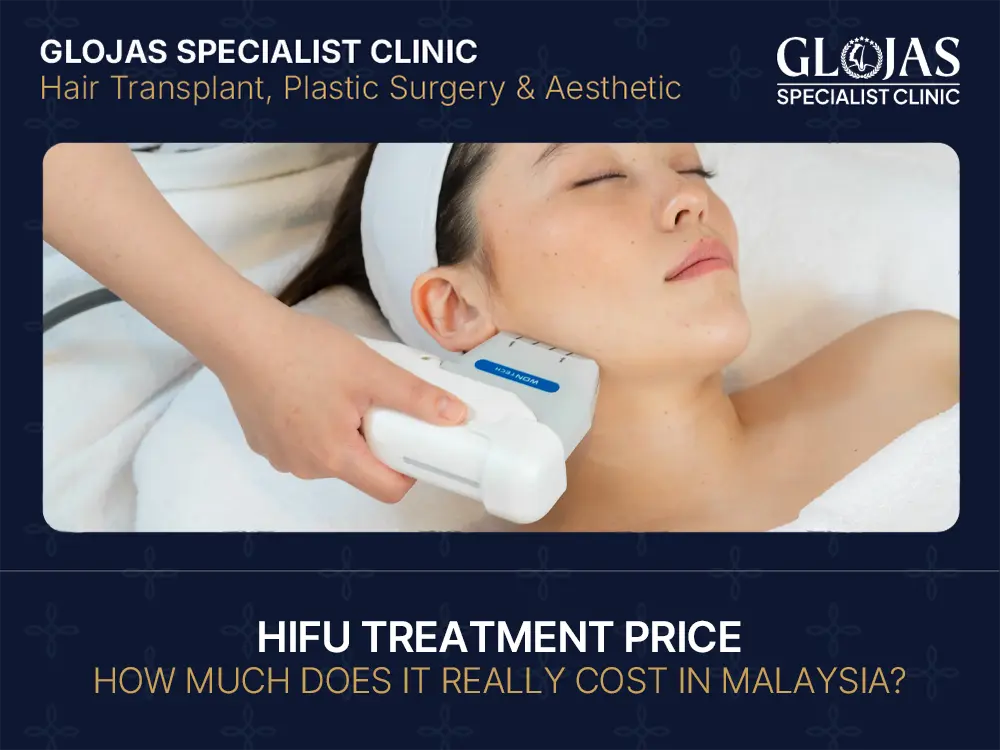
HIFU treatment price in Malaysia typically ranges from RM1,500 to RM6,000, depending on the treatment area, device quality, clinic standards, and how many energy lines are needed. Larger areas and premium HIFU machines cost more. Knowing these price factors helps patients plan safely and choose treatment with confidence. HIFU Treatment Price in Malaysia Below is the common pricing range across reputable aesthetic clinics: Treatment Area Price Range (RM) Full Face RM1,500 – RM4,000 Full Face + Neck RM2,000 – RM5,000 Jawline / Chin / Lower Face RM1,000 – RM2,500 Eye / Brow Area RM700 – RM1,500 Neck or Décolletage RM800 – RM3,000 Body Areas (abdomen, arms, thighs) RM2,000 – RM5,000+ Prices may shift slightly depending on the clinic, device brand, and treatment intensity. Key Factors That Influence HIFU Price 1. Treatment Area Size Larger zones—like full face and neck—take longer and require more energy lines, making them more costly. 2. Device Quality High-grade medical HIFU systems cost more because they deliver: precise depth targeting stable, consistent heat better tightening results improved safety Lower-cost devices often struggle with consistency, which affects results. 3. Practitioner Skill Experienced medical practitioners charge more, but their accuracy and understanding of facial anatomy significantly reduce risks and improve outcomes. 4. Number of Energy Lines More energy lines (or “shots”) create more collagen stimulation. Higher energy delivery typically means a higher price. 5. Clinic Reputation & Location Established clinics with strong track records, medical supervision, and modern equipment tend to charge slightly more. 6. Aftercare & Added Services Some clinics include extras such as: consultation skin assessment numbing cream aftercare review skincare products These enhance value, even if the upfront cost is higher. What Price Says About Quality A Safe, Fair HIFU Price Usually Includes: authentic medical-grade device appropriate number of energy lines medically supervised treatment comprehensive safety measures clear and realistic treatment planning If the price is very low (below RM1,000), be careful. It may reflect: outdated or non-medical devices insufficient energy delivered untrained staff lack of medical oversight Such shortcuts can lead to complications including burns, fat loss, uneven tightening, or nerve irritation. How Long Results Last (and How That Affects Value) Most patients experience: early tightening within 6–12 weeks active collagen rebuilding for up to 6 months overall results lasting 12–18 months Because results last more than a year, many patients find HIFU cost-effective compared to fillers, threads, or repeated laser treatments. Budgeting for HIFU in Malaysia For realistic planning: Expect RM1,500–4,000 for a good-quality full-face treatment. Add extra cost if treating the neck, chest, or additional areas. Plan for maintenance every 12–18 months. Always ask how many energy lines are included—this directly affects results. Higher prices often reflect stronger devices, safer protocols, and better outcomes. Read More Here : Ultherapy vs HIFU How to Choose a Safe Clinic When to Consider HIFU Treatment Price? Ask these questions: What HIFU device brand is used? How many years of experience does the practitioner have? Is the treatment done or supervised by a qualified medical professional? How many energy lines will be delivered? Are there pre- and post-care steps provided? Does the clinic offer realistic expectations and medical guidance? Choosing a transparent, medically supervised clinic protects your safety and ensures better long-term results. GLOJAS Specialist Clinic offers medically supervised HIFU treatments performed by experienced aesthetic doctors using certified, high-grade devices. With strict safety protocols, personalised treatment planning, and decades of combined clinical expertise, GLOJAS provides reliable, evidence-based results for patients seeking a safe and effective HIFU experience in Malaysia. FAQ — HIFU Treatment Price in Malaysia Q1: How much does HIFU usually cost in Malaysia?Most clinics charge RM1,500–4,000 for a full-face session. Adding the neck or other zones increases the price. Q2: Why do some clinics offer extremely cheap HIFU?Very low prices often indicate low-quality devices or inexperienced operators, which can affect safety and results. Q3: How often do I need HIFU?Usually once a year, with optional touch-ups every 12–18 months depending on your skin condition. Q4: Does HIFU hurt?You may feel heat or tingling. Numbing cream helps make the treatment more comfortable. Q5: Is there downtime after HIFU?No significant downtime. Most people resume daily activities immediately. Q6: Is HIFU worth the price?Yes, especially for mild to moderate skin laxity. It provides natural-looking lifting without needles or surgery and offers good longevity for the cost. Conclusion HIFU treatment prices in Malaysia vary mainly due to device quality, practitioner expertise, and treatment area. A medically supervised HIFU session typically costs RM1,500 to RM5,000, with long-lasting collagen stimulation and minimal downtime. Investing in a reputable clinic ensures you receive safe treatment and naturally lifted, confident results.
Deep Skin Hydration Therapy: What Causes Dehydrated, Dull Skin?
Why Skin Hydration Matters for Radiant, Healthy Skin Healthy, glowing skin starts with proper Skin Hydration. When your skin hydration lacks moisture, it becomes dull, rough, tight, and more prone to fine lines. Many people assume dry skin and dehydrated skin are the same, but dehydration is actually a condition where the skin lacks water—not oil. Modern lifestyles, weather, stress, and aging all contribute to moisture loss. Deep hydration therapy helps restore water levels from within, improving elasticity and overall skin comfort. Understanding why dehydration happens is the key to repairing and preventing it. Understanding Skin Hydration: Why It’s Essential for Skin Health Skin hydration plays a crucial role in maintaining softness, resilience, and smoothness. Your skin barrier—the outermost protective layer—needs sufficient water to function properly. When hydration levels drop, everything from texture to tone to elasticity is affected. Although moisturisers help, surface-level hydration isn’t always enough. Deep hydration therapy helps replenish water from within, targeting the layers where moisture loss actually begins. Before exploring treatments, it’s important to understand what causes dehydrated skin in the first place. Dry Skin vs. Dehydrated Skin: What’s the Difference? Many people mistake dry skin for dehydrated skin, but they are different conditions. Dry Skin Lacks oil (sebum) A skin type you are born with Flaky, rough, may feel itchy Dehydrated Skin Lacks water A condition that anyone can experience Appears dull, tight, tired, less radiant Dehydrated skin can affect both dry and oily skin types, often making oily skin appear shiny but still tight and uncomfortable. What Causes Dehydrated Skin? Dehydrated skin is extremely common and can happen to anyone, regardless of age, gender, or skin type. Several internal and external factors contribute to moisture loss. ✔ 1. Damaged Skin Barrier When the skin barrier is compromised, it cannot retain water efficiently.Causes include: Over-exfoliation Harsh skincare products Excessive cleansing Hot water Chemical irritation A weakened barrier leads to transepidermal water loss (TEWL), making the skin appear dull and dehydrated. ✔ 2. Weather and Climate Changes Low humidity, air conditioning, indoor heating, sun exposure, and wind all reduce the skin’s moisture content. Tropical climates can cause dehydration just as much as cold weather due to sun exposure and sweat evaporation. ✔ 3. Aging & Natural Moisture Decline As we age: Hyaluronic acid levels drop Skin becomes thinner Collagen production decreases Moisture retention weakens This leads to dryness, fine lines, and reduced elasticity. ✔ 4. Lack of Water Intake Dehydration can reflect on the skin when the body is not receiving enough fluids, though internal hydration alone cannot fully fix dehydrated skin. ✔ 5. Poor Skincare Routine Using the wrong products can worsen dehydration, such as: Overly drying cleansers Alcohol-heavy toners Products with high fragrance Skipping moisturiser ✔ 6. Lifestyle Factors These habits quickly drain skin hydration: Lack of sleep Stress Smoking High caffeine or alcohol intake Poor diet ✔ 7. Medical Conditions or Medications Certain medications or skin conditions like eczema, dermatitis, and allergies can reduce the skin’s ability to hold moisture. Signs Your Skin Is Dehydrated Dehydrated skin can be subtle but recognizable once you know what to look for. Common symptoms include: Tightness Dullness Rough texture Fine lines (especially dehydration lines under eyes) Increased oiliness (skin overcompensating) Flaking or peeling Sensitivity and irritation Makeup appearing patchy or cakey If your skin looks tired no matter what you apply, dehydration may be the root cause. How Deep Skin Hydration Therapy Works Surface moisturizers mainly target the top layer, but dehydrated skin often needs support at deeper levels. Deep skin hydration treatments replenish water from within and help repair the skin barrier. These treatments often include: Hyaluronic acid boosters Bioremodeling injectables Energy-based hydration treatments Skin barrier reparative serums Hydrating facials with active infusion technology Key benefits of deep hydration therapy: ✔ Restores water balance✔ Strengthens skin barrier✔ Improves glow and radiance✔ Softens fine lines✔ Reduces rough texture✔ Helps makeup apply more smoothly✔ Improves elasticity and suppleness For many people, deep hydration therapy becomes part of a yearly or biannual maintenance routine. Why Hyaluronic Acid Is Essential for Skin Hydration Hyaluronic acid (HA) is one of the most powerful hydrating molecules, naturally present in the skin. It binds up to 1,000 times its weight in water, helping keep skin plump and hydrated. However, natural HA levels decline with age, sun exposure, and environmental stress. That’s why many hydration treatments use HA-based formulations to replace what the skin has lost. Different types of HA (low, medium, and high molecular weight) penetrate different layers of the skin, improving hydration throughout. How Lifestyle Affects Skin Hydration Levels Even with professional treatments, your daily lifestyle plays a major role in how well your skin stays hydrated. The choices you make every day either support your skin’s moisture barrier or slowly weaken it. Hydration-supporting habits: ✔ Drinking sufficient waterKeeps your body’s internal hydration balance steady, allowing skin cells to function properly. ✔ Using gentle cleansersHarsh cleansers strip natural oils, while gentle formulas protect the moisture barrier. ✔ Applying moisturiser twice dailyRegular moisturising seals in hydration and prevents transepidermal water loss throughout the day. ✔ Eating nutrient-rich foodsFruits, vegetables, healthy fats, and antioxidants help strengthen the skin barrier from within. ✔ Reducing sugar intakeToo much sugar leads to glycation, which can weaken collagen and make skin appear dull and dehydrated. ✔ Limiting caffeine and alcoholBoth act as diuretics, pulling moisture from the body and contributing to dryness. ✔ Using sunscreen consistentlyUV exposure breaks down the skin barrier, making it harder for the skin to retain moisture. ✔ Avoiding long, hot showersHot water strips away natural lipids, increasing dryness and sensitivity. When these habits are practiced consistently, they create a strong foundation for healthy, hydrated, and resilient skin—enhancing the results of any treatment you choose. Why Your Skin Looks Dull Even If You Moisturise Many people feel like they apply moisturiser but still look dull. This happens because moisturiser alone cannot fix deeper dehydration. The problem often lies in the skin barrier or the deeper layers where water is lost. When
Hyaluronic Acid Bioremodeling: How It Improves Skin Quality Naturally
What Hyaluronic Acid Bioremodeling Does for Your Skin Hyaluronic Acid Bioremodeling is one of today’s most advanced skin-quality treatments, designed to improve hydration, elasticity, and firmness without altering your natural features. Unlike fillers that focus on adding volume, bioremodeling works by stimulating your skin’s own ability to regenerate. It spreads smoothly under the skin, boosting collagen and elastin so your complexion looks healthier, plumper, and more radiant. This gentle yet powerful approach is why Profhilo has become a favourite for those seeking natural enhancements without a “done” look. Understanding Hyaluronic Acid Bioremodeling Hyaluronic Acid Bioremodeling represents a new generation of skin treatments. While traditional fillers reshape specific areas, bioremodeling focuses on restoring the overall quality of the skin. It acts more like a skin-conditioning system that rehydrates tissue from within and promotes long-term improvement. Profhilo, one of the most established bioremodeling treatments, uses a unique high-concentration HA formula that spreads evenly across the treated area. Once injected, it triggers your body to rebuild collagen (Type I and III) and elastin—two key proteins responsible for youthful skin structure. This is why bioremodeling is often described as a “skin booster on another level.” What Makes Hyaluronic Acid Bioremodeling Different From Fillers? While dermal fillers have their place, bioremodeling goes beyond shaping—it improves the quality of the skin itself. 1. No artificial volume Unlike fillers that add structure, bioremodeling hydrates and regenerates. The goal is healthier, firmer skin—not bigger features. 2. It spreads naturally Profhilo’s formulation flows effortlessly across tissue. Instead of staying in one spot, it distributes evenly, giving a naturally refreshed appearance. 3. It stimulates collagen and elastin This is the biggest advantage: you’re not just adding something; you’re activating your skin’s repair system. 4. It works for the entire face Because it spreads smoothly, it improves overall texture, tightness, and glow. Bioremodeling is ideal for people who want visible results with minimal intervention. How Hyaluronic Acid Bioremodeling Works The treatment is based on the science of hyaluronic acid—a molecule naturally found in the skin that binds up to 1,000 times its weight in water. With age, hyaluronic acid levels drop significantly, resulting in skin laxity, rough texture, and dehydration. Bioremodeling uses an ultra-pure, highly concentrated form of HA in hybrid complexes: Step 1: Hydration Boost Once injected, the HA spreads across the skin, deeply hydrating tissue. Step 2: Stimulation Phase Your skin responds by increasing collagen and elastin production over several weeks. Step 3: Remodeling Phase Skin becomes firmer, softer, and smoother as structural proteins rebuild. Unlike typical fillers, there is no additional cross-linking chemicals—making it extremely biocompatible and gentle on the skin. Benefits of Hyaluronic Acid Bioremodeling People choose this treatment because it delivers natural, progressive improvement. Some of the most notable benefits include: ✔ Improves skin elasticity Skin feels bouncier and more resilient. ✔ Boosts hydration from within Dehydrated or dull skin becomes noticeably more radiant. ✔ Reduces fine lines and crepey texture Especially around the cheeks, jawline, and lower face. ✔ Tightens mild to moderate skin laxity Helps lift areas that are starting to droop. ✔ Enhances overall glow Skin looks healthier and more even. ✔ No downtime and minimal discomfort Most people return to normal activities immediately. ✔ Natural-looking results Because results come from your own collagen and elastin, the improvement never looks artificial. Common Treatment Areas Although the face is the most frequently treated region, Hyaluronic Acid Bioremodeling is designed to improve overall skin quality and can be safely used on multiple areas of the body. This makes it highly versatile for people dealing with dryness, laxity, or early signs of aging. Common treatment areas include: Full faceHelps improve firmness, elasticity, hydration, and fine lines across the cheeks, jawline, and under-eye area. NeckTargets creasing, mild sagging, and skin thinning — common early signs of aging. Décolletage (chest area)Helps smooth fine lines and repair sun-exposed, delicate skin. HandsRestores hydration and improves thin or crepey skin, which can become more noticeable over time. Arms (especially for crepey or fragile skin)Enhances elasticity and texture, particularly on the upper arms. AbdomenUseful for people experiencing skin laxity after pregnancy, weight loss, or natural aging. With its ability to hydrate deeply and support the skin’s structure, Hyaluronic Acid Bioremodeling is considered one of the most versatile and skin-strengthening treatments available today. What a Typical Hyaluronic Acid Bioremodeling Treatment Session Looks Like One of the reasons this procedure is loved is its simplicity. Here’s what to expect: 1. Consultation & Skin Assessment Your doctor determines if bioremodeling suits your skin concerns. 2. Strategic Injection Points Usually, only 5 injection sites per side of the face are needed. These specific points help the product spread naturally. 3. Immediate Hydration Skin begins absorbing the HA right away. 4. Progressive Improvement Over the next 4–8 weeks, collagen and elastin production increases. 5. Second Session Most protocols include 2 sessions spaced 4 weeks apart for optimal results. 6. Maintenance A follow-up every 6–12 months keeps skin quality at its best. How Long Do Hyaluronic Acid Bioremodeling Results Last? Most patients start noticing visible improvements within 2–4 weeks after their first session. The full benefits continue to build as your skin produces more collagen and elastin. On average, results last 6 to 12 months, but longevity varies based on factors such as: Age and how quickly your skin regenerates Current skin condition, including elasticity and hydration levels Lifestyle habits, like diet, sleep, and stress Hydration, both internally and through skincare Sun exposure and how consistently you use SPF Because this treatment enhances your skin’s natural structure, the improvements develop gradually and fade slowly over time—not abruptly. This makes the outcome look natural and well-integrated with your skin’s biology. Is Hyaluronic Acid Bioremodeling Safe? The procedure is generally safe because: HA is naturally found in the body No synthetic chemicals are added It is bio-compatible Injection points are standardized Downtime is minimal Most side effects are mild, such as small bumps, bruising, or redness that resolves quickly. Choosing an experienced medical practitioner is key to ensuring proper