
HIFU Before and After: What Results Can You Expect?
HIFU Before and After: What Results Can You Expect? If you’ve been scrolling through social media lately, you’ve probably seen the buzz around the “non-surgical facelift.” High-Intensity Focused Ultrasound (HIFU) has become the go-to for anyone wanting a tighter jawline without the downtime of a surgical procedure. But let’s be real: we all want to know if the “after” photo actually matches the hype. In this guide, we’ll dive into the science of ultrasound lifting and what you can realistically expect from your reflection in the mirror. How HIFU Works to Create Visible Before and After Changes HIFU treatment isn’t just a fancy facial; it’s a deep-reaching medical technology. Unlike lasers that hit the surface, HIFU bypasses the upper layers of the skin to deliver concentrated thermal energy exactly where it’s needed. Collagen Stimulation and Skin Tightening Mechanism The magic happens at the SMAS layer (Superficial Muscular Aponeurotic System)—the same layer surgeons tighten during a traditional facelift. By creating micro-thermal zones, the body triggers a natural wound-healing response, kickstarting the production of fresh, bouncy collagen and elastin fibers. Why Results Improve Over Time You won’t look ten years younger the second you stand up from the chair. Because collagen synthesis is a biological process, your skin essentially “rebuilds” itself from the inside out. This gradual tightening ensures that your transformation looks natural rather than “overdone.” HIFU Before and After Timeline Patience is a virtue, especially with ultrasound therapy. Here is what the typical recovery and results roadmap looks like. Immediately After Treatment You might notice a slight “glow” or a temporary lifting effect known as “flash lifting.” This is usually due to mild inflammation and the contraction of existing collagen fibers reacting to the heat. Your skin might feel a bit tight or tender, similar to a post-workout muscle ache. HIFU Before and After at 4 Weeks At the one-month mark, the new collagen begins to bridge the gaps. You’ll likely notice that your skin feels firmer to the touch and your pores might even look more refined. HIFU Before and After at 3 Months This is the “Golden Period.” Most clinical studies show that peak collagen regeneration occurs around 12 weeks post-treatment. This is when the jawline looks sharpest and the “before and after” contrast is most striking. How Long Results Typically Last On average, the lifting effects stay visible for 12 to 18 months. Since we can’t stop the internal biological clock, most people opt for a “maintenance” session once a year to keep the sagging at bay. HIFU Before and After by Treatment Area HIFU is incredibly versatile, targeting everything from “tech neck” to stubborn tummy pooch. Face (Jawline, Cheeks, Smile Lines) The most popular request? The jawline. HIFU helps define the mandibular contour and lifts sagging cheeks (jowls), which softens the appearance of nasolabial folds. Double Chin Reduction By using specific depth cartridges, practitioners can target submental fat. The heat helps dissolve fat cells while simultaneously tightening the loose skin underneath the chin. Neck Tightening The neck is often the first place to show age. HIFU helps smooth out “turkey neck” and horizontal neck lines by strengthening the thin skin in this delicate area. Eye and Brow Lifting A quick brow lift can open up the eyes significantly. By targeting the forehead and temple area, HIFU provides a non-invasive brow elevation that makes you look more well-rested. Body Areas (Abdomen, Arms, Thighs) Yes, it works on the body too! It’s fantastic for “crepey” skin on the stomach after weight loss or tightening the “bat wing” area on the arms. Realistic HIFU Before and After Expectations To avoid disappointment, it’s vital to know that HIFU has its limits. It’s a lifting treatment, not a magic wand. Mild vs Moderate Skin Laxity The “ideal” candidate is someone with mild to moderate skin sagging. If there is significant excess skin (heavy folding), a surgical intervention may be more effective. Age and Collagen Response Your “biological age” matters. A 35-year-old generally has a more robust fibroblast response than a 70-year-old. The healthier your body is, the more collagen it can produce in response to the ultrasound. When Results May Be Limited Smoking, excessive sun exposure, and poor nutrition can “stunt” your results. Collagen needs nutrients to grow, so a healthy lifestyle is the best “aftercare” you can provide. Factors That Affect HIFU Before and After Results Number of Sessions While many see great results after one session, those with more mature skin may require 2 or 3 treatments spaced a few months apart to reach their goals. Device Technology Used Not all machines are created equal. Medical-grade devices (like Ultherapy or Ultraformer) deliver more precise energy than cheaper, unbranded versions found in some salons. Practitioner Technique The “mapping” of the face is an art. An experienced practitioner knows exactly where to place the “shots” to create a lift rather than just heating the skin randomly. Frequently Asked Questions About HIFU Before and After How Soon Can You See HIFU Results? While some see an initial lift, the real-deal changes start appearing at 6 weeks and peak at 3 months. Does HIFU Slim the Face? Yes, it can. By targeting the buccal fat area or the double chin, it provides a contouring effect that makes the face appear slimmer and more V-shaped. Is One Session Enough? For most people under 50 with decent skin quality, one session is a great starting point. Your practitioner will advise if a follow-up is needed. Are HIFU Results Permanent? The collagen you grow is yours to keep! However, natural skin aging continues. Think of it like hitting the “reset” button on a clock—the clock will keep ticking, but you’ve started from an earlier time.
HIFU for Different Age Groups: 30s vs 40s vs 50s
HIFU for Different Age Groups Thinking about getting a lift without the scalpel? In Malaysia’s bustling aesthetic scene, High-Intensity Focused Ultrasound (HIFU) has become the “go-to” for anyone noticing a bit of a sag in the mirror. But the big question isn’t just where to get it done, it’s when. The concept of HIFU age isn’t about a magic number on your birth certificate; it’s about the biological state of your skin’s structural integrity. What Does “HIFU Age” Mean? Understanding Age Suitability for HIFU “HIFU age” refers to the window of time when your skin still has enough regenerative “oomph” to respond to ultrasound energy. Unlike a surgical facelift that removes skin, HIFU relies on your body’s ability to heal itself. How HIFU Works on Collagen and Skin Laxity HIFU delivers focused ultrasound energy to the SMAS layer, the same tissue surgeons manipulate during a facelift. By creating micro-thermal zones, it triggers a “controlled injury” that forces your body to produce fresh collagen and elastin. Why Age Matters in Non-Surgical Facelift Treatments As we age, our collagen production slows down. If you wait too long, the “factory” might be too quiet to produce a visible lift. If you start too early, you might be spending money on a problem that doesn’t exist yet. Skin Age vs Chronological Age: What’s More Important? In Malaysia, factors like high UV index and humidity play a role. A 30-year-old who spends weekends hiking in the Sunway sun might have a “skin age” of 40. Your dermal thickness and elasticity are far more important than the year you were born. HIFU in Your 20s – Prevention or Too Early? Most experts agree that the early 20s are generally too soon for HIFU. Your collagen is likely at its peak. Early Collagen Decline and Preventative Tightening Collagen begins to dip by about 1% every year after age 20. However, for most 20-somethings, this isn’t visible yet. Who in Their 20s May Benefit from HIFU Those with “chubby” cheeks or a soft jawline (often termed “baby fat”) might use HIFU for facial contouring rather than lifting. It can help slim the lower face by targeting small amounts of subcutaneous fat. Alternative Treatments for Younger Skin in Malaysia If you’re just looking for a glow, chemical peels or hydrating facials are often more cost-effective and appropriate for this demographic. HIFU in Your 30s – The Most Popular Age for Treatment This is the “sweet spot.” In your 30s, you start seeing the first real signs of gravity taking a toll. First Signs of Skin Laxity and Jawline Sagging This is when the “V-shape” starts looking more like a “U-shape.” You might notice your selfies require a bit more “upward angle” to hide a softening jawline. Ideal Candidates in Their 30s Candidates in this bracket have mild laxity. The skin still has excellent “rebound” capacity, making the results of a single session quite dramatic. Expected Results and Maintenance Frequency Typically, one session every 12 to 18 months is enough to keep the aging process at bay. Combining HIFU with Other Aesthetic Treatments Many Malaysians pair HIFU with Skinboosters to address both structural sagging and surface dehydration. HIFU in Your 40s – Can It Replace a Facelift? In your 40s, the goal shifts from prevention to active correction. Moderate Skin Sagging and Collagen Loss Estrogen levels begin to fluctuate, leading to thinner skin and more pronounced nasolabial folds (smile lines). Realistic Results for Patients in Their 40s HIFU can definitely turn back the clock, but it won’t give you the “tight” look of surgery. Expect a refreshed, rested appearance rather than a total transformation. When to Consider Combination Treatments (Fillers, Thread Lift, Botox) For deep folds, HIFU provides the “lift,” while fillers provide the “volume.” This multi-modality approach is the gold standard for 40+ skin. HIFU vs Surgical Facelift in Malaysia If you have significant “jowling,” a surgical consultation might be necessary. However, for those avoiding downtime, HIFU remains the top non-invasive alternative. HIFU in Your 50s and Above – Is It Still Effective? Can you teach an old dog new tricks? Yes, but it takes more effort. Advanced Skin Laxity and Skin Thickness Considerations If the skin is very thin or “crepey,” the ultrasound energy may not have enough tissue to work with effectively. Limitations of HIFU for Severe Sagging HIFU cannot fix “turkey neck” or severe skin folds where there is significant excess skin. When Surgery May Be a Better Option If you can pinch and pull more than an inch of skin away from your jawline, you are likely a better candidate for a rhytidectomy (facelift). Best Age for HIFU in Malaysia – Expert Recommendations Ideal Age Range Based on Skin Condition Generally, 30 to 50 is the peak window for maximum ROI (Return on Investment) for your skin. Factors Affecting HIFU Results (Lifestyle, Sun Damage, Genetics) Smoking and excessive sugar intake (sorry, Teh Tarik lovers!) can damage collagen fibers, making HIFU less effective. Ethnic Skin Considerations in Malaysian Patients Asian skin generally has a thicker dermis and more melanin, which provides some natural protection against UV aging. This often means Malaysians can see fantastic results with HIFU well into their 50s. Signs You Are the Right Age for HIFU Mild to Moderate Skin Laxity: Your skin feels a bit “loose” but isn’t hanging. Drooping Brows or Sagging Jawline: You’ve lost that crisp line from your ear to your chin. Nasolabial Folds and Marionette Lines: Shadows are forming around your mouth. How Many Sessions Are Needed by Age Group? Age Group Recommended Frequency 30s 1 session every 12–18 months 40s 1 session every 12 months 50s+ 1 session every 6–9 months (Maintenance) Is There a Maximum Age Limit for HIFU? There is no “cutoff” age, but there is a “diminishing returns” age. Safety Profile for Older Patients HIFU is safe for seniors as it doesn’t involve general anesthesia or systemic medication. Medical Conditions That May Affect Eligibility Conditions like active implants (pacemakers) or severe skin infections
Profhilo Treatment Procedure: Step-by-Step Guide in Malaysia
So, you’re curious about the “injectable moisturizer” everyone’s talking about? If you’ve been looking for a way to get that “I drink 3 liters of water a day” glow without actually having to do it, you’ve probably stumbled upon Profhilo. Unlike traditional fillers that change your face shape, this treatment is all about bio-remodeling. It’s like hitting the “refresh” button on your skin’s hydration levels. Let’s walk through exactly what happens during a Profhilo treatment procedure so you know what to expect. Overview of Profhilo Treatment What Is Profhilo and How It Works Profhilo isn’t your average dermal filler. It is a highly concentrated Hyaluronic Acid (HA) injectable, but it’s thermally bonded rather than chemically cross-linked. This unique structure allows it to flow like honey under the skin. Once injected, it stimulates four different types of collagen and elastin. According to clinical dermatological standards, HA is a gold-standard molecule for moisture retention. Skin Concerns Treated by Profhilo Laxity: Gently tightens sagging skin. Crepiness: Smooths out “crinkly” skin texture. Dehydration: Deeply moisturizes from the inside out. Dullness: Restores that youthful, healthy radiance. Pre-Treatment Preparation Consultation and Skin Assessment Before the needles come out, you’ll sit down with a licensed practitioner. They’ll check your skin elasticity and bone structure. This is crucial because, while Profhilo is safe, the Medical Device Authority in Malaysia regulates these injectables to ensure they are administered by qualified professionals to avoid vascular complications. Pre-Treatment Guidelines To get the best results and minimize bruising: Avoid blood thinners: Skip the aspirin or fish oil supplements for about a week. No Alcohol: Try to stay dry for 24 hours before your session. Check your schedule: Don’t book this right before a major photoshoot (just in case of a tiny bruise). Profhilo Treatment Procedure BAP (Bio Aesthetic Points) Injection Technique This is where the magic happens. Profhilo uses the BAP Technique, which stands for Bio Aesthetic Points. Instead of dozens of pokes, the doctor identifies 5 specific points on each side of your face. These points are chosen because they are “safe zones” away from major blood vessels and allow the product to spread optimally. Areas Commonly Treated While the face is the most popular, this procedure is a superstar for: The Neck: Often called the “Neck-hilo” to treat tech-neck lines. The Décolletage: For chest wrinkles. Hands: To plump up thin, aging skin. Step-by-Step Injection Process Cleansing: The skin is thoroughly disinfected. Marking: The doctor marks the 5 BAP points. The Sting: A tiny needle is used to inject the HA. You might feel a slight “pinch” or a localized stinging sensation for a few seconds. Massage: Usually, no massage is needed! The product is designed to spread itself. Treatment Duration and Comfort The actual Profhilo treatment procedure is incredibly fast—usually taking only 10 to 15 minutes. Most patients find it very tolerable, often describing the sensation as a 3/10 on the pain scale. Aftercare Instructions Immediate Post-Treatment Care You might notice small bumps at the injection sites, looking a bit like a mosquito bite. Don’t panic! This is just the product sitting under the skin. It usually flattens out within 6 to 24 hours as the HA integrates into your tissue. Activities to Avoid For the next 24-48 hours, give your body a break: No intense gym sessions (sweating can irritate the sites). Avoid saunas or steam rooms. Don’t book a facial massage for at least a week. Skincare and Sun Protection Keep it simple. Use a gentle cleanser and plenty of SPF. According to the Skin Cancer Foundation, UV exposure breaks down collagen, which is exactly what you’re trying to build with this treatment! Results and Timeline What to Expect After the First Session You might feel a slight “tightness” or hydration boost within the first week, but the real “wow” factor takes a little longer. Progressive Skin Improvements Because Profhilo stimulates collagen and elastin, results improve over time. You’ll notice the peak “glow” about 4 weeks after your second session. Duration of Results Typically, the results of a full course last between 6 to 9 months. Factors like smoking, high UV exposure, and metabolism can affect longevity. Number of Sessions and Maintenance Recommended Treatment Plan For most people, the standard protocol is 2 sessions, spaced exactly 4 weeks apart. This “loading dose” ensures the skin has enough HA to trigger the remodeling process. Maintenance Sessions To keep the glow alive, most aesthetic doctors recommend a single maintenance syringe every 6 months. Side Effects and Downtime Common Temporary Reactions Bumps: As mentioned, these disappear quickly. Bruising: Occasional, especially if you have thin skin. Tenderness: The injection sites might feel a bit sore for a day. Rare Risks and Complications While rare, if you experience extreme pain or skin discoloration, contact your clinic immediately. Standard pharmacovigilance protocols ensure that adverse reactions to medical-grade HA are tracked and managed by professionals. Frequently Asked Questions Procedure Duration The “in-and-out” nature makes it the ultimate “lunchtime procedure.” You can literally go back to work right after, provided you don’t mind a few tiny bumps for a few hours. Combination With Other Treatments Profhilo plays well with others! It can be combined with Botulinum Toxin to tackle dynamic wrinkles while the Profhilo handles the skin quality. Just check with your doctor on the best sequencing. Suitability for First-Time Patients It is the perfect entry-level treatment. Since it doesn’t change your features, there’s no risk of “looking like someone else.” You just look like a well-rested version of yourself. Final Verdict: Is Profhilo Worth It? If you’re looking to improve skin texture and bounce without the commitment of traditional fillers, the Profhilo treatment procedure is a game-changer. It’s quick, scientifically backed, and offers a natural radiance that topical creams simply can’t match.
Profhilo vs Rejuran: Which Skin Booster Is Right for You?
If you’ve been scrolling through social media or chatting with friends about skincare in KL, you’ve likely heard two names on repeat: Profhilo and Rejuran. These aren’t your average facials; they are heavy hitters in the world of medical aesthetics. But with all the buzz, it’s easy to get confused. Is one a filler? Does the other really involve salmon? In this guide, we’re breaking down the Profhilo vs Rejuran debate specifically for the Malaysian context, helping you decide which “glow-up” is worth your ringgit. Understanding Skin Boosters in Malaysia In Malaysia’s humid climate, our skin faces unique challenges—from “maskne” and air-con dehydration to premature aging caused by intense UV exposure. Skin boosters have become the go-to solution for those who want more than what a bottle of serum can provide. What Are Injectable Skin Boosters? Unlike traditional dermal fillers that “fill” a specific wrinkle or add volume to your cheeks, skin boosters are designed to improve the overall quality of your skin. Think of them as internal moisturizers or biological “re-modelers” that work from the inside out to enhance texture, tone, and elasticity. Why Profhilo and Rejuran Are Popular in Malaysian Clinics Both treatments have surged in popularity across clinics in the Klang Valley and beyond because they offer minimal downtime and natural-looking results. Malaysians generally prefer the “glass skin” look over a frozen or overfilled appearance, making these “injectable skincare” options a perfect fit. Suitable Skin Types and Concerns for Malaysian Skin Profhilo: Perfect for those with dry, “tired” skin or early sagging. Rejuran: A savior for those with acne scars, large pores, or sensitive, inflamed skin. What Is Profhilo? How Profhilo Works (Hybrid Hyaluronic Acid Technology) Profhilo is often called “the 5-point face lift,” but it’s technically a bio-remodeling treatment. It uses a patented hybrid technology combining both high and low molecular weight Hyaluronic Acid (HA). Instead of staying in one spot, it spreads like a “honey-like” gel under your skin to kickstart collagen and elastin production. Key Benefits of Profhilo for Skin Hydration and Firmness Intense Hydration: Holds 1,000 times its weight in water. Bio-Remodeling: Not just a moisturizer, it actually firms up the skin “scaffold.” The Glow: Delivers that sought-after “lit-from-within” radiance. Ideal Candidates for Profhilo in Malaysia If you’re in your 30s or 40s and noticing your skin looks a bit “crepey” or dehydrated from constant air-conditioning, Profhilo is likely your best match. What Is Rejuran? How Rejuran Works (PN / Salmon DNA Technology) Rejuran Healer is a Korean innovation that uses Polynucleotides (PN)—DNA fragments derived from salmon. It sounds a bit “fishy,” but salmon DNA is highly compatible with human skin. According to clinical data, PN helps repair damaged skin cells and reduces inflammation. Key Benefits of Rejuran for Skin Repair and Texture Healing Power: Excellent for repairing the skin barrier. Scar Revision: Proven to help flatten depressed acne scars. Pore Tightening: Regulates oil production and shrinks enlarged pores. Ideal Candidates for Rejuran in Malaysia Perfect for younger patients dealing with post-acne scarring or anyone with sensitive skin that reacts easily to the tropical heat and pollution. Profhilo vs Rejuran: Key Differences Feature Profhilo Rejuran Healer Main Ingredient Pure Hyaluronic Acid (HA) Polynucleotides (PN) Primary Goal Hydration & Firming Repair & Regeneration Injection Points 10 points (5 per side) Multiple micro-injections Downtime Minimal (24 hours) Small “bumps” (24–72 hours) Best For Dull, sagging, dry skin Scars, pores, sensitivity Ingredient and Technology Comparison While Profhilo relies on high-concentration HA for structural support, Rejuran uses DNA building blocks to tell your cells to “fix” themselves. Treatment Goals: Hydration vs Skin Repair If your skin is thirsty, go Profhilo. If your skin is damaged, go Rejuran. Results Timeline and Longevity Profhilo: You’ll see a “glow” within a week, with full results after the 2nd session. Lasts ~6 months. Rejuran: Results are gradual as the skin heals. Best seen after 3–4 sessions. Lasts ~6–9 months. Profhilo vs Rejuran Results on Malaysian Skin Effectiveness for Acne Scars and Enlarged Pores In the battle for texture, Rejuran wins. Its ability to regenerate tissue makes it the gold standard for smoothing out the “pitting” left behind by adult acne, a common concern in Malaysia. Anti-Aging Benefits for Humid Climate Conditions The heavy humidity in Malaysia often makes thick creams feel greasy. Profhilo provides that deep hydration without the need for heavy topical products, making it an ideal anti-aging tool for the local climate. Cost Comparison in Malaysia Average Profhilo Treatment Price in Malaysia Expect to pay between RM 2,000 to RM 2,800 per syringe. Usually, 2 sessions are required for the initial phase. Average Rejuran Treatment Price in Malaysia Rejuran typically ranges from RM 1,200 to RM 2,000 per syringe. Since you usually need 3 sessions, the total investment is comparable to Profhilo. Factors That Affect Pricing Across Clinics Prices vary based on the doctor’s experience, clinic location (Bangsar vs. Subang), and whether they are using authentic products verified by the Ministry of Health (MOH). Safety, Approval, and Medical Considerations MOH Malaysia and International Regulatory Status Both treatments are approved for use in Malaysia. Always ensure your clinic is registered with the National Pharmaceutical Regulatory Agency (NPRA) to avoid counterfeit “bootleg” injectables. Is Profhilo or Rejuran Halal-Friendly? This is a common question. While the HA in Profhilo is synthetic/bio-fermented (non-animal), Rejuran is derived from salmon DNA. Most scholars consider topical or medicinal use of fish-derived ingredients permissible, but always check with your local aesthetician if you have specific concerns. Choosing Between Profhilo and Rejuran in Malaysia Which Treatment Is Better for Your Skin Concern? Choose Profhilo if: You want a “lifting” effect and intense moisture. Choose Rejuran if: You want to fix “holes” (scars) and redness. Can Profhilo and Rejuran Be Combined? Absolutely! Many Malaysian doctors recommend a combination protocol—using Rejuran to repair the skin’s foundation and Profhilo to add the “finishing touch” of hydration and glow. Frequently Asked Questions How Long Do Results Last in Malaysian Climate? Generally 6 to 9 months. However, high sun exposure without SPF
What are Post-Inflammatory Hyperpigmentation (PIH)?
If you’ve finally won the battle against a nasty breakout only to be left with stubborn “shadows” on your face, welcome to the club. In Malaysia, we deal with Post-Inflammatory Hyperpigmentation (PIH) more than almost any other skin concern. It’s that lingering brown or dark spot that hangs around long after the actual pimple or wound has healed. Think of PIH as your skin’s over-enthusiastic healing response. In our sunny, humid climate, these marks can be particularly “sticky,” but with the right science-backed approach, you can definitely send them packing. GLOJAS Specialist Clinic offers expert Post-Inflammatory Hyperpigmentation (PIH) treatment in Malaysia, using advanced therapies and personalised care to fade dark spots and restore even, healthy skin. Understanding Post-Inflammatory Hyperpigmentation (PIH) What Is PIH PIH isn’t a scar in the traditional sense; it’s a pigmentary disorder. When your skin experiences “insult”—be it acne, a scratch, or even a mosquito bite—it triggers melanocytes (your pigment-producing cells) to go into overdrive. This results in an excessive accumulation of melanin in the skin layers, leaving behind a flat, discolored mark. Causes of PIH The most common culprit in Malaysia is acne vulgaris. However, PIH can also stem from: Eczema or dermatitis flare-ups. Physical trauma (scrapes or burns). Aggressive aesthetic procedures (like poorly managed chemical peels). Allergic reactions to skincare products. Common Areas Affected in Malaysian Skin While PIH can pop up anywhere, it’s most noticeable on the face—specifically the forehead and cheeks. In Southeast Asian populations, non-facial PIH is also incredibly common on the back and chest, often persisting longer than facial marks due to thicker skin and friction from clothing. Types of PIH Epidermal PIH This is the “surface level” type. It usually appears as tan, brown, or dark brown spots. Because the pigment is trapped in the outermost layer of the skin (the epidermis), it typically responds well to topical creams and usually fades within a few months. Dermal PIH This is the “deep” stuff. It often looks blue-gray or slate-colored. This happens when the inflammation is so severe that the pigment “leaks” down into the dermis. This type is much more stubborn and can take years to fade without professional help. Mixed-Type PIH As the name suggests, this is a combination of both. You’ll see a mix of brown and grayish tones, which is very common in chronic acne cases where the skin has been inflamed repeatedly over the same spot. Risk Factors for PIH in Malaysia Skin Type and Pigmentation Malaysians typically fall under Fitzpatrick Skin Types III to V. Our skin naturally has more active melanocytes. While this gives us some built-in sun protection, it also means our skin is “primed” to produce pigment the moment it gets irritated. Sun Exposure and Tropical Climate UV radiation is the ultimate “fuel” for PIH. In Malaysia, where the UV index is frequently high, the sun darkens existing PIH marks and makes them much harder to treat. Even 15 minutes of unprotected sun exposure can undo weeks of brightening treatments. Acne and Skin Trauma Picking at your pimples is the fastest way to guarantee PIH. When you squeeze a spot, you increase the localized inflammation and potentially damage the dermo-epidermal junction, pushing pigment deeper into the skin. Medical Treatments for PIH Topical Depigmentation Creams Over-the-counter (OTC) options often include Azelaic Acid, which is a favorite for sensitive skin-of-color because it targets only the “abnormal” melanocytes without bleaching the surrounding healthy skin. Prescription Retinoids and Hydroquinone For more stubborn marks, doctors may prescribe Hydroquinone (2% to 4%), the gold standard for inhibiting melanin production. It’s often paired with Tretinoin (a retinoid) to speed up cell turnover, effectively “shuffling” the pigmented cells out of your skin faster. Oral Supplements for Pigmentation Control In local clinics, you might be offered supplements containing Tranexamic Acid or L-Cysteine. These work systemically to dampen the pigment-producing pathways from the inside out. In-Clinic Treatments for PIH Chemical Peels for Hyperpigmentation Professional peels using Glycolic Acid or Mandelic Acid (which is excellent for acne-prone skin) help lift the top layers of pigmented skin. In Malaysia, superficial peels are preferred to avoid the risk of “rebound” hyperpigmentation. Laser and Light-Based Therapy The PICO Laser has become the “holy grail” for Asian skin. Unlike older lasers that use heat (which can actually cause more PIH), PICO uses ultra-short pulses to mechanically shatter pigment into tiny particles that your body naturally flushes away. Microneedling and RF Microneedling These treatments create controlled micro-injuries to stimulate collagen and “break up” deep dermal pigment. When combined with Radiofrequency (RF), it can also help with the texture of the skin. Skincare for PIH Prevention and Maintenance Daily Sunscreen Use If you aren’t wearing sunscreen, don’t bother with expensive serums. Use a broad-spectrum SPF 50+ daily. For those with deeper skin tones, sunscreens containing Iron Oxides are particularly effective as they also protect against visible light, which can contribute to pigmentation. Gentle Cleansing and Moisturising Avoid “squeaky clean” cleansers. A compromised skin barrier leads to more inflammation, which leads to… you guessed it, more PIH. Keep the skin hydrated to support its natural repair process. Ingredients That Reduce Pigmentation Vitamin C: A potent antioxidant that inhibits tyrosinase, the enzyme responsible for melanin. Niacinamide: Prevents the transfer of pigment to your skin cells. Alpha Arbutin: A gentler, natural derivative of hydroquinone. Kojic Acid: Often found in brightening soaps and serums. Ingredients to Avoid Be wary of high-strength “whitening” creams from unverified sources, as these may contain mercury or illegal levels of steroids which can lead to permanent skin thinning or Ochronosis (a permanent blue-black darkening). PIH Treatment for Different Skin Types Treatment for Sensitive Skin If you turn red easily, avoid harsh scrubs. Opt for PHAs (Polyhydroxy Acids) or low-concentration Mandelic Acid, which have larger molecules and penetrate the skin more slowly, reducing the chance of irritation-induced darkening. Treatment for Medium to Dark Skin Tones The darker your baseline skin, the more conservative you should be. Always “low and slow.” Start with lower concentrations of actives and always
How Many HIFU Sessions Do You Need for Best Results?

How Many HIFU Sessions Do You Need for Best Results? So, you’ve heard the buzz about High-Intensity Focused Ultrasound (HIFU) and its “non-surgical facelift” reputation. It sounds like magic—tightening skin without needles or downtime. But the big question everyone asks before booking is: “Is this a one-and-done deal, or will I be living at the clinic?” Getting the best results isn’t just about the machine; it’s about the strategy. Let’s dive into how many sessions you actually need to look snatched. Understanding HIFU and Treatment Goals Before we count sessions, we have to understand what we’re actually trying to achieve. HIFU isn’t a surface-level facial; it’s a deep-tissue architectural project for your face and body. How HIFU Works to Stimulate Collagen HIFU uses focused ultrasound energy to target the SMAS layer (the same layer surgeons adjust during a facelift). By creating tiny points of thermal energy, it triggers a “healing crisis” that forces your body to produce fresh, high-quality collagen. This collagen stimulation is what creates that natural lift over time. What “Best Results” Mean in HIFU Treatments “Best results” typically mean visible lifting of the jowls, a more defined jawline, reduced double chin, and smoother skin texture. However, “best” is subjective. Are you looking for a subtle glow-up or a significant structural lift? Your goal dictates your schedule. Recommended Number of HIFU Sessions The “magic number” varies, but there are some standard industry benchmarks. Is One HIFU Session Enough? For many people, yes. If you have mild to moderate skin laxity and you’re under 40, one high-quality session can provide a noticeable lift that lasts a year or more. It’s the ultimate “preventative” treatment. When Multiple HIFU Sessions Are Required If you’re dealing with more advanced sagging or deeper wrinkles, one session might just be the “primer.” In these cases, a secondary session helps build upon the initial collagen foundation to reach the desired level of tightness. Typical HIFU Session Plans Mild Laxity: 1 session every 12 months. Moderate Laxity: 2 sessions, spaced 3–6 months apart. Body Contouring: 2–3 sessions to penetrate deeper fat layers and tighten skin. Factors That Affect How Many HIFU Sessions You Need No two faces age the same way, which is why HIFU plans must be customized. Age and Skin Elasticity Your body’s ability to bounce back matters. Younger skin has a more robust fibroblast response, meaning it produces collagen faster. Older skin might need an extra “nudge” with a second session. Severity of Skin Laxity The more “heavy” the skin feels (like significant jowling), the more energy and sessions are required to lift that tissue effectively. Treatment Area (Face, Neck, Body) The neck and décolletage often require more attention than the forehead because the skin is thinner and loses elasticity faster. Body areas with more adipose tissue (fat) might also need multiple passes. Individual Response to HIFU Some people are “super-responders” who see instant tightening, while others have a slower metabolic response to the ultrasound energy. Ideal Interval Between HIFU Sessions Patience is a virtue—especially with ultrasound treatments. Why Waiting Time Matters for Collagen Remodeling Collagen doesn’t grow overnight. It takes roughly 12 weeks for new collagen to mature. If you treat the area again too soon, you’re interrupting the remodeling process rather than enhancing it. Recommended Gap Between Sessions If you are doing a multi-session plan, the sweet spot is usually 3 to 6 months between treatments. This allows the full effects of the first session to peak before adding more energy. Results Timeline From HIFU Sessions Don’t expect to walk out looking 10 years younger immediately—HIFU is a slow-burn treatment. When Initial Results Become Visible You might notice an “immediate” tightening effect due to the heat contracting existing collagen fibers, but this is temporary. The real work is happening under the surface. Progressive Improvement Over 2–6 Months This is the “golden window.” As the weeks pass, you’ll notice your jawline looking sharper and your skin feeling firmer. The peak result usually hits around the 3-month mark. How Long HIFU Results Last Usually, results stay fresh for 12 to 18 months. Factors like smoking, sun exposure, and skincare routines will influence how long that glow lasts. Maintenance HIFU Sessions for Long-Term Results HIFU pauses the clock; it doesn’t stop it entirely. How Often Maintenance Sessions Are Needed Most practitioners recommend a maintenance session once a year. Think of it like a “top-up” for your collagen bank account. Signs It’s Time for a Repeat Session When you start to notice the return of “softness” around the jaw or when your skin loses that specific “bounce” it had post-treatment, it’s time to book back in. Single vs Multiple HIFU Sessions Benefits of One-Time HIFU Treatment Cost-effective. Zero downtime. Perfect for younger patients looking for “pre-juvenation.” Advantages of Planned Multiple Sessions Cumulative lifting effect. Better results for stubborn areas like the double chin. Longer-lasting structural support. Can You Do Too Many HIFU Sessions? More isn’t always better. Risks of Over-Treatment Doing HIFU too frequently can lead to fat loss in the face, which can actually make you look older by hollowing out the cheeks. It can also cause internal scarring if the tissue isn’t given time to heal. Safe Limits for Repeated HIFU Sessions Stick to the professional guidelines: no more than two aggressive sessions in a six-month period, followed by annual maintenance. HIFU Sessions Compared With Other Skin Tightening Options HIFU vs Radiofrequency Treatments Radiofrequency (RF) like Thermage focuses on the epidermal and dermal layers. HIFU goes deeper. While RF often requires more frequent sessions (sometimes 4–6), HIFU is much more potent per session. HIFU vs Surgical Skin Lifting A surgical facelift is a one-time permanent solution, but it involves surgery and weeks of recovery. HIFU is the middle ground—multiple sessions over years to avoid the scalpel. Who Is the Best Candidate for Fewer or More HIFU Sessions? Ideal Candidates for Single Session Results People aged 30–45. Those with mild skin sagging. People with good baseline skin health. Patients Who Benefit From Multiple
HIFU for Skin Tightening: What Areas Can Be Treated?
If you’ve been looking into non-surgical ways to lift and firm your skin in Malaysia, you’ve likely come across HIFU for skin tightening. It’s become a go-to treatment in clinics from KL to Penang because it offers a “lunchtime lift” without the needles or downtime of traditional surgery. But where exactly can you use it? Is it just for the face, or can it help with that stubborn skin on the arms or knees? Let’s dive into everything you need to know about HIFU areas and results. What Is HIFU Skin Tightening In Malaysia? High-Intensity Focused Ultrasound (HIFU) is a non-invasive cosmetic procedure that uses ultrasound energy to target the deep layers of the skin. Unlike lasers, which treat the surface, HIFU bypasses the upper layers to deliver energy at specific depths where it can do the most good for structural support. How HIFU Tightens Skin Through Collagen Stimulation HIFU works by creating “thermal coagulation points” at depths like the SMAS layer (the same layer surgeons manipulate during a facelift). This heat triggers a natural healing response, kickstarting the production of fresh collagen and elastin. According to the American Board of Cosmetic Surgery, this process gradually firms the skin from the inside out over several months. Is HIFU Effective for Skin Tightening? The short answer is yes—but it’s all about managing expectations. HIFU isn’t a replacement for a surgical facelift, but it is incredibly effective for those looking for a noticeable, natural-looking lift. Skin Laxity Levels That Respond Best to HIFU HIFU works best on individuals with mild to moderate skin laxity. If your skin is just starting to feel a bit “loose” or you’ve noticed the early signs of jowls, you are the ideal candidate. It’s a fantastic preventative treatment for those in their 30s and 40s who want to maintain their skin’s “snap.” What Areas Can Be Treated with HIFU for Skin Tightening? One of the best things about HIFU is its versatility. While it’s famous for the face, modern medical-grade devices (like Ultraformer III or Ultherapy) have different cartridges to treat various depths across the body. HIFU Skin Tightening for the Face The face is the most common treatment zone. Here is how it breaks down: Forehead and Brow Skin Tightening HIFU can lift the brow line, reducing the look of heavy eyelids and smoothing out fine forehead lines, making you look more awake. Under-Eye Skin Tightening The skin around the eyes is delicate. HIFU can help tighten “crepey” skin and reduce the appearance of mild under-eye bags. Cheeks and Mid-Face Firming By targeting the mid-face, HIFU adds a subtle lift to the cheeks, preventing that “hollow” or sagging look that comes with age. Nasolabial Folds and Smile Lines By tightening the skin on the cheeks, the depth of the folds running from your nose to your mouth (nasolabial folds) is often softened. Jawline and Jowls Skin Tightening This is where HIFU truly shines. It helps redefine a “soft” jawline and pulls up sagging jowls for a sharper, more contoured profile. Chin and Submental Skin Tightening Got a stubborn “double chin”? HIFU can help tighten the skin under the chin (the submental area) and even reduce small pockets of fat. HIFU Skin Tightening for the Neck and Décolletage Neck Skin Tightening and Sagging Skin Often called the “turkey neck” treatment, HIFU is excellent for smoothing out horizontal neck lines and tightening the loose skin under the jaw. Décolletage Skin Firming Sun damage often makes the chest area look wrinkled. HIFU helps stimulate collagen here to smooth out those “chest wrinkles.” HIFU Skin Tightening for the Body Upper Arms Loose Skin Tightening If you’re dealing with “bat wings” or loose skin on the back of the arms, HIFU can help firm up the area. Abdomen Skin Tightening Commonly used post-pregnancy or after weight loss, HIFU helps tighten skin on the stomach that has lost its elasticity. Inner Thigh Skin Tightening The skin on the inner thighs is thin and prone to sagging; HIFU helps provide a smoother, tighter appearance. Knee and Above-Knee Skin Tightening “Kninkles” (knee wrinkles) are a real concern for many. HIFU can tighten the skin just above the kneecap for a more youthful look. Areas Where HIFU Skin Tightening Is Less Effective While HIFU is powerful, it isn’t magic. Severe Skin Laxity and Excess Skin If there is significant “hanging” skin—often seen after massive weight loss—HIFU likely won’t provide the dramatic results needed. In these cases, surgical options like a tummy tuck or neck lift might be more appropriate. You can find more detailed clinical data on PubMed regarding ultrasound skin tightening limitations. Expected Results from HIFU Skin Tightening When Skin Tightening Results Become Visible You might notice an immediate “glow” or slight tightening right after the session, but the real magic happens at the 2 to 3-month mark. This is how long it takes for your body to regenerate new collagen. How Long Skin Tightening Results Last Results typically last between 12 to 18 months. Factors like your lifestyle, sun exposure, and natural aging process will influence how long the results stay fresh. How Many HIFU Sessions Are Needed for Skin Tightening? Treatment Frequency by Area Most people only need one or two sessions to see significant results. For maintenance, a “touch-up” session once a year is usually recommended to keep up with the natural aging process. Sensation and Comfort During HIFU Skin Tightening Sensitivity Differences by Treatment Area Is it painful? It’s more of a “spiky” or “tingling” sensation. Areas with less fat—like the jawline or forehead—tend to be more sensitive than the cheeks or abdomen. Most Malaysian clinics will offer numbing cream to ensure you’re comfortable. HIFU Skin Tightening Safety and Side Effects HIFU is FDA-cleared and generally considered very safe when performed by a trained professional. For more on how non-invasive procedures fit into a skin health routine, the Mayo Clinic provides excellent patient safety guidance. Temporary Reactions After Treatment You might experience: Slight redness (usually fades in a few
HIFU vs Surgery: Can HIFU Replace a Facelift?
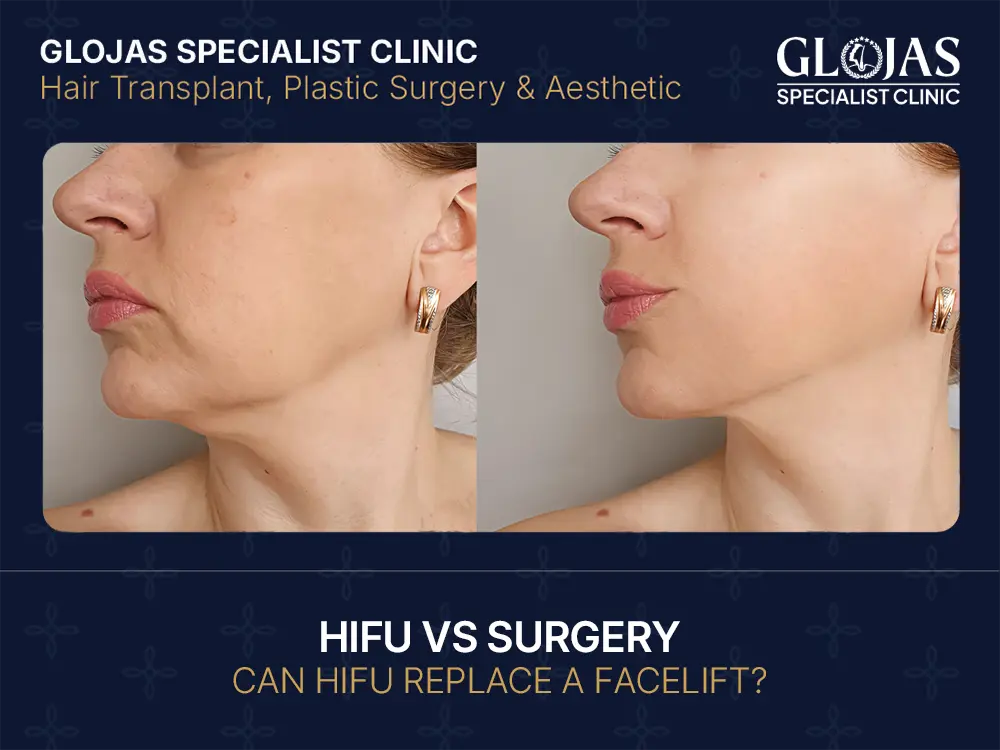
HIFU vs Surgery? Which One Better? When you look in the mirror and notice your jawline isn’t as sharp as it used to be, the word “facelift” might cross your mind. But for most of us in Malaysia, the idea of going under the knife—with high costs and weeks of recovery—is a bit much. This is where HIFU (High-Intensity Focused Ultrasound) has stepped in as the modern “lunchtime facelift.” But can it really go toe-to-toe with surgery? Let’s break down whether you can skip the scalpel. What Is HIFU Skin Tightening? HIFU is a non-invasive treatment that uses focused ultrasound energy to heat deep layers of the skin. By creating tiny “thermal coagulation points,” it triggers a massive production of new collagen. It’s the only non-surgical technology that reaches the SMAS layer (the foundation surgeons tighten during a facelift). What Is a Surgical Facelift? A surgical facelift, or rhytidectomy, is a major operation performed by a plastic surgeon. It involves making incisions, physically lifting the facial muscles, removing excess skin, and redraping the remaining skin for a dramatically tighter, smoother look. HIFU vs Facelift: Core Differences Explained Feature HIFU (Non-Surgical) Surgical Facelift Method Ultrasound Energy Incisions & Skin Removal Anesthesia None or Numbing Cream General Anesthesia Duration 30–90 Minutes 3–6 Hours Scars None Discreet (in hairline/ears) Downtime 0 Days 2–4 Weeks Can HIFU Achieve the Same Results as a Facelift? Honestly? No. A facelift will always provide a more dramatic transformation because it physically removes loose skin. However, HIFU is excellent for natural-looking lifting. While it won’t give you a “wind-tunnel” tight look, it can take years off your appearance by tightening the skin from within. Degree of Skin Sagging: When HIFU Is Enough vs Surgery Needed Mild to Moderate Sagging: HIFU is usually the gold standard. It’s perfect for those in their 30s to 50s who want to maintain their contours. Severe Sagging: If you have deep folds or significant “turkey neck” with hanging skin, HIFU might offer some improvement, but only surgery can fully address severe tissue laxity. Results Longevity: HIFU vs Facelift Surgery HIFU: Results typically last 12 to 18 months. Since it relies on your body’s collagen production, the effects gradually fade as you continue to age naturally. Facelift: The results can last 7 to 10 years. You are essentially “resetting the clock,” though the clock continues to tick afterward. Downtime and Recovery: HIFU Compared to Surgery This is where HIFU wins by a landslide. HIFU: You can go back to work immediately. Some might experience slight swelling, but nothing visible. Surgery: Expect significant bruising and swelling. Most patients need at least two weeks off work and must avoid strenuous activity. Risks and Safety: Non-Surgical vs Surgical Approach Surgery carries the inherent risks of general anesthesia, infection, and scarring. HIFU is significantly safer; the main risks are temporary redness, mild swelling, or rare cases of temporary numbness. Cost Comparison: HIFU vs Facelift in Malaysia HIFU: In KL and Selangor, a medical-grade full-face HIFU session usually ranges from RM1,500 to RM5,000. Facelift Surgery: A full surgical facelift in Malaysia can cost anywhere from RM25,000 to RM60,000, depending on the hospital and surgeon’s expertise. Ideal Candidates for HIFU Instead of Surgery You are a great candidate for HIFU if: You are between 30 and 55 years old. You want a discreet, natural lift rather than a “worked-on” look. You cannot afford weeks of downtime. When a Facelift Is the Better Option Than HIFU Surgery is likely the better choice if: You are over 60 with advanced skin sagging. You have significant excess skin that needs to be removed. You want a “one-time” permanent-style solution. Can HIFU Delay the Need for Facelift Surgery? Absolutely. Many aesthetic doctors view HIFU as a preventative maintenance tool. By regularly stimulating collagen, you keep the skin’s foundation strong. This can push back the need for surgery by several years. FAQs: HIFU vs Facelift for Facial Lifting in Malaysia Q: Can I do HIFU if I’ve already had a facelift? Yes! Many use HIFU as a “maintenance” treatment a few years after surgery to keep results fresh. Q: Is “Salon HIFU” the same as “Clinic HIFU”? No. In Malaysia, medical-grade devices reach deeper and use higher energy than machines used in beauty salons. This is crucial for safety and seeing real results. Q: Which one is more painful? Surgery is done under anesthesia, so you feel nothing during. HIFU is done while awake and feels like hot, prickly zaps—uncomfortable for 30 minutes, but the sensation stops once the treatment ends. Many clinics in Malaysia offer pain management options to make the session easier.
How Long Does HIFU Last? Results Timeline & Maintenance
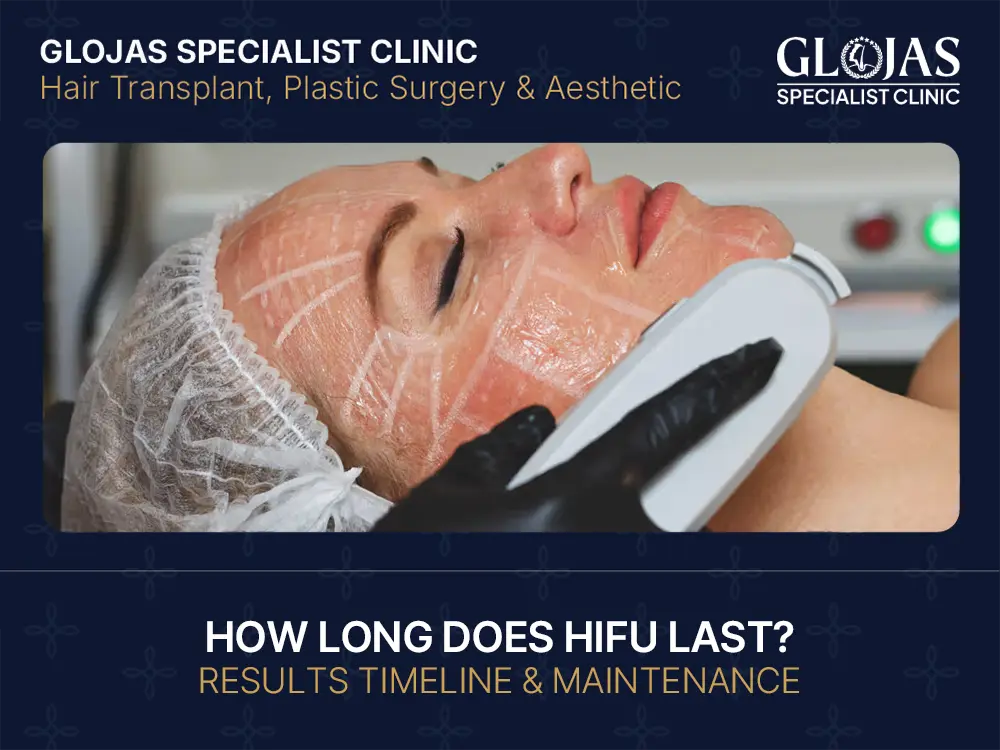
How Long Do HIFU Last on the Face? For most people in Malaysia, a single session of HIFU treatment on the face lasts between 12 to 18 months. Because HIFU targets the SMAS layer (the same layer surgeons adjust during a facelift), the structural lift is quite robust. However, since we live in a tropical climate with high UV exposure, external factors can play a role. If you’re diligent with your sunscreen and skincare, you might even see the effects stretching toward the 2-year mark. How Long Do HIFU Results Last on the Body? When used for body contouring—like tightening the “mummy tummy” or firming up “bingo wings”—results typically last about 9 to 12 months. The skin on our body is thicker, and the areas are often subject to more movement and weight fluctuations, which means the collagen “mesh” might need a refresh slightly sooner than your face does. HIFU Results Timeline: Immediate vs Long-Term Effects HIFU isn’t a “one-and-done” instant filter; it’s a journey. Immediate: You’ll walk out of the clinic looking slightly “plumped.” This is due to immediate collagen fiber contraction from the heat. 1 Month Post: The internal healing process is in full swing. You might notice your skin feels firmer. 3–6 Months Post: This is the “sweet spot” where your new collagen has fully matured. When Do HIFU Results Start and Peak? Most patients in Malaysia start seeing visible lifting around 4 to 6 weeks after their session. However, the peak results happen at the 3 to 6-month mark. According to clinical studies on ultrasound therapy, this is the biological timeframe required for “neocollagenesis”—the fancy word for your body growing brand-new collagen. How Long Does Collagen Stimulation From HIFU Last? The “biological engine” that HIFU jumpstarts stays active for about 6 months. During this window, your fibroblasts (collagen-producing cells) are working overtime. Even after the active production slows down, the newly built collagen stays in your skin for over a year before the natural aging process eventually starts to break it down again. Is HIFU Long-Lasting or Permanent? HIFU is long-lasting, but not permanent. While it permanently “remodels” the tissue it touches, it cannot stop the clock on aging. Think of it like a spring in a mattress—HIFU replaces the old, saggy springs with tight new ones, but those new springs will eventually wear out over the next few years too. Factors That Affect How Long HIFU Results Last Not everyone gets the same “mileage” out of their HIFU. Longevity depends on: Age: Younger skin (30s-40s) usually has a more vigorous healing response. Lifestyle: Smoking and excessive alcohol consumption are “collagen killers” that can cut your results short. Sun Exposure: Malaysia’s sun is intense. UV rays break down collagen fast, so daily SPF 50 is non-negotiable. Initial Laxity: If you have severe sagging, you might need more frequent sessions compared to someone doing it for “pre-juvenation.” How Often Should HIFU Be Repeated to Maintain Results? To keep that lifted look permanent-ish, you shouldn’t wait for the results to disappear completely. Most aesthetic doctors in Malaysia recommend a “top-up” session every 12 months. If you are older or have more significant laxity, you might benefit from a secondary session 6 months after your first one to “stack” the results. Recommended HIFU Maintenance Schedule in Malaysia Goal Initial Phase Maintenance Prevention (Ages 25–35) 1 Session Every 18 Months Lifting & Contouring (Ages 35–50) 1–2 Sessions Every 12 Months Advanced Rejuvenation (Ages 50+) 2 Sessions (3 months apart) Every 6–9 Months What Makes HIFU Results Fade Faster? If you want your money’s worth, avoid these “faders”: Extreme Heat: Avoid saunas and hot yoga for at least a week post-treatment. Poor Diet: Your body needs Vitamin C and protein to build collagen. Dehydration: Dehydrated skin loses its “bounce” faster. Generic Devices: Low-powered, non-medical grade HIFU machines (often found in beauty salons rather than clinics) don’t reach the SMAS layer effectively, leading to results that fade in weeks rather than months. Signs It’s Time for a HIFU Touch-Up You’ll know it’s time to book your next appointment at your favorite KL aesthetic clinic when: Your jawline starts to look a bit “soft” in photos. Your double chin begins to reappear. Your eyebrows seem slightly lower, or your eyelids feel “heavy.” The “bounce-back” of your skin feels slower when you pinch it. FAQs About How Long HIFU Lasts in Malaysia Q: Does HIFU hurt? Most patients describe it as a warm, prickly sensation. In Malaysia, many clinics provide numbing cream or mild painkillers to ensure you’re comfortable. Q: Is there any downtime? Zero. You can go straight from the clinic to Nasi Lemak with friends. You might have slight redness for an hour, but that’s it. Q: Can I combine HIFU with Fillers? Yes, but timing is key. Usually, it’s recommended to do HIFU first, or wait at least 4 weeks after dermal fillers so the ultrasound heat doesn’t dissolve your filler.
Pico Laser Downtime: What to Expect After Treatment
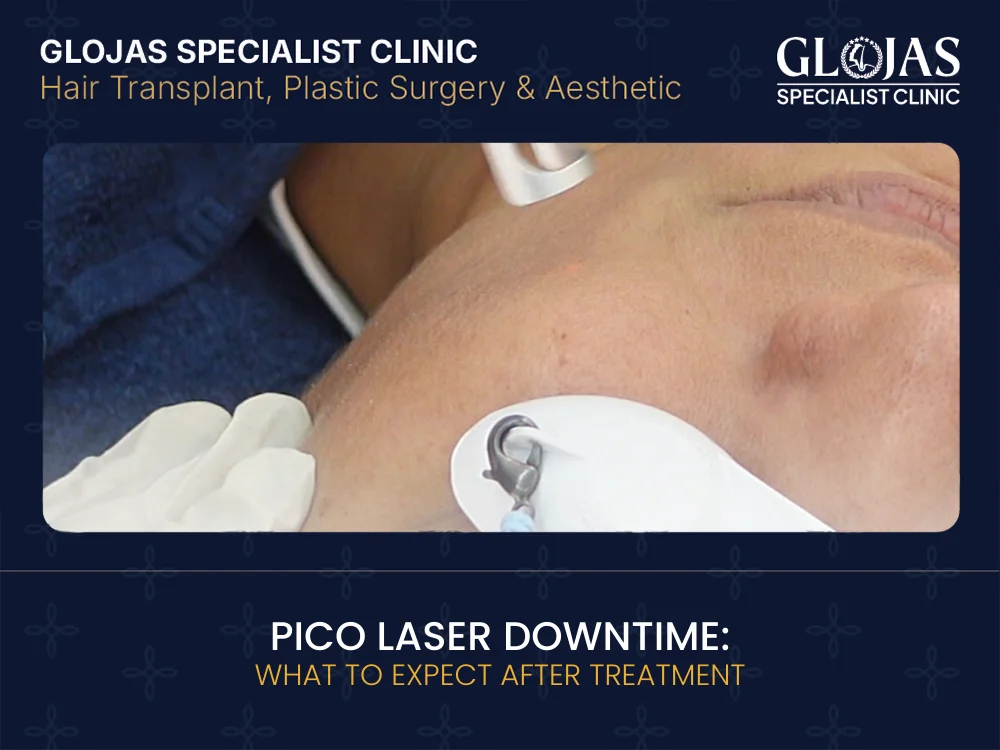
Modern aesthetic treatments promise visible results with minimal interruption to daily life. One of the most common questions patients ask is about Pico Laser downtime. While pico laser technology is known for being gentle, understanding what happens after treatment helps set realistic expectations and ensures proper skin recovery. This guide explains downtime, recovery stages, factors that affect healing, and how pico laser compares to other laser treatments. What Is Pico Laser Downtime? Pico Laser downtime refers to the short recovery period after a pico laser treatment, during which the skin may experience redness, mild swelling, or sensitivity. Because pico laser delivers ultra-short pulses in picoseconds, it minimizes heat damage to surrounding tissue. As a result, downtime is significantly shorter than traditional laser treatments, allowing most patients to return to normal activities within one to two days. Why Pico Laser Has Minimal Downtime Pico laser technology works differently from older laser systems. Instead of relying mainly on heat, it uses photoacoustic energy to break pigment and stimulate collagen. Key reasons downtime is reduced: Ultra-short pulse duration (picoseconds) Less thermal injury to the skin Faster cellular recovery Lower risk of inflammation This makes pico laser downtime suitable for busy individuals who want results without extended recovery. Common Skin Reactions After Pico Laser Treatment Pico Laser is a non-ablative, high-precision laser, meaning it targets pigment and stimulates collagen without damaging the skin’s surface. Because of this, most post-treatment reactions are mild, short-lived, and completely normal—they actually indicate that your skin is responding to the laser energy. 1. Mild RednessImmediately after treatment, it’s common to experience mild redness, similar to a mild sunburn. This usually appears in the treated areas and typically subsides within 24–48 hours. In some cases, sensitive skin may remain slightly pink for up to 72 hours. 2. Slight SwellingA temporary swelling or puffiness may occur, especially around delicate areas like under the eyes or the cheeks. This usually resolves within a day or two and can be minimized with cool compresses if needed. 3. Warm or Tight Skin SensationYou may feel a warmth or tightness in the treated areas. This sensation is normal and indicates the laser is stimulating collagen and repairing skin tissues. It typically eases within hours after the session. 4. Temporary Dryness or FlakingAs the laser stimulates skin renewal, minor dryness or flaking may occur in the days following treatment. Gentle moisturizing and avoiding harsh scrubs or chemical exfoliants help maintain comfort and support healing. 5. Rare or Mild Bruising or Pinpoint Red SpotsIn some cases, tiny red dots or mild bruising can appear, particularly if the treatment involved multiple passes over the same area. These usually fade within a few days. Timeline for Recovery: Reaction Typical Duration Tips for Comfort Redness 24–48 hours Use gentle moisturizer, avoid heat exposure Swelling 24–48 hours Apply cold compress if needed Warm/tight sensation Few hours Avoid strenuous activity immediately after Dryness/flaking 2–5 days Hydrate and use soothing creams Pinpoint redness 1–3 days Avoid scratching, let skin heal naturally Key Takeaway:Most reactions are temporary and indicate that your skin is healing and responding to the treatment. With proper aftercare—like hydration, sun protection, and gentle skincare—these effects resolve quickly, allowing you to enjoy the benefits of Pico Laser with minimal downtime. Pico Laser Downtime Timeline First 24 Hours Redness and sensitivity are most noticeable Skin may feel warm or slightly swollen Makeup is usually avoided for the first day Day 2–3 Redness fades significantly Skin texture may feel dry or rough Most patients resume work and social activities Day 4–7 Skin tone appears brighter and more even Collagen stimulation continues beneath the surface Minimal visible signs of treatment remain Unlike aggressive resurfacing lasers, pico laser does not cause open wounds or heavy peeling. Factors That Affect Pico Laser Downtime While Pico Laser is known for minimal downtime, the recovery period can vary slightly between individuals. Several factors influence how your skin responds after treatment and how quickly it returns to normal. Understanding these factors can help set realistic expectations and optimize results. 1. Skin Sensitivity and TypeIndividuals with sensitive or reactive skin may experience longer-lasting redness or mild swelling after treatment. Darker skin types are also more prone to temporary pigmentation changes, so extra caution and gentler settings may be required to minimize downtime. 2. Treatment Intensity and SettingsThe energy level, pulse duration, and spot size chosen by the clinician directly affect how the skin reacts. Higher intensity settings can provide faster or more dramatic results but may also slightly increase redness or swelling for a day or two. 3. Target ConcernDifferent skin issues respond differently to Pico Laser: Pigmentation (sunspots, freckles): Usually mild redness for a few hours to a day. Melasma: May require lower energy and multiple sessions to avoid post-inflammatory pigmentation, which can slightly extend downtime. Acne scars & texture improvement: Treatments that involve multiple passes may cause temporary sensitivity or minor pinpoint redness for 1–2 days. 4. Number of Passes During TreatmentEach area treated requires “passes” of the laser. More passes increase the energy delivered to the skin, potentially intensifying results but also slightly extending recovery time. A skilled clinician balances the number of passes to maximize improvement while minimizing downtime. 5. Post-Treatment Skincare RoutineProper aftercare is crucial for reducing downtime and preventing complications. Gentle cleansing, adequate hydration, and strict sun protection can help the skin heal faster. Using harsh products or skipping sunscreen can prolong redness or irritation. Key Takeaway:Most patients experience mild redness, slight swelling, or temporary sensitivity, which typically resolves within 24–48 hours. Patients with sensitive skin or darker skin tones may notice slightly longer recovery, but downtime remains minimal compared to traditional laser treatments. Following your clinician’s advice closely ensures a smoother and faster recovery while maximizing the results of Pico Laser treatment. How Pico Laser Downtime Compares to Other Laser Treatments Pico Laser vs Q-Switched Laser Pico laser: shorter downtime, less heat damage Q-switched laser: higher risk of redness and pigmentation issues Pico Laser vs Fractional CO2 Laser Pico laser: minimal downtime