
5 Methods That Will Remove Birthmarks and Boost Skin Confidence
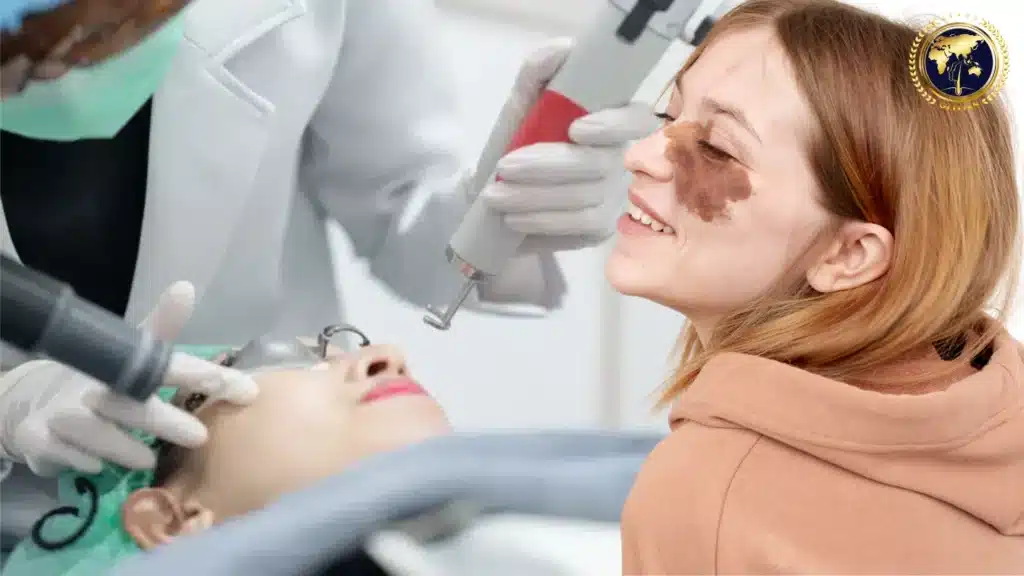
Birthmarks are a common skin condition that can vary widely in size, shape, and color. While some people embrace their birthmarks as unique features, others may feel self-conscious and look for ways to remove them. If you’re interested in learning how to remove birthmark, this article will explore five proven methods that can help you achieve clearer, more even-toned skin. We’ll also discuss the pros and cons of each method to help you make an informed decision. Understanding Birthmarks: What Are They? Birthmarks are areas of discolored skin that are present at birth or develop shortly afterward. They can be caused by various factors, including an overgrowth of blood vessels, pigmentation irregularities, or other skin cell abnormalities. While most birthmarks are harmless, some may cause discomfort or become a cosmetic concern. Types of Birthmarks Birthmarks are generally categorized into two main types: vascular and pigmented. Vascular Birthmarks: These are caused by abnormal blood vessels under the skin and include types such as port-wine stains, hemangiomas, and salmon patches. Vascular birthmarks are typically red, pink, or purple. Pigmented Birthmarks: These are caused by an excess of pigment cells and include types such as café-au-lait spots, Mongolian spots, and moles. Pigmented birthmarks are usually brown, tan, or blue-gray. 1. Laser Therapy: A Precision Approach to Birthmark Removal Laser therapy is one of the most effective methods to remove birthmark, particularly vascular types like port-wine stains. The treatment uses concentrated beams of light to target the blood vessels or pigment in the birthmark, gradually breaking them down without damaging the surrounding skin. Benefits of Laser Therapy Non-invasive: Laser therapy is a non-invasive procedure, meaning no incisions or needles are required. Minimal Downtime: Most people can return to their normal activities shortly after the treatment. Effective for Various Birthmarks: Laser therapy can be tailored to treat different types of birthmarks, including both vascular and pigmented. Considerations Multiple Sessions May Be Needed: Depending on the size and type of birthmark, several treatment sessions may be necessary to achieve the desired results. Temporary Side Effects: Some people may experience redness, swelling, or minor bruising after the treatment, but these effects typically subside within a few days. 2. Surgical Removal: A Permanent Solution for Large or Raised Birthmarks For larger or raised birthmarks, surgical removal may be the most effective option. This procedure involves cutting out the birthmark and stitching the skin back together. It’s typically used for moles or other raised pigmented birthmarks that are difficult to treat with lasers. Advantages of Surgical Removal Permanent Removal: Surgical removal offers a permanent solution, as the birthmark is completely excised. Quick Procedure: The surgery is usually performed on an outpatient basis and takes only a short amount of time. Drawbacks Scarring: As with any surgical procedure, there is a risk of scarring. However, a skilled surgeon can minimize this risk by carefully stitching the wound. Recovery Time: Unlike non-invasive methods, surgical removal requires a recovery period, during which you may need to take extra care of the treated area. 3. Topical Treatments: A Gradual Approach to Lightening Birthmarks Topical treatments, such as bleaching creams and retinoids, can be used to lighten pigmented birthmarks. These treatments work by gradually reducing the concentration of pigment in the affected area, leading to a lighter appearance over time. Benefits of Topical Treatments Non-invasive: Topical treatments are applied directly to the skin, making them a non-invasive option. Gradual Results: For those who prefer a subtle change, topical treatments offer a slow and steady improvement. Limitations Requires Consistency: Topical treatments must be used consistently over a period of weeks or months to see noticeable results. Effectiveness Varies: The effectiveness of topical treatments can vary depending on the type and color of the birthmark. 4. Cryotherapy: Freezing Away Small Birthmarks Cryotherapy is a treatment that uses extreme cold to freeze and destroy abnormal skin cells. This method is most commonly used to remove small, superficial birthmarks such as certain types of moles or skin tags. Pros of Cryotherapy Quick and Simple: Cryotherapy is a relatively quick procedure that can be done in a doctor’s office. Minimal Scarring: Because it targets only the abnormal skin cells, cryotherapy usually results in minimal scarring. Cons Not Suitable for All Birthmarks: Cryotherapy is generally not effective for larger or deeper birthmarks. Multiple Treatments: Like laser therapy, multiple cryotherapy sessions may be needed to completely remove the birthmark. 5. Chemical Peels: Exfoliating Away Pigmented Birthmarks Chemical peels involve applying a solution to the skin that causes the top layers to peel away, revealing fresh, new skin underneath. This method is often used to lighten pigmented birthmarks such as café-au-lait spots. Advantages of Chemical Peels Improves Skin Texture: In addition to lightening birthmarks, chemical peels can improve the overall texture and tone of your skin. Customizable: The strength of the peel can be adjusted depending on the depth and size of the birthmark. Disadvantages Temporary Discomfort: Some people experience redness, stinging, or peeling after the procedure, but these effects are usually temporary. Multiple Sessions Required: Similar to other non-invasive methods, multiple chemical peels may be necessary for optimal results. FAQs About Birthmark Removal Is Birthmark Removal Painful? Most birthmark removal procedures involve minimal discomfort. Non-invasive treatments like laser therapy or cryotherapy may cause a mild stinging sensation, while surgical removal is performed under local anesthesia. Can All Birthmarks Be Removed? Most birthmarks can be treated or removed, but the method and success rate depend on the type, size, and depth of the birthmark. It’s essential to consult with a dermatologist to determine the best approach. Are There Any Risks Associated with Birthmark Removal? As with any medical procedure, there are some risks, including scarring, infection, or changes in skin pigmentation. However, these risks are generally low when the procedure is performed by a qualified professional. How Long Does It Take to See Results? The time it takes to see results varies depending on the treatment method. Laser therapy and cryotherapy may show improvements after a few sessions,
7 Effective Ways to Fight Aging Skin and Rejuvenate Your Glow
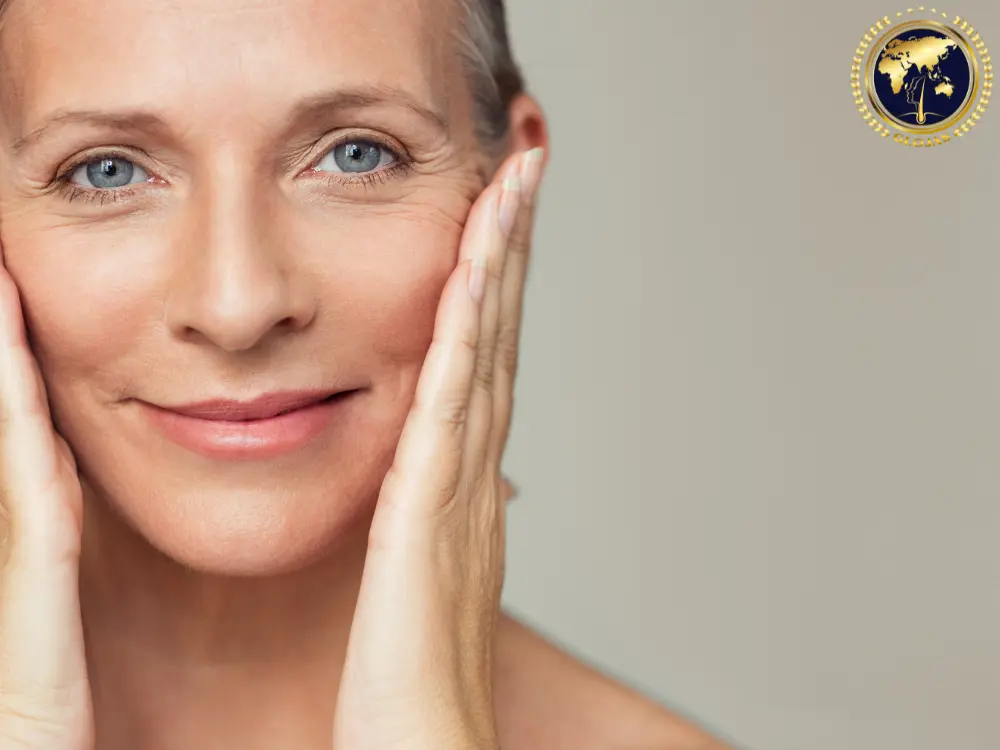
Aging skin is a natural part of getting older, but that doesn’t mean you have to resign yourself to a dull, tired complexion. There are numerous strategies and treatments available to help you maintain a youthful, glowing appearance. In this article, we will explore seven effective strategies to combat aging skin, providing you with practical tips and insights on how to restore and preserve your skin’s vitality. Whether you’re in your 30s, 40s, 50s, or beyond, these tips will help you keep your skin looking its best. Understanding Aging Skin: What Happens as We Age? As we age, our skin undergoes several changes that contribute to the visible signs of aging, such as wrinkles, fine lines, and sagging. These changes are primarily due to the breakdown of collagen and elastin, two proteins responsible for skin elasticity and firmness. Additionally, the skin’s ability to retain moisture decreases, leading to dryness and a dull complexion. The cumulative effects of sun exposure, environmental pollutants, and lifestyle factors also play a significant role in accelerating the aging process. The Role of Collagen and Elastin in Aging Skin Collagen and elastin are the building blocks of youthful skin. Collagen provides structure and support, while elastin allows the skin to bounce back after stretching. As we age, the production of these proteins slows down, leading to the development of wrinkles and loss of skin firmness. To combat aging skin, it’s essential to focus on strategies that boost collagen and elastin production. 1. Prioritize Sun Protection: Your Best Defense Against Aging Skin One of the most important steps in preventing and combating aging skin is protecting it from the sun’s harmful UV rays. Prolonged sun exposure is the leading cause of premature aging, often referred to as photoaging. UV rays break down collagen and elastin, leading to wrinkles, dark spots, and an uneven skin tone. How to Protect Your Skin from the Sun Use Sunscreen Daily: Apply a broad-spectrum sunscreen with an SPF of at least 30 every day, even on cloudy days. Reapply every two hours if you’re outdoors. Wear Protective Clothing: Long sleeves, wide-brimmed hats, and sunglasses can provide additional protection from the sun. Seek Shade: Whenever possible, stay in the shade during peak sun hours, typically between 10 a.m. and 4 p.m. 2. Hydrate Your Skin: The Key to a Youthful Glow As we age, our skin’s ability to retain moisture diminishes, leading to dryness and a loss of radiance. Hydrated skin looks plumper and more youthful, which is why moisturizing is crucial in any anti-aging skincare routine. Best Practices for Hydrating Aging Skin Choose a Rich Moisturizer: Opt for a moisturizer with ingredients like hyaluronic acid, glycerin, and ceramides, which help lock in moisture and strengthen the skin barrier. Use a Hydrating Serum: Incorporating a hydrating serum, especially one with hyaluronic acid, can provide an extra boost of moisture to your skin. Avoid Harsh Cleansers: Use gentle, hydrating cleansers that won’t strip your skin of its natural oils. 3. Incorporate Antioxidants: Protect Your Skin from Damage Antioxidants are powerful allies in the fight against aging skin. They help protect the skin from free radical damage, which is caused by environmental factors like pollution, UV rays, and stress. Free radicals accelerate the aging process by breaking down collagen and elastin. Top Antioxidants for Aging Skin Vitamin C: Known for its brightening and collagen-boosting properties, vitamin C is a must-have in any anti-aging skincare routine. Vitamin E: This antioxidant helps to protect the skin from UV damage and supports skin repair. Green Tea Extract: Rich in polyphenols, green tea extract can soothe the skin and reduce inflammation. 4. Embrace Retinoids: The Gold Standard for Anti-Aging Retinoids, a derivative of vitamin A, are widely regarded as one of the most effective treatments for aging skin. They work by speeding up cell turnover, boosting collagen production, and reducing the appearance of fine lines and wrinkles. How to Use Retinoids for Aging Skin Start Slowly: If you’re new to retinoids, start with a lower concentration and gradually increase as your skin builds tolerance. Apply at Night: Retinoids can make your skin more sensitive to the sun, so it’s best to use them as part of your nighttime routine. Moisturize: Follow up with a good moisturizer to prevent dryness and irritation. 5. Exfoliate Regularly: Reveal Fresh, Radiant Skin Exfoliation is essential for maintaining smooth, youthful-looking skin. As we age, the rate at which our skin sheds dead cells slows down, leading to a dull, uneven complexion. Regular exfoliation helps remove these dead cells, revealing the fresh, new skin underneath. Best Exfoliation Practices for Aging Skin Use a Gentle Exfoliator: Choose a mild exfoliant that won’t be too harsh on your skin. AHAs (alpha-hydroxy acids) like glycolic acid and lactic acid are excellent for aging skin. Exfoliate 1-2 Times a Week: Over-exfoliating can lead to irritation, so stick to once or twice a week to keep your skin smooth and radiant. Follow with Hydration: Always moisturize after exfoliating to replenish the skin’s moisture barrier. 6. Stay Hydrated from Within: The Importance of Diet What you put into your body is just as important as what you put on your skin. Staying hydrated by drinking plenty of water and eating a balanced diet rich in antioxidants, vitamins, and minerals can significantly impact the health and appearance of your skin. Diet Tips for Aging Skin Drink Plenty of Water: Aim for at least 8 glasses of water a day to keep your skin hydrated from within. Eat Antioxidant-Rich Foods: Incorporate foods like berries, leafy greens, nuts, and seeds into your diet to help fight free radical damage. Include Omega-3 Fatty Acids: Found in fish, flaxseed, and walnuts, omega-3s help maintain the skin’s lipid barrier and reduce inflammation. 7. Professional Treatments: Boost Your Anti-Aging Routine In addition to your at-home skincare routine, professional treatments can provide a significant boost to combat aging skin. Treatments like chemical peels, microdermabrasion, and laser therapy can address specific concerns such as wrinkles, hyperpigmentation, and
Rawatan Laser Muka: Hilangkan Jerawat & Jeragat
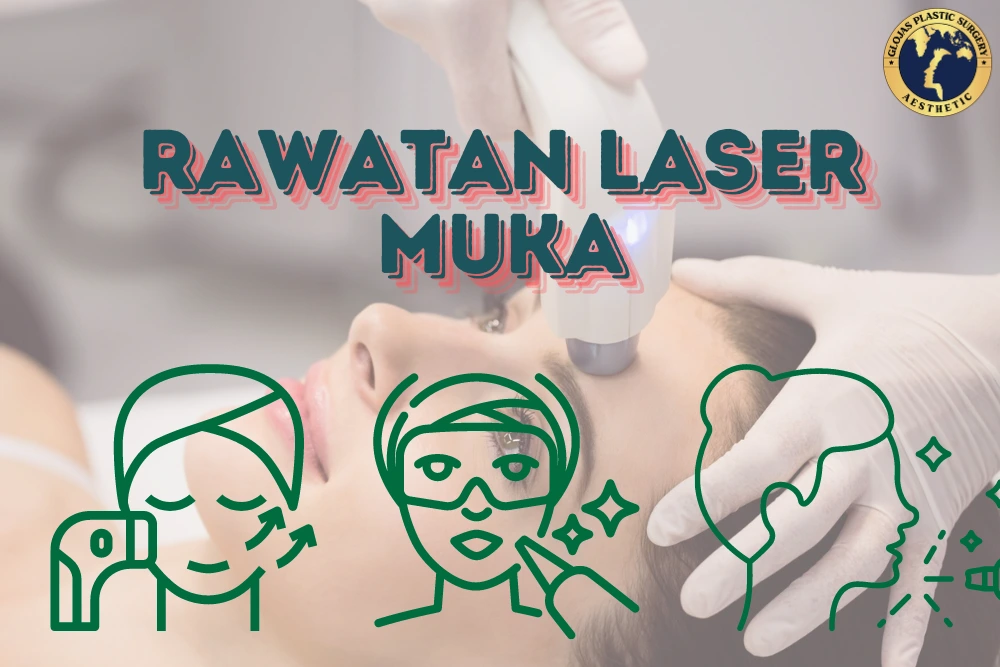
Rawatan Laser Muka: Panduan dan Manfaat Rawatan laser muka semakin popular di kalangan mereka yang mencari kaedah untuk memperbaiki penampilan kulit. Teknologi ini menawarkan pelbagai manfaat, dari mengurangkan kedutan hingga memperbaiki tona kulit yang tidak sekata. Artikel ini akan membincangkan apa itu rawatan laser muka, bagaimana ia berfungsi, serta kelebihan dan risikonya. Alamat : Glomac Galeria Hartamas, B-G, 05, Jalan 26a/70a, Desa Sri Hartamas, 50480 Wilayah Persekutuan, Wilayah Persekutuan Kuala Lumpur Dapatkan Arah Telefon : 012-989 1915 Laman Social : Facebook Youtube Instagram Apa Itu Rawatan Laser Muka – Fractional CO2 Laser Fractional CO2 Laser adalah salah satu teknologi terkini dalam rawatan kulit yang digunakan untuk meremajakan dan memperbaiki penampilan kulit. Laser ini menggunakan cahaya berintensiti tinggi untuk menargetkan lapisan kulit yang dalam, memperbaiki pelbagai masalah kulit seperti kedutan, parut jerawat, pigmentasi, dan lain-lain. Fractional CO2 Laser terkenal kerana keberkesanannya dalam memberikan hasil yang ketara dengan tempoh pemulihan yang lebih singkat berbanding dengan rawatan laser tradisional. Melalui teknologi pecahan, hanya sebahagian kecil kulit yang dirawat pada satu masa, membolehkan proses penyembuhan yang lebih cepat dan mengurangkan risiko kesan sampingan. Artikel ini akan membincangkan bagaimana Fractional CO2 Laser berfungsi, manfaatnya, serta apa yang boleh dijangka daripada rawatan ini. Manfaat Rawatan Laser Muka – Fractional CO2 Laser Mengurangkan Kedutan dan Garis Halus: Rawatan laser boleh mengurangkan penampilan kedutan dan garis halus dengan meningkatkan pengeluaran kolagen. Memperbaiki Tona Kulit Tidak Sekata: Pigmentasi tidak sekata, bintik-bintik gelap, dan tanda-tanda penuaan lain boleh dikurangkan dengan rawatan laser. Mengurangkan Parut Jerawat: Laser berkesan dalam meratakan tekstur kulit yang tidak sekata akibat parut jerawat. Mengatasi Masalah Kulit Lain: Masalah seperti rosacea, telangiektasia (urat labah-labah), dan liang pori besar juga boleh diperbaiki dengan rawatan ini. Dapatkan Konsultasi Percuma Sekarang! Penjagaan Selepas Rawatan Elakkan Pendedahan Matahari: Kulit yang baru dirawat sangat sensitif kepada sinar UV. Gunakan pelindung matahari dengan SPF tinggi. Menggunakan Pelembap: Pastikan kulit sentiasa lembap untuk mempercepatkan proses penyembuhan. Elakkan Produk Berbahan Kimia Kuat: Hindari penggunaan produk penjagaan kulit yang mengandungi bahan kimia keras yang boleh merengsakan kulit. Dapatkan Konsultasi Percuma Sekarang! Pakar Pembedahan Plastik di GLOJAS View this post on Instagram A post shared by GLOJAS AESTHETIC SPECIALIST (@glojasaesthetic) Rawatan laser muka menawarkan banyak manfaat untuk mereka yang ingin memperbaiki penampilan kulit. Dengan teknologi yang semakin maju, prosedur ini menjadi lebih selamat dan efektif. Walau bagaimanapun, penting untuk berunding dengan pakar dan memahami risiko yang terlibat sebelum memutuskan untuk menjalani rawatan. Dengan penjagaan yang betul, rawatan laser muka dapat memberikan hasil yang memuaskan dan kulit yang lebih sihat dan cantik. Di GLOJAS, kami terdiri daripada pakar pembedahan plastik yang terkenal dan bertauliah iaitu Dr Ali dan Dr Muya. Dapatkan Konsultasi Percuma Sekarang! BACA ARTIKEL : Melebatkan Rambut Facebook Twitter LinkedIn Pinterest Reddit WhatsApp
Rawatan Anti Penuaan | Tiada Lagi Kedutan Di Wajah
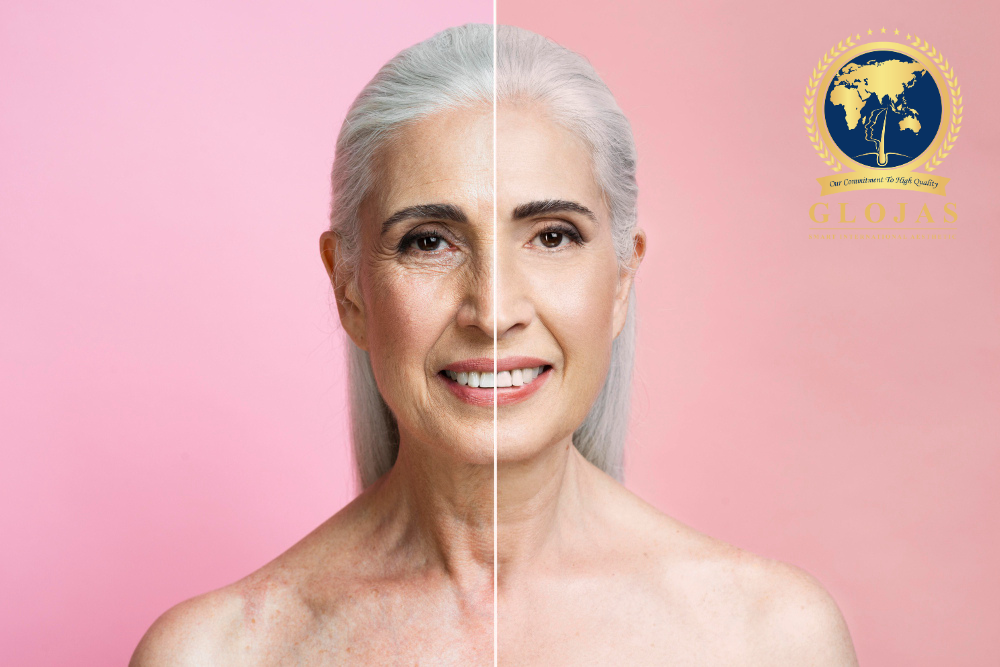
Rawatan Anti Penuaan: Memperlahankan Proses Penuaan dengan Teknologi Moden Penuaan adalah satu proses semula jadi yang tidak dapat dielakkan. Namun, dengan kemajuan teknologi dan sains perubatan, rawatan anti penuaan kini semakin mendapat perhatian sebagai cara untuk memperlahankan kesan penuaan dan mengekalkan penampilan serta kesihatan yang lebih muda. Artikel ini akan mengupas tentang pelbagai jenis rawatan anti penuaan yang popular di Malaysia, serta manfaat dan risikonya. Alamat : Glomac Galeria Hartamas, B-G, 05, Jalan 26a/70a, Desa Sri Hartamas, 50480 Wilayah Persekutuan, Wilayah Persekutuan Kuala Lumpur Dapatkan Arah Telefon : 012-989 1915 Laman Social : Facebook Youtube Instagram Jenis-Jenis Rawatan Anti Penuaan Terapi HormonTerapi hormon sering digunakan untuk mengimbangi hormon yang menurun seiring dengan penuaan. Contohnya, terapi hormon penggantian (HRT) bagi wanita yang mengalami menopaus boleh membantu mengurangkan simptom seperti perubahan mood. Namun, terapi ini perlu dilakukan di bawah pengawasan doktor kerana risiko kesan sampingan seperti peningkatan risiko kanser payudara dan penyakit jantung. Botox dan Fillers Suntikan Botox dan fillers adalah rawatan kosmetik yang popular untuk mengurangkan kedutan dan garis halus pada wajah. Botox berfungsi dengan melumpuhkan otot-otot kecil yang menyebabkan kedutan, manakala fillers digunakan untuk mengisi bahagian wajah yang hilang volume akibat penuaan. Kesan sampingan mungkin termasuk bengkak, lebam, dan jangkitan. Rawatan Laser Rawatan laser seperti laser resurfacing digunakan untuk memperbaharui lapisan atas kulit, mengurangkan kedutan, bintik-bintik penuaan, dan parut. Prosedur ini merangsang pengeluaran kolagen, yang penting untuk keanjalan dan ketegasan kulit. Risiko termasuk kemerahan, pembengkakan, dan perubahan warna kulit sementara. Terapi PRP (Platelet-Rich Plasma) Terapi PRP melibatkan pengambilan darah pesakit sendiri, yang kemudian diproses untuk mendapatkan plasma yang kaya dengan platelet, sebelum disuntik semula ke dalam kulit. Rawatan ini dipercayai dapat merangsang pengeluaran kolagen dan memperbaiki tekstur serta tona kulit. Kesan sampingan adalah minimal kerana ia menggunakan bahan daripada badan sendiri. Suplemen Anti Penuaan Suplemen seperti vitamin C, vitamin E, koenzim Q10, dan asid hyaluronik sering diambil untuk menyokong kesihatan kulit dari dalam. Walaupun suplemen ini dapat memberikan manfaat tambahan, adalah penting untuk mengamalkannya dengan berhati-hati dan mendapatkan nasihat doktor sebelum memulakan sebarang regimen suplemen. Dapatkan Konsultasi Percuma Sekarang! Manfaat dan Risiko Rawatan Anti Penuaan Manfaat: Penampilan yang Lebih Muda: Rawatan anti penuaan dapat mengurangkan tanda-tanda penuaan seperti kedutan dan bintik-bintik penuaan, memberikan penampilan yang lebih muda. Meningkatkan Keyakinan Diri:Dengan penampilan yang lebih baik, individu mungkin berasa lebih yakin dan positif terhadap diri sendiri. Kesihatan Kulit yang Lebih Baik:Banyak rawatan anti penuaan juga membantu memperbaiki kesihatan kulit secara keseluruhan dengan meningkatkan pengeluaran kolagen dan elastin. Risiko: Kesan Sampingan: Setiap rawatan mempunyai potensi kesan sampingan seperti bengkak, lebam, kemerahan, dan jangkitan. Kos yang Tinggi:Kebanyakan rawatan anti penuaan adalah mahal dan mungkin memerlukan sesi berulang untuk hasil yang optimum. Hasil yang Tidak Dijamin:Tidak semua individu mendapat hasil yang sama daripada rawatan anti penuaan, dan ada yang mungkin tidak berpuas hati dengan hasilnya. Dapatkan Konsultasi Percuma Sekarang! Pakar Penanaman Rambut di GLOJAS View this post on Instagram A post shared by GLOJAS AESTHETIC SPECIALIST (@glojasaesthetic) Rawatan anti penuaan menawarkan pelbagai pilihan bagi mereka yang ingin memperlahankan proses penuaan dan mengekalkan penampilan yang lebih muda. Walau bagaimanapun, adalah penting untuk membuat keputusan yang bijak dengan berunding dengan pakar perubatan dan memahami sepenuhnya manfaat dan risiko setiap rawatan. Dengan pendekatan yang betul, rawatan anti penuaan boleh menjadi alat yang berkesan untuk mencapai keseimbangan antara kesihatan, kecantikan, dan keyakinan diri. Dapatkan Konsultasi Percuma Sekarang! BACA ARTIKEL : Penyelesaian Pemulihan Rambut Facebook Twitter LinkedIn Pinterest Reddit WhatsApp
Melasma: Causes, Best Treatments & Prevention in Malaysia
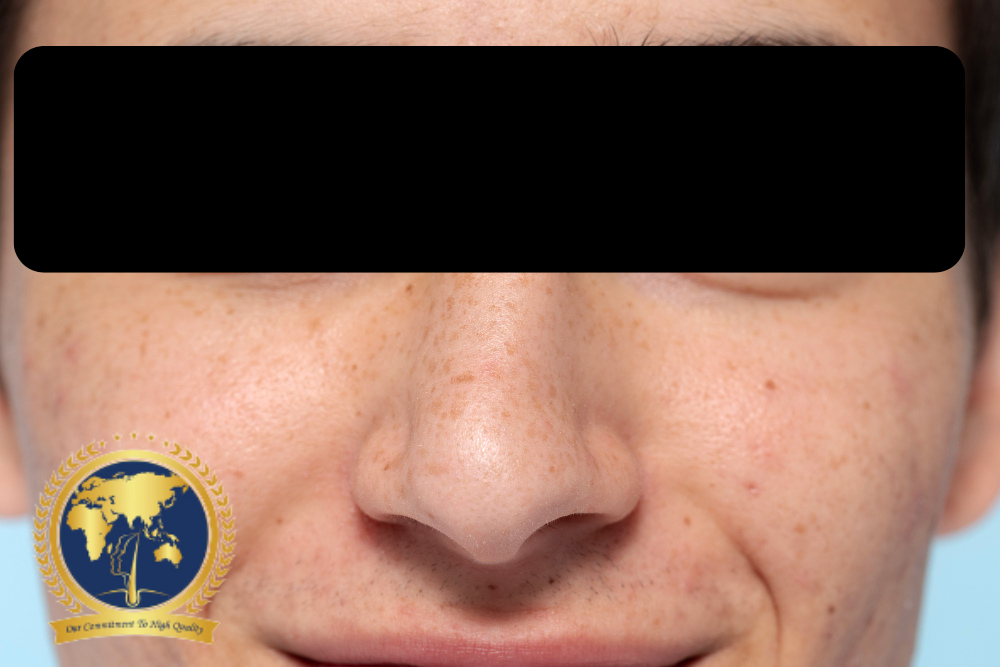
Melasma is a chronic skin condition characterized by symmetrical, dark brown or grayish patches on the face. It occurs when melanocytes overproduce pigment, typically triggered by hormonal fluctuations or UV exposure. While common in Malaysia due to intense sun, it requires specialized medical management to prevent worsening or recurrence. What Is Melasma? How Melasma Develops Melasma is essentially a “hyper-active” response from your skin’s pigment-producing cells, known as melanocytes. When triggered, these cells dump an excess of melanin into the skin’s layers, creating flat, discolored patches. In Malaysia’s tropical climate, the constant heat can further dilate blood vessels, which some researchers believe contributes to the persistent nature of the pigment. It is often called the “mask of pregnancy” because it so frequently appears when estrogen and progesterone levels spike. Common Areas Affected (Cheeks, Forehead, Upper Lip) The most frequent pattern is the centrofacial type, where patches appear on the forehead, cheeks, nose, and chin. The upper lip is a particularly stubborn area for many, often resembling a dark shadow that can be difficult to cover with makeup. Some individuals also experience malar melasma, which specifically targets the cheekbones, or the mandibular pattern along the jawline. Because these areas are the most “protruding” parts of the face, they receive the highest dose of daily UV radiation, making them prime targets. What Causes Melasma? Hormonal Changes (Pregnancy, Birth Control) Fluctuating hormones are the biggest internal trigger; roughly 15% to 50% of pregnant women develop some form of melasma. Birth control pills and hormone replacement therapies can also signal the body to produce more pigment-stimulating hormones. In many cases, “pregnancy mask” fades after delivery, but for many Malaysian women, the pigment becomes chronic due to cumulative sun damage. Sun Exposure and UV Damage UV light doesn’t just tan the skin; it directly stimulates melanocytes to work overtime, making it the #1 cause of melasma flares. Even visible light and heat (from cooking or saunas) can worsen the condition, which is why standard sunscreens sometimes fail to provide total protection. According to Skin Health Malaysia, consistent use of physical blockers is essential in our high-UV environment. Genetics and Skin Type If your mother or sister has melasma, you are statistically much more likely to develop it yourself. It is significantly more prevalent in individuals with Fitzpatrick skin types III to V, which includes a large portion of the Malay, Chinese, and Indian populations. These skin types have more active melanocytes, meaning they react more intensely to inflammation and light. Types of Melasma Epidermal Melasma This type resides in the top layer of the skin and is characterized by well-defined, dark brown patches. Because it is superficial, it typically responds well to topical creams and chemical peels. Under a Wood’s lamp (a special UV light used by doctors), epidermal melasma becomes more obvious and darker. Dermal Melasma This type is located deeper in the dermis and usually looks bluish-gray or light brown with fuzzy borders. It is notoriously difficult to treat because most topical creams cannot penetrate deep enough to reach the pigment. This form requires advanced medical intervention, such as specific laser wavelengths, to break down the deep-seated melanin. Mixed Melasma As the name suggests, this is a combination of both superficial and deep pigment. It is the most common type diagnosed in Malaysian aesthetic clinics. Treatment involves a multi-modal approach to address pigment across all layers of the skin. How to Treat Melasma Effectively Topical Treatments (Hydroquinone, Retinoids, Azelaic Acid) Hydroquinone remains the “gold standard” for skin lightening, but in Malaysia, it is classified as a scheduled poison and must be prescribed by a doctor. Retinoids help by increasing cell turnover, essentially “pushing” the pigmented cells out faster. Azelaic Acid is a safer, non-toxic alternative that specifically targets overactive melanocytes without bleaching normal skin. Oral Medications and Supplements Tranexamic Acid (TXA) has emerged as a game-changer for stubborn melasma by inhibiting the pathways that trigger pigment production. Oral antioxidants like Glutathione or Polypodium leucotomos (fern extract) help provide internal protection against UV-induced damage. These are usually prescribed as a 3-to-6-month course to “reset” the skin’s pigment response. Daily Sunscreen and Skincare Routine You must use a broad-spectrum sunscreen with an SPF of at least 50 and a high PA rating (PA++++). Look for sunscreens containing Iron Oxides, which are proven to block visible light—a known trigger for melasma. A gentle, non-irritating routine is vital; aggressive scrubbing can cause inflammation, which leads to more pigment. Aesthetic Melasma Treatment in Malaysia Laser Treatments (Pico Laser, Q-Switched Laser) Pico Laser is the preferred choice in Malaysia because it uses photo-acoustic energy rather than heat to shatter pigment. Traditional lasers that generate too much heat can actually make melasma worse by triggering a rebound effect. Q-Switched Nd:YAG lasers are also used at low “toning” settings to gradually brighten the skin without downtime. Chemical Peels for Pigmentation Medical-grade peels using Glycolic Acid or TCA help exfoliate the darkened surface layers. These are often performed in a series to slowly lift the pigment while stimulating fresh, clear skin. It is crucial to have these done by a Ministry of Health (MOH) certified professional to avoid chemical burns. Skin Boosters and Combination Therapies Micro-injections of hydrating skin boosters can improve the skin’s barrier, making it more resilient to triggers. Some clinics combine microneedling with topical Tranexamic Acid to deliver the medication directly to the dermal layer. Combining lasers with oral meds often yields the fastest and most stable results for Asian skin types. Which Melasma Treatment Is Best? Based on Melasma Type Epidermal: Responds best to “Kligman’s Formula” (a mix of hydroquinone, tretinoin, and steroid) and light peels. Dermal/Mixed: Requires a combination of Pico Laser and oral Tranexamic Acid for any significant improvement. Based on Skin Type and Severity For sensitive skin, doctors often avoid harsh peels and opt for gentle laser toning and Azelaic acid. Those with deeper skin tones (Fitzpatrick V) must be treated very cautiously with lasers to avoid Post-Inflammatory Hyperpigmentation (PIH). Melasma Treatment Results When
Unveiling Flawless Skin: Birthmark Removal Options in Malaysia
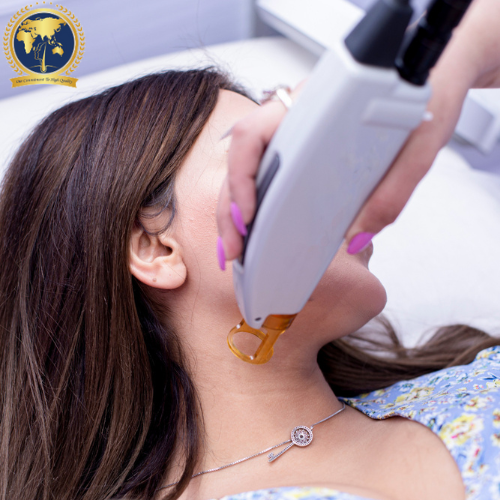
Birthmark Removal in Malaysia – Birthmarks, while often harmless, can sometimes cause self-consciousness due to their appearance. Fortunately, advancements in laser technology offer effective solutions for birthmark removal in Malaysia. This blog explores three popular laser treatments and why GLOJAS Clinic is your ideal partner in this journey. Laser Treatments for Birthmark Removal: Fractional CO2 Laser: This laser delivers controlled microbeams of CO2 energy, targeting the pigmented cells within the birthmark while stimulating collagen production. This leads to a gradual fading of the birthmark and improvement in skin texture. Fractional CO2 laser is particularly effective for pigmented birthmarks like café-au-lait spots and Becker’s nevi. Pico Laser: Utilizing ultra-short laser pulses, Pico Laser shatters pigment clusters within the birthmark, leading to their breakdown and removal by the body. This treatment offers faster results compared to traditional lasers and is suitable for various birthmark types, including pigmented and vascular birthmarks. Q-Switch ND (YAG) Laser: This laser emits high-energy pulses specifically targeting melanin, the pigment responsible for birthmark color. Q-Switch ND YAG laser is often the preferred choice for darker birthmarks like congenital melanocytic nevi and is known for its effectiveness and precision. View this post on Instagram A post shared by GLOJAS AESTHETIC SPECIALIST (@glojasaesthetic) Why Choose GLOJAS Clinic for Birthmark Removal? At GLOJAS Clinic, we understand the desire for a clearer, more confident appearance. Here’s why we stand out: Expert Diagnosis and Treatment Planning: Our team of experienced dermatologists will thoroughly assess your birthmark type, size, and location to recommend the most suitable laser treatment. Advanced Laser Technology: We utilize the latest laser technologies, ensuring optimal results and minimal side effects. Experienced Professionals: Our highly trained professionals ensure safe and effective treatment delivery, minimizing discomfort and potential complications. Personalized Treatment Plans: We tailor treatment plans to your specific needs, considering the type and depth of your birthmark. Focus on Patient Care: We prioritize your comfort and well-being throughout the process, providing clear explanations and addressing any concerns you may have. View this post on Instagram A post shared by GLOJAS AESTHETIC SPECIALIST (@glojasaesthetic) Embrace Smoother Skin with Confidence Don’t let birthmarks hold you back! Schedule a consultation with GLOJAS Clinic today. Our experienced professionals will guide you through the best laser treatment option for your specific birthmark, helping you achieve a smoother, clearer complexion and boost your confidence. Choose GLOJAS Clinic and experience the difference expert care and advanced technology can make in your birthmark removal journey. Facebook Twitter LinkedIn Pinterest Reddit WhatsApp
Eradicating Keloids: Effective Treatment Options in Malaysia
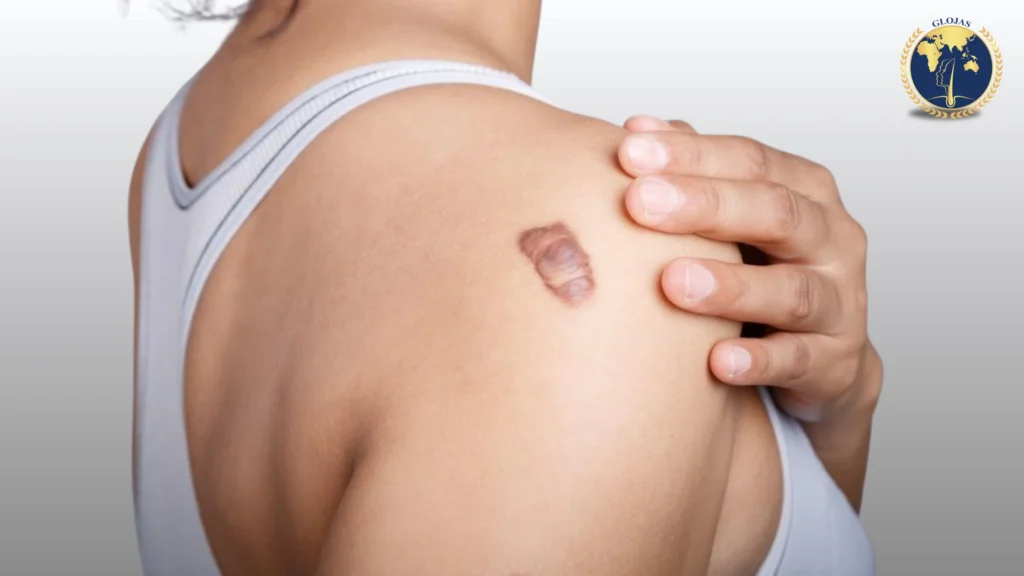
Keloid Removal in Malaysia – Keloids can be a source of significant physical and emotional distress. These raised, often itchy scars can form after injuries, piercings, or even minor skin abrasions. While keloids are harmless, they can significantly impact self-confidence due to their appearance. Fortunately, various effective keloid removal treatments are available in Malaysia, offering hope for a smoother, scar-free future. View this post on Instagram A post shared by GLOJAS AESTHETIC SPECIALIST (@glojasaesthetic) Popular Keloid Removal Treatments in Malaysia: Here’s an overview of two common and effective keloid removal options: Injections of Kenacort: Kenacort is a corticosteroid medication injected directly into the keloid. This injection helps reduce inflammation and collagen production, leading to a flattening of the scar tissue. While effective, Kenacort injections may require multiple sessions and can cause side effects like skin thinning in the injection area. Keloid Laser Treatment: This treatment utilizes laser energy to target and destroy the excess collagen within the keloid. Different types of lasers are used depending on the keloid’s characteristics. Laser treatment offers precise targeting and often requires fewer sessions compared to injections. However, it’s crucial to choose an experienced practitioner to minimize potential side effects like temporary hyperpigmentation or hypopigmentation. Why Choose GLOJAS Clinic for Keloid Removal? At GLOJAS Clinic, we understand the physical and emotional impact of keloids. We offer a comprehensive approach to keloid removal, prioritizing patient comfort and optimal results: Expert Diagnosis and Treatment Planning: Our team comprises experienced dermatologists who will thoroughly assess your keloid and recommend the most suitable treatment based on its size, location, and individual characteristics. Advanced Treatment Options: We offer both Kenacort injections and laser treatment, providing flexibility to choose the best approach for your specific case. Experienced Professionals: Our team of highly trained professionals ensures safe and effective treatment delivery, minimizing discomfort and potential side effects. Focus on Patient Care: We prioritize your comfort throughout the process, providing clear explanations and addressing any concerns you may have. Personalized Treatment Plans: We believe in a one-size-fits-all approach. We tailor treatment plans to your specific needs and monitor progress closely to achieve optimal results. Embrace Smoother Skin with Confidence Don’t let keloids hold you back! Schedule a consultation with GLOJAS Clinic today. Our experienced professionals will discuss the most suitable keloid removal treatment for you, helping you achieve smoother, scar-free skin and regain your confidence. Choose GLOJAS Clinic and experience the difference expert care can make in your treatment removal journey. Facebook Twitter LinkedIn Pinterest Reddit WhatsApp
Tattoo Removal Malaysia: Safe Pico Laser for All Colours, All Skin Types In Kuala Lumpur
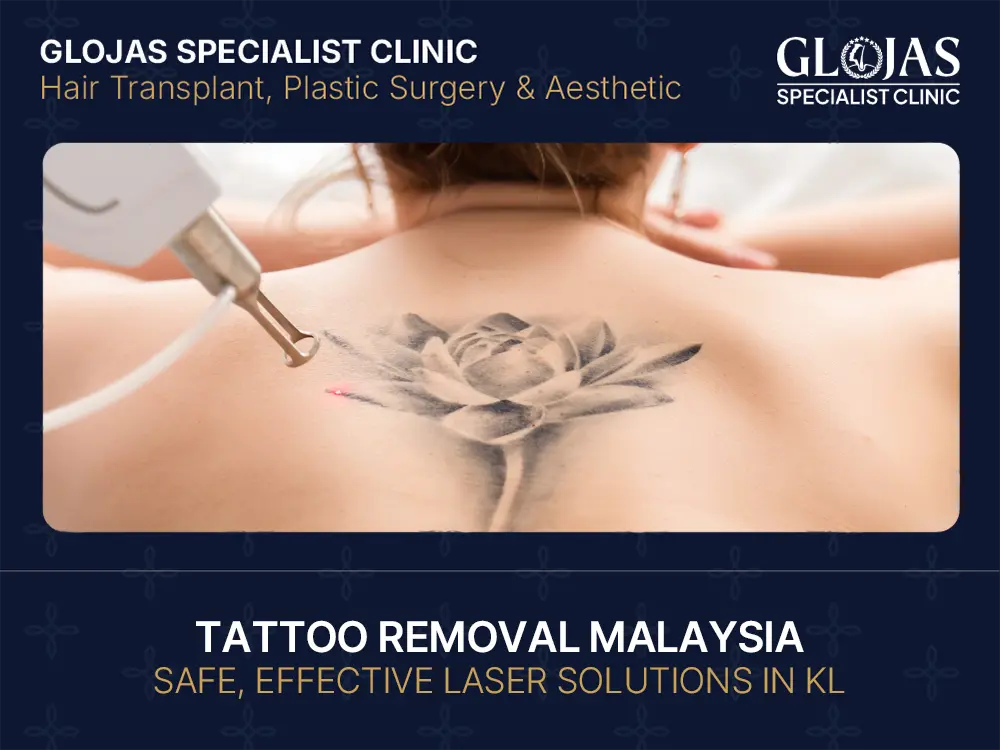
Removing an unwanted tattoo used to mean pain, scarring, and uncertain results. Today, thanks to advancements in medical aesthetics, tattoo removal in Malaysia is safer, faster, and more effective than ever. Whether you’re dealing with an old tattoo, a cosmetic ink procedure like microblading, or simply tattoo regret, modern clinics now offer laser tattoo removal in KL using advanced Pico laser technology. Why Tattoo Removal in Malaysia Is Becoming More Popular In Kuala Lumpur and across Malaysia, more people are choosing to remove tattoos due to career changes, lifestyle evolution, or dissatisfaction with older tattoos. The demand for laser tattoo removal KL services is increasing especially among professionals, students, and individuals who want clear skin for personal or religious reasons. Malaysia’s top clinics now offer medically supervised procedures that use FDA-approved laser machines, ensuring safety for all skin tones and tattoo types. How Laser Tattoo Removal Works at GLOJAS Malaysia Laser tattoo removal works by targeting ink pigments embedded in the dermis using high-intensity light pulses. The laser breaks down the ink particles into tiny fragments, which are then absorbed and eliminated by the body’s natural immune processes. The most advanced method used in Malaysia today is the Pico laser, which fires energy pulses in picoseconds—significantly faster and more precise than traditional Q-switched lasers. This results in: Faster ink breakdown Reduced skin trauma Shorter recovery time Fewer sessions required Pico Laser Tattoo Removal — The Top Choice in Kuala Lumpur Pico laser technology has revolutionized tattoo removal. Key advantages include: Effective on both black and colored inks Safe for dark skin tones (Fitzpatrick IV–VI) Less painful compared to traditional lasers Low risk of scarring or pigmentation issues Suitable for eyebrow tattoos and microblading removal If you’re searching for a permanent tattoo removal solution in Malaysia, Pico laser remains the gold standard. What to Expect from The Session The process typically includes: Consultation and assessment: A doctor will evaluate your tattoo, skin type, and medical history. Pre-treatment preparation: A numbing cream is applied to minimize discomfort. Laser treatment: The Pico laser is delivered in short pulses to the tattoo area. Post-treatment care: Cooling gel and aftercare instructions are provided. Each session lasts 10–30 minutes depending on tattoo size. You can resume daily activities immediately after. How Many Tattoo Removal Sessions Are Needed in Malaysia? The number of sessions varies by individual, but most tattoos require between 5 to 8 sessions. Factors that influence this include: Tattoo size and location Depth and type of ink Age of the tattoo Skin tone Immune system response Lighter ink colors like yellow, green, and red may need additional sessions compared to black ink. Clinics offering tattoo removal in Kuala Lumpur often space sessions 6–8 weeks apart for optimal healing. Tattoo Removal for Cosmetic Tattoos in Malaysia (Microblading, Eyebrows) Laser removal isn’t just for decorative tattoos. Many patients seek to remove eyebrow tattoos, microblading, and permanent makeup due to pigment fading or design errors. With precise Pico settings, trained clinicians can safely target facial areas without affecting surrounding skin. This makes cosmetic tattoo removing in Malaysia a growing trend, especially among women looking for correction or complete removal. Tattoo Removal Safety & Possible Side Effects in Malaysia When performed in a certified clinic using medical-grade equipment, laser tattoo removal in Malaysia is considered safe. Minor side effects like redness, swelling, or mild blistering can occur but usually resolve within a few days. To avoid complications: Avoid sun exposure before and after treatment Do not pick scabs or blisters Follow post-care guidelines strictly Avoid unlicensed providers or DIY kits GLOJAS Specialist clinic offer a proper aftercare support to reduce risks of hyperpigmentation or scarring. Tattoo Removal Costs in Malaysia The cost of tattoo removal in Malaysia depends on: Size of the tattoo Color complexity Number of sessions needed Type of laser used Average pricing per session: Small tattoo: RM 250 – RM 400 Medium tattoo: RM 500 – RM 800 Large or colored tattoos: RM 900 and above Clinics offering tattoo removal near me in KL may also provide discounted packages for multiple sessions or free consultations. GLOJAS Specialist Clinic — Best Tattoo Removal Malaysia with Pico Laser To ensure safety and results, look for: Licensed doctors with laser training Clinics using Pico laser technology Transparent pricing and no hidden charges Real before-and-after photos Positive client reviews and MOH certification Frequently Asked Questions (FAQ) 1. Is laser tattoo removal painful?Most patients describe it as a snapping sensation. Numbing cream and cooling systems make it tolerable, especially with Pico laser. 2. Can all tattoo colors be removed?Yes, Pico laser effectively treats black, red, green, and blue pigments. However, lighter colors may need more sessions. 3. Will I get scars after tattoo removal?Scarring is rare when done in a certified clinic using the correct settings and proper post-care. 4. How long between each session?A 6 to 8-week gap between treatments allows your skin to heal and your immune system to clear pigment. 5. Can I remove only part of a tattoo?Yes. Selective removal is possible for fading or reshaping purposes, such as modifying eyebrow tattoos. Final Thoughts Tattoo removal is no longer a painful or risky process. With the availability of Pico laser tattoo removal in KL, patients in Malaysia can now remove unwanted tattoos with confidence. Whether you’re seeking to erase a name, a symbol, or cosmetic ink, choosing the right clinic ensures optimal results with minimal risk. If you’re exploring laser tattoo removal in Malaysia, consult a trusted, certified provider that offers Pico technology and doctor-led care. Clear, ink-free skin is within reach—with safety, precision, and results that last. 在 Instagram 查看这篇帖子 Aesthetic Clinic Kuala Lumpur | Plastic Surgery, Hair Transplant (@glojasaesthetic) 分享的帖子
Say Goodbye to Sagging Facial Skin: Expert Tips and Tricks
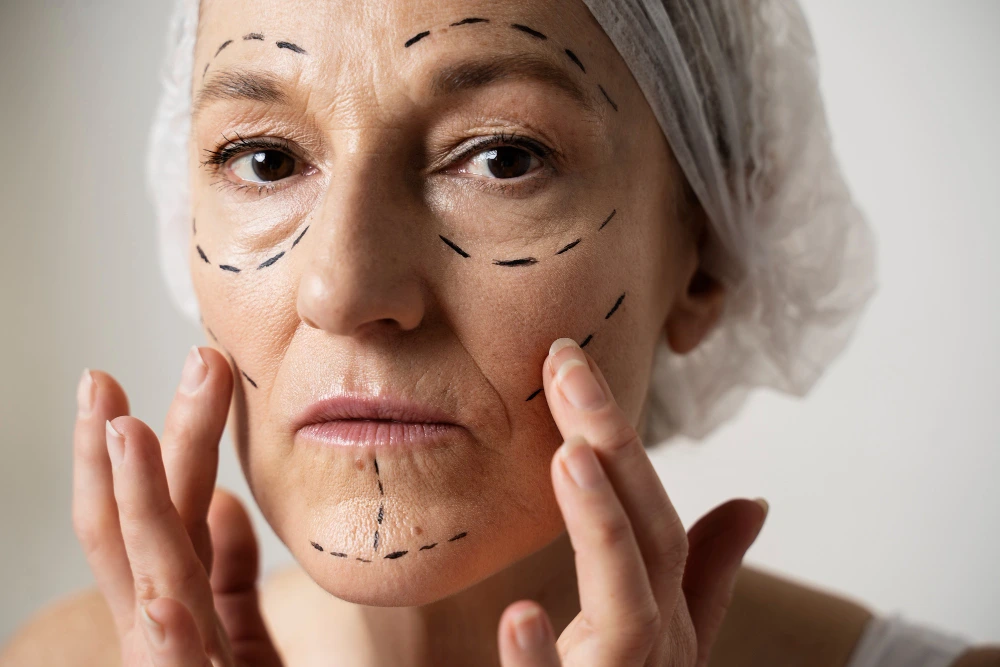
The idea of getting older can be a nightmare for many women, especially when sagging face starts to become noticeable. If you find yourself pulling or lifting your skin when you look in the mirror, it’s time to take action. Here are some expert tips to help you deal with sagging skin: Change Your Sleeping Style When you sleep, gravity and your pillows can work against your face, causing lines and wrinkles. Sleeping on your back with a specially made pillow can reduce the contact between your face and the pillow, preventing the formation of lines and wrinkles. View this post on Instagram A post shared by GLOJAS AESTHETIC SPECIALIST (@glojasaesthetic) Use Sunscreen for Sagging Face UV rays can damage collagen in the skin, which is essential for skin elasticity. By using sunscreen lotion or cream, even in winter, you can protect your skin and maintain collagen production. Wearing a hat when you’re outside can also provide additional protection. View this post on Instagram A post shared by GLOJAS AESTHETIC SPECIALIST (@glojasaesthetic) Non-Surgical Skin Tightening Advances in laser technology have made it possible to tighten skin using heat from lasers, which stimulates collagen production. Younger patients tend to respond better to these procedures, while older patients with significant facial sagging may achieve better results from cosmetic surgery. View this post on Instagram A post shared by GLOJAS AESTHETIC SPECIALIST (@glojasaesthetic) Topical Treatments Skin polishing, fat grafting, and chemical peels can rejuvenate the skin and reduce sagging, making you look younger. These cosmetic procedures can be effective in combating sagging skin. Dermal Fillers Dermal fillers can smooth away wrinkles, reduce sagging, reshape facial contours, add volume, and enhance the lips. They are designed to revitalize the skin and give a more youthful appearance. Botox Botox injections can temporarily paralyze muscle activity, reducing skin sagging, frown lines, deep wrinkles, and fine lines on the face. Even a single Botox injection can make a person look years younger. Consult with GLOJAS clinic for FREE. We provide solution-oriented skin treatments including sagging face with specialist doctors who are experts in their fields. Our clinic is committed to providing honest, trustworthy, ethical, and high-quality service, meeting all required national and international standards. Facebook Twitter LinkedIn Reddit Pinterest WhatsApp
Best Anti-Aging Treatments for a Radiant Glow in Your 40s
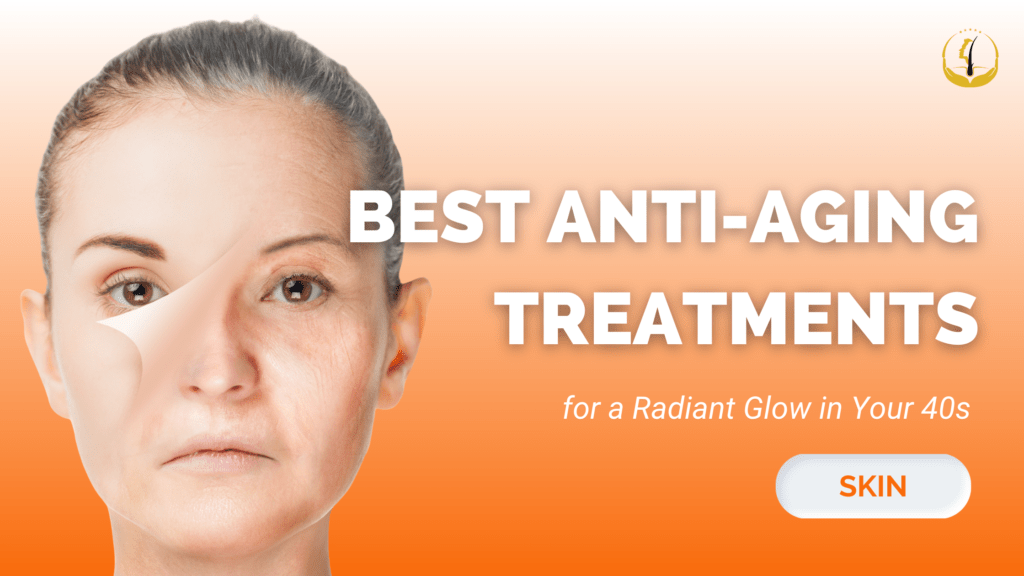
As we embrace the wisdom that comes with age, many of us still desire to maintain a youthful appearance. In the quest for timeless beauty, dermal fillers have emerged as one of the most effective and preferred anti-aging treatments. If you’re yearning to turn back the clock and achieve a radiant glow in your 40s, the renowned cosmetic clinic, GLOJAS, offers advanced dermal filler treatments tailored to your needs. The Desire for Youthful Radiance In an era where technology has unlocked various avenues to defy aging, women often seek effective procedures to appear younger than their chronological age. Among the myriad of options available, the quest for the best anti-aging cosmetic treatment often leads to the remarkable world of Dermal Fillers. Understanding Dermal Fillers Dermal fillers, administered through injections, are designed to combat wrinkles and fine lines on the facial skin. Beyond wrinkle reduction, they can also enhance volume, sculpt the lips, and define the cheeks. These fillers comprise a diverse range of chemicals, with outcomes varying from temporary to permanent, contingent on the type of filler chosen for the treatment. Results Based on Filler Types Collagen: Lasts approximately 3 to 4 months. Hyaluronic Acid: Effects endure for around 4 to 6 months. Calcium Hydroxylapatite: Impacts persist for approximately a year and a half. PLLA (poly-L-lactic acid): Lasts for several months, possibly up to 2 years. PMMA (polymethylmethacrylate beads): Yields permanent results, but it involves a slightly higher risk and should be exclusively performed at a renowned cosmetic clinic like GLOJAS. Limitations of Dermal Fillers While dermal fillers offer transformative effects, it’s crucial to acknowledge their limitations: Temporary Results: Most fillers provide temporary results. Outcome Variability: The desired look isn’t guaranteed, largely depending on the surgeon’s skills and experience. Inability to Address Extreme Sagging: Dermal fillers can’t fully rectify severe sagging, as the natural aging process persists. Prioritizing Safety Safety is paramount in any cosmetic procedure. To ensure a secure and effective anti-aging treatment, choosing a reputable clinic like GLOJAS is imperative. A qualified, certified, and experienced surgeon creates a clean, safe, and suitable environment for the procedure. It’s essential to discuss post-procedure protocols in case of any unforeseen issues. Choosing the Best Cosmetic Clinic To mitigate risks and achieve desired results, selecting the right cosmetic clinic is vital. GLOJAS Clinic, renowned for its excellence in skin treatments, provides a free consultation to address your concerns and outline a personalized plan for your anti-aging journey. In conclusion, the pursuit of a youthful glow in your 40s can be achieved through the transformative powers of dermal fillers. GLOJAS Clinic stands as a beacon of excellence, offering advanced anti-aging solutions under the guidance of skilled and experienced professionals. Book your free consultation today and embark on a rejuvenating journey towards timeless radiance.