
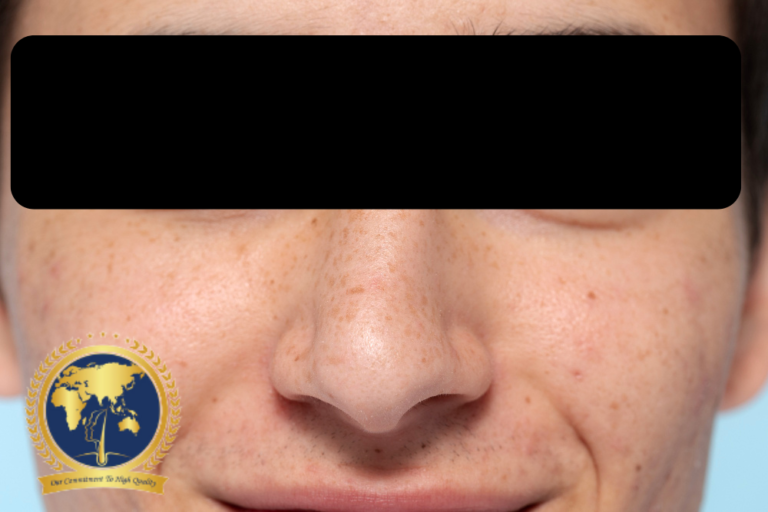
Melasma is a chronic skin condition characterized by symmetrical, dark brown or grayish patches on the face. It occurs when melanocytes overproduce pigment, typically triggered by hormonal fluctuations or UV exposure. While common in Malaysia due to intense sun, it requires specialized medical management to prevent worsening or recurrence.
What Is Melasma?
How Melasma Develops
Melasma is essentially a “hyper-active” response from your skin’s pigment-producing cells, known as melanocytes.
When triggered, these cells dump an excess of melanin into the skin’s layers, creating flat, discolored patches.
In Malaysia’s tropical climate, the constant heat can further dilate blood vessels, which some researchers believe contributes to the persistent nature of the pigment.
It is often called the “mask of pregnancy” because it so frequently appears when estrogen and progesterone levels spike.
Common Areas Affected (Cheeks, Forehead, Upper Lip)
The most frequent pattern is the centrofacial type, where patches appear on the forehead, cheeks, nose, and chin.
The upper lip is a particularly stubborn area for many, often resembling a dark shadow that can be difficult to cover with makeup.
Some individuals also experience malar melasma, which specifically targets the cheekbones, or the mandibular pattern along the jawline.
Because these areas are the most “protruding” parts of the face, they receive the highest dose of daily UV radiation, making them prime targets.

What Causes Melasma?
Hormonal Changes (Pregnancy, Birth Control)
Fluctuating hormones are the biggest internal trigger; roughly 15% to 50% of pregnant women develop some form of melasma.
Birth control pills and hormone replacement therapies can also signal the body to produce more pigment-stimulating hormones.
In many cases, “pregnancy mask” fades after delivery, but for many Malaysian women, the pigment becomes chronic due to cumulative sun damage.
Sun Exposure and UV Damage
UV light doesn’t just tan the skin; it directly stimulates melanocytes to work overtime, making it the #1 cause of melasma flares.
Even visible light and heat (from cooking or saunas) can worsen the condition, which is why standard sunscreens sometimes fail to provide total protection.
According to Skin Health Malaysia, consistent use of physical blockers is essential in our high-UV environment.
Genetics and Skin Type
If your mother or sister has melasma, you are statistically much more likely to develop it yourself.
It is significantly more prevalent in individuals with Fitzpatrick skin types III to V, which includes a large portion of the Malay, Chinese, and Indian populations.
These skin types have more active melanocytes, meaning they react more intensely to inflammation and light.
Types of Melasma
Epidermal Melasma
This type resides in the top layer of the skin and is characterized by well-defined, dark brown patches.
Because it is superficial, it typically responds well to topical creams and chemical peels.
Under a Wood’s lamp (a special UV light used by doctors), epidermal melasma becomes more obvious and darker.
Dermal Melasma
This type is located deeper in the dermis and usually looks bluish-gray or light brown with fuzzy borders.
It is notoriously difficult to treat because most topical creams cannot penetrate deep enough to reach the pigment.
This form requires advanced medical intervention, such as specific laser wavelengths, to break down the deep-seated melanin.
Mixed Melasma
As the name suggests, this is a combination of both superficial and deep pigment.
It is the most common type diagnosed in Malaysian aesthetic clinics.
Treatment involves a multi-modal approach to address pigment across all layers of the skin.
How to Treat Melasma Effectively
Topical Treatments (Hydroquinone, Retinoids, Azelaic Acid)
Hydroquinone remains the “gold standard” for skin lightening, but in Malaysia, it is classified as a scheduled poison and must be prescribed by a doctor.
Retinoids help by increasing cell turnover, essentially “pushing” the pigmented cells out faster.
Azelaic Acid is a safer, non-toxic alternative that specifically targets overactive melanocytes without bleaching normal skin.
Oral Medications and Supplements
Tranexamic Acid (TXA) has emerged as a game-changer for stubborn melasma by inhibiting the pathways that trigger pigment production.
Oral antioxidants like Glutathione or Polypodium leucotomos (fern extract) help provide internal protection against UV-induced damage.
These are usually prescribed as a 3-to-6-month course to “reset” the skin’s pigment response.
Daily Sunscreen and Skincare Routine
You must use a broad-spectrum sunscreen with an SPF of at least 50 and a high PA rating (PA++++).
Look for sunscreens containing Iron Oxides, which are proven to block visible light—a known trigger for melasma.
A gentle, non-irritating routine is vital; aggressive scrubbing can cause inflammation, which leads to more pigment.
Aesthetic Melasma Treatment in Malaysia
Laser Treatments (Pico Laser, Q-Switched Laser)
Pico Laser is the preferred choice in Malaysia because it uses photo-acoustic energy rather than heat to shatter pigment.
Traditional lasers that generate too much heat can actually make melasma worse by triggering a rebound effect.
Q-Switched Nd:YAG lasers are also used at low “toning” settings to gradually brighten the skin without downtime.
Chemical Peels for Pigmentation
Medical-grade peels using Glycolic Acid or TCA help exfoliate the darkened surface layers.
These are often performed in a series to slowly lift the pigment while stimulating fresh, clear skin.
It is crucial to have these done by a Ministry of Health (MOH) certified professional to avoid chemical burns.
Skin Boosters and Combination Therapies
Micro-injections of hydrating skin boosters can improve the skin’s barrier, making it more resilient to triggers.
Some clinics combine microneedling with topical Tranexamic Acid to deliver the medication directly to the dermal layer.
Combining lasers with oral meds often yields the fastest and most stable results for Asian skin types.
Which Melasma Treatment Is Best?
Based on Melasma Type
Epidermal: Responds best to “Kligman’s Formula” (a mix of hydroquinone, tretinoin, and steroid) and light peels.
Dermal/Mixed: Requires a combination of Pico Laser and oral Tranexamic Acid for any significant improvement.
Based on Skin Type and Severity
For sensitive skin, doctors often avoid harsh peels and opt for gentle laser toning and Azelaic acid.
Those with deeper skin tones (Fitzpatrick V) must be treated very cautiously with lasers to avoid Post-Inflammatory Hyperpigmentation (PIH).
Melasma Treatment Results
When Results Start to Show
Melasma is not a “quick fix”; you should expect to see the first signs of fading after 4 to 6 weeks.
Maximum results from laser protocols usually appear after the third or fourth session.
Your skin will often look “brighter” overall before the specific dark patches begin to break up.
Number of Sessions Required
A typical laser protocol in Malaysia involves 5 to 10 sessions, spaced 2 to 4 weeks apart.
Chemical peels are usually done in a course of 3 to 5 sessions.
Consistency is more important than intensity when dealing with this specific pigment.
Risk of Recurrence and Maintenance
Melasma is a chronic condition, meaning it can be “managed” but not “cured” in the traditional sense.
A single day of unprotected sun exposure can bring back months of treated pigment.
Maintenance involves using a “tail-off” skincare routine and getting a laser touch-up every 4 to 6 months.
Safety and Side Effects
Common Side Effects
You may experience temporary redness, mild swelling, or slight darkening of the patches immediately after laser treatment.
Some topical creams can cause “purging” or dry, flaky skin during the first two weeks of use.
These are normal signs that the skin is regenerating and the pigment is being processed.
How to Minimise Risks
Always disclose your full medical history and current medications to your aesthetic doctor.
Strictly follow the post-treatment “no-sun” rule for at least 7 days after any laser or peel.
Never buy “whitening creams” from unverified online sources, as they may contain illegal levels of mercury or steroids.
Cost of Melasma Treatment in Malaysia
Average Price Range
Pico Laser: RM 600 – RM 1,800 per session.
Chemical Peels: RM 300 – RM 800 per session.
Oral Medications: RM 150 – RM 400 per month.
Consultation Fees: RM 80 – RM 250.
Factors Affecting Cost
Technology: Authentic, FDA-approved machines like Picoway or Picosure will cost more than generic brands.
Clinic Location: Premium clinics in Bangsar or KLCC generally have higher overheads than suburban areas.
Doctor’s Expertise: LCP-certified doctors (Letter of Credentialing and Privileging) provide a higher safety margin which is reflected in the price.
Melasma Treatment FAQs
What is the best treatment for melasma in Malaysia?
A combination of Pico Laser and Oral Tranexamic Acid is currently considered the most effective duo for Malaysian skin.
Can melasma be cured permanently?
No, it is a chronic condition. It can be cleared almost 100%, but it requires lifelong sun protection to prevent it from returning.
Which laser is best for melasma?
The Pico Laser is generally the safest and most effective because it minimizes heat damage, which can trigger more pigment.
How long does melasma treatment take?
Expect a timeline of 3 to 6 months for significant clearance, depending on the depth of the pigment.
Is melasma treatment safe?
Yes, when performed by a qualified doctor. However, improper use of lasers or high-strength creams can lead to permanent scarring or “confetti” white spots.
How much does melasma treatment cost in Malaysia?
A complete treatment plan usually ranges from RM 3,000 to RM 8,000, depending on the number of sessions and types of therapy involved.