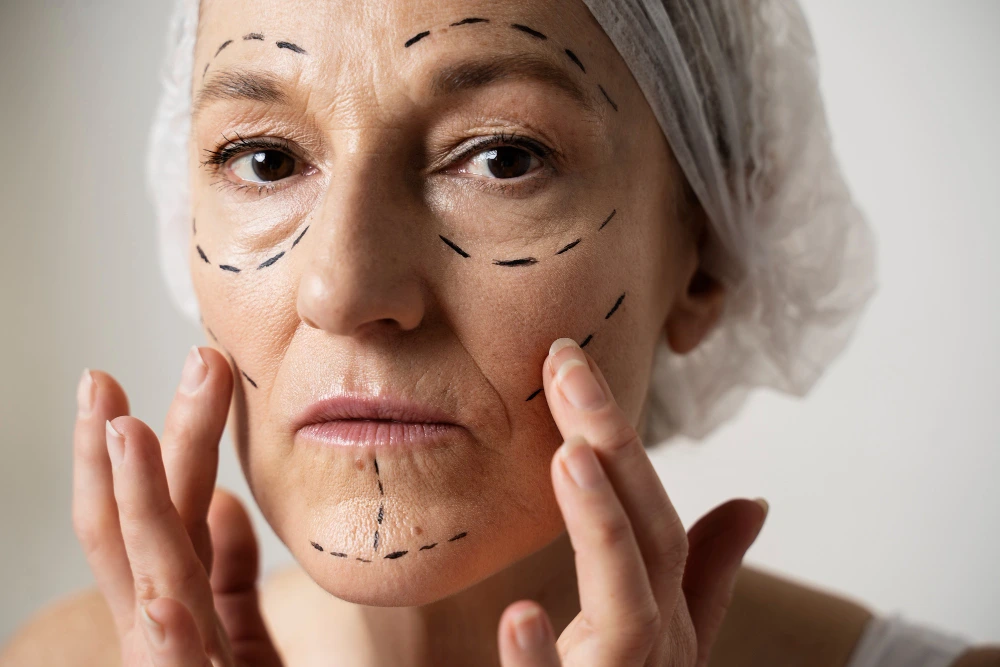
Glowing Beauty Skincare: 7 Essential Steps to Radiant and Healthy Skin

Achieving glowing, radiant skin is a beauty goal for many, but it often requires more than just good genetics. A dedicated skincare routine, tailored to your specific needs, can significantly enhance your skin’s health and appearance. In this comprehensive guide, we’ll explore the key elements of a glowing beauty skincare regimen, focusing on the steps you need to take to achieve and maintain that coveted luminous complexion. Understanding the Importance of Glowing Beauty Skincare Glowing beauty skincare is not just about looking good; it’s about maintaining healthy skin. Healthy skin is more resilient, better at repairing itself, and less prone to issues like acne, dryness, and premature aging. A glowing complexion is often a sign of well-hydrated, well-nourished skin that’s free from toxins and damage. Benefits of Glowing Skin Boosted Confidence: When your skin glows, you feel more confident, and this can positively impact various aspects of your life. Signs of Health: Glowing skin is often an indicator of good internal health, reflecting a balanced diet, adequate hydration, and proper skincare. Youthful Appearance: A radiant complexion can make you look younger, as it minimizes the appearance of fine lines, wrinkles, and dullness. 1. Cleansing: The Foundation of Glowing Beauty Skincare Cleansing is the cornerstone of any glowing beauty skincare routine. It removes dirt, oil, and impurities that can clog pores and lead to breakouts and dullness. Choosing the Right Cleanser Skin Type Consideration: Select a cleanser that matches your skin type. For example, a hydrating cleanser is ideal for dry skin, while a gel-based cleanser works well for oily skin. Gentle Formulas: Opt for a gentle cleanser that effectively removes impurities without stripping your skin of its natural oils. Cleansing Routine Twice Daily Cleansing: Cleanse your face twice a day—once in the morning to remove overnight impurities and once in the evening to wash away the day’s buildup. Proper Technique: Use lukewarm water and gentle circular motions to cleanse your skin, ensuring all areas are covered without over-scrubbing. 2. Exfoliation: Removing Dead Skin Cells for a Brighter Complexion Exfoliation is a crucial step in glowing beauty skincare as it removes dead skin cells that can make your skin look dull and tired. Regular exfoliation reveals fresh, vibrant skin underneath. Types of Exfoliants Physical Exfoliants: These include scrubs with small particles that physically slough off dead skin cells. Be cautious with these, as they can be abrasive if overused. Chemical Exfoliants: Products containing acids like AHAs (alpha hydroxy acids) or BHAs (beta hydroxy acids) gently dissolve dead skin cells without the need for scrubbing. Exfoliation Frequency Regular but Not Excessive: Exfoliate 2-3 times a week depending on your skin type. Over-exfoliating can lead to irritation and damage, so it’s important to find a balance. 3. Hydration: The Key to Plump and Glowing Skin Hydration is essential for maintaining glowing skin. Proper hydration ensures your skin stays plump, smooth, and resilient, reducing the likelihood of dryness and dullness. Moisturizers Selecting a Moisturizer: Choose a moisturizer that suits your skin type. For instance, use a lightweight, non-comedogenic moisturizer for oily skin, and a richer cream for dry skin. Ingredients to Look For: Look for ingredients like hyaluronic acid, glycerin, and ceramides, which help lock in moisture and strengthen the skin barrier. Hydrating Mists and Serums Hydrating Mists: These can be used throughout the day to refresh and hydrate your skin, especially in dry environments. Serums: Consider adding a hydrating serum to your routine, which can deliver concentrated moisture and nutrients deep into your skin. 4. Sun Protection: Shielding Your Skin from Harmful UV Rays One of the most crucial steps in glowing beauty skincare is protecting your skin from the sun. UV rays are a major cause of premature aging, dark spots, and other skin issues. Choosing a Sunscreen Broad-Spectrum Protection: Use a broad-spectrum sunscreen that protects against both UVA and UVB rays, with at least SPF 30. Daily Application: Apply sunscreen every day, even on cloudy days or when staying indoors, as UV rays can penetrate through windows. Reapplication Tips Reapply Regularly: Reapply sunscreen every two hours if you’re outside, and more often if you’re swimming or sweating. Layering with Other Products: Apply sunscreen as the last step in your morning skincare routine, after your moisturizer and before makeup. 5. Nutrition and Hydration: Supporting Glowing Skin from Within Your diet plays a significant role in the health and appearance of your skin. What you eat can either nourish your skin or contribute to skin issues like dryness, acne, and dullness. Skin-Boosting Nutrients Antioxidants: Foods rich in antioxidants, like berries, nuts, and leafy greens, help protect your skin from free radical damage and support a radiant complexion. Healthy Fats: Omega-3 fatty acids found in fish, flaxseeds, and walnuts keep your skin hydrated and supple. Vitamins and Minerals: Vitamins A, C, and E, along with zinc, are crucial for skin repair, protection, and a glowing appearance. Staying Hydrated Drink Plenty of Water: Aim for at least 8 glasses of water a day to keep your skin hydrated from the inside out. Hydrating Foods: Incorporate water-rich foods like cucumbers, oranges, and watermelon into your diet to boost hydration. 6. Sleep and Stress Management: The Unsung Heroes of Glowing Skin Beauty sleep is real—getting enough rest is vital for glowing skin. Stress, on the other hand, can take a toll on your skin, leading to breakouts, dullness, and premature aging. Importance of Sleep Repair and Regenerate: During sleep, your skin undergoes repair and regeneration, making adequate rest crucial for maintaining a healthy glow. Sleep Hygiene: Aim for 7-9 hours of quality sleep each night and establish a relaxing bedtime routine to improve your sleep quality. Managing Stress Stress-Relief Techniques: Incorporate stress-relief techniques such as yoga, meditation, or deep breathing exercises into your daily routine to reduce stress levels. Impact on Skin: Reducing stress can prevent stress-induced skin issues like acne and eczema, helping you maintain a clearer, more radiant complexion. 7. Targeted Treatments: Enhancing Your Glowing Beauty Skincare Routine For those with specific skin concerns,
White Skin Patches: Causes, Symptoms & Effective Treatment Options

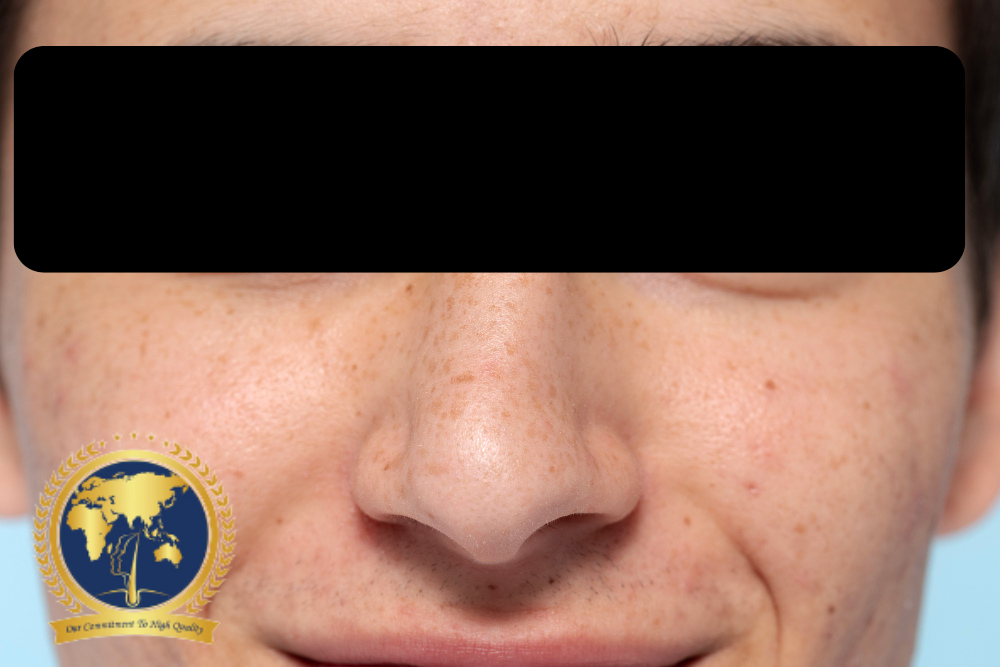
White skin patches are localized areas of hypopigmentation where the skin loses its natural melanin or pigment. In Malaysia’s tropical climate, these patches often stem from fungal overgrowth, autoimmune conditions like vitiligo, or secondary healing after inflammation, resulting in noticeable light-colored spots that contrast with the surrounding healthy skin. What Are White Skin Patches? Definition of Hypopigmentation Hypopigmentation refers to any condition where melanin production is reduced or absent, leading to skin that appears significantly lighter than normal. It can be categorized as “depigmentation” (total loss of color, as seen in vitiligo) or “hypopigmentation” (partial loss of color, common after injury). These patches can vary in size from tiny “confetti” spots to large, interconnected maps covering significant portions of the body. Common Causes of White Skin Patches Vitiligo Vitiligo is an autoimmune disorder where the body’s immune system attacks and destroys melanocytes (pigment-producing cells). It affects roughly 0.5% to 1% of the global population and often presents as milky-white, well-defined patches on the face, hands, and joints. In Malaysia, vitiligo can be particularly distressing due to the high contrast against darker Asian skin tones. Fungal Infections (Tinea Versicolor) Locally known as “panau,” Tinea Versicolor is a common fungal infection caused by Malassezia yeast overgrowth in hot, humid weather. The yeast produces azelaic acid, which temporarily bleaches the skin, leaving behind small, scaly white or pinkish spots. This is frequently seen among active individuals and athletes in Malaysia due to increased sweating and moisture. Post-Inflammatory Hypopigmentation This occurs as a “ghost” of a previous skin injury, such as a burn, scrape, or resolved acne. The skin’s pigment-producing cells take time to recover after trauma, leaving a temporary light spot while the area heals. It is a common secondary effect following dermatological procedures if post-care sun protection is ignored. Eczema and Skin Inflammation Atopic dermatitis (eczema) can lead to a condition called Pityriasis Alba, which causes dry, pale patches on the cheeks and arms. It is especially prevalent in children and adolescents with a history of allergies or sensitive skin. While benign, these patches often become more obvious after sun exposure as the surrounding skin tans while the patch remains light. Symptoms of White Skin Patches Patchy Skin Discoloration The primary symptom is a visible difference in skin color that does not resolve with regular moisturizing. Depending on the cause, these patches may be smooth (vitiligo) or slightly scaly and itchy (fungal infections). Uneven Skin Tone Affected individuals often notice an “interrupted” complexion where the natural tan line is broken by lighter spots. These spots can appear anywhere, but are most common on sun-exposed areas like the face, neck, and forearms. Spread of Patches Some white patches remain stable for years, while others, like active vitiligo, can spread rapidly across the body. Monitoring the border of the patch is crucial; “fuzzy” or expanding edges often indicate an active, progressing condition. Diagnosis of White Skin Patches Clinical Skin Examination A dermatologist in Malaysia will perform a visual check to determine the texture, border, and location of the patches. They will look for “satellite lesions” or specific patterns that distinguish autoimmune issues from fungal overgrowth. Wood’s Lamp Test The Wood’s Lamp uses long-wave UV light to illuminate the skin in a dark room; vitiligo patches will glow a bright “blue-white” under this light. Fungal infections like Tinea Versicolor may show a distinct yellowish or orange fluorescence, aiding in immediate diagnosis. Dermatology Consultation For complex cases, a skin specialist may perform a small biopsy to rule out rare conditions like cutaneous T-cell lymphoma. Early consultation is vital, especially since Malaysia’s National Pharmaceutical Regulatory Agency (NPRA) strictly regulates the types of treatments available for pigmentary disorders. Treatment Options for White Skin Patches Treatment Type Best For Recovery Time Antifungal Creams Tinea Versicolor (Panau) 2–4 Weeks Topical Steroids Vitiligo / Eczema 1–3 Months Phototherapy (UVB) Extensive Vitiligo 3–6 Months Skin Boosters Post-Inflammatory healing Instant hydration Topical Steroid Creams These are prescribed to reduce inflammation and “calm” the immune response in cases of vitiligo or severe eczema. Long-term use must be monitored by a doctor to avoid skin thinning (atrophy) or stretch marks. Antifungal Treatment Medicated shampoos (containing Ketoconazole or Selenium Sulfide) or creams are the standard for treating fungal white patches. Note: While the fungus is killed quickly, the white spots may take several weeks or months to repigment naturally. Phototherapy (UVB Treatment) Narrowband UVB (NB-UVB) is a gold-standard treatment that uses light to stimulate melanocytes back into action. Clinics in KL and Selangor often offer Excimer Laser for targeted spots or full-body booths for more widespread vitiligo. Skin Repigmentation Therapy This includes specialized serums, microneedling, or even surgical skin grafting for stable vitiligo cases. In Malaysia, doctors may also recommend sun protection as a primary “treatment” to prevent the surrounding skin from tanning and making the patches more obvious. FAQ About White Skin Patches What causes white patches on skin? White patches are caused by a lack of melanin, which can be triggered by autoimmune attacks, fungal infections, or past skin inflammation. In Malaysia, the high humidity specifically makes fungal-related patches (Tinea Versicolor) extremely common. Are white skin patches permanent? Not always; patches caused by fungus or eczema usually repigment once the underlying issue is treated. Vitiligo is a chronic condition, but modern therapies can often achieve significant repigmentation of the skin. Can white patches be treated? Yes, treatments range from antifungal lotions and steroid creams to advanced UV phototherapy and laser sessions. The success of treatment depends on early intervention and an accurate diagnosis of the root cause. When should I see a doctor? You should see a dermatologist if the patches are spreading rapidly, become itchy/painful, or cause significant emotional distress. Any patch that appears “porcelain white” and has sharp borders should be evaluated for vitiligo immediately. Are white patches on skin contagious? Most causes, including vitiligo and eczema, are absolutely not contagious. While Tinea Versicolor is a fungal overgrowth, it is generally not considered “infectious” to others as the yeast lives naturally
The Ultimate Guide to Skin Fading: 7 Powerful Techniques for a Brighter Complexion

Skin fading has become a popular topic for those looking to achieve a more even and radiant complexion. Whether due to hyperpigmentation, sun damage, or acne scars, uneven skin tone can be frustrating. Fortunately, several effective treatments can help you achieve the smooth, bright skin you desire. One such treatment is the chemical peel, a powerful option for skin fading that offers impressive results. In this article, we will explore everything you need to know about skin fading, including the benefits of chemical peels and other effective techniques. The video features a customer from Kelantan undergoing acne treatment. The clinic starts her on an acne protocol, including a gentle chemical peel to improve her skin. During the session, the client expresses her readiness for the treatment, and the video provides a brief look at the process, accompanied by background music. The treatment is designed to address acne concerns, offering a solution for clearer and healthier skin. The atmosphere is professional, and the client seems comfortable throughout the procedure. Understanding Skin Fading Skin fading refers to the process of lightening dark spots, evening out skin tone, and reducing the appearance of blemishes or scars. This is achieved through various treatments and skincare products designed to inhibit melanin production, exfoliate the skin, and promote cell turnover. The goal of skin fading is to achieve a brighter, more uniform complexion. Common Causes of Uneven Skin Tone Uneven skin tone can be caused by various factors, including: Sun Exposure: Prolonged exposure to the sun’s UV rays can lead to sunspots, also known as age spots or liver spots, which are areas of hyperpigmentation. Hormonal Changes: Conditions like melasma, which is often triggered by pregnancy, birth control pills, or menopause, can cause dark patches on the skin. Acne Scarring: Post-inflammatory hyperpigmentation (PIH) occurs when acne lesions heal and leave behind dark spots. Aging: As we age, our skin’s ability to regenerate slows down, leading to an accumulation of dead skin cells that can cause a dull and uneven complexion. 7 Powerful Techniques for Skin Fading 1. Chemical Peels Chemical peels are one of the most effective treatments for skin fading. This procedure involves applying a chemical solution to the skin, which exfoliates the outer layers and promotes the growth of new, healthier skin. There are different types of chemical peels, ranging from mild to deep, depending on the strength of the acids used and the depth of the peel. Alpha Hydroxy Acids (AHAs): These are the mildest form of chemical peels, typically using glycolic or lactic acid. AHAs are excellent for treating superficial pigmentation and improving overall skin texture. Beta Hydroxy Acids (BHAs): Salicylic acid is a common BHA used in chemical peels, particularly effective for those with oily or acne-prone skin. BHAs penetrate deeper into the pores, making them ideal for treating acne scars and deeper pigmentation issues. Trichloroacetic Acid (TCA): TCA peels are medium to deep peels that are more effective for treating significant hyperpigmentation, melasma, and sun damage. They require more downtime but offer more dramatic results. 2. Topical Skin Lightening Agents Topical treatments are a common and accessible option for skin fading. These products often contain ingredients that inhibit melanin production, such as hydroquinone, kojic acid, or vitamin C. Regular use of these products can gradually fade dark spots and even out skin tone. It’s important to use these products as directed and to incorporate sunscreen into your routine to prevent further pigmentation. 3. Laser Therapy Laser therapy is a high-tech option for those looking for more significant skin fading results. Lasers work by targeting and breaking down melanin in the skin, allowing the body to naturally eliminate the pigmented areas. Intense pulsed light (IPL) and fractional lasers are commonly used for this purpose. While effective, laser therapy can be expensive and may require multiple sessions for optimal results. 4. Microdermabrasion Microdermabrasion is a non-invasive treatment that exfoliates the top layer of the skin using tiny crystals or a diamond-tipped wand. This process removes dead skin cells and stimulates collagen production, leading to a smoother and brighter complexion. Microdermabrasion is particularly effective for treating superficial hyperpigmentation and improving overall skin tone. 5. Retinoids Retinoids, including retinol and prescription-strength tretinoin, are powerful skincare ingredients known for their ability to increase cell turnover. This increased turnover helps to shed pigmented skin cells more quickly, making retinoids an excellent option for skin fading. Additionally, retinoids help to reduce fine lines and improve skin texture, offering multiple benefits in one treatment. 6. Natural Remedies For those seeking a more natural approach to skin fading, several home remedies can help lighten dark spots and even out skin tone. Ingredients like lemon juice, aloe vera, and turmeric have natural skin-lightening properties. However, it’s important to use these remedies with caution, as they can sometimes cause irritation, especially in individuals with sensitive skin. 7. Sunscreen Sunscreen is perhaps the most critical component of any skin fading regimen. Sun exposure is a major cause of hyperpigmentation, and without proper protection, even the most effective treatments will be rendered useless. A broad-spectrum sunscreen with an SPF of 30 or higher should be applied daily, regardless of the weather, to protect the skin and prevent further dark spots. The Benefits of Chemical Peels for Skin Fading How Chemical Peels Work Chemical peels work by applying an acid solution to the skin, which causes controlled damage to the outer layers. This damage triggers the skin’s natural healing process, leading to the shedding of old, pigmented skin and the emergence of fresh, new skin. The result is a brighter, more even complexion with reduced dark spots and improved texture. Why Choose a Chemical Peel? Effective for Multiple Skin Concerns: Chemical peels not only fade dark spots but also improve skin texture, reduce fine lines, and treat acne scars, making them a versatile option for overall skin rejuvenation. Customizable Treatment: Chemical peels can be tailored to your specific skin concerns, whether you need a mild exfoliation or a deeper peel for more significant pigmentation
Endolift Treatment: The Ultimate Skin Rejuvenation Solution

Endolift is a cutting-edge, non-surgical procedure that utilizes laser technology to rejuvenate the skin from within. It offers a minimally invasive alternative to traditional facelifts, providing a more youthful and refreshed appearance. This blog explores the benefits of Endolift treatment and why GLOJAS Clinic is a leading provider in this field. Understanding Endolift Treatment: How it Works Endolift involves the use of a thin laser fiber inserted under the skin. This fiber delivers controlled laser energy, stimulating collagen production and fat reduction. Key benefits include: Skin Tightening: The laser energy contracts collagen fibers, resulting in firmer and more lifted skin. Fat Reduction: Endolift can help reduce localized fat deposits in the treated area. Improved Skin Texture: Stimulated collagen production leads to smoother and more radiant skin. Minimal Downtime: Unlike traditional surgical facelifts, Endolift requires minimal recovery time. View this post on Instagram A post shared by GLOJAS AESTHETIC SPECIALIST (@glojasaesthetic) Benefits of Endolift Treatment: A Younger, Fresher You Endolift offers a range of advantages over traditional facelifts: Non-Surgical Approach: Avoids the risks and downtime associated with surgery. Precise Targeting: Laser energy is delivered directly to the treatment area, minimizing damage to surrounding tissues. Natural-Looking Results: Endolift promotes a subtle and natural rejuvenation, avoiding an overly “done” appearance. Versatility: The treatment can be used on various areas, including the face, neck, and body. Why Choose GLOJAS Clinic for Your Endolift Treatment? At GLOJAS Clinic, we are committed to providing advanced and effective skincare solutions. Here’s why we stand out: Experienced Medical Professionals: Our team comprises highly skilled medical professionals with expertise in laser treatments. State-of-the-Art Technology: We utilize the latest Endolift technology for optimal results and patient comfort. Personalized Treatment Plans: We offer customized treatment plans based on your individual skin concerns and goals. Focus on Patient Satisfaction: Your comfort and well-being are our top priorities. Natural-Looking Results: We strive to enhance your natural beauty while avoiding an artificial appearance. Endolift is a revolutionary treatment that can help you achieve a more youthful and refreshed look. GLOJAS Clinic offers the expertise and technology to deliver exceptional results. Schedule a consultation with our team today. We can assess your skin concerns, discuss the benefits of Endolift, and create a personalized treatment plan for you. Don’t wait to unveil your natural radiance with GLOJAS Clinic! Facebook Twitter LinkedIn Reddit Pinterest WhatsApp
7 Powerful Ways to Successfully Get Rid of Stretch Marks

Stretch marks are a common skin concern that affects both men and women. These noticeable lines can appear due to various reasons such as rapid weight gain or loss, pregnancy, and growth spurts during puberty. If you’re wondering how to get rid of stretch marks, you’re not alone. Fortunately, there are several effective methods to reduce their appearance and restore your skin’s smoothness. In this article, we’ll explore seven powerful ways to help you successfully get rid of stretch marks. Understanding How to Get Rid of Stretch Marks Before diving into how to get rid of stretch marks, it’s essential to understand what they are. Stretch marks, medically known as striae, occur when the skin stretches or shrinks quickly. This sudden change causes the collagen and elastin, which support our skin, to rupture. As the skin heals, stretch marks may appear. They often start as red or purple lines and gradually fade to a silvery-white color over time. 1. Regular Moisturizing Keeping your skin well-hydrated is one of the simplest answers to how to get rid of stretch marks. Regular moisturizing helps improve skin elasticity, making it more resilient to stretching and reducing the appearance of existing marks. Cocoa Butter: Known for its deep moisturizing properties, cocoa butter can help fade stretch marks over time. Apply it daily to affected areas for the best results. Shea Butter: Rich in vitamins A and E, shea butter nourishes the skin and promotes healing. Almond Oil: This oil is easily absorbed and helps to soften and smoothen the skin, reducing the visibility of stretch marks. 2. Topical Retinoid Creams Topical retinoid creams are derived from vitamin A and are effective in promoting skin regeneration and improving collagen production. Tretinoin Cream: Commonly prescribed for acne, tretinoin cream can also be used to treat stretch marks by rebuilding collagen in the skin. Adapalene: Another retinoid option that can help in reducing early stretch marks’ appearance. Note: Retinoid creams should be used under medical supervision and are not recommended for pregnant or breastfeeding women. 3. Natural Remedies Exploring natural remedies is a safe and cost-effective way when considering how to get rid of stretch marks. Aloe Vera: Known for its healing properties, applying pure aloe vera gel can help soothe and repair skin damage. Coconut Oil: Its anti-inflammatory and moisturizing properties aid in healing stretch marks and improving skin texture. Lemon Juice: The natural acids in lemon juice help lighten stretch marks and promote skin regeneration. Apply fresh lemon juice to the affected area and rinse after 10 minutes. 4. Exfoliation Regular exfoliation helps remove dead skin cells and promotes new skin growth, which can reduce the appearance of stretch marks. Sugar Scrub: Mix sugar with almond oil and lemon juice to create a natural exfoliant. Gently scrub the affected areas several times a week. Coffee Scrub: Coffee grounds mixed with coconut oil make an effective exfoliating scrub that can improve blood circulation and skin elasticity. 5. Microdermabrasion Microdermabrasion is a non-invasive cosmetic procedure that can significantly reduce stretch marks’ visibility. Procedure Details: A specialized device is used to exfoliate the top layer of skin, promoting new skin growth and improving texture. Effectiveness: Multiple sessions are usually required for noticeable results, and it’s most effective on newer stretch marks. Considerations: Always consult with a certified dermatologist before undergoing microdermabrasion to ensure it’s suitable for your skin type. 6. Laser Therapy Laser therapy is a more advanced method for those seeking effective solutions on how to get rid of stretch marks. How It Works: Laser treatments stimulate collagen and elastin production by directing focused light onto the stretch marks. Types of Lasers: Fractional lasers are commonly used for stretch marks, effectively reducing their appearance with minimal downtime. Results: Significant improvement can be seen after a few sessions, though results may vary based on skin type and stretch marks’ age. Safety: Laser therapy should be performed by qualified professionals to ensure safety and effectiveness. 7. Healthy Diet and Hydration Maintaining a balanced diet and proper hydration plays a crucial role in skin health and elasticity. Collagen-Rich Foods: Incorporate foods like bone broth, leafy greens, and citrus fruits to boost collagen production. Vitamin E and C: These vitamins are essential for skin repair and can be found in nuts, seeds, fruits, and vegetables. Protein Intake: Adequate protein supports skin structure; include lean meats, eggs, and legumes in your diet. Stay Hydrated: Drinking plenty of water keeps your skin supple and reduces the likelihood of developing new stretch marks. FAQs About Getting Rid of Stretch Marks Q1: Can stretch marks disappear completely? While it’s challenging to make stretch marks disappear entirely, their appearance can be significantly reduced with proper treatment and care. Early intervention yields better results. Q2: Are over-the-counter creams effective against stretch marks? Some over-the-counter creams containing ingredients like hyaluronic acid and retinoids can help improve stretch marks’ appearance, especially when used consistently on newer marks. Q3: Is it safe to treat stretch marks during pregnancy? During pregnancy, it’s best to use natural remedies and moisturizers. Avoid retinoid creams and certain procedures like laser therapy until after childbirth. Q4: How long does it take to see results from treatments? The time varies depending on the treatment method and the individual’s skin. Natural remedies and creams may take several weeks to months, while procedures like laser therapy can show faster results. Q5: Do men get stretch marks too? Yes, stretch marks are not gender-specific. Men can develop stretch marks due to rapid weight gain, muscle growth, or growth spurts during adolescence. Q6: Can exercise help reduce stretch marks? Exercise improves blood circulation and skin elasticity, which can aid in reducing stretch marks’ appearance. Combining exercise with proper hydration and skincare yields better results. Addressing how to get rid of stretch marks involves a combination of treatments and lifestyle changes. By understanding and implementing these effective methods, you can significantly reduce stretch marks’ visibility and improve your skin’s overall health and appearance. Always consider
5 Reasons to Choose Keloid Laser Treatment For Your Scars

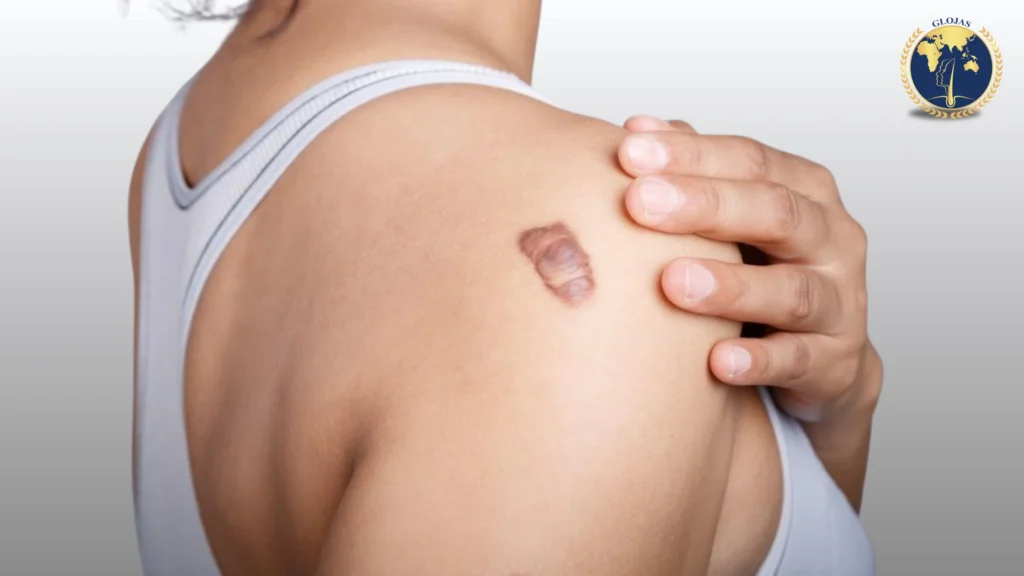
Keloids are raised scars that form as a result of an overgrowth of collagen at the site of a skin injury. These scars can be not only unsightly but also uncomfortable, causing itching, pain, and restricted movement. For those struggling with keloids, laser treatment has emerged as an effective solution. If you’re searching for information on “Keloid Laser Treatment,” this article will provide you with a comprehensive understanding of the procedure, its benefits, and why it might be the right choice for you. What Are Keloids and Why Do They Form? Keloids are thick, raised scars that extend beyond the original wound site. Unlike regular scars, which typically flatten and fade over time, keloids continue to grow and can become larger than the original injury. They often develop after surgeries, piercings, burns, or severe acne, but they can also appear spontaneously. Keloids are more common in individuals with darker skin tones and those with a family history of keloids. The Science Behind Keloid Formation Keloids form when the body produces too much collagen during the healing process. Collagen is a protein that helps in wound healing, but in the case of keloids, the collagen production goes into overdrive, resulting in a dense, fibrous mass of tissue. This excess tissue is what causes the raised, often reddish or dark appearance of keloid scars. 1. How Keloid Laser Treatment Works Laser treatment is one of the most advanced and effective methods for reducing the appearance of keloids. The treatment involves using concentrated beams of light to target the keloid tissue. There are different types of lasers used for keloid treatment, including pulsed dye lasers (PDL) and carbon dioxide (CO2) lasers. The Process of Keloid Laser Treatment Pulsed Dye Laser (PDL): This type of laser targets the blood vessels within the keloid, reducing redness and flattening the scar. It works by delivering short bursts of light that are absorbed by the blood vessels, causing them to shrink and diminish the appearance of the keloid. CO2 Laser: This laser works by vaporizing the outer layers of the keloid scar, which helps to reduce its size and improve its texture. CO2 lasers are particularly effective for large or thick keloids. Both types of lasers are non-invasive and are performed on an outpatient basis. Depending on the severity of the keloid, multiple sessions may be required to achieve optimal results. 2. Benefits of Keloid Laser Treatment Keloid laser treatment offers several benefits compared to other scar reduction methods. Whether you’re looking for a non-invasive solution or want to improve the appearance of stubborn keloids, laser treatment has much to offer. Key Benefits of Laser Treatment for Keloids Precision Targeting: Lasers can precisely target the keloid tissue without damaging the surrounding healthy skin, making it a safe and effective treatment option. Minimal Downtime: Unlike surgical removal or other invasive procedures, laser treatment typically requires little to no downtime. Most patients can return to their normal activities immediately after the procedure. Reduction in Redness and Size: Laser treatment can significantly reduce the redness, size, and thickness of keloids, leading to a more aesthetically pleasing appearance. Stimulates Natural Healing: Lasers stimulate the body’s natural healing processes, encouraging the production of normal collagen and improving the texture and elasticity of the skin. Safe for All Skin Types: Laser treatment is suitable for all skin types and tones, making it a versatile option for keloid management. 3. What to Expect During Keloid Laser Treatment Understanding what to expect during and after keloid laser treatment can help alleviate any concerns you may have and ensure a smooth experience. The Procedure Before the treatment begins, the area around the keloid will be cleaned, and a topical anesthetic may be applied to minimize discomfort. The laser is then passed over the keloid, delivering targeted energy to the scar tissue. Each session typically lasts between 15 to 30 minutes, depending on the size and thickness of the keloid. Aftercare and Recovery Post-treatment, you may experience some redness, swelling, or a slight burning sensation in the treated area. These side effects are usually mild and subside within a few days. It’s important to follow your dermatologist’s aftercare instructions, which may include applying a soothing ointment and avoiding sun exposure to the treated area. 4. Comparing Keloid Laser Treatment to Other Scar Treatments When considering keloid treatment options, it’s helpful to compare laser treatment to other commonly used methods. Each treatment has its own advantages and limitations, and understanding these can help you make an informed decision. Steroid Injections Steroid injections are a popular treatment for keloids and work by reducing inflammation and flattening the scar. While effective for some, steroid injections may require multiple sessions and can cause side effects such as skin thinning or discoloration. Additionally, steroid injections may not be as effective for older or larger keloids. Surgical Removal Surgical removal involves cutting out the keloid tissue. While this method can provide immediate results, it carries a high risk of recurrence, as surgery can trigger the formation of a new keloid. Combining surgery with other treatments, such as steroid injections or laser therapy, can help reduce the risk of recurrence. Cryotherapy Cryotherapy involves freezing the keloid with liquid nitrogen, causing the scar tissue to die and fall off. This method is typically used for small keloids and may require multiple treatments. However, cryotherapy can sometimes cause skin discoloration and is not suitable for all skin types. 5. Cost and Accessibility of Keloid Laser Treatment The cost of keloid laser treatment can vary depending on several factors, including the size and number of keloids, the type of laser used, and the geographic location of the clinic. On average, the cost per session can range from $200 to $600. Most patients require multiple sessions for optimal results, so it’s important to discuss the total cost and any available payment plans with your dermatologist. Is Keloid Laser Treatment Covered by Insurance? In some cases, insurance may cover part or all of the cost of
Radiant Glow: Exploring Whitening Skin Treatment

Whitening Skin Treatment – Uneven skin tone, hyperpigmentation, and sun damage can leave your complexion looking dull and lackluster. Fortunately, various skin brightening treatments offer solutions to achieve a more luminous and even-toned appearance. This blog explores the causes of uneven skin tone, different brightening options, and why GLOJAS Clinic can be your ideal partner in achieving a radiant glow. Whitening Skin Treatment – Uneven Skin Tone: Causes Several factors can contribute to uneven skin tone: Sun Damage: Exposure to ultraviolet (UV) rays stimulates melanin production, leading to hyperpigmentation and dark spots. Hormonal Changes: Pregnancy, menopause, and birth control pills can trigger hyperpigmentation. Skin Conditions: Acne scarring, eczema, and melasma can cause discoloration and uneven tone. Aging: As we age, melanin production can become uneven, leading to age spots and sun damage. Skin Brightening Treatments: A Path Towards a Radiant Complexion Fortunately, various treatments can effectively address uneven skin tone and promote a brighter appearance: Chemical Peels: These exfoliate the top layers of skin, revealing brighter, more even-toned skin underneath. Laser Treatments: Lasers target specific pigments, breaking down dark spots and promoting overall skin lightening. Microneedling: Tiny needles create controlled injuries, stimulating collagen production and brightening the skin. Topical Skin Lightening Products: Creams and serums containing ingredients like vitamin C and kojic acid can lighten hyperpigmentation over time. Choosing the Right Skin Brightening Treatment for You The ideal skin brightening treatment depends on several factors: Severity of Uneven Tone: Mild discoloration might respond well to topical products, while deeper concerns might require laser treatment. Skin Type: Treatments are tailored to individual skin types to minimize irritation and achieve optimal results. Desired Results: Discuss your goals with your dermatologist to determine the most suitable approach. Why Choose GLOJAS Clinic for Your Skin Brightening Journey? At GLOJAS Clinic, we understand the desire for a radiant and even-toned complexion. Here’s what sets us apart: Experienced Dermatologists: Our team comprises highly qualified dermatologists who can assess your skin concerns and recommend the most effective brightening treatment. Focus on Personalized Care: We create customized treatment plans based on your unique skin needs and desired outcome. Advanced Technology and Techniques: We utilize state-of-the-art technology for safe and effective skin brightening procedures. Realistic Expectations and Long-Term Results: We set realistic expectations and recommend a combination of treatments for sustainable brightening effects. Commitment to Sun Protection: We emphasize the importance of sun protection to maintain your brighter complexion. Uneven skin tone doesn’t have to define your appearance. With various skin brightening treatments available, achieving a luminous and radiant complexion is within reach. Choosing GLOJAS Clinic ensures expert guidance, advanced technology, and a commitment to personalized care for a brighter you. Schedule a consultation with our team today. We can assess your skin concerns, discuss different brightening options, and create a personalized plan to help you achieve a radiant and even-toned complexion. Don’t wait to embrace your inner glow with GLOJAS Clinic! Facebook Twitter LinkedIn Reddit Pinterest WhatsApp
5 Methods That Will Remove Birthmarks and Boost Skin Confidence

Birthmarks are a common skin condition that can vary widely in size, shape, and color. While some people embrace their birthmarks as unique features, others may feel self-conscious and look for ways to remove them. If you’re interested in learning how to remove birthmark, this article will explore five proven methods that can help you achieve clearer, more even-toned skin. We’ll also discuss the pros and cons of each method to help you make an informed decision. Understanding Birthmarks: What Are They? Birthmarks are areas of discolored skin that are present at birth or develop shortly afterward. They can be caused by various factors, including an overgrowth of blood vessels, pigmentation irregularities, or other skin cell abnormalities. While most birthmarks are harmless, some may cause discomfort or become a cosmetic concern. Types of Birthmarks Birthmarks are generally categorized into two main types: vascular and pigmented. Vascular Birthmarks: These are caused by abnormal blood vessels under the skin and include types such as port-wine stains, hemangiomas, and salmon patches. Vascular birthmarks are typically red, pink, or purple. Pigmented Birthmarks: These are caused by an excess of pigment cells and include types such as café-au-lait spots, Mongolian spots, and moles. Pigmented birthmarks are usually brown, tan, or blue-gray. 1. Laser Therapy: A Precision Approach to Birthmark Removal Laser therapy is one of the most effective methods to remove birthmark, particularly vascular types like port-wine stains. The treatment uses concentrated beams of light to target the blood vessels or pigment in the birthmark, gradually breaking them down without damaging the surrounding skin. Benefits of Laser Therapy Non-invasive: Laser therapy is a non-invasive procedure, meaning no incisions or needles are required. Minimal Downtime: Most people can return to their normal activities shortly after the treatment. Effective for Various Birthmarks: Laser therapy can be tailored to treat different types of birthmarks, including both vascular and pigmented. Considerations Multiple Sessions May Be Needed: Depending on the size and type of birthmark, several treatment sessions may be necessary to achieve the desired results. Temporary Side Effects: Some people may experience redness, swelling, or minor bruising after the treatment, but these effects typically subside within a few days. 2. Surgical Removal: A Permanent Solution for Large or Raised Birthmarks For larger or raised birthmarks, surgical removal may be the most effective option. This procedure involves cutting out the birthmark and stitching the skin back together. It’s typically used for moles or other raised pigmented birthmarks that are difficult to treat with lasers. Advantages of Surgical Removal Permanent Removal: Surgical removal offers a permanent solution, as the birthmark is completely excised. Quick Procedure: The surgery is usually performed on an outpatient basis and takes only a short amount of time. Drawbacks Scarring: As with any surgical procedure, there is a risk of scarring. However, a skilled surgeon can minimize this risk by carefully stitching the wound. Recovery Time: Unlike non-invasive methods, surgical removal requires a recovery period, during which you may need to take extra care of the treated area. 3. Topical Treatments: A Gradual Approach to Lightening Birthmarks Topical treatments, such as bleaching creams and retinoids, can be used to lighten pigmented birthmarks. These treatments work by gradually reducing the concentration of pigment in the affected area, leading to a lighter appearance over time. Benefits of Topical Treatments Non-invasive: Topical treatments are applied directly to the skin, making them a non-invasive option. Gradual Results: For those who prefer a subtle change, topical treatments offer a slow and steady improvement. Limitations Requires Consistency: Topical treatments must be used consistently over a period of weeks or months to see noticeable results. Effectiveness Varies: The effectiveness of topical treatments can vary depending on the type and color of the birthmark. 4. Cryotherapy: Freezing Away Small Birthmarks Cryotherapy is a treatment that uses extreme cold to freeze and destroy abnormal skin cells. This method is most commonly used to remove small, superficial birthmarks such as certain types of moles or skin tags. Pros of Cryotherapy Quick and Simple: Cryotherapy is a relatively quick procedure that can be done in a doctor’s office. Minimal Scarring: Because it targets only the abnormal skin cells, cryotherapy usually results in minimal scarring. Cons Not Suitable for All Birthmarks: Cryotherapy is generally not effective for larger or deeper birthmarks. Multiple Treatments: Like laser therapy, multiple cryotherapy sessions may be needed to completely remove the birthmark. 5. Chemical Peels: Exfoliating Away Pigmented Birthmarks Chemical peels involve applying a solution to the skin that causes the top layers to peel away, revealing fresh, new skin underneath. This method is often used to lighten pigmented birthmarks such as café-au-lait spots. Advantages of Chemical Peels Improves Skin Texture: In addition to lightening birthmarks, chemical peels can improve the overall texture and tone of your skin. Customizable: The strength of the peel can be adjusted depending on the depth and size of the birthmark. Disadvantages Temporary Discomfort: Some people experience redness, stinging, or peeling after the procedure, but these effects are usually temporary. Multiple Sessions Required: Similar to other non-invasive methods, multiple chemical peels may be necessary for optimal results. FAQs About Birthmark Removal Is Birthmark Removal Painful? Most birthmark removal procedures involve minimal discomfort. Non-invasive treatments like laser therapy or cryotherapy may cause a mild stinging sensation, while surgical removal is performed under local anesthesia. Can All Birthmarks Be Removed? Most birthmarks can be treated or removed, but the method and success rate depend on the type, size, and depth of the birthmark. It’s essential to consult with a dermatologist to determine the best approach. Are There Any Risks Associated with Birthmark Removal? As with any medical procedure, there are some risks, including scarring, infection, or changes in skin pigmentation. However, these risks are generally low when the procedure is performed by a qualified professional. How Long Does It Take to See Results? The time it takes to see results varies depending on the treatment method. Laser therapy and cryotherapy may show improvements after a few sessions,
7 Effective Ways to Fight Aging Skin and Rejuvenate Your Glow

Aging skin is a natural part of getting older, but that doesn’t mean you have to resign yourself to a dull, tired complexion. There are numerous strategies and treatments available to help you maintain a youthful, glowing appearance. In this article, we will explore seven effective strategies to combat aging skin, providing you with practical tips and insights on how to restore and preserve your skin’s vitality. Whether you’re in your 30s, 40s, 50s, or beyond, these tips will help you keep your skin looking its best. Understanding Aging Skin: What Happens as We Age? As we age, our skin undergoes several changes that contribute to the visible signs of aging, such as wrinkles, fine lines, and sagging. These changes are primarily due to the breakdown of collagen and elastin, two proteins responsible for skin elasticity and firmness. Additionally, the skin’s ability to retain moisture decreases, leading to dryness and a dull complexion. The cumulative effects of sun exposure, environmental pollutants, and lifestyle factors also play a significant role in accelerating the aging process. The Role of Collagen and Elastin in Aging Skin Collagen and elastin are the building blocks of youthful skin. Collagen provides structure and support, while elastin allows the skin to bounce back after stretching. As we age, the production of these proteins slows down, leading to the development of wrinkles and loss of skin firmness. To combat aging skin, it’s essential to focus on strategies that boost collagen and elastin production. 1. Prioritize Sun Protection: Your Best Defense Against Aging Skin One of the most important steps in preventing and combating aging skin is protecting it from the sun’s harmful UV rays. Prolonged sun exposure is the leading cause of premature aging, often referred to as photoaging. UV rays break down collagen and elastin, leading to wrinkles, dark spots, and an uneven skin tone. How to Protect Your Skin from the Sun Use Sunscreen Daily: Apply a broad-spectrum sunscreen with an SPF of at least 30 every day, even on cloudy days. Reapply every two hours if you’re outdoors. Wear Protective Clothing: Long sleeves, wide-brimmed hats, and sunglasses can provide additional protection from the sun. Seek Shade: Whenever possible, stay in the shade during peak sun hours, typically between 10 a.m. and 4 p.m. 2. Hydrate Your Skin: The Key to a Youthful Glow As we age, our skin’s ability to retain moisture diminishes, leading to dryness and a loss of radiance. Hydrated skin looks plumper and more youthful, which is why moisturizing is crucial in any anti-aging skincare routine. Best Practices for Hydrating Aging Skin Choose a Rich Moisturizer: Opt for a moisturizer with ingredients like hyaluronic acid, glycerin, and ceramides, which help lock in moisture and strengthen the skin barrier. Use a Hydrating Serum: Incorporating a hydrating serum, especially one with hyaluronic acid, can provide an extra boost of moisture to your skin. Avoid Harsh Cleansers: Use gentle, hydrating cleansers that won’t strip your skin of its natural oils. 3. Incorporate Antioxidants: Protect Your Skin from Damage Antioxidants are powerful allies in the fight against aging skin. They help protect the skin from free radical damage, which is caused by environmental factors like pollution, UV rays, and stress. Free radicals accelerate the aging process by breaking down collagen and elastin. Top Antioxidants for Aging Skin Vitamin C: Known for its brightening and collagen-boosting properties, vitamin C is a must-have in any anti-aging skincare routine. Vitamin E: This antioxidant helps to protect the skin from UV damage and supports skin repair. Green Tea Extract: Rich in polyphenols, green tea extract can soothe the skin and reduce inflammation. 4. Embrace Retinoids: The Gold Standard for Anti-Aging Retinoids, a derivative of vitamin A, are widely regarded as one of the most effective treatments for aging skin. They work by speeding up cell turnover, boosting collagen production, and reducing the appearance of fine lines and wrinkles. How to Use Retinoids for Aging Skin Start Slowly: If you’re new to retinoids, start with a lower concentration and gradually increase as your skin builds tolerance. Apply at Night: Retinoids can make your skin more sensitive to the sun, so it’s best to use them as part of your nighttime routine. Moisturize: Follow up with a good moisturizer to prevent dryness and irritation. 5. Exfoliate Regularly: Reveal Fresh, Radiant Skin Exfoliation is essential for maintaining smooth, youthful-looking skin. As we age, the rate at which our skin sheds dead cells slows down, leading to a dull, uneven complexion. Regular exfoliation helps remove these dead cells, revealing the fresh, new skin underneath. Best Exfoliation Practices for Aging Skin Use a Gentle Exfoliator: Choose a mild exfoliant that won’t be too harsh on your skin. AHAs (alpha-hydroxy acids) like glycolic acid and lactic acid are excellent for aging skin. Exfoliate 1-2 Times a Week: Over-exfoliating can lead to irritation, so stick to once or twice a week to keep your skin smooth and radiant. Follow with Hydration: Always moisturize after exfoliating to replenish the skin’s moisture barrier. 6. Stay Hydrated from Within: The Importance of Diet What you put into your body is just as important as what you put on your skin. Staying hydrated by drinking plenty of water and eating a balanced diet rich in antioxidants, vitamins, and minerals can significantly impact the health and appearance of your skin. Diet Tips for Aging Skin Drink Plenty of Water: Aim for at least 8 glasses of water a day to keep your skin hydrated from within. Eat Antioxidant-Rich Foods: Incorporate foods like berries, leafy greens, nuts, and seeds into your diet to help fight free radical damage. Include Omega-3 Fatty Acids: Found in fish, flaxseed, and walnuts, omega-3s help maintain the skin’s lipid barrier and reduce inflammation. 7. Professional Treatments: Boost Your Anti-Aging Routine In addition to your at-home skincare routine, professional treatments can provide a significant boost to combat aging skin. Treatments like chemical peels, microdermabrasion, and laser therapy can address specific concerns such as wrinkles, hyperpigmentation, and
Rawatan Laser Muka: Hilangkan Jerawat & Jeragat

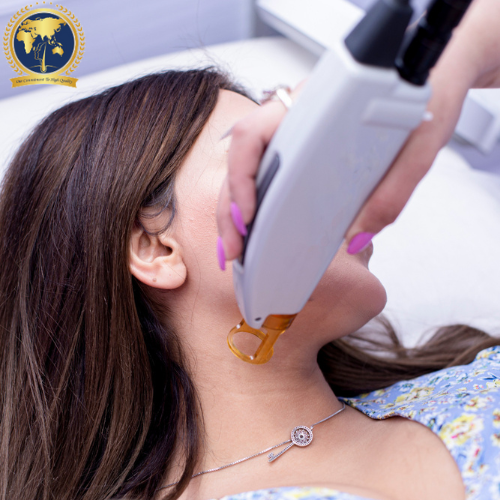
Rawatan Laser Muka: Panduan dan Manfaat Rawatan laser muka semakin popular di kalangan mereka yang mencari kaedah untuk memperbaiki penampilan kulit. Teknologi ini menawarkan pelbagai manfaat, dari mengurangkan kedutan hingga memperbaiki tona kulit yang tidak sekata. Artikel ini akan membincangkan apa itu rawatan laser muka, bagaimana ia berfungsi, serta kelebihan dan risikonya. Alamat : Glomac Galeria Hartamas, B-G, 05, Jalan 26a/70a, Desa Sri Hartamas, 50480 Wilayah Persekutuan, Wilayah Persekutuan Kuala Lumpur Dapatkan Arah Telefon : 012-989 1915 Laman Social : Facebook Youtube Instagram Apa Itu Rawatan Laser Muka – Fractional CO2 Laser Fractional CO2 Laser adalah salah satu teknologi terkini dalam rawatan kulit yang digunakan untuk meremajakan dan memperbaiki penampilan kulit. Laser ini menggunakan cahaya berintensiti tinggi untuk menargetkan lapisan kulit yang dalam, memperbaiki pelbagai masalah kulit seperti kedutan, parut jerawat, pigmentasi, dan lain-lain. Fractional CO2 Laser terkenal kerana keberkesanannya dalam memberikan hasil yang ketara dengan tempoh pemulihan yang lebih singkat berbanding dengan rawatan laser tradisional. Melalui teknologi pecahan, hanya sebahagian kecil kulit yang dirawat pada satu masa, membolehkan proses penyembuhan yang lebih cepat dan mengurangkan risiko kesan sampingan. Artikel ini akan membincangkan bagaimana Fractional CO2 Laser berfungsi, manfaatnya, serta apa yang boleh dijangka daripada rawatan ini. Manfaat Rawatan Laser Muka – Fractional CO2 Laser Mengurangkan Kedutan dan Garis Halus: Rawatan laser boleh mengurangkan penampilan kedutan dan garis halus dengan meningkatkan pengeluaran kolagen. Memperbaiki Tona Kulit Tidak Sekata: Pigmentasi tidak sekata, bintik-bintik gelap, dan tanda-tanda penuaan lain boleh dikurangkan dengan rawatan laser. Mengurangkan Parut Jerawat: Laser berkesan dalam meratakan tekstur kulit yang tidak sekata akibat parut jerawat. Mengatasi Masalah Kulit Lain: Masalah seperti rosacea, telangiektasia (urat labah-labah), dan liang pori besar juga boleh diperbaiki dengan rawatan ini. Dapatkan Konsultasi Percuma Sekarang! Penjagaan Selepas Rawatan Elakkan Pendedahan Matahari: Kulit yang baru dirawat sangat sensitif kepada sinar UV. Gunakan pelindung matahari dengan SPF tinggi. Menggunakan Pelembap: Pastikan kulit sentiasa lembap untuk mempercepatkan proses penyembuhan. Elakkan Produk Berbahan Kimia Kuat: Hindari penggunaan produk penjagaan kulit yang mengandungi bahan kimia keras yang boleh merengsakan kulit. Dapatkan Konsultasi Percuma Sekarang! Pakar Pembedahan Plastik di GLOJAS View this post on Instagram A post shared by GLOJAS AESTHETIC SPECIALIST (@glojasaesthetic) Rawatan laser muka menawarkan banyak manfaat untuk mereka yang ingin memperbaiki penampilan kulit. Dengan teknologi yang semakin maju, prosedur ini menjadi lebih selamat dan efektif. Walau bagaimanapun, penting untuk berunding dengan pakar dan memahami risiko yang terlibat sebelum memutuskan untuk menjalani rawatan. Dengan penjagaan yang betul, rawatan laser muka dapat memberikan hasil yang memuaskan dan kulit yang lebih sihat dan cantik. Di GLOJAS, kami terdiri daripada pakar pembedahan plastik yang terkenal dan bertauliah iaitu Dr Ali dan Dr Muya. Dapatkan Konsultasi Percuma Sekarang! BACA ARTIKEL : Melebatkan Rambut Facebook Twitter LinkedIn Pinterest Reddit WhatsApp