
Gua Sha: Benefits, Techniques & Skincare Guide in Malaysia

Gua sha is a traditional East Asian healing technique involving a smooth-edged tool to stroke or “scrape” the skin to redirect energy flow (Qi) and improve circulation. In modern skincare, facial gua sha uses gentle, upward pressure to stimulate lymphatic drainage, reduce puffiness, and naturally contour facial features. What is Gua Sha? The term “Gua” means to scrape or rub, while “Sha” refers to the temporary redness that appears on the skin after treatment, traditionally believed to be the release of toxins. Originating from Traditional Chinese Medicine (TCM), this practice has been used for centuries to treat various ailments by promoting blood flow and metabolic repair. In Malaysia, the practice has transitioned from a clinical TCM treatment into a mainstream beauty staple found in both holistic spas and home skincare routines. Meaning and traditional Chinese medicine origins Gua sha is rooted in the belief that “stagnant energy” or chronic inflammation in the body causes disease and skin dullness. According to WebMD’s medical review, the technique is intended to activate the immune and nervous systems to set off a chain of healing events. The philosophy centers on “bringing the heat” to the surface, which encourages the body to clear out waste through the lymphatic system. Facial gua sha vs body gua sha Facial Gua Sha: Uses extremely light pressure at a 15–45 degree angle; the goal is to move lymph fluid and sculpt the face without causing any bruising. Body Gua Sha: Often involves firmer, downward strokes on the back, neck, or limbs to break up fascia and treat muscle soreness. Facial tools are smaller and feature notches for the jawline, whereas body tools are larger and thicker for broader surface areas. Benefits of Gua Sha Gua sha provides a natural, non-invasive alternative to fillers by lifting the facial muscles through consistent repetitive motion. It serves as a form of “facial yoga” that releases tension in the jaw (TMJ) and brow, which can prevent the formation of expression lines. By moving stagnant fluid out of the face, it can drastically reduce morning “puffiness” within minutes of application. Facial lifting and sculpting effects The tool’s edge allows for deeper “gripping” of the facial muscles compared to finger massage, helping to define the cheekbones and jawline. Many users report a more “snatched” appearance, particularly in the lower face where fluid tends to accumulate as we age. Lymphatic drainage and de-puffing The lymphatic system does not have its own “pump”; it relies on manual movement or exercise to flush out toxins. Gua sha acts as an external pump, pushing fluid toward the lymph nodes located at the neck and behind the ears for disposal. Blood circulation and skin glow improvement The gentle scraping motion creates a “controlled micro-trauma” that signals the body to send oxygenated blood and nutrients to the surface. Studies have shown that regular facial massage can significantly increase microcirculation in the skin, leading to a brighter and more even complexion. How to Use Gua Sha Correctly Preparation is key: Never use a gua sha tool on dry skin, as this causes “dragging” and can lead to micro-tears or broken capillaries. Hold the stone almost flat against your skin (about 15 degrees) rather than using the sharp edge directly at a 90-degree angle. Step-by-step facial gua sha technique Neck & Jaw: Start at the neck to “open” the lymphatic pathways, moving upward, then sweep from the chin toward the earlobe. Cheeks & Eyes: Glide from the side of the nose across the cheek and very gently from the inner eye corner outward. Forehead: Finish by sweeping upward from the brows to the hairline to lift the eyes and release tension. Direction of strokes for different face areas Neck: Upward for lifting; downward for drainage. Face: Always sweep outward and upward toward the ears and hairline to counter gravity. Third Eye: Swipe straight up from the bridge of the nose to the hairline to relieve stress. Frequency and duration for best results For visible lifting and sculpting, aim for 3 to 5 times per week; a full session usually takes about 10 minutes. Consistency is more important than duration—a 2-minute “quick lift” every day is often more effective than a long session once a month. Gua Sha Tools and Materials The material of your tool affects its durability, temperature retention, and the “energy” it brings to your routine. Regardless of the stone type, the edges must be perfectly smooth to avoid scratching the skin’s surface. Types of gua sha stones (jade, rose quartz, stainless steel) Jade: Naturally cooling and thought to balance the skin’s energy and reduce inflammation. Rose Quartz: Known for its “heart-opening” properties, it stays cool longer than jade and is ideal for sensitive skin. Stainless Steel: Gaining popularity for being ultra-hygienic, non-porous, and extremely durable. Choosing the right gua sha tool Shape: Look for a tool with a “heart” or “V” shape to fit your jawline and a long flat edge for the forehead and cheeks. Authenticity: Ensure you are buying genuine stone; real stone will feel heavy and cold to the touch. Proper cleaning and maintenance Clean your tool after every single use with warm, soapy water to remove bacteria and leftover facial oil. Dry the tool completely with a clean towel before storing it in a padded pouch to prevent chipping or cracking. Best Skincare Routine for Gua Sha Gua sha should be performed after cleansing and toning, but before your final heavy moisturizer or SPF. The “slip” agent you choose is critical—oils are preferred over water-based serums as they don’t dry out halfway through. Oils and serums to use with gua sha Facial oils provide the best glide; look for ingredients like Rosehip or Argan which nourish the skin while you massage. If you have oily skin, look for non-comedogenic oils like Squalane to avoid clogging pores. Morning vs night application Morning: Focuses on drainage and “waking up” the face; great for reducing overnight fluid retention. Night: Focuses on relaxation and releasing the day’s stress; helps
Gatal Badan: Punca, Rawatan & Cara Melegakan Dengan Cepat
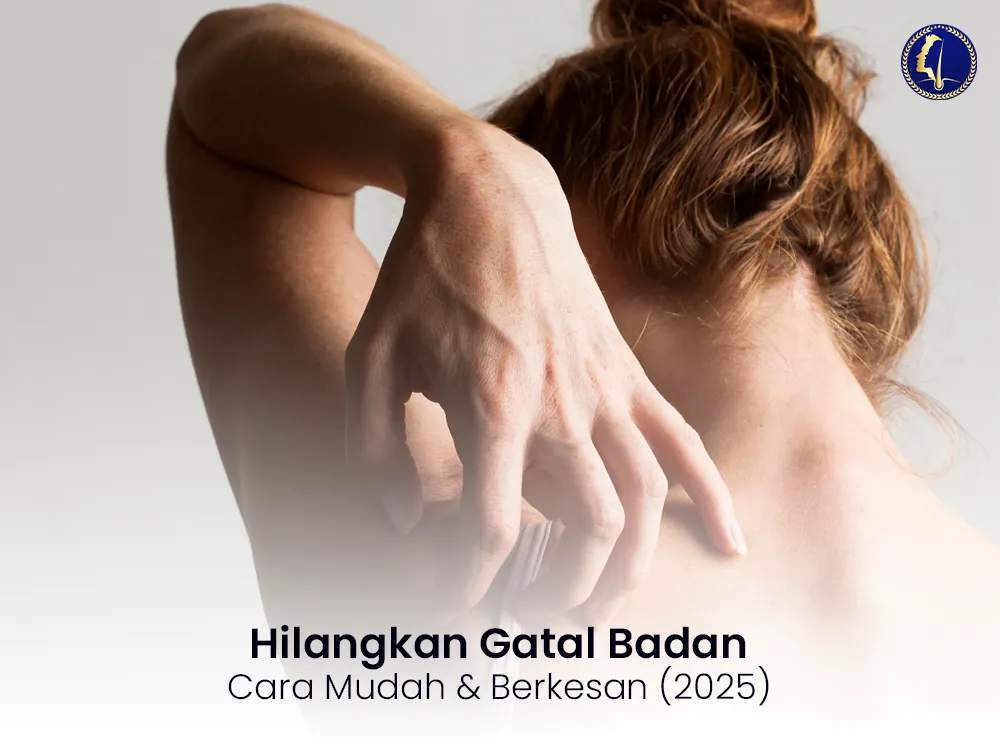
Gatal badan (pruritus) adalah sensasi neurologi kompleks yang mencetuskan refleks menggaru akibat stimulasi pada serat saraf C di lapisan kulit. Secara klinikal, ia merupakan manifestasi tindak balas keradangan terhadap alergen, gangguan mekanikal pada lapisan pelindung lipid kulit, atau simptom sistemik yang melibatkan pengumpulan sisa metabolik dalam aliran darah. Apakah Itu Gatal Badan Maksud dan Simptom Utama Gatal badan atau pruritus berfungsi sebagai sistem amaran biologi yang memberitahu otak bahawa terdapat gangguan pada integriti kulit atau kehadiran bahan kimia berbahaya. Simptom fizikal sering melibatkan kemerahan (eritema), pembentukan bintil (papul), atau tekstur kulit yang kasar dan menebal (likenifikasi) akibat garuan kronik. Pesakit mungkin mengalami “gatal nokturnal” di mana intensiti kegatalan meningkat pada waktu malam disebabkan oleh perubahan suhu badan dan ritma sirkadian hormon kortisol. Berdasarkan piawaian Kementerian Kesihatan Malaysia (KKM), kegatalan yang disertai dengan penurunan berat badan drastik atau keletihan melampau memerlukan ujian darah menyeluruh untuk menolak kemungkinan penyakit kulit kronik. Punca Gatal Badan Alahan (Makanan, Habuk, Produk) Tindak balas hipersensitiviti Jenis I berlaku apabila antibodi IgE bertindak balas dengan alergen, menyebabkan sel mast membebaskan histamin ke dalam tisu kulit. Bahan kimia seperti paraphenylenediamine (PPD) dalam pewarna rambut atau nikel dalam aksesori logam adalah pencetus utama dermatitis sentuh alergik di Malaysia. Pendedahan kepada spora kulat di kawasan lembap atau debunga juga boleh menyebabkan rinitis yang disertai dengan kegatalan kulit yang meluas. Masalah Kulit (Ekzema, Kulat, Psoriasis) Ekzema Atopik: Berpunca daripada mutasi protein filaggrin yang menyebabkan kulit gagal mengekalkan kelembapan, menjadikannya terdedah kepada iritasi luar. Jangkitan Kulat (Tinea): Enzim keratinase yang dihasilkan oleh kulat mencerna keratin kulit, menyebabkan keradangan berbentuk bulat yang sangat gatal dan berjangkit. Psoriasis: Gangguan autoimun di mana kitaran sel kulit dipercepatkan daripada 28 hari kepada hanya 3–5 hari, mewujudkan plak tebal yang meradang. Gigitan Serangga Di kawasan tropika, gigitan nyamuk Aedes atau Anopheles meninggalkan protein asing yang mencetuskan tindak balas imun setempat yang gatal. Infestasi kutu katil (Cimex lectularius) sering ditandai dengan corak gigitan “sarapan, makan tengah hari, dan makan malam” (tiga bintat selari) pada kulit. Peluh dan Cuaca Panas Miliaria Rubra berlaku apabila saluran peluh tersumbat di bawah epidermis, menyebabkan peluh meresap ke tisu sekeliling dan mencetuskan rasa “miang” yang tajam. Kelembapan tinggi di Malaysia memburukkan lagi keadaan Intertrigo, iaitu keradangan pada lipatan kulit akibat geseran dan pembiakan mikroorganisma. Penyakit Dalaman (Hati, Buah Pinggang, Diabetes) Penyakit Hati: Kegagalan pengaliran hempedu (kolestasis) menyebabkan asid hempedu terkumpul dalam saraf kulit, mencetuskan gatal yang biasanya bermula pada tapak tangan dan kaki. Penyakit Buah Pinggang Kronik: Ketidakseimbangan kalsium dan fosfat dalam darah (hiperfosfatemia) sering menyebabkan kegatalan uremik yang sangat sukar dirawat. Gangguan Tiroid: Hormon tiroid yang tidak stabil menjejaskan kelenjar peluh dan sebum, mengakibatkan kulit menjadi terlalu kering dan gatal. Cara Hilangkan Gatal Badan Dengan Cepat Rawatan di Rumah Aplikasi mampatan sejuk (cold compress) berfungsi mengganggu transmisi isyarat gatal ke otak melalui mekanisme “gate control theory”. Penggunaan pelembap jenis oklusif seperti petroleum jelly sangat efektif untuk menutup rekahan kulit dan menghalang kehilangan air transepidermal (TEWL). Mandian menggunakan air suhu bilik adalah kritikal; air panas akan melarutkan minyak semulajadi kulit dan memburukkan lagi kitaran gatal-garu (itch-scratch cycle). Ubat Farmasi (Antihistamin, Krim Anti-Gatal) Antihistamin generasi kedua (contoh: Fexofenadine) lebih disyorkan kerana mempunyai profil keselamatan yang tinggi dan tidak menjejaskan fungsi kognitif. Krim Crotamiton bukan sahaja melegakan gatal tetapi juga mempunyai sifat scabicidal untuk merawat masalah kutu kudis (scabies). Sediaan topikal berasaskan urea 5-10% membantu melembutkan kulit keras dan membolehkan bahan aktif lain meresap dengan lebih efektif. Bila Perlu Jumpa Doktor Sekiranya gatal mengganggu fungsi harian atau menyebabkan komplikasi psikologi seperti keresahan (anxiety) dan insomnia. Wujudnya tanda-tanda jangkitan sekunder seperti Impetigo (kerak berwarna madu) akibat bakteria Staphylococcus aureus yang masuk melalui luka garuan. Semak garis panduan World Health Organization (WHO) mengenai pengurusan penyakit kulit tropika jika gatal disertai dengan luka yang tidak sembuh. Ubat Gatal Badan di Malaysia Kategori Ubat Mekanisme Tindakan Tahap Keberkesanan Kortikosteroid Topikal Mengurangkan aktiviti sistem imun setempat Sangat Tinggi (Untuk jangka pendek) Antihistamin Oral Menyekat reseptor H1 histamin Tinggi (Untuk kes alahan) Calneurin Inhibitors Alternatif steroid untuk kawasan kulit nipis Sederhana-Tinggi Emolien (Pelembap) Memulihkan fungsi benteng kulit Asas (Wajib untuk semua kes) Krim dan Losyen Pilih produk yang mengandungi Menthol 1% untuk memberikan kesan analgesik ringan dan sensasi dingin segera. Bagi penghidap ekzema, krim yang diperkaya dengan Ceramide adalah piawaian emas untuk memulihkan struktur lipid kulit yang hilang. Ubat Makan Ubat penenang (sedative antihistamines) seperti Chlorpheniramine kadang-kadang diberikan pada waktu malam untuk membantu pesakit tidur tanpa menggaru secara tidak sedar. Dalam diagnosis pruritus neuropatik, doktor mungkin mempreskripsikan ubat seperti Gabapentin untuk menstabilkan isyarat saraf yang abnormal. Produk Semula Jadi Madu Manuka mempunyai aktiviti antibakteria tinggi yang membantu penyembuhan luka garuan dan mengurangkan keradangan. Minyak pokok teh (tea tree oil) boleh digunakan secara cair sebagai antiseptik semulajadi untuk melawan jangkitan kulat ringan. Pencegahan Gatal Badan Penjagaan Kulit Harian Amalkan teknik “Soak and Smear” — sapu pelembap pada kulit yang masih lembap selepas mandi untuk kesan hidrasi maksimum. Gunakan pembersih sintetik (syndet) berbanding sabun buku tradisional yang mempunyai alkali tinggi yang boleh merosakkan pH asid kulit. Elak Punca Gatal Gunakan penapis udara (HEPA filter) di dalam rumah untuk mengurangkan beban alergen persekitaran seperti debu dan bulu haiwan. Pantau diet harian menggunakan diari makanan untuk mengenalpasti hubung kait antara pemakanan dan serangan gatal. Pemilihan Produk Sesuai Semak senarai ramuan di EWG Skin Deep Database untuk memastikan produk kecantikan anda bebas daripada bahan kimia toksik. Utamakan pakaian yang dilabel “Oeko-Tex Standard 100” yang menjamin fabrik bebas daripada bahan kimia berbahaya yang mencetuskan dermatitis. Soalan Lazim (PAA) Kenapa gatal badan berlaku tanpa ruam? Ia sering berpunca daripada gangguan sistemik seperti anemia kekurangan zat besi, kegagalan buah pinggang, atau kesan sampingan ubat-ubatan tertentu (seperti ubat darah tinggi jenis ACE inhibitors). Berapa lama gatal badan sembuh? Gatal akut biasanya reda dalam 48 jam selepas punca dihilangkan, manakala gatal kronik memerlukan pengurusan jangka panjang antara 3 hingga 6 bulan bergantung kepada respon terhadap terapi. Bila gatal badan perlu rawatan lanjut? Segera dapatkan bantuan jika gatal disertai dengan tanda systemic inflammatory response syndrome (SIRS) seperti demam tinggi, menggigil, atau kekeliruan mental. Adakah mandi air garam boleh hilangkan gatal? Garam
Apakah Perbezaan Jeragat dan Pigmentasi Untuk Masalah Kulit Anda
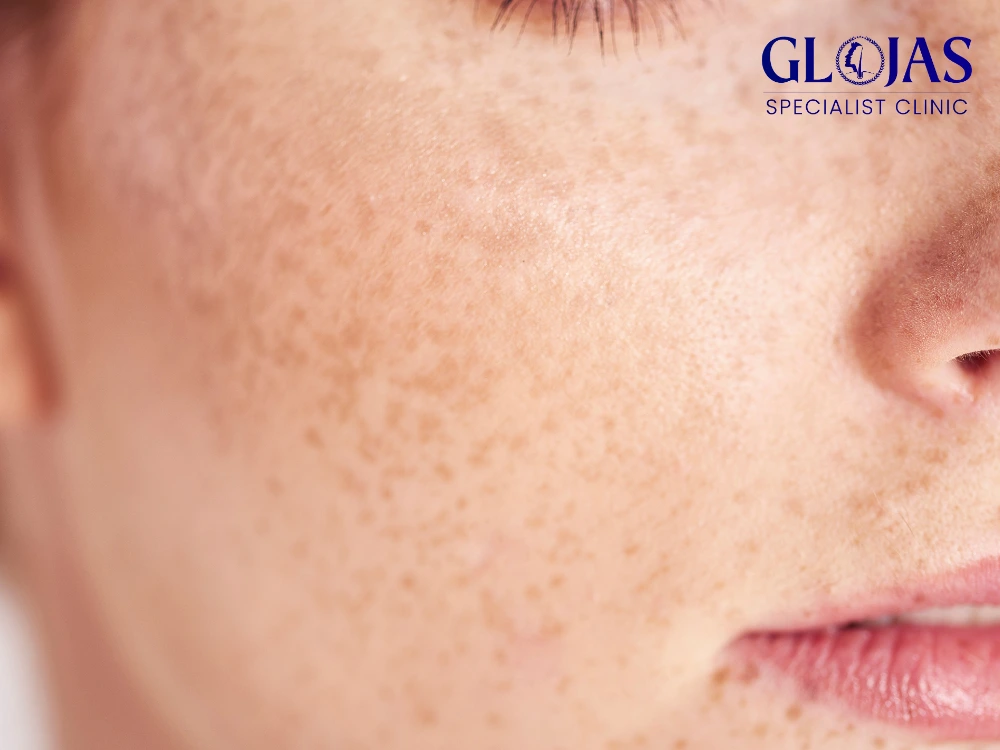
Masalah kulit seperti jeragat dan pigmentasi sering kali membuatkan ramai orang keliru. Meskipun kedua-duanya melibatkan perubahan warna pada kulit, terdapat perbezaan jeragat dan pigmentasi yang penting untuk diketahui. Dalam artikel ini, kita akan membincangkan secara mendalam tentang apa itu jeragat dan pigmentasi, bagaimana ia terbentuk, serta cara membedakan kedua-duanya. Memahami perbezaan ini tidak hanya penting untuk pengetahuan, tetapi juga bagi mereka yang ingin menjaga kecantikan dan kesihatan kulit mereka. Apa Itu Jeragat? Jeragat, atau dalam istilah perubatan dikenali sebagai “lentigo,” adalah bintik-bintik gelap yang muncul pada kulit akibat pendedahan kepada sinar UV. Jeragat biasanya muncul di kawasan yang sering terdedah kepada matahari seperti wajah, tangan, dan bahagian atas lengan. Mereka sering muncul pada orang dewasa dan lebih ketara pada mereka yang mempunyai kulit yang lebih cerah. Jeragat adalah satu bentuk pigmentasi yang berlaku apabila melanin dihasilkan secara berlebihan di kawasan tertentu pada kulit. Melanin adalah pigmen yang memberikan warna kepada kulit, rambut, dan mata. Jeragat biasanya muncul sebagai bintik tunggal atau beberapa bintik di kawasan tertentu dan cenderung untuk tidak berkembang atau berubah saiz dengan cepat. Ciri-Ciri Jeragat Warna: Jeragat berwarna coklat gelap hingga hitam. Saiz: Saiznya bervariasi dari beberapa milimeter hingga beberapa sentimeter. Kawasan: Terutama muncul di kawasan yang terdedah kepada sinar matahari. Kestabilan: Jeragat biasanya tidak berkembang atau berubah saiz dengan cepat. Apa Itu Pigmentasi? Pigmentasi merujuk kepada perubahan warna kulit yang lebih umum dan boleh berlaku di mana-mana bahagian badan. Pigmentasi berlaku apabila terdapat pengeluaran melanin yang berlebihan atau kekurangan dalam kulit. Terdapat beberapa jenis pigmentasi, termasuk melasma, bintik penuaan, dan bintik matahari. Setiap jenis pigmentasi mempunyai ciri dan penyebab yang berbeza. Ciri-Ciri Pigmentasi Warna: Pigmentasi boleh berbeza-beza dari coklat muda hingga hitam, serta warna lain bergantung kepada jenis dan penyebabnya. Saiz dan Bentuk: Pigmentasi boleh muncul dalam pelbagai saiz dan bentuk; ia mungkin juga tidak teratur. Kawasan: Pigmentasi boleh muncul di mana-mana bahagian badan, termasuk wajah, leher, dan lengan. Kestabilan: Pigmentasi boleh berubah dengan cepat, terutamanya jika disebabkan oleh faktor hormon atau perubatan. Perbezaan Jeragat dan Pigmentasi Untuk memahami perbezaan jeragat dan pigmentasi, kita perlu melihat beberapa aspek penting yang membezakan kedua-duanya: 1. Penyebab Jeragat: Jeragat adalah hasil daripada pendedahan berlebihan kepada sinar UV. Ia merupakan respon kulit terhadap kerosakan UV dan lebih ketara pada individu yang mempunyai sejarah pendedahan matahari yang tinggi. Selain itu, faktor genetik juga boleh mempengaruhi kebolehan kulit untuk menghasilkan melanin. Pigmentasi: Pigmentasi boleh disebabkan oleh pelbagai faktor, termasuk perubahan hormon (seperti melasma yang sering berlaku semasa kehamilan), genetik, atau keadaan perubatan tertentu. Oleh itu, penyebab pigmentasi lebih pelbagai berbanding jeragat. Sebagai contoh, pigmentasi juga boleh terjadi akibat pengambilan ubat tertentu, penyakit hati, atau bahkan tekanan. 2. Jenis dan Bentuk Jeragat: Jeragat biasanya mempunyai bentuk yang lebih bulat dan berukuran tetap. Ia sering muncul sebagai bintik tunggal atau beberapa bintik di kawasan tertentu. Bentuk jeragat yang jelas membuatnya mudah dikenali. Pigmentasi: Pigmentasi boleh muncul dalam pelbagai bentuk dan boleh tersebar lebih luas. Ia mungkin tidak teratur dan boleh terdiri daripada bintik-bintik kecil hingga kawasan yang lebih besar. Pigmentasi juga boleh berbentuk tompok yang tidak sekata dan lebih sukar untuk dikenali. 3. Keterukan dan Kesan Jeragat: Jeragat cenderung untuk tidak menjejaskan kesihatan kulit secara keseluruhan, tetapi ia boleh memberi kesan kepada penampilan seseorang. Bagi mereka yang bimbang tentang penampilan, jeragat mungkin menurunkan keyakinan diri. Walaupun jeragat tidak berbahaya, kehadirannya dapat memberikan kesan penuaan pada wajah. Pigmentasi: Pigmentasi boleh menjadi tanda masalah kulit yang lebih serius. Dalam beberapa kes, ia mungkin menunjukkan perubahan yang berkaitan dengan penyakit atau kondisi lain yang perlu diteliti. Misalnya, jika pigmentasi muncul secara tiba-tiba dan tidak dapat dijelaskan, ia mungkin memerlukan perhatian perubatan untuk memastikan tiada masalah lain yang lebih serius. 4. Rawatan dan Penjagaan Jeragat: Rawatan untuk jeragat termasuk krim pemutih kulit, rawatan laser, dan pelindung matahari. Krim yang mengandungi hidrokuinon atau asid glycolic sering digunakan untuk mencerahkan jeragat. Rawatan ini bertujuan untuk mengurangkan penampilan jeragat dan mencegah kemunculan baru. Penggunaan pelindung matahari juga sangat penting untuk melindungi kulit daripada pendedahan UV yang berterusan. Pigmentasi: Rawatan untuk pigmentasi lebih pelbagai. Ia termasuk penggunaan produk penjagaan kulit yang mengandungi bahan seperti asid glycolic, retinoids, dan rawatan laser yang berfokus pada pengeluaran melanin. Dalam kes tertentu, pengubahsuaian gaya hidup seperti diet yang sihat dan pengambilan air yang mencukupi juga boleh membantu. Sebagai contoh, makanan yang kaya dengan antioksidan boleh membantu melindungi kulit dari kerosakan. Bagaimana Mengurus Jeragat dan Pigmentasi Penghindaran Pelindung Matahari: Salah satu cara paling berkesan untuk menghindari jeragat adalah dengan menggunakan pelindung matahari. Sinar UV adalah punca utama jeragat, jadi melindungi kulit dari sinar matahari sangat penting. Pastikan untuk menggunakan pelindung matahari dengan SPF 30 atau lebih tinggi, walaupun pada hari mendung. Pakaian Pelindung: Mengenakan pakaian pelindung seperti topi lebar dan pakaian lengan panjang dapat membantu mengurangkan pendedahan kepada sinar matahari. Ini adalah langkah pencegahan yang mudah tetapi sangat berkesan. Penjagaan Kulit Menggunakan Produk Anti-Pigmentasi: Produk yang mengandungi bahan aktif seperti vitamin C, asid kojic, atau arbutin dapat membantu mencerahkan kulit dan mengurangkan pigmentasi. Bahan-bahan ini bekerja dengan menghalang pengeluaran melanin, yang dapat membantu mengurangkan penampilan bintik-bintik gelap. Rawatan Dermatologi: Untuk kes yang lebih serius, berbincang dengan pakar dermatologi mengenai rawatan laser atau terapi lain yang sesuai untuk jeragat dan pigmentasi. Rawatan laser seperti laser CO2 atau laser Erbium YAG dapat memberikan hasil yang cepat dan berkesan. Pemeriksaan Berkala: Melakukan pemeriksaan kulit secara berkala untuk mengenal pasti sebarang perubahan pada kulit. Ini penting untuk memastikan sebarang masalah kulit dapat dikesan dan dirawat seawal mungkin. Pemeriksaan ini juga membantu mengenali jenis jeragat atau pigmentasi yang mungkin memerlukan rawatan lanjut. Gaya Hidup Sihat Pemakanan: Mengamalkan diet seimbang yang kaya dengan buah-buahan dan sayur-sayuran dapat membantu mengekalkan kesihatan kulit. Makanan yang kaya dengan vitamin C, vitamin E, dan omega-3 adalah pilihan yang baik untuk kulit yang sihat. Hidrasi: Pastikan anda sentiasa terhidrasi dengan minum air yang mencukupi. Kulit yang terhidrasi dengan baik akan kelihatan lebih sihat dan berseri. Dehidrasi boleh menyebabkan kulit kelihatan kusam dan memperburuk masalah pigmentasi. Menghindari Tekanan: Tekanan yang berlebihan dapat mempengaruhi kesihatan kulit. Mengamalkan teknik pengurangan tekanan seperti meditasi, yoga, atau senaman dapat membantu mengekalkan keseimbangan
How to Reduce Wrinkles on Face: Causes, Prevention & Best Treatments
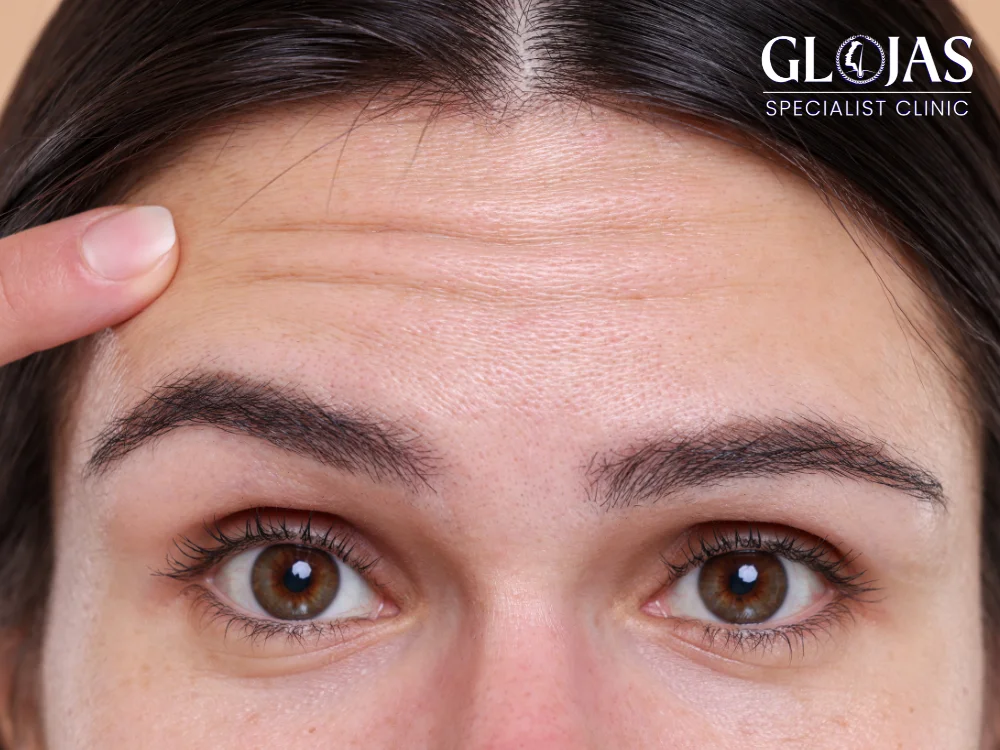
To effectively reduce wrinkles on face, combine a preventative skincare routine with targeted treatments. Use daily broad-spectrum SPF to block UV damage, and apply a retinoid at night to boost collagen production. For visible lines, active ingredients like peptides and hyaluronic acid offer at-home smoothing, while professional treatments like Botox, fillers, and lasers target deeper, structural wrinkles. What Causes Wrinkles on Your Face? Our skin goes through complex structural changes over time. Wrinkles aren’t just surface lines; they are the result of cellular shifts happening beneath the skin. Sun Exposure and UV Damage Unprotected exposure to ultraviolet (UV) radiation is responsible for up to 80% of visible facial aging. UV rays penetrate deep into the dermis (the thick inner layer of skin), where they actively break down the supportive scaffolding of your skin. This causes premature folding, deep crevices, and a leathery texture often referred to as photoaging. Natural Aging and Collagen Loss As we grow older, our bodies naturally slow down the production of key structural elements: Collagen: The protein responsible for skin firmness. Starting in our mid-20s, we lose roughly 1% of our collagen supply every year. Elastin: The protein that allows skin to snap back into place. Subcutaneous Fat: A reduced subcutaneous fat volume causes the skin to lose its youthful plumpness, leading to sagging skin, hollow under-eye wrinkles, and pronounced smile lines. Lifestyle Factors: Sleep, Diet, and Smoking Your daily habits leave a literal footprint on your skin. Smoking: Nicotine constricts blood vessels, choking off the oxygen and vital nutrients your epidermis needs to repair itself. Sleep Position: Consistently pressing your face into a cotton pillowcase can create mechanical compression lines, commonly resulting in asymmetrical forehead lines and crow’s feet over time. Diet: High-sugar diets can trigger glycation, a process where sugar molecules bind to collagen fibers, causing them to become stiff, brittle, and fragile. How to Prevent Wrinkles Before They Start An ounce of prevention is worth a pound of cure, especially when it comes to maintaining skin elasticity. Daily SPF: The #1 Anti-Wrinkle Habit If you aren’t wearing sunscreen daily, even expensive anti-aging skincare products won’t save your skin. Apply a broad-spectrum SPF 30 or higher every single morning, rain or shine. Sunscreen acts as a shield, preventing UV rays from degrading your existing collagen reserves. Skincare Ingredients That Protect Skin To prevent free radical damage from pollution and sunlight, look for topical antioxidants. A morning application of a Vitamin C serum neutralizes environmental stressors, brightens dark spots, and acts as a powerful wingman to your daily SPF. Lifestyle Changes for Younger-Looking Skin Simple everyday adjustments can significantly protect your skin structure: Sleep on your back: Switch to a silk or satin pillowcase to minimize friction and prevent sleep creases on the face. Hydrate from within: Drink plenty of water and eat an antioxidant-rich diet full of leafy greens, berries, and healthy fats (like Omega-3s) to support cellular repair. Best At-Home Treatments to Reduce Face Wrinkles You do not need surgery to see a noticeable reduction in fine lines. High-quality drugstore and prescription formulas can yield impressive before and after results. Dermatologist-Recommended Anti-Wrinkle Creams When choosing over-the-counter anti-aging products, turn to formulas backed by clinical trials rather than marketing hype. A dermatologist-approved routine balances active cell-turnover ingredients with deep, skin-barrier-repairing hydration. Retinol, Peptides, and Hyaluronic Acid: What Works Understanding how these active ingredients function helps you select the best night cream or serum for your specific skin concerns: Ingredient Primary Function Best For Retinol / Retinoids Speeds up cell turnover; stimulates brand new collagen growth. Forehead lines, crow’s feet, and texturized skin. Peptides Chains of amino acids that signal the skin to produce more protein/collagen. Loss of firmness, sagging skin, and thin skin textures. Hyaluronic Acid A humectant that pulls moisture into the skin, plumping it out instantly. Temporary plumping of fine lines, under-eye wrinkles, and dehydration. Natural Remedies and Face Exercises for Wrinkles Many people ask if you can reverse wrinkles naturally through facial exercises or face yoga. While toning your facial muscles might slightly lift the appearance of cheeks, dynamic exercises can actually deepen expression lines like smile lines and forehead furrows through repetitive creasing. Instead of heavy facial contortions, consider using non-invasive wrinkle patches overnight to physically prevent dynamic muscle movement, or utilize microcurrent tools and LED masks to safely stimulate cellular activity at home. Professional Wrinkle Treatments: Options and Costs For deep wrinkles, severe sun damage, or fast results, in-office cosmetic procedures by Ministry of Health (MOH) licensed aesthetic clinics offer structural corrections that over-the-counter creams simply cannot match. Botox vs Dermal Fillers: Differences and Results These two popular injectables treat entirely different types of lines: Botox (Neuromodulators): Relaxes the underlying dynamic muscles that cause wrinkles when you express yourself. It is the gold standard for reducing active forehead lines, dynamic frown lines, and crow’s feet. Average Cost in Malaysia: RM500 – RM2,000 per session (or RM35 – RM60 per unit). Dermal Fillers: Gel-like substances (often made of hyaluronic acid) injected beneath the skin to replace lost volume. Fillers are best used to plump deep, static lines like permanent smile lines (nasocial folds) and sagging jawlines. Average Cost in Malaysia: RM1,000 – RM3,000 per syringe. Laser Resurfacing and Chemical Peels for Deep Wrinkles Laser Resurfacing: Uses targeted beams of light (such as Fractional CO2 or Pico lasers) to clear away damaged outer skin layers layer-by-layer, forcing the body to grow flawless, tightly packed collagen fibers. Average Cost in Malaysia: RM600 – RM2,500 per session. Chemical Peels: Highly concentrated skin-safe acids exfoliate the dead epidermis away to reveal smoother, freshly generated skin beneath. Excellent for addressing surface-level sun damage and fine lines. Average Cost in Malaysia: RM200 – RM800. Microneedling and Other In-Office Procedures Microneedling creates thousands of controlled, invisible micro-punctures in the skin surface. This triggers the body’s natural healing cascade, flooding the face with fresh collagen and elastin. It is highly effective for overall skin tightening and mitigating crinkly under-eye skin. Average Cost in Malaysia: RM450 – RM1,200
Chicken Pox Scars: 7 Effective Methods for Powerful Treatment
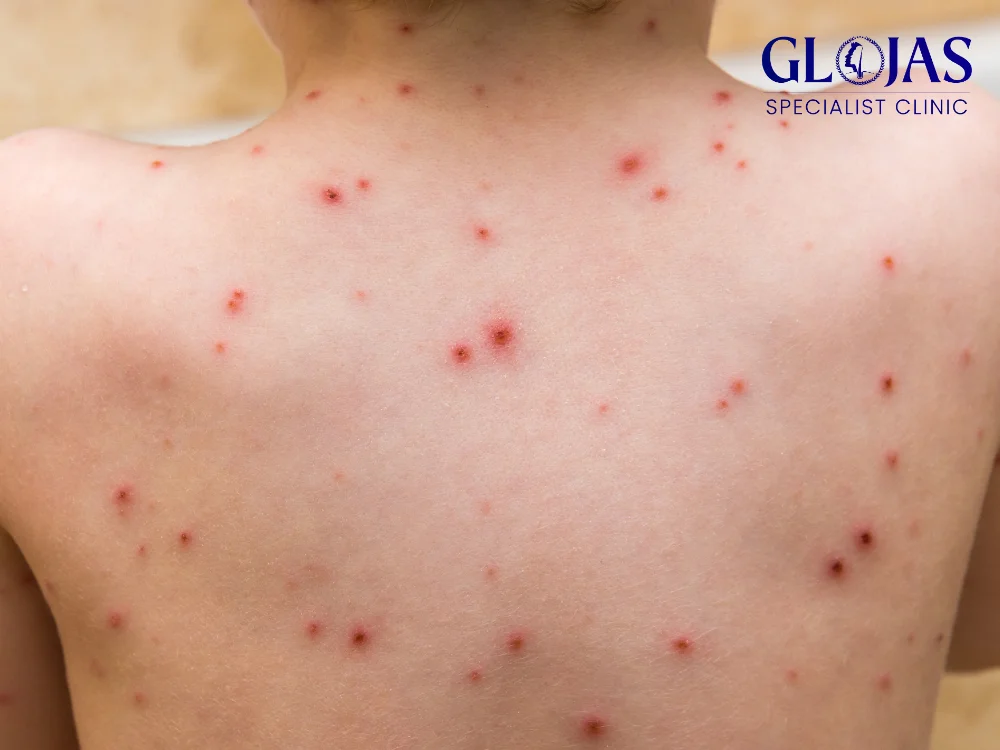
Find Your Best Chicken Pox Scar Treatment Click your scar type below to reveal the most effective method: Deep / Pitted Scars Dark Spots / Marks Raised / Thick Scars Recommended: Fractional Laser or Subcision Deep, pitted (atrophic) chicken pox scars damage collagen underneath. Laser resurfacing or micro-needling stimulates fresh collagen production to smooth out the skin texture effectively. Consult via WhatsApp (+60122700122) Recommended: Chemical Peels & Topical Retinoids If your scars are flat but leave dark brown or red patches (Post-Inflammatory Hyperpigmentation), chemical peels and medical-grade brightening topicals speed up cell turnover to clear the pigment fast. Consult via WhatsApp (+60122700122) Recommended: Silicone Gel Sheets or Steroid Injections Raised or hypertrophic chicken pox scars need treatments that flatten excess tissue. Silicone sheeting or targeted corticosteroid injections help soften and flatten the scar over a few weeks. Consult via WhatsApp (+60122700122) Chicken pox is a common viral illness that often leaves behind scars as a lasting reminder of the condition. These scars, though harmless, can cause distress and affect one’s confidence. The good news is that there are numerous ways to treat and minimize chicken pox scars effectively, ranging from natural remedies to advanced dermatological treatments. In this article, we’ll explore proven methods to tackle chicken pox scars, helping you regain smooth, scar-free skin. What Are Chicken Pox Scars? Chicken pox scars are the result of the healing process following the itchy, blister-like rash caused by the varicella-zoster virus. Chickenpox, a highly contagious viral infection, is often associated with a characteristic itchy, blister-like rash. While the infection typically resolves on its own, it can leave behind noticeable scars, particularly if the blisters are scratched or picked. These scars, often referred to as chickenpox scars, can vary in appearance, ranging from small, indented marks to raised, pigmented areas on the skin. The severity of chickenpox scarring can depend on several factors, including the individual’s skin type, the extent of the rash, and the level of scratching or picking during the infection. Understanding the underlying causes of chickenpox scars is crucial in developing effective treatment strategies to minimize their appearance and restore skin health. Understanding the Types of Chicken Pox Scars Chicken pox scars can be categorized into different types, each requiring specific treatment approaches: Atrophic Scars: Sunken scars that form due to loss of tissue during healing. Often appear as small pits or depressions in the skin. Pigmented Scars: These are darker or lighter patches caused by excessive melanin production or loss. Understanding the type of scar is crucial in choosing the most effective treatment method. 7 Proven Methods to Treat Chicken Pox Scars 1. Topical Treatments Topical creams and gels are the most accessible options for treating chicken pox scars. Look for products containing: Vitamin E: Promotes skin regeneration and improves elasticity. Silicone Gel Sheets: Help flatten scars and reduce redness over time. Retinoids: Stimulate collagen production, improving the appearance of atrophic scars. 2. Natural Remedies Nature offers several effective solutions for chicken pox scars: Aloe Vera Gel: Hydrates and soothes the skin while reducing scar visibility. Honey: Acts as a natural moisturizer and helps in scar healing. Lemon Juice: Its natural bleaching properties lighten pigmented scars but should be used sparingly to avoid irritation. 3. Chemical Peels Chemical peels are popular in dermatology for resurfacing the skin and reducing scar visibility. These treatments involve applying a chemical solution to the skin, which causes it to exfoliate and reveal smoother layers underneath. Common types include: Glycolic Acid Peels: Effective for mild scars. Trichloroacetic Acid (TCA) Peels: Better suited for deeper scars. 4. Microdermabrasion Microdermabrasion gently removes the outer layer of dead skin cells, promoting new skin growth. This technique is non-invasive and can significantly reduce the appearance of shallow chicken pox scars. 5. Microneedling Microneedling involves creating tiny punctures in the skin using a fine-needle roller or pen. This stimulates the body’s natural healing process, boosting collagen and elastin production. Over time, this leads to a noticeable reduction in scar depth and improves skin texture. 6. Laser Therapy Laser treatments are among the most advanced options for chicken pox scars. These procedures use focused light beams to target scarred tissue, stimulating new skin growth. Common laser treatments include: Fractional Laser Resurfacing: Targets only scarred areas, leaving surrounding skin untouched. Ablative Lasers: Remove the top skin layers, promoting smoother skin. 7. Surgical Options For severe chicken pox scars, surgical options like punch excision or subcision may be considered. These involve removing or breaking down scar tissue to allow smoother skin regeneration. Consult a dermatologist to determine if surgery is the right choice for you. Lifestyle Tips to Prevent Chicken Pox Scars Prevention is always better than cure. If you or a loved one is dealing with chicken pox, consider these tips to reduce the risk of scarring: Avoid Scratching: Keep fingernails trimmed and wear gloves to minimize scratching. Moisturize Regularly: Hydrate the skin to promote faster healing. Use Sunscreen: Protect healing skin from UV rays, which can darken scars. How Long Does It Take to See Results? The time it takes to see noticeable improvements in chicken pox scars depends on the treatment method: Topical Treatments: Results may take several months of consistent use. Chemical Peels and Microdermabrasion: Improvements are visible after a few sessions. Laser Therapy: Results can be seen within weeks, though multiple sessions may be needed. When to Consult a Dermatologist If over-the-counter treatments and home remedies aren’t delivering results, it’s wise to consult a dermatologist. Professional advice can help you choose advanced treatments tailored to your skin type and scar severity. FAQs About Chicken Pox Scars Can chicken pox scars be completely removed?While it’s challenging to completely erase scars, treatments can significantly minimize their appearance. Advanced options like laser therapy offer the best results. Are chicken pox scars permanent?Without treatment, some chicken pox scars can be permanent. However, consistent care and dermatological treatments can reduce their visibility. Do natural remedies work for chicken pox scars?Natural remedies like aloe vera and honey can help improve minor scars,
Marionette Lines: Causes, Treatments & How to Reduce Them in Malaysia
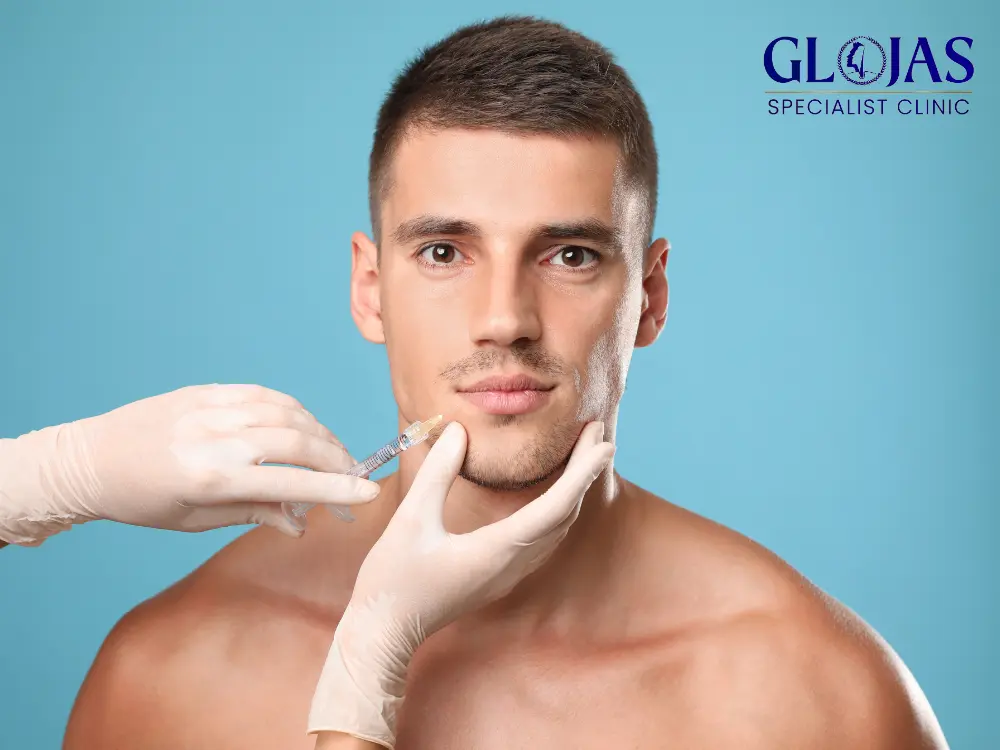
Marionette lines are vertical wrinkles that extend from the corners of the mouth down toward the chin, often creating a downturned or “sad” facial expression. These folds occur due to a combination of natural ageing, volume loss in the mid-face, and the gradual breakdown of collagen and elastin fibers within the skin. What Are Marionette Lines? Definition and Appearance Think of these as the “puppet lines” that frame your chin; they get their name because they resemble the jaw slits on a traditional marionette doll. They typically start as fine lines but can progress into deep folds that make the lower face look heavy or sagging. In Malaysia’s tropical climate, premature photoageing from UV exposure can often accelerate their appearance, making them visible even in your early 30s. Marionette Lines vs Nasolabial Folds While both are signs of ageing, nasolabial folds run from the nose to the corners of the mouth (smile lines). Marionette lines begin where the nasolabial folds end, continuing the journey down to the jawline. Treating one often helps the other, as both are usually caused by the same downward “drift” of facial fat pads. Causes of Marionette Lines Ageing and Collagen Loss As we age, our body’s natural production of collagen—the protein that keeps skin bouncy—slows down significantly after age 25. The dermal layer thins out, losing its “structural scaffolding,” which causes the skin around the mouth to deflate and crease. Volume Loss and Skin Laxity The fat pads in our cheeks provide a lifting effect; when these pads shrink or shift downward, the skin “bunches up” at the chin. In addition to fat loss, bone resorption in the jaw area reduces the support for the skin, leading to more pronounced folds. Facial Expressions and Lifestyle Factors Repetitive movements, like pursing your lips or frowning, etch these lines deeper into the skin over time. External factors like smoking and high sugar diets trigger glycation, which weakens skin fibers and speeds up the sagging process. Marionette Lines Treatment Options in Malaysia Dermal Fillers for Marionette Lines This is the “gold standard” for immediate results, using Hyaluronic Acid (HA) to plump the hollow areas. Brands like Juvederm and Restylane are widely used in Malaysian clinics to restore lost volume instantly. Thread Lift for Marionette Lines A thread lift uses dissolvable sutures to physically pull the sagging skin upward. It is a popular “lunchtime” procedure in KL because it offers a lifting effect without the downtime of surgery. HIFU Skin Tightening High-Intensity Focused Ultrasound (HIFU) uses heat energy to stimulate deep collagen production. It’s a non-invasive favorite for those who want to tighten the jawline and lift the lower face naturally. Collagen Stimulating Injections Treatments like Radiesse or Sculptra don’t just fill; they “bio-stimulate” your body to grow its own collagen. These offer the longest-lasting results, though they take a few months to fully manifest. Dermal Fillers for Marionette Lines Malaysia How Dermal Fillers Work Fillers act like a liquid cushion, filling the “trench” created by the wrinkle to level it with the surrounding skin. By adding volume to the “oral commissures” (the corners of the mouth), fillers also help turn a permanent frown into a neutral expression. Treatment Procedure The area is typically numbed with a topical cream for 15–20 minutes to ensure a comfortable experience. A skilled doctor then uses a fine needle or a blunt-tipped cannula to precisely place the filler into the deep dermis. Results and Duration You will see an immediate improvement right after the injection, though minor swelling is normal for 24–48 hours. Most HA fillers last between 6 to 12 months, depending on your metabolism and the specific product used. Side Effects and Safety Common side effects include mild bruising or redness at the injection site, which usually fades within a few days. In Malaysia, always ensure your practitioner is LCP certified (Letter of Credentialing and Privileging) by the Ministry of Health to avoid complications. Choosing the Best Treatment for Marionette Lines Comparison Table: Treatment Efficacy Treatment Best For Recovery Time Results Last Dermal Fillers Instant volume 1–2 days 6–12 months Thread Lift Significant sagging 3–5 days 1–2 years HIFU Mild laxity/Prevention None 6 months+ Biostimulators Long-term collagen 2 days 2 years+ Mild vs Severe Marionette Lines Mild lines are often treated with simple HA fillers or preventative skin-tightening like HIFU. Severe folds may require a “liquid facelift” approach, combining fillers in the cheeks (to lift) and the lines themselves (to fill). Suitable Candidates Anyone bothered by a “sad” facial expression or deep folds around the mouth is usually a good candidate. It is best to start treatment when lines are visible at rest, rather than waiting until they become permanent, deep creases. Marionette Lines Treatment Cost Malaysia Average Price Range The cost for dermal fillers in Malaysia generally ranges from RM1,500 to RM2,800 per syringe. Thread lifts are slightly higher, typically starting from RM2,500 to RM5,000 depending on the number of threads used. Factors Affecting Cost The brand of the product (European brands are often more expensive than Asian brands) plays a huge role in pricing. The expertise of the doctor and the location of the clinic (clinics in Bangsar or KLCC may charge a premium) also affect the total. Before and After Marionette Lines Treatment Expected Results Patients usually look more refreshed and “lifted,” with a smoother transition between the mouth and chin. The goal is a natural look—you should still look like yourself, just less tired and more rejuvenated. Aftercare and Maintenance Avoid strenuous exercise, saunas, and direct sun exposure for at least 24 hours after your procedure. Applying a broad-spectrum SPF 50+ daily is crucial to protect the new collagen and prolong your results. FAQ About Marionette Lines Treatment What is the best treatment for marionette lines? For most people, dermal fillers are the best starting point because they provide instant correction with minimal downtime. However, combining fillers with a thread lift or HIFU often yields the most natural, long-term results for older patients. How long do
7 Powerful Dull Skin Treatment That Will Transform Your Complexion
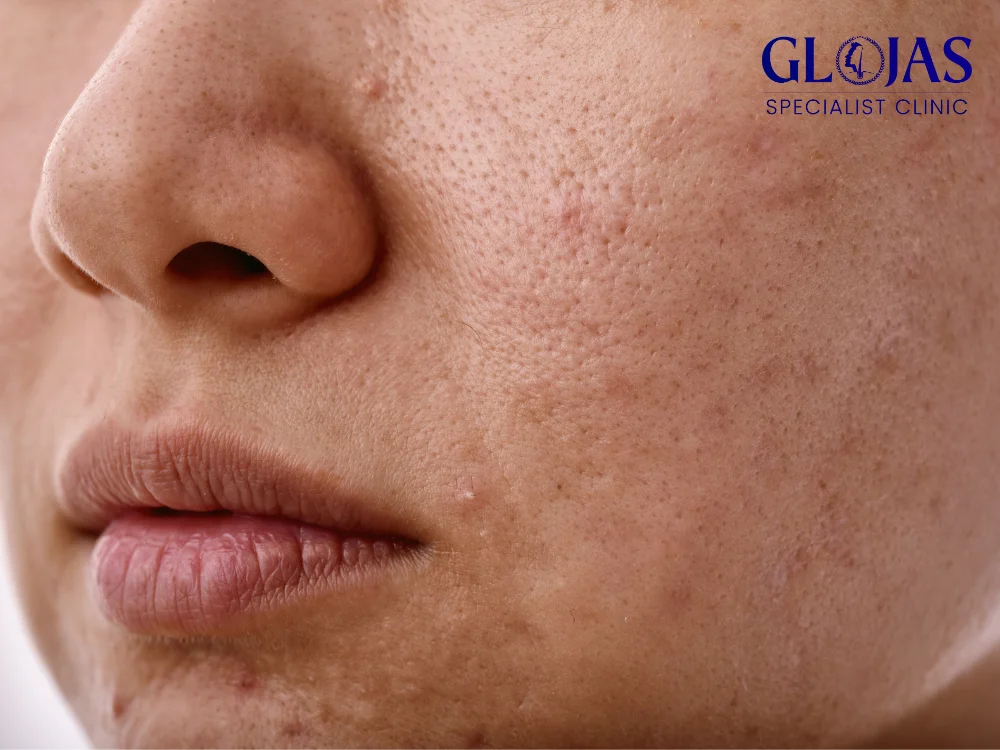
Transform Your Complexion Select your primary skin goal below to reveal our signature dull skin treatment: 1. Gentle Exfoliation 2. Hydration Infusion 3. Brightening Boost Enzymatic Micro-Peel Removes dead surface buildup instantly without irritation, revealing fresh, glowing skin underneath. Multi-Depth Hyaluronic Hydration Drenches parched skin cells with deep moisture to plump up texture and eliminate that dull, tired look. Vitamin C & Antioxidant Infusion Neutralizes environmental stressors and fades stubborn micro-pigmentation for an even, luminous glow. Chat on WhatsApp (+60 12-270 0122) If you’ve been struggling with a lackluster, tired complexion, you’re not alone. Dull skin is a common concern that many people face due to factors like environmental damage, poor skincare habits, stress, or even aging. But the good news is, there are numerous effective dull skin treatments that can rejuvenate your skin, bringing back its natural glow. In this article, we’ll explore proven methods to brighten dull skin and introduce you to the SOS Glutathione Supplement, a game-changer in skin health and radiance. What Causes Dull Skin? Before diving into treatments, it’s crucial to understand what causes dull skin. When your skin appears lifeless, it’s usually a result of external and internal factors, including: Dead Skin Cells: When dead skin cells build up on the surface, they can block light reflection, making your skin appear dull. Dehydration: Skin that is not properly hydrated lacks elasticity and can look tired and flaky. Environmental Damage: Pollution, UV radiation, and other environmental aggressors can strip the skin of its radiance. Aging: As we age, our skin naturally becomes thinner and less vibrant. Poor Diet: Lack of essential vitamins and minerals in your diet can lead to a dull complexion. Stress: Chronic stress impacts the skin’s ability to regenerate, making it appear tired and sallow. Understanding these causes can help you find the right dull skin treatment to target the root of the issue. 7 Effective Dull Skin Treatments 1. Exfoliation for Radiant Skin Exfoliation is one of the most effective ways to instantly brighten your skin. By removing the layer of dead skin cells, you allow new, healthy skin to come to the surface. There are two main types of exfoliation: Physical Exfoliation: This involves using a scrub or exfoliating tool to manually slough away dead skin cells. Chemical Exfoliation: Products containing alpha-hydroxy acids (AHAs) or beta-hydroxy acids (BHAs) dissolve the bonds holding dead skin cells together, allowing them to be easily removed. For optimal results, aim to exfoliate your skin 2-3 times a week as part of your dull skin treatment routine. Be careful not to over-exfoliate, as it can lead to irritation and damage. 2. Hydration: The Key to Glowing Skin Hydrating your skin, both from the inside and out, is essential for maintaining a radiant complexion. Skin that is properly hydrated looks plumper, smoother, and healthier. Drink Plenty of Water: Aim for at least 8 glasses of water a day to keep your skin hydrated from within. Use a Hyaluronic Acid Serum: Hyaluronic acid is a powerful humectant that attracts water to your skin, ensuring it stays hydrated throughout the day. Moisturizers: Using a quality moisturizer with hydrating ingredients like glycerin or ceramides will help lock in moisture. Keeping your skin hydrated is a simple but vital dull skin treatment that provides long-term benefits. 3. Vitamin C for Skin Brightening Vitamin C is one of the most effective ingredients for brightening the skin and combating dullness. It works by inhibiting melanin production and providing antioxidant protection, which helps to prevent further skin damage. Incorporating a vitamin C serum into your morning skincare routine can dramatically improve skin tone and texture. 4. Professional Chemical Peels If at-home exfoliation isn’t giving you the results you desire, you may want to consider professional chemical peels. These treatments use stronger concentrations of acids to deeply exfoliate the skin and remove layers of dull, damaged skin. Depending on your skin type and concerns, a dermatologist can recommend the right peel strength for you. A chemical peel can significantly enhance the effectiveness of other dull skin treatments by allowing better penetration of skincare products. 5. SOS Glutathione Supplement for Radiance One of the most exciting advancements in dull skin treatment is the SOS Glutathione Supplement. Glutathione is a powerful antioxidant that not only helps detoxify the body but also plays a crucial role in brightening the skin from the inside out. This supplement works by reducing oxidative stress in the skin, thereby lightening pigmentation and enhancing overall skin radiance. Glutathione also helps to even out skin tone, making it an ideal choice for those dealing with dull, uneven skin. For best results, take the supplement as recommended on the packaging and combine it with a healthy diet and proper skincare routine. 6. Facials and Microdermabrasion Facial treatments like microdermabrasion and hydrafacials are excellent for exfoliating and rejuvenating dull skin. These treatments use advanced techniques to remove the top layer of dead skin cells, promoting cell turnover and revealing brighter, healthier skin beneath. Regular facials can be an effective long-term dull skin treatment, as they also help to boost circulation and promote collagen production. 7. Protect Your Skin with Sunscreen While sunscreen might not seem like an obvious dull skin treatment, it plays a crucial role in maintaining a bright and youthful complexion. UV rays from the sun are one of the biggest contributors to dull skin, causing damage and hyperpigmentation over time. Make it a habit to apply a broad-spectrum sunscreen with at least SPF 30 every day, even on cloudy days, to protect your skin from further damage. How to Incorporate SOS Glutathione Supplement into Your Routine If you decide to try the SOS Glutathione Supplement as part of your dull skin treatment, it’s essential to incorporate it correctly into your daily routine for maximum results. Here’s how: Consistency is Key: Take the supplement daily as per the recommended dosage. Pair with Antioxidant-rich Foods: Enhance the effects of glutathione by consuming foods high in antioxidants, like berries, leafy greens, and nuts. Stay
Glowing Beauty Skincare: 7 Essential Steps to Radiant and Healthy Skin
Achieving glowing, radiant skin is a beauty goal for many, but it often requires more than just good genetics. A dedicated skincare routine, tailored to your specific needs, can significantly enhance your skin’s health and appearance. In this comprehensive guide, we’ll explore the key elements of a glowing beauty skincare regimen, focusing on the steps you need to take to achieve and maintain that coveted luminous complexion. Understanding the Importance of Glowing Beauty Skincare Glowing beauty skincare is not just about looking good; it’s about maintaining healthy skin. Healthy skin is more resilient, better at repairing itself, and less prone to issues like acne, dryness, and premature aging. A glowing complexion is often a sign of well-hydrated, well-nourished skin that’s free from toxins and damage. Benefits of Glowing Skin Boosted Confidence: When your skin glows, you feel more confident, and this can positively impact various aspects of your life. Signs of Health: Glowing skin is often an indicator of good internal health, reflecting a balanced diet, adequate hydration, and proper skincare. Youthful Appearance: A radiant complexion can make you look younger, as it minimizes the appearance of fine lines, wrinkles, and dullness. 1. Cleansing: The Foundation of Glowing Beauty Skincare Cleansing is the cornerstone of any glowing beauty skincare routine. It removes dirt, oil, and impurities that can clog pores and lead to breakouts and dullness. Choosing the Right Cleanser Skin Type Consideration: Select a cleanser that matches your skin type. For example, a hydrating cleanser is ideal for dry skin, while a gel-based cleanser works well for oily skin. Gentle Formulas: Opt for a gentle cleanser that effectively removes impurities without stripping your skin of its natural oils. Cleansing Routine Twice Daily Cleansing: Cleanse your face twice a day—once in the morning to remove overnight impurities and once in the evening to wash away the day’s buildup. Proper Technique: Use lukewarm water and gentle circular motions to cleanse your skin, ensuring all areas are covered without over-scrubbing. 2. Exfoliation: Removing Dead Skin Cells for a Brighter Complexion Exfoliation is a crucial step in glowing beauty skincare as it removes dead skin cells that can make your skin look dull and tired. Regular exfoliation reveals fresh, vibrant skin underneath. Types of Exfoliants Physical Exfoliants: These include scrubs with small particles that physically slough off dead skin cells. Be cautious with these, as they can be abrasive if overused. Chemical Exfoliants: Products containing acids like AHAs (alpha hydroxy acids) or BHAs (beta hydroxy acids) gently dissolve dead skin cells without the need for scrubbing. Exfoliation Frequency Regular but Not Excessive: Exfoliate 2-3 times a week depending on your skin type. Over-exfoliating can lead to irritation and damage, so it’s important to find a balance. 3. Hydration: The Key to Plump and Glowing Skin Hydration is essential for maintaining glowing skin. Proper hydration ensures your skin stays plump, smooth, and resilient, reducing the likelihood of dryness and dullness. Moisturizers Selecting a Moisturizer: Choose a moisturizer that suits your skin type. For instance, use a lightweight, non-comedogenic moisturizer for oily skin, and a richer cream for dry skin. Ingredients to Look For: Look for ingredients like hyaluronic acid, glycerin, and ceramides, which help lock in moisture and strengthen the skin barrier. Hydrating Mists and Serums Hydrating Mists: These can be used throughout the day to refresh and hydrate your skin, especially in dry environments. Serums: Consider adding a hydrating serum to your routine, which can deliver concentrated moisture and nutrients deep into your skin. 4. Sun Protection: Shielding Your Skin from Harmful UV Rays One of the most crucial steps in glowing beauty skincare is protecting your skin from the sun. UV rays are a major cause of premature aging, dark spots, and other skin issues. Choosing a Sunscreen Broad-Spectrum Protection: Use a broad-spectrum sunscreen that protects against both UVA and UVB rays, with at least SPF 30. Daily Application: Apply sunscreen every day, even on cloudy days or when staying indoors, as UV rays can penetrate through windows. Reapplication Tips Reapply Regularly: Reapply sunscreen every two hours if you’re outside, and more often if you’re swimming or sweating. Layering with Other Products: Apply sunscreen as the last step in your morning skincare routine, after your moisturizer and before makeup. 5. Nutrition and Hydration: Supporting Glowing Skin from Within Your diet plays a significant role in the health and appearance of your skin. What you eat can either nourish your skin or contribute to skin issues like dryness, acne, and dullness. Skin-Boosting Nutrients Antioxidants: Foods rich in antioxidants, like berries, nuts, and leafy greens, help protect your skin from free radical damage and support a radiant complexion. Healthy Fats: Omega-3 fatty acids found in fish, flaxseeds, and walnuts keep your skin hydrated and supple. Vitamins and Minerals: Vitamins A, C, and E, along with zinc, are crucial for skin repair, protection, and a glowing appearance. Staying Hydrated Drink Plenty of Water: Aim for at least 8 glasses of water a day to keep your skin hydrated from the inside out. Hydrating Foods: Incorporate water-rich foods like cucumbers, oranges, and watermelon into your diet to boost hydration. 6. Sleep and Stress Management: The Unsung Heroes of Glowing Skin Beauty sleep is real—getting enough rest is vital for glowing skin. Stress, on the other hand, can take a toll on your skin, leading to breakouts, dullness, and premature aging. Importance of Sleep Repair and Regenerate: During sleep, your skin undergoes repair and regeneration, making adequate rest crucial for maintaining a healthy glow. Sleep Hygiene: Aim for 7-9 hours of quality sleep each night and establish a relaxing bedtime routine to improve your sleep quality. Managing Stress Stress-Relief Techniques: Incorporate stress-relief techniques such as yoga, meditation, or deep breathing exercises into your daily routine to reduce stress levels. Impact on Skin: Reducing stress can prevent stress-induced skin issues like acne and eczema, helping you maintain a clearer, more radiant complexion. 7. Targeted Treatments: Enhancing Your Glowing Beauty Skincare Routine For those with specific skin concerns,
White Skin Patches: Causes, Symptoms & Effective Treatment Options
White skin patches are localized areas of hypopigmentation where the skin loses its natural melanin or pigment. In Malaysia’s tropical climate, these patches often stem from fungal overgrowth, autoimmune conditions like vitiligo, or secondary healing after inflammation, resulting in noticeable light-colored spots that contrast with the surrounding healthy skin. What Are White Skin Patches? Definition of Hypopigmentation Hypopigmentation refers to any condition where melanin production is reduced or absent, leading to skin that appears significantly lighter than normal. It can be categorized as “depigmentation” (total loss of color, as seen in vitiligo) or “hypopigmentation” (partial loss of color, common after injury). These patches can vary in size from tiny “confetti” spots to large, interconnected maps covering significant portions of the body. Common Causes of White Skin Patches Vitiligo Vitiligo is an autoimmune disorder where the body’s immune system attacks and destroys melanocytes (pigment-producing cells). It affects roughly 0.5% to 1% of the global population and often presents as milky-white, well-defined patches on the face, hands, and joints. In Malaysia, vitiligo can be particularly distressing due to the high contrast against darker Asian skin tones. Fungal Infections (Tinea Versicolor) Locally known as “panau,” Tinea Versicolor is a common fungal infection caused by Malassezia yeast overgrowth in hot, humid weather. The yeast produces azelaic acid, which temporarily bleaches the skin, leaving behind small, scaly white or pinkish spots. This is frequently seen among active individuals and athletes in Malaysia due to increased sweating and moisture. Post-Inflammatory Hypopigmentation This occurs as a “ghost” of a previous skin injury, such as a burn, scrape, or resolved acne. The skin’s pigment-producing cells take time to recover after trauma, leaving a temporary light spot while the area heals. It is a common secondary effect following dermatological procedures if post-care sun protection is ignored. Eczema and Skin Inflammation Atopic dermatitis (eczema) can lead to a condition called Pityriasis Alba, which causes dry, pale patches on the cheeks and arms. It is especially prevalent in children and adolescents with a history of allergies or sensitive skin. While benign, these patches often become more obvious after sun exposure as the surrounding skin tans while the patch remains light. Symptoms of White Skin Patches Patchy Skin Discoloration The primary symptom is a visible difference in skin color that does not resolve with regular moisturizing. Depending on the cause, these patches may be smooth (vitiligo) or slightly scaly and itchy (fungal infections). Uneven Skin Tone Affected individuals often notice an “interrupted” complexion where the natural tan line is broken by lighter spots. These spots can appear anywhere, but are most common on sun-exposed areas like the face, neck, and forearms. Spread of Patches Some white patches remain stable for years, while others, like active vitiligo, can spread rapidly across the body. Monitoring the border of the patch is crucial; “fuzzy” or expanding edges often indicate an active, progressing condition. Diagnosis of White Skin Patches Clinical Skin Examination A dermatologist in Malaysia will perform a visual check to determine the texture, border, and location of the patches. They will look for “satellite lesions” or specific patterns that distinguish autoimmune issues from fungal overgrowth. Wood’s Lamp Test The Wood’s Lamp uses long-wave UV light to illuminate the skin in a dark room; vitiligo patches will glow a bright “blue-white” under this light. Fungal infections like Tinea Versicolor may show a distinct yellowish or orange fluorescence, aiding in immediate diagnosis. Dermatology Consultation For complex cases, a skin specialist may perform a small biopsy to rule out rare conditions like cutaneous T-cell lymphoma. Early consultation is vital, especially since Malaysia’s National Pharmaceutical Regulatory Agency (NPRA) strictly regulates the types of treatments available for pigmentary disorders. Treatment Options for White Skin Patches Treatment Type Best For Recovery Time Antifungal Creams Tinea Versicolor (Panau) 2–4 Weeks Topical Steroids Vitiligo / Eczema 1–3 Months Phototherapy (UVB) Extensive Vitiligo 3–6 Months Skin Boosters Post-Inflammatory healing Instant hydration Topical Steroid Creams These are prescribed to reduce inflammation and “calm” the immune response in cases of vitiligo or severe eczema. Long-term use must be monitored by a doctor to avoid skin thinning (atrophy) or stretch marks. Antifungal Treatment Medicated shampoos (containing Ketoconazole or Selenium Sulfide) or creams are the standard for treating fungal white patches. Note: While the fungus is killed quickly, the white spots may take several weeks or months to repigment naturally. Phototherapy (UVB Treatment) Narrowband UVB (NB-UVB) is a gold-standard treatment that uses light to stimulate melanocytes back into action. Clinics in KL and Selangor often offer Excimer Laser for targeted spots or full-body booths for more widespread vitiligo. Skin Repigmentation Therapy This includes specialized serums, microneedling, or even surgical skin grafting for stable vitiligo cases. In Malaysia, doctors may also recommend sun protection as a primary “treatment” to prevent the surrounding skin from tanning and making the patches more obvious. FAQ About White Skin Patches What causes white patches on skin? White patches are caused by a lack of melanin, which can be triggered by autoimmune attacks, fungal infections, or past skin inflammation. In Malaysia, the high humidity specifically makes fungal-related patches (Tinea Versicolor) extremely common. Are white skin patches permanent? Not always; patches caused by fungus or eczema usually repigment once the underlying issue is treated. Vitiligo is a chronic condition, but modern therapies can often achieve significant repigmentation of the skin. Can white patches be treated? Yes, treatments range from antifungal lotions and steroid creams to advanced UV phototherapy and laser sessions. The success of treatment depends on early intervention and an accurate diagnosis of the root cause. When should I see a doctor? You should see a dermatologist if the patches are spreading rapidly, become itchy/painful, or cause significant emotional distress. Any patch that appears “porcelain white” and has sharp borders should be evaluated for vitiligo immediately. Are white patches on skin contagious? Most causes, including vitiligo and eczema, are absolutely not contagious. While Tinea Versicolor is a fungal overgrowth, it is generally not considered “infectious” to others as the yeast lives naturally
The Ultimate Guide to Skin Fading: 7 Powerful Techniques for a Brighter Complexion
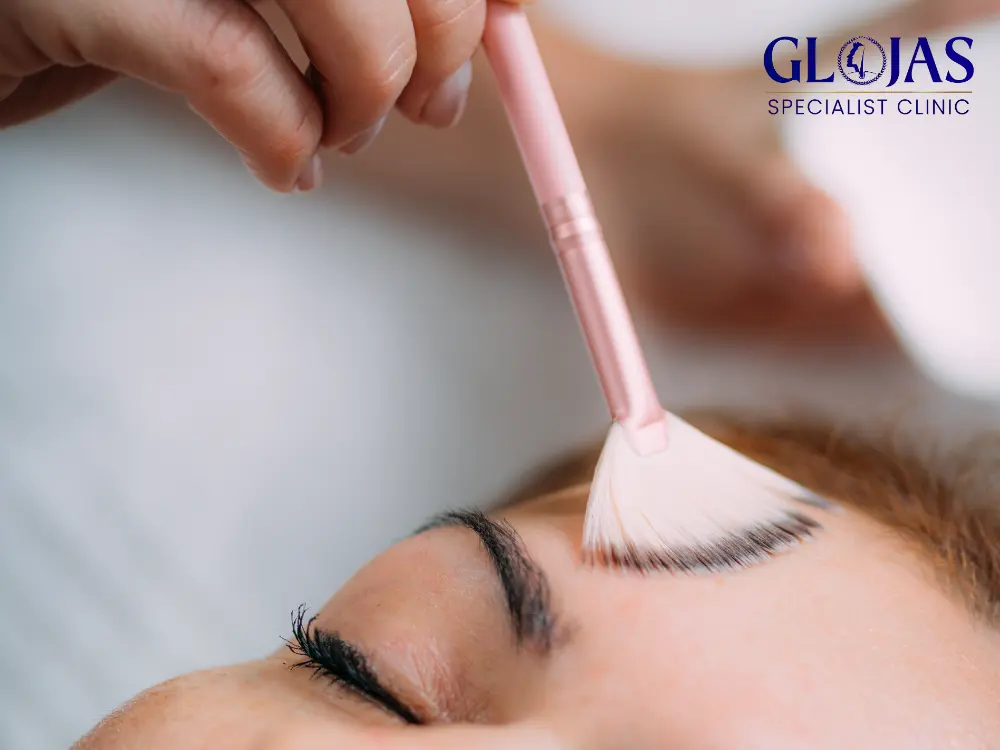
Skin fading has become a popular topic for those looking to achieve a more even and radiant complexion. Whether due to hyperpigmentation, sun damage, or acne scars, uneven skin tone can be frustrating. Fortunately, several effective treatments can help you achieve the smooth, bright skin you desire. One such treatment is the chemical peel, a powerful option for skin fading that offers impressive results. In this article, we will explore everything you need to know about skin fading, including the benefits of chemical peels and other effective techniques. The video features a customer from Kelantan undergoing acne treatment. The clinic starts her on an acne protocol, including a gentle chemical peel to improve her skin. During the session, the client expresses her readiness for the treatment, and the video provides a brief look at the process, accompanied by background music. The treatment is designed to address acne concerns, offering a solution for clearer and healthier skin. The atmosphere is professional, and the client seems comfortable throughout the procedure. Understanding Skin Fading Skin fading refers to the process of lightening dark spots, evening out skin tone, and reducing the appearance of blemishes or scars. This is achieved through various treatments and skincare products designed to inhibit melanin production, exfoliate the skin, and promote cell turnover. The goal of skin fading is to achieve a brighter, more uniform complexion. Common Causes of Uneven Skin Tone Uneven skin tone can be caused by various factors, including: Sun Exposure: Prolonged exposure to the sun’s UV rays can lead to sunspots, also known as age spots or liver spots, which are areas of hyperpigmentation. Hormonal Changes: Conditions like melasma, which is often triggered by pregnancy, birth control pills, or menopause, can cause dark patches on the skin. Acne Scarring: Post-inflammatory hyperpigmentation (PIH) occurs when acne lesions heal and leave behind dark spots. Aging: As we age, our skin’s ability to regenerate slows down, leading to an accumulation of dead skin cells that can cause a dull and uneven complexion. 7 Powerful Techniques for Skin Fading 1. Chemical Peels Chemical peels are one of the most effective treatments for skin fading. This procedure involves applying a chemical solution to the skin, which exfoliates the outer layers and promotes the growth of new, healthier skin. There are different types of chemical peels, ranging from mild to deep, depending on the strength of the acids used and the depth of the peel. Alpha Hydroxy Acids (AHAs): These are the mildest form of chemical peels, typically using glycolic or lactic acid. AHAs are excellent for treating superficial pigmentation and improving overall skin texture. Beta Hydroxy Acids (BHAs): Salicylic acid is a common BHA used in chemical peels, particularly effective for those with oily or acne-prone skin. BHAs penetrate deeper into the pores, making them ideal for treating acne scars and deeper pigmentation issues. Trichloroacetic Acid (TCA): TCA peels are medium to deep peels that are more effective for treating significant hyperpigmentation, melasma, and sun damage. They require more downtime but offer more dramatic results. 2. Topical Skin Lightening Agents Topical treatments are a common and accessible option for skin fading. These products often contain ingredients that inhibit melanin production, such as hydroquinone, kojic acid, or vitamin C. Regular use of these products can gradually fade dark spots and even out skin tone. It’s important to use these products as directed and to incorporate sunscreen into your routine to prevent further pigmentation. 3. Laser Therapy Laser therapy is a high-tech option for those looking for more significant skin fading results. Lasers work by targeting and breaking down melanin in the skin, allowing the body to naturally eliminate the pigmented areas. Intense pulsed light (IPL) and fractional lasers are commonly used for this purpose. While effective, laser therapy can be expensive and may require multiple sessions for optimal results. 4. Microdermabrasion Microdermabrasion is a non-invasive treatment that exfoliates the top layer of the skin using tiny crystals or a diamond-tipped wand. This process removes dead skin cells and stimulates collagen production, leading to a smoother and brighter complexion. Microdermabrasion is particularly effective for treating superficial hyperpigmentation and improving overall skin tone. 5. Retinoids Retinoids, including retinol and prescription-strength tretinoin, are powerful skincare ingredients known for their ability to increase cell turnover. This increased turnover helps to shed pigmented skin cells more quickly, making retinoids an excellent option for skin fading. Additionally, retinoids help to reduce fine lines and improve skin texture, offering multiple benefits in one treatment. 6. Natural Remedies For those seeking a more natural approach to skin fading, several home remedies can help lighten dark spots and even out skin tone. Ingredients like lemon juice, aloe vera, and turmeric have natural skin-lightening properties. However, it’s important to use these remedies with caution, as they can sometimes cause irritation, especially in individuals with sensitive skin. 7. Sunscreen Sunscreen is perhaps the most critical component of any skin fading regimen. Sun exposure is a major cause of hyperpigmentation, and without proper protection, even the most effective treatments will be rendered useless. A broad-spectrum sunscreen with an SPF of 30 or higher should be applied daily, regardless of the weather, to protect the skin and prevent further dark spots. The Benefits of Chemical Peels for Skin Fading How Chemical Peels Work Chemical peels work by applying an acid solution to the skin, which causes controlled damage to the outer layers. This damage triggers the skin’s natural healing process, leading to the shedding of old, pigmented skin and the emergence of fresh, new skin. The result is a brighter, more even complexion with reduced dark spots and improved texture. Why Choose a Chemical Peel? Effective for Multiple Skin Concerns: Chemical peels not only fade dark spots but also improve skin texture, reduce fine lines, and treat acne scars, making them a versatile option for overall skin rejuvenation. Customizable Treatment: Chemical peels can be tailored to your specific skin concerns, whether you need a mild exfoliation or a deeper peel for more significant pigmentation