What Is Cystic Acne?
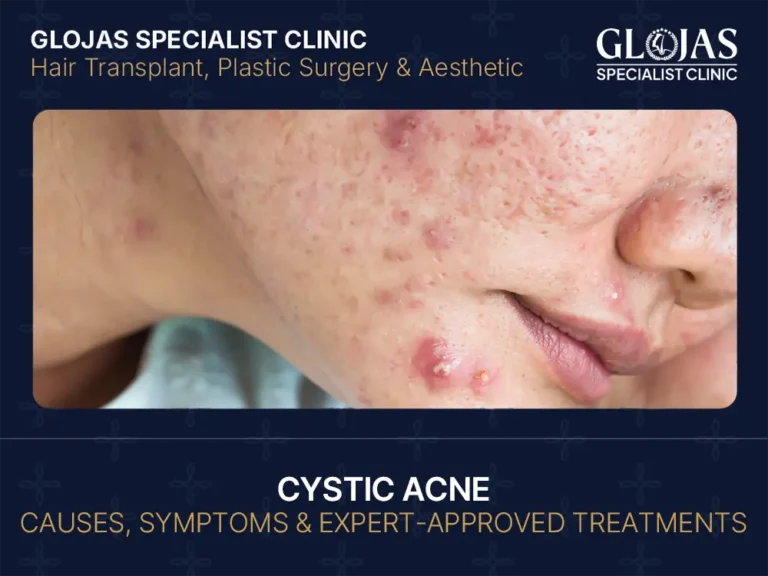
Cystic acne is considered the most severe form of acne vulgaris. Unlike common whiteheads, these lesions develop deep within the dermis. In Malaysia’s tropical climate, sweat and environmental pollutants can trap impurities, making this inflammatory condition particularly challenging to manage without professional intervention.

Definition of Cystic Acne
Technically, it is a type of inflammatory acne characterized by large, pus-filled cysts. According to the American Academy of Dermatology, these cysts form when oil and dead skin cells build up deep in hair follicles, leading to a rupture that causes intense localized inflammation.
Causes of Cystic Acne
Identifying the root cause is essential for effective management. For many Malaysians, it is rarely just one factor but a combination of internal biology and external environmental stressors.
Hormonal Changes
Fluctuations in androgens are a primary trigger. These hormones stimulate oil glands, leading to increased viscosity in sebum. This is common during puberty, menstruation, or conditions like Polycystic Ovary Syndrome (PCOS), which affects many women in the local population.
Excess Sebum Production
When sebaceous glands become overactive, the skin becomes a breeding ground for congestion. In our humid weather, the skin often produces more oil to compensate for dehydration or heat, significantly increasing the likelihood of deep-seated blockages that eventually evolve into painful cysts.
Bacterial Infection (Cutibacterium acnes)
The bacteria Cutibacterium acnes thrives in oxygen-poor environments like clogged pores. When these bacteria multiply rapidly, they trigger an immune response. This leads to the swelling and pus formation characteristic of cystic lesions, often requiring clinical-grade antimicrobial treatments to resolve.
Clogged Pores Deep in the Skin
Cystic acne occurs when the blockage happens much deeper than a standard pimple. Dead skin cells and lipids create a “plug” far below the surface. Because the infection is deep, topical over-the-counter creams often fail to reach the source of the inflammation.
Symptoms of Cystic Acne
Recognizing the symptoms early can prevent permanent tissue damage. Cystic acne looks and feels different from typical breakouts, requiring a more specialized approach to healing.
Large Painful Lumps Under the Skin
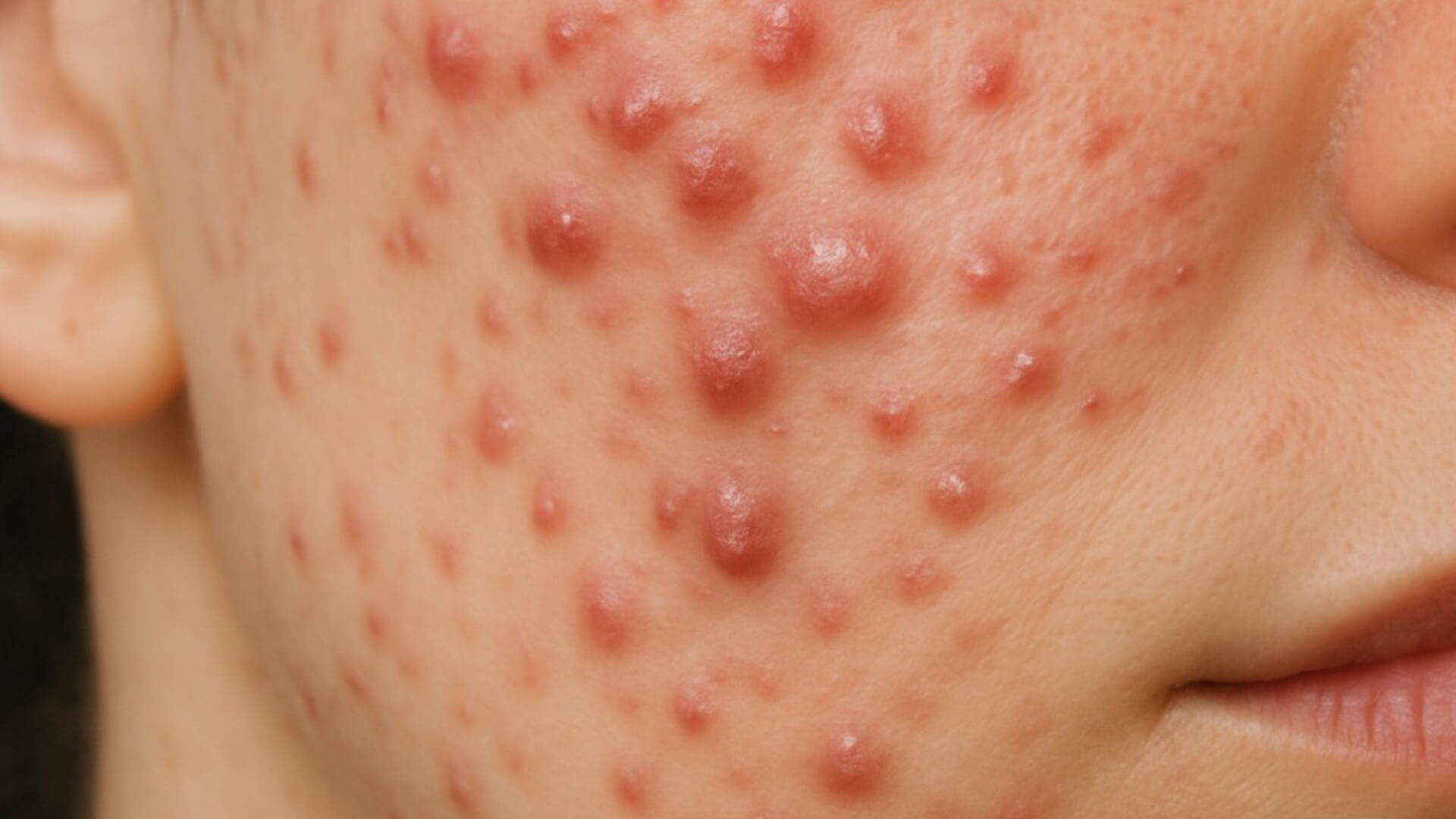
The hallmark sign is a large, firm, and painful lump beneath the skin’s surface. These nodules can be several centimeters wide. Unlike smaller zips, the pain is often throbbing and can be felt even without touching the affected area.
Redness and Inflammation
The surrounding skin usually appears intensely red and swollen. This signifies a high level of white blood cell activity. In Malaysia, sun exposure can darken this inflammation, leading to stubborn Post-Inflammatory Erythema (PIE) that lingers long after the cyst has flattened.
Deep Acne Without Head
One frustrating feature is the lack of a visible “whitehead.” Because the infection is so deep, the pus rarely reaches the surface. Attempting to “pop” these will only push the infection deeper, causing more trauma and increasing the healing time significantly.
Risk of Scarring
Cystic acne carries the highest risk of permanent scarring, such as ice-pick or boxcar scars. The intense inflammation destroys healthy skin tissue. Without proper dermatological care in Malaysia, these lesions frequently leave behind deep indentations that may require expensive laser resurfacing later.
Common Areas Affected
While most common on the face, cystic acne can appear anywhere where sebaceous glands are concentrated. Understanding these patterns helps in choosing the right targeted treatments.
Face (Cheeks, Chin, Forehead)
The “T-zone” and “U-zone” are prime targets. Friction from face masks (maskne) has recently increased cystic breakouts on the cheeks and chin among Malaysians. These areas have a high density of oil glands, making them susceptible to severe blockage.
Jawline and Neck
Breakouts along the jawline are often a tell-tale sign of hormonal imbalances. These cysts tend to be particularly stubborn and slow-healing. Many adults in Malaysia experience this “adult acne” due to stress-related cortisol spikes affecting their hormonal equilibrium.
Back and Body
Often referred to as “bacne,” cystic lesions on the back and chest are common among active individuals. High sweat production during outdoor activities in our heat can trap bacteria under clothing, leading to large, painful cysts that are difficult to reach and treat.
Treatment Options for Cystic Acne in Malaysia
Treating severe acne requires a multi-pronged approach. Malaysia offers excellent medical facilities ranging from government clinics to high-end aesthetic centers.
Topical Prescription Treatment
Doctors often prescribe high-strength retinoids like Tretinoin or Adapalene. These increase cell turnover to prevent future clogs. Clinical-grade Benzoyl Peroxide or Azelaic Acid may also be used to kill bacteria and reduce the intense redness associated with active cysts.
Oral Medications (Antibiotics and Hormonal Therapy)
For moderate to severe cases, oral antibiotics like Doxycycline help reduce bacterial load. Women may be prescribed birth control pills or Spironolactone to regulate hormones. These systemic treatments address the internal triggers that topical creams simply cannot reach.
Isotretinoin Treatment
Isotretinoin (commonly known as Accutane) is the “gold standard” for persistent cystic acne. It permanently shrinks oil glands. Due to potential side effects, it is strictly regulated by the Ministry of Health (MOH) and requires close supervision by a registered dermatologist.
Dermatology Clinic Procedures
In-office treatments can accelerate healing. These include:
Intralesional Steroid Injections: Shrinks a cyst within 24 hours.
Chemical Peels: Deep exfoliation to clear pores.
Laser Therapy: Targets bacteria and reduces sebum production.
Drainage and Extraction: Professionally clearing the lesion.
When to See a Doctor
Self-treating cystic acne with “viral” skincare products can often do more harm than good. Recognizing when you need professional help is vital for your skin’s long-term health.
Severe and Painful Breakouts
If your acne is painful enough to interfere with your daily life or sleep, it is time for a consultation. Pain is a signal of significant tissue distress. A doctor can provide immediate relief through anti-inflammatory injections or specialized medications.
Acne That Leaves Scars
If every pimple leaves a permanent mark or pit, do not wait. This indicates that the inflammation is destroying your skin’s collagen structure. Early intervention with acne specialist treatments is much cheaper than treating deep scars years later.
Persistent or Worsening Condition
If over-the-counter products haven’t worked after six weeks, your acne is likely too deep for topical cosmetic fixes. Persistent cystic acne often points to underlying hormonal or genetic factors that require medical-grade prescriptions to resolve effectively.
Prevention Tips for Cystic Acne
While you cannot always control genetics, you can manage environmental triggers. Consistent habits are your best defense against the return of severe breakouts.
Proper Skincare Routine
Adopt a gentle “less is more” approach. Use a pH-balanced cleanser to avoid stripping the skin barrier. In Malaysia’s heat, double cleansing at night is essential to remove stubborn water-resistant sunscreen and the day’s grime without irritating existing cysts.
Non-Comedogenic Products
Always check labels for “non-comedogenic” or “oil-free.” Avoid heavy oils like cocoa butter or coconut oil in your skincare. Use lightweight, water-based moisturizers containing ceramides to keep the skin hydrated, which prevents the overproduction of “rebound” oil.
Lifestyle and Diet Control
High-sugar foods and dairy are known triggers for some. Monitor your intake of processed carbohydrates. Additionally, manage stress through exercise and ensure you get 7–8 hours of sleep to keep your cortisol levels—and your skin’s oil production—in check.
FAQ About Cystic Acne
| Feature | Details |
| Duration | Can last for weeks or months per lesion. |
| Treatment | Requires medical-grade prescriptions. |
| Puncturing | Never pop; leads to scarring and infection. |
What causes cystic acne?
Cystic acne is caused by a combination of overactive sebaceous glands, a buildup of dead skin cells deep in the pore, and an infection by C. acnes bacteria, often triggered by hormonal imbalances or genetic predisposition.
Can cystic acne go away on its own?
It rarely disappears without a trace. Because it is an infection deep in the tissue, it usually requires medical intervention to resolve the inflammation. Even if it “flattens,” it often leaves behind a permanent scar or recurring lump.
How long does cystic acne last?
Individual cysts can linger for two to six weeks. However, the condition itself can persist for years if the underlying hormonal or systemic cause is not addressed. Consistent medical treatment usually shows significant improvement within three to six months.
Do I need a doctor for cystic acne?
Yes. Cystic acne is a medical condition, not just a cosmetic one. Because it involves deep tissue inflammation and carries a high risk of permanent scarring, consultation with a certified dermatologist is the safest and most effective path to recovery.