
Living in Malaysia’s heat means dealing with persistent skin congestion. Clogged pores aren’t just a cosmetic nuisance; they are the starting point for most acne issues. This guide breaks down how to clear your skin and keep those pores refined in our tropical climate.
At GLOJAS Specialist Clinic, clogged pores treatment combines deep cleansing, gentle extraction, and salicylic acid to clear congestion and prevent future breakouts.
What Are Clogged Pores?
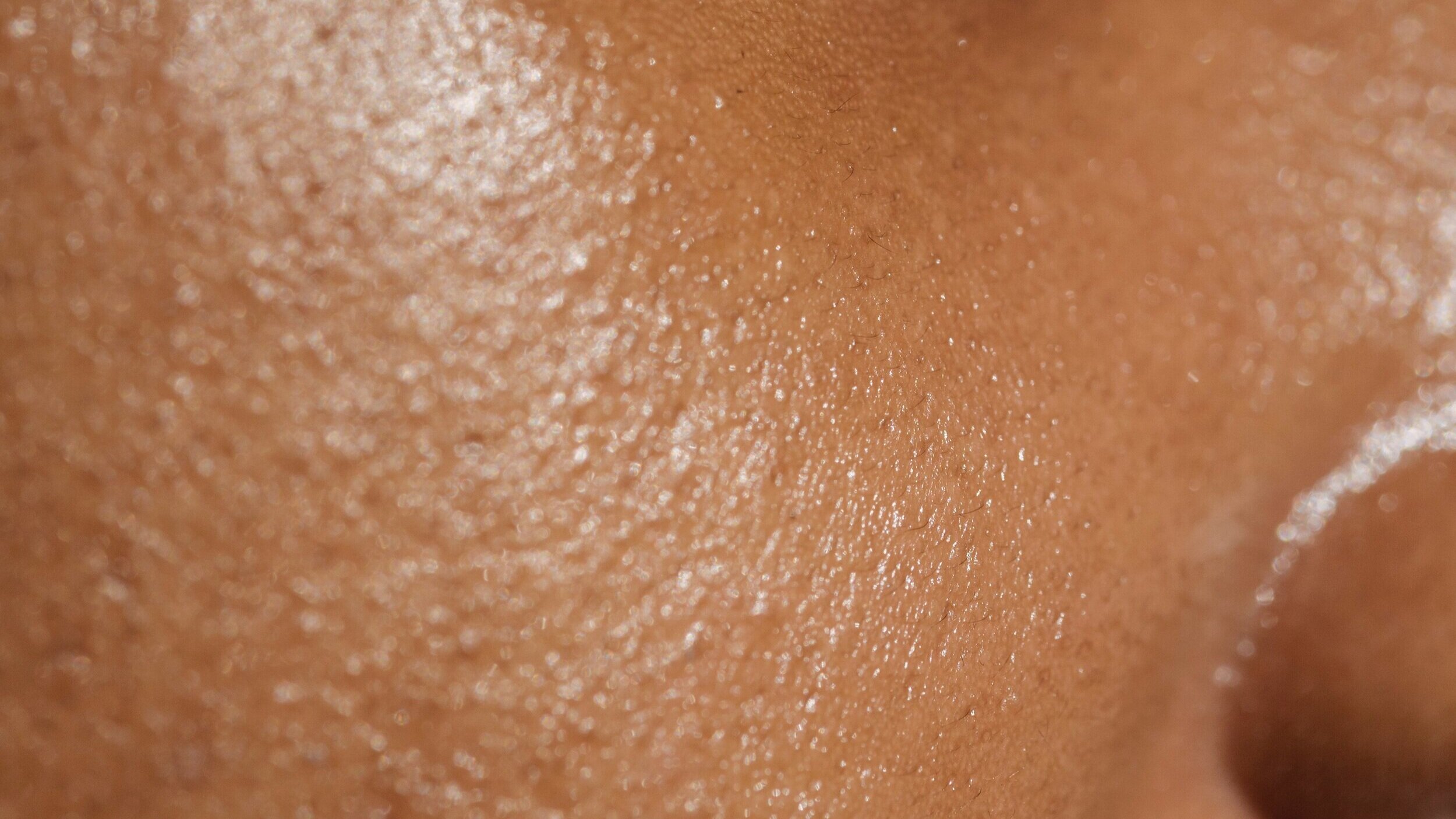
Definition of Clogged Pores
Clogged pores, or comedones, occur when your hair follicles become obstructed. Instead of flowing freely to the surface, a mixture of sebum and debris gets trapped inside. This creates a small plug that can lead to visible bumps or inflammatory acne if left untreated.
Difference Between Clogged Pores, Blackheads, and Acne
Think of clogged pores as the “root” stage. A blackhead is a clogged pore open to air (oxidized), while a whitehead is closed. If bacteria like C. acnes multiply within that blockage, it triggers inflammation, resulting in red, painful acne pustules or cysts.
Why Pores Become Enlarged and Blocked
When a pore is chronically blocked, the debris stretches the follicle walls. High humidity in Malaysia increases sweat and oil production, which compounds the issue. Over time, the loss of skin elasticity from UV damage makes these enlarged pores appear even more prominent.
What Causes Clogged Pores?
Excess Oil (Sebum) Production
Your sebaceous glands produce oil to protect your skin. However, genetics, humidity, and heat can cause “hyperseborrhea.” When too much oil is produced, it acts like a thick glue, trapping everything in its path and making it nearly impossible for the pore to clear itself naturally.
Dead Skin Cell Buildup
Your skin naturally sheds cells every 28 days. In a process called retention hyperkeratosis, these dead cells fail to slough off. Instead, they clump together with sebum, forming a “microcomedone”—the invisible precursor to every blackhead or pimple you see on your face.
Comedogenic Skincare and Makeup Products
Many “rich” creams contain heavy oils or waxes that are comedogenic, meaning they physically block the pore opening. In Malaysia’s climate, using thick foundations or occlusive moisturizers often leads to “acne cosmetica,” where the products themselves are the primary cause of your skin congestion.
Hormonal Changes and Acne Triggers
Fluctuating hormones, especially androgens, signal your oil glands to go into overdrive. This is common during puberty, menstruation, or periods of high stress. Increased cortisol levels can also thicken sebum, making it more likely to clog your pores regardless of your external skincare routine.
Environmental Factors and Pollution in Malaysia
Urban pollution in cities like Kuala Lumpur introduces microscopic particulate matter (PM2.5) to your skin. These pollutants mix with sweat and oil, creating a grime layer that suffocates pores. Without proper cleansing, this environmental buildup leads to oxidative stress and chronic skin congestion.
Common Areas Affected by Clogged Pores
Clogged Pores on Nose
The nose has the highest concentration of oil glands. It’s also where sebaceous filaments—natural oil-wicking structures—are most visible. While these are normal, they easily turn into true blackheads when the oil hardens due to the nose’s prominent exposure to environmental debris.
Clogged Pores on Cheeks and Forehead
The forehead is part of the oily T-zone, often plagued by small bumps called subclinical acne. Pores on the cheeks are usually drier but can clog due to heavy makeup or “maskne” (friction from face masks), which traps moisture and bacteria against the skin surface.
Clogged Pores on Chin and Jawline
Congestion here is frequently hormonal. However, resting your face on your hands or using “dirty” phone screens can introduce bacteria. The skin on the jawline is also thicker, meaning once a pore is clogged, it’s harder to extract without professional help.
Clogged Pores on Back and Body
“Bacne” occurs because the skin on your back has a high density of sebaceous glands. Sweat trapped by gym clothes or residue from hair conditioner can lead to widespread clogging. Because the skin here is tougher, body pores often require stronger exfoliating acids to clear.
How to Unclog Pores Safely
Daily Cleansing and Double Cleansing Method
Double cleansing is essential if you use sunscreen or makeup. Start with an oil-based cleanser to dissolve surface impurities, followed by a water-based gel or foam. This ensures the skin is truly clean without stripping the moisture barrier, which is vital for pore health.
Exfoliation with Salicylic Acid and AHAs
Salicylic Acid (BHA) is oil-soluble, meaning it can “degunk” the inside of the pore. Alpha Hydroxy Acids (AHAs) like Glycolic acid work on the surface. Using a combination of these chemical exfoliants helps keep the “drain” open and prevents the buildup of dead skin cells.
Retinoids for Pore Refinement
Retinoids, including Adapalene and Tretinoin, are the gold standard for pore care. They work at a cellular level to normalize skin cell turnover. By preventing cells from sticking together, retinoids ensure that sebum can flow out of the pore freely, effectively “shrinking” their appearance over time.
Do Pore Strips and Tools Work?
Pore strips offer instant gratification by pulling out the tops of blackheads, but they don’t treat the underlying cause. Metal extraction tools can cause permanent scarring or broken capillaries if used with too much pressure. Generally, mechanical extraction should be left to trained professionals.
Skincare Mistakes That Worsen Clogged Pores
The biggest mistake is over-exfoliating. Using harsh scrubs every day damages the skin barrier, leading to “rebound” oil production. Additionally, skipping moisturizer because your skin feels “oily” can actually cause your skin to produce more oil to compensate for dehydration, worsening the clogs.
Best Clogged Pores Treatments in Malaysia
Professional Facial and Extraction Treatments
A medical-grade facial involves steaming to soften sebum followed by skillful manual extraction. In Malaysia, many aestheticians use ultrasonic skin scrubbers that use high-frequency vibrations to “wiggle” debris out of the pores more gently than traditional squeezing, reducing post-facial redness and inflammation.
Chemical Peels for Deep Pore Cleansing
Professional chemical peels use high concentrations of Salicylic or Mandelic acid to dissolve deep-seated plugs. These peels provide a “reset” for the skin, clearing out weeks of accumulation in one session and improving skin texture. They are particularly effective for stubborn, non-inflammatory bumps.
Hydrafacial and Medical Facials
The HydraFacial uses patented “Vortex-Fusion” technology to vacuum out pores while simultaneously infusing the skin with hydrating serums. It is incredibly popular in Malaysia because it is painless, requires zero downtime, and provides immediate visible “gunk” removal in the waste canister.
Laser Treatments for Acne and Pores
Carbon Laser Peels (the “China Doll” facial) are highly effective. A layer of liquid carbon is applied, which seeps into the pores. The laser then “blasts” the carbon away, taking the dead skin and oil with it. This also stimulates collagen to tighten the pore walls.
Medical-Grade Skincare Solutions
Sometimes, over-the-counter products aren’t enough. Doctors in Malaysia may prescribe Tretinoin or clinical-strength Azelaic acid. These products are regulated by the National Pharmaceutical Regulatory Agency (NPRA) and are significantly more potent than cosmetic versions, providing faster and more reliable results for chronic congestion.
Clogged Pores Treatment Cost in Malaysia
| Treatment Type | Estimated Price Range (RM) | Best For |
| Medical Extraction Facial | RM 180 – RM 350 | Monthly maintenance |
| Professional Chemical Peel | RM 250 – RM 500 | Deep congestion & texture |
| HydraFacial | RM 450 – RM 850 | Sensitive skin & “glow” |
| Carbon Laser Peel | RM 400 – RM 1,200 | Large pores & oily skin |
Average Cost of Facial Treatments
In areas like Kuala Lumpur or Penang, a standard medical-grade facial usually starts around RM 200. While cheaper “beauty salon” facials exist, they often lack the sterile environment and advanced equipment found in medical aesthetic clinics, which are crucial for preventing post-extraction infections.
Price of Chemical Peels and Laser Procedures
Advanced procedures like lasers are priced between RM 400 and RM 1,500 per session. While the price point is higher, the results are deeper and longer-lasting. Many clinics offer package deals (e.g., 5 sessions for the price of 4), which can significantly reduce the cost per treatment.
Factors Affecting Treatment Pricing
Costs depend on the clinic’s location, the practitioner’s qualifications (LCP-certified doctors), and the technology used. Original machines (like the official HydraFacial MD) cost more than generic “hydro” machines. Always ask if the price includes a post-treatment soothing mask or doctor’s consultation fee.
How to Prevent Clogged Pores Long-Term
Best Skincare Routine for Oily and Acne-Prone Skin
Consistency is key. Use a BHA-based cleanser in the morning and a double cleanse at night. Incorporate a lightweight, oil-free vitamin C serum for antioxidant protection against pollution, and always finish with a gel-based sunscreen that won’t feel heavy in our 90% humidity.
Importance of Non-Comedogenic Products
Look for the “non-comedogenic” label on everything from moisturizer to hairspray. This means the formula has been tested to ensure it doesn’t block pores. In Malaysia, where we sweat frequently, choosing “oil-free” and “breathable” formulations is the best defense against daily pore blockage.
Regular Exfoliation and Skin Renewal
Exfoliate 2–3 times a week with a liquid chemical exfoliant. This keeps the “skin cell highway” moving. By preventing the accumulation of dead cells, you stop the clogging process before it even starts, ensuring your pores remain clear and refined year-round.
Diet and Lifestyle Factors
High-sugar diets and dairy can spike insulin, which increases sebum production. Additionally, ensure you drink enough water to keep your sebum “fluid” rather than thick. Regularly sanitizing your pillowcases and makeup brushes also prevents the reintroduction of bacteria to your freshly cleaned pores.
Can Clogged Pores Lead to Acne?
Progression from Clogged Pores to Blackheads and Pimples
A clogged pore is the “incubator” for acne. Once the pore is blocked, the oxygen-free environment allows C. acnes bacteria to thrive. This leads to a chemical reaction that ruptures the pore wall, causing the redness and pus associated with a full-blown pimple.
Early Signs to Watch For
Rough skin texture, “seeds” under the skin (closed comedones), and an increasingly oily T-zone are early warning signs. If your skincare products aren’t absorbing well, it’s likely because a layer of dead skin and oil is blocking the “channels,” indicating an urgent need for deep cleansing.
When to See a Skin Specialist in Malaysia
Signs You Need Professional Treatment
If your pores are constantly filling back up within days or if you notice “pitting” scars, seek professional help. Home remedies can only go so far. A specialist can provide high-strength treatments and identify if your “clogged pores” are actually something else, like fungal acne.
Risks of Untreated Clogged Pores
Neglecting congestion can lead to permanent pore stretching. Once the collagen around a pore is damaged by chronic blockage, it loses its ability to “snap back,” leading to “ice pick” scars or permanently enlarged pores that are much harder to treat later in life.
Best Clinics for Clogged Pores Treatment in Malaysia
How to Choose a Trusted Aesthetic Clinic
Select a clinic that focuses on skin health rather than just “beauty.” Check for a clean, clinical environment and transparent pricing. Avoid places that use high-pressure sales tactics or promise “instant” cures; real skin improvement for clogged pores takes consistent, medically-backed effort.
Certified Practitioners and Safety Standards
In Malaysia, ensure your doctor holds a Letter of Credentialing and Privileging (LCP) from the Ministry of Health. This ensures they are legally allowed to operate lasers and perform deep chemical peels. Safety standards protect you from burns, infections, and permanent skin damage during extractions.
Consultation and Personalized Treatment Plans
A reputable clinic will always start with a consultation. They should analyze your skin using a UV skin analyzer to see congestion deep beneath the surface. This data allows them to tailor a plan combining clinical treatments with the right home-care products for your specific needs.
FAQs About Clogged Pores
What is the fastest way to unclog pores?
The fastest way is a HydraFacial or manual extraction by a professional. These methods physically remove the blockage in one session. For home care, a 2% Salicylic Acid liquid can show significant results in skin clarity within about 7 to 10 days of consistent use.
Can clogged pores go away naturally?
Rarely. While your skin sheds, the “glue-like” nature of hardened sebum often requires active ingredients or physical extraction to move. If you don’t address the cause (excess oil and dead skin), the pores will likely stay blocked or worsen into acne.
Are pore strips safe to use regularly?
No. Using them more than once a week can strip your skin’s natural oils and cause micro-tears. This leads to irritation and can actually make your pores look larger over time because the skin loses its structural integrity and firmness.
Which ingredients are best for clogged pores?
The “big three” are Salicylic Acid (BHA) for deep cleaning, Retinoids for cell turnover, and Niacinamide for oil control. Clay masks (Kaolin or Bentonite) are also excellent for a weekly “vacuum” effect to soak up surface oils before they sink into pores.
How often should I get facial treatments?
For chronic clogging, once every 4 weeks is ideal. This aligns with your skin’s natural renewal cycle. Once your skin is clear, you can shift to a maintenance schedule of every 6–8 weeks to keep your pores refined and healthy.