
Becoming a mother is a whirlwind of joy, sleepless nights, and—for about 50% of new mums—a sudden, heart-dropping amount of hair in the shower drain. In Malaysia, where thick, lustrous hair is often celebrated, postpartum hair loss can feel particularly distressing. But don’t worry; your body isn’t broken. It’s simply recalibrating after the ultimate marathon of childbirth.
GLOJAS Specialist Clinic offers award-winning, medical-grade postpartum hair loss treatment, utilizing the exclusive SMART™ PRP and Regenera Activa technology to naturally reactivate dormant follicles and restore hair density safely.
Understanding Postpartum Hair Loss in Malaysia
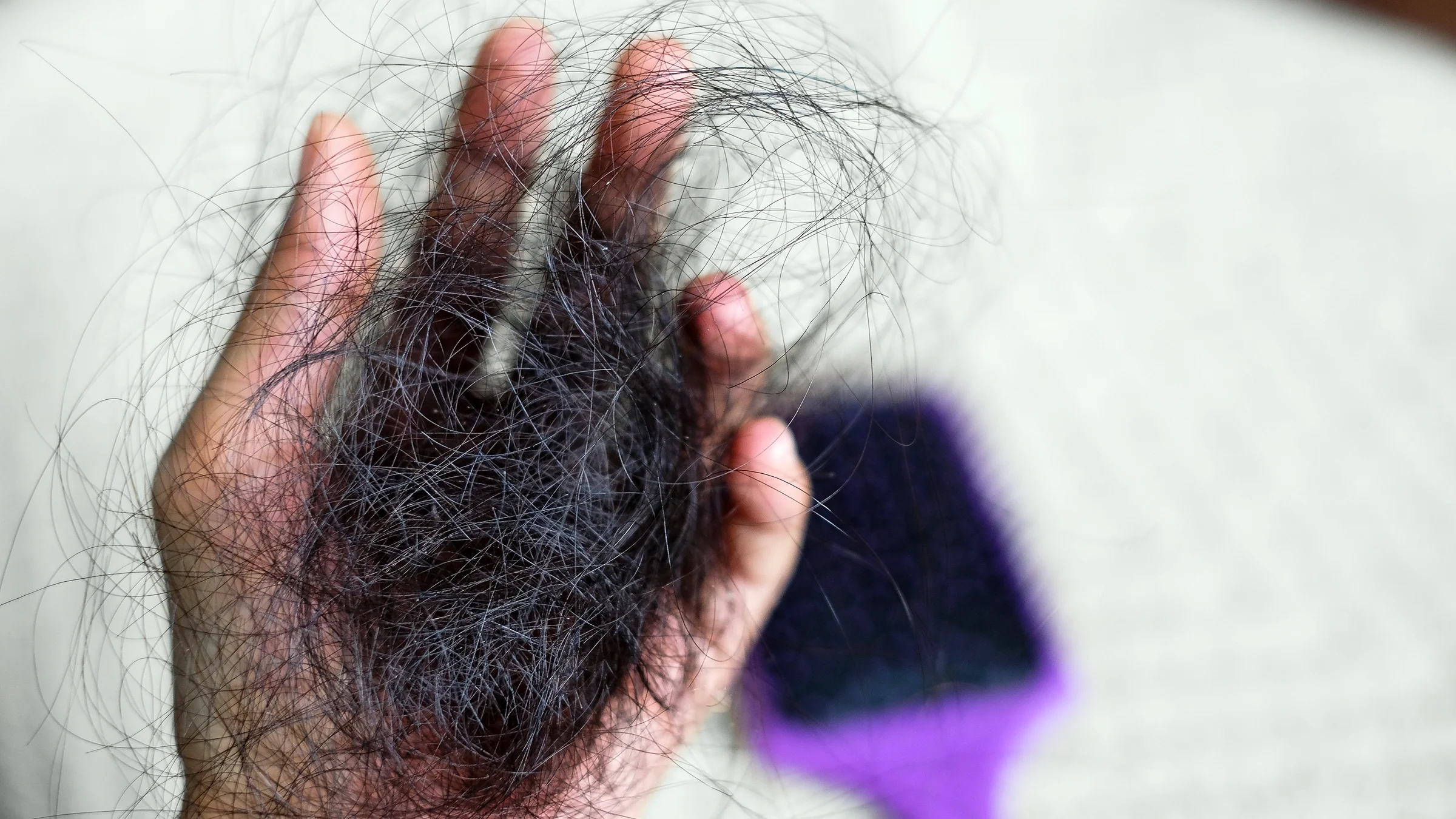
What Is Postpartum Hair Loss?
Medically known as Telogen Effluvium, postpartum hair loss is a temporary form of hair thinning. It’s not “true” hair loss in the sense of permanent balding, but rather a synchronized shedding event. While we normally lose about 50 to 100 strands a day, new mothers might see up to 400 strands daily during the peak of this phase.
Hormonal Changes After Pregnancy
During pregnancy, your estrogen levels skyrocket. This high estrogen acts like a “pause button” on your hair’s shedding phase, keeping almost all your hair in the growth (anagen) stage. This is why many Malaysian mums enjoy their thickest, shiniest hair while expecting.
Normal Shedding vs. Excessive Hair Loss
Once you deliver, those estrogen levels crash back to baseline. All the hair that was “on hold” during pregnancy suddenly receives the signal to enter the resting (telogen) phase. About three months later, those hairs fall out all at once. If you see diffuse thinning (thinning all over) rather than distinct bald patches, it is likely standard postpartum shedding.
Why Postpartum Hair Loss Happens
Estrogen Drop After Delivery
The primary culprit is the estrogen withdrawal that occurs within 24 to 48 hours after birth. This rapid shift resets your hair cycle, moving a large percentage of follicles from the growing phase into the resting phase simultaneously.
Nutritional Deficiencies (Iron, Vitamin D, Protein)
Building a human takes a lot of resources. Many Malaysian women enter the postpartum period with iron deficiency anemia, which can exacerbate hair shedding. Additionally, if you aren’t getting enough protein or Vitamin D, your body will prioritize vital organ function over hair growth.
Stress, Sleep Deprivation & Recovery
The “fourth trimester” is taxing. High cortisol levels from stress and lack of sleep can prolong the shedding phase. In traditional Malaysian culture, the pantang (confinement) period is designed to mitigate this stress through rest and specialized nutrition, which is actually scientifically sound for hair recovery.
When Does Postpartum Hair Loss Start and Stop?
Typical Timeline for Malaysian Mothers
Start: Usually begins around 3 months after delivery.
Peak: Shedding often hits its most dramatic point at 4 to 6 months.
End: Most women see their hair return to its normal growth cycle by their baby’s first birthday.
Signs Hair Growth Is Returning
The most frustrating but promising sign of recovery is the “baby hair fringe.” You’ll notice short, flyaway hairs along your hairline. While they can be hard to style, they are a clear indicator that your follicles are back in the growth phase.
Safe Treatment Options for Postpartum Hair Loss
Natural Remedies & Herbal Support
In Malaysia, traditional treatments like hibiscus leaf masks or virgin coconut oil massages are popular. Research suggests that scalp massage can improve blood flow to the follicles, potentially encouraging thicker regrowth.
Postnatal Vitamins & Supplements
Continuing your prenatal vitamins or switching to a dedicated postnatal supplement is highly recommended. Look for ingredients like Biotin, Zinc, and Selenium, as nutritional deficiencies are closely linked to the health of the hair structure.
Topical Treatments Safe During Breastfeeding
If you are breastfeeding, avoid medications like Minoxidil unless prescribed by a doctor. Instead, look for shampoos or tonics containing caffeine or rosemary oil, which can stimulate the scalp without systemic absorption.
Postpartum Hair Care Tips
Gentle Hair Care Routine
Use a wide-tooth comb to detangle when wet.
Skip the high-heat blowouts; air-dry whenever possible.
Wash your hair only when necessary to avoid excessive mechanical tension.
Hairstyles to Reduce Breakage
Avoid tight “mummy buns” or ponytails. These can cause traction alopecia on top of your hormonal shedding. Opt for loose braids or a “shorter” cut—the classic “mom bob” is popular in Malaysia for a reason; it removes the weight that makes hair look limp.
Choosing Suitable Shampoos in Malaysia
Look for “volumizing” shampoos that use lightweight proteins to coat the hair shaft. Avoid heavy “2-in-1” products that contain high levels of silicone, as these can weigh down thinning hair and make it look sparser.
When to See a Doctor in Malaysia
Warning Signs of Underlying Conditions
While shedding is normal, you should consult a professional if:
Your hair loss is patchy (Alopecia Areata).
Shedding persists beyond 12 months.
You experience scalp pain or extreme itching.
Thyroid & Iron Deficiency Testing
Postpartum thyroiditis affects about 5% to 10% of women and can cause significant hair loss. If you feel excessively fatigued or cold, a simple blood test at your local GP can check your TSH and Ferritin (iron) levels.
FAQs About Postpartum Hair Loss
Is postpartum hair loss permanent?
No. For the vast majority of women, it is a self-correcting condition. Your hair follicles are not dead; they are just resting.
Can breastfeeding worsen hair loss?
There is no strong evidence that breastfeeding causes hair loss. While it maintains slightly higher prolactin levels, the primary trigger remains the initial estrogen drop after birth.
How long does recovery take?
Expect a full recovery of your hair’s volume and length within 6 to 12 months after the shedding begins.