
Malaysia vs Turkey Hair Transplant: Cost, Quality & Results Comparison
Choosing between Malaysia vs Turkey hair transplant destinations is a major decision for anyone battling hair loss. While Turkey has long been a volume leader, Malaysia has emerged as the premier choice for quality-focused patients. In 2026, the shift toward “quality over quantity” makes Malaysia the superior destination for long-term hair restoration.
GLOJAS Specialist Clinic provides the best hair transplant Malaysia offers, with MOH-certified surgeons and natural, lasting results. Trust your hair journey to experts.
Malaysia vs Turkey Hair Transplant: Key Differences
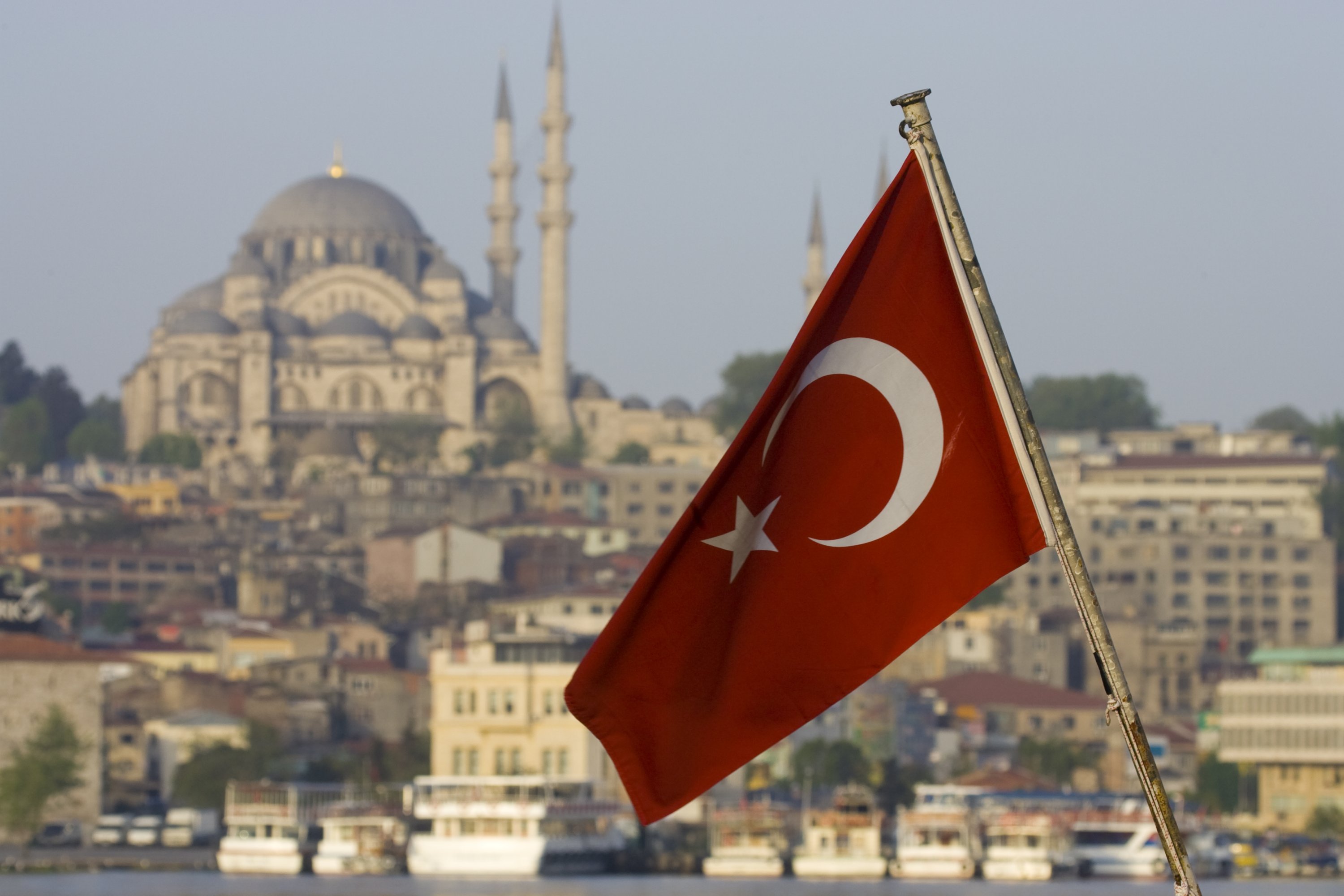
The primary difference lies in the medical model. Turkey often operates on a “high-volume” package basis, whereas Malaysia prioritizes a “boutique, doctor-led” approach. This distinction ensures that every graft in Malaysia is handled with medical precision rather than technician-led speed.
Cost Differences
Turkey is generally cheaper due to a weaker currency and massive competition. However, Malaysia offers a more stable pricing structure where you pay for specialized medical expertise. While Turkey lures with low entry prices, Malaysia provides better value by reducing the risk of costly corrective surgeries.
Quality and Standards
Malaysia’s medical facilities are strictly regulated by the Ministry of Health (MOH) Malaysia, ensuring hospital-grade sterility. In contrast, Turkey’s rapid expansion has led to an increase in unregulated clinics. Choosing Malaysia means choosing a country with some of the world’s most stringent healthcare oversight.
Overall Value Comparison
Value isn’t just about the initial price; it’s about the success rate per graft. Malaysia’s clinics often boast higher graft survival rates because surgeons, not just technicians, perform the delicate extraction. Investing in a Malaysian transplant often saves money long-term by ensuring the first procedure is the only one you need.
Cost Comparison: Malaysia vs Turkey Hair Transplant
Price is a major factor, but the way you are charged differs between these two hubs. Turkey typically offers “unlimited graft” packages, while Malaysia uses a more transparent “pay-per-graft” model.
Average Cost in Malaysia
In 2026, a high-quality hair transplant in Malaysia ranges from RM 8,000 to RM 25,000. This mid-range pricing is highly competitive globally. It reflects the cost of using licensed medical doctors and premium tools, which are essential for a safe and successful outcome.
Average Cost in Turkey
Turkey remains the budget king, with all-inclusive packages typically priced between $1,500 and $4,500 (RM 6,500 – RM 20,000). While attractive, these packages often involve “hair transplant mills” where dozens of patients are processed daily, potentially diluting the individual attention your scalp receives.
Cost per Graft Comparison
| Feature | Malaysia | Turkey |
| Price per Graft | RM 5.00 – RM 12.00 | RM 3.00 – RM 7.00 |
| All-Inclusive? | Often Available | Standard |
| Surgeon-Led? | Mandatory | Varies (Often Technicians) |
Quality of Hair Transplant Clinics
The environment where your surgery takes place dictates your recovery and safety. Malaysia’s infrastructure is designed to meet international standards, often surpassing the “medical tourism” factories found elsewhere.
Clinic Standards in Malaysia
Malaysian clinics must adhere to the Private Healthcare Facilities and Services Act, which mandates strict surgical protocols. This ensures that you are treated in a sterile, safe environment. The focus here is on patient safety and providing a personalized, professional medical experience.
Clinic Standards in Turkey
While Turkey has world-class JCI-accredited hospitals, it also has many “underground” clinics. Without local knowledge, it is easy to end up in a facility that prioritizes turnover over hygiene. This variability makes Turkey a higher-risk choice for international patients who cannot vet clinics in person.
Surgeon Expertise Comparison
In Malaysia, the Malaysian Medical Council (MMC) ensures that only qualified doctors perform surgical procedures. In Turkey, it is common for technicians to perform the entire surgery while a doctor only “supervises.” Malaysia’s “doctor-only” protocol significantly reduces the risk of donor area depletion and scarring.
Techniques Available in Malaysia vs Turkey
Both countries utilize the latest technologies, but Malaysia’s application of these tools is often more conservative and precise, focusing on the longevity of your donor hair.
FUE vs FUT vs DHI Availability
Most Malaysian clinics offer Follicular Unit Extraction (FUE) and Direct Hair Implantation (DHI). DHI is particularly popular in Malaysia for its ability to provide high density without the need for a full head shave, making it a favorite for professional men and women.
Technology and Methods Used
Direct Hair Implantation (DHI) technology in Malaysia utilizes specialized “Choi Implanter Pens.” This allows for precise control over the angle and depth of each hair. While Turkey also uses these tools, the surgeon’s hands-on involvement in Malaysia ensures a more bespoke, natural-looking result.
Results Comparison: Malaysia vs Turkey
The ultimate goal is a natural look that ages well. Malaysia’s aesthetic approach often favors a conservative, age-appropriate hairline that doesn’t look “pluggy” or artificial as you get older.
Hairline Design Differences
Malaysian surgeons often specialize in “Asian Hairlines” and diverse ethnicities, understanding the unique hair-to-skin contrast. Turkish clinics often produce a “straight-line” aesthetic which can look unnatural. A Malaysian-designed hairline is typically softer and more irregular, mimicking the way hair actually grows.
Density and Natural Results
Because Malaysian doctors take more time per patient, they can achieve higher density by placing grafts closer together. This meticulousness prevents the “see-through” look sometimes associated with rushed procedures. High-density FUE hair transplants in Malaysia consistently yield natural results that blend with existing hair.
Success Rates
Success rates in Malaysia are exceptionally high, often exceeding 95% graft survival. This is due to the shorter “out-of-body” time for the follicles. In high-volume Turkish clinics, grafts may sit for hours before implantation, which can lead to lower survival rates and patchy results.
Safety Comparison
Safety should never be compromised for cost. When comparing Malaysia vs Turkey, the regulatory landscape in Malaysia provides a much stronger safety net for the patient.
Medical Regulations in Malaysia
The Ministry of Health Malaysia (MOH) requires all hair transplant clinics to be registered as “Ambulatory Care Centres” or licensed clinics. This means regular inspections and strict adherence to infection control. You are protected by a transparent legal framework that holds medical practitioners accountable.
Medical Regulations in Turkey
While regulations exist, enforcement is a challenge due to the sheer volume of clinics in cities like Istanbul. The International Society of Hair Restoration Surgery (ISHRS) has frequently warned about “technician-only” surgeries in Turkey, which can lead to severe infections or permanent donor area damage.
Risk Factors to Consider
Infection: Much lower risk in Malaysia due to MOH-mandated sterile protocols.
Over-harvesting: Common in Turkey’s “unlimited” packages; rare in Malaysia’s doctor-led approach.
Travel Risks: Malaysia is a stable, English-speaking hub with world-class post-op care.
Pros and Cons: Malaysia vs Turkey Hair Transplant
Every destination has its trade-offs. Here is a quick breakdown to help you weigh your options effectively.
Advantages of Malaysia
Malaysia offers English-speaking staff, board-certified surgeons, and a “doctor-only” policy. It is a top choice for those who want a safe, high-end medical experience without the risks of a “surgery mill.” The post-operative follow-up care is also more accessible for regional patients.
Advantages of Turkey
The main advantage of Turkey is the low price and all-inclusive packages that include hotels and transport. It is a great option for those on a very tight budget who are willing to spend significant time researching to find one of the few top-tier clinics.
Which Is Better for You?
If you prioritize your safety and want a natural, permanent result performed by a licensed medical doctor, Malaysia is the better choice. If your only consideration is the lowest possible price and you are comfortable with higher risks, Turkey may be your preferred route.
How to Choose Between Malaysia and Turkey
Your decision should be based on more than just a flight ticket. Think about the long-term health of your scalp and the permanence of the surgery.
Budget Considerations
Don’t just look at the surgery price. Factor in the cost of “repairs” if a cheap surgery goes wrong. A hair transplant is a one-time investment; paying a bit more in Malaysia ensures you don’t spend double later on a corrective procedure.
Quality vs Cost Decision
Ask yourself: Who is actually doing the surgery? In Malaysia, it’s a doctor. In many Turkish clinics, it’s a technician who may have no medical degree. For a procedure involving thousands of tiny incisions on your head, the quality of the practitioner is paramount.
Personal Needs and Expectations
If you need a large number of grafts (over 4,000), Malaysia’s surgeons will often suggest two smaller, safer sessions to protect your donor area. Turkey might offer to do it all in one go, which carries a much higher risk of “donor exhaustion” and permanent scarring.
FAQs: Malaysia vs Turkey Hair Transplant
Is Turkey Cheaper Than Malaysia?
Yes, Turkey is generally 30–50% cheaper. However, this lower price often comes from using non-medical staff and processing high volumes of patients, which can compromise the quality and safety of your result.
Which Country Has Better Results?
While both can produce good results, Malaysia is more consistent. Malaysia’s doctor-led model ensures higher graft survival and a more natural aesthetic, whereas Turkey’s results can vary wildly depending on which technician is assigned to you that day.
Is It Safer in Malaysia or Turkey?
Malaysia is significantly safer. The strict oversight by the Ministry of Health and the requirement for only licensed doctors to perform surgery provide a level of patient protection that is often missing in the Turkish medical tourism market.
How Many Grafts Are Needed?
This depends on your level of baldness. Typically, a hairline restoration requires 1,500 to 2,500 grafts, while crown thinning may need 2,000+. A Malaysian surgeon will provide an honest assessment during a consultation to ensure your donor area remains healthy.