
How Does Hair Transplant Work? Step-by-Step Process
If you’ve spent any time looking in the mirror wondering where your hairline went, you’ve probably searched for a permanent fix. In Malaysia, hair restoration has become a go-to solution for both locals and medical tourists. But how does hair transplant work exactly? It’s not magic—it’s a sophisticated blend of microsurgery and biological science.
GLOJAS Specialist Clinic in Kuala Lumpur provides advanced hair transplant in Malaysia procedures, delivering precise follicle extraction and natural hairline restoration with proven, permanent results.
How Hair Transplant Works: The Core Medical Principle
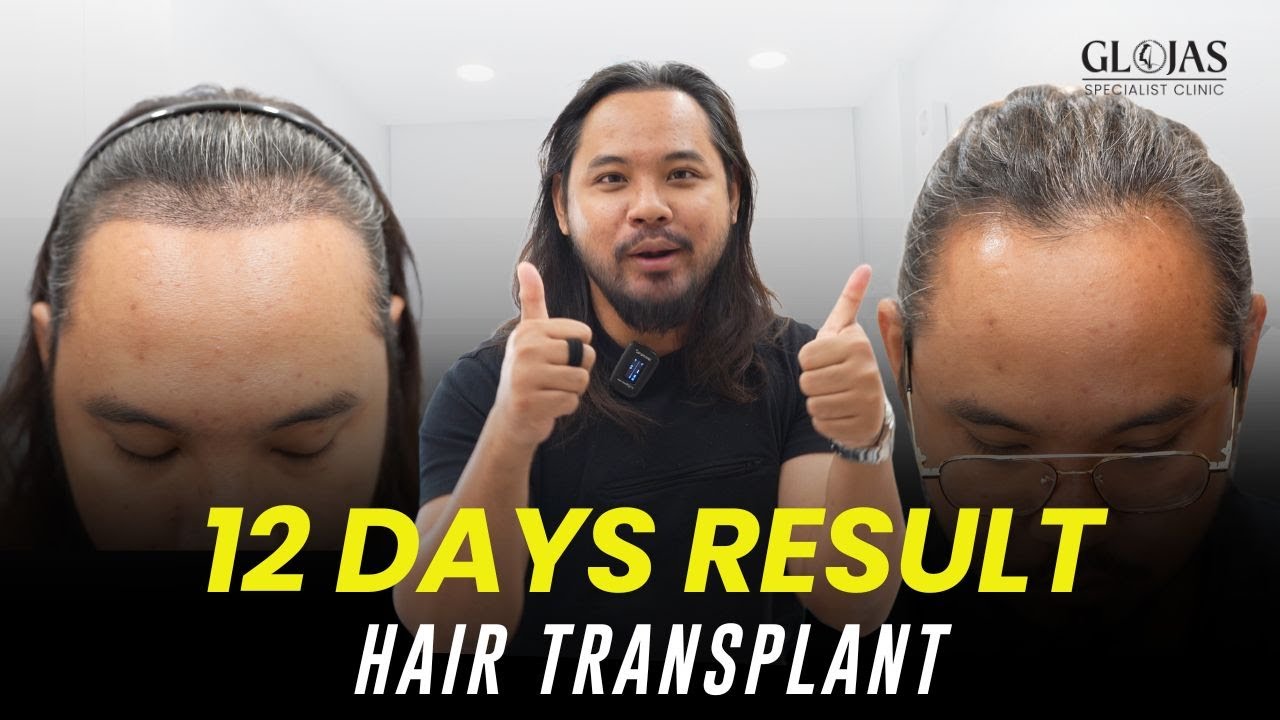
At its heart, a hair transplant is a relocation project. We take hair from where you have plenty (usually the back of your head) and move it to where you’re thinning. Unlike a heart or kidney transplant, you are your own donor, which means there is zero risk of your body rejecting the “new” hair.
Donor Dominance Theory Explained
The secret sauce of this procedure is Donor Dominance. Most hair loss is caused by Androgenetic Alopecia, a genetic sensitivity to the hormone DHT. However, the hair on the back and sides of your scalp is genetically programmed to be resistant to DHT. When moved to the top of the head, these follicles keep those “permanent” traits and continue to grow for a lifetime.
How Hair Follicles Are Extracted
Whether your surgeon uses a tiny punch tool or a scalpel, the goal is the same: harvesting the follicular unit. This isn’t just a single hair; it’s a tiny bundle of 1 to 4 hairs, along with their oil glands, nerves, and small muscles. Keeping this unit intact is vital for survival.
How Implanted Grafts Survive and Grow
Once moved, the graft enters a phase called revascularization. Within the first few days, the scalp’s blood vessels begin to connect with the newly placed follicles, providing the oxygen and nutrients needed for the hair to “take root” and begin its new life.
How FUE Hair Transplant Works
Follicular Unit Extraction (FUE) is the most popular method in Malaysia because it doesn’t involve large stitches or linear scars.
Individual Follicle Extraction Process
The surgeon uses a specialized micro-punch tool (usually less than 1.0mm in diameter) to make a tiny circular incision around a hair graft. This is repeated hundreds or thousands of times. Because the holes are so small, they heal as tiny, invisible dots.
Recipient Channel Creation
Before the hair goes in, the doctor must create “slots” for them. This is where the artistry comes in. The surgeon uses a needle or sapphire blade to determine the depth and density of your new hairline.
Graft Implantation Technique
The extracted grafts are carefully placed into these channels using fine forceps or an implanter pen. According to the International Society of Hair Restoration Surgery, the handling of these grafts is critical, as they are fragile and can easily dry out if not handled with precision.
How FUT Hair Transplant Works
Follicular Unit Transplantation (FUT), or “Strip Surgery,” is the traditional method often used when a patient needs a massive amount of coverage in a single session.
Strip Harvesting Method
Instead of picking individual hairs, the surgeon removes a thin strip of skin from the donor area. The gap is then stitched shut, usually resulting in a very fine linear scar that is easily hidden by surrounding hair.
Microscopic Graft Dissection
The harvested strip is handed over to a team of technicians who use high-powered microscopes to meticulously separate the skin into individual follicular units. This ensures the highest yield of usable hair with minimal wastage.
Implantation Procedure
Once the grafts are prepared, the implantation follows the same logic as FUE—creating channels and placing the hair one by one to ensure a natural look.
Step-by-Step: How a Hair Transplant Works from Start to Finish
Scalp Assessment and Graft Planning
Your journey starts with a consultation. The doctor uses a densitometer to check your donor density and maps out a design. They calculate exactly how many grafts are needed to achieve your goals while keeping the donor area looking natural.
Donor Area Preparation
The area is trimmed (usually quite short for FUE) and a local anesthetic is applied. You’ll be awake, likely watching a movie or chatting with the staff, but you won’t feel a thing on your scalp.
Follicle Extraction
The surgeon harvests the follicles. In Malaysia, clinics often use Sapphire FUE or DHI (Direct Hair Implantation) techniques to minimize trauma to the scalp tissue during this phase.
Site Creation in Bald Areas
The “balding” area is numbed, and the surgeon creates the recipient sites. This is where they decide the direction the hair will grow—mimicking your natural swirl or “cowlick.”
Graft Placement and Angle Control
The final step is the most tedious. Each graft is placed at a specific angle (usually 10 to 45 degrees) to ensure it looks like real hair and not a “doll’s head” plug from the 1980s.
How Hair Transplant Works After Surgery
The surgery is done, but the biology is just getting started.
Immediate Post-Procedure Phase
For the first 48 hours, you’ll have tiny scabs and maybe some swelling. It’s vital to keep the area clean. Most American Academy of Dermatology guidelines suggest avoiding heavy exercise for at least a week to prevent dislodging the grafts.
Shock Loss Mechanism
Don’t panic! About 2 to 6 weeks after surgery, the transplanted hair shafts will fall out. This is called shock loss. The follicle itself is safe and dormant underground; it’s just shedding the old hair to prepare for new growth.
New Hair Growth Cycle
By month 3 or 4, you’ll see fine, “fuzz-like” hairs breaking through the surface. As the National Institutes of Health notes, the hair growth cycle (Anagen phase) takes time to reset after the trauma of surgery.
Permanent Hair Regrowth Process
By month 12, you’ll see the final result. The hair will be thicker, longer, and completely permanent. You can cut it, dye it, and style it just like the rest of your hair because, well, it is your hair.