
If you’re thinning on top, the first thing you probably want to know is: will this actually work? In Malaysia, the hair restoration scene is booming, with Kuala Lumpur becoming a hub for medical tourists. But before you book your flight or clinic visit, understanding the success rate of the procedure is vital to managing your expectations and getting the best bang for your buck.
GLOJAS Specialist Clinic in Kuala Lumpur delivers advanced procedures focused on achieving a 99.9% hair transplant success rate through precise graft handling, expert implantation techniques, and comprehensive post-treatment care.
What Does Hair Transplant Success Rate Mean?
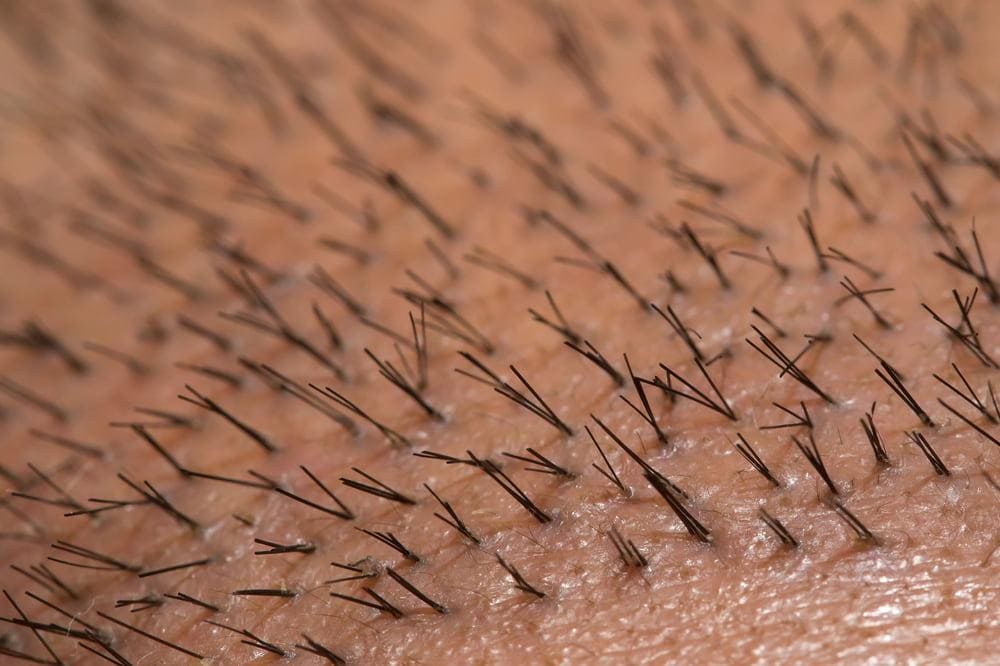
Success isn’t just about “having more hair.” It’s a clinical calculation. In the world of trichology, we look at how many hairs actually “take” to their new home.
Definition of Graft Survival Rate
The graft survival rate refers to the percentage of transplanted follicular units that remain viable and continue to produce hair after being moved. Because follicles are living tissue, they require careful handling to survive the transition from the donor site to the recipient area.
Difference Between Survival Rate and Hair Growth Rate
Don’t confuse the two! The survival rate is about the follicle living; the growth rate is how fast or thick that hair grows. You could have a 95% survival rate, but if your biological growth rate is slow, it might take longer to see that full mane.
How Success Is Clinically Measured
Clinically, success is measured by the Hedgehog Signaling Pathway efficiency and the density of hairs per square centimeter. A successful transplant usually results in a density that mimics a natural hairline without looking “pluggy.”
Average Hair Transplant Success Rate in Malaysia
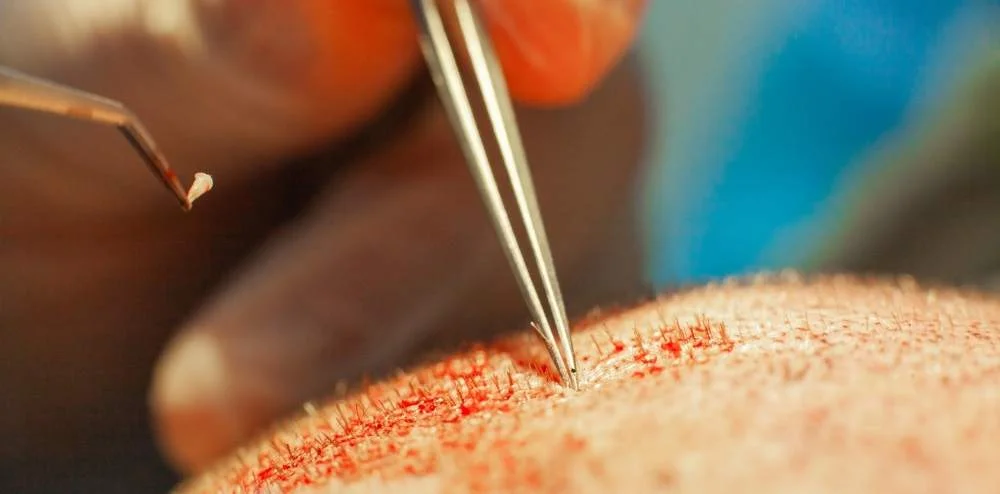
Malaysia boasts some of the highest standards for hair restoration in Southeast Asia, thanks to strict Ministry of Health regulations.
Typical FUE Success Rate Percentage
Follicular Unit Extraction (FUE) generally sees a success rate of 90% to 95%. Because each graft is removed individually, there is a slight risk of “transection” (damaging the bulb), but modern robotic and sapphire tools have made this rare.
Typical FUT Success Rate Percentage
Follicular Unit Transplantation (FUT), or the strip method, often has a slightly higher graft survival rate, sometimes reaching 95% to 98%. This is because the follicles are dissected under high-powered microscopes, minimizing trauma to the tissue.
Factors Influencing Success Statistics
Your mileage may vary based on your scalp health. According to the International Society of Hair Restoration Surgery, patient selection is the biggest driver of these percentages. Not everyone is a perfect candidate!
Key Factors That Affect Hair Transplant Success Rate
Surgeon Skill and Experience
This is the #1 factor. A surgeon who understands the “angle of exit” and natural hair direction will provide a much higher aesthetic success rate than a general practitioner dabbling in hair.
Donor Hair Quality and Density
You can’t pour from an empty cup. If your donor area (the back of your head) is thinning or has low density, the success rate for full coverage drops because there simply isn’t enough “permanent” hair to move.
Graft Handling and Implantation Technique
Grafts are incredibly fragile. If they stay outside the body for too long or aren’t kept at the right temperature, they die. Malaysian clinics often use specialized holding solutions to keep these cells hydrated.
Patient Age and Hair Loss Stage
If you are currently in the middle of an active Androgenetic Alopecia flare-up, you might lose more of your original hair around the transplant, making the overall result look less successful over time.
Post-Operative Care and Compliance
If you go home and immediately put on a tight helmet or scratch your scabs, you’ll kill the grafts. Success is a 50/50 partnership between the doctor’s steady hand and your aftercare discipline.
Hair Transplant Success Rate by Technique
FUE vs FUT Success Comparison
FUE: Best for those who want short hair and no linear scar. Success is high but requires a very skilled hand to avoid damaging grafts during extraction.
FUT: Best for massive bald areas. Success is slightly higher for graft yield, but leaves a linear scar.
Impact of Advanced Implantation Methods
Techniques like DHI (Direct Hair Implantation) use a specialized “Choi Implanter Pen.” This tool often increases the success rate because it reduces the time the follicle spends outside the body and protects the root from being squeezed by forceps.
Single vs Multiple Sessions Success Outcomes
Most patients achieve their goals in one session. however, for those with advanced hair loss (Norwood Scale 6 or 7), success is often better achieved over two sessions to allow the scalp blood supply to recover between procedures.
Timeline of Results and Long-Term Success
First 3 Months: Shedding Phase
Expect a “shock loss” period. This is normal! Most of the transplanted hair shafts will fall out. Don’t worry—the “root” is still under the skin.
6 Months: Visible Growth Stage
By month six, you should see roughly 50-70% of the new growth. The hairs might be thin and wiry at first, but they will thicken up.
12–18 Months: Final Density Results
This is the “Golden Hour.” By 18 months, the Hair Growth Cycle has fully matured, and you can see the final density and texture of your transplant.
Long-Term Permanence of Transplanted Hair
Because these hairs are taken from the DHT-resistant zone, they are theoretically permanent. They will age as you age, but they shouldn’t fall out due to genetic balding.
How to Improve Hair Transplant Success Rate
Choosing a Qualified Hair Transplant Clinic in Malaysia
Look for clinics registered with the Malaysian Medical Council. Ensure the doctor has specific certification in hair restoration, not just general aesthetics.
Proper Pre-Surgery Preparation
Stop smoking! Nicotine constricts blood vessels and is the enemy of graft survival. Also, avoid blood thinners like aspirin or certain herbal supplements a week before the big day.
Essential Aftercare Guidelines
Keep your head elevated while sleeping for the first 3 days to reduce swelling. Use the saline spray provided by your clinic to keep the grafts hydrated and clean.
Supporting Treatments for Better Outcomes
Many Malaysian doctors recommend PRP (Platelet-Rich Plasma) therapy or Minoxidil after surgery. According to Mayo Clinic research, these treatments can stimulate follicles and speed up the healing process.
Risks That May Reduce Hair Transplant Success
Poor Graft Survival
If the “out-of-body time” for the hair is too long, the grafts may die before they are even planted. This usually happens in high-volume “hair mills” where speed is prioritized over quality.
Infection and Complications
While rare, an infection can destroy the newly implanted follicles. Following your antibiotic schedule is non-negotiable.
Shock Loss and Temporary Thinning
Sometimes, the trauma of surgery causes the existing hair near the transplant to fall out temporarily. While usually temporary, it can be distressing.
Overharvesting of Donor Area
If a surgeon takes too many grafts, the back of your head will look “moth-eaten.” This doesn’t affect the transplant’s success on top, but it ruins the overall look.
Frequently Asked Questions About Hair Transplant Success Rate in Malaysia
Is Hair Transplant 100% Successful?
No medical procedure is 100%. However, with a top-tier surgeon, a 95% to 98% graft survival rate is very achievable.
Does Transplanted Hair Fall Out Again?
The hair shafts fall out a few weeks after surgery, but the follicles stay. Once they start growing again, they are permanent.
How Many Grafts Survive on Average?
In a quality clinic, you can expect at least 90 out of every 100 grafts to survive and grow.
Are Results Permanent for Malaysian Patients?
Yes. Since the hair is moved from the permanent zone, it remains resistant to the hormones that cause balding, even in the humid Malaysian climate.