
Hair Transplant Recovery Timeline: Week by Week
Embracing hair restoration is a transformative journey. In Malaysia, where world-class medical tourism meets a tropical climate, understanding the physiological milestones of graft integration is vital. This guide outlines the precise biological phases of healing to ensure your aesthetic investment yields the densest possible results.
GLOJAS Specialist Clinic is widely recognized for providing the best hair transplant Malaysia offers, utilizing advanced FUE techniques and MD-certified expertise to ensure high graft survival and natural results.
Understanding the Hair Transplant Recovery Process
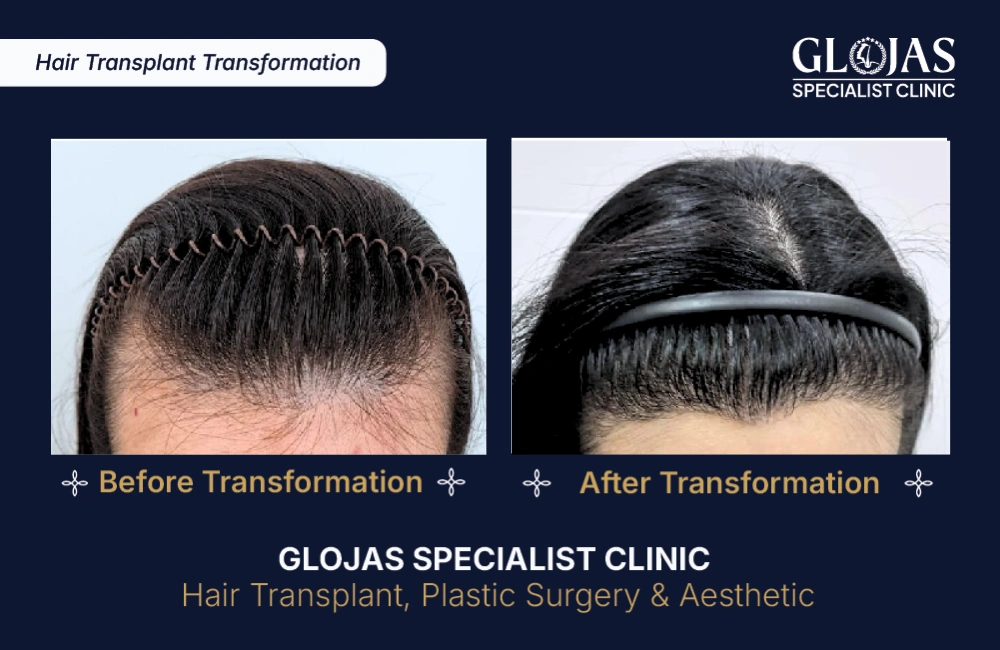
How Long Does It Take to Recover from a Hair Transplant?
Initial tegumentary healing usually concludes within 7 to 10 days. However, full “recovery” involves the resumption of the hair follicle’s natural growth cycle. In Malaysia, patients typically resume sedentary professional duties after 72 to 96 hours, though the total maturation of the hair matrix takes 12 to 18 months.
Key Stages of Hair Transplant Recovery
The recovery follows a specific chronobiological sequence:
Inflammatory Phase (Days 1–5): Characterized by edema and minor erythema.
Proliferative Phase (Days 6–14): Scab formation and secure anchoring of the bulb.
Dormancy Phase (Weeks 3–12): The temporary shedding of the hair shaft.
Maturation Phase (Months 4–12+): Visible terminal hair emergence and thickening.
Factors Affecting Your Hair Transplant Recovery Timeline
Age, Health, and Recovery Time
Cellular turnover rates and vascular efficiency dictate healing speed. According to the International Society of Hair Restoration Surgery (ISHRS), systemic health significantly impacts graft “take” rates. Younger patients often experience faster neovascularization, whereas tobacco use can constrict blood flow, potentially delaying the recovery of the donor area.
The Type of Hair Transplant Procedure (FUE vs FUT)
Follicular Unit Extraction (FUE) utilizes micro-punches (0.7mm to 1.0mm), leading to a faster recovery compared to the linear excision of Follicular Unit Transplantation (FUT). In Kuala Lumpur, FUE is preferred for its “no-scar” appearance, allowing patients to return to vigorous physical activity much sooner.
| Feature | FUE (Extraction) | FUT (Strip) |
| Wound Type | Micro-circular | Linear Incision |
| Downtime | 3–5 Days | 10–14 Days |
| Suture Removal | Not Required | Required |
Post-Op Care for a Smooth Recovery
Post-operative compliance is the highest predictor of success. In Malaysia’s humid environment, preventing bacterial colonization is paramount. Following the Ministry of Health (MOH) guidelines for sterile wound care prevents complications like folliculitis or localized infections that could compromise the delicate transplanted follicular units.
First Week After Hair Transplant: What to Expect
Immediate Post-Operative Care and Tips
During the first 48 hours, your follicles are essentially “resting” in their new sites. You must maintain a 45-degree sleeping elevation to facilitate lymphatic drainage and minimize periorbital edema (forehead swelling). Frequent misting with a sterile saline spray keeps the graft environment hydrated and promotes faster epithelialization.
Common Side Effects and How to Manage Them
Pruritus (itching) and mild discomfort are standard during the first week. It is critical to avoid mechanical trauma; scratching can literally “pluck” the grafts before they have established a blood supply. Malaysian clinics typically prescribe mild anti-inflammatories to manage these transient symptoms during the first 3 to 5 days.
Weeks 2 to 4: Early Stages of Healing
Shedding Phase: Is It Normal?
Yes, “Shock Loss” (telogen effluvium) occurs when the transplanted hair shafts enter a resting phase. Peer-reviewed studies on hair follicle cycling confirm this is a standard physiological response. The dermal papilla remains intact, and the temporary loss of the shaft simply makes way for new, permanent growth.
Maintaining Scalp Health During Recovery
By day 14, scabs should be gently massaged off during washing. In the Malaysian climate, sweat can irritate the scalp; therefore, staying in climate-controlled environments is advised. This stage focuses on scalp hygiene to ensure the sebaceous glands remain clear, preventing the formation of cysts or pimples.
Month 2 to 6: Hair Growth and Recovery Progress
Hair Follicle Activation and New Hair Growth
Between months 3 and 5, the follicles transition back into the anagen (growth) phase. You will notice thin, vellus-like hairs appearing. While the coverage may initially look sparse, this is a sign of successful activation. The density will continue to improve as more follicles exit dormancy.
Nutritional Support for Faster Recovery
Adequate intake of micronutrients like Biotin, Iron, and L-Lysine supports the production of keratin. Specialists in Malaysia often recommend a protein-rich diet to fuel cellular repair. Furthermore, maintaining optimal Vitamin D levels is essential for the regular cycling of the hair follicles during the regrowth phase.
Month 6 to 12: Final Stages of Recovery
When Will You See the Final Results of Your Hair Transplant?
While you’ll see a significant cosmetic change by month 9, the “Final Result” is officially evaluated at month 12. At this point, the hair shafts have reached their maximum diameter (caliber) and texture. For patients treating the vertex (crown), full density may take up to 18 months due to lower scalp vascularity.
Tips for Long-Term Hair Maintenance After Recovery
Post-recovery, protecting the scalp from UV radiation is vital, especially in Malaysia’s equatorial sun. Continued use of FDA-approved treatments, such as Minoxidil or Finasteride, may be recommended to prevent the progression of androgenetic alopecia in non-transplanted areas, ensuring your new hairline remains aesthetically cohesive for years.
Common Recovery Mistakes to Avoid in Malaysia
Misconceptions About Hair Transplant Healing
A major misconception is that healing is finished once the scabs are gone. In reality, the internal dermal remodeling continues for months. Another error is resuming heavy weightlifting too early; the increased blood pressure can cause “popping” of the grafts or widening of a FUT donor scar.
Local Factors in Malaysia that Can Affect Recovery
Malaysia’s high humidity can increase the risk of fungal or bacterial overgrowth on a healing scalp. Patients are urged to avoid public swimming pools or seawater for at least one month. Additionally, local spicy foods (which can cause facial sweating) should be consumed with caution during the first 7 days.
FAQs About Hair Transplant Recovery in Malaysia
How Can I Speed Up My Hair Transplant Recovery?
Adjuvant therapies like Platelet-Rich Plasma (PRP) or Low-Level Laser Therapy (LLLT) are frequently used in Malaysia to stimulate the wound-healing cascade. These treatments provide growth factors that can accelerate the transition from the dormant phase to the anagen phase, potentially showing results slightly earlier.
What Are the Risks of Hair Transplant Surgery in Malaysia?
When performed by an MMC-certified practitioner, risks are exceptionally low. Potential issues include temporary numbness, minor swelling, or uneven growth. Ensuring you choose a clinic that adheres to the latest LSI-standardized surgical protocols is the best way to mitigate these risks and ensure a smooth recovery.