
The Question Is: Is a Hair Transplant Halal Or Not?
Hair loss can affect a person on many levels—emotionally, socially, and even spiritually. It’s no surprise that many Muslims who consider hair transplant surgery also wonder whether the procedure aligns with Islamic teachings. Is a hair transplant halal or haram?
To answer the biggest questions is hair transplant halal or haram, we look at both the medical reality of hair transplantation and the Islamic principles that guide personal care and cosmetic interventions. One of the most helpful references on this topic comes from the Fatwa Committee of the Malaysian Federal Territories (Jabatan Mufti Wilayah Persekutuan), which offers clear guidance rooted in Islamic jurisprudence.
What Exactly Is a Hair Transplant?
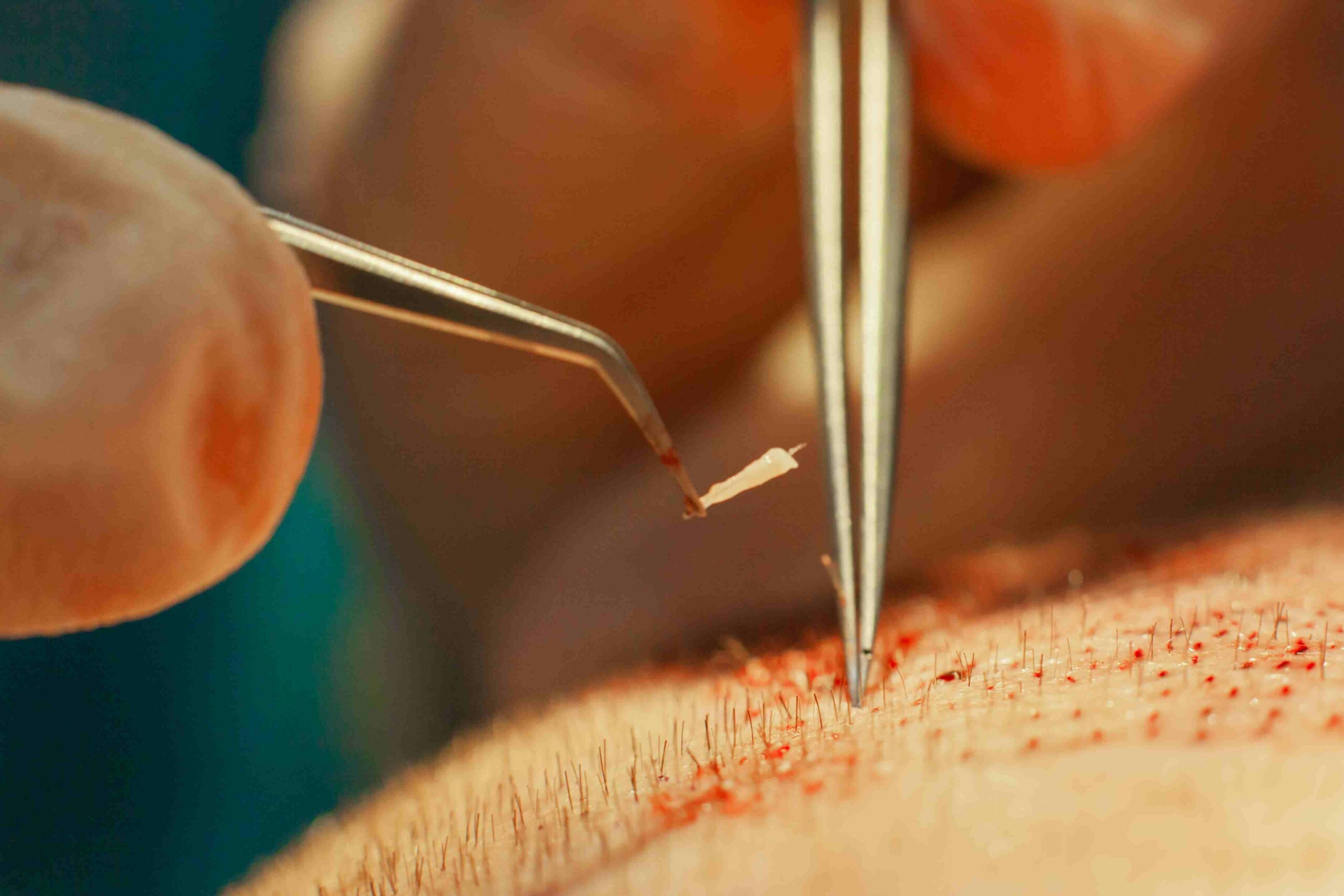
A hair transplant is a medical procedure, not a cosmetic trick. It involves moving healthy hair follicles from one area of the scalp to another area that has thinned or gone bald. Doctors commonly use two techniques:
1. Follicular Unit Transplantation (FUT)
A small strip of scalp is removed, and the follicles are divided into tiny units before being transplanted into the thinning area.
2. Follicular Unit Extraction (FUE)
Individual hair follicles are extracted one by one and then implanted into the bald spots.
Both methods aim to restore natural hair growth, often helping individuals regain confidence—especially those whose hair loss stems from genetics, illness, stress, or medical conditions.
How Islam Views Body Alteration
Islam encourages believers to take care of their bodies, but it also warns against unnecessary alterations that change Allah’s creation purely for vanity.
Several guiding principles are relevant here:
1. Changing the Creation of Allah
Altering the body out of dissatisfaction or for show is discouraged. This is why some cosmetic procedures fall into the haram category.
2. Differentiating Necessity from Vanity
Scholars generally permit treatments that:
restore normal function,
treat a medical or psychological need, or
repair damage caused by illness or injury.
But procedures done solely to “enhance beauty” without a valid reason may be questionable.
So, Is Hair Transplantation Halal?
According to the fatwa issued by the Jabatan Mufti Wilayah Persekutuan (Irsyad al-Fatwa Series 694):
✔ Using Natural Hair Is Permissible (Halal)
Transplanting your own hair—or, where permissible, donor hair—is considered restorative treatment, not an alteration of Allah’s creation.
It’s similar to medical reconstruction rather than cosmetic beautification.
✘ Using Synthetic or Artificial Hair Is Not Permissible
Artificial hair, including wigs or synthetic implants, is considered haram because:
it is not natural,
it may mislead others about a person’s appearance,
and it falls under the category of prohibited cosmetic deception.
✔ Intention (Niyyah) Plays a Central Role
If the goal of the transplant is:
to restore confidence,
to treat psychological distress,
or to correct a condition that affects daily life,
…then scholars generally classify the procedure as allowed.
If the intention is purely vanity or self-display, the ruling may differ.
✔ Medical Necessity Is Recognized in Islam
If hair loss causes emotional or mental distress, seeking treatment is fully acceptable—just like treating any other health condition. Islam values well-being of both the body and the heart.
Final Verdict: Halal or Haram?
In summary, a hair transplant is halal when:
Natural hair is used (your own or a permissible donor).
The intention is restorative, not purely cosmetic.
The method does not involve misleading artificial hair.
Muslims considering this procedure should consult knowledgeable scholars or trusted medical professionals if they have personal concerns. Islam always encourages seeking clarity before making important decisions—especially those involving one’s body.
Conclusion
Islam teaches balance: caring for your body while embracing the natural form Allah has given you. Hair transplantation, when done for valid reasons and using natural hair, fits within that balance. With the right intention and proper guidance, it can be a positive, permissible step toward emotional and physical well-being.
If you’re struggling with hair loss, know that seeking treatment isn’t a sign of weakness—it’s part of caring for yourself, with gratitude and responsibility.
At GLOJAS Specialist Clinic, hair restoration is performed by qualified medical professionals who combine advanced transplant techniques with ethical, evidence-based care. Our specialists ensure every procedure aligns with both medical best practices and Islamic guidance, offering patients safe, trustworthy, and halal-compliant treatment options.
If you’re looking for hair transplant malaysia, do visit us in Kuala Lumpur, Malaysia.