

Considering body contouring to remove stubborn fat? While the procedure is a highly effective way to refine your silhouette, understanding the potential liposuction side effects is essential for a safe journey. In 2026, enhanced regulations ensure that only qualified practitioners use approved technology, but patient awareness remains the first line of defense.
What Are the Common Liposuction Side Effects?
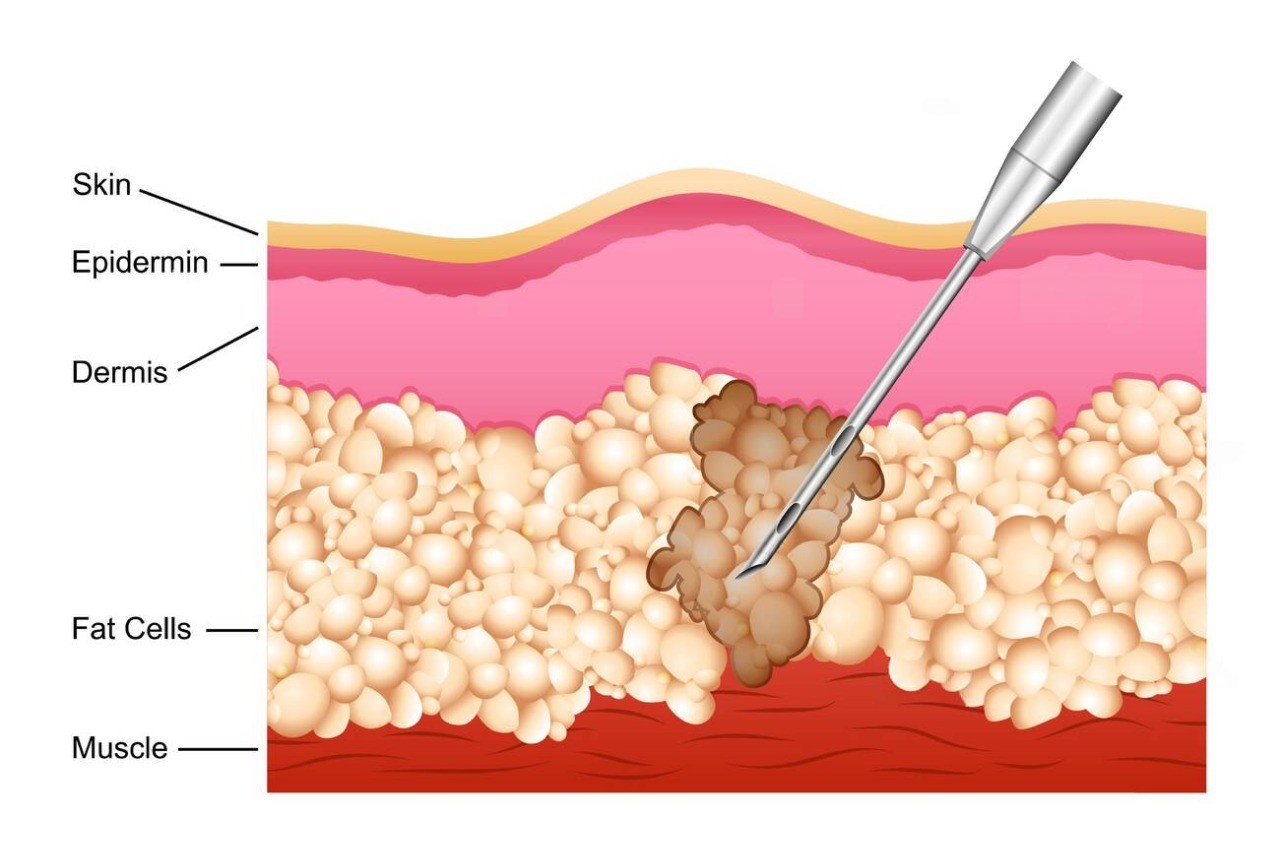
Most patients experience standard physiological responses as the body heals from the surgical disruption of adipose tissue. These are typically manageable and expected parts of the inflammatory phase following fat removal surgery.
Swelling and Bruising After Liposuction
Post-operative edema (swelling) and bruising are the most frequent immediate reactions. These occur because the cannula disrupts small blood vessels during fat extraction. While most bruising fades within 2 to 3 weeks, residual swelling can linger as your lymphatic system recalibrates.
Pain and Discomfort During Recovery
Expect a sensation similar to intense muscle soreness after a heavy workout. This discomfort usually peaks within the first 48 to 72 hours. Most surgeons prescribe a combination of analgesics and anti-inflammatories to manage the surgical recovery window comfortably.
Temporary Numbness or Tingling
Nerve irritation is common, leading to temporary numbness or a “pins and needles” sensation (paresthesia) in the treated area. According to clinical data, sensation typically returns gradually over 2 to 6 months as the microscopic nerve endings regenerate after the lipoplasty.
Early vs Late Liposuction Side Effects
Timing is everything when monitoring your body sculpting progress. Distinguishing between normal early healing and delayed complications helps you stay proactive about your health.
Immediate Post-Procedure Reactions
In the first few days, you may notice fluid drainage from incision sites. This is a normal part of the tumescent technique used to minimize blood loss. You might also feel slightly groggy if general anesthesia was administered during the cosmetic surgery.
Long-Term or Delayed Complications
Late side effects can appear weeks or months later. These might include persistent hardness in the tissue or changes in skin pigmentation. While most resolve with massage, some may require professional lymphatic drainage therapy to smooth out internal healing.
Rare but Serious Liposuction Risks
While rare when performed by experts, being aware of serious surgical risks is vital for informed consent. Modern safety protocols in Malaysia have significantly reduced these occurrences.
Infection and Fluid Accumulation
Any surgery carries an infection risk. Surgeons typically provide prophylactic antibiotics. Another rare issue is a seroma, where sterile fluid collects under the skin; if this happens, your doctor may need to drain it with a simple needle aspiration.
Irregular Skin Contours or Lumps
Uneven fat removal or poor skin elasticity can lead to a “wavy” or “lumpy” appearance. This is often mitigated by using advanced technologies like VASER or Laser-assisted lipolysis, which offer more precision than traditional suction-assisted liposuction.
Blood Clots and Anesthesia Risks
Deep Vein Thrombosis (DVT) is a serious risk for any major surgery. To prevent this, clinics emphasize early mobilization—walking gently within hours of surgery—to maintain healthy blood flow and prevent clots from forming.
Factors That Increase Liposuction Side Effects
Not every patient experiences the same side effect profile. Several variables influence how your body reacts to the fat reduction process.
Surgeon Experience and Technique
The skill of your doctor is the biggest safety factor. In Malaysia, only credentialed and privileged plastic surgeons should perform these invasive procedures. An experienced hand ensures smoother contours and reduces tissue trauma.
Patient Health and Lifestyle Factors
Your baseline health dictates your recovery speed. Factors like smoking, uncontrolled diabetes, or poor skin elasticity significantly increase the risk of delayed healing or skin necrosis. Surgeons usually require a stable BMI and a tobacco-free window.
Treatment Area and Fat Volume
Removing larger volumes of fat (approaching the 5-liter safety limit) increases the physiological strain on your body. Larger areas like the abdomen or back typically experience more significant swelling compared to smaller zones like the chin.
How to Minimize Liposuction Side Effects
You play a starring role in your own recovery. Following a strict post-operative protocol can dramatically reduce the duration and intensity of side effects.
Choosing a Qualified Plastic Surgeon in Malaysia
Verify that your doctor is registered with the Malaysian Medical Council (MMC). Choosing a board-certified member of professional bodies ensures they adhere to strict safety standards and have the specialized training necessary to handle any complications.
Following Post-Operative Care Instructions
Stay Hydrated: Drink plenty of water to help flush out residual fluids.
Avoid Salt: High sodium intake can worsen swelling and fluid retention.
Gentle Movement: Short walks prevent blood clots without straining incisions.
Keep Sites Clean: Follow specific wound care to prevent bacterial infection.
Wearing Compression Garments Properly
Wearing your medical-grade compression garment is non-negotiable. It provides the necessary pressure to reduce swelling, supports the newly contoured tissues, and helps the skin “re-drape” smoothly over your smaller frame.
Liposuction Safety in Malaysia
Malaysia’s aesthetic industry is strictly regulated to protect patients. The Private Healthcare Facilities and Services Act mandates that clinics meet specific sterilization and emergency equipment standards.
Medical Standards and Clinic Accreditation
Accredited facilities undergo regular inspections to ensure their operating theaters meet surgical standards. Always choose a clinic that prioritizes patient safety over low prices, as “budget” procedures often skip essential safety steps.
Importance of Consultation Before Surgery
A thorough pre-surgical screening is your best defense against side effects. Your surgeon should review your medical history, perform blood tests, and set realistic expectations. This transparent dialogue ensures you are a suitable candidate for body contouring.
Recovery Timeline After Liposuction
Healing is a journey, not a race. Here is what a typical recovery looks like for most healthy patients in Malaysia.
Week-by-Week Healing Process
| Timeline | What to Expect |
| Week 1 | Peak swelling and bruising; return to light desk work. |
| Week 2-3 | Bruising fades; most acute pain subsides; light walking encouraged. |
| Week 4-6 | Garment usually removed; resume moderate exercise; results visible. |
| Month 6+ | Final contours settle; residual internal swelling fully resolves. |
When Side Effects Typically Subside
Most visible side effects resolve within 4 to 6 weeks. However, tissue “remodeling” continues beneath the surface for up to a year. Patience is key to seeing the final, polished result of your aesthetic procedure.
When to Seek Medical Attention After Liposuction
While most recovery journeys are smooth, you must know the “red flags” that require immediate professional intervention.
Warning Signs of Complications
Contact your surgical team immediately if you experience a fever over 38°C, sudden shortness of breath, or excessive heat and redness at the incision site. These could be signs of infection or more serious systemic issues like a fat embolism.
Follow-Up Care with Your Surgeon
Never skip your scheduled follow-up appointments. These visits allow your surgeon to monitor your healing, check for contour irregularities, and ensure you are on track for a successful outcome. Expert guidance is the best way to navigate any liposuction side effects safely.